
Tiahuanaco's Cosmic Order: The Beliefs that Shaped a Civilization

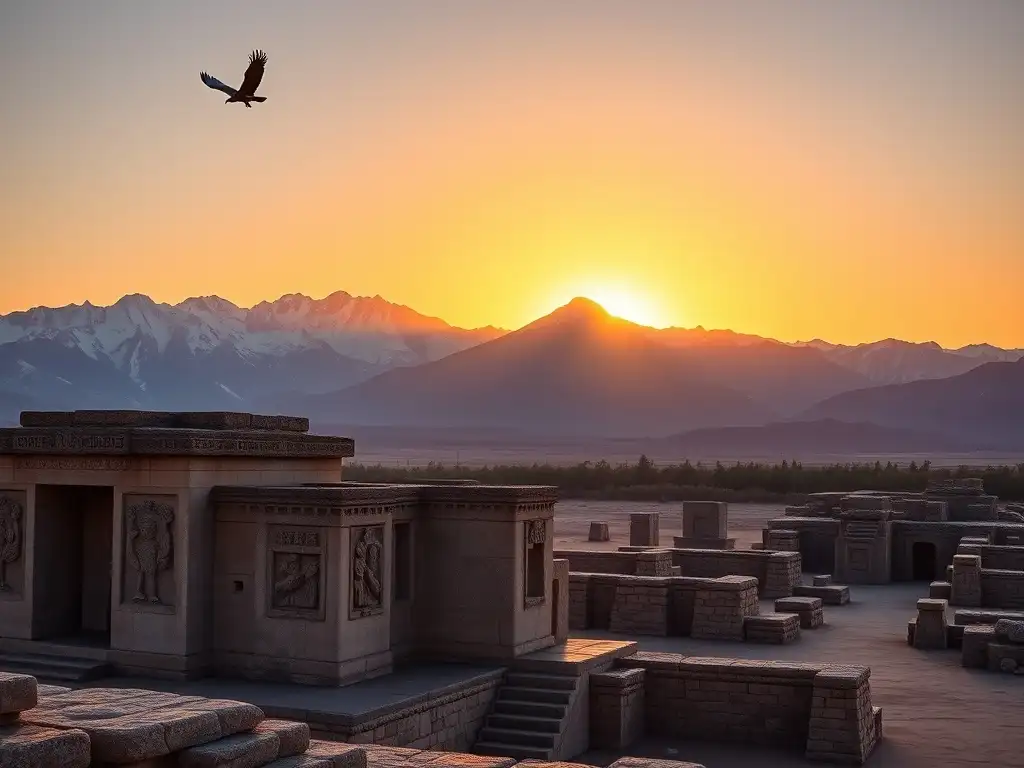
Step into a world lost to time, yet echoing with the whispers of a powerful civilization. Prepare to unravel the mysteries of the Andes, where soaring mountains held secrets as vast as the cosmos itself. This journey begins with Tiahuanaco, a civilization whose awe-inspiring achievements were shaped by a complex and fascinating cosmology. Discover the intricate web of Tiahuanaco beliefs and cosmology – a captivating glimpse into a world where the celestial and terrestrial realms intertwined. Dare to delve deeper and uncover the truths hidden within the stones…
- Tiahuanaco's Cosmic Order: Unveiling the Beliefs that Shaped a Civilization
- Understanding Tiahuanaco Cosmology and Worldview
- The Role of Deities in Tiahuanaco Religion
- Tiahuanaco Ritual Practices and Ceremonies
- The Influence of Tiahuanaco Beliefs on Art and Architecture
- Tiahuanaco's Beliefs and Their Impact on Society
- Tiahuanaco's Spiritual Legacy: Insights into Andean Beliefs
-
Frequently Asked Questions
- What was the most important aspect of Tiahuanaco's belief system?
- How did Tiahuanaco's cosmology influence their architecture?
- What role did the gods play in Tiahuanaco's beliefs?
- What evidence supports our understanding of Tiahuanaco's beliefs?
- How did Tiahuanaco's beliefs compare to other Andean civilizations?
- Final Reflection: Echoes of the Andes: Tiahuanaco's Enduring Legacy
- Uncover Your Cosmic Connection with Tiahuanaco!
Tiahuanaco's Cosmic Order: Unveiling the Beliefs that Shaped a Civilization
The enigmatic civilization of Tiahuanaco, flourishing in the Andean highlands between 500 and 1000 CE, left behind a legacy of monumental architecture and intricate artistry that continues to fascinate and inspire researchers today. Beyond the impressive stone structures and sophisticated irrigation systems, however, lies a complex cosmology and belief system that profoundly shaped Tiahuanaco society, influencing its social structure, artistic expression, and even its agricultural practices.
This exploration delves into the heart of Tiahuanaco's spiritual world, examining the evidence that reveals their understanding of the cosmos and its impact on their daily lives. Understanding Tiahuanaco's beliefs and cosmology is key to comprehending the remarkable achievements and enduring mystery of this influential Andean civilization.
We will explore the evidence suggesting a deep connection to the celestial bodies, the veneration of specific deities, and the intricate symbolism woven into their art and architecture, shedding light on the worldview that underpinned this remarkable culture.
The Celestial Influence: Sun, Stars, and the Andean Cosmos
Tiahuanaco's cosmology was deeply intertwined with the celestial world. Evidence suggests a sophisticated understanding of astronomical cycles, with architectural alignments possibly reflecting observations of solstices and equinoxes. The precise positioning of structures like the Kalasasaya complex may have served not only as ceremonial centers but also as astronomical observatories, reflecting a keen interest in the movements of the sun, moon, and stars.
Further research is needed to definitively correlate specific architectural features with celestial events, but the existing evidence strongly suggests a significant link between the cosmos and the design of Tiahuanaco's urban center. This celestial orientation likely played a crucial role in their agricultural practices, allowing for accurate predictions of planting and harvesting seasons, vital for survival in the challenging Andean environment. Furthermore, the cyclical nature of the cosmos may have influenced their understanding of life, death, and rebirth, themes frequently reflected in their iconography.
Deities and Symbolism: Interpreting the Iconography of Tiahuanaco
The iconography of Tiahuanaco is rich with symbolic representations of deities and mythical beings. While definitive interpretations remain a subject of ongoing scholarly debate, recurring motifs suggest a pantheon of powerful figures associated with various aspects of the natural world. The frequently depicted "Wiracocha" figure, often portrayed with a staff and a stern expression, is commonly interpreted as a creator god or a supreme deity. Other figures, often depicted with feline features or bird-like attributes, suggest a connection to the animal kingdom and its symbolic meanings within their cosmology. The intricate carvings on the numerous monoliths and artifacts showcase a sophisticated understanding of symbolism, with recurring patterns and motifs likely representing specific beliefs or rituals. Understanding the symbolism is crucial to unraveling the complexities of their religious practices and their understanding of the cosmos. The use of specific colors, materials, and poses further enhances the complexity of the iconographic language.
Ritual and Ceremony: Connecting the Terrestrial and Celestial Realms
The monumental architecture of Tiahuanaco served not only as a testament to their engineering prowess but also as a focal point for ritual and ceremonial activities. The Kalasasaya complex, with its massive stone blocks and intricately carved monoliths, likely hosted significant religious ceremonies aimed at connecting the terrestrial and celestial realms. Evidence suggests the use of offerings and sacrifices, potentially to appease deities or ensure the fertility of the land.
The presence of water features within the complex may also indicate a symbolic connection to the life-giving properties of water, a crucial element in the Andean environment. Further research into the chemical composition of soils around these sites could potentially reveal remnants of offerings or ritual practices.
The scale of the structures themselves suggests the importance of these rituals within the social and political structure of Tiahuanaco society, underscoring the central role of religion in their daily lives. Detailed studies of the artifacts found within these sites are vital for a better understanding of the nature and purpose of these rituals.
Understanding Tiahuanaco Cosmology and Worldview
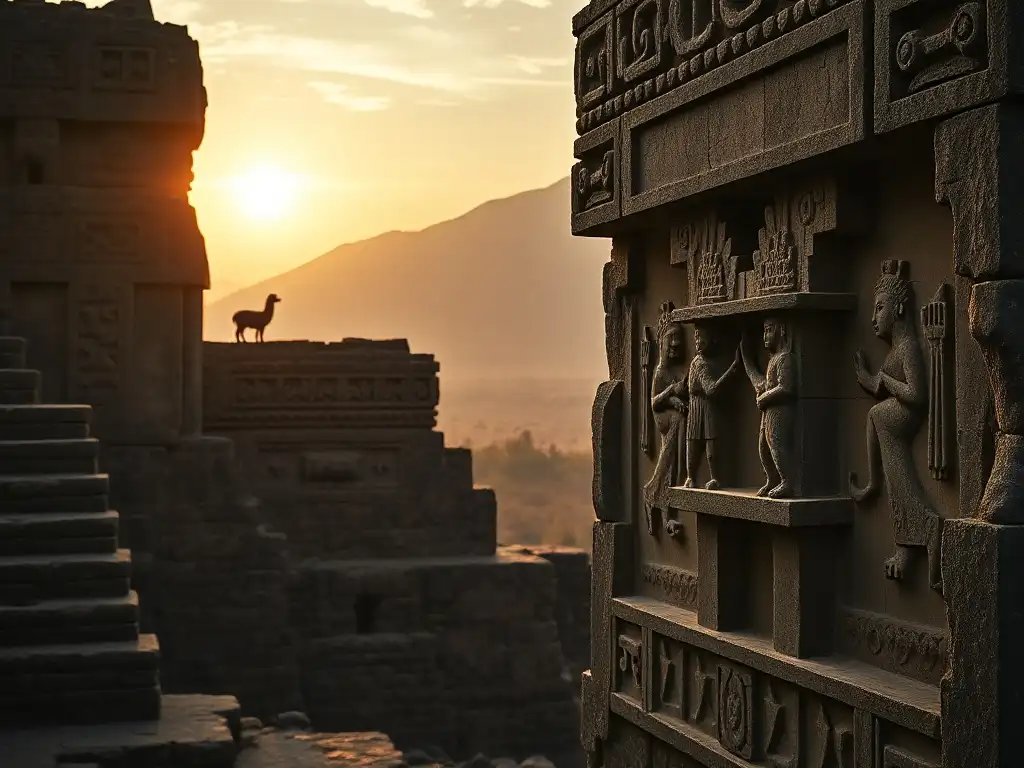
The intricate and awe-inspiring ruins of Tiahuanaco whisper tales of a civilization deeply connected to the cosmos. Understanding Tiahuanaco's beliefs and cosmology requires moving beyond simply observing the monumental architecture and delving into the interwoven threads of religious practices, societal structures, and their perception of the universe. This complex worldview, reflected in their art, architecture, and ritual objects, offers a fascinating glimpse into the spiritual landscape of this powerful Andean civilization.
Scholars continue to unravel the mysteries surrounding Tiahuanaco's cosmology, piecing together evidence from archaeological finds and interpreting their symbolic representations. The sophisticated nature of their astronomical knowledge and the symbolic significance imbued in their artifacts point towards a deeply developed and complex belief system. The interpretation of these symbols and their relationship to the cosmos remains a vibrant area of ongoing research, constantly refining our understanding of Tiahuanaco beliefs and cosmology.
The Significance of Tiahuanaco Religious Beliefs
Tiahuanaco's religious beliefs were central to their societal structure and daily life. Religion wasn't a separate entity but rather a pervasive force shaping their worldview, influencing their agricultural practices, political organization, and artistic expressions. Evidence suggests a strong emphasis on ancestor veneration, with rituals and offerings likely performed to appease and honor deceased leaders and ancestors.
This reverence for ancestors, combined with their profound understanding of astronomical cycles, suggests a belief system that integrated the earthly and celestial realms. The intricate carvings found on many artifacts, often depicting deities, mythical beings, and symbolic representations of the cosmos, further emphasize the importance of religion in Tiahuanaco society. Furthermore, the monumental architecture itself, such as the iconic Sun Gate, served not only as practical structures but also as powerful religious symbols, reflecting their cosmological beliefs and reinforcing their social hierarchy.
Archaeological findings, including human remains discovered in ritual contexts, provide further insight into the practices and beliefs of this ancient civilization. Analyzing the burial rites and associated grave goods offers clues to their understanding of life, death, and the afterlife.
The Tiahuanaco Perception of the Universe
The Tiahuanaco people held a sophisticated understanding of the universe, evidenced by their advanced astronomical knowledge and the symbolic representations found throughout their art and architecture. Their worldview likely encompassed a complex interplay of earthly and celestial elements, with deities and mythical beings inhabiting both realms. The Sun, Moon, and stars played significant roles in their cosmology, influencing their agricultural cycles and religious practices.
The precise alignment of many structures with astronomical events suggests a deliberate attempt to integrate their built environment with the celestial sphere. For example, the orientation of the Sun Gate, its intricate carvings, and its potential alignment with solstices and equinoxes, strongly suggests a deep understanding of astronomical cycles and their importance in their religious calendar.
This intricate connection between the terrestrial and celestial reinforces the idea that the Tiahuanaco civilization's beliefs and cosmology were inextricably linked, shaping their society and worldview. Further research is needed to fully understand the nuances of their cosmic map and their understanding of the universe's structure.
Key Concepts in Tiahuanaco Cosmological Thought
Several key concepts appear repeatedly in the archaeological record, suggesting core tenets within Tiahuanaco cosmological thought. These include:
- The duality of opposing forces: Evidence suggests a belief in complementary opposing forces, such as light and darkness, male and female, life and death. This duality is frequently represented in their art through paired figures and contrasting symbols.
- The importance of water: Water played a crucial role in their agricultural practices and religious beliefs. Many carvings depict water deities and aquatic symbols, highlighting the life-giving properties of water and its significance in their worldview.
- The veneration of deities: Numerous artifacts depict various deities, each potentially representing specific aspects of the cosmos or natural forces. The identification and interpretation of these deities remain an ongoing area of research.
- The concept of a cyclical time: The precise astronomical alignments of structures suggest a belief in cyclical time, with recurring cycles of creation and destruction, mirroring the natural world's seasonal changes.
The study of Tiahuanaco beliefs and cosmology offers a unique opportunity to explore a complex and fascinating worldview. While much remains unknown, the available evidence provides a captivating glimpse into the spiritual landscape of this influential Andean civilization, showcasing their remarkable achievements in astronomy, art, and religious practices. Further research and interdisciplinary collaboration are crucial for a more complete understanding of this ancient civilization's rich spiritual heritage.
The Role of Deities in Tiahuanaco Religion
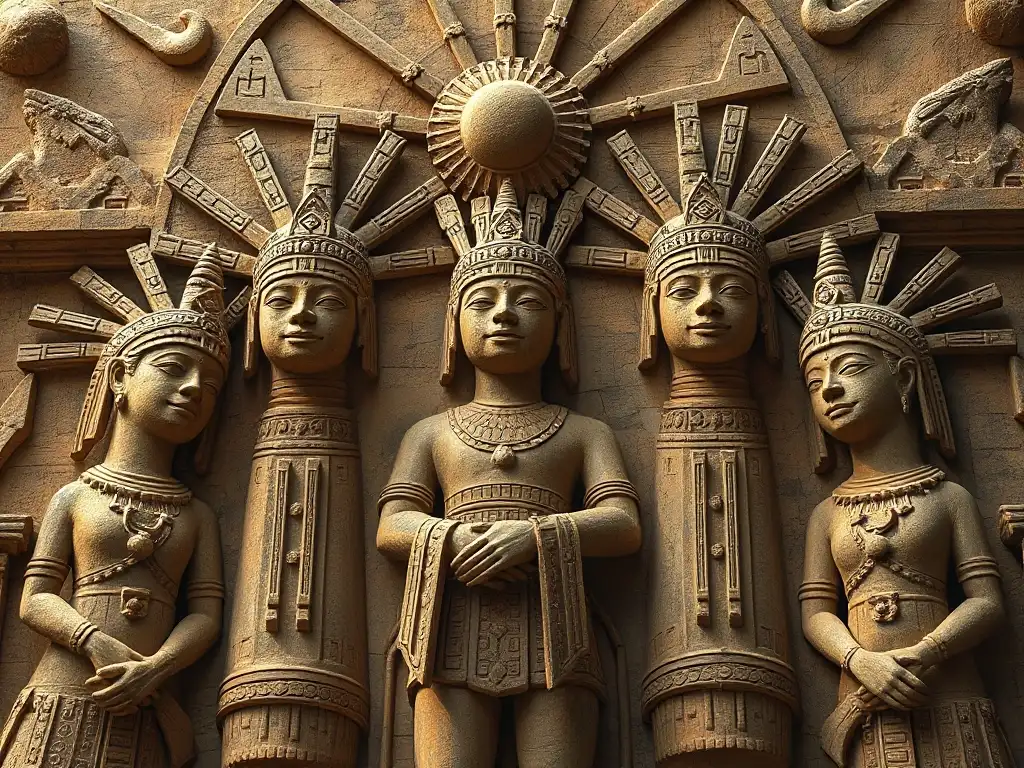
The religious beliefs of Tiahuanaco, a pre-Columbian civilization that flourished in the Andes, were deeply intertwined with their cosmology and worldview. Their pantheon of deities, while not fully understood due to the limited surviving textual evidence, reveals a complex system of beliefs centered around a supreme creator god and a host of other powerful beings associated with nature, celestial bodies, and fertility. Understanding the role of these deities is crucial to deciphering the meaning behind Tiahuanaco's monumental architecture, intricate iconography, and elaborate rituals.
The study of Tiahuanaco beliefs and cosmology helps us understand the sophisticated spiritual landscape of this influential Andean civilization. Archaeological findings, coupled with anthropological interpretations, offer glimpses into their rich spiritual world.
Wiracocha: The Supreme Creator God in Tiahuanaco
Wiracocha, meaning "foam of the sea" in Quechua, is widely considered the supreme creator god in the Andean region, and his influence is strongly evident in Tiahuanaco's religious practices. While depictions of Wiracocha vary across different Andean cultures, in Tiahuanaco, he is often represented anthropomorphically, sometimes depicted with a staff and wearing a headdress. He is believed to have created the world, the sun, the moon, and humanity.
His creation myth likely involved a process of emergence from the waters, a recurring theme in Andean creation narratives. The prominence of water imagery in Tiahuanaco's architecture and iconography further supports the association of Wiracocha with this life-giving element.
The emphasis on Wiracocha underscores the importance of a powerful, all-encompassing deity in the Tiahuanaco worldview, a deity responsible for the cosmic order and the well-being of the civilization. Further research is needed to fully understand the nuances of Wiracocha's portrayal and worship in Tiahuanaco specifically, as interpretations vary among scholars.
The Sun God and its Importance in Tiahuanaco Rituals
The sun god held a significant position in Tiahuanaco's pantheon, reflecting the importance of solar energy and the agricultural cycle for the civilization's survival. The sun's power was likely associated with fertility, prosperity, and the overall health of the community. Many Tiahuanaco artifacts, including ceramics and textiles, depict solar imagery, suggesting its central role in their religious practices.
Rituals and ceremonies, possibly linked to the solstices and equinoxes, may have been performed to honor the sun god and ensure a bountiful harvest. The precise nature of these rituals remains largely unknown, but evidence suggests that they involved offerings, processions, and possibly human sacrifice, although the extent of human sacrifice in Tiahuanaco is still a subject of ongoing debate among archaeologists.
The intense focus on the sun god, as evidenced in the artifacts and architectural alignments, highlights the crucial role of solar worship in the Tiahuanaco belief system. Further investigation into the astronomical alignments of Tiahuanaco structures could provide additional insights into the precise nature of their solar rituals.
The Importance of the Gateway God in Tiahuanaco Religion
The "Gateway of the Sun," a monumental stone structure found at Tiahuanaco, features a central figure often interpreted as a deity, sometimes referred to as the "Gateway God." This figure, often depicted with a headdress and possibly a staff, is surrounded by intricate carvings depicting other deities and celestial bodies. The Gateway God’s significance remains a subject of ongoing scholarly debate.
Some scholars suggest that the figure represents a powerful deity linked to the cosmos and the cyclical nature of time. Others propose that it may represent a ruler or a deified ancestor. The elaborate carvings surrounding the central figure suggest a complex interplay of deities and cosmological forces, reflecting the sophisticated theological understanding of the Tiahuanaco people.
The Gateway's orientation and the astronomical alignments of its carvings might have played a role in religious observances, although this requires further investigation. The Gateway God, therefore, represents a potent symbol of Tiahuanaco's religious beliefs and cosmology, a symbol worthy of further study and interpretation, especially considering its central location within the site.
Tiahuanaco Ritual Practices and Ceremonies
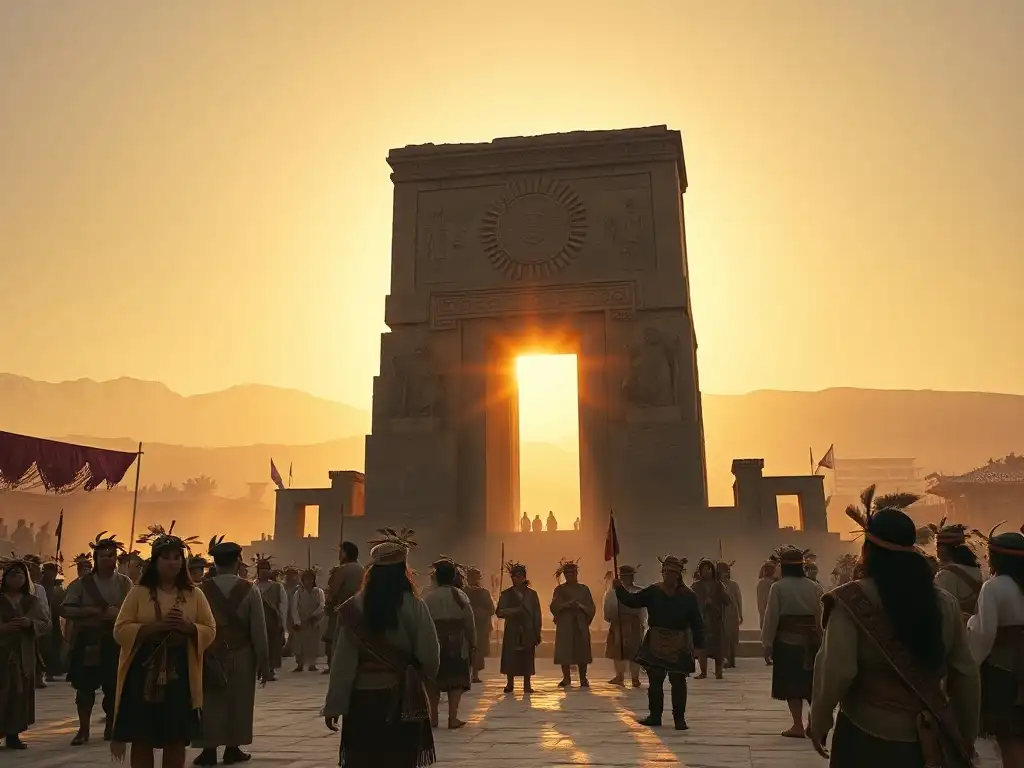
The intricate religious beliefs of Tiahuanaco profoundly impacted their daily lives, manifesting in elaborate ritual practices and ceremonies. Understanding these rituals offers a crucial window into their cosmology and worldview, revealing a society deeply connected to the perceived cosmic order. The evidence suggests a complex system of rituals, varying in scale and purpose, all aimed at maintaining harmony between the earthly and spiritual realms. This section delves into the key aspects of Tiahuanaco's ritual life, focusing on sacrifice, ceremonial centers, and offerings to their deities.
The Importance of Sacrifice in Tiahuanaco Religious Life
Sacrifice, a cornerstone of Tiahuanaco religious life, wasn't merely a violent act but a deeply symbolic offering intended to appease and honor the gods, ensuring the prosperity and well-being of the community. Archaeological evidence points towards both human and animal sacrifices. While the exact nature and frequency of human sacrifice remain debated among scholars, the discovery of skeletal remains in ritual contexts strongly suggests its prevalence. These sacrifices weren't random acts; they were carefully orchestrated events, likely tied to specific agricultural cycles, astronomical events, or moments of crisis.
The types of animal sacrifices varied, likely reflecting the importance of certain species within their agricultural and symbolic systems. Llama remains are frequently found in association with ritual sites, suggesting their significant role in these ceremonies. The precise manner of sacrifice, the preparation of offerings, and the associated rituals remain largely unknown, requiring further research and analysis of the available archaeological data.
The discovery of new sites and the application of advanced scientific techniques could significantly enhance our understanding of this critical aspect of Tiahuanaco's religious system. It's crucial to approach the topic of sacrifice with sensitivity and awareness of the ethical implications involved in interpreting such evidence.
Tiahuanaco Ceremonial Centers and Their Cosmic Significance
Tiahuanaco's ceremonial centers weren't simply places of worship; they were meticulously designed spaces reflecting their cosmic worldview. The most prominent example, the Kalasasaya complex, exhibits a sophisticated astronomical alignment, suggesting a deep understanding of celestial movements and their influence on earthly affairs. The placement of structures, the orientation of doorways, and the intricate carvings on monumental stones all contributed to a symbolic representation of the cosmos.
For instance, the Gateway of the Sun, a masterpiece of Tiahuanaco artistry, is believed to depict a complex cosmological narrative, potentially representing the creator god Viracocha and other important deities. Its intricate carvings, featuring stylized figures and symbols, continue to fascinate researchers, offering tantalizing clues about their beliefs and mythology. The precise meaning of these symbols remains a topic of ongoing scholarly debate, necessitating further research and interdisciplinary collaboration.
Other ceremonial centers, such as the Akapana pyramid, also played crucial roles in their ritual practices. The complex internal structure of the Akapana, with its intricate network of chambers and water channels, likely served as a focal point for ceremonies and rituals related to water management and agricultural fertility. The significance of water in Tiahuanaco's cosmology is undeniable, highlighting the importance of maintaining a harmonious relationship with the natural world.
Rituals and Offerings to Honor the Gods in Tiahuanaco
The Tiahuanaco people performed various rituals to honor their pantheon of gods, reflecting a belief system that emphasized reciprocal relationships between humans and the divine. These rituals involved elaborate offerings, including precious metals, ceramics, textiles, and food. The quality and quantity of offerings likely reflected the importance of the deity and the nature of the request. For example, offerings found at Akapana suggest a focus on deities associated with fertility and abundance, while offerings discovered at other sites might indicate a connection to other divine forces.
The nature of these offerings suggests a complex understanding of the relationship between the material and spiritual worlds. The careful selection and placement of offerings indicate a deliberate attempt to create a connection between the earthly realm and the spiritual world, ensuring the favor and protection of the gods. The discovery of intricately crafted objects within these offerings also suggests the importance of artistry and craftsmanship within their religious practices. Further investigation into the iconography and symbolism present in these offerings could unlock a deeper understanding of Tiahuanaco's religious beliefs and their complex interactions with the supernatural.
The study of Tiahuanaco beliefs and cosmology continues to unveil new insights into this remarkable civilization, revealing a society deeply connected to the cosmos and its intricate web of spiritual forces. The ongoing research promises to further illuminate the rich tapestry of Tiahuanaco's religious practices and their profound impact on their social and political structures.
The Influence of Tiahuanaco Beliefs on Art and Architecture
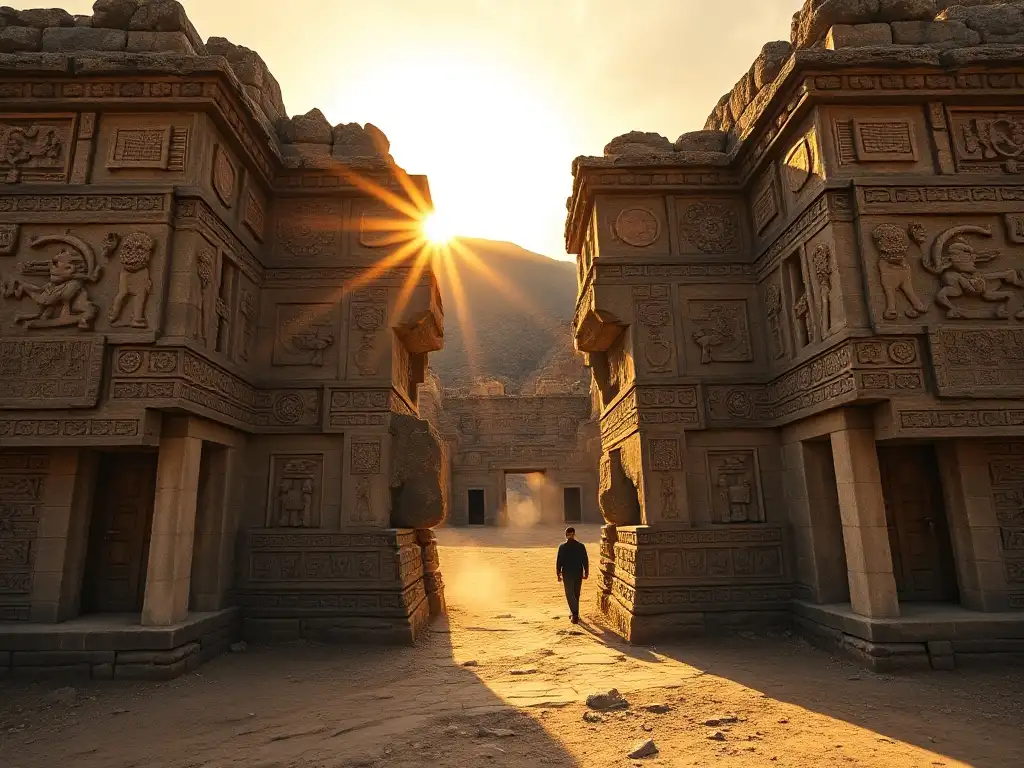
The cosmology of Tiahuanaco profoundly shaped its art and architecture, leaving behind a legacy of intricate designs and monumental structures that reflect a deep understanding of the cosmos. Their religious beliefs, deeply intertwined with their understanding of the natural world and their place within it, are vividly depicted in the iconography, layout, and construction of their cities and artifacts.
Understanding this connection is crucial to appreciating the sophistication and complexity of Tiahuanaco culture. The meticulous detail and symbolic representation found throughout their artistic and architectural endeavors are not mere aesthetic choices, but rather powerful expressions of their spiritual worldview.
We can trace the influence of their beliefs in several key aspects: the careful selection of building materials, the precise astronomical alignments of structures, and the pervasive use of symbolic imagery in both monumental and smaller-scale works. The pervasive presence of recurring motifs—such as the stylized figures, geometric patterns, and representations of deities—suggests a highly structured and codified system of religious expression deeply embedded within their society.
Decoding Tiahuanaco Iconography: Religious Symbols and Meanings
Tiahuanaco iconography is rich with symbolic meaning, offering glimpses into their complex religious beliefs. The repeated appearance of certain motifs, such as the chakana (Andean cross), the werere (double-headed serpent), and various anthropomorphic and zoomorphic figures, suggests a structured system of religious symbolism. These symbols likely represented deities, celestial bodies, or important concepts within their cosmology.
For instance, the chakana, often interpreted as a representation of the cosmos or a bridge between the different worlds, is frequently found in textiles, ceramics, and stone carvings. Its four arms are thought to symbolize the four cardinal directions, the four elements, or even the four levels of their cosmos. Similarly, the werere, a symbol often associated with water and fertility, frequently appears alongside other symbols of power and authority.
The analysis of these recurring symbols, combined with the study of their context within different artifacts and structures, allows us to piece together a more complete picture of Tiahuanaco's religious beliefs and their cosmological understanding. Further research into the meaning of these symbols is ongoing, with new interpretations emerging as scholars continue to analyze the available evidence. The intricate detail and the clear intentionality behind these representations underscore the importance of religion in their daily lives.
The Cosmic Alignment of Tiahuanaco Architectural Structures
The placement and orientation of Tiahuanaco's monumental structures suggest a deliberate alignment with celestial events, reinforcing the importance of astronomy in their religious practices. The precise positioning of buildings, such as the Kalasasaya Temple and the Puerta del Sol, hints at a sophisticated understanding of astronomical cycles and their connection to their religious calendar. While the exact nature of these alignments and their significance remain topics of ongoing debate amongst researchers, the evidence suggests a strong link between their architecture and their observations of the sun, moon, and stars.
For example, some scholars propose that the orientation of specific structures was intended to mark solstices or equinoxes, highlighting the importance of these celestial events in their religious rituals. This careful alignment of buildings with astronomical phenomena underscores the deep integration of their religious beliefs and their understanding of the cosmos.
The precision involved in achieving these alignments points to advanced knowledge of astronomy and a highly organized society capable of undertaking such large-scale construction projects. The meticulous planning and execution of these projects further demonstrate the importance of their religious beliefs in shaping their society.
How Tiahuanaco Art Reflected Their Spiritual World
Tiahuanaco art serves as a visual testament to their spiritual beliefs and cosmological understanding. From intricately carved stone sculptures to finely woven textiles, their artistic creations are imbued with religious symbolism. The recurring motifs, mentioned earlier, are not randomly scattered but deliberately placed within specific contexts to convey specific meanings.
This suggests a carefully planned and controlled system of artistic production, overseen by religious authorities or specialized artisans. The style and techniques employed in the creation of these artifacts also reflect the sophistication of their artistic skills and their commitment to expressing their religious beliefs through their art. For example, the mastery of stone carving displayed in the Puerta del Sol is remarkable, suggesting a highly skilled workforce dedicated to creating these complex and monumental pieces.
The creation of these works of art wasn't merely a matter of aesthetic preference but rather a crucial aspect of their religious practices, serving to reinforce and transmit their beliefs across generations. Furthermore, the distribution of these artistic creations across different sites and contexts suggests a widespread dissemination of their religious ideas throughout their empire. The detailed and consistent application of these religious symbols in their art further supports the theory of a highly structured and organized religious system.
Tiahuanaco's Beliefs and Their Impact on Society
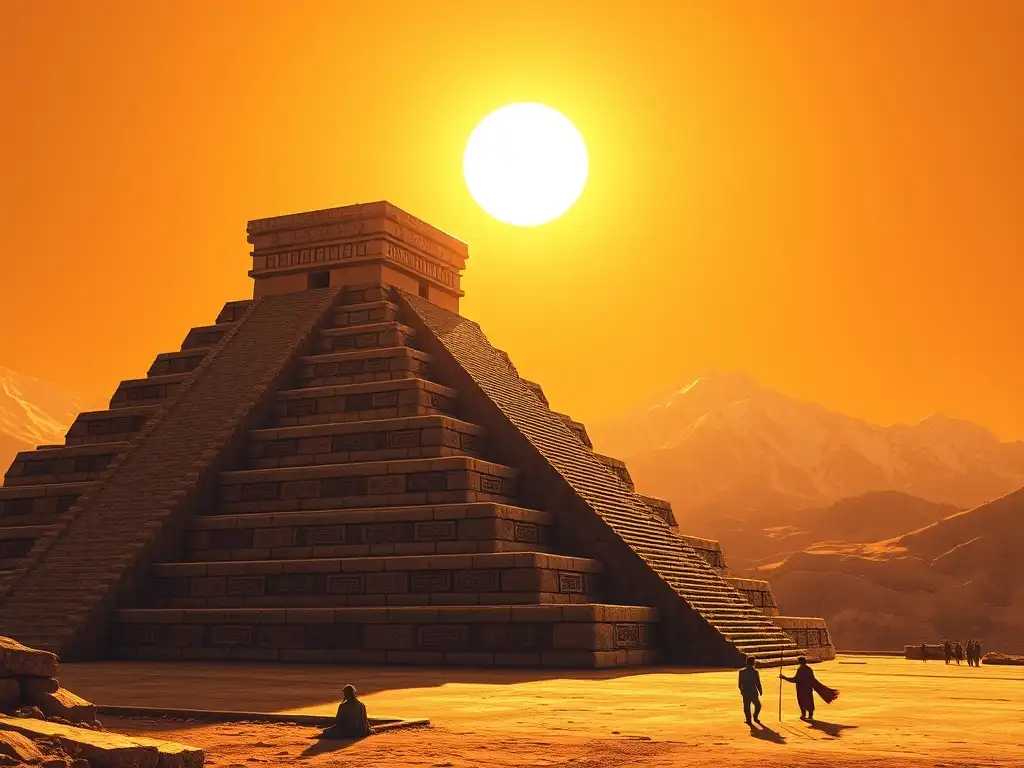
The intricate cosmology of Tiahuanaco profoundly shaped the social fabric of its civilization. Understanding their beliefs is key to deciphering their complex societal structures and political systems. Their worldview, centered around a powerful creator deity and a reverence for celestial bodies, permeated every aspect of life, from daily rituals to monumental architecture.
The concept of mamapachas (Mother Earth) and tatainti (Father Sun) played a significant role, influencing agricultural practices, social hierarchies, and even warfare. Further research is needed to fully understand the nuances of their religious practices, but archaeological findings and interpretations of iconography provide valuable insights into this fascinating culture. The influence of Tiahuanaco's beliefs extended far beyond its immediate reach, impacting subsequent Andean cultures for centuries.
Tiahuanaco's social hierarchy was intrinsically linked to their religious beliefs. Archaeological evidence suggests a stratified society, with a powerful elite class at the apex. This elite likely controlled access to religious knowledge and resources, reinforcing their authority.
Their close association with the priesthood and the control over temples and ceremonial centers solidified their power. The intricate iconography found on textiles and ceramics depicts figures in various levels of power, hinting at a structured social order mirroring the celestial hierarchy they believed in. For example, depictions of the creator god often appear alongside lesser deities and human figures, reflecting the social stratification of their society.
The common people, while not directly involved in priestly duties, were deeply embedded in the religious life of the community through participation in festivals and agricultural rituals. The social hierarchy wasn't simply a political construct; it was a divinely ordained order, reinforcing the legitimacy of the ruling class and fostering social cohesion within the framework of their cosmological beliefs. Further study of burial sites and grave goods could reveal more about the social mobility and the relationship between social status and access to religious practices.
How Tiahuanaco Beliefs Shaped Their Political System
Tiahuanaco's political system was inextricably woven with its religious beliefs. The elite class, likely comprising priests and rulers, wielded considerable power, their authority legitimized by their perceived connection to the divine. The construction of monumental structures like the Kalasasaya and Pumapunku served not only as architectural marvels but also as powerful symbols of religious and political authority.
These structures likely hosted elaborate ceremonies and rituals that reinforced the power of the ruling elite and their claim to divine mandate. The control over resources, particularly agricultural lands, was likely a key aspect of political power, further strengthening the link between religious and political authority. The concept of a cosmic order, mirrored in their social hierarchy, extended to their governance.
The ruler, acting as a mediator between the human and divine realms, played a crucial role in maintaining social harmony and ensuring the prosperity of the state. Understanding the interplay between religious belief and political power is essential to grasping the complexities of Tiahuanaco's governance. The absence of written records, however, makes definitive conclusions challenging, necessitating further research into the iconography and architecture to decipher the intricacies of their political system.
The Legacy of Tiahuanaco’s Cosmic Vision on Later Andean Cultures
The influence of Tiahuanaco's cosmic vision extended far beyond its geographical boundaries and temporal lifespan. Its religious beliefs and artistic styles profoundly impacted subsequent Andean cultures, particularly the Inca. The Inca's sophisticated empire built upon many pre-existing Andean traditions, and Tiahuanaco's cosmology played a significant role in shaping their own religious and political systems.
The Inca's veneration of the sun god, Inti, for instance, echoes the importance of celestial bodies in Tiahuanaco's beliefs. Architectural styles, artistic motifs, and even agricultural techniques reflect the enduring legacy of Tiahuanaco. The spread of Tiahuanaco's influence can be traced through the distribution of its distinctive pottery and artifacts across the Andes.
This suggests a complex network of cultural exchange and interaction, where Tiahuanaco's religious ideas and artistic conventions were adopted and adapted by other Andean societies. Further research is needed to fully explore the extent of Tiahuanaco's influence on the development of subsequent Andean cultures and to understand the ways in which these cultures synthesized Tiahuanaco's beliefs with their own traditions, creating a rich tapestry of Andean religious and cultural development. The enduring legacy of Tiahuanaco underscores the profound impact of its cosmic vision on the shaping of Andean civilization.
Tiahuanaco's Spiritual Legacy: Insights into Andean Beliefs
This section delves into the enduring influence of Tiahuanaco's spiritual beliefs, exploring their impact on subsequent Andean cultures and their lasting relevance in understanding the region's rich tapestry of cosmology. We will examine how Tiahuanaco's unique worldview, characterized by a complex interplay of deities, symbolism, and astronomical alignments, shaped the religious and philosophical landscapes of the Andes. Understanding Tiahuanaco's beliefs is crucial to grasping the broader context of Andean cosmology and its evolution. The sophisticated astronomical knowledge and elaborate rituals practiced at Tiahuanaco provide compelling evidence of a highly developed spiritual system.
The Influence of Tiahuanaco's Dualistic Cosmology on Inca Thought
Tiahuanaco's cosmology, characterized by a prominent dualistic structure—often interpreted as a balance between opposing forces—left an undeniable mark on the subsequent Inca worldview. While the Incas developed their own distinct pantheon and religious practices, echoes of Tiahuanaco's dualistic principles are discernible in their beliefs. For example, the Inca concept of pachacuti, a cyclical renewal of the world, might be interpreted as a reflection of Tiahuanaco's understanding of cosmic cycles and the interplay of opposing forces.
The Inca emphasis on balance and harmony in their social and political structures could also be seen as a continuation of this fundamental Tiahuanaco principle. Further research is needed to fully quantify the extent of this influence, but preliminary evidence suggests a significant cultural transmission.
This is particularly evident in the Inca adoption of certain iconographic motifs and architectural styles that clearly originate from Tiahuanaco. The precise nature of this transmission—whether through direct conquest, cultural exchange, or a more complex process of syncretism—remains a subject of ongoing scholarly debate.
How Tiahuanaco Cosmological Concepts were Adapted or Transformed
The transmission of Tiahuanaco's cosmological ideas wasn't a simple process of direct adoption. Subsequent Andean cultures, including the Inca, adapted and transformed these concepts to fit their own specific contexts and beliefs. For instance, while the duality inherent in Tiahuanaco's cosmology was retained, the specific deities and their attributes were often reinterpreted or replaced.
The Inca pantheon, for example, included powerful deities like Inti (the sun god) and Viracocha (a creator god), whose roles and attributes differed significantly from those of corresponding figures in the Tiahuanaco pantheon, even though underlying thematic similarities can be detected. This process of adaptation and transformation highlights the dynamic nature of Andean religious traditions and the capacity of cultural ideas to evolve and change over time.
We can observe this process through the analysis of ceramic styles, religious iconography, and architectural features found across different Andean cultures. The gradual shift in emphasis from certain cosmological concepts, along with the incorporation of new ones, clearly demonstrates that the transmission of beliefs was not a static process.
The Enduring Relevance of Tiahuanaco's Cosmic Order
The study of Tiahuanaco's cosmic order remains highly relevant today, not only for understanding the history of Andean civilizations but also for its broader implications for our comprehension of ancient belief systems and their impact on societal structures. The sophistication of Tiahuanaco's astronomical knowledge and its integration into their religious practices offer valuable insights into the relationship between science, religion, and social organization in pre-Columbian societies.
Furthermore, the enduring presence of Tiahuanaco's architectural marvels and the continued fascination with its mysteries serve as a testament to the civilization's profound cultural legacy. The ongoing research and archaeological discoveries continue to shed new light on the complexities of Tiahuanaco's beliefs and their impact on subsequent Andean cultures.
The study of Tiahuanaco's cosmology provides a compelling case study for understanding the intricate interplay between religious belief, social organization, and the development of complex societies in the Andes. Its influence resonates even today, shaping our understanding of Andean history and the enduring power of ancient spiritual traditions.
Frequently Asked Questions
What was the most important aspect of Tiahuanaco's belief system?
Tiahuanaco's beliefs were deeply intertwined with cosmology, focusing on the relationship between the earthly and celestial realms. Their worldview was structured around a complex understanding of the cosmos and its influence on human life.
How did Tiahuanaco's cosmology influence their architecture?
The monumental architecture of Tiahuanaco, such as the Sun Gate and Pyramid of Akapana, are believed to reflect their cosmic order. These structures were carefully aligned with astronomical events, representing their spiritual and cosmological beliefs in physical form.
What role did the gods play in Tiahuanaco's beliefs?
While specific details remain debated, evidence suggests a polytheistic system with deities associated with water, the sun, and possibly other natural forces. These deities were likely central to their rituals and agricultural practices.
What evidence supports our understanding of Tiahuanaco's beliefs?
Our understanding comes from archaeological discoveries, including religious iconography on ceramics and textiles, architectural alignments, and the analysis of ritual objects. These provide glimpses into their complex spiritual world.
How did Tiahuanaco's beliefs compare to other Andean civilizations?
While sharing some common Andean themes like ancestor veneration and agricultural deities, Tiahuanaco's cosmology exhibited unique features, particularly in its emphasis on astronomical alignments and complex iconography. This reflects a distinct cultural and spiritual identity.
Final Reflection: Echoes of the Andes: Tiahuanaco's Enduring Legacy
The intricate cosmology of Tiahuanaco, far from being a relic of a bygone era, continues to resonate in the Andean world and offers profound insights into the human relationship with the cosmos. Its sophisticated understanding of astronomy, its reverence for water and the sacred mountains, and its complex iconography remain powerful symbols, reminding us of the enduring human need to find meaning and order in the universe.
The impact of Tiahuanaco's beliefs extends far beyond the archaeological record; they permeate the cultural landscape of the Andes to this day. The reverence for Apus (sacred mountains) and the intricate water management systems still employed in the region are testaments to the enduring influence of this ancient civilization. The past is never dead. It's not even past.
– William Faulkner. This quote perfectly encapsulates the continued relevance of Tiahuanaco's cosmological worldview, its echoes reverberating through generations and shaping contemporary Andean identities.
Consider the profound implications of Tiahuanaco's sophisticated understanding of the cosmos. How did their meticulous observations of celestial events shape their worldview? How can we, in our modern world, learn from their deep connection to the natural world and their ability to create a society that harmonized with its environment? Let the legacy of Tiahuanaco inspire you to seek your own connection to the cosmos, to appreciate the intricate balance of nature, and to build a future guided by wisdom and respect for the world around us.
Uncover Your Cosmic Connection with Tiahuanaco!
Thank you for exploring the fascinating beliefs of the Tiahuanaco civilization! Your insights into their understanding of the cosmos are not merely historical; they offer a powerful lens through which to examine our own place in the universe. Let's build on this inspiration and explore how to integrate these ancient perspectives into our lives.
Here are a few ways to deepen your connection with the cosmic themes of Tiahuanaco:
- Delve deeper into ancient wisdom: Expand your understanding of Andean cosmology by exploring relevant books, documentaries, or online resources. Learning more about their profound beliefs will enrich your appreciation of this remarkable civilization.
- Connect with others: Share your newfound knowledge with friends, family, or online communities. Spark conversations about how ancient cultures perceived the cosmos and the relevance of these perspectives today.
- Experience the cosmos firsthand: Visit a planetarium, attend a stargazing event, or simply spend time observing the night sky. Reconnect with the celestial wonders that held such significance for the Tiahuanaco people, and consider how their reverence for the stars might inspire your own sense of wonder.
How have the Tiahuanaco's cosmic beliefs resonated with you, and what insights might they offer for your personal journey?