
The Weavers' Secrets: Hidden Techniques in Andean Textile Production

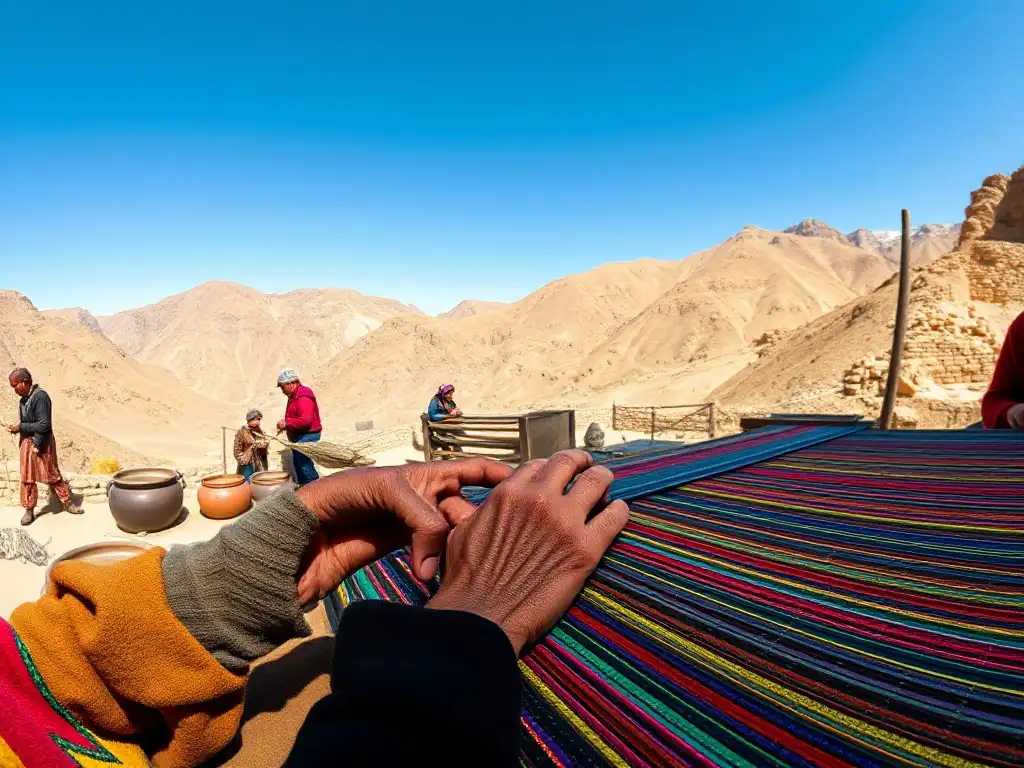
Unravel the mysteries of a lost world. For centuries, the breathtaking artistry of the Andes has captivated the world, but the secrets behind their mastery remain... partially hidden. Journey with us into the vibrant heart of Andean textile weaving techniques, where intricate designs and innovative methods reveal the ingenuity of ancient civilizations. Discover the surprising stories woven into every thread, and prepare to be amazed by the legacy of the Incas, Moche, Nazca, and Tiahuanaco. Are you ready to uncover their secrets?
- Unveiling the Ancient World of Andean Textile Weaving Techniques
- Mastering Fundamental Andean Textile Weaving Methods
- Advanced Andean Textile Weaving Skills and Their Secrets
- Recreating Andean Textiles: A Hands-On Approach
- The Cultural and Economic Value of Andean Textile Production
- Preserving the Legacy of Andean Textile Weaving
- Frequently Asked Questions
- Final Reflection: Unraveling the Threads of Andean Heritage
- Unveil the Rich Tapestry of Andean Textile Artistry
Unveiling the Ancient World of Andean Textile Weaving Techniques
The Andes Mountains, a spine of towering peaks running down the western coast of South America, are not only a geographical marvel but also the cradle of incredibly sophisticated and diverse cultures. For millennia, Andean civilizations, including the Incas, Moche, Nazca, and Tiahuanaco, have captivated the world with their intricate artistry, particularly their mastery of textile production. This article delves into the fascinating world of Andean textile weaving techniques, revealing the hidden secrets behind the creation of these breathtaking artifacts.
We will explore the profound significance of textiles within Andean societies and the remarkable variety of weaving styles developed across different regions and time periods. Understanding these techniques offers a crucial window into the ingenuity, social structures, and spiritual beliefs of these ancient Andean peoples, allowing us to appreciate the enduring legacy of their craftsmanship. The intricate patterns, vibrant colors, and innovative techniques employed in Andean textile weaving represent a rich tapestry of cultural expression, waiting to be unravelled.
This exploration will provide a detailed overview of Andean textile weaving techniques, focusing on the specific methods and materials used, as well as their cultural context. Prepare to be amazed by the artistry and ingenuity of these ancient masters.
The Significance of Textile Art in Andean Cultures
Textiles in Andean cultures were far more than mere clothing or decorative items; they held profound social, religious, and economic significance. They served as powerful symbols of identity, status, and lineage. The intricate designs woven into textiles often communicated complex narratives, conveying messages about cosmology, mythology, and social hierarchies. For example, the use of specific colors or motifs could indicate a person's social standing, clan affiliation, or even their relationship to the divine.
Moreover, the production of textiles was a highly valued skill, often passed down through generations within families. The quality and intricacy of a person's textiles could reflect their social standing and skill. This is evident in the elaborate textiles found in Andean tombs, which often accompanied high-ranking individuals and were indicative of their power and prestige. The creation of textiles was also a social activity, with women often gathering together to weave and share stories and knowledge. This communal aspect of textile production further strengthened social bonds and contributed to the preservation of cultural traditions. The use of textiles extended beyond clothing; they were also used for ceremonial purposes, in religious rituals, and as offerings to deities. Their importance is undeniable, reflecting a deep integration of textile art into the very fabric of Andean life. The craftsmanship and symbolism woven into these textiles provide invaluable insights into the beliefs, values, and social structures of these ancient civilizations.
Exploring the Diverse Range of Andean Weaving Styles
The Andes Mountains boast a remarkable diversity of ecosystems, leading to a similarly diverse range of textile traditions. Different regions developed unique weaving styles, employing various techniques, materials, and designs. From the intricate tapestry weaving of the Nazca to the sophisticated knotted textiles of the Inca, each style reflects the specific environmental and cultural conditions of its region.
The Incas, for instance, are renowned for their mastery of ichu grass weaving, creating incredibly durable and warm textiles ideal for the high-altitude environments they inhabited. Their use of complex knotting techniques, such as khipu, also allowed them to create intricate records and store information. Meanwhile, the Nazca people are celebrated for their intricate tapestry weaving, using a backstrap loom to create stunningly detailed designs, often depicting animals and mythical beings. The Moche culture, known for its vibrant pottery, also produced finely woven textiles featuring bold geometric patterns and depictions of their distinctive iconography. The Tiahuanaco culture showcased its own unique style with complex geometric patterns and the use of camelid fibers. The variety in fiber types, including cotton, alpaca, llama, and vicuña wool, further enhanced the diversity of Andean textile traditions. Each fiber possessed unique qualities, impacting both the texture and durability of the finished product. This rich tapestry of weaving styles offers a compelling testament to the ingenuity and adaptability of Andean cultures. Further research into specific regional styles will reveal even greater intricacies within this fascinating field of study.
Mastering Fundamental Andean Textile Weaving Methods
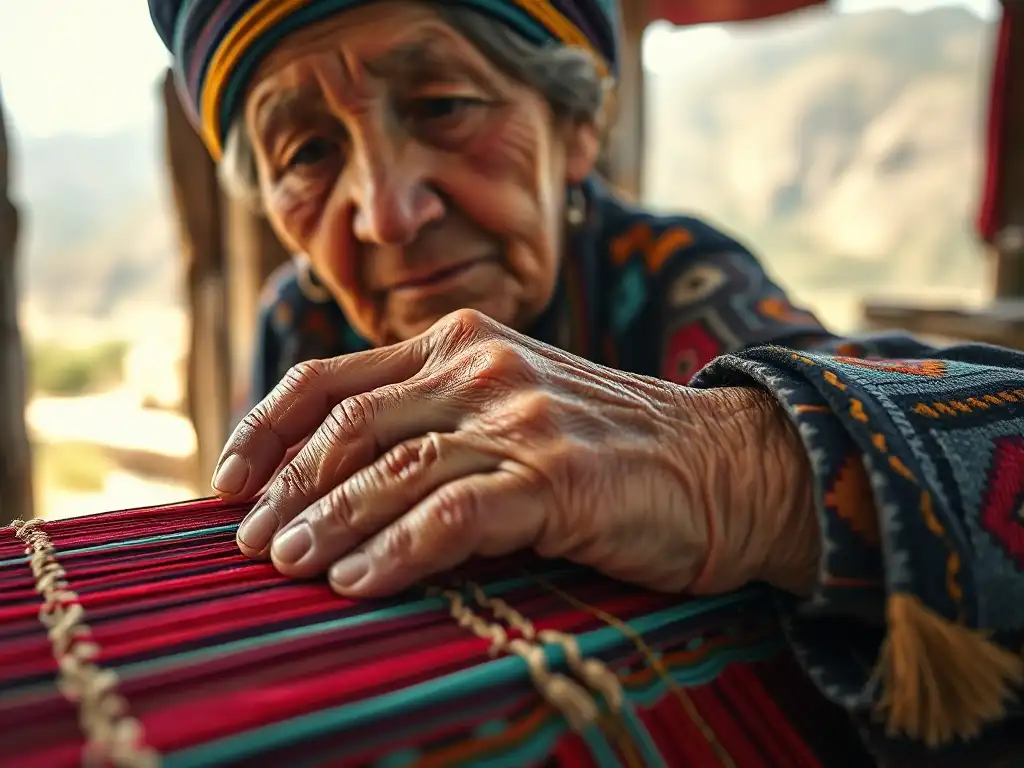
This section delves into the core techniques employed by Andean weavers, focusing on the foundational steps that underpin the creation of their intricate and visually stunning textiles. Understanding these methods provides a crucial insight into the ingenuity and skill involved in Andean textile production, a craft honed over millennia.
We'll explore the preparation of the warp, the heart of the weaving process, and the diverse methods of weft insertion that create the rich tapestry of Andean designs. The mastery of these techniques represents the culmination of generations of knowledge transfer and adaptation, making the study of Andean textile weaving techniques a fascinating journey through time.
Preparing the Warp: The Foundation of Andean Textiles
The warp, the set of lengthwise threads forming the foundation of the woven fabric, is meticulously prepared in Andean textile production. The quality of the warp directly impacts the final textile's strength, drape, and overall aesthetic appeal. This crucial initial step involves several key stages: fiber selection, spinning, plying, and warping. The choice of fiber—alpaca, llama, vicuña, cotton, or a blend—significantly influences the characteristics of the finished product. For instance, alpaca fiber, prized for its softness and warmth, yields textiles ideal for clothing, while cotton, known for its durability, is often used for bags or household textiles.
The spinning process transforms the raw fibers into strong, even threads. Traditional Andean spinning techniques, often employing a drop spindle, result in a yarn with unique properties. The plying stage then combines several spun threads to create a stronger, more durable warp yarn.
This is crucial for withstanding the tension during weaving. Finally, the warping process involves arranging the prepared yarns onto a warping board or other suitable device, creating a precisely measured and evenly spaced warp for the loom. Any inconsistencies at this stage can significantly affect the final woven textile, highlighting the importance of precision and patience in this foundational step of Andean textile weaving techniques.
Traditional Warp Set-Up using a Backstrap Loom
The backstrap loom, a portable and versatile tool central to Andean weaving, requires a specific warp setup. The weaver meticulously prepares the warp, ensuring even tension across all threads. This is achieved by carefully winding the warp around a series of pegs or stakes, creating a precisely measured length.
The warp is then attached to the loom's heddles (vertical threads that control the shedding of the warp) and passed through the loom's heddle bars. The backstrap loom's unique design, using a waist strap to control tension, allows for a highly portable and adaptable weaving system, reflecting the ingenuity of Andean weavers who often worked in diverse and challenging environments.
The Art of Weft Insertion: Creating Patterns and Textures
Once the warp is securely set on the loom, the weaver begins the intricate process of weft insertion. The weft, the horizontal threads interlaced with the warp, determines the fabric's pattern, texture, and overall visual appeal. Andean weavers employ a stunning array of weft insertion techniques, showcasing their mastery of this critical stage in textile production. The precision and control demonstrated in these techniques are truly remarkable, contributing to the unique aesthetic qualities of Andean textiles. Mastering these techniques is key to understanding the complexity and artistry of Andean textile weaving techniques.
Understanding Complementary Weft Techniques
Many Andean textiles showcase the use of complementary weft techniques. This involves using two or more weft threads simultaneously, often in contrasting colors or textures. These techniques create intricate patterns and textures, adding depth and visual interest to the fabric. For example, a common technique involves using a fine, brightly colored weft thread for the pattern alongside a coarser, more neutral weft thread for structural support. This careful interplay of different weft threads allows for the creation of complex geometric designs, figurative representations, and subtle textural variations, all within a single textile.
Experimenting with Discontinuous Weft Variations
Discontinuous weft techniques, characterized by breaks or interruptions in the weft thread, are another hallmark of Andean textile artistry. These techniques, often employed to create specific patterns or effects, involve deliberately stopping and restarting the weft thread at intervals. This can result in a variety of visual effects, from creating distinct lines or blocks of color to generating textured patterns, enhancing the overall visual richness and complexity of the textile.
The seemingly simple act of interrupting the weft thread allows for incredible creative flexibility, demonstrating the inventiveness of Andean weavers in adapting basic techniques to produce stunningly varied results. The skillful manipulation of discontinuous weft threads is a testament to the depth of knowledge and expertise within Andean textile weaving techniques.
Advanced Andean Textile Weaving Skills and Their Secrets
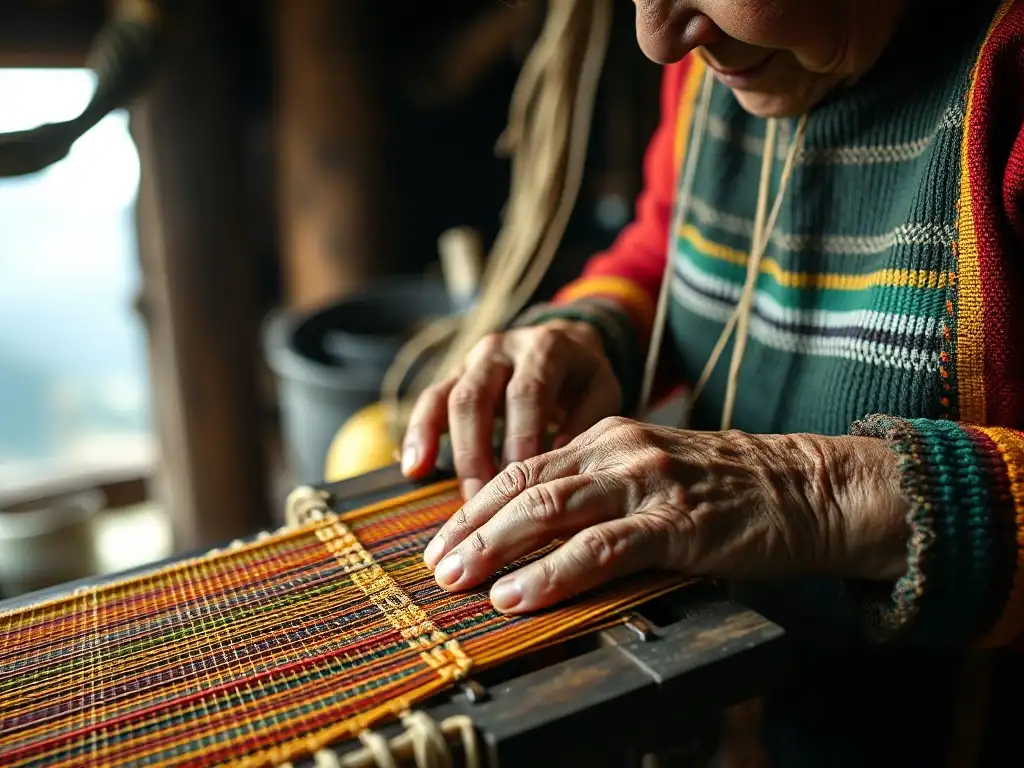
This section delves into the sophisticated techniques employed by Andean weavers, showcasing their mastery of complex methods that resulted in incredibly intricate and durable textiles. These skills, passed down through generations, represent a pinnacle of human ingenuity and artistic expression, reflecting a deep understanding of both material properties and symbolic representation. The Andean textile weaving techniques described here are not simply functional; they are artistic statements, imbued with cultural significance and reflecting the weaver's connection to their ancestral heritage. Understanding these techniques provides a deeper appreciation for the artistry and cultural richness embedded within each piece.
Mastering Andean Supplementary Warp Techniques
Supplementary warp techniques, a hallmark of Andean weaving, allowed artisans to create stunningly complex patterns and textures without altering the basic structure of the cloth. These techniques involved the addition of extra warp threads, interwoven with the main warp to create elaborate designs. The precision required is remarkable, demonstrating a high level of skill and patience. The supplementary warps were often made of contrasting colors or materials, adding depth and visual interest to the finished product. This method allowed for a level of detail far exceeding what could be achieved with simpler techniques.
Detailed Look at the "Pallay" Technique
The pallay technique is a prime example of supplementary warp weaving. This technique involves weaving supplementary warp threads over and under the main warp threads to create intricate geometric patterns, often incorporating small, repetitive motifs. The pallay threads are carefully positioned to create raised surfaces or textured areas, adding another layer of complexity to the design. The mastery of this technique lies in the precise control of tension and the consistent placement of each supplementary warp thread.
Weavers meticulously planned their designs, often using pre-drawn patterns or mental templates to guide their work. The resulting textiles exhibit a remarkable precision and elegance, showcasing the weaver's profound understanding of this intricate process. Analysis of surviving pallay textiles reveals astonishing consistency in execution, suggesting a rigorous apprenticeship system that ensured the preservation of this sophisticated technique across generations.
The Intricacies of Andean Double Weave
Andean double weave is another exceptional technique showcasing the advanced skills of Andean weavers. Unlike single-weave fabrics, double weave involves the simultaneous creation of two layers of fabric, often with distinct designs and colors on each side. This technique is far more demanding than single-weave, requiring a deep understanding of warp and weft interactions and precise manipulation of multiple threads. The complexity arises from the need to control the interlacing of threads in both layers simultaneously, often creating intricate patterns that are mirrored or subtly different on each side.
Creating Complex Geometric Designs using Double Weave
Andean artisans used double weave to create a stunning array of geometric designs, including complex stepped patterns, interlocking motifs, and intricate zigzags. The ability to create different designs on each layer allowed for a level of visual depth and complexity unseen in simpler weaving techniques. The precision required is breathtaking; a single mistake could unravel the entire piece. The use of different colored threads in each layer enhanced the visual impact of the designs, creating vibrant and dynamic textiles.
The creation of these pieces was not merely a craft; it was a demonstration of sophisticated mathematical and artistic understanding, reflecting a deep cultural appreciation for geometric patterns and their symbolic meanings. The surviving examples of Andean double weave testify to the remarkable skills and perseverance of the weavers who created these masterpieces. Further research into these techniques could unveil even more nuanced aspects of their construction and cultural significance.
Understanding Andean Color Theory and Dyeing Processes
Andean textile production wasn't simply about creating cloth; it was a sophisticated interplay of art, symbolism, and deep understanding of the natural world. The vibrant hues adorning Andean textiles weren't accidental; they were the result of a complex color theory deeply intertwined with their cosmology and social structures. Colors held significant meaning, often representing specific deities, social status, or even agricultural cycles.
For example, deep reds, often achieved through cochineal insects, might symbolize power and royalty, while yellows, derived from various plants, could represent the sun and fertility. The careful selection and combination of colors were therefore not arbitrary but rather a deliberate act of communication and artistic expression.
The knowledge of color theory wasn't just held by a select few; it was a collective understanding passed down through generations, ensuring the continuity of this rich cultural heritage. The precision and consistency achieved in Andean dyeing are a testament to the mastery of this intricate process.
The creation of these vibrant colors relied heavily on the ingenious use of natural resources. The Andes Mountains provided a treasure trove of plants, insects, minerals, and even shellfish, each offering a unique palette of colors. The process wasn't simply a matter of crushing and boiling; it involved a complex understanding of mordants – substances used to fix the dye to the fibers – and the subtle nuances of each dye's interaction with the chosen fiber.
This knowledge, accumulated over centuries, allowed Andean weavers to create an astonishing range of hues and shades, each with its own unique properties and symbolic significance. The durability of many ancient textiles is a testament to the effectiveness of these traditional dyeing techniques. The understanding of how these natural dyes interacted with different fibers, like alpaca or llama wool, showcases the sophisticated scientific knowledge embedded within this seemingly simple craft.
The Use of Natural Dyes in Andean Textiles
The Andean palette was a vibrant tapestry woven from the very land itself. Cochineal insects, for instance, yielded a rich crimson, highly prized for its intensity and luminosity. These insects, farmed and meticulously harvested, were a key component in creating some of the most striking textiles. Other sources included various plants: the uña de gato (cat's claw) provided yellows and oranges; achiote (annatto) contributed reddish-orange hues; and indigo, cultivated in certain regions, offered the deep blues so characteristic of Andean textiles.
Minerals also played a significant role. Ochres and clays contributed to a range of earthy tones, while certain metallic salts were used to create greens and other less common colors. Even shellfish provided a source of purple dyes, further demonstrating the ingenuity and resourcefulness of Andean dyers.
The process itself was labor-intensive and required significant skill. The plants and insects were carefully prepared, often involving multiple stages of processing to extract the dye. The choice of mordant was critical, as different mordants interacted differently with various dyes and fibers, influencing the final color and its fastness.
This selection process depended not only on the desired color but also on the type of fiber being dyed – alpaca, llama, cotton, or a blend. The entire process, from harvesting the raw materials to achieving the final color, was a testament to the deep knowledge and expertise of Andean dyers, a knowledge passed down through generations and carefully guarded as a vital part of their cultural heritage. The survival of these techniques to the present day underscores their importance and enduring legacy.
Recreating Andean Textiles: A Hands-On Approach
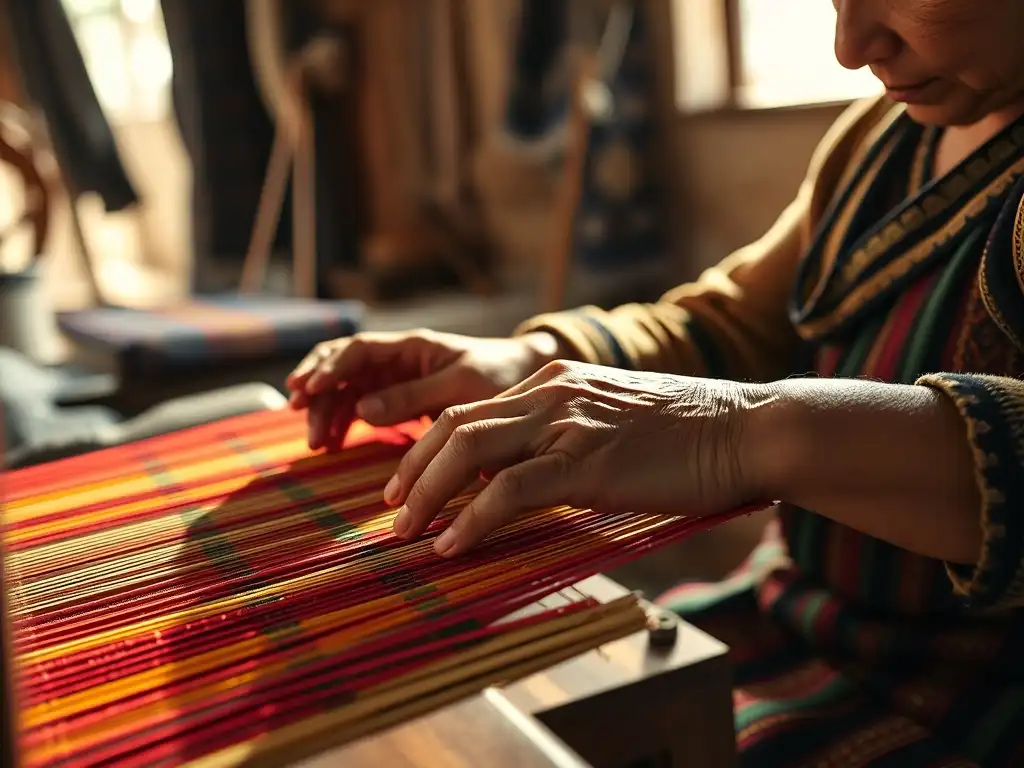
This section delves into the practical aspects of recreating Andean textile traditions. Understanding the techniques is only half the battle; mastering the craft requires hands-on experience. We'll explore the essential tools and materials, and then guide you through the process of weaving a basic Andean pattern. This will provide a foundational understanding of the intricate skills involved in Andean textile weaving techniques. Remember, patience and practice are key to success!
Essential Tools and Materials for Andean Weaving
Before embarking on your Andean weaving journey, gathering the right tools and materials is crucial. The quality of your materials directly impacts the final product's texture, durability, and aesthetic appeal. Authenticity in materials enhances the connection to the rich history of Andean textile weaving techniques.
Gathering the Necessary Equipment: Backstrap Loom, Shuttles, Yarn, Weaving Sword
The heart of Andean weaving is the backstrap loom. This portable loom, traditionally made from wood and rope, allows for intricate designs and varied textures. Choosing a high-quality backstrap loom ensures its longevity and ease of use. Beyond the loom itself, you'll need several essential tools:
- Shuttles: These are used to carry the weft yarn across the warp threads. Different shuttles are suited for different yarn weights and weaving styles. Consider acquiring a set of shuttles in various sizes.
- Yarn: The choice of yarn significantly impacts the final textile's look and feel. Traditional Andean textiles often employed natural fibers like alpaca, llama, and vicuña wool. Experimenting with different fiber types and colors will allow you to explore the vast range of possibilities. Consider the thickness and texture of the yarn; finer yarns create more intricate patterns.
- Weaving Sword (or Comb): This tool is used to compact the weft threads, creating a dense and even fabric. A well-maintained weaving sword is essential for achieving a professional-looking finish. The sword's teeth should be consistently spaced and sharp to avoid damage to the yarn.
The quality and condition of these tools directly influence the efficiency and outcome of your weaving project. Investing in durable, well-crafted tools is a worthwhile investment for any serious weaver.
Step-by-Step Guide to Weaving a Basic Andean Pattern
This section provides a simplified guide to weaving a basic Andean pattern. While the complexity of Andean textiles can be staggering, mastering fundamental techniques allows one to appreciate the artistry involved in Andean textile weaving techniques.
Detailed Instructions and Tips for Beginners
Let's begin with a simple striped pattern. This will introduce you to the core mechanics of backstrap loom weaving. Before starting, ensure your warp threads are properly tensioned on the loom.
- Warping: This involves preparing the lengthwise threads (warp) on the loom. The number of warp threads determines the width of your fabric.
- Weft Insertion: Using your shuttle, pass the weft yarn (crosswise threads) over and under the warp threads, creating the fabric's structure.
- Beating: After each weft insertion, use the weaving sword to compact the weft threads, creating a tight and even fabric. This step is crucial for achieving a durable and aesthetically pleasing textile.
- Pattern Creation: To create stripes, alternate between two colors of weft yarn. For more complex patterns, you'll need to learn additional techniques like supplementary weft or tapestry weaving.
- Finishing: Once you've reached the desired length, carefully remove the finished textile from the loom. Finish the edges to prevent unraveling.
Remember, practice makes perfect! Don't be discouraged if your first attempts aren't flawless. Each woven piece represents a step towards mastering the intricate art of Andean textile weaving techniques. Experiment with different patterns, yarn types, and techniques to develop your unique weaving style. The beauty of Andean textile traditions lies in their adaptability and personal expression. Enjoy the process!
The Cultural and Economic Value of Andean Textile Production
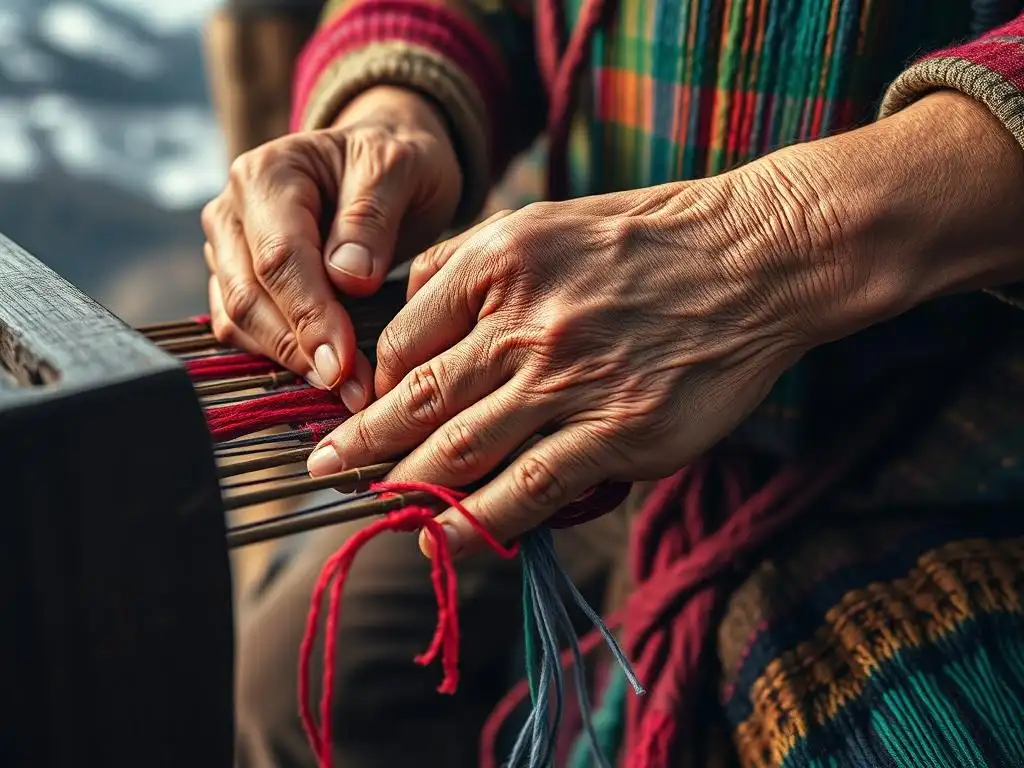
Andean textile production wasn't merely a craft; it was deeply intertwined with the social fabric and economic systems of the various Andean civilizations. The intricate designs, vibrant colors, and sophisticated techniques embedded in these textiles held profound symbolic meaning, reflecting social status, religious beliefs, and historical events. The economic impact was equally significant, with textiles serving as a crucial form of currency, trade goods, and even a means of tribute to ruling elites.
The value of Andean textiles extended beyond their practical use; they were powerful expressions of cultural identity and artistic achievement. Understanding this dual cultural and economic significance is key to appreciating the legacy of Andean weaving traditions.
The Role of Andean Weaving in Community and Tradition
Andean textile weaving was, and in many communities still is, a deeply communal activity. Knowledge and skills were passed down through generations within families, often involving women playing a central role. The process wasn't just about creating cloth; it was a time for sharing stories, preserving cultural heritage, and strengthening social bonds.
Specific designs and colors held unique meanings, often linked to specific communities, rituals, or deities. For example, the use of particular camelid fibers (alpaca, llama, vicuña) could signify social standing or indicate the geographic origin of the textile. The intricate process of creating a single textile involved a collective effort, highlighting the importance of cooperation and shared cultural identity.
The vibrant colors, often derived from natural dyes like cochineal, achiote, and various plant extracts, further emphasized the connection between the textile and the Andean landscape. The production of textiles wasn't merely an economic activity; it was a living expression of Andean culture and tradition.
Supporting Andean Artisans: Purchasing Authentic Textiles
Supporting Andean artisans is crucial for preserving these invaluable cultural traditions. Purchasing authentic textiles directly contributes to the economic well-being of these communities, enabling them to continue practicing their ancestral craft. However, it’s important to be discerning and ensure that purchases support ethical practices. Many modern textiles claim to be “Andean” but lack the authenticity and craftsmanship of traditional pieces.
Look for textiles made with natural dyes, using traditional techniques, and created by artisans who are fairly compensated for their work. The intricate details, unique designs, and high-quality materials are hallmarks of genuine Andean textiles. Supporting these artisans not only provides economic benefits but also helps preserve a rich cultural heritage for future generations. The demand for authentic Andean textiles directly impacts the survival of these ancient crafts.
Where to Find Ethically Sourced Andean Textiles
Locating ethically sourced Andean textiles requires careful research and consideration. Look for organizations and retailers committed to fair trade practices and transparency. Many cooperatives and artisan groups work directly with weavers, ensuring fair wages and safe working conditions. Investigate the origin and production methods of the textiles before making a purchase. Ask questions about the materials, dyes, and the artisans involved in the creation process.
Supporting fair trade initiatives ensures that the economic benefits of textile sales directly reach the communities and artisans who create them. By choosing ethically sourced textiles, consumers actively participate in preserving Andean weaving traditions and empowering Andean communities. This conscious purchasing helps sustain the cultural and economic legacy of Andean textile production for years to come. 👩🌾 🧵
Preserving the Legacy of Andean Textile Weaving
The Importance of Education and Cultural Preservation
The survival of Andean textile weaving techniques hinges critically on education and cultural preservation efforts. These aren't merely academic pursuits; they are vital for safeguarding a tangible link to the past and empowering future generations. Without concerted action, the intricate knowledge passed down through centuries risks being lost forever. This loss would represent not just a fading tradition, but the erosion of a significant part of Andean cultural identity.
The transmission of these skills traditionally occurred within families, with knowledge passed from mother to daughter, or from master weaver to apprentice. However, modernization and migration have disrupted these established patterns, creating a need for structured educational programs. These programs should not only teach the technical aspects of weaving—from preparing the fibers to mastering complex designs—but also emphasize the historical and cultural context. Understanding the symbolism embedded in the textiles, the social roles of weavers, and the spiritual significance of the materials used is crucial for fostering a deep appreciation and commitment to the craft.
Successful initiatives often involve community-based workshops, apprenticeships with master weavers, and the establishment of textile museums and archives. These initiatives provide spaces for knowledge sharing, skill development, and the preservation of historical artifacts. Furthermore, integrating Andean textile weaving into school curricula, even at the primary level, can help instill an early appreciation for the craft and encourage its continuation. This holistic approach, combining practical training with cultural understanding, is essential for ensuring the long-term survival of Andean textile weaving techniques.
Promoting Sustainable Practices in Andean Textile Production
The production of Andean textiles must transition towards sustainability to ensure its long-term viability. This requires a multifaceted approach that considers the environmental impact of the entire production chain, from fiber sourcing to dyeing and finishing processes. Traditional Andean textile production often utilized readily available, locally sourced materials, minimizing environmental impact. However, modern pressures have introduced synthetic dyes and unsustainable practices that threaten both the environment and the quality of the textiles themselves.
One key area requiring attention is the sourcing of raw materials. Promoting the use of sustainably harvested natural fibers, such as alpaca, llama, and vicuña wool, is crucial. This necessitates responsible grazing practices and the avoidance of overexploitation.
Similarly, the transition to natural dyes derived from plants and minerals found in the Andean region is essential. These natural dyes, not only reduce the harmful chemical footprint of textile production but also often produce richer, more vibrant colors that reflect the traditional aesthetics of Andean textiles. Moreover, exploring and reviving traditional methods of fiber preparation, such as hand-spinning and natural cleaning techniques, can further reduce the environmental impact.
Sustainable practices are not just environmentally responsible; they also contribute to the economic viability of Andean textile production. By producing high-quality, ethically sourced textiles, artisans can command higher prices in the market, improving their livelihoods and ensuring the economic sustainability of the craft. This also resonates with a growing consumer demand for sustainable and ethically produced goods.
Therefore, promoting sustainable practices in Andean textile production is not only crucial for environmental protection but is also vital for the economic and cultural preservation of this rich tradition. The future of "Andean textile weaving techniques" depends on this balance of tradition and innovation. The integration of sustainable practices ensures that these techniques not only survive but thrive for generations to come.
Frequently Asked Questions
What makes Andean textile weaving techniques unique?
Andean weaving is unique due to its complex techniques, including double-faced weaving, ikat dyeing, and the use of a vast array of natural dyes derived from plants and minerals. These techniques allowed for intricate designs and durable fabrics.
What types of fibers were used in Andean weaving?
Andean weavers utilized a variety of fibers, most notably alpaca, llama, vicuña, and cotton. The choice of fiber depended on factors such as availability, desired texture, and the intended use of the textile.
How did Andean weavers create such intricate designs?
Intricate designs were achieved through a combination of advanced techniques like resist dyeing (ikat), brocade, and complex tapestry weaving. The planning and precision involved were remarkable.
What role did textiles play in Andean societies?
Textiles held significant social, religious, and economic importance. They served as clothing, ceremonial objects, and symbols of status. Textiles were also used in trade and diplomacy.
Where can I learn more about Andean textile weaving techniques?
You can explore museums showcasing Andean textiles, such as the Textile Museum of Cusco in Peru. Additionally, many books and online resources delve into the history and techniques of Andean weaving.
Final Reflection: Unraveling the Threads of Andean Heritage
The intricate artistry of Andean textile weaving, far from being a relic of the past, remains a vibrant testament to human ingenuity and cultural resilience. These ancient techniques, passed down through generations, continue to inspire contemporary artists and designers, offering a powerful connection to a rich and complex history. The enduring legacy of these skills speaks volumes about the enduring power of tradition and the importance of preserving cultural heritage.
The profound impact of Andean weaving extends far beyond the aesthetic; it speaks to a deep-seated connection to the land, a profound understanding of natural materials, and a sophisticated social structure reflected in the intricate designs. The threads themselves are a language, telling stories of ancestors, landscapes, and beliefs.
This quote, though paraphrased, encapsulates the essence of what I've explored throughout this article: the textiles are not merely objects, but living repositories of knowledge and cultural memory. Their continued practice ensures that these stories, these histories, remain woven into the fabric of our collective consciousness.
Consider the threads you encounter in your own life – the connections you forge, the stories you share, the traditions you uphold. What narratives are you weaving into the fabric of your existence? I urge you to reflect on the power of preserving cultural heritage, not just in the grand gestures, but in the everyday appreciation of the skill, artistry, and enduring spirit reflected in the Andean textiles. Let the weavers' secrets inspire you to discover and celebrate the unique threads that make up your own story, and to actively participate in preserving the rich tapestry of human culture.
Unveil the Rich Tapestry of Andean Textile Artistry
Thank you for exploring the incredible world of Andean textile production! Your journey into the artistry and history behind these vibrant fabrics has been enlightening. Let's now deepen our appreciation for this cherished craft.
Here are some ways to actively engage with Andean textiles:
- Support Andean artisans directly by purchasing handwoven textiles from local artisan shops or reputable online retailers.
- Learn traditional weaving techniques by participating in a workshop. This is a wonderful way to connect with the rich cultural heritage of the Andes.
- Share your enthusiasm for Andean textiles with others! Host a gathering or discussion to spread awareness of this fascinating art form.
As you continue to explore and connect with this art form, consider this: How can the artistry of Andean textiles inspire your own creativity and enrich your daily life?