
The Role of Specialized Labor in the Production of Andean Trade Goods

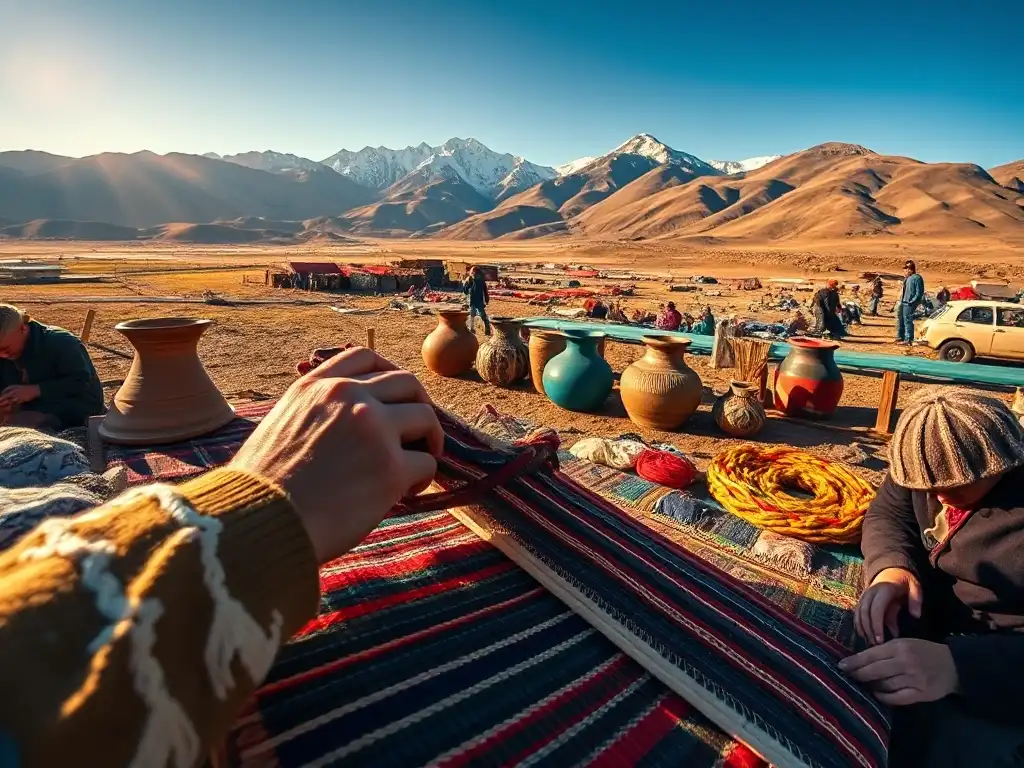
Step into a world lost to time, yet echoing with the ingenuity of the Andes. For centuries, these majestic mountains were home to civilizations that mastered intricate artistry and breathtaking feats of engineering. But what fueled their remarkable achievements? Discover the crucial role of Andean trade goods specialized labor in shaping the destinies of the Incas, Moche, Nazca, and Tiahuanaco – a story of innovation, exchange, and the enduring power of human collaboration. Prepare to be amazed as we unravel the secrets behind their success.
The vibrant economies of the ancient Andean civilizations, encompassing cultures like the Inca, Moche, Nazca, and Tiahuanaco, were not built on simple bartering systems. Instead, they relied heavily on complex networks of trade and sophisticated production methods, fueled by a highly specialized workforce. This article delves into the crucial role of specialized labor in the creation and distribution of Andean trade goods, examining how the organization of labor contributed to the economic success and cultural flourishing of these remarkable societies.
Understanding the intricate systems of specialized production is key to appreciating the scale and sophistication of Andean trade, and this exploration will uncover how specific skills and organized labor were vital to the creation of the goods that connected these diverse cultures across vast distances. We will examine the evidence suggesting that the success of Andean trade wasn't just about the goods themselves, but also about the highly skilled individuals who produced them.
The efficiency and quality achieved through this specialization were critical factors in the economic power and cultural influence of these Andean societies. The keyword "Andean trade goods specialized labor" will be explored thoroughly throughout the article.
Understanding the Importance of Specialized Labor in Andean Economies
The Andean civilizations weren't characterized by a homogenous workforce. Instead, evidence suggests a highly stratified society with individuals specializing in various crafts and production processes. This specialization wasn't random; it was a carefully orchestrated system that significantly boosted productivity and the quality of goods.
Consider, for instance, the intricate textiles produced by the Andean cultures. The creation of these finely woven fabrics required a range of specialized skills, from shearing and spinning the wool to dyeing and weaving it into complex patterns. Each step involved distinct expertise, leading to a finished product of exceptional quality and value, highly sought after in trade networks.
Similarly, the production of ceramics, metallurgy (especially gold and silver work), and stonework all relied on specialized labor, with artisans developing unique techniques and skills passed down through generations. This division of labor allowed for greater efficiency and innovation, resulting in a wider variety and higher quality of goods available for trade. The impact of this specialization extended beyond simple production; it contributed to the development of sophisticated trade networks and the economic prosperity of the Andean civilizations.
The effectiveness of this specialized labor can be seen in the sheer volume and variety of trade goods produced. From intricately designed pottery to finely crafted metalwork and textiles of unparalleled quality, the Andean civilizations produced goods in quantities far exceeding what a less organized workforce could have managed. This abundance, in turn, fueled their extensive trade networks, connecting different regions and cultures across the Andes Mountains. The organization of labor, therefore, wasn't just a matter of efficiency; it was a fundamental aspect of the economic and political structures of these ancient societies.
The Organization of Labor in Ancient Andean Societies
How was this specialized labor organized? While the specifics vary across different Andean cultures and time periods, evidence points towards a combination of factors. There's considerable evidence suggesting the presence of workshops, possibly state-sponsored or associated with religious institutions, where artisans worked collaboratively. These workshops may have employed both skilled professionals and apprentices, ensuring the continuity of specialized knowledge across generations.
Furthermore, the role of ayllus (Andean kinship groups) in organizing labor should not be overlooked. It's likely that ayllus played a significant role in assigning tasks and distributing resources, with individuals contributing their specialized skills to the collective good. The reciprocal nature of ayllu systems may have facilitated the efficient flow of goods and resources within the wider Andean trade networks.
The organization of labor in Andean societies wasn't solely about production; it was also deeply intertwined with social and religious structures. Certain crafts and skills may have held a higher status than others, reflecting the importance of those goods in the society. The creation of elite goods, such as gold ornaments or finely woven textiles for religious ceremonies, likely involved highly skilled artisans working under strict supervision.
The integration of religious beliefs and practices into the production process further underscores the importance of specialized labor in shaping the social and economic landscape of the Andean civilizations. The study of Andean trade goods therefore illuminates not only their economic significance, but also their profound cultural and social implications.
Further research is needed to fully understand the complex interplay between specialized labor, social organization, and religious beliefs in shaping the Andean economies. The intricate nature of this system highlights the sophistication and complexity of these ancient societies.
Craft Specialization and the Production of Key Andean Trade Items
The flourishing Andean trade networks relied heavily on a sophisticated system of specialized labor. The production of key trade items, such as textiles, ceramics, and metalwork, wasn't a haphazard process; instead, it involved highly skilled artisans dedicated to specific crafts. This specialization led to significant improvements in the quality and efficiency of production, fueling the growth of trade across vast distances.
The organization of labor, often overseen by elites or temple institutions, ensured a consistent supply of high-demand goods. This system wasn't limited to a single civilization; similar patterns of craft specialization are evident across various Andean cultures, from the Nazca to the Inca, demonstrating a widespread understanding of the economic benefits of division of labor.
The intricate details found in many surviving artifacts are a testament to the dedication and expertise of these specialized craftspeople. Furthermore, the standardization of certain products suggests a degree of centralized control and quality assurance within the production process, ensuring consistent quality for trade purposes.
Textile Production and the Role of Skilled Weavers
Textile production in the Andes was a highly specialized craft, with skilled weavers creating incredibly intricate and durable fabrics. Alpaca and llama wool were the primary materials, and the techniques employed, including complex weaving patterns and the use of natural dyes, were passed down through generations. Evidence suggests the existence of specialized workshops or even entire communities dedicated to textile production.
The production of prestigious textiles, often adorned with elaborate designs and used for ceremonial purposes or as elite clothing, required an even higher level of skill and expertise. These high-quality textiles were highly valued trade items, exchanging hands across significant distances and becoming markers of status and power.
The vibrant colors and intricate designs of these textiles, many of which have survived to the present day, speak to the exceptional skill of Andean weavers. The creation of these complex patterns required considerable training and skill, leading to a hierarchical structure within the textile production system.
Ceramic Manufacturing and the Expertise of Potters
The creation of Andean ceramics, ranging from simple utilitarian vessels to elaborate ceremonial objects, also involved specialized labor. Potters, often working in dedicated workshops, possessed intricate knowledge of clay types, firing techniques, and decorative styles. The quality of Andean ceramics varied significantly depending on the intended use and the skill of the potter. High-quality ceramics, often decorated with intricate designs and used for ritual purposes or elite consumption, were highly valued trade goods.
The mastery of different firing techniques allowed for the production of ceramics with varying textures and colors, further enhancing their value. Some pottery styles became associated with specific regions or cultures, facilitating the identification of trade routes and patterns. The widespread presence of similar ceramic styles across geographically distant areas supports the idea of extensive trade networks and the importance of skilled potters in these exchanges.
Metalworking Techniques and the Labor of Andean Metallurgists
Andean metalworking represents a pinnacle of specialized labor. The extraction, smelting, and crafting of metals like gold, silver, copper, and bronze required advanced technical knowledge and specialized tools. Metallurgists held a high social standing, and their skills were essential for the production of prestigious metal objects, including elaborate jewelry, ceremonial tools, and weaponry. The techniques employed in Andean metalworking, including lost-wax casting and hammering, were sophisticated and required years of training.
The production of metal goods was often linked to religious or political power, with high-quality metalwork serving as symbols of status and authority. The presence of extensive metal mines and workshops, as evidenced by archaeological findings, indicates the scale of this specialized labor and its importance to the Andean economy. The intricate designs and fine craftsmanship of Andean metalwork demonstrate the advanced level of skill achieved by these specialized artisans.
The Impact of Specialized Labor on the Quality of Andean Trade Goods
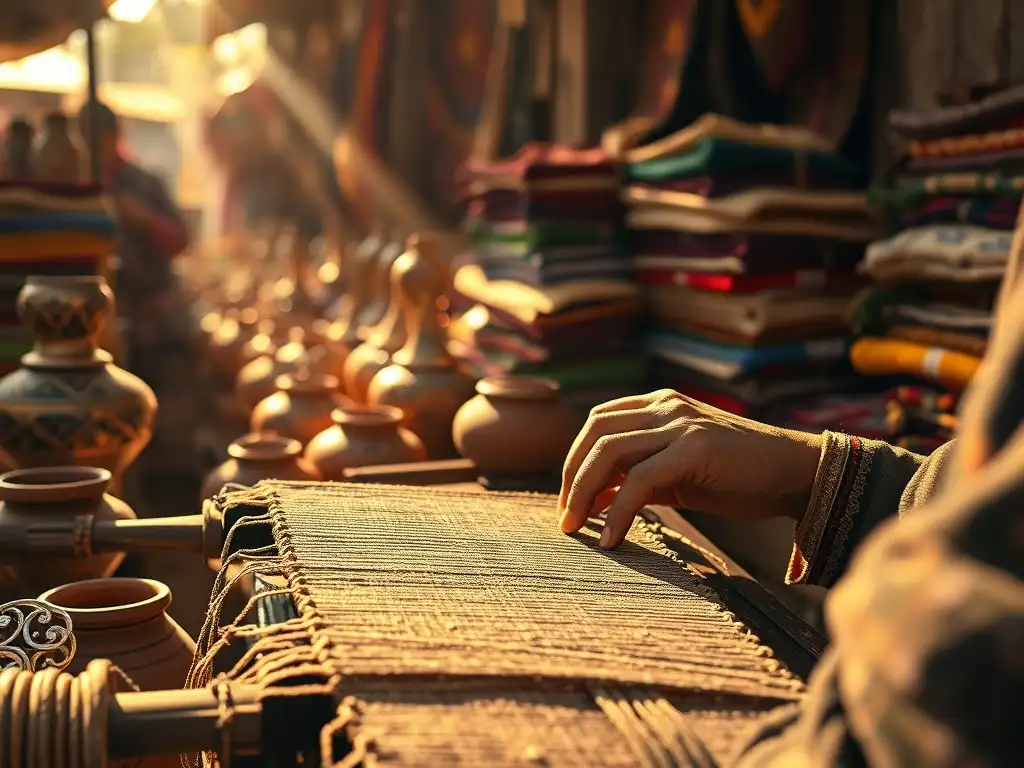
The specialization of labor in Andean societies had a profound impact on the quality of the goods produced for trade. The dedicated focus of individual artisans on specific crafts led to significant improvements in techniques, efficiency, and overall quality. This resulted in a wider range of high-quality goods available for trade, which in turn fueled the growth of Andean trade networks.
The standardization of certain products, such as textiles or ceramics, also reflects the impact of specialized labor. The consistent quality and style of these items facilitated trade and ensured a reliable supply of goods for distant markets.
This specialization not only enhanced the economic strength of Andean societies but also contributed to the creation of unique and highly valued artistic traditions that continue to fascinate and inspire us today. The legacy of this specialized labor is evident in the remarkable artifacts that have survived, offering a compelling testament to the skill and ingenuity of Andean artisans.
Regional Variations in Specialized Labor and Trade Networks
The Andean region, encompassing diverse geographical zones from the arid coast to the high Andes, fostered a complex interplay between specialized labor and extensive trade networks. The type of specialized labor and the goods produced varied significantly depending on the specific ecological niche and available resources. Coastal communities, with access to marine resources and unique raw materials, developed distinct craft specializations, while highland communities focused on different production methods, utilizing the resources available in their high-altitude environments.
The integration of these regional specializations through sophisticated trade routes formed the backbone of the Andean economy, driving cultural exchange and economic prosperity. The sheer scale and organization of these networks highlight the sophisticated understanding of logistics and resource management present in these ancient societies.
The efficient distribution of goods across vast distances underscores the importance of specialized labor in facilitating this complex system. Without this specialization, the production and trade of many high-value goods would have been impossible.
Coastal Regions and Their Unique Craft Specializations
Coastal communities, such as the Moche and Nazca cultures, developed remarkable skills in fishing, pottery, and textile production, leveraging the marine resources and unique clays available in their environment. The Moche, renowned for their intricate metalwork and elaborate painted pottery depicting scenes of daily life and mythology, relied on skilled artisans specializing in these crafts. These artisans likely worked in workshops or organized groups, passing down their techniques through generations.
The intricate details and stylistic consistency evident in Moche pottery suggest a high degree of specialization and organization within their production processes. Similarly, the Nazca people, known for their impressive geoglyphs and fine textiles, also demonstrated a high level of specialized labor in their craft production.
The production of textiles, with its complex dyeing and weaving techniques, required specialized knowledge and skills, passed down through generations of artisans. Evidence suggests that particular coastal communities specialized in specific crafts, leading to a complex network of exchange and trade between different coastal settlements.
Highland Communities and Their Distinctive Production Methods
Highland communities, particularly those associated with the Inca and Tiahuanaco cultures, focused on agriculture, metalworking, and stonework, adapting their production methods to the challenges of the high-altitude environment. The Inca, for example, developed sophisticated agricultural techniques, including terracing and irrigation systems, to maximize crop yields in the challenging terrain. This required specialized knowledge of agriculture and engineering, highlighting the importance of specialized labor in sustaining their large population.
Furthermore, the Inca's mastery of stonework, evident in their impressive monumental architecture, such as Machu Picchu, required highly skilled masons and architects. These specialized workers, likely organized into guilds or work groups, possessed the knowledge and experience necessary to create such intricate and precise stone structures.
The Inca also excelled in metalworking, particularly in gold and silver, creating elaborate ornaments and tools that demonstrated their advanced technological capabilities. This level of metalworking expertise required specialized skills and knowledge in metallurgy, mining, and craftsmanship.
Examples of Andean Trade Goods Produced by Specialized Labor
The Andean region boasts a rich history of trade goods crafted through specialized labor, reflecting the ingenuity and skill of its artisans. These goods, ranging from elaborate textiles and fine ceramics to precious metalwork, served not only practical purposes but also symbolized social status and power. The intricate craftsmanship and high quality of these goods are a testament to the sophisticated level of specialization achieved by Andean artisans. The trade in these goods facilitated the exchange of resources and ideas across vast distances, contributing significantly to the economic and cultural integration of the Andean region.
Elaborate Textiles as a Symbol of Skill and Status
Textiles in the Andean world were more than just clothing; they were significant cultural artifacts, reflecting the wearer's social status and the skill of the artisan who created them. The use of vibrant dyes, intricate weaving techniques (such as tapestry and brocade), and the incorporation of symbolic motifs all contributed to the value and significance of these textiles. The production of these elaborate textiles required specialized knowledge of dyeing techniques, weaving patterns, and fiber preparation.
Textile production was often organized within family units or specialized workshops, where artisans passed down their knowledge and skills through generations. Specific textiles, such as the cumbe (a type of woven cloth), were highly valued and often used as a form of currency or tribute. The intricate designs and high-quality materials used in these textiles are a clear indication of the specialized labor involved in their production.
Fine Ceramics and Their Role in Andean Society
Andean ceramics, renowned for their artistry and technical sophistication, played a vital role in Andean society. From simple utilitarian vessels to elaborate ceremonial pieces, ceramics served a variety of functions, reflecting the diverse needs and beliefs of Andean communities. The production of these ceramics required specialized knowledge of pottery techniques, including clay preparation, firing methods, and decorative styles.
The Moche culture, for example, is famous for its incredibly detailed and lifelike ceramic representations of humans, animals, and mythological figures, demonstrating a high level of artistic skill and specialized knowledge. The production of fine ceramics was often organized in specialized workshops, where artisans worked collaboratively to produce large quantities of high-quality goods. The elaborate designs and stylistic consistency of these ceramics indicate a high degree of specialization and artistic talent.
Precious Metalwork and the Value of Andean Gold and Silver
The Andean region is famous for its rich deposits of gold and silver, and the skilled artisans who transformed these precious metals into elaborate ornaments, tools, and ceremonial objects. The production of these items required specialized knowledge of metallurgy, including techniques for mining, refining, and working with these metals. The Inca, for example, were renowned for their mastery of gold and silver working, creating incredibly intricate and delicate objects, often adorned with precious stones.
The value of these precious metal objects was not merely economic; they also held significant symbolic and ritual importance, reflecting the power and prestige of the ruling elite. The creation of these objects required highly skilled artisans who possessed specialized knowledge and skills, and whose work was highly valued within Andean society. The impressive scale and quality of Andean gold and silver work showcase a remarkable level of technological advancement and specialized labor.
The Relationship Between Specialized Labor and Andean Trade Routes
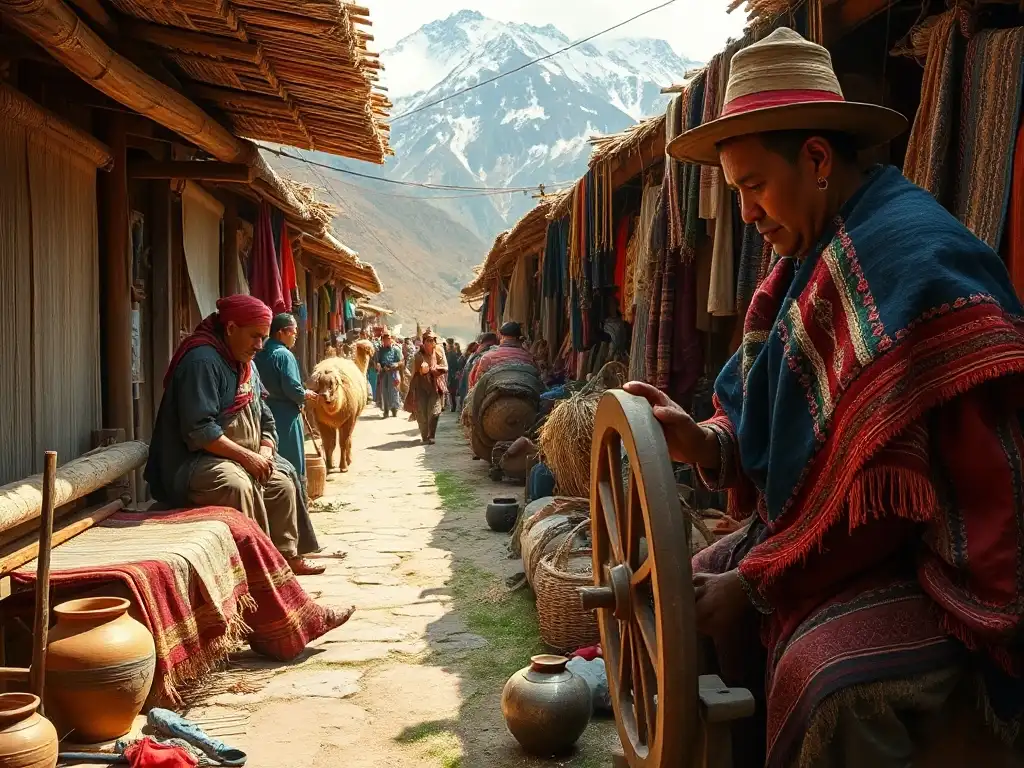
The intricate network of Andean trade routes, spanning vast distances across challenging terrain, relied heavily on specialized labor for its success. The efficient movement and exchange of goods, from the coastal deserts to the high Andes, demanded a sophisticated division of labor. Specialized artisans, skilled in textile production, pottery creation, metalworking, and stone carving, were crucial to producing the high-quality trade goods that fueled the Andean economy. These artisans often resided in specific locations, their expertise tied to local resources and traditions.
For instance, certain valleys were renowned for their fine textiles, while others specialized in metallurgy. This geographic specialization further enhanced the efficiency of the trade network, minimizing transportation costs and maximizing the value of the exchanged goods. The organization of labor was not solely geographically determined; it also involved complex social structures, with specialized roles often inheritable within families or clans, ensuring the continuity of craft traditions across generations.
This system facilitated the production of consistent, high-demand goods, driving trade and economic growth across the Andean region. We can see evidence of this in the standardization of certain pottery styles found across vast distances, indicating widespread distribution and a degree of centralized production or at least highly similar techniques. The sheer scale of the trade networks and the quality of the goods produced speak volumes about the effectiveness of this specialized labor system.
The Legacy of Andean Specialized Labor in Modern Crafts
The legacy of Andean specialized labor continues to resonate in the vibrant tapestry of modern crafts. Many traditional techniques, passed down through generations, are still practiced today, showcasing the enduring influence of ancient Andean skills and artistry. Textile production, for example, remains a cornerstone of Andean culture, with communities continuing to produce intricate weavings using techniques that date back centuries. The same can be said for pottery, metalwork, and stone carving.
These crafts not only provide livelihoods for many Andean communities but also serve as powerful reminders of the rich heritage of specialized labor that shaped the ancient Andean world. However, the modern context presents new challenges. Globalization and changing market demands have impacted traditional production methods, with some artisans facing difficulties in maintaining their craft and competing with mass-produced goods.
Preservation efforts, often involving collaborations between artisans, researchers, and government organizations, are crucial in ensuring the survival of these invaluable traditions and the continuation of Andean specialized labor. The ongoing revival and adaptation of these ancient techniques demonstrate the remarkable resilience of Andean culture and the enduring power of skilled craftsmanship. These crafts not only represent economic activity but also serve as a powerful link to the past, fostering cultural pride and identity.
Conclusion: Specialized Labor as a Cornerstone of the Andean Economy
The specialized labor system played a pivotal role in the economic success of the Andean civilizations. The efficient production of high-quality trade goods, facilitated by a sophisticated division of labor and intricate trade networks, fueled economic growth and cultural exchange across the vast Andean region. From the skilled artisans who crafted exquisite textiles and pottery to the organized networks that facilitated the transportation of goods, specialized labor was a cornerstone of the Andean economic system.
The enduring legacy of these traditions in modern crafts underscores the lasting impact of this ancient system, highlighting the importance of preserving these valuable skills and knowledge for future generations. Further research into the organization and management of this labor system could reveal even more about the sophistication and complexity of the Andean economy and the ingenuity of its people.
The study of Andean trade goods and the specialized labor involved in their production offers a fascinating glimpse into the economic and social dynamics of a remarkable civilization. Understanding this intricate system provides valuable insights into the factors that contributed to the rise and success of the Andean empires, leaving a lasting mark on the region's cultural landscape.
- Understanding the Importance of Specialized Labor in Andean Economies
- The Organization of Labor in Ancient Andean Societies
- Craft Specialization and the Production of Key Andean Trade Items
- The Impact of Specialized Labor on the Quality of Andean Trade Goods
- Regional Variations in Specialized Labor and Trade Networks
- Examples of Andean Trade Goods Produced by Specialized Labor
- The Relationship Between Specialized Labor and Andean Trade Routes
- The Legacy of Andean Specialized Labor in Modern Crafts
- Conclusion: Specialized Labor as a Cornerstone of the Andean Economy
Frequently Asked Questions
What role did specialized labor play in Andean civilizations?
Andean societies relied heavily on specialized labor for the production of trade goods. This allowed for efficient and large-scale production of high-quality goods like textiles and ceramics. This specialization was crucial to their economic success.
What were some of the key Andean trade goods?
Textiles, particularly fine fabrics like cuyana, were highly prized. Ceramics, both utilitarian and ceremonial, were also important. Metals, such as gold and silver, were used for both adornment and ritual objects, demonstrating high levels of craftsmanship.
How did specialized labor impact the Andean economy?
Specialized labor fostered economic growth and interregional exchange. The efficient production of trade goods allowed for the development of complex trade networks across the Andes, generating wealth and power for various groups.
Were all Andean societies equally reliant on specialized labor?
While all Andean civilizations utilized some form of specialized labor, the degree of specialization varied. The Inca Empire, for instance, had a highly organized system of specialized labor, whereas smaller societies may have had less complex systems.
How did Andean civilizations organize their specialized labor?
Organization varied, but often involved craft guilds or state-sponsored workshops. The Inca used a system of mita, a form of labor tribute, to manage large-scale projects and production of goods for the empire.
Final Reflection: Weaving the Threads of Andean Trade: Past, Present, and Future
The intricate tapestry of Andean trade, woven through centuries of specialized labor, continues to resonate in today's globalized economy. Understanding the historical roles of specialized artisans and producers is not merely an academic exercise; it holds crucial lessons for sustainable development, fair trade practices, and the preservation of invaluable cultural heritage. The skills and knowledge passed down through generations are not relics of the past, but vital threads in the fabric of modern Andean economies.
The enduring influence of specialized labor in the Andes is profoundly evident in the continued production of textiles, ceramics, and metalwork, each carrying unique cultural significance and economic value. These crafts, often imbued with deep spiritual and symbolic meaning, represent more than just commodities; they are living testaments to the ingenuity and resilience of Andean communities. The hands that create are the hands that preserve,
a sentiment echoing across generations of Andean artisans, speaks to the intimate connection between craft, culture, and identity. The challenge lies in ensuring that these traditions not only survive but thrive in a rapidly changing world.
Consider the impact of your choices as a consumer. By actively seeking out authentic, ethically sourced Andean trade goods, you directly support the continuation of these vital traditions and empower the communities that create them. Let us move beyond passive observation and become active participants in preserving the rich legacy of Andean specialized labor. Embrace the stories woven into each piece, and let the beauty and craftsmanship inspire you to champion fair trade and sustainable practices, ensuring that the vibrant threads of Andean culture continue to enrich our world for generations to come.
Unleash Your Curiosity About Andean Traditions!
Thank you for exploring the fascinating world of specialized labor in Andean trade! We hope you now have a deeper appreciation for how these ancient practices shaped their vibrant economies and cultures. To continue this exploration, let's delve deeper into this rich heritage with a few suggestions!
- Participate in a hands-on workshop focusing on traditional Andean crafts. This will allow you to experience the skills firsthand and connect with the artisans.
- Learn more about the diverse range of goods produced in the Andes. Consider starting a blog to share your discoveries and insights with others.
- Share this article with friends and family who might be interested in Andean culture, sparking conversations about the enduring influence of these traditions on modern society.
What aspect of Andean craftsmanship most captivates you, and how do you believe it continues to impact the world today?