
Ancient Andean Agriculture: Understanding the Ingenuity of Past Civilizations

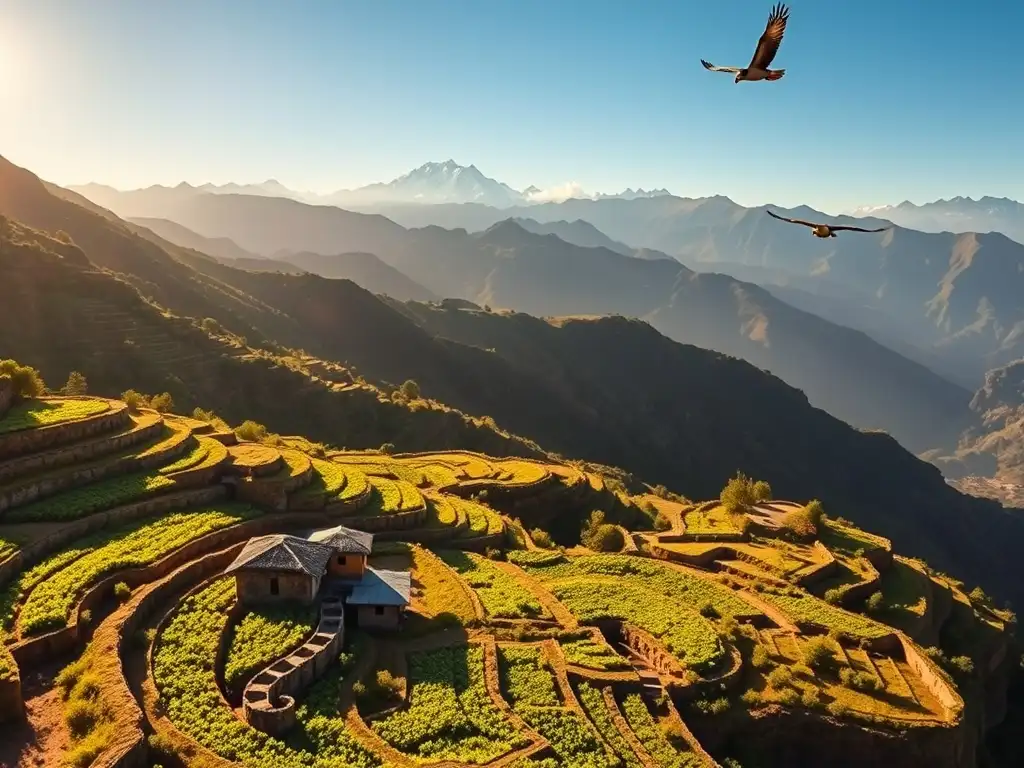
Uncover the secrets of a lost world where ingenuity flourished amidst towering peaks and arid valleys. For centuries, the Andes Mountains were home to remarkable civilizations whose advancements continue to amaze. Prepare to be captivated by the remarkable ingenuity of Ancient Andean farming techniques, a testament to human adaptation and resilience. Journey with us through "Exploring the Andes Today" and discover how these ancient peoples shaped their environment and built empires on the foundations of their agricultural innovations. The story of their success awaits— dare to explore?
- Unveiling the Secrets of Ancient Andean Farming Techniques
- Mastering the Art of Andean Agricultural Systems: A Traveler's Guide
- Tools and Techniques of Ancient Andean Farmers: A Pre-Trip Deep Dive
- Connecting Ancient Andean Agriculture to Modern Travel Experiences
- Practical Tips for Observing Ancient Andean Farming on Your Trip
- Conclusion: Appreciating the Enduring Genius of Ancient Andean Agriculture
-
Frequently Asked Questions
- What innovative farming techniques did the ancient Andean civilizations employ?
- How did the Incas manage to feed such a large population?
- What role did climate play in shaping Andean farming practices?
- What crops were most important to the ancient Andean civilizations?
- How did ancient Andean farming techniques contribute to their societal development?
- Final Reflection: Harvesting the Wisdom of the Andes
- **Unleash the Wisdom of Ancient Andean Agriculture! **
Unveiling the Secrets of Ancient Andean Farming Techniques
The Andes Mountains, a spine of towering peaks stretching along the western coast of South America, are not just a breathtaking landscape; they are a cradle of civilization. For millennia, ingenious Andean cultures—including the Incas, Moche, Nazca, and Tiahuanaco—thrived in this challenging environment, developing sophisticated agricultural techniques that allowed them to flourish amidst steep slopes, arid deserts, and high altitudes. This article delves into the remarkable ingenuity of ancient Andean farming, exploring the sustainable practices and innovative strategies that shaped their societies and left an enduring legacy.
Understanding these ancient farming techniques provides crucial insight into the resilience and adaptability of these civilizations, offering valuable lessons for modern sustainable agriculture and enriching our appreciation for the cultural heritage of the Andes. We will explore the importance of sustainability, the diverse ecosystems that influenced their methods, and the specific techniques they employed to cultivate their lands.
This exploration is crucial for anyone planning a trip to Andean historical sites, as it will deepen your understanding and appreciation of the remarkable achievements of these past civilizations and the landscapes they inhabited. Let's embark on this journey to discover the secrets of Ancient Andean farming techniques.
The Importance of Sustainable Farming in the Andean World
Ancient Andean agriculture wasn't merely about producing food; it was deeply intertwined with their spiritual beliefs and social structures. Sustainability was paramount. These civilizations understood the delicate balance of their environment and developed practices that ensured long-term productivity without depleting resources. This wasn't a passive approach; it involved meticulous planning, careful observation, and a deep respect for the land.
Evidence suggests a strong emphasis on crop rotation, terracing, and water management—techniques designed to minimize soil erosion, optimize water use, and maximize yields. The cyclical nature of their agricultural practices mirrored their understanding of the natural world's rhythms, fostering a harmonious relationship between humans and their environment. Furthermore, their agricultural systems often incorporated diverse crops, reducing the risk of widespread crop failure and ensuring food security.
This intricate system highlights the interconnectedness of their agriculture with their social, spiritual and environmental well-being. The success of their methods is evidenced by the longevity and prosperity of these Andean societies for centuries. For example, the terraces of the Inca civilization are still visible today, a testament to their enduring engineering prowess and commitment to sustainable practices.
Understanding the Diverse Ecosystems and Their Influence on Andean Agriculture
The Andes boast a remarkable diversity of ecosystems, ranging from arid coastal deserts to lush cloud forests and high-altitude puna grasslands. This environmental variety significantly influenced the development of diverse agricultural techniques. Coastal communities, for instance, relied heavily on irrigation systems to cultivate crops in arid regions, while those in the highlands adapted to the challenges of thin soils and harsh climates through innovative techniques like terracing and raised fields.
The varied altitudes also allowed for the cultivation of a wide range of crops, creating a rich agricultural mosaic. High-altitude crops like potatoes and quinoa thrived in the cooler climates, while lower elevations were ideal for maize, beans, and squash. This agricultural diversification not only ensured food security but also contributed to the cultural richness of the Andean world.
The adaptation to these diverse ecosystems showcases the remarkable ingenuity and adaptability of ancient Andean farmers. Their deep understanding of their environment allowed them to harness its resources effectively, resulting in thriving agricultural systems that supported large and complex societies. The diversity of techniques employed underscores the interconnectedness of agriculture with the varied geography of the Andes.
Mastering the Art of Andean Agricultural Systems: A Traveler's Guide
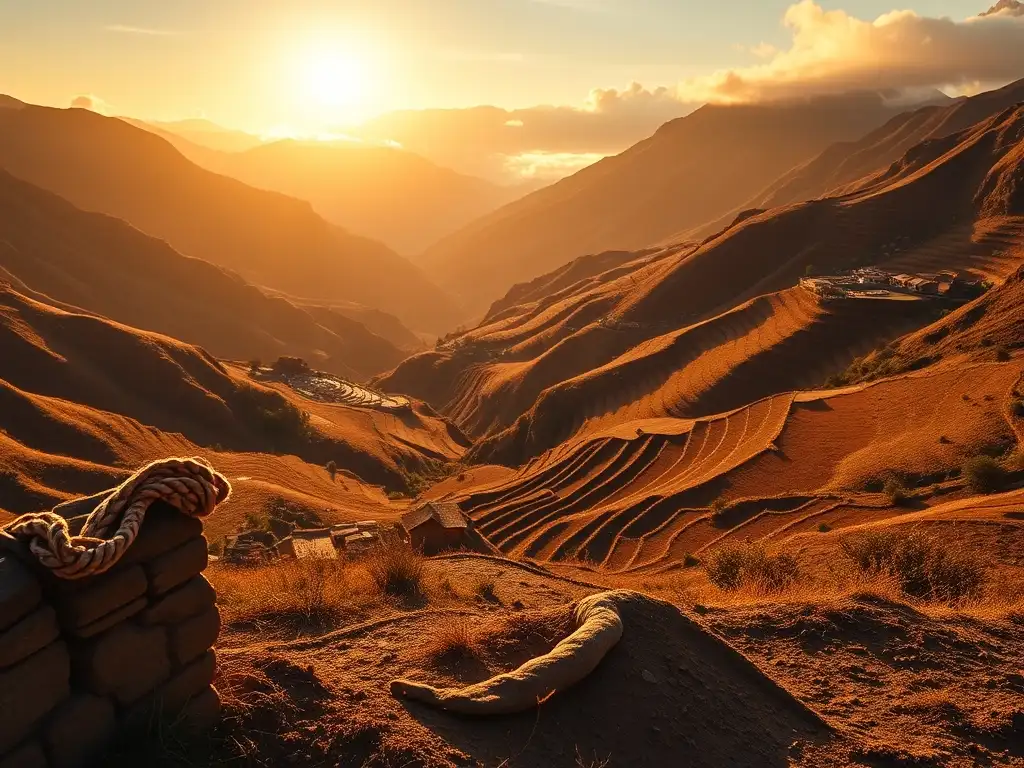
This section delves into the sophisticated agricultural techniques employed by ancient Andean civilizations, offering insights for travelers interested in understanding the ingenuity behind their remarkable achievements. These methods, honed over millennia, allowed these cultures to thrive in challenging high-altitude environments and are still visible in many regions today. Understanding these systems enhances the appreciation of the historical sites you'll visit, revealing the deep connection between the landscape and the people who shaped it. The ingenuity displayed in Ancient Andean farming techniques is a testament to human adaptability and resourcefulness.
Terraced Farming: A Marvel of Andean Engineering
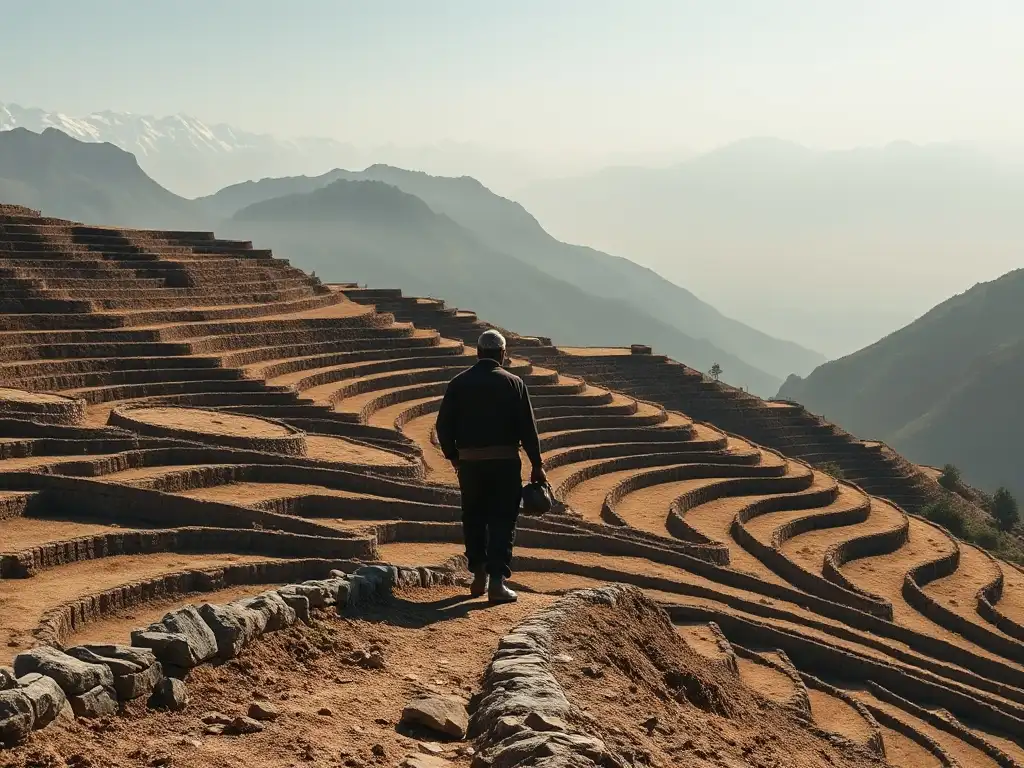
Terraced farming, arguably the most visually striking of Andean agricultural innovations, is a testament to the civilization's mastery of engineering and environmental adaptation. These meticulously constructed terraces, carved into steep hillsides, dramatically increased the amount of arable land available for cultivation. The terraces themselves served multiple purposes. They not only provided level planting surfaces but also controlled erosion, conserved water, and modified microclimates to suit specific crops.
The construction of these terraces was a monumental undertaking, requiring precise surveying, skilled stonework, and significant labor. Evidence suggests that different Andean cultures developed their own unique styles of terraced agriculture, reflecting regional variations in topography and agricultural practices. For instance, the Inca terraces are often characterized by their precisely fitted stones and intricate drainage systems, while earlier cultures may have used simpler techniques.
The scale of some of these projects is breathtaking; some terraced landscapes stretch for kilometers, showcasing the remarkable organizational and engineering capabilities of these societies. Observing these terraces firsthand provides a powerful visual representation of the scale of human effort involved in shaping the Andean landscape and the sophisticated understanding of agricultural principles employed.
The effectiveness of terraced farming is evident in its enduring legacy. Many terraced fields remain in use today, a testament to their practicality and sustainability. Visiting active terraces provides a unique opportunity to witness the continuation of ancient agricultural practices and appreciate the enduring connection between Andean communities and their ancestral lands.
Waru Waru: Raised Bed Agriculture for Water Management
Waru waru, a unique raised-bed agricultural system, showcases the ingenious solutions developed by the ancient Andean people to overcome the challenges of water scarcity and fluctuating temperatures in the altiplano. This system involved creating raised beds separated by irrigation canals, creating a microclimate that provided optimal conditions for crop growth. The raised beds increased drainage, warmed the soil more efficiently, and improved water retention compared to traditional farming techniques.
The canals between the raised beds served a dual purpose. They acted as irrigation channels and also functioned as drainage systems, allowing excess water to flow away, preventing waterlogging and soil erosion. The system also improved soil fertility. The organic matter accumulating in the canals acted as a natural fertilizer, enriching the soil in the raised beds. This sustainable method reduced the need for external inputs, making it an ecologically sound approach.
Furthermore, the design of waru waru systems often incorporated specific plant combinations to optimize resource use and promote biodiversity. For example, water-intensive crops might be planted closer to the canals, while drought-resistant crops were placed on higher parts of the beds. This intelligent approach to crop diversification enhanced the resilience of the entire system and mitigated the risk of crop failure due to environmental variations. The enduring relevance of waru waru is being explored by modern agricultural practices, demonstrating its potential for sustainable and climate-resilient food production in challenging environments.
Qochas: Water Harvesting and Storage Methods
Qochas, artificial lakes or reservoirs, played a crucial role in the ancient Andean agricultural systems, providing a vital source of water for irrigation during dry seasons. These ingenious water management systems involved constructing reservoirs of varying sizes, often utilizing natural depressions in the landscape or strategically diverting water from streams and rivers. The construction of qochas required significant engineering skills, involving the careful shaping of earth embankments and the use of stone and other materials to ensure water retention.
The size and design of qochas varied depending on the local environment and the needs of the community. Some were relatively small, serving individual farms or small villages, while others were large-scale projects that provided water for extensive agricultural areas. The strategic placement of qochas was crucial, taking into account factors like water availability, topography, and the proximity to agricultural lands.
The management of qochas involved sophisticated techniques for water control and distribution. This included the construction of canals and channels to direct water from the reservoirs to the fields, as well as systems for regulating water flow to prevent flooding or water shortages. The sustainability of these systems was ensured through careful maintenance and repair, reflecting the deep understanding of water resources management held by the ancient Andean people.
The legacy of qochas is still visible in many Andean regions today, where some of these ancient water storage systems continue to play a vital role in agriculture. Their presence offers a compelling reminder of the ancient Andean people's deep understanding of water resource management and its importance for their survival and prosperity.
Tools and Techniques of Ancient Andean Farmers: A Pre-Trip Deep Dive
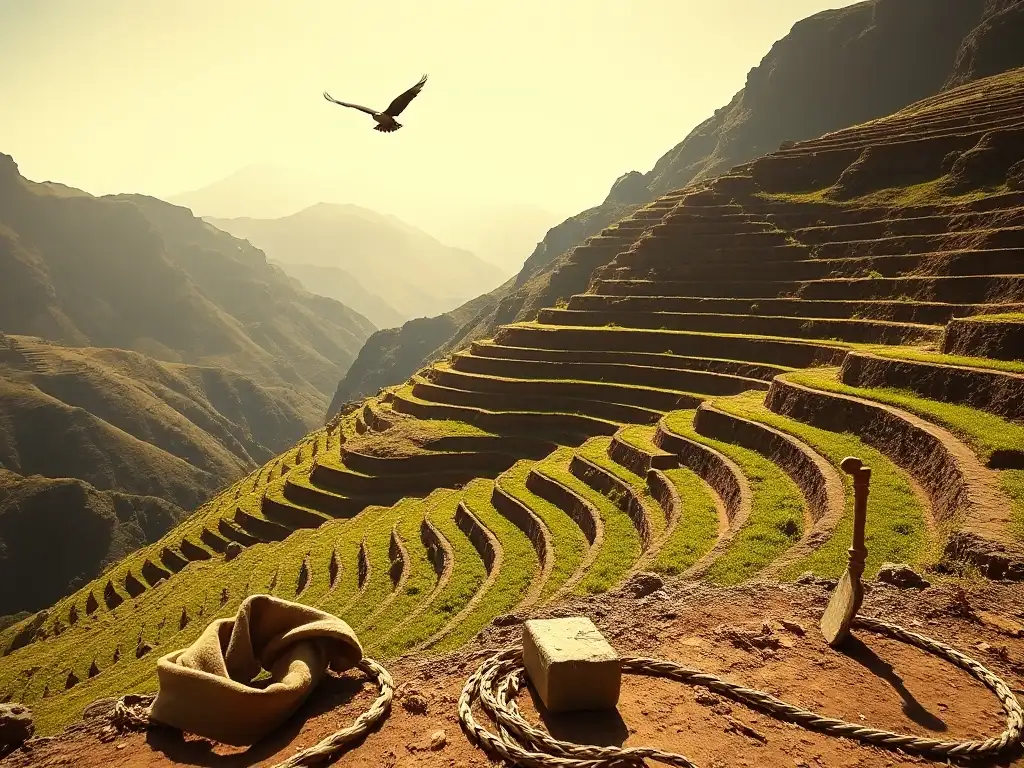
This section delves into the remarkable tools and techniques employed by ancient Andean civilizations to cultivate their challenging terrains. Understanding these methods provides a richer appreciation for the ingenuity and resilience of these cultures and enhances your experience when visiting archaeological sites. We'll explore some key aspects of their farming practices, focusing on the tools they used and their clever approaches to fertilization. This knowledge will give you a deeper understanding of the landscapes you'll be exploring and the civilizations that shaped them.
The Chaquitaclla: Andean Foot Plow for Soil Preparation
The chaquitaclla, a foot-powered plow, stands as a testament to Andean ingenuity. This simple yet effective tool was crucial for preparing the land for planting. Unlike animal-drawn plows found in other parts of the world, the chaquitaclla was perfectly adapted to the Andean environment.
Its design, a combination of a digging point and a footrest, allowed farmers to efficiently till the soil, even in mountainous regions with difficult terrain. The chaquitaclla’s effectiveness stemmed from its ability to loosen the soil without completely inverting it, preserving the soil structure and its natural fertility. This technique was particularly important in the high-altitude Andes, where soil erosion is a significant concern.
The construction of a chaquitaclla was relatively straightforward, requiring primarily locally sourced materials like wood and metal. This accessibility made it a ubiquitous tool across various Andean communities. Archaeological evidence suggests its widespread use across different time periods and among diverse Andean cultures. Observing the remains of ancient terraces and agricultural fields will help you visualize how this seemingly simple tool played a critical role in shaping the Andean landscape. Consider the physical effort involved—imagine using one yourself! It truly emphasizes the hard work and dedication of these ancient farmers.
Fertilization Practices: The Use of Guano and Other Natural Resources
Ancient Andean farmers displayed remarkable understanding of soil fertility and employed sophisticated fertilization techniques to maximize crop yields. Guano, the excrement of seabirds and bats, was a prized resource, rich in nitrogen and other essential nutrients. Access to guano deposits, often located on coastal islands and in caves, was carefully managed, reflecting a sophisticated understanding of resource management and its importance to agricultural success. The transportation of guano from these remote locations to inland agricultural fields was a significant logistical undertaking, further highlighting the value placed on this natural fertilizer.
Beyond guano, Andean farmers utilized a variety of other natural resources to enrich their soils. These included animal manure, composted plant matter, and even human waste. The specific methods varied depending on the location and available resources, but the overarching principle remained the same: to maintain and enhance soil health through sustainable practices. This approach to fertilization is particularly relevant today, as we grapple with the challenges of modern agriculture and the need for sustainable farming methods.
The ingenuity of these ancient Andean farmers serves as a powerful reminder of the importance of working with nature, rather than against it. Understanding their techniques provides valuable insights into the sustainable practices that can be adapted for contemporary agriculture. The careful observation of terraces and agricultural plots will reveal evidence of these practices, enriching your appreciation for Andean farming innovation.
Connecting Ancient Andean Agriculture to Modern Travel Experiences
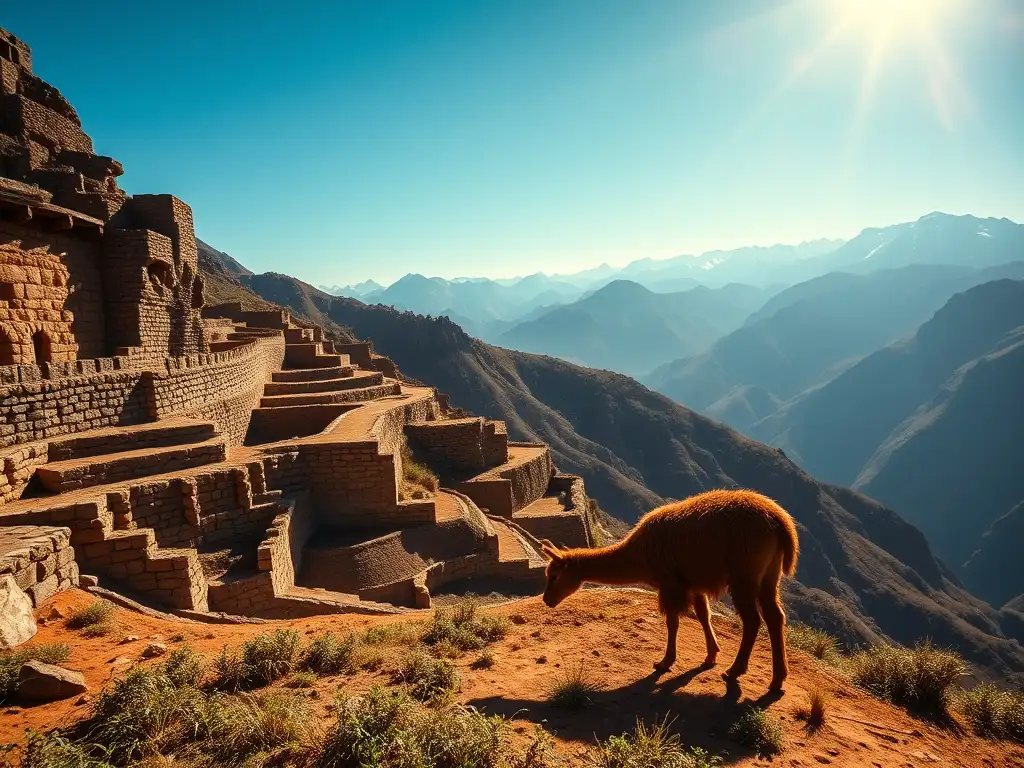
This section explores how understanding ancient Andean farming techniques enhances the modern traveler's experience in the Andes. By appreciating the ingenuity and resilience of past civilizations, visitors gain a deeper understanding of the landscape, the local cultures, and the sustainable practices still relevant today. This knowledge transforms a simple sightseeing trip into a richer, more meaningful journey, connecting the past with the present in a tangible way. The legacy of these ancient agricultural systems is woven into the fabric of Andean life, influencing everything from the food you eat to the communities you encounter.
Experiencing the Legacy: Guided Tours of Agricultural Sites
Many archaeological sites in the Andes offer glimpses into the sophisticated agricultural practices of past civilizations. Guided tours can significantly enhance your understanding and appreciation of these sites. These tours aren't just about seeing ancient ruins; they're about understanding the why behind their construction and the impact they had on the daily lives of the people who built them.
For example, a guided tour of the Moray agricultural terraces near Cusco can explain how the Incas experimented with different microclimates to cultivate a wide variety of crops. Similarly, a tour focused on the Nazca lines might highlight the intricate understanding of water management necessary for farming in the arid coastal region. Look for tours that emphasize the agricultural aspects of the sites, explaining techniques like terracing, irrigation systems ( canales), and crop diversification.
A knowledgeable guide can bring these ancient practices to life, painting a vivid picture of Andean agricultural innovation. The experience is further enriched by engaging with local communities who continue to utilize traditional farming methods, ensuring the preservation of this precious heritage. Choosing tours that prioritize local guides supports sustainable tourism and allows for a more authentic cultural exchange.
Understanding the Importance of Local and Sustainable Tourism
Appreciating ancient Andean farming techniques directly influences your choices as a responsible traveler. Sustainable tourism is paramount to preserving both the cultural and environmental heritage of the Andes. By supporting local communities and businesses, you contribute to the continuation of traditional farming practices and help protect the fragile Andean ecosystems. This might involve choosing locally owned accommodations, eating at restaurants that source ingredients from local farms (look for menus emphasizing Andean crops!
), and participating in tours that prioritize community involvement. Opting for eco-friendly transportation options also minimizes your environmental impact. Remember, your tourism dollars can have a powerful effect.
By choosing sustainable options, you are actively contributing to the preservation of the very landscapes and traditions that made ancient Andean agriculture so remarkable. This conscious approach transforms your travel experience into an act of cultural preservation, ensuring that future generations can continue to appreciate the ingenuity of ancient Andean farming techniques. The impact of responsible tourism is far-reaching, ensuring the continued vitality of both the cultural heritage and the stunning Andean landscape.
Practical Tips for Observing Ancient Andean Farming on Your Trip
This section provides practical advice for travelers interested in witnessing the enduring legacy of Ancient Andean farming techniques during their exploration of Andean historical sites. Understanding the nuances of these techniques will significantly enrich your experience and provide a deeper appreciation for the ingenuity of past civilizations. We'll explore optimal visiting times and key features to identify when examining ancient agricultural structures.
Best Times to Visit Agricultural Sites and Witnessing Farming Activities
The best time to visit Andean agricultural sites and potentially observe contemporary farming practices that echo ancient techniques varies depending on the specific location and altitude. Generally, the dry season (May to September) offers the best weather conditions for exploring the sites themselves. However, if you're hoping to witness active farming, you'll need to consider the planting and harvesting cycles, which differ based on the crops and microclimates.
For example, in the higher altitudes of the Andes, where potatoes are a staple crop, planting typically occurs in spring (October-November), while harvesting happens in the late summer or early autumn (March-April). Visiting during these periods might offer the chance to see farmers planting or harvesting using methods that have evolved from ancient Andean farming techniques. Lower altitudes, with warmer climates, will have different schedules. The cultivation of maize, for instance, follows a different timetable.
To maximize your chances of witnessing active farming, it's advisable to:
- Research specific regions and their agricultural calendars: Many local tourism offices or agricultural cooperatives can provide information on planting and harvesting seasons for various crops in the area.
- Consider visiting during local festivals: Many Andean communities celebrate agricultural harvests with festivals, offering a unique opportunity to experience the cultural significance of farming and potentially observe traditional techniques.
- Engage with local communities: Talking to local farmers directly is invaluable. They can provide firsthand insights into their practices, often directly linked to centuries-old traditions.
Remember to be respectful of private property and farming activities; always ask for permission before taking photos or interacting closely with farmers and their work. The opportunity to witness these practices is a privilege, not a right.
What to Look For: Identifying the Different Types of Andean Farming Structures
Ancient Andean farming techniques were incredibly diverse and adapted to the varied terrains and climates of the Andes. Recognizing the different types of structures used is crucial to understanding their ingenuity. Key features to look for include:
- Terraces (Andenes): These iconic agricultural structures carved into hillsides were essential for creating level plots for farming in mountainous regions. Look for carefully constructed walls made of stone, often with intricate drainage systems to manage water. The size and complexity of the terraces can vary significantly, reflecting the scale and sophistication of the civilization that built them. Note the orientation of the terraces – often designed to maximize sunlight exposure.
- Irrigation Channels (Acequias): Efficient water management was critical for Andean agriculture. Look for evidence of canals and channels that directed water from rivers and streams to the fields. These systems were often remarkably sophisticated, utilizing gravity and other principles to distribute water effectively across large areas. Observe the materials used in constructing the channels – stone, earth, or a combination of both.
- Waru Waru: This ancient agricultural system, characteristic of the Tiwanaku culture, involved raised fields surrounded by canals. The canals served not only for irrigation but also for regulating temperature and protecting crops from frost. Look for elevated planting beds and the surrounding water channels. Waru Waru systems demonstrate the sophisticated understanding of water management and climate control possessed by Andean civilizations.
| Structure Type | Key Features | Geographic Location (Examples) | Significance |
|---|---|---|---|
| Terraces (Andenes) | Stone walls, level plots, drainage systems | Cusco, Ollantaytambo, Pisac | Maximizing arable land in mountainous terrain |
| Irrigation Channels | Canals, aqueducts, gravity-fed systems | Nazca, Tiahuanaco, various locations | Efficient water distribution to fields |
| Waru Waru | Raised fields, surrounding canals, temperature control | Tiwanaku region | Sophisticated water & climate management system |
By carefully observing these features and understanding their function, you can gain a much deeper appreciation for the remarkable agricultural achievements of the ancient Andean civilizations and the profound impact these techniques had on their societies. Remember to consult relevant scholarly resources and local guides for a more comprehensive understanding. Enjoy your exploration!
Conclusion: Appreciating the Enduring Genius of Ancient Andean Agriculture
The ingenuity of ancient Andean farming techniques is a testament to the profound understanding these civilizations possessed of their environment. Their ability to cultivate diverse crops in challenging terrains, using sophisticated methods adapted to varied altitudes and climates, remains a remarkable achievement. From the intricate terrace systems that defied gravity to the innovative irrigation techniques that harnessed scarce water resources, their agricultural practices were not merely methods of subsistence but a sophisticated expression of their deep connection with the land.
Understanding these ancient techniques offers valuable insights not only into the past but also into sustainable agricultural practices relevant to today's world. The challenges of climate change and increasing food insecurity highlight the enduring relevance of studying and potentially adapting these ancient methods for modern applications. The legacy of ancient Andean agriculture is not just historical; it's a vital resource for the future.
Reflecting on the Sustainable Practices of Andean Civilizations
The sustainable nature of many ancient Andean farming techniques is striking. The careful management of water resources, through systems like qanats (underground canals) and sophisticated irrigation networks, prevented soil erosion and maximized crop yields. The use of terraces dramatically increased arable land, reducing pressure on existing resources. Furthermore, the emphasis on crop diversification and intercropping minimized the risks associated with monoculture and promoted ecological balance.
These practices weren't simply environmentally sound; they were integral to the social and economic stability of these societies. The integration of agriculture with other aspects of life, including religious rituals and social organization, underscores the holistic approach to resource management characteristic of these civilizations. Studying these practices provides a powerful counterpoint to modern, often unsustainable, agricultural models.
Analyzing the long-term success of these methods offers valuable lessons for creating more resilient and environmentally responsible agricultural systems today. For example, the [specific data pending on crop rotation cycles in the Andes] highlight the effectiveness of such strategies. This data, when analyzed alongside modern agricultural practices, can illuminate the benefits of sustainable approaches.
Encouraging responsible tourism and engagement with local communities
Visiting the sites of ancient Andean agriculture offers a unique opportunity to learn firsthand about these remarkable achievements. However, it is crucial to engage with these historical locations responsibly. This involves supporting local communities, respecting cultural heritage, and minimizing environmental impact. Responsible tourism can help preserve these invaluable sites for future generations.
By choosing tour operators committed to sustainable practices and engaging directly with local communities, visitors can contribute to the preservation of both the physical sites and the cultural knowledge associated with ancient Andean farming. This includes supporting initiatives that promote the continued use and understanding of traditional agricultural techniques. Furthermore, understanding the historical context of these sites enhances the visitor experience, transforming it from simple sightseeing into a meaningful engagement with history and culture.
Respecting the land, supporting local economies, and learning from the past are essential elements of responsible tourism in the Andean region. The preservation of these sites is not only a matter of historical preservation but also a vital aspect of cultural continuity and sustainable development. The future of Ancient Andean farming techniques hinges on responsible engagement with the sites and the communities they touch.
Frequently Asked Questions
What innovative farming techniques did the ancient Andean civilizations employ?
The Andean civilizations developed ingenious techniques like terracing to create level farming plots on steep slopes, irrigation systems to channel water to crops, and waru waru (raised field agriculture) to improve drainage and soil fertility. These methods maximized agricultural output in challenging environments.
How did the Incas manage to feed such a large population?
The Inca Empire's success was partly due to its sophisticated agricultural practices. They utilized a vast network of storehouses (qollqas) to store surplus food, ensuring food security even during lean times and facilitating redistribution throughout the empire.
What role did climate play in shaping Andean farming practices?
The diverse Andean climates—from coastal deserts to high-altitude mountains—necessitated different farming strategies. The development of techniques like freeze-drying (chuño) for potatoes reflects adaptation to specific climatic challenges and preservation needs.
What crops were most important to the ancient Andean civilizations?
Potatoes, maize (corn), quinoa, beans, and various other tubers were staple crops. Their cultivation formed the basis of the Andean diet and supported the growth of complex societies. The diversity of crops ensured resilience against crop failures.
How did ancient Andean farming techniques contribute to their societal development?
Successful agriculture led to food surpluses, which supported population growth, specialization of labor, and the development of complex social structures and urban centers. Agricultural innovation was a key driver of Andean civilization's achievements.
Final Reflection: Harvesting the Wisdom of the Andes
The ingenious farming techniques of the ancient Andean civilizations remain a potent lesson in sustainable living, a stark contrast to the environmental challenges we face today. Their mastery of complex irrigation systems, terracing, and crop diversification offers a blueprint for addressing modern issues of food security and climate change resilience. We can no longer afford to ignore the wisdom embedded in these ancient practices.
The enduring legacy of Andean agriculture is not merely historical; it's a living testament to human adaptability and ingenuity. These methods, developed over millennia in harsh environments, demonstrate the profound connection between culture, environment, and survival. The land was not merely a source of sustenance, but a sacred entity, demanding respect and careful stewardship.
This understanding, often lost in modern industrialized agriculture, holds the key to a more sustainable future. The impact of their practices continues to resonate, influencing contemporary agricultural research and inspiring innovative approaches to sustainable farming worldwide.
Consider the ingenuity of these ancient farmers, their deep understanding of their environment, and their commitment to long-term sustainability. You too can cultivate a deeper appreciation for the interconnectedness of nature and human society. Explore the principles of Andean agriculture – learn about water management, soil conservation, and crop diversity. Embrace sustainable practices in your own life, however small, and become a part of a movement that values both present needs and the well-being of future generations. Let the wisdom of the Andes inspire you to cultivate a more sustainable and harmonious relationship with the earth.
**Unleash the Wisdom of Ancient Andean Agriculture! **
Thank you for exploring the fascinating world of ancient Andean agriculture! You've discovered valuable insights into sustainable practices that remain relevant today. Let's put that knowledge to work!
Here are some ways you can apply this timeless wisdom:
- **Experiment with sustainable gardening techniques** inspired by Andean civilizations, such as terracing or crop rotation, in your own garden.
- **Share your newfound knowledge! ** Discuss the article with friends and family, or share it on social media to inspire conversations about ancient agricultural practices.
- **Join a local gardening or permaculture group** to explore how ancient methods can foster modern sustainability and build stronger communities.
Which ancient agricultural technique are you most eager to try?