
Tiahuanaco's Trade Routes: How its Networks Shaped the Economic Landscape of the Andes

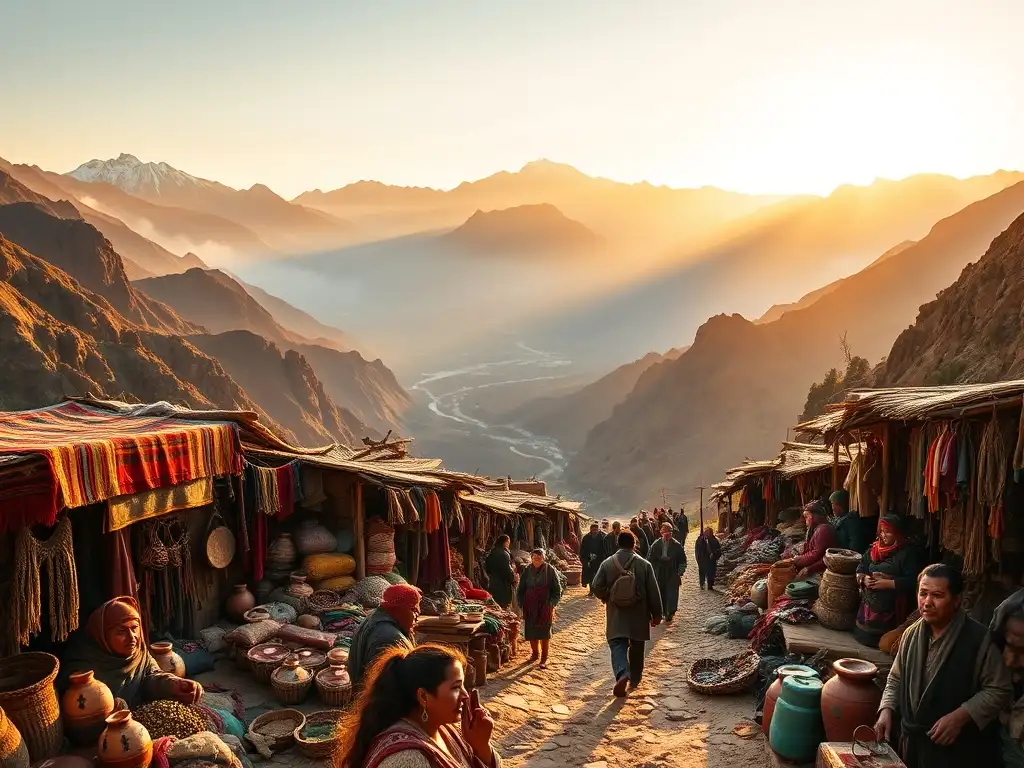
Uncover the mysteries of a lost world! Journey with us into the heart of the Andes, where the enigmatic Tiahuanaco civilization thrived. Their sophisticated trade routes weren't just paths—they were the lifeblood of an empire. Discover how Tiahuanaco's extensive networks, explored in our in-depth article on " Tiahuanaco trade routes Andes economic impact," reshaped the economic landscape of the entire region. Prepare to be amazed by the scale and ingenuity of this ancient power. Read on to unravel the secrets of their success…
- Tiahuanaco's Trade Routes: Shaping the Economic Landscape of the Andes
- The Significance of Tiahuanaco Trade Networks in the Andean World
- Key Commodities and Goods Traded on Tiahuanaco Routes
- The Structure and Reach of Tiahuanaco Trade Routes
- Tiahuanaco's Trade Influence on the Economic Landscape of the Andes
- The Collapse of Tiahuanaco and the Transformation of Trade Routes
- Analyzing the Long-Term Economic Impact of Tiahuanaco Trade
- Frequently Asked Questions
- Final Reflection: The Enduring Legacy of Tiahuanaco's Trade
- Explore the Impact of Tiahuanaco's Trade on the Andes!
Tiahuanaco's Trade Routes: Shaping the Economic Landscape of the Andes
The rise of Tiahuanaco, a powerful pre-Columbian civilization flourishing in the Andes between approximately 500 and 1000 CE, was significantly shaped by its extensive and sophisticated trade networks. This article delves into the intricate web of Tiahuanaco's trade routes, exploring how these connections facilitated economic growth, cultural exchange, and the dissemination of ideas across vast stretches of the Andean region. Understanding Tiahuanaco's economic impact is crucial to comprehending not only the civilization's own success but also its lasting influence on subsequent Andean cultures.
We will examine the goods exchanged, the geographical reach of these routes, and the overall economic impact on the Andes, analyzing how this sophisticated system contributed to the prosperity and eventual decline of the Tiahuanaco civilization, and its ripple effect on the wider Andean world. The keyword "Tiahuanaco trade routes Andes economic impact" will be explored throughout.
The Goods Traded: A Diverse Economic Portfolio
Tiahuanaco's trade routes facilitated the exchange of a remarkable diversity of goods. Evidence suggests that the civilization controlled access to valuable resources, including:
- High-altitude camelids: Llamas and alpacas were crucial for transportation and provided wool for textiles – a major component of Tiahuanaco’s trade. The economic contribution of these animals extended beyond their products; they were themselves a significant commodity.
- Precious metals: Silver and gold, mined from Andean mountain ranges, were highly prized and formed a cornerstone of Tiahuanaco's economic power. The craftsmanship applied to these metals was exceptionally advanced, further enhancing their value.
- Ceramics: The distinctive Tiahuanaco pottery style, characterized by its intricate designs and high-quality craftsmanship, was traded widely across the Andes. These ceramics represented not only economic value but also prestige and social status.
- Obsidian: This volcanic glass, sourced from specific locations, was essential for creating tools and weapons. Its trade reveals the extensive reach of Tiahuanaco's networks.
- Textiles: Woven fabrics, often incorporating intricate designs and dyed with vibrant colors, were a highly valued commodity. The production of textiles was a complex and labor-intensive process, reflecting the level of economic specialization within Tiahuanaco society.
The sheer variety of goods traded highlights the sophistication of Tiahuanaco's economic system and its capacity to manage complex logistical operations across challenging terrain. This wasn't simply bartering; it suggests a level of centralized control and economic organization far beyond simple trade.
The Geographic Reach: Connecting the Andean World
Tiahuanaco's influence extended far beyond its immediate surroundings. Archaeological evidence, including the distribution of Tiahuanaco-style artifacts and the presence of Tiahuanaco administrative centers, points to a vast network of trade routes stretching across the Andes. These routes connected:
- The Altiplano: The high plateau region where Tiahuanaco was located served as a central hub, connecting various regions.
- Coastal regions: Access to coastal resources, such as fish and shellfish, is evidenced by finds in Tiahuanaco sites. This suggests a robust exchange of goods between the highlands and the coast.
- Amazonian foothills: While less extensively documented, evidence suggests trade connections with the Amazonian foothills, potentially involving tropical products like coca leaves and other resources.
The establishment and maintenance of these far-flung trade routes required significant organizational capabilities, including the development of efficient transportation systems and sophisticated communication networks. The sheer scale of the network emphasizes the power and reach of the Tiahuanaco state, showcasing its control over a significant portion of the Andean economic landscape.
The Economic Impact: Prosperity and Power in the Andes
The impact of Tiahuanaco's trade routes on the Andean economic landscape was profound. The controlled exchange of goods generated significant wealth and prosperity for the civilization, fueling its growth and expansion. This economic strength translated into political power, allowing Tiahuanaco to exert considerable influence over neighboring societies.
The economic impact also manifested in:
- Specialized labor: The production of the diverse goods traded necessitated a degree of economic specialization, leading to the development of skilled craftspeople and merchants.
- Urban development: The influx of wealth resulting from trade supported the growth of urban centers, such as Tiahuanaco itself, which became a major economic and political hub.
- Cultural exchange: The movement of goods also facilitated the exchange of ideas and cultural practices, contributing to the spread of Tiahuanaco's influence and the development of a shared Andean cultural identity.
However, the reliance on trade also presented vulnerabilities. Disruptions to trade routes, possibly due to political instability or environmental changes, could have contributed to the eventual decline of the Tiahuanaco civilization. Further research is needed to fully understand the complex interplay between trade, power, and the ultimate fate of this remarkable Andean empire.
The long-term effect on the Andes itself is still being studied, with ongoing archaeological digs revealing more about the extent of Tiahuanaco's economic influence and its legacy on later Andean cultures. The study of Tiahuanaco’s trade routes thus offers valuable insights into the dynamics of pre-Columbian Andean societies and their complex economic systems.
The Significance of Tiahuanaco Trade Networks in the Andean World
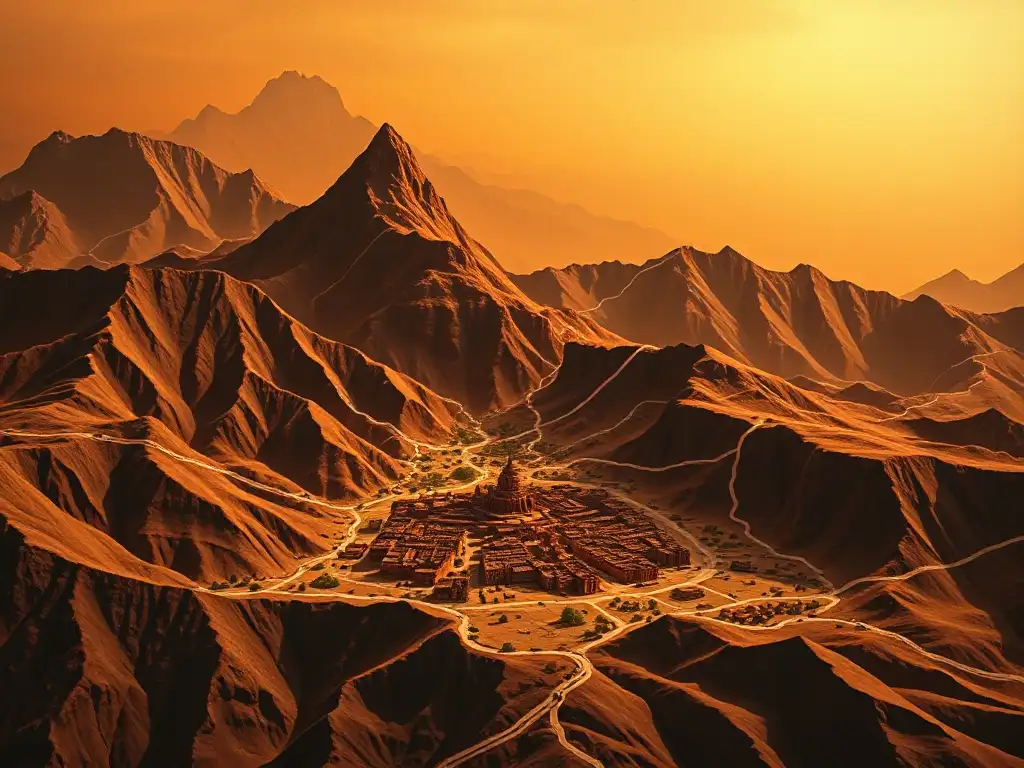
The rise of Tiahuanaco as a major power in the Andes wasn't solely due to military might or sophisticated agricultural techniques. Its extensive and well-organized trade networks played a crucial role in its economic dominance and lasting influence on the region. The impact of Tiahuanaco's trade routes on the Andean economic landscape is a complex story, woven from the threads of resource exchange, cultural diffusion, and political control.
Analyzing these routes reveals a sophisticated system that facilitated the flow of goods, ideas, and ultimately, power across vast distances. The scale and reach of this trade were unprecedented for the time, shaping the economic development of numerous Andean societies for centuries. Understanding the intricacies of this system is key to grasping the true extent of Tiahuanaco's impact on the Andean world.
This section will delve into the specific ways Tiahuanaco's trade routes shaped the economic landscape, analyzing both the goods traded and the consequences of this exchange. The keyword "Tiahuanaco trade routes Andes economic impact" is central to understanding this pivotal aspect of Andean history.
Understanding Tiahuanaco's Economic Power Through its Trade Routes
Tiahuanaco's economic power stemmed significantly from its control over vital resources and its ability to distribute them effectively across its vast trade network. Archaeological evidence points to the exchange of a wide range of goods, including:
- Luxury goods: Elaborately crafted textiles, ceramics, and metalwork, often adorned with intricate designs indicative of high artistic skill and social status, circulated through the network. These items served not only as commodities but also as symbols of power and prestige, reinforcing Tiahuanaco's influence.
- Essential resources: Agricultural products like quinoa and potatoes, crucial for sustenance, were traded along with coca leaves, valued for their stimulant properties and ritual significance. The control over these essential resources provided Tiahuanaco with significant leverage.
- Obsidian: This volcanic glass, prized for its sharpness and used for tools and weapons, was a key commodity controlled by Tiahuanaco. Its widespread distribution demonstrates the reach of its trade routes and its control over vital resources.
The control and distribution of these goods were not random; they were carefully managed to ensure Tiahuanaco's economic and political dominance. The system likely involved a complex network of intermediaries, tribute systems, and potentially even specialized trade routes dedicated to specific goods. Further research is needed to fully understand the intricacies of this system, especially concerning [specific details on the organization of Tiahuanaco's trade].
However, the sheer volume and diversity of traded goods clearly indicate a sophisticated and highly effective economic system. The economic impact of this system rippled outwards, influencing the development of other Andean societies and shaping their economic interactions.
Tiahuanaco's Strategic Geographic Location and its Influence on Trade
Tiahuanaco's strategic location in the high Andes profoundly influenced the development and reach of its trade network. Situated near Lake Titicaca, a major source of fresh water and transportation, the city enjoyed access to vital resources and efficient trade routes. The lake provided a natural waterway, facilitating the movement of goods by boat, while the surrounding highlands offered access to various resources. This location facilitated trade with both the coastal regions and the interior highlands, connecting diverse ecological zones and societies.
The following table illustrates the strategic advantage of Tiahuanaco's location:
| Resource/Region | Access from Tiahuanaco | Economic Significance |
|---|---|---|
| Lake Titicaca | Direct access | Transportation, fresh water, fish |
| Coastal regions (Pacific) | Relatively easy access | Access to marine resources, coastal trade networks |
| Highland valleys | Easy access | Agricultural products, minerals |
| Amazonian foothills | More difficult access | Exotic goods, potential trade routes (further research needed) |
This strategic position allowed Tiahuanaco to act as a central hub in a vast trade network, connecting distant communities and controlling the flow of essential goods. The city's control over these routes not only fueled its own economic growth but also shaped the economic development of surrounding regions, integrating them into a broader Andean economic system. The influence of Tiahuanaco's geographic location on its economic success is undeniable, highlighting the importance of strategic planning and resource management in the development of early Andean civilizations.
The impact of this strategic advantage is still felt today in the regional economic structures of the Andes. Further investigation into [specific trade routes and their geographical characteristics] is needed to gain a deeper understanding of Tiahuanaco's logistical prowess.
Key Commodities and Goods Traded on Tiahuanaco Routes
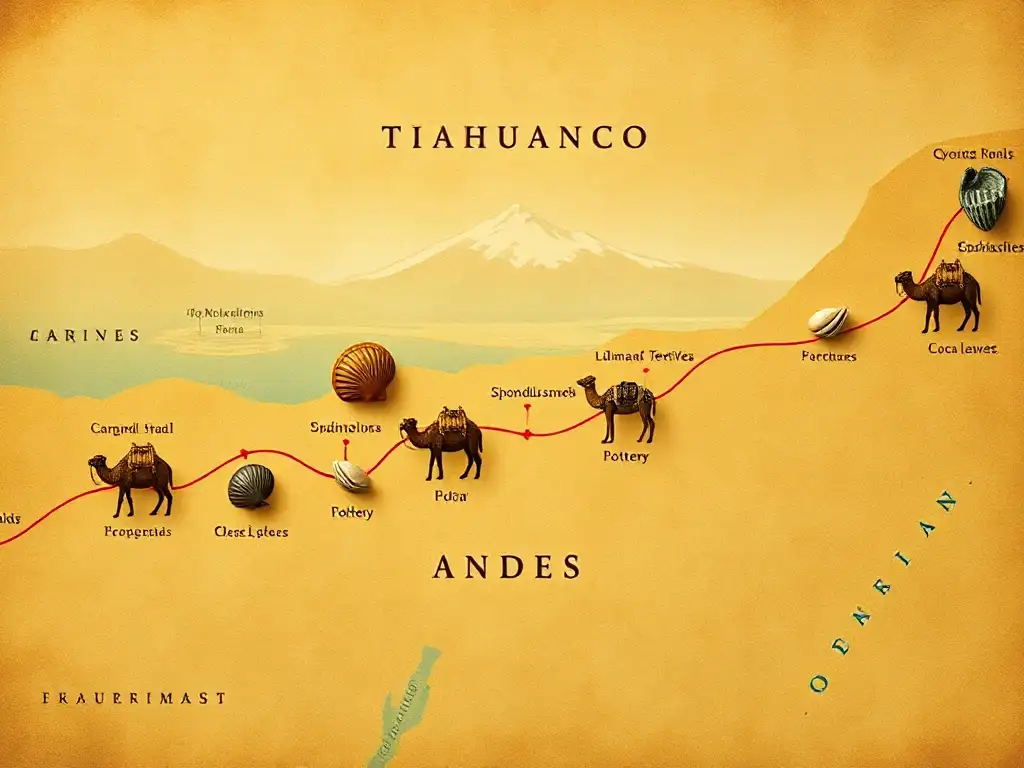
The economic power of Tiahuanaco stemmed significantly from its extensive and well-managed trade networks across the Andes. The civilization's influence wasn't solely based on military might or political control; its sophisticated trade routes facilitated the exchange of vital resources and luxury goods, shaping the economic landscape of the region for centuries. Analyzing the commodities traded reveals insights into Tiahuanaco's economic strategies and its impact on neighboring societies. The keyword "Tiahuanaco trade routes Andes economic impact" is central to understanding this complex interplay.
Primary Goods: Potato, Quinoa, and Maize Distribution
Agricultural products formed the backbone of Tiahuanaco's trade. The fertile lands surrounding Lake Titicaca yielded bountiful harvests of potatoes, quinoa, and maize – staples of the Andean diet. These crops weren't merely consumed locally; evidence suggests sophisticated systems for storage, processing, and long-distance transport.
The distribution networks were likely facilitated by a combination of factors: well-maintained roads and trails, llama caravans (the "ships of the Andes"), and potentially even specialized river transport on Lake Titicaca. The scale of this agricultural trade indicates a highly organized and efficient system capable of supporting a large population and fueling the economic engine of Tiahuanaco.
Specific data on the volume and geographic reach of these trade networks is still under research, but archaeological discoveries continue to unveil the impressive scope of Tiahuanaco's agricultural prowess and its impact on the regional food security. The efficient movement of these primary goods significantly impacted the diets and economic stability of neighboring communities, creating a network of interdependence.
The Importance of Altiplano Resources: Obsidian and Salt in Tiahuanaco Trade
Beyond agricultural products, Tiahuanaco controlled access to crucial resources found within the Altiplano region. Obsidian, a volcanic glass prized for its sharpness, was a key commodity used for toolmaking. Tiahuanaco's control over obsidian sources allowed the civilization to monopolize its production and distribution, generating significant economic benefits. The demand for obsidian extended far beyond the immediate vicinity of Tiahuanaco, reaching distant settlements across the Andes.
Similarly, salt, essential for food preservation and human consumption, was another highly valued resource. The Altiplano's salt flats provided a readily available supply, which Tiahuanaco effectively leveraged through its trade networks. The control of these non-agricultural resources solidified Tiahuanaco's economic dominance and ensured its influence in the regional trade system. Further research into the precise locations of obsidian and salt mines controlled by Tiahuanaco would provide a more detailed picture of its economic strategy and the extent of its influence.
Crafted Goods: Ceramics, Woven Textiles, and Copper Artifacts as Key Trade Items
Tiahuanaco's skilled artisans produced high-quality crafted goods that were highly sought after throughout the Andes. Ceramics, characterized by their distinctive styles and intricate designs, were traded extensively. Similarly, woven textiles, renowned for their fine quality and complex patterns, represented another important category of trade items.
These textiles, often made from alpaca or llama wool, were used for clothing, blankets, and ceremonial purposes. Finally, copper artifacts, including tools, ornaments, and weapons, were also valuable trade commodities, reflecting Tiahuanaco's metallurgical expertise. The distribution of these crafted goods not only generated economic wealth for Tiahuanaco but also spread its cultural influence across the Andes.
The stylistic similarities found in ceramics and textiles across vast geographical areas serve as powerful evidence of the extensive reach of Tiahuanaco's trade networks and their cultural impact. Further investigation into the specific workshops and production techniques used to create these artifacts would add valuable information to our understanding of Tiahuanaco's economic and cultural power. The analysis of trade routes and the distribution of these goods helps us understand the "Tiahuanaco trade routes Andes economic impact" more fully.
The Structure and Reach of Tiahuanaco Trade Routes
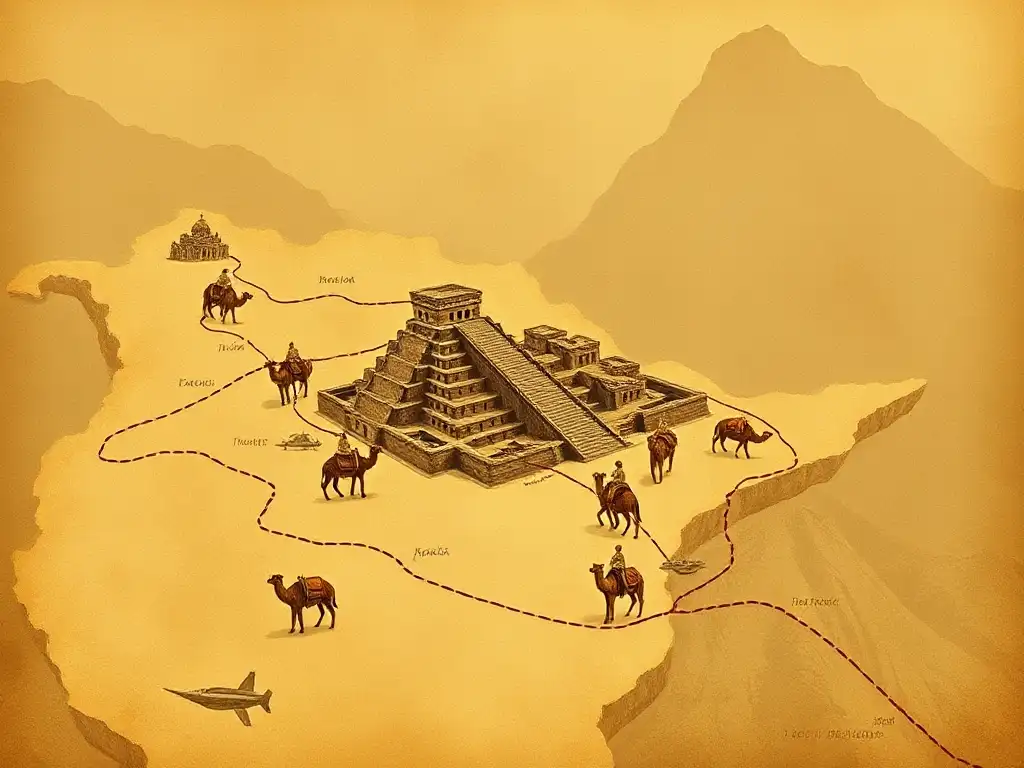
Tiahuanaco's economic power stemmed significantly from its extensive and well-organized trade networks, which stretched across diverse Andean ecosystems. These routes weren't simply haphazard paths; they were strategically planned pathways facilitating the exchange of vital resources and goods, ultimately shaping the economic landscape of the Andes. The intricate system involved sophisticated logistical planning, considering factors like altitude, terrain, and climate to ensure efficient transport.
Archaeological evidence, including the discovery of Tiahuanaco-style artifacts in distant locations, strongly supports the existence of these far-reaching trade routes and their significant economic impact. The sheer distance covered by these networks underscores Tiahuanaco's remarkable organizational capabilities and its influence on the wider Andean region.
Analyzing the distribution of specific goods—from luxury items like obsidian and spondylus shells to essential commodities like textiles and food—reveals the complexity and scale of this ancient trade system and its crucial contribution to the prosperity of Tiahuanaco. The impact of this trade on the economic development of the Andes is undeniable, leaving a lasting legacy on subsequent cultures.
Major Trade Routes Connecting Tiahuanaco to the Pacific Coast
The Pacific coast, with its rich marine resources and access to maritime trade, was a crucial connection for Tiahuanaco. One major route likely followed the altiplano, descending towards the coastal valleys. Evidence suggests that this route facilitated the exchange of Andean highland goods, like alpaca wool and potatoes, for coastal resources such as fish, shellfish (especially spondylus shells, highly valued for their symbolic and ornamental significance), and salt.
The journey would have been challenging, navigating high-altitude passes and traversing diverse terrains. The transport of heavy goods likely involved the use of pack animals, including llamas and alpacas, supplemented by human porters. Archaeological finds of coastal artifacts in Tiahuanaco and vice versa strongly suggest a robust and continuous exchange between the two regions.
The economic impact of this coastal connection is evident in the presence of spondylus shell artifacts in elite Tiahuanaco burials, highlighting the prestige and value associated with these marine resources. Furthermore, the distribution of coastal fish remains in inland settlements provides compelling evidence of the trade's reach and its contribution to the nutritional diversity of Tiahuanaco's population.
Routes to the Amazonian Lowlands: Accessing Tropical Resources
Beyond the Pacific, Tiahuanaco also maintained trade connections with the Amazonian lowlands, accessing valuable tropical resources unavailable in the high Andes. These routes, far more challenging than those to the coast, likely followed river valleys and passes through the eastern slopes of the Andes. The exchange involved highland goods like textiles and metalwork for Amazonian products such as coca leaves (with significant ritual and medicinal importance), feathers from exotic birds, and possibly even certain types of timber.
While the evidence for this trade is less readily apparent than that with the coast, the presence of Amazonian artifacts in Tiahuanaco sites, albeit scarce, hints at a significant, albeit potentially less frequent, exchange. The logistical challenges of these routes, combined with the risks associated with traversing diverse and potentially hostile environments, likely contributed to the lower volume of trade compared to the coastal routes.
However, the economic importance of accessing these unique tropical resources for ceremonial and medicinal purposes shouldn't be underestimated, contributing to the overall economic diversity and resilience of Tiahuanaco. Further research is needed to fully understand the extent and nature of this vital trade connection.
The Role of Llama Caravans in Tiahuanaco's Trade System
Llamas played a pivotal role in facilitating Tiahuanaco's extensive trade network. These camelids were crucial as pack animals, capable of carrying substantial loads across challenging terrains. Llama caravans, likely organized and managed by specialized groups, transported goods along the established routes.
The efficiency of these caravans was essential for the successful movement of goods over long distances, allowing for the exchange of both luxury items and everyday necessities. The organization of these caravans required sophisticated logistical planning, including the establishment of resting points and the management of supplies for both the animals and the human handlers. The economic impact of this system was profound, enabling the efficient distribution of goods and significantly contributing to Tiahuanaco's economic prosperity.
The sheer volume of goods transported through these networks, as evidenced by archaeological findings, highlights the importance of llamas as a vital component of Tiahuanaco's economic infrastructure. The efficient use of llamas as pack animals exemplifies the advanced organizational skills and logistical capabilities of Tiahuanaco society. Furthermore, the breeding and care of llamas likely constituted a significant economic activity in itself, contributing to the overall economic well-being of the region.
Tiahuanaco's Trade Influence on the Economic Landscape of the Andes
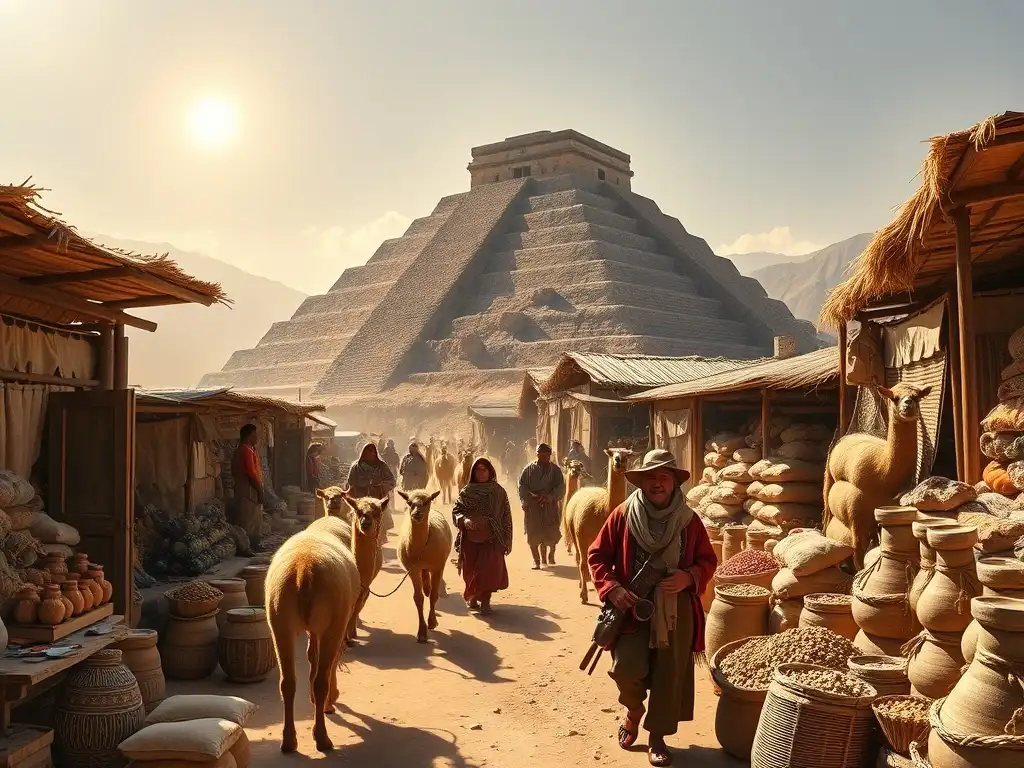
This section delves into the profound impact of Tiahuanaco's extensive trade networks on the economic structure of the Andes. The sophisticated system of exchange established by this powerful civilization significantly shaped regional economies, fostered specialization, and contributed to political centralization, leaving an enduring legacy on subsequent Andean societies. Analyzing Tiahuanaco's trade routes reveals a complex interplay of economic power, political control, and cultural exchange that fundamentally altered the Andean world. The keyword phrase "Tiahuanaco trade routes Andes economic impact" is central to understanding this transformative period.
Impact of Tiahuanaco Trade on Regional Economies and Specialization
Tiahuanaco's economic influence wasn't solely about the accumulation of wealth; it fundamentally reshaped regional economies. The civilization's control over vital resources and strategic trade routes fostered economic specialization across the Andes. Regions began to focus on producing goods in which they had a comparative advantage, leading to increased efficiency and productivity. For example, coastal communities might have specialized in fishing and the production of shellfish, while highland areas concentrated on agriculture, particularly potatoes and quinoa. This specialization wasn't arbitrary; it was driven by the demand created by Tiahuanaco's vast trade network.
The exchange wasn't simply a barter system. Evidence suggests the use of a sophisticated system of standardized weights and measures, implying a degree of economic planning and control by the Tiahuanaco elite. This centralized control allowed them to manage the flow of goods, ensuring a steady supply of essential resources and luxury items.
The meticulous organization of their trade facilitated the movement of not only essential goods but also prestigious artifacts, further cementing Tiahuanaco’s influence and prestige across the region. The impact of this economic system was far-reaching, setting a precedent for later Andean civilizations and influencing their own economic strategies. Further research is needed to fully quantify the economic output and the precise mechanisms of this intricate trade system, but the available evidence strongly suggests a remarkable level of organization and sophistication.
Tiahuanaco's Economic Control and its Role in Political Centralization
Tiahuanaco's control over trade routes was intrinsically linked to its political power. The ability to regulate the flow of goods, particularly essential commodities like metals, textiles, and agricultural products, provided the Tiahuanaco state with significant leverage over surrounding communities. This economic control translated directly into political influence, solidifying their dominance and facilitating the expansion of their empire. The strategic placement of settlements along major trade routes served as both economic hubs and military outposts, effectively controlling access to vital resources and reinforcing political authority.
The economic benefits derived from trade also allowed Tiahuanaco to maintain a powerful military and administrative apparatus. The surplus generated through trade provided the resources necessary to fund large-scale public works projects, such as the monumental architecture at Tiahuanaco itself, showcasing the state's power and reinforcing its legitimacy.
The economic control exerted by Tiahuanaco can be seen as a crucial factor in its ability to achieve political centralization and maintain its influence over a vast territory within the Andes. This economic and political synergy was a hallmark of the Tiahuanaco state and a key factor in its lasting impact on the region’s history.
The Legacy of Tiahuanaco's Trade System on Later Andean Societies
The influence of Tiahuanaco's trade system extended far beyond its own lifespan. Subsequent Andean civilizations, including the Incas, inherited and adapted aspects of this sophisticated network. The established trade routes, the principles of economic specialization, and even certain economic practices likely influenced the Inca's own economic policies and their impressive system of road networks. The Inca's renowned mit'a labor system, for example, might have been partly inspired by the organizational structures and logistical capabilities demonstrated by Tiahuanaco’s control over its trade network.
The legacy of Tiahuanaco's trade system is evident in the continuity of certain economic patterns and practices across different Andean societies. The enduring impact of Tiahuanaco’s economic influence is a testament to its sophisticated organization and its successful integration of economic and political power. Further research into the specific connections between Tiahuanaco's trade system and the economic practices of later Andean civilizations is needed to fully understand the extent of this historical continuity.
However, the available evidence strongly suggests a significant and lasting influence on the economic and political landscape of the Andes. The study of Tiahuanaco’s trade routes offers crucial insights into the development of Andean economic systems and provides a valuable lens through which to analyze the long-term consequences of economic power and political control within the Andean region.
The Collapse of Tiahuanaco and the Transformation of Trade Routes
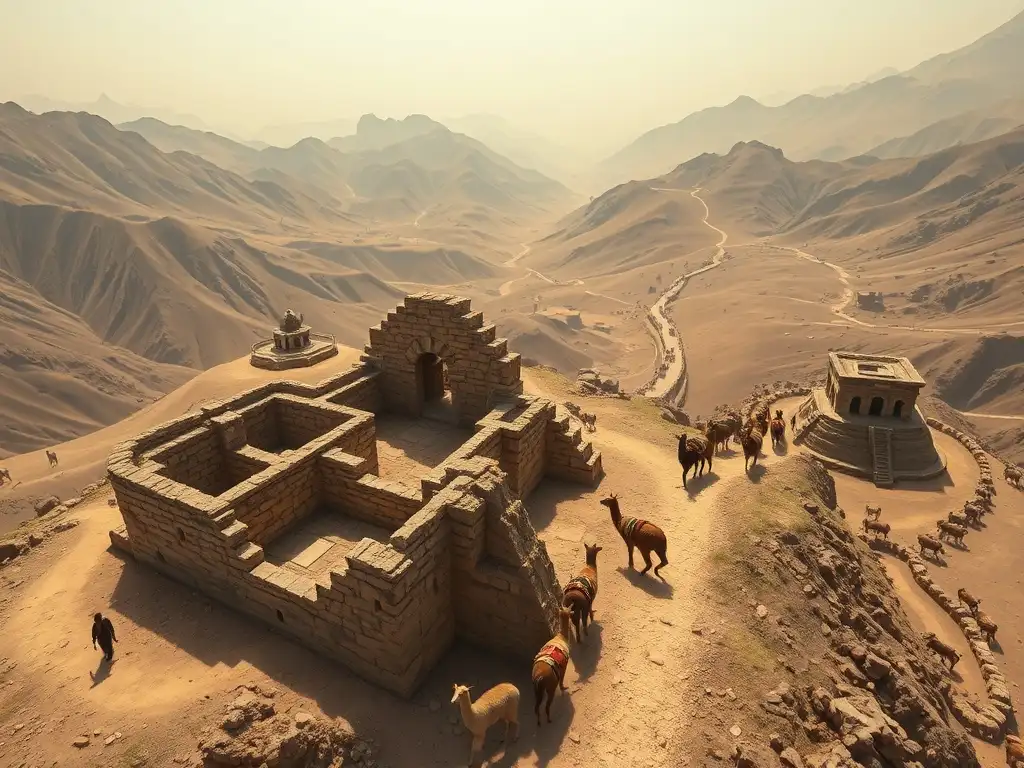
The decline of Tiahuanaco, sometime around the 12th century CE, profoundly impacted the intricate trade networks that had sustained its power and influence across the Andes. The precise causes remain a subject of ongoing archaeological debate, but several factors likely contributed to the unraveling of its economic dominance. The disruption of these trade routes didn't simply mean a cessation of commerce; it triggered a complex period of adaptation and reorganization, reshaping the economic landscape of the region. Understanding this transition is crucial to grasping the lasting legacy of Tiahuanaco's economic influence.
Factors Contributing to the Decline of Tiahuanaco's Trade Networks
Several interconnected factors likely contributed to the weakening of Tiahuanaco's trade networks. Environmental changes, possibly including prolonged droughts and shifts in agricultural productivity, severely stressed the empire's ability to sustain its large population and maintain its extensive trade infrastructure. Evidence suggests a decline in agricultural output, leading to food shortages and internal instability. This scarcity would have directly impacted the ability to produce and trade surplus goods, impacting the flow of resources throughout the empire.
Furthermore, internal strife and political instability may have played a significant role. While the exact nature of the internal conflicts remains uncertain, the weakening of central authority likely hampered the efficient management and protection of trade routes. Reduced control over peripheral regions could have led to increased banditry and disruption of trade caravans, further destabilizing the economic system. The lack of centralized control also likely allowed for the rise of independent regional powers who challenged Tiahuanaco's authority, fracturing the once-unified economic system.
Finally, the rise of competing regional powers, some potentially influenced by Tiahuanaco's own cultural and technological innovations, also contributed to its decline. These emerging centers developed their own trade networks and strategies, diverting resources and reducing Tiahuanaco's economic leverage. The emergence of these competing regional powers signified the fragmentation of the Andean economic sphere that Tiahuanaco had previously dominated. This process wasn't necessarily violent; rather, it was a gradual shift in power dynamics, leading to a more decentralized and fragmented system of trade.
The Adaption of Tiahuanaco Trade Practices by the Tiwanaku and the Inca
The fall of Tiahuanaco didn't mark the end of its economic legacy. Several successor cultures, most notably the Tiwanaku and later the Inca, adapted and incorporated elements of Tiahuanaco's trade practices into their own economic systems. The Tiwanaku, while inheriting a diminished version of the Tiahuanaco state, continued to utilize existing trade routes and infrastructure, albeit on a smaller scale. They focused on consolidating their power within a smaller geographic area, utilizing the established trade connections to maintain economic stability.
The Inca, centuries later, built upon the existing infrastructure and trade routes established by Tiahuanaco and its successors. The Inca Empire, known for its sophisticated administrative system and extensive road network, integrated many of Tiahuanaco's trade practices into their vast empire. They efficiently managed the flow of goods across their vast territory, utilizing a system of state-controlled warehouses and relay stations to facilitate the movement of resources. The Inca’s improved road network and administrative capacity enabled them to expand the trade network even further, building upon the foundations laid by Tiahuanaco. This demonstrated the enduring impact of Tiahuanaco's economic model on the later development of Andean civilizations. The integration of Tiahuanaco's trade practices showcases the long-term influence of this civilization on the economic development of the Andes region, even after its decline. The legacy of Tiahuanaco’s trade routes and economic strategies remains undeniably significant in understanding the later Andean empires.
Analyzing the Long-Term Economic Impact of Tiahuanaco Trade
The economic influence of Tiahuanaco extended far beyond its immediate geographical reach, profoundly shaping the Andean economic landscape for centuries. Its sophisticated trade networks facilitated the exchange of not only luxury goods but also essential resources, contributing significantly to the development and interconnectedness of various Andean societies.
Analyzing this impact requires a multifaceted approach, considering the dissemination of technological innovations, the establishment of standardized weights and measures, and the overall stimulation of regional specialization and economic interdependence. The sheer scale of Tiahuanaco's trade, evidenced by the widespread distribution of its characteristic ceramics and metalwork, suggests a highly organized and efficient system capable of sustaining long-distance exchange across challenging Andean terrains.
This system, in turn, fostered economic growth and facilitated the accumulation of wealth, power, and influence within the Tiahuanaco state and its associated networks. The long-term consequences of this economic dynamism are still being unearthed by archaeologists and historians, revealing a complex interplay of factors that contributed to the rise and fall of Andean civilizations.
Insights into Andean Economic Systems Through Tiahuanaco's Trade Practices
Tiahuanaco's trade practices offer invaluable insights into the broader economic systems of the Andes. The meticulous organization of its trade routes, the standardization of weights and measures (evidence of which is found in the uniformity of artifacts discovered across vast distances), and the sophisticated management of resources suggest a level of economic planning and control rarely seen in other contemporary Andean societies.
The presence of Tiahuanaco-style artifacts in distant locations indicates not just simple trade, but the establishment of long-term economic relationships and perhaps even the imposition of economic policies by the Tiahuanaco state. The types of goods traded—ranging from luxury items like intricately crafted textiles and metalwork to essential resources like obsidian and coca—reveal a complex economic structure based on both prestige goods and everyday necessities.
This intricate system suggests a sophisticated understanding of supply and demand, resource management, and the strategic deployment of economic power to consolidate political influence throughout the Andes. The integration of distant communities into Tiahuanaco's economic sphere fostered a degree of economic interdependence, creating a more unified and interconnected Andean world.
The Moquegua Valley Trade Route and its Impact on Regional Exchange
The Moquegua Valley trade route serves as a compelling case study of Tiahuanaco's economic reach and impact. This route, traversing challenging geographical conditions, connected the Tiahuanaco heartland with the coastal regions of southern Peru. Archaeological evidence suggests a significant exchange of agricultural products, textiles, and metalwork along this route.
The Moquegua Valley, known for its fertile lands and its production of specialized goods, benefited greatly from its integration into Tiahuanaco's economic network. The influx of Tiahuanaco goods and technologies stimulated local production and fostered economic diversification. Moreover, the control of this vital trade route likely contributed significantly to Tiahuanaco's political and economic dominance in the region.
The impact extended beyond simple economic exchange; the dissemination of Tiahuanaco religious beliefs and artistic styles along this route is further evidence of the profound cultural influence that accompanied the economic integration. Further research into the specific goods traded, the scale of exchange, and the social dynamics involved along this route will further clarify the nature and extent of Tiahuanaco's impact on the Moquegua Valley and the wider Andean region.
Future Research Directions on Tiahuanaco Trade and its Economic Significance
Further research is crucial to fully comprehend the economic significance of Tiahuanaco's trade networks. Several key areas require further investigation: Firstly, a more detailed analysis of the types and quantities of goods exchanged along different routes is needed to build a more complete picture of the economic flows within the Tiahuanaco system. Secondly, a deeper understanding of the social and political structures that underpinned the trade system is essential, including the roles of different actors, from elites to commoners.
Thirdly, further investigation into the long-term consequences of Tiahuanaco's economic influence on subsequent Andean societies is necessary. This includes analyzing the impact on regional specialization, technological innovation, and the development of later economic systems. Finally, applying advanced analytical techniques, such as isotopic analysis and archaeobotany, could provide valuable new data on trade routes, the origin of goods, and the dynamics of economic exchange.
By addressing these research questions, we can gain a far more nuanced understanding of Tiahuanaco's legacy and its profound impact on the economic history of the Andes. The full extent of Tiahuanaco's influence on the Andean economic landscape remains a rich area for future research and discovery.
Frequently Asked Questions
What role did trade play in the rise of Tiahuanaco?
Tiahuanaco's extensive trade networks were crucial to its rise. Control over vital resources and the ability to distribute them across the Andes fueled its economic and political power. This facilitated growth and influence.
What goods were primarily traded by Tiahuanaco?
Tiahuanaco's trade involved a wide variety of goods, including luxury items like textiles and metalwork, as well as essential resources such as coca leaves and obsidian. Agricultural products also played a significant role.
How far did Tiahuanaco's trade routes extend?
Tiahuanaco's trade routes stretched across a vast area of the Andes, connecting it to regions as far as the Pacific coast and the Amazon basin. This extensive reach highlights the civilization's significant influence.
What was the economic impact of Tiahuanaco's trade on the Andes region?
Tiahuanaco's trade had a profound economic impact, stimulating regional exchange and integration. The flow of goods and resources fostered economic growth and shaped the social and political structures of neighboring communities.
How did Tiahuanaco's trade routes contribute to cultural exchange?
Besides economic benefits, Tiahuanaco's trade networks facilitated significant cultural exchange. The movement of people and goods led to the dissemination of ideas, technologies, and artistic styles across the Andes, enriching the region’s cultural diversity.
Final Reflection: The Enduring Legacy of Tiahuanaco's Trade
The intricate web of Tiahuanaco's trade routes continues to resonate today, a powerful testament to the interconnectedness of ancient Andean societies and a stark reminder of the enduring impact of sophisticated economic systems. Understanding these routes isn't just about deciphering ancient history; it's about recognizing the fundamental principles of trade and exchange that continue to shape global economies millennia later. The sophisticated logistics, the far-reaching networks, and the cultural exchange facilitated by these routes offer valuable lessons for understanding both past and present economic structures.
The influence of Tiahuanaco's economic power extended far beyond its immediate geographical reach, leaving an indelible mark on the cultural and social landscape of the Andes. Its impact is visible in the shared artistic motifs, religious practices, and agricultural techniques found across vast distances. The very fabric of Andean civilization was woven together, in part, by the threads of Tiahuanaco's trade. The past is never dead. It's not even past.
- William Faulkner. This quote perfectly encapsulates the enduring relevance of Tiahuanaco's trade networks; their legacy continues to shape our understanding of Andean history and the dynamics of ancient civilizations.
Consider the implications of this ancient network. How did the efficient movement of goods and ideas foster innovation and cultural exchange? What can we learn from Tiahuanaco's successes and failures in managing a complex economic system?
You, the reader, are now equipped with a deeper understanding of this pivotal period. Take this knowledge and apply it to your own understanding of global trade, economic development, and the enduring power of human connection across time and space. Let the legacy of Tiahuanaco inspire you to explore the interconnectedness of our world and the lasting impact of even the most ancient civilizations.
Explore the Impact of Tiahuanaco's Trade on the Andes!
Thank you for exploring the fascinating world of Tiahuanaco and its extensive trade network. Your interest contributes significantly to our understanding of how these trade routes reshaped the Andean economy. Let's delve deeper into this captivating history!
Here are some ways to continue your exploration:
- Join our online forum to share your insights and learn from other history enthusiasts about the complexities of Tiahuanaco's economic influence.
- Follow us on social media for regular updates on Andean civilizations, trade routes, and the latest archaeological discoveries.
- Visit a local museum or exhibition featuring Andean cultures or trade artifacts to experience history firsthand and gain a deeper connection to the past.
What aspects of Tiahuanaco's trade networks and their impact on local cultures surprise you the most? We'd love to hear your thoughts!