
More Than Meets the Eye: The Multifunctional Nature of Andean Tools

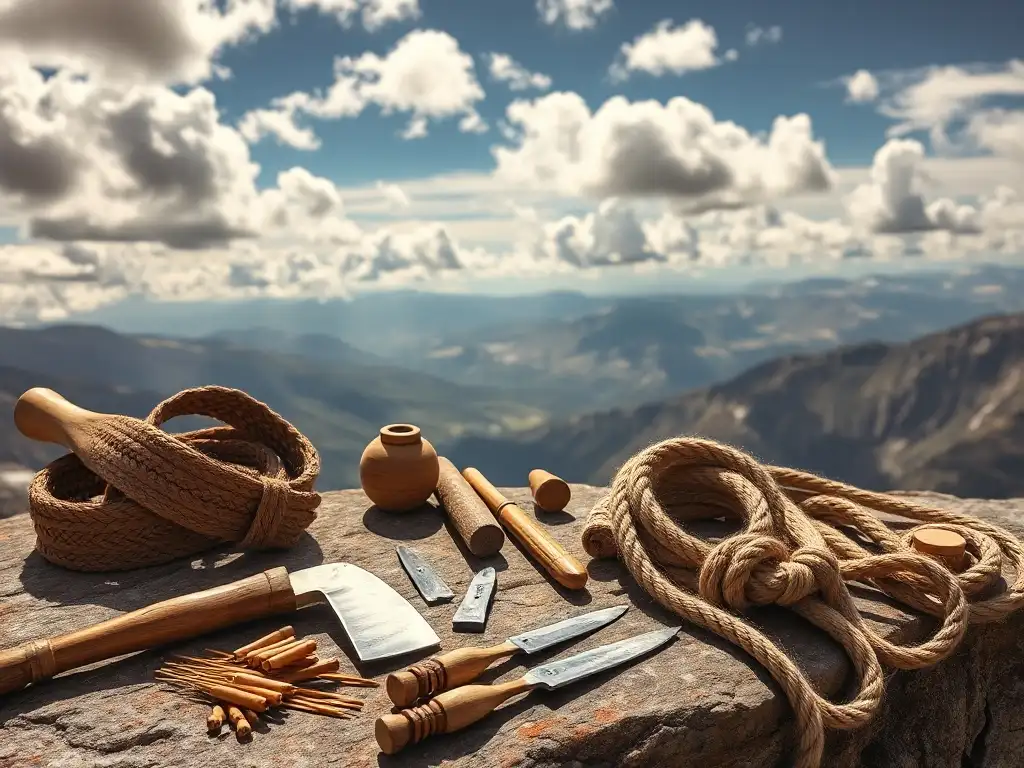
Step into a world lost to time, yet echoing with innovation. For centuries, the towering Andes Mountains witnessed the rise and fall of magnificent civilizations—the Incas, Moche, Nazca, and Tiahuanaco among them. But what secrets lie hidden within their ingenuity? Discover the surprising truth behind the seemingly simple Andean tools and their remarkable multifunctional nature. Prepare to be amazed as we unravel the mysteries of Andean tools function and the brilliance of their creators. Uncover the ingenious designs that shaped a world beyond imagination.
The ingenuity of Andean civilizations is often underestimated, particularly when examining their daily tools. This article delves into the surprisingly multifunctional nature of Andean tools, revealing how seemingly simple implements played crucial roles in diverse aspects of life, from agriculture and construction to religious ceremonies and textile production. We'll explore specific examples from various Andean cultures, highlighting the resourcefulness and adaptability that characterized their technological advancements.
Understanding the multifaceted functions of these tools offers a deeper appreciation for the complexity and sophistication of Andean societies and their remarkable ability to thrive in challenging environments. This exploration will illuminate how "Andean tools function" went far beyond their primary uses, reflecting a deep understanding of materials, techniques, and the interconnectedness of daily life.
Agricultural Implements: Beyond the Plow
Andean agriculture, renowned for its sophisticated terracing and irrigation systems, relied heavily on a variety of tools. While some tools, like wooden plows, might seem straightforward in their function, closer examination reveals a surprising versatility. For instance, the same plow used to till the land could also be adapted to create irrigation channels or even used as a lever for moving heavy stones during construction.
The seemingly simple design concealed a range of applications, highlighting the Andean preference for practical, multi-purpose tools. Furthermore, the materials used, often locally sourced wood and stone, were selected for their durability and adaptability to various tasks. This practicality extended to the tools used for harvesting, with specialized sickles and cutting implements also serving as rudimentary woodworking tools when necessary.
Textile Production: Tools for Weaving and Beyond
The vibrant textiles produced by Andean cultures are world-renowned for their intricate designs and high-quality materials. However, the tools used in their creation were far from simple. Spindles used for spinning yarn, for example, were not only essential for textile production but also served as weights for fishing lines or even as makeshift tools for carving.
Similarly, the various types of looms used, ranging from simple backstrap looms to more complex upright looms, were often adapted for other purposes outside of textile production, showcasing the resourcefulness and adaptability of Andean artisans. The intricate tools used in dyeing and finishing the textiles also frequently found secondary uses within the household.
Construction and Stoneworking: From Temples to Homes
The impressive stonework of Andean civilizations, evident in monumental structures like Machu Picchu and Sacsayhuamán, required specialized tools. However, the tools used in these large-scale projects were often repurposed for smaller-scale construction and even everyday tasks. Stone hammers, chisels, and mallets used to shape and carve stone blocks were also employed in building houses, creating agricultural terraces, or even in more domestic tasks like cracking nuts or breaking up hard materials.
The durable nature of the stone tools meant they could withstand years of use across a variety of applications. This adaptability is a key characteristic of Andean toolmaking practices.
Religious and Ceremonial Uses: Tools with Sacred Significance

Many Andean tools transcended purely utilitarian functions and held significant religious or ceremonial meaning. Certain types of pottery, for instance, were not only used for storage or cooking but also played a role in rituals and offerings. Similarly, certain types of stone tools might have been used in both construction and religious ceremonies, blurring the lines between the practical and the sacred.
The use of specific materials and designs in these tools, often imbued with symbolic meaning, further highlights the integrated nature of Andean life, where the practical and the spiritual were deeply interwoven. More research is needed to fully understand the symbolic meanings associated with many of these objects. [Specific information pending on symbolic meanings of tools].
Conclusion: A Legacy of Ingenuity
The multifunctional nature of Andean tools underscores the ingenuity and adaptability of these ancient civilizations. Their ability to create versatile implements from readily available materials speaks volumes about their resourcefulness and understanding of their environment. By examining the diverse applications of these tools, we gain a deeper appreciation for the complexity and sophistication of Andean technology and the interconnectedness of their daily lives. The legacy of Andean ingenuity continues to inspire and inform our understanding of human innovation and adaptability.
- Agricultural Implements: Beyond the Plow
- Textile Production: Tools for Weaving and Beyond
- Construction and Stoneworking: From Temples to Homes
- Religious and Ceremonial Uses: Tools with Sacred Significance
- Conclusion: A Legacy of Ingenuity
Understanding the Diverse Functions of Andean Tools
The Andean civilizations, renowned for their sophisticated engineering feats like Machu Picchu and intricate textiles, also possessed a remarkable understanding of toolmaking. Their tools weren't simply utilitarian objects; they were carefully designed and often repurposed, reflecting an ingenious approach to resource management and problem-solving. This section delves into the multifaceted nature of Andean tools, revealing how their functionality extended far beyond their primary purpose.
Analyzing the "Andean tools function" reveals a deep understanding of materials science, environmental adaptation, and social organization. The diversity in design and application highlights the ingenuity and adaptability of these ancient societies. We'll explore specific examples to illustrate this remarkable aspect of Andean technology.
The Ingenuity Behind Andean Tool Design
Andean tool design wasn't arbitrary. Consider the chaki taka, a seemingly simple digging stick. While its primary function was agricultural—tilling the land for planting crops like potatoes and maize—its design incorporated features that enhanced its efficiency. The hardened tip, often made from a durable wood or even reinforced with bone or metal, minimized wear and tear.
The slightly curved shaft provided better leverage, reducing the physical strain on the user. Furthermore, the chaki taka’s length was often adjusted to suit the user's height and the specific soil conditions. This adaptability showcases the deep understanding of ergonomics and material science inherent in Andean toolmaking.
Beyond the chaki taka, consider the intricate weaving tools. The pallay, a type of spindle whorl used in spinning, wasn't just a functional tool; its decoration often reflected social status or regional identity. The designs, often geometric or zoomorphic, were meticulously crafted, showcasing both technical skill and artistic expression.
Similarly, the various types of looms, from simple backstrap looms to more complex ones, were finely tuned to produce a wide range of textiles, demonstrating a sophisticated understanding of textile technology. The design and construction of these tools reflect a deep understanding of material properties and the need for efficient production.
The creation of these tools required specialized knowledge. The selection of raw materials, the shaping and hardening processes, and the overall design were all informed by generations of accumulated knowledge and experience. This knowledge was likely passed down through apprenticeship systems, ensuring the continuity of these crucial skills. The meticulous craftsmanship evident in even the simplest Andean tools underscores the high value placed on both functionality and artistry.
Beyond Simple Utility: Exploring the Multifaceted Roles of Andean Implements
The functionality of Andean tools often transcended their immediate purpose. Many tools served multiple roles within the community, highlighting their resourcefulness and adaptability. For instance, a simple stone axe, used for felling trees and woodworking, could also be used as a weapon in times of conflict or for hunting. This dual functionality speaks to the practicality and resourcefulness of Andean societies.
The tumi, a ceremonial knife with a distinctive crescent shape, exemplifies this multifaceted nature. While primarily used in rituals and ceremonies, its sharp blade also served practical purposes, like cutting meat or other materials. This dual use reflects the close relationship between religious practices and everyday life in Andean societies. The decorative elements on the tumi, often incorporating gold or silver, further emphasize its social and symbolic significance.
Moreover, the materials used in tool creation often had multiple uses. For example, the fibers from certain plants, used to make rope and textiles, could also be used for medicinal purposes. This integrated approach to resource utilization reflects a deep understanding of the environment and a commitment to sustainability.
This holistic approach to resource management is a key element that distinguishes Andean technology and its innovative approaches. Understanding the "Andean tools function" requires appreciating this integrated approach, moving beyond a simplistic view of their primary use. Careful study of Andean tools reveals a sophisticated and interconnected system of technology, spirituality, and social organization.
Agricultural Applications of Andean Tools
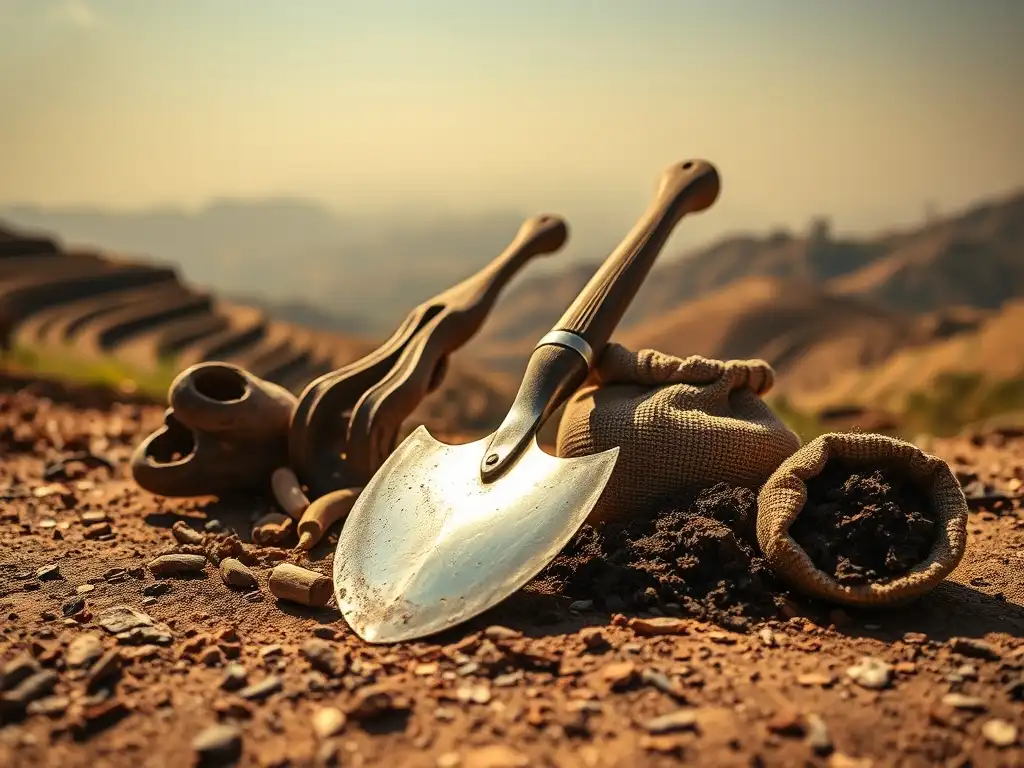
The Andean region's diverse geography and challenging terrain demanded innovative agricultural practices, and the development of specialized tools played a crucial role in the success of Andean farming. The effectiveness of Andean agriculture wasn't solely dependent on climate and soil conditions; the ingenuity and functionality of their tools were paramount in shaping their agricultural achievements.
Understanding the Andean tools function in this context reveals a sophisticated understanding of agricultural principles and a remarkable capacity for adaptation. This section will explore the multifaceted ways Andean tools were employed in agriculture, highlighting their specific uses and impact on farming techniques and crop yields.
Andean Agricultural Tools and Their Specific Uses
Andean farmers utilized a wide array of tools, each meticulously designed for a specific task. Their tools weren't simply rudimentary implements; they represented a sophisticated understanding of materials science and ergonomic design. Consider the chaquitaclla, a foot-powered plow. This ingenious tool, made from wood and sometimes reinforced with metal, allowed for efficient tilling of the often-rocky Andean soil.
Its design minimized soil compaction while maximizing aeration, crucial for optimal crop growth. Another example is the ayllo, a type of digging stick, used for planting seeds and harvesting root crops. The ayllo's pointed end facilitated penetration into the soil, while its length provided leverage for efficient work. The materials used, often hardened wood or bone, were chosen for their durability and effectiveness in the particular soil conditions.
Beyond the chaquitaclla and the ayllo, a variety of other tools contributed to the success of Andean agriculture. These included:
- Sickles: Used for harvesting grains like quinoa and maize. The curved blades allowed for efficient cutting of stalks close to the ground, minimizing waste.
- Stone hoes: Employed for weeding and loosening the soil around crops. The shape and size varied depending on the specific crop and soil type.
- Irrigation canals and tools: The construction and maintenance of intricate irrigation systems required specialized tools for digging, shaping, and lining canals. These included shovels, picks, and various types of leveling instruments.
The diversity and specialized nature of these Andean tools reflect the farmers' deep understanding of their environment and their commitment to optimizing agricultural practices. The careful selection of materials, the precise design of each tool, and the development of techniques for their use all demonstrate a remarkable level of technological sophistication.
The Role of Tools in Andean Farming Techniques
Andean farming techniques were intricately linked to the tools available. The Andean tools function was not simply to perform individual tasks; rather, the tools were integrated into a complex system of agricultural practices. For example, the use of the chaquitaclla was not isolated; it was part of a broader system that included terracing, crop rotation, and the careful management of water resources. The chaquitaclla's efficiency in tilling allowed for the creation of smaller, more manageable plots within terraced fields, optimizing water distribution and minimizing soil erosion.
The combination of tools and techniques was crucial for success in the challenging Andean environment. Terracing, for instance, significantly reduced the impact of erosion on steep slopes. The use of tools like stone hoes and sickles was essential for maintaining the terraces and harvesting the crops grown within them.
The careful management of water resources, facilitated by tools used in the construction and maintenance of irrigation canals, ensured a reliable water supply for crops. This integrated approach, combining sophisticated tools with innovative farming techniques, resulted in remarkably high yields, even in challenging conditions. The efficiency of these tools directly contributed to the sustainability of Andean agricultural systems.
How Andean Tools Improved Crop Yields
The impact of Andean tools on crop yields was significant. The efficiency of tools like the chaquitaclla and the ayllo reduced the labor required for planting and harvesting, allowing farmers to cultivate larger areas of land. The improved soil aeration and reduced compaction achieved through the use of the chaquitaclla resulted in healthier plants and higher yields. Furthermore, the precise design of tools like sickles minimized crop damage during harvesting, maximizing the amount of usable produce.
The development of sophisticated irrigation systems, facilitated by specialized tools, ensured a reliable water supply, mitigating the risk of crop failure due to drought. The combination of these factors – efficient tools, innovative farming techniques, and effective water management – resulted in remarkably high crop yields, supporting large and densely populated Andean communities for centuries. The Andean tools function was therefore not merely utilitarian; it was essential for the economic and social well-being of Andean civilizations.
Further research into the specific yields achieved using different tools and techniques would provide a more quantitative understanding of their impact. [Specific data on crop yields pending further research].
Andean Tools in Construction and Infrastructure
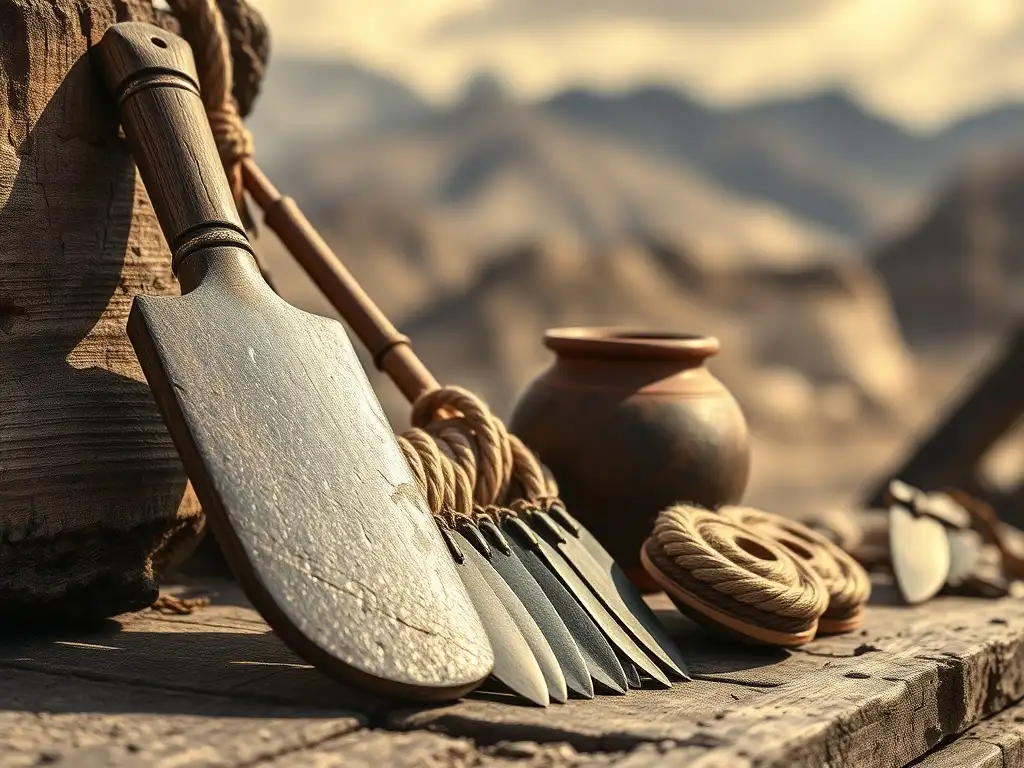
The impressive feats of Andean engineering, from the monumental structures of Machu Picchu to the intricate irrigation systems of the Nazca, were made possible by a sophisticated array of tools. Understanding the Andean tools function in these contexts reveals a deep understanding of their ingenuity and adaptability. These weren't simply rudimentary implements; they were carefully crafted instruments designed for specific tasks within a larger, complex system of construction and infrastructure development.
Their effectiveness stemmed from a combination of material selection, design innovation, and skilled craftsmanship passed down through generations. The development and application of these tools represent a significant aspect of Andean technological prowess. Let's delve into some key examples.
The Use of Andean Tools in Building Cities
Andean cities weren't haphazardly thrown together; they were meticulously planned and constructed using a variety of tools adapted to the challenging terrain and available resources. The construction of cities like Cusco, for instance, involved the precise cutting and placement of massive stone blocks. This required specialized tools, including:
- Copper chisels and mallets: Used for shaping and smoothing stone blocks. The precision achieved with these tools is evident in the incredibly tight fits between many stones in Andean structures.
- Stone hammers and picks: These were used for initial breaking and shaping of larger stones, often quarried from considerable distances. The type of hammer used often depended on the hardness of the stone being worked.
- Lever systems and ramps: While not tools in the traditional sense, these were crucial mechanisms for moving and positioning the heavy stone blocks. The ingenuity of the Andean people is apparent in their ability to overcome the logistical challenges of construction in mountainous regions.
- Rope and wooden rollers: These were used in conjunction with ramps and levers to facilitate the transport of materials. The strength and durability of the ropes, often made from plant fibers, were critical to the success of these operations.
The efficiency of these combined tools and techniques allowed for the creation of incredibly durable and aesthetically pleasing urban landscapes, showcasing a mastery of both material science and construction management.
Stone Working Tools in Andean Architecture
The iconic stonework of Andean architecture, characterized by its precision and intricate fit, is a testament to the effectiveness of their stone-working tools. Beyond the basic chisels and hammers, specialized tools were employed to achieve the remarkable level of detail seen in many structures. For example:
- Abrasives: Sandstone, quartz, and other materials were used as abrasives to smooth and polish stone surfaces. This meticulous process resulted in the incredibly smooth and tight-fitting joints that are a hallmark of Andean architecture.
- Specialized chisels: Different chisel shapes and sizes were employed for various tasks, ranging from rough shaping to fine detailing. The design of these chisels reflects a deep understanding of material properties and the desired outcome.
- Measuring and marking tools: Although precise examples are limited in archaeological finds, evidence suggests the use of various tools for precise measurement and marking of stone blocks prior to cutting and shaping. This ensured consistent dimensions and facilitated the intricate interlocking of stones.
Analyzing the wear patterns on recovered tools provides valuable insights into the techniques used, offering further evidence of the sophistication of Andean stoneworking practices. The precision of the work, especially considering the lack of advanced metalworking techniques compared to other ancient civilizations, is truly remarkable.
Andean Engineering and the Role of Specialized Tools
The scale and complexity of Andean engineering projects, such as irrigation canals and terraced agriculture, demanded specialized tools for efficient construction and maintenance. These tools went beyond those used in urban construction and demonstrate a broader understanding of engineering principles.
- Irrigation tools: These included digging implements, like shovels and hoes (often made from wood, bone, or shell), as well as tools for shaping and lining canals. The precision required for canal construction, particularly in steep, mountainous terrain, indicates a high level of skill and planning.
- Terracing tools: Creating and maintaining terraced agricultural fields on steep slopes required tools for soil manipulation and stabilization. This likely involved a variety of tools for digging, leveling, and reinforcing the terraces to prevent erosion.
- Metal tools for specialized tasks: While copper and bronze were relatively scarce, their use in creating specialized tools for specific tasks was crucial for efficiency. These tools would have been reserved for particularly challenging or demanding engineering projects.
The development and refinement of these tools reflect not only a deep understanding of the physical world but also a remarkable ability to adapt to challenging environments. The Andean tools function was not isolated; it was integral to the society's ability to thrive in a complex and challenging landscape. Further research into the specifics of these tools and their use continues to reveal the extent of Andean ingenuity and technological innovation.
Household and Daily Life Applications of Andean Tools
The Andean civilizations, renowned for their ingenuity and adaptation to challenging environments, developed a diverse range of tools integral to their daily lives. These tools, often crafted from readily available materials like stone, wood, bone, and metal, were not simply single-purpose implements; rather, they demonstrated remarkable versatility, reflecting the resourcefulness and practicality of Andean societies.
Understanding the multifaceted nature of these tools provides crucial insight into the complexities of Andean life, revealing a sophisticated level of technological innovation often overlooked. The "Andean tools function" extended far beyond their immediate application, often intertwining with social structures, religious beliefs, and artistic expression.
Tools for Textile Production in Andean Cultures
Textile production was a cornerstone of Andean economies and social structures. The creation of intricate textiles, from everyday clothing to elaborate ceremonial garments, relied heavily on specialized tools. Spindles and whorls, for example, were essential for spinning yarn. These were not uniform; variations existed based on the type of fiber being spun (alpaca, llama, cotton) and the desired yarn thickness.
The design of the whorl, its weight and size, directly impacted the spinning process. Furthermore, the materials used in their construction varied regionally, reflecting the availability of resources. Some were made from clay, others from stone, and still others from wood, demonstrating an adaptive approach to toolmaking.
Beyond spindles and whorls, looms played a crucial role. Backstrap looms, widely used across the Andes, were portable and versatile, allowing for the creation of a wide range of textiles. The complexity of the weaving patterns achieved on these looms highlights the advanced knowledge and dexterity of Andean weavers.
Additional tools such as needles (often made from bone or metal), heddles (for controlling warp threads), and shuttles (for inserting weft threads) further enhanced the efficiency and precision of the textile production process. The intricate designs and vibrant colors present in surviving Andean textiles are a testament to the sophistication of their tools and techniques. Detailed analysis of these tools reveals not only their practical function but also insights into the social organization and artistic expression of Andean communities.
Andean Tools for Food Preparation and Cooking
Andean tools for food preparation and cooking reflect the diverse agricultural practices and culinary traditions of the region. Mortars and pestles, ubiquitous across Andean cultures, were used for grinding grains, seeds, and spices. The materials used ranged from stone (volcanic rock was particularly common) to wood, depending on the hardness required for specific tasks. The shape and size of mortars and pestles also varied, suggesting specialization for different food items. For instance, larger mortars might have been used for grinding maize, while smaller ones were suitable for preparing spices or medicinal herbs.
Cooking techniques involved a variety of tools. Clay pots, often intricately decorated, were used for boiling and stewing. Their durability and heat resistance made them ideal for cooking a wide range of foods.
Other tools included spatulas, used for stirring and serving, and specialized implements for processing specific ingredients, like the "batán," a large stone used to process maize into flour. The diversity of these tools showcases the importance of food preparation in Andean life and reflects the region's rich culinary heritage. The design and functionality of these tools provide insights into the dietary habits and food preparation methods of Andean societies, offering a glimpse into their daily routines and cultural practices.
Andean Tools for Personal Care and Adornment
Andean tools extended beyond household tasks to encompass personal care and adornment. Combs, often made from wood or bone, were used for grooming hair. Their intricate designs, sometimes featuring carvings or inlaid materials, suggest that they were not merely functional objects but also served as personal adornments. Mirrors, typically made from polished obsidian, were used for self-reflection and possibly for ritualistic purposes. The quality of the obsidian and the craftsmanship involved in polishing them highlight the importance of personal appearance and self-adornment within Andean cultures.
Additional tools included tweezers, likely made from metal or bone, for removing hair or splinters. The presence of these tools underscores the attention paid to personal hygiene and appearance. Furthermore, the creation of jewelry and other adornments required specialized tools such as chisels, hammers, and punches, reflecting a sophisticated understanding of metalworking techniques.
The meticulous detail evident in many surviving examples of Andean jewelry testifies to the skill and precision of the artisans who created them. The study of these tools provides valuable insights into the beliefs, practices, and aesthetic preferences of the Andean people. Their careful crafting speaks volumes about the importance of personal presentation and ritualistic practices in Andean society.
Ritual and Ceremonial Uses of Andean Tools

The functionality of Andean tools extended far beyond their practical applications in daily life. Many were imbued with deep symbolic meaning and played a crucial role in religious rituals and ceremonies, reflecting the intricate relationship between the Andean worldview and their material culture. Understanding the "Andean tools function" in this context reveals a sophisticated understanding of the spiritual world and its connection to the physical realm. The craftsmanship, materials used, and even the specific tools employed often held significant spiritual weight.
The Symbolic Significance of Andean Tools in Rituals
Andean tools weren't simply instruments; they were often imbued with symbolic power. For example, the chaquitaclla, a foot-powered plow, wasn't just a farming tool; its repetitive motion and connection to the earth could be interpreted as a ritualistic act of communion with Pachamama (Mother Earth). The act of tilling the soil was not merely agricultural; it was a sacred act, reaffirming the people's relationship with the land and its fertility.
Similarly, the intricate weaving techniques employed in creating textiles, often using tools like spindles and looms, were seen as a form of prayer or offering, with each knot and pattern carrying specific symbolic meanings related to cosmology and ancestor veneration. The colors used in textiles, for instance, often held specific religious significance, representing different deities or natural elements.
The careful selection of materials also contributed to the symbolic significance. Tools crafted from specific types of wood, stone, or metal were often associated with particular deities or spirits, enhancing their ritual importance. For example, tools made from gold were often reserved for elite rituals and associated with the sun god, Inti. The meticulous crafting of these tools, often involving intricate designs and decorations, further emphasized their sacred nature.
Andean Tools as Part of Ceremonial Practices
Many Andean tools were integral parts of elaborate ceremonial practices. For instance, tumi ceremonial knives, with their distinctive crescent shape, played a vital role in sacrificial rituals. While the specific function of the tumi in these rituals is still debated by scholars, its presence strongly suggests its importance in connecting the earthly and spiritual realms.
These ceremonies were not only religious; they were often intricately tied to agricultural cycles and the well-being of the community. The use of specific tools during these rituals reinforced their connection to the broader cosmological system. Furthermore, the tools themselves often served as offerings to deities, buried alongside other ritual objects.
Evidence from archaeological excavations supports the ceremonial use of tools. The discovery of tools placed in tombs alongside human remains, adorned with intricate carvings or made from precious materials, clearly indicates their role beyond purely practical functions. The careful placement and orientation of these tools within the burial context suggests a deliberate and ritualistic purpose.
The Spiritual Connection Between Andean People and Their Tools
The spiritual significance of Andean tools stemmed from a deeply interconnected worldview. Andean people saw themselves as part of a larger cosmic order, with the natural world and the spiritual realm intimately intertwined. Tools, therefore, weren't simply inanimate objects; they were extensions of the human body, mediating the relationship between humans and the supernatural. Their creation, use, and even their eventual disposal were infused with ritualistic significance. This holistic perspective shaped the perception and utilization of all tools, highlighting their multifaceted role in Andean society.
The use of tools was not merely functional; it was a spiritual practice. The act of crafting a tool, the skill involved, and the intention behind its use all contributed to its sacred dimension. This deep connection between the Andean people and their tools is a testament to their sophisticated understanding of the world and their ability to integrate the practical and the spiritual seamlessly into their daily lives. This perspective offers a crucial insight into the "Andean tools function" and its profound implications for understanding Andean culture.
Materials and Manufacturing of Andean Tools
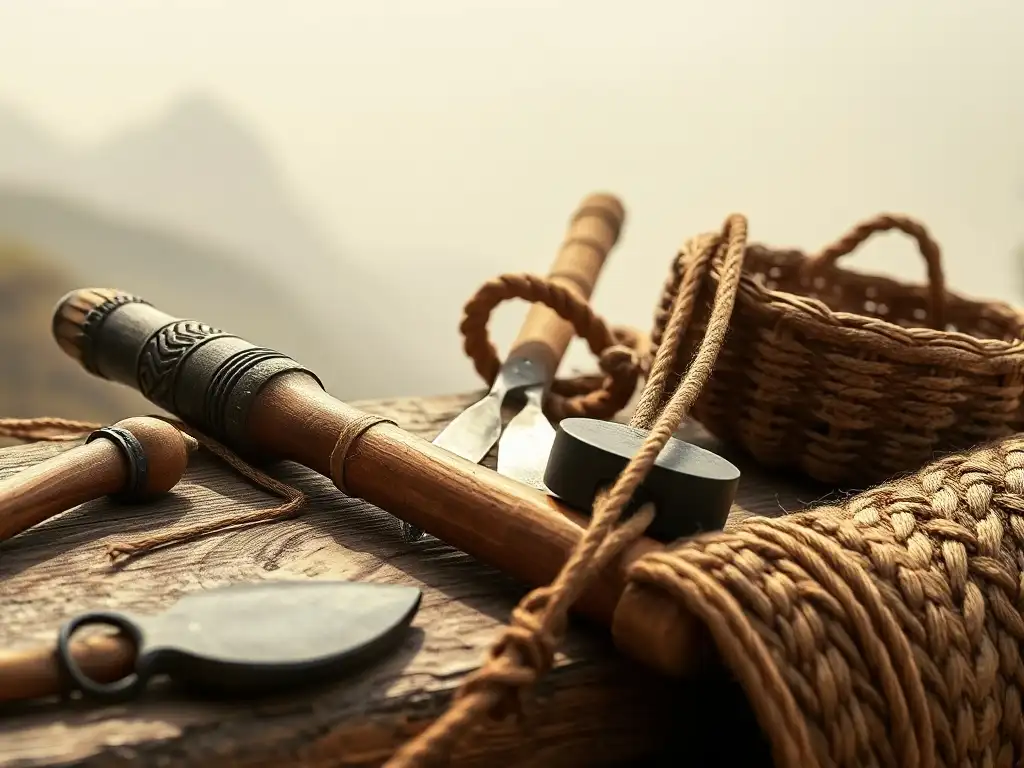
This section delves into the fascinating world of Andean tool production, exploring the materials employed and the ingenious techniques used by ancient Andean civilizations to create their diverse array of implements. Understanding the materials and manufacturing processes reveals much about their technological capabilities and resourcefulness. The "Andean tools function" wasn't simply about utility; it was deeply intertwined with their understanding of the natural world and their ability to harness its resources.
Andean Tool Making: An Overview of Materials and Techniques
Andean tool-making was a sophisticated process, varying significantly depending on the intended function of the tool and the availability of materials in the specific region. The Andes Mountains offered a diverse range of resources, shaping the development of unique technologies. From the high altitudes where obsidian and other volcanic stones were abundant, to the coastal regions rich in marine resources like shells and bones, the raw materials directly influenced the tools created. The ingenuity of Andean artisans is evident in their ability to adapt to these variations.
The processes involved often included quarrying, mining, shaping, polishing, and sometimes, even the application of intricate designs. Techniques like pecking, grinding, and drilling were commonly employed, showcasing a mastery of stone working that evolved over centuries. In later periods, the introduction of metallurgy added a new dimension to tool production, allowing for the creation of stronger, more durable, and versatile implements. The functionality of Andean tools, therefore, was a product of both the materials used and the sophisticated techniques employed in their manufacture.
The Use of Stone, Bone, and Metal in Andean Tool Construction
The choice of material for an Andean tool was crucial, directly impacting its function and longevity. Stone, particularly obsidian, was a prized material due to its sharpness and ability to hold an edge. Obsidian blades, meticulously crafted, were used in a variety of tools, from knives and spear points to surgical instruments. Evidence suggests the precise understanding of obsidian's properties, with different types selected based on their specific qualities. For example, some obsidian varieties were better suited for fine work, while others were preferred for more robust tools.
Bone and shell, readily available resources, were also frequently used. Bone, often from camelids, was carved into needles, awls, and spatulas. Shells, particularly those of marine mollusks, were used to create ornaments but also served functional purposes as tools for scraping, cutting, and even as components in more complex devices. The use of bone and shell demonstrates the Andean peoples' ability to utilize readily available resources effectively, highlighting the practical functionality of their tools.
The introduction of metallurgy, particularly bronze and later copper alloys, marked a significant advancement. These metals allowed for the creation of more durable and complex tools, such as axes, chisels, and adzes, which facilitated advancements in agriculture, construction, and warfare. The development of metallurgical techniques signified a considerable leap in Andean technological sophistication, leading to tools with improved functionality and efficiency.
Andean Innovation in Tool Production
Andean tool production wasn't static; it was a dynamic process characterized by continuous innovation and adaptation. The development of new techniques and the incorporation of new materials reflect the ingenuity and resilience of Andean cultures. Archaeological evidence reveals a gradual evolution in tool-making techniques, with improvements in efficiency and precision over time. For instance, the refinement of grinding and polishing techniques resulted in tools with sharper edges and smoother surfaces, enhancing their functionality.
The integration of different materials into a single tool is a testament to their innovative approach. Examples include tools combining stone blades with wooden or bone handles, demonstrating an understanding of material properties and their complementary uses. This inventive spirit is also evident in the development of specialized tools for specific tasks, showcasing a deep understanding of the needs and demands of their daily lives.
The multifunctional nature of many Andean tools further highlights this ingenuity, with some implements serving multiple purposes, maximizing efficiency and resource utilization. The evolution of Andean tools reflects not only technological advancement but also a deep connection with the environment and a remarkable capacity for adaptation and innovation. The "Andean tools function" was therefore a testament to their resourcefulness and technological prowess.
The Legacy of Andean Tools and Their Enduring Impact
The ingenuity of Andean civilizations is vividly reflected in their tools, objects that were far more than mere implements for daily tasks. These tools represent a profound understanding of materials science, engineering principles, and adaptation to diverse environments. Their legacy extends far beyond their historical context, influencing modern technologies and inspiring ongoing research. Understanding the "Andean tools function" reveals a sophisticated approach to problem-solving that continues to resonate today.
The effectiveness and longevity of these tools, often crafted from readily available materials, highlight the resourcefulness and expertise of Andean artisans. Their designs, often deceptively simple, demonstrate a deep understanding of leverage, ergonomics, and material properties. This section will explore the lasting impact of these remarkable creations.
The Influence of Andean Tools on Modern Technologies
The principles behind Andean tool design continue to inspire modern engineering. For example, the intricate weaving techniques employed in textile production, facilitated by specialized tools like spindles and looms, have informed advancements in modern textile manufacturing. The precision and durability of Andean tools, achieved through meticulous craftsmanship and an intimate knowledge of materials, are mirrored in contemporary precision engineering.
Consider the sophisticated irrigation systems developed by the Incas, which relied on a network of canals and channels constructed with carefully shaped stone tools. These systems, remarkable for their efficiency and scale, demonstrate a deep understanding of hydraulic engineering principles that continue to inform modern water management strategies.
The study of Andean tools offers valuable insights into sustainable practices and resource management, particularly relevant in today's world. Even seemingly simple tools, like the chaquitaclla (a foot-powered plow), demonstrate innovative solutions to agricultural challenges, highlighting the importance of human-powered technology and sustainable farming practices that are again gaining traction in modern agricultural research.
Studying Andean Tooling Techniques for Future Innovation
The study of Andean tooling techniques offers a wealth of opportunities for future innovation. By analyzing the materials, construction methods, and functionalities of these tools, researchers can glean valuable insights into sustainable material choices, efficient manufacturing processes, and ergonomic design principles. Researchers are actively exploring the metallurgical techniques used by Andean cultures to create durable and high-quality tools from readily available resources, potentially leading to advancements in materials science and sustainable manufacturing practices.
For instance, the analysis of Inca bronze tools reveals a sophisticated understanding of alloying and heat treatment, offering valuable lessons for modern metallurgists. Furthermore, the ergonomic design of many Andean tools, optimized for comfort and efficiency, provides a model for creating user-friendly tools and equipment in various fields. By understanding the "Andean tools function" in its historical context, we can unlock new possibilities for sustainable and efficient technology.
Preserving Andean Knowledge of Toolmaking
Preserving the knowledge of Andean toolmaking is crucial for maintaining cultural heritage and fostering innovation. This includes not only the physical preservation of artifacts but also the documentation and transmission of traditional techniques. Efforts to document traditional toolmaking practices through ethnographic studies, oral histories, and archaeological investigations are paramount.
These initiatives help to safeguard traditional knowledge and ensure its continuity. Moreover, supporting communities that continue to practice traditional Andean toolmaking is essential for the preservation of this valuable heritage. This involves providing resources and opportunities for artisans to share their skills and knowledge, ensuring that these traditions continue to thrive.
The preservation of this knowledge base is not merely a matter of historical preservation; it is also a vital resource for future innovation in sustainable technologies and resource management. The "Andean tools function" is not just a historical curiosity; it's a living testament to human ingenuity that we must strive to understand and protect.
Frequently Asked Questions
What makes Andean tools so unique?
Andean tools were incredibly versatile and multifunctional. Many tools served multiple purposes, reflecting the ingenuity and resourcefulness of the Andean peoples in adapting to their challenging environment. This efficiency was crucial for their survival.
How did the environment influence Andean tool design?
The diverse and challenging Andean landscape directly influenced tool design. Tools were adapted to the specific needs of different altitudes and environments, from the high Andes to the coastal regions. This led to a great diversity of tools.
What materials were commonly used to make Andean tools?
Andean tools were crafted from a variety of readily available materials, including stone, wood, bone, and metal. The choice of material depended on the tool's intended function and the resources accessible to the specific culture and region.
Can you give examples of multifunctional Andean tools?
Yes! A simple example is the chaki taklla, a foot plow used for agriculture but also potentially for other tasks requiring digging or tilling. Many tools served both domestic and agricultural purposes.
How did Andean tool technology impact their society?
Andean tool technology was essential for their economic and social development. Advanced tools allowed for efficient agriculture, construction of impressive structures, and the creation of intricate textiles and artwork. This impacted their entire way of life.
Final Reflection: The Enduring Legacy of Andean Ingenuity
The ingenious multifunctional nature of Andean tools continues to resonate today, a testament to the resourcefulness and deep understanding of their environment possessed by ancient Andean cultures. Their innovative designs, far from being mere implements, represent a sophisticated interplay of practicality, artistry, and a profound connection to the land, offering valuable lessons in sustainable living and adaptive design even in our modern world.
The impact of these tools extends beyond their practical applications; they represent a cultural legacy that continues to shape Andean identities and inspire contemporary artisans. Their enduring presence in museums, archaeological sites, and even in the hands of modern craftspeople speaks volumes about their cultural significance. The past is never dead. It's not even past.
– William Faulkner. This quote perfectly encapsulates the ongoing relevance of understanding these tools and the societies that created them. Their influence is not confined to the past; it informs present-day practices and perspectives on resource management and craftsmanship.
Consider the ingenuity behind these tools, their adaptability, and the deep connection to the environment they represent. You too can embrace a more resourceful and sustainable approach to your own life. Think about how you can utilize resources more efficiently, appreciate the artistry in everyday objects, and find inspiration in the innovative solutions developed by past civilizations. Let the legacy of Andean ingenuity inspire you to create a more sustainable and meaningful future.
Unveil the Secrets of Andean Innovation!
Thank you for exploring the fascinating world of Andean tools and their remarkable versatility! We hope you've gained a new appreciation for their ingenious designs and cultural significance. Now, let's delve even deeper into this rich history.
- **Explore further:** Discover more articles on our site to expand your knowledge of Andean culture and its innovations.
- **Share your discoveries:** Discuss your newfound insights with friends and family, or share your enthusiasm on social media.
- **Join our community:** Connect with fellow enthusiasts in our online forums and share your passion for Andean civilization.
What aspect of Andean toolmaking most captivated you, and how might it inspire your own creative endeavors?