
The Cycle of Life: Preserving Andean Agricultural Terraces and Systems

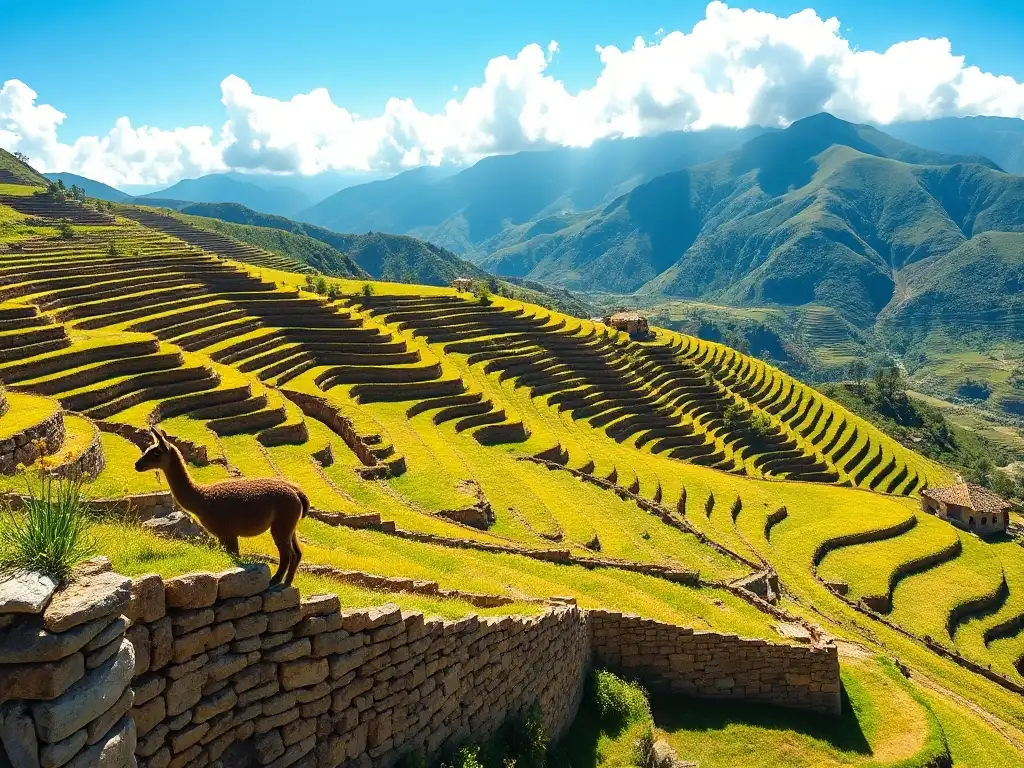
Step into a world lost to time, yet echoing with the ingenuity of giants. Imagine the breathtaking scale of Andean agricultural terraces, a testament to civilizations that harnessed the power of nature itself. This is more than just history; it's a legacy. Discover how the preservation of these incredible Andean agricultural terrace systems holds the key to understanding their vibrant past, and perhaps, even our future. Unravel the secrets behind their construction and their enduring impact in our exploration of Andean agricultural terrace preservation.
The Andes Mountains, a spine of towering peaks running down the western coast of South America, are home to some of the most remarkable feats of ancient engineering—the agricultural terraces. These carefully constructed stone walls, cascading down steep slopes, represent not just impressive feats of construction, but a profound understanding of sustainable agriculture and a deep connection between the Andean people and their environment. For centuries, these terraces provided the lifeblood of numerous Andean civilizations, from the Incas to the pre-Inca cultures like the Moche and Nazca.
This article explores the vital role of Andean agricultural terrace preservation in safeguarding a legacy of ingenuity and resilience, a legacy that holds valuable lessons for sustainable agriculture practices in the modern world. We will delve into the significance of these terraces, the engineering marvels behind their construction, and the challenges faced in preserving them for future generations.
Understanding the delicate balance between past practices and modern-day challenges is crucial for the successful preservation of these vital ecosystems and the cultural heritage they represent. The keyword "Andean agricultural terrace preservation" will guide our exploration of this fascinating and vital topic.
Understanding the Significance of Andean Agricultural Terraces
Andean agricultural terraces are far more than just farming plots; they are complex ecosystems meticulously designed to harness the unique challenges of the Andean landscape. Their significance extends beyond mere agricultural production; they represent a profound understanding of water management, soil conservation, and microclimate control. The terraces' strategic placement on slopes allowed for optimal sunlight exposure and controlled water flow, minimizing erosion and maximizing crop yields.
This sophisticated system allowed for the cultivation of a diverse range of crops, including potatoes, maize, quinoa, and beans – staples of the Andean diet for millennia. The construction itself was a communal effort, reflecting the strong social organization and cooperative spirit of Andean societies. The terraces were not just functional; they were also deeply embedded in the cultural and spiritual life of the communities that built and maintained them.
Many terraces are still actively used today, demonstrating their enduring practicality and the wisdom of their ancient designers. The preservation of these terraces is therefore crucial not only for agricultural sustainability but also for the preservation of invaluable cultural heritage. The intricate relationship between the terraces, the people, and the environment is a testament to the ingenuity and adaptability of Andean civilizations.
The Ancient Engineering of Andean Farming Systems
The engineering behind Andean agricultural terraces is a testament to the advanced knowledge of these ancient civilizations. The construction involved meticulous planning and execution, requiring a deep understanding of topography, hydrology, and soil science. Stone walls, precisely fitted together without mortar, formed the terraces, creating level platforms for cultivation. Irrigation channels, often carved into the rock itself, directed water from higher elevations to irrigate the crops.
The design of the terraces also incorporated sophisticated drainage systems to prevent waterlogging and erosion. The choice of materials, the techniques used, and the overall design varied depending on the specific location and the prevailing environmental conditions. For example, some terraces utilized dry-stone construction, while others incorporated earthworks and other materials.
The remarkable durability of many of these systems, some dating back centuries, highlights the ingenuity and skill of their builders. Detailed studies of these ancient structures continue to reveal new insights into their design and construction, inspiring modern engineers and agriculturalists alike. Understanding the principles behind their construction is key to developing effective strategies for their preservation and restoration.
The Decline of Traditional Andean Agriculture
While Andean agricultural terraces remain a powerful symbol of cultural heritage and sustainable agriculture, they have faced significant challenges in recent decades. The abandonment of traditional farming practices, coupled with the pressures of modernization and climate change, has led to the degradation and loss of many terrace systems. Factors contributing to this decline include:
- Migration to urban areas: The movement of people from rural communities to urban centers has led to the abandonment of many terraces, resulting in their deterioration and the loss of traditional knowledge.
- Introduction of modern farming techniques: While some modern techniques have improved yields, they have also contributed to soil erosion and the loss of biodiversity.
- Climate change: Changes in rainfall patterns and increased frequency of extreme weather events have put additional stress on terrace systems, exacerbating erosion and reducing crop yields.
- Lack of government support: Insufficient investment in research, restoration, and preservation efforts has hindered efforts to protect these valuable agricultural systems.
The preservation of Andean agricultural terraces requires a multifaceted approach, involving the revitalization of traditional farming practices, the integration of sustainable modern techniques, and increased investment in research and community-based conservation efforts. Addressing these challenges is crucial not only for preserving a vital part of Andean heritage, but also for ensuring the long-term food security and environmental sustainability of the region. The future of these remarkable systems depends on a concerted effort to balance tradition with innovation and to recognize the invaluable role they play in the Andean ecosystem.
- Understanding the Significance of Andean Agricultural Terraces
- The Ancient Engineering of Andean Farming Systems
- The Decline of Traditional Andean Agriculture
Threats to Andean Agricultural Terrace Preservation

The preservation of Andean agricultural terraces faces numerous interconnected challenges, threatening not only these remarkable feats of engineering but also the livelihoods and cultural heritage of Andean communities. Understanding these threats is crucial for developing effective preservation strategies and ensuring the long-term sustainability of these vital agricultural systems. The following sections detail some of the most pressing issues impacting Andean agricultural terrace preservation.
Erosion and Land Degradation: A Major Challenge
Erosion and land degradation pose a significant threat to the structural integrity and agricultural productivity of Andean terraces. Years of intensive farming, coupled with deforestation and unsustainable land management practices, have left many terraces vulnerable to soil loss. The steep slopes characteristic of Andean geography exacerbate this problem, as runoff water rapidly carries away topsoil, leaving behind barren land. This process is particularly severe during the rainy season, leading to significant damage and the eventual collapse of terrace walls.
The severity of erosion varies depending on several factors, including the type of soil, the slope gradient, the intensity of rainfall, and the presence of vegetation cover. Studies have shown that terraces with intact vegetation cover are significantly more resistant to erosion than those that are bare or sparsely vegetated. Furthermore, the use of traditional farming techniques, such as contour plowing and terracing itself, can help to mitigate erosion by slowing down water runoff and reducing soil loss.
However, the abandonment of these traditional practices in favor of modern, often unsustainable methods, contributes significantly to the problem. For example, the increased use of heavy machinery on terraces can compact the soil, reducing its ability to absorb water and increasing runoff.
This leads to a vicious cycle of soil erosion and degradation, further threatening the longevity of these ancient agricultural systems. Quantitative data on specific erosion rates for different terrace regions is [specific information pending], highlighting the need for further research in this area.
Impact of Modern Agricultural Practices on Terraces
The shift towards modern agricultural practices in the Andes has had a mixed impact on terrace preservation. While increased yields are possible with modern techniques, many practices are detrimental to the long-term health of the terraces. The adoption of monoculture farming, for instance, depletes soil nutrients and increases vulnerability to pests and diseases, potentially leading to soil degradation and terrace instability.
The use of chemical fertilizers and pesticides, while boosting short-term yields, can contaminate water sources and harm biodiversity, undermining the ecological balance crucial for sustainable terrace agriculture. The abandonment of traditional crop rotation systems, which help maintain soil fertility, further compounds these problems.
Furthermore, the introduction of mechanized farming equipment, while offering efficiency gains, can cause significant damage to terrace walls and soil structure through compaction and disruption of delicate terrace contours. The weight of heavy machinery can destabilize the already fragile terrace walls, leading to collapses and soil erosion. This is particularly problematic on older terraces, which may be weakened by age and weathering.
A comparative analysis of the impact of traditional versus modern farming practices on terrace sustainability is needed to develop appropriate strategies for balancing increased food production with terrace preservation. Data comparing soil health and terrace stability under different farming regimes is [specific information pending].
Climate Change and its Effects on Andean Farming
Climate change presents a significant and multifaceted threat to Andean agricultural terraces. Changes in rainfall patterns, including increased frequency and intensity of droughts and floods, directly impact terrace productivity and stability. Prolonged droughts can lead to crop failure and soil desiccation, making terraces susceptible to erosion. Conversely, intense rainfall events can cause catastrophic flooding and landslides, washing away topsoil and damaging terrace infrastructure. The shifting climatic conditions also affect the suitability of traditional crops, potentially necessitating a shift towards new, climate-resilient varieties. This transition requires careful management to avoid compromising the integrity of the terraces.
The melting of glaciers in the Andes, a direct consequence of climate change, also impacts water availability for irrigation, a crucial element in terrace agriculture. Reduced glacial meltwater can lead to water scarcity, affecting crop yields and potentially forcing farmers to abandon terraces due to lack of irrigation.
The effects of climate change on Andean agriculture are complex and intertwined, requiring a holistic approach that considers both adaptation and mitigation strategies to safeguard the future of these precious agricultural landscapes. Detailed modeling of the impact of climate change on specific terrace systems is [specific information pending], underscoring the urgent need for further research and targeted conservation efforts.
This includes exploring climate-resilient crop varieties and improving water management techniques to build resilience against the impacts of climate change. The preservation of Andean agricultural terraces is not just about preserving ancient techniques; it's about ensuring the food security and cultural heritage of Andean communities for generations to come.
Strategies for Andean Agricultural Terrace Preservation
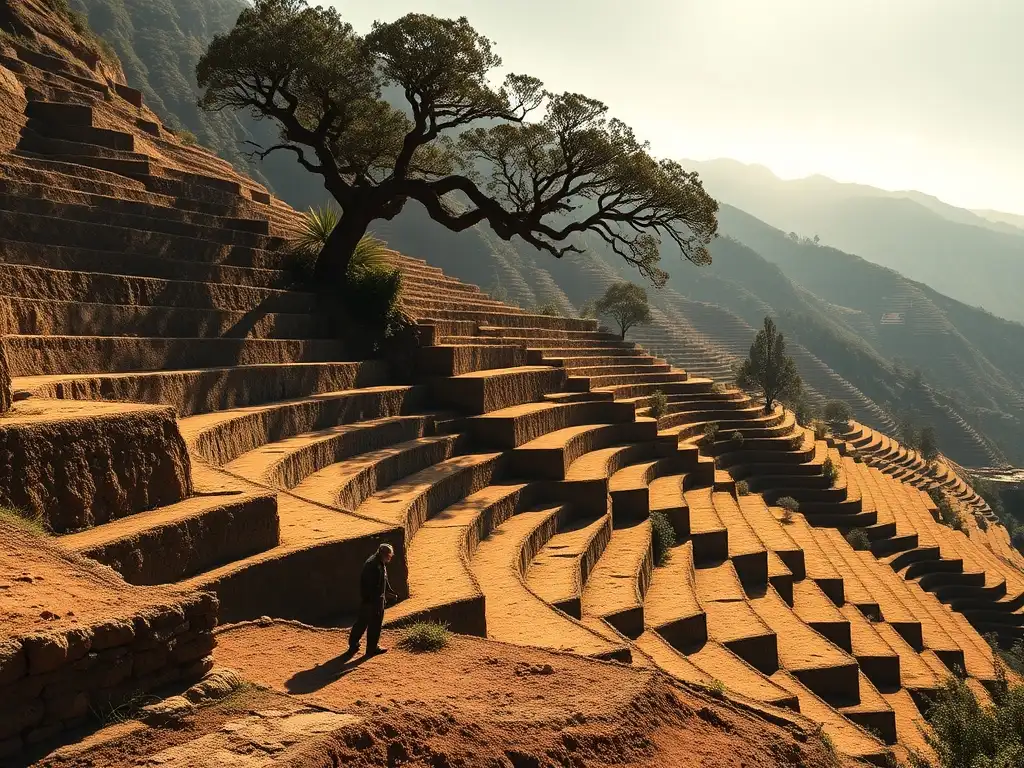
The preservation of Andean agricultural terraces, a testament to the ingenuity of ancient civilizations and a vital component of modern Andean life, requires a multifaceted approach. These breathtaking feats of engineering, carved into the steep slopes of the Andes Mountains, are not merely historical relics; they are living landscapes, supporting biodiversity and providing livelihoods for countless communities. Successful preservation hinges on a delicate balance between respecting tradition and embracing innovation. The following strategies highlight key initiatives crucial for the long-term sustainability of these invaluable systems.
Community-Based Conservation Efforts
Community involvement is paramount in Andean agricultural terrace preservation. These terraces are deeply interwoven with the cultural identity and economic well-being of local populations. Therefore, conservation efforts must be participatory, empowering communities to become active stewards of their heritage. Successful initiatives often involve:
- Collaborative management plans: These plans are developed through inclusive dialogues with local communities, ensuring that preservation strategies align with their needs and priorities. This collaborative approach fosters a sense of ownership and responsibility.
- Capacity building and training: Providing communities with the necessary skills and knowledge – from sustainable farming techniques to basic engineering and maintenance – is crucial for the long-term viability of the terraces. This includes training in water management, soil conservation, and pest control.
- Economic incentives: Preservation efforts must be economically sustainable. Initiatives that generate income for communities, such as fair-trade agricultural products or community-based tourism, can incentivize participation and ensure the long-term viability of conservation projects. For example, the creation of cooperatives focused on the production of high-quality, niche agricultural products grown on the terraces can provide significant economic benefits.
- Conflict resolution mechanisms: Access to and control of water resources, a critical element for terrace agriculture, can sometimes lead to conflict between communities. Establishing clear protocols for water allocation and dispute resolution is essential for the harmonious coexistence of communities dependent on these shared resources.
Integrating Traditional Knowledge with Modern Techniques
The wisdom of generations is invaluable in Andean agricultural terrace preservation. Traditional Andean farming practices, honed over centuries, offer sustainable solutions that are often more environmentally friendly and culturally appropriate than modern, industrialized approaches. However, integrating traditional knowledge with modern techniques can significantly enhance preservation efforts:
- Improved irrigation systems: While traditional irrigation methods are effective, integrating modern technologies, such as drip irrigation or rainwater harvesting systems, can improve water efficiency and resilience to climate change. This requires careful consideration to avoid disrupting the delicate balance of the existing ecosystem.
- Soil conservation techniques: Traditional methods of terracing and soil management can be augmented by modern scientific understanding of soil erosion and nutrient depletion. This might involve introducing techniques like contour plowing or agroforestry to further enhance soil health and stability.
- Pest and disease management: Traditional methods of pest control, often using natural remedies, can be combined with modern techniques to develop integrated pest management strategies that minimize the use of harmful chemicals.
- Monitoring and evaluation: Modern technologies, such as GIS mapping and remote sensing, can be used to monitor the condition of the terraces, track changes over time, and evaluate the effectiveness of preservation interventions. This data-driven approach is crucial for adaptive management.
Sustainable Tourism and its Role in Preservation
Sustainable tourism can play a significant role in funding and promoting Andean agricultural terrace preservation. By showcasing the cultural and historical significance of these landscapes, tourism can raise awareness and generate revenue for conservation efforts. However, it's crucial that tourism development is carefully managed to avoid negative impacts:
- Community-led tourism initiatives: Empowering local communities to manage and benefit from tourism ensures that economic gains directly support preservation efforts and that cultural sensitivities are respected. This could involve developing eco-lodges, guided tours focusing on the agricultural heritage, or workshops demonstrating traditional farming techniques.
- Carrying capacity management: Careful planning is essential to avoid overcrowding and environmental degradation. Limiting visitor numbers, establishing designated trails, and educating tourists about responsible behavior are key to maintaining the integrity of the terraces and the surrounding environment.
- Environmental impact assessments: Before undertaking any tourism development, thorough environmental impact assessments are necessary to identify and mitigate potential negative impacts on the terraces and the surrounding ecosystem. This ensures a sustainable approach that benefits both the environment and local communities.
- Diversification of tourism offerings: Offering a variety of tourism experiences, such as cultural demonstrations, hiking trails with varying difficulty levels, and opportunities for hands-on participation in agricultural activities, can attract a wider range of tourists and reduce pressure on specific sites. This also helps to promote a more holistic understanding of Andean culture and agriculture.
The preservation of Andean agricultural terraces is a complex undertaking requiring a holistic approach that integrates traditional knowledge, modern technology, and community participation. By embracing these strategies, we can ensure the long-term survival of these remarkable landscapes and the rich cultural heritage they represent.
Government and NGO Initiatives in Andean Agricultural Terrace Preservation
Governmental bodies across the Andes region recognize the crucial role of agricultural terraces in both cultural heritage preservation and sustainable food production. Many national and regional initiatives focus on providing funding for terrace restoration projects. For example, the Peruvian government has implemented programs offering subsidies and technical assistance to farming communities involved in terrace rehabilitation.
These programs often include training on sustainable farming techniques, alongside financial support for materials and labor. The effectiveness of these programs, however, varies considerably depending on factors such as bureaucratic efficiency, community engagement, and the availability of skilled labor. Furthermore, challenges remain in securing long-term funding commitments, ensuring the sustainability of these initiatives beyond individual project lifecycles.
A lack of consistent monitoring and evaluation also hampers the ability to assess the true impact of these government-led efforts. Successful programs often demonstrate a strong emphasis on community participation and ownership, ensuring that local knowledge and practices are integrated into the restoration process.
Beyond governmental efforts, a diverse range of Non-Governmental Organizations (NGOs) play a vital role in Andean agricultural terrace preservation. These NGOs often focus on community-based conservation projects, working directly with local farmers to implement sustainable agricultural practices and restore degraded terraces. Their work frequently involves capacity building, providing training in traditional and modern farming techniques, and promoting environmentally friendly approaches.
Many NGOs also advocate for policy changes that support terrace preservation, working to influence government decisions and secure funding for conservation efforts. Specific examples include organizations focusing on water management strategies within terrace systems, others specializing in promoting the use of native crop varieties, and still others focusing on the socio-economic empowerment of farming communities reliant on these ancient agricultural systems. The success of NGO initiatives depends heavily on securing consistent funding, building strong relationships with local communities, and adapting their strategies to the specific challenges faced in each region.
A collaborative approach, involving both government and NGO actors, is often crucial for achieving long-term impact. The diversity of NGO approaches highlights the multifaceted nature of Andean agricultural terrace preservation, requiring a holistic strategy that addresses ecological, economic, and social dimensions.
The Importance of Andean Agricultural Heritage
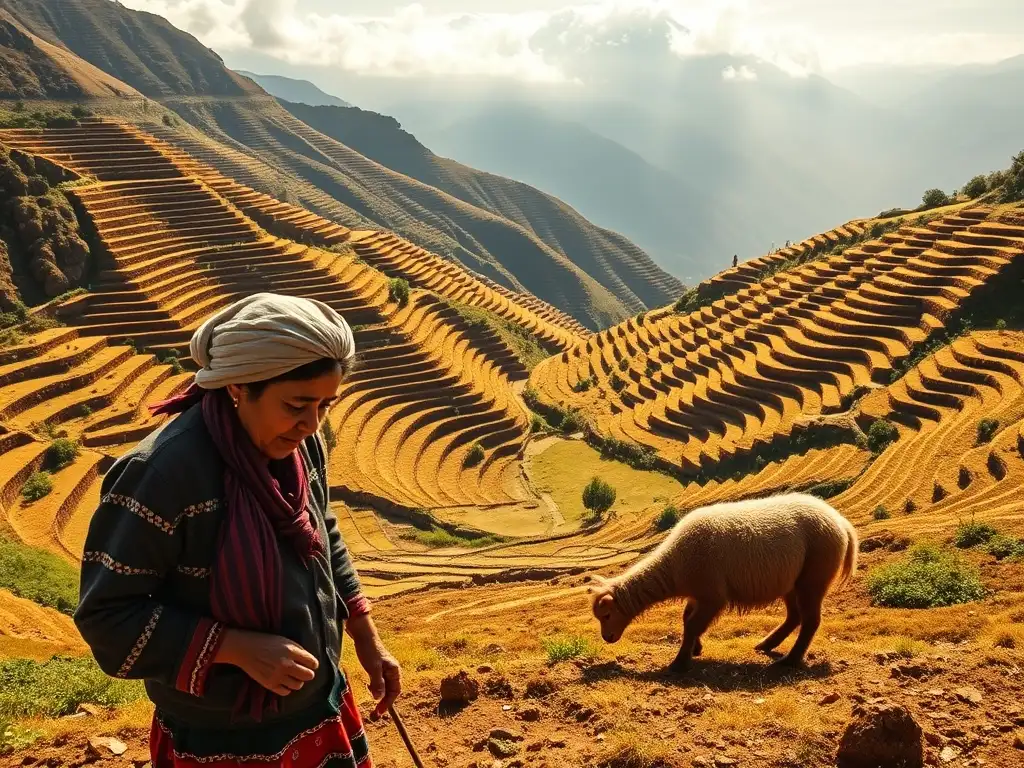
The Andean agricultural heritage represents far more than just ancient farming techniques; it's a cornerstone of the region's cultural identity, biodiversity, and food security. Understanding its significance is crucial for effective Andean agricultural terrace preservation efforts. These sophisticated systems, developed over millennia by civilizations like the Incas, Moche, and Nazca, demonstrate remarkable ingenuity in adapting to challenging mountainous terrain. Their preservation is not merely a historical imperative, but a vital necessity for the future well-being of the Andes region.
The intricate network of terraces, canals, and agricultural practices reflects a deep understanding of the environment and a sustainable approach to resource management that continues to inspire modern agricultural practices. This legacy must be protected for both its intrinsic value and its potential to contribute to solutions for contemporary challenges. The economic benefits derived from sustainable tourism tied to these sites also play a significant role in encouraging preservation efforts.
Maintaining Biodiversity through Terrace Farming
Andean agricultural terraces are biodiversity hotspots. The microclimates created by the stepped formations support a remarkable diversity of crops, including potatoes, maize, quinoa, and a vast array of other plants crucial for both subsistence and commercial purposes. These terraces often host unique plant varieties adapted to specific altitudes and environmental conditions, many of which are not found elsewhere.
The preservation of these terraces, therefore, directly contributes to the conservation of genetic diversity, safeguarding crucial plant resources for future generations. Furthermore, the complex ecosystem supported by the terraces includes a variety of insects, birds, and other animals, contributing to a rich and interconnected biological web. The loss of these terraces would not only result in the loss of agricultural land but would also significantly impact the biodiversity of the region, potentially leading to the extinction of unique species.
Studies are ongoing to fully quantify the biodiversity associated with different terrace systems, aiming to further solidify the importance of their preservation for Andean agricultural terrace preservation efforts. For example, research into the unique soil composition within these terraces is revealing an unexpected array of microorganisms crucial for soil fertility and overall ecosystem health.
Food Security and the Role of Andean Agriculture
Andean agriculture, particularly the systems supported by terrace farming, plays a vital role in ensuring food security in the region. These systems provide a reliable source of food for local communities, even in the face of climate change and environmental challenges. The diverse range of crops cultivated in the terraces provides nutritional security, offering a balanced diet rich in essential vitamins and minerals.
Moreover, the terraces' resilience to environmental stresses, such as droughts and floods, makes them a particularly valuable asset in a region vulnerable to climate change impacts. The preservation of these systems is therefore crucial for maintaining food sovereignty and reducing reliance on external food sources.
Quantitative data on crop yields from preserved versus degraded terraces would highlight the economic and nutritional implications of Andean agricultural terrace preservation, emphasizing its importance for regional food security. For instance, comparing the yields of quinoa from a well-maintained terrace system versus one left to degrade would clearly demonstrate the productivity benefits of preservation.
Cultural Identity and the Preservation of Andean Traditions
Andean agricultural terraces are deeply intertwined with the cultural identity of the Andean people. They represent a legacy of knowledge, innovation, and adaptation passed down through generations. The construction and maintenance of these terraces are often linked to traditional practices, ceremonies, and social structures.
The preservation of these terraces, therefore, is not only about protecting an agricultural system but also about safeguarding cultural heritage. The knowledge associated with terrace construction, water management, and crop cultivation is often held within communities, representing an invaluable intangible cultural heritage. The loss of these terraces could lead to the erosion of this traditional knowledge, resulting in a significant loss for both cultural and historical understanding.
Documenting these traditional practices and integrating them into preservation efforts is vital for ensuring the long-term sustainability of both the terraces and the cultural traditions associated with them. Ethnographic studies, oral histories, and community engagement are crucial for achieving this goal. The preservation of Andean agricultural terraces is, therefore, a crucial aspect of Andean agricultural terrace preservation, representing the preservation of a living cultural heritage.
Case Studies of Successful Andean Agricultural Terrace Restoration
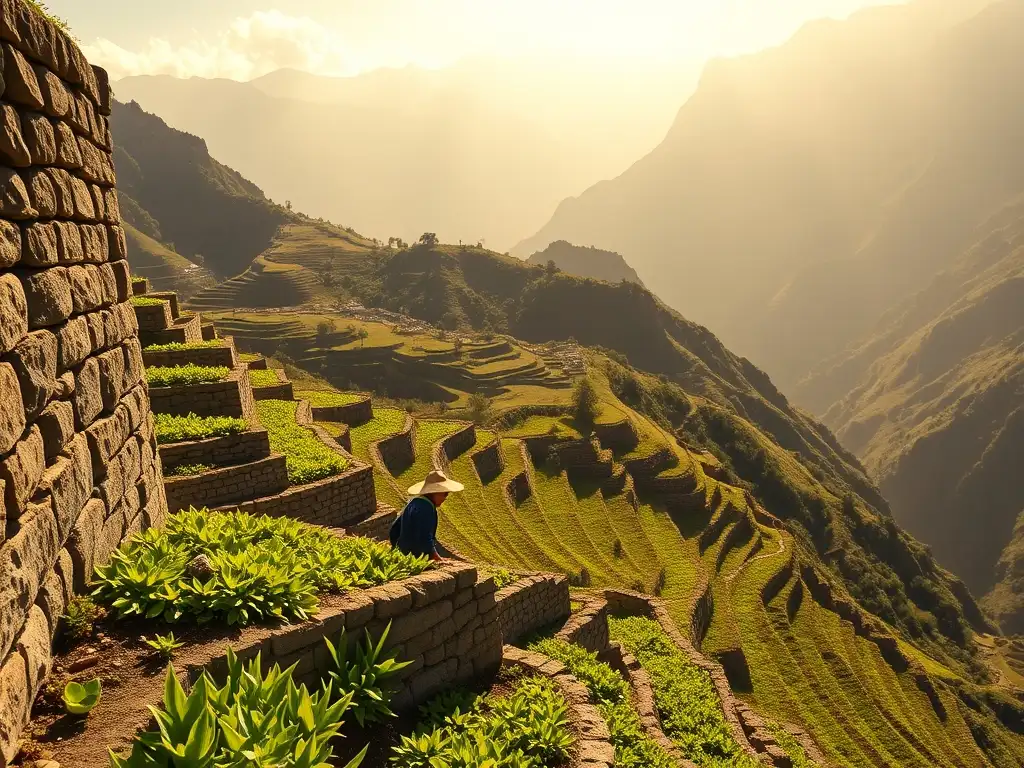
This section examines specific examples of successful Andean agricultural terrace restoration and preservation projects, highlighting the diverse approaches and challenges involved in safeguarding this vital cultural and agricultural heritage. Understanding these case studies offers valuable insights into effective strategies for Andean agricultural terrace preservation and informs future conservation efforts. We'll explore the methodologies, community involvement, and long-term sustainability of these initiatives.
The Moray Terraces, Peru: Restoration and Research
The Moray terraces, located near Maras in the Sacred Valley of Peru, represent a remarkable feat of Inca engineering. These concentric circular terraces, descending progressively deeper into the earth, demonstrate sophisticated agricultural techniques and a deep understanding of microclimates. Their restoration has involved a multi-faceted approach combining archaeological research with practical conservation methods.
The restoration project focused on several key areas: stabilizing crumbling terrace walls using traditional Inca techniques, clearing invasive vegetation that threatened the integrity of the structures, and implementing sustainable soil management practices to prevent erosion. Researchers meticulously documented the construction methods, materials, and agricultural practices used by the Inca, employing non-invasive techniques like ground-penetrating radar to understand the terraces' subsurface structure. This research informs not only the restoration process but also our understanding of Inca agricultural ingenuity and Andean agricultural terrace preservation practices.
The project also emphasized community engagement, involving local farmers in the restoration process and training them in sustainable agricultural techniques. This ensures the long-term sustainability of the site and empowers the community to actively participate in the preservation of their heritage. The success of the Moray terraces restoration exemplifies the crucial role of integrated research and community-based conservation in Andean agricultural terrace preservation.
The Colca Valley Terraces, Peru: Community-Led Conservation
The Colca Valley in southern Peru boasts an extensive network of pre-Inca and Inca agricultural terraces clinging precariously to the steep canyon walls. Unlike the Moray terraces, the preservation efforts in the Colca Valley have been largely community-led, highlighting the importance of local ownership in successful conservation initiatives. The initiative prioritized the restoration and maintenance of terraces through the active participation of local farmers.
Farmers were trained in sustainable agricultural practices, including water management techniques, soil conservation strategies, and the use of traditional farming methods. This approach ensured that terrace restoration wasn’t merely an aesthetic project, but an integral part of the valley's ongoing agricultural production. The community-based approach fostered a sense of ownership and responsibility, ensuring the long-term viability of the terraces. The Colca Valley's success demonstrates that successful Andean agricultural terrace preservation requires a participatory approach which empowers local communities to take the lead. The sustainable practices employed contribute to both economic viability and environmental protection.
Lessons Learned from Successful Preservation Efforts
Several key lessons emerge from these case studies. First, a holistic approach that integrates archaeological research, engineering expertise, and community participation is crucial for effective Andean agricultural terrace preservation. Simply stabilizing the structures is insufficient; sustainable agricultural practices must be implemented to ensure the long-term viability of the terraces. Second, community engagement is paramount. Local communities are the custodians of this heritage, and their active participation is essential for ensuring the long-term success of any preservation effort. Finally, long-term monitoring and evaluation are necessary to assess the effectiveness of conservation strategies and adapt them as needed. The ongoing challenges of climate change and population growth necessitate flexible and adaptive approaches to Andean agricultural terrace preservation. These lessons, gleaned from successful projects, provide a valuable framework for future conservation initiatives across the Andes. The future of Andean agricultural terrace preservation depends on a continued commitment to integrated strategies and community collaboration.
The Future of Andean Agricultural Terrace Preservation
The continued existence of Andean agricultural terraces hinges on proactive and multifaceted strategies that go beyond simple maintenance. The challenge lies in balancing the preservation of these invaluable historical and agricultural systems with the evolving needs of modern Andean communities. Successful preservation requires a holistic approach encompassing sustainable practices, community engagement, and robust educational initiatives. This section will delve into the key components necessary for securing the future of these remarkable feats of engineering and agricultural ingenuity.
Promoting Sustainable Practices for Long-Term Conservation
Sustainable agricultural practices are crucial for the long-term viability of Andean terraces. Traditional methods, often passed down through generations, already incorporated many sustainable elements. However, modern pressures, including population growth and climate change, necessitate a reassessment and adaptation of these techniques. This involves a shift towards more resilient crops, improved water management strategies, and the implementation of soil conservation methods.
For example, the integration of drought-resistant crops, specifically adapted to the unique microclimates of the Andean highlands, can significantly reduce the vulnerability of terrace farming to increasingly erratic rainfall patterns. Similarly, implementing improved irrigation systems, such as drip irrigation or rainwater harvesting techniques, can optimize water use and minimize water stress on crops. These methods not only improve crop yields but also reduce the environmental impact of terrace farming, helping to maintain the long-term health of the soil and the terraces themselves.
Furthermore, the adoption of organic farming methods, avoiding harmful chemicals, ensures the preservation of biodiversity and the overall health of the ecosystem. Data on successful implementation of these methods in specific Andean communities is crucial for replication and widespread adoption. [Specific data on successful sustainable practices pending].
The implementation of sustainable practices also requires community involvement and buy-in. Top-down approaches often fail to address the specific needs and challenges faced by local farmers. Therefore, collaborative efforts that empower local communities to adapt and implement sustainable practices are essential. This participatory approach ensures the long-term success of conservation efforts, fostering a sense of ownership and responsibility among the communities who directly benefit from the preservation of the terraces.
The Role of Education in Raising Awareness
Education plays a pivotal role in ensuring the long-term preservation of Andean agricultural terraces. Raising awareness among local communities, policymakers, and the wider public about the historical, cultural, and ecological significance of these systems is paramount. This educational effort should not only focus on the historical and archaeological aspects but also on the practical applications of sustainable agricultural practices and the economic benefits derived from preserving these unique landscapes.
Educational programs should target different demographics, tailoring their approach to meet the specific needs and learning styles of each group. For example, school curricula could integrate lessons on Andean agricultural history, highlighting the ingenuity of terrace farming techniques and their importance to the region's cultural heritage. Workshops and training sessions for farmers could focus on practical skills, such as soil conservation techniques and efficient water management strategies. Public awareness campaigns, utilizing various media platforms, can help disseminate information to a broader audience, emphasizing the importance of preserving these invaluable sites for future generations.
This multi-pronged approach to education is vital in fostering a culture of respect and appreciation for Andean agricultural terraces, ensuring their continued preservation. The effectiveness of these educational programs needs ongoing evaluation and adaptation to ensure maximum impact. [Data on effective educational programs in Andean communities pending].
Ensuring the Legacy of Andean Farming Systems
Preserving Andean farming systems requires a commitment to long-term strategies that address both immediate and future challenges. This involves not only the physical preservation of the terraces but also the safeguarding of the traditional knowledge and practices associated with them. Documentation of traditional farming techniques, including seed saving, crop rotation, and pest control methods, is crucial for maintaining the unique biodiversity and resilience of these systems. This documentation can take various forms, including written records, oral histories, and video recordings, ensuring the preservation of this invaluable intangible heritage.
Moreover, promoting research and innovation in Andean agriculture can help to adapt traditional farming practices to modern challenges. This includes exploring the potential of climate-resilient crops, developing sustainable pest management strategies, and improving irrigation efficiency. Supporting research initiatives can lead to the development of innovative solutions that can help to ensure the long-term sustainability of Andean farming systems. Collaboration between researchers, farmers, and policymakers is essential to ensure that research findings are effectively translated into practical applications.
The success of such efforts will depend on the ongoing commitment of all stakeholders to prioritize the preservation of this unique and invaluable agricultural heritage. [Specific examples of successful research and innovation in Andean agriculture pending]. The preservation of Andean agricultural terraces is not merely a historical endeavor; it is a crucial step in ensuring food security and environmental sustainability in the Andean region for generations to come.
Challenges and Opportunities Ahead for Andean agricultural terrace preservation
The preservation of Andean agricultural terraces faces a complex interplay of challenges and opportunities. The sheer scale of the systems, spread across diverse and often remote landscapes, presents a significant logistical hurdle. Many terraces are located in areas with limited infrastructure, making access difficult and hindering maintenance efforts.
This inaccessibility also impacts monitoring, making it challenging to detect early signs of deterioration or damage caused by natural disasters like landslides or earthquakes. Furthermore, the impact of climate change, manifested in altered rainfall patterns and increased frequency of extreme weather events, poses a significant threat to the long-term stability of these ancient structures. Erosion, exacerbated by these changes, is a constant concern, requiring ongoing interventions.
Funding limitations often restrict the scope and effectiveness of preservation projects, especially in regions with already limited resources. The involvement and support of local communities are crucial, yet ensuring their sustainable participation and providing them with the necessary resources and training remains a key challenge.
Another significant challenge lies in balancing preservation with the needs of modern agriculture and development. While the terraces represent invaluable cultural heritage, they also represent land that could potentially be used for other purposes. There's a constant tension between preserving these historical sites and the economic pressures driving land use changes. This necessitates careful planning and collaboration between preservationists, local authorities, and the communities who depend on the land for their livelihoods. Finding innovative and sustainable ways to integrate traditional agricultural practices with modern conservation techniques is crucial.
However, the future isn't entirely bleak. Technological advancements offer exciting opportunities. The use of Geographic Information Systems (GIS) and remote sensing technologies allows for efficient monitoring and assessment of terrace conditions across vast areas. Drones, for example, can provide detailed imagery of terrace degradation, enabling targeted interventions.
Furthermore, the growing global recognition of the cultural and environmental significance of Andean terraces provides opportunities for securing international funding and collaborations. The development of innovative techniques for erosion control, using locally sourced materials and traditional methods, contributes to sustainable and culturally sensitive preservation strategies. Increased awareness and education initiatives, coupled with the empowerment of local communities, can foster a sense of ownership and responsibility for the long-term protection of these remarkable agricultural systems. By combining traditional knowledge with modern technology and fostering strong community engagement, the future of Andean agricultural terrace preservation holds the potential for significant progress.
Frequently Asked Questions
What are Andean agricultural terraces?
Andean agricultural terraces are ancient farming systems built into the steep slopes of the Andes Mountains. These terraces allowed the Incas and other Andean civilizations to cultivate crops in challenging terrain, maximizing arable land. They are a testament to ingenious engineering.
Why is the preservation of Andean agricultural terraces important?
Preserving these terraces is crucial for maintaining biodiversity, supporting local communities, and protecting a unique cultural heritage. Their preservation also helps mitigate soil erosion and landslides.
What threats do Andean agricultural terraces face?
Andean terraces face threats from abandonment, climate change, invasive species, and inadequate maintenance. Tourism can also cause damage if not managed sustainably.
How are Andean agricultural terraces being preserved?
Preservation efforts involve community-based initiatives, government programs, and international collaborations. These focus on restoration, sustainable farming practices, and education.
What role does tourism play in Andean agricultural terrace preservation?
Tourism can both threaten and support preservation. Responsible tourism that educates visitors and invests in local communities can contribute to sustainable preservation. Uncontrolled tourism, however, can cause damage.
Final Reflection: Echoes of the Andes: A Legacy Worth Protecting
The ingenious agricultural terraces of the Andes, a testament to human ingenuity and harmonious coexistence with nature, face unprecedented threats today. Their preservation is not merely an archaeological concern; it's a vital issue impacting food security, biodiversity, and the cultural heritage of entire communities. The delicate balance between these ancient systems and modern pressures demands immediate and sustained attention.
The enduring legacy of Andean terrace farming resonates deeply, shaping not only the landscape but also the cultural identity of the region. These terraces are more than just fields; they are living museums, embodying centuries of knowledge passed down through generations. Their continued existence is intrinsically linked to the survival of unique plant varieties and traditional farming practices. The land is not merely soil; it is a sacred trust.
This sentiment, though not directly from the Andes, perfectly captures the profound connection between the people and their agricultural heritage.
Consider the impact of these ancient systems on your own life. Perhaps you've never seen an Andean terrace, but the principles of sustainable agriculture, resource management, and community cooperation they represent are universally applicable. I urge you to reflect on the interconnectedness of our world and the importance of preserving cultural heritage for future generations. Learn more about the challenges facing these vital ecosystems, support organizations working towards their preservation, and embrace sustainable practices in your own life. Let the echoes of the Andes inspire us to build a more resilient and equitable future.
Embrace the Journey of Preservation!
Thank you for exploring the fascinating world of Andean agricultural terraces and their rich history! Your interest is crucial to preserving these remarkable systems that have sustained communities for centuries. We hope you'll consider how you can become actively involved in protecting this incredible legacy.
Here are some ways you can support and promote Andean agricultural heritage:
- Join a local conservation organization dedicated to Andean agriculture. Connecting with others who share your passion for preservation is invaluable.
- Visit an Andean heritage site or take a farm tour to experience these terraces firsthand and gain a deeper understanding of their importance.
- Share this article with your friends and family to raise awareness about the significance of Andean agricultural practices and inspire others to get involved.
How can you celebrate and support agricultural traditions in your own community?