
The Inca Military Hierarchy: Structure and Organization

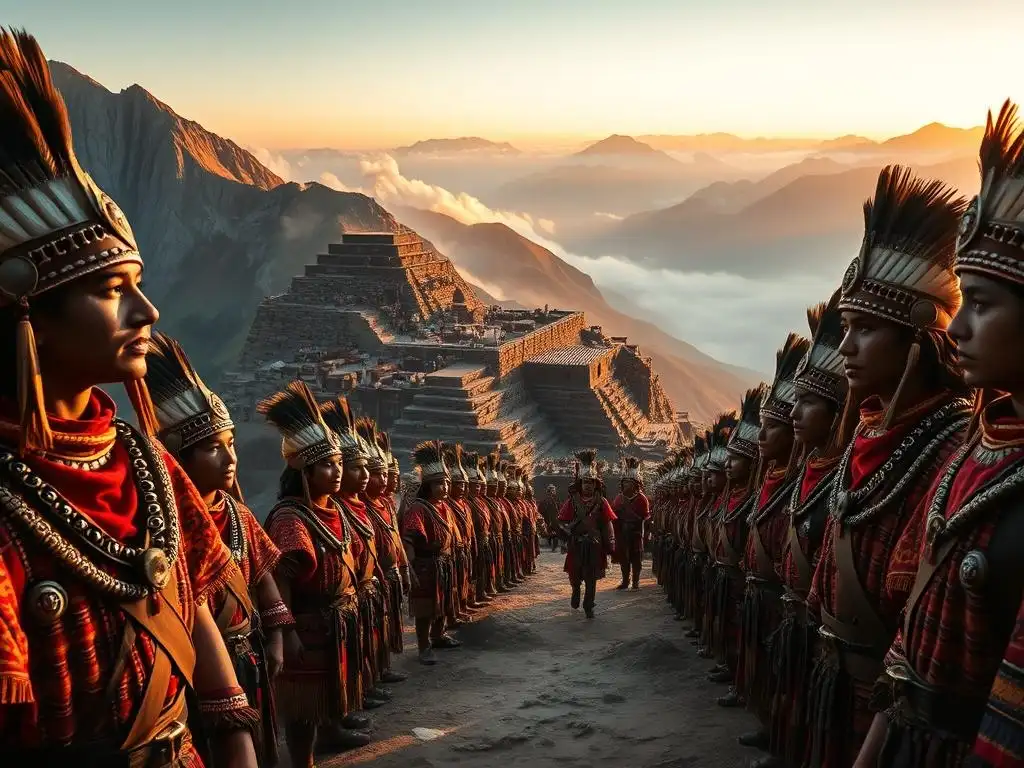
Dive into the enigmatic world of the Andes and uncover the secrets of its mighty empires! From the breathtaking artistry of the Nazca lines to the sophisticated engineering of the Tiahuanaco, Andean Civilizations unveils a tapestry of human ingenuity. But what truly fueled the Inca's rise to power?
Prepare to be amazed as we delve into the Inca military organization structure, a complex system that played a pivotal role in shaping the fate of an entire continent. Unravel the mysteries of their military prowess and discover how this intricate organization forged a vast and enduring empire. Begin your journey now!
The Inca Empire, a marvel of pre-Columbian South America, achieved remarkable expansion and consolidation largely due to its highly effective military organization. This article delves into the intricate structure and organization of the Inca army, exploring the hierarchical ranks, logistical prowess, and strategic capabilities that allowed them to conquer and control a vast territory spanning modern-day Peru, Bolivia, Ecuador, Colombia, Argentina, and Chile. Understanding the Inca military system is crucial to grasping the empire's enduring legacy and its sophisticated approach to governance and territorial control.
We will examine the key components of the Inca army, from its leadership structure to its logistical support networks, revealing the complexities of this powerful military machine and its role in shaping the Andean world. The keyword "Inca military organization structure" will be explored through a detailed analysis of its various elements, providing a comprehensive overview of this fascinating aspect of Inca civilization.
Understanding the Inca Military System
The Inca military wasn't a standing army in the European sense. Instead, it was a system based on a conscription model, drawing its strength from the mit'a system – a form of mandatory public service. Able-bodied men between the ages of 15 and 50 were obligated to serve, with the duration and nature of their service varying based on their community's needs and the empire's military demands.
This system ensured a large pool of potential soldiers, readily available for mobilization when required. The Inca state meticulously maintained detailed records of its population, facilitating efficient conscription and deployment of troops. This highly organized approach allowed the Inca to rapidly assemble substantial armies for campaigns across the vast empire.
Furthermore, the Inca military wasn't solely focused on conquest. It played a vital role in maintaining internal order, suppressing rebellions, and protecting trade routes. The army’s effectiveness stemmed not only from its size but also from its sophisticated organization and strategic planning, factors which contributed significantly to the Inca's success in expanding and consolidating their power.
Key Components of the Inca Army
The Inca army was characterized by a complex hierarchy, reflecting the overall structure of Inca society. At the apex stood the Sapa Inca, the emperor himself, who was the supreme commander. Below him were various ranks of officers, including high-ranking nobles and experienced warriors. These officers were responsible for commanding units of varying sizes, from smaller squads to larger divisions.
The army was organized into distinct units, often based on geographical origin or kinship ties, fostering loyalty and cohesion. Logistical support was crucial for the Inca military's success. Extensive networks of roads, chasquis (runners), and storehouses ensured that armies were supplied with food, weapons, and other necessities, even in remote regions. This intricate logistical system allowed for sustained campaigns and swift responses to threats across the empire.
The Inca army also utilized a variety of weapons and tactics, including slings, spears, clubs, and bolas. Their knowledge of the terrain and their ability to adapt their strategies to different environments contributed significantly to their military prowess. The Inca military organization structure, therefore, wasn’t simply a matter of numbers; it was a finely tuned machine that combined manpower, logistics, and strategic thinking to achieve remarkable results. This effective system was key to the Inca Empire's growth and longevity.
Inca Military Ranks and Their Roles
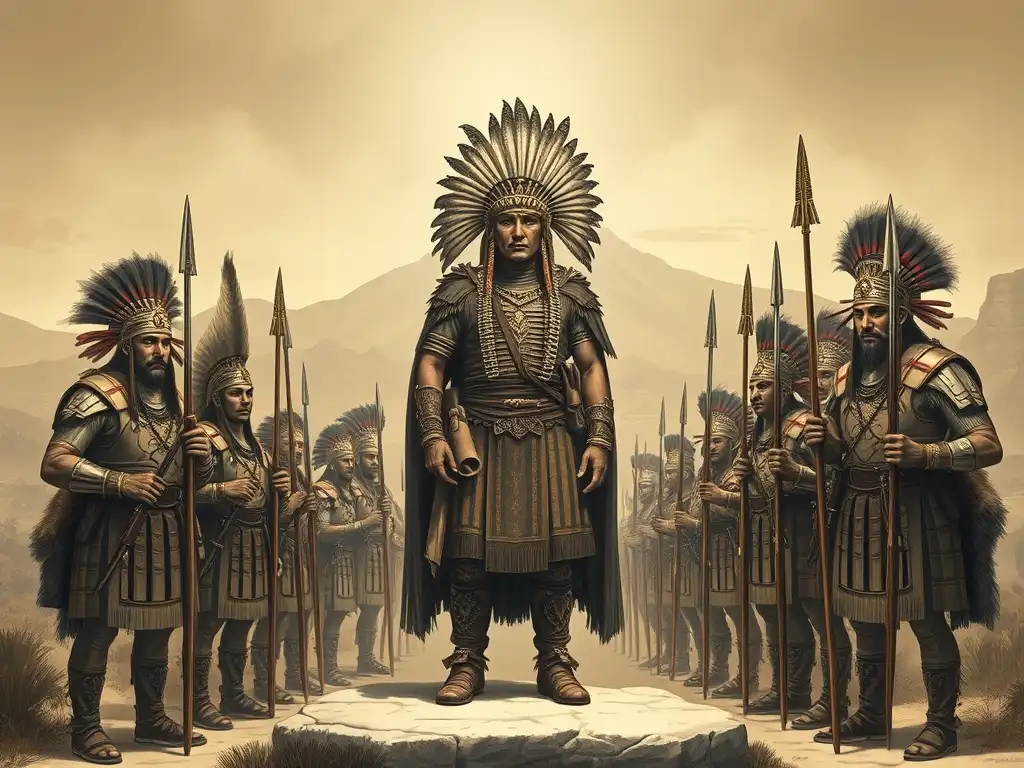
The Inca military organization structure was a complex system reflecting the empire's hierarchical social structure. Effective military organization was crucial for the Inca's expansion and control of a vast and diverse territory. This intricate system ensured the mobilization and deployment of troops across mountainous terrain and diverse climates, contributing significantly to their impressive conquests.
Understanding the specific roles and responsibilities of each rank is key to grasping the effectiveness of the Inca war machine. This section delves into the key military ranks, detailing their functions and influence within the Inca army. The Inca military organization structure was not simply about numbers; it was a meticulously planned system designed for efficiency and success.
The Sapa Inca and Military Command
At the apex of the Inca military hierarchy stood the Sapa Inca, the emperor. He held ultimate authority over all military matters, acting as the supreme commander-in-chief. While he didn't personally lead battles on the front lines (except in rare instances of extreme need), his decisions shaped military strategy, resource allocation, and the appointment of high-ranking officials. The Sapa Inca relied on a council of advisors, including high-ranking Apusquis (generals) and other nobles, to provide crucial input on military campaigns.
His approval was essential for launching any significant military operation. The Sapa Inca's symbolic presence and absolute authority instilled discipline and loyalty throughout the ranks, ensuring the army’s obedience and effectiveness. His role extended beyond direct command; he was the inspirational figurehead whose prestige fueled the army's fighting spirit. The power of the Sapa Inca was absolute, extending to life and death decisions concerning military personnel.
High-Ranking Inca Generals: Apusquis
Below the Sapa Inca were the Apusquis, a select group of high-ranking Inca generals. These individuals were responsible for commanding large armies, often numbering in the thousands. Their appointments were based on a combination of noble birth, proven military prowess, and loyalty to the Sapa Inca.
The Apusquis were not simply battlefield commanders; they were strategic thinkers, responsible for planning campaigns, managing logistics, and maintaining discipline within their units. They oversaw the training of troops, the procurement of supplies, and the coordination of movements across the vast Andean terrain. Specific data on the number of Apusquis at any given time is scarce, but historical accounts suggest a relatively small number of these elite commanders held significant influence over the Inca military machine.
Their responsibilities extended beyond combat; they often served as governors or administrators in conquered territories after successful campaigns, consolidating Inca control and maintaining order. Think of them as a combination of general, governor, and administrator – a powerful position requiring exceptional skills and unwavering loyalty.
The Role of Inca Captains and Commanders
At the lower echelons of the Inca military organization structure were the captains and commanders. These officers commanded smaller units, typically ranging from hundreds to a few thousand soldiers. While less prestigious than the Apusquis, their roles were crucial for effective battlefield execution. They were responsible for the day-to-day training, discipline, and combat readiness of their troops.
They were drawn from various social strata, with some from noble backgrounds and others demonstrating exceptional leadership qualities on the battlefield. Their responsibilities included maintaining troop morale, ensuring adequate supplies, and executing the tactical orders of their superiors. The effectiveness of the Inca army relied heavily on the competence and loyalty of these commanders. Their ability to motivate and effectively lead their troops directly impacted the success or failure of individual battles and campaigns.
The Inca military system relied on a clear chain of command, ensuring that orders flowed efficiently from the Sapa Inca down to the lowest-ranking soldier. The intricate structure, combining centralized control with effective delegation, was a key factor in the Inca's military success. 👑 The system ensured that even in the midst of chaotic battles, the Inca army maintained its cohesion and fighting ability.
Inca Soldier Ranks and Their Duties
The Inca military wasn't a rigidly defined structure like some European armies. Its organization was fluid, adapting to the needs of specific campaigns and the available manpower. However, a clear hierarchy existed, with soldiers categorized based on their experience, training, and responsibilities. While precise titles and ranks are debated by historians due to the limited surviving written records, we can identify several key roles and levels of responsibility within the Inca army.
At the base of the hierarchy were the common soldiers, or mamakuna (although this term also refers to women, in this context it refers to the common male soldiers). These were largely conscripted from the ayllu communities, fulfilling their mita obligations. Their training varied, with some receiving more intensive preparation than others depending on the perceived threat level and the specific needs of the military campaign. Their primary duty was infantry combat, utilizing slings, spears, and clubs.
Their effectiveness stemmed from their numbers and disciplined formations, rather than advanced weaponry. They often fought in close formation, using their collective strength and numerical advantage to overwhelm their opponents. The quality of their equipment varied depending on their region and the resources available to their ayllu.
Above the common soldiers were the kurakas, local leaders who commanded contingents of soldiers from their respective communities. These individuals held significant authority within their ayllu and provided crucial leadership on the battlefield. Their role extended beyond simple command; they were responsible for the morale and well-being of their troops, ensuring supplies were adequate and resolving disputes amongst their men. Their experience and knowledge of their local terrain often proved invaluable during campaigns. Their loyalty to the Inca emperor was paramount, and their success in battle directly impacted their standing within the empire.
Beyond the kurakas, specialized units existed. These included highly trained warriors, possibly comparable to elite units in other armies. These individuals underwent rigorous training, mastering advanced combat techniques, and wielding superior weapons. They often served as shock troops, spearheading attacks and breaking enemy lines.
While specific titles for these elite warriors remain uncertain, their existence is evidenced by accounts of Inca military prowess and the strategic deployment of specialized forces. They might have been drawn from specific regions known for their martial skills or selected based on their performance in earlier campaigns. Information on the exact methods of selection and their training regime is unfortunately scarce.
Finally, at the apex of the Inca military hierarchy were the high-ranking commanders appointed by the Sapa Inca himself. These individuals were typically experienced warriors and nobles, possessing extensive knowledge of military strategy and tactics. They oversaw large armies, directing campaigns and coordinating the efforts of multiple kurakas. These commanders were responsible for the overall success of military operations, often wielding considerable political influence within the empire.
Their decisions could have significant consequences, impacting the empire's territorial expansion and political stability. Their selection was based on merit, loyalty, and their proven ability to lead armies to victory. The exact titles and responsibilities of these high-ranking officers still require further historical investigation. The Inca military structure demonstrates a sophisticated system that blended conscription, local leadership, and specialized units to achieve military success.
Organization of Inca Military Units
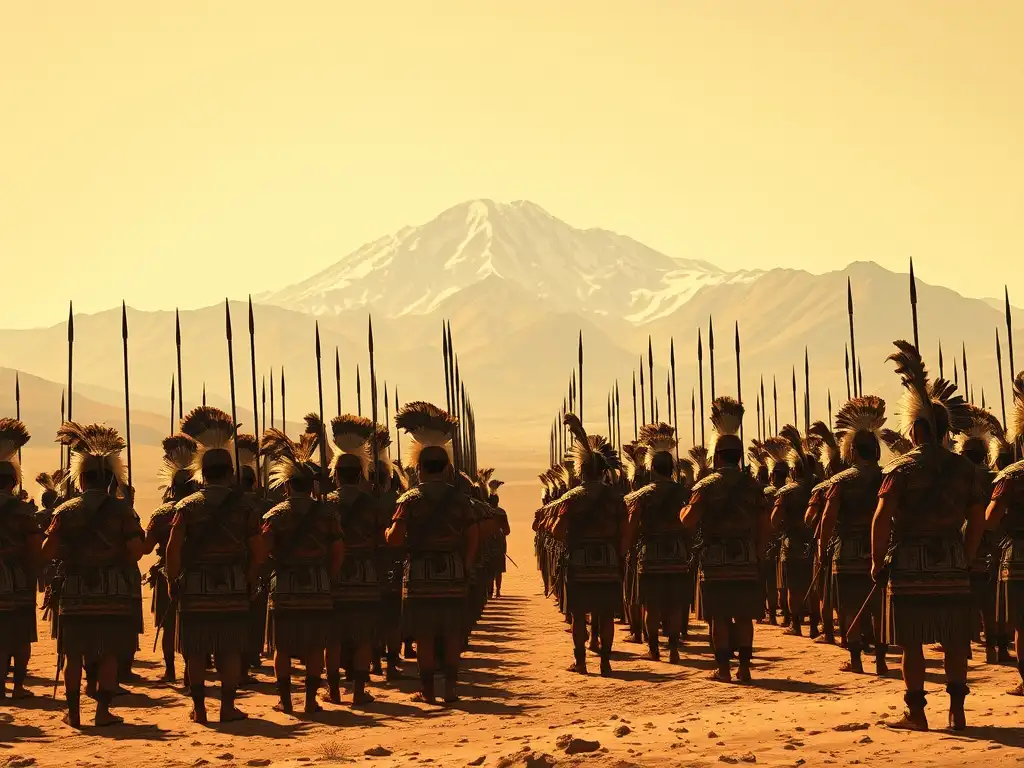
The Inca military wasn't a monolithic force; its effectiveness stemmed from a highly structured and organized system reflecting the empire's administrative prowess. This intricate organization, deeply intertwined with the Inca's decimal system, ensured efficient mobilization, deployment, and control of vast armies across the expansive empire. Understanding this structure is crucial to appreciating the Inca's military success and their ability to conquer and maintain control over such a diverse and geographically challenging territory. The keyword "Inca military organization structure" is central to understanding their dominance. We will explore this complex system in detail, examining its various components and their interrelation.
Divisional Structure of the Inca Army
The Inca army wasn't a single, unified body. Instead, it was divided into distinct units based on geography and administrative divisions. Each ayllu (a community group) contributed soldiers, forming the foundation of the military structure. These local units were then aggregated into larger formations, reflecting the hierarchical organization of the Inca state. This system ensured that manpower was readily available from various regions, allowing for rapid mobilization and response to threats. Furthermore, this decentralized approach minimized the risk of a single rebellion crippling the entire army.
For example, a province might contribute a battalion of 500 soldiers, who would be organized under a local commander. Several such battalions, perhaps from neighboring provinces, could then be combined to form a larger division under a higher-ranking officer appointed by the Sapa Inca (emperor). This flexible system allowed the Inca to deploy forces tailored to the specific needs of a campaign, whether it involved a small-scale border skirmish or a major offensive against a rebellious province or a foreign enemy.
The size and composition of these divisions varied depending on the perceived threat and the strategic objectives of the campaign. Unfortunately, precise numbers on the size of larger divisions are scarce, with many accounts relying on estimations and interpretations of limited historical sources. More research is needed to fully quantify the size and composition of these larger military formations.
The Decimal System and Unit Formation
The Inca's renowned decimal system played a pivotal role in their military organization. This system wasn't merely a numerical system; it was integral to the structuring of their society, economy, and, significantly, their military. Units were organized in groups of ten, one hundred, one thousand, and even ten thousand, with each level having designated commanders and responsibilities. This system facilitated efficient command and control, allowing for clear lines of authority and responsibility within the army.
The decimal system also aided in logistical planning and resource allocation. Provisioning an army of thousands required meticulous organization, and the decimal system provided the framework for effectively distributing food, supplies, and weapons. Each unit was responsible for its own logistics, ensuring that the army could operate efficiently even in remote and challenging terrains.
This efficient system contributed significantly to the Inca's ability to sustain long campaigns and maintain control over vast territories. The precision of this system stands as a testament to the Inca's administrative capabilities and their understanding of the importance of logistical support in military campaigns. This is a key aspect of understanding the success of their "Inca military organization structure".
Specialized Inca Military Units: Royal Guards, Slingers, Spearmen
Beyond the basic divisional structure, the Inca army comprised specialized units with distinct roles and training. The Inca Runa, or Royal Guards, formed the emperor's elite personal guard. These highly trained warriors were selected from among the empire's finest and enjoyed privileged status. Their loyalty and skill were paramount in protecting the Sapa Inca and maintaining order within the court.
Other specialized units included slingers, known for their accuracy and range, and spearmen, who formed the backbone of the infantry. The effectiveness of these specialized units lay not only in their training and weaponry but also in their coordinated deployment within the larger army. Their combined strengths ensured the army's versatility and adaptability to different battlefield situations.
While detailed records of the precise numbers of these specialized units are lacking, their importance in Inca military strategy is undeniable. Archaeological findings, such as weaponry and depictions in art, offer valuable insights into the equipment and tactics of these specialized units. Further research, particularly detailed analysis of archeological sites, could reveal more about the specific roles and deployment strategies of these specialized units within the broader "Inca military organization structure".
Logistics and Support in the Inca Military
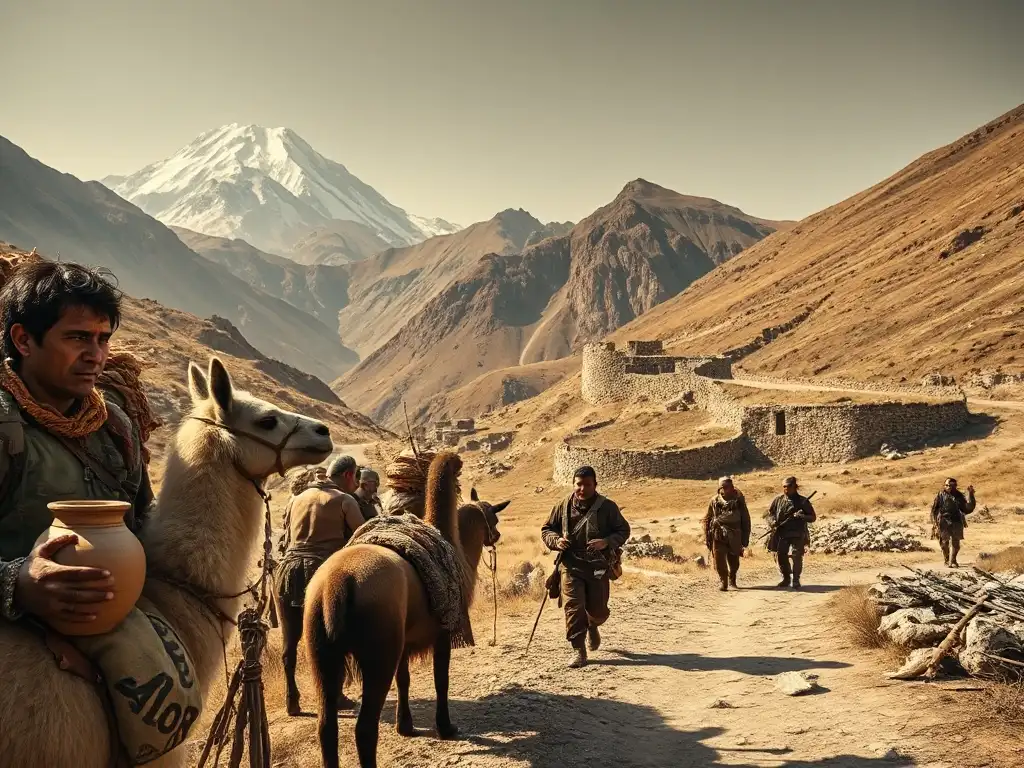
The Inca Empire's military success wasn't solely dependent on its fighting prowess; a sophisticated logistical system underpinned its expansive campaigns. Effective supply lines, strategic infrastructure, and well-planned encampments were crucial for maintaining a large and mobile army across diverse and challenging Andean terrains. The Inca military organization structure inherently prioritized logistical efficiency, recognizing its paramount importance in sustaining prolonged military operations. Without a robust logistical network, the Inca military's ambitions would have been severely curtailed. This section delves into the key components of this vital support system.
Supplying the Inca Armies
Supplying the Inca armies presented a significant logistical challenge, given the empire's vast size and the rugged Andean geography. The Inca system relied heavily on a network of mit'a, a system of mandatory labor service. This system wasn't solely for construction projects; it was instrumental in provisioning the army. Farmers from conquered territories were often obligated to provide food, textiles, and other necessities for the troops. This ensured a consistent flow of supplies to the front lines. The efficiency of this system is evident in the scale of the Inca military campaigns, which often lasted for extended periods.
The quipu, a complex system of knotted strings, played a crucial role in managing the supply chain. These intricate records tracked the amounts of goods collected, their distribution, and the needs of different military units. This sophisticated accounting system prevented shortages and ensured that troops were adequately provisioned, even in remote locations.
The system was remarkably effective in coordinating the movement of vast quantities of goods across the empire, a testament to the Inca's administrative capabilities and understanding of logistics. The precise details of the quipu system for military supply remain a subject of ongoing research, but existing evidence points to a highly organized and effective system.
Furthermore, llamas and alpacas were vital in transporting goods across the challenging terrain. These animals were well-suited to the high-altitude environment and could carry significant loads. The Inca developed extensive networks of trails and roads, specifically designed to facilitate the movement of these pack animals. The combination of animal transport and well-maintained infrastructure made it possible to supply even the most remote military outposts.
Inca Military Infrastructure and Roads
The Inca road system, renowned for its engineering feats, wasn't merely for civilian travel; it was a crucial element of the Inca military organization structure. This network of roads, spanning thousands of kilometers across the Andes, acted as arteries for the rapid movement of troops and supplies. The strategic placement of tambos (roadside inns) along these routes provided resting places for soldiers and safe storage for supplies, ensuring the continuous flow of resources to the front. This infrastructure significantly reduced travel times and facilitated swift responses to potential threats.
The roads themselves were marvels of engineering, showcasing the Inca’s mastery of construction techniques. They were often paved with stone and designed to withstand the harsh weather conditions of the Andes. Bridges, some spanning deep gorges, were built using sophisticated techniques, demonstrating the Inca's advanced engineering skills.
The construction and maintenance of this extensive road network required enormous manpower, highlighting the scale of the mit'a system's contribution to the military's logistical capabilities. The network's strategic design facilitated rapid troop movements, allowing the Inca army to respond effectively to rebellions or external threats across the vast empire. The efficiency of this system was a key factor in the Inca's military dominance.
Inca Military Camps and Fortifications
Inca military camps weren't haphazardly established; they were strategically planned and constructed to provide secure bases for operations. The Inca military organization structure emphasized the importance of well-defended camps that could serve as supply depots and staging areas for further campaigns. These camps were often located in defensible positions, taking advantage of natural features such as hills or cliffs. Fortifications, including walls and towers, were constructed to protect the camp and its occupants from attack. The design and construction of these camps reflected the Inca's understanding of military strategy and engineering principles.
The size and complexity of these camps varied depending on the scale of the military operation. Larger campaigns involved establishing extensive camps that could accommodate thousands of soldiers and a substantial amount of supplies. Smaller-scale operations might utilize smaller, more temporary encampments. Regardless of size, however, all Inca military camps were designed with security and logistical efficiency in mind.
The construction of these camps demonstrated the Inca's ability to rapidly mobilize significant resources and build robust infrastructure even in remote areas. The organization and planning involved in establishing these camps further highlight the sophisticated nature of the Inca military organization structure. Archaeological evidence continues to reveal new details about the design and function of these crucial military bases, providing further insights into the Inca's logistical prowess.
Inca Military Strategies and Tactics
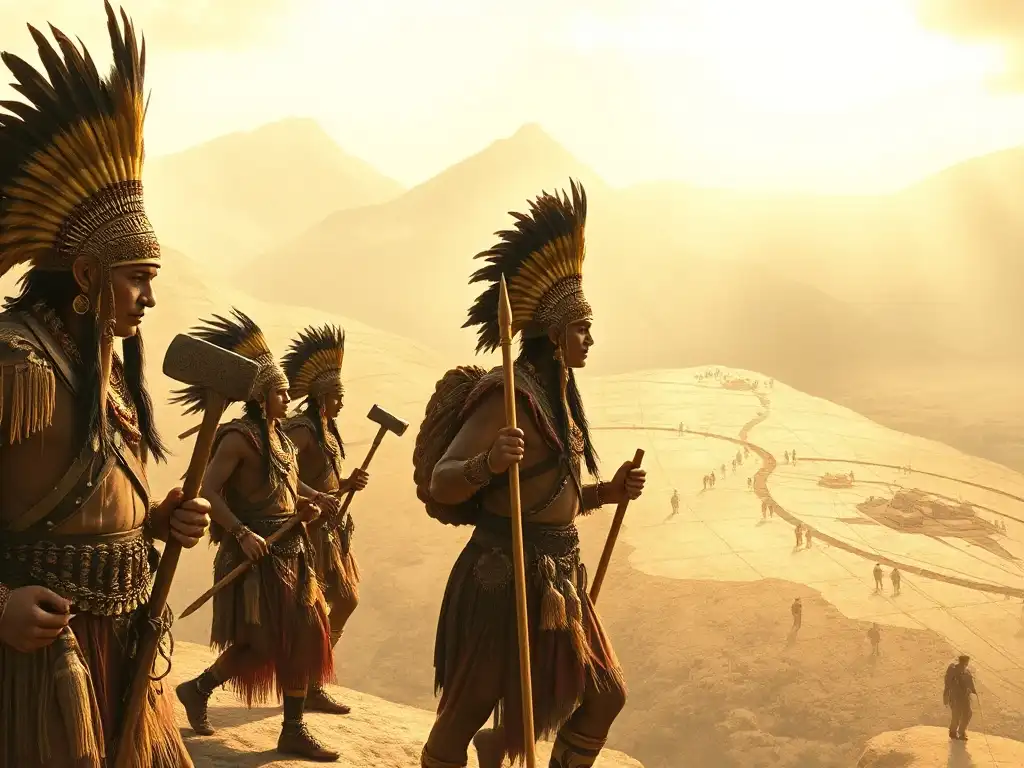
The Inca military's success wasn't solely reliant on its size; sophisticated strategies and tactics played a crucial role in their expansion and empire consolidation. Their approach to warfare was multifaceted, adapting to different terrains and enemy strengths. Effective communication, logistical prowess, and a well-defined hierarchy were key components of their military effectiveness.
The Inca military organization structure prioritized adaptability and efficiency, allowing them to swiftly deploy forces across the vast Andean landscape. This adaptability is a key factor that allowed the Inca to conquer and control such a diverse and challenging terrain. The Inca military wasn't just a fighting force; it was a highly organized and efficient engine of imperial expansion.
Inca Warfare Techniques
Inca warfare techniques were diverse, reflecting the varied geography of their empire. In open battles, the inca army often employed a strategy of overwhelming numbers, using their superior organization to break enemy lines. This involved coordinated attacks using various weapons, including slings, clubs, and spears, often followed by a swift and decisive push to rout the opposition.
However, the Inca weren’t solely reliant on brute force. They skillfully utilized the terrain to their advantage, employing ambush tactics in mountainous regions and utilizing rivers and valleys to outmaneuver their foes. The Inca also showed remarkable proficiency in guerilla warfare, utilizing smaller, highly mobile units to harass larger armies and disrupt supply lines.
Detailed accounts of specific battles, unfortunately, remain scarce, but archaeological evidence and chronicled descriptions from Spanish conquistadors suggest a sophisticated understanding of tactical maneuvers. For example, the use of carefully positioned archers to rain down projectiles from elevated positions, combined with coordinated infantry assaults, suggests a high level of military planning and coordination.
Siege Warfare in the Inca Empire
While the Inca excelled in open warfare, their siege warfare capabilities were equally impressive. The Inca military organization structure included specialized units trained in siege techniques. The construction of sophisticated siege weapons, such as siege ladders and possibly even primitive siege engines (although evidence is limited), showcased their engineering prowess and military innovation. The Inca frequently employed prolonged sieges, utilizing their superior logistical capabilities to exhaust enemy resources.
This strategy often involved cutting off enemy supply lines and employing psychological warfare to weaken the defenders' morale. The siege of [specific Inca siege pending further research] provides a potential case study, although more detailed information is needed to fully understand the specifics of their siege tactics. The Inca's mastery of siege warfare allowed them to conquer even the most heavily fortified settlements, ensuring the success of their expansionist policies and strengthening their control over conquered territories.
The Use of Inca Military Weapons
The Inca military's arsenal was characterized by its practicality and effectiveness in the Andean environment. While they didn't possess firearms or gunpowder weaponry, their weapons were well-suited to close-quarters combat and ranged attacks. Slings were ubiquitous, providing a highly effective ranged weapon capable of delivering a powerful blow from a distance. Clubs, spears, and maces formed the backbone of their close-combat arsenal.
These weapons, often crafted from wood or stone, were effective in breaking enemy formations and inflicting significant damage. Furthermore, the Inca utilized specialized weapons, such as macanas (a type of club) and throwing sticks. The design and materials of these weapons were tailored to the specific needs of Andean warfare.
The Inca military organization structure ensured that these weapons were produced in sufficient quantities and distributed effectively across their vast army. The effectiveness of these weapons, combined with the strategic deployment of the Inca army, solidified their military dominance in the Andes. The study of these weapons provides valuable insights into the technological advancements and military capabilities of the Inca Empire.
The Impact of Inca Military Organization on the Empire
The Inca military organization structure was not merely a fighting force; it was a crucial element in the empire's expansion, consolidation, and enduring legacy. Its effectiveness stemmed from a sophisticated hierarchy, logistical prowess, and integration into the broader societal fabric. The Inca military's impact reverberated throughout all aspects of imperial life, shaping its political landscape, economic systems, and even its cultural expressions.
Understanding this impact is key to understanding the Inca Empire's impressive achievements and ultimately, its downfall. The efficiency of their military machine allowed for unprecedented territorial control and resource mobilization, directly impacting the empire's longevity and influence. The Inca military organization structure was a carefully calibrated system designed to achieve these very goals.
Expansion and Control Through Military Power
The Inca military's role in expansion was paramount. Their highly organized army, divided into distinct units with specialized roles, facilitated rapid conquest. This wasn't simply brute force; it was a strategic application of power. The mit'a system, a form of mandatory labor service, played a vital role, providing a readily available pool of soldiers and laborers for constructing infrastructure like roads and fortifications, essential for both military campaigns and the efficient administration of conquered territories.
The Inca army's logistical capabilities were remarkable. They possessed extensive networks of roads, chasquis (runners) for rapid communication, and strategically placed storehouses filled with supplies, allowing for sustained military operations far from their capital, Cusco. Conquests weren't solely about violence; the Incas often incorporated conquered populations into their system, using diplomacy and strategic alliances to minimize resistance and maximize control.
This sophisticated approach to expansion demonstrates the deep connection between military strategy and the overall Inca imperial policy. The effective utilization of the mit'a system, in particular, showcased their mastery of resource management and human capital. This system wasn't merely about conscription; it was about integrating conquered peoples into the imperial system through labor and military service.
The Inca military organization structure was intrinsically linked to the empire's social hierarchy. Military service wasn't just a profession; it was a pathway to social mobility and prestige. While the ayllu (extended family groups) formed the backbone of the military, advancement within the ranks was based on merit and loyalty.
Elite warriors, often from noble lineages, held positions of significant authority, reflecting the close relationship between military power and political influence. This system fostered a sense of loyalty and ensured that the most capable individuals held key military positions. The organization mirrored the broader societal structure, with clear lines of command and responsibility, ensuring efficient operations and minimizing internal conflicts.
This integration of military structure with the social hierarchy ensured that the military was not a separate entity but an integral part of the Inca way of life. Even after a campaign's end, soldiers often returned to their ayllus, maintaining their societal roles while remaining readily available for future service. This created a robust and readily deployable force, always prepared for action.
Legacy of the Inca Military System
The Inca military organization structure left a lasting legacy, even after the Spanish conquest. The efficiency of their logistical systems and the strategic integration of conquered populations into the imperial structure provided valuable lessons for later empires in the region. While the Inca empire fell, the organization and efficiency of their military served as a testament to their innovative approaches to warfare and empire building.
The impact of their military strategies and organizational skills is still debated by historians and military strategists today, highlighting the enduring significance of the Inca military system. The mit'a system, although adapted and misused by the Spanish, continued to influence labor practices in the Andes for centuries.
The Inca's sophisticated understanding of logistics and resource management, exemplified by their military organization, remains a fascinating and significant aspect of their civilization, demonstrating the deep connection between military might and the overall success of the Inca Empire. The legacy continues to inspire discussions on effective military organization and imperial governance.
Frequently Asked Questions
What was the basis of the Inca military's power?
The Inca military's power stemmed from its highly organized structure, effective logistics, and fearsome reputation. Their ability to rapidly mobilize large forces was crucial to their conquests.
How was the Inca army organized?
The Inca army was organized into a decentralized system of local militias, commanded by local leaders, but ultimately answerable to the Sapa Inca. This allowed for rapid response to threats across the empire.
What role did technology play in Inca military success?
Inca military success was aided by advanced road systems that facilitated troop movement, effective weaponry like clubs and slings, and their skilled use of terrain. These factors gave them a significant advantage.
What was the role of the Sapa Inca in the military?
The Sapa Inca was the supreme commander of the Inca army. While he didn't directly lead battles, his authority and symbolic power were crucial to maintaining military discipline and morale.
Did the Inca have a professional standing army?
While the Inca didn't have a permanent, professional army in the same way as some modern states, they had a system of obligatory military service where men were called up for campaigns. This system provided a large pool of readily available soldiers.
Final Reflection: Echoes of Empire: The Enduring Legacy of Inca Military Organization
The intricate military structure of the Inca Empire remains a potent example of effective organization and strategic planning, a model that continues to fascinate and inform military strategists and historians even today. Its sophisticated system of logistics, communication, and hierarchical command offers valuable lessons on the importance of efficient resource management and the power of centralized authority in achieving ambitious goals. The echoes of this sophisticated system resonate in modern military structures and organizational strategies.
The Inca's ability to maintain control over such a vast and diverse empire through a highly structured military speaks volumes about their understanding of human nature and the power of effective leadership. Their system, while undeniably authoritarian, fostered a sense of unity and purpose amongst its soldiers, a testament to the effectiveness of their methods. The Inca state was not simply a political entity; it was a vast, well-oiled machine, and its military was the engine that drove it.
This quote encapsulates the intricate relationship between the Inca state and its military, highlighting the crucial role the military played in maintaining order and expanding the empire's reach.
Consider the implications of this sophisticated system. How can we apply the principles of efficient resource allocation and clear lines of command to our own lives, whether in our professional endeavors or personal pursuits? You, the reader, are now equipped with a deeper understanding of the Inca military's structure. Reflect on how the lessons learned from this ancient civilization can inspire innovation and efficiency in your own world. Let the legacy of the Inca Empire's military prowess serve as a reminder of the enduring power of organization, strategy, and effective leadership.
Unveil the Secrets of the Inca Military: Take Action Today!
Thank you for exploring the fascinating world of the Inca military! We hope you've gained valuable insights into the structure and organization that once dominated the Andes. Now, let's delve even deeper into this remarkable civilization.
Here are some ways to continue your exploration:
- Explore our interactive map of Inca territories to visualize their strategic military advantages.
- Join our online community forum to discuss military strategies with fellow history enthusiasts and share your perspectives on how Inca organization contributed to their success.
- Subscribe to our newsletter for exclusive content offering a more in-depth look at Inca military tactics and historical events.
What aspect of the Inca military most captivates you, and why? Share your thoughts in the comments below!