
The Sound of Metal: Musical Instruments and Andean Metallurgy

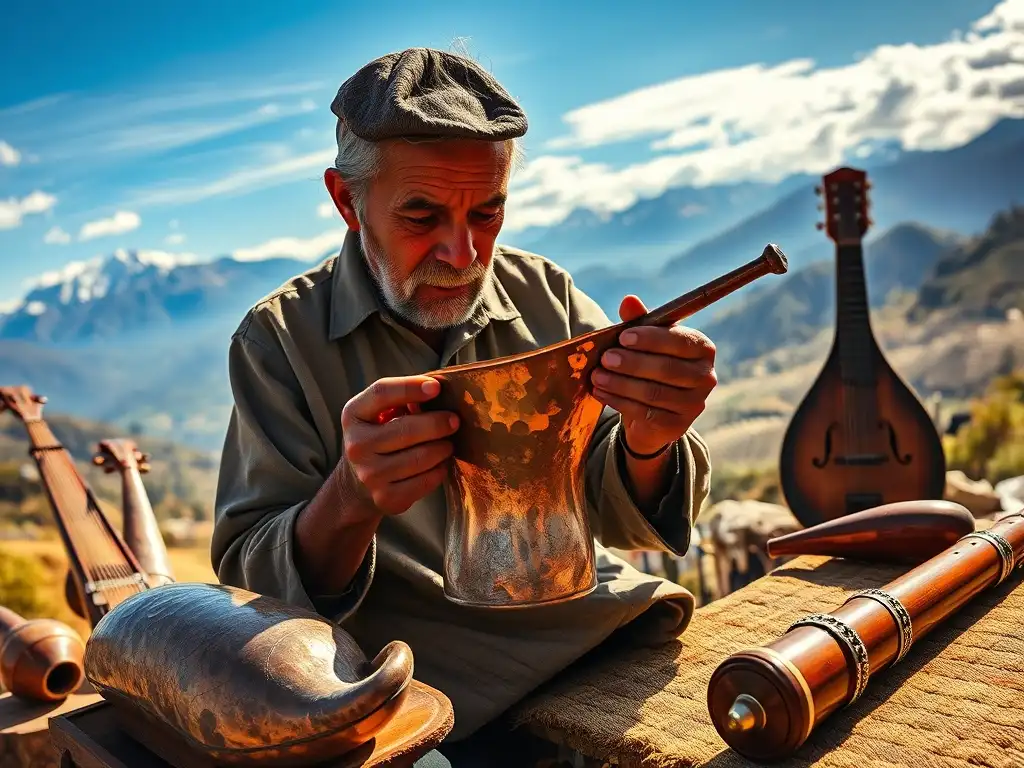
Uncover the secrets whispered by the Andes! Journey through a world of breathtaking artistry and ingenuity where mountains meet music. Prepare to be captivated by the intricate relationship between Andean musical instrument metallurgy and the vibrant cultures that shaped ancient South America. Discover how skilled artisans transformed humble metals into instruments that echoed across the high plains – a story waiting to be unveiled. Explore the fascinating details now and unlock the mysteries of the Andes' sonic heritage.
The Andes Mountains, a spine of towering peaks running down the western edge of South America, are not only a breathtaking natural wonder but also the cradle of remarkable civilizations. For centuries, sophisticated cultures like the Incas, Moche, Nazca, and Tiahuanaco thrived in this challenging landscape, developing innovative technologies to overcome environmental hurdles and express their rich cultural heritage.
This article delves into a fascinating intersection of Andean ingenuity: the artistry and advanced metallurgical techniques employed in the creation of their musical instruments. We'll explore how the mastery of metalworking was integral to the development of unique and evocative soundscapes that played a vital role in Andean religious ceremonies, social gatherings, and daily life, showcasing the intricate relationship between Andean musical instrument metallurgy and their vibrant culture.
Understanding this connection provides a deeper appreciation for the sophistication and artistry of these ancient societies. This exploration will highlight the different types of instruments, the specific metallurgical processes involved, and the cultural significance of these sonic artifacts.
The Materials: A Symphony of Metals
Andean metallurgists displayed remarkable skill in sourcing and working with various metals. Gold, silver, and copper were highly prized, not only for their aesthetic qualities but also for their malleability and durability. The extraction and refinement of these metals were complex processes, often involving sophisticated techniques like smelting and alloying.
For example, the Incas were known for their mastery of tumbaga, a gold-copper alloy that produced a range of colors and enhanced the durability of the finished product. This alloy was frequently used in the creation of intricate musical instruments, such as trumpets and bells, showcasing the Andean metallurgists' ability to manipulate materials to achieve specific aesthetic and sonic properties.
The choice of metal was often dictated by the intended use of the instrument and its symbolic meaning within Andean society. Further research is needed to fully understand the specific techniques used for different metals and alloys [specific information pending] but available evidence suggests a high degree of sophistication.
Crafting the Soundscape: Techniques and Processes
The creation of Andean musical instruments was far from a simple process. It involved a complex interplay of artistic skill and metallurgical expertise. From the initial mining and refining of the ore to the final shaping and decoration of the instrument, each stage demanded precision and knowledge. Evidence suggests the use of techniques such as hammering, casting, and soldering to shape the metal into the desired forms. For instance, intricate designs were often hammered onto the surface of instruments, demonstrating the metallurgists' skill and artistic sensibilities.
The creation of hollow instruments, such as trumpets, required specialized techniques to ensure both structural integrity and the desired resonance. These processes were not only functional but also imbued the instruments with symbolic meaning, reflecting the worldview and beliefs of the Andean people. The meticulous craftsmanship involved highlights the high value placed upon music and its role in Andean society. 🔨
Iconic Instruments: A Showcase of Andean Metallurgy
Several iconic Andean musical instruments stand out as prime examples of the sophisticated metallurgical techniques employed. The pututu, a long, spiraled conch shell trumpet, while not strictly a product of metallurgy, often featured metal embellishments, demonstrating the integration of different materials in creating ceremonial instruments. More directly relevant are the various types of metal trumpets and panpipes, which frequently incorporated intricate designs and showcased the metallurgists' ability to create precise shapes and achieve desired sonic qualities.
The use of alloys like tumbaga allowed for a range of colors and sounds, enriching the overall aesthetic and sonic experience. The precise techniques used to create the intricate designs and ensure the structural integrity of these instruments remain a subject of ongoing research, but their existence serves as a testament to the advanced metallurgical capabilities of Andean societies. 🎺
The Cultural Significance: Music and Society
Andean musical instruments were not merely tools for producing sound; they were deeply embedded within the fabric of Andean society. They played a crucial role in religious ceremonies, marking important rituals and communicating with the spiritual world. Their use in social gatherings underscored the importance of music in community building and social cohesion. The creation and use of these instruments were closely intertwined with the Andean worldview, reflecting their beliefs, values, and understanding of the cosmos.
The meticulous craftsmanship and the choice of materials were not arbitrary; they held symbolic meaning, reinforcing the instruments' importance within the broader cultural context. The relationship between the sound of the instrument and its metallurgical composition was not simply functional but also deeply symbolic and culturally significant. 🎶
- The Materials: A Symphony of Metals
- Crafting the Soundscape: Techniques and Processes
- Iconic Instruments: A Showcase of Andean Metallurgy
- The Cultural Significance: Music and Society
- What role did metallurgy play in Andean musical instrument creation?
- What types of Andean musical instruments incorporated metal?
- How did Andean metallurgy influence the sound of their music?
- Were all Andean cultures equally skilled in metalworking for musical instruments?
- Where can I learn more about Andean musical instrument metallurgy?
Andean Metallurgy: A Foundation for Musical Innovation
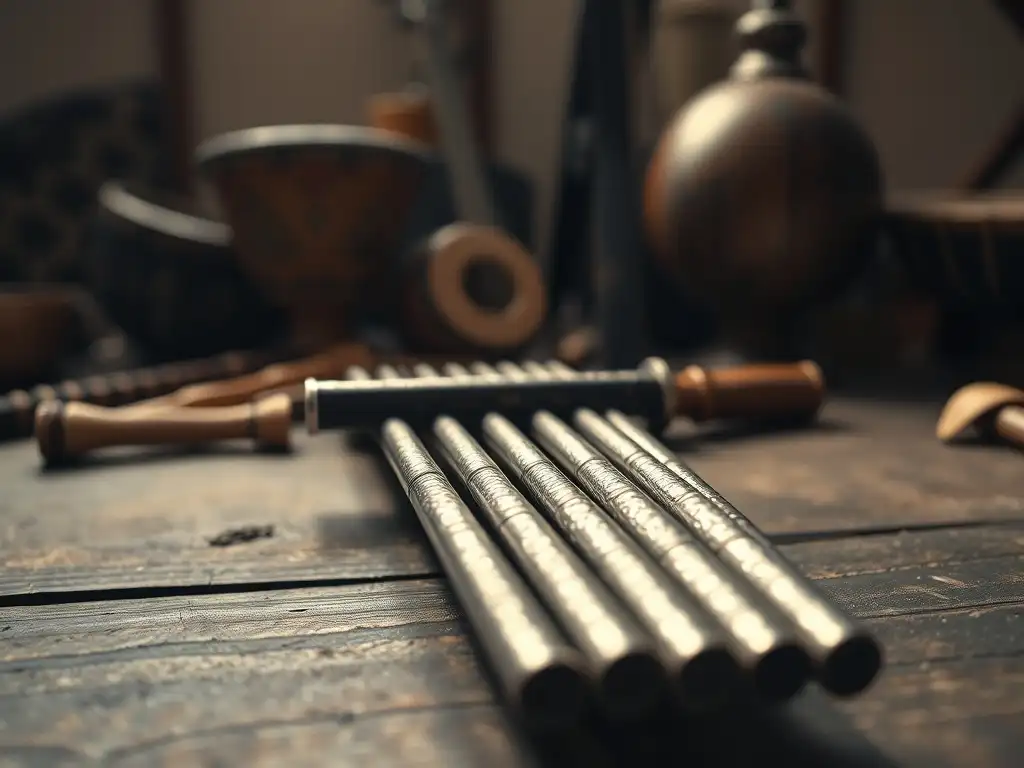
This section delves into the crucial role Andean metallurgy played in the development and evolution of musical instruments. The sophisticated metalworking techniques mastered by ancient Andean cultures weren't merely about crafting tools and weaponry; they were fundamental to creating the unique soundscapes of their societies. The availability of malleable metals like copper, bronze, and eventually gold and silver, profoundly impacted the types of instruments created, their aesthetic qualities, and their symbolic significance within Andean societies.
Understanding the metallurgical processes is key to appreciating the artistry and technological prowess behind these instruments, many of which survive to this day, offering invaluable insights into Andean music and culture. We will explore how the properties of different metals influenced instrument design and the evolution of musical traditions across various Andean cultures. The interplay between material science and artistic expression is a fascinating aspect of Andean history.
The Significance of Metal in Ancient Andean Societies
Metal held immense symbolic and practical value in ancient Andean societies. Beyond its use in tools and weaponry, metal, particularly gold and silver, represented power, divinity, and prestige. This association is clearly reflected in the creation of elaborate musical instruments.
For instance, the intricate gold and silver embellishments found on some ceremonial trumpets and panpipes underscore their importance in ritual and religious contexts. The use of precious metals wasn't solely for aesthetic purposes; it also signified the social status of the individuals who possessed and played these instruments. Furthermore, the metallurgical expertise required to craft these instruments was itself a source of power and social standing within Andean communities.
The specialized knowledge and skills needed to extract, refine, and shape these metals were passed down through generations, creating a lineage of skilled artisans who played a vital role in Andean society. The creation of musical instruments was therefore not just a craft but a deeply symbolic act, reflecting the society's worldview and social hierarchy. The careful selection of specific metals for different instruments also speaks volumes about the understanding of material properties and their acoustic potential.
Early Metalworking Techniques in the Andes
The earliest Andean metalworking techniques involved hammering and annealing—repeatedly heating and cooling the metal to make it more malleable. This process, initially used for copper, allowed artisans to create simple tools and ornaments. As technology advanced, the Andeans mastered the art of alloying, combining copper with tin to create bronze, a stronger and more durable material. This innovation significantly impacted instrument making, enabling the creation of more complex and resonant instruments.
The transition from simple hammered copper instruments to more sophisticated bronze ones represents a significant leap in both technological and artistic capabilities. Evidence suggests that lost-wax casting, a sophisticated technique involving creating a mold from wax, was also employed, allowing for more intricate designs and the production of hollow objects like bells and trumpets. The development of these techniques wasn't uniform across all Andean cultures; regional variations existed, leading to diverse styles and forms of musical instruments.
For example, the Moche culture is renowned for its elaborate goldwork, while other cultures, like the Tiahuanaco, may have focused on different metals and techniques. Further research is needed to fully understand the nuances of regional variations in Andean metalworking techniques and their impact on the diversity of musical instruments. The study of surviving artifacts and the ongoing archaeological investigations continue to reveal more about the ingenuity and skill of Andean metallurgists.
Crafting Sound: Metalworking for Musical Instruments
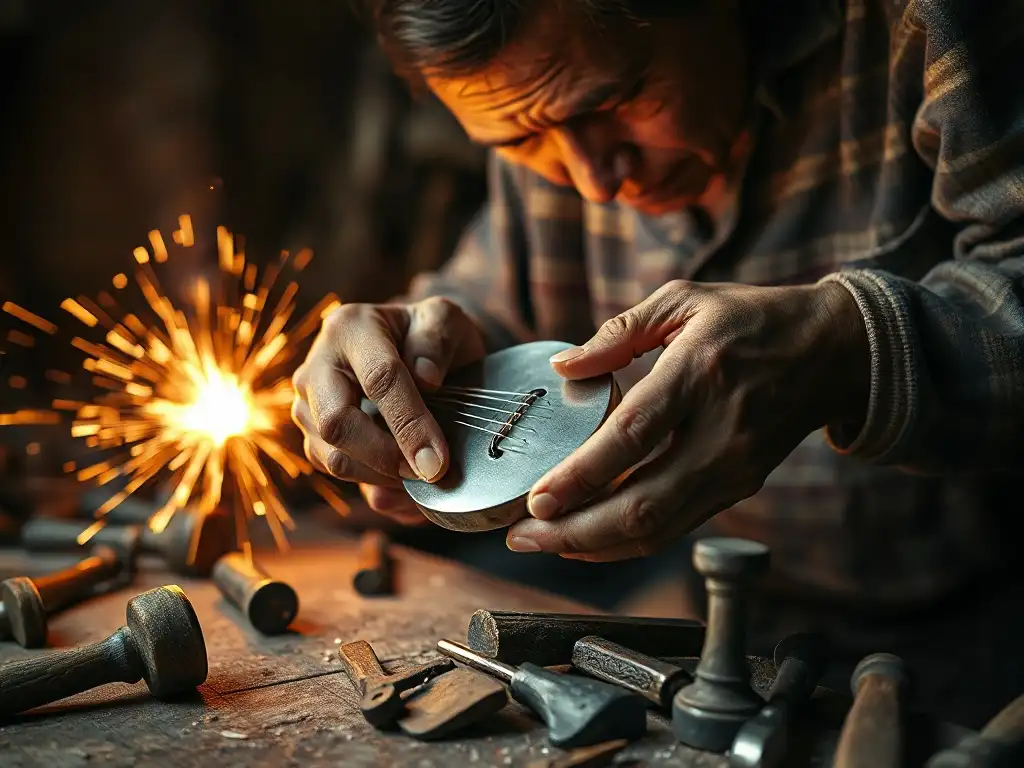
This section delves into the fascinating intersection of Andean metallurgy and music, exploring the sophisticated metalworking techniques employed to create the distinctive musical instruments of these ancient cultures. The skill and artistry involved in crafting these instruments reveal a deep understanding of both metallurgical processes and musical acoustics, showcasing the ingenuity of Andean artisans. Understanding the metallurgy behind these instruments provides a richer appreciation for the cultural significance and technological sophistication of Andean civilizations. We will examine the alloys used, the intricate manufacturing process, and specific examples of iconic Andean metal instruments.
Metal Alloys Used in Andean Musical Instruments
The creation of Andean metal musical instruments relied on a sophisticated understanding of metallurgy, particularly the properties of different metal alloys. While the precise recipes remain partially shrouded in the mists of time, archaeological evidence and analysis of surviving instruments suggest a diverse range of alloys were employed. The choice of alloy directly influenced the instrument's sonic qualities, durability, and aesthetic appeal.
The most common base metal was copper, often alloyed with tin to create bronze. The ratio of copper to tin varied, resulting in bronzes with different properties. Higher tin content generally yielded harder, more brittle bronzes, suitable for instruments requiring greater strength and resilience, such as bells or certain percussion instruments. Lower tin content resulted in softer, more malleable bronzes, ideal for instruments requiring intricate shaping and delicate details, like the pipes of a siku.
Some instruments also incorporated silver and gold, often as decorative elements, but sometimes influencing the tonal properties as well. The presence of these precious metals highlights the value placed on these instruments within Andean society, and also speaks to the advanced metallurgical capabilities that allowed for their precise incorporation into the alloys. Further research is needed to fully understand the precise composition and distribution of these alloys across different regions and time periods. For example, [specific information pending] regarding the use of arsenic in certain bronze alloys in specific regions.
| Alloy Composition | Typical Instrument Type | Properties |
|---|---|---|
| High-Tin Bronze (CuSn) | Bells (cascabeles), some percussion | Hard, brittle, resonant |
| Low-Tin Bronze (CuSn) | Siku pipes, some decorative elements | Malleable, easily shaped, relatively soft |
| Copper-Silver Alloys | Decorative elements, possibly some bells | Lustrous, malleable, resistant to corrosion |
| Copper-Gold Alloys | Primarily decorative elements | Durable, lustrous, high value |
The Process of Creating Metal Andean Instruments
The creation of Andean metal instruments was a multi-stage process requiring considerable skill and expertise. It began with the extraction and smelting of ores, followed by the careful alloying of metals to achieve the desired properties. The resulting metal was then shaped using various techniques, including hammering, casting, and annealing.
Casting was used to create certain parts or entire instruments, particularly those with complex shapes. The lost-wax casting technique, for example, allowed for the creation of intricate designs and detailed ornamentation. Hammering was employed to shape and refine the metal, often using specialized tools and techniques passed down through generations of artisans. Annealing, a heat-treating process, was crucial for controlling the metal's hardness and malleability, allowing for greater control during shaping.
The final stages involved polishing, decorating, and potentially plating the instrument to enhance its appearance and durability. The entire process required a deep understanding of material science and precise control over temperature and pressure. The skill and precision involved are evident in the surviving instruments, many of which are remarkably well-preserved despite their age.
Examples: Siku, Chajchas, and Cascabeles
The diverse range of Andean metal musical instruments showcases the versatility of their metallurgical techniques. Let's consider three prominent examples:
- Siku: This panpipe, made from a series of carefully tuned pipes, often demonstrates a remarkable level of precision in both the tuning and the crafting of each individual pipe. The pipes are usually made from a low-tin bronze, allowing for the precise shaping and tuning required. The seamless joining of the pipes also speaks to the advanced metalworking skills of the artisans. The siku's haunting melodies are a testament to the combination of musical understanding and metallurgical expertise.
- Chajchas: These small, hand-held rattles are typically made from pairs of small, hollowed-out metal shells filled with small stones or seeds. The shells are often decorated with intricate designs and are indicative of the artisans' skill in working with thin sheets of metal. The rhythmic sound produced by the chajchas adds a vibrant percussive element to Andean music.
- Cascabeles: These bells, often made from a higher-tin bronze alloy, are characterized by their robust construction and resonant tone. Their sound is powerful and clear, making them ideal for ceremonial and festive occasions. The shape and size of the bells vary, depending on their intended use and the desired sonic qualities. The creation of these bells required precise control over the casting process to ensure both their durability and their musical properties. The cascabeles' ringing sound is an iconic part of Andean musical traditions. 🎵
The study of Andean musical instrument metallurgy provides a unique window into the technological and artistic achievements of these ancient cultures. The sophisticated techniques employed, the nuanced understanding of metal properties, and the enduring beauty of the instruments themselves continue to inspire awe and admiration. Further research is crucial to fully unravel the secrets of these remarkable artifacts and to further appreciate the ingenuity of Andean artisans.
Types of Andean Metal Musical Instruments
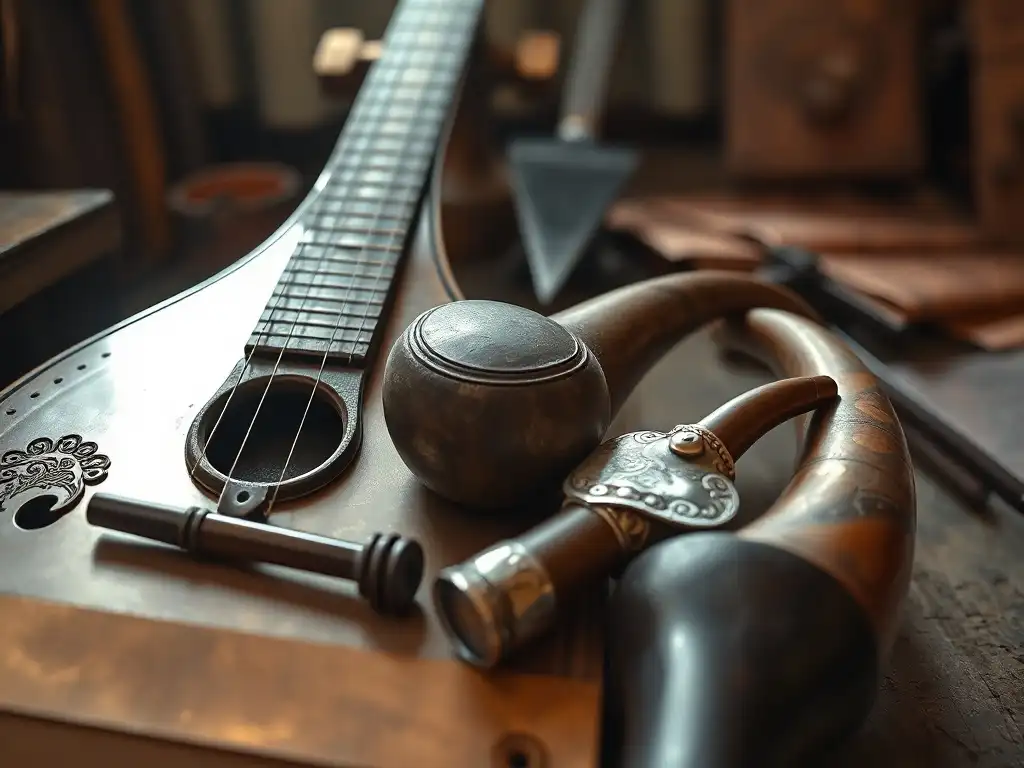
The artistry of Andean civilizations extended beyond their impressive architectural feats and intricate textiles; it also manifested in the creation of sophisticated metal musical instruments. These instruments, crafted with remarkable skill and precision, provide invaluable insights into the metallurgical prowess and musical traditions of these ancient cultures. The use of metal in musical instrument construction demonstrates a sophisticated understanding of metallurgy, far exceeding simple functionality.
The creation of these instruments involved a complex interplay of technical skill and artistic vision, reflecting the high value placed on music and sound within Andean societies. Analyzing the metallurgical techniques employed and the resulting sonic qualities reveals a fascinating blend of technological advancement and cultural expression related to Andean musical instrument metallurgy.
Bells and Chimes: Metal Percussion in Andean Music
Bells and chimes, representing a significant portion of Andean metal percussion instruments, were not merely functional; they held deep symbolic meaning. Their resonant tones were often associated with religious ceremonies, agricultural cycles, and social gatherings. Archaeological findings reveal a variety of bell types, ranging from small, hand-held bells to larger, temple-mounted sets. The size and shape of these bells directly impacted their sound, creating a rich sonic landscape.
The metallurgical techniques used in their creation varied based on the desired sound and aesthetic. Some bells were cast using lost-wax casting, a sophisticated technique requiring precise control over temperature and material composition. This method allowed for intricate designs and a high degree of control over the final shape and tone. Others were hammered from sheet metal, showcasing a different level of skill in shaping and tuning.
The alloys used, often combinations of copper, tin, and sometimes silver or gold, further influenced the timbre and durability of the bells. The presence of precious metals often indicated a higher status or ritual significance. For instance, gold bells, though rare, suggest a connection to elite members of society or sacred rituals.
The variety in size, shape, and alloy composition allowed for a complex range of tones and pitches, offering Andean musicians a flexible palette for creating diverse musical textures. The precise tuning of some bell sets suggests an understanding of musical scales and harmony, further highlighting the sophistication of their musical practices.
Metal Flutes and Panpipes: Creating Melodies with Metal
While less common than percussion instruments, metal flutes and panpipes represent a significant achievement in Andean metallurgy. The creation of these instruments demanded a high level of precision, requiring the ability to shape and bore thin sheets of metal with accuracy. The delicate nature of these instruments suggests that their production was entrusted to highly skilled artisans.
The challenges associated with creating metal flutes and panpipes include the need for precise hole placement to achieve accurate pitch, and the creation of a smoothly finished bore to ensure a clear, resonant tone. Variations in the size and placement of finger holes allowed for the creation of different musical scales and melodies. The alloys used, typically copper-based, were carefully selected to ensure the instruments' durability and sonic properties.
Unfortunately, fewer examples of metal flutes and panpipes have survived compared to other metal instruments, limiting our understanding of their full range of styles and techniques. Further research and archaeological discoveries are needed to fully appreciate the diversity and complexity of these instruments. However, existing examples clearly demonstrate the ingenuity and technical skill of Andean metallurgists in adapting metal to melodic musical expression.
Metal Rattles and Shakers: Rhythmic Elements in Andean Music
Metal rattles and shakers played a crucial role in the rhythmic complexity of Andean music. These instruments, often crafted from sheets of metal or small metal objects contained within a larger frame, contributed to the percussive textures of many musical ensembles. Their design and construction varied greatly, reflecting the diverse musical styles and cultural preferences across different Andean regions. The materials used, including copper, bronze, and sometimes precious metals, influenced not only the sound but also the aesthetic appeal of the instruments.
The creation of metal rattles and shakers involved techniques such as hammering, casting, and soldering, showcasing the versatility of Andean metallurgical skills. The rhythmic patterns produced by these instruments were often linked to specific ceremonies, dances, or social events. The sound of these instruments, ranging from a soft, tinkling sound to a sharp, percussive clang, added layers of complexity and dynamism to the musical landscape.
Their use, often in conjunction with other percussion instruments, created a complex and vibrant soundscape. The variety in their design and sound demonstrates the adaptability and creativity of Andean musicians and metallurgists in creating instruments that served both practical and symbolic purposes. The study of these instruments is crucial to understanding the rich tapestry of Andean musical culture.
The Cultural Significance of Andean Metal Musical Instruments
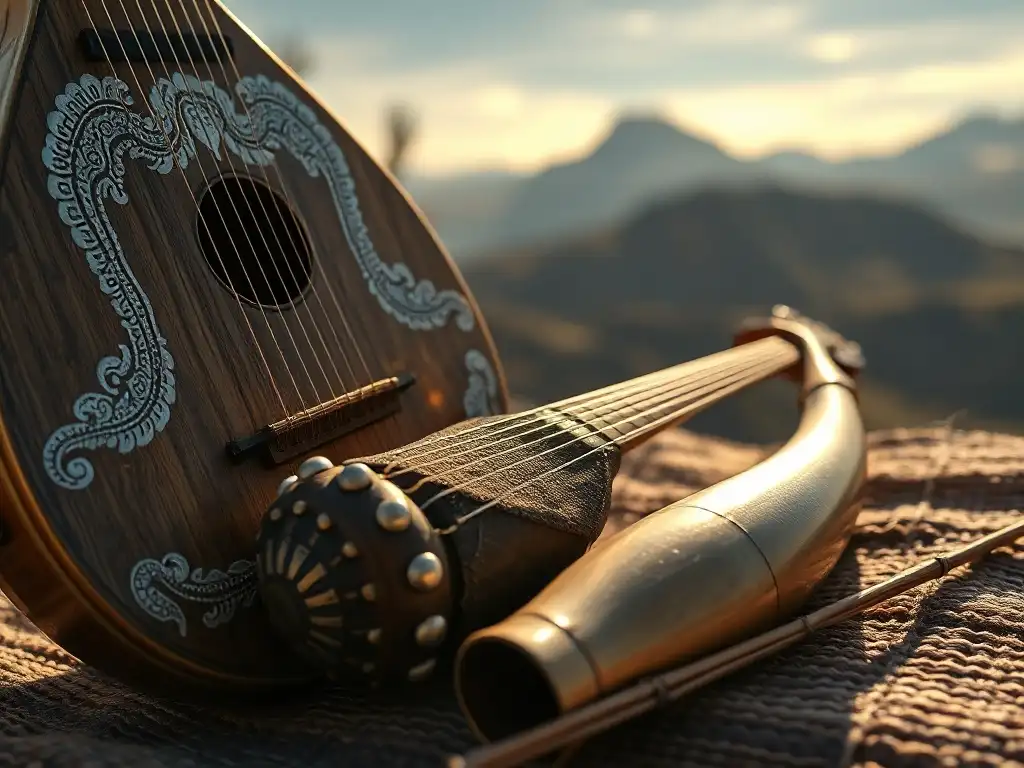
The intricate relationship between Andean metallurgy and music reveals a profound cultural significance extending far beyond mere sonic expression. Metal instruments weren't simply tools for creating sound; they were powerful symbols embedded within the rituals, beliefs, and social fabric of these ancient societies. The skill and artistry involved in their creation, often requiring specialized knowledge and considerable time investment, further elevates their cultural standing.
The very act of crafting a metal instrument was a ritualistic process, imbued with meaning and purpose, contributing to the overall prestige and symbolic weight of these artifacts. The careful selection of metals, the meticulous shaping techniques, and the decorative embellishments all contributed to the instruments’ significance. This section delves into the deeper cultural meaning behind these remarkable creations, exploring their roles in rituals, their symbolic representation, and their influence on social structures.
Metal Instruments in Rituals and Ceremonies
Andean metal musical instruments played a crucial role in religious ceremonies and rituals across various cultures. Evidence suggests that instruments like trumpets (pututus), panpipes (antara), and bells were used to communicate with deities, accompany sacred dances, and mark important events in the agricultural calendar. For example, the large, intricately crafted pututus, often made of silver or bronze, were likely used to announce important occasions and summon participants for ceremonies.
Their resonant sound, capable of carrying over significant distances, underscores their importance in coordinating large-scale events and maintaining social order. The ceremonial use of these instruments is also supported by their frequent discovery within burial sites and sacred spaces, often alongside other ritual objects.
This suggests that they were not merely everyday musical tools, but rather integral parts of religious practice, acting as conduits between the human and spiritual realms. The specific type of metal used might have also held ritual significance; gold, for instance, was often associated with the sun and divinity, thus adding another layer of symbolic meaning.
The Symbolic Meaning of Metal in Andean Culture
The symbolic meaning of metal itself significantly contributes to the cultural significance of Andean metal musical instruments. Metals like gold, silver, and copper were not just valued for their aesthetic qualities and practical uses but also held deep symbolic meanings. Gold, often associated with the sun and royalty, represented power, divinity, and the cosmos.
Silver, associated with the moon and fertility, carried connotations of purity and abundance. Copper, perhaps due to its reddish hue, might have been connected to blood, life force, and the earth. The choice of metal for a particular instrument likely reflected its intended use and the specific message it was meant to convey.
For instance, a gold trumpet used in a royal ceremony would carry far greater symbolic weight than a copper one used in a community celebration. The intricate designs and decorations further enhanced the symbolic meaning, often incorporating motifs related to nature, mythology, and societal structures. This careful selection and embellishment turned each instrument into a unique piece of art, reflecting the Andean worldview and sophisticated craftsmanship.
Music and its associated instruments played a vital role in shaping Andean social structures. Musical performances, often involving elaborate costumes and choreographed dances, served as a means of reinforcing social hierarchies, celebrating community events, and transmitting cultural knowledge across generations. Metal instruments, due to their association with power and prestige, were often reserved for elite members of society, such as priests, rulers, and nobles.
Their possession and use symbolized status and authority. However, other instruments, made from more readily available materials, were used by the wider population for everyday purposes, highlighting a layered system of musical practice that reflected the complex social dynamics of Andean societies. The intricate interplay between music, social organization, and the use of metal instruments reveals a sophisticated understanding of the power of sound to shape culture and society.
Further research into specific Andean cultures and their unique musical traditions is needed to fully understand the nuances of this complex relationship. [Specific information pending on the social stratification and musical practice of the Nazca culture, for example].
Andean Musical Instrument Metallurgy: A Legacy of Innovation
This section delves into the fascinating intersection of Andean metallurgy and musical instrument creation, exploring the sophisticated techniques employed to craft instruments from precious metals. The skill and artistry involved represent a high point of Andean technological achievement, inextricably linked to their rich musical traditions. We will examine the evolution of these techniques, their impact on the soundscapes of Andean cultures, and the ongoing efforts to research and preserve these remarkable artifacts. The term "Andean musical instrument metallurgy" perfectly encapsulates this unique blend of artistry and engineering.
The Evolution of Metal Instrument Craftsmanship
The creation of metal musical instruments in the Andes wasn't a sudden development; it evolved over centuries, reflecting advancements in metallurgical processes and artistic expression. Early examples, often found in pre-Inca contexts, showcase a simpler approach, with instruments potentially cast using clay molds or hammered from relatively less refined metals. The development of lost-wax casting, a significantly more complex technique, allowed for greater intricacy and detail in the instruments. This is evidenced by the exquisite craftsmanship seen in later Inca-era instruments, such as the pututu (a shell trumpet sometimes adorned with silver or gold) and various types of panpipes.
The transition from simpler hammering techniques to lost-wax casting signifies a profound leap in metallurgical expertise. This sophisticated technique involved creating a wax model of the instrument, covering it in clay, melting out the wax, and then pouring molten metal into the resulting mold. The resulting instruments were not only functional but also aesthetically stunning, often incorporating intricate designs and decorative elements.
The refinement of alloys, too, played a crucial role. The Incas, for example, were masters at working with gold and silver, often combining them with copper to create durable and resonant alloys for their instruments. This mastery of alloying allowed for the creation of instruments with specific tonal qualities and enhanced durability.
The Impact of Andean Metallurgy on Music
The development of advanced metallurgical techniques had a profound impact on the soundscapes of Andean civilizations. The ability to create instruments from metals like gold, silver, and bronze allowed for the production of a wider range of tones and timbres compared to instruments made from wood, bone, or stone. The resonant qualities of these metals enriched the musical experience, adding depth and complexity to the music.
Consider the tinku, a ceremonial Andean dance often accompanied by metal instruments. The bright, ringing tones of trumpets made from alloys likely played a significant role in shaping the atmosphere of these events. The use of different metals, with their varied acoustical properties, also allowed for the creation of diverse instrumental ensembles, each with its own unique sonic character.
The precise control over metalworking techniques enabled instrument makers to fine-tune the acoustics of their creations, achieving specific pitches and tonal qualities. This technical sophistication contributed to the development of complex musical forms and traditions. The interplay between the metallic sounds and the rhythmic movements of the tinku dance illustrates the powerful synergy between Andean metallurgy and music.
Research and Conservation of Ancient Andean Metal Instruments
The study and preservation of ancient Andean metal instruments are crucial for understanding the technological and artistic achievements of these cultures. Researchers employ a variety of techniques, including archaeometallurgy (the study of ancient metalworking), to analyze the composition of the metals used, the manufacturing processes employed, and the decorative techniques utilized. This research sheds light not only on the metallurgical skills of ancient Andean artisans but also on their artistic sensibilities and cultural beliefs.
Unfortunately, many of these artifacts are vulnerable to deterioration due to environmental factors and the passage of time. Conservation efforts are therefore vital to ensure the long-term survival of these invaluable pieces of cultural heritage. These efforts often involve meticulous cleaning, stabilization, and repair techniques, all while minimizing any damage to the original material.
The preservation of these instruments is not merely a matter of maintaining physical objects; it is also about safeguarding a crucial aspect of Andean cultural identity and the legacy of their remarkable metallurgical achievements. Continued research and conservation efforts are essential to ensure that future generations can appreciate and learn from the sophisticated artistry and technological prowess reflected in these ancient Andean musical instruments.
Frequently Asked Questions
What role did metallurgy play in Andean musical instrument creation?
Andean cultures were masters of metallurgy, using gold, silver, copper, and bronze to craft intricate and resonant musical instruments like trumpets and bells. This sophisticated metalworking was crucial to their unique musical traditions.
What types of Andean musical instruments incorporated metal?
Many instruments utilized metal, including trumpets (pututos) made from shells and sometimes adorned with metal, bells (campanas) cast in various alloys, and panpipes with metal mouthpieces or decorations. Metal sheeting was also used for decorative elements.
How did Andean metallurgy influence the sound of their music?
The quality of the metal directly impacted the instruments' tone and resonance. Different alloys produced distinct sounds, allowing for a variety of musical expressions. Sophisticated techniques like hammering and annealing further refined the instruments' acoustic properties.
Were all Andean cultures equally skilled in metalworking for musical instruments?
While many Andean cultures worked with metal, the level of sophistication varied. The Inca and Moche civilizations are particularly known for their advanced metallurgical techniques used in creating elaborate and musically significant instruments.
Where can I learn more about Andean musical instrument metallurgy?
You can find further information through academic journals focusing on Andean archaeology and anthropology, museum exhibits showcasing Andean artifacts, and books dedicated to the history of Andean music and technology. Online resources are also a valuable starting point.
Final Reflection: Echoes of the Andes: A Legacy Forged in Metal and Music
The intricate relationship between Andean metallurgy and musical instrument creation continues to resonate today, a testament to the ingenuity and artistry of ancient cultures. The precision and skill demonstrated in crafting instruments from bronze, silver, and gold speaks not only to advanced metallurgical techniques but also to a deep-seated cultural reverence for music and its power to connect communities across time. This legacy, far from being a relic of the past, holds valuable lessons for us today.
The enduring influence of Andean musical instrument making is evident in the continued use of traditional instruments and the ongoing efforts to preserve these ancient techniques. The sounds produced by these instruments, often imbued with spiritual and symbolic meaning, carry the echoes of generations past. Music is the universal language of mankind,
a sentiment that rings particularly true when considering the cross-cultural appeal and enduring power of Andean musical traditions. The meticulous craftsmanship involved in creating these instruments serves as a powerful reminder of the value of patience, dedication, and the pursuit of artistic excellence.
Consider the echoes of these ancient sounds, the skill of the artisans, and the enduring power of music. You too can find inspiration in the dedication and artistry of the Andean metalworkers. Explore the rich history of your own cultural heritage, appreciate the craftsmanship in the objects around you, and perhaps even discover a new appreciation for the power of music to transcend time and connect us all. Let the legacy of Andean metallurgy inspire you to create, to innovate, and to appreciate the beauty found in the intersection of art, culture, and technology.
Uncover the Rich Symphony of Andean Culture!
Thank you for exploring the fascinating world of Andean metallurgy and music! You've gained valuable insight into how these two art forms intertwined in Andean civilizations. Now, let's delve even deeper!
Here are some ways to further connect with this vibrant culture:
- **Participate in a hands-on workshop** to craft traditional Andean musical instruments. Experience the history and rhythm firsthand as you create your own instrument!
- **Share your discoveries** with friends and family, or spark a conversation on social media about how music reflects cultural identity.
- **Explore our website's resources** to learn more about the role of metallurgy in other ancient cultures—the possibilities for discovery are endless!
What aspect of Andean instruments or metallurgy captivates you most? Let's share our thoughts and experiences to inspire one another!