
Andean Shamans: Guardians of Ancient Wisdom and Spiritual Power

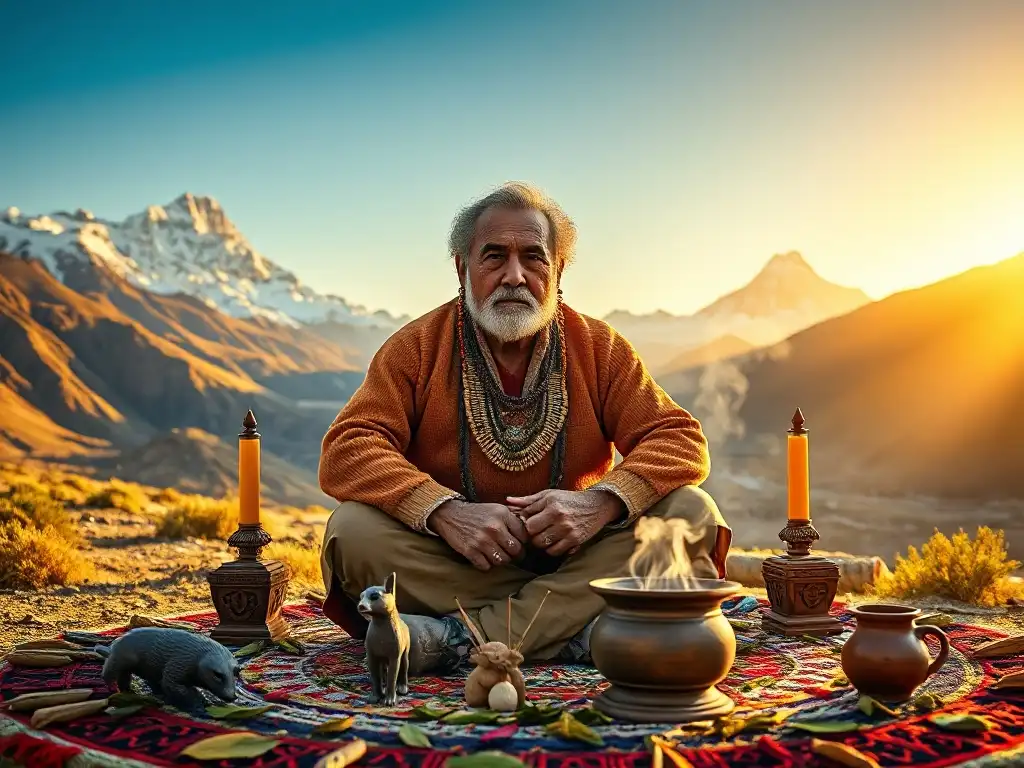
Step into a world lost to time, yet echoing with vibrant energy. Journey with us into the heart of the Andes, where towering mountains held secrets whispered only to the shamans. Discover the enigmatic power of Andean shamanic healing practices, a profound connection between the spiritual and physical worlds that shaped ancient civilizations. Unravel the mysteries of their rituals, their wisdom, and their enduring legacy—a journey that will leave you breathless. Are you ready to uncover the truth behind their ancient power?
The Andes Mountains, a majestic spine running down the western coast of South America, are not only a geographical marvel but also the cradle of vibrant and sophisticated civilizations. For millennia, these cultures developed complex belief systems, intricate social structures, and remarkable technological advancements.
Central to their worldview was a profound connection with the spiritual realm, a connection deeply interwoven with the daily lives of the people and overseen by powerful figures known as shamans. This article delves into the fascinating world of Andean shamans, exploring their sacred role, their unique practices, and their enduring legacy in the context of Andean shamanic healing practices.
We will move beyond simplistic Western interpretations to understand the true depth and complexity of their spiritual power and influence within their respective societies. Understanding these practices provides a crucial window into the rich tapestry of Andean religion and cosmovision, revealing insights into their healing methods, social structures, and relationship with the natural world.
The Sacred Role of Shamans in Andean Cultures
Andean shamans held a position of immense respect and authority within their communities. They were not merely healers; they were spiritual guides, intermediaries between the human and spirit worlds, and keepers of ancient knowledge. Their roles encompassed a wide spectrum of responsibilities, including:
- Healing: Shamans were the primary healers, employing a combination of herbal remedies, rituals, and spiritual techniques to treat illnesses, both physical and spiritual. Their knowledge of medicinal plants was extensive, and their healing practices often involved intricate ceremonies designed to restore balance and harmony within the individual and the community. [Specific examples of Andean medicinal plants and their uses pending]
- Divination: Shamans possessed the ability to communicate with the spirit world and interpret omens, providing guidance and predictions for their communities. This often involved interpreting dreams, reading coca leaves, or utilizing other forms of divination. [Specific details on divination methods used by different Andean cultures pending]
- Ritual Leadership: Shamans played a crucial role in conducting religious ceremonies and rituals, ensuring the proper observance of ancestral traditions and maintaining the spiritual well-being of the community. These ceremonies often involved offerings, music, dance, and the consumption of sacred substances. [Specific examples of Andean rituals and ceremonies pending]
- Social Control: In some Andean societies, shamans also played a role in maintaining social order and resolving conflicts. Their spiritual authority often gave them considerable influence in mediating disputes and enforcing community norms. [Specific examples of shamans' involvement in social control pending]
The power and influence of Andean shamans varied across different cultures and time periods. However, their central role in maintaining spiritual harmony, healing the sick, and guiding their communities remained consistent throughout the vast Andean region. The legacy of their wisdom continues to resonate today, influencing contemporary Andean spiritual practices and inspiring a renewed interest in their profound connection to the natural world. Their expertise in herbal medicine, for example, continues to be relevant in modern healthcare research.
Defining the Andean Shaman: Beyond the Western Concept
The Western understanding of a "shaman" often relies on generalized and sometimes romanticized interpretations. It's crucial to avoid imposing these preconceived notions onto the diverse practices and roles of Andean spiritual leaders. The term "shaman" itself is often a simplification, and the specific titles and roles varied significantly across different Andean cultures.
For instance, while the term yachaq is often used in Quechua to describe a shamanic figure, other terms might be more appropriate depending on the specific context and the culture in question. Some Andean spiritual practitioners focused primarily on healing, while others specialized in divination or ritual leadership. Understanding the nuances of these roles requires a careful examination of historical records, archaeological evidence, and contemporary Andean spiritual practices.
The concept of shamanic healing within Andean cultures is intricately linked to their cosmovision—their understanding of the universe and their place within it. Illness wasn't simply a physical ailment but often considered an imbalance in the individual's relationship with the spiritual world, their community, or the natural environment. Shamans worked to restore this balance through a variety of techniques, including:
- Herbal remedies: A deep understanding of medicinal plants formed the basis of much of Andean shamanic healing.
- Rituals and ceremonies: These were often elaborate affairs, involving offerings, music, dance, and the use of sacred objects.
- Spiritual techniques: This might involve entering altered states of consciousness, communicating with spirits, or performing other techniques to diagnose and treat illness.
It is vital to approach the study of Andean shamanic healing practices with respect and sensitivity, acknowledging the ongoing relevance of these traditions in contemporary Andean societies. Further research is needed to fully document and understand the diversity of Andean spiritual practices, moving beyond simplistic generalizations and embracing the complexity and richness of these ancient traditions.
- The Sacred Role of Shamans in Andean Cultures
- Defining the Andean Shaman: Beyond the Western Concept
The Origins of Andean Shamanism and its Ancient Roots
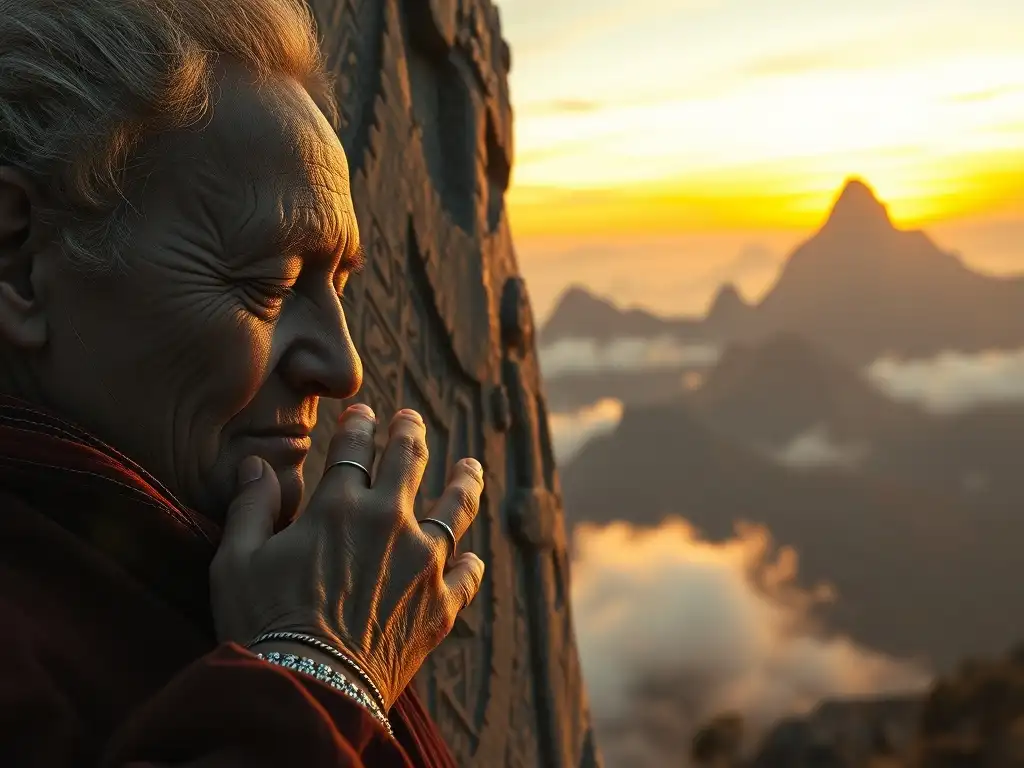
Andean shamanic healing practices are deeply rooted in a complex interplay of spiritual beliefs, intricate rituals, and a profound connection with the natural world. Understanding the origins of Andean shamanism requires delving into the pre-Inca societies that laid the groundwork for later developments. The rich tapestry of shamanic traditions evolved over millennia, shaped by diverse cultural influences and environmental factors.
The practice wasn't static; it was a dynamic system constantly adapting and evolving to meet the needs of the communities it served. This section explores the foundational elements that defined Andean shamanism, highlighting the pre-Inca contributions and the enduring influence of nature and ancestral spirits.
Pre-Inca Shamanic Traditions: Laying the Foundation
Long before the Inca Empire rose to prominence, various Andean cultures developed sophisticated shamanic traditions. Archaeological evidence, such as intricate pottery depicting ritual scenes and the discovery of shamanic paraphernalia in burial sites, reveals a vibrant spiritual landscape. The Chavín culture (900-200 BCE), for example, is known for its iconic stylized depictions of deities and shamans, suggesting a highly developed religious system.
Similarly, the Paracas culture (700-100 BCE) demonstrated advanced mummification techniques and elaborate burial rituals, indicative of a strong belief in the afterlife and the power of shamanic intercession. These early traditions emphasized a profound connection with the spirit world, utilizing hallucinogenic plants like San Pedro cactus and other psychotropic substances to induce altered states of consciousness and facilitate communication with deities and ancestors. The intricate iconography found on textiles and ceramics from these periods provides valuable insights into these practices, showcasing the shaman's role as a mediator between the human and spiritual realms.
Further research into pre-Inca sites and artifacts is crucial to fully understand the depth and breadth of these ancient shamanic practices and their impact on later Andean cultures. The evolution of Andean shamanic healing practices is a testament to the enduring power of these early traditions.
The Influence of Nature and Ancestral Spirits
The Andean worldview is intrinsically linked to the natural environment. Mountains, rivers, and celestial bodies were not simply geographical features but sacred entities imbued with spiritual power. Andean shamanic healing practices were inextricably bound to this cosmology. Shamans were considered intermediaries, capable of interacting with these powerful forces to heal the sick, predict the future, and maintain the cosmic balance.
The veneration of apus (mountain spirits) and other natural deities played a central role in their rituals and healing methods. Many Andean shamanic healing practices incorporated elements from the natural world – medicinal plants, mineral remedies, and water – reflecting a deep understanding of herbalism and the healing properties of nature. The practice wasn't solely focused on physical ailments; it also encompassed spiritual and emotional well-being, aiming for a holistic approach to healing.
Furthermore, ancestral spirits held significant importance in Andean shamanic traditions. Shamans were believed to have the ability to communicate with the deceased, seeking their guidance and assistance in healing ceremonies. This connection to the ancestors provided a sense of continuity and reinforced the communal aspect of Andean spirituality.
The veneration of ancestors, passed down through generations, played a vital role in shaping the identity and healing practices of Andean communities. The interplay between nature worship and ancestor veneration created a robust framework for Andean shamanic healing, underscoring the deep spiritual connection at the heart of these practices. Understanding this profound relationship between the living, the spirits of nature, and the ancestors is essential to appreciating the complexities and enduring power of Andean shamanic healing practices.
Andean Shamanic Healing Practices: Restoring Balance and Harmony
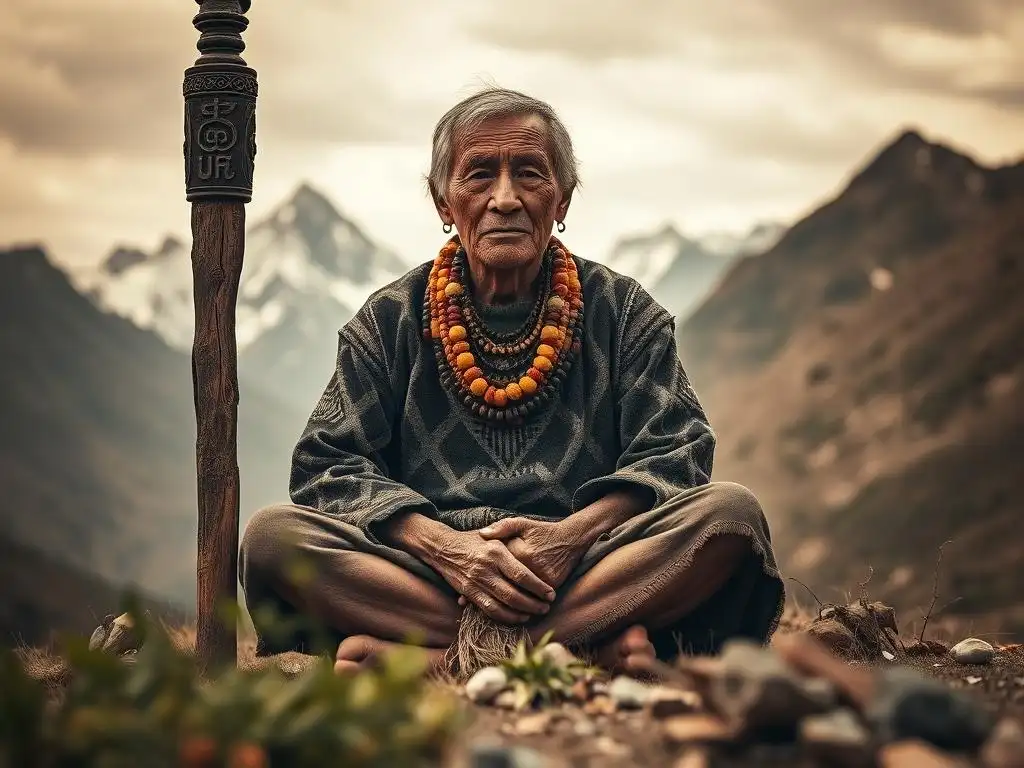
Andean shamanic healing practices represent a complex and fascinating system deeply intertwined with the Andean worldview. These practices weren't simply about treating physical ailments; they aimed to restore balance and harmony between the individual, their community, and the cosmos. The concept of ayni, reciprocity, is central – healing is a two-way exchange, a restoration of equilibrium disrupted by illness or imbalance. This holistic approach considered the spiritual, emotional, and physical aspects of a person's well-being, making Andean shamanic healing unique and effective.
Understanding the nuances of these practices provides a deeper appreciation for the sophisticated medical knowledge and spiritual beliefs of Andean cultures. The effectiveness of these practices, while not scientifically proven in a Western medical sense, is deeply rooted in the cultural context and beliefs of the Andean people. Many continue to practice these traditions today, passing down knowledge through generations.
Techniques of Andean Healing: Rituals and Ceremonies
Andean shamanic healing often involved intricate rituals and ceremonies designed to address the root cause of illness. These weren't simply performed by any individual; skilled shamans, often possessing inherited knowledge and undergoing rigorous training, conducted these practices. Techniques varied across different Andean cultures, but common elements included:
- Diagnosis through divination: Shamans employed various methods to diagnose the illness, such as interpreting dreams, reading coca leaves ( la lectura de la coca), or using other forms of divination. The diagnosis wasn't just about identifying a physical ailment but also pinpointing the spiritual or energetic imbalance causing the problem.
- Ritual cleansing: Purification rituals, often involving water, herbs, and prayers, were crucial in removing negative energies or spirits believed to be contributing to the illness. These ceremonies could involve bathing, smudging with incense, or specific invocations to Pachamama (Mother Earth) and other deities.
- Offering ceremonies: The act of offering gifts to the spirits and deities was vital in seeking their intervention and restoring balance. These offerings could include coca leaves, food, alcohol ( chicha), or other objects of significance.
- Music and dance: Rhythmic music and dance played a key role in many healing ceremonies. The shaman's songs and the rhythmic movements were believed to invoke spiritual energies and facilitate healing. The specific music and dance varied depending on the region and the nature of the illness.
The Use of Sacred Plants in Andean Shamanic Healing
The use of sacred plants formed an integral part of Andean shamanic healing practices. These plants weren't simply used as medicine; they were considered to have spiritual properties, acting as conduits between the human world and the spirit world. Some of the most important plants included:
- Coca: Coca leaves were not only used for divination but also for their stimulating and medicinal properties. They were chewed to alleviate fatigue, hunger, and altitude sickness, and were believed to enhance spiritual connection.
- Ayahuasca: Although its use is more strongly associated with Amazonian cultures, some evidence suggests that similar entheogenic plants played a role in some Andean healing traditions, facilitating altered states of consciousness to facilitate diagnosis and treatment. [Specific information pending on the exact usage and distribution of these plants in Andean regions].
- Various medicinal herbs: A wide array of herbs and plants were used to treat various ailments. Each plant had specific medicinal properties and was used accordingly, reflecting a deep understanding of botany and pharmacology. The knowledge of these plants was often passed down through generations of healers.
Spiritual Cleansing and Energy Work
A core element of Andean shamanic healing focused on spiritual cleansing and energy work. Shamans believed that illness could be caused by imbalances in a person's energy field or by negative energies affecting them. Techniques used for spiritual cleansing and energy work included:
- Despacho: A despacho is a ritual offering prepared and left as a symbolic act of gratitude and healing. It's a carefully constructed arrangement of various elements, representing different aspects of the Andean cosmology, such as earth, air, fire, and water. It is often left in a sacred place as a way to give thanks and to help resolve a situation.
- Energy healing: Shamans believed they could manipulate energy to heal and balance the patient's energy field. This could involve techniques like blowing on the patient, passing their hands over their body, or using other methods to redirect energy flow. [Specific techniques and descriptions pending further research].
- Removing negative entities: Shamans were believed to have the power to identify and remove negative entities or spirits believed to be causing illness. This could involve rituals, prayers, and the use of sacred objects. The specifics of these rituals varied widely across different Andean cultures.
The enduring legacy of Andean shamanic healing practices demonstrates the profound connection between spirituality, nature, and well-being in the Andean worldview. The holistic approach, emphasizing balance and reciprocity, offers a valuable perspective on healing and the interconnectedness of all things. Further research into specific techniques and cultural variations is crucial for a more comprehensive understanding of this rich and complex tradition.
Connecting with Pachamama: The Earth Mother
Andean shamanic healing practices are deeply intertwined with the veneration of Pachamama, the Earth Mother. This powerful deity is considered the source of all life and fertility, and shamans act as intermediaries, facilitating communication and maintaining a harmonious relationship between humanity and the natural world. Healing, in this context, isn't just about curing physical ailments; it's about restoring balance within the individual and their connection to Pachamama. This connection is vital, as illness is often seen as a disruption of this balance, a disharmony caused by an imbalance in the individual's relationship with the earth and its energies.
Shamans employ various rituals to connect with Pachamama, often involving offerings and prayers. These offerings can range from coca leaves, a sacred plant in Andean cultures, to food and drink, symbolizing nourishment and gratitude. Prayers are typically chanted or whispered, invoking Pachamama's benevolence and seeking her guidance in healing.
The act of offering itself is a powerful demonstration of respect and humility, acknowledging Pachamama's power and the individual's dependence on the earth's bounty. The location of these rituals is also significant, often taking place in sacred sites connected to the earth, such as mountaintops, springs, or fertile valleys, places believed to be imbued with Pachamama's energy.
The connection to Pachamama isn't merely symbolic; it's experiential. Shamans often enter altered states of consciousness through various techniques, including rhythmic chanting, the use of sacred plants (like ayahuasca, in some cases, though not universally practiced across all Andean cultures), and intense meditation, to facilitate a direct connection with the Earth Mother. This heightened state of awareness allows them to perceive imbalances in the individual's energy field, as well as disruptions in the flow of energy between the individual and the earth. Understanding these energetic disturbances is crucial for effective healing.
The shaman, acting as a conduit, then works to restore this flow, re-establishing the vital connection between the individual and Pachamama, thus facilitating the healing process. This holistic approach underscores the interconnectedness of all things within the Andean worldview. The healing isn't solely a physical event; it’s a spiritual reintegration, a re-establishment of harmony with the natural world.
Andean Shamanism in the Inca Empire
The Inca Empire, renowned for its sophisticated social structure and advanced engineering, also possessed a complex religious system deeply intertwined with shamanic practices. While the Inca state promoted a highly formalized religion with a hierarchical priesthood, shamanistic traditions persisted, often operating alongside or even influencing the official religious structure. This blend of formalized religion and indigenous shamanism created a rich tapestry of spiritual beliefs and practices that shaped Inca life. Understanding this interplay is crucial to grasping the true nature of Andean shamanic healing practices within the context of the Inca Empire.
The Role of Shamans in Inca Society and Governance
Inca society wasn't a monolithic entity; it encompassed a diverse range of ethnic groups and beliefs. Shamans, often drawn from these diverse communities, played a vital role, acting as intermediaries between the human world and the spirit realm. Their influence extended beyond individual healing; they often advised leaders on matters of state, interpreting omens, predicting the future, and offering guidance on important decisions. This influence suggests that even within the structured Inca bureaucracy, shamanic knowledge and insight held significant weight.
For example, shamans may have been consulted before major military campaigns or agricultural initiatives, providing a spiritual dimension to strategic planning. Evidence suggests that the Inca rulers actively integrated certain shamanic practices into their governance, demonstrating a pragmatic approach to incorporating indigenous spiritual traditions into the imperial system. This symbiotic relationship between shamanic practices and the Inca state highlights the enduring power of Andean spiritual traditions.
Shamanic Practices and Inca Religious Beliefs
Inca religious beliefs centered on a pantheon of gods, with the sun god, Inti, holding supreme importance. However, shamanic practices often incorporated a broader range of deities and spirits, reflecting the diverse pre-Inca traditions absorbed into the empire. Shamans employed various techniques, including divination using coca leaves, interpreting dreams, and communicating with spirits through altered states of consciousness. These practices were not necessarily in direct conflict with official Inca religion; instead, they often complemented and enriched the existing religious framework. For instance, shamans might have performed rituals to ensure a successful harvest, invoking both Inti and other local deities relevant to agricultural fertility. This integration of shamanic rituals into the broader Inca religious landscape underscores the adaptability and resilience of Andean shamanic healing practices. The use of medicinal plants, a cornerstone of Andean shamanic healing, also played a significant role, with shamans possessing extensive knowledge of their properties and applications.
The Inti Raymi Ceremony and its Shamanic Aspects
The Inti Raymi, the annual festival celebrating the sun god Inti, is a prime example of the intertwining of formal Inca religion and shamanic traditions. While the Inti Raymi was a grand, state-sponsored event, featuring elaborate processions and sacrifices conducted by the official priesthood, elements of shamanic practice were undoubtedly present.
The participation of shamans in smaller, localized celebrations surrounding the Inti Raymi is highly probable. These celebrations may have involved rituals aimed at ensuring the sun's continued benevolence, incorporating shamanic techniques like divination and communication with spirits associated with agriculture and fertility.
The vibrant use of colors, music, and dance in the Inti Raymi, elements often associated with shamanic practices across different Andean cultures, further suggest a significant shamanic influence. While precise details remain elusive, the scale and importance of the Inti Raymi suggest a strong likelihood of shamanic involvement, enriching the ceremony's spiritual significance and demonstrating the enduring impact of Andean shamanic healing practices on Inca religious life.
Modern Andean Shamans: Carrying on the Traditions
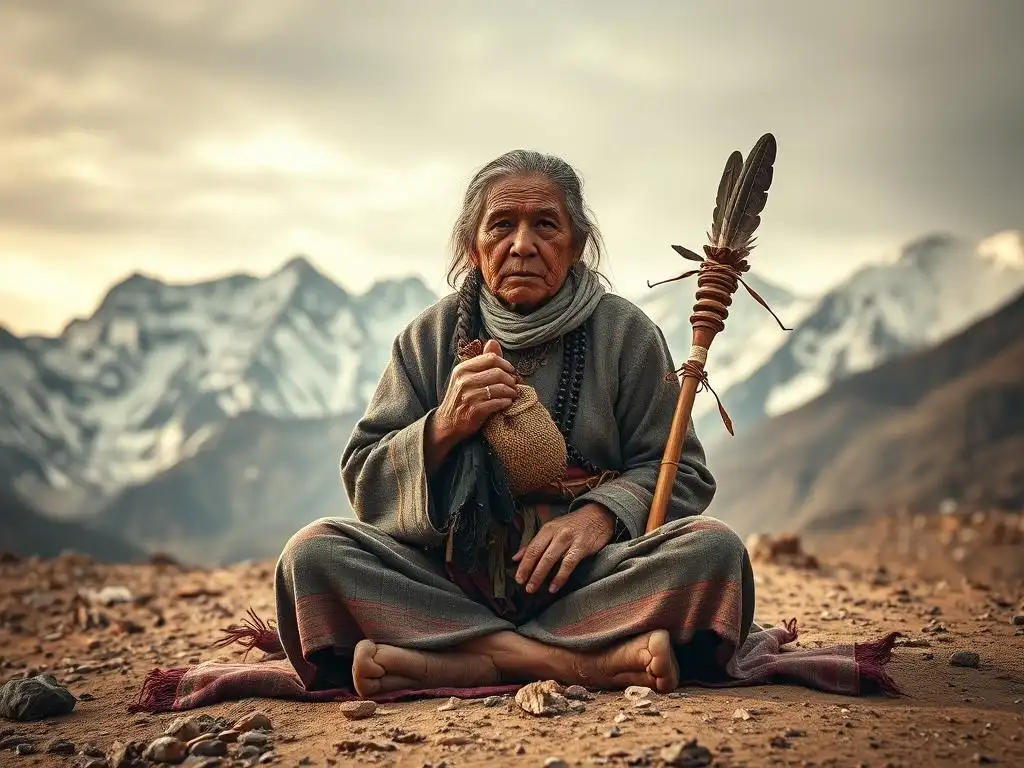
The Resilience of Andean Shamanism in Contemporary Times
Andean shamanic healing practices, despite facing significant pressures from globalization and modernization, continue to thrive in many communities across the Andes. The deep-rooted spiritual beliefs and traditional healing methods have proven remarkably resilient. This persistence is due, in part, to the enduring importance of these practices within Andean communities.
Shamans remain vital figures, providing not only physical healing but also spiritual guidance and maintaining a connection to ancestral knowledge. Their role transcends simple healthcare; they are custodians of cultural identity and spiritual well-being, acting as bridges between the visible and invisible worlds. The continued transmission of shamanic knowledge through apprenticeship and oral traditions ensures the survival of these practices, even in the face of external pressures.
The strong sense of community and the deep respect for ancestral wisdom within many Andean villages acts as a powerful buffer, protecting these traditions. We can see this resilience in the continued use of medicinal plants, rituals, and ceremonies passed down through generations, adapting and evolving while retaining their core essence.
Challenges and Adaptations in the Modern World
The modern world presents several challenges to the continuation of Andean shamanic healing practices. Migration to urban centers disrupts traditional social structures and access to essential resources like medicinal plants. The influence of Western medicine often leads to a devaluation of traditional healing methods, presenting a significant challenge to the recognition and acceptance of shamanic practices. Furthermore, economic pressures can force some shamans to compromise their traditions or cater to the demands of tourism, potentially diluting the authenticity of their practices.
However, modern shamans are adapting creatively. Some are integrating elements of Western medicine into their practices, providing a more holistic approach to healing. Others are using modern communication technologies to reach a wider audience and to connect with other practitioners, sharing knowledge and experiences. The rise of eco-tourism, while posing some risks, also provides opportunities for shamans to share their knowledge and culture respectfully, generating income while preserving their traditions.
The key lies in finding a balance between preserving authenticity and adapting to the modern world. The survival of Andean shamanic healing practices depends on this delicate balance. Careful documentation and preservation efforts are also crucial in ensuring the continuity of these valuable traditions for future generations. Understanding the challenges and adaptations is crucial to appreciating the ongoing evolution of Andean shamanism.
The Case of Don Mariano Apaza: A Modern Q'ero Shaman
Don Mariano Apaza, a Q'ero shaman from the Peruvian Andes, exemplifies the resilience and adaptation of Andean shamanic healing practices in the contemporary world. While maintaining the core tenets of his ancestral traditions, including the use of sacred plants like coca and the performance of traditional ceremonies, Don Mariano has skillfully navigated the complexities of the modern world. He has become a respected figure, not only within his community but also internationally, sharing his knowledge and practices through workshops and guided retreats.
His approach highlights the importance of sustainable practices and the preservation of traditional knowledge. Don Mariano’s story reveals the dynamism of Andean shamanism, demonstrating its capacity to adapt and evolve while retaining its fundamental essence. His commitment to preserving and sharing his ancestral wisdom serves as an inspiring example for other practitioners and a testament to the enduring power of Andean shamanic healing practices.
By carefully documenting and sharing the experiences of shamans like Don Mariano, we gain deeper insights into the complexities of preserving and adapting ancient traditions in a rapidly changing world. His life's work demonstrates the ongoing relevance and value of Andean shamanic healing practices in the 21st century. Further research into the lives and practices of contemporary Andean shamans is needed to fully understand the complexities and nuances of this vibrant tradition.
The Significance of Andean Shamanic Wisdom for Today
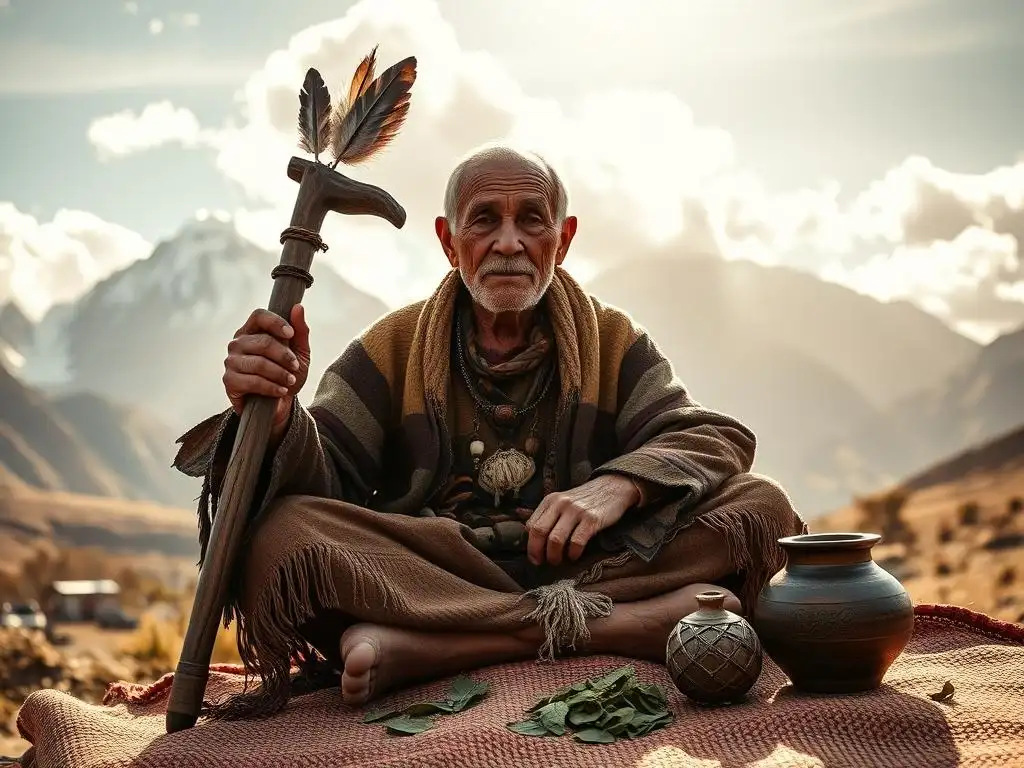
Andean shamanic healing practices, deeply rooted in a holistic understanding of the cosmos, offer valuable insights for contemporary society grappling with complex challenges. The wisdom embedded within these practices transcends mere historical interest; it presents a potent framework for addressing modern issues related to health, well-being, and environmental sustainability.
By understanding the Andean worldview, we can glean practical approaches to cultivating inner peace, fostering community resilience, and promoting a more harmonious relationship with the natural world. This section explores the enduring relevance of Andean shamanic knowledge in a rapidly changing world.
We will delve into the ways in which these ancient techniques continue to offer practical solutions to modern problems, emphasizing their importance not only as a historical artifact but as a living, breathing tradition with much to teach us. The enduring power of Andean shamanism lies in its holistic approach, addressing the interconnectedness of mind, body, and spirit within a larger ecological context—a perspective increasingly vital in our time.
Lessons from Andean Cosmovision: Living in Harmony
Andean cosmovision, the worldview that underpins shamanic practices, emphasizes the intricate interconnectedness of all living things. The concept of ayni, reciprocal exchange, is central to this philosophy. It highlights the importance of balance and mutual respect within the community and between humanity and the natural world. Shamans acted as mediators, facilitating this exchange and maintaining harmony within the ecosystem.
Their understanding of the subtle energies that flow through the landscape and the human body informed their healing practices. For example, the use of medicinal plants wasn't simply about treating physical ailments; it was about restoring balance within the individual and their environment. Modern applications of this principle include community-based initiatives that promote sustainable agriculture and environmental stewardship. The Andean concept of pachamama, Mother Earth, underscores the profound respect for nature inherent in their beliefs.
This respect extended to the careful use of resources and a deep understanding of the interconnectedness of all life forms. This wisdom offers a powerful counterpoint to the exploitative tendencies of modern industrial societies. Learning to live in harmony with pachamama, as the Andean people did, is vital for the long-term health of our planet and our own well-being. The principles of ayni and reverence for pachamama offer profound lessons in sustainable living and environmental responsibility.
The Importance of Andean Shamanic Practices for Mental Wellness
Beyond ecological harmony, Andean shamanic practices offer valuable tools for improving mental and emotional well-being. Techniques like despacho ceremonies, involving offerings to the spirits, can be interpreted as a form of ritualistic release and intention-setting. These practices offer a structured way to process emotions, address anxieties, and cultivate a sense of purpose. The emphasis on community within Andean shamanism is also crucial for mental health.
The strong social bonds and shared rituals fostered a sense of belonging and support, mitigating feelings of isolation and loneliness. In contrast to the individualistic focus of many modern therapeutic approaches, Andean shamanism emphasizes the importance of collective healing and social connection. Furthermore, the use of plant medicines, guided by experienced practitioners, has shown promising results in treating various mental health conditions in some contexts. [Specific data on efficacy of plant medicine use in Andean shamanic healing pending].
However, it's crucial to emphasize responsible and ethical access to these practices, always under the guidance of trained professionals. The holistic approach of Andean shamanism, addressing both the physical and spiritual dimensions of well-being, offers a valuable perspective on mental health that complements modern approaches. The emphasis on community, ritual, and connection with nature provides a powerful framework for fostering resilience and emotional well-being.
Preserving the Legacy of Andean Shamanism
The preservation of Andean shamanic healing practices is paramount for both cultural and societal reasons. These traditions represent a rich tapestry of knowledge accumulated over millennia, offering invaluable insights into human experience and the natural world. The loss of this knowledge would represent a significant loss for humanity. Efforts to protect and revitalize these traditions involve several key strategies.
Documentation and archiving of traditional practices, including oral histories and ritual techniques, are essential for preserving this valuable heritage. Supporting indigenous communities in maintaining their traditional practices is vital, respecting their autonomy and recognizing their expertise. Furthermore, promoting ethical and responsible access to these practices, including plant-based medicines, is crucial to prevent exploitation and ensure the sustainable development of this knowledge. Education and awareness initiatives can help increase understanding and appreciation of Andean shamanic healing practices, fostering respect and promoting their continued relevance in modern society.
This multifaceted approach, encompassing preservation, ethical access, and cultural education, is critical to safeguarding the rich legacy of Andean shamanism for future generations. The ongoing survival and flourishing of this ancient tradition is a testament to its enduring power and relevance. Protecting this heritage is not just a cultural imperative; it's a vital contribution to the well-being of both present and future generations.
Understanding the Power of Andean Shamanic Journeys
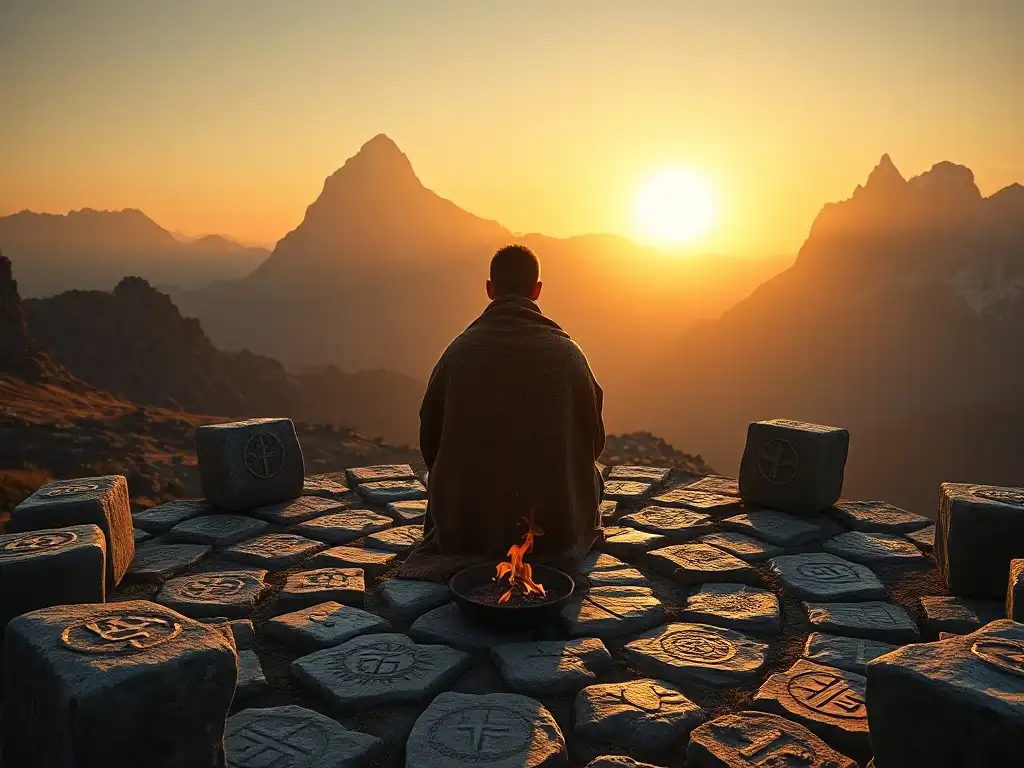
Andean shamanic healing practices are deeply rooted in a cosmology that views the world as interconnected and multi-layered. Shamans, or paqos as they are often called in the Andes, act as bridges between these realms, guiding individuals on transformative journeys to access healing and spiritual growth. These journeys, often induced through ritualistic practices, are not merely symbolic; they are believed to be actual voyages into otherworldly spaces where contact with powerful spirits and ancestors is possible.
The effectiveness of these practices is not just a matter of faith; anthropological research indicates a profound impact on the psychological and physical well-being of participants. The understanding of these journeys offers a crucial insight into the efficacy of Andean shamanic healing practices.
The Concept of the "Otherworld" in Andean Shamanism
The Andean worldview encompasses a complex understanding of reality, extending beyond the physical plane into a vibrant "otherworld" ( pachamama and hanan pacha often represent different layers). This otherworld is not simply a separate realm; it is intricately interwoven with the everyday world, influencing events and shaping individual destinies. For Andean shamans, accessing this otherworld is essential for healing and divination.
They believe that illnesses are often caused by imbalances or disturbances in this interconnected system, and that restoring harmony requires interacting with the spirits and energies residing in the otherworld. This interaction involves a profound understanding of the spiritual landscape, including the identification and appeasement of specific deities and ancestral spirits.
Detailed accounts from ethnographic studies reveal the specific locations and beings encountered during these journeys, highlighting the rich tapestry of beliefs underpinning Andean shamanic practices. The shaman's ability to navigate this complex spiritual topography is a testament to years of training and apprenticeship.
The Use of Coca Leaves for Entering Altered States
Coca leaves ( Erythroxylum coca) have played a central role in Andean culture for millennia, and their use remains deeply intertwined with shamanic practices. The leaves are not merely a recreational substance; they are considered sacred, facilitating communication with the spirit world and enhancing the shaman's ability to enter altered states of consciousness.
The chewing of coca leaves, often combined with other ritual elements, induces a state of heightened awareness and altered perception, allowing the shaman to journey to the otherworld and interact with spirits more effectively. The precise mechanisms through which coca leaves achieve these effects are still being studied, but their significance in Andean shamanic healing practices is undeniable.
Quantitative studies on coca use in shamanic rituals are limited, but qualitative research provides rich descriptions of the experience and its role in facilitating shamanic journeys. The nuanced understanding of coca's effects is crucial to appreciating the full scope of Andean shamanic healing practices.
The Role of the Shaman as a Mediator Between Worlds
The Andean shaman acts as a crucial intermediary between the human world and the spirit world. They are not simply healers; they are spiritual guides, interpreters, and mediators, skilled in navigating the complex relationships between humans and the supernatural. Their role involves diagnosing illnesses, communicating with spirits, performing rituals to restore balance, and guiding individuals through transformative experiences. This mediating role is central to the effectiveness of Andean shamanic healing practices.
The shaman's expertise is not limited to healing; they also offer guidance on various aspects of life, including agriculture, relationships, and community well-being. The depth of their knowledge and the respect they command within their communities highlight the crucial role they play in maintaining social harmony and spiritual well-being. The social and spiritual authority of the shaman underscores the importance of Andean shamanic healing practices within Andean communities.
The Andean Shaman: A Bridge Between Worlds and Traditions
The Andean shaman, a pivotal figure in the intricate tapestry of Andean spirituality, served as a crucial link between the earthly realm and the supernatural world. Unlike priests who often focused on ritual and temple practices, shamans held a more direct, personal connection with the spirit world, acting as healers, diviners, and intermediaries between the living and the ancestors. Their role wasn't simply religious; it was deeply intertwined with the social fabric, impacting daily life, agriculture, and conflict resolution.
Their power stemmed from a profound understanding of the interconnectedness of all things, a cosmology that viewed humans as an integral part of a vibrant, energetic universe. This understanding was not merely theoretical; it manifested in their practical healing practices and their ability to navigate the complexities of the Andean worldview. The effectiveness of Andean shamanic healing practices rested on this deep-seated connection.
The Interconnectedness of Nature, Spirit, and Humanity
The Andean worldview emphasizes a holistic perspective, where the physical world is inseparable from the spiritual realm. Mountains, rivers, and celestial bodies were not simply geographical features but powerful entities imbued with spiritual energy. For the Andean shaman, understanding this interconnectedness was paramount.
Their healing practices didn't isolate the illness; instead, they addressed the imbalance within the individual's relationship with nature, their ancestors, and the cosmos. This holistic approach is evident in their use of medicinal plants, which weren't just seen as remedies but as active participants in the healing process, each possessing unique spiritual properties and connections to specific deities or energies. For instance, the coca leaf, central to Andean culture, wasn't just a stimulant; shamans used it in rituals to connect with the spirit world and facilitate healing.
The effectiveness of Andean shamanic healing practices is directly linked to this philosophy – a cure was not just a physical restoration, but a spiritual rebalancing. The shaman, through their rituals and knowledge, facilitated this re-alignment.
Consider the intricate ceremonies involving paqos, a type of Andean shaman. Their rituals often involved intricate offerings to the apus (mountain spirits) to ensure the well-being of the community and the fertility of the land. This highlights the deep connection between spiritual well-being and the physical environment. The shaman's role wasn't to conquer nature but to live in harmony with it, understanding its rhythms and respecting its inherent power. This understanding formed the foundation of their healing practices and their overall influence within Andean society.
The Importance of Respect for Andean Shamanic Traditions
The preservation of Andean shamanic traditions is crucial not only for understanding the rich cultural heritage of the Andes but also for recognizing the enduring value of their holistic approach to health and well-being. Unfortunately, these traditions faced significant challenges throughout history, including colonialism and the suppression of indigenous practices. Modern efforts to preserve and revitalize these practices are essential. Understanding the historical context is vital.
The legacy of colonialism significantly impacted the practice of Andean shamanism, often leading to syncretism with introduced religions and a decline in traditional practices. However, a resurgence of interest in indigenous knowledge and a growing appreciation for holistic approaches to healing are fostering a renewed respect for these ancient traditions. This renewed interest in Andean shamanic healing practices signifies a growing awareness of the importance of preserving cultural heritage.
Respect for these traditions involves more than just acknowledging their existence; it demands active engagement in their preservation. This includes supporting indigenous communities, promoting ethical research, and ensuring that any engagement with these practices is done with sensitivity and respect for their sacred nature. The appropriation of these practices for commercial purposes, without proper understanding or consultation with indigenous communities, must be strongly condemned. The continued existence of Andean shamanic knowledge depends on this ethical engagement.
The Future of Andean Shamanic Knowledge
The future of Andean shamanic knowledge hinges on the collaboration between indigenous communities, researchers, and practitioners. Open dialogue and mutual respect are crucial for ensuring the responsible transmission of this invaluable heritage. This collaboration can take many forms, including the documentation of traditional practices, the establishment of educational programs that promote intercultural understanding, and the support of initiatives that empower indigenous communities to preserve and share their knowledge. The future of Andean shamanic healing practices will depend on the success of these collaborative efforts.
The challenges remain significant. Balancing the need to preserve traditional practices with the demands of modernization is a complex task. The risk of cultural commodification and the erosion of traditional knowledge through misrepresentation are ever-present.
However, the growing global interest in holistic healing and the increasing recognition of the value of indigenous knowledge offer opportunities for the revitalization and preservation of Andean shamanic practices. The future success of these efforts depends on a commitment to ethical engagement and a deep respect for the rich cultural heritage they represent. The continued study and understanding of Andean shamanic healing practices are vital for the future.
Frequently Asked Questions
What were the primary roles of Andean shamans?
Andean shamans served as spiritual leaders, healers, and intermediaries between the human and spirit worlds. They were crucial in maintaining community well-being and understanding the cosmos.
What healing techniques did Andean shamans employ?
Shamans utilized a variety of techniques, including herbal remedies, ritual ceremonies, and spiritual divination. They often worked with powerful symbols and energetic practices to restore balance.
How did Andean shamanic practices relate to nature?
Andean shamanism was deeply intertwined with the natural world. Shamans viewed themselves as part of the ecological system, using plants, animals, and land features in their rituals and healing.
What is the significance of the Andean worldview in shamanic healing?
The Andean worldview emphasizes harmony, balance, and the interconnectedness of all things. Healing practices aimed to restore this balance within the individual and the community, reflecting a holistic approach.
Are Andean shamanic healing practices still practiced today?
Yes, many Andean traditions continue to thrive, preserving ancient knowledge and practices. However, it's crucial to approach these practices with respect and cultural sensitivity.
Final Reflection: Echoes of the Andes: A Legacy of Healing and Wisdom
The ancient wisdom of Andean shamans resonates powerfully in our modern world, offering a potent antidote to the pervasive disconnection from nature and self that plagues contemporary society. Their practices, far from being relics of the past, provide a vital framework for understanding holistic well-being and reconnecting with the profound interconnectedness of all things. The enduring relevance of their healing traditions is undeniable, offering a path towards a more balanced and spiritually fulfilling life.
The profound impact of Andean shamanic practices extends far beyond the individual healing experience; it touches upon the very fabric of cultural identity and spiritual preservation. These traditions, passed down through generations, represent a powerful resistance against the homogenizing forces of globalization, safeguarding a unique worldview and a deep respect for the natural world. The Earth is our mother, and we are her children. We must treat her with respect and care, for she provides for us all.
This sentiment, echoing through the ages, underscores the holistic approach to healing inherent in Andean shamanism, reminding us of our inextricable link to the planet and each other.
Consider the profound wisdom embedded within these ancient practices. How can you integrate the principles of balance, harmony, and respect for nature into your own life? Embrace the opportunity to explore the interconnectedness of mind, body, and spirit; to listen to the whispers of your inner self and the rhythms of the natural world. Let the echoes of the Andes inspire you to embark on a journey of self-discovery and healing, fostering a deeper connection with yourself, your community, and the Earth that sustains us all.
**Embrace the Wisdom of the Andes Today! **
Thank you for exploring the profound knowledge and spiritual practices of Andean shamans. We hope you feel inspired by their rich cultural heritage and ancient wisdom. Let's now explore ways to deepen your connection with this incredible tradition.
- **Dive deeper into holistic practices:** Immerse yourself in Andean spirituality through a workshop or online course.
- **Share your journey:** Connect with others online using the hashtag #AndeanWisdom to share your experiences and insights.
- **Explore the natural world:** Spend time in nature, reflecting on the shamanic teachings to cultivate mindfulness and gratitude.
Which aspect of Andean shamanism resonates most with you, and how will you integrate it into your daily life?