
The Use of Indigenous Languages as a Means of Resistance

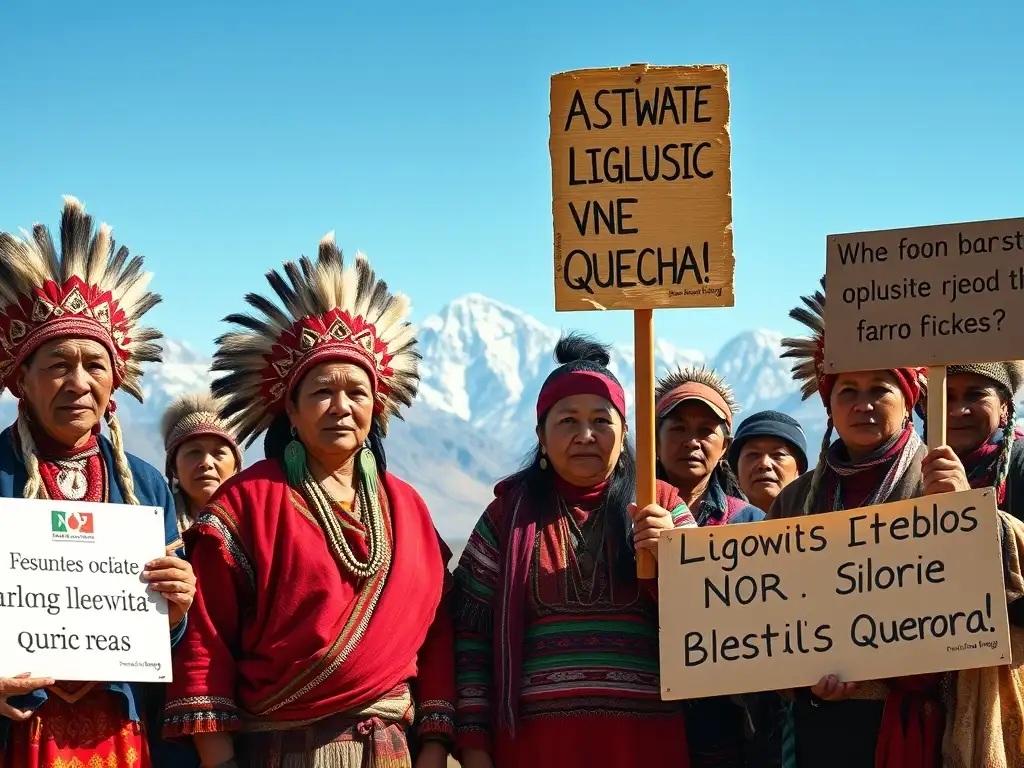
Step into a world lost to time, yet echoing powerfully through the ages. Imagine a landscape sculpted by ancient hands, where civilizations flourished, leaving behind a legacy of breathtaking artistry and ingenious engineering. But what of their voices? Discover the untold story of Andean indigenous language resistance during the Spanish Conquest – a testament to the enduring spirit of these remarkable cultures. Uncover the secrets of their survival, and witness the fascinating ways they preserved their identity in the face of overwhelming odds. Prepare to be captivated.
- Andean Indigenous Language Resistance: A Powerful Tool Against Colonialism
- Linguistic Resistance: Preserving Andean Heritage
- Andean Languages as a Weapon of Resistance
- Examples of Language-Based Resistance in the Andes
- The Enduring Legacy of Linguistic Resistance
- Conclusion: The Power of Language in Andean Resistance
-
Frequently Asked Questions
- What role did indigenous languages play in resisting colonial powers in the Andes?
- How did the Inca Empire utilize Quechua to consolidate power?
- Were all Andean indigenous languages equally affected by colonization?
- Besides language preservation, what other forms of resistance did Andean communities employ?
- How is the fight for Andean indigenous language revitalization happening today?
- Final Reflection: Echoes of Resistance, Whispers of Hope
- Embrace and Amplify Indigenous Voices!
Andean Indigenous Language Resistance: A Powerful Tool Against Colonialism
The Spanish conquest of the Andes drastically altered the social, political, and cultural landscape of the region. While the imposition of Spanish rule is often discussed through military battles and political maneuvering, a crucial aspect of resistance lies in the realm of language.
This article explores the significant role Andean indigenous languages played in resisting colonial domination, examining how the preservation and use of these languages served as a powerful tool for maintaining cultural identity and challenging Spanish hegemony. We will delve into the pre-Columbian significance of language in Andean societies, analyze the devastating impact of Spanish colonization on indigenous tongues, and showcase the enduring resilience of these languages as symbols of resistance against cultural erasure.
The continued use of Quechua, Aymara, and other indigenous languages in the Andes today stands as a testament to the enduring spirit and cultural strength of the Andean peoples. Understanding this linguistic resistance is key to comprehending the complexities of the Spanish conquest and its lasting consequences.
The Significance of Language in Andean Culture
Language in pre-Columbian Andean societies was far more than a mere communication tool; it was deeply intertwined with the fabric of their existence. It served as the foundation for their intricate social structures, religious beliefs, and worldview. Quechua, for example, wasn't just a spoken language; it was integral to the Inca Empire's administrative system, its religious rituals, and its oral traditions.
Similarly, Aymara and other indigenous languages held equivalent importance within their respective cultures. These languages contained vast stores of knowledge, passed down through generations via oral histories, songs, and ceremonies. The intricate relationship between language and identity was paramount, with language acting as a key element in defining social status, kinship ties, and community belonging.
The loss of one's language, therefore, represented a profound loss of identity and connection to one's ancestral heritage. This deep-rooted connection between language and culture explains why the preservation of indigenous languages became such a vital aspect of resistance against Spanish colonization. The maintenance of these languages became a powerful symbol of defiance, a refusal to accept the cultural erasure imposed by the colonizers.
Language as a Pillar of Identity in Pre-Columbian Andes
Before the arrival of the Spanish, the Andean region boasted a rich tapestry of languages, each reflecting the unique cultural identity of its speakers. The Inca Empire, with its extensive reach, facilitated the spread of Quechua, which became a lingua franca across much of the region. However, this did not diminish the importance of other languages, such as Aymara, which thrived in the Altiplano region and maintained its distinct cultural significance.
These languages were not merely vehicles for communication; they were repositories of knowledge, history, and spiritual beliefs. Oral traditions, rich in mythology and historical accounts, were meticulously preserved and transmitted through generations in these languages. The intricate systems of kinship and social organization were also deeply embedded within the linguistic structures themselves.
The very act of speaking one's native language was an affirmation of one’s identity and a connection to a rich cultural heritage. This strong pre-existing connection to language made the subsequent attempt at linguistic suppression by the Spanish all the more significant in terms of the resistance it generated.
The Impact of Spanish Colonization on Indigenous Languages
The Spanish conquest brought about a systematic effort to suppress indigenous languages in favor of Spanish. This linguistic imperialism was part of a broader strategy to dismantle indigenous cultures and impose Spanish dominance. The Spanish crown actively discouraged the use of indigenous languages in official settings, education, and religious practices. This suppression took many forms, including the banning of indigenous languages in schools and government institutions.
Furthermore, the imposition of Spanish as the language of religion further marginalized indigenous tongues. The deliberate effort to replace indigenous languages with Spanish had a devastating impact on cultural transmission. Oral traditions were disrupted, and the knowledge embedded within these languages was gradually lost.
Despite these oppressive measures, the Andean peoples demonstrated remarkable resilience. They cleverly employed various strategies to preserve their languages, often weaving them into the fabric of everyday life, maintaining their use within their communities and families, even under the constant threat of punishment. This subtle, yet powerful, resistance ensured the survival of many indigenous languages in the Andes, a testament to the enduring strength of cultural identity.
Linguistic Resistance: Preserving Andean Heritage

The Spanish conquest of the Andes drastically altered the social, political, and cultural landscape. However, the imposition of Spanish as the dominant language didn't entirely extinguish the vibrant tapestry of indigenous tongues. Andean indigenous language resistance manifested in various subtle yet powerful ways, demonstrating the enduring strength of cultural identity in the face of oppression.
This section explores the multifaceted strategies employed by Andean communities to preserve their linguistic heritage, highlighting the crucial role of language in maintaining cultural continuity and resisting assimilation. The tenacious grip of indigenous languages on daily life, the power of oral traditions, and the very act of speaking one's native tongue became potent tools in the ongoing struggle for cultural survival. Understanding these strategies offers valuable insight into the resilience and resourcefulness of Andean populations during a period of profound upheaval.
Deliberate Use of Native Tongues in Daily Life
Even under the heavy hand of colonial rule, the deliberate use of native tongues in everyday life served as a powerful act of resistance. While Spanish became the official language of administration and commerce, Quechua, Aymara, and other Andean languages continued to thrive in private spheres. Within the intimate spaces of family and community, these languages remained the primary vehicles for communication, storytelling, and the transmission of cultural knowledge.
This wasn't mere inertia; it was a conscious decision to maintain linguistic and cultural distinctiveness. For example, many Andean communities continued to conduct their internal affairs – from resolving disputes to planning agricultural cycles – entirely in their native languages, effectively creating linguistic enclaves where Spanish held little sway. This quiet yet persistent resistance helped preserve the richness and complexity of Andean languages, ensuring their survival despite the pressures of colonization.
The continued use of indigenous languages in daily life actively countered the Spanish attempt to impose a monolithic linguistic identity, demonstrating the deep-seated connection between language and cultural identity. This everyday resistance, often overlooked in grand narratives of conquest, was crucial in maintaining the vitality of Andean languages.
The Role of Oral Tradition in Language Preservation
The oral tradition played a pivotal role in preserving Andean languages during the colonial period. In the absence of widespread literacy in indigenous languages, the transmission of knowledge, history, and cultural values relied heavily on storytelling, songs, and rituals performed in native tongues. These oral traditions weren't simply forms of entertainment; they were active mechanisms for resisting cultural erasure.
Epics, myths, and legends, passed down through generations, served as repositories of cultural memory and identity. These narratives embedded within the indigenous languages acted as a powerful counter-narrative to the official Spanish historical accounts, preserving alternative perspectives and challenging the dominant colonial ideology. The continued practice of oral traditions ensured the linguistic and cultural continuity of Andean communities, demonstrating the remarkable adaptability and resilience of their cultural practices.
The intricate details within these oral histories, often passed down through specific lineages, showcase the depth of knowledge embedded within the language itself. The preservation of these traditions, deeply rooted in the use of indigenous languages, represented a crucial aspect of Andean indigenous language resistance.
Indigenous Language as a Form of Cultural Survival
The continued use of indigenous languages in the Andean region wasn't simply a matter of linguistic preservation; it was a fundamental aspect of cultural survival. Language is intrinsically linked to identity, worldview, and social structures. By clinging to their native tongues, Andean communities actively resisted the homogenizing forces of colonialism. The suppression of indigenous languages was a deliberate strategy employed by the Spanish to undermine indigenous cultures and facilitate assimilation.
However, the persistent use of Quechua, Aymara, and other languages demonstrated a powerful refusal to be erased. The very act of speaking one's native tongue became a political statement, a reaffirmation of cultural identity in the face of oppression. This resistance wasn't always overt; it was often subtle, embedded in the everyday practices of Andean communities.
Yet, its cumulative impact was significant, ensuring the survival of a rich and diverse linguistic and cultural heritage. The preservation of these languages represents a testament to the tenacity and resilience of Andean peoples in the face of colonization, underlining the profound connection between language and cultural survival. The enduring presence of Andean indigenous languages is a powerful symbol of resistance and a vital part of their ongoing cultural revitalization.
Andean Languages as a Weapon of Resistance

The Spanish conquest of the Andes was not merely a military takeover; it was a systematic attempt to erase indigenous cultures, including their languages. However, Andean languages, far from being silenced, became crucial tools of resistance, playing a vital role in maintaining cultural identity and coordinating rebellion against colonial rule. This section explores how indigenous populations cleverly employed their linguistic heritage to challenge Spanish dominance, demonstrating the profound connection between language and cultural survival.
The strategic use of Quechua, Aymara, and other Andean languages exemplifies the ingenuity and resilience of the indigenous populations facing the overwhelming power of the Spanish empire. Understanding this linguistic resistance is key to grasping the complexities of the Andean conquest and its enduring legacy. The very act of speaking one's native tongue in the face of suppression was a powerful act of defiance.
Secret Communication and Code Switching
One of the most effective strategies employed by indigenous communities was the use of secret communication and code-switching. Facing constant surveillance and oppression, the ability to communicate discreetly was paramount. Quechua, Aymara, and other indigenous languages, often unfamiliar to Spanish colonizers, provided a veil of secrecy. Conversations that might have been easily understood in Spanish could be conducted in an indigenous language, making it impossible for the Spanish to comprehend the plans or sentiments being expressed.
This wasn't simply a matter of speaking a different language; it involved sophisticated techniques. For example, the use of quechuaísmo—the embedding of Quechua words or phrases within Spanish—allowed for coded messages to be passed unnoticed amongst those who understood the nuances of the language. This practice, requiring a high level of linguistic proficiency, allowed for the subtle dissemination of information, building networks of resistance, and coordinating actions without alerting the Spanish authorities.
Evidence suggests that such coded communication was vital in organizing uprisings and maintaining communication networks across vast distances. The effectiveness of this method highlights the adaptability and resourcefulness of the Andean people.
Furthermore, the diversity of Andean languages itself presented a formidable barrier to Spanish comprehension. Even within a single region, multiple dialects and languages could exist, further complicating the task of surveillance and control for the colonizers. The sheer linguistic complexity of the Andes became a powerful tool of resistance, protecting the indigenous communities from the prying eyes of their conquerors.
Using Indigenous Languages to Plan Rebellions
The planning and execution of rebellions against Spanish rule heavily relied on the covert use of Andean languages. Oral traditions were crucial, as many indigenous communities lacked a written script in their native tongues. Storytelling, songs, and ritualistic practices served as vehicles for transmitting information regarding rebellion strategies, mobilizing support, and maintaining morale. These seemingly innocuous cultural practices, understood only by the indigenous population, served as powerful tools for coordinating large-scale resistance movements.
Consider the Tupac Amaru II rebellion. While Spanish was undoubtedly used in some aspects of the planning, evidence strongly suggests that indigenous languages played a key role in mobilizing support across diverse ethnic groups. The ability to communicate effectively and secretly within these communities was essential to the rebellion's initial success. The use of indigenous languages allowed for the dissemination of messages to a wider audience, bypassing the Spanish control of official communication channels.
The very fact that the rebellion lasted as long as it did, despite Spanish efforts to suppress it, speaks volumes about the effectiveness of this linguistic strategy. More research is needed to fully detail the specific roles of various Andean languages within this and other uprisings. [Specific information pending on detailed linguistic analysis of Tupac Amaru II rebellion communications].
Language as a Tool to Maintain Cultural Autonomy
Beyond its role in planning rebellions, the continued use of Andean languages served as a powerful assertion of cultural autonomy. The Spanish attempted to impose Spanish as the dominant language, suppressing indigenous tongues through education and religious practices. However, the persistence of indigenous languages in daily life represented a clear rejection of colonial dominance and a powerful affirmation of indigenous identity. The preservation of oral traditions, songs, and stories in native languages became a form of resistance in itself, a testament to the enduring spirit of Andean cultures.
The continued use of Quechua, Aymara, and other Andean languages in religious ceremonies, community gatherings, and family life represents a crucial aspect of Andean resistance. It served as a constant reminder of pre-colonial heritage and a symbol of defiance against cultural assimilation. This linguistic resistance wasn't just a passive act; it was an active assertion of identity and a rejection of the Spanish attempt to impose a uniform cultural landscape.
The enduring presence of these languages across centuries is a testament to the tenacity of Andean cultures and their ability to withstand the pressures of colonial rule. The vitality of Andean languages today is a direct result of this historical resistance and a powerful symbol of cultural survival.
Examples of Language-Based Resistance in the Andes

The Spanish conquest of the Andes drastically altered the social and political landscape, aiming to supplant indigenous cultures and languages with Castilian Spanish. However, the indigenous populations of the Andes, far from succumbing passively, employed their languages—Quechua, Aymara, and others—as powerful tools of resistance, preserving their cultural identity and challenging colonial authority in diverse ways. This section explores specific examples demonstrating the multifaceted nature of this linguistic resistance, highlighting its significance in the face of colonial oppression.
The tenacious adherence to native tongues served not only as a cultural safeguard but also as a subtle yet potent form of rebellion against the imposed linguistic and cultural hegemony. This strategy of Andean indigenous language resistance played a crucial role in the survival and eventual resurgence of indigenous Andean cultures.
The Túpac Amaru II Rebellion and the Use of Quechua
The Túpac Amaru II Rebellion (1780-1783) stands as a pivotal moment in Andean history, a large-scale indigenous uprising against Spanish colonial rule. While military strategies were central to the rebellion, the use of Quechua played a vital role in its organization and mobilization. The rebellion's leaders, many of whom were indigenous elites, utilized Quechua to communicate strategies, rally support, and disseminate their message of resistance across vast territories.
Secret meetings, coded messages, and the dissemination of propaganda all relied heavily on Quechua's accessibility and widespread understanding within the indigenous communities. The Spanish authorities, struggling to understand the complexities of Quechua communication, were often hampered in their efforts to suppress the rebellion effectively. The very act of using Quechua in the face of Spanish dominance represented a powerful act of defiance.
Furthermore, the use of Quechua fostered a sense of unity and collective identity among diverse indigenous groups, strengthening their resolve in the face of overwhelming colonial power. The rebellion, though ultimately unsuccessful in achieving its immediate goals, underscored the significant role of language in shaping resistance movements and challenging colonial power structures. The continued use of Quechua after the rebellion's suppression demonstrated its enduring power as a symbol of cultural resilience and a testament to the Andean peoples' determination to preserve their heritage.
Aymara Language as a Tool of Defiance in Colonial Courts
Despite the Spanish imposition of Spanish as the official language of the colonial administration, Aymara persisted as a vital language within Andean communities. Its continued use, particularly in legal and administrative contexts, served as a form of quiet yet persistent resistance. Indigenous populations often used Aymara in colonial courts, challenging the authority of Spanish officials and asserting their rights.
While the Spanish judges often lacked fluency in Aymara, creating communication barriers, the very act of using Aymara in such settings demonstrated a refusal to accept the complete dominance of Spanish. This subtle form of defiance, often overlooked in historical accounts, represents a crucial aspect of Andean indigenous language resistance.
The use of Aymara in these official settings, even if it didn’t always lead to immediate legal victories, demonstrated a commitment to preserving linguistic and cultural identity within the structures of colonial power. Studies of colonial court records, while needing further investigation [specific information pending], are likely to reveal instances of Aymara being employed strategically to contest Spanish interpretations of laws and events, highlighting the linguistic nuances and subtleties inherent in this form of resistance.
The Continued Use of Quechua and Aymara in Contemporary Andean Music and Art
The legacy of Andean indigenous language resistance continues to resonate in contemporary Andean society. Quechua and Aymara, far from being extinct, remain vibrant languages used in a wide array of cultural expressions. Their continued presence in Andean music and art serves as a powerful affirmation of cultural identity and a testament to the enduring strength of indigenous traditions.
From traditional Andean music genres incorporating Quechua and Aymara lyrics to contemporary art forms that utilize these languages to convey meaning and express cultural pride, the use of these languages serves as a powerful symbol of resistance against cultural assimilation. The integration of indigenous languages into these artistic expressions not only preserves linguistic heritage but also fosters a sense of community and cultural pride amongst indigenous populations. This ongoing linguistic revitalization, often intertwined with broader movements for indigenous rights and self-determination, demonstrates the enduring power of language as a tool for cultural preservation and resistance.
The vibrant tapestry of contemporary Andean culture, richly interwoven with Quechua and Aymara, stands as a living testament to the enduring legacy of Andean indigenous language resistance. 🎶🎨
The Enduring Legacy of Linguistic Resistance

The Spanish conquest of the Andes drastically altered the linguistic landscape, aiming to supplant indigenous languages with Spanish. However, the indigenous populations demonstrated remarkable resilience, employing language as a potent tool of resistance, preserving their cultural identities despite centuries of oppression. This wasn't merely passive preservation; it involved active strategies to maintain and transmit their native tongues across generations, even in the face of brutal repression.
The enduring legacy of this linguistic resistance is evident in the survival of numerous Andean languages to this day, a testament to the strength and determination of the indigenous communities. Understanding this linguistic resistance requires analyzing not only the overt acts of defiance, but also the subtle, everyday practices that ensured the continuation of these vital cultural markers. The survival of Quechua, Aymara, and other Andean languages is not accidental; it's a direct result of conscious efforts to maintain linguistic and cultural integrity.
The Revival and Promotion of Indigenous Andean Languages Today
Despite the historical suppression, a significant movement is underway to revitalize and promote Andean indigenous languages. This involves a multi-pronged approach encompassing educational initiatives, media production in indigenous languages, and the active involvement of indigenous communities in shaping their linguistic futures. Governments in several Andean nations are increasingly recognizing the importance of linguistic diversity and are implementing policies to support indigenous language education and cultural preservation.
The number of Quechua speakers, for instance, is steadily increasing in certain regions, fueled by community-based language nests and bilingual education programs. Furthermore, the use of indigenous languages in radio broadcasts, television programs, and online platforms is growing, contributing to language normalization and fostering intergenerational transmission. This modern revival reflects a broader movement towards reclaiming indigenous identities and challenging the historical dominance of Spanish.
The success of these initiatives hinges on sustained commitment from governments, educational institutions, and, most importantly, the indigenous communities themselves. Quantitative data on language speaker demographics is crucial for tracking the effectiveness of these programs, though comprehensive, reliable data remains a challenge in many areas. [Specific information pending: precise figures on language speaker growth in various Andean regions].
Indigenous Language Education and Cultural Empowerment
The link between indigenous language education and cultural empowerment is undeniable. Learning an indigenous language is not merely about acquiring linguistic skills; it's about connecting with one's heritage, understanding one's history, and reclaiming cultural identity. Bilingual education programs, which incorporate both the indigenous language and Spanish, have proven particularly effective in fostering cultural pride and academic success among indigenous students.
These programs often integrate indigenous knowledge systems into the curriculum, providing a more holistic and culturally relevant learning experience. For example, incorporating traditional storytelling, music, and art into the classroom helps to create a vibrant learning environment that celebrates indigenous culture. The positive impacts of these programs are multifaceted: they improve students' self-esteem, enhance their cognitive skills, and promote intercultural understanding.
Moreover, the preservation of indigenous languages through education contributes to the broader goal of linguistic diversity and global cultural richness. The success of such programs, however, requires adequately trained teachers proficient in both indigenous languages and pedagogical approaches that cater to the specific cultural contexts. [Specific information pending: Case studies on successful bilingual education programs in the Andes].
The Ongoing Struggle for Linguistic Rights in the Andes
Despite the progress made in promoting indigenous languages, significant challenges remain. The struggle for linguistic rights in the Andes is ongoing, encompassing issues of access to education, media representation, and legal recognition. Many indigenous communities still face discrimination and marginalization based on their language, limiting their access to opportunities in areas such as employment and healthcare. The lack of standardized orthographies for some languages also presents a hurdle to literacy and widespread language use.
Furthermore, the dominance of Spanish in formal settings often leads to a devaluation of indigenous languages, perpetuating a cycle of linguistic marginalization. Advocacy efforts by indigenous organizations and human rights groups are crucial in addressing these challenges, pushing for policy changes that guarantee linguistic rights and promote linguistic equality. The fight for linguistic rights is inextricably linked to broader struggles for social justice and self-determination in the Andes.
Achieving true linguistic justice requires not only legal frameworks but also a fundamental shift in societal attitudes towards linguistic diversity. The continued struggle highlights the importance of ongoing vigilance and active participation from all stakeholders to ensure the full realization of linguistic rights for Andean indigenous communities. ✊🏽
Conclusion: The Power of Language in Andean Resistance
The enduring legacy of Andean civilizations is not solely defined by their monumental architecture or sophisticated agricultural techniques. A crucial, often overlooked, aspect of their resilience lies in the sustained use of indigenous languages as a powerful tool of resistance against Spanish colonial rule. While the Spanish crown implemented aggressive policies aimed at linguistic homogenization, forcing the adoption of Castilian Spanish, Andean communities cleverly employed their native tongues to preserve their cultural identity, transmit knowledge across generations, and subtly challenge colonial authority.
This linguistic resistance was a multifaceted strategy, woven into the fabric of daily life and manifesting in various forms, from covert communication to the preservation of oral traditions. Understanding this nuanced resistance is paramount to a complete understanding of the Andean response to colonization.
The Importance of Recognizing Linguistic Resistance in Andean History
The narrative of the Spanish conquest often focuses on military clashes and political upheaval. However, the subtle yet potent resistance embedded within the continued use of Quechua, Aymara, and other indigenous languages deserves equal, if not greater, recognition. Ignoring this aspect presents an incomplete and potentially misleading portrayal of Andean history. By actively choosing to speak their native languages, despite facing harsh penalties and social pressure, Andean communities demonstrated an unwavering commitment to their cultural heritage.
This linguistic tenacity allowed them to maintain a sense of collective identity, a vital factor in their ability to survive and eventually adapt to the drastically altered socio-political landscape. The continued presence of these languages, albeit often intertwined with Spanish, stands as a testament to the enduring spirit of Andean peoples and their successful negotiation of colonial domination. The preservation of these languages facilitated the transmission of ancestral knowledge, including agricultural practices, medicinal remedies, and spiritual beliefs, ensuring the continuity of Andean cultural traditions despite the best efforts of the colonizers to erase them. Further research into the specific linguistic strategies employed, including code-switching, the creation of hybrid dialects, and the use of oral literature, is crucial to fully appreciate the complexity and effectiveness of Andean linguistic resistance.
The ongoing revitalization efforts for these languages today are a direct reflection of this historical struggle and its enduring significance. Without acknowledging this linguistic dimension, a critical piece of the puzzle in understanding Andean resistance is missing. The struggle for linguistic survival was, in many ways, a struggle for cultural survival.
Frequently Asked Questions
What role did indigenous languages play in resisting colonial powers in the Andes?
Indigenous languages served as a crucial tool for cultural preservation and resistance against assimilation. Maintaining their native tongues allowed Andean communities to safeguard their traditions and identities despite colonial efforts to suppress them.
How did the Inca Empire utilize Quechua to consolidate power?
While Quechua became a lingua franca under Inca rule, it also facilitated communication and administration across a vast empire. This, however, doesn't negate the existence of other languages and their own unique importance within their respective communities.
Were all Andean indigenous languages equally affected by colonization?
No, the impact of colonization varied greatly. Some languages, like Quechua, experienced wider spread and adaptation, while others faced severe suppression leading to near extinction. The level of resistance also varied across different groups.
Besides language preservation, what other forms of resistance did Andean communities employ?
Andean communities utilized various forms of resistance, including religious practices, artistic expression, and rebellions. Language preservation often intertwined with these other forms of resistance, reinforcing cultural identity.
How is the fight for Andean indigenous language revitalization happening today?
Modern revitalization efforts involve community-based initiatives, language education programs, and the use of technology. These efforts aim to reclaim and promote the use of these languages in daily life and for future generations.
Final Reflection: Echoes of Resistance, Whispers of Hope
The revitalization of Andean indigenous languages is not merely a linguistic endeavor; it is a potent act of cultural reclamation, a defiant stand against the forces of assimilation, and a vital key to preserving invaluable knowledge systems for future generations. The ongoing struggle to maintain these languages in the face of globalization and historical oppression underscores their enduring significance and the unwavering spirit of the communities who champion them.
The impact of language loss on Andean cultures is profound, extending far beyond mere communication. It represents the erosion of unique worldviews, traditional practices, and the very fabric of identity. Language is the road map of a culture. It tells you where its people come from and where they are going.
– Rita Mae Brown. This quote perfectly encapsulates the vital role these languages play in shaping the cultural landscape, not just in the Andes, but globally. Their survival is intrinsically linked to the survival of unique cultural expressions and the rich tapestry of human experience.
Consider the power you hold. You now understand the profound significance of language preservation, not just as a historical artifact, but as a living, breathing testament to resilience and cultural pride. Let the stories woven into the Quechua, Aymara, and other Andean languages inspire you to champion linguistic diversity in your own sphere of influence. Support initiatives dedicated to language revitalization, learn a few phrases, and most importantly, amplify the voices of those fighting to keep these invaluable languages alive. The future of these languages, and the cultures they represent, rests, in part, in our hands.
Embrace and Amplify Indigenous Voices!
Thank you for exploring the powerful connection between Indigenous languages and cultural resilience. Your interest in this vital topic underscores the importance of preserving and celebrating diverse cultural identities. Building on this understanding, let's consider meaningful actions to amplify Indigenous voices.
Here are some ways you can contribute:
- Support Local Initiatives: Engage with organizations dedicated to Indigenous language revitalization and cultural preservation in your community. Look for opportunities to volunteer your time or donate to support their important work.
- Share Knowledge: Share your newfound knowledge and insights with friends, family, and your online networks. Start conversations that promote understanding and appreciation of Indigenous cultures.
- Expand Your Understanding: Consider learning an Indigenous language. Even learning a few basic phrases demonstrates respect and solidarity, fostering deeper connections with Indigenous communities.
What steps will you take today to help preserve and uplift Indigenous languages and cultures in your community? Even small actions can make a significant difference.