
From Farm to Feast: Understanding the Importance of Andean Ingredients

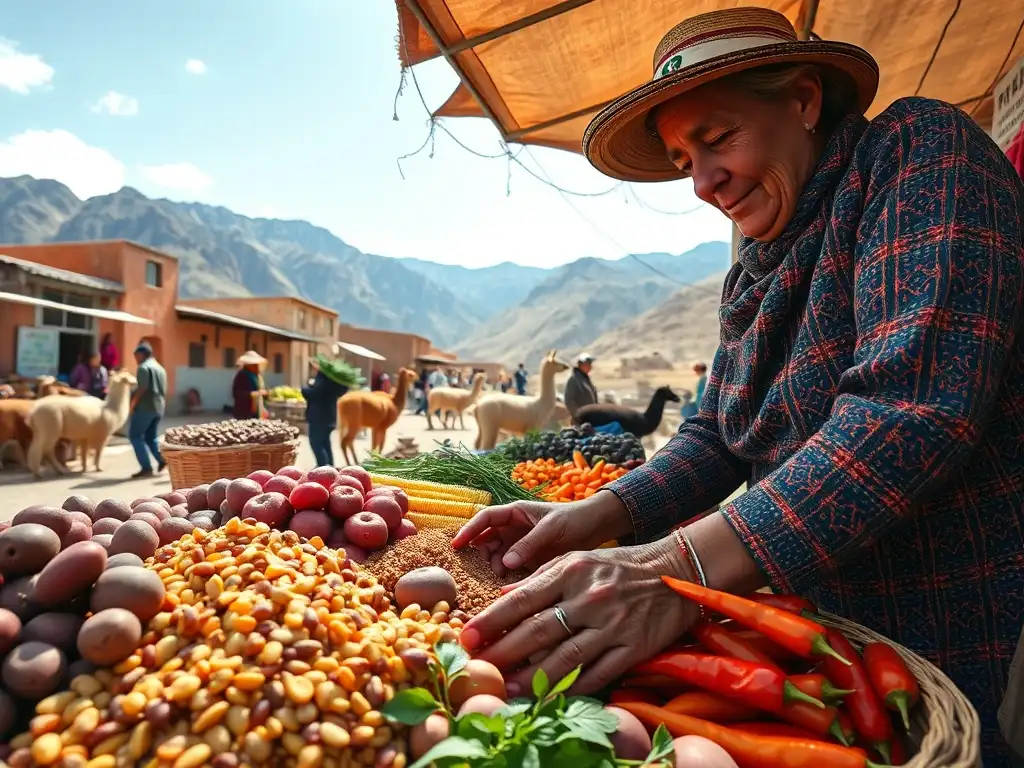
Uncover the secrets whispered on the wind across the Andes Mountains. For centuries, these majestic peaks have witnessed the rise and fall of incredible civilizations, each leaving behind a legacy as breathtaking as the landscapes themselves. But what fueled their ingenuity and inspired their vibrant cultures? Journey with us into the heart of Andean cuisine history ingredients, and discover how the very essence of the land shaped the lives and plates of the Incas, Moche, and other fascinating Andean societies. Prepare to be amazed by the intricate connection between farm and feast – a story waiting to be uncovered.
The vibrant tapestry of Andean cuisine is inextricably linked to the unique geography and ingenuity of its ancient civilizations. For millennia, Andean peoples have cultivated a remarkable array of crops and livestock, adapting their agricultural practices to the challenging terrain and diverse climates of the Andes Mountains.
This article delves into the fascinating history and significance of the ingredients that form the backbone of Andean cooking, providing a deeper understanding of the culinary heritage that continues to thrive today. From the humble potato to the exotic quinoa, we will explore the historical roots and cultural importance of these essential elements, offering a glimpse into the rich culinary traditions that have shaped Andean identity for centuries.
This journey will uncover how the ingenuity of Andean farmers influenced not only their sustenance but also their cultural practices and societal structures, making Andean cuisine history ingredients a captivating study in human adaptation and innovation. Understanding these ingredients is key to appreciating the depth and complexity of Andean culinary traditions and cooking authentic Andean dishes at home.
Unveiling the Rich History of Andean Cuisine Ingredients
The history of Andean cuisine is a long and fascinating story, deeply intertwined with the development of agriculture in the Andes. Long before the Inca Empire, diverse cultures like the Moche, Nazca, and Tiahuanaco cultivated a remarkable variety of crops uniquely adapted to the high-altitude environments. Archaeological evidence reveals sophisticated irrigation systems, terraced farming, and a deep understanding of plant domestication.
This agricultural prowess laid the foundation for a rich and diverse cuisine, with ingredients forming the base of their diets and cultural practices. The potato, for example, wasn't just a staple food; it held significant cultural and religious meaning, reflected in various ceremonies and traditions. Similarly, quinoa, often referred to as a "mother grain," was not only a nutritional powerhouse but also a symbol of prosperity and abundance.
Understanding the historical context of these ingredients provides a deeper appreciation for their significance in Andean culture and cuisine. The careful cultivation and preservation of these ingredients, passed down through generations, demonstrate the enduring connection between Andean people and their environment.
A Journey Through Time: Exploring the Historical Roots of Andean Foods
The Andean region’s unique geographical features—high altitudes, varying climates, and diverse ecosystems—have shaped its culinary landscape for thousands of years. The domestication of crops like potatoes, maize (corn), and quinoa predates the Inca Empire by centuries, with evidence suggesting their cultivation as early as 7,000 years ago. These crops, along with beans, squash, and various tubers, formed the foundation of the Andean diet, providing essential nutrients and sustaining large populations.
The Inca Empire, while known for its impressive infrastructure and administrative prowess, also played a crucial role in standardizing agricultural practices and facilitating the distribution of food across its vast territory. Their sophisticated road network, for instance, enabled the efficient transport of agricultural products, ensuring food security throughout the empire.
This period also saw the development of unique cooking techniques and culinary traditions, further enriching the diverse tapestry of Andean cuisine. The legacy of these historical practices continues to influence modern Andean cooking, highlighting the enduring connection between food and culture.
The Foundation of Andean Cooking: Key Ingredients
Several key ingredients define Andean cuisine. The humble potato, with its thousands of varieties, is undoubtedly the most iconic. From the small, brightly colored papa colorada to the larger, starchy papa blanca, each variety offers a unique flavor and texture, lending itself to a vast array of dishes. Quinoa, another staple, is a complete protein and an excellent source of fiber, making it a nutritional powerhouse.
Its nutty flavor and versatility make it a popular ingredient in soups, stews, and salads. Maize, or corn, is another essential ingredient, used in various forms, from choclo (fresh corn on the cob) to cancha (toasted corn kernels). Beans, particularly pallares, are also widely consumed, often forming the base of hearty stews and soups. Beyond these staples, a plethora of other ingredients contribute to the richness and complexity of Andean cuisine, including various tubers, fruits, herbs, and spices.
The careful selection and combination of these ingredients reflect both the ingenuity of Andean cooks and the abundance of their natural resources. Understanding these key ingredients is crucial for anyone wishing to explore and recreate authentic Andean dishes. The diversity and nutritional value of these ingredients highlight the sustainable and healthy foundations of Andean culinary traditions.
Potatoes: More Than Just a Side Dish - A Staple of Andean Cuisine History
Potatoes. The very word conjures images of fluffy mashed potatoes, crispy French fries, or perhaps a hearty potato salad. But the humble potato holds a far richer and more complex history, particularly within the context of Andean cuisine. Far from being a mere side dish, the potato has been a cornerstone of Andean diets for millennia, its cultivation deeply intertwined with the development of Andean civilizations.
Archaeological evidence suggests potato cultivation began in the Andes over 7,000 years ago, long before the rise of the Inca Empire. Early Andean farmers painstakingly selected and cultivated diverse potato varieties, adapting them to the varied altitudes and climates of the Andes Mountains. This impressive feat of agricultural ingenuity not only ensured food security but also shaped the cultural landscape of the region. The potato’s importance transcended mere sustenance; it became a central element in religious ceremonies, social structures, and even artistic expression.
The enduring legacy of the potato in Andean cuisine is a testament to its nutritional value, adaptability, and its profound cultural significance. Understanding this history enriches our appreciation of Andean food and its enduring connection to the land. The potato’s journey from the Andean highlands to global kitchens is a story of agricultural innovation, cultural exchange, and culinary evolution, all stemming from its crucial role in Andean history and cuisine.
Discovering the Diversity of Andean Potatoes: From Papa Amarilla to Huayro
The incredible diversity of Andean potatoes is truly astounding. Far from the uniform, bland potatoes often found in supermarkets, the Andes boast thousands of unique potato varieties, each with its own distinct characteristics in terms of flavor, texture, color, and even growing conditions. This biodiversity is a result of centuries of careful selection and adaptation by Andean farmers. Consider the papa amarilla, a creamy yellow potato prized for its rich flavor and versatility in various dishes.
Then there’s the huayro, a smaller, reddish-brown potato known for its slightly sweet taste and its ability to withstand harsh environmental conditions. Other notable varieties include the purple-skinned papa morada, often used to make vibrant chuño (freeze-dried potatoes), and the waxy-textured papa negra, ideal for boiling or steaming. This incredible range of potatoes is not merely a matter of culinary curiosity; it represents a vital genetic resource, crucial for ensuring food security in the face of climate change and other challenges.
Each variety possesses unique properties that make it suitable for different dishes and cooking methods, contributing to the rich tapestry of Andean cuisine. The preservation and celebration of this potato biodiversity are essential for maintaining the cultural heritage and culinary identity of the Andes. The exploration of these diverse varieties offers a unique opportunity to expand our understanding of the potato beyond its common perceptions and appreciate its incredible culinary potential.
Quinoa: The Ancient Grain Powering Andean Diets
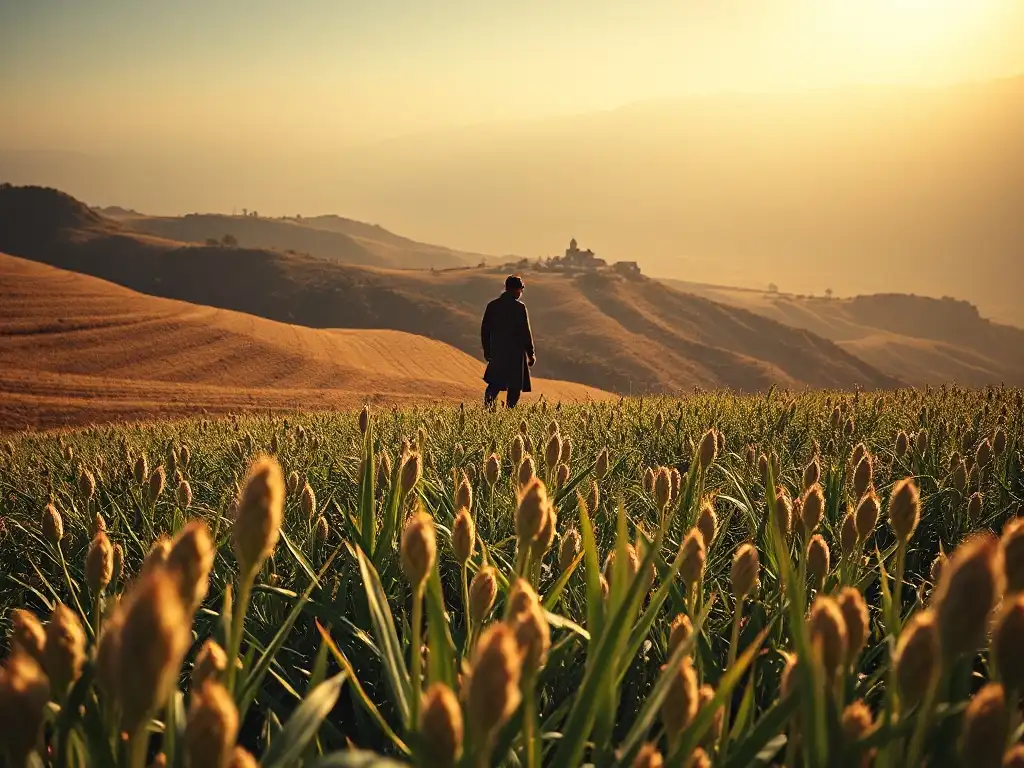
Quinoa, often hailed as a "superfood," holds a position of immense importance in Andean cuisine and culture. This ancient grain, cultivated for over 5,000 years in the Andes, provides a complete protein source, containing all nine essential amino acids. This nutritional powerhouse has long been a staple food in the region, offering a sustainable and resilient crop well-suited to the challenging conditions of the Andean highlands. Beyond its nutritional value, quinoa holds deep cultural significance for Andean communities.
Its cultivation and consumption are often intertwined with religious ceremonies and traditional practices, reflecting its enduring role in the social fabric of the region. The versatility of quinoa is also noteworthy. It can be prepared in countless ways, from hearty soups and stews to light salads and side dishes.
Its slightly nutty flavor and fluffy texture make it a delicious and adaptable ingredient, easily incorporated into both traditional and modern cuisine. The growing global popularity of quinoa has brought renewed attention to its nutritional benefits and cultural significance, highlighting the importance of sustainable farming practices and fair trade to support Andean communities who have cultivated this remarkable grain for millennia. Understanding quinoa’s history and its integral role in Andean diets allows us to appreciate its value as both a nutritional powerhouse and a symbol of Andean cultural heritage.
Understanding Quinoa's Nutritional Value and Cooking Versatility
Quinoa, a staple of Andean cuisine for millennia, boasts an impressive nutritional profile that contributed significantly to the health and resilience of ancient Andean populations. Far from being a recent superfood trend, quinoa’s importance is deeply rooted in the history of the Andes. It's a complete protein, meaning it contains all nine essential amino acids, a rarity in the plant kingdom.
This made it a crucial element in the diet, providing the necessary building blocks for strong bodies and active lives, especially vital in the challenging Andean environment. Beyond protein, quinoa is an excellent source of fiber, promoting healthy digestion and contributing to feelings of fullness. It's also rich in iron, magnesium, and manganese, all essential for various bodily functions.
The versatility of quinoa in Andean cuisine is remarkable. It could be ground into flour for breads and cakes, or cooked as a porridge, a staple for breakfast and a quick source of energy. More elaborate preparations involved combining quinoa with other ingredients like beans and vegetables to create hearty and nutritious stews.
The adaptability of quinoa to different cooking methods, from boiling to roasting, ensured its place as a cornerstone of Andean diets, reflecting the ingenuity of Andean culinary traditions in maximizing nutritional value and resourcefulness. Even today, quinoa continues to be a culinary star, showcasing its adaptability in modern dishes worldwide, while still holding a place of honor in traditional Andean recipes. The endurance of quinoa through time is a testament to its inherent nutritional value and culinary adaptability.
Corn: Maize and Its Role in the History of Andean Cuisine
Maize, or corn, holds a position of paramount importance in Andean cuisine and culture, rivaling even quinoa in its significance. Its cultivation transformed Andean societies, providing a reliable source of carbohydrates, a crucial energy source for physically demanding lifestyles. Archaeological evidence suggests that maize cultivation in the Andes dates back thousands of years, with diverse varieties adapted to the varied altitudes and climates of the region. The domestication of maize was a pivotal moment, allowing for settled agriculture and the development of complex social structures.
The role of maize extends beyond mere sustenance. It played a central role in religious ceremonies and rituals, symbolizing fertility, abundance, and the connection between the people and the earth. Maize was not simply a food; it was a sacred element woven into the fabric of Andean life.
From the humble tamale to the more elaborate chicha (a fermented corn beverage), maize found its way into countless dishes, reflecting the ingenuity of Andean cooks in transforming a single ingredient into a vast array of culinary creations. The cultural significance of maize is undeniable, deeply embedded in Andean traditions and continuing to influence cuisine today. Its impact on Andean civilization is profound and far-reaching.
From Choclo to Cancha: Different Varieties and Uses of Andean Corn
Andean corn isn't a monolithic entity; rather, it encompasses a diverse array of varieties, each with unique characteristics and culinary applications. Choclo, for instance, is a large-kerneled, sweet corn variety, often found in traditional dishes like humitas (steamed corn cakes) and tamales. Its sweetness and tenderness make it ideal for both savory and sweet preparations.
In contrast, cancha refers to toasted corn kernels, a popular snack enjoyed throughout the Andes. The toasting process enhances the corn's natural flavors, creating a crunchy and satisfying treat. Different varieties of corn are also used to produce chicha, the fermented corn beverage mentioned earlier, with the specific type of corn influencing the flavor and alcohol content of the final product.
Beyond choclo and cancha, numerous other varieties exist, each adapted to specific ecological niches and culinary traditions. Some varieties are better suited for grinding into flour, while others are preferred for their taste and texture when boiled or roasted. The diversity of Andean corn reflects the ingenuity of ancient Andean farmers in adapting crops to a wide range of environmental conditions and the creativity of Andean cooks in utilizing these diverse varieties to create a rich and varied culinary landscape.
The vast array of corn types and their varied uses highlights the deep connection between Andean people and their environment, a relationship that has shaped their cuisine for centuries. Understanding these distinctions is key to appreciating the complexity and depth of Andean culinary heritage.
Amaranth: Another Ancient Grain with Modern Benefits
Amaranth, a staple crop for many Andean civilizations, boasts a rich history intertwined with their cultural and culinary traditions. This pseudocereal, often mistaken for a grain, offers a remarkable nutritional profile, exceeding many modern grains in its concentration of essential amino acids, dietary fiber, and minerals. Unlike many other grains, amaranth is naturally gluten-free, making it a healthy and accessible option for a wide range of individuals, including those with gluten sensitivities.
Its small, round seeds, available in various colors ranging from creamy white to deep reddish-brown, are incredibly versatile. The nutritional density of amaranth makes it a powerhouse ingredient, contributing significantly to the overall health and well-being of those who incorporate it into their diet. Its high protein content makes it an excellent source of complete protein, meaning it contains all nine essential amino acids the human body cannot produce on its own.
Furthermore, amaranth is a rich source of iron, magnesium, and manganese, all vital for maintaining optimal bodily functions. The inclusion of amaranth in Andean cuisine showcases a sophisticated understanding of nutrition and food sustainability, highlighting the ingenuity of ancient Andean farming practices.
Exploring Amaranth’s History and Culinary Applications
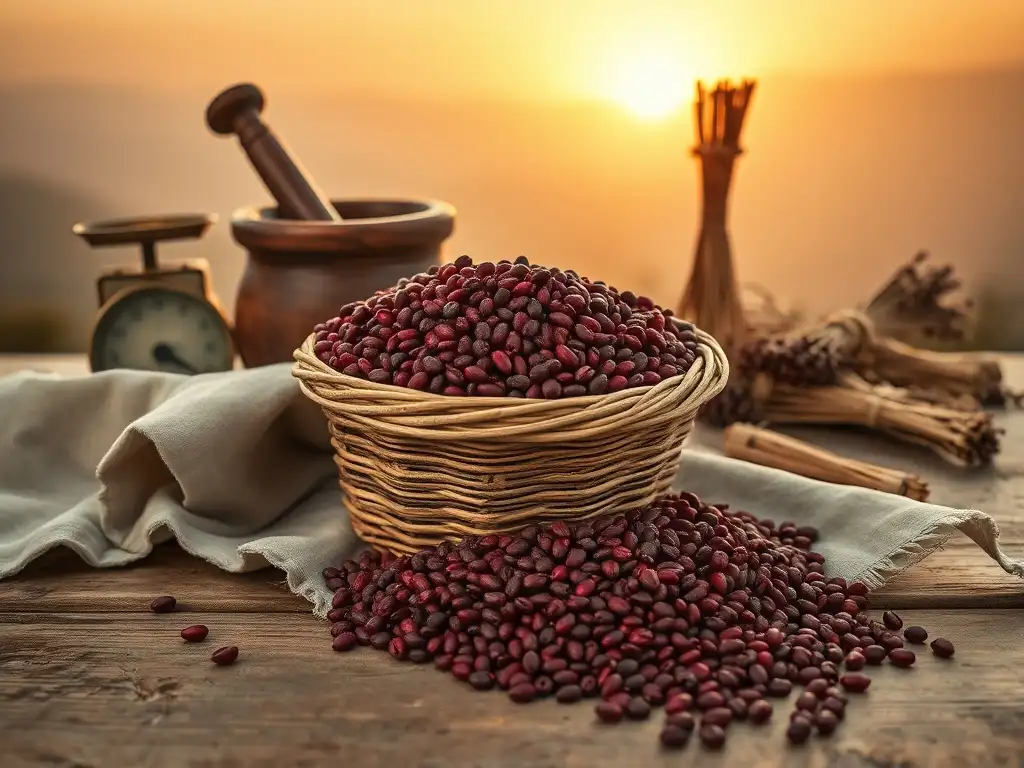
The cultivation of amaranth in the Andes dates back millennia, with evidence suggesting its use predating the Inca Empire. Archaeological findings reveal amaranth's prominent role in religious ceremonies and daily life, reflecting its importance as both a food source and a symbol of cultural significance. Inca society, for instance, utilized amaranth in various forms, from its consumption as a porridge or gruel to its use in the creation of ceremonial cakes and offerings to their deities. The versatility of amaranth allowed for a range of culinary preparations.
It could be popped like popcorn, creating a light and airy snack, or ground into flour for use in breads and other baked goods. Even today, amaranth flour is used to create a variety of Andean dishes, adding a unique nutty flavor and texture to breads, cakes, and even tortillas. The use of amaranth in modern Andean cuisine represents a continuation of age-old traditions, blending ancient techniques with contemporary culinary innovation.
This enduring legacy underscores the resilience and importance of this remarkable grain in the Andean culinary heritage. Recipes using amaranth often feature other traditional Andean ingredients, further emphasizing its place within the larger culinary landscape. The adaptability of amaranth, its nutritional value, and its historical significance continue to make it a cornerstone of Andean cuisine.
The Aji: Adding Spice and Flavor to Traditional Andean Recipes
The aji, a type of chili pepper, forms the backbone of many Andean cuisines, providing a range of flavors from mild and sweet to intensely hot and fiery. The diversity of aji varieties across the Andes is astonishing, with each region boasting its unique cultivars. These peppers weren't just a culinary staple; they held significant cultural and medicinal value. Different aji varieties were used in ceremonies, and their varied strengths were associated with different levels of spiritual power or medicinal properties.
The aji amarillo, a pale yellow chili pepper, is particularly important in Peruvian cuisine, lending a distinctive sweetness and depth to dishes like aji de gallina (chicken in a creamy aji sauce) and causa (layered potato salad). The rocoto, a large, red chili pepper, is another prominent example, often used in stews and sauces, adding a fiery kick to the meal. In contrast, milder varieties provide a subtle warmth and complexity, enriching the flavors of soups, stews, and other dishes.
The cultivation and use of aji peppers demonstrate the nuanced understanding of flavor profiles and culinary techniques developed by the Andean civilizations. The careful selection of aji varieties, based on their heat level and flavor profile, showcases the sophistication of Andean culinary traditions and their enduring influence on modern Andean cuisine. The use of aji peppers is not merely about adding spice; it's about creating a complex tapestry of flavors that defines Andean culinary identity.
From Aji Amarillo to Rocoto: Understanding the Range of Andean Peppers
The vibrant colors and intense flavors of Andean peppers are fundamental to the region's culinary identity. More than just adding heat, these peppers contribute complex layers of sweetness, fruitiness, and smokiness to dishes. The ají amarillo, with its golden hue and subtly sweet yet slightly spicy taste, is perhaps the most iconic. It's a staple in Peruvian cuisine, forming the base of many sauces and stews.
Its versatility shines in dishes like aji de gallina (chicken in a creamy yellow pepper sauce) and causa, a layered potato dish. The rocoto, on the other hand, packs a significantly hotter punch. This large, red pepper is often used in stuffed preparations, adding a fiery kick to otherwise mild ingredients. Its intense flavor requires careful handling, often requiring roasting to mellow its heat before incorporation into dishes.
Beyond these two, the Andean region boasts a staggering diversity of pepper varieties, each with its unique flavor profile. From the milder, sweeter ají panca to the fiery heat of the ají limo, the spectrum of flavors available is truly remarkable, reflecting the diverse climates and agricultural practices across the Andes. Understanding the nuances of these peppers is key to unlocking the authentic taste of Andean cuisine. The careful selection and preparation of these peppers significantly impacts the final flavor profile of the dish, showcasing the deep connection between Andean culinary traditions and agricultural ingenuity.
Other Essential Ingredients: Herbs, Spices and Native Andean Produce
Beyond peppers, a rich tapestry of herbs, spices, and unique Andean produce forms the backbone of the region's diverse cuisine. Potatoes, of course, are paramount. The Andes are the birthplace of the potato, boasting thousands of varieties, each with its own texture, flavor, and suitability for different culinary applications. From the creamy, buttery papa amarilla to the waxy, firm papa negra, the potato's versatility shines in soups, stews, and as a side dish.
Another key ingredient is quinoa, a complete protein and a staple crop for Andean civilizations for millennia. Its nutty flavor and nutritional value make it a cornerstone of many dishes, from hearty salads to side dishes and even desserts. Corn, another ancient Andean crop, appears in various forms, from the sweet kernels of choclo used in traditional stews to the ground cornmeal used to make humitas, savory tamales.
These ingredients, alongside beans (like the ubiquitous pallares), provide the foundational elements of a balanced and nutritious Andean diet. The careful selection and preparation of these ingredients, passed down through generations, reflect not only culinary expertise but also a deep understanding of sustainable farming practices and the unique properties of Andean terroir. The diversity of these ingredients highlights the region's rich agricultural heritage and its profound influence on the development of Andean cuisine.
Exploring the uses of Huacatay, Muña, and other unique Andean flavors
The distinctive aromatic herbs and spices of the Andes add a unique dimension to the region’s cuisine. Huacatay, with its striking dark green leaves and strong, pungent aroma reminiscent of black sesame and tarragon, is a key ingredient in many Peruvian dishes. Its unique flavor profile is often described as earthy, slightly bitter, and intensely aromatic. It's frequently used in sauces, stews, and as a garnish, adding a distinctive depth of flavor that sets Andean cuisine apart.
Muña, another important herb, possesses a refreshing, minty aroma with a slightly camphoraceous undertone. Often used in teas and as a flavoring agent in various dishes, muña is believed to have medicinal properties as well, highlighting the close relationship between food and medicine in Andean traditions. Beyond huacatay and muña, a wide array of other herbs and spices contribute to the rich tapestry of Andean flavors.
These include culantro, with its distinctive citrusy notes, and ají panca, a dried pepper that adds a sweet, smoky depth to sauces and stews. The use of these unique ingredients reflects a deep knowledge of the local flora and fauna and underscores the ingenuity of Andean culinary traditions in harnessing the diverse flavors of the region. The careful combination of these herbs and spices creates complex flavor profiles that are both distinctive and delicious, enriching the culinary landscape of the Andes.
Cooking with Andean Ingredients: A Step-by-Step Guide
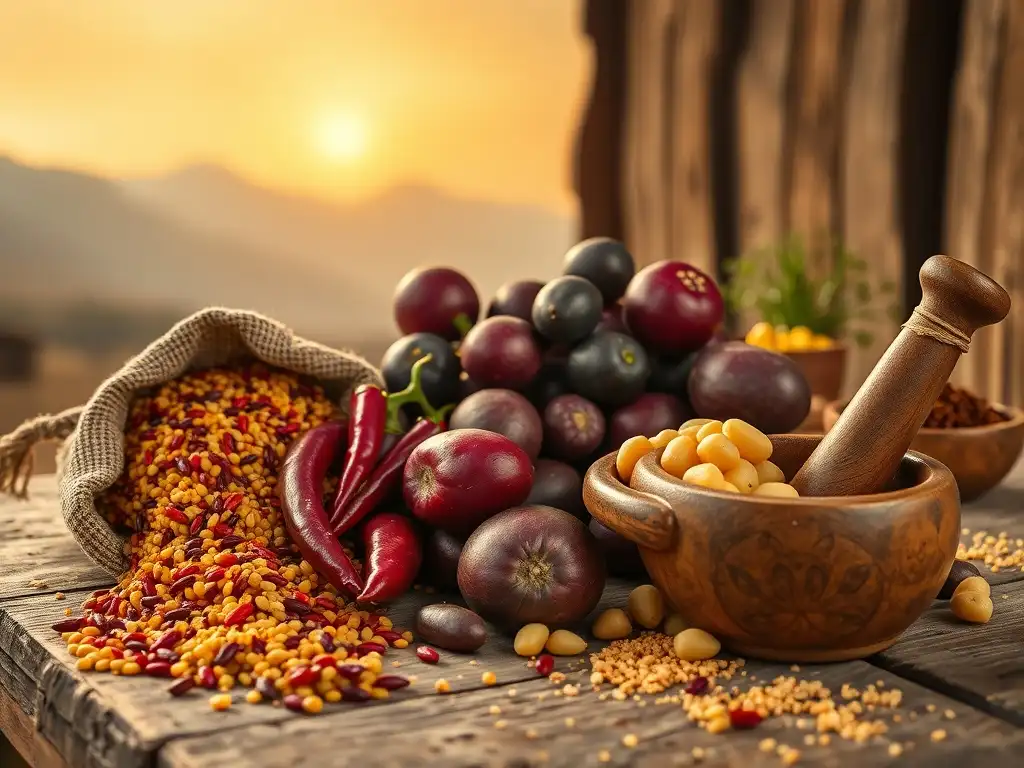
Cooking with Andean ingredients offers a unique culinary journey, filled with vibrant flavors and textures rarely found elsewhere. Successfully navigating this exciting culinary landscape requires understanding the specific characteristics of each ingredient and adapting traditional techniques to modern kitchens. This guide will walk you through the essential steps, providing tips and tricks for achieving authentic Andean flavors in your own home.
First, it's crucial to source high-quality ingredients. While some ingredients might be readily available in specialty stores, others may require more effort to obtain. Look for reputable suppliers who prioritize sustainability and ethical sourcing. This commitment to quality will significantly impact the final taste and texture of your dishes.
Next, familiarize yourself with traditional Andean cooking methods. Many recipes rely on slow cooking techniques, allowing the flavors to meld and deepen over time. Think of pachamanca, the ancient Andean earth oven, as inspiration for your own slow-cooking endeavors. Embrace the use of earthenware pots and pans, which help retain heat and contribute to the overall authenticity of the dish.
Finally, don't be afraid to experiment! Andean cuisine is incredibly diverse, with regional variations adding layers of complexity. Feel free to adapt recipes to your taste preferences, incorporating your own creative flair while remaining respectful of the traditional methods. The key is to understand the fundamental principles of Andean cooking and build upon that foundation. Remember, mastering Andean cuisine is a journey, not a race. Enjoy the process of discovery and savor the delicious results!
How to Prepare a Classic Andean Dish: Locro
Locro, a hearty stew, is a quintessential example of Andean cuisine, showcasing the region's diverse ingredients and rich culinary heritage. This thick, flavorful stew typically features potatoes, corn, beans, and meat (often pork or beef), all simmered together to create a comforting and satisfying meal. Variations abound across the Andes, reflecting regional differences in ingredients and preparation techniques.
Preparing a classic locro involves several key steps. Begin by properly preparing the potatoes, ensuring they are thoroughly cleaned and cut into uniform pieces for even cooking. Similarly, the corn (often choclo, a large-kernel variety) should be cleaned and prepared according to the recipe. Beans, usually white beans, require pre-soaking for optimal texture and flavor. The meat, if used, should be browned before adding it to the stew.
The slow simmering process is crucial to the success of locro. This allows the flavors of the different ingredients to blend seamlessly, creating a harmonious and deeply satisfying taste. The addition of spices, such as ají panca or ají amarillo, adds depth and complexity, further enhancing the overall flavor profile. Finally, a touch of fresh herbs, such as cilantro or parsley, brightens the dish and adds a final layer of freshness. Serving locro with a dollop of fresh cream or cheese is a traditional finishing touch.
Step 1: Gathering Your Andean Ingredients
Before embarking on your Andean culinary adventure, gathering the right ingredients is paramount. This initial step sets the stage for a successful and authentic cooking experience. A core understanding of the key ingredients will significantly impact the final flavor and texture of your dishes. Let's explore some essential Andean ingredients and where to find them:
- Potatoes: The Andes are the birthplace of the potato, with thousands of varieties cultivated across the region. Look for varieties like papa amarilla, papa negra, or papa roja, each offering a unique flavor and texture.
- Corn: Choclo, a large-kernel variety of corn, is a staple in Andean cuisine. It provides a unique sweetness and texture to many dishes.
- Quinoa: This ancient grain is a nutritional powerhouse, packed with protein and essential nutrients. It's versatile and can be used in various dishes, from salads to hearty stews.
- Beans: Various beans, including white beans, black beans, and others, are integral to Andean cuisine. They contribute to the heartiness and nutritional value of many dishes.
- Ají Amarillo and Ají Panca: These Peruvian chili peppers are essential for adding depth and complexity to Andean dishes. They offer a range of flavors, from subtly sweet to intensely spicy.
- Herbs and Spices: Fresh herbs like cilantro and parsley, along with spices like cumin and oregano, add layers of flavor to Andean dishes. Experiment with different combinations to discover your favorite flavor profiles.
Remember, the availability of these ingredients may vary depending on your location. Specialty stores, farmers' markets, and online retailers can be excellent resources for sourcing authentic Andean ingredients. The effort invested in procuring these ingredients will be amply rewarded with the exceptional flavors of your finished dishes.
Step 2: Preparing the Base of the Dish
The foundation of any successful Andean dish lies in its base. This isn't simply a matter of throwing some ingredients in a pot; it's a carefully considered process reflecting centuries of culinary tradition. For many Andean recipes, this base often involves chuño, a freeze-dried potato that adds a unique texture and flavor, or papa, the humble potato in its many varieties. The Andes boast an astonishing diversity of potatoes, each with its own distinctive characteristics—some are mealy, others waxy, some are sweet, and others are subtly earthy.
The choice of potato significantly impacts the final dish. For instance, a creamy, waxy potato might be ideal for a rich stew, while a firmer, mealy potato could be better suited for a hearty, roasted dish. Beyond potatoes, other base ingredients might include quinoa, a complete protein source, or various types of beans, such as the ubiquitous pallares. The preparation of the base often involves meticulous cleaning and chopping of vegetables, a testament to the Andean appreciation for fresh, high-quality ingredients.
Careful attention is paid to ensuring even cooking, often achieved through slow simmering techniques, allowing the flavors to meld and deepen. This step is not rushed; it's a foundational element that determines the overall success of the dish. The careful selection and preparation of the base ingredients are crucial in achieving the authentic taste and texture of Andean cuisine. This foundational step sets the stage for the subsequent layers of flavor.
Step 3: Adding the Flavors: Understanding the Balance of Spices
The magic of Andean cuisine lies in its sophisticated use of spices and herbs. It's not about overpowering the natural flavors of the ingredients; rather, it's about enhancing them, creating a harmonious blend that is both complex and satisfying. Key spices often include ají, a variety of chili peppers ranging from mild to extremely hot, providing a spectrum of heat and flavor. The type of ají used depends on the specific recipe and desired level of spiciness.
Other common spices include huacatay, a unique herb with a distinctive, slightly bitter, and minty flavor, and culantro, which adds a citrusy note. These spices are not simply added haphazardly; their inclusion is carefully measured and timed to maximize their impact. Often, the spices are added in stages, with some incorporated early in the cooking process to allow their flavors to develop fully, while others are reserved for the end to add a fresh burst of aroma and taste. The balance of spices is crucial—too much can overwhelm the dish, while too little can leave it bland.
Mastering this balance is a hallmark of skilled Andean cooks, and it's something that comes with experience and a deep understanding of the interplay of flavors. The art lies in creating a complex tapestry of tastes, where each spice complements the others without overpowering the inherent flavors of the main ingredients. This delicate balance is what makes Andean cuisine so unique and memorable.
Step 4: Simmering and Serving: Presenting Your Authentic Andean Meal
The final stage of preparing an Andean dish often involves a slow simmering process, allowing the flavors to meld and deepen. This patient approach is a reflection of the Andean appreciation for time-honored culinary techniques. The simmering time varies depending on the specific recipe and the ingredients used, but it’s often a lengthy process, allowing the flavors to develop fully and the ingredients to become tender. Once the dish is cooked, the focus shifts to presentation.
While Andean cuisine is renowned for its robust flavors, the presentation is equally important. Many dishes are served in traditional pottery, enhancing the overall dining experience. The careful arrangement of the ingredients on the plate or in the bowl is a reflection of the respect for the food and the artistry involved in its preparation. The final step often involves garnishing the dish with fresh herbs, such as huacatay or cilantro, to add a final touch of freshness and visual appeal.
Serving the dish family-style, encouraging sharing and conversation, is a common practice, reflecting the importance of community and togetherness in Andean culture. The entire process, from the careful selection of ingredients to the thoughtful presentation, is a testament to the rich culinary heritage of the Andes. The final product is not just a meal; it's a celebration of Andean culture, history, and culinary expertise. The experience of sharing a carefully prepared Andean meal is a truly enriching one.
Sourcing Authentic Andean Ingredients: Where to Find Them
Finding authentic Andean ingredients can be a delightful culinary adventure! The key is to understand that sourcing depends heavily on your location. If you live near a significant population of Andean immigrants, you might find specialized markets offering everything from ají amarillo peppers to quinoa and oca. These markets often host vibrant cultural events, offering a chance to connect with the Andean community and learn more about the origins and uses of these unique ingredients. Look for markets that specialize in Latin American or South American products; these are most likely to stock the produce you need.
For those further away from such communities, online retailers specializing in ethnic foods are a valuable resource. These online stores often curate a wide selection of Andean ingredients, often with detailed descriptions and sometimes even recipes. However, remember to check reviews carefully, paying attention to factors like freshness and shipping practices. Remember that some ingredients, particularly fresh herbs and produce, might be harder to find online and will likely have a shorter shelf life.
Finally, don't underestimate the power of your local farmers' markets! While they might not always stock specialized Andean ingredients, you might be surprised by what you discover. Many farmers' markets now feature diverse vendors, and some might even grow heirloom varieties of Andean crops, offering a unique and locally-sourced alternative. Always inquire with the vendors; you might uncover hidden treasures!
Supporting Local Farmers and Ethical Sourcing Practices
Choosing to cook with authentic Andean ingredients offers a unique opportunity to support sustainable agriculture and ethical sourcing practices. When shopping for Andean produce, prioritize purchasing from local farmers and businesses whenever possible. This helps to sustain the livelihoods of those involved in producing these ingredients and encourages the preservation of traditional farming methods. By making conscious choices, we contribute to the long-term viability of Andean agriculture and the preservation of its unique biodiversity.
Look for certifications or labels that indicate sustainable farming practices. Some organizations focus on fair trade and organic certification, ensuring that the ingredients are produced with minimal environmental impact and fair wages for the farmers. Even if specific certifications are unavailable, simply asking vendors about their sourcing practices can make a difference.
A personal connection allows you to understand the journey of your food, ensuring that your support contributes positively to the Andean community. The more we support ethical practices, the more we help preserve the rich culinary heritage of the Andes. This ethical consumption is a cornerstone of appreciating Andean cuisine history ingredients.
Conclusion: Embracing the Flavors and History of Andean Cuisine
Cooking with authentic Andean ingredients is more than just preparing a meal; it's a journey through time and culture. By sourcing your ingredients responsibly, you not only enjoy the vibrant flavors of Andean cuisine but also contribute to the preservation of its rich history and the well-being of the Andean communities. From the earthy taste of quinoa to the fiery kick of ají amarillo, each ingredient tells a story, connecting you to the ancient traditions and modern innovations of Andean culinary arts.
Embrace this journey – explore, experiment, and savor the flavors of a truly unique and rewarding culinary experience. The history and ingredients of Andean cuisine are intricately intertwined, offering a rewarding and delicious exploration for adventurous cooks.
The Enduring Legacy of Andean Ingredients in Modern Cooking
The vibrant tapestry of Andean cuisine, woven from centuries of agricultural innovation and cultural exchange, continues to inspire chefs and home cooks alike. Understanding the historical significance of these ingredients unlocks a deeper appreciation for the dishes themselves, transforming a simple meal into a journey through time. Many ingredients, once staples of ancient Andean diets, remain cornerstones of modern Peruvian, Bolivian, Ecuadorian, and Colombian cuisines.
The enduring popularity of these ingredients speaks to their versatility and exceptional nutritional value. This legacy isn't just about taste; it's about preserving a cultural heritage and celebrating the ingenuity of Andean farmers who, for millennia, cultivated and perfected these remarkable crops.
The impact of Andean ingredients extends beyond national borders. Their unique flavors and textures have captured the attention of international chefs, leading to innovative fusions and reinterpretations of classic Andean dishes. From quinoa bowls gracing menus in New York City to aji amarillo sauces adding a fiery kick in London restaurants, the influence of Andean cuisine is undeniable.
This global recognition not only celebrates the rich culinary heritage of the Andes but also promotes sustainable agriculture and supports Andean communities that continue to cultivate these precious ingredients. The increased demand for Andean ingredients has, in turn, stimulated economic growth in these regions, reinforcing the importance of preserving traditional farming practices.
Furthermore, the modern culinary world is increasingly focused on incorporating "superfoods" into diets, and many Andean ingredients perfectly fit this bill. Quinoa, for example, is widely recognized for its high protein and nutrient content, while other ingredients like amaranth and maca root offer unique health benefits. This renewed interest in the nutritional value of Andean ingredients fuels a cycle of positive impact – not only do these foods nourish individuals, but their cultivation supports biodiversity and contributes to the economic well-being of Andean communities.
The ongoing research into the health benefits of these ingredients further cements their place in modern gastronomy and contributes to a deeper understanding of their importance in both culinary and nutritional contexts. The integration of Andean ingredients into global health and wellness trends is a testament to their enduring appeal and long-term significance.
- Unveiling the Rich History of Andean Cuisine Ingredients
- A Journey Through Time: Exploring the Historical Roots of Andean Foods
- The Foundation of Andean Cooking: Key Ingredients
- Potatoes: More Than Just a Side Dish - A Staple of Andean Cuisine History
- Discovering the Diversity of Andean Potatoes: From Papa Amarilla to Huayro
- Quinoa: The Ancient Grain Powering Andean Diets
- Understanding Quinoa's Nutritional Value and Cooking Versatility
- Corn: Maize and Its Role in the History of Andean Cuisine
- From Choclo to Cancha: Different Varieties and Uses of Andean Corn
- Amaranth: Another Ancient Grain with Modern Benefits
- Exploring Amaranth’s History and Culinary Applications
- The Aji: Adding Spice and Flavor to Traditional Andean Recipes
- From Aji Amarillo to Rocoto: Understanding the Range of Andean Peppers
- Other Essential Ingredients: Herbs, Spices and Native Andean Produce
- Exploring the uses of Huacatay, Muña, and other unique Andean flavors
- Cooking with Andean Ingredients: A Step-by-Step Guide
- How to Prepare a Classic Andean Dish: Locro
- Step 1: Gathering Your Andean Ingredients
- Step 2: Preparing the Base of the Dish
- Step 3: Adding the Flavors: Understanding the Balance of Spices
- Step 4: Simmering and Serving: Presenting Your Authentic Andean Meal
- Sourcing Authentic Andean Ingredients: Where to Find Them
- Supporting Local Farmers and Ethical Sourcing Practices
- Conclusion: Embracing the Flavors and History of Andean Cuisine
- The Enduring Legacy of Andean Ingredients in Modern Cooking
Frequently Asked Questions
What role did agriculture play in Andean civilizations?
Agriculture was fundamental to Andean civilizations. Their mastery of terracing and irrigation allowed them to cultivate diverse crops, forming the basis of their complex societies and sustaining large populations.
What were some staple ingredients in Andean cuisine?
Potatoes, maize (corn), quinoa, beans, and various squashes were staple ingredients. These crops provided essential carbohydrates, proteins, and nutrients, supporting the daily diets of Andean peoples.
How did the environment influence Andean cuisine?
The diverse geography of the Andes, ranging from coastal deserts to high-altitude plains, heavily influenced the ingredients available. This resulted in a wide variety of regional cuisines adapted to the specific environmental conditions.
What are some examples of unique Andean cooking techniques?
Andean cultures developed unique techniques like sun-drying, freeze-drying, and fermentation to preserve and enhance the flavors of their ingredients. These methods ensured food security throughout the year.
How did Andean cuisine evolve over time?
Andean cuisine evolved through a continuous process of innovation and adaptation. The introduction of new ingredients from other regions and the development of new technologies influenced the diversity and complexity of Andean culinary traditions.
Final Reflection: A Legacy of Flavors, A Future of Sustainability
The vibrant tapestry of Andean cuisine, woven from centuries of tradition and ingenuity, remains profoundly relevant today. Its resilience in the face of globalization underscores the enduring power of locally sourced, sustainable food systems, a critical consideration in our increasingly interconnected and environmentally challenged world. The unique ingredients, once confined to the high altitudes of the Andes, are now increasingly recognized for their nutritional value and unique culinary potential, challenging the dominance of homogenized global food systems.
The journey through Andean culinary history reveals not just a collection of ingredients, but a deep-rooted connection to the land and its people. This connection, often overlooked in the rush of modern life, is a vital lesson for us all. The food we eat is a reflection of our culture, our history, and our relationship with the earth.
This simple truth resonates deeply, reminding us of the responsibility we bear in preserving both culinary heritage and environmental sustainability. The ongoing exploration and appreciation of Andean ingredients represent a powerful movement towards a more conscious and ethical approach to food.
Consider the impact of your own food choices. What stories do the ingredients on your plate tell? I invite you to explore the rich world of Andean cuisine, not just as a culinary adventure, but as a journey towards a deeper understanding of our relationship with food, culture, and the environment. By embracing the diversity and sustainability inherent in Andean culinary traditions, we can contribute to a more flavorful and responsible future, one where the legacy of Andean ingredients continues to nourish both body and soul.
Savor the Flavor: Dive Deeper into Andean Ingredients!
Thank you for exploring the fascinating world of Andean ingredients with us! We hope you've gained valuable insights into how these unique and flavorful elements enrich our culinary experiences and connect us to the rich history of Andean civilizations. Now it's time to put your newfound knowledge into practice!
Here are some simple steps to celebrate and incorporate Andean ingredients into your life:
- Try a new recipe: Experiment with quinoa, potatoes, or canihua in your next meal for a delicious and unique culinary experience. Imagine the possibilities!
- Share your culinary creations: Snap a picture of your Andean-inspired dishes and share them on social media! Tag @AndeanCivilizations to showcase your culinary journey and inspire others.
- Join our online community: Connect with fellow food enthusiasts in our forum to exchange tips, recipes, and ideas about Andean cuisine. Let's build a vibrant community of Andean food lovers!
What Andean ingredient are you most excited to use in your cooking this week? We'd love to hear your thoughts!