
The Cosmic Dance: Understanding Andean Astronomy through Natural Phenomena


Step into a world lost to time, yet echoing with celestial whispers. Imagine a civilization where the mountains themselves spoke of the cosmos, where the sun, moon, and stars dictated not just the calendar but the very fabric of life. Unravel the mysteries of Andean astronomy, and discover how these ancient cultures interpreted natural phenomena—from the solstices to the constellations—in ways that will leave you breathless. Prepare to be captivated by the cosmic dance and the profound connection between the Andes and the heavens.
The Andean civilizations, renowned for their sophisticated engineering and intricate social structures, possessed a profound understanding of the cosmos. Their worldview wasn't separate from the natural world; rather, it was intricately woven into the fabric of daily life.
This article delves into the fascinating relationship between Andean astronomy and the observation of natural phenomena, revealing how the movements of celestial bodies, coupled with terrestrial events like solstices and eclipses, shaped their beliefs, rituals, and agricultural practices. We will explore how the Incas, Nazca, Moche, and Tiahuanaco cultures, among others, interpreted these cosmic events, demonstrating a deep connection between the heavens and the earthly realm.
Understanding this intricate relationship provides a crucial key to unlocking the complexities of Andean cosmology and appreciating the sophistication of their astronomical knowledge, far surpassing simple stargazing. This exploration will uncover how the Andes' unique geography and environment played a pivotal role in shaping their astronomical observations and interpretations, demonstrating the remarkable ingenuity of these ancient civilizations in their efforts to understand and interact with their world.
Andean Cosmology and the Observation of the Sky
Andean cosmology wasn't a detached philosophical system; it was a practical guide for life. The sky wasn't just a backdrop but an active participant in the daily lives of Andean peoples. Their understanding of the cosmos was deeply intertwined with their agricultural cycles, social structures, and religious beliefs. The precise observation of celestial events, such as the solstices and equinoxes, dictated the timing of agricultural activities, influencing planting and harvesting schedules.
This meticulous observation wasn't simply a matter of practicality; it was a deeply spiritual act, connecting the earthly realm with the divine. Many sites, such as Machu Picchu, are aligned with specific celestial events, suggesting a deliberate integration of astronomical knowledge into architectural design. The Inca's detailed knowledge of the constellations, meticulously documented through oral traditions and possibly through quipu (knotted string records), further underscores their sophisticated understanding of the night sky.
This wasn't just about predicting weather patterns; it was about understanding their place within a larger cosmic order. The precise alignment of many structures with astronomical events suggests a level of planning and understanding that demonstrates a profound connection between the celestial and terrestrial realms. Evidence suggests that Andean astronomers were able to predict eclipses and other celestial phenomena with remarkable accuracy, further highlighting the sophistication of their astronomical knowledge.
The Importance of Natural Phenomena in Andean Astronomy
Beyond the regular movements of stars and planets, natural phenomena held immense significance in Andean astronomy. Events like eclipses were often interpreted as powerful messages from the gods, requiring specific rituals and offerings to appease celestial forces. The changing seasons, marked by solstices and equinoxes, were not just climatic shifts but pivotal moments in the cosmological calendar, dictating religious festivals and societal activities.
The appearance of comets or unusual meteorological events were also interpreted as significant omens, influencing decision-making at all levels of society. For example, the rainy season, crucial for agriculture, was closely linked to celestial cycles, and rituals were performed to ensure its timely arrival and abundance. The precise timing of these events was crucial, and Andean astronomers developed sophisticated methods to track and predict them, utilizing their intimate knowledge of the local environment and celestial patterns.
This deep understanding of the interconnectedness between celestial and terrestrial events highlights the holistic nature of Andean cosmology, where the natural world and the cosmos were viewed as an inseparable whole. The integration of astronomical observation with practical concerns like agriculture further underscores the pragmatic and spiritual importance of astronomy within Andean societies. The meticulous records, though largely lost to time, likely incorporated observations of these natural phenomena, illustrating their integral role in shaping Andean worldview and practices.
- Andean Cosmology and the Observation of the Sky
- The Importance of Natural Phenomena in Andean Astronomy
- How did Andean civilizations use natural phenomena to understand astronomy?
- What role did mountains play in Andean astronomy?
- Were there specific astronomical instruments used by Andean cultures?
- How did Andean astronomy influence their agriculture and daily life?
- What is the significance of the solstices and equinoxes in Andean culture?
Celestial Events as Markers of Time and Seasons
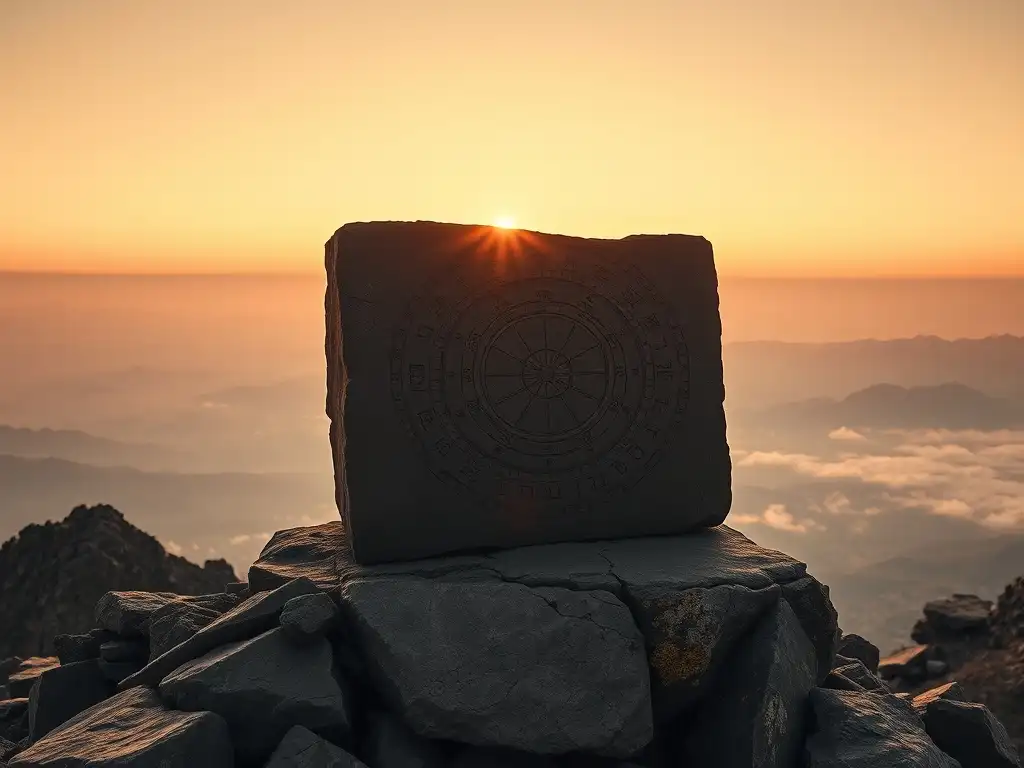
Andean astronomy wasn't merely a theoretical pursuit; it was intricately woven into the fabric of daily life, serving as a practical guide for agricultural cycles, social organization, and religious practices. The precise observation of celestial events provided a sophisticated system for understanding and interacting with the natural world. This deep connection between the cosmos and earthly realities is evidenced by the remarkable precision of Andean calendars and the alignment of many archaeological sites with significant astronomical phenomena.
The study of Andean astronomy natural phenomena reveals a complex system of knowledge built upon careful observation and a profound respect for the cyclical nature of time. This understanding allowed Andean societies to thrive for centuries in challenging environments.
Solstices and Equinoxes: Guiding Andean Agriculture
The solstices and equinoxes – the points in the year when the sun reaches its highest and lowest points in the sky, and when day and night are of equal length – held immense significance for Andean agricultural practices. These events acted as crucial markers, signaling the optimal times for planting and harvesting. For example, the winter solstice (June 21st in the Southern Hemisphere), often associated with darkness and rebirth, likely marked the beginning of the agricultural year in many regions.
Evidence suggests that the Inca, and preceding cultures, meticulously tracked the sun's movements to determine the precise dates for sowing and reaping their crops. This meticulous tracking, combined with their deep understanding of microclimates and varied altitudes, allowed them to cultivate a remarkable diversity of crops, ensuring food security across their vast empire.
The precision of their astronomical observations is reflected in the agricultural success they achieved, demonstrating the practical application of their astronomical knowledge. Specific rituals and ceremonies were likely also associated with these solstices, further emphasizing their cultural and spiritual importance, though precise details of many of these rituals remain subjects of ongoing scholarly investigation.
The Pleiades and Their Significance in Andean Calendars
The Pleiades star cluster, also known as the Seven Sisters, played a pivotal role in Andean calendars and agricultural practices. Its heliacal rising – the first appearance of the Pleiades just before sunrise after a period of invisibility – coincided with the beginning of the rainy season in many Andean regions. This provided a vital signal for farmers to begin planting.
The reappearance of the Pleiades was celebrated with festivals and rituals, emphasizing its importance in the agricultural cycle. Moreover, the Pleiades' position in the sky throughout the year was likely used to track the passage of time and regulate various activities, extending beyond simple agricultural planning. The meticulous observation of the Pleiades' movements demonstrates the sophistication of Andean astronomical knowledge and its integration into the daily lives of Andean communities.
Further research into the specific ways different Andean groups utilized Pleiades observations would enrich our understanding of their diverse calendrical systems. Their importance as a "cosmic clock" can't be understated, given the crucial role of precise timing in their agricultural practices.
Lunar Cycles and Their Influence on Andean Rituals
Beyond solar observations, the lunar cycles significantly influenced Andean rituals and social life. The phases of the moon, particularly the new moon and full moon, were associated with specific ceremonies, festivals, and agricultural practices. The meticulous tracking of lunar cycles suggests a sophisticated understanding of the moon's influence on the natural world.
For example, certain agricultural tasks might have been planned around the phases of the moon, believing that the lunar cycles affected plant growth and fertility. Additionally, many Andean festivals and religious ceremonies were tied to specific lunar phases, reflecting the moon’s profound symbolic importance. While specific details vary across different Andean cultures and regions, the consistent presence of lunar observations in Andean societies underscores its pervasive influence on their worldview and daily life.
🌕 The absence of comprehensive written records necessitates further archaeological and ethnographic research to fully understand the nuanced relationship between lunar cycles and Andean rituals. However, the existing evidence clearly indicates a significant connection between the moon's phases and the temporal organization of Andean life.
Natural Phenomena as Astronomical Indicators
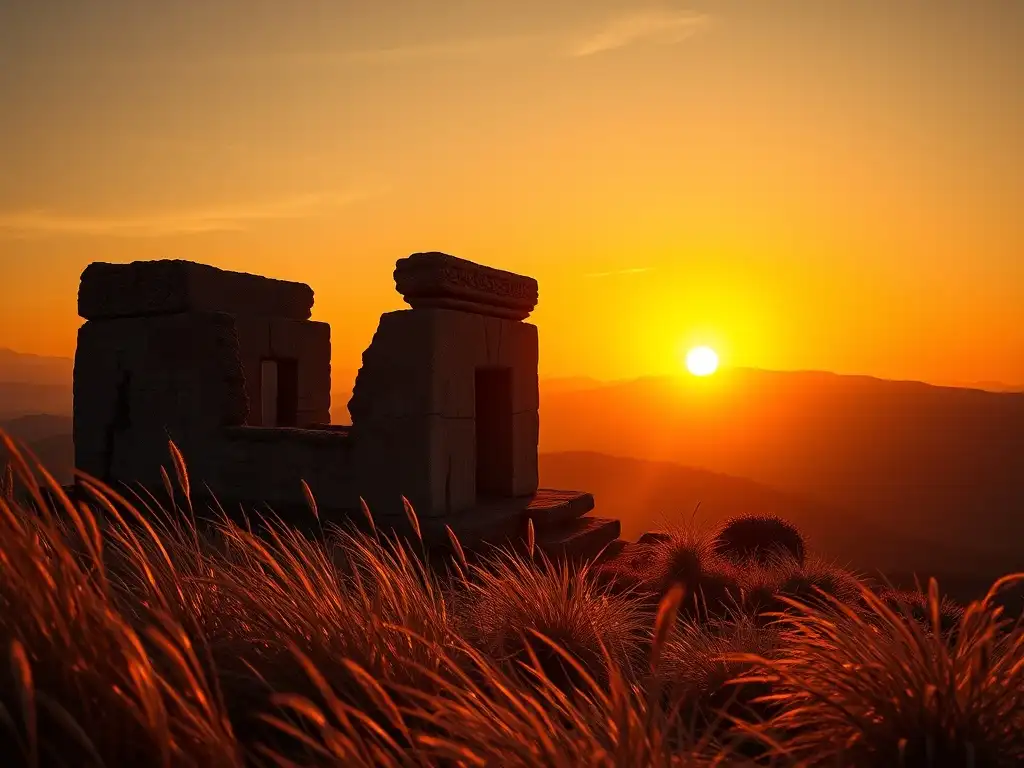
The Andean civilizations, renowned for their sophisticated understanding of the cosmos, didn't rely solely on elaborate instruments for astronomical observation. Instead, they ingeniously integrated natural phenomena into their celestial calendar, using readily available features of the landscape as indicators of astronomical events. This intimate connection between the terrestrial and celestial realms is a hallmark of Andean astronomy, demonstrating a deep understanding of the interplay between the Earth and the heavens. Their observations weren't confined to abstract calculations; they were grounded in the tangible world, making astronomy an integral part of daily life and religious practice.
Understanding this nuanced approach is key to appreciating the depth and complexity of Andean astronomical knowledge. The careful observation of seemingly commonplace events provided crucial information for agricultural planning, religious ceremonies, and the overall societal structure. This practical application of astronomical knowledge highlights the seamless integration of astronomy into the fabric of Andean life.
Mountain Peaks as Astronomical Observatories
Andean mountain peaks served as natural observatories, their imposing silhouettes providing a framework for tracking the sun's movements throughout the year. Specific peaks aligned with the solstices and equinoxes, marking the crucial turning points in the agricultural cycle. For example, the precise alignment of certain peaks with the rising or setting sun during the winter solstice indicated the start of the planting season.
This wasn't merely a coincidence; archaeological evidence suggests that the placement of settlements and the orientation of sacred structures were carefully chosen to maximize the visibility of these celestial events. The Incas, for instance, meticulously planned their agricultural practices around the solstices and equinoxes, using the mountain peaks as natural markers to determine the optimal planting and harvesting times. The precision of these alignments demonstrates a profound understanding of astronomical principles and a remarkable ability to integrate them into the daily rhythm of life.
Further research is needed to fully understand the specific astronomical significance of certain mountain peaks for different Andean cultures. [Specific data on peak alignments for different cultures pending].
The Sun's Path and Shadow Play in Sacred Sites
The sun's daily and annual journey across the sky was meticulously observed and interpreted in many Andean sacred sites. The interplay of sunlight and shadow within these structures served as a sophisticated astronomical calendar. Many temples and ceremonial centers were designed to exploit this phenomenon.
For instance, the changing length and direction of shadows cast by specific architectural features, such as gnomons or strategically placed stones, marked the passage of time and the changing seasons. The precise alignment of structures and the careful positioning of openings allowed for the observation of specific solar events, providing crucial information for agricultural planning and ritual practices. The intricate design of these structures suggests a deep understanding of geometry and a sophisticated knowledge of the sun's movements.
The precision of shadow play in sites like Machu Picchu suggests a level of astronomical sophistication comparable to that of other ancient civilizations. Detailed analysis of the architectural features in these sites continues to reveal new insights into the astronomical knowledge and practices of the Andean cultures. [Specific examples of shadow play in different sacred sites pending].
The Milky Way and its Representation in Andean Mythology
The Milky Way held a prominent place in Andean cosmology, often depicted as a celestial river or a path connecting the earthly and spiritual realms. Its visibility throughout the year provided a constant reference point for celestial navigation and the development of their cosmic calendar. In Andean mythology, the Milky Way was often associated with deities and ancestral spirits, representing a conduit between the living and the dead.
Its presence in the night sky served as a powerful reminder of the cyclical nature of life, death, and rebirth. Many constellations and celestial figures were identified within the Milky Way, each possessing unique symbolic significance. The representations of the Milky Way in Andean art and mythology reflect a deep-seated connection between the celestial and terrestrial realms.
The Milky Way’s significance in Andean astronomy is further emphasized by its prominent role in various ceremonies and rituals, highlighting its importance in their worldview. Further research is required to fully catalogue and interpret the various representations of the Milky Way in different Andean cultures. [Specific examples of Milky Way representations in art and mythology pending].
Interpreting the Sky: Andean Constellations and Star Lore
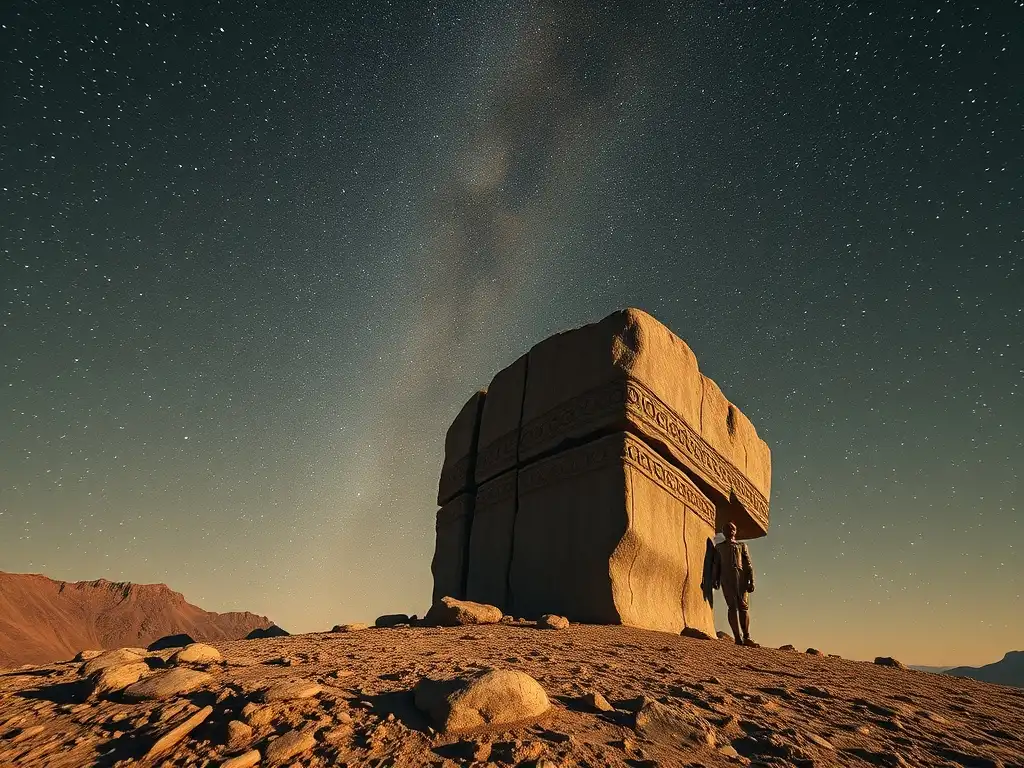
Andean astronomy, unlike its Western counterpart, wasn't solely focused on charting the precise positions of stars and planets. Instead, it was deeply intertwined with the understanding of natural phenomena and their impact on daily life, particularly agriculture and societal organization. The Andean worldview saw the cosmos as a living, dynamic entity, with celestial bodies actively influencing terrestrial events.
This section delves into the unique characteristics of Andean constellations and their profound significance within this cosmological framework. Understanding Andean astronomy requires moving beyond a purely positional approach and embracing the holistic, interconnected perspective of Andean cosmology, focusing on the Andean astronomy natural phenomena relationship.
Andean Constellations Distinct from Western Astronomy
Western astronomy traditionally identifies constellations based on the outlines formed by bright stars. Andean constellations, however, often incorporated darker areas of the sky, associating them with specific animals, spirits, or cosmological concepts. This approach highlights a keen observational skill, recognizing patterns not just in luminosity but also in the relative darkness and distribution of stars. For example, the dark patches in the Milky Way were not simply empty space; they were often interpreted as significant entities within the Andean celestial narrative.
Unlike the fixed and static constellations of Western tradition, the Andean constellations were often dynamic, changing shape and significance depending on the season and the observer's location in the Andes. This dynamic interpretation reflects the fluidity and interconnectedness inherent in the Andean worldview. The understanding of the Andean astronomy natural phenomena connection relied heavily on these dynamic constellations.
The Significance of Dark Constellations
The incorporation of dark constellations in Andean astronomy is particularly significant. These weren't simply "negative space"; they held powerful symbolic meaning, representing such things as powerful animals (like the puma or the condor), celestial rivers, or even the paths of spirits. For instance, the dark rifts in the Milky Way might represent the paths of powerful spirits traveling between the earthly and celestial realms. The use of dark constellations demonstrates a sophisticated understanding of the night sky beyond simply identifying bright stars.
It reveals a subtle observation of subtle variations in brightness and darkness, leading to a richer, more nuanced cosmological interpretation. This unique aspect of Andean astronomy natural phenomena is crucial for understanding the Andean worldview. The interpretation of these dark regions was often tied to specific seasons and agricultural cycles, further emphasizing the practical application of this celestial knowledge.
The Andean Zodiac and its Relation to Agriculture
The Andean zodiac, unlike the familiar Western zodiac, wasn't based on a fixed 12-sign system. Instead, it was a more fluid and flexible system, often incorporating constellations specific to the region and its unique environmental conditions. The placement of constellations in relation to the sun's path throughout the year held significant importance, directly correlating with the agricultural calendar.
For example, the appearance of certain constellations signaled the optimal time for planting, harvesting, or other crucial agricultural activities. This direct link between celestial events and agricultural practices underscores the practical and vital role of astronomy in Andean society. The Andean astronomy natural phenomena relationship was thus not merely a matter of philosophical contemplation but a cornerstone of their way of life.
The precise details of various Andean zodiacs and their associated agricultural practices vary across different Andean cultures. However, the overarching principle—the use of celestial observation to guide agricultural activities—remained consistent. This highlights the close relationship between the Andean people and their environment, emphasizing their deep understanding of the natural world and their ability to integrate celestial knowledge into their daily lives.
Further research is needed to fully document the diversity of Andean zodiac systems and their specific regional variations. However, the existing evidence clearly demonstrates the profound influence of Andean astronomy natural phenomena on the agricultural practices and overall societal structure of Andean civilizations.
The Practical Application of Andean Astronomy
Andean astronomy wasn't merely a contemplative pursuit; it was deeply intertwined with the practicalities of daily life. The intricate understanding of celestial movements allowed Andean societies to predict crucial events, influencing their agricultural cycles, navigation, and even social structures. This section explores the tangible applications of their astronomical knowledge, demonstrating its profound impact on their way of life.
The careful observation of natural phenomena, combined with a sophisticated understanding of the cosmos, provided a framework for survival and prosperity in a challenging environment. This practical application of Andean astronomy, deeply rooted in their relationship with the natural world, showcases their remarkable ingenuity and adaptability. The synergy between celestial observation and earthly needs underscores the holistic nature of their cosmological worldview.
Predicting Weather Patterns through Celestial Observation
The Andean peoples developed sophisticated methods for predicting weather patterns based on their meticulous observations of the stars and other celestial bodies. For instance, the appearance of specific constellations at certain times of the year often correlated with the onset of rainy seasons or dry spells. This knowledge was crucial for planning agricultural activities and managing water resources.
Detailed records, though often passed down orally through generations, suggest a deep understanding of the relationship between celestial cycles and meteorological events. Evidence from archaeological sites indicates the existence of sophisticated calendars and instruments used to track these patterns. For example, the precise alignment of certain structures with specific celestial events supports the hypothesis that these sites served as observatories for long-term weather forecasting.
The accuracy of these predictions, honed over centuries of observation and refined through collective knowledge, highlights the precision of their astronomical expertise and its vital role in ensuring community survival. Variations in the timing and intensity of the phenomena were often observed and integrated into their predictive models, reflecting a nuanced understanding of the complexities of Andean weather systems.
Using Astronomy for Agricultural Planning and Harvesting
Andean agriculture was intimately linked to celestial events. The timing of planting, cultivating, and harvesting was carefully determined by observing the positions of the sun, moon, and stars. The precise knowledge of the solstices and equinoxes was essential for determining the optimal times for planting different crops.
Different crops had different requirements, and the Andean farmers knew exactly when to plant each one based on their understanding of the astronomical cycles. This precision ensured maximum yields and minimized crop failure. For example, the planting of potatoes, a staple crop, was often timed to coincide with specific constellations, ensuring optimal conditions for growth.
Archaeological evidence suggests that Andean communities used various tools and techniques to track the sun's path and other celestial phenomena, further supporting this close relationship between astronomy and agriculture. The success of their agricultural practices, which fed large populations for centuries, stood as a testament to their mastery of this intricate system. The integration of astronomical knowledge into their agricultural techniques demonstrates a remarkable level of sophistication and foresight.
In the challenging terrain of the Andes, accurate navigation was paramount. The Andean people utilized their knowledge of the stars and constellations, combined with their understanding of natural landmarks, to navigate vast distances. They developed intricate systems of trails and pathways, often traversing treacherous mountain passes and dense forests.
Their ability to navigate effectively was crucial for trade, communication between communities, and the movement of livestock. The constellations served as celestial guides, providing fixed points of reference in the night sky. The combination of astronomical observation and geographical knowledge showcases their profound understanding of both the celestial and terrestrial environments.
Evidence suggests the use of sophisticated techniques, such as observing the position of stars in relation to mountain peaks, to determine direction and location. This intricate combination of astronomical and geographical knowledge contributed to the successful establishment and maintenance of their extensive network of settlements and trade routes throughout the Andes mountains. The mastery of this complex navigational system underscores the importance of astronomy in shaping their social and economic landscape.
The Legacy of Andean Astronomical Knowledge
The legacy of Andean astronomy is not merely a collection of ancient observations; it's a living tradition woven into the fabric of Andean societies. For millennia, celestial events profoundly shaped their worldview, agriculture, social structures, and spiritual practices. Their deep understanding of the cosmos wasn't confined to academic pursuits; it permeated everyday life.
This intricate relationship between Andean people and the heavens is evident in their sophisticated calendar systems, precise architectural alignments, and rich mythology. The meticulous tracking of solstices and equinoxes, for instance, directly influenced agricultural cycles, ensuring optimal planting and harvesting times. This intimate knowledge allowed them to predict weather patterns, plan community events, and navigate vast territories with remarkable accuracy.
The legacy is not merely historical; it continues to inform contemporary Andean communities and their connection to their ancestral past. The intricate interplay between Andean astronomy and natural phenomena is a testament to their profound understanding of the cosmos and its influence on their lives. This intricate knowledge system, passed down through generations, remains a powerful symbol of cultural resilience and continuity.
The Preservation of Andean Astronomy in Modern Communities
Despite centuries of colonial influence and societal shifts, Andean astronomy persists in many communities. Oral traditions, meticulously preserved and passed down through generations, continue to transmit crucial astronomical knowledge. Elderly community members often act as keepers of this knowledge, sharing their wisdom through storytelling, rituals, and practical applications.
For example, in certain communities, the timing of religious festivals and agricultural activities still relies heavily on observations of celestial bodies. This active preservation isn't solely a matter of tradition; it's a vital part of maintaining cultural identity and ensuring the continuity of their ancestral heritage. The survival of these traditions highlights the resilience of Andean culture and its enduring connection to the cosmos.
The continued observation and interpretation of celestial events are not just nostalgic practices; they are living expressions of a profound relationship between Andean communities and their environment. We can see the direct influence of this knowledge in modern agricultural techniques and even in some community planning decisions. Further research is needed to fully document the diversity of these practices across different Andean communities and to understand their evolving role in contemporary society.
The Connection Between Andean Astronomy and Cultural Identity
Andean astronomy is inextricably linked to the cultural identity of Andean peoples. The constellations, celestial events, and associated myths form a rich tapestry of beliefs, values, and social structures. The understanding of the cosmos isn't just scientific; it is deeply spiritual and symbolic, shaping their worldview and their relationship with the natural world.
For example, specific constellations were associated with deities, ancestors, and natural phenomena, creating a complex cosmology that integrated the celestial and terrestrial realms. This profound interconnectedness is reflected in their art, architecture, and religious practices. The precise alignments of structures like Machu Picchu with celestial events further demonstrate the centrality of astronomy in their cultural identity.
The ongoing relevance of Andean astronomy is evident in contemporary expressions of Andean identity, where celestial events continue to play a significant role in cultural celebrations and spiritual practices. Understanding this connection is crucial for appreciating the richness and complexity of Andean culture and its enduring legacy. The preservation and study of Andean astronomy are therefore essential for safeguarding Andean cultural heritage and promoting intercultural understanding.
The Ongoing Study of Andean Astronomy and its Relevance
The study of Andean astronomy continues to reveal fascinating insights into the sophistication of their knowledge and its enduring relevance. Researchers use a variety of methods, including archaeological investigations, ethnoastronomical studies, and the analysis of ancient texts and oral traditions, to piece together a comprehensive understanding of their astronomical practices. Recent studies have revealed the accuracy of their calendar systems and the precision of their architectural alignments, highlighting their advanced understanding of celestial mechanics.
This ongoing research not only expands our understanding of Andean civilizations but also offers valuable lessons for contemporary astronomy and cultural preservation. The insights gained from studying Andean astronomy can inform our understanding of how different cultures have interacted with and interpreted the cosmos. Furthermore, the study of Andean astronomy highlights the importance of preserving and valuing indigenous knowledge systems.
This research is crucial for promoting intercultural dialogue and fostering a deeper appreciation for the diverse ways humans have engaged with the universe. The continued study of Andean astronomy and natural phenomena promises to further enrich our understanding of this fascinating aspect of Andean culture and its enduring legacy. The insights gleaned from this research will undoubtedly contribute to a more holistic and nuanced understanding of human history and our relationship with the cosmos.
Frequently Asked Questions
How did Andean civilizations use natural phenomena to understand astronomy?
Andean civilizations closely observed natural events like solstices and eclipses. They integrated these observations into their understanding of the cosmos, using them to develop sophisticated calendars and rituals. This connection between the sky and earth was fundamental to their worldview.
What role did mountains play in Andean astronomy?
Mountains were considered sacred sites, often linked to specific deities and celestial bodies. Their peaks served as points of reference for astronomical observations, aiding in tracking the sun's movements and predicting seasonal changes. Apus, or mountain spirits, were integral to Andean cosmology.
Were there specific astronomical instruments used by Andean cultures?
While not as technologically advanced as some other civilizations, the Andes utilized observational techniques and built structures aligned with astronomical events. Examples include the observatories found in Machu Picchu and other sites, demonstrating sophisticated understanding of celestial movements.
How did Andean astronomy influence their agriculture and daily life?
Agricultural practices were deeply intertwined with astronomical knowledge. By carefully observing the stars and sun, they could predict optimal planting and harvesting times. This precise agricultural calendar was essential for their survival and prosperity.
What is the significance of the solstices and equinoxes in Andean culture?
The solstices and equinoxes marked crucial moments in the agricultural cycle and held significant religious importance. Celebrations and rituals were performed to honor the sun and ensure a bountiful harvest, reflecting a deep connection between the cosmic cycles and daily life.
Final Reflection: Echoes of the Cosmos in the Andes
The intricate relationship between Andean cultures and the celestial sphere, as explored in this article, remains profoundly relevant today. We are witnessing a renewed global interest in indigenous knowledge systems, recognizing their deep wisdom and sustainable practices. Understanding Andean astronomy isn't just about charting stars; it's about appreciating a holistic worldview that connects humanity intimately with the natural world.
The enduring legacy of Andean astronomical practices continues to shape our understanding of the cosmos and our place within it. Their sophisticated observations, passed down through generations, offer a powerful counterpoint to the often-reductionist approaches of modern science. The universe is not outside of us. It is within us.
This sentiment, though not directly from an Andean source, perfectly encapsulates the profound interconnectedness at the heart of their cosmology. Their deep respect for the environment, informed by celestial cycles, offers valuable lessons for our own time, as we grapple with ecological challenges.
Consider the profound implications of this knowledge. How can we integrate the wisdom of Andean astronomy into our own lives? How can we cultivate a deeper appreciation for the natural world and our place within the cosmic dance? I invite you to look up at the night sky, not just as a passive observer, but as an active participant in the ongoing conversation between humanity and the cosmos, a conversation that began millennia ago in the breathtaking landscapes of the Andes.
Uncover the Stars: Illuminate Your Connection to Andean Astronomy!
Thank you for exploring the wonders of Andean astronomy with us! By learning about the intricate relationship between natural phenomena and the cosmos, you've opened yourself to a deeper understanding of ancient civilizations and their profound celestial wisdom. Let's continue to explore this fascinating connection.
Here are some engaging ways to further immerse yourself in the magic of Andean astronomy:
- Attend a Stargazing Event: Connect with local astronomy clubs or groups specializing in Andean constellations to experience the night sky in a whole new way.
- Share Your Knowledge: Discuss your newfound appreciation of Andean astronomy with friends and family, inspiring them to look to the stars and perhaps even sparking a shared celestial viewing experience.
- Continue Your Exploration: Expand your knowledge by delving into books, documentaries, and other resources that explore Andean culture and its rich relationship with the cosmos.
What aspect of Andean astronomy has captivated you most, and how will you continue to explore this fascinating field?