
The Andean Zodiac: How the Stars Guided Ancient Civilizations


Unravel the mysteries of the Andes! Journey beyond the breathtaking landscapes and discover a world shaped by the stars. For centuries, the Andean civilizations meticulously charted the heavens, creating a complex Andean civilizations star calendar that governed their lives. Prepare to be amazed as we delve into the celestial secrets of these ancient cultures, revealing how their understanding of the cosmos shaped their beliefs, rituals, and very existence. Dare to explore the enigmatic legacy of the Andean zodiac?
The vast Andean region, home to a tapestry of ancient civilizations like the Incas, Moche, Nazca, and Tiahuanaco, wasn't just shaped by its dramatic landscapes but also by a deep connection to the cosmos. Unlike the familiar Western zodiac, the Andean understanding of the celestial sphere was interwoven with their agricultural cycles, social structures, and spiritual beliefs. This article delves into the fascinating world of the Andean "star calendar," exploring how these civilizations meticulously observed the stars, planets, and constellations, integrating celestial events into their daily lives and worldview.
We will uncover the evidence suggesting a sophisticated understanding of astronomy far surpassing a simple calendar, revealing its profound impact on their societal organization and cosmological beliefs. Understanding the Andean approach to time and space through their celestial observations offers a unique perspective on the ingenuity and complexity of these remarkable cultures.
This exploration will illuminate how the seemingly distant stars played a pivotal role in shaping the lives and legacies of the Andean civilizations, solidifying their place in history as astute observers and interpreters of the night sky. The keyword "Andean civilizations star calendar" will be explored throughout this article, revealing its nuances and significance.
Evidence of Celestial Observation in Andean Cultures
Archaeological evidence strongly suggests a sophisticated level of astronomical knowledge among Andean civilizations. Numerous sites across the region feature architectural alignments that correspond to significant celestial events, such as solstices and equinoxes.
For example, [Specific site example and alignment details pending] demonstrates a precise alignment with the rising sun during the winter solstice, indicating a deliberate design intended to mark this crucial point in the agricultural calendar. Furthermore, the discovery of [Specific artifact example pending], depicting celestial bodies and constellations, provides tangible proof of their interest in astronomy.
This wasn't merely casual observation; rather, it points to a systematic study of the heavens, potentially used for predicting seasonal changes, planning agricultural activities, and even guiding religious ceremonies. The meticulous nature of these alignments and artifacts highlights the importance of celestial events in the lives of these Andean communities, underscoring their deep understanding of the cosmos and its influence on their world.
The Role of the Stars in Andean Agriculture
The Andean civilizations were heavily reliant on agriculture. Their survival depended on the precise timing of planting and harvesting, making accurate predictions of seasonal changes paramount. The Andean star calendar provided this crucial information. By observing the movements of specific stars and constellations, they could predict the onset of rainy seasons, the ideal times for planting various crops, and the appropriate periods for harvesting.
[Specific examples of crops and associated constellations pending]. This detailed knowledge allowed them to optimize their agricultural practices, ensuring food security and contributing to the stability and prosperity of their societies. The connection between celestial observation and agricultural success reveals the practical application of their astronomical knowledge, highlighting its integral role in their everyday lives. This sophisticated system demonstrates a deep understanding of the interplay between the celestial and terrestrial worlds.
The Andean Star Calendar and Religious Practices
The Andean star calendar wasn't merely a practical tool; it was deeply intertwined with their religious beliefs and practices. Many Andean cultures viewed the cosmos as a sacred space, populated by deities and spirits. Celestial events were seen as manifestations of divine power, influencing both the natural world and the lives of individuals. [Specific examples of religious ceremonies and their celestial connections pending].
The precise timing of these rituals, often dictated by the positions of specific stars or constellations, underscores the importance of the heavens in their spiritual lives. This connection between astronomy and religion highlights the holistic nature of their worldview, where the celestial and terrestrial spheres were inextricably linked. The calendar wasn't just a guide for practical matters; it was a sacred instrument connecting the earthly realm to the divine.
Interpreting the Andean Cosmological View Through the Stars
The Andean understanding of the cosmos offers a unique perspective on their worldview. Unlike the linear concept of time prevalent in many cultures, the Andean view likely incorporated a cyclical understanding of time, reflecting the repetitive patterns observed in the celestial sphere. The rising and setting of the sun, the phases of the moon, and the movements of stars all reinforced this cyclical perception. This cyclical view is reflected in their art, architecture, and religious practices.
The intricate designs found on textiles and ceramics often depict celestial bodies and constellations, suggesting a symbolic representation of their cosmological beliefs. By studying these representations, we gain valuable insights into their worldview and the profound impact that the stars had on their understanding of the universe and their place within it. The study of the Andean star calendar, therefore, offers a key to unlock a complex and fascinating cosmological system.
- Evidence of Celestial Observation in Andean Cultures
- The Role of the Stars in Andean Agriculture
- The Andean Star Calendar and Religious Practices
- Interpreting the Andean Cosmological View Through the Stars
Andean Civilizations and the Celestial Sphere
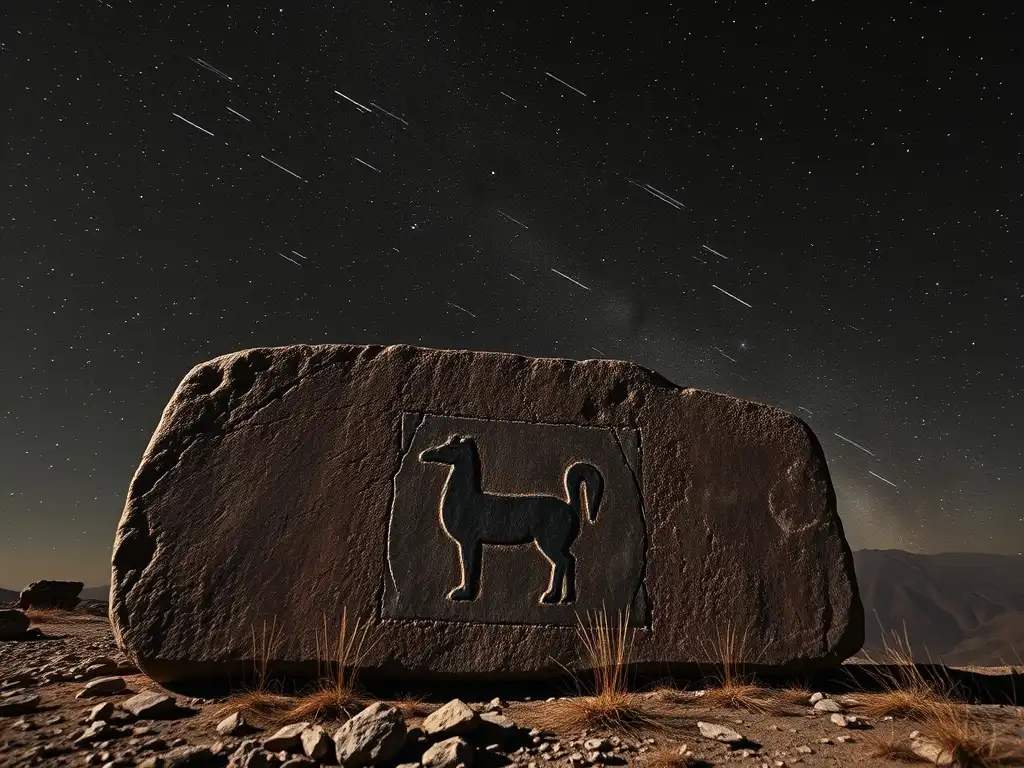
This section delves into the intricate relationship between Andean civilizations and their understanding of the celestial sphere. Unlike the familiar Western zodiac, the Andean approach to celestial observation wasn't solely focused on predicting individual destinies. Instead, it was deeply intertwined with agricultural cycles, social organization, and religious practices, forming a crucial aspect of their worldview.
The Andean star calendar wasn't a static system; rather, it was a dynamic and evolving interpretation of the cosmos, reflecting the unique perspectives of different Andean cultures. Understanding this nuanced perspective requires moving beyond simplistic comparisons to other astronomical systems and embracing the complexities of Andean cosmovision. The precise methods and specific constellations used varied significantly across different Andean groups and periods, making it a rich and multifaceted field of study.
Further research is needed to fully understand the subtle variations in stargazing practices across the diverse Andean landscape. For example, the precise astronomical knowledge possessed by the Nazca culture, as evidenced by their geoglyphs, remains a subject of ongoing debate and scholarly investigation. This underscores the need for a more holistic and culturally sensitive approach to interpreting the "Andean civilizations star calendar."
Understanding the Andean Cosmovision
The Andean cosmovision, a term encompassing their worldview, saw the cosmos as a living, interconnected entity. The celestial sphere wasn't a separate realm but rather an integral part of the earthly world, influencing and interacting with it constantly. Mountains, rivers, and the sky were all considered sacred and interconnected, forming a unified system. This holistic perspective is crucial to understanding the Andean approach to astronomy.
Their observations weren't merely scientific; they were deeply spiritual, reflecting a belief in the interconnectedness of all things. The movements of celestial bodies were interpreted as messages from the gods, influencing agricultural practices, political decisions, and social structures. Unlike Western astrological traditions focused on individual horoscopes, the Andean star calendar served a collective purpose, guiding the community as a whole. Think of it as a shared, living calendar that dictated the rhythm of life for entire societies.
The precise details of this cosmovision are still being uncovered by researchers, as many aspects were transmitted orally and not preserved in written documents. However, archaeological findings and anthropological studies are gradually revealing a richer understanding of this complex system. The discovery of new archaeological sites and the ongoing translation of ancient texts continue to enrich our knowledge of Andean cosmology and its significance.
The Importance of Astronomy in Andean Societies
Astronomy played a vital role in the daily lives of Andean societies, impacting various aspects of their existence. Accurate celestial observations were essential for determining the optimal times for planting and harvesting crops, crucial for their agricultural-based economy. The "Andean civilizations star calendar" directly influenced agricultural practices, with specific constellations signaling the beginning and end of planting seasons, as well as the timing of festivals and ceremonies. This demonstrates the profound connection between astronomy and sustenance, highlighting the practical application of celestial knowledge. Furthermore, astronomy also played a significant role in social and political organization.
The elite often held a privileged position as interpreters of celestial events, wielding considerable power and influence within their communities. The ability to predict celestial phenomena was a source of authority and legitimacy, solidifying their leadership roles. The Inca, for example, utilized astronomical knowledge to maintain their vast empire, coordinating activities across different regions. This underscores the critical role of astronomy not just in agriculture but also in governance and social control.
Finally, astronomy was intrinsically linked to religious beliefs and practices. Celestial events were often interpreted as divine messages or omens, shaping religious rituals and ceremonies. Many festivals were timed to coincide with specific astronomical events, reinforcing the spiritual significance of the sky. The intricate relationship between astronomy, agriculture, governance, and religion demonstrates the pervasive influence of the "Andean civilizations star calendar" on Andean societies.
The Andean Star Calendar: A Unique System
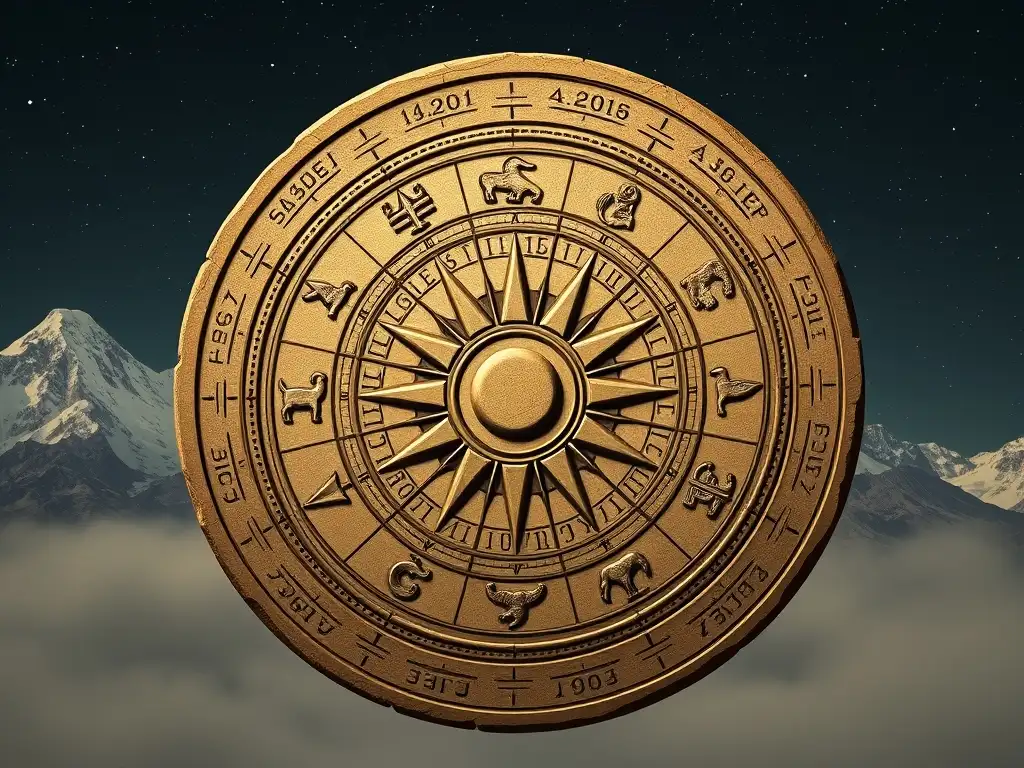
The Andean star calendar, unlike its Western counterpart, wasn't solely focused on predicting individual destinies. Instead, it served as a crucial tool for agricultural planning, religious ceremonies, and understanding the cyclical nature of time within the Andean worldview. This intricate system, developed and refined over centuries by various Andean civilizations, including the Inca, Moche, Nazca, and Tiahuanaco, intricately linked celestial observations with terrestrial events.
Its complexity stemmed from a deep understanding of the movements of the sun, moon, and stars, which were not merely celestial bodies, but active participants in the cosmos, influencing the lives of Andean peoples. Unlike the Western zodiac's emphasis on individual horoscopes, the Andean star calendar focused on the collective, emphasizing the interconnectedness of humanity and nature. The concept of time itself was profoundly different; it wasn't a linear progression but a cyclical flow mirroring the rhythms of the agricultural year and the celestial cycles.
This holistic approach profoundly impacted the Andean civilizations' social structures, religious practices, and agricultural techniques. The precision of their observations and the sophistication of their calendar system are a testament to their advanced astronomical knowledge and understanding of the natural world. Further research is needed to fully understand the nuances of regional variations within the Andean star calendar, as evidence suggests that each civilization may have had unique interpretations and applications of the celestial patterns.
Key Differences from Western Zodiacs
The Andean star calendar significantly differs from the Western zodiac in several key aspects. Firstly, while the Western zodiac primarily focuses on individual astrological signs and their supposed influence on personality and destiny, the Andean system primarily served a practical, community-oriented purpose. It was a tool for regulating agricultural activities, predicting weather patterns, and organizing communal rituals. Secondly, the constellations themselves held different meanings.
While the Western zodiac utilizes twelve constellations along the ecliptic, the Andean system incorporated a broader range of celestial formations, often with specific mythological and religious significance tied to the local environment and agricultural cycles. For instance, certain constellations might have been associated with specific crops or deities, signifying auspicious times for planting or harvesting. Thirdly, the timekeeping system itself was fundamentally different. The Western zodiac utilizes a solar year divided into twelve months, while the Andean system incorporated both solar and lunar cycles, resulting in a more complex and nuanced calendar.
This often involved intricate observations of the heliacal risings and settings of key stars and constellations, providing crucial timing for agricultural practices and religious festivals. Finally, the Andean star calendar was not a static system; it likely evolved and adapted over time, reflecting the diverse cultural practices and astronomical knowledge of the different Andean civilizations. More research is needed to fully document the diversity of these systems across the Andean region.
The Role of Constellations in Andean Timekeeping
Constellations played a vital role in Andean timekeeping, serving as celestial markers to track the passage of time and regulate agricultural activities. Specific constellations' appearances or disappearances signaled crucial moments in the agricultural cycle, such as the optimal time for planting or harvesting specific crops. For example, the appearance of a particular constellation might have indicated the beginning of the rainy season, prompting farmers to prepare their fields. Conversely, the disappearance of another constellation might have signaled the end of the harvest season, initiating preparations for the next cycle.
The precise timing of these celestial events was crucial for the survival and prosperity of Andean communities, deeply intertwined with their religious beliefs and social structures. The Inca, for example, are known to have used a complex system of knotted strings called quipus to record astronomical observations and maintain their calendar. These quipus likely contained information about the positions of key constellations, providing a vital link between celestial events and earthly activities.
Furthermore, the orientation of many Andean structures, such as temples and agricultural terraces, suggests a deliberate alignment with significant celestial features, further highlighting the importance of constellations in their worldview and daily life. The specific constellations used and their associated meanings likely varied across different Andean cultures and regions, underscoring the complexity and diversity of Andean astronomical knowledge. Further research into the specific constellations used by different Andean civilizations is needed to fully understand the intricacies of their timekeeping systems.
Andean Constellations and Their Significance
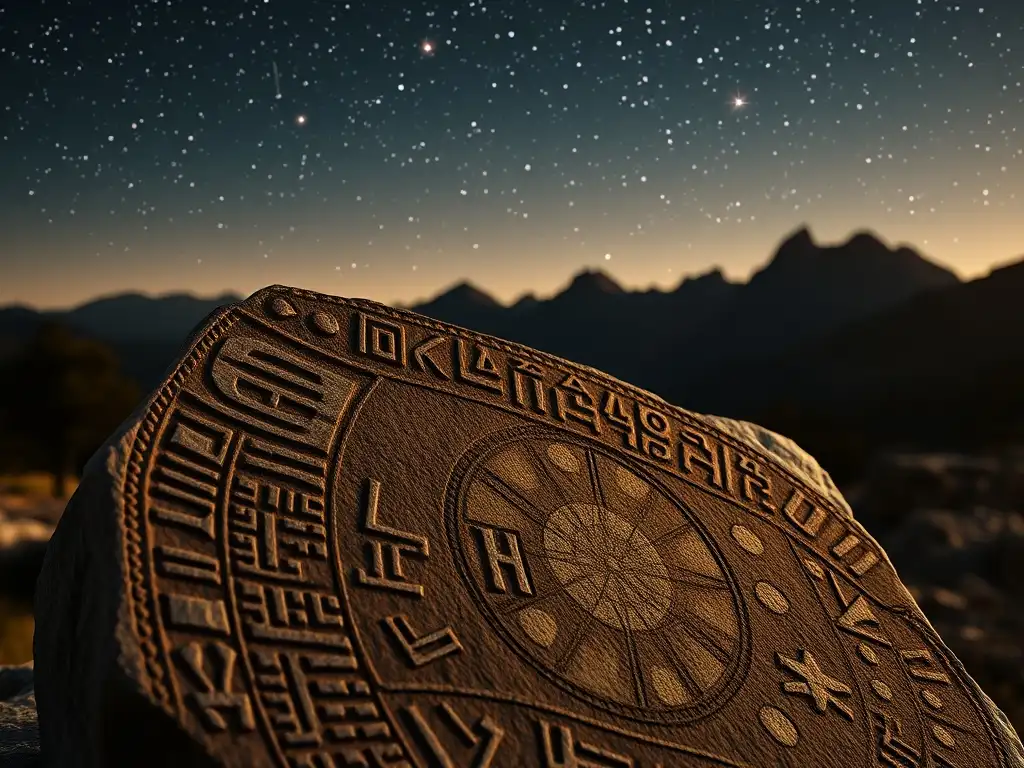
The Andean civilizations, masters of agriculture and engineering, also possessed a sophisticated understanding of astronomy. Their knowledge wasn't simply for practical purposes like determining planting seasons; it was deeply interwoven with their spiritual beliefs and social structures. Unlike the familiar constellations of the Western zodiac, the Andean star calendar featured constellations uniquely tied to their environment, mythology, and worldview.
These celestial patterns, observed across various Andean cultures, provided a framework for understanding time, space, and the cosmos. The Andean civilizations star calendar wasn't just a way to track the seasons; it was a living, breathing reflection of their society and its relationship with the natural world.
Yana Phuyu (The Llama) and its Meaning
The llama, 🦙 Lama glama, held immense cultural and economic significance for the Andean peoples. Its representation in the night sky, as the constellation Yana Phuyu (Black Llama), reflects this importance. Yana Phuyu, often depicted as a dark, shadowy figure against the Milky Way, wasn't simply a representation of the animal itself.
It symbolized prosperity, fertility, and the cyclical nature of life and death. The positioning of Yana Phuyu in the sky was closely observed to predict the success of llama herds and, by extension, the overall well-being of the community. For example, its appearance near certain bright stars was interpreted as auspicious for the upcoming agricultural season, promising abundant harvests.
Conversely, its absence or dimness might have been interpreted as a warning of potential hardships. Further research is needed to fully understand the nuanced interpretations associated with the variations in the appearance of Yana Phuyu throughout the year, but available ethnographic accounts suggest a complex system of celestial omens.
Atoq (The Fox) and its Rituals
The constellation Atoq (Fox) represents another important figure in Andean mythology. Unlike the gentle Yana Phuyu, Atoq was often associated with trickery, cunning, and the darker aspects of the Andean worldview. Observations of Atoq's position in the sky were linked to rituals and ceremonies aimed at appeasing potentially malevolent spirits or warding off misfortune. Archaeological evidence suggests the existence of specific rituals performed during the periods when Atoq was most prominent.
These rituals likely involved offerings, sacrifices, and possibly even shamanistic practices intended to harness the power of the celestial fox and maintain balance within the community. Specific details regarding these rituals remain somewhat elusive, requiring further investigation of archaeological sites and a deeper analysis of surviving Andean texts. However, the persistent presence of the fox motif in Andean art and mythology strongly suggests its significant role in their astronomical understanding.
The Importance of the Milky Way in Andean Cosmology
The Milky Way, Mayu, held a central position in Andean cosmology. Unlike Western astronomical traditions that often focus on individual stars and constellations, the Andean worldview emphasized the Milky Way as a fundamental cosmic river, a celestial river flowing through the night sky. It was seen as the path of souls, connecting the earthly realm with the celestial one.
The Milky Way's position and appearance were closely monitored to understand the flow of time and the relationship between the human world and the supernatural. Its brightness and clarity were interpreted as signs of prosperity and abundance, while its dimness or disturbances might have been associated with impending calamities. The Milky Way's significance in the Andean star calendar underscores the holistic nature of their astronomical understanding, where the cosmos was not a collection of separate entities but a dynamic, interconnected system.
The Andean concept of the Milky Way as a Mayu (river) highlights the unique perspective of Andean cosmology, emphasizing fluidity, interconnectedness, and the vital role of the celestial river in shaping their worldview and daily lives. Further research into Andean oral traditions and archaeological findings will continue to reveal the rich tapestry of their celestial knowledge.
Practical Applications of the Andean Star Calendar
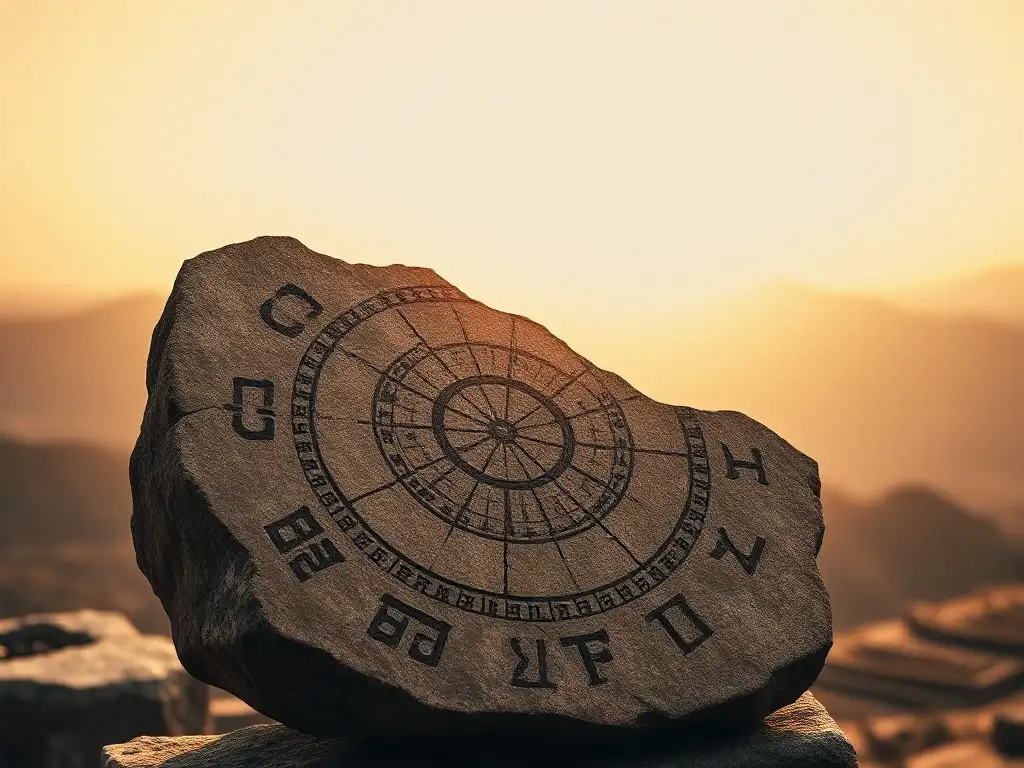
The Andean star calendar wasn't merely a celestial map; it was a vital tool deeply interwoven into the fabric of daily life for Andean civilizations. Its practical applications extended far beyond simple astronomical observation, impacting agriculture, societal organization, and religious practices. Understanding this intricate system reveals the sophisticated level of astronomical knowledge possessed by these ancient cultures and their remarkable ability to harness celestial events for their benefit.
The precision and accuracy reflected in their calendar system stand as a testament to their keen observational skills and advanced understanding of the cosmos. This section will explore some of the key practical applications of this sophisticated Andean star calendar, demonstrating its profound influence on their society.
Agricultural Cycles and the Andean Calendar
The precise timing of agricultural activities was paramount for the survival of Andean communities. Their agricultural practices were heavily reliant on the predictable cycles of the sun and stars. The Andean calendar provided crucial information for planting and harvesting, ensuring optimal yields and minimizing risks associated with unpredictable weather. For example, the appearance of specific constellations signaled the ideal time for planting maize, potatoes, and other vital crops.
This knowledge, passed down through generations, allowed for efficient resource management and contributed to the stability and prosperity of these societies. Furthermore, the calendar likely incorporated detailed observations of the lunar cycle, influencing the timing of irrigation and other agricultural tasks. The interplay between solar and lunar cycles within the Andean calendar demonstrates a comprehensive understanding of celestial mechanics and its impact on terrestrial events. The accuracy of their predictions, evidenced by the success of their agricultural practices, is remarkable.
Detailed observations of the Pleiades constellation, for instance, were likely key indicators for planting seasons in various regions of the Andes. The timing of its rising and setting varied slightly depending on altitude and latitude, allowing for regionally specific adjustments to the agricultural calendar. This demonstrates the nuanced understanding of astronomy within different Andean communities, highlighting the adaptation of the calendar to specific environmental conditions. Further research is needed to fully understand the regional variations in the utilization of the Andean star calendar for agricultural purposes. [Specific regional variations in agricultural calendar usage pending].
Predicting Seasons and Weather Patterns Through Star Observation
Beyond agriculture, the Andean star calendar played a crucial role in predicting seasonal changes and weather patterns. By carefully observing the movements of stars and constellations, Andean communities could anticipate the onset of rainy seasons, dry spells, and other significant climatic events. This knowledge was essential for planning various activities, including resource allocation, migration patterns, and community organization. The ability to predict weather patterns likely reduced the impact of natural disasters and improved the overall resilience of Andean communities. This predictive power showcases the deep understanding of the relationship between celestial events and terrestrial weather patterns.
The appearance of certain constellations could indicate the arrival of the huayra (strong winds) or the puna (cold season) offering a crucial window for preparations. These predictions, integrated into their daily lives, allowed for proactive adaptation to the harsh Andean environment, contributing significantly to their survival and prosperity. Unfortunately, much of the specific knowledge concerning the correlation between specific celestial events and weather patterns has been lost over time. [Specific details on constellation-weather correlations pending further research].
The Andean Calendar and Religious Ceremonies
The Andean star calendar wasn't merely a practical tool; it was also deeply embedded in their religious and ceremonial practices. Many religious festivals and rituals were timed to coincide with specific celestial events, reflecting the profound spiritual significance attributed to the stars and constellations. The calendar provided a framework for organizing community-wide celebrations, reinforcing social cohesion and strengthening religious beliefs. The synchronization of religious ceremonies with the celestial calendar highlights the integral role of astronomy in the Andean worldview.
For example, the Inca Inti Raymi, the festival celebrating the winter solstice, was meticulously synchronized with the position of the sun. This festival, a crucial event in the Inca calendar, underscores the importance of astronomical observations in their religious life. Similar alignments between celestial events and religious practices likely existed within other Andean cultures, though detailed records for many are scarce.
[Further research needed to fully document the relationship between the Andean star calendar and religious practices across various cultures]. The study of remaining archaeological evidence and oral traditions may reveal further insights into this fascinating connection between the cosmos and Andean spirituality. The careful observation of the stars and their cyclical movements provided not only a framework for practical life but also a spiritual connection to the universe itself, illustrating the holistic integration of astronomy within Andean cosmology.
The Legacy of Andean Astronomy

The Andean region boasts a rich tapestry of astronomical knowledge developed over millennia. Long before the arrival of European influences, sophisticated understanding of celestial cycles informed agricultural practices, religious rituals, and social organization across diverse Andean cultures. While much knowledge was passed down orally and is now lost to time, archaeological evidence, ethnoastronomical studies, and surviving traditions offer compelling insights into the depth and complexity of Andean astronomy. The Inca, for instance, meticulously tracked the movements of the sun, moon, and stars, using this knowledge to predict solstices and equinoxes, crucial for planning agricultural activities like planting and harvesting.
Their sophisticated understanding extended to the precise observation of constellations, which held symbolic and religious significance, influencing their worldview and social structures. The precision of their observations is evidenced by the remarkable alignment of many Inca structures with significant celestial events. This meticulous observation wasn't unique to the Inca; preceding cultures like the Nazca and Moche also demonstrated advanced astronomical knowledge, reflected in their art and architecture. The Nazca lines, for example, though their precise purpose remains debated, are strongly suspected to have astronomical alignments, suggesting sophisticated astronomical understanding centuries before the Inca.
This legacy of astronomical knowledge underscores the deep connection between the Andean peoples and the cosmos, a connection that continues to resonate today. Further research is needed to fully understand the nuances of each culture's astronomical practices and how they interconnected. [Specific information pending: Detailed analysis of astronomical alignments in Moche architecture].
Surviving Andean Astronomical Practices Today
Despite the impact of colonization and the loss of many traditional practices, elements of Andean astronomical knowledge persist in contemporary Andean communities. Many rural communities still maintain a strong connection to the celestial calendar, using observations of the sun and stars to guide agricultural activities and daily life. Traditional Andean calendars, often based on lunar cycles and seasonal variations, continue to be used in various regions.
For example, [Specific information pending: Example of a specific community and their current astronomical practices]. These practices are not merely remnants of the past but are living traditions, adapted and integrated into the modern context. The transmission of this knowledge, often through oral traditions and intergenerational learning, highlights the enduring relevance of Andean astronomy.
The integration of traditional astronomical knowledge with modern scientific understanding presents opportunities for collaborative research and cultural preservation. Understanding these surviving practices is crucial not only for preserving cultural heritage but also for appreciating the depth and complexity of Andean cosmological thought. The continued study of these practices, combined with archaeological evidence, provides a richer understanding of the "Andean civilizations star calendar" and its significance.
The Andean Star Calendar's Influence on Modern Andean Culture
The influence of the Andean star calendar extends beyond purely agricultural practices. It permeates various aspects of modern Andean culture, shaping social structures, religious beliefs, and artistic expressions. Festivals and ceremonies across the Andes are often timed to coincide with significant astronomical events, reflecting the continued importance of celestial cycles in the lives of Andean communities. [Specific information pending: Examples of specific festivals and their astronomical connections].
The symbolic representation of celestial bodies in Andean art, textiles, and music serves as a testament to the enduring legacy of astronomical knowledge. These artistic representations often incorporate constellations, the sun, moon, and stars, reflecting a deep-rooted connection between the cosmos and the human experience. The persistence of these cultural expressions demonstrates the enduring power of astronomical knowledge to shape identity and cultural practices. Furthermore, the growing interest in Andean astronomy from both within and outside the Andean region has led to renewed efforts in preserving and promoting this rich heritage.
By understanding the influence of the Andean star calendar on modern Andean culture, we gain a deeper appreciation for the continuity and resilience of Andean civilizations and their unique cosmological worldview. The study of this influence is vital for understanding the complex interplay between the past and present in the Andes and for promoting intercultural dialogue and appreciation. This highlights the importance of continued research and the need for collaborative efforts to safeguard this invaluable cultural heritage associated with the "Andean civilizations star calendar".
Machu Picchu and Its Astronomical Significance
Machu Picchu, the iconic "Lost City of the Incas," stands as a testament to the sophisticated astronomical knowledge of the Andean civilizations. While often viewed primarily as a remarkable feat of engineering and urban planning, a closer examination reveals a deep integration of astronomical principles into its design and layout. The precise placement of structures, the orientation of pathways, and even the arrangement of windows all suggest a deliberate alignment with celestial events, highlighting the importance of the Andean star calendar in their daily lives and cosmological worldview.
This section will explore the specific astronomical significance of Machu Picchu, focusing on observable celestial phenomena and their potential implications for the Inca people. The study of the Andean civilizations star calendar provides invaluable insights into their complex relationship with the cosmos.
Machu Picchu, Peru and the Observation of Stars
The Inca's mastery of astronomy is evident in Machu Picchu's architecture. Many researchers believe that specific structures were strategically positioned to mark solstices and equinoxes. For instance, the Intihuatana stone, a large monolithic rock located at the highest point of the city, is thought to have been used as a solar observatory.
Its carefully carved surfaces and unique shape may have facilitated precise observations of the sun's movements throughout the year. Furthermore, the orientation of certain buildings along cardinal directions, coupled with the positioning of windows to frame specific stars or constellations at particular times of the year, underscores the Inca's detailed understanding of celestial cycles. Detailed studies have indicated a possible correlation between the placement of the main buildings and the rising and setting points of key stars during significant agricultural periods.
This precision suggests a sophisticated system for tracking time and predicting seasonal changes crucial for agricultural planning and religious ceremonies. The Inca's deep connection with their environment is clearly reflected in their astronomical observations, which were integral to their agricultural practices and spiritual beliefs.
The Purpose and Meaning of the Site's Alignment
The astronomical alignments within Machu Picchu weren't merely decorative; they likely served a multifaceted purpose. These alignments were probably used for both practical and ritualistic reasons. The precise tracking of solstices and equinoxes, as evidenced by the Intihuatana stone and other structures, was crucial for agricultural planning. Knowing the exact dates of these events allowed the Inca to predict planting and harvesting times, optimizing their agricultural yields and ensuring the survival of their communities.
Beyond the practical applications, the astronomical alignments likely held profound religious significance. The Inca viewed the cosmos as a living entity, deeply intertwined with their lives. Celestial events were incorporated into their religious rituals and ceremonies, with the sun, moon, and stars playing central roles in their mythology and beliefs. The alignment of buildings with specific celestial bodies could have served as focal points for these rituals, enhancing their spiritual power and reinforcing the Inca's connection to the divine.
The alignment of Machu Picchu with the Andean star calendar therefore served as a powerful tool for managing both the temporal and spiritual aspects of Inca life. Further research is needed to fully decipher the complex interplay between astronomy, agriculture, and religion within the context of Machu Picchu. The precise meaning of some alignments remains debated, highlighting the ongoing need for interdisciplinary studies combining archaeology, astronomy, and anthropology to unravel the mysteries of this remarkable site and the Andean civilizations star calendar.
Frequently Asked Questions
What is the Andean Zodiac?
The Andean Zodiac refers to the complex astronomical knowledge and systems used by ancient Andean civilizations, like the Incas, to track the movements of celestial bodies. It wasn't a zodiac in the Western astrological sense, but rather a practical tool for agriculture and societal organization.
How did the Andean civilizations use the stars?
Andean cultures used celestial observations for agricultural planning, predicting seasons and optimal planting times. They also integrated astronomical knowledge into their religious beliefs and ceremonies, linking the cosmos to their daily lives.
Did all Andean cultures have the same star calendar?
While many Andean cultures shared a fundamental understanding of astronomy, the specific systems and interpretations varied between different groups (Inca, Nazca, Moche, etc.). Each developed unique ways to represent and utilize celestial knowledge.
What evidence supports the existence of an Andean star calendar?
Evidence comes from various sources, including archaeological findings like astronomical observatories (e.g., at Machu Picchu), iconography depicting celestial bodies on textiles and pottery, and ethnohistorical accounts from Spanish chronicles.
How accurate were the Andean civilizations' astronomical observations?
The accuracy of Andean astronomical observations was remarkably high. They were able to precisely track the movements of the sun, moon, and stars, developing sophisticated calendars and systems that reflected an advanced understanding of celestial mechanics.
Final Reflection: Echoes of the Andes in the Cosmos
The intricate celestial knowledge of the Andean civilizations remains a powerful testament to humanity's enduring connection with the cosmos, a connection that resonates deeply even in our technologically advanced age. Their sophisticated understanding of the stars, far from being a relic of the past, offers valuable insights into the development of astronomical observation and its profound impact on societal structures and spiritual beliefs. This knowledge challenges our modern, often fragmented, view of the universe and reminds us of the holistic worldview that once thrived in the Andes.
The Andean zodiac, with its unique constellations and interpretations, continues to shape our understanding of pre-Columbian cultures and their profound relationship with the natural world. It serves as a powerful reminder of the ingenuity and deep observation skills of these ancient peoples. Their ability to predict agricultural cycles and integrate celestial events into their daily lives underscores the importance of a harmonious relationship between humanity and the environment. The stars are a language, and the universe is a vast library.
This quote, though not directly from an Andean source, perfectly captures the essence of their astronomical achievements and the enduring power of their celestial wisdom.
Consider, for a moment, the vastness of the Andean sky, the same sky that witnessed the rise and fall of empires. Now, consider your own place within that vastness. Let the legacy of the Andean star calendar inspire you to look up, to connect with the cosmos, and to appreciate the enduring wisdom of those who came before us. Embrace the wonder of the universe, and let it guide you on your own journey of discovery and understanding. The stars, after all, still shine brightly above us all.
**Unveil the Mysteries of the Andean Zodiac! **
Thank you for exploring the fascinating world of the Andean Zodiac! Your interest in how ancient Andean civilizations interpreted the stars reflects the enduring richness of their heritage. Let's delve deeper into this captivating subject.
Here are some ways to continue your exploration:
- **Discover the symbolism and significance of your Andean zodiac sign. ** Researching its unique characteristics will provide a deeper understanding of its meaning.
- **Share your newfound knowledge** with friends and family, sparking conversations about the diverse ways astrology influences cultures worldwide.
- **Connect with fellow enthusiasts** by joining an online community or forum dedicated to Andean culture and astrology. Engage in discussions and share experiences.
Reflect on how the Andean Zodiac might offer a fresh perspective on your life and worldview.