
From Farm to Market: Discovering the Origins of Andean Handicrafts

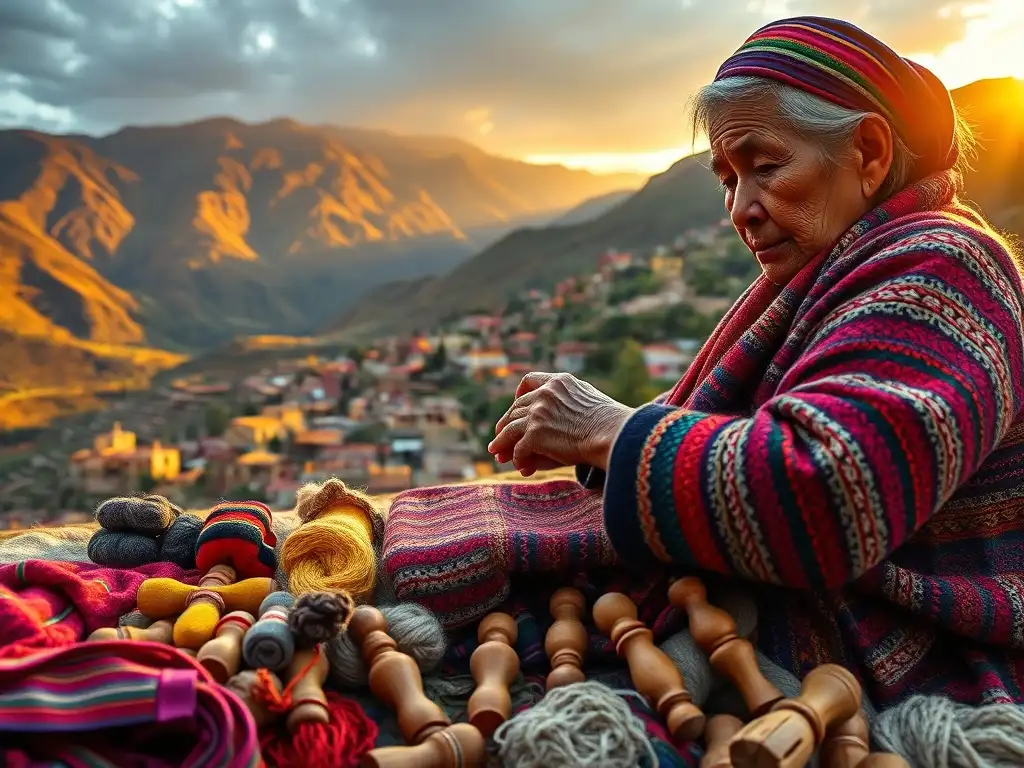
Unravel the mysteries woven into the very fabric of the Andes! Journey with us through time as we explore the intricate tapestry of Andean handicrafts history origins. Discover how ancient techniques, passed down through generations of Incas, Moche, Nazca, and Tiahuanaco, transformed simple materials into breathtaking works of art. What secrets do these timeless crafts hold? Let's delve into the story...
The vibrant tapestry of Andean handicrafts, renowned worldwide for their exquisite artistry and intricate designs, boasts a history as rich and complex as the civilizations that created them. This journey delves into the origins of these captivating artifacts, exploring the ancient techniques, raw materials, and cultural significance that have shaped their evolution from humble beginnings in Andean farms to bustling marketplaces. Understanding the history of Andean handicrafts provides a deeper appreciation for the cultural heritage embedded within each piece, revealing the enduring legacy of ingenuity and artistry passed down through generations.
This exploration will illuminate the fascinating connections between the land, its people, and the enduring legacy of Andean craftsmanship, offering a glimpse into the heart of Andean culture and its enduring impact on the world. We'll trace the evolution of these crafts, from the selection of raw materials to the final stages of creation, highlighting the deep-rooted connection between the Andean people and their environment.
Understanding this history is key to appreciating the unique value and artistry of Andean handicrafts. Prepare to be amazed by the ingenuity and skill that have shaped these incredible pieces for centuries.
Tracing the Roots: Unearthing the History of Andean Craftsmanship
The creation of Andean handicrafts is deeply intertwined with the agricultural practices and resourcefulness of the Andean people. For centuries, the harsh yet bountiful Andean landscape has dictated both the materials used and the techniques employed in crafting these objects. The earliest examples of Andean craftsmanship, often discovered in archaeological sites, reveal a sophisticated understanding of materials and techniques, showcasing impressive levels of skill and artistry.
These early artisans skillfully utilized readily available resources, transforming natural elements into objects of both practical and ceremonial importance. The intricate designs found on pottery shards and woven textiles, for example, demonstrate a profound connection to the natural world and a deep understanding of symbolic representation. Evidence suggests that these crafts weren't merely functional; they were integral to social structures, religious practices, and the expression of cultural identity.
The legacy of these early artisans continues to inspire contemporary Andean craftspeople, who maintain and evolve these traditional techniques while incorporating modern influences. The remarkable continuity between ancient and modern practices underscores the enduring significance of Andean handicrafts.
The Ancient Techniques Behind Andean Textiles and Pottery
Andean textiles and pottery represent two of the most prominent and enduring forms of Andean craftsmanship. Both traditions demonstrate a remarkable continuity across millennia, with ancient techniques adapted and refined through generations.
The Role of Alpaca Wool in Traditional Andean Weaving
The production of textiles in the Andes has been intrinsically linked to the raising of alpacas and llamas for centuries. Alpaca wool, prized for its softness, warmth, and luxurious texture, is a cornerstone of Andean weaving. The intricate process, from shearing the alpaca to spinning the yarn and finally weaving the fabric, is a testament to the skill and patience of Andean artisans.
Different techniques, such as tapestry weaving and backstrap loom weaving, were employed to create a wide array of textiles, each serving different purposes – from everyday clothing to ceremonial garments. The vibrant colors and intricate patterns found in these textiles often hold deep symbolic meanings, reflecting the rich cosmology and belief systems of the Andean cultures.
The use of natural dyes derived from plants and minerals further enhances the unique beauty and cultural significance of these handcrafted pieces. The intricate designs often depict scenes from Andean mythology, reflecting the close relationship between the craft and the spiritual life of the people.
Exploring Clay Sources: The Foundation of Andean Pottery Traditions
Andean pottery displays an equally impressive evolution, with clay serving as the primary medium. The selection of clay sources was crucial, with artisans carefully choosing clays with specific properties suited to their needs. The meticulous preparation of the clay, the shaping of the vessels, and the firing techniques all contributed to the creation of durable and aesthetically pleasing objects.
Different regions developed distinctive styles and techniques, leading to a remarkable diversity in Andean pottery. From the simple, functional forms of everyday use to the highly decorated ceremonial vessels, each piece reflects the cultural and artistic expression of its creators. The use of different firing techniques, including open-air and kiln firing, also influenced the final appearance and durability of the pottery.
The intricate designs and motifs found on many pieces often provide valuable insights into the social, political, and religious life of the Andean civilizations. The mastery of these techniques, passed down through generations, continues to be a defining characteristic of Andean pottery traditions.
Understanding the Cultural Significance of Andean Handicrafts
Andean handicrafts represent far more than mere objects; they are tangible expressions of deeply rooted cultural beliefs, social structures, and spiritual practices. For centuries, these crafts have served as vital components of daily life, religious rituals, and social interactions. The intricate designs, the carefully selected materials, and the skilled techniques employed all speak to a rich tapestry of traditions passed down through generations. Examining these crafts provides invaluable insight into the worldview and societal organization of the Andean civilizations.
The enduring legacy of these handicrafts is a testament to the ingenuity and artistry of Andean peoples, showcasing their profound connection to their environment and their enduring spirit. The creation and exchange of these goods fostered social bonds and economic activity, shaping the very fabric of Andean societies. Understanding this cultural context is essential to appreciating the true value and meaning embedded within each handcrafted item.
Inca Influence on Geometric Patterns and Symbolism
The Inca Empire, known for its sophisticated administrative system and vast infrastructure, also left an indelible mark on Andean handicrafts. Inca artisans employed geometric patterns and symbolic motifs extensively in their textiles, ceramics, and metalwork. These designs weren't merely decorative; they often conveyed complex narratives, social status, or religious beliefs.
For instance, the use of specific colors or shapes could indicate a person's clan affiliation or their role within the Inca social hierarchy. The chakana, a stepped cross symbolizing the Andean worldview, is a prime example of an Inca motif that continues to be reproduced in contemporary handicrafts.
Moreover, the Inca's mastery of gold and silver smithing led to the creation of exquisite jewelry and ceremonial objects, often adorned with intricate geometric patterns and symbolic representations of deities or animals. The Inca’s influence on Andean handicraft design remains powerfully visible today, with many modern artisans drawing inspiration from these ancient patterns and symbols.
Moche Ceramic Art and its Storytelling Power
The Moche civilization, flourishing on the northern coast of Peru from approximately 100 to 800 CE, produced some of the most remarkable ceramic art in the Andes. Their pottery wasn't just functional; it served as a powerful medium for storytelling, depicting scenes of daily life, religious rituals, warfare, and mythology. Moche artisans skillfully modeled human figures, animals, and mythical creatures with incredible detail and realism, capturing expressions and postures with remarkable accuracy.
The vibrant colors and intricate designs further enhanced the narrative power of their ceramic work. These pieces offer a unique window into the Moche worldview, providing valuable insights into their social structures, religious beliefs, and daily life.
Analysis of Moche pottery has revealed a complex society with sophisticated artistic traditions and a profound understanding of human nature. The legacy of Moche ceramic art continues to inspire and fascinate, standing as a testament to their artistic prowess and storytelling abilities.
Nazca Lines and their Connection to Textile Design
The Nazca Lines, enigmatic geoglyphs etched into the desert landscape of southern Peru, are often associated with astronomical observations and ritual practices. However, their influence extends beyond the realm of archaeology and into the world of textile design. Scholars suggest a possible connection between the geometric patterns found in Nazca textiles and the intricate designs of the Nazca Lines.
The complex interplay of lines, shapes, and symbols found in both contexts suggests a shared aesthetic sensibility and possibly a common symbolic language. While the exact nature of this connection remains a subject of ongoing research, the similarities between Nazca textiles and the geoglyphs offer a fascinating area of study.
The intricate designs and vibrant colors employed in Nazca textiles showcase the advanced weaving techniques and artistic sensibilities of the culture. Researchers continue to study the possible links between the Nazca Lines and textile design, offering potential insights into the spiritual and cultural beliefs of this enigmatic civilization.
From Raw Materials to Finished Products: The Handicraft Process
The creation of Andean handicrafts is a multi-stage process, deeply intertwined with the environment and the cultural traditions of the region. From the sourcing of raw materials to the final stages of finishing, each step reflects a deep understanding of the materials and a mastery of traditional techniques. The entire process is often a family affair, with knowledge and skills passed down through generations. The journey from raw material to finished product is often a time-consuming and labor-intensive undertaking, but the resulting handicrafts are testaments to the dedication and skill of the artisans.
Gathering and Preparing Natural Fibers like Alpaca and Cotton
Alpaca and cotton, two staple fibers in Andean handicrafts, require careful gathering and preparation before they can be spun into yarn. Alpaca fiber, prized for its softness and warmth, is carefully sheared from the animals, then sorted and cleaned to remove impurities. Cotton, grown in suitable climates, is harvested, cleaned, and often hand-spun into yarn. These processes, often done by hand, are crucial steps in ensuring the quality and durability of the final product. The preparation of these fibers is a testament to the Andean people's deep understanding of their natural environment and their ability to harness its resources.
The Intricate Art of Dyeing with Natural Pigments
The vibrant colors found in many Andean handicrafts are achieved using natural pigments derived from plants, minerals, and insects. Cochineal, a tiny insect, produces a brilliant crimson dye, while various plants provide a range of hues, from yellows and oranges to browns and greens. The process of dyeing is often a meticulous and time-consuming one, requiring precise control of temperature and time to achieve the desired shades.
This intricate art is passed down through generations, ensuring the continuation of traditional methods and the preservation of unique color palettes. The use of natural dyes not only produces stunning colors but also reflects a harmonious relationship between the artisans and their environment.
Hand-Building and Wheel-Throwing Techniques in Pottery
Andean pottery exhibits a fascinating diversity of techniques, ranging from hand-building methods, where clay is shaped by hand, to the use of the potter's wheel for creating more symmetrical forms. Hand-building techniques, often employing coils or slabs of clay, allow for greater freedom of form and decoration. The potter's wheel, introduced to the Andes at different times depending on the region, allows for the creation of larger and more precise vessels.
Both methods, however, demonstrate the skill and artistry of Andean potters, who skillfully manipulate the clay to create functional and aesthetically pleasing objects. The techniques used reflect both the availability of resources and the stylistic preferences of different Andean cultures, resulting in a wide variety of forms and decorative styles.
Best Places to Experience Andean Handicrafts Firsthand
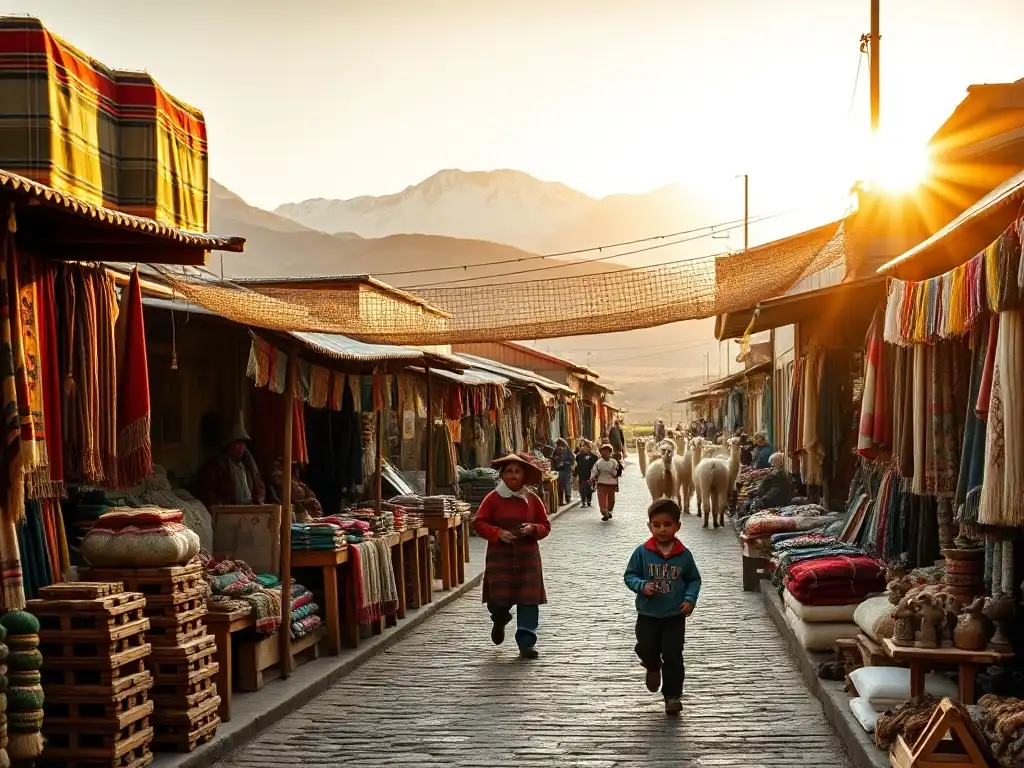
Andean handicrafts, imbued with centuries of tradition and artistry, offer a captivating glimpse into the rich cultural heritage of the Andes. To truly appreciate these exquisite creations, experiencing them firsthand in their place of origin is paramount. This allows for a deeper understanding of the techniques, materials, and stories woven into each piece. Several locations stand out as exceptional destinations for discovering authentic Andean handicrafts.
Visiting Local Artisan Markets in Cusco, Peru
Cusco, the former capital of the Inca Empire, pulsates with the vibrant energy of its artisan markets. San Blas, a charming neighborhood nestled within the city's ancient walls, is renowned for its workshops and stalls overflowing with intricately woven textiles, silver jewelry, and ceramics. Here, you can witness artisans at work, observe their meticulous techniques, and even participate in workshops to learn traditional crafts yourself.
The San Pedro Market, a bustling hub of local life, offers a more immersive experience, showcasing a wider range of goods, from fresh produce to handcrafted items. The interaction with local artisans, bargaining for unique pieces, and witnessing the daily rhythm of the market create an unforgettable experience.
The variety of goods on offer, from small trinkets to elaborate textiles, speaks volumes about the depth of Cusco’s artisan tradition, making it a must-visit for any enthusiast of Andean handicrafts. Many artisans here proudly showcase their family's heritage and techniques, passed down through generations.
Exploring the Handicraft Workshops in Otavalo, Ecuador
Otavalo, Ecuador, is famed for its bustling Saturday market, one of the largest indigenous markets in South America. Beyond the market's vibrant atmosphere, however, lies a network of smaller workshops scattered throughout the town and surrounding villages. These workshops provide a more intimate setting to observe the creation of Andean handicrafts.
Otavalo is particularly known for its exceptional textiles, using traditional techniques and vibrant, naturally-dyed yarns. Visitors can witness the intricate process of weaving, from the preparation of the wool to the final stages of creating intricate designs. The artisans are often happy to share their knowledge and stories, providing a deeper understanding of the cultural significance embedded within their work.
Beyond textiles, Otavalo also offers a wide range of handcrafted items, including ceramics, leather goods, and musical instruments. This allows visitors to experience a wide range of Andean artistry, all within a relatively compact area. The experience often extends beyond simply purchasing goods; it becomes a cultural exchange, enriching the journey for both the artisan and the visitor.
Discovering Authentic Textiles in La Paz, Bolivia
La Paz, Bolivia, offers a unique perspective on Andean handicrafts, particularly in the realm of textiles. The city’s markets, such as the Witches' Market (Mercado de las Brujas), are renowned for their unique offerings, including textiles adorned with symbolic designs and vibrant colors. While the Witches' Market is famous for its eclectic mix of items, it is also a great place to find unique textiles and learn about their spiritual significance.
Beyond the bustling markets, exploring the surrounding villages allows for a closer look at the traditional techniques and processes involved in creating these textiles. Many communities in the Altiplano region maintain their ancestral weaving traditions, using ancient techniques and natural dyes. These textiles often incorporate intricate patterns and motifs that tell stories of their history and culture.
The opportunity to engage with the artisans and learn about their work is an enriching aspect of visiting La Paz, offering a deeper understanding of the cultural heritage embedded in these remarkable textiles. The sheer variety and quality of textiles found in La Paz, from everyday clothing to elaborate ceremonial pieces, reflect the deep-rooted textile tradition in the Bolivian Andes.
How to Support Andean Artisans Directly
Supporting Andean artisans directly not only ensures the preservation of their invaluable skills and traditions but also contributes to the economic well-being of their communities. This conscious consumerism fosters sustainable development and empowers these artisans to continue their craft for generations to come. There are various ways to ensure that your purchases genuinely benefit the artisans and their communities.
Purchasing Genuine Andean Products: Avoiding Mass-Produced Imitations
Distinguishing between authentic Andean handicrafts and mass-produced imitations requires careful observation and a discerning eye. Authentic pieces often exhibit unique characteristics, such as hand-stitching imperfections, slight variations in color and design, and the use of natural materials. Mass-produced items, on the other hand, tend to be more uniform and may lack the intricate details and imperfections that are hallmarks of handcrafted work. Look for subtle variations that demonstrate the artisan’s unique touch.
Ask questions about the materials and techniques used, and engage in conversation with the seller to learn more about the piece's origin and creation. This direct interaction is crucial in supporting the artisans and ensuring that your purchase is genuinely contributing to their livelihood. Often, the story behind the craft adds significant value and authenticity to the piece.
Supporting the "Threads of Peru" Cooperative in Chinchero
[Specific information pending: Details about the "Threads of Peru" cooperative in Chinchero, including their products and how to support them directly.] This section requires further research to provide accurate and detailed information about this specific cooperative.
Exploring the "Fair Trade Federation" member catalogs for Andean crafts
[Specific information pending: Details about how to access and utilize the "Fair Trade Federation" catalogs to find and purchase Andean crafts directly from verified fair trade artisans.] This section requires further research to provide accurate and detailed information about accessing and utilizing the resources of the Fair Trade Federation.
The Modern Market for Andean Handicrafts: Connecting Tradition and Commerce
The modern market for Andean handicrafts presents a fascinating intersection of ancient traditions and contemporary commerce. Artisans, many still employing techniques passed down through generations, now leverage global platforms and local markets to reach a wider audience. This evolution has brought both opportunities and challenges. The increased demand has fueled economic growth in many Andean communities, providing vital income streams for families who rely on these crafts for their livelihoods.
However, it has also raised concerns regarding the sustainability of traditional practices and the ethical treatment of artisans. The delicate balance between preserving cultural heritage and meeting the demands of a global market is a constant challenge for both producers and consumers. The success of this endeavor hinges on a collaborative approach that prioritizes fair trade, sustainable practices, and the preservation of indigenous knowledge. This is crucial for ensuring that the rich tapestry of Andean craftsmanship continues to thrive.
Understanding the Value of Fair Trade Practices
Fair trade practices are paramount in the modern Andean handicrafts market. They ensure that artisans receive a fair price for their work, allowing them to maintain a decent standard of living and invest in the sustainability of their craft. Fair trade also emphasizes ethical labor practices, protecting artisans from exploitation and ensuring safe working conditions. The benefits extend beyond individual artisans; fair trade fosters economic empowerment within entire communities, contributing to improved infrastructure, education, and healthcare.
Organizations dedicated to fair trade work directly with artisan cooperatives, providing training, technical assistance, and market access. By supporting fair trade products, consumers actively contribute to the economic and social well-being of Andean communities, reinforcing the value of their cultural heritage. This commitment is not merely a matter of ethics; it's a crucial element in preserving the vibrant traditions of Andean craftsmanship for future generations.
The impact of platforms like NOVICA on sales of Andean textiles
Online marketplaces, such as NOVICA, have significantly impacted the sales of Andean textiles and other handicrafts. These platforms provide artisans with unprecedented access to a global market, bypassing traditional intermediaries and increasing their earning potential. NOVICA, for example, showcases the unique stories and skills of individual artisans, connecting them directly with consumers worldwide.
This direct connection fosters a deeper appreciation for the craftsmanship and cultural significance of the products, driving demand and promoting fair trade practices. However, the reliance on online platforms also presents challenges. Artisans need digital literacy and reliable internet access, which are not always readily available in remote Andean communities.
Moreover, the competition on these platforms can be intense, requiring artisans to adapt their marketing strategies and continuously improve their product quality and presentation. The successful integration of these online platforms requires ongoing support and training for the artisans to ensure they can fully benefit from these opportunities.
Highlighting the unique value of "Ayni Bolivia" products
"Ayni Bolivia" exemplifies the successful integration of traditional Andean crafts with modern business models. Their commitment to fair trade, sustainable practices, and community development sets them apart. By focusing on high-quality products and emphasizing the stories behind their creation, "Ayni Bolivia" creates a strong brand identity that resonates with consumers who value authenticity and ethical sourcing. Their products often showcase unique designs and techniques that reflect the rich cultural heritage of Bolivia.
The company's success demonstrates the potential for Andean handicrafts to thrive in the global market while simultaneously supporting the economic and social well-being of the communities involved. Their business model serves as a positive example for other artisan cooperatives, highlighting the importance of collaboration, innovation, and a commitment to ethical practices. Their emphasis on transparent pricing and the direct connection with artisans builds trust and loyalty with their customer base.
Preserving the Legacy of Andean Handicrafts for Future Generations
The preservation of Andean handicrafts is not merely about preserving aesthetic traditions; it's about safeguarding a vital part of Andean cultural identity and ensuring the continuity of unique skills and knowledge. These crafts represent generations of accumulated expertise and embody deep cultural significance. Their preservation requires a multi-faceted approach encompassing education, sustainable practices, and institutional support.
The challenge lies in balancing the economic needs of artisan communities with the long-term sustainability of traditional techniques. Without concerted efforts, these invaluable skills and traditions risk being lost forever. The future of Andean handicrafts depends on collaborative initiatives that empower artisans, promote sustainable practices, and foster appreciation for their cultural significance.
Educational Initiatives and Workshops for Andean Crafts
Educational initiatives are crucial in preserving the legacy of Andean handicrafts. Workshops and training programs offer young generations the opportunity to learn traditional techniques and skills directly from experienced artisans. These programs not only transmit practical knowledge but also foster a sense of cultural pride and identity. By actively involving younger generations, these initiatives ensure the continuity of these crafts and prevent the loss of valuable knowledge.
Furthermore, integrating modern design elements and business skills into these programs can help artisans adapt to the evolving market demands while maintaining the integrity of their traditional techniques. These educational programs should be accessible and affordable to ensure broader participation and wider dissemination of knowledge. Investing in such educational programs is an investment in cultural preservation and sustainable economic development.
Supporting Sustainable Practices in Handicraft Production
Sustainable practices are essential for the long-term viability of Andean handicrafts. This includes sourcing environmentally friendly materials, minimizing waste, and employing production methods that have minimal environmental impact. Supporting sustainable practices benefits not only the environment but also the health and well-being of artisans. The use of natural dyes, for example, reduces the risk of exposure to harmful chemicals.
Sustainable practices also contribute to the long-term economic viability of artisan communities, ensuring that the resources they rely on are not depleted. Promoting sustainable practices requires collaboration between artisans, government agencies, and non-governmental organizations. The development of certification programs and fair trade initiatives can further incentivize the adoption of sustainable practices, ensuring that Andean handicrafts are produced in an environmentally responsible and ethically sound manner.
The "Museo Nacional de Arqueología, Antropología e Historia del Perú" and its role in preservation
The "Museo Nacional de Arqueología, Antropología e Historia del Perú" plays a pivotal role in preserving the legacy of Peruvian handicrafts. Through its collections, exhibitions, and research initiatives, the museum documents, conserves, and showcases the rich diversity of Andean craftsmanship. Its archives provide invaluable information on traditional techniques, materials, and designs, serving as a resource for artisans, researchers, and the public. The museum's educational programs contribute to raising awareness about the cultural significance of Andean handicrafts and promoting their appreciation among future generations. The museum also actively collaborates with artisan communities, providing support for the preservation of traditional techniques and the development of sustainable practices. Its ongoing efforts in research, conservation, and education are crucial in ensuring that the legacy of Peruvian handicrafts continues to inspire and enrich society. The museum serves as a vital repository of knowledge and a powerful advocate for the preservation of this important cultural heritage.
Investing in Quality: Selecting Authentic Andean Handicrafts
The allure of Andean handicrafts lies not only in their vibrant colors and intricate designs but also in the rich history and cultural heritage they embody. Investing in authentic pieces ensures you're supporting artisan communities and acquiring items of lasting value. However, navigating the market requires discerning judgment to differentiate genuine articles from mass-produced imitations. Understanding the nuances of materials, techniques, and pricing is crucial for making informed purchases.
Identifying Genuine Materials and Techniques
Authentic Andean handicrafts often utilize traditional materials and techniques passed down through generations. For example, textiles might feature hand-spun alpaca or vicuña wool, recognizable by its softness and unique texture. Look for irregularities in the weave – a sign of hand-crafted artistry rather than machine production. Similarly, ceramics might display subtle imperfections, indicative of the hand-building process, as opposed to the uniformity of mass-produced items.
Examine the details closely; intricate designs, carefully applied dyes, and unique finishing techniques all point towards authenticity. Consider the presence of any maker's marks or identifying symbols that might confirm the origin and craftsmanship. Learning to identify these subtle cues is key to appreciating the true artistry of Andean handicrafts. Specific examples include the use of natural dyes from plants like cochineal or indigo in textiles, and the distinctive firing techniques used in creating certain types of pottery.
Understanding the Pricing of Authentic Artisan Products
The price of an authentic Andean handicraft reflects not only the materials used but also the time and skill invested in its creation. Handwoven textiles, for instance, can take weeks or even months to complete, depending on the complexity of the design and the size of the piece. Similarly, intricately carved ceramics or meticulously crafted silver jewelry require considerable expertise and patience. Therefore, while prices may seem higher than mass-produced counterparts, they represent a fair compensation for the artisan's labor and the preservation of traditional techniques.
Be prepared to pay a premium for genuine, high-quality pieces. Researching average prices for similar items can help you gauge whether a price is reasonable, but remember that unique designs and exceptional craftsmanship can justify higher costs. Bargaining is common in some markets, but always approach it respectfully, acknowledging the artisan's skill and effort.
Differentiating between handwoven alpaca sweaters and factory-made imitations
Distinguishing between a handwoven alpaca sweater and a mass-produced imitation requires a keen eye for detail. Handwoven sweaters will often exhibit variations in stitch tension and slight irregularities in the weave, a testament to the artisan's handwork. The yarn itself will feel softer and more luxurious than the synthetic or machine-spun alternatives frequently used in factory-made imitations. Look for subtle inconsistencies in the color or pattern, which are characteristic of hand-dyeing and hand-weaving.
Factory-made sweaters, in contrast, tend to be more uniform and consistent in their appearance. The edges and seams of a hand-knitted sweater often possess a more rustic, less perfectly finished appearance compared to the precision of a factory-made garment. Finally, consider the overall feel and drape of the garment; a handwoven sweater will often have a more substantial and luxurious weight and drape than its mass-produced counterpart.
Maximizing Your Collection: Curating a Selection of Andean Art
Building a collection of Andean handicrafts is a rewarding journey that allows you to connect with the rich history and artistic traditions of the region. By focusing on quality, cultural significance, and thoughtful presentation, you can create a display that is both aesthetically pleasing and historically informative. Careful selection and presentation will enhance the appreciation and longevity of your collection.
Choosing Pieces with Cultural and Historical Significance
When curating your collection, prioritize pieces that reflect the unique cultural and historical significance of Andean art. This might involve researching specific styles, techniques, or symbols associated with particular regions or time periods. For example, the intricate textiles of the Nazca culture or the striking ceramics of the Moche civilization offer unique insights into their respective societies. Consider acquiring items that represent a range of Andean cultures, showcasing the diversity of artistic traditions across the region.
Seek out pieces with documented provenance or information about their origin and history, adding depth and value to your collection. This will not only enhance your understanding of the art but also contribute to its preservation and appreciation. Documenting your collection with detailed information about each piece enhances its historical value and your personal enjoyment.
Displaying a collection of Chimú ceramics
Displaying a collection of Chimú ceramics requires careful consideration of their fragility and historical significance. Use acid-free foam or soft cloths to protect the pieces from scratches or damage. Individual display cases or shelves with soft padding provide a safe and attractive setting. Consider the lighting conditions; direct sunlight can fade colors and damage the ceramics over time.
Proper lighting and environmental control are crucial for the long-term preservation of your collection. Labeling each piece with its provenance and relevant historical information enhances the educational value of the display, creating a personal museum of your Andean treasures. A well-lit and carefully arranged display will highlight the intricate details and artistry of your Chimú ceramics.
Incorporating textiles like aguayos into home decor
Aguayos, the traditional Andean shawls, are not merely functional textiles but also stunning works of art. Their vibrant colors and intricate designs can add a touch of Andean flair to any home decor. They can be used as wall hangings, adding a pop of color and texture to a room. Alternatively, they can be draped over furniture, adding warmth and visual interest.
Aguayos can also be incorporated into more creative displays, perhaps framing a mirror or serving as a backdrop for other Andean artifacts. By thoughtfully integrating aguayos into your home, you're not only showcasing their beauty but also celebrating the rich heritage they represent. The versatility of aguayos allows for a wide range of creative and decorative applications in a home setting.
- Tracing the Roots: Unearthing the History of Andean Craftsmanship
- The Ancient Techniques Behind Andean Textiles and Pottery
- Understanding the Cultural Significance of Andean Handicrafts
- From Raw Materials to Finished Products: The Handicraft Process
- Best Places to Experience Andean Handicrafts Firsthand
- How to Support Andean Artisans Directly
- The Modern Market for Andean Handicrafts: Connecting Tradition and Commerce
- Preserving the Legacy of Andean Handicrafts for Future Generations
- Investing in Quality: Selecting Authentic Andean Handicrafts
- Maximizing Your Collection: Curating a Selection of Andean Art
Frequently Asked Questions
What is the main focus of Andean handicrafts?
Andean handicrafts represent a rich tapestry of skills passed down through generations. They showcase the unique artistry and cultural heritage of the Andean civilizations, reflecting their daily life and spiritual beliefs. Materials are often sourced locally, highlighting a deep connection to the land.
How far back do the origins of Andean handicrafts trace?
The origins of Andean handicrafts are ancient, stretching back thousands of years to pre-Inca cultures. Evidence of sophisticated weaving, pottery, and metalworking techniques can be found in archaeological sites, demonstrating a long and continuous tradition. Pre-Columbian societies laid the foundations for what we see today.
What are some common materials used in Andean handicrafts?
Natural materials are central to Andean handicrafts. Common examples include alpaca and llama wool, cotton, clay, wood, and precious metals like gold and silver. These materials reflect the abundant resources of the Andean region.
How did the Inca Empire influence Andean handicrafts?
The Inca Empire significantly standardized and organized handicraft production. Royal workshops produced high-quality goods for the elite, while regional artisans continued traditional practices. Inca influence is evident in the style and design of many surviving pieces.
Where can I learn more about the history and origins of Andean handicrafts?
To delve deeper, explore museums and archaeological sites across the Andes region. Academic journals and books on Andean history and anthropology also offer valuable insights. Many online resources provide information on specific techniques and cultural contexts.
Final Reflection: Weaving a Legacy: The Enduring Power of Andean Crafts
The intricate artistry of Andean handicrafts isn't merely a historical artifact; it's a vibrant thread woven into the fabric of contemporary life. These ancient techniques, passed down through generations, continue to provide livelihoods, preserve cultural identity, and offer a unique connection to a rich past. Understanding their origins is crucial to appreciating their enduring significance in the modern world.
The enduring legacy of Andean craftsmanship profoundly impacts not only the economic landscape of the Andes but also the global appreciation for sustainable and ethically sourced goods. These crafts are more than just beautiful objects; they are living testaments to resilience, innovation, and cultural preservation. The hands that create these crafts are the hands that hold the memory of a people.
This sentiment encapsulates the deep connection between the artisans, their heritage, and the breathtaking pieces they produce. The impact of globalization on these traditions, both positive and negative, necessitates a continued focus on fair trade practices and the support of artisan communities.
Consider, for a moment, the stories embedded within each intricately woven textile, each meticulously carved piece of wood, each hand-painted ceramic. These are not simply objects; they are vessels of history, culture, and human ingenuity. You, the reader, now hold the power to actively participate in preserving this legacy. Support ethical sourcing, learn more about the artisans behind these beautiful creations, and share their stories with others. Let us ensure that the vibrant tapestry of Andean craftsmanship continues to flourish for generations to come.
Unveil the Beauty of Andean Handicrafts!
Thank you for exploring the rich tapestry of Andean handicrafts! Your journey into their origins has revealed the vibrant culture and artistry of the Andes. Now, let's deepen your connection with these magnificent creations.
Here are some ways to engage with the world of Andean handicrafts:
- **Browse our curated collection** of authentic Andean handicrafts on our website and discover a piece that inspires you.
- **Join our community! ** Share your thoughts and experiences with Andean handicrafts on social media using the hashtag #AndeanArtisans.
- Attend local events or workshops celebrating Andean artistry, offering a chance to learn from skilled artisans.
Which Andean handicraft resonates most with you, and how do you envision it enhancing your home? Share your thoughts in the comments below!