
The Forced Conversions: The Spanish Attempts to Eradicate Andean Religious Beliefs

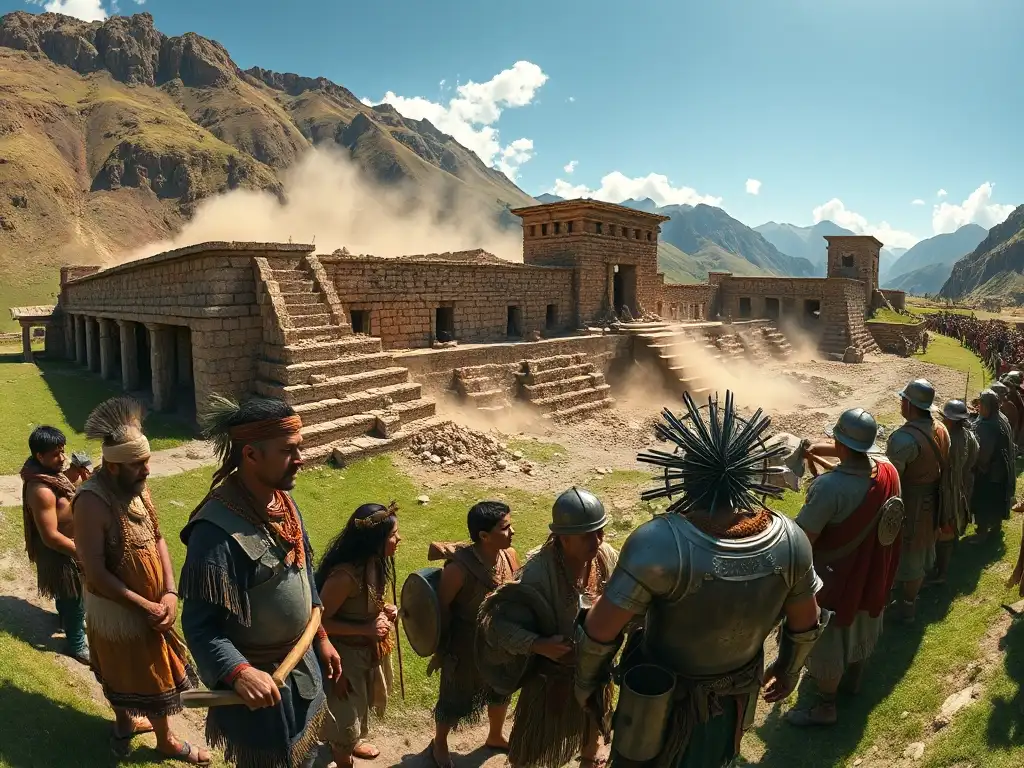
Step into a world lost to time, yet echoing with the power of ancient beliefs. For centuries, the Andes Mountains held the secrets of vibrant civilizations – the Incas, Moche, Nazca, and Tiahuanaco – each with unique spiritual traditions. But what happened when the Spanish conquistadors arrived? Discover the shocking truth behind the forced conversions and the brutal attempts to eradicate Andean religion in our in-depth exploration of “The Spanish Conquest.” Prepare to uncover a story of resilience, resistance, and the enduring legacy of a faith that refused to be silenced.
- The Forced Conversions: Spanish Attempts to Eradicate Andean Religious Beliefs
- The Arrival of the Spanish and the Onset of Religious Imposition
- The System of Forced Conversions: Methods and Strategies
- Resistance to Spanish Religious Imposition
- The Long-Term Impact of Forced Conversions
- The Spanish Attempts to Eradicate Andean Religion: A Concluding Analysis
-
Frequently Asked Questions
- What was the primary goal of the Spanish in relation to Andean religion?
- How did the Spanish attempt to suppress Andean religions?
- What was the impact of the Spanish attempts on Andean culture?
- Were all Andean religious practices completely eliminated?
- What are some examples of the surviving Andean religious elements?
- Final Reflection: Echoes of Conquest, Whispers of Resilience
- Unveil the Rich Tapestry of Andean Beliefs!
The Forced Conversions: Spanish Attempts to Eradicate Andean Religious Beliefs
The arrival of the Spanish in the Andes marked a profound turning point, not only in the political and social landscape but also in the deeply ingrained religious beliefs of the indigenous populations. This article delves into the systematic efforts undertaken by the Spanish conquistadors and the subsequent colonial regime to suppress and eradicate the rich tapestry of Andean spirituality, a process characterized by violence, coercion, and the imposition of Catholicism.
We will explore the pre-Columbian religious landscape, examining its key features, the significance of sacred sites, and the underlying cosmology that shaped Andean life before the devastating impact of colonization. Understanding this clash of worlds is crucial to comprehending the lasting effects on Andean culture and the enduring struggle to preserve indigenous traditions in the face of forceful conversion.
The keyword "Spanish attempts eradicate Andean religion" will be explored in detail throughout this analysis, illuminating the methods employed and the devastating consequences of this religious suppression.
Introduction: The Clash of Worlds and Faiths in the Andes
The conquest of the Andes was not merely a military campaign; it was a multifaceted assault on the indigenous populations, encompassing political subjugation, economic exploitation, and the systematic destruction of their cultural heritage. Central to this assault was the deliberate attempt to dismantle the intricate web of Andean religious beliefs and practices, replacing them with the tenets of Roman Catholicism. This process, far from being a peaceful conversion, involved brutality, intimidation, and the destruction of sacred sites and objects.
The Spanish, driven by a fervent religious zeal and a desire to solidify their control, implemented policies aimed at eradicating what they perceived as pagan idolatry and replacing it with Christian faith. This clash of worlds, between the deeply rooted Andean spirituality and the imposed Catholicism, left an indelible mark on the region's cultural identity. The legacy of this forced conversion continues to resonate in contemporary Andean societies.
The Pre-Columbian Andean Religious Landscape
Before the arrival of the Europeans, the Andes were home to a diverse array of indigenous groups, each with its unique religious practices and beliefs, yet sharing some common threads. These beliefs were deeply intertwined with their daily lives, shaping their social structures, agricultural practices, and understanding of the natural world. The Andean worldview was profoundly different from the European, and this difference fueled the Spanish attempts to eradicate Andean religion, viewing it as incompatible with their own faith. The Spanish considered Andean religious practices as "pagan" and "devilish," thus justifying their aggressive suppression.
Key Features of Andean Spirituality
Andean spirituality was characterized by a complex pantheon of gods and goddesses, often associated with natural phenomena like mountains, rivers, and the sun. Ancestor veneration played a significant role, with rituals and offerings performed to honor deceased relatives. Shamanistic practices were widespread, with healers and spiritual leaders playing crucial roles in community life.
The concept of ayni, reciprocal exchange and balance, was central to their worldview, reflecting a harmonious relationship between humans and the natural world. This intricate system of beliefs and practices was systematically targeted by the Spanish as part of their broader strategy to subdue the indigenous population. The destruction of temples and the persecution of religious leaders were key strategies in their attempts to eradicate Andean religion.
The Importance of Huacas and Sacred Sites
Huacas, sacred places or objects imbued with spiritual power, held central importance in Andean religious life. These could range from mountains and caves to springs and stones, each possessing unique significance and attracting pilgrimage and offerings. The destruction of these huacas was a deliberate act of cultural vandalism, aimed at severing the spiritual connection between the people and their ancestral heritage.
The Spanish saw these sites as symbols of pagan worship and actively sought to desecrate them, often replacing them with Christian churches or simply destroying them completely. This act of destruction was integral to the Spanish attempts to eradicate Andean religion.
Andean Cosmology and Belief in Pachamama
Andean cosmology was based on a cyclical understanding of time and a deep respect for the natural world. Pachamama, Mother Earth, was a central figure in their belief system, representing the life-giving force of the earth and the source of all sustenance. The Spanish attempts to eradicate Andean religion included not only the destruction of physical sites but also the undermining of this worldview, seeking to replace it with a linear, Christian perspective.
The forced conversion to Catholicism included the imposition of new concepts of time, morality, and the relationship between humanity and the divine, directly challenging the fundamental tenets of Andean spirituality. This ideological struggle was as crucial as the physical acts of destruction in the Spanish campaign.
The Arrival of the Spanish and the Onset of Religious Imposition
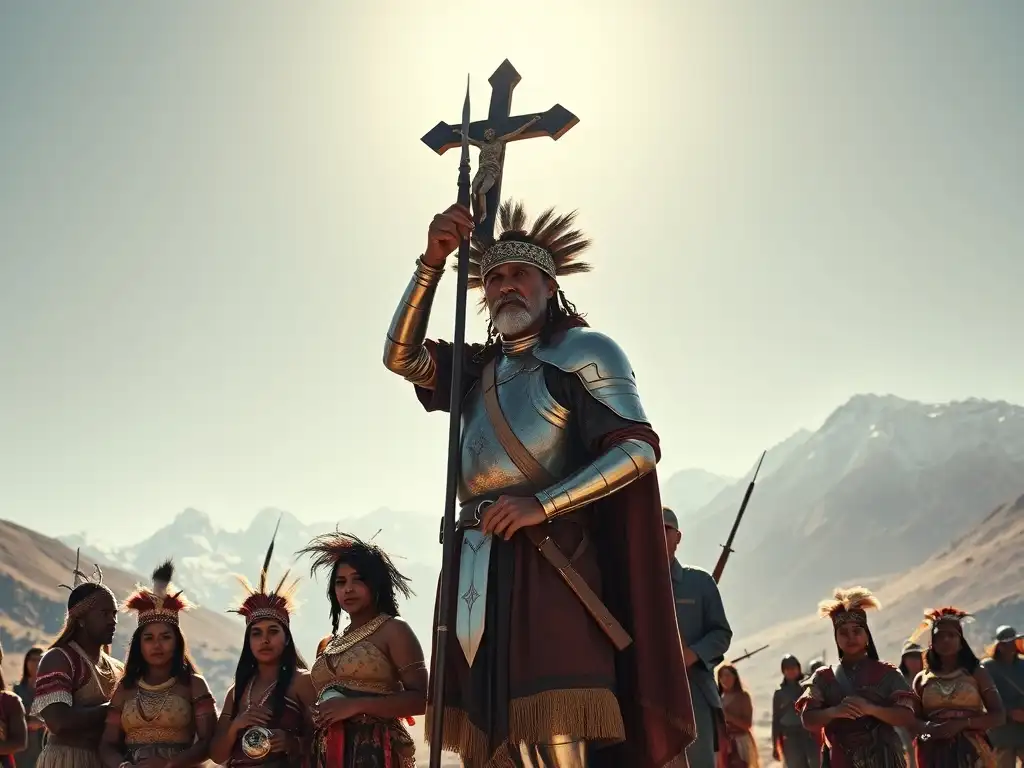
The arrival of the Spanish in the Andes marked a dramatic turning point, not only in the political landscape but also in the deeply ingrained religious beliefs of the Andean populations. The Spanish, driven by a fervent desire to spread Catholicism, viewed the complex and sophisticated religious systems of the Inca, Moche, Nazca, and Tiahuanaco civilizations as obstacles to their colonial project. This section will delve into the initial reactions of the Spanish to Andean spirituality and the legal and practical measures undertaken to suppress it.
Understanding this period is crucial to comprehending the lasting impact of the Spanish conquest on Andean cultural identity. The Spanish attempts to eradicate Andean religion were systematic and brutal, leaving an indelible mark on the region's spiritual heritage.
Initial Spanish Perceptions of Andean Religion as "Idolatry"
The Spanish conquistadors, steeped in the religious fervor of the Counter-Reformation, perceived Andean religious practices as "idolatry." Their worldview, shaped by centuries of Christian doctrine, categorized any deity or ritual outside of Catholicism as demonic or heretical. The sophisticated cosmology of the Andes, with its intricate pantheon of gods and goddesses, its elaborate ceremonies, and its reverence for nature, was fundamentally misunderstood and dismissed as pagan superstition.
The Inca's veneration of the sun god Inti, for example, was seen not as a complex theological system but as simple worship of a false idol. Similarly, the elaborate mummification practices and ancestor veneration were interpreted through a lens of fear and suspicion, rather than as expressions of profound spiritual beliefs.
This initial misinterpretation fueled the subsequent attempts to forcibly convert the Andean population. The Spanish often saw the magnificent temples and intricate artwork as evidence of devilish influence rather than appreciating their artistic and cultural significance.
The chroniclers of the conquest often reflected this biased perspective, portraying Andean religion in derogatory terms. Their accounts, while providing valuable insights into the practices themselves, were consistently filtered through the lens of Christian judgment, further reinforcing the negative image of Andean spirituality. This prejudiced perspective laid the groundwork for the systematic destruction of religious sites and the suppression of indigenous beliefs that followed.
The Justification for Forced Conversions: Papal Bulls and Royal Decrees
The Spanish conquest was not merely a military undertaking; it was also a religiously motivated crusade. The Crown and the Church collaborated to legitimize the forced conversions through a complex web of papal bulls and royal decrees. These legal instruments provided the theological and political justification for the suppression of Andean religion and the imposition of Catholicism. Key documents, such as the Requerimiento, were read to indigenous populations, demanding their submission to the Spanish Crown and the Catholic faith. Refusal was construed as justification for conquest and subjugation.
Papal bulls, issued by the Pope, granted the Spanish monarchs the right to claim lands and convert indigenous populations. These documents played a crucial role in shaping the legal framework for colonization and religious conversion in the Americas. Royal decrees further reinforced this legal framework, outlining specific measures to be taken to eradicate indigenous religions and establish Catholic dominance.
These decrees often mandated the destruction of temples, the suppression of religious ceremonies, and the punishment of those who resisted conversion. The combination of papal authority and royal decrees created a powerful legal apparatus used to justify the violent suppression of Andean religious practices. This legal framework served as a powerful tool for the Spanish in their efforts to impose their religious beliefs, paving the way for the systematic eradication of Andean religious traditions.
Early Methods of Religious Suppression: Destruction of Temples and Sacred Objects
The practical implementation of the forced conversions involved a systematic campaign of destruction. Temples, considered sacred sites by Andean populations, were systematically targeted and razed to the ground. The destruction was not merely an act of vandalism; it was a deliberate attempt to erase the physical manifestations of Andean religious beliefs.
Inca temples, such as those dedicated to Inti, were dismantled, their stones often used to construct churches or other colonial structures. The destruction extended beyond temples to encompass sacred objects: idols, textiles, and other artifacts were seized, destroyed, or repurposed. This systematic destruction aimed not only to eliminate the physical reminders of Andean religion but also to demoralize the indigenous population and break their spiritual ties to their ancestral beliefs.
The process of replacing Andean deities with Christian saints was similarly forceful. The Spanish frequently superimposed Christian imagery onto existing Andean religious structures, attempting to blend the two systems rather than completely eradicating the indigenous traditions. This tactic, however, often served to further undermine Andean religious practices by associating them with the new religion in a way that eroded their original meaning and power.
The forced conversions and destruction of sacred sites had profound and long-lasting effects on Andean culture, leaving a legacy of religious syncretism and cultural trauma. The Spanish attempts to eradicate Andean religion were far-reaching and devastating, resulting in the loss of invaluable cultural heritage and the lasting impact on the spiritual identity of the Andean people.
The System of Forced Conversions: Methods and Strategies
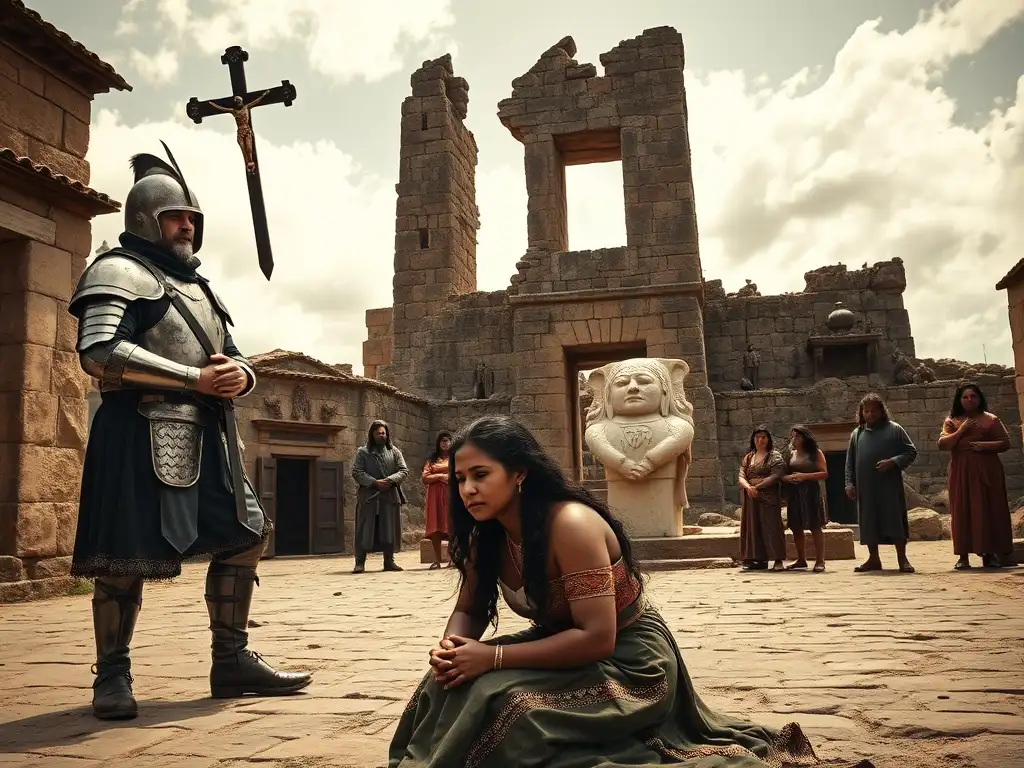
The Spanish conquest of the Andes was not merely a military undertaking; it was a systematic campaign to dismantle the existing Andean religious landscape and supplant it with Catholicism. This wasn't a passive process of cultural exchange, but rather an aggressive, often brutal, attempt to eradicate indigenous beliefs and practices. The Spanish crown, heavily influenced by the Catholic Church, implemented a multifaceted strategy to achieve this goal, employing methods ranging from subtle coercion to outright violence.
Understanding the mechanics of this system is crucial to grasping the full impact of the Spanish conquest on Andean culture. The Spanish attempts to eradicate Andean religion were multifaceted and deeply ingrained in the colonial project.
The Role of the Catholic Church in the Conversion Process
The Catholic Church played a central role in the forced conversion process. Missionaries, often accompanied by soldiers, arrived in Andean communities with the explicit mandate to convert the indigenous population. Their methods varied, but frequently involved a combination of persuasion, intimidation, and the destruction of sacred sites. The Church established numerous monasteries and convents throughout the Andes, aiming to create centers of Christian influence and control. These institutions served as both religious and educational centers, often teaching Spanish and imposing Christian values on indigenous children.
The Church's authority was reinforced by the Spanish crown, which granted them significant power and influence in the colonies. This meant that resistance to conversion often faced not only social but also legal repercussions. Furthermore, the Church developed specific strategies for conversion, targeting different aspects of Andean life, from religious practices to social structures.
The destruction of huacas (sacred places) and the suppression of indigenous religious leaders were key components of this strategy, aiming to sever the connection between the Andean people and their traditional beliefs. Specific data on the number of huacas destroyed is difficult to ascertain precisely, but historical accounts consistently highlight the widespread destruction as a deliberate policy.
The Extirpation of Idolatry Campaigns: Targeting Andean Priests and Rituals
The "extirpación de idolatrías" (extirpation of idolatries) campaigns, launched in the 16th and 17th centuries, represent a particularly aggressive phase of the forced conversion process. These campaigns were explicitly aimed at eliminating indigenous religious practices and targeting those who maintained them. Andean priests, yachaqs, and other religious leaders were persecuted, often executed, or imprisoned for practicing their traditions. Their knowledge of Andean cosmology, medicinal plants, and spiritual practices was actively suppressed, contributing to a significant loss of cultural heritage.
These campaigns involved the systematic destruction of religious objects, including idols, textiles, and ceremonial paraphernalia. Many of these artifacts were considered invaluable by the Andean people, representing their connection to their ancestors and the spiritual world. The destruction was not merely an act of vandalism; it was a deliberate attempt to sever the cultural and spiritual ties that bound the Andean communities together.
The sheer scale of destruction makes it difficult to quantify the exact number of artifacts lost, but reports from the time indicate that the process was thorough and ruthless. The Spanish attempts to eradicate Andean religion through these campaigns successfully undermined the indigenous belief systems.
The Implementation of Christian Doctrines and Practices
The eradication of indigenous religious practices was coupled with the aggressive promotion of Christian doctrines and practices. The Spanish imposed Catholicism as the official religion of the colonies, making it mandatory for all residents. This involved imposing new religious calendars, rituals, and moral codes, often replacing or overlaying existing Andean systems. The introduction of new saints and religious figures aimed to supplant the Andean pantheon, and Christian holidays gradually replaced indigenous celebrations.
The construction of churches and cathedrals across the Andean landscape served not only as places of worship but also as symbols of Spanish dominance and the imposition of Christian beliefs. The use of indigenous languages in religious services was initially limited, further hindering the understanding and acceptance of Christian teachings by many Andean communities.
While some syncretism occurred, with Andean beliefs and practices blending with aspects of Catholicism, the overall effect was a significant disruption and transformation of Andean religious life. The Spanish attempts to eradicate Andean religion were ultimately successful in establishing Catholicism as the dominant faith but at the cost of a significant cultural loss.
The Use of Fear and Coercion in the Conversion Process
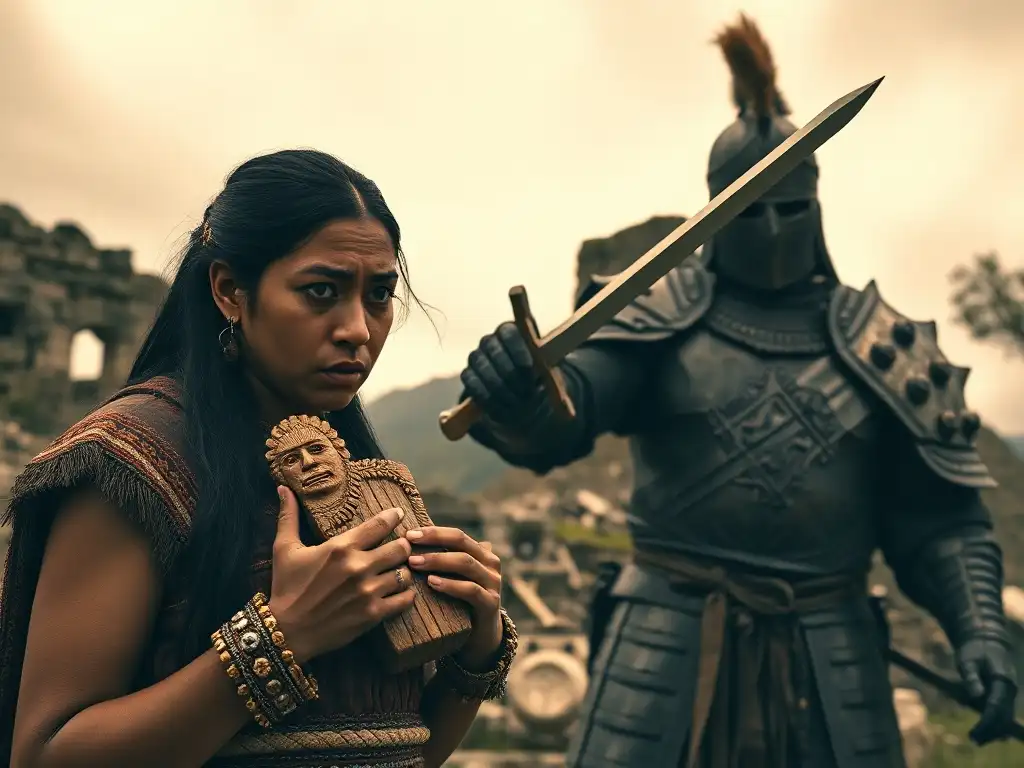
The Spanish conquest of the Andes was not merely a military campaign; it was a systematic effort to dismantle existing power structures and replace them with a new order firmly rooted in Catholicism. A crucial element of this strategy was the use of fear and coercion to force the conversion of the indigenous population. This wasn't a subtle process; the Spanish employed brutal tactics to instill terror and break the will of the Andean peoples to resist religious change.
The destruction of sacred sites, the burning of religious artifacts—including intricately woven textiles and meticulously crafted gold and silver objects—and the public execution of those who refused to renounce their ancestral faiths served as powerful deterrents. These acts weren't isolated incidents; they were calculated strategies designed to instill a pervasive sense of fear and insecurity. The systematic dismantling of Andean religious practices, a complex web of rituals, beliefs, and social structures, aimed to replace the indigenous spiritual world with the unfamiliar and often incomprehensible tenets of Christianity.
The sheer brutality of these actions aimed to break the spirit of resistance and impose a new religious reality by force. The psychological impact on the Andean population was profound, leaving lasting scars on their collective memory and shaping their relationship with religion for generations to come. This calculated use of fear and violence fundamentally altered the religious landscape of the Andes, leaving an indelible mark on the region's cultural and spiritual heritage.
The Role of the Encomienda System in Religious Control
The encomienda system, a cornerstone of Spanish colonial administration, played a significant role in facilitating the forced conversion of the Andean population. While ostensibly a system of labor organization, granting Spanish conquistadors control over indigenous communities in exchange for their “protection” and Christian instruction, it quickly became a tool for exploitation and religious oppression. The encomenderos, the Spanish recipients of these grants, wielded immense power over the indigenous population, controlling their labor, resources, and, crucially, their religious practices.
The obligation to provide religious instruction was often a mere pretext for extracting labor and wealth. The reality was far removed from the idealized image of benevolent guidance; instead, it created an environment where conversion was often enforced through brutal means, with little regard for the indigenous people's beliefs or cultural practices. The encomienda system fostered a climate of dependency and fear, making resistance to religious conversion extremely perilous.
The indigenous population lacked the autonomy to practice their faith freely, living under the constant surveillance and control of the encomenderos, who often used the threat of violence or punishment to ensure compliance. The system's inherent inequalities ensured that the promise of Christian instruction frequently masked the reality of forced labor and religious oppression, further cementing the Spanish attempts to eradicate Andean religion. The intertwining of economic exploitation and religious control within the encomienda system made it a particularly effective instrument in the Spanish project of religious domination.
Resistance to Spanish Religious Imposition
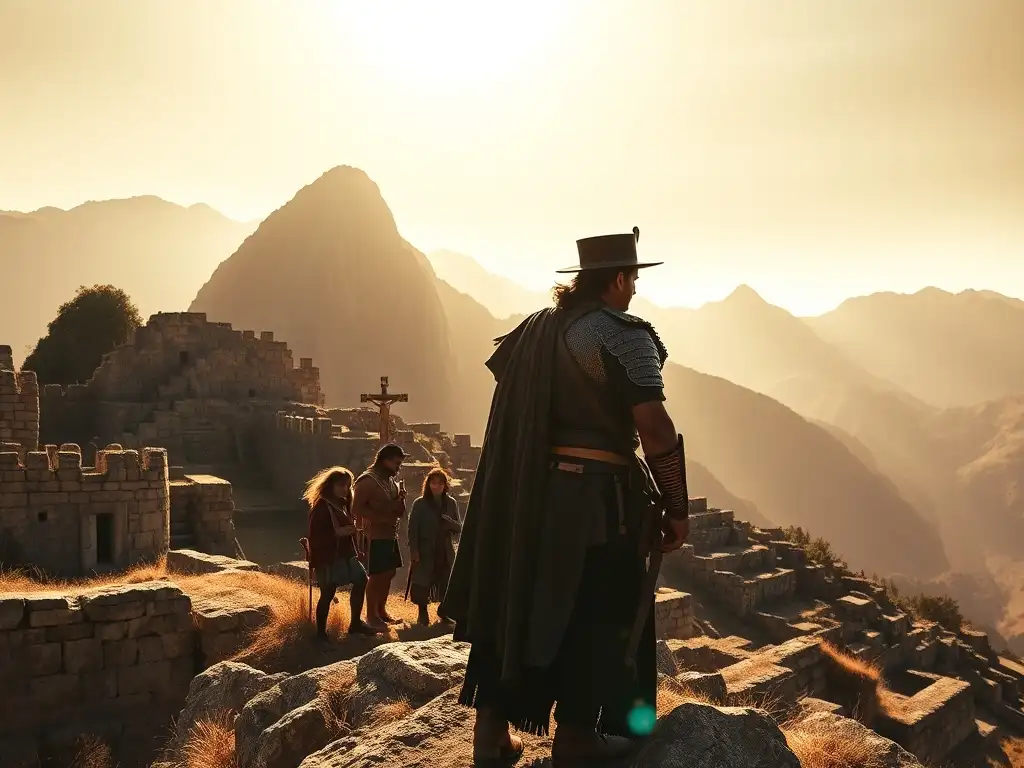
The Spanish conquest of the Andes was not merely a military campaign; it was a concerted effort to dismantle the complex religious systems of the Andean civilizations and replace them with Catholicism. While the Crown promoted conversion through missionaries and the establishment of churches, the indigenous populations exhibited varying degrees of resistance, ranging from subtle acts of defiance to open rebellion.
Understanding this resistance is crucial to comprehending the enduring legacy of Andean religious beliefs and the ongoing cultural impact of the colonial encounter. The Spanish attempts to eradicate Andean religion were met with both overt and covert resistance, showcasing the resilience of Andean spiritual practices.
Covert Practice of Andean Beliefs: Syncretism and Underground Religions
Despite the intense pressure to convert, Andean peoples cleverly maintained aspects of their ancestral faiths. A primary strategy was syncretism, the blending of indigenous and Christian beliefs and practices. This allowed for a seemingly compliant outward adherence to Catholicism while covertly preserving core elements of their own spiritual world. For example, the veneration of Catholic saints was often overlaid onto existing Andean deities, with similar attributes and functions being subtly transferred. The Virgin Mary, for instance, sometimes assumed the role of a protective mother goddess, similar to the Inca goddess Mama Pacha.
The practice of huacas—sacred places imbued with spiritual power—also persisted, albeit often disguised. While officially condemned by the Church, these sites continued to be visited and venerated, sometimes with the addition of Christian symbols or rituals to avoid direct confrontation with Spanish authorities. The Spanish attempts to eradicate Andean religion were often unsuccessful in completely suppressing these practices, leading to a complex interplay between imposed Catholicism and persistent Andean beliefs.
Detailed accounts of these syncretic practices are scarce, requiring further research to fully understand their intricacies and regional variations. The limited historical documentation emphasizes the clandestine nature of these religious expressions.
The Taki Onqoy Movement: A Religious Rebellion Against Spanish Rule
The Taki Onqoy movement, emerging in the late 1560s, represents a more overt form of resistance. This revitalization movement sought to restore traditional Andean religion and challenge the dominance of Catholicism. The movement's name translates roughly to "dancing sickness," reflecting its ritualistic nature and the emphasis on ecstatic practices. Prophets and healers emerged, claiming to be empowered by Andean deities to combat the encroaching Spanish influence. These religious leaders often criticized the perceived moral failings of the Spanish and promoted a return to the old ways.
The Taki Onqoy movement was not a unified entity, with regional variations in beliefs and practices. However, it demonstrated a widespread dissatisfaction with Spanish rule and a concerted effort to reclaim Andean religious identity. The movement's impact varied across different regions, with some areas experiencing significant participation while others remained largely unaffected. Further investigation is needed to better understand the movement's organizational structure, its specific religious beliefs, and its eventual decline. The Spanish attempts to eradicate Andean religion were directly challenged by this significant religious rebellion.
The Case of the Andean Priest, Don Pedro de Alcantara, and his Resistance
Don Pedro de Alcantara exemplifies individual resistance to the Spanish imposition of Catholicism. While historical records about him are fragmented, accounts suggest he was an Andean priest who, despite outwardly conforming to the Christian faith, covertly maintained and practiced traditional Andean religious rites. He allegedly used his position within the colonial system to subtly undermine Spanish religious dominance, perhaps through hidden rituals or the continued veneration of Andean deities. His story highlights the complexities of navigating a colonial religious landscape while preserving indigenous spiritual beliefs.
The exact details of Don Pedro de Alcantara's life and resistance remain unclear due to the scarcity of primary sources. Further research into colonial archives and oral histories could shed more light on his activities and the extent of his influence. Understanding his story requires a careful analysis of available historical documents, considering the biases and limitations inherent in colonial records.
His case represents a microcosm of the broader struggle between imposed religious systems and the enduring strength of Andean spiritual traditions. The Spanish attempts to eradicate Andean religion were, in many cases, challenged by individuals like Don Pedro de Alcantara who creatively resisted while maintaining a semblance of compliance.
The Long-Term Impact of Forced Conversions
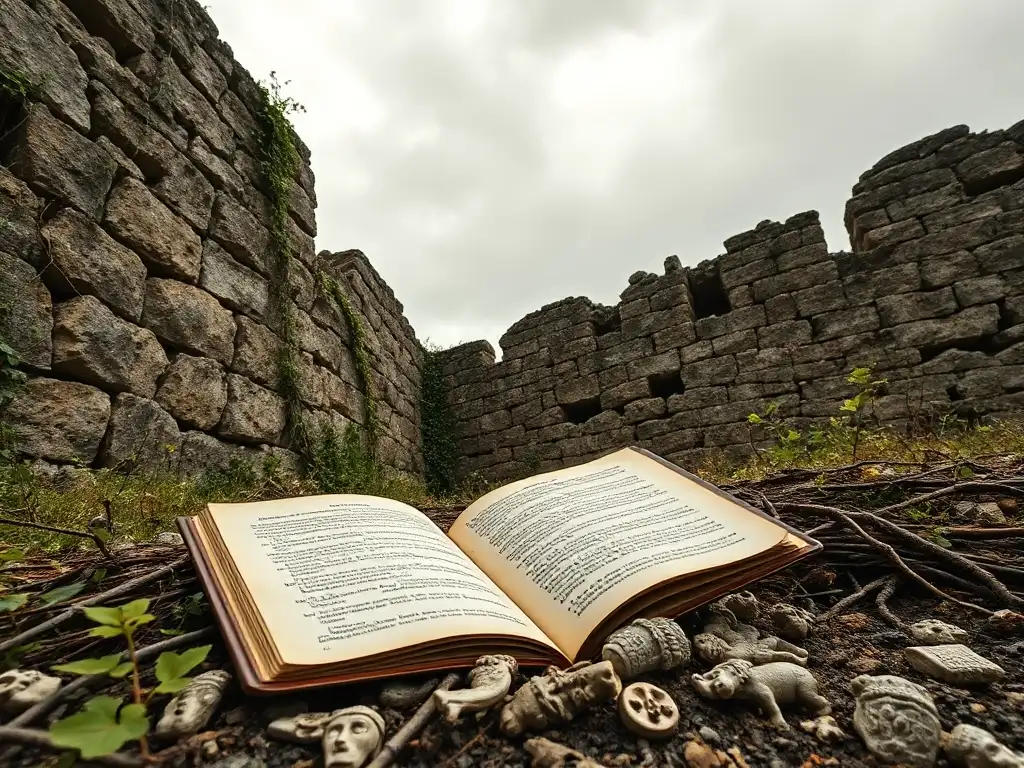
The Spanish conquest of the Andes dramatically altered the religious landscape, leaving an enduring legacy that continues to shape Andean identity today. The Spanish attempts to eradicate Andean religion were not merely a fleeting moment of colonial violence; they represent a sustained, multi-generational project of cultural transformation. The forceful imposition of Catholicism resulted in profound and lasting changes in Andean religious practices, beliefs, and social structures.
Understanding this impact requires examining not just the immediate effects of suppression, but also the complex ways in which Andean peoples adapted, resisted, and ultimately reshaped the imposed religious system. The process was far from uniform, varying significantly across different Andean regions and ethnic groups, leading to a diverse tapestry of religious syncretism and cultural resilience.
The very fabric of Andean spirituality was irrevocably altered, a testament to the enduring power of both colonial dominance and indigenous resistance. Quantifying the exact scale of this transformation is difficult due to limited surviving primary sources reflecting the Andean perspective, but archaeological evidence, colonial accounts, and contemporary Andean religious practices provide valuable insights into this complex historical process.
The Transformation of Andean Religious Practices
The Spanish systematically targeted Andean religious practices deemed "pagan" or "idolatrous." The destruction of huacas (sacred sites) was widespread, with temples razed, idols smashed, and mummies desecrated. Traditional ceremonies, rituals, and festivals were suppressed, often punished with violence or imprisonment.
The intricate system of Andean cosmology, with its complex pantheon of deities and elaborate rituals, was actively undermined. For example, the Inca's sun worship, a central element of their imperial ideology, was replaced with the veneration of the Christian God. The capac hucha (the royal Inca's sacred role) and the curacas (local leaders) who held significant religious authority lost their power and prestige as the Spanish established a new religious hierarchy.
This disruption of traditional religious authority had profound social and political consequences, leading to the disintegration of existing social structures and the imposition of a new, hierarchical order. The replacement of traditional Andean calendar systems with the Gregorian calendar further exemplifies the attempt to impose a new temporal order, erasing the cyclical nature of Andean timekeeping. The impact on agricultural practices, deeply intertwined with Andean religious beliefs, was also significant, leading to disruptions in agricultural cycles and food production.
The Emergence of Hybrid Religious Forms
Despite the brutal suppression, Andean religious beliefs and practices did not simply disappear. Instead, a complex process of syncretism emerged, blending indigenous traditions with aspects of Catholicism. This resulted in the creation of new, hybrid religious forms that reflected the enduring power of Andean spirituality.
For instance, the veneration of Catholic saints often became intertwined with traditional Andean deities. The Virgin Mary, for example, frequently assumed characteristics and roles similar to those of Andean earth goddesses, such as Pachamama. Similarly, traditional rituals and ceremonies were adapted to incorporate Catholic elements, creating a blend of indigenous and Christian practices.
This syncretism was not simply a superficial overlay; it represented a deep engagement with the imposed religion, a process of negotiation and adaptation through which Andean peoples sought to maintain their cultural identity while navigating the constraints of colonial rule. The precise nature of these hybrid forms varied considerably across different regions and communities, resulting in a rich diversity of religious expressions. Examples include the incorporation of Catholic saints into traditional Andean festivals and the adaptation of indigenous rituals to fit within the framework of Catholic liturgical practices.
The Persistence of Indigenous Beliefs Beneath the Surface of Catholicism
Even in cases where seemingly complete conversion to Catholicism appeared to have taken place, indigenous beliefs often persisted beneath the surface. Many Andean people practiced a form of "double faith," outwardly conforming to Catholic practices while secretly maintaining their traditional beliefs and rituals. This strategy of hidden resistance was crucial in preserving cultural identity and spiritual continuity.
The secrecy involved in these practices underscores the ongoing tension between colonial authority and indigenous resistance. This hidden religious life often took place in private spaces, within families and communities, shielded from the gaze of colonial authorities. Oral traditions, songs, and stories played a critical role in transmitting indigenous religious knowledge across generations, ensuring the survival of Andean spirituality even in the face of intense pressure to conform.
The survival of these hidden practices demonstrates the tenacity of Andean cultural identity and the limitations of colonial attempts at complete religious eradication. The persistence of these beliefs is also evident in contemporary Andean religious practices, where elements of indigenous spirituality continue to intertwine with Catholic traditions, highlighting the enduring legacy of this complex historical interaction. The resilience of Andean spiritual traditions serves as a powerful testament to the strength and adaptability of Andean cultures in the face of colonial oppression.
The Enduring Legacy of Religious Conflict in the Andes
The forced conversions enacted by the Spanish during the conquest left an indelible mark on Andean society, a legacy that continues to resonate even today. The imposition of Catholicism wasn't merely a superficial overlay; it profoundly reshaped social structures, power dynamics, and cultural practices.
The destruction of sacred sites, the suppression of indigenous rituals, and the persecution of religious leaders created deep-seated trauma that impacted generations. This wasn't simply a matter of replacing one belief system with another; it was a systematic dismantling of a complex worldview deeply intertwined with the Andean peoples' understanding of the cosmos, their relationship with the land, and their social organization.
The enduring impact is evident in the syncretic nature of Andean religious practices. While Catholicism became the dominant religion, indigenous beliefs and rituals often survived, albeit in altered forms. Many indigenous communities integrated Catholic saints and practices into their existing spiritual frameworks, creating a blended religious system that reflects both the imposed faith and the enduring strength of their ancestral traditions.
This syncretism, while a testament to the resilience of indigenous cultures, also highlights the lasting tension between the imposed and the indigenous. The coexistence of these belief systems is not always harmonious; the ongoing struggle to preserve and revitalize indigenous spiritual practices in the face of persistent religious and cultural dominance remains a significant challenge.
The Spanish conquest's legacy extends beyond religious practices. The disruption of traditional social structures, often linked to religious authority and cosmology, had far-reaching consequences. The dismantling of indigenous leadership and the imposition of a hierarchical, European-style social order created lasting inequalities that continue to shape Andean societies.
The historical trauma resulting from the forced conversions contributes to contemporary social and political issues, including land disputes, marginalization of indigenous communities, and the struggle for self-determination. Understanding the long-term impact of the Spanish attempts to eradicate Andean religion is crucial for comprehending the complex social, political, and cultural landscape of the Andes today.
The echoes of this religious conflict reverberate through generations, shaping identities, influencing social structures, and informing the ongoing struggle for cultural preservation and social justice. It's a legacy that demands continued study and understanding to fully appreciate the complexities of Andean history and the enduring strength of its cultural heritage.
The Spanish Attempts to Eradicate Andean Religion: A Concluding Analysis
The Spanish conquest of the Andes was not merely a military endeavor; it was a systematic attempt to dismantle and replace the complex religious systems of the Andean civilizations. This process, far from being a swift and decisive victory for Christianity, involved decades of struggle, resistance, and ultimately, incomplete success. The Spanish Crown, driven by a fervent desire to convert the indigenous population to Catholicism, employed a variety of methods, from persuasion and missionary work to brutal force and suppression of native practices.
Understanding the nuances of this religious imposition is crucial to comprehending the lasting impact on Andean culture and identity. The Spanish attempts to eradicate Andean religion, while impactful, ultimately failed to completely extinguish the deeply rooted spiritual beliefs of the region. This section will analyze the limitations of the Spanish efforts and the enduring legacy of Andean spirituality.
The Failure of Complete Eradication of Andean Spirituality
Despite the Spanish Crown's best efforts, the complete eradication of Andean spirituality proved impossible. The deeply ingrained religious practices and beliefs, passed down through generations, proved remarkably resilient. While many Andean people outwardly adopted Catholicism, often syncretizing it with their pre-existing beliefs, the core tenets of their ancestral faiths persisted. This syncretism, a blending of Catholicism and indigenous traditions, manifested in various ways.
For example, the veneration of Catholic saints often overlapped with the worship of indigenous deities, with similar rituals and offerings being employed. The Spanish, despite their attempts at suppression, were unable to fully grasp the complexity and depth of Andean religious life. They often misinterpreted symbols and practices, leading to ineffective or even counterproductive measures. The sheer scale of the Andean region and the diversity of its cultures also contributed to the failure of complete eradication.
Different Andean groups held distinct religious beliefs and practices, making a uniform approach impossible. The resilience of Andean spirituality is a testament to its inherent strength and the enduring connection between the people and their ancestral traditions. Quantitative data on the exact number of individuals maintaining indigenous beliefs during and after the conquest is scarce, but ethnographic studies and historical accounts consistently reveal the persistence of Andean religious practices in various forms.
The Continuing Relevance of Andean Beliefs in Modern Andean Culture
The enduring legacy of Andean beliefs is palpable in contemporary Andean culture. Many traditional ceremonies and rituals, though often adapted and modified over time, continue to be practiced. The celebration of Pachamama, Mother Earth, remains a central element in many Andean communities, highlighting the enduring connection to the natural world.
Similarly, the use of coca leaves, long associated with Andean religious practices, persists, although its significance has evolved within a changing cultural context. The vibrant textiles, adorned with intricate designs that often carry symbolic meanings rooted in ancient beliefs, are another manifestation of this cultural continuity. This persistence showcases the adaptability and resilience of Andean spirituality, demonstrating its ability to survive and transform within a new socio-political landscape.
The survival of these practices, despite centuries of suppression, underscores the strength of cultural identity and the importance of religious beliefs in shaping community life. Furthermore, a growing interest in reviving and preserving traditional Andean knowledge systems, including religious practices, is gaining momentum in modern times, further emphasizing the ongoing relevance of these beliefs.
The Importance of Understanding the History of Religious Imposition
Understanding the Spanish attempts to eradicate Andean religion is crucial for several reasons. Firstly, it provides a critical perspective on the lasting impact of colonialism on Andean societies. The imposition of a foreign religion was not a neutral act; it significantly altered social structures, power dynamics, and cultural expressions.
Secondly, comprehending this history allows us to appreciate the complexity and resilience of Andean cultures. The survival of indigenous religious beliefs, despite centuries of suppression, is a testament to their inherent strength and the enduring connection between the people and their traditions. Finally, this historical understanding fosters greater respect for the diversity of religious expressions and the importance of preserving cultural heritage.
Ignoring or minimizing this aspect of history risks perpetuating a distorted narrative that fails to fully acknowledge the lasting impact of colonialism and the enduring strength of Andean spiritual practices. The ongoing study of this historical process continues to uncover new nuances, highlighting the need for continued research and a commitment to representing the Andean experience accurately and respectfully. Ignoring this history, with its nuances of resistance and adaptation, prevents a complete understanding of modern Andean culture and its rich tapestry of beliefs.
Frequently Asked Questions
What was the primary goal of the Spanish in relation to Andean religion?
The Spanish aimed to completely eradicate indigenous Andean religious beliefs and practices, replacing them with Catholicism. This was a central part of their colonization efforts.
How did the Spanish attempt to suppress Andean religions?
The Spanish used various methods, including destruction of temples and idols, violent suppression of rituals, and the implementation of the encomienda system to control the indigenous population and enforce conversion.
What was the impact of the Spanish attempts on Andean culture?
The suppression of Andean religion had a profound and lasting impact, significantly altering religious practices, social structures, and cultural expressions. Many traditions were lost or significantly changed.
Were all Andean religious practices completely eliminated?
No, despite the Spanish efforts, many Andean religious beliefs and practices persisted in syncretic forms, blending with Catholic elements. These adapted forms continued to thrive underground or were subtly integrated.
What are some examples of the surviving Andean religious elements?
Many Andean traditions, such as venerating mountains (Apus) and celebrating certain festivals, survive today, often integrated with Catholic elements, demonstrating the resilience of indigenous beliefs despite attempts at eradication.
Final Reflection: Echoes of Conquest, Whispers of Resilience
The forced conversions enacted by the Spanish conquistadors continue to resonate in the social and political landscapes of the Andes today, a stark reminder of the enduring power of cultural suppression. The legacy of this brutal campaign to eradicate Andean religious beliefs is not merely a historical footnote; it is a living wound, shaping identities, power structures, and the very fabric of Andean society.
The subtle yet pervasive influence of colonial religious imposition is evident in the ongoing struggle for indigenous rights and the reclamation of cultural heritage. The echoes of forced conversions reverberate in contemporary debates surrounding land rights, access to education, and the preservation of indigenous languages and spiritual practices. The past is never dead. It's not even past.
- William Faulkner. This quote perfectly encapsulates the enduring impact of the Spanish attempts to erase Andean spirituality, an impact that continues to shape the present and demands our attention.
Consider the enduring strength of Andean spirituality, its ability to adapt and survive despite centuries of oppression. You, the reader, are now equipped with a deeper understanding of this historical trauma. Let this knowledge inspire you to actively support the preservation of indigenous cultures and challenge the persistent inequalities born from colonial legacies. Learn more, engage in respectful dialogue, and become an advocate for the vibrant and resilient cultures that continue to thrive, despite the enduring shadows of the past.
Unveil the Rich Tapestry of Andean Beliefs!
Thank you for exploring the complex history of forced conversions in the Andes. Your engagement with this crucial topic highlights the resilience of Andean cultures and their enduring legacy. Let's now explore ways to honor and appreciate this fascinating heritage.
- Attend a local cultural event celebrating Andean traditions for an immersive experience.
- Share this article on social media to raise awareness of the impact of these historical events.
- Connect with a community group dedicated to preserving Indigenous Andean beliefs and practices; collective action is powerful.
Consider this: How does understanding the past shape our appreciation and support for Andean cultures today?