
The Stolen Lands: How the Spanish Seized Control of Andean Resources

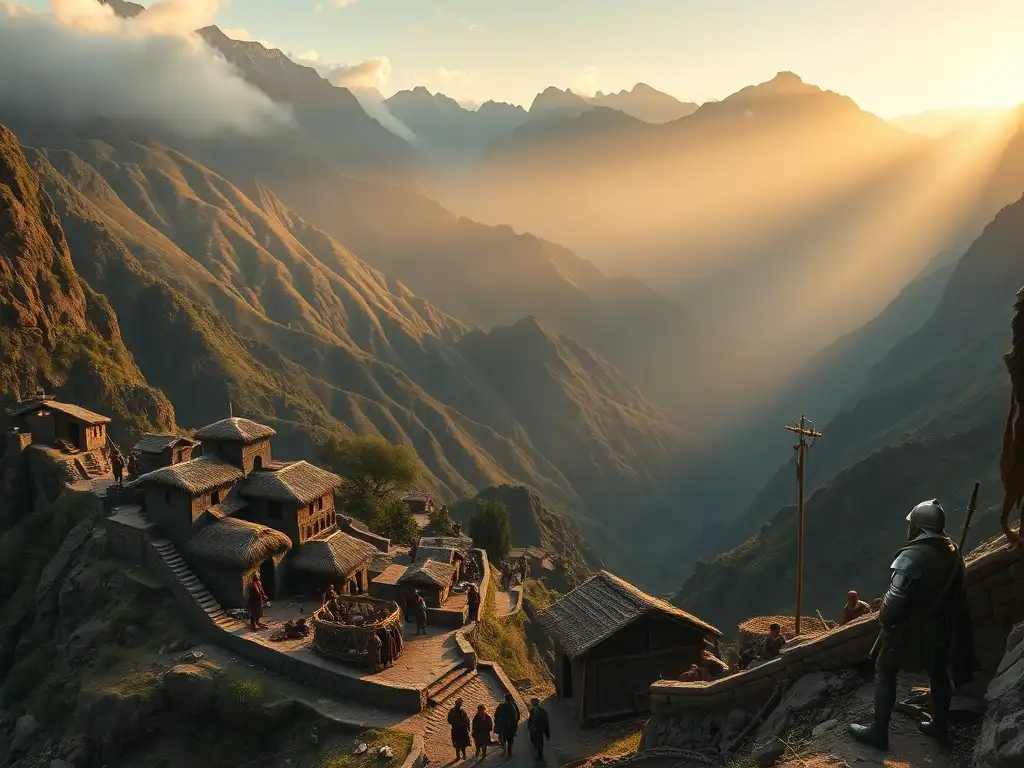
Uncover the hidden layers of a lost world. For centuries, the Andes Mountains held secrets whispered only in stone and gold. But the arrival of the Spanish shattered the ancient equilibrium, triggering a brutal struggle for control. Prepare to delve into the dramatic story of the Spanish conquest and its devastating impact on Andean resources, a tale of ambition, power, and the enduring legacy of a plundered civilization. Discover how the Spanish conquest of Andean resources irrevocably altered the course of history – and what remains hidden to this day.
The Spanish conquest of the Andes was not merely a military campaign; it was a systematic seizure of resources, fundamentally altering the economic and social fabric of the region. This article explores how the Spanish conquistadors, leveraging superior weaponry and exploiting existing social structures, systematically plundered the vast wealth of the Andean civilizations, transforming pre-Columbian resource management into a system designed to benefit the Spanish crown. We will examine the sophisticated pre-Columbian systems of agriculture, mining, and trade, contrasting them with the exploitative practices implemented by the Spanish, ultimately leading to the devastation of Andean societies and the extraction of immense riches for Europe. Understanding this process is crucial to grasping the lasting impact of the Spanish conquest on the Andes and the enduring legacy of colonialism in the region. The impact of this seizure of Andean resources resonates even today, shaping the economic and political landscape of the region.
Introduction to Spanish Conquest and Andean Resources
The arrival of the Spanish in the Andes marked a turning point in the history of the region. Prior to 1532, the Andes were home to a diverse range of sophisticated civilizations, each with its own unique systems for managing resources. The Inca Empire, the largest and most powerful of these, controlled a vast territory stretching along the western coast of South America.
However, other significant civilizations, including the Moche, Nazca, and Tiahuanaco, also developed complex agricultural, mining, and trade networks. These civilizations possessed advanced knowledge of their environment and developed sustainable practices to manage their resources, ensuring the prosperity of their societies for centuries.
The Spanish conquest, however, brutally disrupted these established systems, leading to widespread exploitation and the redirection of resources towards the Spanish crown. The Spanish conquest of Andean resources was not a random event; it was a carefully planned and executed operation, fueled by the insatiable greed for gold and silver.
Pre-Columbian Andean Resource Management
Before the arrival of the Spanish, the Andean civilizations had developed remarkably sophisticated systems for managing their resources. These systems were deeply intertwined with their social structures and religious beliefs, reflecting a profound understanding of their environment and the need for sustainability. This understanding allowed for centuries of prosperity and relatively stable societies. The contrast between this pre-Columbian resource management and the exploitative practices of the Spanish conquest highlights the destructive nature of colonialism.
Andean Agricultural Techniques Before the Spanish
Andean agriculture was characterized by its ingenuity and adaptation to the challenging terrain. Techniques such as terracing, irrigation systems, and the cultivation of diverse crops allowed for high yields even in mountainous regions. The Incas, for example, developed extensive irrigation networks that channeled water to fields across vast distances.
Their mastery of agriculture allowed them to support a large and densely populated empire. This sophisticated agricultural knowledge was largely ignored or destroyed by the Spanish, who imposed their own agricultural systems, often resulting in lower yields and environmental degradation. The Spanish focus on monoculture crops like wheat further damaged the rich biodiversity of the Andean agricultural landscape.
Mineral Wealth and Pre-Columbian Mining in the Andes
The Andes were rich in mineral resources, particularly gold and silver. Pre-Columbian civilizations mined these metals, but their mining practices differed significantly from those of the Spanish. Pre-Columbian mining was often on a smaller scale, focused on meeting the needs of the community rather than generating massive wealth for a distant power. The Spanish, however, introduced large-scale mining operations, often employing brutal labor practices that led to the deaths of thousands of indigenous people. The extraction of massive quantities of silver, particularly, profoundly impacted the Andean economy and environment.
Andean Trade Networks and Resource Distribution
The Andean civilizations had established extensive trade networks that facilitated the exchange of goods and resources across vast distances. These networks were crucial for the distribution of food, textiles, and other essential commodities. The Inca Empire, for example, utilized a sophisticated system of roads and relay runners to ensure the efficient movement of goods. The Spanish conquest disrupted these networks, replacing them with a system designed to funnel resources towards the Spanish crown.
This disruption had a devastating impact on Andean societies, leading to widespread economic hardship and social unrest. The Spanish effectively dismantled existing trade routes and systems, replacing them with a system that prioritized the extraction of resources for the benefit of Spain. This had long-lasting effects on the Andean economy and its ability to support its population.
- What resources did the Spanish primarily seek in the Andes?
- How did the Spanish conquest affect Andean societies?
- What role did Andean resources play in the Spanish empire's growth?
- Were all Andean groups equally affected by the Spanish conquest?
- What lasting legacies remain from the Spanish seizure of Andean resources?
The Spanish Arrival and Initial Encounters
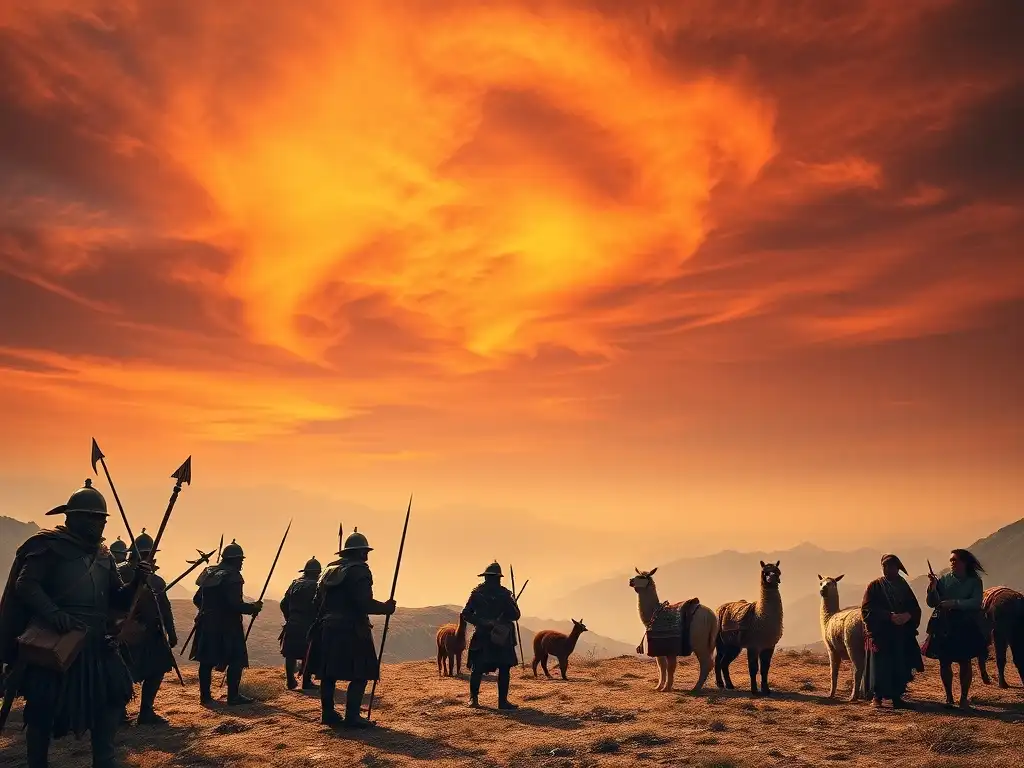
This section delves into the initial interactions between the Spanish conquistadors and the Andean civilizations, focusing on the factors that propelled the Spanish conquest and the immediate consequences for the indigenous populations. The Spanish conquest of the Andes was not a singular event but a complex process driven by a confluence of factors, primarily the allure of Andean resources and the ensuing conflicts that reshaped the region. The strategic exploitation of these resources played a pivotal role in the success of the Spanish conquest, forever altering the trajectory of Andean societies.
The Lure of Andean Gold and Silver
The extraordinary wealth of the Andean region, particularly its gold and silver deposits, acted as a powerful magnet for the Spanish. Chronicles from the time vividly describe the abundance of precious metals in the Inca Empire and other Andean societies. These accounts, often exaggerated for dramatic effect, fueled the avarice of the Spanish crown and its conquistadors.
The sheer volume of gold and silver artifacts discovered in Inca cities like Cusco and in other pre-Columbian sites further solidified the perception of the Andes as a land overflowing with riches. This perception, combined with the existing European demand for precious metals to fund wars and lavish lifestyles, fueled the relentless pursuit of Andean resources. The Spanish believed that controlling these resources would not only generate immense wealth but also enhance Spain's global power and prestige.
The economic incentives were undeniable, forming a cornerstone of the Spanish conquest strategy. The impact of this greed on the Andean populations was devastating, as the relentless search for gold and silver led to forced labor, destruction of cultural heritage, and the exploitation of indigenous populations.
Early Spanish Expeditions and Resource Assessment
Early Spanish expeditions to the Andes were initially focused on reconnaissance and resource assessment. Explorers like Francisco Pizarro meticulously documented the geographical features of the region, identifying potential sources of wealth. They sought to map the locations of mines, agricultural lands, and other valuable resources. Detailed reports were sent back to Spain, outlining the potential for exploitation and fueling further expeditions.
These early expeditions, while often brutal, were instrumental in laying the groundwork for the subsequent large-scale conquest. The Spanish employed a combination of strategies, including alliances with rival Andean groups, to gain a foothold in the region. The assessment of resources was not simply a matter of identifying gold and silver; it also included an evaluation of agricultural potential, which proved crucial for sustaining the Spanish presence and establishing settlements. The systematic evaluation of the Andean landscape laid the foundation for the long-term exploitation of the region's resources.
Initial Conflicts and Displacement of Andean Peoples
The arrival of the Spanish marked the beginning of a period of intense conflict and displacement for Andean peoples. The Spanish, armed with superior weaponry and employing ruthless tactics, quickly gained an advantage over the indigenous populations. Early skirmishes escalated into full-blown wars, resulting in the deaths of countless Andean people and the destruction of their settlements.
The Inca Empire, despite its impressive military capabilities, was ultimately overwhelmed by the Spanish conquistadors' superior technology and strategic alliances. The initial conflicts led to the dismantling of existing power structures and the imposition of Spanish rule. The displacement of Andean populations was a systematic process, involving the forced relocation of people to work in mines and on Spanish-owned estates.
This displacement caused immense suffering and had profound consequences for Andean society, culture, and environment. The legacy of these initial conflicts continues to shape the Andean region even today, highlighting the lasting impact of the Spanish conquest on the indigenous populations and their ancestral lands. The struggle for land and resources remains a central theme in the ongoing efforts to address the historical injustices inflicted upon Andean communities.
The Systematic Seizure of Andean Resources

The Spanish conquest of the Andes was not merely a military victory; it was a systematic seizure of resources, fundamentally altering the economic and social landscape of the region. The Spanish Crown, driven by the insatiable hunger for gold, silver, and other riches, implemented brutal and exploitative policies that decimated indigenous populations and irrevocably changed the Andean environment. Understanding the Spanish conquest of Andean resources requires examining the specific mechanisms employed to extract wealth from the conquered territories.
This involved not only the forceful acquisition of precious metals but also the control of agricultural production and the exploitation of indigenous labor. The impact of these actions reverberates through Andean societies to this day, shaping their economic and social structures. The keyword "Spanish conquest Andean resources" encapsulates this crucial aspect of the colonial era.
The Encomienda System and Resource Exploitation
The encomienda system, implemented shortly after the conquest, was a cornerstone of Spanish resource extraction. It ostensibly granted Spanish conquistadors control over indigenous populations in exchange for their supposed "protection" and the promise of Christian conversion. In reality, it functioned as a thinly veiled system of enslavement, forcing indigenous people to work in mines, on farms, and in other labor-intensive activities. The encomenderos, the Spanish recipients of these grants, extracted immense wealth from the labor of the indigenous population, often driving them to starvation and death.
The system wasn't solely about labor; it also provided a pathway to seizing control of land and other resources. Encomenderos often claimed vast tracts of land previously owned by indigenous communities, further dispossessing them of their ancestral heritage and livelihoods. This brutal system ensured a steady flow of resources to the Spanish Crown and enriched the encomenderos, while systematically impoverishing the indigenous population.
The exploitation extended beyond simple labor; it involved the appropriation of agricultural products, livestock, and any other resources deemed valuable by the Spanish. Detailed records from the period, though incomplete, reveal the sheer scale of this exploitation. For example, [specific data on resource extraction under the encomienda system pending].
Forced Labor in Andean Mines: The Mita System
The Andean mountains were rich in silver, and the Spanish relentlessly pursued this wealth. The mita system, a pre-Columbian form of rotational labor service, was brutally repurposed by the Spanish to fuel their mining operations. While the original mita involved periods of communal labor for public works, the Spanish transformed it into a system of forced labor in the silver mines, primarily Potosi in Bolivia. Indigenous men were conscripted to work in these dangerous and unhealthy conditions, with incredibly high mortality rates.
The demanding work, coupled with malnutrition and disease, led to a catastrophic decline in the indigenous population. The mita system wasn't simply about extracting silver; it also involved the exploitation of other resources required for mining operations, such as timber, food, and animal labor. The Spanish controlled the entire supply chain, ensuring their complete dominance over the process.
The sheer scale of the operation is staggering; [specific data on the number of indigenous laborers in the Potosi mines pending]. The devastating consequences of this system are still felt today, shaping the demographic and economic landscape of the Andes. The horrific conditions are vividly described in contemporary accounts, painting a grim picture of human suffering and exploitation under the guise of colonial expansion.
Spanish Control over Agricultural Lands and Production
The Spanish conquest didn't limit itself to mining; it also involved a systematic takeover of agricultural lands and production. Indigenous agricultural practices, honed over millennia, were disrupted and replaced with European methods, often less suited to the Andean environment. The Spanish claimed vast tracts of land, forcing indigenous communities off their ancestral territories and into less fertile areas. This led to widespread famine and displacement.
The control over agricultural production allowed the Spanish to monopolize the distribution of food, further subjugating the indigenous population and strengthening their economic control. The introduction of new crops, like wheat and barley, while altering the Andean landscape, often came at the expense of traditional crops crucial for the indigenous diet. This systematic disruption of agricultural practices and land ownership contributed significantly to the decline of indigenous populations and the transformation of the Andean ecosystem.
[Specific examples of changes in agricultural production and their consequences pending]. The Spanish conquest of Andean resources, therefore, encompassed a multifaceted strategy that targeted not only precious metals but also the very foundations of Andean society and its relationship with the land. The long-term consequences of this systematic exploitation continue to resonate in the Andes today.
The Impact of Spanish Resource Extraction
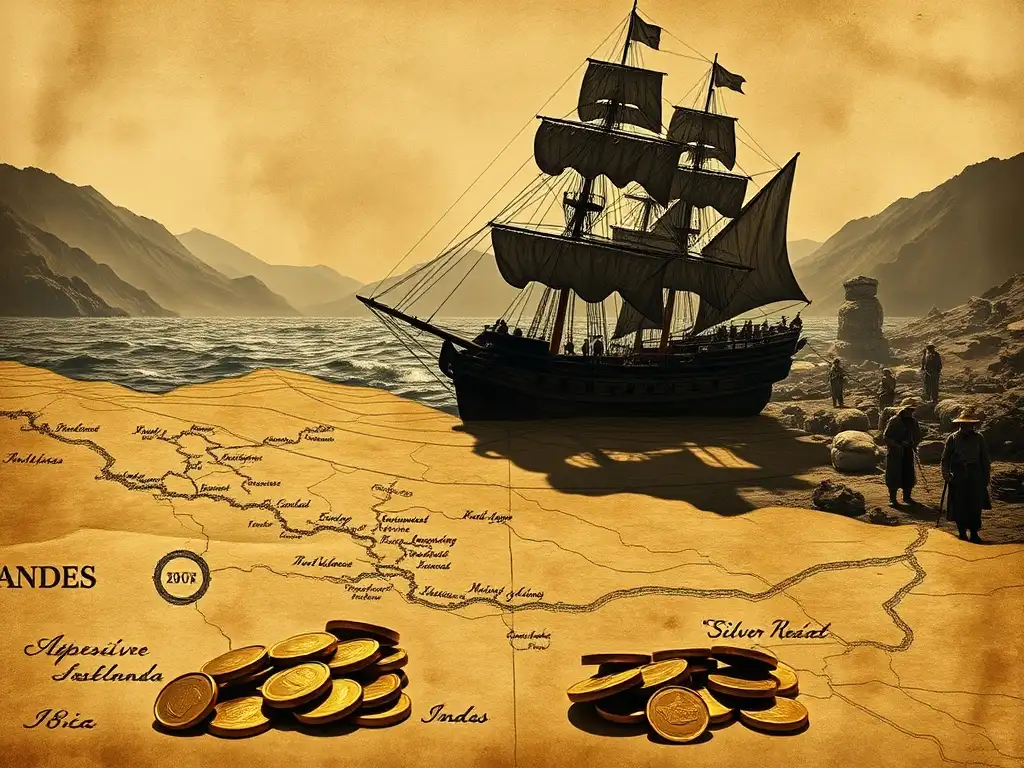
The Spanish conquest of the Andes dramatically altered the region's landscape and economy, fundamentally reshaping the lives of its inhabitants. The primary driver of this transformation was the relentless extraction of resources, a process that devastated the environment, crippled existing agricultural systems, and imposed a new economic order. Understanding the scale and consequences of this resource extraction is crucial to comprehending the lasting impact of the Spanish conquest on the Andean world. The Spanish conquest Andean resources story is one of profound disruption and lasting legacy.
Environmental Degradation from Spanish Mining Practices
Spanish mining practices in the Andes were exceptionally destructive. Driven by the insatiable European demand for silver and gold, the conquistadors implemented brutal and environmentally damaging techniques. Mercury amalgamation, a common method for extracting silver from ore, released vast quantities of toxic mercury into the environment, poisoning water sources and causing widespread soil contamination.
This pollution had devastating consequences for both human and animal populations, leading to long-term health problems and ecological damage that persists to this day. The sheer scale of mining operations also led to deforestation, as vast tracts of forest were cleared to fuel the smelting process and provide timber for mining infrastructure. Furthermore, the creation of extensive mine shafts and tunnels destabilized the land, leading to landslides and other geological hazards.
Estimates suggest that millions of tons of mercury were used in Andean mines during the colonial period, leaving behind a legacy of environmental contamination that continues to pose significant challenges. The environmental impact of this uncontrolled and unsustainable mining was catastrophic, profoundly altering the Andean ecosystem and its capacity to support human life. 💔
The Devastation of Andean Agricultural Systems
The Spanish conquest significantly disrupted the sophisticated agricultural systems that had sustained Andean civilizations for centuries. Pre-Columbian Andean agriculture was characterized by its advanced terracing techniques, intricate irrigation networks, and diverse crop production. The Spanish, however, largely disregarded these established methods, prioritizing the extraction of precious metals over the maintenance of agricultural productivity.
The forced labor imposed upon the indigenous population diverted vital human resources away from farming, leading to the neglect of irrigation systems and the abandonment of terraced fields. The introduction of livestock, such as sheep and cattle, also contributed to soil erosion and land degradation. The Spanish often favored the cultivation of crops that were in demand in Europe, such as wheat and grapes, at the expense of traditional Andean crops, resulting in a decline in food diversity and security.
This disruption of Andean agricultural systems led to widespread famine, disease, and population decline, contributing significantly to the overall devastation wrought by the Spanish conquest. The intricate and sustainable agricultural practices that had thrived for centuries were systematically dismantled, leaving a legacy of agricultural instability.
Economic Transformation of the Andes Under Spanish Rule
The Spanish conquest fundamentally reshaped the Andean economy, shifting it from a system based on reciprocal exchange and communal ownership to one dominated by extractive industries and mercantilism. The introduction of the repartimiento and encomienda systems forced indigenous populations into compulsory labor in mines and on haciendas, generating wealth for the Spanish crown and colonial elites while impoverishing the native communities. The focus on extracting precious metals, particularly silver, transformed the Andes into a supplier of raw materials for the global market, subordinating the region's economy to the demands of Europe.
This economic transformation led to the disruption of traditional trade networks and the erosion of local control over resources and production. The establishment of a colonial economy based on the exploitation of labor and resources had profound and long-lasting repercussions, shaping the economic and social structures of the Andean region for centuries to come.
The shift from a self-sufficient, community-based economy to a system driven by the extraction of resources for the benefit of the Spanish empire resulted in immense social and economic inequality. The Spanish conquest Andean resources legacy is one of economic dependence and persistent inequality.
Resistance and Adaptation by Andean Peoples
The Spanish conquest of the Andes was not a passive process of subjugation. Andean peoples, despite facing overwhelming military might and technological disparity, displayed remarkable resilience and employed various strategies to resist Spanish control and preserve their resources and cultural heritage.
Understanding these responses is crucial to a complete picture of the "Spanish conquest Andean resources" narrative, revealing a dynamic interplay of oppression and resistance rather than a simple narrative of domination. The sheer scale and diversity of Andean cultures, from the Incas to the smaller, independent groups, meant that resistance took many forms, from outright rebellion to subtle acts of defiance.
Andean Rebellions Against Spanish Resource Control
The Spanish conquest did not immediately result in complete control over Andean resources. Numerous rebellions erupted throughout the Andes in the decades following the initial conquest, fueled by resentment over forced labor ( mita), the seizure of land, and the disruption of traditional social and economic structures. These rebellions varied in scale and duration, some lasting for years, others flaring up in localized uprisings.
One significant example is the rebellion led by Tupac Amaru II in the late 18th century. This large-scale uprising, although ultimately unsuccessful, demonstrated the enduring resistance to Spanish rule and the continued desire to reclaim control over land and resources. Tupac Amaru II's movement tapped into widespread discontent, highlighting the brutal realities of Spanish resource exploitation and the enduring power of indigenous identity.
The rebellion involved coordinated attacks on Spanish settlements and attempts to disrupt the flow of resources to the colonial centers. While ultimately suppressed, the rebellion's scale and the widespread participation of indigenous communities underscore the depth of resistance to Spanish control of Andean resources. [Specific details on casualty counts and geographical extent of Tupac Amaru II's rebellion pending].
Other smaller-scale rebellions, often led by local chiefs or religious figures, further illustrate the persistent challenge to Spanish authority. These uprisings, though often brutally suppressed, demonstrate the ongoing struggle for control over vital resources like silver mines, agricultural lands, and llama herds.
Indigenous Strategies to Preserve Resources and Culture
Beyond overt rebellion, Andean communities employed a range of subtle yet effective strategies to protect their resources and cultural practices. These tactics often involved a delicate balance between cooperation and resistance, requiring careful negotiation and adaptation to the new colonial order.
- Concealment of Resources: Indigenous communities often concealed the location of valuable resources, such as gold and silver mines, from the Spanish. This involved utilizing intricate knowledge of the terrain and employing deceptive tactics to mislead Spanish explorers and miners.
- Subterfuge and Resistance Through Labor: While forced labor under the mita system was unavoidable, indigenous workers often employed subtle forms of resistance within the system. This included intentionally slowing down work, damaging tools, or feigning illness to disrupt production. This passive resistance, while risky, was a way to subtly challenge the Spanish exploitation of their labor and indirectly limit the extraction of resources.
- Maintaining Traditional Practices: Despite the efforts of the Spanish to suppress indigenous culture and religion, Andean communities found ways to maintain their traditional practices, often integrating them subtly into the new colonial context. This preservation of cultural identity was intrinsically linked to the preservation of traditional resource management techniques and knowledge.
The table below summarizes some of these strategies:
| Strategy | Description | Effectiveness | Risks |
|---|---|---|---|
| Concealment of Resources | Hiding the location of valuable resources to prevent Spanish exploitation. | Variable | Discovery, severe punishment |
| Subterfuge in Forced Labor | Sabotage, slowdowns, feigning illness to limit resource extraction. | Limited | Detection, physical punishment |
| Maintaining Traditional Practices | Preserving cultural practices linked to resource management and knowledge. | High | Suppression by Spanish authorities |
The Legacy of Spanish Resource Exploitation
The Spanish conquest profoundly impacted the Andean landscape and its people. The legacy of Spanish resource exploitation is still visible today, from the environmental degradation caused by mining to the lasting effects on indigenous social structures and economic systems. The "Spanish conquest Andean resources" narrative is incomplete without acknowledging the enduring consequences of this historical period.
The systematic extraction of resources, driven by the insatiable hunger for precious metals and agricultural products, led to lasting environmental damage and social upheaval. The introduction of new diseases, the disruption of traditional agricultural practices, and the forced labor system all contributed to a dramatic decline in the indigenous population and a lasting transformation of Andean societies. The long-term effects of this exploitation, including soil erosion, deforestation, and the disruption of traditional ecological knowledge, continue to shape the region today.
Understanding this enduring legacy is crucial to a full appreciation of the complexities of the Spanish conquest and its lasting impact on the Andean world. Further research is needed to fully quantify the long-term ecological and social costs of Spanish resource extraction in the Andes. 🌍
Conclusion: The Lasting Impact of the Spanish Conquest on Andean Resources
The Spanish conquest of the Andes irrevocably altered the relationship between Andean peoples and their resources. The initial seizure of land and resources, driven by the insatiable appetite for gold and silver, was only the beginning of a long and complex process of exploitation. While Andean communities demonstrated remarkable resilience and adapted their strategies to survive, the fundamental shift in control over land, labor, and production left an enduring legacy.
The introduction of new crops and livestock, while sometimes beneficial, often disrupted existing agricultural systems and ecological balances, leading to long-term environmental consequences. The imposition of the encomienda system and later forms of forced labor fundamentally reshaped Andean social structures and labor practices, impacting access to and control over resources for generations.
The effects of the Spanish conquest are still felt today. Many modern economic and social inequalities in Andean nations can be traced directly back to the colonial period and the dispossession of indigenous communities from their ancestral lands and resources. The legacy of resource extraction, often carried out without regard for environmental sustainability, continues to pose significant challenges for sustainable development in the region.
Understanding the long-term impact of the Spanish conquest on Andean resources is crucial for understanding contemporary issues of land rights, environmental protection, and economic justice in the Andes. The struggle for control over resources remains a central theme in the ongoing dialogue about decolonization and the pursuit of self-determination for Andean communities. The story of the Spanish conquest is not simply a historical narrative; it is a living legacy that continues to shape the realities of Andean life.
The enduring consequences serve as a potent reminder of the profound and lasting impact of colonialism on both the human and natural landscapes of the Andes. Furthermore, studying this historical context is essential for formulating effective strategies for sustainable resource management and social justice in the region. The ongoing challenges highlight the need for ongoing research and critical analysis of the colonial legacy to build a more equitable and sustainable future.
Frequently Asked Questions
What resources did the Spanish primarily seek in the Andes?
The Spanish were primarily interested in gold and silver, but also sought agricultural resources like potatoes and other crops, as well as labor from the indigenous population. Their plunder significantly impacted the Andean economy.
How did the Spanish conquest affect Andean societies?
The Spanish conquest led to the collapse of many Andean empires, widespread disease, forced labor, and the destruction of indigenous cultures and traditions. The impact was devastating and long-lasting.
What role did Andean resources play in the Spanish empire's growth?
Andean gold and silver fueled the Spanish economy, enriching the crown and supporting its expansion in Europe and the Americas. This wealth drastically altered the global power balance.
Were all Andean groups equally affected by the Spanish conquest?
No, the impact varied. While the Inca Empire suffered the most direct and immediate consequences, other groups, such as the Moche and Nazca, also experienced significant disruptions and exploitation of their resources.
What lasting legacies remain from the Spanish seizure of Andean resources?
The economic exploitation and cultural disruption caused by the Spanish conquest continue to impact Andean societies today. Social inequalities and environmental degradation are lingering consequences.
Final Reflection: Echoes of Conquest in the Andean Landscape
The systematic exploitation of Andean resources during the Spanish conquest continues to resonate in the economic and social inequalities we see today. The legacy of this brutal period, marked by forced labor, the destruction of indigenous communities, and the plunder of invaluable resources, casts a long shadow over modern-day South America. Understanding this history is not merely an academic exercise; it is crucial for building a more just and equitable future.
The enduring impact of the Spanish conquest on the Andean region is profoundly unsettling. The scars of colonialism are visible in the persistent poverty, environmental degradation, and social stratification that plague many Andean communities. The past is never dead. It's not even past.
– William Faulkner. This quote perfectly encapsulates the ongoing relevance of understanding the Spanish conquest and its devastating consequences. The extraction of silver, gold, and other resources fundamentally reshaped the landscape and the lives of the indigenous populations, a legacy that continues to shape political and economic realities.
Consider the implications of this history. How does the past inform the present? What responsibilities do we, as inheritors of this complex legacy, have to address the ongoing injustices stemming from the Spanish conquest? I urge you to reflect on the interconnectedness of history, present-day realities, and the future we wish to create. Let the story of the stolen lands inspire you to seek a deeper understanding of the world around you and to actively work towards a more just and sustainable future for all.
Thank you for exploring the captivating history of the Spanish conquest of the Andes and its impact on the region's resources. Your interest helps illuminate the rich and complex past of this remarkable area. Now, let's delve further into the vibrant narrative of the Andes.
- Explore More: Discover more about the fascinating cultures and histories of Andean civilizations through our extensive online archives.
- Share Your Insights: Join the conversation! Share this article with your friends and on social media to raise awareness of the complexities of this period in history.
- Get Involved: Consider participating in local history discussions or online forums focused on indigenous rights and the preservation of Andean cultural heritage.
What aspect of Andean history finds the most resonance with you, and how do you believe it shapes modern society?