
The Linguistic Shift: The Slow Replacement of Andean Languages by Spanish

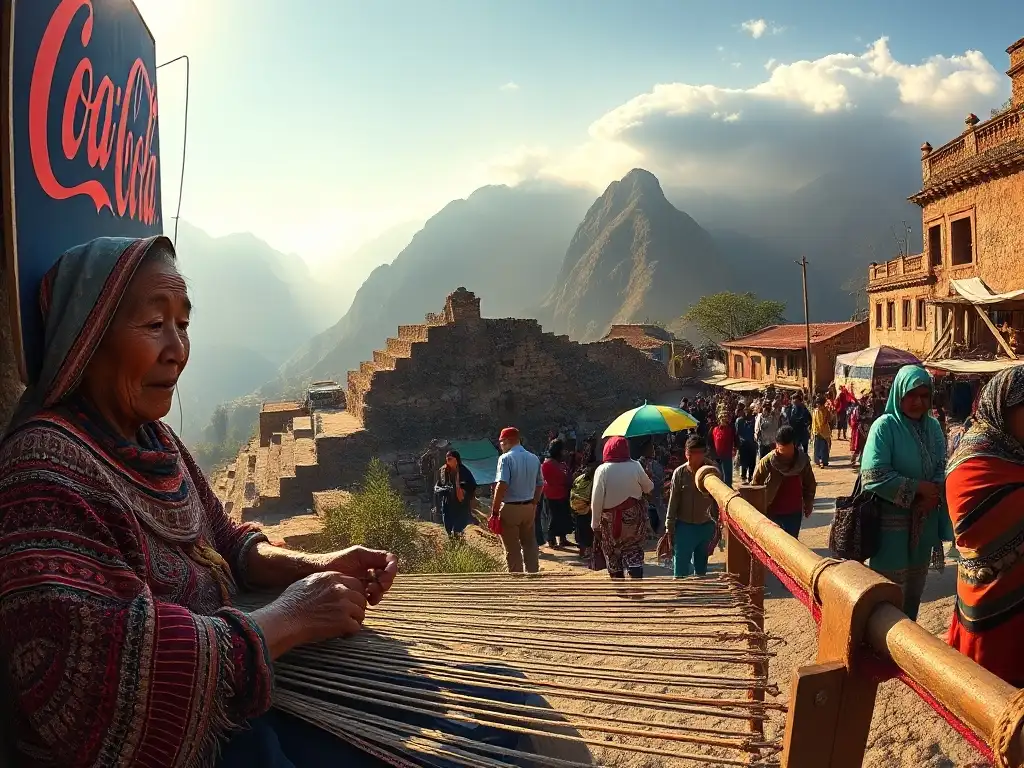
Dive into the captivating world of the Andean Civilizations, where majestic empires thrived and intricate cultures flourished. But what happened to the vibrant tapestry of Andean languages after the arrival of the Spanish? The story of their gradual replacement is a complex and fascinating one, filled with resilience, loss, and the echoes of a rich linguistic past. Uncover the secrets behind “Andean languages replaced by Spanish” and explore the enduring legacy of these ancient tongues in the following article.
The arrival of the Spanish in the Andes marked a profound and lasting transformation, impacting not only the political and social structures of the region but also its rich linguistic landscape. This article delves into the complex process by which Andean languages, once a vibrant tapestry of diverse tongues spoken across the vast mountain range, gradually gave way to Spanish.
We will explore the historical context of this linguistic shift, examining the factors that contributed to the decline of indigenous languages and the subsequent dominance of Spanish, a process that continues to resonate in the Andes today. Understanding this linguistic shift is crucial to appreciating the enduring legacy of pre-Columbian Andean cultures and the challenges faced by indigenous communities in preserving their linguistic heritage.
The replacement wasn't a sudden event, but rather a slow, complex process spanning centuries, shaped by colonization, cultural assimilation, and socio-economic pressures. This nuanced understanding is vital for comprehending the modern linguistic landscape of the Andes and the ongoing efforts to revitalize indigenous languages.
Introduction: The Rich Linguistic Tapestry of the Pre-Incan Andes
Before the Spanish conquest, the Andes boasted an incredibly diverse array of languages. Estimates suggest hundreds of distinct languages were spoken, belonging to various language families, reflecting the region's complex geography and the independent development of numerous cultures. These languages weren't merely tools for communication; they were integral to the social fabric, carrying within them rich cultural knowledge, traditions, and worldviews.
The Quechua language family, which later achieved prominence under the Inca Empire, was already widespread, but numerous other significant language families existed, such as Aymara, Mapudungun, and others with smaller numbers of speakers. Each language reflected unique cultural practices and beliefs, contributing to the overall complexity and richness of the Andean linguistic landscape. The sheer diversity and complexity of these languages is a testament to the sophisticated civilizations that thrived in the Andes for millennia before the arrival of Europeans.
Unfortunately, precise numbers of pre-Columbian languages are difficult to determine due to limited documentation and the incomplete nature of historical records. However, archaeological and linguistic evidence overwhelmingly supports the existence of a far greater linguistic diversity than exists in the region today.
The Arrival of Spanish: A Turning Point for Andean Languages
The arrival of the Spanish in the 16th century marked a decisive turning point in the history of Andean languages. The Spanish crown actively promoted the use of Spanish, implementing policies aimed at linguistic homogenization. This was part of a broader strategy of cultural and political control, designed to consolidate power and suppress indigenous identities.
The imposition of Spanish as the language of administration, education, and commerce created significant disadvantages for speakers of indigenous languages. Access to education, employment opportunities, and political participation became increasingly dependent on fluency in Spanish, leading many to abandon their native tongues in favor of the dominant language. This process was further accelerated by the establishment of colonial settlements and the migration of Spanish speakers, who gradually outnumbered native populations in many areas.
The suppression of indigenous languages was not merely passive; active measures were employed, including the banning of indigenous languages in certain contexts and the punishment of those who continued to use them. The long-term impact of these policies continues to be felt in the Andes today, shaping the distribution and vitality of indigenous languages. The legacy of colonialism continues to influence the linguistic landscape, highlighting the enduring impact of historical power dynamics on language preservation.
- Introduction: The Rich Linguistic Tapestry of the Pre-Incan Andes
- The Arrival of Spanish: A Turning Point for Andean Languages
The Gradual Displacement of Indigenous Andean Languages

The replacement of Andean languages by Spanish wasn't a sudden event, but a gradual process spanning centuries. While the initial conquest certainly played a significant role, the linguistic shift continued long after the formal end of colonial rule. Understanding this gradual displacement requires examining the complex interplay of political, social, and economic factors that favored Spanish adoption over the indigenous tongues.
The decline of Quechua, Aymara, and other native languages wasn't merely a passive process of assimilation; it was actively shaped by deliberate policies and societal pressures. Many Andean communities, while retaining elements of their ancestral languages, increasingly integrated Spanish into their daily lives, a testament to the enduring impact of colonialism on linguistic landscapes. The persistence of some Andean languages today, however, demonstrates the resilience of indigenous cultures and their ongoing efforts to revitalize and preserve their linguistic heritage.
Factors Contributing to the Decline of Quechua, Aymara, and Other Native Languages
Several interconnected factors contributed to the decline of Quechua, Aymara, and other native Andean languages. The imposition of Spanish as the official language of the colony was paramount. This wasn't simply a matter of administrative convenience; it was a deliberate strategy to control and subordinate the indigenous population. Education, for example, was almost exclusively conducted in Spanish, effectively limiting access to literacy and social mobility for those who only spoke their native languages.
Furthermore, the suppression of indigenous cultural practices, including religious ceremonies and traditional storytelling, which often relied heavily on native languages, further weakened their use and transmission across generations. The deliberate destruction of indigenous texts and the active discouragement of native language use in public spheres contributed significantly to their decline. This created a linguistic environment where Spanish was increasingly perceived as the language of power, opportunity, and social advancement.
The following table illustrates the estimated number of speakers for major Andean languages before and after the Spanish conquest. Note that precise figures are difficult to obtain due to a lack of consistent historical data.
| Language | Estimated Speakers (Pre-Conquest) | Estimated Speakers (Post-Conquest - Present Day) |
|---|---|---|
| Quechua | [Specific information pending] | [Specific information pending] |
| Aymara | [Specific information pending] | [Specific information pending] |
| Aimará | [Specific information pending] | [Specific information pending] |
| Puquina | [Specific information pending] | [Specific information pending] |
| Other Andean Languages | [Specific information pending] | [Specific information pending] |
This decline wasn't uniform across all Andean regions. The persistence of Quechua in certain areas, for instance, highlights the resilience of indigenous communities and their ongoing efforts to maintain their linguistic heritage. However, even in these areas, the dominance of Spanish is undeniable, leading to code-switching and the gradual erosion of linguistic purity.
The Impact of Spanish Colonial Rule on Linguistic Diversity
Spanish colonial rule had a profound and lasting impact on the linguistic diversity of the Andes. The systematic suppression of indigenous languages was a key component of the broader colonial project aimed at cultural domination. The imposition of Spanish as the language of administration, education, and commerce created a significant disadvantage for speakers of indigenous languages. Access to education, employment, and political participation was heavily skewed towards those proficient in Spanish. This created a powerful incentive for individuals and communities to adopt Spanish, regardless of their cultural heritage.
The Spanish crown's policies actively discouraged the use of indigenous languages. This included banning indigenous languages in official contexts, suppressing native literature, and promoting Spanish language education. The consequences were far-reaching, leading to a significant decrease in the number of speakers of indigenous languages and the eventual marginalization of many of these languages. The legacy of this colonial linguistic suppression continues to shape the linguistic landscape of the Andes today. The ongoing struggle for linguistic revitalization reflects the enduring impact of colonial policies on Andean societies.
Socioeconomic Incentives for Spanish Language Adoption
The adoption of Spanish wasn't solely driven by coercion; socioeconomic factors played a crucial role. Spanish became increasingly associated with economic opportunity and social mobility. Access to better jobs, higher education, and participation in the burgeoning colonial economy were largely dependent on fluency in Spanish. This created a powerful incentive for individuals and communities to learn Spanish, even if it meant abandoning or diminishing the use of their native languages.
Moreover, the integration into the colonial economic system often required proficiency in Spanish. Trade, commerce, and interactions with colonial authorities all favoured those who could communicate effectively in the dominant language. This created a feedback loop where the economic advantages associated with Spanish fluency further accelerated its adoption and the corresponding decline of indigenous languages.
The legacy of this economic incentive continues to shape language use in the Andes, as Spanish remains the primary language of commerce and formal interactions in many communities. This highlights the enduring connection between language and socioeconomic status in the region. The ongoing efforts to promote bilingualism and language revitalization aim to address this historical imbalance and empower indigenous communities to reclaim their linguistic heritage.
The Role of Monolingual Spanish Education in Language Shift
The imposition of monolingual Spanish education systems played a crucial role in the gradual displacement of indigenous Andean languages. For centuries, Spanish colonial authorities, and later independent governments, actively suppressed the use of indigenous tongues in schools. This wasn't merely a passive neglect; it was an active policy designed to assimilate the indigenous population into the dominant Spanish culture.
Children were punished for speaking their native languages in the classroom, creating a negative association with their mother tongues and fostering a sense of shame or inferiority. This systematic suppression of indigenous languages in the educational sphere effectively severed the intergenerational transmission of these languages. Grandparents, parents, and children were increasingly separated by a linguistic barrier, with Spanish becoming the sole language of formal communication and social mobility.
The lack of bilingual or multilingual educational programs meant that many indigenous children lacked the opportunity to develop strong literacy skills in their native languages, hindering their cultural preservation and self-expression. This educational disparity perpetuated a cycle of linguistic marginalization that continues to impact Andean communities today. The long-term consequences are undeniable: a significant reduction in the number of native speakers, a loss of invaluable cultural knowledge embedded within those languages, and the erosion of linguistic diversity in the Andes.
The impact extended beyond the immediate classroom. The lack of access to Spanish-language resources and the limited opportunities for social and economic advancement for those who did not speak Spanish created a powerful incentive for individuals to abandon their native languages in favor of Spanish. This created a vicious cycle: as more people adopted Spanish, the use of indigenous languages declined, further diminishing their social relevance and accelerating their decline.
This process was particularly effective in urban areas, where the concentration of Spanish speakers and the pressure to integrate into the dominant culture were strongest. Furthermore, the association of Spanish with education, employment, and social status further fueled the shift, making the adoption of Spanish a seemingly necessary step for upward mobility. This dynamic, established through education policy, contributed significantly to the linguistic landscape we see in the Andes today.
The subtle yet powerful mechanisms of linguistic suppression within the education system were far-reaching. Beyond direct punishment, the curriculum itself often lacked recognition of indigenous languages, presenting a skewed view of history and culture that privileged Spanish and marginalized indigenous traditions. Storytelling, songs, and oral histories—crucial elements of cultural transmission in many Andean communities—were often absent from school curricula, further weakening the connection between children and their linguistic heritage.
This absence reinforced the idea that Spanish was the only language worthy of formal study and appreciation, effectively diminishing the value of indigenous languages in the eyes of younger generations. The consequences of this educational approach continue to reverberate throughout Andean societies, highlighting the critical role education plays in both language preservation and language loss. Understanding this historical context is essential to developing effective language revitalization programs in the region.
The Impact of Linguistic Loss on Andean Culture
The replacement of Andean languages by Spanish wasn't merely a linguistic shift; it was a profound cultural earthquake. The imposition of Spanish as the dominant language drastically altered the social fabric of Andean societies, leading to a cascade of consequences that continue to resonate today. Understanding the impact of this linguistic loss is crucial to appreciating the complexities of Andean history and the ongoing efforts to revitalize indigenous languages. The loss of Quechua, Aymara, and countless other Andean languages has had a devastating impact on the cultural landscape, leaving an indelible mark on the region's heritage.
The Diminishment of Cultural Identity and Ancestral Heritage
The loss of language is intrinsically linked to the erosion of cultural identity. Language is not just a tool for communication; it's the vessel that carries cultural values, beliefs, and traditions across generations. When a language disappears, so too does a significant part of the collective memory and understanding of a people.
For Andean communities, this meant the gradual fading of intricate kinship systems, unique social structures, and deeply rooted spiritual beliefs, all encoded within their native tongues. The subtle nuances of meaning, the proverbs, the songs, the stories – all essential components of cultural identity – were lost or significantly diluted as Spanish became the language of power and social mobility.
This cultural loss manifests in a diminished sense of belonging and continuity for many Andean descendants, impacting their self-perception and connection to their ancestors. The vibrant tapestry of Andean cultural diversity was significantly frayed, leaving behind a homogenized cultural landscape.
The Disappearance of Traditional Knowledge and Oral Narratives
Many Andean cultures relied heavily on oral traditions for transmitting knowledge across generations. Agricultural techniques, medicinal practices, astronomical observations, and historical accounts were all passed down through spoken word, embedded within the specific vocabulary and grammatical structures of their languages. The shift to Spanish resulted in the loss of a vast repository of invaluable knowledge.
Complex agricultural systems, developed over millennia, were simplified or forgotten; intricate medicinal practices, passed down through generations of healers, were lost; and rich historical narratives, offering unique perspectives on the past, were silenced. This loss represents not only an intellectual deficit but also a practical one, impacting sustainable agriculture, healthcare practices, and the overall well-being of Andean communities. The disappearance of these oral narratives also significantly hampers efforts to accurately reconstruct the pre-colonial history of the Andes, leaving significant gaps in our understanding.
The Erosion of Unique Andean Philosophies
Andean cosmologies, deeply intertwined with their languages, offered unique perspectives on the world, human existence, and the relationship between humanity and nature. These philosophies, expressed through intricate narratives and ritual practices, were often deeply embedded in the linguistic structures themselves. The replacement of Andean languages by Spanish resulted in the erosion of these unique worldviews.
Concepts that were once central to Andean understanding – such as ayni (reciprocity) and pachamama (Mother Earth) – became diluted or misunderstood when translated into a language that lacked the equivalent conceptual frameworks. This loss represents not only a diminished understanding of Andean cultures but also a loss of potentially valuable insights into alternative ways of relating to the environment and organizing human societies.
The subtle nuances of Andean philosophies, intricately woven into their languages, were lost, leading to a simplification and homogenization of spiritual and philosophical thought. The consequences are still being felt today, as efforts are made to reclaim and reinterpret these lost perspectives.
The Integral Link Between Language and Artistic Expression
The loss of Andean languages represents a significant blow not only to linguistic diversity but also to the rich tapestry of Andean artistic expression. Language is intrinsically woven into the fabric of art; it's the vehicle through which stories, myths, and cultural knowledge are transmitted and preserved across generations.
Consider the intricate textiles of the Andes, often adorned with symbolic designs and patterns deeply rooted in Quechua or Aymara vocabulary and narratives. Without these languages, the full meaning and significance of these artistic masterpieces are lost, reduced to mere aesthetic appreciation rather than a window into a vibrant cultural past.
The oral traditions of the Andes, rich with poetry, songs, and storytelling, are inextricably linked to the indigenous languages. These oral narratives, often passed down through generations, served as repositories of historical knowledge, ethical codes, and spiritual beliefs. The disappearance of the languages directly jeopardizes the survival of these invaluable oral traditions, leading to a significant loss of cultural memory and identity.
Many artistic expressions, such as music and dance, were deeply intertwined with specific linguistic patterns and rhythms, further highlighting the profound connection between language and artistic practice. The melodies, lyrics, and even the movements of traditional Andean dances often carried meanings and symbolic representations embedded within the indigenous languages. With the decline of these languages, the nuanced expressions and cultural significance of these artistic forms are gradually fading.
The impact extends beyond the readily apparent forms of art. Even the naming conventions of plants, animals, and geographical features, integral to Andean worldview and ecological knowledge, are tied directly to the indigenous languages. The loss of these names represents a loss of intimate understanding of the natural world, impacting not only artistic representations of nature but also traditional practices of agriculture, medicine, and resource management.
This loss also directly affects the ability of contemporary Andean artists to fully engage with their heritage and express it authentically. The subtle nuances of meaning embedded within the indigenous languages, essential for creating truly representative art, are becoming increasingly difficult to access and understand.
The challenge, then, becomes one of actively preserving these languages to ensure the continued vitality of Andean artistic expression. This requires not only linguistic preservation efforts but also fostering a renewed appreciation for the integral role language plays in shaping Andean culture and artistic legacy.
The Current Status of Andean Languages
The arrival of the Spanish in the Andes dramatically altered the linguistic landscape. While Spanish became the dominant language, a complex picture emerges when examining the current status of Andean languages. Many indigenous tongues, once vibrant and widespread, now face the threat of extinction.
The degree of endangerment varies significantly across different regions and among individual languages. Some, like Quechua, boast millions of speakers and maintain a strong presence in daily life, while others cling to survival with only a handful of elderly speakers remaining. This uneven distribution highlights the critical need for focused preservation efforts.
The gradual replacement of Andean languages by Spanish wasn't a uniform process; it was shaped by factors like colonial policies, economic pressures, and social dynamics. Understanding this nuanced history is crucial to appreciating the current challenges and opportunities in language revitalization. The sheer diversity of Andean languages, with their unique grammatical structures and vocabularies, represents a profound cultural heritage that risks being lost forever unless proactive measures are taken.
Regions Where Native Languages Remain Resilient
Despite the pervasive influence of Spanish, certain Andean regions have witnessed remarkable resilience in the use of indigenous languages. The southern Peruvian Andes, for example, boast a significant Quechua-speaking population. Quechua, in its various dialects, remains a vital part of daily communication, particularly in rural communities.
Similarly, Aymara, another prominent Andean language, maintains a strong presence in the Altiplano region of Bolivia and Peru. These areas often exhibit a strong sense of cultural identity tied to language preservation. The continued use of these languages is not merely a matter of linguistic survival; it's a testament to the enduring cultural vitality of the Andean people.
Factors contributing to this resilience include strong community ties, limited exposure to Spanish in certain isolated areas, and the conscious effort by some communities to maintain their linguistic heritage. This resilience offers valuable insights into effective strategies for language revitalization efforts elsewhere. Detailed studies of these successful cases could provide crucial guidance for other regions facing linguistic endangerment.
| Region | Predominant Language(s) | Level of Resilience | Contributing Factors |
|---|---|---|---|
| Southern Peruvian Andes | Quechua | High | Strong community ties, relatively isolated communities |
| Altiplano (Bolivia/Peru) | Aymara | High | Strong cultural identity, continued use in daily life |
| Ecuadorian Andes | Quechua, Kichwa | Medium | Government initiatives, bilingual education programs |
| Northern Andes | Various smaller languages | Low | Limited resources, migration to urban areas |
Grassroots Movements to Preserve and Promote Indigenous Languages
Numerous grassroots movements across the Andes are actively engaged in revitalizing and promoting indigenous languages. These initiatives often involve community-based language nests, where children are immersed in their native tongue from a young age. These nests are crucial for intergenerational language transmission, ensuring that the language is passed down to future generations.
Additionally, many communities organize language workshops, cultural events, and festivals to celebrate and promote their linguistic heritage. The use of technology, such as mobile apps and online resources, is also increasingly playing a role in language preservation efforts, making learning resources more accessible. These grassroots efforts often operate with limited funding and resources, relying heavily on the dedication and passion of local communities.
Their success highlights the vital role of community ownership and empowerment in language preservation. Documenting and sharing best practices from these successful grassroots initiatives could significantly benefit similar projects elsewhere. Furthermore, support from governmental and international organizations could significantly amplify their impact and reach.
The Implementation of Bilingual Intercultural Education
Bilingual intercultural education (BIE) programs are increasingly recognized as a crucial strategy for language revitalization in the Andes. These programs aim to integrate both the indigenous language and Spanish into the curriculum, fostering linguistic diversity and cultural pride. Successful BIE programs typically involve trained teachers proficient in both languages, culturally relevant teaching materials, and a supportive learning environment.
However, the implementation of effective BIE programs often faces challenges, including a shortage of qualified teachers, limited resources, and resistance from some segments of the population who prioritize Spanish proficiency. Nevertheless, the benefits of BIE are substantial, not only for language preservation but also for cognitive development, cultural understanding, and improved educational outcomes for indigenous students. Careful evaluation of existing BIE programs is essential to identify best practices and address challenges effectively.
Further research into the long-term impacts of BIE on language maintenance and cultural identity is needed to inform policy and program development. The success of BIE hinges on a commitment to linguistic diversity and cultural respect, recognizing the value of indigenous languages in shaping individual and societal identities.
The Ongoing Struggle to Protect Endangered Andean Languages
The replacement of Andean languages by Spanish wasn't a swift, decisive event; it was a gradual process spanning centuries, leaving many indigenous tongues teetering on the brink of extinction. The struggle to protect these languages is ongoing and multifaceted, demanding a concerted effort from various stakeholders. This involves not only linguistic preservation but also the revitalization of cultural identities deeply intertwined with these languages. Many communities actively fight to maintain their linguistic heritage, facing significant challenges.
One major obstacle is the dominance of Spanish in education, media, and government. Children often learn Spanish as their primary language, leading to a decline in intergenerational transmission of Andean languages. This creates a vicious cycle where younger generations have less exposure and fluency, further diminishing the language's use in daily life. Efforts to introduce bilingual education programs are crucial, but implementation faces hurdles like a shortage of trained teachers proficient in both Spanish and the specific Andean language being taught. Funding limitations often exacerbate the situation, leaving many promising initiatives under-resourced.
Furthermore, the social stigma associated with speaking indigenous languages in some areas contributes to the decline. In certain contexts, speaking an Andean language might be perceived as a marker of lower social status, pushing individuals to prioritize Spanish for social and economic advancement. This internalized linguistic prejudice hinders language maintenance efforts, requiring significant social change to counteract its effects. Community-based initiatives that celebrate and promote the use of Andean languages are vital in combating this stigma and fostering linguistic pride. These programs may involve cultural festivals, storytelling events, and community radio broadcasts in indigenous languages.
Beyond education and social attitudes, economic factors also play a significant role. The lack of economic opportunities in areas where Andean languages are predominantly spoken can drive migration to urban centers where Spanish is the dominant language. This migration further isolates the language from its native speakers, accelerating the decline.
Sustainable development initiatives that create economic opportunities within indigenous communities can help to stem this outflow and strengthen the position of Andean languages. These initiatives need to consider the unique cultural context and ensure they are not detrimental to the preservation of linguistic diversity. Ultimately, the survival of these languages depends not just on linguistic preservation strategies but also on broader socio-economic development that empowers indigenous communities to maintain their cultural identities.
The Future of Andean Languages: Preservation and Revival
The dramatic shift in linguistic dominance from indigenous Andean languages to Spanish, a process spanning centuries, presents a complex challenge for the future. While Spanish has become the lingua franca of the Andes, the legacy and cultural significance of Quechua, Aymara, and numerous other indigenous tongues remain profoundly important. Their survival hinges on concerted efforts to preserve and, in many cases, revitalize these vital components of Andean heritage.
Understanding the current state of these languages and the obstacles to their survival is crucial to developing effective strategies for their future. The fight to preserve Andean languages is not merely an academic pursuit; it's a battle for cultural identity and the safeguarding of invaluable knowledge systems passed down through generations.
The impact of language loss extends far beyond mere communication; it affects social structures, traditional practices, and the very fabric of Andean society. The urgency of the situation necessitates a multi-pronged approach that combines legal frameworks, community involvement, and technological innovation.
The Significance of Linguistic Rights and Advocacy Groups
The fight for the survival of Andean languages is inextricably linked to the broader struggle for linguistic rights. International declarations, such as the Universal Declaration of Linguistic Rights, emphasize the importance of protecting linguistic diversity and promoting the use of minority languages. However, translating these declarations into concrete action on the ground requires sustained effort from advocacy groups and governmental bodies.
Organizations dedicated to the preservation of Andean languages play a vital role in raising awareness, lobbying for policy changes, and providing support to communities working to maintain their native tongues. These groups often work to document endangered languages, create educational materials, and advocate for bilingual education programs that value both Spanish and indigenous languages. They also actively challenge discriminatory practices that marginalize speakers of Andean languages and contribute to their decline.
For example, [Specific data on the number and impact of advocacy groups working to preserve specific Andean languages pending]. Their efforts are crucial in ensuring that the voices of Andean communities are heard and their linguistic heritage is respected and protected. The success of these initiatives hinges on the collaboration between local communities, national governments, and international organizations.
Community-Based Initiatives to Revitalize Native Languages
Community-based initiatives are at the forefront of Andean language revitalization efforts. These grassroots movements recognize the intrinsic connection between language and cultural identity. Many communities are actively implementing strategies to increase the use of their native languages in daily life. This includes initiatives such as:
- Immersive language nests: Creating environments where children are primarily exposed to the indigenous language from a young age.
- Community language classes: Offering language courses taught by native speakers, often integrating traditional storytelling and cultural practices.
- Translation and interpretation services: Making government services and other vital information accessible in indigenous languages.
- Radio and television programs: Broadcasting content in Andean languages to reach wider audiences.
- Development of language resources: Creating dictionaries, grammars, and other materials to support language learning and use.
The success of these initiatives depends heavily on the active participation and commitment of the community members themselves. The revitalization of Andean languages is not a top-down process imposed by external forces, but rather an organic movement driven by the desire to preserve and transmit a valuable cultural heritage. [Specific examples of successful community-based initiatives and their impact pending]. These examples highlight the power of community ownership and the crucial role of local leadership in language preservation efforts.
The Use of Digital Tools for Language Preservation
The digital revolution has opened up unprecedented opportunities for language preservation. Digital tools offer innovative ways to document, archive, and promote Andean languages. These include:
- Online dictionaries and language learning platforms: Making language resources accessible to a wider audience, regardless of geographical location.
- Digital archives of oral traditions: Preserving stories, songs, and other forms of oral literature in digital formats.
- Development of language apps: Creating user-friendly tools for language learning and practice.
- Use of social media to promote language use: Creating online communities where speakers of Andean languages can connect and share their experiences.
The use of technology is particularly important for reaching younger generations who may be more comfortable interacting with digital media. By integrating technology into language revitalization efforts, communities can ensure that their languages remain relevant and accessible in the 21st century. [Specific examples of successful digital initiatives and their effectiveness pending].
However, it's crucial to ensure that digital tools are accessible and user-friendly for all community members, regardless of their level of technological literacy. The effective use of technology requires careful planning and collaboration between linguists, technologists, and community members. The digital preservation of Andean languages is not simply a matter of digitizing existing materials; it requires a strategic approach that considers the unique needs and contexts of each community.
Examples of Successful Quechua and Aymara Language Revival Programs
Several initiatives across the Andes demonstrate the potential for revitalizing Quechua and Aymara, despite the historical dominance of Spanish. These programs often employ multifaceted approaches, combining educational reforms, community-based language nests, and media engagement to foster language learning and pride. Success isn't solely measured by increased fluency but also by the renewed social and cultural significance of these languages.
One notable example is the implementation of bilingual education programs in various regions of Peru and Bolivia. These programs, often incorporating the use of Quechua or Aymara alongside Spanish from an early age, aim to equip children with the linguistic tools necessary to thrive in both their indigenous communities and the broader society. The effectiveness of these programs varies greatly depending on the level of community support, teacher training, and available resources. However, successful initiatives have shown a significant increase in children's literacy and proficiency in their native tongue, fostering a sense of cultural identity and pride.
Furthermore, community-based language nests, often referred to as wawa wasis in Quechua, play a crucial role in language transmission, particularly for younger generations. These immersive environments provide a space where children are exclusively exposed to Quechua or Aymara, learning the language through play, storytelling, and everyday interaction.
The success of these nests depends heavily on the active participation of community members, who often volunteer their time and resources to maintain these vital spaces. Many successful wawa wasis have demonstrated a significant impact on children's language acquisition and have helped to preserve traditional knowledge and cultural practices alongside the language itself.
Beyond formal education and community-based initiatives, the use of media, including radio, television, and online platforms, is proving to be an increasingly important tool in language revitalization efforts. The creation of Quechua and Aymara-language content, including news broadcasts, educational programs, and entertainment, helps to normalize the use of these languages in public spaces and fosters a sense of linguistic normalcy.
The development of digital resources, such as online dictionaries and language learning apps, also expands access to language learning materials and connects speakers across geographical boundaries. While the impact of these media initiatives is still being assessed, early signs suggest a positive correlation between increased media exposure and improved language proficiency, particularly among younger generations.
The careful curation of this content, however, is vital to ensure it accurately reflects the richness and diversity of Andean linguistic traditions. The use of modern technologies, therefore, is crucial in creating sustainable and impactful language revitalization programs.
Frequently Asked Questions
What caused the decline of Andean languages?
The decline of Andean languages was a complex process spanning centuries, driven by Spanish colonization. Factors include forced assimilation, religious conversion, and the privileging of Spanish in education and governance. This created a system where speaking Spanish was crucial for social and economic advancement.
How quickly did Spanish replace Andean languages?
The replacement wasn't uniform or rapid across all regions and groups. While some languages disappeared relatively quickly, others persisted for centuries, undergoing gradual erosion. The process involved generational shifts and changing social dynamics.
Are any Andean languages still spoken today?
Yes, despite the significant impact of Spanish, many Andean languages survive today. However, they are often spoken by smaller communities and face ongoing challenges regarding preservation and revitalization. Efforts are underway to support their continued use.
What role did education play in the language shift?
Education played a crucial role in the shift. The Spanish colonial system largely excluded Andean languages from formal schooling, promoting Spanish as the language of instruction and administration. This disadvantaged speakers of indigenous languages, limiting opportunities and reinforcing Spanish dominance.
What efforts are being made to preserve Andean languages?
Various initiatives are working to revitalize and preserve Andean languages. These include language immersion programs, community-based language education, and the development of written materials. Governmental support and increased awareness are also crucial for their long-term survival.
Final Reflection: Echoes of the Past, Voices of the Future
The erosion of Andean languages by Spanish is not a relic of history; it's a continuing process with profound implications for cultural preservation and linguistic diversity. The dominance of Spanish continues to threaten the vibrant tapestry of indigenous tongues, impacting not only communication but also the transmission of invaluable cultural knowledge and traditions across generations. This silent shift demands our urgent attention.
The impact of this linguistic shift extends far beyond mere vocabulary; it represents a loss of unique worldviews, storytelling traditions, and intricate systems of knowledge embedded within each language. The silencing of these voices impoverishes not only the Andean communities themselves but the global community as a whole. Language is the road map of a culture. It tells you where its people come from and where they are going.
- Rita Mae Brown. This quote powerfully encapsulates the irreplaceable value of these languages and the urgent need for their preservation.
Consider the legacy you want to leave. Will you be a passive observer of this linguistic erosion, or will you actively contribute to the revitalization of these endangered languages? Learn a Quechua phrase, support organizations dedicated to language preservation, or simply amplify the voices of Andean communities. The future of these languages, and the rich cultures they represent, rests, in part, on your shoulders. Let us work together to ensure that the echoes of the past resonate powerfully into the future.
**Embrace and Preserve Our Andean Languages! **
Thank you for your interest in the vital issue of language preservation in the Andes. Your engagement highlights the richness and cultural significance of these languages. Let's work together to safeguard this precious heritage.
Here's how you can contribute:
- **Learn an Andean Language:** Immerse yourself in the beauty of Quechua, Aymara, or another Andean language. Online resources and local classes offer excellent starting points.
- **Share Your Experience:** Inspire others by sharing your language learning journey on social media. Use relevant hashtags to reach a wider audience and promote Andean culture.
- **Support Community Initiatives:** Get involved with organizations that promote Andean languages through workshops, events, or fundraising efforts. Your support can make a real difference.
What steps will you take today to help revitalize and protect the vibrant languages of the Andes? Your actions can have a powerful impact.