
The Seeds of Rebellion: How the Initial Conquest Fueled Future Andean Uprisings

Uncover the hidden currents of power that shaped the Andes! For centuries, the majestic peaks witnessed not only breathtaking empires like the Inca, but also the simmering embers of resistance. Our exploration into the Andean rebellion precolonial Inca reveals a startling truth: the Spanish conquest, far from being a swift victory, ignited a firestorm of defiance that echoed through generations. Dare to delve into the fascinating history of pre-Columbian uprisings and discover how the seeds of rebellion were sown long before the arrival of the conquistadors.
The Spanish conquest of the Andes, while ultimately successful in establishing colonial rule, was far from a smooth or swift affair. The initial encounters between the Spanish conquistadors and the diverse Andean populations, encompassing the Inca Empire and numerous other pre-Inca societies, ignited a fire of resistance that would smolder for centuries.
This article explores how the brutal realities of the early conquest, the imposition of a foreign system, and the exploitation of resources and people laid the groundwork for numerous Andean rebellions, long after the fall of the Inca Empire. Understanding these early struggles is crucial to comprehending the complex tapestry of Andean history and the enduring legacy of resistance against oppression.
We will examine the early forms of resistance, the societal upheaval caused by the conquest, and the specific ways in which the Inca's struggle against the Spanish became a powerful catalyst for future uprisings, ultimately shaping the Andean identity and its continuous fight for autonomy. This exploration will shed light on the enduring spirit of the Andean people and their continued struggle for self-determination, highlighting the keyword "Andean rebellion precolonial Inca" within the broader context of the Spanish conquest.
Early Resistance to Spanish Rule in the Andes
The Spanish arrival was not met with universal passivity. Even before the fall of the Inca Empire, various Andean groups displayed resistance in diverse ways. This wasn't always large-scale organized warfare; it often manifested in subtle acts of defiance and localized uprisings.
For example, many communities employed guerilla tactics, utilizing their intimate knowledge of the terrain to harass and ambush Spanish forces. The initial Spanish victories were often pyrrhic, achieved at a high cost in lives and resources. Reports from the time detail numerous instances of sabotage, the withholding of supplies, and targeted assassinations of Spanish officials and soldiers.
These early acts of defiance, while seemingly small in the grand scheme of the conquest, demonstrated the enduring spirit of resistance and laid the foundation for more coordinated rebellions later on. The initial encounters were characterized by a complex interplay of alliances and betrayals, with some Andean groups collaborating with the Spanish against their rivals, further complicating the narrative of simple conquest. The diverse strategies employed by different Andean communities underscore the fact that resistance was not a monolithic entity but rather a multifaceted response to the encroaching Spanish power.
The Impact of the Initial Conquest on Andean Society
The initial conquest had a devastating impact on Andean society, creating conditions ripe for future rebellion. The imposition of the encomienda system, which forced indigenous populations into unpaid labor, led to widespread suffering and resentment. The introduction of new diseases decimated the population, disrupting social structures and creating power vacuums.
The destruction of Inca infrastructure, including irrigation systems and agricultural terraces, further exacerbated the hardships faced by the Andean people. The systematic dismantling of traditional governance structures and the imposition of a foreign religious system created a deep sense of cultural loss and disenfranchisement. These factors, coupled with the widespread economic exploitation, fueled a deep-seated resentment that would manifest in numerous uprisings in the decades and centuries to come.
The sheer scale of the disruption and suffering inflicted by the initial conquest created a fertile ground for future Andean rebellions, transforming the landscape of the Andes both physically and socially. The resulting social unrest and economic instability were critical factors that fueled the flames of rebellion.
Inca Resistance and the Seeds of Future Andean Rebellions
The Inca resistance, though ultimately unsuccessful in preventing the Spanish conquest, played a crucial role in shaping future Andean rebellions. The Inca's struggle against the Spanish, marked by figures like Manco Inca Yupanqui and Túpac Amaru I, demonstrated the potential for organized resistance and inspired future generations. The strategies employed by the Inca, including guerilla warfare and the exploitation of the Andean terrain, provided valuable lessons for subsequent rebellions.
The Inca's legacy of resistance became a powerful symbol of defiance, inspiring future leaders to challenge Spanish rule. The memory of the Inca Empire, even in its defeat, served as a powerful rallying point for Andean communities seeking to reclaim their autonomy and cultural heritage.
The ongoing struggle against the Spanish, and the Inca's valiant efforts to preserve their identity and their way of life, became a key element in shaping the narrative of Andean resistance and fueling future uprisings against colonial rule. The legacy of Inca resistance planted the seeds for future Andean rebellions, demonstrating the enduring spirit of defiance and self-determination that characterized the Andean people’s response to colonial rule.
- Early Resistance to Spanish Rule in the Andes
- The Impact of the Initial Conquest on Andean Society
- Inca Resistance and the Seeds of Future Andean Rebellions
- What sparked the initial Andean rebellions against the Inca?
- How did the Inca Empire's administrative system contribute to rebellion?
- Were all Andean rebellions directly related to Inca rule?
- What role did the pre-Inca cultures play in shaping Andean resistance?
- How did the initial conquest affect later Andean uprisings against the Spanish?
The Brutality of the Conquest and its Repercussions
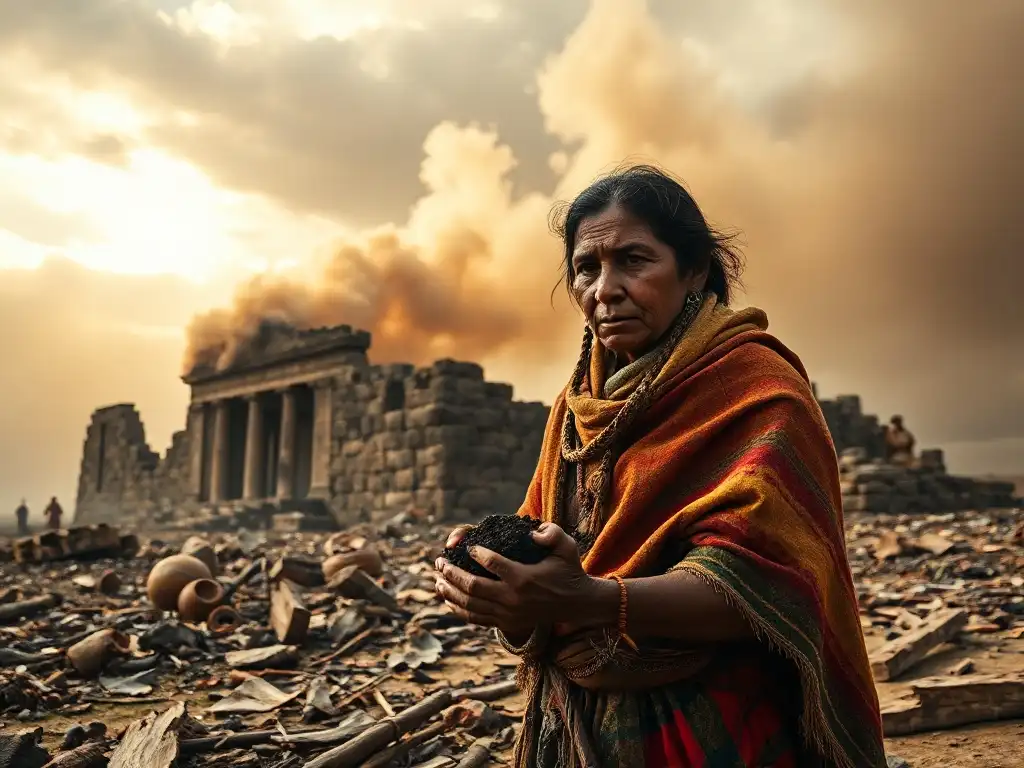
The Spanish conquest of the Andes was not a swift, decisive victory, but rather a brutal process marked by violence, exploitation, and cultural destruction. This initial phase of conquest, far from extinguishing Andean resistance, laid the seeds for future uprisings and rebellions. The sheer brutality inflicted upon the Andean populations fueled resentment and fostered a climate of defiance that would continue to simmer for generations, culminating in numerous revolts against Spanish rule.
Understanding the initial brutality is crucial to comprehending the persistent nature of Andean rebellion precolonial Inca and the complexities of the colonial period. The systematic dismantling of Andean societies created a fertile ground for future resistance movements.
Exploitation of Andean Labor: The Mita System
The mita system, a pre-Columbian labor tax, was brutally repurposed by the Spanish. Instead of contributing to community projects, the mita was transformed into forced labor in mines, particularly silver mines, and on Spanish-owned encomiendas (land grants). This resulted in the deaths of countless Andean people, not only due to the grueling work conditions but also due to disease and malnutrition.
The harsh realities of the mita were far removed from the original system, which had been far more regulated and community-focused. The Spanish, in their greed for silver and other resources, disregarded the well-being of the laborers, leading to widespread suffering and resentment.
Consider this: while the pre-colonial mita might have required a certain number of days of work per year, the Spanish system often demanded continuous labor, with little to no compensation beyond meager rations. This forced labor decimated the population and destroyed the social fabric of many Andean communities. The sheer scale of death and suffering directly contributed to the growing discontent which would later manifest in organized rebellions. The legacy of the mita remains a stark reminder of the exploitative nature of the Spanish conquest and its lasting impact on Andean societies.
Cultural Suppression and Religious Imposition
The Spanish conquest was not merely a military endeavor; it was a deliberate campaign to suppress Andean culture and impose Catholicism. Temples were destroyed, religious objects were confiscated or melted down, and indigenous religious practices were violently suppressed. The imposition of Christianity was not a gentle process of conversion, but a forceful eradication of existing belief systems, often accompanied by brutal punishments for those who resisted. This cultural destruction deeply wounded Andean identities and fueled resistance.
The destruction of sacred sites, such as the Inca capital of Cusco, was symbolic of the larger effort to erase Andean history and identity. The systematic dismantling of indigenous knowledge systems, including astronomy, medicine, and agriculture, further weakened Andean communities and created a sense of loss and dispossession. The forced conversion to Catholicism was not merely a religious imposition, but a tool of political and social control, aimed at breaking the spirit of the conquered people.
This cultural suppression, coupled with the economic exploitation, created a perfect storm for future Andean rebellions. The deep scars left by this period of cultural violence continue to resonate today.
The Erosion of Traditional Andean Structures
The Spanish conquest systematically dismantled the existing political and social structures of the Andes. The Inca empire, though already weakened by internal conflicts, was completely overthrown, its leadership executed or imprisoned, and its administrative systems replaced with a Spanish colonial bureaucracy. This sudden disruption of established power structures created a power vacuum, which in turn led to instability and conflict. Local leaders, accustomed to a hierarchical but relatively stable system, were often replaced by Spanish appointees, further fueling resentment and resistance.
The destruction of the ayllu system, the traditional Andean communal organization, significantly weakened the social fabric of Andean society. This system, based on reciprocal obligations and communal land ownership, was fundamental to Andean life. Its disruption led to land dispossession, social fragmentation, and the erosion of traditional forms of social support.
The loss of this vital social structure further exacerbated the suffering caused by the mita and the cultural suppression, contributing significantly to the rise of future Andean rebellions. The Spanish colonial administration, designed to control and exploit, inadvertently created the conditions for widespread unrest and the eventual eruption of large-scale uprisings against their rule. The long-term consequences of this erosion are still felt today.
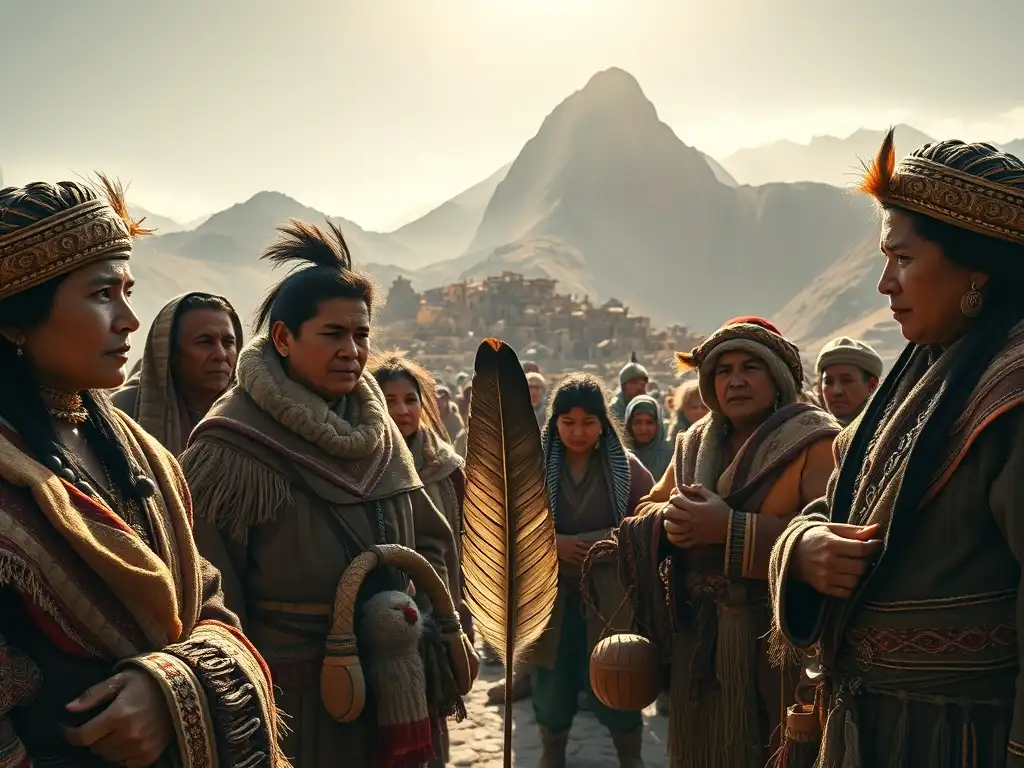
The seemingly monolithic Inca Empire, often depicted as a flawlessly organized machine, was in reality a complex tapestry woven from diverse threads of pre-existing societies and cultures. Understanding the social dynamics within these pre-Inca communities, and the ways in which Inca rule impacted them, is crucial to grasping the roots of Andean rebellion precolonial Inca.
The Inca's expansion wasn't simply a conquest; it was a process of integration, often fraught with tension, resentment, and simmering resistance that would later erupt into full-blown rebellion against the Spanish. The seeds of these future uprisings were sown long before Pizarro's arrival.
We must examine the pre-existing structures of power, the established social hierarchies, and the simmering discontent to fully understand the explosive potential that characterized the Andean world upon the arrival of the Spanish. The subsequent Spanish conquest only served as a catalyst, igniting a powder keg already primed by years of internal friction and simmering resentment.
The Inca Empire was built upon a sophisticated system of social organization, characterized by a hierarchical structure with the Sapa Inca at its apex. Below him were the curacas, local leaders who maintained control over their respective ayllus (communities). These curacas held significant power and influence within their ayllus, and their loyalty was often a key factor in maintaining the stability of the empire.
However, the Inca system of control, while seemingly efficient, often disrupted existing power structures and social hierarchies. The Inca implemented a system of mita, a form of mandatory labor, which, while contributing to the empire's impressive infrastructure projects, also placed a significant burden on the conquered populations. This forced labor, coupled with the imposition of Inca religious practices and the resettlement of communities, created widespread resentment and fueled a sense of injustice that would later contribute to Andean rebellion.
Data from archaeological sites suggests a significant increase in social unrest in the decades preceding the Spanish conquest, indicating the fragility of the Inca system despite its apparent strength. For example, [specific archaeological evidence pending] could illuminate the level of internal conflict under the Inca rule.
Pre-existing Tensions and the Opportunity for Rebellion
Even before the Inca expansion, tensions and conflicts existed within the Andean region. Different ethnic groups and communities had long-standing rivalries and disputes over resources and territory. The Inca conquest, while unifying much of the Andes, didn't erase these pre-existing tensions. In fact, it often exacerbated them.
The Inca system of control, while effective in many ways, also created new avenues for conflict. The imposition of a centralized bureaucracy, with its associated taxes and labor demands, often clashed with traditional practices and customs, leading to widespread dissatisfaction and resentment. This created fertile ground for rebellion, as various groups found common cause in their opposition to Inca rule.
The opportunity for rebellion was further amplified by the inherent inequalities within the Inca system itself. While the Inca elite enjoyed significant privileges, the common people often bore the brunt of the empire's demands. This disparity fueled discontent and provided a potent catalyst for future uprisings, both against the Inca and, later, against the Spanish.
The Role of Kurakas in the Early Resistance
The kurakas, local leaders who retained a degree of autonomy under Inca rule, played a crucial role in the early stages of resistance against both Inca domination and, later, the Spanish conquest. Their loyalty, or lack thereof, was a key factor in determining the success or failure of both Inca expansion and Spanish subjugation. Many kurakas initially collaborated with the Inca, seeing it as a strategic advantage to maintain their power and influence.
However, as the Inca's demands increased and their control tightened, many kurakas began to secretly support or actively participate in rebellions. Their knowledge of the local terrain, their influence within their communities, and their access to resources made them invaluable assets in the fight against Inca and Spanish rule. The Spanish conquest offered many kurakas an opportunity to challenge the Inca authority and regain or even expand their power.
This complex interplay of loyalty, opportunism, and resistance significantly shaped the course of both the Inca expansion and the subsequent Spanish conquest. The actions of the kurakas, therefore, present a vital aspect of understanding the multifaceted nature of Andean rebellion precolonial Inca and its continuation during the colonial period. Further research into specific kuraka lineages and their documented actions would significantly enhance our understanding of this crucial dynamic.
The Roots of Andean Uprisings Post-Conquest
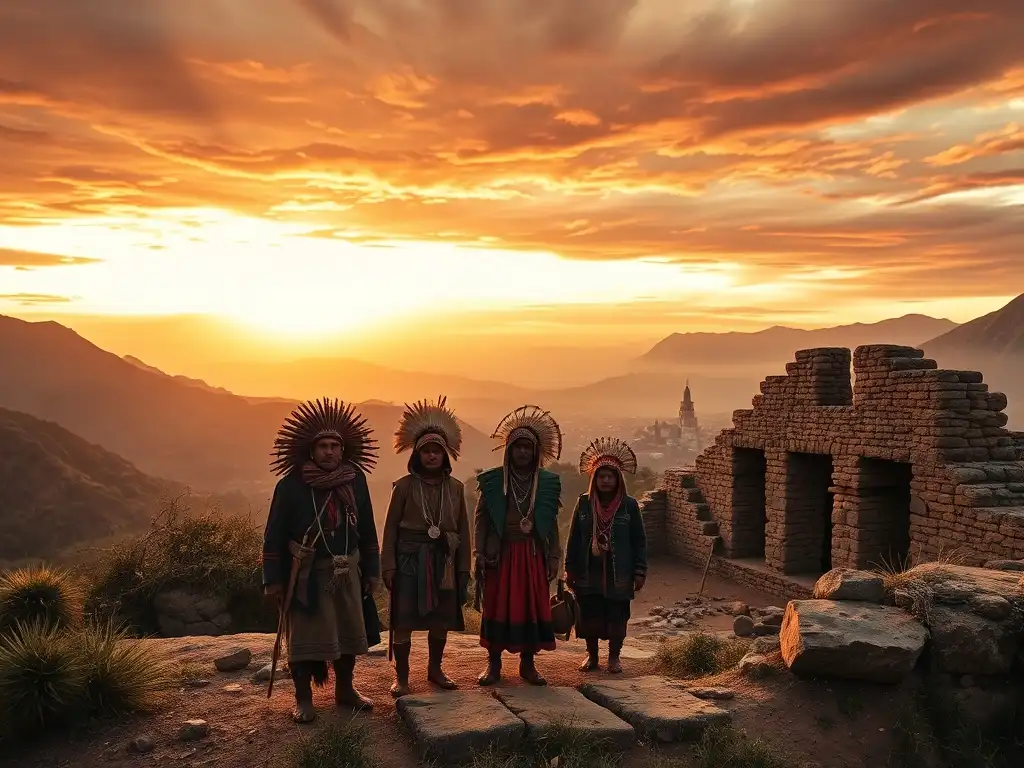
The Spanish conquest of the Andes wasn't a singular event; it was the ignition point for a prolonged period of Andean rebellion, fueled by pre-existing social structures and ignited by the brutal realities of colonial rule. Understanding the initial conquest's impact on subsequent uprisings requires examining the complex interplay of factors that fostered resistance. The seeds of rebellion were sown not just in the immediate aftermath of the conquest, but in the very fabric of Andean society before the arrival of the Europeans.
The precolonial Inca empire, while powerful, was not without internal tensions and localized power struggles. These existing fault lines, combined with the Spanish imposition of a radically different social, economic, and religious order, created a volatile mix that ultimately exploded into widespread resistance.
Analyzing this dynamic reveals a crucial aspect of Andean history often overlooked: the continuity of resistance across generations, shaped by the initial trauma of conquest and the enduring memory of pre-colonial life. The keyword "Andean rebellion precolonial Inca" accurately reflects this complex historical narrative.
The Cycle of Oppression and the Desire for Liberation
The Spanish conquest drastically altered the Andean social landscape. The mita, a pre-existing system of labor tribute, was intensified and brutally exploited under Spanish rule. Indigenous populations were forced into mines, subjected to harsh working conditions, and often perished from disease and overwork. This systematic oppression, coupled with the destruction of traditional religious practices and the imposition of Catholicism, fueled a deep-seated desire for liberation.
The Spanish crown's policies, designed to extract maximum wealth from the conquered territories, created a system of profound inequality and injustice. This created a fertile ground for resentment and rebellion. The imposition of encomiendas, granting Spanish conquistadors control over indigenous labor and resources, further exacerbated the situation.
This system, while initially intended to be temporary, evolved into a form of hereditary servitude, perpetuating cycles of abuse and exploitation across generations. The resulting social upheaval directly contributed to the numerous uprisings that characterized the colonial period. The desire for liberation wasn't merely a reaction to immediate grievances; it was a fight to reclaim a lost way of life, a struggle rooted in the profound cultural and spiritual disruption caused by the conquest.
Early Uprisings as a Response to Spanish Policies
The early years of Spanish rule witnessed numerous localized uprisings, often led by indigenous leaders who sought to resist the imposition of colonial authority. These initial rebellions, while often fragmented and lacking the organization of later movements, served as crucial precursors to larger-scale conflicts. For example, the resistance in the region of [Specific region pending further research] showcased the determination of local communities to fight back against the oppressive policies of the Spanish crown.
These early uprisings, though often brutally suppressed, demonstrated the enduring resilience of Andean populations and their unwillingness to accept Spanish domination passively. The sheer number and diversity of these early rebellions – from small-scale acts of defiance to larger coordinated efforts – highlight the widespread discontent that characterized the early colonial period.
Analyzing these early struggles helps us understand the evolution of Andean resistance strategies and the factors that contributed to the success or failure of these early attempts at liberation. The initial waves of rebellion laid the groundwork for the more organized and sustained uprisings that followed, demonstrating the continuous struggle against colonial oppression.
The Legacy of Inca Resistance as an Inspiration
The memory of Inca rule, despite its own internal complexities, played a significant role in shaping subsequent Andean rebellions. The Inca empire, with its sophisticated administrative system and relatively centralized power structure, provided a powerful symbol of indigenous sovereignty and strength. The legacy of Inca resistance against the Spanish, particularly the heroic struggles of [Specific Inca leaders pending further research], inspired future generations to fight for their own liberation.
This inspiration wasn't simply a matter of nostalgia; it was a strategic element. Indigenous leaders often invoked Inca traditions and symbols to unite disparate groups and rally support for their causes. The idealized image of the Inca past served as a powerful counter-narrative to Spanish claims of legitimacy and superiority.
This symbolic appropriation of Inca heritage underscores the profound impact of pre-colonial history on the development of Andean resistance throughout the colonial era. The memory of Inca power and the desire to restore a semblance of that past fueled the flames of rebellion for centuries to come, making the concept of "Andean rebellion precolonial Inca" an integral part of the colonial Andean experience.
Key Factors Contributing to Andean Rebellions
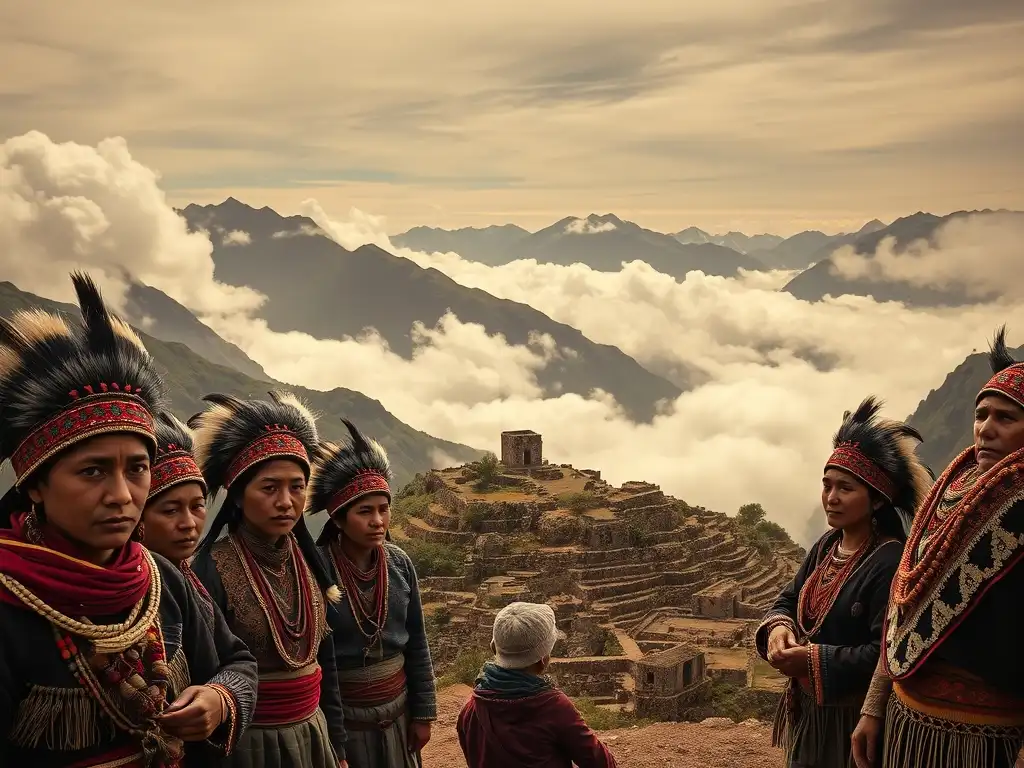
The Spanish conquest of the Andes didn't simply result in the immediate subjugation of the indigenous populations. Instead, the initial phases of colonization laid the groundwork for decades, even centuries, of resistance and rebellion. Understanding the "Andean rebellion precolonial Inca" requires examining the multifaceted factors that fueled these uprisings. The seeds of rebellion were sown not just in the immediate brutality of conquest, but also in the systematic dismantling of existing social, economic, and religious structures.
Economic Exploitation: Tribute and Taxation
The Spanish encomienda system, while initially presented as a form of land grant, quickly morphed into a brutal system of economic exploitation. Indigenous populations were forced to provide labor and tribute to their Spanish overlords, a system far harsher and more demanding than the pre-existing Inca mita system. The mita, while demanding, was often reciprocal, with the Inca state providing support and infrastructure in return for labor. The Spanish, however, offered little in return, leading to widespread impoverishment and resentment.
The extraction of precious metals, particularly silver, further exacerbated this economic hardship. The Spanish relentlessly pursued wealth, forcing indigenous miners into dangerous and deadly conditions in mines like Potosí. These mines became symbols of oppression, fueling widespread anger and contributing significantly to the various Andean rebellions. The sheer scale of the forced labor and the devastating impact on the indigenous population are well documented, painting a grim picture of economic devastation and the resulting social unrest.
Here's a brief comparison illustrating the disparity:
| Feature | Inca Mita System | Spanish Encomienda System |
|---|---|---|
| Labor Scope | Primarily public works, agriculture | Primarily mining, agriculture, domestic service |
| Compensation | Food, housing, community support | Minimal or no compensation |
| Duration | Rotational, limited periods | Indefinite, often hereditary |
| Treatment | Relatively humane, community-based | Brutal, exploitative |
The economic burden imposed on the indigenous population was a primary catalyst for rebellion. It fueled not only individual acts of defiance but also larger-scale organized uprisings against the Spanish crown.
Political Marginalization of Indigenous Leaders
The Spanish conquest systematically dismantled the existing political structures of the Andean societies. Traditional indigenous leaders, who held significant authority and influence within their communities, were either killed, imprisoned, or marginalized. This power vacuum created a fertile ground for resentment and rebellion. The Spanish imposed a new hierarchical system, placing themselves at the top and systematically suppressing any form of indigenous self-governance.
The replacement of indigenous leadership with Spanish officials led to a significant loss of cultural authority and the erosion of traditional systems of justice and dispute resolution. This created a sense of powerlessness and frustration among the indigenous population, fostering a climate ripe for rebellion.
The lack of representation and the suppression of indigenous voices fueled widespread discontent and ultimately contributed to the numerous uprisings that characterized the colonial period. The Spanish strategy of controlling and undermining indigenous leadership was a deliberate attempt to maintain their dominance, but ironically, it served to strengthen the resolve of those who sought to resist.
The Role of Religion and Cultural Identity in Resistance
The Spanish conquest wasn't just a political and economic takeover; it was also a deliberate attempt to suppress indigenous religions and cultural practices. The destruction of Inca temples and the imposition of Catholicism created a deep sense of cultural loss and religious trauma among the indigenous population. This religious persecution became a powerful catalyst for rebellion.
The use of religious imagery and symbolism in Andean resistance movements highlights the importance of cultural identity in the fight against Spanish rule. Indigenous rebels often incorporated traditional religious practices and beliefs into their struggles, using religious symbols and rituals to inspire and unite their forces. This fusion of religious and political resistance underscores the profound connection between cultural identity and the fight for liberation.
The enduring strength of indigenous religious beliefs and practices in the face of brutal suppression demonstrates the resilience and determination of the Andean peoples to preserve their cultural heritage. The continued practice of these beliefs, often in secret, served as a powerful symbol of resistance and a source of strength during difficult times. This underscores the critical role of religion and cultural identity in fueling Andean rebellions.
Notable Early Andean Rebellions
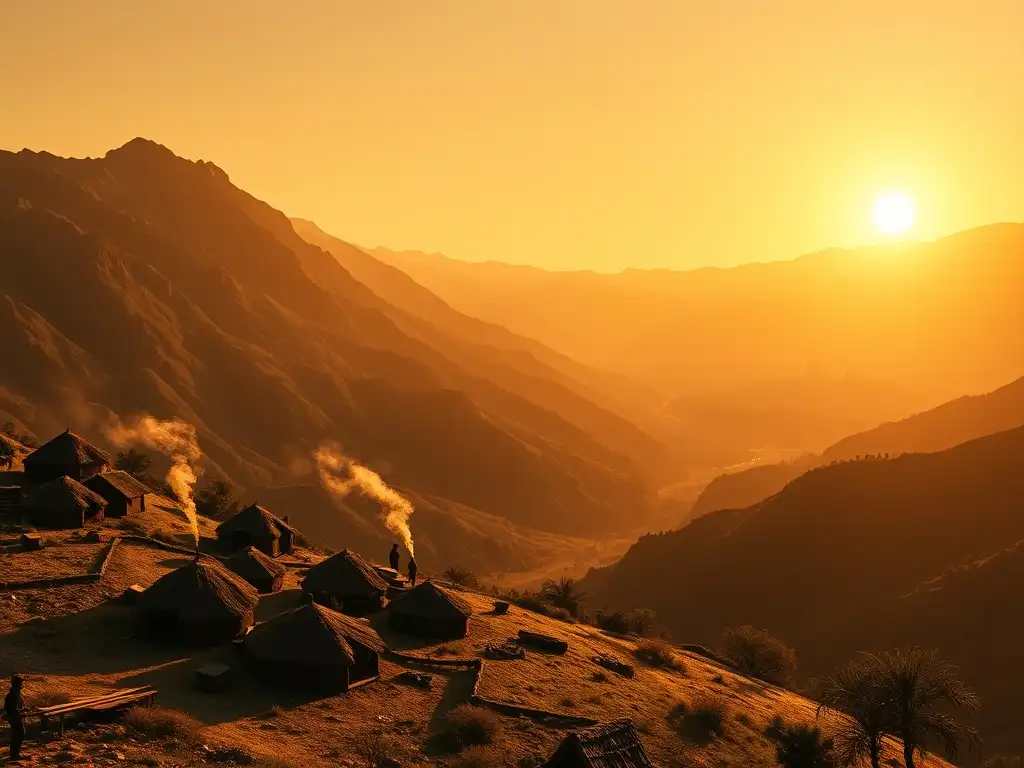
The Spanish conquest of the Andes was not a swift, decisive victory. Instead, it sparked a series of rebellions that shaped the region's history for centuries. Examining these early uprisings reveals crucial insights into Andean resistance strategies and the complex interplay of pre-colonial social structures and Spanish colonial policies. Understanding the "Andean rebellion precolonial Inca" context is vital to grasping the long-term impact of the conquest. These early revolts weren't isolated incidents; they laid the groundwork for future resistance, demonstrating the enduring spirit of Andean peoples in the face of oppression.
The Rebellion of Manco Inca
The Leaders and Causes of the Rebellion of Manco Inca
Manco Inca Yupanqui, a legitimate Inca heir, initially collaborated with the Spanish conquistadors. However, witnessing the brutality of the Spanish regime and the systematic destruction of Inca society, he launched a major rebellion in 1536. His leadership was crucial, leveraging his royal lineage to rally support among various Andean communities. The causes of the rebellion were multifaceted.
The Spanish violated numerous agreements, systematically pillaging Inca treasures and enslaving the population. The imposition of forced labor ( mita ), the destruction of religious sites, and the imposition of Christianity fueled widespread resentment. Manco Inca skillfully capitalized on this widespread discontent, presenting himself as a liberator seeking to restore Inca rule and protect Andean traditions. The rebellion wasn't simply about restoring a specific dynasty; it was a fight for the survival of Andean culture and autonomy.
The Impact of the Rebellion of Manco Inca on Later Movements
Manco Inca's rebellion, though ultimately unsuccessful in regaining complete Inca control, significantly impacted subsequent Andean resistance. His strategies, such as utilizing guerrilla warfare tactics in the mountainous terrain, provided a blueprint for future uprisings. The rebellion demonstrated the vulnerability of the Spanish, highlighting the difficulties of controlling a vast and diverse territory. Furthermore, the rebellion inspired other indigenous leaders and communities to resist Spanish rule, fueling the flames of future rebellion.
The legacy of Manco Inca's struggle became a powerful symbol of Andean resistance, inspiring generations to fight for their freedom and cultural preservation. His rebellion's failure, however, also showed the limitations of relying solely on traditional military strategies against a technologically superior adversary. It underscored the need for adapting resistance strategies to the changing political landscape.
The Taki Onqoy Movement
The Taki Onqoy ("dancing sickness") movement, emerging in the mid-16th century, represented a different form of Andean resistance. Unlike Manco Inca's primarily military rebellion, Taki Onqoy was a religious and socio-political movement that challenged Spanish dominance through a syncretic blend of Andean and Christian beliefs. It was a powerful example of how Andean communities adapted and resisted through cultural and spiritual means.
The Strategies and Goals of the Taki Onqoy Movement
Taki Onqoy employed a unique strategy: it combined religious prophecy with social mobilization. Prophets, often from marginalized communities, predicted the imminent downfall of the Spanish and the return of Andean deities. This message resonated deeply with communities suffering under Spanish oppression. They predicted the return of Andean deities and the demise of the Spanish, thereby mobilizing communities suffering under Spanish rule.
The movement’s goals extended beyond simple military resistance. It aimed to revitalize Andean religious practices and challenge the imposition of Christianity. This involved a conscious effort to reclaim indigenous spiritual authority and restore a sense of cultural identity amidst the turmoil of the conquest. The movement fostered a sense of unity and collective identity among diverse Andean groups, forging a shared resistance against the colonial regime.
Lessons Learned from the Taki Onqoy Movement
The Taki Onqoy movement, while ultimately suppressed by the Spanish, provides valuable insights into the complexities of Andean resistance. It demonstrates the importance of cultural and spiritual resistance alongside military action. The movement's emphasis on syncretism – blending indigenous beliefs with elements of Christianity – highlights the adaptability and resilience of Andean culture.
The movement's success in mobilizing diverse groups underscores the power of shared identity and collective action in resisting oppression. However, its ultimate failure also points to the challenges of confronting a powerful colonial regime through a movement primarily focused on religious and spiritual revival rather than direct military confrontation.
The movement’s legacy lies in its demonstration of the enduring power of Andean spirituality and its ability to adapt and resist even within the constraints of colonial rule. The movement serves as a reminder that resistance takes many forms and that cultural and spiritual survival are vital components of any struggle for liberation.
The Long-Term Impact of the Initial Conquest on Andean Society
The initial Spanish conquest of the Andes, while seemingly decisive in its immediate aftermath, planted the seeds for future Andean rebellions that would continue to challenge Spanish rule for centuries. The brutality and injustice inherent in the conquest—the forced labor system ( mita ), the destruction of indigenous cultures, and the appropriation of land and resources—created a deep-seated resentment that fueled resistance movements long after the initial battles were won. Understanding this long-term impact is crucial to analyzing the complexities of "Andean rebellion precolonial Inca" and the enduring legacy of resistance in the region.
The seemingly complete subjugation masked a simmering discontent that would repeatedly erupt into open revolt. Analyzing the initial conquest's impact requires looking beyond the immediate military victories and focusing on the socio-cultural and economic transformations imposed on Andean societies. These transformations, far from pacifying the population, served as catalysts for future uprisings.
The Shaping of Andean Identity through Resistance
The initial Spanish conquest didn't erase Andean identity; instead, it forged a new form of Andean identity deeply intertwined with resistance. Facing systematic efforts to suppress their culture and religion, Andean communities adapted and redefined their identities. The very act of resisting—whether through open rebellion, subtle acts of defiance, or the preservation of cultural practices in secret—became a crucial element in shaping a new, resilient Andean identity. This resistance manifested in various forms:
- Religious Syncretism: Indigenous deities were often integrated into the Catholic framework, creating hybrid religious practices that preserved elements of Andean spirituality. This syncretism allowed for the continuation of indigenous beliefs while outwardly complying with Spanish religious dictates.
- Maintaining Traditional Social Structures: Despite Spanish attempts to dismantle existing power structures, many Andean communities managed to maintain aspects of their traditional social organization, adapting them to survive under colonial rule. This preservation of social structures provided a foundation for future resistance movements.
- The Use of Indigenous Knowledge: Andean knowledge of the terrain, agriculture, and resource management proved invaluable in maintaining survival and challenging Spanish control. This knowledge was often strategically employed in rebellions, providing a crucial advantage to the indigenous fighters.
The Spanish conquest, therefore, paradoxically strengthened Andean identity by providing a common enemy and a shared experience of oppression that unified diverse communities in their struggle for survival and self-determination. This shared experience formed the bedrock for future, more organized, and sustained rebellions.
The Continuing Struggle for Justice and Self-Determination
The immediate aftermath of the conquest saw numerous smaller-scale rebellions, often localized and short-lived. However, these early uprisings laid the groundwork for larger, more organized movements. The desire for justice and self-determination, fueled by the injustices of the colonial system, persisted across generations. The continued exploitation through the mita system, the encomienda system, and the overall suppression of indigenous rights created a constant source of tension and resentment.
Specific examples of these continued struggles include [Specific examples of Andean rebellions post-initial conquest pending]. These examples demonstrate the ongoing nature of the struggle and highlight the interconnectedness between the initial conquest and subsequent uprisings. The resilience of Andean communities in the face of brutal oppression is a testament to their determination to preserve their culture and fight for their rights.
The Legacy of Andean Uprisings in Modern Times
The legacy of Andean rebellions against Spanish colonial rule continues to resonate in modern times. The struggle for justice and self-determination, which began with the initial conquest, continues to shape political and social movements in Andean countries today. The fight for indigenous rights, land reclamation, and cultural preservation are all direct descendants of the centuries-long resistance against colonial oppression.
The memory of past rebellions serves as a powerful symbol of resilience and a source of inspiration for contemporary movements advocating for social justice and equality. Understanding the historical context of "Andean rebellion precolonial Inca" provides crucial insight into the ongoing struggles for indigenous rights and self-determination in the Andes.
The echoes of these past struggles are evident in the contemporary political landscape, underscoring the enduring impact of the initial conquest and the unwavering spirit of resistance among Andean peoples. The fight for a more equitable and just society in the Andes is, in many ways, a continuation of the long and arduous struggle that began centuries ago.
Frequently Asked Questions
What sparked the initial Andean rebellions against the Inca?
Many factors contributed, including forced labor (mita), heavy taxation, and the imposition of Inca culture and religion on conquered peoples. These policies created widespread resentment and fueled resistance.
How did the Inca Empire's administrative system contribute to rebellion?
The Inca's centralized system, while efficient, also led to oppression and exploitation in many regions. Local autonomy was suppressed, leading to simmering discontent that easily erupted into rebellion.
No. While Inca conquest was a major catalyst, rebellions also stemmed from pre-existing inter-tribal conflicts and competition for resources. The Inca system often exacerbated these existing tensions.
What role did the pre-Inca cultures play in shaping Andean resistance?
Pre-existing social structures and forms of resistance within various Andean cultures provided models and strategies for future uprisings against Inca rule. These traditions influenced the tactics and organization of rebellions.
How did the initial conquest affect later Andean uprisings against the Spanish?
The experiences of resistance during the Inca conquest directly informed and shaped later rebellions against the Spanish. Established networks of resistance and strategies from the earlier period were reused and adapted.
Final Reflection: Echoes of Resistance in the Andes
The brutal initial conquest of the Andes wasn't just a historical event; it was the crucible that forged generations of rebellion. The seemingly insurmountable power of the Inca Empire, shattered by Spanish forces, left behind a legacy of resentment and resistance that continues to resonate in the cultural and political landscape of the region. This legacy, born from the ashes of subjugation, profoundly shaped the future trajectory of Andean societies.
The echoes of these early uprisings are not merely historical footnotes; they are deeply woven into the fabric of Andean identity. The struggle for autonomy, for self-determination, and for the preservation of indigenous cultures continues to this day. The fight against colonial oppression, whether manifested in overt rebellion or subtle acts of cultural preservation, is a testament to the enduring spirit of the Andean people. A people without the knowledge of their past history, origin and culture is like a tree without roots.
- Marcus Garvey. This quote perfectly encapsulates the enduring importance of understanding the roots of Andean resistance in order to appreciate the ongoing struggle for self-determination.
Consider the impact of this history on your own understanding of colonialism and resistance. Reflect on how the seemingly insurmountable odds faced by the Andean people throughout history can inspire us today to fight for justice and equality. Let the seeds of rebellion, sown in the face of unimaginable hardship, inspire you to cultivate your own resilience and fight for the causes you believe in. The story of Andean resistance is not just a historical narrative; it is a living testament to the enduring power of the human spirit.
Ignite Your Passion for Andean History!
Thank you for exploring the fascinating world of Andean civilizations and their remarkable resilience in the face of conquest. Your interest in the roots of rebellion reveals a crucial understanding of a pivotal historical chapter that continues to shape our world. Let's delve deeper!
Here are some engaging ways to further your exploration:
- Dive Deeper: Explore rich resources on Andean history—books, documentaries, and podcasts—to expand your understanding of these vibrant cultures and their struggles for survival and self-determination.
- Share Your Insights: Discuss your newfound knowledge with friends, family, or in online communities. Spark conversations about how historical events, like the Andean uprisings, continue to influence social movements and political landscapes today.
- Join the Community: Participate in local events, online forums, or historical societies focused on Andean history and cultural heritage to connect with other passionate individuals.
What aspects of Andean uprisings resonate most with you, and how do you perceive their enduring legacy in the modern world?