
The Fatal Alliances: How Internal Andean Conflicts Facilitated the Spanish Conquest


Unravel the mysteries behind the fall of a magnificent empire. For centuries, the Andes Mountains echoed with the vibrant cultures of the Incas, Moche, and other powerful civilizations. But what truly sealed their fate? Discover how the Andean civil war impact Spanish conquest, a pivotal turning point, paved the way for the arrival of the Spanish conquistadors. Prepare to be captivated by the untold story of fatal alliances and unexpected consequences in our exploration of "The Fatal Alliances: How Internal Andean Conflicts Facilitated the Spanish Conquest." Dive in and uncover the truth.
The Spanish conquest of the Andes, a pivotal moment in South American history, wasn't solely a result of superior European weaponry and tactics. A crucial, often overlooked factor was the pre-existing state of intense political fragmentation and warfare amongst the Andean civilizations themselves.
This internal strife, characterized by a complex web of alliances, betrayals, and bitter rivalries, significantly weakened the indigenous resistance and paved the way for the relatively swift Spanish advance. This article will explore how these internal Andean conflicts, often brutal and protracted, directly facilitated the Spanish conquest, ultimately shaping the trajectory of the region for centuries to come.
We will delve into specific examples, analyzing the impact of these conflicts on the Inca Empire and its neighboring societies, demonstrating how the Spanish expertly exploited existing divisions to achieve their objectives. The keyword "Andean civil war impact Spanish conquest" will be examined through a lens of detailed historical analysis, revealing the crucial role of internal conflict in the fall of powerful Andean empires.
The Inca Empire's Fragmented Power Base
The Inca Empire, at its zenith, controlled a vast territory encompassing much of the Andes Mountains. However, this seemingly unified empire was built upon a foundation of conquered peoples, many of whom harbored resentment towards Inca rule. The Inca system of mita, a form of forced labor, and the imposition of their culture and religion, generated widespread discontent.
This simmering resentment manifested in frequent rebellions and uprisings, particularly in regions far from Cuzco, the Inca capital. These internal rebellions significantly weakened the empire's military capabilities and diverted resources away from defense against external threats, creating a vulnerability that Pizarro and his conquistadors ruthlessly exploited. The Spanish were astute observers, quickly recognizing and leveraging these internal divisions to their advantage.
Exploiting Existing Rivalries: The Case of the Huáscar-Atahualpa Civil War
The most dramatic example of internal conflict facilitating the Spanish conquest was the devastating civil war between Huáscar and Atahualpa, two rival Inca claimants to the throne. This conflict, erupting just a few years before Pizarro's arrival, decimated the Inca army and left the empire deeply divided and vulnerable. The war involved protracted battles, widespread destruction, and a massive loss of human life. Pizarro masterfully exploited this situation, skillfully aligning himself with different factions and playing them against each other.
This strategy, coupled with the superior weaponry and tactics of the Spanish, allowed a relatively small force to conquer a vast and powerful empire. The Huáscar-Atahualpa war serves as a powerful illustration of how internal strife weakened the Andean civilizations and opened the door for Spanish domination. The sheer scale of the conflict, its duration, and the resulting chaos created an environment ripe for conquest.
Beyond the Inca: Wider Andean Conflicts and Spanish Strategy
The impact of internal conflict extended beyond the Inca Empire. Numerous other Andean societies, including the Chimu, the Aymara, and various smaller groups, were engaged in constant warfare amongst themselves. These conflicts, often fueled by territorial disputes, resource competition, and religious differences, weakened their collective ability to resist the Spanish advance.
The Spanish, understanding this dynamic, employed a strategy of divide and conquer, forming alliances with some groups against others, effectively turning indigenous populations against each other. This tactic significantly reduced the overall resistance to Spanish expansion, allowing them to conquer a vast territory with a relatively small force. The strategic manipulation of existing rivalries proved to be a highly effective component of the Spanish conquest strategy.
The Lasting Legacy of Internal Conflict
The internal conflicts within the Andean civilizations had a profound and lasting impact, far beyond the immediate consequences of the Spanish conquest. The legacy of these divisions continues to shape the political and social landscape of the Andes today. The fragmentation and weakened state of the Andean societies, a direct consequence of their internal struggles, facilitated the imposition of a new colonial order, radically altering the course of Andean history.
The impact of these internal wars on the demographics, cultural practices, and political structures of the region is a topic that continues to merit significant scholarly attention. Understanding the role of these internal conflicts is crucial for a complete understanding of the Spanish conquest and its long-term consequences.
- The Inca Empire's Fragmented Power Base
- Exploiting Existing Rivalries: The Case of the Huáscar-Atahualpa Civil War
- Beyond the Inca: Wider Andean Conflicts and Spanish Strategy
- The Lasting Legacy of Internal Conflict
- What role did internal Andean conflicts play in the Spanish conquest?
- Were the Andean civilizations united before the Spanish arrival?
- How did the Inca civil war impact the Spanish conquest?
- What specific advantages did the Spanish gain from Andean internal conflicts?
- Did the Andean internal conflicts solely determine the Spanish conquest?
The Pre-Conquest Andean Political Landscape: A Powder Keg
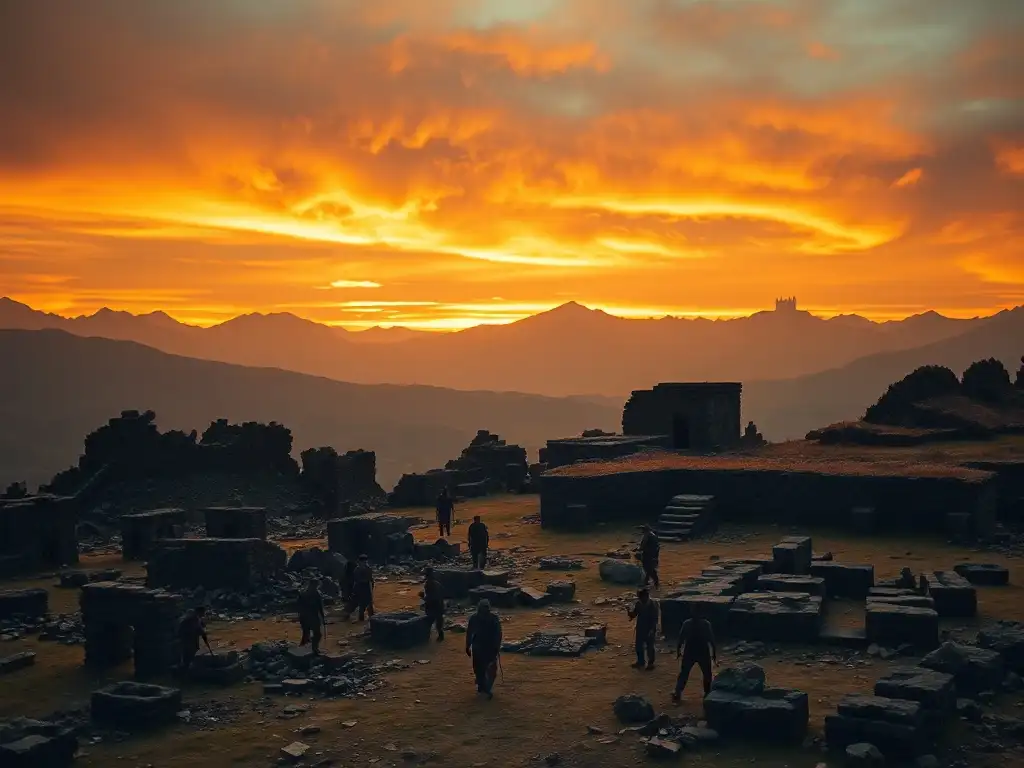
The arrival of the Spanish conquistadors in the Andes was not a simple case of a technologically superior force overwhelming a technologically inferior one. The Andean world, far from being a monolithic entity, was a complex tapestry of competing empires, kingdoms, and alliances, constantly shifting in a delicate balance of power. This pre-existing instability, characterized by internal conflicts and power struggles, significantly weakened the Andean resistance and inadvertently facilitated the Spanish conquest.
Understanding this pre-conquest political landscape is crucial to comprehending the swift and relatively easy success of the Spanish. The "Andean civil war impact Spanish conquest" was profound, as the internal fracturing of the region allowed the Spanish to exploit existing divisions and achieve victory far sooner than would have been possible against a unified front.
The Inca Empire Before the Arrival of the Spanish
The Inca Empire, at its zenith, controlled a vast territory stretching along the Andes Mountains. However, this seemingly unified empire was a relatively recent creation, forged through decades of aggressive expansion and subjugation of other Andean groups. The Inca employed sophisticated administrative techniques, including a highly structured road system and a complex system of tribute and labor (mita), to manage their diverse population.
But this centralized control masked underlying tensions. Many conquered peoples resented Inca rule, fostering resentment and the potential for rebellion. The empire's rapid growth also led to logistical challenges and administrative strains, creating weaknesses that the Spanish would later exploit.
The Inca's effective system of governance, while impressive, could not completely erase the cultural and political diversity of the conquered territories; this internal diversity proved to be a crucial factor in the empire's ultimate downfall. The seeds of future conflict were sown in the very fabric of the empire's construction.
Seeds of Discord: Internal Tensions and Power Struggles
Even before the arrival of Pizarro, the Inca Empire was experiencing significant internal tensions. Succession disputes were common, with power struggles often erupting between rival claimants to the throne. The Inca system of inheritance, while seemingly clear, often became ambiguous, leading to factionalism and conflict within the imperial family itself. Furthermore, the vast size of the empire created administrative challenges, leading to regional imbalances and the rise of powerful regional leaders who challenged the authority of the central government.
These simmering tensions, coupled with the resentment of conquered peoples, created a volatile environment ripe for exploitation. The "Andean civil war impact Spanish conquest" can be directly attributed to these underlying vulnerabilities, which were exacerbated by the sudden arrival of the Spanish. The already fragile peace was shattered, leaving the Inca Empire vulnerable to external forces.
The Inca Civil War: Huáscar vs. Atahualpa
The death of Huayna Capac, the powerful Inca emperor, triggered a devastating civil war between his two sons, Huáscar and Atahualpa. This conflict, which lasted several years, dramatically weakened the Inca Empire, depleting its resources and manpower. The war pitted different factions of the Inca aristocracy against each other, dividing the empire's military strength and diverting resources away from potential defenses against external threats.
Atahualpa's victory was ultimately pyrrhic, as the empire was left shattered and vulnerable. The resulting chaos and power vacuum provided the perfect opportunity for Pizarro and his relatively small band of conquistadors to exploit the situation. The Spanish skillfully played on the existing divisions within the Inca Empire, forming alliances with factions opposed to Atahualpa, thereby significantly reducing the Inca resistance and paving the way for the conquest.
The Inca civil war, therefore, was a pivotal factor in the Spanish conquest of the Andes, demonstrating the profound "Andean civil war impact Spanish conquest". The weakened state of the empire, fractured by years of brutal conflict, made it exceptionally susceptible to the relatively small Spanish force. The impact of this internal conflict on the overall outcome is undeniable.
The Role of Andean Civil War in Spanish Conquest
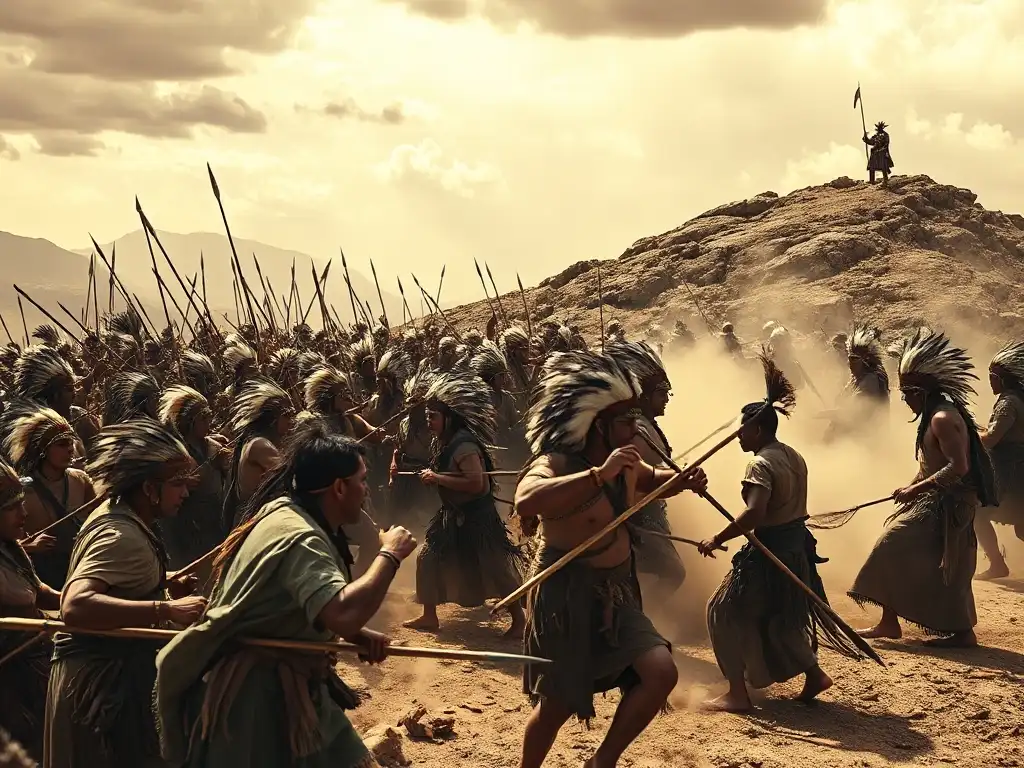
The Spanish conquest of the Andes wasn't a simple military triumph; it was significantly facilitated by pre-existing internal conflicts and power struggles within the Andean region itself. The arrival of the Spanish coincided with a period of intense instability, particularly within the Inca Empire, the most powerful Andean civilization at the time. This internal strife drastically weakened the Inca's ability to resist the comparatively small Spanish force, ultimately paving the way for the empire's fall.
Understanding the impact of these Andean civil wars on the Spanish conquest is crucial to grasping the full complexity of this historical event. The weakening of the Inca Empire, through a brutal civil war, presented a unique opportunity for the Spanish conquistadors, an opportunity they readily exploited. The keyword "Andean civil war impact Spanish conquest" encapsulates this pivotal interaction.
How the Inca Civil War Weakened the Empire
The Inca Empire, at its zenith, controlled a vast territory encompassing much of the Andes Mountains. However, this seemingly invincible empire was fractured by a devastating civil war following the death of Emperor Huayna Capac around 1527. His death triggered a fierce power struggle between his two sons, Huáscar and Atahualpa. This conflict, far from being a mere succession dispute, involved significant regional allegiances and military clashes across the empire.
The war exhausted the Inca's resources, both human and material. Vast armies clashed repeatedly, depleting the empire's manpower and draining its treasury. Infrastructure, vital for communication and logistics, was damaged or destroyed in the fighting.
The war also severely disrupted the Inca's intricate administrative system, leaving provinces vulnerable and weakening central authority. The very fabric of the empire was unraveling even before Pizarro arrived. This internal fracturing, triggered by the Andean civil war, was a key factor in the Spanish conquest's success.
Atahualpa's Victory and the Unstable Political Situation
Atahualpa ultimately emerged victorious from the Inca civil war, but his victory was pyrrhic. The empire was in ruins. The war had left a legacy of deep divisions and resentment among different regions and factions. Atahualpa's authority, though supreme, was far from absolute. Many regions remained loyal to Huáscar or were simply exhausted by the conflict, unwilling to readily submit to Atahualpa's rule.
This unstable political situation created an ideal environment for the Spanish to exploit. Atahualpa's focus remained on consolidating his power and dealing with the remnants of Huáscar's support, leaving him less prepared for the arrival of the Spanish. The weakened infrastructure and the lack of unified command meant that Atahualpa's forces were ill-equipped to effectively counter the Spanish invasion. The aftermath of the Andean civil war created a power vacuum that the Spanish readily filled.
The Spanish Arrival and the Exploitation of Internal Divisions
Pizarro and his conquistadors arrived in the Andes at a moment of profound vulnerability. They were able to exploit the existing divisions within the Inca Empire. By skillfully manipulating rival factions, offering alliances to disgruntled nobles, and exploiting the lingering resentment from the civil war, the Spanish were able to gain crucial support and allies.
The relatively small Spanish force, through strategic alliances and superior weaponry, was able to defeat a much larger, but internally divided, Inca army. The Spanish conquest of the Andes wasn't simply a military campaign; it was a sophisticated political strategy that effectively leveraged the consequences of the Andean civil war. The Inca's internal strife significantly reduced their ability to resist, directly contributing to the fall of their empire.
The "Andean civil war impact Spanish conquest" is not merely a correlation; it was a causal relationship of immense historical significance. The chaos and instability created by the Andean civil war undeniably facilitated the Spanish conquest, transforming the geopolitical landscape of the Andes forever.
Key Andean Alliances and their Impact
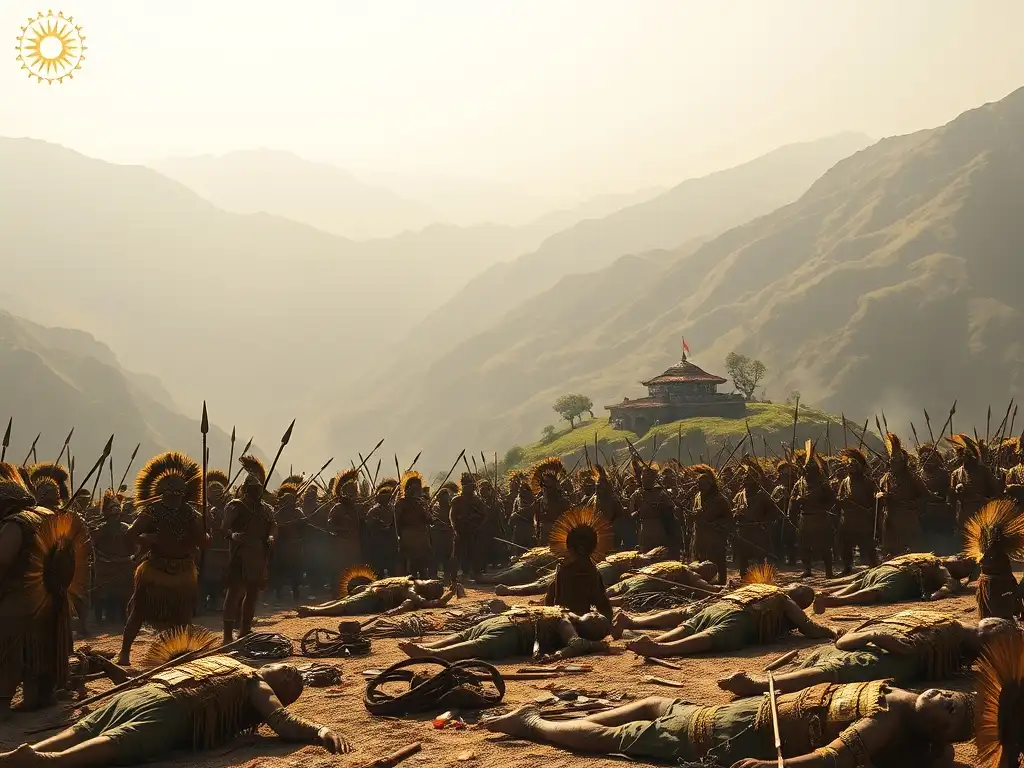
This section delves into the crucial role played by internal conflicts and shifting alliances amongst Andean societies in facilitating the Spanish conquest. The arrival of the Spanish was not a simple case of superior military might overcoming a unified and resistant population. Instead, the Spanish skillfully exploited existing tensions and rivalries, forging alliances that significantly weakened the resistance and paved the way for their dominance.
The impact of these alliances on the trajectory of the conquest cannot be overstated; they represent a critical turning point in the history of the Andes. Analyzing these strategic partnerships reveals a complex tapestry of ambition, betrayal, and the devastating consequences of internal warfare. The keyword "Andean civil war impact Spanish conquest" is central to understanding this pivotal period.
The Collaboration of the Cañari and Chachapoya with the Spanish
The Cañari, inhabiting the southern highlands of present-day Ecuador, and the Chachapoya, residing in the northern cloud forests of Peru, represent compelling examples of Andean groups who actively collaborated with the Spanish. These groups, facing pressure and subjugation from the Inca Empire, saw the arrival of the Spanish as an opportunity to overthrow their Inca overlords. This wasn't a simple matter of switching allegiances; it involved providing crucial logistical support, including:
- Military intelligence: Providing the Spanish with detailed knowledge of Inca troop movements, fortifications, and supply lines. This proved invaluable in ambushes and strategic maneuvers.
- Guides and scouts: Leading Spanish expeditions through treacherous Andean terrain, facilitating faster and more efficient movement. Their intimate knowledge of the landscape was a significant advantage.
- Auxiliary troops: Contributing fighters to the Spanish armies, supplementing their numbers and bolstering their forces. This added strength significantly altered the balance of power in several key battles.
The Cañari, in particular, played a pivotal role in the Spanish conquest of the Inca heartland. Their knowledge of the terrain and Inca military strategies were instrumental in the Spanish victories. The Chachapoya, while less centrally involved, still provided valuable support in the northern regions, disrupting Inca control and diverting resources. Their collaboration exemplifies how pre-existing tensions and desires for liberation could be leveraged by the Spanish to their advantage. The resulting impact on the "Andean civil war impact Spanish conquest" dynamic was profound.
The Promise of Liberation and the Reality of Colonial Rule
The collaboration of certain Andean groups with the Spanish was often predicated on the promise of liberation from Inca rule. Many groups had suffered under the Inca's expansionist policies, paying heavy tribute and facing forced labor. The Spanish skillfully exploited these grievances, promising freedom and autonomy in exchange for assistance. However, this promise proved largely illusory. The reality of colonial rule was far harsher than the subjugation under the Inca Empire.
The Spanish imposed a brutal system of encomienda, forcing indigenous populations into forced labor in mines and on plantations. This system, coupled with the introduction of new diseases and the disruption of traditional social structures, led to a catastrophic decline in the Andean population. The very groups who had collaborated with the Spanish in the hope of liberation found themselves subjected to a new form of oppression, even more devastating in its long-term consequences.
This stark contrast between the promised liberation and the harsh reality of colonial rule highlights the tragic irony of the alliances forged during the conquest. The "Andean civil war impact Spanish conquest" narrative is fundamentally shaped by this betrayal of trust.
The Strategic Advantage Gained by the Spanish
The alliances forged by the Spanish were not merely opportunistic; they were strategically crucial. By exploiting existing rivalries and offering incentives to disgruntled groups, the Spanish significantly amplified their military strength and reduced the effectiveness of Inca resistance. This strategic advantage can be broken down into several key aspects:
| Aspect | Description | Impact on Conquest |
|---|---|---|
| Reduced Inca Manpower | The diversion of Inca resources to quell internal rebellions weakened their ability to effectively resist the Spanish. | Allowed the Spanish to achieve victories with fewer troops. |
| Enhanced Intelligence | Access to local knowledge provided crucial intelligence on Inca military strategies, troop movements, and vulnerabilities. | Led to more effective military planning and ambushes. |
| Increased Troop Numbers | Auxiliary troops from allied groups supplemented the Spanish army, bolstering their numbers and combat capabilities. | Shifted the balance of power decisively in favor of the Spanish. |
| Disruption of Supply Lines | Allied groups disrupted Inca supply lines and communications, hindering their ability to effectively coordinate military responses. | Made it difficult for the Inca to mount sustained resistance. |
The strategic impact of these alliances on the "Andean civil war impact Spanish conquest" is undeniable. The Spanish conquest was not a foregone conclusion; it was significantly facilitated by the internal divisions and strategic partnerships forged amongst the Andean populations themselves. The resulting colonial legacy continues to shape the Andes today.
The Long-Term Consequences of Andean Alliances
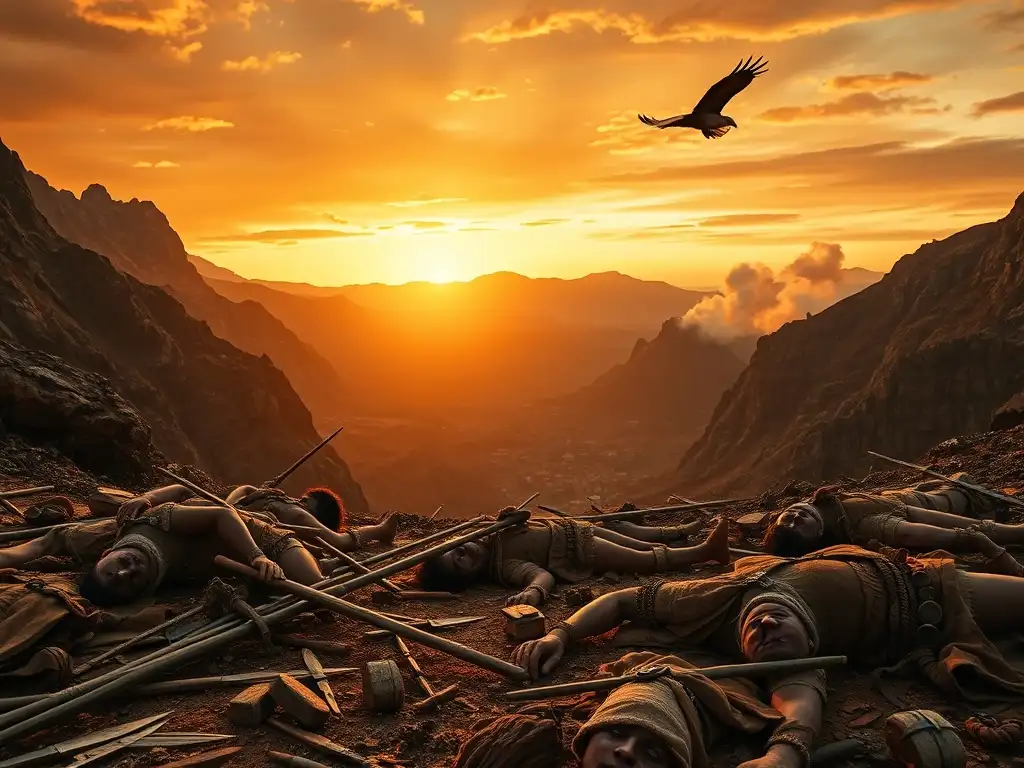
The arrival of the Spanish conquistadors in the Andes was not a simple case of a technologically superior force overwhelming a weaker opponent. Instead, the Spanish conquest was significantly facilitated by pre-existing internal conflicts and shifting alliances amongst the various Andean groups. The intricate web of alliances and rivalries, often forged through centuries of competition for resources and power, played a crucial role in determining the outcome of the conquest.
Understanding these dynamics is key to comprehending the lasting impact of the Spanish conquest on the Andean region. The "Andean civil war impact Spanish conquest" was profound and far-reaching, reshaping the political landscape and leaving an indelible mark on Andean societies.
The Collapse of the Inca Empire and the Establishment of Spanish Rule
The Inca Empire, at its zenith, controlled a vast territory stretching along the Andes Mountains. However, this seemingly invincible empire was already weakened by internal strife before Pizarro's arrival. Succession disputes and power struggles amongst the Inca elite, including the civil war between Huáscar and Atahualpa, severely fractured the empire's unity.
This internal conflict significantly depleted the Inca's military strength and resources, leaving them vulnerable to the comparatively small Spanish force. The Spanish deftly exploited these divisions, forming alliances with disgruntled Inca factions and using their superior weaponry and tactics to conquer the weakened empire. The Inca's sophisticated administrative system, while impressive, proved inadequate against the combined forces of internal rebellion and external invasion.
The efficient Inca road system, originally designed to facilitate communication and trade within the empire, ironically aided the Spanish advance across the vast Andean territory. The speed and ease with which the Spanish conquered the Inca Empire underscore the significant role of internal conflict in facilitating the conquest. The fall of the Inca Empire marked not just a change in rulers, but a profound shift in the power dynamics of the entire Andean region.
The Devastating Impact of Colonialism on Andean Societies
The Spanish conquest's consequences extended far beyond the collapse of the Inca Empire. The establishment of colonial rule brought about widespread devastation and societal upheaval. The introduction of new diseases, such as smallpox and measles, decimated the indigenous population, leading to a drastic decline in the Andean demographic.
The imposition of the encomienda system, a form of forced labor, further exploited and oppressed the native population. This system, coupled with the destruction of traditional social structures and economic systems, led to widespread suffering and social disruption. The Spanish also implemented the repartimiento system, a form of forced labor that further exacerbated the exploitation of the indigenous population.
The impact on Andean societies was catastrophic, leading to long-term consequences that continue to affect the region today. The disruption of traditional agricultural practices and the introduction of new crops also altered the Andean landscape and economy permanently. The effects of this period of intense exploitation are still evident in many aspects of Andean life, highlighting the enduring legacy of the Spanish conquest.
Lessons from History: Understanding the Dynamics of Conflict
The Spanish conquest of the Andes serves as a stark reminder of how internal conflicts can weaken even the most powerful empires, making them vulnerable to external threats. The "Andean civil war impact Spanish conquest" provides valuable insights into the complex interplay between internal and external factors in shaping historical events. Analyzing the dynamics of conflict within the Andean societies reveals the importance of political stability and internal unity in resisting foreign invasion.
Understanding the devastating consequences of colonial rule also underscores the critical need to protect cultural heritage and prevent the exploitation and oppression of indigenous populations. The study of the Andean past offers crucial lessons for understanding contemporary conflicts and promoting peaceful coexistence.
The enduring legacy of the Spanish conquest should serve as a powerful cautionary tale, highlighting the long-term ramifications of political instability and the importance of preserving cultural identity in the face of external pressures. The impact of Andean internal conflicts on the Spanish conquest remains a vital area of historical study, offering valuable insights into the complexities of power, conflict, and cultural exchange.
Analyzing the Andean Civil War Impact on Spanish Conquest

The Spanish conquest of the Andes wasn't solely a result of superior weaponry or tactical brilliance. A crucial factor often overlooked is the profound impact of pre-existing Andean civil wars and internal conflicts. These internecine struggles significantly weakened the indigenous empires, paving the way for the relatively small Spanish force to achieve such a resounding victory. The fractured political landscape, characterized by rivalries and power struggles, presented the conquistadors with an unexpected advantage – a divided enemy ripe for exploitation.
Understanding the depth of these internal conflicts is paramount to comprehending the speed and ease with which the Spanish were able to conquer such a vast and sophisticated region. The keyword, "Andean civil war impact Spanish conquest," encapsulates this critical interplay of factors. This section will explore the key aspects of this devastating internal conflict and its role in the Spanish conquest.
The Crucial Role of Internal Disunity in the Spanish Victory
The Inca Empire, at the height of its power, controlled a vast territory encompassing modern-day Peru, Bolivia, Ecuador, and parts of Argentina and Chile. However, this seemingly invincible empire was far from unified. Decades of internal strife, succession crises, and power struggles among competing elites significantly weakened its military and administrative capabilities. The civil war that erupted between Huáscar and Atahualpa, two brothers vying for the Inca throne, provides a stark example.
This brutal conflict, characterized by intense battles and widespread devastation, left the empire deeply fractured and vulnerable. The resources and manpower expended on this fratricidal war were immense, leaving the Inca army depleted and its infrastructure damaged. The ensuing chaos and instability created a power vacuum that Pizarro and his men were able to exploit masterfully.
The Spanish, observing this internal turmoil, strategically played various factions against each other, further destabilizing the Inca Empire and securing their own dominance. This strategic manipulation of internal conflicts, coupled with the inherent weaknesses of a war-torn empire, proved to be a decisive factor in the Spanish conquest. The resulting power vacuum was a significant contribution to the success of the Spanish conquest.
The Battle of Cajamarca: A Turning Point Fueled by Inca Weakness
The Battle of Cajamarca (1532) stands as a pivotal moment in the Spanish conquest. The seemingly improbable victory of a small band of Spanish soldiers over a vastly superior Inca army was not merely a matter of luck or superior weaponry. The Inca army, already weakened by the recent civil war, arrived at Cajamarca disorganized and demoralized.
Atahualpa, the victorious brother in the civil war, was still consolidating his power and facing resistance from loyalists to his deceased brother. This internal division amongst the Inca ranks played a significant role in their defeat. The element of surprise employed by Pizarro, while undeniably important, would have been far less effective against a unified and prepared Inca army.
The Inca's lack of experience in dealing with firearms and cavalry also contributed to their defeat, but this factor is secondary to the profound impact of internal conflict. The sheer number of Inca soldiers present at Cajamarca, despite their disorganization, highlights the potential strength of the empire had it been unified. The capture of Atahualpa demonstrated the vulnerability of a fractured empire and marked a turning point in the Andean civil war impact Spanish conquest.
The Long-lasting Effects of Andean Alliances on the Region
The consequences of the Andean civil wars extended far beyond the immediate conquest. The destruction wrought by these conflicts, coupled with the subsequent Spanish rule, led to profound social, economic, and political transformations. The intricate systems of Andean alliances and reciprocal obligations were shattered, leaving behind a legacy of instability and inequality.
The Spanish exploited the existing power vacuums and rivalries to establish their control, often favoring specific groups over others. This resulted in a long-lasting disruption of traditional social structures and power dynamics. The Spanish conquest didn't simply conquer territories; it destroyed pre-existing social fabrics and political systems, fundamentally reshaping the Andean landscape.
The resulting social stratification and economic exploitation had a profound and lasting impact on the region, with consequences that are still felt today. The legacy of the Andean civil wars and their contribution to the Spanish conquest serves as a sobering reminder of the devastating consequences of internal strife and the complex interplay between internal conflicts and external forces in shaping history. The impact of these alliances and the subsequent collapse of the Inca Empire fundamentally altered the Andean region's trajectory, setting the stage for centuries of colonial rule and its lasting consequences.
Conclusion: The Legacy of Internal Conflicts and the Spanish Conquest
The Spanish conquest of the Andes wasn't a simple military victory; it was a complex process significantly facilitated by pre-existing internal conflicts among Andean societies. The impact of these Andean civil wars on the Spanish conquest cannot be overstated. Decades, even centuries, of inter-tribal warfare, power struggles, and shifting alliances weakened the region's capacity to resist the relatively small Spanish force.
The absence of a unified, powerful Andean empire, a consequence of these internal struggles, presented a ripe opportunity for conquest. The Spanish effectively exploited these divisions, strategically allying with certain groups against their rivals, thereby minimizing their own military risks and maximizing their gains. This strategy, coupled with the devastating effects of disease, proved devastatingly effective.
The legacy of these internal conflicts continues to shape Andean societies today, underscoring the importance of understanding this crucial period in history. Analyzing the “Andean civil war impact Spanish conquest” requires a nuanced understanding of the complex interplay of political, social, and military factors at play.
The Enduring Relevance of the Andean Civil War in Andean History
The consequences of the Andean civil wars extend far beyond the immediate impact of the Spanish conquest. The fragmentation of power structures and the displacement of indigenous populations led to lasting social and political changes. The disruption of established trade routes and agricultural practices caused widespread economic hardship. The loss of life, both directly through conflict and indirectly through disease, decimated entire communities.
Even today, the echoes of these conflicts can be heard in the social and political landscapes of Andean nations. The study of these conflicts is crucial for understanding contemporary issues of inequality, land ownership, and indigenous rights. Analyzing the long-term effects, the enduring relevance of understanding the "Andean civil war impact Spanish conquest" becomes clear.
For example, the lingering resentment and distrust between different ethnic groups, rooted in centuries of conflict, continue to influence political dynamics in the region. Understanding this history is essential for fostering reconciliation and building a more equitable future. Further research is needed to fully quantify the long-term demographic and economic consequences of this period of intense conflict, but preliminary studies suggest a devastating impact lasting for generations.
How the Spanish Conquest Shaped the Future of the Andes
The Spanish conquest wasn't merely the imposition of a new political system; it fundamentally reshaped the cultural, social, and economic fabric of the Andes. The introduction of new diseases, like smallpox and measles, had a catastrophic impact on the indigenous population, drastically reducing their numbers and further weakening their ability to resist. The Spanish implemented a new economic system based on extraction, exploiting the region's resources for the benefit of the Spanish crown.
This led to the establishment of the encomienda system, a form of forced labor that profoundly impacted indigenous communities. The imposition of Catholicism as the dominant religion resulted in the suppression of indigenous beliefs and practices, although syncretism—the blending of indigenous and Spanish religious practices—also emerged. The Spanish conquest also fundamentally altered the existing social hierarchy, placing the Spanish at the top and subjugating the indigenous population.
The long-term consequences of these changes are still evident in the social and economic inequalities that persist in the Andes today. Understanding how the "Andean civil war impact Spanish conquest" reveals the lasting impacts of colonialism on the region’s development.
The Importance of Understanding Andean Pre-Columbian History
To fully grasp the impact of the Andean civil wars on the Spanish conquest, it's vital to understand the rich and complex history of the Andean civilizations before the arrival of the Europeans. The Inca Empire, while impressive in its scale and organization, was far from a monolithic entity. It was built upon the conquest and assimilation of numerous pre-existing groups, many of whom retained significant autonomy and harbored resentment towards Inca rule.
This internal dissent played a crucial role in the empire's vulnerability to the Spanish. Similarly, understanding the intricate power dynamics and rivalries among other Andean societies—the Chimu, the Aymara, the Nazca—is essential for comprehending the fragmented landscape the Spanish encountered. The pre-Columbian history of the Andes isn't simply a prelude to the conquest; it's an integral part of the story.
Without a deep understanding of this pre-conquest era, a complete analysis of the "Andean civil war impact Spanish conquest" is impossible. Further research into the specific internal conflicts and alliances among various Andean groups is essential for a more comprehensive understanding of this critical period in history. The existing historical records, though often biased and incomplete, provide valuable insights into the complex interplay of factors that led to the Spanish conquest.
Frequently Asked Questions
What role did internal Andean conflicts play in the Spanish conquest?
Internal conflicts significantly weakened the Andean empires. The civil wars and power struggles between different groups, such as the Inca and other Andean civilizations, left them vulnerable and unable to mount a unified defense against the Spanish. This weakened infrastructure and morale proved crucial to the Spanish victory.
Were the Andean civilizations united before the Spanish arrival?
No, the Andean region was characterized by a complex tapestry of rivalries and shifting alliances between different groups. While the Inca Empire had expanded significantly, it hadn't fully unified the region, and resentment and rebellions remained common.
How did the Inca civil war impact the Spanish conquest?
The Inca civil war between Huáscar and Atahualpa severely weakened the empire, creating a power vacuum and internal divisions that the Spanish exploited. This fragmented leadership and depleted resources allowed Pizarro to conquer with a relatively small force.
What specific advantages did the Spanish gain from Andean internal conflicts?
The Spanish gained crucial advantages in manpower and resources. They were able to exploit existing divisions, forging alliances with groups hostile to the Inca. This allowed them to conquer territories more easily than if they'd faced a united front.
Did the Andean internal conflicts solely determine the Spanish conquest?
While internal conflicts were a major factor, they weren't the sole reason for the Spanish conquest. Technological advantages, such as superior weaponry, and diseases played a crucial role alongside the political fragmentation of the Andean world.
Final Reflection: Echoes of Empire: The Enduring Legacy of Andean Conflict
The fracturing of the Andean world through internal conflict wasn't merely a prelude to Spanish conquest; it was a crucial catalyst, a gaping wound that allowed the relatively small Spanish force to achieve such a devastating victory. The fragility of power structures, exposed by decades of internecine warfare, ultimately determined the fate of entire empires. This isn't just a historical footnote; it's a stark warning about the enduring consequences of internal division in the face of external threats.
The impact of these pre-Columbian conflicts continues to resonate today, shaping not only the political landscape of South America but also its cultural identity. The legacy of fractured alliances and the subsequent colonial era profoundly altered the social fabric, leaving an imprint on indigenous communities that persists even now. History does not repeat itself, but it often rhymes,
wrote Mark Twain, and the echoes of these Andean civil wars can be heard in contemporary struggles for power and self-determination across the globe. Understanding this history is crucial to comprehending the complexities of the region and its ongoing challenges.
Consider the fragility of unity, the devastating power of internal strife, and the enduring consequences of choices made centuries ago. You, the reader, hold the power to learn from these past mistakes. Reflect on the importance of building strong, inclusive societies, resistant to the corrosive effects of division. Let the story of the Andean empires serve not as a tale of defeat, but as a powerful testament to the enduring need for unity, resilience, and a clear-eyed understanding of the threats that can arise from within.
Unveil the Lessons of History: Take Action Today!
Thank you for exploring the fascinating history of Andean civilizations and the events leading to the Spanish conquest. Your engagement with this article provides valuable historical knowledge and encourages reflection on its contemporary relevance.
Now, let's put your newfound knowledge to work:
- **Join a discussion group or online forum** dedicated to Andean history to deepen your understanding and exchange ideas with others.
- **Share this article** with friends and family to stimulate discussion about how alliances and conflicts shape historical events.
- **Visit local museums** or attend cultural events celebrating Andean heritage to further connect with these rich historical narratives.
Consider the parallels between the historical alliances discussed here and current global conflicts. Let's explore these connections together!