
The Shifting Landscape: How the Spanish Reorganized Andean Territories and Power Structures

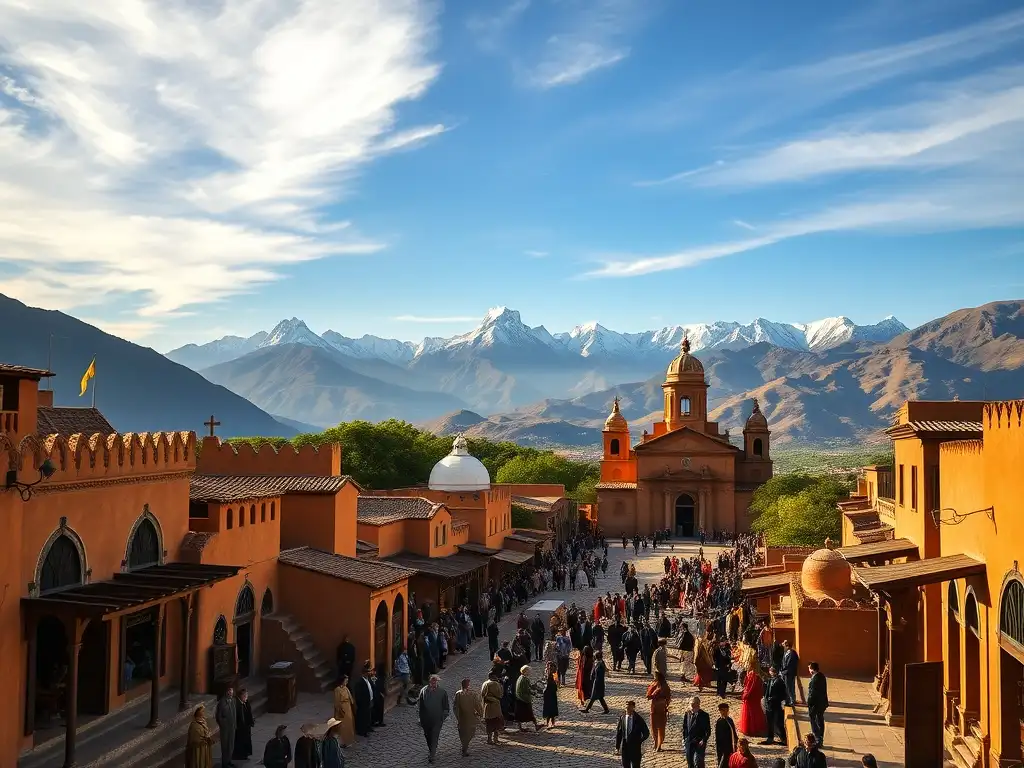
Step into a world lost to time, yet echoing with the power and mystery of the Andes. For centuries, sophisticated civilizations like the Inca, Moche, and Nazca thrived, building empires and leaving behind a legacy of breathtaking artistry and ingenuity. But what happened when the Spanish arrived? Discover how the Spanish impact on Andean power structures irrevocably altered the landscape of this ancient world – a story of conquest, adaptation, and the enduring spirit of a people. Unravel the complexities of this transformative period and prepare to be amazed.
The Spanish conquest of the Andes dramatically altered the political geography and power structures of the region, leaving an indelible mark on its history and culture. This article explores the profound impact of the Spanish arrival, analyzing how the pre-existing Andean political landscape, characterized by a complex interplay of empires, chiefdoms, and alliances, was reshaped and reorganized under Spanish colonial rule. We will examine the pre-Columbian Andean world, the existing power dynamics, and the subsequent strategies employed by the Spanish to consolidate their control, ultimately leading to a new hierarchical system that profoundly impacted the indigenous populations for centuries to come.
Understanding this transformation is crucial to grasping the lasting legacy of the Spanish conquest on the Andes and its people. The keyword, "Spanish impact on Andean power structures," will be explored through detailed analysis of the dismantling of existing systems and the implementation of new colonial ones.
Introduction: The Pre-Columbian Andean World and the Inevitable Spanish Arrival
Before the arrival of the Spanish conquistadors, the Andes were far from a unified entity. Instead, a diverse tapestry of cultures and political organizations existed, ranging from the vast Inca Empire to smaller, independent chiefdoms. The Inca Empire, at its zenith, controlled a significant portion of the Andes, but even within its dominion, local power structures and traditions persisted.
Other powerful groups, such as the Chimu and the Aymara, maintained their own distinct identities and political systems. The arrival of the Spanish, however, irrevocably disrupted this complex equilibrium. The superior weaponry, sophisticated organizational strategies, and the devastating impact of introduced diseases combined to overwhelm the existing Andean power structures, paving the way for a complete reorganization of the territories and the imposition of a new colonial order.
The initial Spanish encounters were often marked by both conflict and strategic alliances, highlighting the nuanced nature of the conquest and the varying responses of Andean communities. This initial phase set the stage for the radical changes that would follow.
Pre-Existing Power Dynamics in the Andes Before the Spanish Conquest
The Andean world prior to the Spanish conquest was a dynamic and multifaceted region, characterized by diverse political organizations and power structures. Understanding these pre-existing dynamics is essential to appreciating the full extent of the Spanish impact.
The Inca Empire's System of Control and Administration
The Inca Empire, at its height, controlled a vast territory encompassing much of the modern-day Andes. Their administrative system was remarkably sophisticated, employing a complex network of officials, tribute systems, and infrastructure projects. The mita, a system of mandatory labor, was crucial to Inca control, enabling the construction of impressive roads, temples, and agricultural terraces.
The Inca also implemented a system of resettlement, strategically relocating populations to consolidate their power and control resources. This intricate system of governance, however, proved vulnerable to the Spanish, who exploited existing tensions and weaknesses within the empire to facilitate their conquest. The Inca's centralized authority, while impressive, ultimately became a target for Spanish manipulation and dismantling.
Local Andean Chiefdoms and Their Political Organization
Beyond the Inca Empire, numerous smaller chiefdoms and independent communities thrived in the Andes. These groups, often with distinct languages and cultural practices, maintained their own political structures and systems of governance. Their organization varied considerably, ranging from relatively egalitarian societies to those with more hierarchical structures.
Many of these chiefdoms were adept at navigating the complex political landscape of the Andes, forming alliances and engaging in conflicts to secure their interests and resources. The Spanish conquest significantly disrupted these established power dynamics, often undermining the authority of local leaders and imposing a new colonial hierarchy. The diversity of these pre-existing structures makes the analysis of the Spanish impact a nuanced and complex undertaking.
The Complex Web of Alliances and Conflicts in the Pre-Hispanic Andes
The pre-Columbian Andes were not a peaceful utopia. Alliances and conflicts were constant features of the political landscape. The Inca Empire itself rose to prominence through a combination of military conquest and strategic alliances. Similarly, other groups engaged in both cooperation and competition, forming shifting alliances and engaging in warfare to secure resources, territory, and political influence.
This complex web of relationships profoundly shaped the Andean world, and understanding these dynamics is vital to interpreting the Spanish conquest’s impact. The Spanish skillfully exploited these existing tensions and rivalries, often allying with groups who opposed Inca rule to further their own conquest. This strategy significantly influenced the trajectory of the Spanish conquest and the subsequent reorganization of Andean power.
- Introduction: The Pre-Columbian Andean World and the Inevitable Spanish Arrival
- Pre-Existing Power Dynamics in the Andes Before the Spanish Conquest
- What was the most significant impact of the Spanish conquest on Andean power structures?
- How did the Spanish reorganize Andean territories?
- What role did religion play in the Spanish reorganization of Andean power?
- Did the Spanish completely eradicate pre-Columbian Andean power structures?
- How did the Spanish conquest affect the economy of the Andean region?
The Initial Spanish Impact on Andean Power Structures
The arrival of the Spanish in the Andes dramatically altered the existing power structures, triggering a period of upheaval and reorganization that profoundly shaped the region's future. The Spanish conquest wasn't a singular event but a complex process involving military conquest, political maneuvering, and the exploitation of existing social and political divisions within Andean societies. Understanding the Spanish impact on Andean power structures requires examining the immediate consequences of the Inca Empire's downfall and the subsequent strategies employed by the Spanish to consolidate their control.
The consequences were far-reaching, affecting not just political power but also social structures, economic systems, and the very fabric of Andean life. This shift in power dynamics fundamentally reshaped the Andean landscape, leaving an enduring legacy that continues to influence the region today.
The Collapse of the Inca Empire and the Vacuum of Power
The Spanish conquest effectively dismantled the highly centralized Inca Empire, leaving a power vacuum that the Spanish swiftly moved to fill. The Inca's sophisticated administrative system, based on a network of curacas (local leaders) and a complex tribute system, crumbled under the weight of internal strife exacerbated by the Spanish invasion. The civil war between Huáscar and Atahualpa, two rival Inca claimants to the throne, significantly weakened the empire, allowing Pizarro and his relatively small force to achieve a remarkably swift victory.
The execution of Atahualpa in 1533 eliminated the central authority, leaving a fragmented landscape ripe for exploitation by the Spanish. This initial phase saw the Spanish leveraging existing rivalries among Andean groups, often installing puppet rulers who were beholden to the Spanish crown. This tactic minimized immediate resistance while allowing the Spanish to gradually consolidate their power.
The swift collapse highlights the vulnerability of even the most powerful empires to internal divisions and external pressures. The ensuing chaos provided fertile ground for the Spanish to establish their own system of governance.
Early Spanish Strategies for Control and Governance in the Andes
The Spanish conquest wasn't solely about military might; it involved sophisticated strategies to maintain control over the vast and diverse Andean territories. Their approach involved a combination of military force, political manipulation, and the exploitation of existing social hierarchies. The Spanish quickly realized that direct rule over such a large and diverse population would be difficult, so they adopted a strategy of indirect rule, utilizing existing power structures while gradually undermining them.
This involved forging alliances with certain Andean groups who were willing to collaborate, often in exchange for preferential treatment or protection against rivals. This strategy, while effective in the short term, laid the groundwork for future conflicts and resentment. The early years were characterized by a constant struggle for control, with various Andean groups resisting Spanish rule in different ways.
The Establishment of Viceroyalties and Spanish Administrative Structures
To solidify their control, the Spanish established a hierarchical administrative system, centered around viceroyalties. These viceroyalties, initially encompassing vast territories, were governed by viceroys appointed by the Spanish crown. Below the viceroys were a complex bureaucracy of officials, including corregidores (local governors), encomenderos (holders of encomiendas), and other administrators. This structure mirrored the Spanish administrative system, creating a parallel, and often competing, power structure to the existing indigenous systems.
The establishment of these viceroyalties marked a significant shift in Andean governance, replacing the Inca's centralized system with a more fragmented, yet ultimately more powerful, Spanish colonial administration. The goal was to extract wealth and resources, and this system was designed to facilitate that extraction. The sheer scale of the Spanish administrative apparatus demonstrates the ambition of their colonial project.
The Role of the Encomienda System in Reshaping Andean Society
The encomienda system played a crucial role in reshaping Andean society and consolidating Spanish power. This system granted Spanish conquistadors control over indigenous labor and resources in exchange for providing “protection” and Christian instruction. In reality, the system often devolved into brutal exploitation, forcing indigenous populations into harsh labor conditions and dramatically altering their social and economic structures.
The encomienda system created a new class hierarchy, placing the Spanish at the top and indigenous populations at the bottom. This system fueled the growth of Spanish wealth and power while simultaneously undermining the existing social structures and leading to widespread suffering among the indigenous population. The long-term consequences of the encomienda system were devastating, contributing to population decline, forced assimilation, and the erosion of indigenous cultures.
Imposition of Spanish Law and Legal Systems
The Spanish also imposed their legal system on the Andes, further solidifying their control and undermining indigenous legal traditions. Spanish law, based on Roman law and canon law, was designed to benefit Spanish interests and maintain social order within the colony. This involved the establishment of courts, the codification of laws, and the imposition of a new legal framework that often clashed with existing indigenous customs and practices.
While the Spanish claimed to be bringing justice and order, their legal system often served as a tool of oppression, used to control indigenous populations and resolve disputes in favor of Spanish interests. The imposition of Spanish law constituted a significant cultural and political imposition, resulting in the suppression of indigenous legal traditions and the creation of a new legal order that favored the colonizers. This further cemented the Spanish dominance and contributed to the long-term marginalization of indigenous communities.
Reconfiguration of Andean Territories and Resources
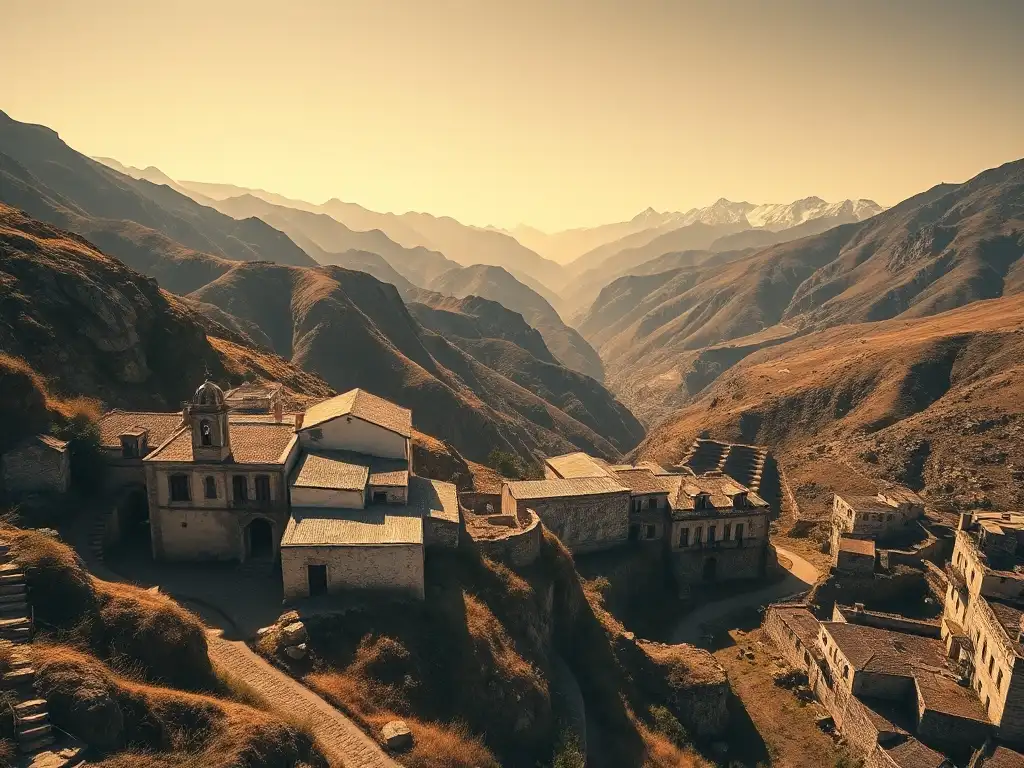
The Spanish conquest dramatically reshaped the Andean landscape, not merely through military might, but also through a systematic reorganization of territories and resources. This restructuring fundamentally altered existing power structures, leading to profound social, economic, and political consequences for Andean societies. The Spanish impact on Andean power structures was immediate and long-lasting, leaving an indelible mark on the region's history. This section will explore the key aspects of this reconfiguration, focusing on the redefinition of land ownership and the exploitation of Andean resources, specifically silver mining.
Redefinition of Land Ownership and Access
The Spanish Crown implemented a new system of land ownership, radically different from the pre-Columbian Andean model. Indigenous communal land tenure systems, often deeply intertwined with religious and social structures, were dismantled.
The Impact of Spanish Land Grants and Property Rights
The encomienda system, initially granted Spanish conquistadors control over indigenous labor in exchange for protection and Christianization, quickly evolved into a system of virtual enslavement. These grants encompassed vast tracts of land, effectively dispossessing indigenous communities of their ancestral territories. Later, the repartimiento system, while ostensibly offering some degree of regulation, continued to exploit indigenous labor for mining and agriculture.
The legal framework established by the Spanish Crown, while aiming for control, frequently resulted in widespread land grabbing and the disenfranchisement of indigenous populations. The concept of private property, alien to many Andean communities, became a central tool for the Spanish to consolidate their control and extract wealth.
Displacement and Resettlement of Indigenous Populations
The Spanish reorganization of territories often involved the forced relocation of indigenous populations. This displacement was driven by several factors, including the creation of new Spanish settlements, the need for labor in mines and plantations, and the desire to control and monitor indigenous communities. The establishment of reducciones, or resettlement villages, aimed at concentrating indigenous populations for easier control and administration.
However, this often led to the disruption of traditional social structures, agricultural practices, and access to resources. The disruption caused significant social unrest and contributed to the decline of many indigenous communities. The exact numbers of those displaced remain difficult to ascertain, highlighting the need for further research into the impact of these forced migrations on Andean demographics.
Exploitation of Andean Resources: Silver Mining and its Consequences
The discovery of vast silver deposits in the Andes fueled the Spanish empire's economic expansion. Silver mining became the cornerstone of the colonial economy, but its extraction came at a tremendous human cost. The Spanish impact on Andean power structures is inextricably linked to the brutal exploitation of this resource.
The Potosí Silver Mine and its Impact on Andean Labor Systems
The Potosí silver mine in present-day Bolivia became a symbol of colonial exploitation. The sheer scale of mining operations, coupled with the harsh working conditions and high mortality rates, decimated indigenous populations. The mita, a system of forced labor, was implemented to supply the mines with a continuous stream of workers.
Indigenous communities were systematically forced to send a quota of their members to the mines, often for extended periods, with little or no compensation. The devastating effects of this system, including disease, malnutrition, and death, are well documented and represent a stark example of the Spanish impact on Andean power structures through brutal labor exploitation.
The Economic Restructuring of Andean Societies
The silver boom fundamentally reshaped Andean economies. While enriching the Spanish Crown and a small elite, it impoverished the majority of the indigenous population. Traditional agricultural systems were disrupted as labor was diverted to the mines.
The influx of silver into the global economy also had far-reaching consequences, impacting trade routes and shaping global power dynamics. The economic restructuring brought about by silver mining was a critical aspect of the Spanish impact on Andean power structures, leading to dependency and long-term economic inequality. Further research is needed to fully understand the long-term consequences of this dramatic economic shift on Andean societies and their ability to recover their economic autonomy.
The Long-Term Effects of Spanish Reorganization
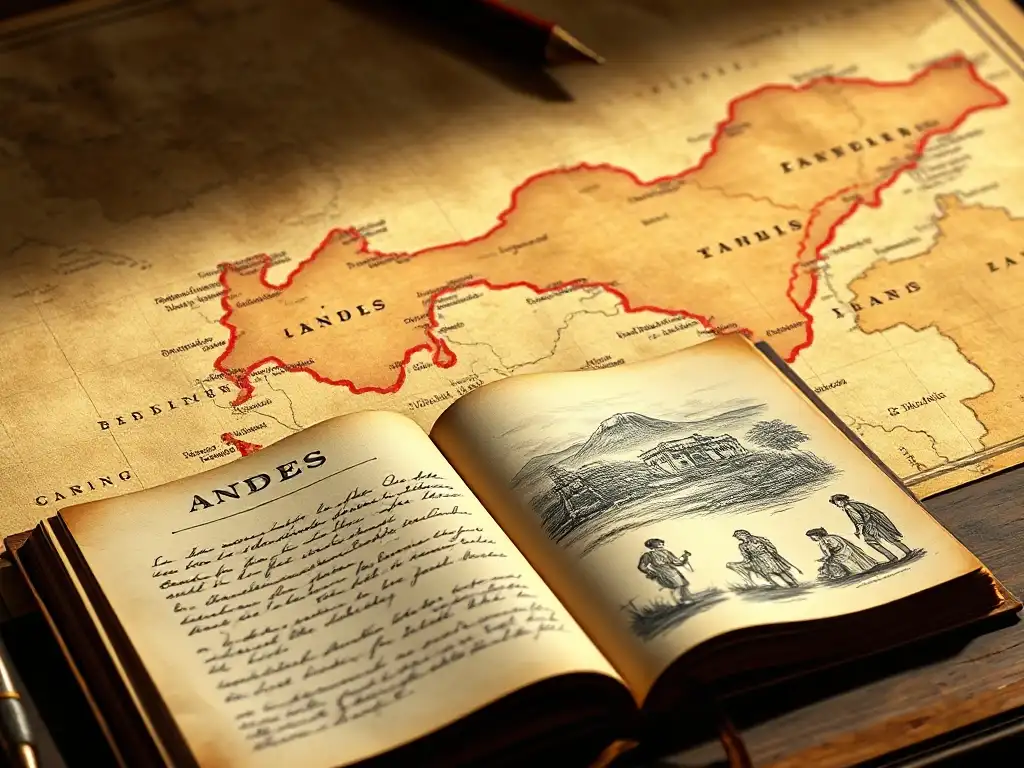
The Spanish conquest irrevocably altered the Andean landscape, not just geographically, but also in terms of its power structures and social fabric. The reorganization undertaken by the Spanish crown had profound and lasting consequences, reshaping Andean societies in ways that continue to resonate today. Understanding this reorganization is crucial to grasping the enduring Spanish impact on Andean power structures. The effects were multifaceted, impacting social hierarchies, political systems, and religious beliefs.
The Spanish conquest dramatically reshaped Andean social hierarchies. The pre-existing systems, often complex and nuanced, were dismantled and replaced with a rigid, colonial structure designed to serve Spanish interests. This reorganization significantly altered the distribution of power and wealth within Andean societies.
The Rise of a New Colonial Elite
The Spanish conquistadors and subsequent colonial administrators formed a new elite class at the apex of the social pyramid. They amassed vast wealth through the exploitation of Andean resources and labor, often seizing land and property previously belonging to indigenous elites. This new elite enjoyed privileges and power previously unimaginable within the pre-colonial Andean world.
They controlled access to resources, land ownership, and political office, establishing a system of inequality that would persist for centuries. The accumulation of wealth by this new colonial elite fueled further exploitation and cemented the power imbalance between the Spanish and the indigenous population. The Spanish impact on Andean power structures was immediately and severely felt by the pre-existing elite, who were often displaced or marginalized.
The Subordination of Indigenous Peoples Under Spanish Rule
The indigenous population experienced a drastic decline in status and power. The encomienda system, which granted Spanish colonists control over indigenous labor, was a key mechanism for this subjugation. Indigenous people were forced to work in mines, on farms, and in other sectors, often under brutal conditions. This system, along with other forms of forced labor like the repartimiento, led to widespread suffering and death.
The Spanish systematically undermined indigenous authority figures, replacing traditional governance structures with colonial ones. The Spanish impact on Andean power structures is clearly visible in this systematic dismantling of indigenous systems of governance and their replacement with Spanish models. This process resulted in a significant loss of indigenous autonomy and self-determination.
The Persistence of Andean Cultural Identity and Resistance
Despite the immense challenges they faced, Andean peoples did not passively accept their subjugation. Indigenous cultural practices, beliefs, and traditions persisted, often subtly integrated with aspects of Spanish culture. Forms of resistance, both overt and covert, emerged across the Andean region.
These included rebellions, religious syncretism (the blending of indigenous and Christian beliefs), and the preservation of indigenous languages and customs. This resistance demonstrates the resilience of Andean culture and its capacity to adapt and survive under colonial rule. This persistent cultural identity signifies a crucial dimension of the ongoing negotiation of power between the indigenous population and the Spanish colonial authorities, offering a complex picture of the Spanish impact on Andean power structures.
The Spanish conquest introduced novel social and political concepts to the Andes that fundamentally altered the existing power dynamics. These new ideas, systems, and institutions were often imposed forcefully, leading to both conflict and adaptation.
The Influence of Spanish Political Ideas and Institutions
The Spanish brought with them concepts of centralized governance, bureaucratic administration, and a hierarchical legal system. These were drastically different from the existing Andean systems, which were often characterized by a more decentralized and customary approach to governance. The imposition of Spanish political structures, with their emphasis on absolute monarchy and centralized authority, drastically altered the distribution of power within Andean societies.
This led to the creation of new administrative units, legal codes, and institutions, all designed to consolidate Spanish control and exploit Andean resources. The Spanish impact on Andean power structures was significant, creating a system that prioritized Spanish interests and marginalized indigenous forms of governance.
The Spread of Christianity and its Impact on Andean Beliefs
The Spanish actively promoted the conversion of the Andean population to Christianity. This process involved the destruction of indigenous religious sites and the suppression of traditional beliefs and practices. However, the indigenous population often integrated elements of their own beliefs into the new religion, creating a syncretic form of Christianity that reflected a blend of Andean and European traditions.
This syncretism demonstrates a form of cultural resistance and adaptation, highlighting the complex interplay between imposed and indigenous systems of belief. The religious conversion process also had significant political implications, as the control of religious institutions became a key source of power for the Spanish colonial administration. The Spanish impact on Andean power structures extended to the realms of religious belief and practice, altering the spiritual landscape of the Andes.
The Legacy of the Spanish Impact on Andean Power Structures: Contemporary Socioeconomic Disparities
The Spanish conquest's reorganization of Andean territories and power structures left an enduring legacy that continues to shape socioeconomic disparities in the region today. The dismantling of the Inca Empire and the subsequent imposition of a colonial system created a hierarchical society based on race and ethnicity, with Spanish conquistadors and their descendants at the top and Indigenous populations relegated to the bottom. This deeply entrenched social hierarchy persists in various forms even after centuries of independence.
One of the most significant consequences is the persistent economic inequality. The concentration of land and wealth in the hands of a small elite, a pattern established during the colonial era, continues to this day. Many Indigenous communities still lack access to basic resources like land, education, and healthcare, perpetuating a cycle of poverty that is directly linked to the historical dispossession and marginalization they experienced. This economic inequality is not merely a matter of individual misfortune; it's a systemic issue rooted in the colonial legacy of power structures.
Furthermore, the Spanish reorganization significantly impacted the political landscape. The indigenous systems of governance were replaced with a centralized colonial administration that favored Spanish interests. This resulted in the weakening of traditional forms of authority and the erosion of Indigenous political participation. While formal political structures have evolved since independence, the historical power imbalance continues to affect political representation and access to decision-making processes. Indigenous communities often find themselves underrepresented in government and lacking the political power to effectively address their needs. The legacy of colonial disenfranchisement continues to undermine their ability to advocate for their interests.
The social and psychological effects of the Spanish conquest are equally profound. The imposition of a foreign culture and religion, coupled with the suppression of Indigenous languages and traditions, led to a significant loss of cultural identity and a sense of collective trauma. This cultural disruption contributes to the marginalization and vulnerability of many Indigenous communities in contemporary society. The enduring psychological impacts of colonial violence and oppression manifest in various ways, including lower rates of educational attainment and higher levels of poverty. The intergenerational transmission of trauma underscores the long-term consequences of the Spanish reorganization.
The Spanish impact on Andean power structures continues to manifest in the stark socioeconomic disparities that persist in the region. Addressing these inequalities requires a comprehensive understanding of the historical roots of the problem and a commitment to dismantling the systemic structures that perpetuate them. This includes promoting policies that address land ownership, access to education and healthcare, and meaningful political participation for Indigenous communities. Only then can the legacy of the Spanish conquest be genuinely overcome.
Conclusion: Understanding the Profound Transformation of Andean Societies
The Spanish conquest irrevocably altered the political landscape of the Andes, leaving an enduring legacy on its power structures. The intricate web of alliances, rivalries, and hierarchical systems that characterized pre-Columbian Andean societies were systematically dismantled and replaced with a colonial framework designed to serve Spanish interests.
This wasn't a simple overthrow; it was a complex process involving the manipulation of existing social structures, the imposition of new administrative systems, and the brutal suppression of resistance. The Spanish impact on Andean power structures extended far beyond the immediate conquest, shaping the social, economic, and political realities of the region for centuries to come.
Understanding this profound transformation requires a nuanced approach, acknowledging both the brutality of the conquest and the resilience of Andean communities in adapting and resisting colonial rule. The enduring presence of indigenous cultures and languages, despite centuries of oppression, testifies to the complex interplay of dominance and adaptation that characterized the colonial period.
The Lasting Impact of Spanish Colonialism on Andean Power Structures
The Spanish conquest dramatically reshaped Andean power structures. Pre-Columbian societies, such as the Inca Empire, possessed sophisticated administrative systems, intricate social hierarchies, and established forms of governance. The Inca, for instance, utilized a complex system of mit'a (labor tribute) and a highly centralized bureaucracy to manage their vast empire. The Spanish, however, systematically dismantled these systems, replacing them with a colonial hierarchy centered around the Spanish crown. This involved:
- The imposition of a new administrative system: The corregimientos and later the audiencias replaced the Inca's centralized bureaucracy, creating a new system of governance based on Spanish law and social structures.
- The exploitation of indigenous labor: The encomienda system, though officially abolished, continued in various forms, forcing indigenous populations into labor for Spanish landowners. This profoundly impacted the existing social and economic systems, leading to widespread impoverishment and social disruption.
- The destruction of indigenous political institutions: Traditional Andean leaders and governance structures were largely dismantled, replaced by a system controlled by Spanish officials and collaborating indigenous elites. This resulted in a significant loss of indigenous autonomy and political power.
- The introduction of new religious and ideological frameworks: The imposition of Catholicism significantly altered Andean religious beliefs and practices, replacing existing spiritual systems with a new set of values and beliefs. This, too, played a crucial role in undermining existing power structures.
The consequences were far-reaching. The Spanish conquest led to widespread depopulation, the disruption of traditional economies, and the creation of a deeply stratified society based on racial and class hierarchies. The legacy of this colonial restructuring continues to shape the political and social realities of Andean societies today. The enduring effects on land ownership, access to resources, and political representation are direct consequences of the Spanish reorganization of Andean power structures. The long-term consequences are still being unpacked and understood.
Future Research Avenues on the Dynamics of Spanish-Andean Relations
Further research is needed to fully comprehend the complexities of Spanish-Andean relations. Several areas warrant further investigation:
- The role of indigenous agency in resisting Spanish rule: While the Spanish conquest was undeniably brutal, Andean communities actively resisted colonial rule through various means, including rebellion, cultural preservation, and adaptation. More research is needed to fully understand the diverse forms of resistance and their impact on the shaping of colonial society.
- The long-term economic consequences of colonial exploitation: The impact of colonial economic policies on Andean societies extends far beyond the immediate effects of the conquest. A deeper analysis of the long-term consequences of resource extraction, labor exploitation, and the disruption of traditional economic systems is needed.
- The evolution of racial and ethnic identities in colonial Andean society: The colonial period witnessed the creation of new social categories and identities based on race and ethnicity. Further research is needed to understand how these identities were formed, negotiated, and challenged in the Andean context.
- The impact of Spanish-Andean interactions on cultural exchange: While the Spanish conquest was undoubtedly destructive, it also involved a certain degree of cultural exchange. More research is necessary to explore the complexities of this interaction and its long-term implications.
The Spanish impact on Andean power structures remains a complex and multifaceted topic requiring ongoing research to fully grasp its extent and enduring consequences. A deeper understanding requires a multidisciplinary approach, drawing on archaeological, historical, anthropological, and sociological perspectives. Only through such comprehensive study can we truly appreciate the profound transformation of Andean societies during and after the Spanish conquest. This detailed investigation into the "Spanish impact on Andean power structures" allows for a more nuanced appreciation of the lasting legacy of colonialism in the region.
Frequently Asked Questions
What was the most significant impact of the Spanish conquest on Andean power structures?
The most significant impact was the complete dismantling of the existing Andean political systems. The Spanish replaced the complex indigenous empires with a colonial administrative structure centered around themselves. This resulted in the loss of indigenous autonomy and power.
How did the Spanish reorganize Andean territories?
The Spanish reorganized Andean territories into new administrative units called audiencias and corregimientos, directly governed by Spanish officials. They imposed a new system of taxation and labor, exploiting the indigenous population for their benefit.
What role did religion play in the Spanish reorganization of Andean power?
The Spanish actively suppressed indigenous religions and beliefs, replacing them with Catholicism. This religious shift was a crucial tool in undermining traditional authority and facilitating the acceptance of Spanish rule. The conversion to Christianity was often enforced.
Did the Spanish completely eradicate pre-Columbian Andean power structures?
No, while the Spanish severely weakened pre-Columbian Andean power structures, indigenous influence persisted. Resistance movements, hidden cultural practices, and adaptations to the colonial system all demonstrated the enduring strength of Andean cultures.
How did the Spanish conquest affect the economy of the Andean region?
The Spanish conquest fundamentally altered the Andean economy. The introduction of new crops and livestock reshaped agriculture, while the focus on extracting precious metals like silver and gold transformed the region into a major supplier for the Spanish empire. This led to significant economic and social changes.
Final Reflection: Echoes of Conquest: The Enduring Legacy of Spanish Rule in the Andes
The reorganization of Andean territories by the Spanish was not merely a historical event; it continues to shape the political, social, and economic realities of the region today. The enduring impact of colonial policies, from the redrawing of borders to the imposition of new social hierarchies, remains a potent force influencing contemporary Andean societies. Understanding this legacy is crucial to comprehending the complexities of the region and fostering a more equitable future.
The Spanish conquest fundamentally altered the power dynamics of the Andes, leaving an indelible mark on its cultural landscape. The destruction of indigenous governance structures and the imposition of a hierarchical, extractive system had devastating consequences that reverberate even now. The past is never dead. It's not even past.
- William Faulkner. This quote perfectly encapsulates the ongoing relevance of understanding the Spanish impact, as the consequences of their actions continue to shape the present. The lingering effects of this colonial legacy are evident in everything from land ownership patterns to social inequalities.
Consider the profound implications of this historical narrative. How does the enduring legacy of Spanish colonialism affect your understanding of contemporary Andean societies? I urge you to reflect on the ways in which past injustices continue to shape the present, and to consider what actions we can take to build a more just and equitable future for the Andean people. Let this exploration serve as a catalyst for further learning and a commitment to fostering a deeper understanding of the complex and often painful history that has shaped the vibrant cultures of the Andes.
Empower Your Understanding of Andean History!
Thank you for exploring the Spanish influence on the Andean territories and their complex power structures. Your interest in this pivotal period significantly enriches your understanding and appreciation of the region's diverse cultures. Now, let's build on your newfound knowledge!
- Dive deeper: Explore the rich history of Andean civilizations through books, documentaries, and reputable online resources. Expanding your knowledge beyond this introductory material will provide a more complete picture.
- Engage with the community: Share your insights and learn from others passionate about Andean history by joining online forums, attending lectures, or participating in local historical societies.
- Spread the word: Share this information with friends, family, and colleagues to foster greater awareness and appreciation of how history shapes the cultural landscape of the Andes.
What aspect of the Spanish conquest and its impact on Andean civilizations do you find most surprising or intriguing?