
The Architectural Revolution: The Introduction of Spanish Building Styles in the Andes

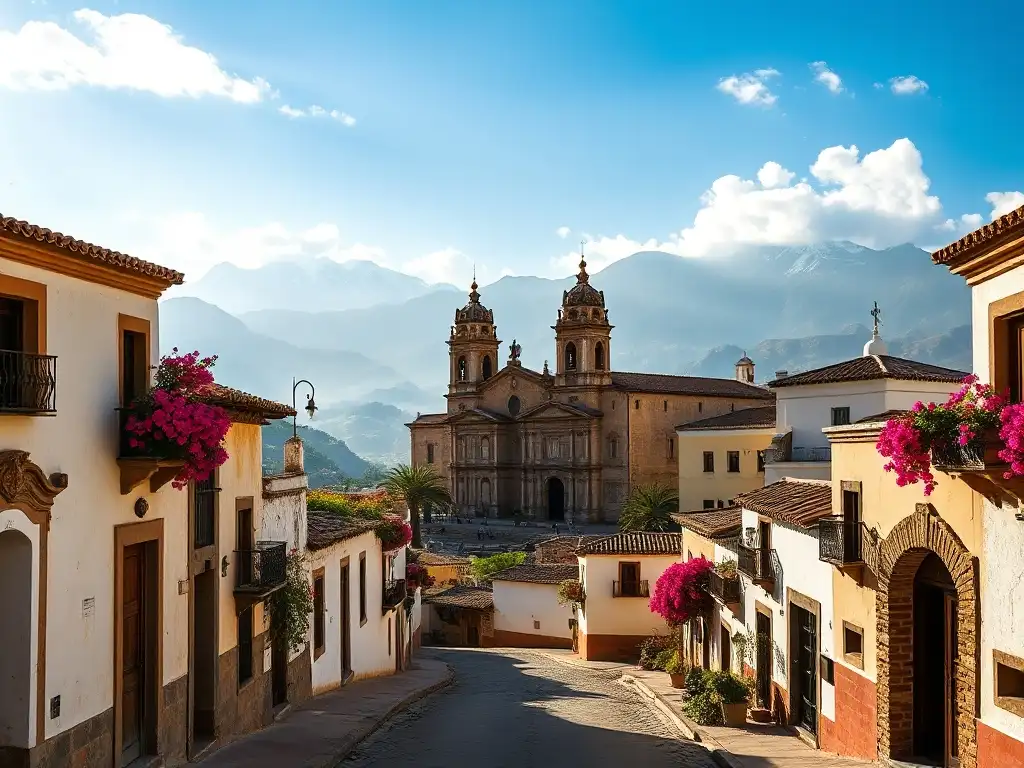
Step into a world lost in time, where the echoes of ancient empires still resonate. The Andean Civilizations website unveils the mysteries of the Incas, Moche, Nazca, and Tiahuanaco, but what happens when worlds collide? Prepare to be captivated by the dramatic transformation of Andean landscapes following the Spanish conquest. Discover how the introduction of Spanish colonial architecture irrevocably altered the Andes, a fascinating story waiting to be explored in our in-depth article, "The Architectural Revolution." Dare to delve deeper?
The Spanish conquest of the Andes dramatically reshaped the region, leaving an indelible mark not only on its political and social structures but also on its built environment. This article explores the profound transformation of Andean architecture following the arrival of the Spanish, examining the clash of pre-Columbian building traditions with the imposition of European styles. We will delve into the characteristics of pre-Columbian architecture, analyze the impact of Spanish colonial influence, and highlight key examples of this architectural revolution that continues to shape the Andean landscape today.
Understanding this shift is crucial to appreciating the complex cultural heritage of the Andes and the lasting legacy of the Spanish colonial period. The keyword "Spanish colonial architecture Andes" will be explored through detailed examples and analysis, providing a comprehensive understanding of this significant historical development.
The Pre-Columbian Architectural Landscape of the Andes
Before the arrival of the Spanish, the Andes boasted a diverse range of architectural styles, reflecting the ingenuity and cultural distinctiveness of its various civilizations. The Incas, renowned for their sophisticated stonework and impressive urban planning, created monumental structures like Machu Picchu, showcasing a mastery of engineering and a deep understanding of their environment. Other cultures, such as the Moche and Nazca, developed unique architectural forms adapted to their specific geographical contexts and beliefs.
These pre-Columbian structures, often built from locally sourced materials like stone and adobe, were characterized by their integration with the natural landscape, reflecting a spiritual connection to the earth. For example, the intricate irrigation systems of the Nazca, integrated seamlessly into the arid landscape, demonstrate a sophisticated understanding of both engineering and the environment. The use of stone, often meticulously cut and fitted without mortar, showcases an advanced level of craftsmanship that continues to inspire awe today.
These techniques and styles, deeply rooted in Andean traditions, provided a stark contrast to the architectural styles that would soon be introduced by the Spanish. The sheer scale and complexity of some of these pre-Columbian sites—like the massive platforms of Tiahuanaco—still stand as testament to the architectural prowess of Andean civilizations.
The Arrival of the Spanish and its Impact on Andean Architecture
The arrival of the Spanish in the 16th century marked a turning point in Andean architecture. The Spanish, with their distinct architectural traditions rooted in European styles, initiated a significant shift in building techniques and aesthetics. The introduction of new materials, such as brick and tile, and architectural elements like arches, vaults, and domes, fundamentally altered the Andean landscape. Spanish colonial architecture in the Andes is characterized by a fusion of indigenous techniques and European styles, resulting in a unique hybrid architectural vocabulary.
The imposing cathedrals and churches that were constructed during this period, often incorporating local materials and labor, stand as powerful symbols of Spanish colonial authority. However, the process was not simply one of replacement; rather, it was a complex interplay of adaptation and resistance, with indigenous builders often incorporating elements of their traditional styles into the new structures. This fusion is evident in the use of indigenous stonework techniques alongside European architectural elements, creating a distinctive Andean-Spanish architectural style.
The construction of numerous plazas and urban centers also fundamentally reshaped Andean settlements, reflecting the Spanish desire to impose their own urban planning models upon the existing structures. The impact of this architectural revolution continues to be felt today, shaping the urban fabric and cultural identity of many Andean cities. The blending of Spanish and indigenous aesthetics created a unique architectural legacy, a testament to both the imposition of colonial power and the resilience of Andean traditions.
- The Pre-Columbian Architectural Landscape of the Andes
- The Arrival of the Spanish and its Impact on Andean Architecture
- What impact did the Spanish conquest have on Andean architecture?
- How did Spanish colonial architecture differ from pre-Columbian styles?
- What are some examples of Spanish colonial architecture in the Andes?
- What are the key characteristics of Spanish colonial architecture in the Andes?
- How did indigenous Andean techniques influence Spanish colonial architecture?
Spanish Colonial Architecture in the Andes: A New Era
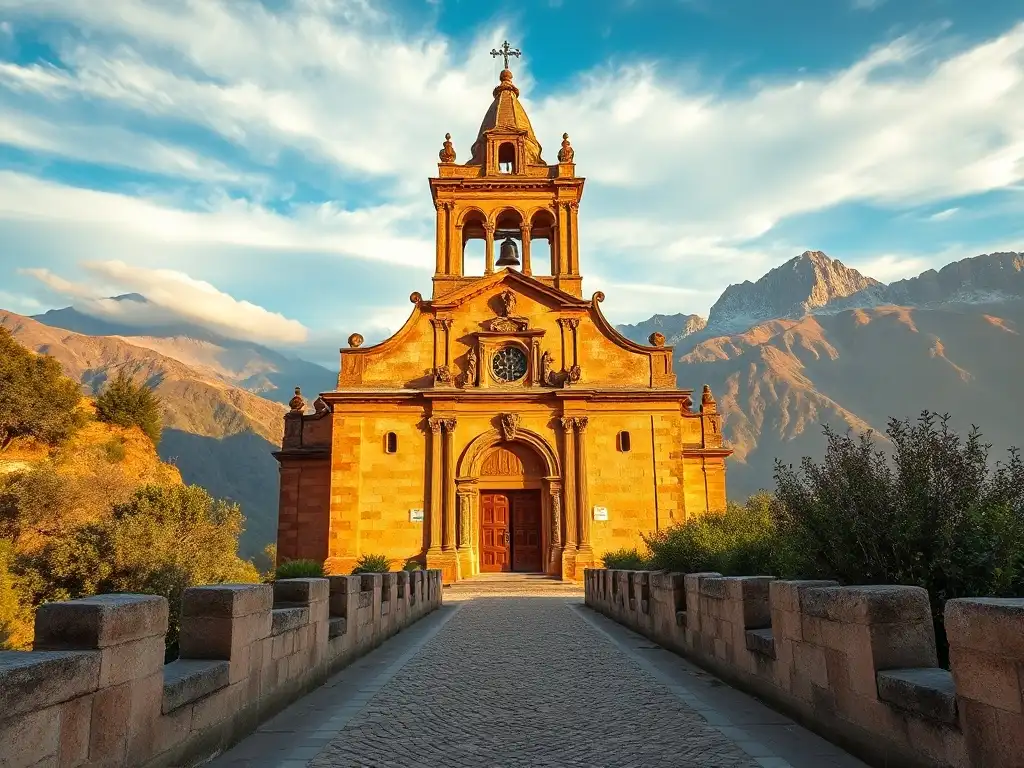
The arrival of the Spanish in the Andes marked a profound shift not only in the political and social landscape but also in the architectural style of the region. The indigenous architectural traditions, characterized by masterful stonework and sophisticated engineering adapted to the challenging Andean terrain, were significantly impacted by the introduction of European building techniques and aesthetics. This fusion resulted in a unique architectural hybrid, a testament to the interplay between indigenous ingenuity and Spanish colonial power.
Understanding this architectural revolution requires examining the key features of the imported Spanish styles and how Andean builders adapted and modified them to create something truly distinct. This unique blend, often described as Spanish colonial architecture Andes, is a captivating example of cultural exchange and adaptation.
Key Features of Spanish Colonial Architectural Styles
The Spanish colonial architectural style in the Andes wasn't a monolithic entity. Instead, it reflected a confluence of influences, primarily Baroque, Renaissance, and Mudéjar styles, each contributing distinct characteristics. The resulting architecture, however, was not a simple replication of European models. The harsh Andean environment, the availability of local materials, and the enduring indigenous building expertise all played crucial roles in shaping the final product. This section will delve into the specific characteristics of each major European influence.
The Influence of Baroque Architecture in the Andes
Baroque architecture, with its dramatic ornamentation, elaborate facades, and a sense of movement and dynamism, found fertile ground in the Andes. However, the Andean adaptation of Baroque often resulted in a less ostentatious, more austere interpretation. This was partly due to the availability of resources; the lavish use of marble and intricate carvings seen in European Baroque examples were often replaced by simpler materials like adobe brick and locally sourced stone. Nevertheless, key Baroque elements such as:
- Curved lines and ornate facades: While less flamboyant than their European counterparts, Andean churches and public buildings often incorporated curved lines and decorative elements on their facades.
- Intricate detailing: Though the materials might have been different, the attention to detail remained a hallmark of Andean Baroque. This is evident in the intricate carvings on wooden doorways and altarpieces.
- Asymmetrical designs: The strict symmetry often found in European Baroque was sometimes relaxed in Andean adaptations, reflecting a greater flexibility and responsiveness to the surrounding environment.
The integration of indigenous artistic motifs into the Baroque framework further distinguishes Andean Baroque from its European origins.
Characteristics of Renaissance Architectural Elements
Renaissance influence in Andean colonial architecture is less pronounced than Baroque, but it is still discernible. The emphasis on symmetry, proportion, and classical orders, characteristic of Renaissance architecture, can be found in certain buildings, particularly those constructed during the early stages of Spanish colonization. However, the rigid adherence to classical principles was often tempered by the practical considerations of building in the Andes. For example:
- Use of rectangular forms: Many colonial buildings incorporated rectangular forms, a hallmark of Renaissance architecture, but these were often adapted to fit the uneven terrain.
- Classical proportions: The proportions of buildings often reflected Renaissance ideals, but the use of local materials and construction methods often necessitated modifications.
- Limited use of classical orders: While some buildings incorporated elements of classical orders (Doric, Ionic, Corinthian), this was not as widespread or consistent as in European Renaissance architecture.
The Renaissance influence in the Andes is less about direct imitation and more about the subtle incorporation of underlying principles adapted to the specific context.
The Role of Mudéjar Style in Andean Construction
The Mudéjar style, a fusion of Moorish and Christian artistic traditions that flourished in Spain, also left its mark on Andean architecture. The intricate plasterwork, decorative tilework ( azulejos), and the use of horseshoe arches, characteristic of Mudéjar, can be seen in various buildings across the Andes. This influence is particularly evident in:
- Interior decoration: Mudéjar motifs frequently adorned the interior walls and ceilings of churches and mansions, adding a rich layer of ornamentation.
- Architectural details: Horseshoe arches and intricate geometric patterns were incorporated into doorways, windows, and other architectural details.
- Use of stucco and plaster: Stucco and plaster, favored materials in Mudéjar architecture, were used extensively in Andean colonial buildings.
The presence of Mudéjar elements in Andean architecture speaks to the diverse and layered influences that shaped the region's colonial building traditions.
Adaptation and Modification of Spanish Styles by Andean Builders
The Spanish colonial architectural style in the Andes wasn't simply a transplantation of European styles. Andean builders, possessing their own profound understanding of construction and materials, adapted and modified these imported styles to suit the local environment and incorporate indigenous aesthetics. This process resulted in a unique hybrid style that reflects both European influence and persistent Andean traditions. Consider these key adaptations:
- Material substitutions: The scarcity of certain European building materials necessitated the use of local alternatives. Stone, adobe, and timber, readily available in the Andes, became the primary building materials, often replacing brick and more expensive stone used in Spain.
- Structural adjustments: The challenging Andean terrain—steep slopes, seismic activity—required structural modifications to ensure stability. Indigenous building techniques, adapted and refined over centuries, were integrated into the construction of colonial buildings.
- Incorporation of indigenous motifs: Andean builders often incorporated indigenous decorative motifs and patterns into colonial buildings, creating a fusion of European and Andean artistic sensibilities. This resulted in a unique visual language that reflects the cultural exchange and adaptation that defined the colonial era.
The resulting architecture is a testament to the resilience and adaptability of Andean builders, who seamlessly integrated European styles with their own time-honored techniques and aesthetic sensibilities, leaving behind a remarkable legacy of Spanish colonial architecture Andes. The fusion is not merely a juxtaposition but a true synthesis, a unique expression of cultural exchange in the heart of the Andes.
Building Materials and Techniques: A Fusion of Worlds
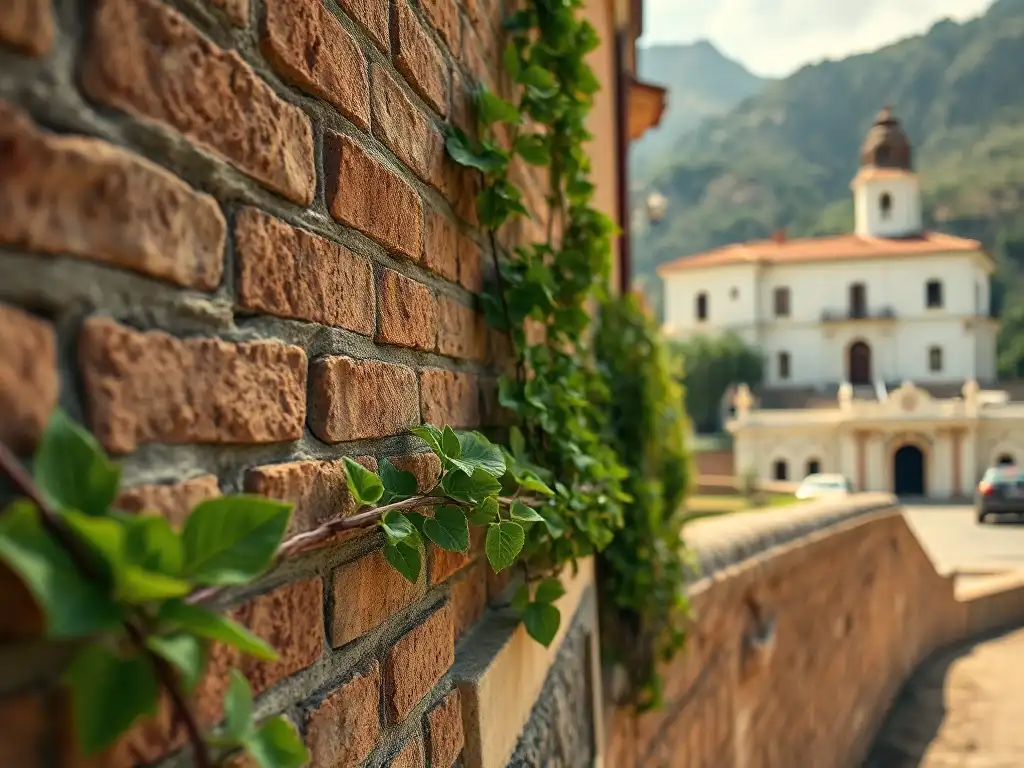
The introduction of Spanish colonial architecture in the Andes wasn't simply a transplantation of European styles; it was a fascinating fusion of Old World techniques and readily available New World materials. This synthesis, born out of necessity and ingenuity, resulted in a unique architectural landscape that still captivates today. Understanding the building materials and techniques employed reveals much about the adaptation and innovation that characterized the Spanish colonial period in the Andes.
The resulting structures, though bearing a Spanish aesthetic, are undeniably rooted in the Andean context. This blend is a testament to the resourcefulness of both Spanish builders and the indigenous workforce who adapted and integrated their traditional skills into the new building paradigm. The keyword "Spanish colonial architecture Andes" perfectly encapsulates this unique architectural heritage.
Use of Local Andean Materials in Colonial Structures
The Andes, with its diverse geography, offered a plethora of building materials. While Spanish architects brought their designs, they were forced to adapt them to the available resources. Stone, for instance, remained a cornerstone – pun intended – of Andean construction, even in the colonial era.
The readily available volcanic stone, such as andesite and basalt, prevalent throughout the region, was extensively used in foundations, walls, and even decorative elements. These stones, often precisely cut and fitted, reflect a continuation of pre-Columbian masonry techniques, seamlessly integrated into the new Spanish styles. Adobe, sun-dried brick made from clay and straw, also played a significant role, especially in less formal structures and in areas where stone was less accessible.
This material, already a staple of Andean construction, proved both economical and effective in the Andean climate. The utilization of local wood, such as cedar and aliso, for beams, roofing, and interior finishes, further demonstrates the practical adaptation of Spanish designs to the Andean environment. This resourceful use of indigenous materials significantly reduced reliance on imported resources, making the construction process more sustainable and efficient.
The skillful integration of these Andean materials into Spanish architectural styles is evident in many surviving structures. For example, the use of intricate stone carvings, a hallmark of pre-Columbian Andean architecture, can be observed incorporated into the facades of many colonial churches and public buildings. This shows not simply a substitution of materials, but a true blending of aesthetic sensibilities.
The resilience of these structures, many of which have withstood centuries of earthquakes and weathering, speaks volumes about the quality of the materials and the expertise of the builders. The adaptability of the Andean building materials also proved crucial in creating structures suited to the region's varied climates and terrains.
Spanish Construction Techniques Introduced to the Andes
While Andean materials were central, Spanish construction techniques also left their mark. The introduction of techniques like vaulted ceilings and adobe brick arches significantly impacted Andean architecture. These innovations, while adapted to local conditions, represented a departure from the predominantly flat-roofed structures common in pre-Columbian architecture.
The Spanish also introduced the use of mortar, a binding agent crucial to constructing strong and durable structures. The specific composition of this mortar varied depending on local resources, showcasing the continuous adaptation to the environment. Furthermore, the Spanish brought with them a more formalized approach to architectural design, including detailed plans and specifications, influencing the organization and management of construction projects.
However, the transfer of these techniques wasn't a one-way street. Indigenous builders, with their centuries of experience in working with stone and other local materials, often modified and improved upon the introduced Spanish techniques. Their deep understanding of the Andean landscape and its challenges led to innovative solutions that ensured the longevity and stability of the structures.
The resulting architecture, therefore, represents a collaborative effort, a dialogue between two distinct building traditions, resulting in a unique and enduring architectural legacy. The integration of these techniques and materials resulted in a hybrid architectural style, uniquely representative of the "Spanish colonial architecture Andes." Further research could illuminate the specific contributions of indigenous Andean builders and their innovative adaptations.
Significant Examples of Spanish Colonial Architecture in the Andes
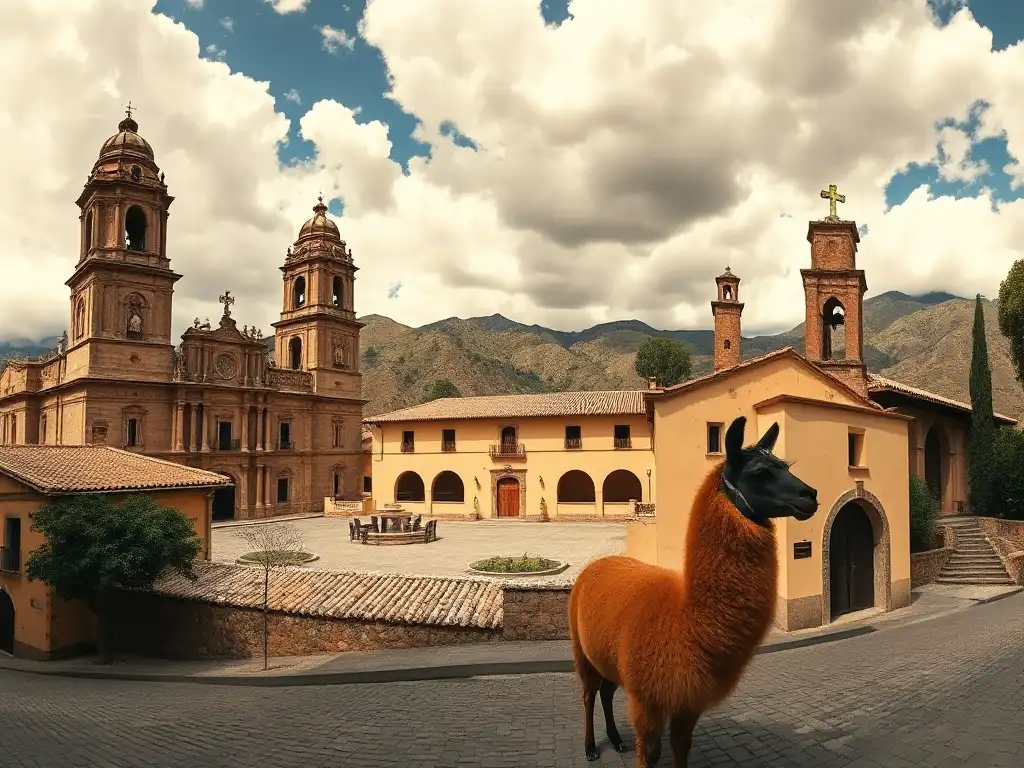
The arrival of the Spanish in the Andes drastically altered the landscape, not just politically and socially, but architecturally. The imposition of Spanish colonial architecture, while often overlaying or adapting pre-existing Andean structures, left an indelible mark on the region. This section will examine key examples illustrating the fusion of European aesthetics with Andean materials and techniques, showcasing the unique character of Spanish colonial architecture Andes. The resulting architectural style reflects a complex interplay of power dynamics, cultural exchange, and practical considerations. Understanding these examples provides crucial insight into the lasting impact of the Spanish conquest.
Churches and Cathedrals: Pillars of Colonial Influence
The construction of churches and cathedrals was a central aspect of the Spanish colonial project in the Andes. These structures served not only as religious centers but also as powerful symbols of Spanish dominance and the imposition of Catholicism. Their design and construction often involved the exploitation of indigenous labor and resources, yet simultaneously facilitated a degree of cultural exchange, resulting in a hybrid architectural style.
The Cathedral of Cusco: A Case Study
The Cathedral of Cusco, located in the heart of the former Inca capital, stands as a prime example of this complex interplay. Built upon pre-existing Inca foundations, the cathedral skillfully incorporates elements of both Inca stonework and Spanish Baroque architecture. The massive stone blocks, characteristic of Inca masonry, are visible in sections of the foundation and lower levels, while the upper structure exhibits the ornate detailing and grandeur typical of Spanish cathedrals.
This juxtaposition of styles reflects the Spanish attempt to assert their dominance while simultaneously utilizing existing infrastructure and resources. The cathedral’s construction, spanning several centuries, also reveals the gradual evolution of Spanish colonial architectural styles in the Andes.
Detailed records, though incomplete, indicate that skilled Inca masons were employed alongside Spanish architects and artisans, contributing to a unique blend of techniques and aesthetics. The cathedral's size and architectural features also reflect the immense wealth extracted from the Andean region and the power of the Spanish colonial regime.
The Church of San Francisco, Quito: An Example of Regional Adaptation
In contrast to the Cusco Cathedral's blend of Inca and Spanish styles, the Church of San Francisco in Quito exemplifies a more complete embrace of Spanish Baroque aesthetics, yet still adapted to the local environment. While lacking the readily apparent Inca foundations of Cusco's cathedral, the Church of San Francisco demonstrates a skillful adaptation of the Baroque style to the Andean climate and available materials.
The use of local volcanic stone, for example, contributes to its unique aesthetic character, differing from the more commonly used materials in Spain. The church's intricate facade, with its elaborate carvings and ornamentation, showcases the high level of craftsmanship present in the region, a testament to the skills of both Spanish and indigenous artisans.
Further research is needed to fully understand the extent of indigenous involvement in its construction, but stylistic elements suggest a degree of local adaptation and innovation within the overarching Spanish Baroque framework.
Civil Structures: Palaces and Government Buildings
Beyond religious structures, the Spanish colonial presence in the Andes is also reflected in the construction of impressive civil buildings designed to project power and administer the colony. These structures, often located in major cities, served as centers of colonial administration and reinforced Spanish authority.
The Viceroy's Palace in Lima: A Symbol of Power
The Viceroy's Palace in Lima, the capital of the Viceroyalty of Peru, serves as a powerful symbol of Spanish colonial power. Its imposing scale and elaborate design reflect the wealth and influence of the Spanish crown in the Americas. Built over several phases, the palace's architectural style evolved over time, reflecting changes in Spanish architectural trends and the changing needs of the colonial administration.
The palace's construction utilized a combination of European architectural principles and local materials, resulting in a unique hybrid style that is characteristic of Spanish colonial architecture in the Andes. Unfortunately, [specific details on the types of stone and wood used are pending]. The palace's location, in the heart of Lima, further underscored its importance as a center of colonial power.
Town Halls and Administrative Buildings: Adapting to Andean Needs
Beyond grand palaces, the Spanish also constructed numerous town halls and administrative buildings throughout the Andes. These structures, while less ostentatious than the Viceroy's Palace, played a crucial role in the administration of the colony and reveal important adaptations to the Andean context. These buildings often incorporated elements of both Spanish and indigenous architectural traditions, demonstrating a practical approach to construction that considered local materials and climatic conditions.
[Further research is needed to compile a comprehensive list of these structures and analyze their architectural features in detail]. The design and construction of these buildings offer valuable insights into the practical challenges and innovative solutions employed during the colonial period in the Andes. Their study provides a more nuanced understanding of the Spanish colonial architecture Andes beyond the grand, symbolic structures.
Urban Planning and Layout: The Spanish Grid System
The arrival of the Spanish in the Andes dramatically altered the pre-existing urban landscapes. Indigenous settlements, often organically developed and reflecting the topography, were largely replaced by a rigidly structured urban planning system imported from Spain. This system, known as the Spanish grid, is characterized by its orthogonal layout—a network of straight streets intersecting at right angles, creating a grid pattern that extended throughout the newly founded cities and towns. This stark contrast to the pre-Columbian organic urban forms was a deliberate imposition of Spanish colonial power and control.
The implementation of the grid system wasn't simply an aesthetic choice; it served several crucial purposes. Firstly, it facilitated easier control and surveillance of the population. The straight lines and clear sightlines made it difficult for unrest or rebellion to develop undetected. Secondly, the grid system promoted efficient land distribution, allowing for the systematic allocation of plots to Spanish colonists, the Church, and, to a lesser extent, indigenous communities. This organized distribution of land was crucial for the establishment of colonial power structures and the extraction of resources.
The grid system also impacted the placement of important civic buildings. The central plaza, a hallmark of Spanish colonial urban design, invariably occupied the geometric center of the grid. Around this plaza, key institutions like the cathedral, the government palace ( cabildo), and other important buildings were strategically positioned, reinforcing the dominance of Spanish authority and Catholicism. This spatial arrangement served to both physically and symbolically center colonial power within the urban fabric.
However, the imposition of the Spanish grid wasn't always seamless. The Andean terrain, often mountainous and uneven, presented significant challenges to the strict adherence to the grid system. In many cases, the grid had to adapt to the natural contours of the land, leading to variations in block sizes and street orientations. This resulted in a complex interplay between the imposed colonial order and the pre-existing natural environment, creating a unique blend of Spanish and Andean spatial organization.
The resulting urban fabric, while predominantly grid-based, often incorporated pre-Columbian elements and adapted to the specific geographic context, demonstrating the resilience of indigenous spatial practices even under colonial rule. Studying these adaptations reveals a fascinating dialogue between the imposed colonial order and the enduring indigenous spatial knowledge. The resulting urban landscapes often represent a complex negotiation between two very different worldviews and approaches to urban planning.
The Lasting Legacy of Spanish Colonial Architecture in the Andes
The arrival of the Spanish in the Andes dramatically altered the region's architectural landscape. Prior to the conquest, Andean civilizations boasted unique building styles adapted to their challenging terrain and incorporating sophisticated engineering techniques. The Spanish, however, introduced a new aesthetic, rooted in European traditions, that profoundly impacted the Andes' built environment.
This legacy is still visible today, shaping not only the physical appearance of Andean cities but also influencing contemporary design and preservation efforts. Understanding this transition requires examining both the immediate effects of colonial construction and its enduring presence in the modern Andes. The introduction of Spanish colonial architecture in the Andes significantly changed the region's architectural character, leaving an indelible mark on its urban landscapes and cultural identity.
This section delves into the complexities of this lasting legacy, exploring its impact on contemporary architecture, preservation initiatives, and its broader cultural significance. The keyword "Spanish colonial architecture Andes" is intrinsically linked to this transformation.
The Impact on Contemporary Andean Architecture
The influence of Spanish colonial architecture extends far beyond the preserved colonial buildings. Many contemporary Andean buildings incorporate elements of colonial style, often subtly blending traditional Andean techniques with Spanish aesthetics. For example, the use of red tile roofs, a hallmark of Spanish colonial architecture, remains common in many Andean cities.
This is not simply imitation; it represents a complex negotiation between historical heritage and modern needs. Contemporary architects often draw inspiration from colonial designs, adapting them to modern building codes and materials. This results in a unique architectural hybrid, reflecting both the region's indigenous past and its colonial history.
We see this in the use of adobe bricks, a traditional Andean material, combined with the architectural layouts and decorative elements introduced by the Spanish. The ongoing dialogue between tradition and modernity is a defining feature of contemporary Andean architecture, a testament to the enduring legacy of Spanish colonial influence. The integration of traditional Andean building methods with Spanish colonial design principles is a compelling example of architectural syncretism.
Preservation and Restoration Efforts of Colonial Buildings
Preserving and restoring Spanish colonial buildings in the Andes presents significant challenges. Many structures are aging, vulnerable to earthquakes, and require extensive maintenance. However, recognition of their historical and cultural value has led to increased efforts in their preservation and restoration.
These efforts often involve complex collaborations between local communities, government agencies, and international organizations. The process usually incorporates both traditional and modern techniques, ensuring the longevity of these architectural marvels. For instance, the meticulous restoration of Cusco's colonial churches demonstrates a commitment to preserving these significant historical structures, a process that often involves painstaking efforts to maintain original materials and techniques while addressing structural integrity.
Detailed documentation, careful material selection, and skilled craftsmanship are crucial for successful restoration, balancing preservation with the need for structural reinforcement. The future of Spanish colonial architecture in the Andes hinges on the continued dedication to these preservation and restoration efforts. Funding, however, remains a persistent obstacle, requiring ongoing support and strategic planning.
The Cultural Significance of Spanish Colonial Architectural Heritage
Spanish colonial architecture in the Andes is not merely a collection of buildings; it embodies a complex cultural narrative. These structures are tangible links to a significant period in the region's history, reflecting the interplay of indigenous and European cultures. The architectural styles, materials, and decorative elements all tell a story—a story of conquest, adaptation, and cultural exchange.
The intricate carvings, the use of religious iconography, and the overall design often reflect a fusion of Andean and European artistic traditions. Understanding this cultural significance is crucial for appreciating the importance of preserving these buildings. Furthermore, many colonial buildings are integral to the social fabric of Andean communities, serving as places of worship, education, or civic gathering.
Their preservation is, therefore, essential for maintaining the continuity of cultural identity and community life. The ongoing research and study of Spanish colonial architecture in the Andes continue to reveal new insights into the region's rich and multifaceted history, further highlighting its cultural significance. This cultural legacy is an invaluable asset that requires ongoing protection and celebration.
Frequently Asked Questions
What impact did the Spanish conquest have on Andean architecture?
The Spanish conquest led to a dramatic shift in Andean architecture. Indigenous building styles were largely replaced with European techniques and aesthetics, resulting in a fusion of styles. This is evident in many colonial cities and structures.
How did Spanish colonial architecture differ from pre-Columbian styles?
Pre-Columbian architecture emphasized organic materials, like stone and adobe, and indigenous building techniques. Spanish colonial architecture introduced new materials, such as brick and tile, and incorporated European architectural principles, such as arches and vaults.
What are some examples of Spanish colonial architecture in the Andes?
Many cities in the Andes showcase Spanish colonial architecture. Cathedrals, churches, and government buildings in cities like Cusco, Quito, and Potosí, are prime examples of this architectural fusion. These often incorporated indigenous labor and materials.
What are the key characteristics of Spanish colonial architecture in the Andes?
Key characteristics include the use of stone and brick, vaulted ceilings, ornate facades, and religious iconography. The style often blended European Baroque and Renaissance elements with local Andean adaptations.
How did indigenous Andean techniques influence Spanish colonial architecture?
Despite the imposition of European styles, indigenous Andean building techniques and materials were often incorporated into Spanish colonial constructions. This resulted in a unique hybrid style reflecting both European and Andean influences, a testament to the cultural exchange and adaptation.
Final Reflection: Echoes of Empire in Andean Stone
The legacy of Spanish colonial architecture in the Andes continues to resonate today, a powerful testament to the enduring impact of cultural exchange and the resilience of indigenous traditions. These structures, far from being mere relics of a bygone era, stand as living monuments, shaping urban landscapes, influencing modern design, and prompting ongoing conversations about identity, power, and cultural preservation. Their very existence challenges us to confront a complex history and understand the multifaceted nature of cultural inheritance.
The fusion of Spanish aesthetics with pre-Columbian techniques and materials created a unique architectural language, one that speaks volumes about the dynamic interplay between colonizer and colonized. This blend, often fraught with tension and inequality, nevertheless resulted in breathtaking structures that continue to inspire awe and wonder. As the writer and historian, Edward Said, observed, Culture is not a fixed entity; it is a process of continuous negotiation and transformation.
This perfectly encapsulates the enduring legacy of Spanish colonial architecture in the Andes, a testament to the ongoing dialogue between past and present.
Consider the intricate details, the masterful use of local materials, and the enduring strength of these buildings. You, the reader, are invited to look beyond the aesthetics and delve into the stories embedded within the very stones.
Explore the historical narratives, the social structures, and the cultural exchanges that shaped these architectural marvels. Let these structures inspire you to appreciate the complexities of cultural interaction and to champion the preservation of our shared heritage, ensuring that the echoes of empire continue to resonate, not as symbols of oppression, but as reminders of resilience, adaptation, and the enduring power of human creativity.
Embrace the Architectural Evolution Today!
Thank you for exploring the fascinating world of Spanish colonial architecture in the Andes! You've discovered how these unique styles shaped the region's cultural landscape, reflecting a rich and complex history. Now, let's put that knowledge to work!
- Visit a local museum or historical site to experience Spanish colonial architecture firsthand and see how these styles blended with indigenous influences.
- Share this article with friends and family, or post it on social media to spark conversations about architectural heritage and its importance today.
- Join an online forum or community group focused on Andean culture to connect with others who share your passion for architecture and history.
What aspect of this fascinating blend of architectural styles inspires you most, and how could you incorporate it into a modern design?