
The Loss of Knowledge: The Destruction of Andean Texts and Cultural Artifacts

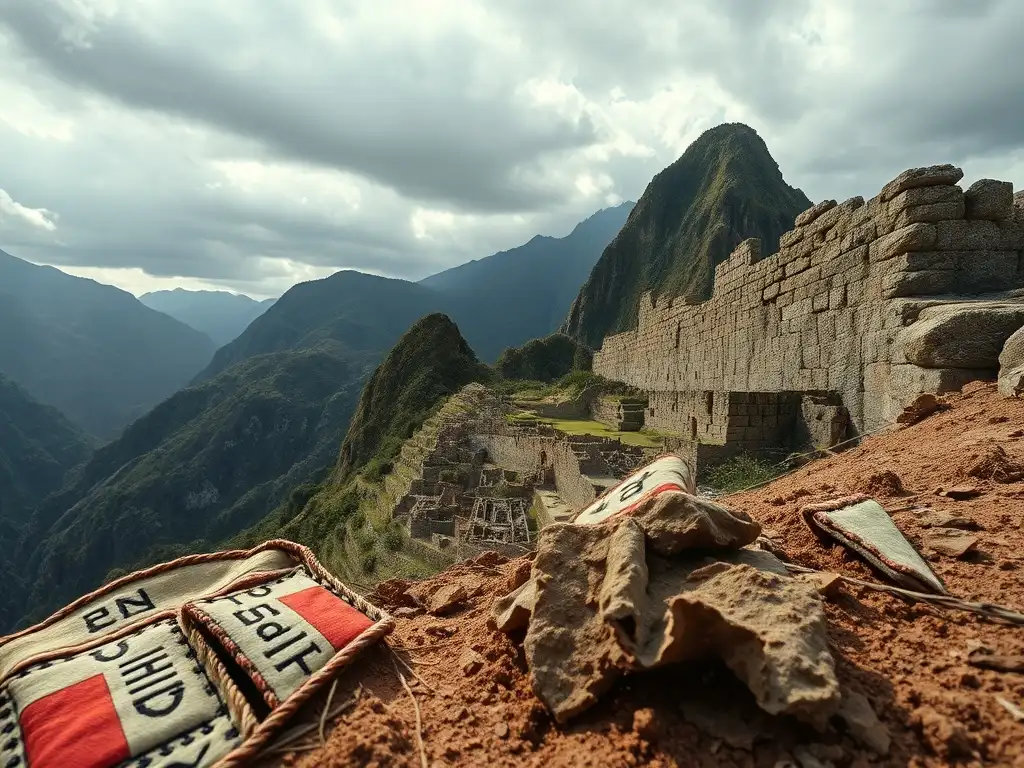
Uncover the secrets whispered on the wind across the Andes... Imagine a world brimming with intricate artistry and advanced engineering, suddenly silenced. The Spanish Conquest brought not only conquest, but the systematic destruction of invaluable Andean texts and cultural artifacts. This is a story of loss, a testament to resilience, and a chilling glimpse into the impact of "Andean civilization text destruction." Dare to delve into the mysteries that remain, and discover the echoes of a lost civilization.
The arrival of the Spanish in the Andes marked a devastating turning point for the indigenous populations and their rich cultural heritage. This wasn't merely a political conquest; it was a systematic dismantling of centuries of accumulated knowledge and traditions.
The destruction of Andean texts and cultural artifacts wasn't an accidental byproduct of war; it was a deliberate act woven into the fabric of colonization, aiming to erase indigenous identities and impose a new worldview. This article will explore the various ways in which the Spanish conquest led to the irreversible loss of invaluable Andean knowledge, examining the destruction of libraries, the suppression of oral traditions, and the looting and destruction of sacred sites, all contributing to the tragic silencing of Andean voices and the irretrievable loss of irreplaceable cultural treasures.
Understanding this destruction is crucial to appreciating the enduring legacy of Andean civilizations and the ongoing efforts to reclaim and preserve their cultural heritage. The scale of this loss is staggering and continues to impact our understanding of these fascinating civilizations today.
The Destruction of Andean Libraries and Texts
The Spanish conquistadors encountered sophisticated record-keeping systems within the Andean civilizations. While not using paper and ink in the same way as Europeans, the Incas, for example, utilized quipus – complex systems of knotted strings – to record numerical data, historical events, and even narratives. These weren't simple tally marks; they were intricate codes requiring specialized knowledge to interpret.
The Spanish, failing to understand their significance, largely dismissed them as primitive, leading to their widespread destruction. Furthermore, other Andean cultures, like the Wari and Tiahuanaco, utilized various forms of writing, some of which remain undeciphered today. The systematic burning of these texts, along with any accompanying explanations or interpretations, represents a catastrophic loss of historical and cultural information.
The destruction was not limited to quipus; any written or pictorial records deemed “pagan” or “heretical” by the Spanish were targeted for eradication. This deliberate act of cultural vandalism effectively silenced Andean voices and erased invaluable historical perspectives. The exact number of texts destroyed is unknown, highlighting the profound and lasting impact of this loss.
The Suppression of Oral Traditions and Knowledge
Beyond written records, Andean cultures relied heavily on oral traditions to transmit knowledge across generations. This included intricate histories, complex mythological narratives, agricultural techniques, medicinal practices, and astronomical observations. The Spanish conquest didn't just destroy physical artifacts; it actively suppressed the transmission of this vital knowledge.
Indigenous storytellers, shamans, and keepers of tradition were often persecuted, killed, or forced to convert to Christianity, resulting in a significant disruption of oral transmission. The imposition of the Spanish language and the suppression of indigenous languages further exacerbated this problem, leading to the loss of nuanced vocabulary and cultural understanding embedded within these languages. This deliberate silencing of oral traditions contributed significantly to the loss of invaluable cultural knowledge that cannot be recovered.
The Looting and Destruction of Sacred Sites
The plundering of sacred sites was another critical aspect of the destruction of Andean cultural heritage. Temples, burial grounds, and ceremonial centers were not only looted for their gold and silver but also systematically desecrated and destroyed. The Spanish considered indigenous religious practices idolatrous and sought to eradicate them completely. The destruction of these sites, often accompanied by the murder of those who defended them, represents not just a material loss but also a profound spiritual and cultural one. The dismantling of sacred architecture, the removal of artifacts, and the desecration of burial grounds caused irreparable damage to the cultural fabric of Andean societies. The sheer scale of destruction makes accurate assessment of the complete loss incredibly difficult. The emotional and spiritual impact on the indigenous populations remains immeasurable.
The systematic destruction of Andean texts and artifacts during the Spanish conquest represents an immeasurable loss of knowledge and cultural heritage. The impact of this destruction continues to resonate today, highlighting the importance of ongoing efforts to recover, preserve, and understand the surviving fragments of Andean civilizations.
- The Destruction of Andean Libraries and Texts
- The Suppression of Oral Traditions and Knowledge
- The Looting and Destruction of Sacred Sites
The Devastating Impact on Andean Civilization's Knowledge
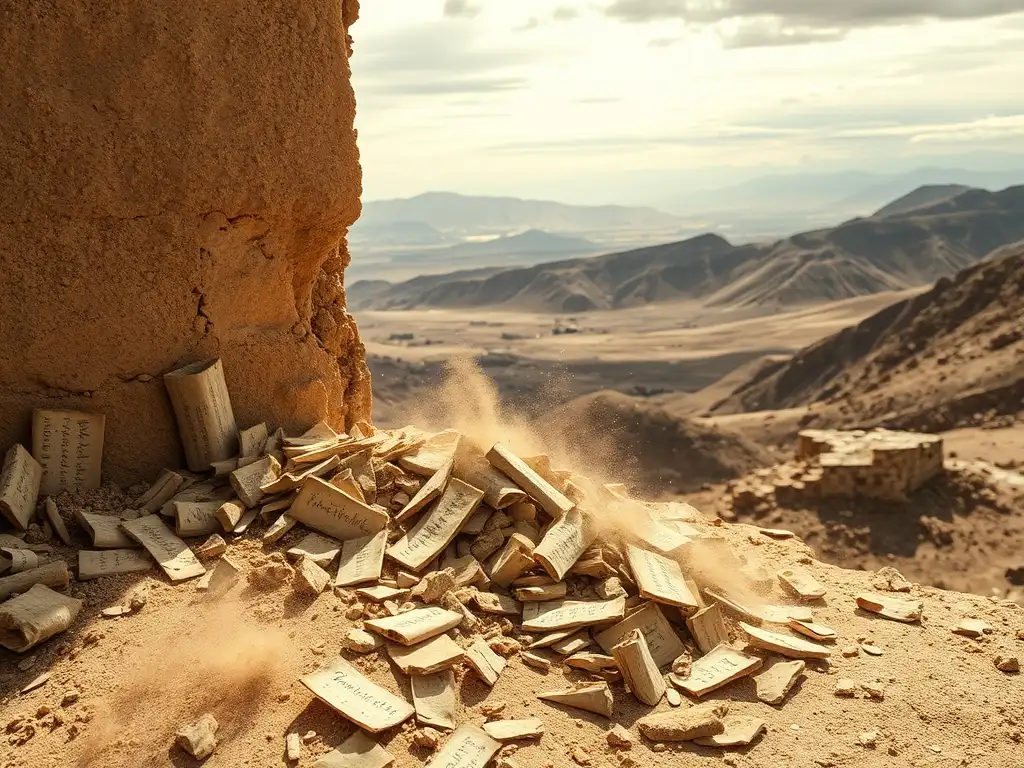
The arrival of the Spanish in the Andes marked a catastrophic turning point for Andean civilizations, resulting in not only the loss of life but also the systematic destruction of invaluable cultural heritage. This destruction, driven by religious zeal, colonial policies, and a fundamental misunderstanding of Andean culture, represents an irreplaceable loss of knowledge about these sophisticated societies. The scale of the devastation is difficult to fully grasp, but surviving accounts and archaeological evidence paint a stark picture of the deliberate and unintentional erasure of Andean intellectual and artistic achievements.
Understanding the extent of this destruction is crucial to appreciating the true complexity and richness of Andean civilization before the conquest, and to contextualizing the fragmented knowledge we possess today. The impact on Andean civilization text destruction was profound and far-reaching, affecting generations to come.
Introduction to the Destruction of Andean Cultural Heritage
The Spanish conquest of the Andes wasn't simply a military campaign; it was a cultural war. The conquistadors, driven by a fervent desire to convert the indigenous population to Christianity, viewed Andean religious practices and beliefs as heretical. Temples, shrines, and other sacred sites were systematically destroyed, often with brutal efficiency. This wasn't merely the destruction of buildings; it represented the annihilation of centuries of accumulated knowledge, rituals, and traditions.
Consider the destruction of the Coricancha in Cusco, the Inca's main temple dedicated to the sun god Inti. The gold and silver adorning the temple were melted down, and the structure itself was largely demolished to make way for a Christian church. This act symbolized a broader pattern of cultural erasure aimed at supplanting the Inca worldview with that of the Spanish colonizers. The destruction extended beyond religious sites.
Many artifacts, including textiles, ceramics, and metalwork, were either destroyed outright or looted, dispersed across the globe, separating them from their cultural context and making their interpretation more challenging. This rampant destruction significantly hampered the ability of future generations to understand the intricacies of Andean civilization. The loss of Andean civilization text, in particular, represents a critical gap in our understanding of their societal structures and worldview.
The Significance of Andean Khipus and Artifacts
Among the most significant losses resulting from the Andean civilization text destruction were the khipus. These complex knotted strings served as a sophisticated record-keeping system, storing information about everything from census data to astronomical observations. Unfortunately, the Spanish largely failed to understand their purpose. Many were destroyed as part of the general destruction of Inca artifacts, while others were simply discarded as meaningless. The few remaining khipus are currently being studied, but the vast majority are lost to us forever.
This represents a monumental loss of historical and scientific data. The destruction of other artifacts, such as intricately carved stones, meticulously crafted textiles, and sophisticated metalwork, further compounded this loss. These objects weren't simply decorative; they often held symbolic meaning and conveyed significant information about Andean cosmology, social structures, and artistic achievements. Their destruction represents the loss of a unique visual language and a wealth of knowledge about Andean thought and practice. The systematic dismantling of the Inca empire and the subsequent colonial period led to the disruption of cultural transmission.
Oral traditions, which played a vital role in preserving Andean knowledge, were also severely impacted. The suppression of the Quechua language and the imposition of Spanish further exacerbated this loss, contributing to a significant decline in the understanding and preservation of Andean cultural heritage. The consequences of this destruction continue to reverberate today. The task of reconstructing a comprehensive picture of Andean civilizations is made immeasurably more difficult by the deliberate and unintentional eradication of their textual and material culture. Further research and careful analysis of surviving artifacts are crucial to piecing together a more complete understanding of these remarkable societies.
Methods of Destruction: Erasing Andean History
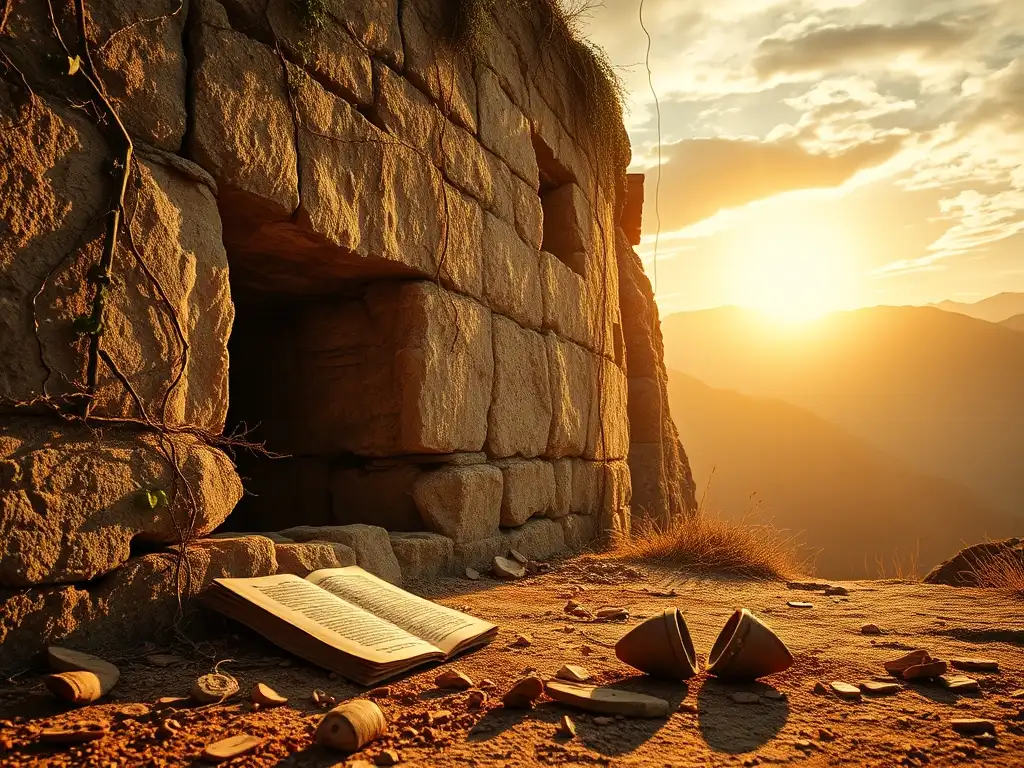
The Spanish conquest of the Andes resulted in a systematic dismantling of Andean civilization, a process that extended beyond military conflict to encompass the deliberate destruction of knowledge and cultural heritage. This destruction, driven by religious zeal, economic greed, and a desire to suppress indigenous identity, irrevocably altered the course of Andean history, leaving vast gaps in our understanding of these sophisticated societies.
The scale of the loss is staggering, encompassing not only physical artifacts but also the destruction of invaluable textual and oral traditions. Understanding the methods employed in this cultural erasure is crucial to appreciating the magnitude of the loss and to fostering a more nuanced understanding of Andean civilization text destruction.
The Burning of Andean Khipus and Records
One of the most devastating acts of the Spanish conquest was the systematic destruction of Andean khipus. These intricate knotted-string records served as vital tools for administration, record-keeping, and storytelling within the Inca Empire and preceding cultures. The Spanish, viewing them as instruments of paganism and a potential source of rebellion, actively sought to eradicate them.
Chroniclers describe scenes of mass burnings, where vast quantities of khipus were consumed by flames, along with other Andean texts written in various forms. This act not only destroyed invaluable historical data but also severed a crucial link to the past, silencing the voices of generations of Andean scribes and storytellers.
The loss of this knowledge represents an irreplaceable loss for understanding Andean mathematics, astronomy, and societal structures. The complexity of the khipus, with their intricate systems of knots and colors, remains only partially deciphered today, hindering our ability to fully reconstruct the richness of Andean thought and organization.
Specific Examples of Destroyed Khipus
While specific instances of khipu destruction are rarely documented with precise details, accounts from Spanish chroniclers hint at the scale of the devastation. For example, [specific example of a documented khipu burning pending]. Further research is needed to identify specific locations and quantities of destroyed khipus.
The lack of detailed records underscores the systematic nature of the destruction, aiming not only to erase the physical objects but also to erase the memory of their existence and the knowledge they contained. The few surviving khipus are therefore all the more precious, serving as fragile fragments of a much larger, lost archive. The challenge of deciphering these remaining fragments highlights the immense loss represented by the destruction of the majority.
Destruction of Andean Art and Religious Objects
The destruction extended beyond textual records to encompass the vast artistic and religious heritage of the Andean civilizations. Temples, palaces, and sacred sites were systematically looted and destroyed, their artifacts melted down or appropriated. This was not merely an act of vandalism; it was a deliberate attempt to erase the cultural and religious identity of the Andean peoples and replace it with the dominant European worldview. The destruction of religious objects aimed to undermine the spiritual foundations of Andean society, leaving a void that the Spanish sought to fill with their own religious beliefs.
The Fate of Coricancha and Other Sacred Sites
The destruction of Coricancha, the Inca temple of the sun in Cusco, serves as a potent symbol of this cultural devastation. This magnificent structure, adorned with gold and silver, was systematically dismantled and repurposed by the Spanish. The gold and silver were melted down and shipped to Spain, while the stones were used to build colonial structures.
This act was replicated across the Andes, with countless temples, shrines, and other sacred sites suffering similar fates. The destruction of these sites was not simply an act of appropriation; it was a symbolic act of conquest, aimed at undermining the spiritual authority of the Inca and other Andean rulers. The loss of these sacred sites represents a profound cultural loss, severing the connection between Andean communities and their ancestral heritage.
Looting and Melting of Gold and Silver Artifacts
The abundance of gold and silver in the Andes fueled the Spanish appetite for wealth, leading to the widespread looting and destruction of countless artifacts. Gold and silver objects, often imbued with religious or ceremonial significance, were melted down and converted into bullion, their artistic and cultural value utterly disregarded.
This process not only destroyed irreplaceable works of art but also erased the intricate symbolism and craftsmanship that characterized Andean metalwork. The sheer volume of gold and silver plundered from the Andes illustrates the scale of the economic motivation behind the destruction of Andean cultural heritage.
The systematic melting of these objects represents a catastrophic loss of artistic and historical knowledge, leaving only fragmented accounts and a few surviving pieces to hint at the richness of the lost artistry. The impact of this looting is still felt today, as it continues to shape our understanding of Andean civilization and its artistic achievements.
The Suppression of Quechua and Aymara Languages
The Spanish conquest of the Andes wasn't merely a military campaign; it was a systematic effort to dismantle the cultural fabric of Andean societies. A crucial element of this dismantling involved the suppression of indigenous languages, primarily Quechua and Aymara. These languages, integral to the transmission of knowledge, oral histories, and cultural practices across generations, were actively discouraged, leading to a significant loss of invaluable information. The imposition of Spanish as the official language in colonial administration and education effectively marginalized Quechua and Aymara, rendering them unsuitable for official documentation or scholarly pursuits.
This linguistic suppression had far-reaching consequences, contributing to the loss of countless stories, songs, and traditional practices encoded within these languages. The oral traditions, rich with Andean cosmology, history, and practical knowledge, began to fade as younger generations were compelled to adopt Spanish. This linguistic shift wasn't a passive process; it was actively enforced through various colonial policies aimed at eradicating indigenous languages and replacing them with Spanish. The deliberate suppression of Quechua and Aymara represents a critical aspect of the destruction of Andean texts and cultural artifacts, as the languages themselves functioned as living repositories of knowledge.
The silencing of these languages contributed significantly to the broader loss of Andean cultural heritage. The long-term effects of this linguistic imperialism are still felt today, with ongoing efforts to revitalize and preserve Quechua and Aymara in the face of historical suppression. The ongoing struggle to reclaim these languages highlights the enduring impact of colonial policies on Andean cultural identity and the preservation of Andean civilization text.
The Destruction of Andean Libraries and Archives
The arrival of the Spanish conquistadors marked a turning point in the preservation of Andean knowledge. Prior to their arrival, Andean civilizations, particularly the Inca, maintained sophisticated record-keeping systems. These systems involved the use of quipus, complex knotted cords used to record numerical data, and possibly narrative information. While the precise nature of quipu record-keeping remains a subject of ongoing research, it's clear that these artifacts represented a significant repository of Andean knowledge.
Unfortunately, the Spanish largely disregarded these systems, viewing them with suspicion and misunderstanding. Many quipus were destroyed, either through deliberate acts of vandalism or simply through neglect and the lack of understanding of their purpose. Furthermore, the Spanish destroyed any existing Andean libraries or archives that might have contained written records, even those written in the limited forms of Andean writing systems that existed. The eradication of these sources of knowledge profoundly impacted the preservation of Andean history and cultural practices.
The destruction of Andean libraries and archives represents a tragic loss of irreplaceable primary sources that could have illuminated many aspects of Andean life and society. The limited surviving quipus and the lack of comprehensive written records underscore the profound impact of the Spanish conquest on the preservation of Andean civilization text. The systematic destruction of these archives represents a significant challenge for modern scholars attempting to reconstruct Andean history and culture.
The Burning of Religious and Ritual Objects
The Spanish conquest was not only a political and military campaign; it was also a religious one, aimed at converting the Andean population to Christianity. This religious aspect played a significant role in the destruction of Andean texts and cultural artifacts. Many Andean religious and ritual objects, imbued with deep cultural and spiritual significance, were seen as pagan symbols by the Spanish conquistadors. These objects, often intricately crafted and decorated with symbolic imagery, represented a vital part of Andean religious practices and belief systems.
The Spanish systematically destroyed these objects, burning them, smashing them, or melting them down for their precious metals. This destruction not only erased tangible artifacts but also targeted the spiritual and cultural heart of Andean societies. The burning of religious and ritual objects was a deliberate attempt to eradicate Andean religious beliefs and replace them with Christianity.
This act of cultural destruction is a stark reminder of the ideological motivations behind the Spanish conquest and the resulting loss of invaluable cultural heritage. The systematic destruction of these objects constitutes a significant loss of Andean civilization text in the form of symbolic representations, ritual practices, and cosmological beliefs. The destruction of these artifacts represents a profound loss of cultural heritage and a significant obstacle to a complete understanding of Andean religious practices.
The Motivations Behind the Destruction of Andean Texts
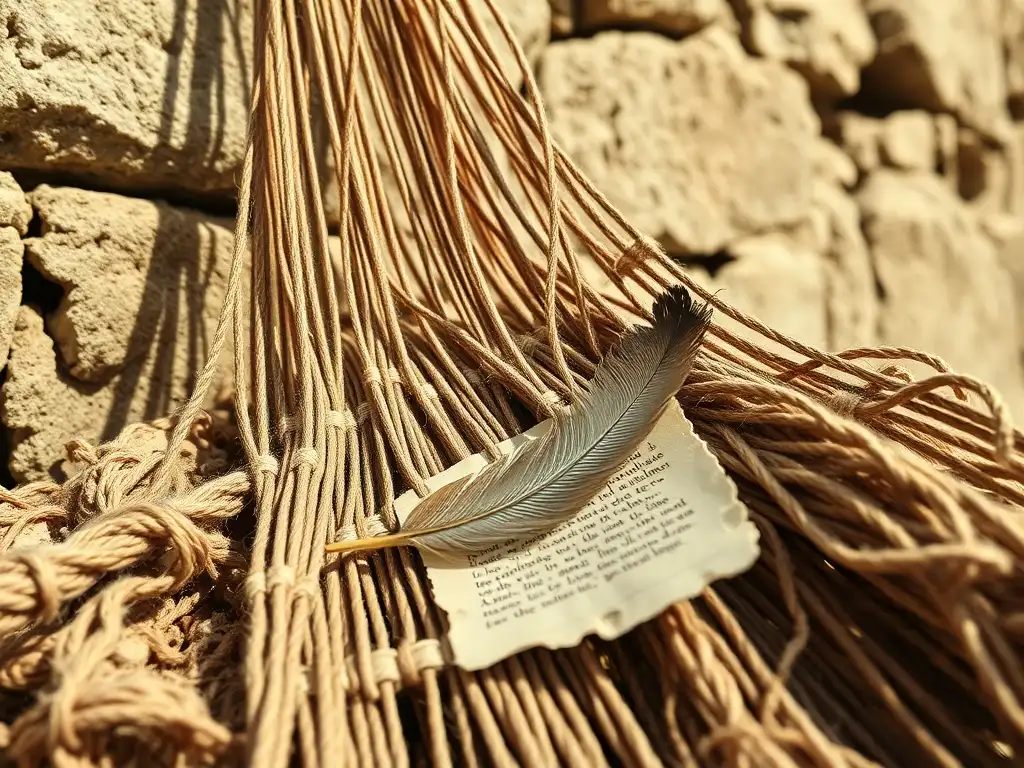
The systematic destruction of Andean texts and cultural artifacts following the Spanish conquest wasn't a random act of violence; it was a deliberate strategy driven by a confluence of factors aimed at consolidating Spanish power and suppressing indigenous Andean cultures. Understanding the motivations behind this destruction is crucial to grasping the full extent of the cultural loss suffered by Andean civilizations and the lasting impact on our understanding of their rich history.
The systematic dismantling of Andean knowledge systems was a key component of the colonial project, ensuring the dominance of the Spanish crown and the suppression of indigenous identities. This deliberate erasure of Andean civilization text profoundly impacted the preservation of knowledge and impacted future generations' understanding of these rich cultures.
Religious Zeal and the Imposition of Catholicism
The Spanish conquest was deeply intertwined with the fervent desire to spread Catholicism throughout the Americas. Andean religious practices, with their complex cosmology, intricate rituals, and venerated deities, were viewed as heretical and a direct threat to the newly established Catholic faith. The destruction of Andean texts, many of which contained detailed accounts of religious beliefs and practices, was seen as a necessary step in eradicating paganism and imposing Christian doctrine.
Chronicles from the period describe the burning of quipus (complex knotted cords used for record-keeping) and the destruction of temples and sacred sites, all in the name of religious purification. This wasn't simply the incidental destruction of artifacts; it was an active campaign to eliminate any trace of the Andean worldview, replacing it with the ideology of the Catholic Church. The imposition of Catholicism wasn't just a matter of religious conversion; it was a tool for cultural and political domination.
The burning of sacred texts symbolized the erasure of a competing belief system and the forceful adoption of a new one. The scale of this destruction is difficult to fully quantify, but its impact on Andean spiritual life is undeniable.
The Desire for Economic and Political Control
Beyond religious zeal, the destruction of Andean texts also served the practical aims of economic and political control. The quipus, for example, held essential information about land ownership, tribute obligations, and lineage, all vital for maintaining the intricate social and economic structures of the Inca Empire. By destroying these records, the Spanish effectively destabilized the existing power structures, making it easier to impose their own system of governance and extract resources.
The destruction wasn't limited to quipus; other forms of Andean record-keeping, including paintings and carvings on textiles and ceramics, were also targeted. This destruction facilitated the transfer of land ownership and resources into the hands of Spanish colonists, undermining the economic autonomy of the indigenous population.
The systematic eradication of Andean administrative systems paved the way for the implementation of the encomienda system and other exploitative colonial policies. The loss of this knowledge significantly hindered the ability of Andean communities to challenge Spanish rule effectively, further solidifying colonial power.
Erasing Andean History to Establish Colonial Legitimacy
The destruction of Andean texts was also a strategic act aimed at establishing colonial legitimacy and suppressing any potential resistance based on historical claims. By eliminating written and visual records of Andean history and achievements, the Spanish could more easily construct a narrative that justified their conquest and minimized the indigenous population's historical rights. The Spanish narrative often portrayed the Inca Empire as a barbaric and disorganized society ripe for conquest, thereby undermining indigenous claims to land and self-governance.
This deliberate erasure of Andean history is reflected in many colonial accounts that selectively highlight aspects of Inca society that supported the Spanish narrative while ignoring or downplaying others. The destruction of texts and artifacts was, therefore, not only about suppressing the present but also about rewriting the past to legitimize colonial rule and prevent the resurgence of Andean identity.
This deliberate rewriting of history facilitated the long-term subjugation of Andean peoples and the consolidation of Spanish colonial power. The suppression of Andean history continues to impact our understanding of these civilizations today, highlighting the devastating consequences of deliberate cultural destruction.
The Long-Term Consequences of the Loss of Andean Knowledge
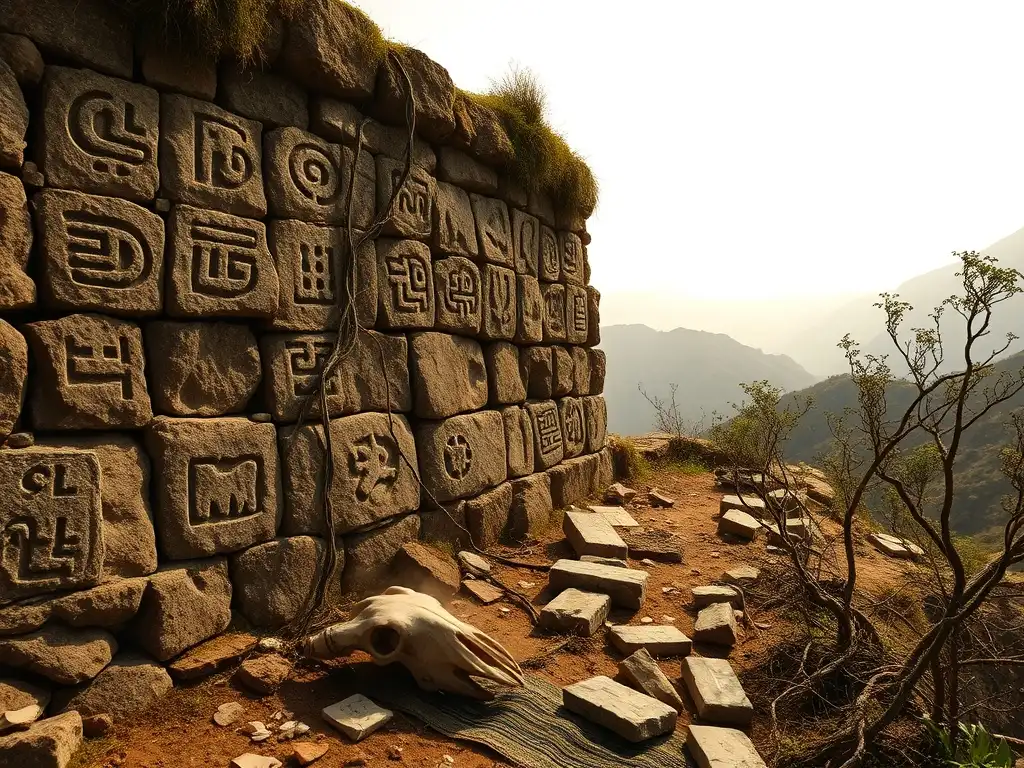
The systematic destruction of Andean texts and cultural artifacts during and after the Spanish conquest had profound and lasting consequences that continue to shape our understanding of these remarkable civilizations. The sheer scale of the loss is staggering, impacting not only our historical understanding but also the cultural identity and continuity of Indigenous communities. The deliberate eradication of Andean knowledge systems represents a significant loss of human intellectual and artistic heritage, hindering our ability to fully appreciate the complexity and sophistication of pre-Columbian Andean societies.
Understanding the long-term effects of this destruction is crucial for appreciating the ongoing efforts to reclaim and reconstruct this lost knowledge. The impact reverberates through generations, affecting everything from our understanding of Inca political organization to the survival of traditional Andean artistic practices. Quantifying this loss is difficult, as much of the knowledge was oral and intangible, but the tangible destruction is well-documented and undeniably significant.
The absence of primary source material significantly complicates the task of historical reconstruction, forcing scholars to rely on fragmented evidence and indirect sources. The keyword "Andean civilization text destruction" accurately reflects the gravity of this historical event.
The Loss of Historical Understanding of Inca and Pre-Inca Societies
The destruction of Andean texts, primarily quipu records and other forms of writing, represents an irreplaceable loss of historical information. The Inca Empire, for example, maintained incredibly detailed records using quipu – complex systems of knotted strings. These quipu contained vital data on everything from population censuses and tax records to astronomical observations and genealogical information.
The Spanish, viewing these records as pagan symbols, largely destroyed them, leading to a significant gap in our understanding of Inca administration, social organization, and daily life. Beyond the Inca, the destruction also impacted our knowledge of pre-Inca societies, such as the Moche, Nazca, and Tiahuanaco cultures, whose own unique record-keeping systems were similarly targeted. The loss of these primary sources significantly hampers our ability to reconstruct a comprehensive history of these civilizations, forcing historians to rely heavily on archaeological evidence and interpretations, often leaving critical details and nuances missing.
The destruction of these intricate systems of knowledge represents a profound loss for our collective understanding of Andean history and the richness of its diverse cultures. The impact of this destruction continues to shape the field of Andean studies, highlighting the need for careful preservation of remaining artifacts and the ongoing development of innovative research methods.
The Impact on Indigenous Identity and Cultural Continuity
The destruction of Andean texts and artifacts had a devastating impact on Indigenous identity and cultural continuity. These objects weren't merely historical records; they were integral parts of Andean spiritual and cultural practices. Their destruction was a deliberate act aimed at undermining Indigenous beliefs and traditions, forcing assimilation into the Spanish colonial system.
The loss of ancestral knowledge systems disrupted the transmission of cultural practices, traditions, and values from one generation to the next. This cultural disruption contributed to the erosion of Indigenous languages and the displacement of traditional ways of life. The enduring impact is seen in the challenges faced by contemporary Indigenous communities in reclaiming their cultural heritage and maintaining their distinct identities in the face of centuries of oppression and cultural loss.
The destruction wasn't just physical; it was a symbolic act aimed at erasing Indigenous identities and replacing them with a colonial worldview. This has had long-term consequences for the cultural vitality and self-determination of Andean communities. The ongoing efforts to revitalize Indigenous languages and cultural practices are a direct response to this historical trauma.
The Challenges in Reconstructing Andean History
Reconstructing Andean history in the face of widespread text destruction presents significant challenges for historians and archaeologists. The lack of primary sources forces scholars to rely on fragmented evidence, including archaeological findings, colonial-era accounts (often biased), and the surviving oral traditions of Indigenous communities. This fragmented evidence creates significant interpretive difficulties, leading to multiple competing narratives and interpretations of Andean history.
The process of piecing together a coherent narrative requires careful cross-referencing of disparate sources, rigorous analysis, and a critical approach to colonial-era accounts, which frequently misrepresent or downplay the complexity of Andean societies. Furthermore, the very act of interpretation is fraught with challenges, as scholars must grapple with the limitations of the available data and the potential biases embedded within the sources they are forced to utilize.
The reconstruction of Andean history is an ongoing process, requiring constant reevaluation and a willingness to adapt as new evidence emerges. The absence of comprehensive written records makes this a particularly complex and challenging task, demanding a multidisciplinary approach that integrates archaeological, linguistic, anthropological, and historical perspectives.
The Role of Archaeology and Ethnohistoric Research
Archaeology and ethnohistoric research play crucial roles in reconstructing the lost knowledge of Andean civilizations. Archaeological excavations unearth material culture, including pottery, textiles, and architecture, providing valuable insights into Andean life and technology. Careful analysis of these artifacts can help to fill in gaps in our understanding of social structures, religious practices, and technological advancements.
Ethnohistoric research, which involves studying historical documents and oral traditions, provides additional context and perspectives. By combining these approaches, scholars can begin to piece together a more complete picture of Andean societies, though the inherent limitations of incomplete data must always be acknowledged.
The careful study of surviving quipu fragments, for example, combined with ethnographic studies of surviving Andean communities’ knowledge systems, is crucial in understanding these complex record-keeping techniques. The meticulous work of archaeologists and ethnohistorians is essential in mitigating the long-term consequences of the destruction of Andean texts and cultural artifacts, working to recover and interpret the remnants of a rich and complex history.
The Ongoing Fight to Preserve and Revitalize Andean Cultures
The destruction of Andean texts and artifacts represents a profound loss, but the story doesn't end there. A vibrant movement dedicated to preserving and revitalizing Andean cultures continues to this day. This fight takes many forms, from meticulous archaeological digs carefully uncovering and documenting remaining artifacts, to the tireless work of linguists striving to decipher surviving fragments of Quechua and other indigenous languages.
The rediscovery and translation of even small pieces of ancient texts can unlock invaluable insights into Andean societal structures, beliefs, and practices. For example, the painstaking reconstruction of fragmented pottery shards can reveal intricate details about artistic styles and cultural narratives. These efforts are not merely academic exercises; they are crucial in understanding the complexities of Andean civilizations and fostering a deeper appreciation for their enduring legacy.
The fight also involves the active participation of indigenous communities themselves. Many communities are working to reclaim their cultural heritage, passing down traditional knowledge through oral histories, storytelling, and the revival of ancient crafts. This active engagement is essential, as it ensures that the interpretation and preservation of Andean culture are not solely determined by external academic perspectives but also reflect the lived experiences and perspectives of those who are its inheritors.
This collaborative approach is crucial for a more holistic and respectful understanding of Andean history and culture. Moreover, the preservation of traditional knowledge systems holds immense practical value, encompassing sustainable agricultural techniques, medicinal practices, and ecological wisdom that could benefit societies globally. The ongoing fight to preserve and revitalize Andean cultures is a testament to the resilience and enduring spirit of the Andean people and a critical step in redressing the historical injustices inflicted upon them.
This ongoing effort is not just about recovering the past; it's about shaping a more just and equitable future. The work to reclaim and interpret Andean knowledge is a continuous process, requiring sustained commitment, resources, and collaboration between researchers, indigenous communities, and international organizations. The future of Andean cultural preservation depends on this collective effort.
The Legacy of Destruction: Lessons from the Past
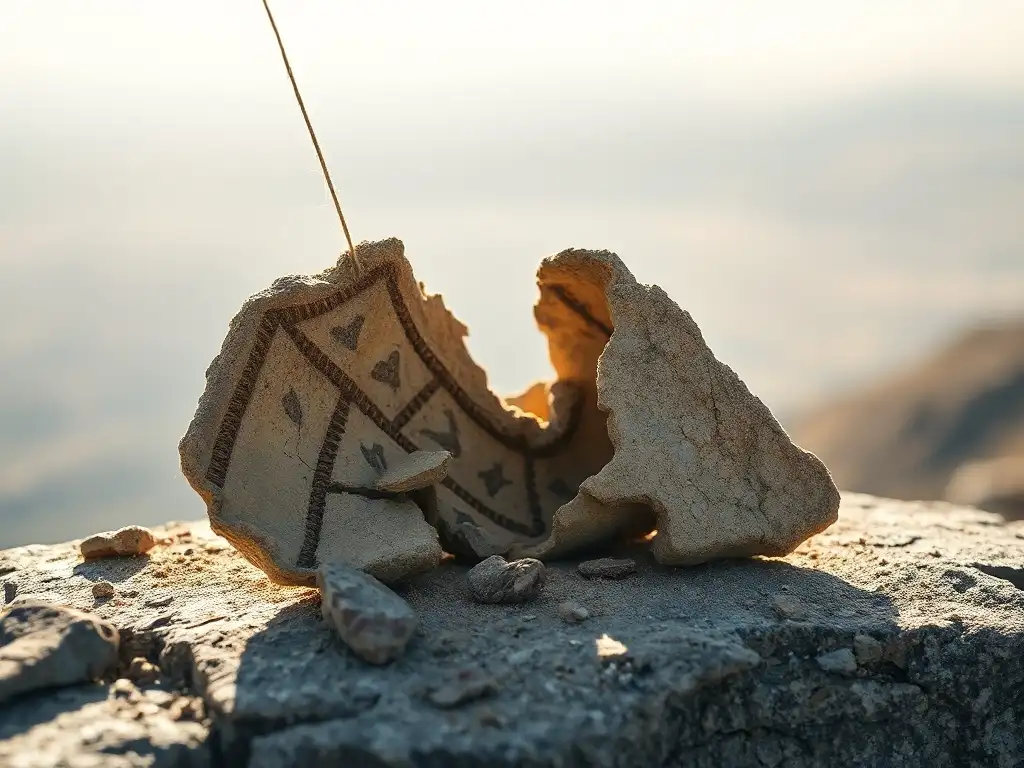
The Spanish conquest of the Andes resulted in the catastrophic loss of invaluable knowledge, a legacy of destruction that continues to impact our understanding of these vibrant civilizations. The deliberate and systematic dismantling of Andean cultural heritage, including the destruction of texts and artifacts, represents an irreplaceable loss. This section explores the far-reaching consequences of this cultural devastation and the urgent need for preservation efforts.
Understanding the scale of this loss is crucial to appreciating the importance of protecting remaining cultural treasures and fostering a deeper understanding of Andean history. The destruction wasn't simply an act of conquest; it was an attempt to erase a civilization's identity and replace it with a new order. This deliberate erasure of Andean civilization text, through the destruction of libraries and the suppression of oral traditions, profoundly impacted the preservation of their rich history.
Understanding the Importance of Cultural Heritage Preservation
The destruction of Andean texts and artifacts represents more than just a loss of physical objects; it signifies the erasure of a people's collective memory and identity. These objects weren't mere decorations; they were repositories of knowledge, embodying complex systems of belief, astronomy, agriculture, and social organization. For example, the intricate textiles of the Nazca culture, now fragmented and scattered in museums worldwide, originally held encoded information about their social structures and cosmology.
Similarly, the loss of quipu—complex knotted-cord systems used for record-keeping—represents the disappearance of an entire sophisticated numerical and archival system. The destruction of Andean civilization text and related artifacts is a profound loss that continues to hinder our ability to fully comprehend the ingenuity and complexity of these ancient societies. Effective cultural heritage preservation requires a multi-faceted approach, encompassing not only the physical safeguarding of artifacts but also the documentation and interpretation of their cultural significance.
This includes meticulous cataloging, conservation techniques, and the development of accessible resources for researchers and the public alike. Furthermore, the ethical implications of repatriation and the protection of indigenous communities' rights to their cultural heritage must be central to any preservation strategy. The long-term preservation of Andean cultural heritage is not simply an academic pursuit; it is a moral imperative that honors the legacy of these remarkable civilizations.
The Need to Protect Indigenous Languages and Traditions
The destruction of Andean civilization text is inextricably linked to the suppression of indigenous languages and traditions. The Spanish conquest actively sought to replace Quechua, Aymara, and other indigenous languages with Spanish, leading to the loss of vast oral histories, traditional knowledge, and unique linguistic structures. This linguistic suppression had far-reaching consequences, contributing to the erosion of cultural identity and the fragmentation of communities. The silencing of indigenous voices resulted in the loss of invaluable insights into Andean cosmology, social structures, and technological advancements.
Many traditions related to agriculture, medicine, and spiritual practices were passed down orally, and their extinction represents a significant loss of knowledge. Efforts to revitalize indigenous languages and traditions are crucial for reclaiming this lost heritage. This includes supporting language immersion programs, documenting oral histories, and promoting the use of indigenous languages in education and public life.
The preservation of indigenous languages is not merely a matter of linguistic diversity; it is essential for maintaining cultural identity and ensuring the transmission of valuable knowledge to future generations. The ongoing struggle to revive and protect these languages is a testament to the enduring strength and resilience of Andean communities. The survival of these languages is directly tied to the survival of unique cultural perspectives and practices.
Promoting Education and Awareness of Andean History
The legacy of destruction underscores the critical need for education and awareness. By fostering a deeper understanding of Andean civilizations and the impact of the Spanish conquest, we can work towards preventing similar tragedies in the future. Educational initiatives should focus on presenting a balanced and nuanced perspective of Andean history, challenging Eurocentric narratives and highlighting the achievements and resilience of Andean societies.
This includes incorporating diverse perspectives and incorporating indigenous voices into the historical narrative. The development of accessible educational resources, such as museums, online archives, and interactive exhibits, is crucial for reaching a wider audience. Furthermore, fostering collaboration between researchers, educators, and indigenous communities is essential for ensuring the accuracy and cultural sensitivity of educational materials.
By promoting a more comprehensive and inclusive understanding of Andean history, we can cultivate a greater appreciation for the richness and complexity of these civilizations and inspire future generations to protect their heritage. The preservation of Andean civilization text and cultural artifacts requires not just physical safeguards, but also a fundamental shift in perspective, recognizing the inherent value of diverse cultural expressions and the imperative to protect them for posterity. The ongoing efforts to document, preserve, and share Andean history are a crucial step in honoring the legacy of these remarkable civilizations and ensuring that their stories continue to resonate for generations to come.
Conclusion: Remembering and Honoring Andean Knowledge
The systematic destruction of Andean texts and cultural artifacts during the Spanish conquest represents an irreplaceable loss to humanity. The deliberate dismantling of a sophisticated knowledge system, built over millennia, irrevocably altered the course of Andean civilization and deprived future generations of invaluable insights into their rich history and culture. Understanding the scale of this destruction is crucial not only for historical accuracy but also for fostering a deeper appreciation of the resilience and enduring legacy of Andean peoples.
The loss of Andean knowledge highlights the importance of preserving cultural heritage and respecting the diverse ways of knowing that exist across the globe. The ongoing efforts to decipher remaining fragments and interpret surviving oral traditions are testaments to the enduring power of Andean culture and the determination to reclaim its lost narratives. The destruction of Andean texts and artifacts serves as a stark reminder of the fragility of cultural heritage and the urgent need for its protection.
This tragedy underscores the vital importance of safeguarding cultural heritage for future generations, ensuring that the stories and wisdom of past civilizations are not lost to time. The ongoing research and efforts to understand the surviving fragments of Andean knowledge represent a significant step towards reconstructing a more complete picture of these vibrant societies and their profound contributions to human civilization.
Acknowledging the Irreplaceable Loss of Andean Khipus
The destruction of Andean khipus, complex knotted-cord systems used for record-keeping, represents a particularly devastating loss. These intricate devices encoded vast amounts of information – historical events, astronomical observations, economic data, and genealogical records – using a sophisticated system of knots, colors, and placement. While some khipus survived, the vast majority were destroyed, often deliberately burned or discarded as objects of "pagan" superstition by Spanish conquistadors. This act of cultural destruction represents not simply the loss of physical objects, but the eradication of a unique form of writing and a profound intellectual tradition.
The limited number of khipus that remain pose significant challenges for researchers attempting to decipher their meaning. The complexity of the khipu system, combined with the lack of comprehensive documentation, makes deciphering their meaning a painstaking and often frustrating process. Despite these challenges, ongoing research continues to unlock new insights into the capabilities of these intricate devices, slowly revealing more about the sophisticated mathematical and organizational skills of the Andean civilizations.
The ongoing research into khipu decryption highlights the need for continued investment in the study of Andean culture and the preservation of its remaining artifacts. The irreplaceable loss of these vital records underscores the importance of protecting and preserving all forms of cultural heritage, regardless of how seemingly insignificant they may appear at first glance. The potential knowledge contained within the destroyed khipus remains a profound loss, a constant reminder of the fragility of cultural heritage and the importance of its preservation.
The Importance of Continuing to Learn from Andean Cultures
Despite the significant losses inflicted during the Spanish conquest, Andean cultures continue to thrive and offer invaluable lessons for contemporary society. The resilience and adaptability demonstrated by Andean communities in the face of immense challenges serves as an inspiration. Their profound understanding of sustainable agriculture, intricate social structures, and sophisticated astronomical knowledge represent a rich legacy that continues to inform and inspire researchers and communities alike. The study of Andean cultures offers crucial insights into alternative models of social organization, environmental stewardship, and knowledge transmission.
By continuing to learn from Andean cultures, we can gain a deeper understanding of the diverse ways humans have interacted with their environment and organized their societies. The ongoing research into Andean art, architecture, and social structures provides valuable insights into the complexity and sophistication of these ancient societies. Furthermore, understanding the resilience of Andean communities in the face of colonization can inform contemporary efforts to promote cultural preservation and social justice. The legacy of Andean civilization underscores the importance of respecting cultural diversity and recognizing the value of indigenous knowledge systems.
The story of Andean civilization serves as a powerful reminder of the importance of preserving cultural heritage and learning from the past to build a more just and sustainable future. Continuing to learn from Andean cultures is not merely an academic exercise; it is a vital step in acknowledging the profound contributions of these societies and fostering a more inclusive and equitable world. The resilience and enduring spirit of Andean peoples serve as a powerful example of the enduring power of culture and the importance of preserving its rich tapestry for future generations.
Frequently Asked Questions
What led to the destruction of Andean texts and artifacts?
The destruction of Andean texts and artifacts stemmed from several factors, including Spanish conquest and colonization. This involved deliberate acts of destruction alongside the accidental loss due to the disruption of established cultural practices. Religious conversion efforts also played a significant role.
What types of Andean texts were destroyed?
A wide variety of Andean texts were lost, including quipu (knotted string records), various forms of painted and carved textiles, and ceramics bearing written or symbolic information. Much of this knowledge remains irretrievably lost.
How did the destruction impact our understanding of Andean civilizations?
The destruction significantly hampered our understanding of Andean societies. The loss of primary source materials has created gaps in our knowledge about their history, beliefs, and governance. Reconstruction relies heavily on fragmented evidence.
Were all Andean texts destroyed?
No, while a significant amount of Andean texts and artifacts were destroyed, some survived through various means. These include artifacts hidden away, those found in relatively undisturbed sites, and copies or interpretations passed down through oral traditions.
What efforts are being made to recover and understand lost Andean knowledge?
Archaeologists and researchers continue to excavate sites, analyze surviving artifacts, and utilize interdisciplinary approaches (including linguistic analysis of related languages) to piece together a more complete picture of Andean civilizations. This involves careful study of existing fragments and the development of new interpretative methods.
Final Reflection: Echoes of a Lost World: Reclaiming Andean Knowledge
The systematic destruction of Andean texts and artifacts represents not just a historical tragedy, but a continuing erasure of invaluable knowledge and cultural identity. This loss reverberates through generations, impacting our understanding of a sophisticated civilization and hindering our ability to learn from its resilience and wisdom. The silence left by these destroyed voices demands to be filled.
The impact of this cultural devastation extends far beyond the physical loss of objects; it represents a profound silencing of a people and their rich heritage. The echoes of their knowledge, their stories, their very existence, are faint but still present. A people without the knowledge of their past history, origin and culture is like a tree without roots.
This quote, though not specifically about the Andes, perfectly encapsulates the devastating consequences of the destruction of these invaluable resources. Understanding this loss allows us to better appreciate the fragility of cultural heritage and the importance of preservation efforts worldwide.
You, the reader, are now part of this conversation. Consider the implications of this cultural erasure. What can you do to support the preservation of indigenous knowledge and cultural heritage, not just in the Andes, but in your own community? Let the echoes of the lost Andean texts inspire you to actively participate in the protection and celebration of diverse cultures, ensuring that future generations have access to the rich tapestry of human experience.
Unveil the Rich Heritage of Andean Civilizations!
Thank you for exploring the vital topic of the destruction of Andean texts and cultural artifacts. Your interest is crucial to preserving the legacy of these remarkable civilizations. To help understand and revive this lost knowledge, consider these actions:
- Join a community dedicated to Andean culture and history, either online or in person. Connecting with others significantly amplifies your impact.
- Share this information with friends and on social media to raise awareness about protecting cultural artifacts.
- Visit museums and exhibitions featuring Andean history. Many host talks and events offering deeper engagement with the subject.
What small step can you take today to help preserve and celebrate Andean culture? Your contribution matters.