
The Legal Labyrinth: How Spanish Laws and Systems Were Imposed on Andean Society

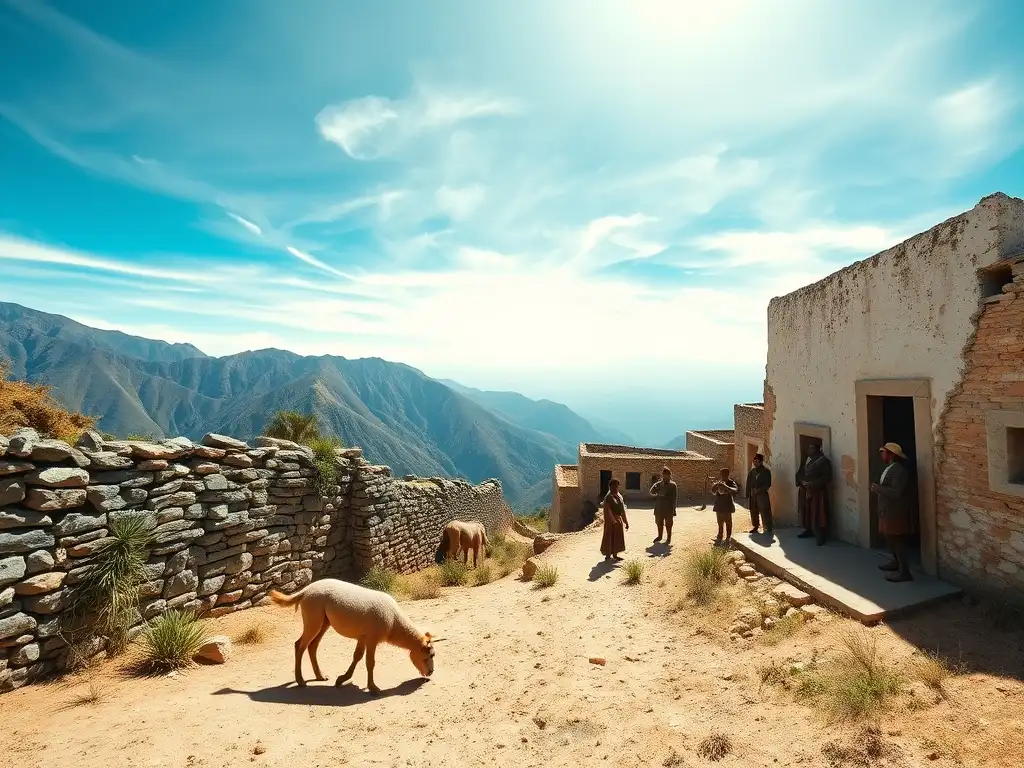
Step into a world lost to time, yet echoing through the ages. Imagine the majestic Andes, home to vibrant civilizations whose ingenuity and complexity still astound us. But what happened when the Spanish arrived? This website delves into the fascinating history, culture, and art of the Incas, Moche, Nazca, and Tiahuanaco. Prepare to unravel the mysteries of the Spanish legal impact on Andean civilizations, a story of clashing worlds and enduring legacies that will leave you questioning everything you thought you knew. Discover the truth behind The Legal Labyrinth – and the enduring consequences of conquest.
The arrival of the Spanish in the Andes marked a profound and irreversible shift in the region's social, political, and economic landscape. This wasn't merely a conquest of territory; it was a systematic dismantling of existing power structures and the forceful imposition of Spanish laws, customs, and governance. This article delves into the complex and often brutal process by which Spanish legal systems were superimposed onto the sophisticated, albeit vastly different, legal frameworks of Andean civilizations, exploring the lasting impact on indigenous populations and their cultural heritage.
Understanding this legal imposition is crucial to comprehending the enduring legacies of colonialism in the Andes and the ongoing struggles for recognition and justice faced by indigenous communities today. The keyword "Spanish legal impact on Andean civilizations" will be explored through the lens of specific examples and analyses of the societal changes that followed.
The Pre-Columbian Andean Legal Systems
Before the Spanish conquest, Andean societies, including the Inca, Moche, Nazca, and Tiahuanaco, possessed intricate and nuanced legal systems. These weren't codified in written laws like those of Europe, but rather were embedded in customary practices, oral traditions, and religious beliefs. Justice was often administered through community-based mechanisms, with emphasis on restorative justice and maintaining social harmony.
For example, the Inca Empire, known for its vast bureaucracy, had a complex system of officials responsible for enforcing laws and resolving disputes. These systems, though unwritten, were deeply ingrained in the social fabric and reflected the values and beliefs of each civilization. The precise details of these pre-Columbian legal systems remain a subject of ongoing research, but it's clear that they differed significantly from the European legal tradition that was about to overwhelm them.
We know, for instance, that concepts of land ownership and inheritance varied considerably, leading to significant conflicts later on. Further research is needed to fully understand the nuances of these systems, especially in less documented societies.
The Imposition of Spanish Law: A System of Conquest and Control
The Spanish conquest was not merely a military endeavor; it was a project of legal and administrative colonization. The Spanish Crown sought to extend its authority and control over the newly acquired territories through the implementation of its legal system, primarily based on Roman law and Castilian customs.
This involved the establishment of new administrative structures, including courts, tribunals, and officials, all designed to uphold Spanish law and suppress any resistance. The Recopilación de Leyes de los Reinos de las Indias (Compilation of Laws of the Indies), a vast legal code, served as the primary instrument for governing the colonies.
This legal framework, however, was often applied selectively and inconsistently, often serving the interests of the Spanish colonizers while disregarding the rights and customs of the indigenous population. The imposition of this alien legal system was a key component of the process of subjugation, undermining existing power structures and creating a system of legal inequality that continues to resonate today.
The Impact on Indigenous Populations: Land, Labor, and Identity
The Spanish legal system had a devastating impact on indigenous populations, fundamentally altering their relationship to land, labor, and their cultural identity. The encomienda system, for example, granted Spanish conquistadors control over indigenous labor and resources, effectively turning indigenous communities into forced labor pools. This system, though legally regulated (supposedly), often devolved into outright exploitation and abuse.
Similarly, the Spanish concept of private land ownership clashed directly with the Andean understanding of communal land tenure, leading to widespread dispossession and the erosion of traditional land management practices. The resulting loss of land and resources had profound consequences for indigenous communities, impacting their food security, economic well-being, and cultural survival. These legal frameworks also actively suppressed indigenous languages and religions, attempting to erase cultural identities through systematic oppression.
The Enduring Legacy: Struggles for Justice and Recognition
The legacy of the Spanish legal imposition continues to shape the Andes today. The unequal distribution of land, wealth, and power, rooted in the colonial legal framework, persists in many forms. Indigenous communities continue to struggle for recognition of their rights, the restitution of ancestral lands, and the redress of historical injustices. The ongoing fight for indigenous rights is a direct consequence of the colonial legal system's legacy.
Understanding the historical context of these struggles requires a thorough examination of how Spanish law was imposed and the long-term impacts of that imposition. The legal battles fought today are, in many ways, a continuation of the struggle against the colonial legal order. The pursuit of justice and recognition for indigenous populations is a testament to their resilience and their ongoing fight to reclaim their history and their future.
- The Pre-Columbian Andean Legal Systems
- The Imposition of Spanish Law: A System of Conquest and Control
- The Impact on Indigenous Populations: Land, Labor, and Identity
- The Enduring Legacy: Struggles for Justice and Recognition
- What was the most significant impact of Spanish law on Andean societies?
- How did Spanish laws affect Andean land ownership?
- Did Spanish law recognize Andean customary law?
- What role did religion play in the implementation of Spanish legal systems?
- How did the Spanish legal system affect Andean social hierarchies?
Pre-Columbian Andean Legal Structures: A Foundation Erased

The Spanish conquest of the Andes dramatically altered the existing social and political landscape, and the impact on the legal systems of the region was particularly profound. Understanding the pre-Columbian legal structures is crucial to grasping the full extent of the Spanish legal impact on Andean civilizations. These indigenous systems, while diverse across different Andean cultures, were deeply embedded in the social fabric, regulating everything from land ownership and resource management to interpersonal disputes and religious practices.
The Spanish, with their codified laws and centralized administration, largely dismantled these established frameworks, replacing them with a system ill-suited to the Andean context. This led to significant social disruption and the erosion of traditional authority structures. The consequences are still felt today.
Indigenous Legal Systems Before Spanish Arrival
Before the arrival of the Spanish, Andean societies didn't operate under a single, unified legal code. Instead, a complex tapestry of customary laws and traditions governed different communities. These laws, often passed down through generations orally, were deeply intertwined with religious beliefs and social customs.
For example, the Moche civilization, known for its intricate pottery and sophisticated irrigation systems, likely had local leaders or priests who acted as adjudicators in disputes, resolving conflicts based on community norms and precedents. Similarly, the Nazca, famous for their geoglyphs, probably relied on a decentralized system of conflict resolution, with local authorities playing a key role. The specific mechanisms varied greatly depending on the cultural group and the nature of the dispute.
Detailed written records of these systems are largely absent, creating challenges for modern researchers trying to reconstruct their complexities. However, archaeological evidence, ethnographic studies of surviving Andean communities, and analysis of colonial-era documents offer valuable insights into these lost legal traditions. The lack of a centralized, written legal code doesn't imply a lack of legal order; rather, it indicates a different approach to governance and dispute resolution, one deeply embedded in the social and spiritual life of the communities.
The Role of Customary Law in Andean Societies
Customary law played a vital role in maintaining social order within Andean communities. These unwritten rules, based on long-standing traditions and practices, regulated various aspects of life, including land tenure, inheritance, marriage, and criminal offenses. The concept of ayllu, a kinship-based community, was central to many Andean societies' legal and social structures.
Within the ayllu, disputes were often resolved through community mediation and consensus-building, prioritizing reconciliation and the maintenance of social harmony. Punishments for offenses, when they occurred, often involved community service or restitution rather than harsh physical penalties. This system contrasts sharply with the punitive and centralized legal system introduced by the Spanish.
The emphasis on community involvement in resolving disputes highlights the significance of social cohesion and the interconnectedness of individuals within the ayllu. The absence of a formal, codified legal system doesn't imply lawlessness; instead, it demonstrates a system rooted in social responsibility and collective decision-making. This understanding is crucial to assessing the profound disruption caused by the imposition of the Spanish legal system.
Inca Legal Framework: Hierarchy and Justice
While pre-Inca Andean societies relied heavily on customary laws, the Inca Empire developed a more formalized legal structure, reflecting its larger scale and centralized administration. The Inca legal system was hierarchical, mirroring the empire's political structure. The Sapa Inca, the emperor, held ultimate authority and served as the highest judge. His decisions were considered final and unappealable.
Below him, a network of officials, including governors and local leaders, administered justice within their respective territories. The Inca system utilized a combination of written and oral laws. While not as comprehensive as European legal systems, written records, such as quipus (knotted cords used for record-keeping), likely played a role in documenting important legal decisions and maintaining records of land ownership and tribute obligations. The Inca legal system, though more centralized than other Andean systems, still incorporated elements of customary law and community participation.
However, this system, too, was profoundly affected by the Spanish conquest, leading to the displacement of Inca legal practices and the imposition of a foreign legal framework. The integration of Inca administrative structures into the colonial system, however, did leave some existing Inca legal practices partially intact, albeit within a new, Spanish-dominated context. Understanding the nuances of the Inca legal system offers critical context for analyzing the long-term effects of the Spanish legal impact on Andean civilizations.
Absence of Written Law and its Implications
The absence of a codified, written legal system in pre-Columbian Andean societies significantly shaped the impact of Spanish legal imposition. While the Spanish arrived with a meticulously documented legal framework, the Andean worldview, expressed through a complex interplay of oral traditions, customary practices, and religious beliefs, presented a stark contrast. This difference wasn't merely a matter of written versus unwritten law; it represented fundamental disparities in how law functioned within each society.
For the Spanish, law was a codified, hierarchical structure emanating from a central authority, the Crown. For Andean communities, law was often interwoven with religious beliefs, social customs, and the intricate web of reciprocal obligations that held their societies together. This meant that the concept of a singular, overarching legal code was foreign to their understanding.
The lack of a written legal record makes reconstructing pre-Columbian Andean legal practices challenging for historians. We must rely heavily on archaeological evidence, ethnographic analogies from later Andean societies, and interpretations of Spanish chronicles, which often filtered Andean practices through a European lens. This inherent bias in the historical record necessitates a critical approach, acknowledging the limitations of our understanding and the potential for misinterpretations.
However, evidence suggests that a robust system of dispute resolution and social control existed, even without written laws. Community leaders, religious figures, and other respected individuals played crucial roles in maintaining social order and resolving conflicts. These mechanisms, while effective within their context, proved incompatible with the Spanish system's centralized authority and written codes.
The imposition of Spanish law effectively erased this pre-existing system, leading to significant social upheaval and the disruption of traditional Andean governance. The very notion of individual rights, as understood within the Spanish legal framework, was often at odds with the collective and community-oriented approach prevalent in Andean societies. This clash of legal philosophies formed a cornerstone of the colonial experience, shaping power dynamics and contributing to the long-term effects of Spanish rule.
The Imposition of Spanish Legal Frameworks
The arrival of the Spanish in the Andes drastically altered the existing social and political structures, fundamentally reshaping the legal landscape. The Spanish conquest wasn't merely a military endeavor; it was a systematic process of imposing Castilian law and legal institutions, aiming to subjugate the indigenous populations and extract resources. This imposition had a profound and lasting impact, leaving an indelible mark on Andean societies and shaping their legal systems for centuries to come.
Understanding this legal transformation is crucial to grasping the complexities of the colonial period and its enduring legacy. The Spanish legal impact on Andean civilizations is a multifaceted topic requiring careful examination.
Introduction of Castilian Law in the Andes
The Spanish Crown, driven by ambitions of territorial expansion and wealth extraction, sought to establish a legal framework that ensured its control over the newly conquered territories. The initial approach involved the direct application of Castilian law – the legal system of Spain – to the Andean region. This wasn't a straightforward transplantation, however. The existing Andean legal traditions, often based on customary law and intricate social hierarchies, were largely disregarded. Instead, Spanish legal concepts, unfamiliar and often incompatible with Andean societal structures, were imposed.
This imposition created immediate conflicts. Concepts like private property, individual rights, and formalized legal processes, central to Castilian law, clashed with the communal land ownership and customary dispute resolution mechanisms prevalent in Andean societies. The resulting friction led to numerous disputes and misunderstandings, often exploited by the Spanish to consolidate their power. For instance, the Spanish concept of "ownership" of land directly contradicted the Inca system of ayllu, where land was held communally and access was determined by kinship and reciprocal obligations.
The Spanish legal system, designed for a vastly different social and political context, proved inadequate and insensitive to the realities of Andean life. This initial imposition laid the groundwork for centuries of legal and social upheaval. The lack of understanding and respect for pre-existing Andean legal traditions exacerbated the already brutal process of colonization.
The Encomienda System and its Legal Justification
The encomienda system serves as a prime example of how Spanish law was used to legitimize the exploitation of Andean populations. While initially presented as a system of granting land and labor to Spanish conquistadors in exchange for the "protection" and "Christianization" of indigenous communities, it quickly devolved into a system of forced labor and virtual enslavement.
The legal justification for the encomienda was intricately woven into the fabric of Spanish colonial law. The Requerimiento, a formal declaration read to indigenous populations, claimed Spanish sovereignty over the land and demanded submission to the Crown. Refusal was deemed justification for conquest and enslavement. This legal fiction, while morally reprehensible, provided a veneer of legality to the brutal realities of the system.
The encomienda system's legal framework was further solidified through royal decrees and legal interpretations that often favored the encomenderos (those granted encomiendas) over the indigenous population. These legal instruments, while claiming to protect indigenous rights, often served to reinforce the existing power imbalance and perpetuate the exploitation. Detailed records of encomienda grants, though incomplete, reveal a pattern of systematic abuse and the gradual transformation of the system into a hereditary form of land and labor control.
The long-term consequences of the encomienda system were devastating, contributing significantly to the depopulation of many Andean communities and the destruction of their traditional ways of life. The legal mechanisms that underpinned this system are a stark reminder of the inherent injustices of the colonial era.
The Viceroyalty and the Establishment of Spanish Courts
The establishment of the Viceroyalty of Peru in 1542 marked a significant shift in the Spanish colonial administration, leading to the formalization of the Spanish legal system in the Andes. The viceroy, as the King's representative, oversaw the implementation of Spanish laws and the establishment of a complex network of courts and tribunals.
This system included the Audiencia, a high court responsible for judicial matters, and a hierarchy of lower courts that extended throughout the viceroyalty. These courts were tasked with administering Spanish law, resolving disputes, and maintaining order. However, access to justice was unevenly distributed, with indigenous populations often marginalized and facing significant obstacles in accessing these courts. The language barrier, cultural differences, and inherent biases within the system worked against their interests.
The Spanish legal system, while aiming for uniformity, struggled to effectively address the unique challenges of governing a vast and diverse territory like the Viceroyalty of Peru. The application of European legal principles to indigenous communities frequently resulted in misinterpretations and injustices. The legal codes themselves, while aiming for order and justice, often fell short of their lofty goals in practice.
The legacy of this system continues to shape legal and social structures in the Andes to this day, highlighting the enduring consequences of colonial legal frameworks. Further research into the specific case laws and judicial decisions of the viceregal period is crucial to understanding the nuances of this complex legal landscape.
Royal Decrees and their Impact on Andean Life
The arrival of the Spanish in the Andes brought with it a complex web of royal decrees, fundamentally altering the social, economic, and political fabric of Andean life. These decrees, emanating from the Spanish crown, were designed to consolidate Spanish control, exploit Andean resources, and impose a new legal order upon a society fundamentally different from their own. The impact was profound and far-reaching, shaping the trajectory of Andean societies for centuries to come.
One of the most significant consequences of these decrees was the dismantling of existing Andean legal systems. Prior to the Spanish conquest, Andean societies, such as the Inca Empire, possessed sophisticated legal structures based on customary law, kinship ties, and religious beliefs. These systems, though varying between different Andean groups, often emphasized communal responsibility and a strong connection to the land.
The Spanish, however, saw these systems as obstacles to their aims of extracting wealth and establishing control. Royal decrees systematically undermined indigenous legal authorities, replacing them with Spanish-appointed officials and courts. This process involved not only the suppression of indigenous laws but also the imposition of unfamiliar legal concepts and procedures.
The introduction of Spanish legal concepts like private property, for example, had a devastating effect on Andean communal land ownership systems. The mita, a system of rotational labor service within the Inca Empire, was transformed into a form of forced labor under the Spanish encomienda system. Royal decrees often glossed over the brutal realities of this transition, focusing instead on the purported benefits of Spanish rule and the supposed "civilizing" influence of Christianity.
However, the reality was far more complex and often involved exploitation, violence, and the displacement of indigenous populations. The decrees, while often presented as benevolent acts of governance, served primarily to legitimize the appropriation of Andean resources and labor for the enrichment of the Spanish crown and its colonists.
Furthermore, the application of Spanish law often led to conflicts and injustices within Andean communities. The Spanish legal system, steeped in Roman law and influenced by the Catholic Church, was ill-equipped to understand and address the complexities of Andean social structures and customary practices. Disputes over land ownership, inheritance, and other matters frequently arose, leading to protracted legal battles that often favored the Spanish colonists.
The imposition of Spanish law thus not only disrupted existing social order but also created new avenues for exploitation and inequality. The long-term consequences of this legal imposition continue to resonate in Andean societies today, shaping land tenure systems, legal institutions, and social relations.
Understanding the specific content and impact of these decrees is crucial to appreciating the lasting legacy of Spanish colonialism in the Andes and the ongoing struggle for social justice and land rights in the region. Further research into specific decrees and their implementation is needed to fully grasp the intricate details of this complex historical process.
Key Spanish Legal Instruments and Their Effects

The Spanish conquest of the Andes wasn't merely a military undertaking; it was a systematic legal and administrative project aimed at reshaping Andean society according to Spanish norms. This involved the imposition of a complex legal framework designed to control resources, labor, and the very structure of Andean life. The impact of Spanish law on Andean civilizations was profound and long-lasting, leaving an indelible mark on the region's social, economic, and political landscape.
Understanding these legal instruments is crucial to grasping the full extent of the Spanish colonial experience in the Andes. The keyword "Spanish legal impact on Andean civilizations" is central to understanding this complex historical process.
The Laws of the Indies: Regulating the Colonies
The Laws of the Indies ( Leyes de Indias) constitute a vast body of legislation compiled over centuries, starting in the 16th century, to govern the Spanish colonial empire in the Americas. These laws attempted to establish a comprehensive system of administration, encompassing everything from land ownership and taxation to the organization of municipalities and the treatment of indigenous populations.
While ostensibly aiming for order and justice, the Laws of the Indies often served to reinforce Spanish control and subjugation. They provided a legal veneer for exploitative practices, while simultaneously attempting to define and limit the excesses of colonial officials.
The application of these laws in the Andes was uneven and often contradictory. Local conditions and the power dynamics between colonial officials and indigenous communities frequently led to interpretations and implementations that favored Spanish interests. For example, while the Laws of the Indies theoretically protected indigenous populations, provisions were frequently circumvented or ignored in practice, leading to widespread abuses.
The legal framework, designed to regulate the colonies, ironically facilitated the systematic exploitation of resources and people in the Andes. Detailed study of specific cases reveals the inconsistencies and hypocrisies inherent in the application of these laws. Further research is needed to fully assess the effectiveness of the Laws of the Indies in mitigating the negative impacts of Spanish colonialism on Andean societies.
Mita and Encomienda: Legalized Exploitation of Andean Labor
The mita and the encomienda were two particularly brutal legal instruments that formalized the exploitation of Andean labor. The encomienda system granted Spanish conquistadors control over indigenous populations, ostensibly in exchange for protection and Christianization. However, in practice, it quickly devolved into a system of forced labor and virtual enslavement. Indigenous communities were compelled to work in mines, on farms, or in other projects benefiting the encomenderos, often under inhumane conditions.
The mita, while technically a system of obligatory labor dating back to pre-Columbian times, was drastically intensified and repurposed by the Spanish. It originally involved periodic labor contributions from communities to the Inca state, but under Spanish rule, it became a form of forced labor primarily for mining operations, particularly silver mines. The mita system resulted in countless deaths due to overwork, malnutrition, and disease.
The high mortality rates among those subjected to the mita significantly impacted Andean demographics and profoundly altered the social fabric of the region. This legalized exploitation represents a dark chapter in the history of the Spanish legal impact on Andean civilizations.
The Reducciones: Forced Relocation under Spanish Law
The reducciones, or resettlement programs, represent another significant aspect of the Spanish legal impact on Andean civilizations. Under the guise of providing better living conditions and facilitating evangelization, the Spanish forcibly relocated numerous indigenous communities into newly established settlements. These settlements were often strategically located near mines or other resources valuable to the Spanish, facilitating control over the indigenous population and their labor.
The reducciones had devastating consequences for Andean communities. Traditional social structures were disrupted, agricultural practices were altered, and access to vital resources was often diminished. The forced relocation resulted in significant loss of life due to disease and famine. Moreover, the concentration of indigenous populations in these new settlements made them more susceptible to exploitation and control by the Spanish colonial authorities.
While the reducciones were presented as a benevolent measure, in reality, they served to consolidate Spanish power and further subjugate the indigenous population. The long-term effects of the reducciones continue to be felt in the Andean region today. Analyzing the spatial distribution of these settlements and their impact on the environment offers further insight into the lasting legacy of this policy.
Legal Mechanisms for Land Confiscation and Distribution
The Spanish conquest dramatically altered the Andean landscape, not just physically, but legally. The Spanish crown, driven by a desire to extract wealth and consolidate power, implemented a series of legal mechanisms designed to seize control of Andean lands and redistribute them to Spanish colonists. One of the most significant tools was the encomienda system. While ostensibly a system of labor organization, the encomienda quickly evolved into a means of land appropriation.
Indigenous communities, who held collective rights to their ancestral territories under their own governance systems, were stripped of their land ownership through the encomienda grants. These grants, often awarded for military service or loyalty to the crown, gave Spanish encomenderos control over indigenous labor and the associated land resources. This effectively dispossessed indigenous populations, severing their ties to their land and traditional ways of life. The repartimiento, a later system, formalized the extraction of labor, further solidifying the Spanish control over land and resources.
These systems, while presented as legal frameworks, were fundamentally instruments of dispossession, laying the groundwork for the vast landholdings of the Spanish elite and the impoverishment of Andean communities. The legal justifications, often rooted in claims of "vacant" or "unclaimed" land, conveniently ignored the complex and well-established indigenous land tenure systems. This legal framework, designed to benefit the Spanish crown and its loyal subjects, had devastating consequences for the Andean populations, leading to widespread displacement, economic hardship, and the erosion of indigenous cultures. The Spanish legal impact on Andean civilizations, particularly regarding land, continues to resonate today.
The introduction of Spanish law fundamentally reshaped the Andean social hierarchy. Pre-Columbian Andean societies, while diverse, often featured complex systems of social stratification, based on lineage, religious authority, and access to resources. The Spanish conquest and its accompanying legal framework dismantled these existing structures and imposed a new hierarchy based on racial and religious criteria. The Repartimento system, while ostensibly aimed at regulating labor, resulted in the forced labor of indigenous populations, often under brutal conditions.
This system, coupled with the encomienda, solidified the position of the Spanish at the top of the new hierarchy, with indigenous populations relegated to the bottom. The Spanish legal system also introduced the concept of castas, a rigid racial classification system that determined social standing and legal rights. This created a complex and often contradictory social structure, where individuals' rights and opportunities were determined by their racial heritage. The legal prioritization of Spanish colonists, often at the expense of indigenous communities, led to significant social inequalities, undermining traditional Andean social structures and perpetuating a system of oppression that persisted for centuries.
The imposition of Spanish law not only impacted land ownership but also drastically altered the social fabric of Andean society, creating a new hierarchical order that favored Spanish interests and marginalized indigenous populations. The legacy of this legal imposition is still evident in the social and economic inequalities present in many Andean communities today. Furthermore, the imposition of Spanish Catholicism, with its corresponding legal framework, further complicated the social structure, creating tensions between indigenous religious beliefs and practices and the imposed religious system.
Consequences of Spanish Legal Domination

The imposition of Spanish legal systems upon the diverse Andean societies resulted in profound and lasting consequences, fundamentally altering the social, political, and economic fabric of the region. The Spanish encomienda system, the repartimiento of labor, and the hacienda system, all underpinned by Spanish law, effectively dismantled existing indigenous legal structures and power dynamics.
This section will explore the key ramifications of this legal domination, focusing on the disruption of traditional Andean legal processes, the erosion of indigenous authority, and the legal justification of widespread inequality. Understanding the Spanish legal impact on Andean civilizations requires a detailed examination of these interconnected consequences.
Disruption of Traditional Andean Legal Processes
Before the arrival of the Spanish, Andean societies possessed sophisticated, albeit diverse, legal systems. These systems, often intertwined with religious beliefs and customary practices, varied across different ethnic groups but generally emphasized community consensus, restorative justice, and the importance of kinship ties in conflict resolution. The Spanish legal system, based on Roman law and characterized by a hierarchical structure, a centralized authority, and codified legal principles, directly clashed with these existing practices.
The Spanish Crown's assertion of absolute sovereignty meant that indigenous legal traditions were deemed illegitimate and systematically undermined. Traditional Andean courts and dispute resolution mechanisms were replaced by Spanish tribunals, which often lacked understanding of indigenous customs and languages. This led to misinterpretations of cases, unfair judgments, and the erosion of traditional justice systems.
For example, the concept of collective responsibility, common in Andean societies, was often ignored in favor of individual accountability under Spanish law, leading to arbitrary punishment and the breakdown of community structures. The introduction of written law, a concept largely unfamiliar in many Andean communities, further marginalized indigenous legal traditions and reinforced Spanish dominance. The impact was not uniform; some communities experienced more immediate and severe disruptions than others, depending on factors such as proximity to Spanish settlements and the strength of their pre-existing social organization.
The Spanish conquest resulted in a dramatic shift in power dynamics, effectively stripping indigenous leaders of their authority and legal autonomy. Traditional Andean leaders, who held significant influence within their communities, were often replaced by Spanish-appointed officials or marginalized to the point of irrelevance in legal matters. This disempowerment went beyond mere symbolic changes; it profoundly impacted the ability of indigenous communities to govern themselves and administer justice according to their own customs.
The Spanish Crown actively sought to control all aspects of Andean life, including the legal sphere. This was achieved through various mechanisms, including the establishment of new administrative structures, the imposition of Spanish officials at all levels of governance, and the suppression of any forms of indigenous resistance. The loss of legal autonomy had devastating consequences, leading to the disintegration of traditional social structures and the weakening of indigenous political institutions.
The ability of Andean communities to manage their internal affairs, resolve disputes, and maintain social order was severely compromised, paving the way for social unrest and exploitation. The long-term effects of this loss of autonomy continue to resonate in Andean societies today.
The Spanish legal system provided a framework for the justification and perpetuation of social and economic inequality in the Andes. Laws such as the encomienda system, which granted Spanish conquistadors control over indigenous labor and resources, were explicitly sanctioned by the Spanish Crown and provided the legal basis for the exploitation of Andean populations. The repartimiento system, a supposedly more regulated form of forced labor, likewise ensured a steady supply of cheap labor for Spanish enterprises, enriching the colonial elite at the expense of the indigenous population.
Furthermore, Spanish law often privileged the rights of Spaniards over those of indigenous peoples. This legal bias was evident in land ownership disputes, inheritance laws, and criminal justice. Indigenous people were often denied equal access to justice, subjected to harsher punishments, and systematically excluded from positions of power and influence.
The legal framework established by the Spanish not only sanctioned the existing inequalities but actively contributed to their deepening and perpetuation. The hacienda system, a large landed estate, further solidified this inequality, concentrating land ownership in the hands of a few wealthy Spaniards while dispossessing indigenous communities of their ancestral lands and resources. This created a system of profound and enduring social stratification that continues to impact Andean societies.
The Struggle for Legal Recognition by Indigenous Populations
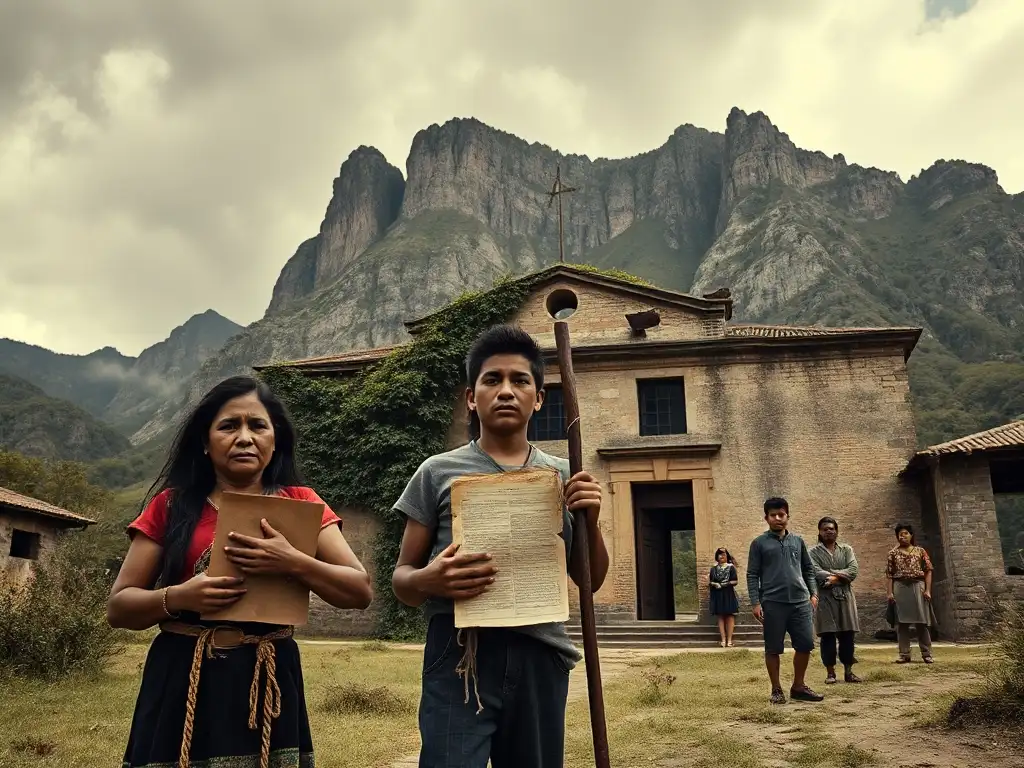
The imposition of Spanish legal systems upon the diverse Andean societies resulted in a protracted and often violent struggle for legal recognition by indigenous populations. The Spanish encomienda system, while ostensibly granting land and labor to Spanish conquistadors, quickly devolved into a system of forced labor and exploitation, leaving indigenous communities with little recourse under the existing legal framework. The Spanish crown, while occasionally issuing decrees aimed at protecting indigenous rights, often lacked the means or the will to enforce them effectively. These decrees were frequently undermined by local officials eager to maintain the status quo and benefit from the system of forced labor.
Consequently, indigenous communities found themselves marginalized within the Spanish legal system, their customary laws and traditions largely disregarded. This lack of legal recognition extended to land ownership, resource control, and even matters of personal liberty. Legal battles, often fought through protracted and complex bureaucratic processes, became a common feature of indigenous life under Spanish rule.
Many communities resorted to various forms of resistance, both overt and covert, in their attempts to maintain their autonomy and challenge the Spanish legal dominance. The struggle for legal recognition was therefore not merely a legal battle, but also a fight for cultural survival and self-determination. The persistent efforts of indigenous communities to assert their rights within the imposed legal system highlight the ongoing tensions and inequalities that characterized Andean societies during the colonial period.
Long-Term Effects of the Spanish Legal Legacy in the Andes
The Spanish legal legacy in the Andes continues to resonate even today, shaping the region's legal and social landscape in profound ways. The introduction of Spanish civil law, while initially intended to establish order and control, ultimately led to a complex interplay between indigenous customary law and the imposed European system. This resulted in a hybrid legal system that, in many ways, continues to influence legal practices and social relations in the region. The concept of private property, for example, profoundly altered traditional Andean conceptions of land ownership and resource management, leading to long-term conflicts over land rights and access to resources.
Furthermore, the Spanish legal system's emphasis on individual rights often clashed with the more communal and kinship-based structures of Andean societies. This created lasting tensions and inequalities that persist even in modern times. The hierarchical structure of the Spanish legal system also deeply influenced the power dynamics within Andean societies, contributing to ongoing social stratification. The lasting impact of the Spanish legal system is evident in the ongoing debates surrounding land rights, indigenous self-governance, and access to justice in the Andes.
The enduring challenges facing Andean communities in navigating a legal system that is a complex blend of indigenous traditions and colonial legacies highlight the far-reaching and enduring consequences of the Spanish conquest. Understanding this complex legal legacy is crucial for addressing contemporary issues of social justice and equity in the Andean region. The ongoing struggle for legal recognition and the persistent effects of the Spanish legal system underscore the need for a nuanced understanding of the interplay between colonial past and present-day realities in the Andes.
Andean Resistance to Spanish Legal Imposition
The imposition of Spanish legal systems upon the diverse Andean societies wasn't a passive process. While the Spanish crown aimed for complete legal control, indigenous populations actively resisted, employing various strategies to challenge, circumvent, or reinterpret colonial laws. This resistance, often subtle but persistent, significantly shaped the long-term impact of Spanish legal reforms on Andean life.
Understanding these forms of resistance is crucial to a nuanced understanding of the Spanish legal impact on Andean civilizations. The effectiveness of Spanish laws varied greatly depending on factors such as the specific region, the strength of local leadership, and the nature of the imposed legislation itself. The sheer diversity of Andean cultures meant that a uniform legal framework often faced significant challenges in its implementation.
Forms of Resistance to Colonial Laws
Andean resistance to Spanish legal imposition manifested in diverse and often interwoven forms. Direct, open rebellion was certainly a component, but it was often risky and frequently suppressed with brutal force. More commonly, resistance took subtler forms:
- Cultural Adaptation and Reinterpretation: Andean communities often adapted Spanish laws to fit pre-existing social structures and customs. This wasn't necessarily a conscious act of defiance, but rather a pragmatic strategy for survival. For example, traditional forms of community governance might have been superficially integrated into the Spanish administrative system, allowing indigenous leaders to maintain a degree of autonomy. The Spanish legal terminology might have been adopted, but the underlying power dynamics and customary practices often remained largely unchanged.
- Strategic Litigation: Indigenous communities sometimes used the very legal system imposed upon them to challenge colonial policies. Appeals to higher courts, carefully constructed legal arguments, and the strategic use of Spanish laws themselves became tools for resistance. While success was not guaranteed, this approach allowed Andean communities to contest land seizures, labor exploitation, and other injustices within the framework of the colonial legal system.
- Hidden Practices and Rituals: Many Andean religious and social practices continued clandestinely, despite attempts by the Spanish to suppress them. This resistance occurred outside the formal legal framework, but it represented a crucial form of cultural preservation and an implicit rejection of Spanish cultural dominance. The maintenance of these practices demonstrated a continued assertion of Andean identity in the face of colonial pressure.
- Economic Sabotage: Subtle forms of economic resistance, such as withholding labor or reducing agricultural output, could also challenge the colonial economy and indirectly undermine Spanish legal control. While these actions were difficult to track and attribute directly to resistance, they collectively contributed to the limitations of Spanish power.
Legal Challenges and Appeals by Indigenous Communities
The Spanish colonial legal system, despite its inherent biases, provided avenues for appeal and redress. Indigenous communities, often assisted by skilled lawyers (some of whom may have been of indigenous or mestizo descent), strategically utilized these avenues to challenge unjust rulings and policies. These challenges weren't always successful, but they highlight the agency of Andean communities in navigating the complexities of the colonial legal landscape.
Specific examples of successful appeals are unfortunately scarce in readily available historical records, but the mere existence of such appeals demonstrates a persistent attempt to contest the dominance of Spanish law. Further research into local archives could potentially illuminate more of these instances. The process of appealing often involved navigating a complex bureaucracy, demanding significant resources and persistence, reflecting the inherent power imbalance within the colonial system.
The Role of Indigenous Leaders in Legal Disputes
Indigenous leaders played a critical role in mediating legal disputes and representing the interests of their communities within the colonial legal framework. These leaders, often hereditary chiefs or individuals who had gained authority through their knowledge of customary law and their influence within the community, acted as intermediaries between the Spanish authorities and their people. Their expertise in both Andean customary law and the emerging colonial legal system was invaluable in navigating the challenges of the time.
However, their role was complex and often fraught with tension. They were sometimes forced to collaborate with the Spanish authorities, a situation that could create conflict within their own communities.
The balance between protecting their people and complying with colonial demands was a constant challenge that shaped the experiences of many indigenous leaders during the colonial era. Understanding their actions requires a careful consideration of the constraints and opportunities they faced within the power dynamics of the colonial context.
Evolution of Legal Strategies to Protect Andean Rights

The Spanish conquest didn't simply impose a new legal system; it triggered a complex and evolving response from Andean communities. Early resistance was often manifested through direct confrontation, rebellion, and the continued adherence to traditional Andean customs and laws, even in the face of brutal suppression. However, as the colonial period progressed, Andean populations developed more nuanced strategies to protect their rights and traditions. These strategies often involved a careful navigation of the Spanish legal system itself.
Communities learned to exploit loopholes, appeal to higher authorities, and selectively adopt elements of Spanish law that could be used to their advantage. For instance, Andean communities often used existing Spanish laws protecting property rights to contest land seizures by Spanish encomenderos or colonial officials. This required a deep understanding of the intricacies of Spanish legal procedures, a knowledge often gained through experience and the assistance of indigenous elites who had some degree of familiarity with the colonial legal framework. The use of títulos de propiedad (property titles) became a crucial tool in this struggle, allowing communities to demonstrate legal ownership of their lands and resources.
The effectiveness of these strategies varied considerably depending on factors such as the specific location, the power of the local colonial administration, and the degree of internal cohesion within the Andean communities themselves. The constant negotiation and adaptation to the ever-shifting legal landscape represent a remarkable testament to the resilience and adaptability of Andean societies facing overwhelming odds. Furthermore, the development of these legal strategies laid the groundwork for future resistance movements and played a significant role in shaping the legal and political landscape of the Andes in the centuries to come.
The Legacy of Resistance in Contemporary Andean Legal Movements
The enduring struggle against the imposition of Spanish legal systems continues to resonate in contemporary Andean legal movements. The historical experiences of resistance, the strategic use of legal tools within the colonial context, and the persistent assertion of indigenous rights all profoundly shape current legal activism. Contemporary Andean legal movements draw upon this rich historical legacy, utilizing legal frameworks and strategies that build upon the foundations laid centuries ago. For example, the fight for land rights and resource control, a central theme of Andean resistance during the colonial period, remains a critical issue today.
Modern legal challenges often involve invoking international human rights laws and indigenous rights declarations to protect ancestral territories and traditional practices. Furthermore, the emphasis on community-based legal strategies, reflecting the historical importance of collective action in Andean resistance, is a prominent feature of many contemporary movements. The use of collective legal representation and community-based legal aid initiatives ensures that the voices and perspectives of marginalized Andean communities are heard and considered in legal processes.
The ongoing struggles for self-determination and cultural preservation continue to reflect a deep-seated commitment to reclaiming and protecting the legal and political autonomy that was so violently suppressed during the colonial era. The legacy of Andean resistance serves as a potent reminder of the enduring strength and resilience of Andean cultures, and their persistent efforts to shape their own legal destinies. The echoes of past struggles continue to inspire and inform contemporary legal activism in the Andes, demonstrating the profound and lasting impact of the Spanish legal imposition and the enduring power of Andean resistance.
Spanish Legal Impact on Andean Civilizations: A Summary
The arrival of the Spanish in the Andes drastically altered the existing social, political, and economic structures. A crucial element of this transformation was the imposition of Spanish law and legal systems upon the indigenous populations. This wasn't a simple overlay; it was a complex process involving both direct imposition and subtle adaptation, resulting in a profoundly altered legal landscape that continues to resonate in modern Andean societies.
Understanding this impact requires examining the dismantling of pre-existing Andean legal traditions and the subsequent implementation of Spanish legal frameworks, analyzing the consequences for indigenous communities, and evaluating the long-term effects on Andean legal thought. The Spanish legal impact on Andean civilizations was far-reaching and multifaceted, affecting everything from land ownership and governance to personal rights and criminal justice.
The Transformation of Andean Legal Landscape
Prior to the Spanish conquest, Andean societies possessed sophisticated legal systems, albeit vastly different from European models. These systems often relied on customary law, oral traditions, and community-based dispute resolution. For example, the Inca Empire, while possessing a centralized authority, also maintained local governance structures with their own legal mechanisms. These often involved community elders, religious figures, and specialized officials adjudicating disputes based on established norms and traditions. The Spanish, however, viewed these systems as primitive and inadequate, often dismissing them entirely.
The Spanish conquest initiated a systematic dismantling of these pre-existing legal structures. This wasn't simply a matter of replacing one system with another; it was a process of suppression and erasure. Indigenous legal practices were actively discouraged, and those who attempted to maintain them often faced punishment.
The Spanish introduced their own legal framework, rooted in Roman law and canon law, a system profoundly different from the Andean traditions. This new system emphasized written law, codified procedures, and a hierarchical structure with centralized authority, a stark contrast to the more decentralized and customary nature of Andean legal practices. The consequences were immediate and devastating for indigenous communities.
Key Takeaways on Spanish Legal Imposition
The imposition of Spanish law had several key consequences for Andean civilizations:
- Land Tenure: The Spanish encomienda system, which granted Spanish conquistadors control over indigenous labor and resources, fundamentally reshaped land ownership. Traditional communal landholding systems were disrupted, leading to dispossession and the concentration of land in the hands of the Spanish elite. This fundamentally altered the relationship between Andean communities and their ancestral lands, a legacy that continues to have significant implications today.
- Governance: The Spanish replaced indigenous governance structures with a colonial administration, imposing a hierarchical system with Spanish officials at the top. Traditional leaders were often marginalized or replaced, weakening indigenous self-governance and creating a power imbalance that persisted for centuries.
- Criminal Justice: The Spanish introduced a new criminal justice system, characterized by harsh punishments and a bias against indigenous populations. Indigenous people were often subjected to unfair trials and discriminatory sentencing, further undermining their rights and autonomy.
- Religious Law: The imposition of Catholicism resulted in the suppression of Andean religious practices and beliefs. Religious law became intertwined with civil law, further shaping the legal landscape and restricting the expression of indigenous spirituality.
| Aspect of Law | Pre-Conquest Andean System | Post-Conquest (Spanish) System | Impact |
|---|---|---|---|
| Land Ownership | Communal, customary | Private property, encomienda system | Dispossession, concentration of land in Spanish hands |
| Dispute Resolution | Community-based, oral traditions | Formal legal procedures, written law | Loss of indigenous legal autonomy, unfair trials |
| Governance | Decentralized, local leaders | Centralized, hierarchical, Spanish colonial administration | Loss of self-governance, marginalization of indigenous leaders |
| Criminal Justice | Customary punishments, restorative justice | Harsh punishments, discriminatory application of the law | Unfair trials, biased sentencing for indigenous populations |
The Enduring Legacy of Colonial Laws
The legacy of Spanish colonial law continues to shape Andean societies today. While many aspects of the colonial legal system have been reformed or replaced, the fundamental changes to land tenure, governance, and legal thought remain. The struggle for indigenous rights and land restitution in many Andean countries is directly linked to the enduring impact of Spanish colonial law. Understanding this historical context is crucial for analyzing contemporary legal and social issues in the Andes.
The Spanish legal impact on Andean civilizations wasn't merely a historical event; it's an ongoing process with far-reaching consequences. Further research is needed to fully understand the nuanced and complex ways in which colonial legal structures continue to shape social, economic, and political realities in modern Andean nations. The complexities of this legacy necessitate a continued critical examination of the legal frameworks that govern the region.
Contemporary Legal Battles for Indigenous Rights
The legacy of the Spanish legal system's imposition on Andean societies continues to resonate in contemporary legal battles for Indigenous rights. The struggle for land rights, resource control, and cultural preservation often involves navigating a legal framework deeply rooted in colonial structures. Indigenous communities frequently find themselves facing powerful economic interests and bureaucratic inertia, forcing them to engage in protracted legal processes to assert their ancestral claims and protect their way of life. These battles often highlight the inherent tensions between colonial legal frameworks and Indigenous customary law, emphasizing the need for legal systems that recognize and respect diverse legal traditions.
The fight for recognition of Indigenous rights is not just about reclaiming land or resources; it's about achieving self-determination and preserving cultural heritage, a battle fought both in the courts and in the public sphere. The ongoing struggle underscores the enduring impact of the Spanish conquest and the need for continuous reform and adaptation of legal frameworks to address historical injustices and promote equity. Many cases involve intricate arguments about historical land ownership, utilizing ancient records, oral histories, and archaeological evidence to counter the claims of those who benefited from colonial land grants. These legal battles are not only fought in national courts but also involve international human rights organizations and forums, drawing attention to the global implications of historical injustices and the importance of Indigenous self-determination.
The outcome of these cases often sets precedents that influence the trajectory of Indigenous rights movements across the Andes and beyond. The persistent challenges faced by Andean communities in their quest for justice highlight the complex and ongoing nature of decolonization and the need for continuous advocacy and legal reform. This fight for justice is a testament to the resilience and determination of Andean communities in the face of historical oppression and systemic inequalities.
Frequently Asked Questions
What was the most significant impact of Spanish law on Andean societies?
The most significant impact was the destruction of existing social structures and the imposition of Spanish legal and administrative systems. This led to the loss of traditional governance and land ownership.
How did Spanish laws affect Andean land ownership?
Spanish laws resulted in the dispossession of indigenous populations from their ancestral lands. The encomienda and repartimiento systems, though initially intended to organize labor, ultimately led to land concentration in the hands of Spanish colonizers.
Did Spanish law recognize Andean customary law?
Spanish law largely ignored and suppressed existing Andean legal systems. Indigenous practices were often viewed as barbaric and incompatible with Spanish Catholicism and legal principles, leading to their systematic dismantling.
What role did religion play in the implementation of Spanish legal systems?
Religion played a crucial role. Spanish law was intertwined with Catholic religious doctrines, which were used to justify the colonization and the subjugation of indigenous populations. Conversion to Christianity was often enforced.
The Spanish system created a new, rigid social hierarchy, placing Spaniards at the top and indigenous populations at the bottom. This structure perpetuated inequality and limited social mobility for generations.
Final Reflection: Echoes of Empire in Andean Justice
The legacy of Spanish legal imposition on Andean societies continues to resonate in contemporary Latin America, shaping its legal frameworks and social structures in profound and often unseen ways. The complexities of indigenous legal traditions, forcibly subsumed under a foreign system, remain a potent reminder of the enduring power of colonialism and its lasting impact on the very fabric of Andean life. Understanding this historical imposition is crucial not only for historical accuracy but also for building a more just and equitable future.
The forced assimilation of Andean legal systems under Spanish rule wasn't merely a legal process; it was a cultural and social earthquake. It irrevocably altered land ownership, governance structures, and even the very understanding of justice within Andean communities. The resulting legal hybridity, a complex blend of indigenous practices and Spanish laws, continues to influence legal discourse and social dynamics today. The past is never dead. It's not even past.
– William Faulkner. This quote perfectly encapsulates the enduring presence of this historical imposition, reminding us that the consequences of colonial legal practices are still being felt and negotiated in the present.
Consider the implications of this historical legacy. How can we, as individuals and as a society, learn from the past to build a more inclusive and equitable legal system? You have the power to engage with this history, to understand the complexities of Andean legal traditions, and to advocate for a future where indigenous voices are heard and respected within the legal framework. Let the echoes of empire serve not as a burden, but as a catalyst for meaningful change, prompting us to build a more just and representative legal landscape for all.
**Unraveling the Legal Labyrinth: Take Action Today! **
Thank you for exploring how Spanish law reshaped Andean society. Your interest in this complex history is both enriching and contributes to a vital conversation about cultural legacy and legal evolution. Now, let's put that knowledge into action!
- **Share your insights:** Join a discussion group or online forum to exchange perspectives on the lasting impact of colonial laws.
- **Deepen your understanding:** Read a book or article exploring contemporary indigenous rights and the historical influences shaping them.
- **Make a difference:** Volunteer with organizations dedicated to cultural preservation or legal advocacy for indigenous communities; help create positive societal change.
What aspect of colonial law has had the most enduring impact on indigenous cultures today? We'd love to hear your thoughts!