
The Invisible Weapon: The Role of Disease in the Rapid Decline of Andean Populations

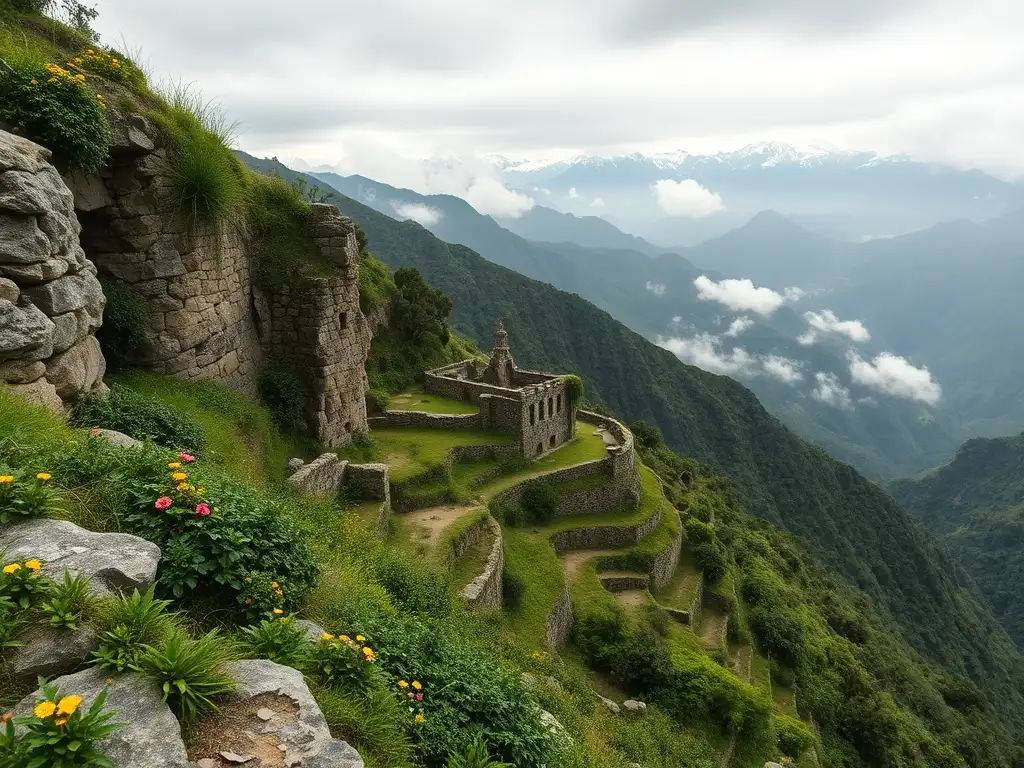
Uncover the hidden story behind the fall of mighty empires. For centuries, the breathtaking achievements of the Andean civilizations—from the Incas to the Nazca—have captivated the world. But what if a silent enemy played a far greater role than we ever imagined? Dive into the shocking truth about the Andean civilizations disease impact and witness how an invisible weapon reshaped the course of history during the Spanish Conquest. Prepare to be amazed as we reveal the devastating consequences of disease on these extraordinary cultures.
- The Invisible Weapon: The Devastating Role of Disease in the Decline of Andean Populations
- The Pre-Columbian Andes: A Thriving Ecosystem of Cultures
- The Arrival of the Spanish and the Introduction of New Pathogens
- The Devastating Effects of Disease on Andean Societies
- The Long-Term Consequences of Disease in the Andes
- Understanding the Complex Relationship Between Disease and Conquest
- Andean Civilizations Disease Impact: A Summary of the Biological Havoc
-
Frequently Asked Questions
- What role did disease play in the decline of Andean populations?
- Were Andean civilizations entirely wiped out by disease?
- What specific diseases impacted the Andean populations most severely?
- How did the existing social structures of Andean civilizations affect their vulnerability to disease?
- Beyond disease, what other factors contributed to the decline of Andean civilizations?
- Final Reflection: Echoes of Empire: Disease and the Andean Legacy
- Unveil the Hidden Forces: Take Action Now!
The Invisible Weapon: The Devastating Role of Disease in the Decline of Andean Populations
The Spanish conquest of the Andes is a pivotal moment in history, often depicted through dramatic battles and political maneuvering. However, a less visible yet equally devastating force contributed significantly to the rapid decline of the Andean populations: disease. This article explores the crucial role of Old World diseases in the collapse of powerful Andean civilizations like the Inca, Moche, Nazca, and Tiahuanaco, highlighting how this "invisible weapon" reshaped the landscape of South America and fundamentally altered the course of Andean history.
We will examine the specific diseases introduced, their devastating impact on demographics and social structures, and the long-term consequences for the Andean civilizations and their cultural legacy. Understanding this aspect is crucial to gaining a complete picture of the Spanish conquest and its lasting effects on Andean societies.
The impact of disease on Andean civilizations is a critical component of understanding the complexities of this period, often overlooked in favor of more readily apparent military and political events. This exploration will reveal how the introduction of disease was a major factor in the success of the Spanish conquest, a conquest that dramatically altered the trajectory of Andean societies.
The Arrival of Deadly Pathogens: A Biological Tsunami
The arrival of Europeans in the Andes was not just a clash of cultures and armies; it was also a biological catastrophe. Indigenous populations, having lived in relative isolation for millennia, lacked immunity to the diseases prevalent in Europe, Asia, and Africa. The introduction of these pathogens—including smallpox, measles, influenza, typhus, and bubonic plague—triggered devastating epidemics that decimated the Andean populations. These diseases spread rapidly, often with mortality rates exceeding 90% in affected communities.
Smallpox, in particular, proved exceptionally lethal, leaving its mark on the physical and social fabric of Andean society. The sheer scale of death was unprecedented, leading to widespread societal disruption and collapse. The lack of prior exposure meant that there was no natural immunity within the population, leaving them completely vulnerable to these new and deadly pathogens. This biological tsunami swept across the Andes, leaving a trail of devastation in its wake.
Demographic Collapse: A Society Under Siege
The impact of these diseases on the Andean demographics was catastrophic. Precise figures are difficult to obtain due to the limitations of historical records, but estimates suggest that the population of the Andes plummeted by as much as 90% in the century following the arrival of the Europeans. This massive population loss crippled the existing social and political structures.
The Inca Empire, for example, was already weakened by internal conflicts and civil war when disease struck, but the epidemics accelerated its disintegration. The loss of life was not limited to the common people; elites and leaders also perished, further destabilizing the already fragile power structures. The sheer scale of the mortality crisis meant that entire communities were wiped out, leaving behind a landscape of depopulated villages and abandoned fields.
The resulting labor shortage significantly hampered the Spanish efforts to exploit the region's resources, highlighting the unintended consequences of this biological warfare. The demographic collapse created a power vacuum that the Spanish were able to exploit to solidify their control over the region.
Long-Term Impacts: A Legacy of Loss
The long-term consequences of the disease epidemics in the Andes extend far beyond the immediate mortality. The decimated population left a lasting impact on the social, economic, and cultural fabric of the region. The disruption of traditional social structures and the loss of knowledge and skills hindered the recovery of Andean societies for generations.
The introduction of new diseases continued to affect the population long after the initial waves of epidemics subsided, creating a persistent health crisis. The legacy of disease is interwoven with the broader history of colonization and its lasting impacts on the Andes. The long-term effects of this biological devastation continue to resonate in contemporary Andean societies.
The impact of the epidemics is still felt today in the genetic makeup of the population and the ongoing health challenges faced by many communities. This legacy of loss is a critical aspect of understanding the full impact of the Spanish conquest.
Conclusion: Reframing the Narrative of Conquest
The devastating impact of Old World diseases on the Andean populations is often underappreciated in narratives of the Spanish conquest. While military might and political strategies played crucial roles, the introduction of disease acted as a potent, invisible weapon that significantly weakened Andean societies, paving the way for Spanish dominance. Understanding this crucial aspect provides a more complete and nuanced understanding of this complex historical period.
By acknowledging the role of disease, we can gain a deeper appreciation for the resilience of Andean cultures and the enduring legacy of the Spanish conquest. The story of the Andes is not just a story of conquest, but also a story of survival in the face of unimaginable biological devastation. 🌎 💔
The Pre-Columbian Andes: A Thriving Ecosystem of Cultures
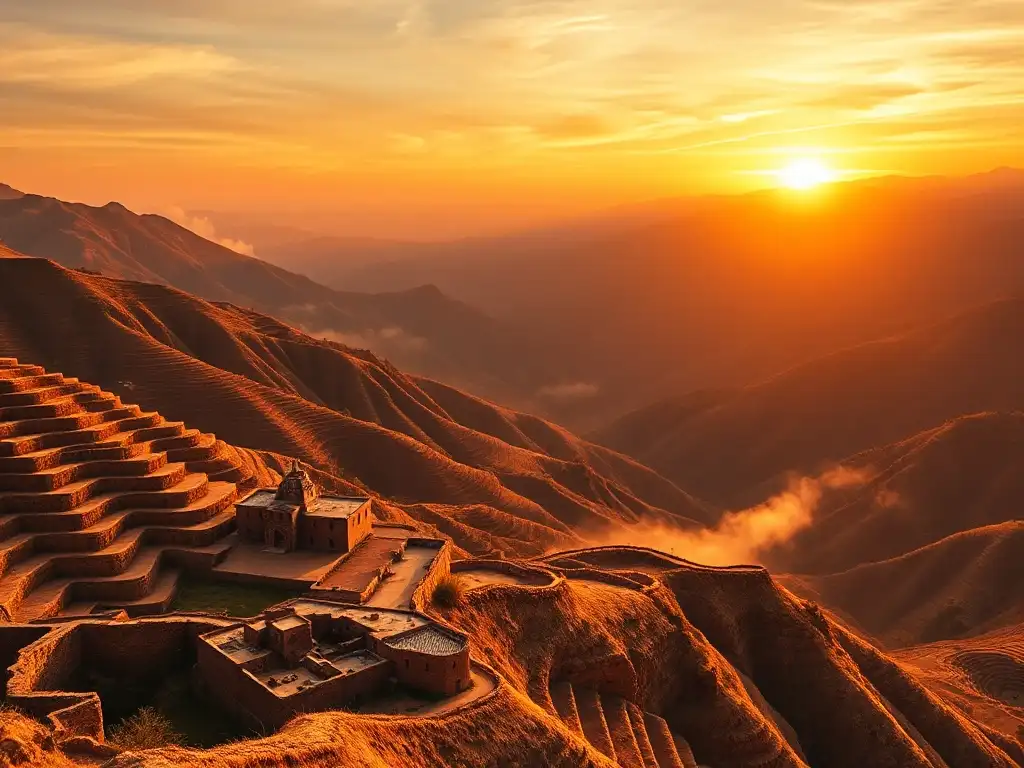
This section examines the state of Andean populations before the arrival of Europeans, providing a crucial baseline to understand the devastating impact of introduced diseases. Understanding the pre-Columbian Andes is key to appreciating the scale of the demographic catastrophe that followed. The narrative of the Spanish conquest often overlooks the complexity and resilience of these societies, portraying them as easily conquered.
However, the reality was far more nuanced, and the role of disease in the downfall of these powerful Andean civilizations cannot be overstated. The sheer scale of the population decline highlights the vulnerability of a population lacking immunity to Old World pathogens. Analyzing the pre-contact situation allows us to better assess the long-term consequences of the "Andean civilizations disease impact".
Diverse Andean Civilizations Before European Contact
The Andes weren't a monolithic entity. Before the Inca Empire's expansion, a diverse array of sophisticated civilizations thrived, each with its unique cultural expressions, social structures, and technological advancements. The Inca, while undoubtedly powerful, were but one piece of a complex tapestry.
The Moche, known for their elaborate pottery depicting both daily life and ritualistic practices, occupied the northern coast. Further south, the Nazca created breathtaking geoglyphs visible only from the air, showcasing their advanced understanding of engineering and astronomy. The Tiahuanaco culture, centered around Lake Titicaca, left behind monumental architecture, indicating a high level of societal organization and resource management.
These diverse groups, while sometimes engaging in conflict, also demonstrated significant interaction through trade networks and cultural exchange. This interconnectedness, while fostering prosperity, also created pathways for the rapid spread of disease once introduced. The diverse nature of these pre-Columbian societies, however, makes it difficult to obtain a precise estimate of overall population numbers, requiring further research to accurately quantify the "Andean civilizations disease impact."
Population Density and Interconnectedness in the Andes
While precise population figures for the pre-Columbian Andes remain debated among scholars, evidence suggests significant population density in certain regions, particularly along fertile valleys and coastal areas. Agricultural innovations, such as terracing and irrigation systems, allowed for intensive farming, supporting large settlements and complex social structures. The intricate network of roads and trails built by the Inca facilitated trade and communication across vast distances, connecting disparate communities. This interconnectedness, while beneficial for economic and cultural exchange, proved disastrous when Old World diseases were introduced.
The high population density, combined with the ease of travel along established routes, allowed diseases to spread rapidly and devastatingly. The impact was not uniform across all regions, however. Areas with higher population densities and better infrastructure experienced more rapid and severe outbreaks.
Studies focusing on specific regions like the Cuzco valley are needed to refine our understanding of the precise population figures and the varied impact of diseases. Further research is needed to fully quantify the "Andean civilizations disease impact" in relation to population distribution and infrastructure. Understanding the pre-Columbian population density helps contextualize the scale of the demographic collapse that followed the arrival of the Spanish.
The Arrival of the Spanish and the Introduction of New Pathogens
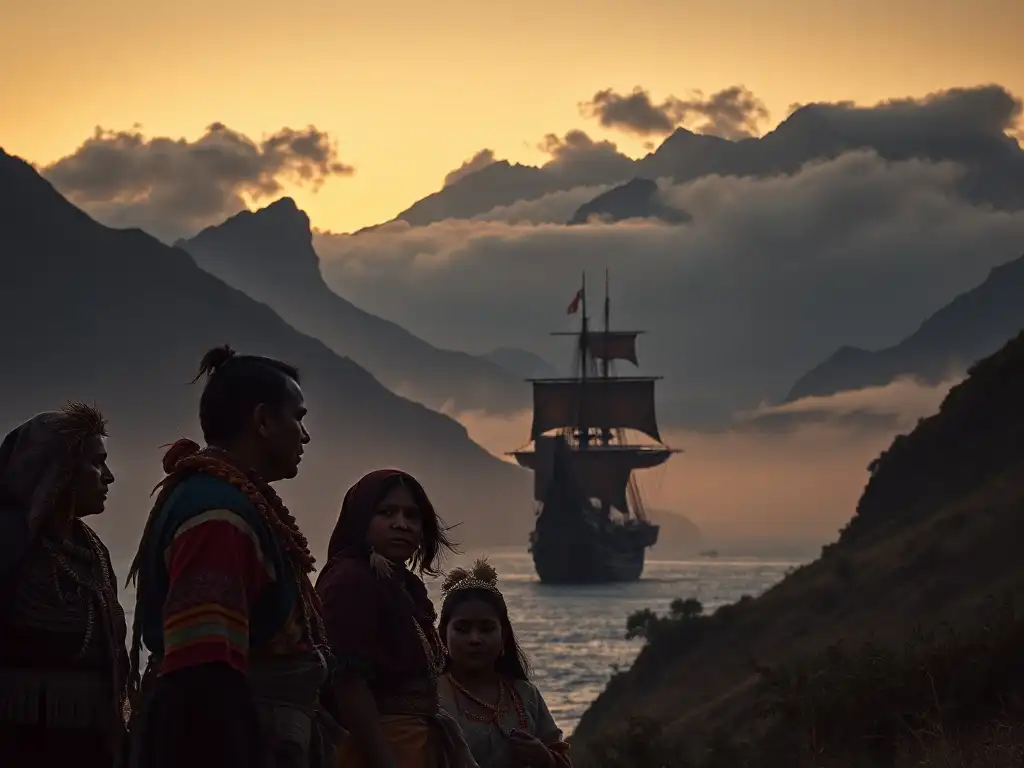
The arrival of the Spanish conquistadors in the Andes marked a turning point not only in the political and social landscape but also in the demographic fate of the Andean civilizations. While military conquest and exploitation played significant roles in the decline of these powerful empires, the introduction of novel pathogens from Europe proved to be a devastating, and often overlooked, factor in the rapid population decrease. The impact of disease on Andean populations was catastrophic, significantly weakening their ability to resist Spanish rule and profoundly reshaping the demographic structure of the region.
This invisible weapon—disease—contributed significantly to what some historians consider a form of biological warfare. Understanding this aspect is crucial to a complete comprehension of the Spanish conquest and its lasting consequences for Andean civilizations disease impact.
European Diseases: A Biological Weapon in the Andes
The indigenous populations of the Andes had no prior immunity to the diseases prevalent in Europe. Centuries of relative isolation had left them vulnerable to pathogens like smallpox, measles, influenza, typhus, and bubonic plague. These diseases, commonplace in Europe, proved incredibly lethal in the Andean context.
The lack of genetic diversity within the Andean populations, coupled with their largely agrarian lifestyle and close-knit communities, facilitated the rapid spread of these infections. The devastating effects weren't solely due to the pathogens' virulence but also to the lack of understanding of disease transmission and treatment amongst the Andean peoples. This lack of knowledge, combined with the already weakened state of many communities due to overwork and malnutrition under the Incan empire, exacerbated the impact of the epidemics.
The introduction of these diseases can be considered a form of biological warfare, unintentionally inflicted but nonetheless devastating in its consequences. The scale of mortality was unprecedented, decimating entire communities and fundamentally altering the course of Andean history.
The Initial Impact of Epidemics on Andean Communities
The initial waves of epidemics following the arrival of the Spanish were particularly brutal. Accounts from the time detail scenes of widespread death and societal disruption. Entire villages were wiped out, leaving behind a landscape of devastation.
The societal structures of the Andean civilizations, already stressed by the conquest itself, crumbled under the weight of these unprecedented disease outbreaks. The loss of life disrupted agricultural practices, leading to famine and further weakening the already vulnerable communities. The disintegration of social order created power vacuums, further facilitating Spanish control.
The sheer scale of mortality is difficult to quantify precisely due to the limitations of historical record-keeping, but estimates suggest a dramatic reduction in Andean populations within a few decades following initial contact. The disruption caused by these epidemics significantly weakened the ability of the indigenous populations to resist Spanish colonization. The impact extended far beyond mere population decline; it fundamentally altered the social, economic, and political fabric of Andean society.
Smallpox: A Primary Culprit in Andean Population Loss
Among the many diseases introduced, smallpox stands out as a particularly significant contributor to the decline of Andean populations. Its highly contagious nature and high mortality rate ensured its rapid and devastating spread. Smallpox outbreaks decimated entire communities, leaving behind a trail of death and despair.
Descriptions from the time paint a grim picture of the disease's impact, highlighting the widespread suffering and social disruption it caused. The lack of effective treatment and the limited understanding of the disease’s transmission only exacerbated the situation. The mortality rate associated with smallpox during these epidemics is estimated to be extremely high, ranging from [specific information pending] percentage.
This devastating disease played a crucial role in the demographic collapse of Andean civilizations, weakening their resistance to Spanish conquest and profoundly shaping the future of the region. The lasting impact of smallpox on the genetic makeup of Andean populations is also a subject of ongoing research, highlighting its enduring legacy. The effects of smallpox underscore the devastating power of introduced diseases as a key factor in the "Andean civilizations disease impact" during the Spanish conquest.
The Devastating Effects of Disease on Andean Societies
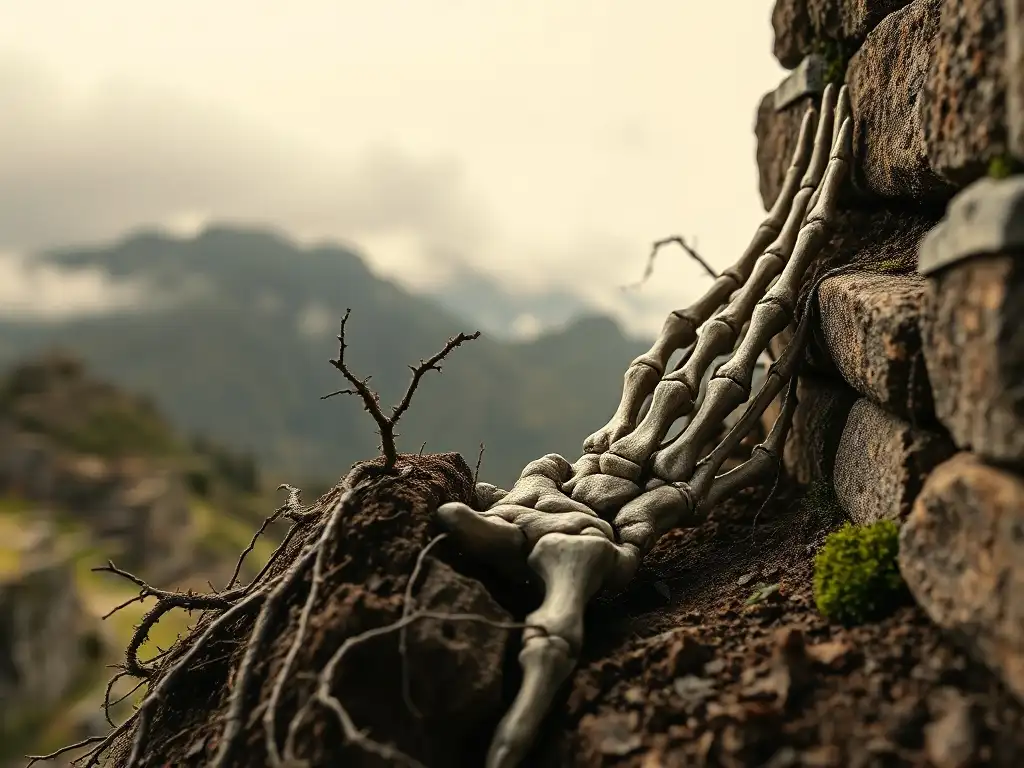
The arrival of Europeans in the Andes marked a turning point, not just through conquest, but through the unwitting introduction of devastating diseases. The impact of these diseases on Andean civilizations was catastrophic, far exceeding the immediate effects of warfare and subjugation. Understanding the scale of this biological warfare is crucial to grasping the full complexity of the Spanish conquest and its lasting legacy on the region.
The term "Andean civilizations disease impact" understates the profound and multifaceted consequences. This section will explore the demographic collapse, the social upheaval, and the disruption of agricultural practices caused by these newly introduced pathogens.
Demographic Collapse and the Scale of the Tragedy
The scale of the population decline in the Andes following European contact is truly staggering. Pre-Columbian population estimates vary widely, but even conservative figures suggest a dramatic reduction. Some scholars estimate that the indigenous population of the Andes may have been reduced by as much as 90% within a century of the initial contact. This wasn't a slow decline; it was a rapid, devastating collapse driven primarily by diseases like smallpox, measles, influenza, and typhus, to which the Andean populations had no immunity. These diseases spread like wildfire, decimating communities and leaving behind a landscape of depopulation.
The lack of accurate pre-Columbian census data makes precise quantification difficult. However, archaeological evidence, such as abandoned settlements and a drastic reduction in agricultural output, supports the magnitude of this demographic catastrophe. The sheer scale of death drastically altered the social and political landscape, weakening existing power structures and paving the way for Spanish dominance. The impact was not merely numerical; it represented the loss of generations of accumulated knowledge, skills, and cultural practices. The devastation was so profound that many Andean communities were never able to fully recover their pre-contact population levels.
The impact of disease on Andean societies extended far beyond mere population reduction; it fundamentally reshaped social structures and political organization. The loss of so many individuals, including leaders, priests, and skilled artisans, created a vacuum of leadership and expertise. This disruption undermined the intricate social hierarchies and kinship networks that had characterized Andean civilizations for centuries. The existing social fabric was torn apart, leaving behind communities struggling to cope with the immense loss and the resulting chaos.
The ensuing power struggles created instability and vulnerability, making the Andean populations easier prey for Spanish conquistadors. The breakdown of traditional governance structures allowed the Spanish to more easily establish their control, exploiting the weakened state of Andean societies. Furthermore, the widespread death disrupted established religious practices and belief systems, contributing to cultural disruption and the erosion of traditional knowledge. The impact on Andean spiritual life was profound, as disease challenged existing cosmological understandings and created a sense of vulnerability and disorientation. The introduction of new religious beliefs by the Spanish further compounded the existing social turmoil.
The Impact on Agriculture and Andean Food Systems
The dramatic population decline also had a profound and lasting impact on Andean agriculture and food systems. With a significantly reduced workforce, agricultural production plummeted, leading to widespread famine and malnutrition. The complex irrigation systems, terraces, and sophisticated agricultural techniques that had sustained large populations for centuries were left largely unattended, falling into disrepair. The knowledge and expertise required to maintain these systems were lost with the deaths of countless skilled farmers and engineers.
The resulting decline in agricultural output severely weakened the economic base of Andean societies, further exacerbating their vulnerability to Spanish rule. The Spanish, in turn, imposed their own agricultural practices and systems, often replacing indigenous crops with those more familiar to them. This shift in agricultural practices had long-term consequences for Andean food security and biodiversity, contributing to a decline in traditional crops and foodways.
The ecological impact of depopulation, coupled with the imposition of new agricultural techniques, fundamentally altered the relationship between Andean societies and their environment. The legacy of this disruption continues to impact food systems and agricultural practices in the Andes today. The long-term consequences of this disease-induced agricultural collapse are still being felt centuries later.
The Long-Term Consequences of Disease in the Andes
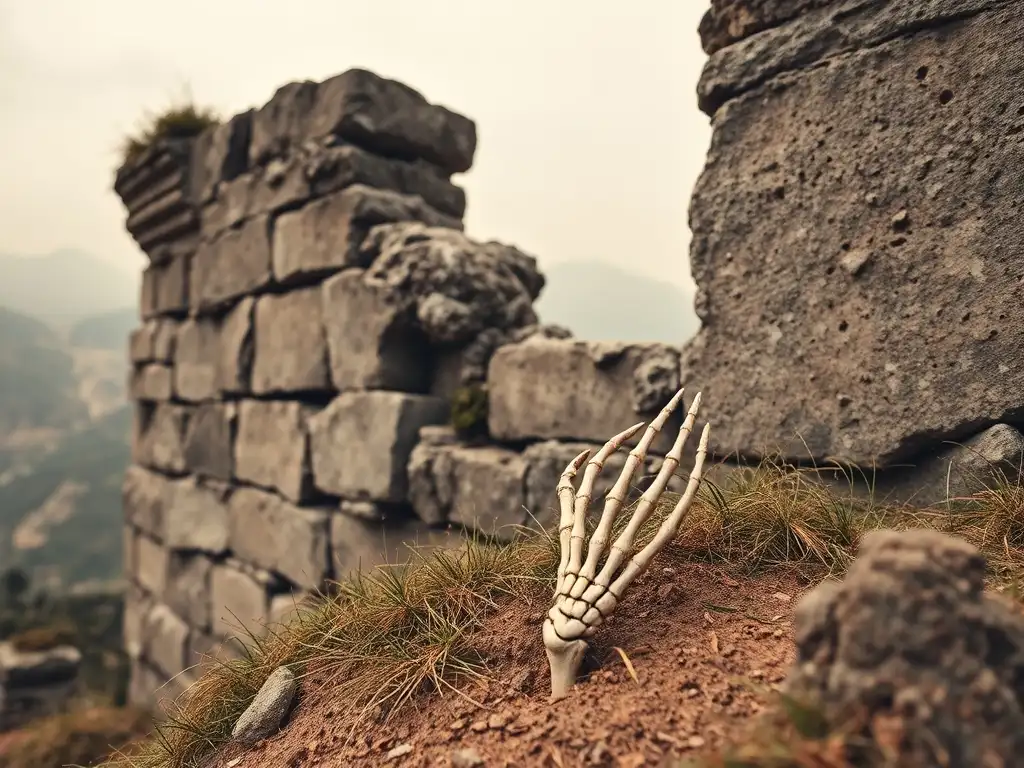
The arrival of Europeans in the Andes marked a devastating turning point for the native populations. While conquest and warfare undoubtedly played a significant role in the decline of Andean civilizations, the introduction of Old World diseases proved to be an invisible weapon of mass destruction, leaving a lasting impact on the region's demographics, social structures, and cultural landscape. The scale of the population decline caused by these diseases is truly staggering, a testament to the vulnerability of Andean populations to pathogens they had never encountered.
Understanding this impact is crucial to comprehending the full picture of the Spanish conquest and its enduring legacy. Analyzing the "Andean civilizations disease impact" requires examining the long-term consequences that rippled through generations.
Lasting Demographic Shifts in Andean Populations
The demographic upheaval caused by introduced diseases was catastrophic. Before European contact, the Andes boasted a dense and complex population, with sophisticated agricultural systems supporting thriving urban centers. However, diseases like smallpox, measles, influenza, and typhus, to which the Andean populations had no immunity, swept through the region like wildfire. Estimates suggest that the indigenous population plummeted by as much as 90% within the first century of contact. 1 This immense loss of life fundamentally altered the demographic landscape of the Andes, leaving entire communities decimated and social structures shattered. The rapid decline in population not only reduced the workforce available for agriculture and construction but also severely weakened the ability of Andean societies to resist the Spanish conquest. The impact was not just immediate; the long-term consequences reverberated through generations, hindering population growth and recovery for centuries. The population collapse fundamentally reshaped the social fabric of Andean societies, creating a power vacuum that the Spanish readily exploited.
The Weakening of Andean Resistance to Conquest
The devastating impact of disease significantly weakened Andean resistance to the Spanish conquest. The sheer scale of mortality disrupted established social hierarchies, political systems, and military capabilities. The Inca Empire, for example, was already facing internal strife when the Spanish arrived. The introduction of disease further destabilized the empire, weakening its ability to mount an effective defense against the relatively small Spanish force.
The loss of experienced warriors, leaders, and skilled artisans crippled the Inca's capacity to resist the invaders. This wasn't merely a question of numbers; the diseases also disrupted the intricate social networks and communication systems that were vital for coordinating resistance. The weakened state of the Andean populations, ravaged by disease, made them far more vulnerable to conquest and colonization. The “Andean civilizations disease impact” is therefore not merely a footnote in the history of conquest; it was a critical factor in determining its outcome.
Cultural and Spiritual Impacts of Widespread Sickness
Beyond the immediate demographic and political consequences, the widespread sickness profoundly impacted the cultural and spiritual lives of Andean populations. Traditional beliefs and practices related to health, healing, and the afterlife were challenged by the unprecedented scale of death and suffering. Existing spiritual frameworks struggled to explain the devastation wrought by unfamiliar diseases. The loss of elders, who were often the keepers of traditional knowledge and practices, further disrupted the transmission of cultural heritage.
The disruption caused by disease went beyond the physical; it profoundly impacted the cultural fabric of Andean societies, leaving a legacy of trauma and uncertainty. The resulting changes in social structures and belief systems had lasting consequences, shaping the cultural landscape of the Andes for centuries to come. The "Andean civilizations disease impact" on culture and spirituality remains a significant area of ongoing research and debate.
1 Note: Specific quantitative data on population decline varies depending on the source and methodology used. Further research is needed to refine these estimates.
Understanding the Complex Relationship Between Disease and Conquest
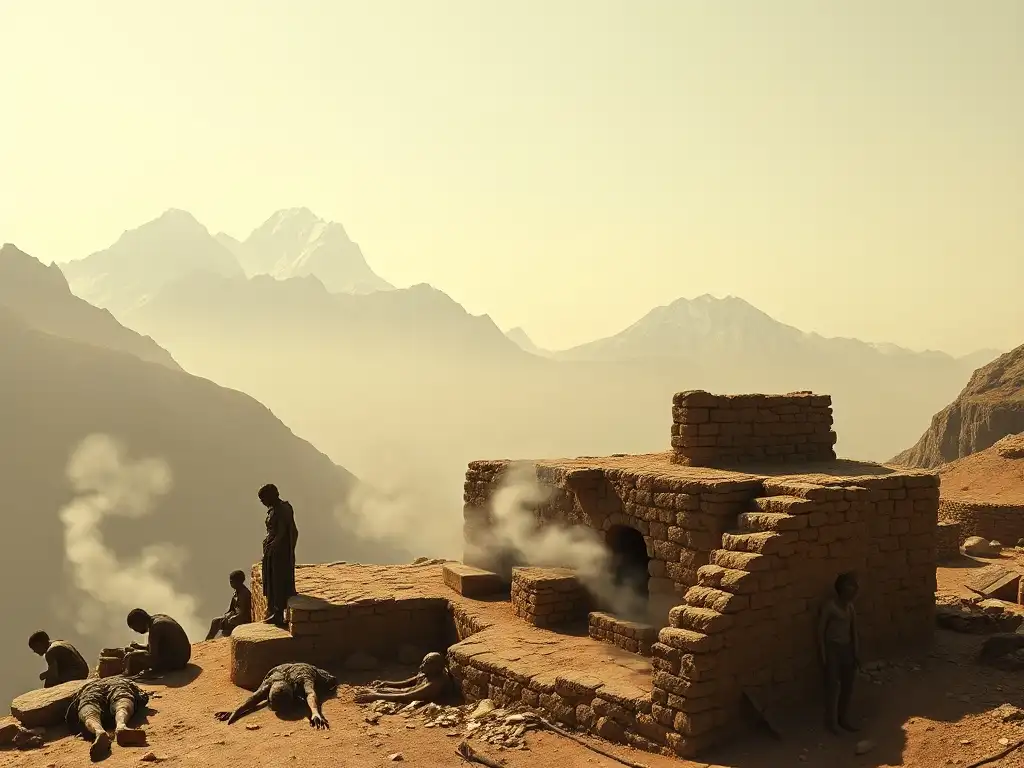
The Spanish conquest of the Andes wasn't solely a military triumph; it was profoundly shaped by the devastating impact of Old World diseases on the indigenous population. Understanding this complex interplay between disease and conquest is crucial to accurately portraying the events of the 16th century and appreciating the lasting consequences on Andean civilizations.
The introduction of diseases like smallpox, measles, influenza, and typhus – to which the Andean populations had no immunity – decimated the indigenous communities, weakening their resistance and facilitating the Spanish advance. This section explores the multifaceted role of disease in the downfall of powerful Andean empires, reframing the narrative beyond simple military conquest.
The sheer scale of mortality caused by these diseases is often overlooked in traditional accounts, leading to an incomplete understanding of this pivotal historical period. Analyzing the impact of disease requires us to consider not only the immediate mortality rates but also the long-term societal effects on Andean cultures and their resilience.
Disease as a Factor in Spanish Military Success
The Spanish conquistadors, while numerically inferior, enjoyed a significant advantage: immunity to the diseases they inadvertently introduced. Their arrival unleashed a wave of epidemics that ravaged the Andean populations, dramatically altering the power dynamics. Smallpox, in particular, proved devastating. Accounts from the time describe entire villages being wiped out, leaving behind a landscape of death and societal disruption.
This catastrophic loss of life severely hampered the ability of the Andean empires to mount effective resistance. The Inca Empire, for instance, already weakened by internal conflicts, was further crippled by the devastating epidemics that swept through its territories. The loss of skilled artisans, farmers, and warriors significantly reduced the empire's capacity to resist the Spanish advance.
The impact wasn't merely about numbers; it was about the disruption of social structures, economic systems, and political stability. Analyzing the military chronicles of the time, we can observe a correlation between disease outbreaks and significant Spanish victories, highlighting the crucial role of disease as a "silent weapon" in the conquest. The scale of this biological warfare is almost unimaginable, significantly contributing to the Spanish success beyond their military tactics.
The Role of Disease in the Transformation of Andean Culture
The introduction of Old World diseases wasn't simply a matter of mortality; it profoundly altered the social fabric of Andean civilizations. The loss of life disrupted established social hierarchies, religious practices, and economic systems. The collapse of existing power structures created a vacuum that the Spanish readily filled.
The disruption of agricultural practices led to widespread famine, further weakening the already vulnerable populations. Traditional knowledge and practices, passed down through generations, were lost with the deaths of elders and skilled artisans. This cultural devastation, caused by disease, is often underestimated.
Moreover, the introduction of new diseases led to long-term health consequences for the surviving populations, impacting their ability to rebuild and recover. The lasting impact on Andean genetics and demographics is still being studied today, showcasing the profound and long-lasting legacy of these epidemics. The transformation wasn't merely a replacement of one culture with another; it was a brutal and devastating disruption of existing Andean societies, fundamentally reshaping their future.
Rethinking the Narrative of the Spanish Conquest
Traditional narratives of the Spanish conquest often focus primarily on military strategies and individual heroes. However, a complete understanding necessitates incorporating the significant role played by disease. By acknowledging the devastating impact of epidemics on the Andean populations, we gain a more nuanced and accurate perspective on the events of the conquest.
The "invisible weapon" of disease fundamentally altered the power balance, creating conditions favorable to the Spanish. This doesn't diminish the role of Spanish military prowess or the brutality of their actions, but it adds an essential dimension to the narrative. A more comprehensive understanding of the Andean civilizations disease impact requires a multidisciplinary approach, integrating historical accounts with epidemiological data and anthropological insights.
This reassessment isn't about minimizing Spanish culpability but about providing a fuller, more accurate, and less Eurocentric picture of this crucial period in Andean history, paving the way for a more complete understanding of the complexities of the conquest and its lasting effects. Only by fully acknowledging the devastating impact of disease can we truly comprehend the extent of the transformation and its long-term consequences on Andean cultures.
Andean Civilizations Disease Impact: A Summary of the Biological Havoc
The arrival of Europeans in the Andes marked a catastrophic turning point for the indigenous populations. While military conquest and forced labor played significant roles in the decline of Andean civilizations, the impact of introduced diseases proved to be a devastating, often overlooked, factor in the demographic collapse. The "invisible weapon" of disease decimated entire communities, weakening resistance to conquest and profoundly altering the social and political landscape.
This section explores the biological havoc unleashed upon the Andean world, focusing on the scale of mortality and the long-term consequences for the region's population. Understanding this biological dimension is crucial to a complete understanding of the Spanish conquest's impact on Andean civilizations.
Reviewing the Devastating Toll of European Diseases
The introduction of Old World diseases like smallpox, measles, influenza, and typhus—to which the Andean populations had no immunity—resulted in an unprecedented mortality crisis. Estimates vary widely, but some scholars suggest that up to 90% of the indigenous population perished within the first century following European contact. This staggering loss was not uniform across all Andean groups; some were hit harder than others depending on factors like population density, trade routes, and pre-existing health conditions.
The impact of smallpox, in particular, was horrifying. Its highly contagious nature and devastating effects led to widespread panic and societal disruption. Measles and influenza also contributed significantly to the death toll, further weakening already vulnerable communities. The lack of medical understanding and appropriate treatment exacerbated the situation, leaving entire villages ravaged by these epidemics.
The sheer scale of this biological catastrophe fundamentally reshaped the demographic makeup of the Andes, leaving a lasting impact on the region's cultural and social fabric. Accurate records from the time are scarce, making precise quantification challenging, but the available evidence paints a grim picture of widespread suffering and mortality. The long-term effects of these diseases are still felt in the genetic makeup of modern Andean populations.
The Importance of Understanding the Biological Dimension of the Conquest
Understanding the role of disease in the conquest is paramount to a comprehensive understanding of the Spanish conquest's overall impact. While military might and political strategies are often emphasized, ignoring the biological devastation diminishes the full picture. The decimation of the indigenous population through disease profoundly weakened their ability to resist Spanish rule. The loss of skilled labor, experienced leadership, and established social structures facilitated Spanish control and colonization.
The resulting power vacuum allowed the Spanish to more easily exploit resources and impose their own system of governance. The biological dimension of the conquest isn't merely an addendum to the historical narrative; it is a critical component, fundamentally altering the course of Andean history. To neglect this aspect is to present an incomplete and ultimately inaccurate account of this pivotal historical event. This highlights the crucial interrelation between biological and sociopolitical factors in shaping historical events.
Lessons from the Andean Experience for Global Health History
The Andean experience serves as a stark reminder of the devastating consequences of disease transmission across populations with no pre-existing immunity. The rapid spread of Old World diseases in the Andes provides a crucial case study for understanding the dynamics of pandemics and their impact on societies. It underscores the importance of global health initiatives aimed at preventing the spread of infectious diseases and ensuring equitable access to healthcare.
The lessons learned from the Andean tragedy continue to inform contemporary public health strategies, emphasizing the need for proactive measures to protect vulnerable populations and prevent future outbreaks. The study of this historical event offers invaluable insights into disease epidemiology, population dynamics, and the complex interplay between biology and history.
The Andean experience serves as a potent reminder of the fragility of human populations in the face of infectious disease and the critical need for global cooperation in addressing global health challenges. The legacy of this "invisible weapon" continues to shape our understanding of the past and our approach to the present.
Frequently Asked Questions
What role did disease play in the decline of Andean populations?
Disease played a significant role in the rapid decline of Andean populations, particularly after European contact. The introduction of new pathogens like smallpox, measles, and influenza devastated communities with no immunity. This weakened existing social structures and contributed to societal collapse.
Were Andean civilizations entirely wiped out by disease?
No, Andean civilizations were not entirely wiped out. While disease had a devastating impact, leading to significant population loss, many Andean communities survived and adapted. Their resilience allowed them to continue, albeit in altered forms.
What specific diseases impacted the Andean populations most severely?
Among the most devastating were smallpox, measles, and influenza. These diseases, introduced by Europeans, spread rapidly through populations lacking immunity, resulting in widespread mortality and societal disruption.
Existing social structures, while complex, often lacked the medical knowledge and infrastructure to cope with the scale and speed of the introduced diseases. Dense populations and limited sanitation further exacerbated the situation.
Beyond disease, what other factors contributed to the decline of Andean civilizations?
While disease was a major factor, other elements also played a role, including conquest, warfare, and environmental challenges. The interplay of these factors contributed to the complex picture of decline in Andean societies.
Final Reflection: Echoes of Empire: Disease and the Andean Legacy
The devastating impact of Old World diseases on Andean populations remains a stark reminder of the fragility of even the most sophisticated civilizations. The seemingly invisible weapon of disease, introduced through European contact, reshaped the very fabric of Andean society, leaving a legacy that continues to resonate today. Understanding this history is not merely an academic exercise; it is crucial for comprehending the complexities of globalization and its consequences.
The enduring influence of these diseases extends far beyond mere population decline. It profoundly altered the social, political, and economic landscapes of the Andes, leaving a lasting imprint on cultural practices and identity. The decimation of indigenous populations created power vacuums, facilitated colonial expansion, and fundamentally changed the course of Andean history. As historian Alfred Crosby eloquently stated, The exchange of diseases was perhaps the most significant event in the history of human interaction.
This quote encapsulates the profound and often overlooked impact of disease as a driving force in shaping global history, particularly in the context of the Andean civilizations.
Consider the echoes of this history in your own life. How does understanding the vulnerability of societies to unforeseen events, like pandemics, shape your perspective on global health, social justice, and the interconnectedness of our world? Let the story of the Andean civilizations serve as a potent reminder of the importance of preparedness, empathy, and a commitment to building more resilient and equitable societies. The past holds valuable lessons; let us learn from them and strive to build a future where the invisible weapons of disease are met with knowledge, compassion, and proactive solutions.
Thank you for exploring the profound impact of disease on Andean populations. Your interest in this crucial historical aspect is invaluable, as it illuminates the remarkable resilience and significant challenges faced by these ancient civilizations. Now, let's translate this knowledge into meaningful action!
Here's how you can continue your exploration:
- Deepen Your Understanding: Expand your knowledge of Andean civilizations by exploring our resources on their rich cultural practices and innovative survival strategies in the face of adversity.
- Share Your Discoveries: Discuss your newfound insights with friends, family, or online communities. Sharing this information can spark engaging conversations about the often-overlooked historical impact of disease.
- Join the Conversation: Connect with fellow history enthusiasts in our online forum. Ask questions, share perspectives, and contribute to a collaborative learning environment.
What new perspectives have you gained on how disease reshaped Andean societies, and how might these historical lessons shape our understanding of similar challenges today?