
The Legacy of Violence: The Brutal Methods of the Spanish Conquest in the Andes

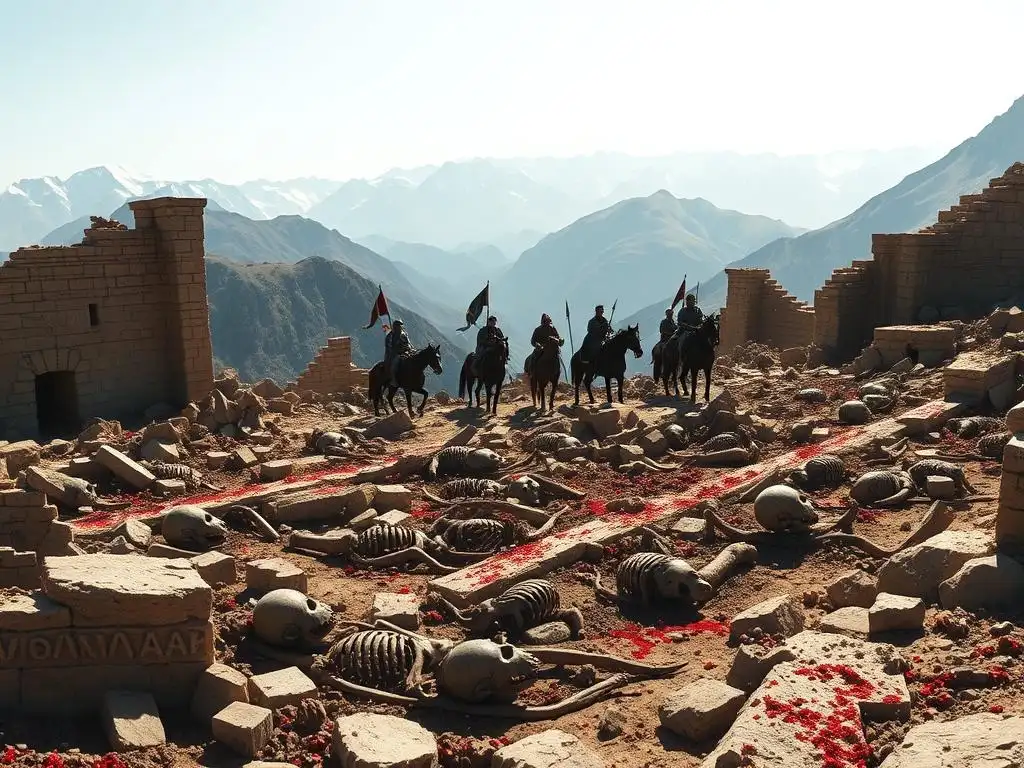
Step into a world lost to time, yet echoing with the power and resilience of the Andean civilizations. For centuries, the Incas, Moche, Nazca, and Tiahuanaco flourished, leaving behind a legacy of breathtaking artistry and sophisticated engineering. But their story isn't just one of triumph; it’s a tale etched in blood. Prepare to uncover the shocking truth behind the Spanish conquest's violence, a brutal chapter that irrevocably altered the course of Andean history. Dare to delve into the Spanish conquest violence Andean civilizations and witness the impact that continues to resonate even today.
The Spanish conquest of the Andes, a period spanning roughly from the 1530s to the 1700s, represents a brutal chapter in human history. This article delves into the violent methods employed by the Spanish conquistadors, exploring the devastating impact on the vibrant and sophisticated Andean civilizations that thrived before their arrival.
We will examine the pre-Columbian Andean world to understand the context of the conquest, analyze the initial encounters that escalated into widespread conflict, and detail the horrific tactics used to subdue the indigenous populations. Understanding this legacy of violence is crucial to comprehending the lasting social, political, and cultural consequences that continue to shape the Andean region today.
The sheer scale of destruction and the systematic dismantling of pre-existing power structures highlight the devastating effects of colonial violence on the Andean civilizations, leaving an indelible mark on their history and heritage. This exploration aims to provide a nuanced understanding of the "Spanish conquest violence Andean civilizations", shedding light on the complex interplay of factors contributing to this tragic episode.
Introduction to Spanish Conquest and Andean Civilizations
The arrival of the Spanish in the Americas marked a turning point, irrevocably altering the course of history for the indigenous populations of the Andes. Prior to the conquest, the Andes were home to a complex tapestry of interconnected and independent societies, each with its own unique cultural expressions, political structures, and technological advancements. The Inca Empire, the most dominant at the time of the Spanish arrival, controlled a vast territory stretching along the western coast of South America.
However, numerous other powerful civilizations, such as the Moche, Nazca, and Tiahuanaco, had flourished centuries before, leaving behind a rich legacy of architectural marvels, intricate artwork, and sophisticated agricultural practices. The Spanish, driven by a thirst for gold, land, and the spread of Catholicism, initiated a campaign of conquest that resulted in the subjugation and decimation of these thriving societies.
The brutality of their methods left an enduring scar on the Andean landscape and the indigenous populations. The impact extended far beyond immediate casualties, leading to long-term consequences that are still felt today.
The Pre-Columbian Andean World: A Context Before the Conquest
Before the arrival of the Spanish, the Andean region was far from a unified entity. Instead, it was a mosaic of diverse cultures, each with its own social hierarchy, religious beliefs, and economic systems. The Inca Empire, while powerful and expansive, was relatively recent, having unified many smaller groups through military conquest and administrative prowess only a century or two before the Spanish arrival.
This relatively recent unification meant that many conquered peoples retained strong regional identities and loyalties, a factor that would play a significant role in the resistance to Spanish rule. The Inca themselves possessed advanced knowledge in engineering, agriculture (terracing, irrigation), and metallurgy. Their sophisticated infrastructure, including extensive road networks and impressive stonework, demonstrates a high level of societal organization and technological expertise.
Understanding this pre-Columbian context is vital to appreciating the magnitude of the disruption and destruction wrought by the Spanish conquest. The complex social fabric and advancements of these civilizations were systematically dismantled and replaced with a colonial system.
Initial Encounters and the Escalation of Conflict
The initial encounters between the Spanish and the Andean civilizations were marked by a mixture of awe, misunderstanding, and ultimately, violence. The Spanish, with their superior weaponry (guns and cannons) and horses, quickly gained a military advantage. However, the indigenous populations were not passive victims. They mounted significant resistance, employing guerilla warfare tactics and utilizing their knowledge of the terrain to their advantage.
The Spanish conquest was not a swift, decisive victory but rather a protracted struggle marked by periods of both brutality and strategic maneuvering. The use of disease as a weapon, coupled with the systematic exploitation of indigenous labor and resources, contributed significantly to the decline of the Andean civilizations. The imposition of forced labor ( encomienda and mita systems) resulted in the deaths of countless individuals due to overwork, malnutrition, and disease.
The Spanish also employed psychological warfare, exploiting existing inter-tribal rivalries and using terror tactics to subdue resistance. The early stages of the conquest set the stage for the systematic violence and exploitation that would characterize the centuries of colonial rule. The initial skirmishes quickly escalated into a full-blown conflict, reshaping the political and social landscape of the Andes forever.
- Introduction to Spanish Conquest and Andean Civilizations
- The Pre-Columbian Andean World: A Context Before the Conquest
- Initial Encounters and the Escalation of Conflict
- What was the primary cause of violence during the Spanish conquest of the Andean civilizations?
- How did the Spanish conquest affect the Andean population?
- What were some of the specific methods of violence used by the Spanish conquistadors?
- Were all Andean civilizations equally affected by the Spanish conquest?
- What is the lasting legacy of the Spanish conquest's violence on Andean civilizations?
The Nature of Spanish Conquest Violence in the Andes
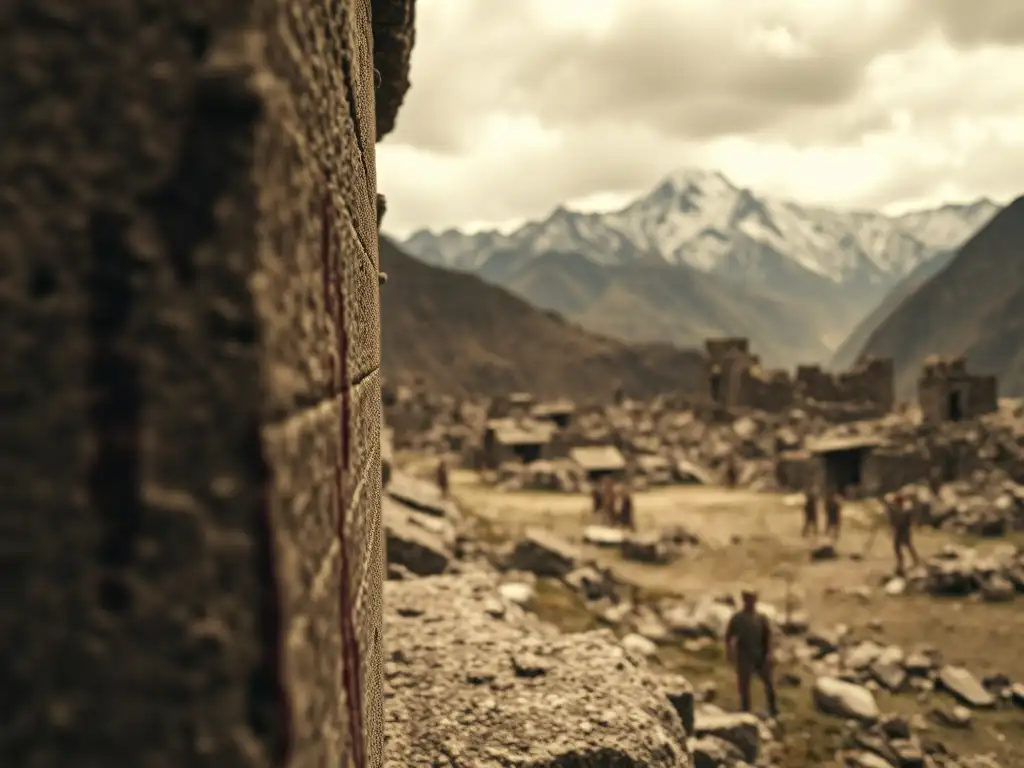
The Spanish conquest of the Andes was not a mere military campaign; it was a brutal and systematic process characterized by violence on an unprecedented scale. Understanding the nature of this violence requires examining its multifaceted approach, encompassing military strategies, psychological manipulation, and outright acts of savagery. The Spanish conquest violence against Andean civilizations left an indelible mark on the region, shaping its social, political, and cultural landscape for centuries to come.
The sheer scale of the brutality inflicted upon the indigenous populations is staggering, and its legacy continues to resonate today. The keyword, "Spanish conquest violence Andean civilizations," aptly summarizes the horrific reality of this historical period.
Military Tactics and Warfare: The Use of Superior Weaponry
The Spanish conquistadors possessed a significant military advantage over the Andean armies. Their superior weaponry, including firearms (arquebuses and cannons), steel swords, and horses, proved devastatingly effective against the indigenous populations. While Andean civilizations possessed sophisticated weaponry of their own, such as slings, clubs, and spears, they were no match for the firepower and mobility provided by European technology.
The use of cavalry, in particular, played a crucial role in disrupting Andean battle formations and sowing chaos amongst their ranks. The psychological impact of horses, previously unseen in the Andes, added to the conquistadors' effectiveness. The Spanish also employed sophisticated siege tactics, effectively neutralizing fortified Andean settlements.
Detailed accounts from the time describe the devastating effects of cannon fire on Inca stone walls, previously considered impregnable. This technological disparity is a key factor in understanding the rapid success of the Spanish conquest. The impact of superior weaponry in the context of Spanish conquest violence against Andean civilizations cannot be overstated.
Psychological Warfare: Fear and Intimidation as Tools of Conquest
Beyond superior weaponry, the Spanish conquest relied heavily on psychological warfare to subdue the Andean populations. The conquistadors deliberately cultivated an image of invincibility, exploiting the indigenous peoples' unfamiliarity with European warfare and technology to instill fear and demoralize resistance.
This was achieved through a number of methods: the strategic use of terror tactics, the spreading of rumors and misinformation, and the exploitation of existing social divisions within Andean societies. The systematic destruction of religious sites and the desecration of sacred objects aimed to undermine the spiritual and cultural foundations of Andean resistance. Examples of this psychological warfare included the deliberate targeting of religious leaders and the destruction of Inca infrastructure, symbols of authority and power.
The Spanish skillfully manipulated existing power dynamics within Andean societies, using alliances and betrayals to weaken resistance and further sow discord. The Spanish conquest violence against Andean civilizations was thus not only physical but also deeply psychological.
Acts of Brutality and Massacre: Examples of Spanish Atrocities
The Spanish conquest was marked by numerous acts of extreme brutality and massacre. The systematic destruction of entire communities, the enslavement of vast populations, and the widespread use of torture are just a few examples of the horrors inflicted upon the Andean people.
The infamous siege of Cusco, the Inca capital, resulted in a significant loss of life and the destruction of priceless artifacts. The accounts of the Spanish conquistadors themselves, though often biased, reveal a pattern of violence and cruelty. The use of forced labor (mita) in the mines and on Spanish estates resulted in the deaths of countless indigenous workers due to brutal conditions and overwork. The introduction of European diseases, such as smallpox and measles, further devastated Andean populations, compounding the effects of Spanish conquest violence.
The systematic dismantling of Andean social structures and the imposition of a foreign cultural system contributed to the long-term suffering of the Andean people. The legacy of this violence, in all its forms, continues to shape the region's history and identity. Understanding the specific examples of Spanish conquest violence against Andean civilizations is crucial to comprehending the long-term consequences of colonization.
The Impact of the Spanish Conquest on Andean Societies
The Spanish conquest of the Andes wasn't simply a military victory; it was a cataclysmic event that irrevocably altered the social fabric, economic systems, and cultural landscape of the Andean civilizations. The brutality of the conquest, fueled by greed and a fervent belief in religious superiority, left an enduring legacy of violence and oppression that continues to resonate today. Understanding the depth of this impact requires examining its multifaceted consequences across social, economic, and cultural spheres. The keyword "Spanish conquest violence Andean civilizations" is central to understanding this devastating period.
The sophisticated social structures of the Andean civilizations, characterized by intricate hierarchies and complex systems of governance, were systematically dismantled by the Spanish. The Inca Empire, at the height of its power before the arrival of the Europeans, possessed a highly organized administrative system, with a clear chain of command extending from the Sapa Inca down to local communities. This social order, built on centuries of tradition and reciprocal obligations, was brutally shattered.
The Spanish conquest resulted in the deaths of millions of indigenous people, decimating the population and disrupting established power dynamics. The Inca aristocracy was either killed or displaced, leading to a power vacuum that the Spanish readily exploited. Traditional leadership structures were replaced with a colonial hierarchy, placing Spaniards at the top and relegating indigenous populations to subservient roles.
The resulting social chaos fueled further violence and instability. The disruption extended beyond the elite; the intricate web of kinship ties and community bonds that formed the foundation of Andean society were severely weakened, leading to increased vulnerability and social fragmentation. This profound disruption of social order exemplifies the devastating impact of "Spanish conquest violence Andean civilizations".
Economic Exploitation and the Mita System
The Spanish conquest brought not only violence but also a ruthless economic exploitation of the Andean populations. The pre-existing economic systems, based on communal labor and reciprocal exchange, were replaced by a system designed to extract maximum wealth for the Spanish crown. A key instrument of this exploitation was the mita, a system of forced labor inherited from the Inca Empire but drastically intensified and perverted by the Spanish.
While the Inca mita involved periods of communal labor for public works, the Spanish transformed it into a brutal system of forced labor in mines, particularly silver mines, and other exploitative industries. Indigenous populations were compelled to work under inhumane conditions, often leading to death from exhaustion, disease, or outright murder. The demand for silver, a highly valued commodity in Europe, fueled this insatiable need for labor, resulting in the immense suffering and death of countless individuals.
The economic consequences were equally devastating. The extraction of resources depleted the land and disrupted traditional agricultural practices, further destabilizing Andean economies. The sheer scale of this exploitation underscores the brutal reality of "Spanish conquest violence Andean civilizations," transforming the Andean economic landscape into one of forced labor and resource depletion.
Cultural Suppression and the Imposition of Catholicism
The Spanish conquest was not only a military and economic subjugation but also a systematic attempt to erase indigenous cultures and impose Catholicism. The Spanish viewed indigenous religions and practices as pagan and heretical, actively seeking to suppress them through violence and intimidation. Temples were destroyed, religious artifacts were confiscated, and indigenous priests and shamans were persecuted.
The imposition of Catholicism involved forced conversions, often accompanied by brutal punishments for those who resisted. Indigenous religious beliefs and practices were actively discouraged and replaced with Catholic rituals and doctrines. While some syncretism occurred, with indigenous elements blending with aspects of Catholicism, this was often a forced adaptation rather than a genuine cultural exchange.
The destruction of sacred sites, the suppression of traditional beliefs, and the forced conversion to Catholicism represent a profound cultural violence, inextricably linked to the broader context of "Spanish conquest violence Andean civilizations". This cultural genocide aimed to eliminate indigenous identities and replace them with a European worldview. The long-term consequences of this cultural suppression are still felt today in the Andes.
Specific Case Studies of Spanish Conquest Violence
This section delves into specific instances of Spanish conquest violence against Andean civilizations, illustrating the brutality and far-reaching consequences of the invasion. These examples highlight the systematic nature of the violence, showcasing how it wasn't merely isolated incidents but a crucial element of the conquest strategy employed by the Spanish. Understanding these events is essential to grasping the full impact of the Spanish conquest on the Andean world and its lasting legacy. The keyword "Spanish conquest violence Andean civilizations" is intrinsically linked to these narratives of brutality and subjugation.
The Capture and Execution of Atahualpa: A Turning Point
The capture of Atahualpa, the Sapa Inca, in Cajamarca in 1532, marked a pivotal moment in the Spanish conquest. While often romanticized, the event was characterized by a brutal betrayal and massacre. Francisco Pizarro, with a vastly outnumbered force, employed deception to lure Atahualpa into a trap. The ensuing ambush resulted in the slaughter of thousands of Inca soldiers, unarmed and unsuspecting. Atahualpa, initially taken prisoner, was subjected to a sham trial, accused of various crimes, including fratricide and idolatry – charges largely fabricated to justify his execution.
Despite the Inca's offer of a mountain of gold and silver as ransom, Atahualpa was ultimately strangled in 1533. This act, far from ending the resistance, ignited further conflict and fueled the subsequent Spanish campaign to subdue the Inca Empire. The execution served as a potent symbol of Spanish dominance and a stark demonstration of the violence inherent in their conquest.
The systematic elimination of the Inca leadership significantly weakened their ability to resist the Spanish advance, paving the way for the complete disintegration of the empire. The sheer brutality of the event exemplifies the "Spanish conquest violence Andean civilizations" narrative.
The Siege of Cusco: Resistance and Reprisal
The siege of Cusco, the Inca capital, in 1536, illustrates the fierce resistance encountered by the Spanish and their subsequent brutal response. While initially successful in taking Cusco, the Spanish faced ongoing uprisings and guerilla warfare from loyal Inca forces and their allies. Manco Inca Yupanqui, Atahualpa's brother, led a significant rebellion, forcing the Spanish into a protracted siege.
The Spanish response was characterized by widespread destruction and violence. The city, a symbol of Inca power and culture, suffered immense damage. Inca temples and palaces were ransacked and destroyed, while the population endured widespread suffering, including starvation, disease, and summary executions. The siege of Cusco showcased the relentless nature of the "Spanish conquest violence Andean civilizations," demonstrating the lengths to which the Spanish would go to secure their control and suppress resistance. The brutal reprisals against the Inca population aimed to crush any remaining hope of rebellion and solidify Spanish power.
The Massacre of Cholula: A Precursor to Andean Conquest
The Massacre of Cholula, which occurred in 1519 before the full-scale conquest of the Andes, provides a chilling preview of the violence that would characterize the Spanish conquest. Although not directly in the Andes, this event highlights the Spanish methodology and sets the stage for understanding the brutality they would later unleash upon the Andean civilizations.
Hernán Cortés, while ostensibly seeking an alliance with the Cholulteca people, orchestrated a surprise attack during a religious festival. Thousands of unarmed civilians were brutally slaughtered in what is considered one of the most horrific acts of violence in the early stages of the Spanish conquest.
The massacre of Cholula served as a critical learning experience for Cortés and his men, demonstrating the effectiveness of surprise attacks and the vulnerability of seemingly peaceful populations. This methodology, honed in Cholula, would be replicated repeatedly during the conquest of the Andes, illustrating a pattern of deception and violence which underscores the true nature of the "Spanish conquest violence Andean civilizations." The event demonstrates a clear premeditation of violence, establishing a pattern of brutality that would become a hallmark of the Spanish conquest throughout the Americas.
The Long-Term Consequences of Spanish Conquest Violence
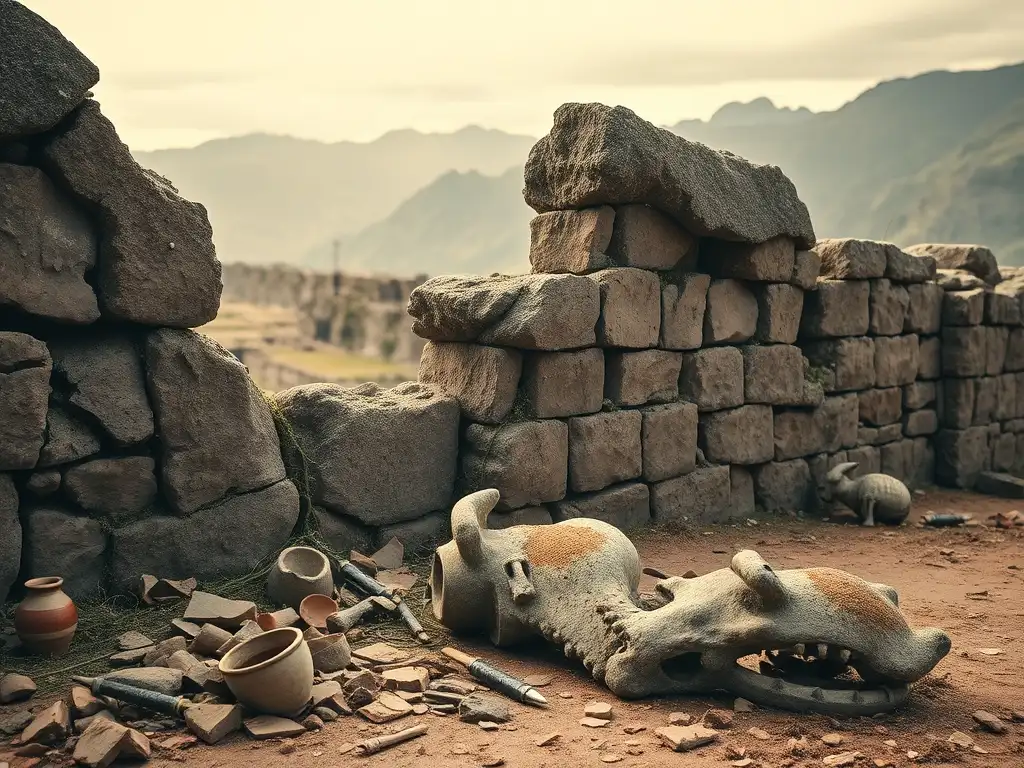
The Spanish conquest of the Andes wasn't merely a military campaign; it was a cataclysmic event that reshaped the demographic landscape, social structures, and cultural fabric of the region. The brutality inflicted upon the Andean civilizations—the Incas, Moche, Nazca, and Tiahuanaco among others—left an enduring legacy of violence that continues to resonate today. Understanding the long-term consequences is crucial to comprehending the complexities of modern Andean societies.
The impact of Spanish conquest violence on Andean civilizations is a multifaceted issue, demanding careful examination of its various dimensions. This section will focus on the profound demographic shifts and the lasting social and cultural trauma resulting from this brutal period.
Demographic Collapse and the Spread of Disease
The arrival of the Spanish brought with it not only swords and guns but also a devastating wave of diseases to which the Andean populations had no immunity. Smallpox, measles, influenza, and typhus decimated entire communities, leading to a dramatic demographic collapse. Estimates suggest that the indigenous population of the Andes plummeted by as much as 90% in the century following the conquest.
This wasn't simply a matter of disease; the forced labor, malnutrition, and brutal treatment inflicted by the conquistadors significantly weakened the indigenous population, making them even more vulnerable to epidemics. The disruption of traditional agricultural practices and social structures further exacerbated the situation, hindering the ability of communities to recover from disease outbreaks.
The impact of this demographic collapse was profound and far-reaching. Entire villages were abandoned, intricate social networks were shattered, and the accumulated knowledge and traditions of generations were lost forever. The demographic devastation wrought by the Spanish conquest violence fundamentally altered the power dynamics in the Andes, paving the way for the Spanish colonization and the exploitation of the remaining indigenous population. The scale of this loss is difficult to fully grasp; it represents an irreplaceable loss of human life and cultural heritage, a critical component of understanding the Spanish conquest violence on Andean civilizations.
The brutality of the Spanish conquest went far beyond the physical toll. The systematic violence, including massacres, torture, and enslavement, inflicted deep psychological wounds on the Andean populations. This trauma was intergenerational, passed down through families and communities for centuries. The psychological impact of witnessing such widespread violence, the loss of loved ones, and the forced assimilation of a foreign culture left lasting scars on the collective psyche. The Spanish conquest violence instilled a deep-seated fear and distrust, which continues to affect relationships between indigenous communities and authorities today.
Furthermore, the conquest established a system of profound social inequality that continues to persist in various forms. The Spanish imposed a hierarchical social order that placed indigenous populations at the bottom, stripping them of their land, resources, and autonomy. This system of oppression, rooted in the violence of the conquest, created enduring patterns of marginalization and discrimination that continue to shape the social and economic realities of the Andes. The legacy of trauma and inequality is a crucial part of the story of the Spanish conquest violence on Andean civilizations and its long-lasting effects.
The Enduring Impact on Andean Indigenous Peoples
The enduring impact of Spanish conquest violence on Andean indigenous peoples is multifaceted and complex. While the immediate effects were catastrophic—demographic collapse, cultural disruption, and widespread suffering—the long-term consequences continue to shape the lives of Andean communities. The legacy of colonialism, deeply intertwined with the brutality of the conquest, is visible in persistent social inequalities, land disputes, and the ongoing struggle for cultural recognition and self-determination. The psychological scars of the past remain, manifesting in various ways, from mistrust of authority to the perpetuation of cycles of violence within communities.
The effects of the Spanish conquest violence are not just historical artifacts; they are living realities. Understanding this enduring impact requires a nuanced approach that acknowledges both the historical context and the contemporary challenges faced by Andean indigenous peoples. This involves recognizing the persistent effects of colonialism, working towards reconciliation, and supporting the efforts of indigenous communities to reclaim their cultural heritage and achieve social justice.
The ongoing struggle for self-determination and the preservation of indigenous cultures are a direct consequence of the Spanish conquest violence on Andean civilizations, a legacy that demands continued attention and understanding. The struggle for recognition and rights continues to be a testament to the resilience of these communities in the face of immense adversity.
Reassessing the Spanish Conquest: A Historical Perspective
The Spanish conquest of the Andes, often romanticized or simplified in traditional historical accounts, was a brutal and multifaceted event that profoundly impacted Andean civilizations. Understanding its true nature requires moving beyond simplistic narratives of heroic conquistadors and passive indigenous populations. The reality was far more complex, involving intricate political dynamics, strategic alliances, and devastating violence perpetrated through a variety of methods. This section will delve into the realities of the conquest, challenging conventional wisdom and highlighting the devastating impact on Andean societies.
We will analyze the Spanish conquest violence Andean civilizations endured, focusing on the systematic dismantling of existing power structures and the subsequent imposition of colonial rule. The sheer scale of human suffering and cultural destruction necessitates a thorough and critical reassessment of this pivotal period in Andean history. The keyword "Spanish conquest violence Andean civilizations" is crucial to understanding the depth of the devastation.
Challenging Traditional Narratives of the Conquest
Traditional narratives often portray the Spanish conquest as a swift and decisive victory, emphasizing the military prowess of conquistadors like Pizarro and downplaying the role of disease, internal conflicts, and indigenous resistance. This perspective minimizes the brutality inherent in the conquest and ignores the devastating long-term consequences for Andean societies. The truth is far more nuanced.
The Spanish conquest violence Andean civilizations faced was not merely a military campaign; it was a systematic process of subjugation involving widespread violence, disease, exploitation, and cultural destruction. For example, the use of requerimiento, a formal declaration demanding submission to the Spanish crown, often preceded brutal massacres if the indigenous populations refused.
This wasn't a simple clash of armies; it was a deliberate strategy of terror designed to break the will of the Andean people and facilitate colonial control. The narratives need to be revised to reflect the complexity of the situation, the diverse responses of Andean communities, and the lasting trauma inflicted upon them.
Examining the Role of Indigenous Allies in the Conflict
The Spanish conquest was not solely a product of Spanish military might. A crucial factor often overlooked is the role of indigenous allies who, for various reasons, sided with the conquistadors. These alliances were frequently driven by existing inter-tribal rivalries and power struggles within the Andean region.
Some groups saw the Spanish as potential allies against their enemies, while others were coerced or manipulated into cooperation. The involvement of indigenous allies significantly altered the dynamics of the conflict, providing the Spanish with crucial knowledge of the terrain, local populations, and strategic weaknesses of their opponents. This complex interplay of alliances and betrayals further complicates the narrative of the conquest, demonstrating that the violence wasn't simply a one-sided affair.
Understanding the motivations and actions of these indigenous allies is vital for a complete understanding of the Spanish conquest violence Andean civilizations endured. The impact of these alliances on the long-term social and political landscape of the Andes remains a topic worthy of further research.
The Ongoing Struggle for Justice and Recognition
The legacy of Spanish conquest violence Andean civilizations suffered continues to resonate today. The lasting impacts are evident in the social, economic, and political inequalities that persist in many Andean nations. The process of acknowledging and addressing this historical trauma is ongoing, involving efforts to reclaim indigenous identities, languages, and cultural practices. There is a growing movement advocating for reparations and recognition of the injustices inflicted during the conquest.
This struggle for justice requires a critical reassessment of historical narratives, a commitment to inclusive representation, and a recognition of the ongoing impact of colonialism on Andean communities. The fight for justice and recognition is a testament to the resilience and enduring spirit of Andean peoples, demonstrating their unwavering commitment to preserving their cultural heritage and achieving true self-determination. This ongoing struggle highlights the enduring relevance of understanding the Spanish conquest violence Andean civilizations experienced and its lasting consequences.
Conclusion: Remembering the Violence of the Spanish Conquest
The Spanish conquest of the Andes was a brutal and transformative event, leaving an indelible mark on the region's history, culture, and demographics. While the allure of gold and the zeal for conversion played significant roles, the sheer scale of violence inflicted upon the Andean civilizations demands careful consideration and unwavering remembrance. The systematic destruction of indigenous societies, the decimation of populations through disease and warfare, and the lasting impact of colonial policies all contribute to a complex and tragic legacy. Understanding the brutality of the conquest is not merely an academic exercise; it is crucial for acknowledging the profound injustices of the past and fostering a more just and equitable future.
The narratives of resilience and resistance, often overshadowed by tales of conquest, deserve equal prominence in shaping our understanding of this pivotal period. The legacy of violence should serve as a constant reminder of the human cost of conquest and the importance of respecting the diverse cultures and histories of the Andean world. The ongoing efforts to recover, preserve, and interpret the archaeological evidence, alongside the revitalization of indigenous languages and traditions, represent vital steps toward a more complete and nuanced understanding of this pivotal period in Andean history. This process of remembering ensures that the voices of the conquered are not silenced and that the violence of the Spanish conquest is not forgotten, but rather serves as a powerful lesson for generations to come.
The study of the Spanish conquest violence in the Andean civilizations must continue, not only to understand the past, but also to build a more just and equitable future. This requires a commitment to inclusive historical narratives that center the experiences of Indigenous peoples and challenge Eurocentric perspectives. Only then can we truly begin to grapple with the complex and enduring consequences of this historical trauma.
Frequently Asked Questions
What was the primary cause of violence during the Spanish conquest of the Andean civilizations?
The primary cause was the Spanish thirst for gold and other resources, coupled with their belief in their cultural and religious superiority. This led to brutal subjugation and exploitation of the indigenous populations.
How did the Spanish conquest affect the Andean population?
The conquest resulted in a catastrophic demographic collapse due to disease, warfare, and forced labor. It also led to the destruction of Andean societal structures and the imposition of Spanish culture and religion.
What were some of the specific methods of violence used by the Spanish conquistadors?
The Spanish employed various brutal tactics, including massacres, forced labor (mita), and the destruction of sacred sites. They also used psychological warfare to break the resistance of the indigenous people.
Were all Andean civilizations equally affected by the Spanish conquest?
No, the impact varied. While the Inca Empire suffered the most direct and devastating blow, other civilizations like the Nazca and Moche had already experienced significant decline before the arrival of the Spanish, although the conquest exacerbated their problems and accelerated their decline.
What is the lasting legacy of the Spanish conquest's violence on Andean civilizations?
The legacy includes lasting trauma, socioeconomic disparities, and the erosion of indigenous cultures and languages. The effects continue to shape Andean societies today.
Final Reflection: A Legacy Etched in Stone and Blood
The brutality inflicted upon the Andean civilizations during the Spanish conquest remains a stark warning against unchecked power and the enduring consequences of violence. The systematic destruction of empires, the decimation of populations through disease and warfare, and the lasting trauma inflicted on indigenous communities continue to resonate in the social, political, and economic realities of the Andes today. This legacy is not merely a historical footnote; it is a living wound that demands acknowledgment and understanding.
The impact of this conquest extends far beyond the immediate bloodshed. The cultural and spiritual devastation wrought by the Spanish continues to shape the identities and struggles of Andean peoples. The forced conversion to Christianity, the suppression of indigenous languages and traditions, and the enduring economic inequalities all stem from the violent roots of the conquest. As Eduardo Galeano poignantly stated, The conquerors wrote the history, and they wrote it for themselves. They wrote it as a tale of glory, of heroism, of progress. But the other side of the story, the side of the conquered, remains largely untold.
This article has attempted to illuminate that untold side, to give voice to the silenced, and to understand the enduring impact of this violence.
Consider the echoes of this history in your own life. How do we, as individuals and as a society, grapple with the legacies of past injustices? What responsibility do we bear to ensure that such atrocities are never repeated?
I urge you to reflect on the power dynamics at play, the enduring impact of colonialism, and the importance of amplifying the voices of marginalized communities. Let the legacy of violence in the Andes serve not as a monument to despair, but as a call to action, a reminder of the urgent need for justice, reconciliation, and a more equitable future for all.
Unveil the Truth: Take Action for Understanding and Justice!
Thank you for exploring the brutal history of the Spanish conquest of the Andes. Your interest contributes to a vital conversation about the enduring legacy of this violence and its impact on the world today. Let's translate this knowledge into meaningful action.
Here are some powerful ways you can make a difference:
- Engage with your community: Join a local historical society, participate in online forums dedicated to Andean history, or attend lectures and discussions on the topic. Sharing perspectives and insights fosters a deeper understanding of this complex past.
- Educate others: Share your newfound knowledge through social media, informal conversations, or even presentations at community events. Raising awareness is crucial for sparking meaningful change.
- Support historical preservation: Consider donating to or volunteering with organizations dedicated to preserving Andean heritage and supporting research into this critical period of history.
What kind of legacy do you want to leave behind? Let's work together to transform our knowledge into a force for positive change!