
The New Order: The Establishment of Spanish Colonial Rule in the Andes

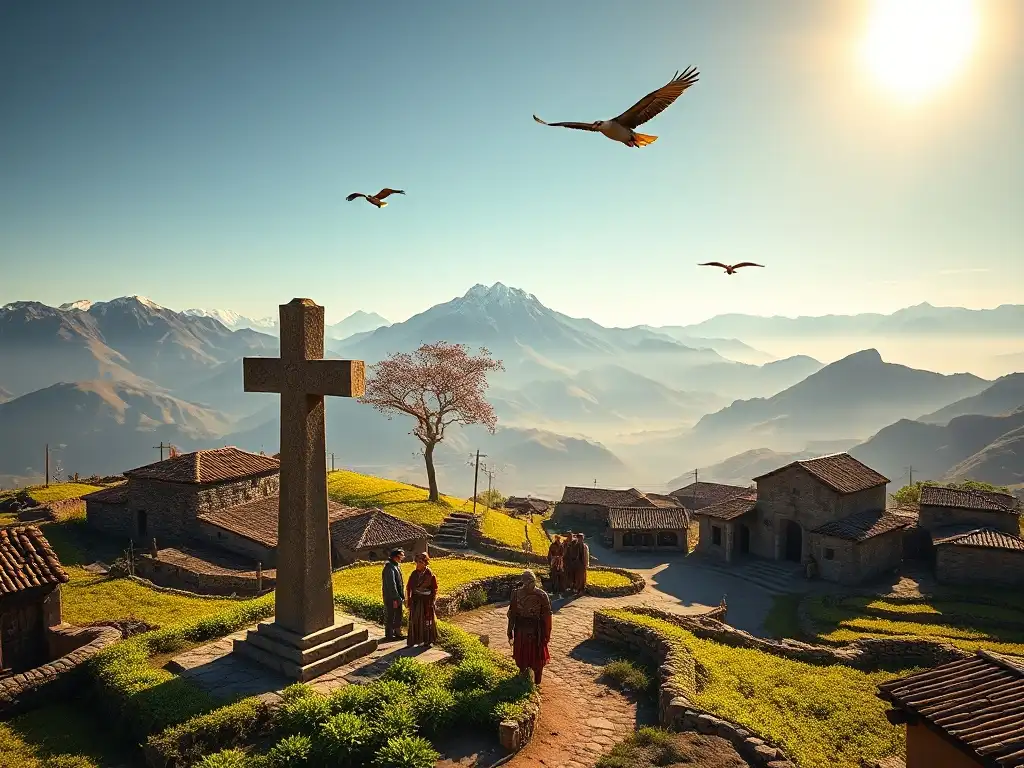
Step into a world lost to time, yet echoing with the whispers of empires. Imagine the breathtaking heights of the Andes, once home to sophisticated civilizations that built magnificent cities and mastered intricate technologies. But what happened when the Spanish arrived? This website delves into the captivating story of the Andean civilizations, but our current focus – Spanish Colonial Rule in the Andes – reveals a dramatic turning point. Discover how the "New Order" reshaped the destiny of a continent, and uncover the enduring legacy of this transformative era. Begin your journey now...
The conquest of the Inca Empire by Francisco Pizarro in 1533 marked not an end, but a brutal and transformative beginning. The subsequent establishment of Spanish colonial rule in the Andes fundamentally reshaped the social, political, economic, and cultural landscape of the region, leaving an indelible mark that continues to resonate today.
This article delves into the complexities of this "New Order," exploring the methods employed by the Spanish to consolidate their power, the devastating impact on the indigenous populations, and the enduring legacy of this pivotal historical period. We will examine the key elements that defined Spanish Colonial Rule in the Andes, from the establishment of administrative structures to the implementation of exploitative economic systems, and the resulting cultural syncretism that emerged from this tumultuous era.
Understanding this period is crucial to comprehending the modern Andes and the ongoing dialogues surrounding colonialism's lasting effects. The keywords Spanish Colonial Rule in the Andes will be explored throughout this analysis.
The Consolidation of Power: From Conquest to Control
The initial conquest was swift, but maintaining control over such a vast and diverse territory proved a far more challenging endeavor. The Spanish faced resistance from various indigenous groups, both within the Inca Empire and beyond. Their strategy involved a multifaceted approach: the establishment of strategically located reducciones (resettlement towns), the dismantling of existing power structures, and the imposition of a new hierarchical system based on Spanish authority.
This involved the systematic suppression of Inca traditions and the imposition of Catholicism. The Spanish Crown, aiming to maximize its gains, implemented a complex system of governance designed to extract resources and maintain control. The initial years were characterized by violence, rebellion, and constant maneuvering for power amongst the conquistadors themselves.
The establishment of the Viceroyalty of Peru in 1542 marked a crucial step towards a more formalized and centralized administration, though internal conflicts and challenges continued to plague the colonial regime for centuries. The brutality of the early years was not just limited to military campaigns; it also involved the systematic destruction of Inca infrastructure and the suppression of their religious practices. This period saw the beginning of a process of cultural homogenization, although indigenous resistance never completely disappeared.
The Encomienda System and the Exploitation of Labor
A cornerstone of Spanish colonial rule was the encomienda system, a deeply exploitative labor system that essentially granted Spanish conquistadors control over indigenous populations and their labor. In theory, encomenderos were responsible for the spiritual and physical well-being of their assigned indigenous communities; in practice, it often translated into brutal forced labor in mines, on plantations, and in other demanding tasks. The system generated immense wealth for the Spanish Crown and its colonial elite, while devastating indigenous communities through overwork, disease, and starvation.
The inhuman conditions and relentless exploitation led to a dramatic decline in the indigenous population. While the encomienda system was eventually officially abolished, its legacy continued to shape labor relations in the Andes for centuries, paving the way for other equally exploitative systems. The sheer scale of the human cost of this system remains a stark reminder of the brutality of Spanish colonial rule.
The Impact on Andean Culture and Society
The Spanish conquest and subsequent colonial rule profoundly altered Andean culture and society. While the Inca Empire had its own internal hierarchies and social structures, the Spanish imposed a new rigid social order based on race and ethnicity. This resulted in a system of castas, classifying individuals based on their ancestry (Spaniard, Indigenous, African, and various mixed-race categories).
Each casta occupied a specific place in the social hierarchy, with Spaniards at the top and indigenous populations at the bottom. This system perpetuated inequality and discrimination for generations. Furthermore, the imposition of Catholicism led to the suppression of traditional Andean religions and beliefs, though indigenous practices often persisted in syncretic forms.
The introduction of new crops, livestock, and technologies also impacted the Andean landscape and economy, resulting in both beneficial and detrimental changes. The cultural blending that occurred was complex and often fraught with tension and conflict, creating a unique cultural landscape that reflects both indigenous resilience and the enduring impact of Spanish colonialism. This cultural fusion is a complex and multifaceted topic that deserves further study.
The Legacy of Spanish Colonial Rule in the Andes
The legacy of Spanish colonial rule in the Andes is profound and multifaceted. The enduring impact is visible in the region's political structures, economic systems, social hierarchies, and cultural expressions. The colonial period laid the groundwork for many of the challenges faced by Andean nations today, including persistent inequalities, economic disparities, and the ongoing struggle to reclaim and revitalize indigenous cultures.
The effects of this era are still felt in various aspects of life in the Andes, from language and religion to political and economic systems. Understanding this historical context is crucial for addressing the social and economic inequalities that persist in the region. The study of this period is not merely an academic exercise; it is essential for fostering a more just and equitable future for the people of the Andes.
- The Consolidation of Power: From Conquest to Control
- The Encomienda System and the Exploitation of Labor
- The Impact on Andean Culture and Society
- The Legacy of Spanish Colonial Rule in the Andes
- How did the Spanish conquest impact Andean societies?
- What role did disease play in the Spanish conquest of the Andes?
- What was the encomienda system, and how did it affect the Andean people?
- How did Spanish colonial rule impact Andean art and culture?
- What were the long-term consequences of Spanish colonial rule in the Andes?
Initial Spanish Incursions and the Fall of the Inca Empire
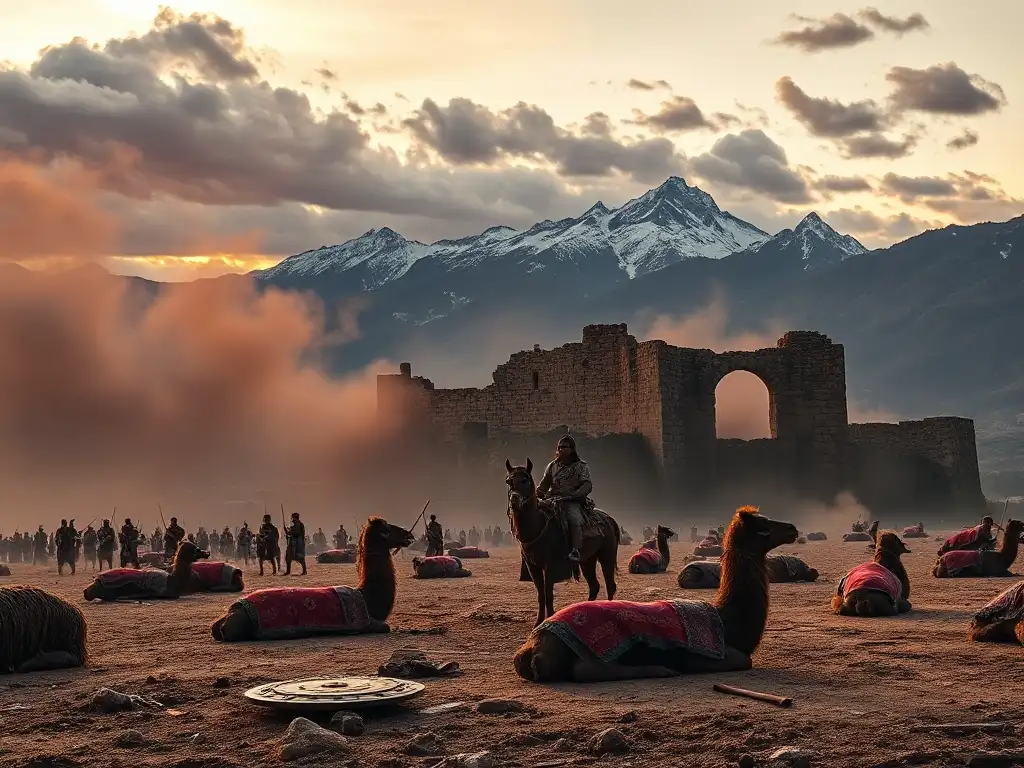
The Spanish conquest of the Andes wasn't a swift, singular event, but rather a gradual process fueled by ambition, internal Inca weaknesses, and a potent combination of superior weaponry and disease. Prior to Francisco Pizarro's decisive campaigns, smaller Spanish expeditions had already probed the Andean region, laying the groundwork for future conquests. These initial incursions, while often unsuccessful in establishing lasting footholds, served to weaken the Inca Empire and expose its vulnerabilities.
The Spanish learned about the Inca's wealth, internal conflicts, and the geographic layout of the empire, invaluable intelligence that Pizarro later exploited. Early expeditions also inadvertently introduced devastating diseases like smallpox, measles, and influenza, decimating the indigenous population and severely weakening the Inca's military capacity before any major battles even took place. This epidemiological warfare played a crucial, often overlooked, role in the Spanish conquest, paving the way for a relatively small Spanish force to overcome a vastly larger Inca army.
The impact of these early incursions on the overall success of the Spanish Colonial Rule in the Andes cannot be understated. They represent the subtle, yet crucial, first steps in a larger, more complex process.
Francisco Pizarro's Expeditions and Exploration of the Andean Region
Francisco Pizarro's meticulous planning and shrewd understanding of Inca politics were key factors in his success. Unlike previous expeditions that often lacked a clear strategy, Pizarro's approach was far more calculated. His expeditions weren't merely exploratory; they were carefully orchestrated campaigns designed to assess the Inca's strength, identify their weaknesses, and forge alliances with rival groups.
He meticulously documented his findings, providing valuable intelligence for subsequent expeditions. Pizarro's understanding of the Inca's internal power struggles and the existence of factions opposed to the reigning Inca emperor, Atahualpa, proved invaluable. His careful observation of the Inca's social structure, religious beliefs, and military tactics allowed him to devise strategies that exploited their vulnerabilities.
This wasn't merely brute force; it was a carefully crafted strategy of manipulation and strategic alliances, underpinning the establishment of Spanish Colonial Rule in the Andes. His early explorations allowed him to identify Cajamarca as a strategically advantageous location for the ambush that would change the course of Andean history.
The capture of Atahualpa at Cajamarca in 1532 is widely regarded as a pivotal moment in the Spanish conquest. This strategically planned ambush, utilizing superior weaponry and a shocking element of surprise, effectively decapitated the Inca leadership. The sheer audacity of the attack, with a relatively small Spanish force overwhelming a much larger Inca army, highlights Pizarro's tactical brilliance and the devastating impact of European weaponry on Andean warfare.
Atahualpa’s capture plunged the Inca Empire into chaos and civil war, weakening its ability to resist further Spanish incursions. The ensuing power vacuum, coupled with the psychological impact of the emperor's capture, effectively paralyzed the Inca's ability to mount a unified defense.
The vast ransoms extracted from Atahualpa, despite his eventual execution, further fueled Spanish ambitions and provided resources for the continuation of the conquest. This event, therefore, was not merely a military victory; it was a decisive blow to the Inca's political and spiritual authority, significantly contributing to the establishment of Spanish Colonial Rule in the Andes.
The Role of the Huancas and Cañaris in the Spanish Conquest
The Spanish conquest of the Andes wasn't solely the result of Spanish military might. Crucially, Pizarro and subsequent conquistadors skillfully exploited existing tensions and rivalries between different Andean groups. The Huancas and Cañaris, for instance, were long-standing enemies of the Inca Empire.
By forging alliances with these groups, the Spanish significantly amplified their military capabilities and effectively turned these internal conflicts to their advantage. These indigenous allies provided crucial logistical support, acted as guides, and significantly augmented the Spanish fighting force. The Huancas and Cañaris, motivated by a desire to overthrow Inca dominance, provided invaluable intelligence, manpower, and knowledge of the terrain.
Their participation was essential in overcoming Inca resistance and helped solidify Spanish control over various regions. This strategic use of indigenous allies significantly facilitated the establishment of Spanish Colonial Rule in the Andes, demonstrating that the conquest was not simply a matter of military superiority but also a sophisticated strategy of political maneuvering and alliance-building. The collaboration of these groups underscores the complex and multifaceted nature of the conquest.
The Inca Civil War and its Impact on the Conquest
The Inca Empire, at the peak of its power under Huayna Capac, controlled a vast territory stretching along the Andes Mountains. However, this seemingly invincible empire was tragically weakened by a devastating civil war following the unexpected deaths of both Huayna Capac and his designated heir, Ninan Cuyochi. This internal conflict, fought between Huáscar, Huayna Capac's legitimate heir according to Inca tradition, and Atahualpa, his younger, ambitious half-brother, proved to be a pivotal turning point in the Spanish conquest.
The war, which lasted several years, pitted brother against brother, and deeply fractured the Inca social fabric. Resources were diverted from governance and infrastructure to military campaigns, leaving the empire vulnerable. Loyalties were divided, creating a power vacuum and fostering widespread unrest. Provinces once loyal to the Inca crown now found themselves caught in the crossfire, some switching allegiance based on the shifting tides of the conflict.
The ensuing chaos and devastation significantly depleted the Inca army, leaving it considerably weaker and less prepared to face the technologically superior Spanish forces. The war effectively crippled the Inca's ability to mount a unified and effective defense against the invading conquistadors. This internal strife allowed Pizarro and his relatively small army to exploit the situation, ultimately leading to the capture and execution of Atahualpa, and the swift collapse of the once mighty Inca Empire. The sheer scale of destruction wrought by the civil war is considered a primary factor in the surprisingly rapid success of the Spanish conquest.
The Inca Empire, weakened and fractured, simply couldn't withstand the combined pressure of internal conflict and external invasion. The Spanish conquest, therefore, wasn't solely a military victory; it was also a consequence of the Inca's own self-destruction. The legacy of this civil war continues to resonate in Andean history, shaping the political and social landscape of the region for centuries to come. The lessons learned from this period highlight the vulnerability of even the most powerful empires to internal strife and the profound consequences such conflicts can have.
Consolidating Spanish Power: The Viceroyalty of Peru
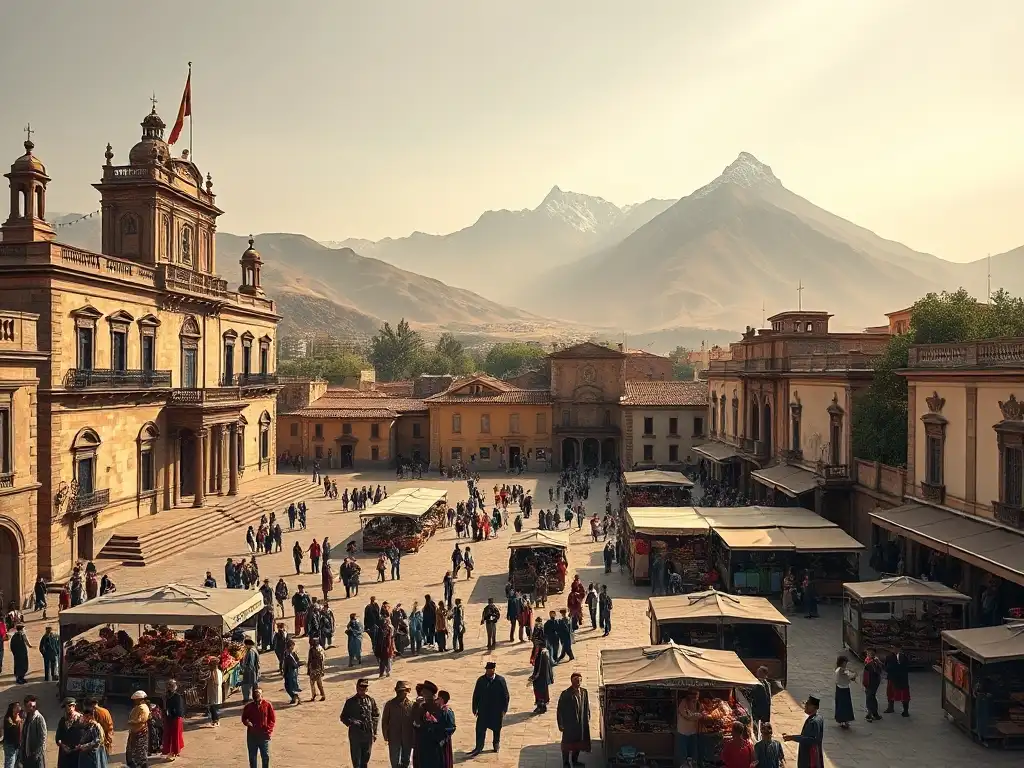
The Spanish conquest of the Andes wasn't simply a military victory; it was a complex process of establishing lasting political and economic control. The initial chaotic period following the fall of the Inca Empire gave way to a more structured system of governance, primarily through the creation of the Viceroyalty of Peru. This system, while brutal in its exploitation of indigenous populations, proved remarkably effective in consolidating Spanish power and extracting vast resources from the region for centuries.
Understanding the mechanisms of this colonial rule is crucial to comprehending the long-term impact of the Spanish conquest on Andean societies. The establishment of the Viceroyalty of Peru marked a significant shift from the earlier, more fragmented control exerted by conquistadors. This new order fundamentally reshaped the political landscape of the Andes, laying the groundwork for the intricate system of colonial administration that followed.
The Establishment of the Viceroyalty of Peru in 1542
The Viceroyalty of Peru, officially established in 1542 by Charles I of Spain (also Holy Roman Emperor Charles V), marked a pivotal moment in the Spanish colonization of the Andes. Prior to this, the region was governed through a series of often-overlapping and competing authorities, leading to instability and internal conflicts among the conquistadors themselves. The creation of the viceroyalty aimed to centralize power, streamline administration, and ultimately maximize the extraction of wealth from the conquered territories.
The viceroy, appointed directly by the Spanish crown, served as the highest-ranking representative of the king in the vast territories under his jurisdiction. This encompassed not only modern-day Peru but also significant portions of present-day Bolivia, Chile, Ecuador, and parts of Argentina and Colombia. The establishment of this centralized system was crucial for the long-term success of Spanish colonial rule in the Andes.
It allowed for better coordination of military forces, the efficient collection of taxes (a crucial element of Spanish Colonial Rule in the Andes), and the implementation of consistent policies across the diverse Andean regions. The initial years of the viceroyalty were, however, far from peaceful, with ongoing rebellions and internal power struggles challenging the newly established authority.
The Audiencia of Lima and Initial Colonial Administration
The Audiencia of Lima, established concurrently with the Viceroyalty, played a vital role in the colonial administration. This high court served as both a judicial body and an advisory council to the viceroy. Its members, appointed by the Spanish crown, were responsible for overseeing the legal system, resolving disputes, and advising the viceroy on matters of governance.
The Audiencia’s power extended beyond mere legal matters; it frequently acted as a check on the viceroy’s authority, preventing potential abuses of power. The early years of the Audiencia saw significant challenges, including the need to establish a functioning legal system in a vastly different cultural context and the difficulty of enforcing laws across such a geographically diverse and sparsely populated territory. The initial colonial administration grappled with numerous issues, including the integration of indigenous populations into the colonial system, the establishment of a stable tax system, and the suppression of indigenous resistance.
The Audiencia's role in navigating these complexities was essential to the consolidation of Spanish power, providing a measure of stability and legal framework within a system often characterized by violence and exploitation. The creation of the Audiencia and its interaction with the viceroy exemplifies the complex power dynamics that characterized Spanish Colonial Rule in the Andes.
The Role of Viceroys like Francisco de Toledo in Governance
The effectiveness of Spanish colonial rule in the Andes hinged significantly on the individuals who served as viceroys. While the overall structure of the viceroyalty provided a framework, the specific policies and actions of each viceroy shaped the experience of colonial life. Francisco de Toledo (1569-1581) stands out as a particularly influential viceroy, known for his ruthless but effective strategies in consolidating Spanish power and extracting resources. Toledo implemented a series of reforms aimed at strengthening the colonial administration, including the reorganization of the mita system – the compulsory labor system imposed on indigenous populations – making it more efficient (and brutal) for extracting silver from the mines of Potosí.
He also oversaw the implementation of a comprehensive system of census-taking, aiming to establish a detailed understanding of the indigenous population and their resources. This detailed census allowed for more efficient taxation and exploitation, solidifying Spanish control. Toledo’s legacy, while undeniably marked by harsh oppression, demonstrated the crucial role of individual viceroys in shaping the trajectory of Spanish Colonial Rule in the Andes.
His actions exemplify the complex interplay between centralized governance and the practical implementation of colonial policies on the ground. His methods, while deeply problematic from a humanitarian perspective, were instrumental in solidifying Spanish dominance in the region for centuries. The study of Toledo's governance highlights the multifaceted nature of the colonial project and its lasting impact on the Andean world.
The Founding of Lima and Other Spanish Cities in the Andes
The establishment of Spanish colonial rule in the Andes was inextricably linked to the founding of new cities, strategically positioned to consolidate power and control over the conquered territories. Lima, founded in 1535 by Francisco Pizarro, quickly became the center of the Viceroyalty of Peru and a crucial hub for Spanish administration, commerce, and military operations. Its location on the Pacific coast provided access to vital sea routes connecting the Andes to Spain and other parts of the empire.
The city's design reflected typical Spanish urban planning, with a central plaza, a cathedral, and a grid-like street pattern, all intended to project an image of order and dominance. The creation of Lima wasn't an isolated event; it was part of a broader strategy to establish a network of urban centers across the Andes, each playing a specific role in the colonial system.
The founding of Lima was not without its challenges. The initial site was plagued by disease and faced logistical hurdles. Pizarro initially selected a location near the Rimac River, but later moved the city to its current location, reflecting the difficulties in establishing a permanent settlement in a new and often hostile environment.
The indigenous population also played a significant role, both in the construction of the city and in its resistance to Spanish rule. Their forced labor contributed significantly to the rapid growth of Lima, despite the inherent injustices of the encomienda system. The city's growth was fueled by the extraction of silver and other precious metals from the Andes, further consolidating Spanish wealth and influence.
Beyond Lima, other Spanish cities sprang up across the Andean region, each serving distinct administrative, economic, or military functions. For example, Cuzco, the ancient Inca capital, was retained as an important administrative center, although its significance was overshadowed by the newly established Lima. Other cities, such as Potosí in Bolivia (renowned for its silver mines), and Sucre (formerly Chuquisaca), became crucial centers for mining and legal administration.
The strategic placement of these cities facilitated the exploitation of Andean resources and the suppression of any potential resistance. The establishment of these cities marked a fundamental shift in the Andean landscape, reflecting the enduring impact of Spanish colonial rule on the region's geography and urban development.
The creation of this network of cities was integral to the consolidation of Spanish power, allowing for efficient governance and resource extraction, while simultaneously shaping the future urban fabric of the Andes for centuries to come. The legacy of these cities continues to shape the cultural and political landscape of modern-day South America.
The Implementation of Spanish Colonial Policies
The arrival of the Spanish in the Andes marked a profound shift in the region's social, economic, and political landscape. The conquest was not merely a military victory; it was the beginning of a systematic process of colonization aimed at integrating the Andean world into the Spanish Empire. This integration was achieved through the implementation of a complex set of policies designed to extract resources, control the indigenous population, and establish a new social order.
The consequences of these policies were far-reaching and shaped the Andes for centuries to come. Understanding the mechanisms of Spanish Colonial Rule in the Andes is crucial to comprehending the region's present-day realities.
The Encomienda System and the Exploitation of Indigenous Labor
The encomienda system was a cornerstone of early Spanish Colonial Rule in the Andes. It ostensibly granted Spanish conquistadors and colonists control over specific groups of indigenous people in exchange for their supposed "protection" and the promise of Christian conversion. In reality, this system quickly devolved into a brutal form of forced labor and exploitation.
Indigenous communities were compelled to work in mines, on farms (haciendas), and in other labor-intensive industries, often under horrific conditions. They were subjected to arbitrary punishments, and their traditional social structures were systematically dismantled. The encomenderos, the recipients of the encomiendas, amassed considerable wealth through the extraction of labor and resources, while indigenous populations faced widespread impoverishment, disease, and demographic collapse.
The system was officially abolished in the 18th century, but its legacy of inequality and exploitation persisted for generations. The effects of the encomienda system are still felt in the social and economic disparities that persist in many Andean communities today. The sheer scale of the exploitation is difficult to quantify precisely, but demographic records show a significant decline in indigenous populations during this period, directly attributable to the harsh conditions imposed by the system.
The Mita System and Forced Labor in the Potosí Silver Mines
The mita system, pre-existing in the Inca Empire, was adapted and intensified by the Spanish to fuel their insatiable demand for silver. While originally a form of rotational labor service, the Spanish transformed the mita into a brutal system of forced labor, particularly in the infamous silver mines of Potosí in modern-day Bolivia. Indigenous men, often selected through a lottery system, were forced to work in the mines for extended periods under dangerous and unhealthy conditions.
Mortality rates were extraordinarily high, with many miners succumbing to accidents, disease (like silicosis), or exhaustion. The extraction of silver from Potosí fueled the Spanish economy and contributed significantly to the global flow of silver during the colonial period. However, this economic boon came at a tremendous human cost.
The mita system represents a stark example of the ruthless exploitation of indigenous labor under Spanish Colonial Rule in the Andes, a dark chapter in the history of the region. The sheer scale of death and suffering associated with the Potosí mines is difficult to comprehend fully, yet serves as a potent reminder of the brutality of the colonial system.
The Imposition of the Laws of the Indies and Colonial Legal Structures
The Spanish Crown attempted to regulate its vast American empire through the Laws of the Indies, a complex body of legislation that aimed to govern all aspects of colonial life. These laws addressed everything from land ownership and taxation to religious practices and social hierarchies. While the Laws of the Indies sought to establish a degree of order and justice, their implementation was often inconsistent and uneven, frequently favoring the interests of the Spanish elite.
The colonial legal system was largely designed to maintain Spanish dominance and control over the indigenous population. Indigenous people had limited access to justice and were often subject to discriminatory legal practices. Furthermore, the Laws of the Indies, while aiming for standardization, often clashed with existing Andean social structures and customs, further contributing to the disruption and destabilization of indigenous societies.
The establishment of this colonial legal framework, however well-intentioned in some aspects, ultimately served to solidify Spanish control and perpetuate inequality in the Andean region for centuries. The complex interplay between the intentions of the Laws of the Indies and their actual effects on Andean society remains a subject of ongoing historical research. Understanding this legal framework is crucial to appreciating the lasting impact of Spanish Colonial Rule in the Andes.
The Spread of the Spanish Language and Catholic Culture
The imposition of Spanish colonial rule in the Andes didn't merely involve political and economic control; it was a multifaceted process deeply intertwined with cultural transformation. The Spanish Crown actively promoted the spread of the Spanish language and the Catholic faith, aiming to supplant indigenous languages and belief systems. This wasn't a passive process, but rather a deliberate strategy employed through various mechanisms, often resulting in profound and lasting consequences for Andean societies.
One of the primary methods used to disseminate the Spanish language was the establishment of schools and educational institutions. These schools, primarily located in urban centers and often run by religious orders, taught Spanish as the primary language of instruction. While some indigenous languages persisted in rural areas, the dominance of Spanish in administration, commerce, and education gradually marginalized indigenous tongues.
This linguistic shift had a significant impact on Andean cultural identity, leading to the loss of traditional knowledge and oral histories transmitted through indigenous languages. The effects are still felt today, with many indigenous communities struggling to maintain their ancestral languages in the face of Spanish's overwhelming prevalence.
The propagation of Catholicism was equally aggressive. The Spanish Crown, in conjunction with the Church, implemented a systematic program of evangelization. This involved the construction of churches and cathedrals throughout the Andes, the establishment of religious orders (like the Franciscans, Dominicans, and Jesuits), and the deployment of missionaries to convert the indigenous population.
Missionaries often used a combination of persuasion, coercion, and even violence to achieve their goals. Existing indigenous religious practices and beliefs were actively suppressed, and the adoption of Catholicism was often presented as a condition for social and economic advancement. This forceful conversion led to the syncretism of indigenous and Catholic beliefs, resulting in a complex blend of religious practices that persists in many Andean communities to this day.
The blending of pre-Columbian traditions with Catholic imagery and rituals created a unique religious landscape, demonstrating the resilience of indigenous cultures even under the pressure of colonization. However, this syncretism also concealed the suppression and erasure of much of the original Andean spiritual world.
The impact of this dual process—the spread of Spanish and Catholicism—was far-reaching. It fundamentally altered the social fabric of Andean societies, creating new power structures and hierarchies based on language and religious affiliation. The dominance of Spanish and Catholicism became symbolic of colonial power, shaping social interactions, cultural expressions, and even individual identities for centuries to come.
The legacy of this cultural transformation continues to shape the socio-cultural landscape of the Andes, influencing everything from language use to religious practices and cultural identity. Understanding this process is crucial to comprehending the complexities of Andean history and the lasting impact of Spanish colonial rule.
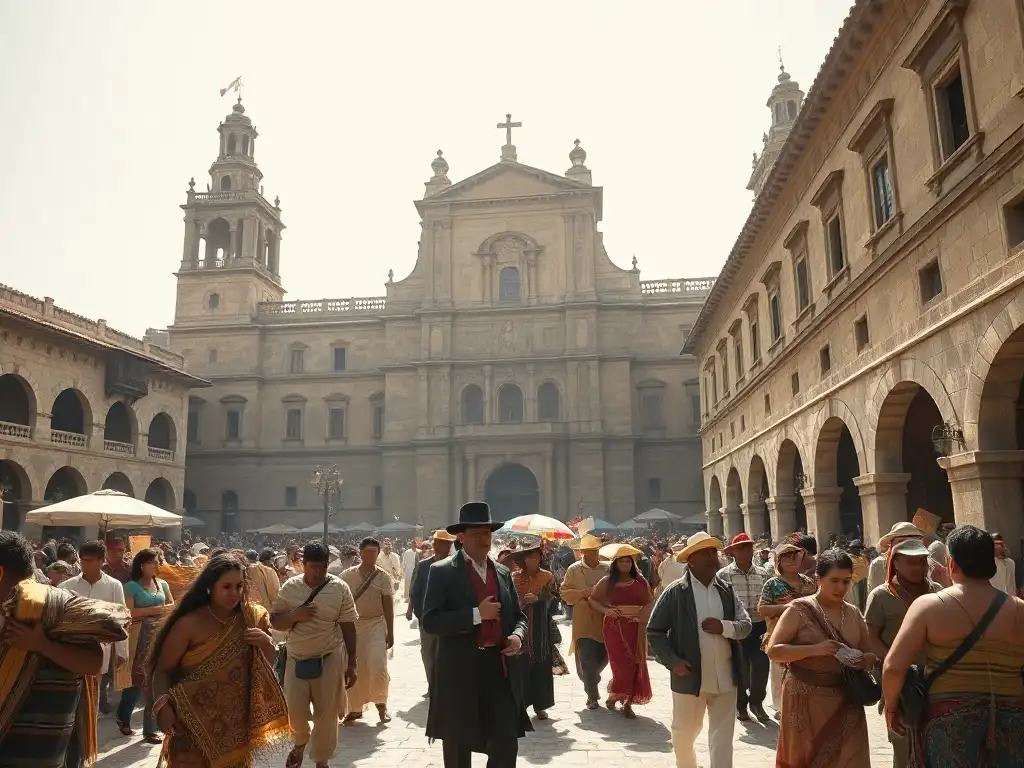
The arrival of the Spanish in the Andes marked a profound shift in the social and economic fabric of the region, irrevocably altering the lives of its indigenous inhabitants. The imposition of Spanish Colonial Rule in the Andes wasn't simply a conquest; it was a complete restructuring of societal hierarchies, economic systems, and cultural practices. This section will delve into the key transformations that shaped the Andean world under Spanish dominion.
The Formation of a Caste System: Peninsulares, Creoles, Mestizos, and Indigenous Peoples
The Spanish colonial regime established a rigid social hierarchy known as the casta system. This system, based on racial purity and ancestry, determined an individual's social standing, legal rights, and economic opportunities. At the apex were the peninsulares, Spaniards born in the Iberian Peninsula. They held the highest positions in government, the Church, and the military, wielding immense power and privilege. Below them were the creoles, Spaniards born in the Americas. While wealthy and often landowners, they lacked the political power of the peninsulares and faced significant limitations in accessing the highest offices.
The mestizos, individuals of mixed Spanish and Indigenous ancestry, occupied a precarious middle ground. Their social standing varied depending on the degree of Spanish blood and the wealth they accumulated. They often faced discrimination but could, through education and economic success, achieve a degree of social mobility. At the bottom of the hierarchy were the Indigenous populations, subjected to forced labor, exploitation, and cultural suppression.
Their traditional social structures were disrupted, and they were relegated to the lowest rungs of society. The rigid nature of the casta system fueled social tensions and inequalities that persisted for centuries, shaping the social landscape of the Andes long after the end of Spanish rule. The system's impact can be observed in the persistent social stratification within Andean societies even today.
The following table illustrates the basic structure of the casta system:
| Caste | Description | Social Standing | Economic Opportunities |
|---|---|---|---|
| Peninsulares | Spaniards born in Spain | Highest | Extensive |
| Creoles | Spaniards born in the Americas | High | Limited in high office |
| Mestizos | Mixed Spanish and Indigenous ancestry | Middle | Varied |
| Indigenous | Native Andean populations | Lowest | Limited, often exploited |
The Shift from Subsistence Agriculture to Commercial Farming
Prior to the Spanish conquest, Andean agriculture was largely based on subsistence farming, with communities producing crops primarily for their own consumption. The Spanish introduced a system of commercial agriculture, focusing on the production of cash crops for export to Europe. This shift had profound consequences for the Andean economy and society. Large haciendas, or estates, were established, often displacing indigenous communities from their ancestral lands.
The focus shifted from diverse crops grown for local needs to monocultures like sugarcane, wheat, and coca, designed for the European market. This led to environmental degradation and food insecurity in some areas as local food production was neglected in favor of export-oriented agriculture. The introduction of new farming techniques and livestock also impacted the existing agricultural practices and landscape. This economic restructuring fundamentally altered the relationship between the land and its inhabitants, creating new forms of dependency and inequality.
The Silver Boom and its Impact on the Andean Economy
The discovery of vast silver deposits in the Andes, particularly in Potosí, Bolivia, triggered a dramatic economic transformation. The silver boom fueled the Spanish empire's wealth and global expansion. Potosí became one of the most important mining centers in the world, attracting a massive influx of labor, both indigenous and imported. The extraction of silver, however, came at a tremendous human cost.
Indigenous populations were subjected to brutal forced labor ( mita) in the mines, suffering horrific conditions and high mortality rates. The wealth generated by silver mining did not benefit the Andean populations; instead, it enriched the Spanish crown and its colonial administrators. The silver trade also stimulated the growth of regional trade networks, but these largely benefited Spanish merchants and elites.
The economic impact of the silver boom profoundly altered the Andean landscape, leaving behind a legacy of environmental degradation and social inequality. The ecological consequences of this period are still visible today, with lasting effects on the environment and the communities living in formerly mined areas. The legacy of the silver boom continues to shape discussions surrounding economic justice and resource extraction in the region.
The Introduction of European Livestock and Crops
The arrival of the Spanish in the Andes drastically altered the agricultural landscape, introducing new livestock and crops that profoundly impacted the region's economy and social structures. The introduction of animals like cattle, sheep, goats, and pigs, previously unknown in the Andes, revolutionized food production and land use. These animals provided new sources of protein, wool, and hides, fueling the burgeoning colonial economy. However, this introduction wasn't without its consequences.
The grazing habits of these animals led to deforestation and soil erosion in some areas, impacting the delicate Andean ecosystems. Furthermore, the control and ownership of livestock became a significant source of wealth and power, consolidating the social hierarchy established by the Spanish. The indigenous population, often relegated to lower social strata, frequently lacked access to these new resources, exacerbating existing inequalities.
The introduction of European crops, such as wheat, barley, and olives, also significantly altered Andean agriculture. While some of these crops adapted relatively well to the diverse Andean climates, others struggled. The cultivation of wheat, for example, became a cornerstone of colonial agriculture, but it often required extensive irrigation systems and land management practices different from those traditionally used by the indigenous population.
This shift in agricultural practices sometimes led to conflicts over land and water resources, further straining relations between the Spanish colonizers and the local communities. The introduction of new crops also impacted traditional Andean diets, leading to a gradual shift in food consumption patterns. While some crops were readily adopted, others were initially met with resistance, reflecting the complex interplay of cultural adaptation and colonial imposition.
The long-term effects of these changes on the Andean food system are still being studied today, highlighting the enduring legacy of Spanish colonial agriculture. The integration of these new agricultural practices, and the resulting changes in food production and land use, remain a significant aspect of understanding the lasting impact of Spanish Colonial Rule in the Andes.
Religious Conversion and the Imposition of Catholicism
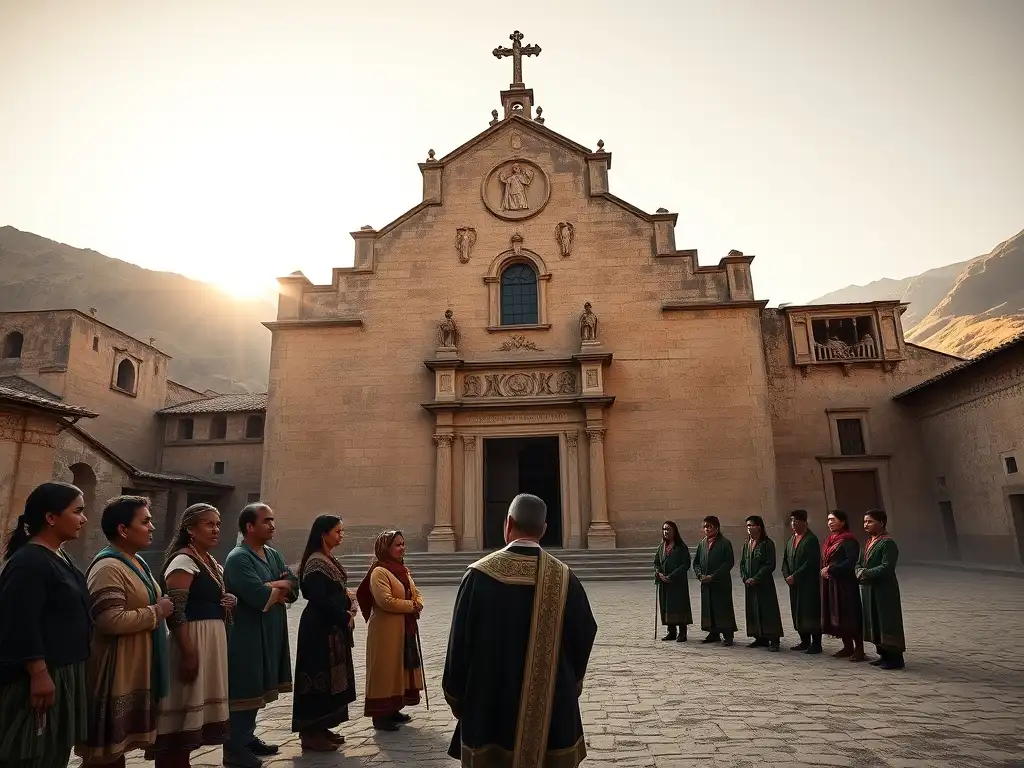
The Spanish conquest of the Andes was not merely a military endeavor; it was a deeply intertwined process of territorial control and religious conversion. The imposition of Catholicism became a central pillar of Spanish colonial rule in the Andes, aiming to dismantle existing belief systems and replace them with a new religious order. This process, however, was far from peaceful, marked by both subtle coercion and outright violence.
The success of the Spanish in this religious transformation was largely due to their effective use of missionary orders and the strategic dismantling of indigenous spiritual practices. Understanding this aspect of Spanish Colonial Rule in the Andes is crucial to comprehending the lasting impact of the conquest on Andean societies.
The Role of Dominican and Jesuit Orders in the Colonization Process
The Dominican and Jesuit orders played a pivotal role in the religious transformation of the Andes. These missionary groups, often operating in tandem, employed different strategies to achieve their objectives. The Dominicans, known for their initial focus on evangelization amongst the indigenous population, established numerous convents and churches throughout the region. They emphasized direct preaching and the translation of religious texts into Quechua and Aymara, the prevalent languages of the Andes. Their approach, while often forceful, also involved elements of cultural adaptation, incorporating certain pre-existing Andean practices into the framework of Catholic rituals.
The Jesuits, arriving later, adopted a more sophisticated approach. They focused on education, establishing schools and colleges aimed at training indigenous elites in Catholic doctrine. This strategy aimed to create a class of educated converts who would then disseminate Catholic beliefs within their communities.
They also established missions in remote areas, often living amongst the indigenous populations for extended periods, facilitating a more gradual conversion process. The contrast between the Dominicans' more direct approach and the Jesuits' more nuanced strategy highlights the diverse methods employed to achieve the overarching goal of religious domination under Spanish Colonial Rule in the Andes. Further research is needed to fully quantify the relative success of each order's methods.
The Forced Conversion of Indigenous Populations to Catholicism
While missionary efforts involved elements of persuasion and adaptation, the conversion of the Andean populations to Catholicism was fundamentally a coercive process. The destruction of indigenous temples and religious artifacts, the suppression of traditional ceremonies, and the punishment of those who resisted conversion were commonplace. The Spanish Crown often implemented policies that directly incentivized conversion, offering rewards to those who embraced Catholicism and imposing penalties on those who did not. This created a climate of fear and intimidation, forcing many indigenous people to outwardly conform to Catholicism while privately maintaining their ancestral beliefs.
The implementation of the Requerimiento, a formal declaration read to indigenous populations demanding their submission to the Spanish Crown and the Catholic faith, exemplified this coercive approach. Refusal often resulted in immediate violence and subjugation, solidifying the link between military conquest and religious conversion.
The scale of the forced conversion remains a subject of ongoing debate among historians, with [specific data on conversion rates pending] further clarifying the extent of this brutal process under Spanish Colonial Rule in the Andes. The long-term consequences of this forced conversion are still evident in the complex religious landscape of the Andean region today.
The Suppression of Andean Religious Practices and Beliefs
The Spanish colonial authorities pursued a systematic suppression of Andean religious practices and beliefs, viewing them as obstacles to the establishment of Catholic dominance. This suppression involved not only the destruction of temples and idols but also the prohibition of traditional ceremonies and rituals. The Huacas, sacred sites venerated by the Andean peoples, were often desecrated or repurposed for Christian uses. The Inca religion, with its intricate cosmology and sophisticated priesthood, faced particularly intense persecution.
The suppression of Andean religious practices was not merely a matter of destroying physical artifacts; it involved a deeper attempt to erase indigenous cultural memory. The destruction of religious texts and oral traditions aimed to prevent the transmission of knowledge across generations. This systematic dismantling of Andean religious systems was a key element of the process of cultural domination that characterized Spanish Colonial Rule in the Andes.
The lasting impact of this suppression is reflected in the enduring tension between indigenous and Catholic traditions in the region. The extent to which indigenous beliefs survived underground, adapting and blending with Catholicism, requires further investigation. The legacy of this conflict continues to shape the cultural identity of Andean communities.
The Construction of Cathedrals and Churches in Andean Towns
The Spanish conquest of the Andes wasn't merely a military undertaking; it was a profoundly religious one. The imposition of Catholicism was a central pillar of Spanish colonial rule in the Andes, and the construction of cathedrals and churches served as a powerful symbol of this religious transformation. These weren't simply places of worship; they were statements of power, demonstrating the dominance of the new colonial order and the subjugation of indigenous faiths. The sheer scale of these projects, often utilizing indigenous labor and resources, speaks volumes about the ambition and resources dedicated to this religious conversion.
The architectural style of these new religious edifices was markedly different from pre-Columbian structures. Instead of the intricate stonework and unique designs of Andean civilizations, Spanish colonial architecture, characterized by its European influences, became the dominant aesthetic. This architectural shift was deliberate, representing a conscious effort to erase the visual remnants of the past and replace them with symbols of the new religious and political order. We see this in the grand cathedrals of Cusco and Lima, for example, which stand as imposing testaments to the power of the Spanish crown and the Catholic Church.
The construction process itself often involved the forced labor of indigenous populations. While some worked voluntarily, motivated by potential economic benefits or the hope of religious favor, many were subjected to the mita system, a form of compulsory labor that was brutally exploitative. This forced labor contributed significantly to the construction of these monumental structures, highlighting the dark side of the religious conversion process.
The human cost of these magnificent cathedrals and churches, built upon the backs of enslaved and exploited people, remains a stark reminder of the complexities of Spanish Colonial Rule in the Andes. Furthermore, the use of indigenous materials alongside imported European elements created a hybrid architectural style, reflecting the complex cultural interaction (and often conflict) between the colonizers and the colonized.
This fusion is visible in the use of local stone alongside imported timber and intricate details borrowed from both Spanish and Andean artistic traditions. The resulting structures are a fascinating blend of styles, reflecting the unique historical context of the Andean region during the colonial era.
Resistance and Rebellion Against Spanish Colonial Rule
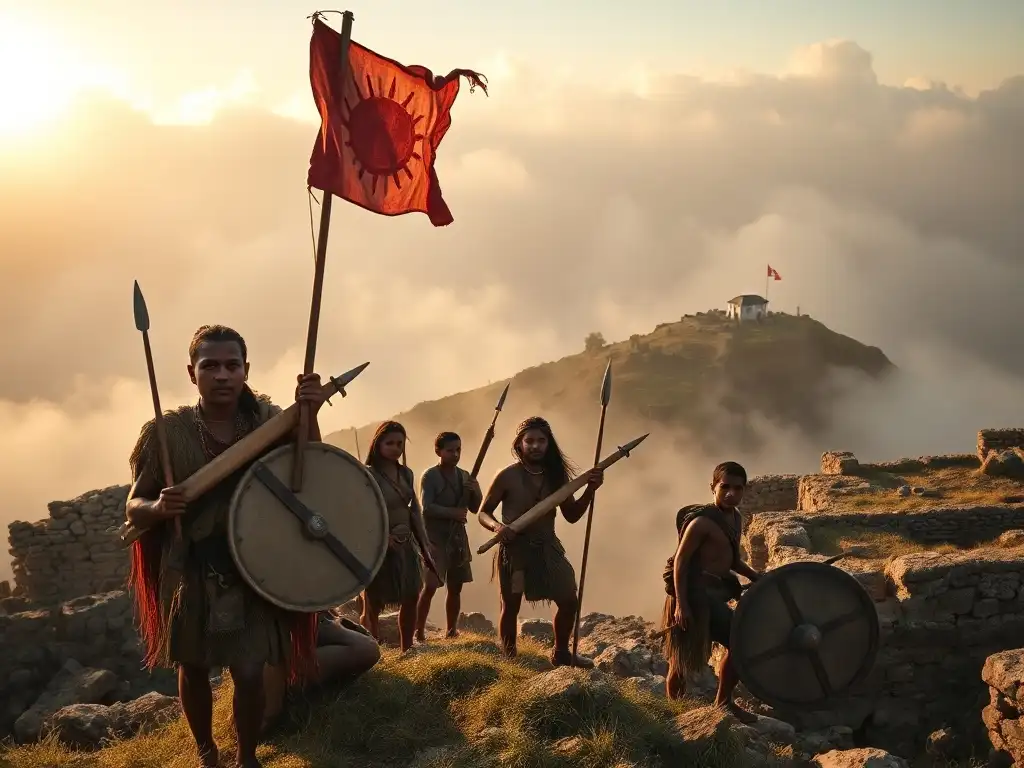
The imposition of Spanish Colonial Rule in the Andes did not meet with passive acceptance. Indigenous populations, despite facing overwhelming military might and sophisticated administrative structures, engaged in various forms of resistance, from localized uprisings to large-scale rebellions that challenged the very foundation of Spanish power. This resistance, often fueled by religious syncretism, economic exploitation, and cultural suppression, shaped the colonial experience profoundly, leaving an indelible mark on Andean history and identity.
Understanding these struggles is crucial to comprehending the complex tapestry of Spanish Colonial Rule in the Andes and its lasting legacy. The forms of resistance ranged from subtle acts of defiance to open warfare, demonstrating the resilience and agency of the Andean peoples in the face of colonial domination.
The Rebellion of Manco Inca and Early Indigenous Resistance
Following the fall of the Inca Empire, Manco Inca Yupanqui, a prominent Inca prince, initially collaborated with the Spanish. However, disillusionment with Spanish promises and the brutal realities of colonial rule spurred him to lead a major rebellion in 1536. This uprising, though ultimately unsuccessful in overthrowing Spanish control, demonstrated the enduring strength of Inca loyalism and the widespread discontent among the indigenous population.
Manco Inca's rebellion, centered in the Vilcabamba region, lasted for decades, employing guerilla warfare tactics to harass Spanish forces. The rebellion highlighted the inherent instability of early Spanish rule and the ongoing challenges faced by the colonizers in consolidating their power. The Spanish faced significant logistical problems, including the difficult Andean terrain and the persistent support Manco Inca received from various indigenous groups who resented the forced labor and religious conversions imposed by the Spanish.
The rebellion's longevity underscores the tenacity of Andean resistance in the face of overwhelming odds. The eventual defeat of Manco Inca and the fall of Vilcabamba in 1572, however, marked a significant turning point, though resistance continued in various forms.
The Tupac Amaru II Rebellion and its Significance in the late 18th Century
Nearly two centuries later, José Gabriel Condorcanqui, known as Tupac Amaru II, a descendant of the Inca lineage, ignited a massive rebellion in 1780. This uprising, unlike the earlier, more localized revolts, represented a significant challenge to Spanish authority across a wide swathe of the Andes. Tupac Amaru II masterfully exploited existing social and economic grievances, uniting indigenous communities and even some mestizo populations in a broad-based movement against the colonial system.
The rebellion, characterized by its sophisticated organization and widespread support, initially achieved notable successes, capturing several Spanish officials and highlighting the deep-seated resentments against the repartimiento system and other oppressive colonial policies. The rebellion's impact extended far beyond its immediate geographic reach, inspiring similar uprisings and demonstrating the enduring power of indigenous resistance in the face of Spanish Colonial Rule in the Andes.
The eventual defeat and execution of Tupac Amaru II did not extinguish the flame of rebellion; it instead served as a powerful symbol of Andean defiance and a catalyst for future resistance movements. Detailed accounts of the rebellion, including its strategies and its impact on the colonial administration, are still being researched and analyzed today.
The Use of Indigenous Languages and Traditions as Forms of Resistance
Beyond armed rebellion, indigenous populations employed more subtle yet equally significant forms of resistance. The preservation and use of indigenous languages, despite the Spanish imposition of Castilian, became a powerful act of cultural affirmation. The continuation of traditional religious practices, often subtly blended with elements of Catholicism (a process known as syncretism), served as a means of maintaining cultural identity and challenging the dominance of the Spanish worldview.
This cultural resistance, often invisible to the colonial administration, played a crucial role in preserving Andean traditions and maintaining a sense of community and identity in the face of cultural annihilation. For example, the continued use of Quechua in everyday life, despite its suppression by colonial authorities, demonstrated the resilience of Andean culture and its ability to adapt and survive under oppressive conditions.
Further research is needed to fully understand the diverse strategies employed by Andean communities to maintain their cultural heritage during the period of Spanish Colonial Rule in the Andes. The subtle yet powerful ways in which indigenous languages and traditions were preserved provide a compelling narrative of resistance and cultural survival.
The Long-Term Impact of Resistance Movements on Colonial Rule
The resistance movements against Spanish colonial rule in the Andes, while often brutally suppressed, had a profound and lasting impact on the colonial administration. These uprisings, ranging from small-scale revolts to large-scale indigenous rebellions, constantly challenged the legitimacy and authority of Spanish power. The sheer persistence of resistance forced the Crown to adapt its strategies, sometimes leading to concessions and modifications in colonial policies.
For example, the constant pressure from indigenous communities often resulted in adjustments to the encomienda system, albeit often insufficient to address the core injustices. The Crown's attempts to appease rebellious groups sometimes involved granting certain privileges or recognizing traditional leaders, albeit within a strictly controlled hierarchical structure.
The continuous struggle also shaped the very nature of colonial society. The constant threat of rebellion forced the Spanish to invest heavily in military infrastructure and personnel, diverting resources away from other areas of development. This constant expenditure on maintaining control significantly impacted the colonial economy and the administration's ability to effectively govern.
Furthermore, the resistance movements fostered a sense of collective identity and solidarity amongst indigenous communities, even across different ethnic groups. This strengthened indigenous agency, facilitating future resistance efforts and laying the groundwork for post-colonial movements. The echoes of these rebellious acts, passed down through oral traditions and collective memory, continued to influence indigenous identities and aspirations for self-determination long after the formal end of Spanish colonial rule.
The legacy of resistance is undeniably woven into the fabric of Andean identity and continues to shape political and social dynamics to this day. The struggle against Spanish rule was not merely a historical event; it was a formative experience that profoundly impacted the cultural and political landscape of the Andes. Understanding this long-term impact is crucial to fully appreciating the complex history of the region.
The Legacy of Spanish Colonial Rule in the Andes
The Spanish conquest of the Andes fundamentally reshaped the region, leaving a complex and enduring legacy that continues to influence the social, economic, and political landscape of modern Andean nations. The imposition of Spanish Colonial Rule in the Andes wasn't merely a change in political power; it was a profound transformation affecting every aspect of life, from religious beliefs to agricultural practices.
While the grandeur of Inca architecture and sophisticated administrative systems might initially seem to have been completely erased, the reality is far more nuanced, revealing a persistent interplay between the old and the new. The impact of Spanish rule is still felt today, shaping the social fabric, economic structures, and political systems of the region.
One of the most enduring legacies of Spanish Colonial Rule in the Andes is the deeply ingrained social and economic inequality. The Spanish conquistadors established a rigid hierarchical system based on race and ethnicity, placing peninsulares (Spaniards born in Spain) at the top, followed by creoles (Spaniards born in the Americas), mestizos (mixed Indigenous and Spanish ancestry), and finally, Indigenous populations at the very bottom. This system, known as the casta system, resulted in a vast disparity in wealth, land ownership, and access to opportunities.
Indigenous communities were subjected to forced labor, encomienda and repartimiento systems, which exploited their labor for the benefit of the Spanish crown and elite landowners. This historical oppression had a devastating impact on Indigenous populations, leading to significant population decline and the loss of traditional land ownership patterns. The economic structures established during colonial times favored the extraction of resources—silver, gold, and other valuable commodities—for the benefit of Spain, leaving many Andean communities impoverished and economically dependent.
Even after independence, the legacy of this inequality persisted, manifesting in limited access to education, healthcare, and other essential services for marginalized communities. The deep-seated social and economic disparities are a direct consequence of the Spanish colonial system and continue to be a significant challenge for Andean nations today.
The Blending of Indigenous and Spanish Cultures
Despite the imposition of Spanish culture and religion, the Andean region did not simply absorb Spanish influence passively. Instead, a complex process of cultural syncretism occurred, resulting in a unique blending of Indigenous and Spanish traditions. Religious practices, for instance, often integrated Catholic elements with pre-existing Andean beliefs and rituals. The Virgin Mary, for example, became associated with Andean goddesses, resulting in hybrid religious expressions.
Similarly, Spanish artistic styles combined with Indigenous motifs and techniques, creating a distinct Andean colonial art form. Architectural styles also reflect this fusion, with churches and other colonial structures often incorporating Indigenous building materials and techniques. The linguistic landscape also reflects this cultural interaction, with Quechua and Aymara—Indigenous languages—continuing to be spoken alongside Spanish, albeit often in a marginalized position.
This cultural blending is not simply a historical curiosity; it continues to shape Andean identities and cultural expressions today. The vibrant tapestry of Andean culture is a testament to the resilience of Indigenous traditions and their remarkable capacity to adapt and integrate foreign influences. This syncretism, born out of the Spanish colonial experience, is a defining characteristic of Andean societies.
The Political Instability and Legacy of Colonial Institutions
The Spanish Colonial Rule in the Andes also left a legacy of political instability and weak state institutions. The colonial administrative system, while initially effective in maintaining control, fostered a dependence on centralized power and a lack of local autonomy. After independence, many Andean nations struggled to establish stable and effective governments, facing challenges such as internal conflicts, regionalism, and the legacy of colonial hierarchies.
The institutional structures inherited from the colonial era often proved inadequate to address the needs of newly independent nations. The concentration of power in the hands of a small elite, a pattern established during the colonial period, continued to hinder the development of democratic and participatory governance. Moreover, the legacy of colonial boundaries often resulted in artificial divisions that did not reflect the ethnic and cultural diversity of the region.
The political landscape of the Andes continues to be shaped by the enduring effects of colonial rule, highlighting the long-term consequences of imposed political structures and the ongoing struggle for political stability and equitable governance. The challenges faced by many Andean nations in establishing strong, representative governments are a direct reflection of the political legacy inherited from the Spanish colonial period.
The Ongoing Struggle for Indigenous Rights and Recognition
The arrival of Spanish colonial rule in the Andes irrevocably altered the social fabric of the region, leaving a legacy of oppression and dispossession that continues to resonate today. The imposition of a new political and economic system systematically marginalized Indigenous populations, stripping them of their land, resources, and cultural autonomy. This legacy of injustice fueled a persistent struggle for indigenous rights and recognition that spans centuries.
The systematic suppression of Indigenous languages and cultures under Spanish rule had devastating long-term consequences. While some Andean languages survived, many were lost or severely diminished, resulting in a loss of invaluable cultural knowledge and traditions. The forced conversion to Catholicism further eroded Indigenous spiritual practices and beliefs, contributing to a sense of cultural alienation and disenfranchisement that persists even in the modern era. Efforts to revive and revitalize these lost languages and traditions represent a significant aspect of the ongoing struggle for cultural survival and recognition.
The fight for land rights remains a central theme in the ongoing struggle for Indigenous recognition. The Spanish conquistadors and their successors seized vast tracts of land belonging to Indigenous communities, displacing populations and disrupting traditional agricultural practices. This dispossession continues to impact Indigenous communities today, leading to poverty, inequality, and limited access to resources. The struggle for land restitution and secure land tenure is a critical component of the broader fight for self-determination and economic empowerment.
Moreover, the enduring effects of Spanish colonial policies on Indigenous populations are deeply intertwined with issues of social and economic inequality. The legacy of colonial exploitation has created significant disparities in access to education, healthcare, and other essential services. Indigenous communities often face systemic discrimination and marginalization, hindering their access to opportunities and perpetuating cycles of poverty.
Addressing these systemic inequalities is crucial for ensuring genuine recognition and empowerment of Indigenous peoples in the Andes. This requires not only legal reforms but also a fundamental shift in societal attitudes and practices that perpetuate colonial prejudices.
The ongoing struggle is a testament to the resilience and determination of Indigenous communities in the face of historical injustices and the ongoing fight for a more equitable future. The fight for indigenous rights and recognition in the Andes is a complex and multifaceted process, demanding sustained commitment and collaboration between Indigenous communities, governments, and international organizations.
Frequently Asked Questions
How did the Spanish conquest impact Andean societies?
The Spanish conquest drastically altered Andean societies. It led to the destruction of existing power structures, the imposition of Spanish language and religion, and the exploitation of indigenous populations through forced labor and the encomienda system.
What role did disease play in the Spanish conquest of the Andes?
Disease played a devastating role, decimating the indigenous population. The introduction of European diseases like smallpox, measles, and influenza, to which the Andean people had no immunity, significantly weakened their ability to resist the Spanish.
What was the encomienda system, and how did it affect the Andean people?
The encomienda system granted Spanish conquistadors control over indigenous labor. It resulted in brutal exploitation and forced labor in mines and on agricultural estates, leading to widespread suffering and death among the Andean population.
How did Spanish colonial rule impact Andean art and culture?
Spanish rule led to a syncretism of Andean and European cultures. While many traditional practices were suppressed, some aspects of Andean art and culture survived, often blending with European influences to create new forms of expression.
What were the long-term consequences of Spanish colonial rule in the Andes?
Spanish colonial rule had lasting consequences, including the establishment of a new social hierarchy, the introduction of new economic systems, and the legacy of inequality that continues to affect Andean societies today. Political and economic power remained largely in the hands of the Spanish and their descendants for centuries.
Final Reflection: Echoes of Empire in the Andean Heart
The legacy of Spanish colonial rule in the Andes continues to shape the region's political, social, and economic landscape today. The seemingly distant events of the 16th and 17th centuries resonate powerfully in contemporary issues of inequality, resource distribution, and cultural identity, reminding us that history is not merely a chronicle of the past but a living force that profoundly impacts the present.
The enduring impact of this period is undeniable, weaving itself into the very fabric of Andean society. The imposition of a new social hierarchy, the exploitation of resources, and the suppression of indigenous cultures left scars that persist to this day. As the historian, Maria Rostworowski, eloquently stated, The colonial encounter was not a simple imposition of power, but a complex process of negotiation, resistance, and adaptation.
This quote highlights the nuanced reality of the colonial experience, acknowledging both the brutality of the system and the resilience of the Andean peoples in the face of oppression. Understanding this complexity is crucial to grasping the multifaceted challenges the Andes face today.
Consider the ways in which the colonial past informs your own understanding of the world. How can we learn from the mistakes of the past to build a more just and equitable future? Engage with the ongoing dialogue surrounding land rights, cultural preservation, and economic justice in the Andes. By actively engaging with this history, we can contribute to a more informed and compassionate understanding of the region and its people, fostering a future where the echoes of empire are replaced by a symphony of voices celebrating Andean resilience and self-determination.
**Unveil Your Journey Through Andean History! **
Thank you for exploring the fascinating world of Spanish colonial rule in the Andes! We hope this exploration has deepened your understanding of how these events shaped the rich tapestry of Andean civilization. To further connect with this remarkable history, we encourage you to take the following steps:
- **Dive deeper:** Read our next article on the lasting cultural impact of colonization in the Andes and its influence on modern Andean identities.
- **Join the conversation:** Share your thoughts and insights on our community forum – we welcome your perspective!
- **Stay informed:** Subscribe to our newsletter for updates on the latest articles and historical resources relating to Andean civilizations.
As you reflect on this pivotal period, consider which aspect of Spanish colonial rule resonates most strongly with you, and how you believe its influence continues to shape Andean identity today?