
The Unfulfilled Prophecies: How Andean Beliefs About the End of Times Interacted with the Conquest

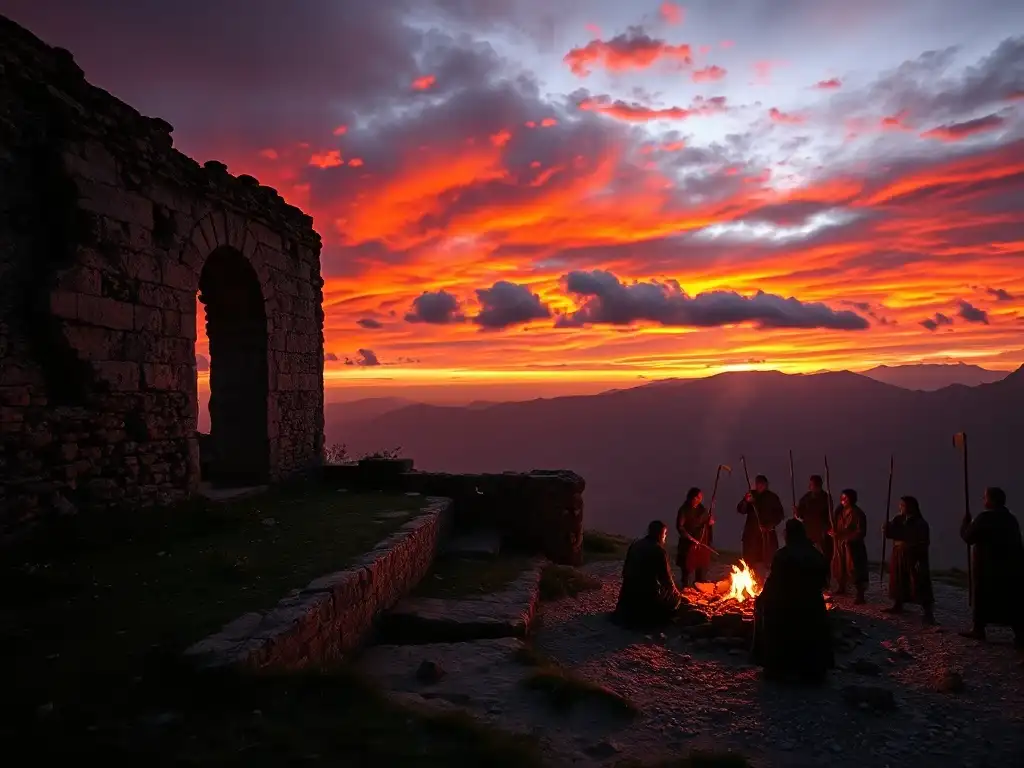
Step into a world lost to time, yet echoing with whispers of the future. Did ancient Andean prophecies foretell the arrival of the Spanish conquistadors? This website delves into the fascinating tapestry of Andean civilizations – the Incas, Moche, Nazca, and Tiahuanaco – revealing their remarkable achievements in art, technology, and culture. Explore the intriguing intersection of Andean prophecies and the Spanish conquest in our main article, and uncover a story of clashing worlds and unfulfilled destinies. Prepare to be captivated.
-
The Unfulfilled Prophecies: Andean Beliefs and the Spanish Conquest
- Introduction: Andean Prophecies and the Inevitable Arrival of the Spanish
- Pre-Columbian Andean Cosmologies and Prophetic Traditions
- The Spanish Conquest: A Clash of Worlds and Interpretations
- The Unfulfilled Prophecies: Disappointment and Adaptation
- The Persistence of Prophetic Thinking in Post-Conquest Andes
- Analyzing the Interaction: Andean Prophecies and Colonial Reality
- Conclusion: The Legacy of Unfulfilled Prophecies and Andean Identity
- Further Research and Exploration on Andean Prophecies and the Spanish Conquest
-
Frequently Asked Questions
- What were some common Andean prophecies concerning the end of times?
- How did these prophecies influence the Andean reaction to the Spanish conquest?
- Did the Spanish exploit any existing Andean prophecies?
- Were all Andean prophecies about destruction and the end of the world?
- How did Andean beliefs about the end of times shape their resistance to the Spanish?
- Final Reflection: Echoes of Prophecy in the Andes
- Uncover the Truth: Act on Your Curiosity!
The Unfulfilled Prophecies: Andean Beliefs and the Spanish Conquest
The arrival of the Spanish in the Andes was not merely a military conquest; it was a profound collision of worlds, where established cosmologies and deeply rooted beliefs clashed with the realities of European expansion. This article explores the fascinating intersection of pre-Columbian Andean prophecies concerning the end of times and the actual events of the Spanish conquest.
We will examine how indigenous Andean beliefs, often centered around cyclical conceptions of time and the role of powerful intermediaries, interacted with and, in some ways, anticipated the dramatic changes brought about by the arrival of the Spanish conquistadors. Understanding these prophecies provides crucial context for interpreting the Andean response to the conquest, revealing a complex tapestry of resistance, adaptation, and the shattering of a world order.
This analysis will focus on the prophecies and beliefs of several key Andean cultures, highlighting the ways in which their expectations of the future shaped their interactions with the Spanish. The keyword "Andean prophecies Spanish conquest" will be explored through the lens of historical accounts and anthropological interpretations.
Introduction: Andean Prophecies and the Inevitable Arrival of the Spanish
The Spanish conquest of the Andes wasn't a sudden, unforeseen event in the eyes of all Andean peoples. Many indigenous groups held complex belief systems incorporating prophecies and narratives that foretold significant societal shifts and the arrival of foreign entities. These prophecies, often interpreted by religious specialists, were not necessarily precise predictions of specific events like the arrival of Pizarro, but rather broader expectations of profound change, upheaval, and the potential end of a particular era.
The inherent ambiguity of many prophecies allowed for their reinterpretation in the face of the unprecedented realities of the conquest. Some interpretations saw the Spanish as fulfilling long-held prophecies, while others viewed the conquest as a catastrophic disruption of the established cosmic order. This inherent ambiguity in interpreting the prophecies makes understanding the Andean response to the Spanish conquest particularly challenging, yet fascinating.
Pre-Columbian Andean Cosmologies and Prophetic Traditions
Andean cosmologies were deeply intertwined with cyclical views of time, where periods of prosperity and decline were seen as natural parts of a larger cosmic rhythm. This understanding of time influenced how Andean societies perceived and interpreted prophetic pronouncements. Prophecies weren't simply predictions of the future; they were often embedded within a broader understanding of the cyclical nature of the cosmos and the interconnectedness of the human and supernatural realms.
This worldview significantly shaped how Andean communities reacted to the dramatic changes brought about by the arrival of the Spanish. The integration of prophecy into the daily life and ritual practices of Andean communities is an important area of study for understanding their response to the Spanish Conquest.
The Cycle of Pachacuti and Andean Conceptions of Time
The concept of Pachacuti, meaning "transformation" or "inversion of the world," was central to many Andean cosmologies. It represented a cyclical process of upheaval and renewal, where periods of stability were inevitably followed by periods of chaos and transformation. This concept provided a framework for understanding dramatic societal shifts, including the potential for the arrival of new powers and the overthrow of existing rulers.
The Spanish conquest, with its violence and profound societal changes, could have been interpreted by some as a manifestation of a Pachacuti event, albeit a particularly devastating one. Understanding the Andean concept of Pachacuti is vital to interpreting their response to the upheaval caused by the arrival of the Spanish.
Prophecies of Change and Transformation in Andean Societies
Numerous accounts suggest the existence of prophecies among various Andean groups predicting significant changes, including the arrival of foreign peoples. While the specifics of these prophecies vary widely depending on the group and the source, a common thread is the anticipation of disruption and transformation. These prophecies often involved symbolic imagery and cryptic language, making their precise interpretation challenging even for contemporary scholars.
The inherent ambiguity of these prophecies allowed for diverse interpretations, ranging from the Spanish being seen as agents of cosmic renewal to harbingers of destruction. Further research is needed to fully understand the variety and specific content of these prophecies across different Andean cultures.
The Role of Yatiris and Interpreters of Prophecy
Yatiris, religious specialists and diviners, played a crucial role in interpreting prophecies and advising Andean leaders. Their insights were highly valued, and their interpretations often shaped the responses of communities to perceived signs or omens. The arrival of the Spanish undoubtedly led to intense activity among Yatiris, who sought to understand the implications of this unprecedented event within the context of existing prophecies.
Their interpretations, however, were not uniform, leading to diverse reactions among different Andean groups. The role of Yatiris in mediating between the Andean worldview and the realities of the conquest requires further study. Understanding their interpretations is key to understanding the Andean reaction to the Spanish conquest.
The Spanish Conquest: A Clash of Worlds and Interpretations
The Arrival of the Conquistadors: Initial Encounters and Misinterpretations
The arrival of the Spanish conquistadors in the Andes marked a dramatic clash of cultures and belief systems. The indigenous populations, steeped in their own rich tapestry of religious and cosmological beliefs, often interpreted the arrival of these strange men with advanced weaponry and unfamiliar customs through the lens of their existing prophecies. Initial encounters were frequently characterized by misunderstanding and misinterpretation.
For example, the Spanish horses, never before seen in the Andes, were likely viewed with a mixture of awe and fear, potentially aligning with existing mythological creatures or omens within Andean belief systems. The conquistadors' advanced weaponry, such as firearms and cannons, were undoubtedly perceived as supernatural forces, further fueling existing anxieties surrounding apocalyptic prophecies.
The sheer scale of the Spanish invasion, with its accompanying violence and disease, likely overwhelmed any attempts at rational explanation within the existing framework of Andean understanding. The sudden and unexpected nature of the conquest complicated attempts to reconcile the events with pre-existing prophetic traditions.
The Impact of Spanish Presence on Andean Prophetic Beliefs
The Spanish conquest profoundly impacted Andean prophetic beliefs. The arrival of the Spaniards, with their superior military technology and devastating diseases, shattered the existing cosmological order. Many prophecies foretold a time of upheaval and change, but the scale and nature of the Spanish conquest exceeded even the most dire predictions.
The destruction of temples, the suppression of religious practices, and the imposition of Christianity created a context in which traditional prophecies were reinterpreted or abandoned altogether. The systematic dismantling of Andean social structures and power dynamics further complicated the understanding and application of prophecies that were often deeply intertwined with the existing political and social landscape. The imposition of a new worldview directly challenged the authority of traditional Andean priests and shamans, who played a central role in the interpretation and dissemination of prophecies.
How Andean Prophecies Were Reinterpreted in the Face of the Conquest
Faced with the overwhelming reality of the Spanish conquest, Andean prophecies underwent significant reinterpretations. Some prophecies, initially interpreted as foretelling a cosmic upheaval or the arrival of a new age, were retrospectively applied to the events of the conquest. This process involved a complex negotiation between the existing belief system and the new reality imposed by the Spanish.
For example, a prophecy that spoke of a powerful foreign force might have been reinterpreted to refer to the Spanish conquistadors. This reinterpretation allowed Andean communities to make sense of the catastrophic events unfolding around them, providing a framework for understanding and coping with the profound changes brought about by the conquest.
However, this process also involved a degree of selective memory and adaptation, with some prophecies being downplayed or ignored entirely if they failed to align with the new socio-political reality. The process was not uniform, varying across different Andean communities and regions.
The Unfulfilled Prophecies: Disappointment and Adaptation
The Failure of Expected Cosmic Events and the End of the World
Many Andean prophecies predicted significant cosmic events that would mark the end of the world or a dramatic shift in the existing order. These predictions often involved celestial phenomena, earthquakes, or other natural disasters. The Spanish conquest, while undeniably cataclysmic, did not unfold in the manner predicted in many prophecies.
The absence of these expected cosmic events led to a sense of disillusionment and questioning among Andean populations. The failure of prophecies to accurately predict the specific nature of the conquest challenged the authority of traditional prophetic interpretations and created space for new ways of understanding the world. The perceived failure of the prophecies to accurately predict the future likely contributed to a decline in their influence in some communities.
The Disillusionment of Andean Populations with Prophecies
The unfulfilled nature of many Andean prophecies led to disillusionment among some populations. The dramatic and unexpected nature of the Spanish conquest, coupled with the devastating impact of disease and violence, caused many to question the accuracy and reliability of traditional prophetic interpretations. The inability of prophecies to prevent or even adequately explain the conquest led to a decline in the credibility of traditional religious authorities and contributed to the adoption of new belief systems, including Christianity.
This disillusionment was not uniform, however, with some communities continuing to maintain their faith in traditional prophecies, adapting them to the new realities of the Spanish colonial period. The level of disillusionment likely varied based on factors such as the specific prophecies involved, the severity of the impact of the conquest on individual communities, and the strength of existing religious and cultural traditions.
Adaptation and Transformation of Andean Beliefs After the Conquest
Despite the disillusionment caused by unfulfilled prophecies, Andean beliefs did not simply disappear after the Spanish conquest. Instead, they underwent a process of adaptation and transformation, incorporating elements of the new colonial reality. Syncretism, the blending of indigenous and Christian beliefs, became a common feature of Andean religious practices. Traditional deities were often assimilated into the Christian pantheon, while traditional rituals and ceremonies were modified to incorporate Christian elements.
Prophecies themselves were reinterpreted or adapted to fit the new colonial context, allowing Andean communities to maintain a sense of continuity and cultural identity in the face of profound change. This process of adaptation ensured the survival of many aspects of Andean culture and belief, albeit in a significantly altered form. The blending of pre-Columbian and European religious concepts resulted in a unique religious landscape that continues to shape Andean culture today.
The Persistence of Prophetic Thinking in Post-Conquest Andes
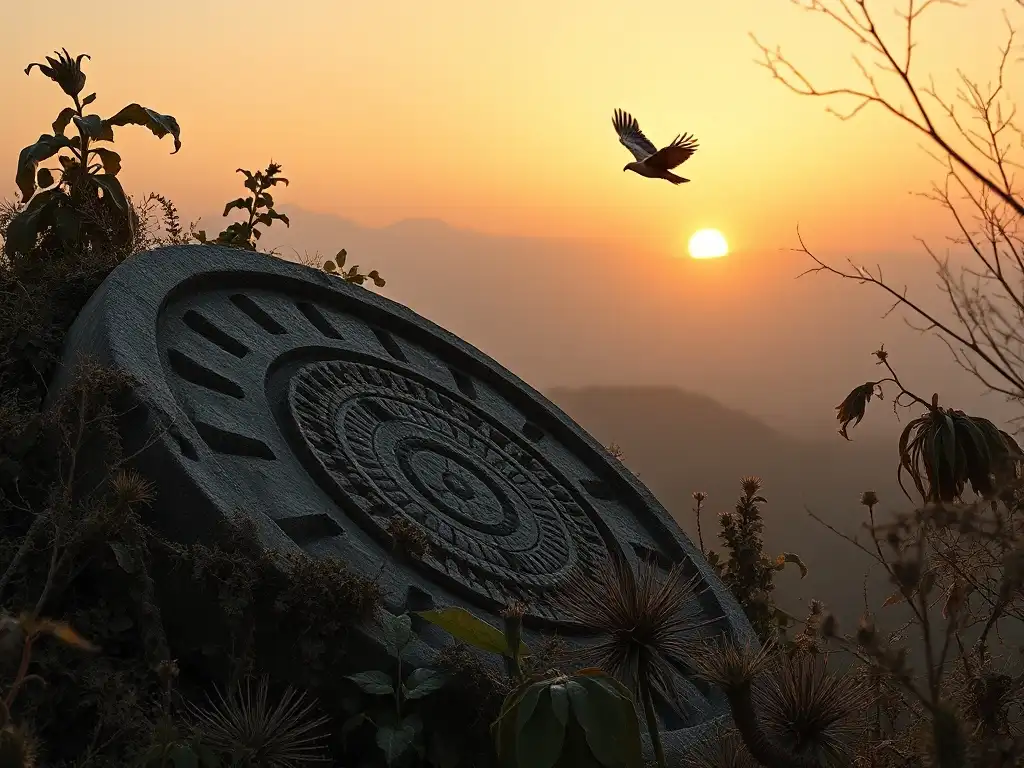
The arrival of the Spanish did not extinguish Andean prophetic traditions. Instead, it forced a complex adaptation. Indigenous populations, facing the devastation of their world, continued to seek meaning and hope through prophetic interpretations of events.
The initial shock of the conquest, the decimation of the population through disease and warfare, and the imposition of a foreign religion and social structure created fertile ground for the continuation and re-interpretation of existing prophecies, and the emergence of new ones. These prophecies provided a framework for understanding the cataclysmic changes sweeping through their world, offering explanations for the seemingly inexplicable and fostering a sense of continuity amidst disruption.
The persistence of these beliefs highlights the deep-rooted nature of Andean cosmology and the enduring power of prophetic thought in the face of overwhelming external forces. The enduring legacy of these beliefs is testament to the resilience of Andean culture and its ability to adapt and reinterpret its own narratives in response to dramatic historical shifts.
Syncretism and the Fusion of Andean and Christian Beliefs
The process of religious syncretism, the blending of Andean and Christian beliefs, significantly shaped post-conquest prophetic thinking. Indigenous populations often incorporated Christian elements into their existing worldview, reinterpreting biblical figures and narratives through the lens of their own cosmology. For example, the Virgin Mary was sometimes assimilated with Andean earth goddesses, while the figure of Christ might be seen as a powerful intermediary between the human and divine realms, mirroring existing Andean concepts of divine agency. This fusion created a complex religious landscape where traditional Andean prophecies were reinterpreted in light of Christian beliefs, and vice versa, leading to new forms of prophetic expression and social action. This syncretic approach allowed for a degree of resistance against the imposed Christian faith, while also providing a mechanism for navigating the new colonial reality. This blending of beliefs is evident in many aspects of Andean life, from religious practices to artistic expressions.
The Emergence of New Prophetic Movements and Expectations
The chaos and upheaval of the conquest spurred the creation of new prophetic movements and expectations. Facing immense suffering and uncertainty, communities sought solace and guidance in new prophecies that offered explanations and potential pathways to liberation. These prophecies often focused on the imminent return of a savior figure or a divine intervention that would restore Andean power and autonomy.
These movements, often characterized by millenarian expectations—the belief in an imminent utopian transformation—provided a vital source of resistance and hope in the face of colonial oppression. The emergence of these movements underscores the dynamism of Andean religious thought and its ability to adapt to changing circumstances. The specific details of these new prophecies varied greatly depending on the region and community, reflecting the diverse cultural landscape of the Andes.
The Taki Onqoy Movement and its Prophetic Elements
The Taki Onqoy movement, a significant religious and political movement that emerged in the central Andes during the late 1560s and early 1570s, serves as a prime example of the interplay between Andean prophecies and the colonial context. Characterized by its syncretic nature, the movement combined indigenous religious beliefs with elements of Christianity. It was fueled by prophecies predicting the imminent downfall of the Spanish and the restoration of Andean power.
The movement's followers, often dressed in traditional attire and performing ritualistic dances, spread their message throughout the region, challenging Spanish authority. The Taki Onqoy movement, while ultimately unsuccessful in achieving its goals, demonstrates the powerful role that prophecy played in shaping Andean resistance to Spanish rule. Its impact can be seen in the subsequent uprisings and rebellions that continued to plague the Spanish throughout the colonial period.
Analyzing the Interaction: Andean Prophecies and Colonial Reality
The interaction between Andean prophecies and the colonial reality was complex and multifaceted. It involved not only the adaptation and reinterpretation of existing beliefs but also the active manipulation and suppression of these prophecies by the Spanish. The Spanish colonial regime actively sought to control and suppress indigenous religious practices, fearing the potential for rebellion fueled by prophetic visions.
However, the resilience of Andean culture, manifested through the persistence of prophetic traditions, demonstrates the limitations of colonial power in completely eradicating indigenous beliefs. The analysis of this interaction requires a nuanced understanding of the power dynamics at play and the ways in which both indigenous and colonial actors shaped the course of history.
The Role of Prophecy in Shaping Andean Resistance and Accommodation
Andean prophecies played a crucial role in shaping both resistance and accommodation to Spanish rule. While some prophecies fueled resistance movements, others were interpreted in ways that promoted accommodation and survival. The interpretation and application of prophecy varied depending on the specific circumstances and the social and political context of different communities.
Some communities actively used prophecies to justify rebellion and armed struggle against the Spanish, while others sought to interpret prophecies in ways that minimized conflict and facilitated survival within the colonial system. This dual role highlights the complexity of the relationship between prophecy, power, and social action in the post-conquest Andes.
The Spanish Manipulation and Misrepresentation of Andean Prophecies
The Spanish colonial authorities actively engaged in the manipulation and misrepresentation of Andean prophecies to consolidate their power and control. They often used prophecies to their advantage, interpreting them in ways that supported their claims to legitimacy and authority. Conversely, they actively suppressed or distorted prophecies that threatened their rule. This manipulation highlights the political dimensions of prophecy and its use as a tool of both resistance and control in the colonial context. Understanding the Spanish strategies in dealing with Andean prophecies is crucial to grasping the full complexity of the conquest and its aftermath.
The Prophecies of Manco Inca and the Great Rebellion
Manco Inca, the leader of the Inca resistance after the Spanish conquest, played a significant role in utilizing and shaping prophecies to rally support for his rebellion. His leadership, combined with existing indigenous beliefs and prophecies, galvanized resistance against the Spanish. Manco Inca’s use of prophecy served as a powerful tool to unite disparate groups and inspire a large-scale rebellion.
The prophecies associated with Manco Inca’s rebellion illustrate the powerful role that religious belief played in shaping the course of resistance and the enduring legacy of Andean resistance to colonial rule. The details of these prophecies and their impact on the rebellion require further study to fully understand their significance in the larger context of the Spanish conquest.
Conclusion: The Legacy of Unfulfilled Prophecies and Andean Identity
The unfulfilled prophecies surrounding the Spanish conquest profoundly impacted Andean identity and worldview. The expectation of a divinely ordained savior or a cataclysmic event that would either prevent or drastically alter the arrival of the Europeans was not met. This led to a complex process of adaptation and resistance, where indigenous populations struggled to reconcile their traditional beliefs with the brutal realities of colonial rule.
The shattering of these prophecies didn't erase Andean spiritual traditions; instead, it forced a re-evaluation and reinterpretation of existing beliefs. Many prophecies were re-contextualized, incorporated into syncretic religious practices blending indigenous and Christian elements, and ultimately became part of the ongoing narrative of Andean resistance and survival. The legacy of these unfulfilled prophecies serves as a powerful reminder of the resilience and adaptability of Andean cultures in the face of immense challenges.
The prophecies themselves, even in their failure to accurately predict the future, became a significant part of the historical memory and cultural identity of the Andean peoples. They continue to resonate today, reminding us of the profound spiritual and cosmological beliefs that shaped Andean societies before, during, and after the conquest.
The Enduring Influence of Prophetic Thought in Andean Culture
Despite the dramatic events of the conquest, prophetic thought didn't disappear from Andean culture. It adapted and evolved, integrating new experiences and interpretations. The failure of prophecies to prevent the Spanish conquest didn't invalidate the underlying belief systems; rather, it prompted reinterpretations and the incorporation of new elements.
For example, some prophecies might have been reinterpreted to explain the conquest as a necessary, albeit painful, stage in a larger cosmological cycle. Others might have been adapted to predict future events or to provide guidance in navigating the challenges of colonial life. The continued existence of oral traditions, weaving together historical events with mythological narratives and prophecies, demonstrates the enduring importance of prophetic thought in Andean cultures.
This ongoing dialogue between prophecy, history, and lived experience shows the dynamic and adaptive nature of Andean belief systems. The persistence of prophetic thought highlights the deep-seated spiritual beliefs that have shaped Andean societies for centuries.
The Complex Relationship Between Prophecy, Conquest, and Colonialism
The interaction between Andean prophecies, the Spanish conquest, and subsequent colonialism was extraordinarily complex. The prophecies, often tied to cyclical time and cosmological events, provided a framework through which indigenous populations understood the world and their place within it. The arrival of the Spanish, however, dramatically disrupted this framework.
The failure of the prophecies to prevent or accurately predict the conquest created a space for both resistance and adaptation. Some indigenous groups attempted to actively resist Spanish rule, drawing strength from their beliefs and reinterpreting prophecies to fuel their struggles. Others, facing overwhelming force, adapted their beliefs to incorporate the new reality imposed by colonialism.
This process of syncretism, blending indigenous and Christian beliefs, often involved reinterpreting existing prophecies or creating new ones that incorporated the presence of the Spanish. The resulting cultural landscape was a complex tapestry of resistance, adaptation, and the ongoing negotiation of indigenous beliefs within the context of colonialism.
Reflections on the Unfulfilled Prophecies and their Historical Significance
The unfulfilled prophecies related to the Spanish conquest offer a unique lens through which to understand the complexities of this historical period. They highlight the profound spiritual and cosmological beliefs that shaped Andean societies, beliefs that were not easily erased or replaced by the imposition of colonial rule. The prophecies themselves, even in their failure to predict the future accurately, became powerful symbols of Andean resistance and resilience.
They demonstrate the enduring strength of indigenous worldviews and their capacity to adapt and evolve in the face of dramatic historical changes. Studying these prophecies allows us to understand the Andean perspective on the conquest, offering a counter-narrative to the often Eurocentric accounts that dominate historical narratives.
Analyzing these prophecies provides a deeper understanding of the cultural and spiritual impact of colonialism on Andean societies and sheds light on the intricate ways in which indigenous populations navigated the challenges of a radically altered world. Their continued relevance underscores the enduring importance of understanding the Andean perspective in the broader context of the Spanish conquest.
Further Research and Exploration on Andean Prophecies and the Spanish Conquest
Further research on Andean prophecies and their interaction with the Spanish conquest could significantly enhance our understanding of this crucial historical period. Areas for future investigation include a more in-depth analysis of specific prophecies from different Andean regions, examining their variations and interpretations across different groups and time periods. Comparing and contrasting the prophecies with other forms of Andean resistance, such as revolts and cultural preservation efforts, would reveal the multifaceted nature of Andean responses to colonial rule.
Investigating the role of oral traditions in transmitting and reinterpreting these prophecies over generations is also crucial. Furthermore, exploring the lasting influence of these prophecies on contemporary Andean cultures and identities would provide a complete picture of their enduring significance.
By undertaking this comprehensive research, we can gain a more nuanced and complete understanding of the complex relationship between Andean beliefs, the Spanish conquest, and the enduring legacy of both. This research will help to further decolonize historical narratives, giving voice to the perspectives and experiences of the Andean peoples.
Frequently Asked Questions
What were some common Andean prophecies concerning the end of times?
Many Andean cultures held beliefs about cyclical time and apocalyptic events. These prophecies often involved natural disasters, social upheaval, or the arrival of foreigners. Specific details varied widely between cultures.
How did these prophecies influence the Andean reaction to the Spanish conquest?
Some interpretations saw the arrival of the Spanish as a fulfillment of existing prophecies, leading to initial acceptance or passive resistance. Others viewed the conquest as a catastrophic disruption of the established cosmic order.
Did the Spanish exploit any existing Andean prophecies?
Yes, the Spanish often used religious syncretism and manipulated existing beliefs to justify their conquest and conversion efforts. They presented themselves as fulfilling prophecies, or as agents of a higher power.
Were all Andean prophecies about destruction and the end of the world?
No, many prophecies focused on cyclical renewal and the reemergence of order after periods of chaos. These beliefs offered hope and resilience even in the face of the devastating Spanish conquest.
How did Andean beliefs about the end of times shape their resistance to the Spanish?
Andean resistance was complex and varied. While some prophecies might have fostered passivity, others fueled resistance movements based on the belief that the invaders were a temporary disruption to the cyclical nature of time and the ultimate restoration of Andean power.
Final Reflection: Echoes of Prophecy in the Andes
The collision of Andean cosmology and Spanish conquest continues to resonate today, shaping our understanding of cultural clash and the enduring power of belief. The prophecies surrounding the end of times, far from being mere historical curiosities, offer a crucial lens through which to examine the complexities of colonization and its lasting impact on indigenous cultures. These prophecies weren't simply predictions; they were active agents in shaping the responses of Andean communities to the arrival of the Europeans, influencing resistance, adaptation, and the very construction of their identities in the face of overwhelming force.
The enduring legacy of these prophecies is evident in the persistent presence of Andean spirituality, albeit often intertwined with and adapted to Catholicism. Their influence can be seen in contemporary Andean art, literature, and social movements, a testament to the resilience of indigenous worldviews. The past is never dead. It's not even past,
wrote William Faulkner, and this rings profoundly true when considering the ongoing influence of these pre-Columbian beliefs. The ways in which Andean communities interpreted and reinterpreted these prophecies, adapting them to their changing circumstances, speaks volumes about their agency and capacity for survival.
Consider the weight of these prophecies, the hopes and fears they embodied, and how they continue to inform the narrative of the Andes. You, the reader, are now part of this ongoing conversation. Reflect on the power of belief systems to shape history, and consider how understanding the past can illuminate our present and inform our future interactions with diverse cultures. Let the echoes of these unfulfilled prophecies inspire a deeper appreciation for the richness and resilience of Andean heritage, and a commitment to understanding the complexities of intercultural exchange.
Uncover the Truth: Act on Your Curiosity!
Thank you for exploring the fascinating relationship between Andean beliefs and the Spanish conquest. You've begun to understand the enduring legacy of these remarkable civilizations. Now, let's delve deeper into this rich history.
- Expand your knowledge: Learn more about Andean cultures by reading books, watching documentaries, or listening to podcasts. Explore their beliefs, traditions, and prophecies.
- Share your discoveries: Discuss your newfound understanding with friends, family, or online communities interested in Andean history and culture. Contribute to the ongoing conversation.
- Experience Andean culture firsthand: Visit a museum with exhibits on Andean civilizations to connect with their history and heritage.
What aspect of Andean beliefs most captivates you? How might these beliefs inform modern perspectives on prophecy and spirituality?