
The Culinary Collision: The Impact of Spanish Foods and Cooking Methods on Andean Cuisine

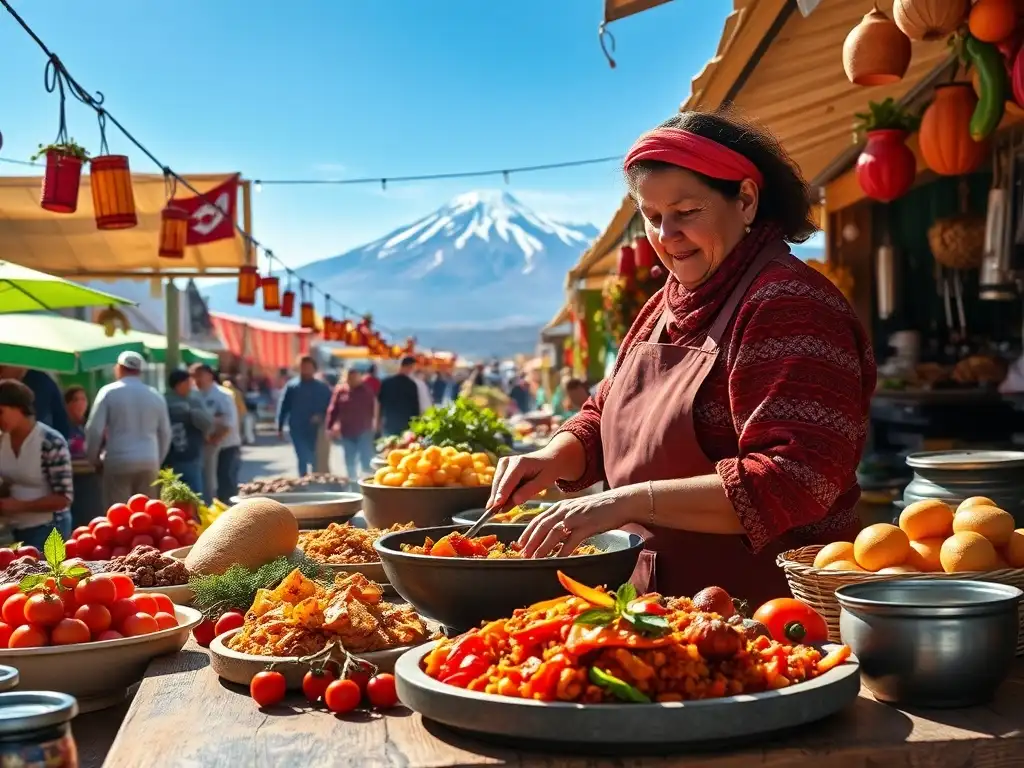
Uncover a culinary tapestry woven from conquest and resilience! Prepare to be amazed by the unexpected fusion of flavors in Andean cuisine, where the legacy of the Spanish conquest dramatically reshaped ancient traditions. Discover how Spanish foods and cooking methods collided with indigenous ingredients, creating a unique and delicious story that continues to unfold. Dive into the fascinating details of this culinary collision and explore the enduring impact of Spanish influence on the Andean table.
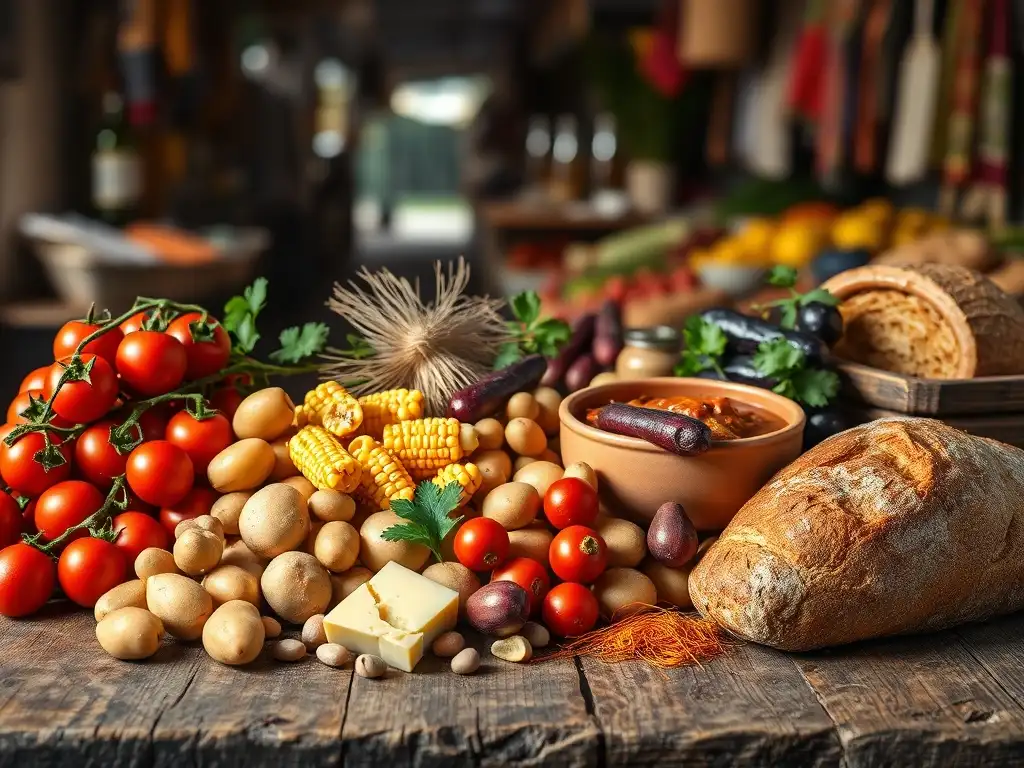
The arrival of the Spanish in the Andes in the 16th century marked a profound turning point, not only in the political and social landscape but also in the culinary traditions of the region. This article explores the significant impact of Spanish foods and cooking methods on Andean cuisine, a fusion that continues to shape the gastronomic identity of the region today.
We will examine the pre-Columbian Andean diet, trace the introduction of new ingredients and techniques by the Spanish conquistadors, and analyze the resulting culinary synthesis that defines Andean cuisine as we know it. Understanding this culinary collision provides invaluable insight into the complex interplay between cultures and the enduring legacy of the Spanish conquest.
The lasting influence of Spanish culinary practices on Andean foodways remains a fascinating and delicious study, offering a unique perspective on the cultural exchange that occurred during this transformative period. This exploration will reveal how the "Andean cuisine Spanish influence" continues to resonate in modern dishes and culinary practices.
Introduction: Andean Cuisine Before the Spanish Arrival
Before the arrival of the Spanish, Andean cuisine was incredibly diverse, reflecting the varied geography and climates of the region. The Andes Mountains, with their diverse ecological zones, provided a rich bounty of ingredients. High-altitude crops like potatoes, quinoa, and maize formed the staples of the diet, supplemented by a wide array of other vegetables, fruits, and tubers adapted to different altitudes. Animal protein sources varied regionally, with llama, alpaca, and guinea pig being important in some areas.
The Incas, for instance, developed sophisticated agricultural techniques like terracing to maximize food production in challenging terrains. Their mastery of irrigation systems allowed them to cultivate a wide variety of crops, supporting a complex and varied diet. Traditional Andean cooking methods, often involving slow cooking and the use of indigenous herbs and spices, created unique flavors and textures.
These indigenous culinary practices were deeply intertwined with religious beliefs and social structures, reflecting a profound connection between food, culture, and spirituality. The pre-Columbian Andean culinary landscape was a vibrant tapestry of regional variations and sophisticated techniques, a foundation upon which the subsequent culinary fusion would be built. This rich heritage provides a crucial backdrop for understanding the impact of the Spanish arrival.
The Arrival of the Spanish and the Introduction of New Ingredients
The Spanish conquest brought about a dramatic shift in Andean foodways. The introduction of new ingredients, such as wheat, rice, sugar cane, garlic, onions, and various spices like chili peppers (although some varieties were already present), fundamentally altered the culinary landscape. These new ingredients were integrated into existing dishes, creating hybrid culinary traditions. For example, the introduction of wheat led to the development of new breads and pastries, while sugar cane revolutionized the preparation of desserts.
The Spanish also introduced livestock such as cattle, pigs, and sheep, adding new sources of protein and dairy products to the Andean diet. These additions significantly diversified the available ingredients, enriching the culinary possibilities and contributing to the evolution of Andean cuisine. The impact was not merely additive; it was transformative, creating a fusion cuisine that blended indigenous and European elements in a unique and enduring way. The changes were not always seamless, however, as the introduction of new food crops and livestock also led to ecological and social transformations.
The adoption of new cooking techniques, such as frying and roasting, further contributed to the evolving culinary landscape. This process of cultural exchange, however, was often unequal, with the Spanish often imposing their culinary preferences while simultaneously appropriating indigenous ingredients and techniques. The resulting cuisine is a testament to both the resilience of indigenous traditions and the transformative power of cultural exchange. The complex interplay of these factors shaped the development of modern Andean cuisine and continues to inspire culinary innovation today.
- Introduction: Andean Cuisine Before the Spanish Arrival
- The Arrival of the Spanish and the Introduction of New Ingredients
- The Incorporation of Spanish Ingredients into Andean Cooking
- The Role of Livestock: Beef, Pork and Dairy in Andean Foodways
- New Cooking Techniques: Frying, Baking, and Stewing
- The Introduction of Spices and Herbs from Spain
- The Impact of Spanish Livestock on Andean Cuisine
- The Introduction of New Cooking Techniques and Utensils
- What is the main focus of this article?
- How did Spanish influence affect Andean cuisine?
- Which Andean cultures are discussed in relation to Spanish culinary influence?
- What specific Spanish foods were adopted into Andean cuisine?
- Where can I learn more about the specific dishes resulting from this culinary fusion?
The Transformation of Andean Dishes: Spanish Culinary Impact
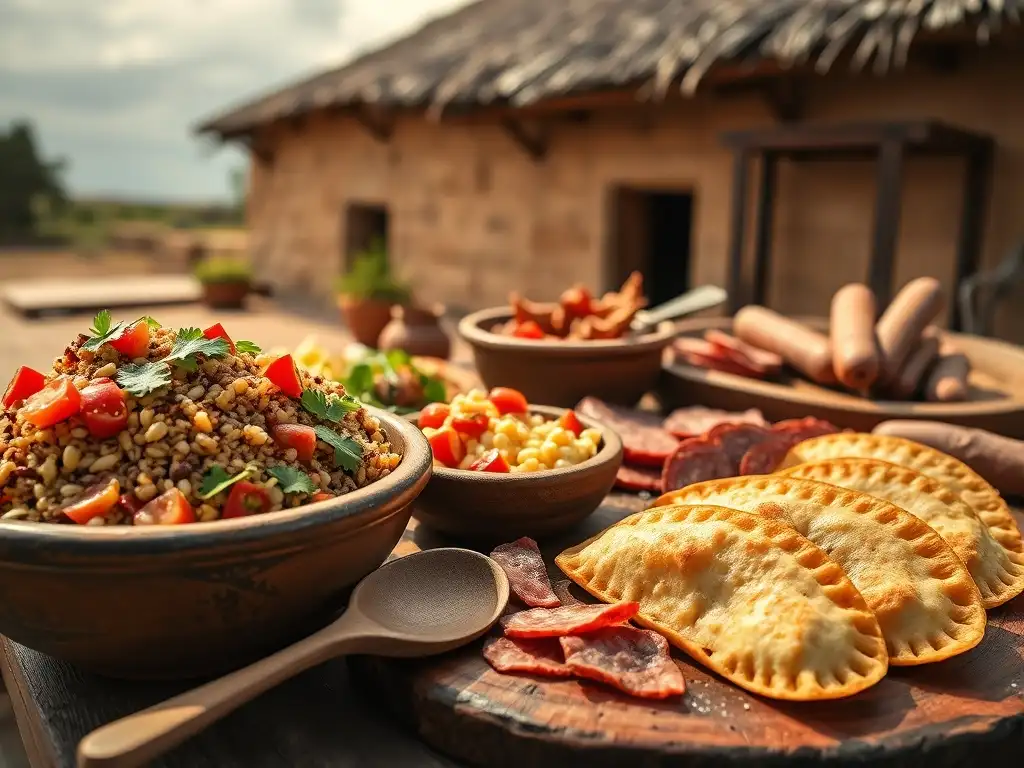
The arrival of the Spanish in the Andes dramatically altered the culinary landscape, resulting in a fascinating fusion of indigenous and European foodways. While Andean cuisine retained its core identity, the introduction of new ingredients, techniques, and even eating habits irrevocably changed the way food was produced, prepared, and consumed. This culinary collision, fueled by the "Andean cuisine Spanish influence," created a unique gastronomic heritage that persists to this day.
Understanding this transformation requires examining the specifics of how Spanish food impacted Andean traditions. The changes were not simply additive; they were deeply intertwined, resulting in novel dishes and altered perceptions of taste and nutrition. The process wasn't always harmonious; it was a complex interplay of adaptation, resistance, and ultimately, synthesis.
The Incorporation of Spanish Ingredients into Andean Cooking
Before the Spanish conquest, Andean diets were largely based on native crops like potatoes, maize, quinoa, and beans. The Spanish brought a plethora of new ingredients, many of which were quickly adopted and integrated into existing culinary practices. This integration wasn't simply a matter of adding new foods; it was about creating entirely new flavor profiles and dishes.
For example, the introduction of wheat led to the development of new breads and pastries, often incorporating existing Andean ingredients like chicha (a fermented maize beverage) or aji (a chili pepper) for a unique twist. Similarly, the arrival of garlic, onions, and various herbs significantly broadened the range of flavors available to Andean cooks. These ingredients were incorporated into stews, sauces, and marinades, often complementing or enhancing the existing palette of flavors. The impact extended beyond taste; these new ingredients also brought nutritional changes, altering the vitamin and mineral composition of traditional Andean dishes.
The introduction of sugarcane also revolutionized Andean desserts and beverages. Before the Spanish, sweeteners were primarily derived from native fruits. Sugarcane, however, provided a more readily available and potent sweetener, leading to the creation of numerous new confections and drinks. This shift reflects the broader changes in Andean food culture, moving from primarily savory dishes to a wider inclusion of sweet treats. The extent of this adoption varied across different Andean regions, influenced by factors like altitude, climate, and access to trade routes.
The Role of Livestock: Beef, Pork and Dairy in Andean Foodways
The Spanish conquest brought with it a significant shift in animal protein consumption. Before the arrival of the Europeans, Andean diets relied heavily on camelids (llamas and alpacas) and guinea pigs. The introduction of cattle, pigs, and sheep drastically altered this dynamic. These animals provided a new source of meat, dairy products, and even hides for clothing and tools, significantly impacting both the diet and the economy of Andean communities.
The impact of livestock was not uniform. In some areas, the integration was relatively seamless, with cattle and pigs becoming integrated into existing agricultural practices. In other regions, the introduction of these animals led to conflicts over land use and resources. Nevertheless, the long-term effect was undeniable.
Dishes like seco de carne (beef stew) and chanfaina (a hearty stew with offal) became staples in many regions, showcasing the successful fusion of Spanish livestock with Andean cooking techniques and spices. The introduction of dairy products, like cheese and milk, also enriched Andean diets, creating new possibilities for both savory and sweet dishes. Detailed studies are still needed to fully quantify the nutritional impact of these changes on Andean populations.
New Cooking Techniques: Frying, Baking, and Stewing
Along with new ingredients came new cooking methods. Before the Spanish conquest, Andean cooking techniques primarily involved boiling, roasting, and grilling. The Spanish introduced techniques like frying, baking, and stewing, which significantly expanded the culinary possibilities. These new methods allowed for a greater variety of textures and flavors, enriching the existing Andean culinary repertoire.
Frying, in particular, became a popular method for preparing various foods, from meats to vegetables. The introduction of lard and other animal fats provided the necessary cooking medium. Baking, while initially limited to breads and pastries made with imported wheat, eventually expanded to include other Andean ingredients.
Stewing, a technique well-suited to incorporating a variety of ingredients, became a cornerstone of Andean cuisine, with numerous regional variations evolving over time. The adoption of these techniques demonstrates the adaptability of Andean cooks and their ability to integrate new methods into their established culinary practices, further shaping the unique character of Andean cuisine influenced by the Spanish. Further research could explore the specific regional variations in the adoption of these techniques and their impact on food preservation methods.
The Introduction of Spices and Herbs from Spain
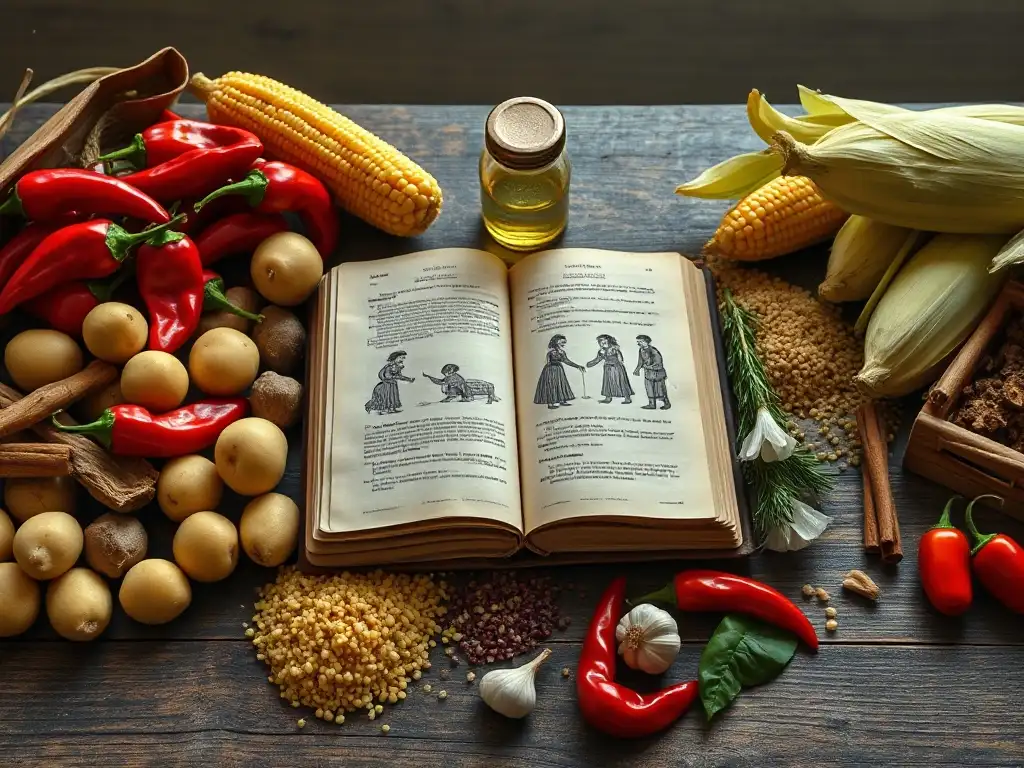
The arrival of the Spanish in the Andes drastically altered the culinary landscape, introducing a wave of new ingredients previously unknown to the region. Among the most significant contributions were a vast array of spices and herbs, which profoundly impacted the flavors and complexity of Andean dishes. Before the Spanish conquest, Andean cuisine relied heavily on native ingredients like chili peppers, potatoes, and quinoa, creating a unique and flavorful palette.
However, the introduction of Old World spices like cinnamon, cloves, cumin, and oregano added layers of aromatic depth previously unimaginable. These spices weren't simply added as garnishes; they became integral components, transforming familiar dishes and creating entirely new culinary creations.
For example, the addition of cinnamon to traditional stews added a warmth and sweetness that complemented the existing flavors, while the pungent notes of cumin introduced a savory complexity. The impact wasn't just limited to savory dishes; the use of spices like cloves and anise in desserts and beverages introduced entirely new dimensions of flavor and aroma.
The adoption of these spices wasn't immediate or uniform across all Andean communities. The initial impact was likely strongest in areas with more direct contact with the Spanish, such as the major urban centers. However, over time, the use of these new ingredients spread throughout the Andes, gradually integrating into the existing culinary traditions.
This process of cultural exchange resulted in a fusion of flavors, a culinary synthesis that reflected the blending of two distinct culinary worlds. The integration of Spanish spices and herbs into Andean cooking is a testament to the dynamic nature of cultural exchange and the enduring impact of colonization on foodways. The legacy of these spices remains a significant element of Andean cuisine today, a subtle but powerful reminder of the historical collision of two vastly different culinary traditions.
The precise ways in which different communities incorporated these new ingredients varied, resulting in a rich tapestry of regional variations, each with its unique blend of native and introduced flavors. This demonstrates the adaptability and ingenuity of Andean cooks in integrating foreign elements into their existing culinary practices.
The Impact of Spanish Livestock on Andean Cuisine
The introduction of Spanish livestock—cattle, sheep, goats, and pigs—marked a significant turning point in Andean culinary history. Prior to the conquest, the Andean diet primarily consisted of plant-based foods, supplemented by indigenous animals like llamas and alpacas. The arrival of these new animals dramatically increased the availability of meat, fundamentally altering dietary habits and creating new culinary possibilities.
The rich, fatty meats of cattle and pigs provided a stark contrast to the leaner meats of the llama and alpaca, leading to the development of new cooking techniques and recipes. Stews, roasts, and sausages, previously unknown, became staples in many Andean communities. The abundance of meat also led to a shift in the balance of ingredients within traditional dishes, with meat often taking center stage.
Furthermore, the introduction of dairy products—milk, cheese, and butter—added another dimension to Andean cuisine. These dairy products, unfamiliar to the pre-Columbian Andes, enriched both sweet and savory dishes, adding creaminess, richness, and a new range of flavors. The use of cheese, for example, became integral to many dishes, adding a salty and tangy counterpoint to the existing ingredients.
The impact of dairy products was particularly noticeable in the development of new desserts and sweets, creating a richer and more varied culinary landscape. The integration of Spanish livestock and dairy products was not without its challenges. Competition for resources and pastureland between indigenous and introduced animals led to conflicts and changes in land use.
However, the long-term impact on Andean cuisine was undeniable, resulting in a richer, more diverse, and ultimately, more complex culinary tradition. The legacy of Spanish livestock continues to be felt in Andean cuisine today, with meat and dairy products playing a significant role in many traditional dishes.
The Introduction of New Cooking Techniques and Utensils
The Spanish conquest brought about not only new ingredients but also novel cooking techniques and utensils that fundamentally transformed Andean food preparation. While Andean civilizations possessed sophisticated culinary practices, the introduction of European methods and tools added new layers of complexity and efficiency. For instance, the Spanish introduced ovens, which allowed for a level of heat control and even cooking previously unavailable. This innovation led to the development of new baked goods and the refinement of existing recipes, allowing for a broader range of textures and flavors.
The use of ovens facilitated the creation of bread, cakes, and other baked goods that became integrated into Andean culinary practices. The Spanish also introduced new cooking vessels, like cast-iron pots and pans, which offered superior heat retention and durability compared to the traditional Andean pottery. These durable vessels allowed for more precise control over cooking temperatures and better preservation of food.
Beyond the introduction of new equipment, the Spanish also brought with them new cooking techniques. Methods like frying and stewing, while not entirely absent in Andean cuisine prior to the conquest, were significantly expanded upon and refined. The use of lard and other animal fats for frying opened up new possibilities for creating crispy textures and rich flavors.
Stewing techniques, coupled with the introduction of new spices and ingredients, produced hearty and flavorful dishes that became integral to Andean diets. The adoption of these new techniques and utensils wasn't a simple replacement of existing methods. Instead, it involved a complex process of adaptation and integration, with Andean cooks creatively blending Spanish innovations with their existing culinary knowledge.
This resulted in a fusion of techniques that created a unique culinary identity, reflecting the blending of two distinct culinary traditions. The lasting impact of these introduced cooking methods and utensils is evident in the diverse range of cooking techniques and recipes prevalent in Andean cuisine today.
Specific Examples of Andean Dishes Transformed by Spanish Influence
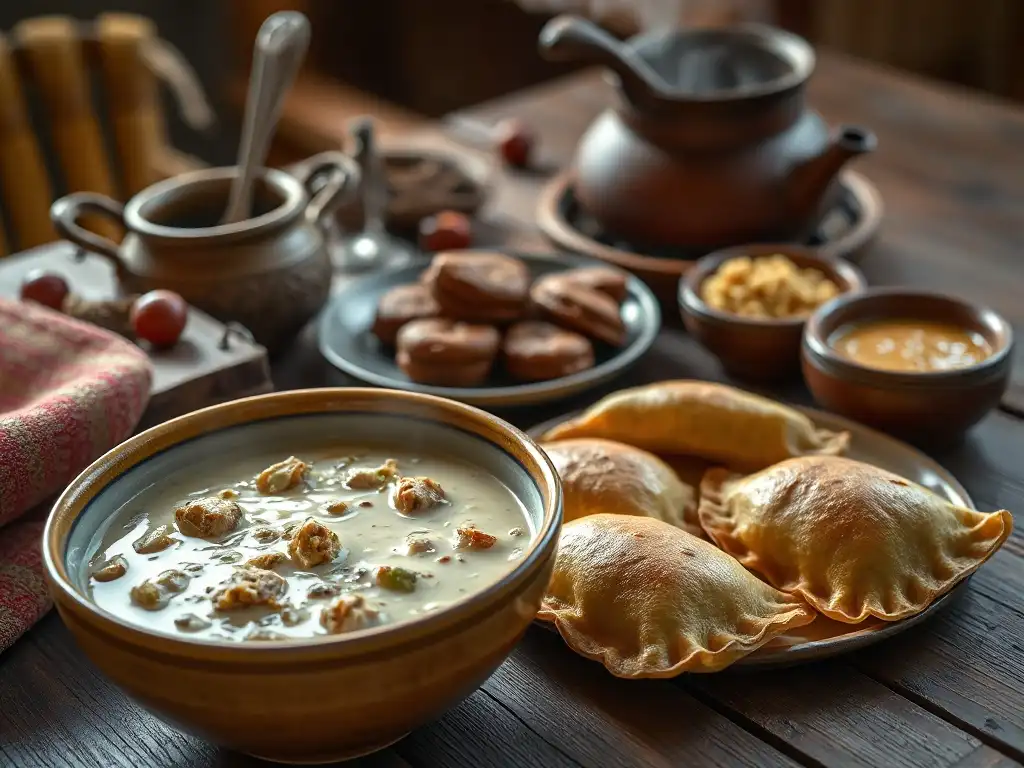
The arrival of the Spanish in the Andes drastically altered the culinary landscape, resulting in a fascinating fusion of indigenous ingredients and European techniques. Understanding the impact of this "culinary collision" requires examining specific dishes that demonstrate this transformative process. The introduction of new ingredients, cooking methods, and even eating habits profoundly reshaped Andean cuisine, creating the vibrant and complex food culture we know today.
The enduring legacy of this exchange is evident in many beloved Andean dishes, showcasing the resilience and adaptability of Andean culinary traditions. This section will delve into the evolution of several key dishes, highlighting the specific ways in which Spanish influence shaped their development. The keyword "Andean cuisine Spanish influence" is naturally integrated throughout the following examples.
The Evolution of Locro
Locro, a hearty stew, stands as a prime example of Andean cuisine's adaptation to Spanish influence. While pre-Columbian versions of locro likely existed, utilizing indigenous ingredients like potatoes, maize, and beans, the Spanish introduction of new ingredients and techniques significantly altered its composition and preparation.
Before the conquest, locro likely featured a simpler preparation, possibly relying more on direct cooking methods over an open fire. The Spanish introduction of techniques like slow simmering in earthenware pots, as well as new spices such as cumin and paprika, dramatically enriched the flavor profile. Furthermore, the introduction of dairy products – like cheese and milk – added a new dimension to the texture and taste, transforming it from a primarily vegetable-based stew to a richer, more complex dish.
The inclusion of chorizo or other cured meats, a distinctly Spanish contribution, further exemplifies this culinary fusion. Today's locro, therefore, represents a complex interplay between indigenous Andean ingredients and Spanish culinary additions, showcasing the dynamic nature of cultural exchange. The variations found across different Andean regions also reflect the ongoing evolution of this dish, a testament to its enduring popularity and adaptability.
Humitas Before and After the Spanish Conquest
Humitas, savory corn tamales, offer another compelling case study of Spanish influence on Andean cuisine. While the basic concept of wrapping corn dough and filling it with other ingredients likely predates the Spanish arrival, the conquistadors inadvertently introduced elements that profoundly changed the humita's preparation and presentation.
Before the Spanish conquest, humitas were likely prepared using simpler wrapping techniques, possibly employing only corn husks. The Spanish introduction of techniques like using banana leaves, as seen in other Latin American cuisines, broadened the options for wrapping. Moreover, the Spanish introduction of new ingredients like cheese (often queso fresco) and spices added complexity to the filling.
The integration of these new elements showcases a seamless blend of indigenous and Spanish culinary traditions. The pre-Columbian version likely relied on more basic seasonings, highlighting the native flavors of the corn and any additional ingredients. The current humita, however, exhibits a richer, more complex flavor profile due to the addition of cheese and spices, illustrating the ongoing adaptation and refinement of this Andean staple.
The Spanish Influence on Aji de Gallina
Aji de Gallina, a creamy chicken stew, is another excellent example of the fusion of Andean and Spanish culinary traditions. While the use of aji (chilies) is undeniably indigenous, the sauce's creamy texture and the incorporation of certain ingredients are largely attributed to Spanish influence.
The pre-Columbian version of aji de gallina probably featured a simpler, less creamy sauce, possibly relying more on the natural flavors of the chilies and other indigenous ingredients. The Spanish introduction of dairy products, particularly milk and cream, fundamentally changed the sauce's texture and flavor profile, creating the signature creamy consistency that defines the dish today. Additionally, the inclusion of bread crumbs, a common element in Spanish cuisine, adds a unique textural dimension and thickens the sauce.
The use of nuts, while potentially present in some pre-Columbian preparations, was likely enhanced by Spanish influences, further enriching the sauce's flavor and complexity. The evolution of aji de gallina vividly demonstrates how the Spanish conquest didn't just introduce new ingredients but also transformed existing culinary practices, creating a uniquely Andean-Spanish dish. This exemplifies the dynamic and enduring impact of the "culinary collision" on Andean cuisine.
The Long-Term Effects of Spanish Culinary Influence
The arrival of the Spanish in the Andes dramatically altered the region's culinary landscape, leaving a lasting impact on Andean cuisine that persists to this day. While the introduction of new ingredients and techniques initially caused disruption and hardship, a complex process of adaptation and fusion ultimately shaped a new culinary identity. Understanding this long-term effect requires examining both the immediate consequences and the gradual blending of Spanish and indigenous foodways.
The consequences weren't simply about the introduction of new foods; they also involved significant shifts in agricultural practices, food distribution networks, and even social structures related to food production and consumption. The Spanish conquest fundamentally reshaped the Andean food system, creating a legacy that continues to influence modern Andean gastronomy. This influence is deeply interwoven with the history of the region, reflecting both the dominance of the Spanish and the resilience of Andean culinary traditions.
Changes in Andean Diet and Food Habits
The Spanish conquest led to significant changes in Andean diet and food habits. Prior to the arrival of the Europeans, the Andean diet was primarily based on diverse native crops like potatoes, maize (corn), quinoa, beans, and various fruits and vegetables. The Spanish introduced a range of new foods, including wheat, rice, barley, sugarcane, livestock (cattle, sheep, pigs), and various spices and herbs. This influx of new ingredients profoundly altered the nutritional composition of the Andean diet.
The introduction of wheat, for example, led to the widespread adoption of bread, a staple in Spanish cuisine, which became incorporated into Andean diets, though often in ways adapted to local resources and preferences. Similarly, the introduction of livestock transformed meat consumption, leading to the development of new dishes and cooking methods. However, this transformation was not without its downsides.
The dependence on new crops sometimes led to a reduction in the diversity of traditional Andean crops, impacting nutritional balance and food security in some regions. The shift also impacted traditional agricultural practices, with some indigenous farming techniques being replaced or modified to accommodate the new crops and livestock.
| Traditional Andean Crops | Introduced Spanish Crops & Livestock | Impact on Andean Diet |
|---|---|---|
| Potatoes, Maize, Quinoa, Beans | Wheat, Rice, Barley, Sugarcane, Cattle, Sheep, Pigs | Increased dietary diversity, but also potential reduction in traditional crop diversity and nutritional imbalances in some areas. |
The Blending of Flavors: A New Culinary Identity
Despite the initial disruption, the fusion of Spanish and Andean culinary traditions resulted in the creation of a unique and vibrant culinary identity. The blending of flavors was not a simple replacement of one cuisine with another; instead, it was a complex process of adaptation, innovation, and exchange. Indigenous ingredients were combined with newly introduced spices and techniques, giving rise to novel dishes and cooking methods.
For example, the use of chili peppers, a staple in Andean cuisine, was combined with Spanish spices to create distinctive flavor profiles. Similarly, traditional Andean cooking techniques were adapted to incorporate new ingredients, resulting in a rich and diverse culinary landscape.
This process of culinary fusion was also influenced by social dynamics. The interaction between Spanish and indigenous populations led to the exchange of culinary knowledge and practices, resulting in the development of dishes that reflect both cultural influences. This blending was not always harmonious; power imbalances influenced the adoption and adaptation of different foods and techniques.
However, the enduring presence of traditional Andean ingredients and cooking methods in modern Andean cuisine demonstrates the resilience and adaptability of indigenous culinary traditions. The result is a culinary tapestry woven from diverse threads, creating a unique culinary identity that is both distinctly Andean and profoundly shaped by Spanish influence.
The Persistence of Andean Cooking Traditions
Despite the significant impact of Spanish culinary influence, many traditional Andean cooking traditions persisted and continue to thrive today. While new ingredients and techniques were adopted, indigenous crops like potatoes, maize, and quinoa remain fundamental to Andean cuisine. Traditional Andean cooking methods, such as preparing food underground (pachamanca), are still practiced in many communities, demonstrating the resilience of indigenous culinary heritage.
Many dishes retain a distinctly Andean character, showcasing the ingenuity and adaptability of Andean cooks in integrating new elements into their established culinary practices. This persistence reflects not only the enduring value of traditional foods and methods but also the deep cultural significance of food in Andean societies.
The continued use of traditional Andean ingredients and cooking methods highlights the enduring connection between Andean culture and its culinary heritage. The ability of Andean cuisine to incorporate new elements while retaining its distinctive character speaks to its flexibility and richness. It showcases the ability of a culture to adapt and evolve while preserving its unique identity.
The story of Andean cuisine is a powerful testament to the enduring influence of indigenous traditions in the face of significant historical changes. The legacy of Spanish influence is undeniable, but it’s a legacy interwoven with the enduring strength and adaptability of Andean culinary traditions.
The Ongoing Evolution of Andean Cuisine: A Fusion of Cultures
The arrival of the Spanish in the Andes dramatically altered the culinary landscape, introducing new ingredients, techniques, and traditions that irrevocably shaped Andean cuisine. However, the impact wasn't simply a replacement of existing practices; instead, a fascinating fusion occurred, resulting in a vibrant and complex culinary heritage that continues to evolve today. This fusion wasn't a passive absorption; Andean communities actively adapted and integrated Spanish elements into their existing foodways, creating novel dishes and flavors.
The process wasn't always harmonious, of course, with some traditional practices fading into obscurity, but the overall result is a unique culinary tapestry woven from both indigenous and Spanish threads. This dynamic interaction highlights the resilience and adaptability of Andean cultures in the face of profound societal change.
The ongoing evolution is evident in the continued use of many Spanish-introduced ingredients. For example, wheat, now a staple in many Andean dishes, was unknown before the conquest. Similarly, the introduction of livestock like cattle, pigs, and sheep revolutionized protein sources and cooking methods. These animals provided meat for stews, roasts, and charcuterie, adding new dimensions to Andean culinary traditions.
However, the integration wasn't a simple substitution. Andean cooks creatively incorporated these new ingredients into existing dishes, adapting them to their own unique tastes and preferences. Consider the example of cuy (guinea pig), a traditional Andean delicacy, often prepared with Spanish-inspired seasonings and cooking techniques. This demonstrates the ongoing negotiation and adaptation of both culinary traditions.
Furthermore, the exchange extended beyond ingredients. Spanish cooking techniques, like frying and oven-roasting, supplemented existing methods like grilling and steaming, enriching the diversity of preparation styles. This diversification was crucial, allowing for greater creativity and complexity in the preparation of food.
The introduction of new cookware and utensils also played a role in this evolution, further contributing to the transformation of Andean cuisine. This continuous adaptation and innovation are key to understanding the present-day diversity and complexity of Andean food culture. The enduring legacy of Spanish influence is not just in the presence of specific ingredients or techniques but also in the way these elements have been seamlessly interwoven into the fabric of Andean culinary identity.
It is a testament to the creativity and resourcefulness of Andean cooks, who successfully navigated the challenges of colonization while preserving and transforming their own rich culinary heritage. This ongoing process of fusion continues to shape Andean cuisine, creating a dynamic and ever-evolving culinary landscape that reflects the intricate history and cultural dynamism of the region.
Conclusion: The Enduring Legacy of Spanish Foods in Andean Gastronomy
The arrival of the Spanish in the Andes drastically altered the culinary landscape, resulting in a complex fusion of indigenous ingredients and techniques with those introduced from Europe. While often viewed through a lens of conquest and cultural disruption, the culinary exchange also represents a fascinating process of adaptation and innovation, shaping what we know today as Andean cuisine. Understanding this legacy allows us to appreciate the depth and complexity of the region's gastronomic heritage, recognizing both the continuity of pre-Columbian traditions and the lasting impact of Spanish influence.
This fusion, far from being a simple replacement, resulted in a vibrant, evolving cuisine that continues to evolve and surprise. The enduring presence of Spanish-introduced ingredients and techniques within Andean gastronomy is a testament to this dynamic interplay.
Summarizing the Impact of Spanish Ingredients and Techniques
The Spanish introduction of new ingredients fundamentally reshaped Andean cuisine. Wheat, for example, became a staple, leading to the development of new breads and pastries, significantly altering dietary habits. Likewise, livestock such as cattle, pigs, and sheep provided new sources of protein and dairy products, enriching the culinary palette. These additions weren't merely supplementary; they integrated into existing dishes, creating novel combinations. Consider the introduction of chuño (freeze-dried potatoes) combined with Spanish-introduced meats in stews. This exemplifies the creative adaptation of existing Andean techniques with new ingredients.
Beyond ingredients, Spanish cooking methods also left an indelible mark. The use of ovens, for instance, allowed for new baking techniques, resulting in the creation of breads and pastries previously unknown in the Andes. The introduction of frying techniques expanded the culinary possibilities, adding new textures and flavors to traditional dishes. Furthermore, the Spanish emphasis on sauces and seasoning contributed to a more complex and nuanced flavor profile in many Andean dishes. This demonstrates a clear shift from the simpler preparation methods often associated with pre-Columbian Andean cuisine.
| Pre-Columbian Andean Cuisine | Spanish-Influenced Andean Cuisine |
|---|---|
| Primarily based on potatoes, maize, and quinoa | Incorporation of wheat, rice, and other grains |
| Limited use of dairy products | Introduction of dairy products (cheese, milk) |
| Simpler seasoning and preparation methods | More complex seasoning and cooking techniques |
| Focus on local, seasonal ingredients | Wider range of ingredients, including imported |
The Modern Andean Culinary Landscape and its roots
Modern Andean cuisine is a direct descendant of this complex culinary collision. While many traditional dishes persist, retaining their core ingredients and preparation methods, they often incorporate elements introduced by the Spanish. This is evident in the numerous dishes that blend indigenous ingredients with Spanish-introduced meats, dairy products, and spices. The continued use of wheat in breads and pastries, the widespread consumption of dairy products, and the prevalence of stews incorporating both Andean and Spanish ingredients all testify to the enduring legacy of this culinary exchange.
The vibrant tapestry of flavors and techniques reflects centuries of interaction and adaptation. The evolution continues, with chefs actively reinterpreting and innovating upon these traditions, creating exciting new dishes that blend the old with the new. This vibrant culinary scene showcases the resilience and adaptability of Andean culture.
A Final Reflection on the Culinary Exchange
The culinary impact of the Spanish conquest on the Andes is a multifaceted story. It wasn't simply a replacement of one cuisine with another, but a dynamic process of adaptation, innovation, and fusion. The Spanish introduced crucial ingredients and techniques that fundamentally changed Andean foodways, yet these additions were integrated into, rather than replacing, existing culinary traditions.
The result is a rich and diverse culinary heritage that reflects both the continuity of pre-Columbian traditions and the lasting influence of Spanish culinary practices. Understanding this complex interaction provides a deeper appreciation for the vibrant and evolving nature of Andean cuisine and its enduring legacy. The study of "Andean cuisine Spanish influence" therefore reveals not only a culinary history but also a story of cultural exchange and adaptation.
Frequently Asked Questions
What is the main focus of this article?
This article explores the significant impact of Spanish colonization on the culinary traditions of the Andean region, examining how Spanish foods and cooking methods altered existing practices. It focuses on the culinary collision between these two distinct food cultures.
How did Spanish influence affect Andean cuisine?
Spanish colonization introduced new ingredients like wheat, rice, and sugar, as well as livestock such as cattle, pigs, and sheep. These additions blended with existing Andean staples, fundamentally changing cooking methods and resulting in new dishes. Traditional Andean techniques were also adapted and combined with Spanish methods.
Which Andean cultures are discussed in relation to Spanish culinary influence?
While the article covers the broad impact across the Andes, it implicitly touches upon the culinary heritage of cultures like the Inca, Moche, Nazca, and Tiahuanaco, showing how their foodways were affected by the Spanish introduction of new ingredients and techniques.
What specific Spanish foods were adopted into Andean cuisine?
Spanish staples such as wheat (used in bread and pastries), pork, beef, and dairy products became integrated into Andean dishes. These ingredients were often combined with traditional Andean crops like potatoes and maize to create new hybrid dishes.
Where can I learn more about the specific dishes resulting from this culinary fusion?
While this article provides an overview, further research into specific Andean regional cuisines will reveal the unique dishes resulting from this culinary exchange. Looking for information on Andean fusion dishes will provide more detailed examples.
Final Reflection: A Legacy Seasoned with Saffron and Aji
The enduring fusion of Spanish and Andean culinary traditions continues to shape the vibrant gastronomic landscape of South America today. This collision of flavors, techniques, and ingredients, far from being a mere historical footnote, remains a powerful force influencing both the everyday meals and the high-end restaurants of the region. The impact is undeniable, a testament to the enduring power of cultural exchange and adaptation.
The subtle yet profound influence of Spanish cooking methods on Andean staples is a fascinating study in culinary evolution. The introduction of new ingredients like wheat, rice, and sugar, alongside techniques like frying and stewing, fundamentally altered traditional Andean cuisine, creating a unique and delicious hybrid. This process wasn't simply a replacement, but a creative synthesis, a testament to the ingenuity and adaptability of Andean cooks. Food is symbolic of love when words are inadequate.
- Alan D. Wolfelt. This sentiment rings true when considering the enduring legacy of this culinary exchange, a legacy built on shared meals and the passing down of recipes across generations.
Consider the dishes you eat, the flavors you savor. Think about the origins of your own culinary traditions and how they have been shaped by outside influences. What stories do the ingredients on your plate tell? I encourage you to explore the rich tapestry of Andean cuisine, to discover the fascinating interplay of Spanish and indigenous influences, and to appreciate the enduring power of food to connect us across cultures and time. Let the flavors of this culinary collision inspire your own explorations and celebrations of food's ability to bridge divides and build bridges.
Savor the Fusion: Transform Your Culinary Experience!
Thank you for joining us on this delicious journey through the flavors of Andean cuisine and its fascinating Spanish influences! You've gained a deeper understanding of how these culinary traditions have intertwined. Now, let's put that knowledge to delicious use!
Here are some actionable steps to elevate your cooking and explore these vibrant flavors:
- Experiment with a fusion recipe: Try a traditional Andean dish with a Spanish twist—imagine a hearty Andean stew infused with the vibrant flavors of Spanish chorizo, for instance—and delight your taste buds with exciting new combinations.
- Share your creations: Post your culinary experiments on social media using #AndeanFusion to connect with fellow food enthusiasts and inspire others to explore these unique flavors.
- Join a local cooking class: Deepen your knowledge of Andean and Spanish cooking techniques by learning from experts in your community.
What unique dish would you create by blending Andean and Spanish flavors? Share your ideas and join the conversation below!