
The Economic Earthquake: How the Spanish Conquest Transformed Andean Trade and Agriculture

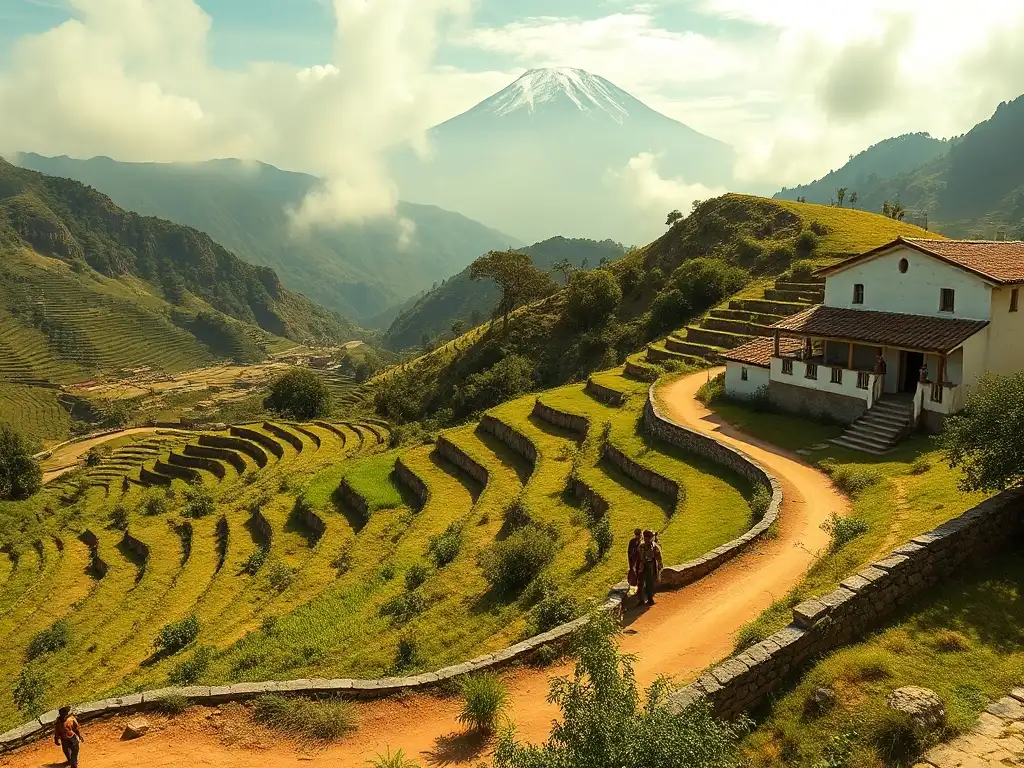
Uncover the secrets of a world shattered by conquest. For centuries, the Andes thrived, a tapestry woven from the ingenuity of the Incas, Moche, Nazca, and Tiahuanaco. But what happened when the Spanish arrived? Prepare to be captivated by The Economic Earthquake: How the Spanish Conquest Transformed Andean Trade and Agriculture, a journey into the devastating impact of the Spanish conquest on the Andean economy. Discover how a flourishing civilization was irrevocably altered, and explore the lasting consequences that still resonate today. Dare to delve deeper into this fascinating, and often overlooked, aspect of history.
The Spanish conquest of the Andes in the 16th century was not merely a political and military upheaval; it was a seismic event that fundamentally reshaped the economic landscape of the region. For centuries, sophisticated and interconnected Andean societies, including the Incas, Moche, Nazca, and Tiahuanaco, had developed complex systems of trade and agriculture.
This article explores the profound and lasting impact of the Spanish conquest on these systems, analyzing the shift from indigenous economic structures to a colonial model characterized by exploitation, resource extraction, and the introduction of new economic principles. We will examine the pre-conquest Andean economy, highlighting its strengths and complexities, and then analyze how the Spanish conquest dramatically altered trade networks, agricultural practices, and the overall economic organization of the Andean region, leaving an indelible mark on its subsequent development.
Understanding this "economic earthquake" is crucial to comprehending the lasting legacies of colonialism in the Andes and the persistent challenges faced by Andean nations today. This analysis will focus on the keyword "Spanish conquest Andean economic impact" to thoroughly explore the topic's multifaceted nature.
Introduction: The Pre-Conquest Andean Economy
The pre-Columbian Andean economy was far from primitive; it was a complex and highly developed system that supported large, densely populated urban centers and sophisticated social structures. This economic system was built on two pillars: a remarkably efficient agricultural system and extensive trade networks that connected diverse regions. The Spanish conquest brutally disrupted this carefully balanced system, leading to widespread economic devastation and the imposition of a new, exploitative colonial order.
A Flourishing System: Pre-Columbian Andean Trade Networks
Before the arrival of the Europeans, the Andes boasted a vibrant network of trade routes spanning vast distances. These routes, often traversing treacherous mountain passes and utilizing diverse transportation methods including llamas and human porters, facilitated the exchange of goods between different ecological zones and cultural groups. Goods traded included textiles, ceramics, precious metals (gold, silver), coca leaves, and exotic feathers.
The Inca Empire, in particular, played a significant role in organizing and regulating this trade, ensuring the efficient distribution of resources throughout their vast empire. This system was not merely about the exchange of goods; it also fostered cultural exchange and political alliances, contributing to the overall stability and prosperity of the Andean region. The intricate system of quipus, knotted strings used for record-keeping, played a vital role in managing this complex trade.
Andean Agricultural Ingenuity: Techniques and Crops Before the Spanish
Andean agriculture was characterized by remarkable ingenuity and adaptation to the challenging geography. The Incas, and preceding cultures, developed sophisticated techniques such as terracing, irrigation systems, and the use of fertilizers to maximize crop yields in diverse environments. Key crops included potatoes, maize, quinoa, beans, and various fruits and vegetables.
This agricultural diversity provided the foundation for a stable food supply and supported a large population. The sophisticated understanding and management of water resources, particularly in arid regions, were crucial to the success of Andean agriculture. The development of different potato varieties, each adapted to specific altitudes and climates, showcases the remarkable agricultural knowledge of the Andean people.
The Interconnectedness of Andean Economies: Regional Specialization
The Andean economy was not monolithic; rather, it was characterized by regional specialization. Different regions focused on the production of specific goods, leading to a high degree of interdependence between them. For example, the coastal regions specialized in fishing and the production of cotton, while the highlands were known for their potatoes and other Andean crops. This specialization, coupled with the extensive trade networks, created a dynamic and resilient economic system.
The sophisticated organization of labor and resource management further contributed to the efficiency and productivity of the Andean economy. This intricate web of economic interactions was brutally disrupted by the Spanish conquest, leading to widespread economic instability and hardship. The subsequent imposition of the encomienda system further exacerbated the already dire situation, leading to widespread exploitation and the destruction of traditional economic structures.
- What was the most significant economic impact of the Spanish conquest on the Andes?
- How did the Spanish conquest affect Andean agriculture?
- What happened to the Andean trade networks after the conquest?
- Did the Spanish conquest completely erase pre-Columbian economic practices?
- What were the long-term consequences of the Spanish economic policies in the Andes?
The Initial Disruption: The Arrival of the Spanish and its Economic Consequences
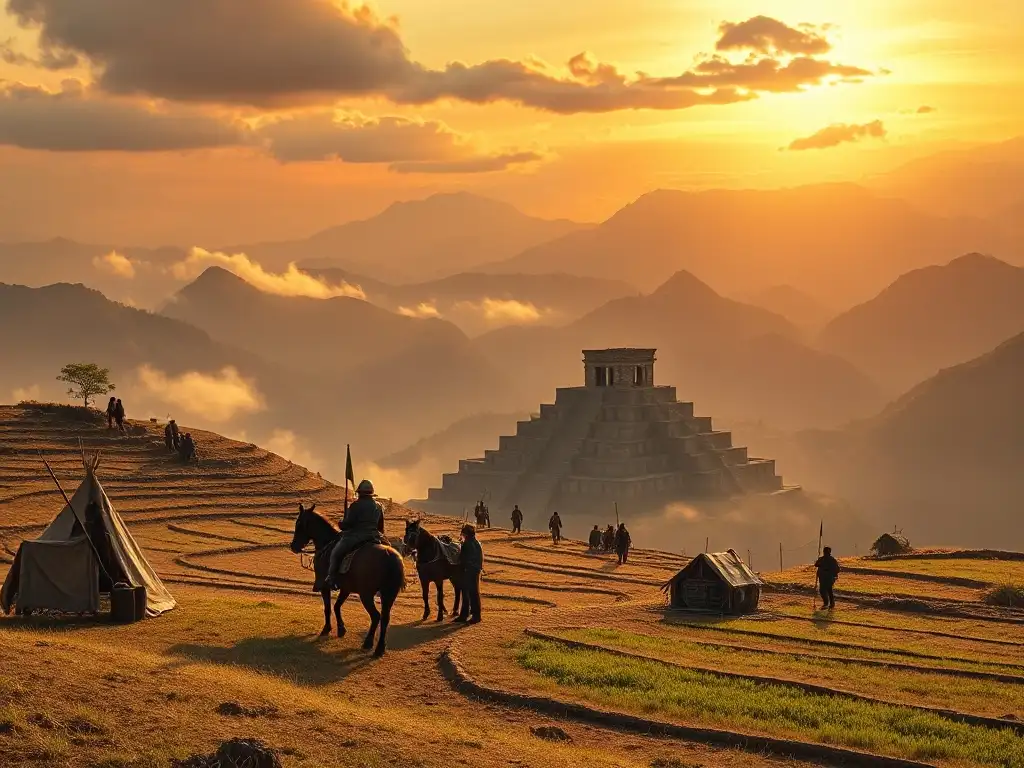
The Spanish conquest of the Andes triggered a seismic shift in the region's economy, irrevocably altering centuries-old trade networks and agricultural practices. The immediate impact was devastating, leading to widespread economic instability and a dramatic decline in the standard of living for the indigenous population. This section will explore the initial disruptions caused by the arrival of the Spanish, focusing on the collapse of existing trade routes and the immediate effects on Andean agricultural systems.
The introduction of radically different Spanish economic models further exacerbated the situation, creating a complex interplay of destruction and transformation that shaped the Andean economy for centuries to come. The Spanish conquest Andean economic impact was profound and multifaceted, leaving an enduring legacy on the region.
The Spanish Conquest and the Collapse of Traditional Trade Routes
Prior to the Spanish arrival, the Andes boasted a sophisticated network of trade routes, connecting diverse regions and facilitating the exchange of goods, knowledge, and cultural practices. The Inca Empire, for instance, had established a highly organized system of chasquis (runners) and strategically placed storehouses ( qollqas) to move goods efficiently across vast distances. This intricate system supported a thriving economy, facilitating the distribution of essential resources like textiles, ceramics, precious metals, and agricultural products.
The Spanish conquest brutally disrupted this system. The destruction of Inca infrastructure, including roads and storehouses, severely hampered trade. The imposition of the repartimiento system, which forced indigenous populations to work in mines and on Spanish-owned estates, further diverted labor away from traditional economic activities. Many skilled artisans and traders were killed or enslaved, leading to a significant loss of knowledge and expertise.
The resulting chaos led to the fragmentation of pre-existing trade networks, causing widespread economic hardship. The sheer scale of this disruption is evident in the drastic reduction in the volume and variety of goods exchanged within the Andean region following the conquest. The vibrant economic tapestry of the pre-Columbian Andes was tragically unravelled.
Disruption of Andean Agricultural Practices: Initial Impacts
Andean agriculture, renowned for its sophisticated terracing techniques and diverse crop cultivation, also suffered greatly under Spanish rule. The Inca's mastery of irrigation and agricultural innovation supported a complex and productive system capable of feeding a large population. However, the Spanish introduction of new crops (like wheat and livestock) and agricultural practices often clashed with existing methods, leading to unforeseen consequences.
For example, the replacement of traditional Andean crops with European staples often resulted in soil depletion and reduced agricultural yields. The introduction of livestock, while initially beneficial in some aspects, also led to overgrazing and land degradation in certain areas. Furthermore, the forced labor imposed upon indigenous farmers under the encomienda system drastically reduced agricultural output.
Farmers were diverted from their traditional practices to work in mines or on Spanish-owned haciendas, resulting in decreased food production and widespread famine. The immediate impact on the Andean population was devastating, highlighting the profound disruption of sustainable agricultural practices. The Spanish conquest Andean economic impact on agriculture was immediate and severe.
Introduction of Spanish Economic Models: A Clash of Systems
The Spanish conquest introduced fundamentally different economic models to the Andes, replacing the existing indigenous systems with a mercantilist approach driven by the extraction of resources for the benefit of the Spanish crown. This shift resulted in a profound transformation of the Andean economy, characterized by the exploitation of indigenous labor and the prioritization of precious metals over traditional subsistence agriculture.
The introduction of the mita system, a form of forced labor in mines, dramatically altered the Andean labor landscape. This system, while not entirely new, was intensified and exploited under Spanish rule. Indigenous populations were forced to work in harsh conditions, often resulting in death. This forced labor, combined with the encomienda system, which granted Spanish conquistadors control over indigenous labor and resources, led to the systematic exploitation of the Andean population for the benefit of the Spanish crown.
The focus shifted from a diverse, self-sufficient economy to one driven by the extraction of silver and other precious metals, leaving a lasting impact on the region’s economic structure. The long-term consequences of this clash of economic systems continue to resonate in the Andes today. The Spanish conquest Andean economic impact is still felt centuries later.
Restructuring of Andean Agriculture Under Spanish Rule
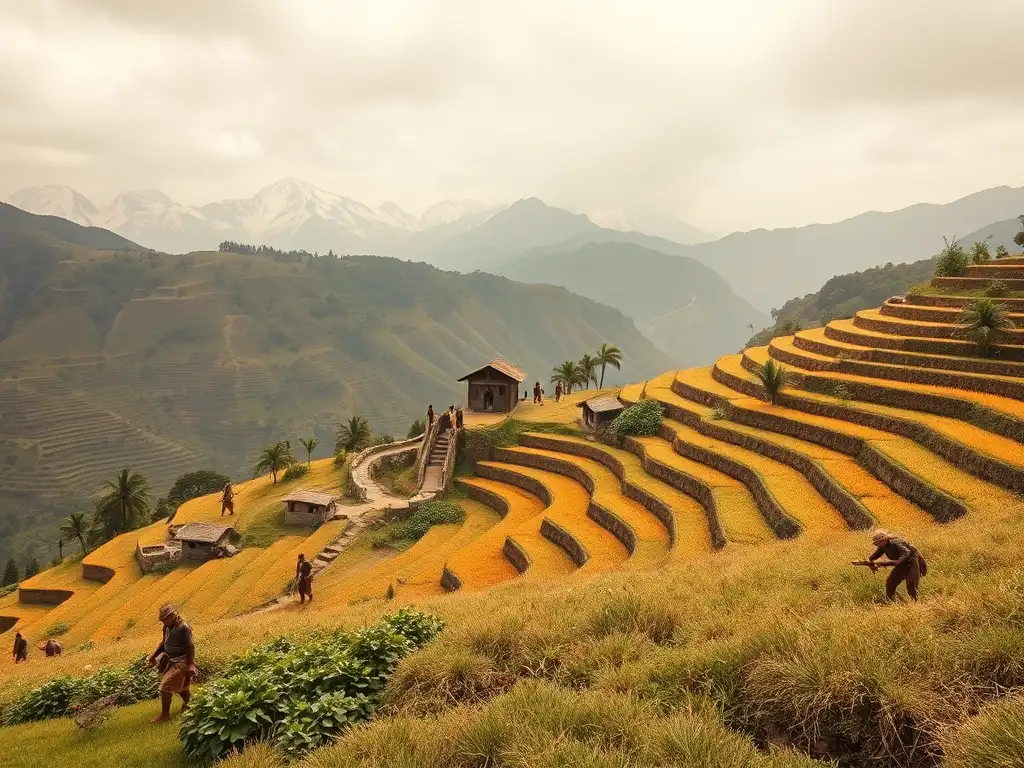
The Spanish conquest of the Andes triggered a seismic shift in the region's agricultural practices, irrevocably altering the economic landscape and the lives of its inhabitants. The pre-Columbian Andean agricultural system, characterized by sophisticated terracing, irrigation techniques, and a diverse range of crops adapted to varying altitudes, was systematically dismantled and replaced with a system designed to benefit the Spanish crown and its colonial subjects. This transformation, driven by the insatiable demand for resources in Europe and the implementation of exploitative labor systems, had profound and lasting consequences.
The Spanish conquest Andean economic impact was immediate and devastating in many ways, restructuring the entire agricultural foundation of the region. Understanding these changes is crucial to grasping the complexities of the colonial period and its legacy.
The Encomienda System and its Effects on Andean Labor
The encomienda system, a cornerstone of Spanish colonial exploitation, played a pivotal role in reshaping Andean agriculture. Under this system, Spanish conquistadors and colonists were granted control over indigenous populations, who were obligated to provide labor and tribute. This forced labor was extensively utilized in agriculture, with Andean farmers compelled to cultivate crops for the benefit of their encomenderos.
This resulted in a dramatic decrease in food production for local consumption, as the focus shifted to cash crops like sugar cane and coca, destined for export to Europe. The indigenous population suffered greatly under this system, facing brutal working conditions, malnutrition, and a drastic decline in their standard of living. Many traditional agricultural practices were abandoned as indigenous farmers were forced to work on large-scale plantations, often far from their ancestral lands.
The sheer scale of this displacement and the resulting labor shortages had a significant impact on the overall productivity and diversity of Andean agriculture. The encomienda system, while initially intended to organize and control the indigenous population, ultimately proved to be a destructive force, undermining the existing agricultural infrastructure and leading to widespread suffering.
The Introduction of European Crops and Livestock: A New Agricultural Landscape
The arrival of the Spanish also brought with it a wave of new crops and livestock, fundamentally altering the Andean agricultural landscape. Wheat, barley, oats, and other European grains were introduced, gradually supplanting some traditional Andean crops. Similarly, livestock such as cattle, sheep, and pigs were integrated into the Andean ecosystem, although their introduction had both positive and negative consequences.
While providing new sources of protein and other resources, these animals also competed with indigenous livestock for pastureland and contributed to deforestation and soil erosion. The introduction of the plow, a technology largely unknown in the Andes prior to the conquest, further changed agricultural practices, although its adoption was not always seamless or universally beneficial.
The impact of these introductions was complex, leading to both increased agricultural diversity in some areas and ecological imbalances in others. The long-term consequences of this biological exchange are still being studied today, highlighting the profound and lasting impact of the Spanish conquest on the Andean environment and agricultural practices.
Changes in Land Ownership and Access: The Rise of Haciendas
The Spanish conquest resulted in a significant restructuring of land ownership in the Andes. The hacienda system, characterized by large, privately owned estates, became increasingly prevalent. Indigenous communities were often dispossessed of their ancestral lands, which were then consolidated into haciendas controlled by Spanish landowners.
This led to a significant concentration of land ownership and a dramatic shift in power dynamics. Access to land, a cornerstone of Andean social and economic organization, was severely restricted for indigenous populations. This loss of land ownership had devastating consequences, forcing many indigenous farmers into a system of debt peonage or wage labor on the haciendas.
The shift from communal land ownership to private estates fundamentally altered the social fabric of Andean society and contributed to the long-term economic and social inequalities that persist to this day. The rise of the hacienda system is a key element in understanding the enduring legacy of the Spanish conquest Andean economic impact on land tenure and agricultural production. The consequences of this transformation continue to resonate in contemporary Andean societies.
The Transformation of Andean Agricultural Techniques: Adaptation and Resistance
The Spanish conquest dramatically altered Andean agricultural practices, triggering a complex interplay of adaptation and resistance. Pre-Columbian Andean agriculture, renowned for its sophisticated terracing, irrigation systems, and diverse crop cultivation, faced a forceful shift under Spanish rule. The introduction of new crops like wheat, barley, and livestock like cattle and sheep significantly impacted existing agricultural landscapes and farming methods. While some Andean communities adapted by integrating these new elements into their existing systems – for instance, incorporating wheat into existing terraced fields – this integration wasn't without friction.
Many indigenous communities actively resisted the imposition of new agricultural models, clinging to traditional techniques and crops wherever possible. This resistance manifested in various ways, including maintaining traditional crop rotations and refusing to adopt labor-intensive methods favored by the Spanish encomienda system. The resilience of Andean agricultural knowledge is evident in the survival of many traditional crops and techniques despite the pressures of colonization. Detailed studies of Andean agricultural practices after the conquest reveal a nuanced picture of both adaptation and active resistance to imposed changes, a testament to the ingenuity and tenacity of Andean farmers.
The introduction of the plow, for example, while adopted in some areas, was often unsuitable for the steep Andean terrain and was therefore resisted or adapted to fit the existing landscape. This highlights the practical challenges in imposing European agricultural models onto an already highly developed and adapted Andean system. The Spanish often underestimated the complexity and efficiency of pre-existing Andean agricultural techniques, leading to both ecological damage and social disruption. The long-term consequences of this agricultural upheaval continue to be felt in the Andean region today.
The Spanish also introduced new farming technologies and practices, some of which were integrated into existing systems while others were met with resistance. The introduction of the plow, for example, proved largely ineffective in the mountainous terrain of the Andes, leading to continued reliance on traditional methods such as the chaca. However, the Spanish did succeed in introducing new crops, such as wheat and barley, which gradually became integrated into the Andean diet, supplementing existing staples like potatoes and maize.
This process of adaptation and integration demonstrates the resilience and adaptability of Andean agricultural practices, even in the face of profound societal and economic upheaval. The impact on existing crop diversity, however, requires further study, as the emphasis on European crops might have led to a decline in the cultivation of certain native varieties. This aspect underscores the need for further research into the long-term effects of the Spanish conquest on Andean biodiversity.
Further research is needed to fully understand the extent of both adaptation and resistance in different Andean regions and communities. The available evidence suggests a complex and varied response, with some communities embracing new techniques while others actively preserved their traditions.
The Reshaping of Andean Trade and Commerce
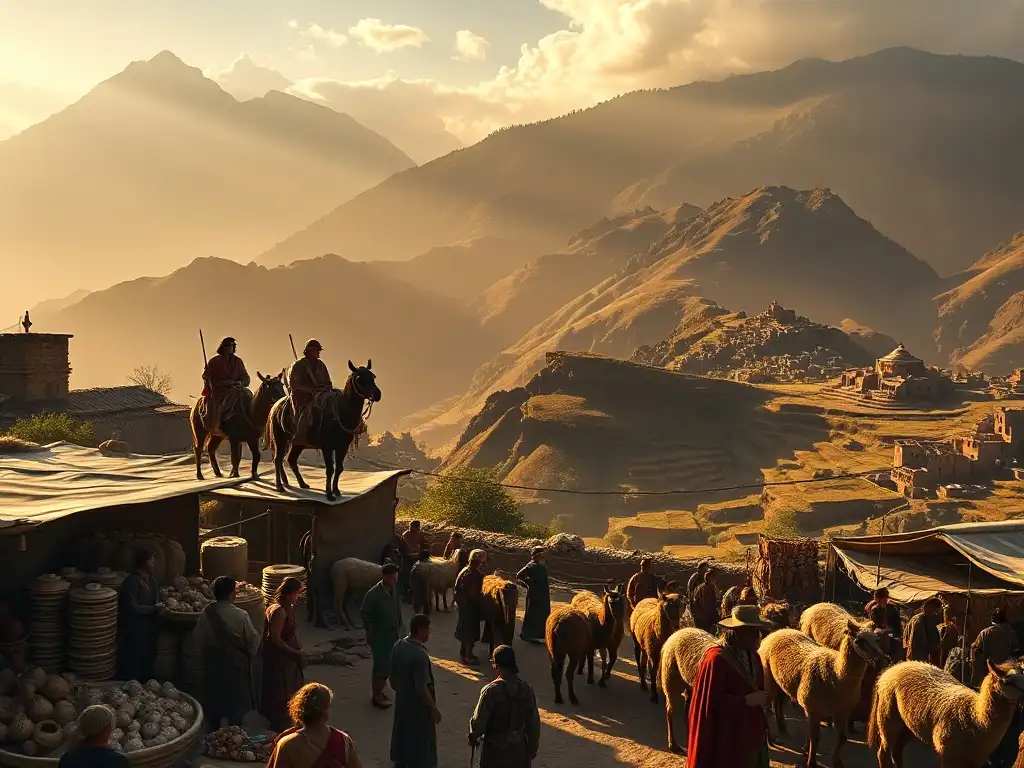
The Spanish conquest of the Andes triggered a seismic shift in the region's economic landscape, irrevocably altering its trade networks and agricultural practices. Pre-Columbian Andean economies, characterized by sophisticated systems of reciprocal exchange and localized production, were brutally dismantled and replaced by a mercantilist system geared towards enriching the Spanish crown. This section explores the key transformations in Andean trade and commerce during the colonial era, focusing on the devastating impact of the Spanish conquest on the "Spanish conquest Andean economic impact."
The Silver Trade and its Dominance in the Colonial Economy
The discovery of vast silver deposits in Potosí, Bolivia, dramatically reshaped the Andean economic system. Silver quickly became the lifeblood of the colonial economy, eclipsing pre-existing trade networks based on textiles, agricultural products, and other goods. The insatiable European demand for silver fueled a massive mining operation, transforming Potosí into one of the largest and richest cities in the world. This shift had profound consequences:
- Displacement of Traditional Industries: The focus on silver mining led to the decline of traditional Andean crafts and agricultural production, as labor and resources were diverted to the lucrative silver industry. Textile production, once a vital part of the Andean economy, suffered greatly.
- Monoculture and Environmental Degradation: The intense mining activities resulted in significant environmental damage, including deforestation and soil erosion. The pursuit of silver led to a neglect of sustainable agricultural practices.
- Price Inflation and Social Inequality: The influx of silver into the global market caused significant price inflation, disproportionately affecting the indigenous population who were forced to work in the mines for meager wages. This exacerbated existing social inequalities and created a system of extreme wealth disparity. The Spanish crown controlled the flow of silver, further consolidating their power and wealth.
- Impact on Indigenous Communities: The silver boom fueled the growth of colonial cities and the expansion of the Spanish empire, but at a tremendous cost to indigenous communities who suffered displacement, exploitation, and disease. The extraction of silver became synonymous with forced labor and brutal oppression.
The silver trade, while immensely profitable for Spain, fundamentally altered the Andean economic landscape, leaving a legacy of environmental degradation and social injustice.
The Forced Labor System (Mita): Impact on Mining and Trade
The mita, a system of forced labor imposed by the Spanish, played a critical role in shaping the colonial economy. This system, inherited from Inca practices but drastically intensified and brutalized by the Spanish, compelled indigenous communities to work in mines, agriculture, and other sectors for a set period. The mita system's impact on Andean trade and the "Spanish conquest Andean economic impact" was multifaceted:
- Exploitation of Labor: The mita system ruthlessly exploited indigenous labor, resulting in high mortality rates due to grueling working conditions, malnutrition, and disease. Workers were often separated from their families and communities, leading to social disruption.
- Suppression of Indigenous Economic Activities: The forced labor system diverted a significant portion of the indigenous workforce away from their traditional economic activities, hindering the development of local markets and production.
- Control over Production and Distribution: The Spanish crown used the mita to control the production and distribution of goods, ensuring that the most valuable resources, including silver, flowed into their coffers. This centralized control stifled indigenous economic autonomy.
- Shift in Trade Patterns: The mita system influenced trade patterns by channeling resources towards meeting the demands of the colonial economy. The production of goods for local consumption decreased, while the production of goods for export increased.
The mita system was a cruel and inhumane institution that deeply scarred the Andean economy and society, leaving a lasting impact on indigenous communities.
The Creation of New Trade Routes: Connecting the Andes to the Global Market
The Spanish conquest integrated the Andes into the burgeoning global market, creating new trade routes that connected the region to Europe and other parts of the world. This integration, however, was driven by colonial interests and had a profound impact on Andean trade:
- Shift from Internal to External Trade: The pre-Columbian Andean economy was characterized by a complex system of internal trade, with goods circulating within the region. The Spanish conquest shifted the focus towards external trade, with goods primarily destined for European markets.
- Introduction of New Goods and Technologies: The Spanish introduced new goods and technologies to the Andes, including livestock, crops, and mining techniques. These introductions had both positive and negative consequences, transforming agricultural practices and impacting the environment.
- Mercantilism and Colonial Control: The Spanish implemented a mercantilist economic system, which aimed to maximize the flow of wealth to Spain. This system strictly regulated trade, restricting the participation of indigenous communities and limiting economic opportunities.
- Development of Coastal Ports: The Spanish invested in the development of coastal ports to facilitate the export of Andean resources. This led to the growth of coastal cities and further integrated the Andes into the global trade network.
The creation of new trade routes fundamentally reshaped the Andean economy, integrating it into a global system dominated by Spanish interests. This integration, while bringing new goods and technologies, also led to the exploitation of resources and the suppression of indigenous economic activities. The long-term consequences of this transformation continue to shape the Andean region today.
The Decline of Traditional Andean Trade Practices: The Rise of Spanish Markets
The Spanish conquest dramatically altered the economic landscape of the Andes, initiating a seismic shift away from established indigenous trade networks and towards a system dictated by Spanish colonial interests. Prior to the arrival of the Europeans, Andean trade thrived on a complex system of reciprocal exchange, ayni, and regional specialization. Goods moved along well-established routes, connecting distant communities and facilitating the flow of vital resources.
This intricate web of interconnectedness, built over centuries, fostered economic stability and cultural exchange. The yanaconas, a specialized class of agricultural laborers, played a crucial role in this system, ensuring the production and distribution of agricultural goods. However, the Spanish conquest systematically dismantled this established order.
The introduction of the repartimiento system, a form of forced labor, significantly impacted agricultural production. Indigenous populations were compelled to work in mines and on Spanish-owned haciendas, diverting labor from traditional agricultural practices and disrupting established trade patterns. The focus shifted from the production of goods for local consumption and exchange to the extraction of resources—primarily silver—for the benefit of the Spanish crown.
This resulted in a decline in the production of many traditional Andean crops and crafts. The once vibrant markets, bustling with the exchange of textiles, pottery, and agricultural products, gradually dwindled as the colonial economy prioritized the extraction of wealth. The traditional Andean barter system, characterized by intricate relationships and trust between communities, was replaced by a monetary economy governed by Spanish regulations and enforced through coercion.
The rise of Spanish markets in Andean cities fundamentally reshaped trade. These markets were designed to serve the needs of the colonial administration and the Spanish settlers, not the indigenous population. The demand shifted towards European goods, such as textiles, tools, and weaponry, while the production and trade of traditional Andean goods were suppressed or marginalized.
This led to a significant economic imbalance, with the indigenous population increasingly reliant on the Spanish-controlled market for essential goods. The introduction of new livestock, such as sheep and cattle, also altered agricultural practices. While these animals provided new sources of food and wool, their introduction often came at the expense of traditional Andean crops and farming methods.
This transformation not only affected the economic structure but also contributed to the erosion of indigenous cultural practices and knowledge. The subsequent shift in power dynamics severely impacted indigenous communities' economic self-sufficiency and control over their resources.
The Long-Term Economic Impacts of the Spanish Conquest
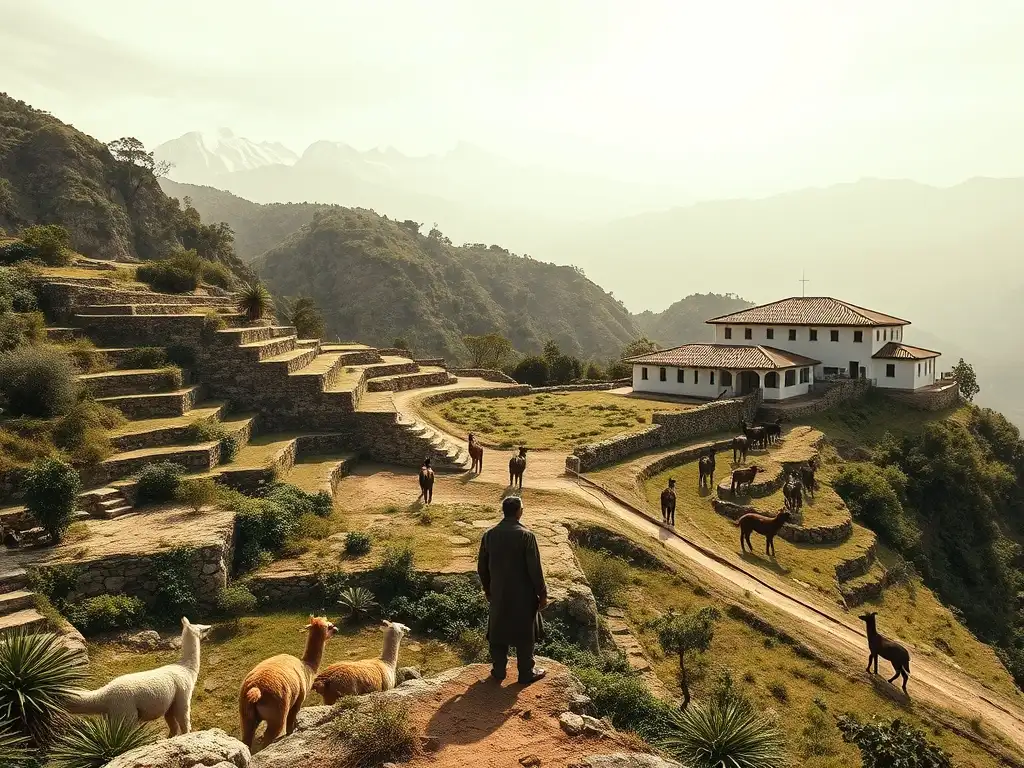
The Spanish conquest of the Andes had a profound and lasting impact on the region's economy, triggering a seismic shift that reverberated through centuries. While the immediate effects involved the plunder of gold and silver, the long-term consequences were far more complex and insidious, fundamentally reshaping Andean trade, agriculture, and social structures. The conquest didn't merely extract wealth; it systematically dismantled existing economic systems and replaced them with a colonial model designed to benefit the Spanish crown and its colonists.
This section explores the enduring legacy of this economic earthquake, focusing on the lasting changes to Andean trade routes, agricultural practices, and the overall economic landscape. The keywords "Spanish conquest Andean economic impact" are directly addressed here.
The Legacy of Colonial Economic Structures in the Andes
The Spanish implemented a mercantilist economic system in the Andes, which prioritized the extraction of resources for the benefit of Spain. This involved the establishment of encomiendas, a system of forced labor where Indigenous populations were compelled to work in mines and on agricultural estates owned by Spanish colonists. This drastically altered pre-existing Andean economic structures, which were characterized by diverse, localized production and reciprocal exchange systems.
The introduction of the hacienda system, large-scale agricultural estates producing goods primarily for export to Europe, further marginalized traditional Andean agricultural practices. The focus shifted from subsistence farming and diverse crop production to the mass cultivation of cash crops like coca and sugar cane, often at the expense of food security for the Indigenous population.
This shift had long-term consequences, creating dependence on external markets and undermining the resilience of local food systems. The legacy of this system is still visible in many Andean economies today, characterized by a dependence on export-oriented agriculture and a vulnerability to global market fluctuations.
The Spanish conquest profoundly altered the social and economic fabric of Andean society, leading to a rigid hierarchical system based on race and ethnicity. The Indigenous population, once the backbone of diverse and sophisticated economic systems, was relegated to the bottom of this new social order. This stratification wasn't merely social; it had profound economic consequences.
The Spanish crown and its colonists controlled access to land, resources, and trade networks, leaving the Indigenous population with limited economic opportunities. This resulted in widespread poverty and economic marginalization that persisted for centuries. The system created a stark contrast between the wealth accumulated by the Spanish elite and the abject poverty experienced by the majority of the Andean population.
Quantitative data on the wealth disparity during this period would further illuminate the extent of this economic inequality, but unfortunately, precise figures are often difficult to obtain due to incomplete records. [Specific information pending on wealth disparity data]. The resulting economic inequality continues to shape the social and economic landscape of the Andes today.
The Loss of Traditional Knowledge and its Economic Implications
The Spanish conquest wasn't just about the seizure of land and resources; it also involved a systematic suppression of Indigenous knowledge systems. This included the destruction of traditional agricultural techniques, medicinal practices, and intricate trade networks that had sustained Andean societies for centuries. The loss of this knowledge had devastating economic implications. For example, the destruction of sophisticated irrigation systems led to reduced agricultural productivity.
Similarly, the suppression of traditional medicinal practices resulted in increased vulnerability to disease. The economic impact of this loss of knowledge is difficult to quantify precisely, but it undoubtedly contributed to the long-term economic impoverishment of the region. The disruption of traditional trade routes and the imposition of new economic systems further exacerbated this situation.
The silencing of Indigenous knowledge represents a significant, albeit often overlooked, aspect of the Spanish conquest's enduring economic impact. The recovery and revitalization of this knowledge are crucial for the sustainable economic development of the Andes today. The 🧑🌾 farmers of the Andes, for centuries reliant on their ancestral practices, are a testament to the lasting power of this lost knowledge.
Enduring Effects on Andean Agriculture and Trade
The Spanish conquest triggered a seismic shift in Andean agriculture and trade, leaving an enduring legacy that continues to shape the region today. Pre-Columbian Andean economies, characterized by sophisticated agricultural techniques like terracing and irrigation, and complex trade networks spanning vast distances, were fundamentally altered. The introduction of new crops, livestock, and farming practices, while initially appearing beneficial, often disrupted existing ecological balances and traditional farming methods.
For example, the introduction of wheat and barley, while providing new food sources, often displaced native crops better suited to the Andean climate and soil, leading to a decline in biodiversity and food security in the long term. Similarly, the Spanish favored large-scale livestock farming, particularly sheep and cattle, which led to deforestation and overgrazing, impacting the delicate Andean ecosystems.
The traditional ayllu system, a communal land ownership and labor organization, was disrupted by the introduction of the encomienda system, which granted Spanish conquistadors control over indigenous labor and land. This resulted in forced labor in mines and on haciendas, leading to a decline in traditional agricultural practices and a shift towards large-scale monoculture farming.
The conquest also significantly impacted Andean trade. The pre-Columbian trade networks, which facilitated the exchange of goods across vast distances through intricate systems of trails and relay runners, were gradually replaced by a system centered around Spanish ports and colonial trade routes. This shift benefited the Spanish crown and its merchants, who controlled access to global markets, but often marginalized local producers and artisans. The introduction of silver mining transformed the Andean economy, with silver becoming a dominant force in the colonial economy.
This shift, while enriching the Spanish crown, led to the exploitation of indigenous labor and the depletion of natural resources. The focus on silver extraction often diverted resources away from agriculture and other sectors, leading to a long-term imbalance in the Andean economy. The establishment of new urban centers, designed to serve the needs of the Spanish colonial administration, further shifted economic activity away from traditional Andean settlements.
This created a new urban-rural dynamic that persists to this day. The impact of the Spanish conquest on Andean agriculture and trade was thus multifaceted, leaving a legacy of both innovation and destruction that continues to resonate in the region's economic and social structures. The shift from a diverse and sustainable system to one dominated by extractive industries and monocultures had profound and lasting consequences.
Conclusion: Reflecting on the Spanish Conquest Andean Economic Impact
This section analyzes the profound and lasting impact of the Spanish conquest on the Andean economic landscape. We'll examine the dramatic shift from sophisticated pre-Columbian systems to a colonial economy fundamentally reshaped by European demands and priorities. Understanding this transformation is crucial to grasping the complexities of modern Andean economies and the lingering effects of centuries of colonial rule. The keyword phrase "Spanish conquest Andean economic impact" will be explored through various facets of this analysis.
A Summary of the Economic Transformation
The Spanish conquest triggered a seismic shift in the Andean economic system. Prior to the arrival of the Europeans, the Andes boasted remarkably diverse and sophisticated economies. The Inca, for example, implemented a highly organized system of ayllu communities, characterized by reciprocal labor exchange ( ayni) and redistribution of resources. This system ensured a relatively equitable distribution of goods and services, supporting a large and complex population.
The Inca also controlled vast agricultural lands, employing advanced irrigation techniques and terraced farming to maximize food production. Specialized craft production flourished, with skilled artisans creating intricate textiles, ceramics, and metalwork. Extensive trade networks connected different regions, facilitating the exchange of goods and ideas across vast distances.
The Spanish conquest shattered this intricate web. The introduction of the encomienda system, which granted conquistadors control over indigenous labor and resources, led to widespread exploitation and the destruction of traditional economic structures. Indigenous agricultural practices were often replaced by monoculture crops like sugarcane and wheat, geared towards satisfying European demands.
This shift dramatically altered land use patterns and resulted in decreased food security for many Andean communities. The extraction of precious metals like silver and gold became the cornerstone of the colonial economy, diverting labor and resources away from traditional industries and devastating local ecosystems through mining activities. The Spanish conquest Andean economic impact was undeniably devastating in its immediate effects.
The Lasting Influence of the Spanish Conquest on Andean Economies
The legacy of the Spanish conquest continues to shape Andean economies even today. The introduction of new crops and livestock, while initially disruptive, ultimately diversified Andean agriculture. However, the colonial emphasis on export-oriented monocultures created vulnerabilities to global market fluctuations, which persist even in modern times. The hierarchical social structures established during the colonial period also left a lasting mark.
Land ownership became highly concentrated, with a small elite controlling vast tracts of land, while the majority of the population remained impoverished. This uneven distribution of wealth and resources continues to fuel social and economic inequalities in many Andean nations. Furthermore, the disruption of traditional economic systems and the imposition of extractive colonial practices have left a lasting scar on the environment, contributing to ongoing challenges related to resource management and sustainability. The Spanish conquest Andean economic impact resonates strongly even centuries later.
The Complexities of the Spanish Conquest and its Economic Legacy
It's crucial to acknowledge the complexities of the Spanish conquest and its economic legacy. The narrative is not simply one of destruction and exploitation, though these elements were undeniably significant. Indigenous communities demonstrated remarkable resilience, adapting and resisting colonial policies in various ways. Hybrid economic practices emerged, blending indigenous traditions with European influences. The introduction of new technologies and crops, while often serving colonial interests, also contributed to the diversification of Andean agriculture in the long run.
The Spanish conquest Andean economic impact wasn't uniformly negative, though its negative consequences were far-reaching and deeply entrenched. Analyzing the lasting impact requires a nuanced understanding of these intertwined processes of destruction, adaptation, and innovation. The story is multifaceted and continues to unfold, impacting the social, economic, and political landscape of the Andes today. Understanding this complex legacy is essential for informed policymaking and sustainable development in the region.
Frequently Asked Questions
What was the most significant economic impact of the Spanish conquest on the Andes?
The most significant impact was the destruction of existing Andean economic systems. The Spanish replaced the complex indigenous trade networks and agricultural practices with a system of forced labor (encomienda) and extraction of resources for the benefit of the Spanish crown.
How did the Spanish conquest affect Andean agriculture?
The Spanish introduced new crops like wheat and livestock like cattle, but this came at a cost. Existing Andean agricultural techniques were disrupted, leading to reduced food production for the indigenous population and a shift towards export-oriented agriculture serving Spanish interests.
What happened to the Andean trade networks after the conquest?
The sophisticated pre-Columbian Andean trade networks, which spanned vast distances, were largely dismantled. The Spanish established a new trade system centered around silver mining and the export of Andean resources to Europe, severely impacting local economies.
Did the Spanish conquest completely erase pre-Columbian economic practices?
While the Spanish conquest significantly altered Andean economies, some pre-Columbian practices persisted. Indigenous communities adapted, maintaining some traditional agricultural methods and forms of local exchange, though often under duress and within the constraints of the colonial system.
What were the long-term consequences of the Spanish economic policies in the Andes?
The Spanish conquest had a devastating and long-lasting impact. It resulted in economic exploitation, population decline, and the entrenchment of social inequalities that continue to affect the region today. The shift to extractive industries left a legacy of environmental degradation and economic dependence.
Final Reflection: A Legacy Etched in the Andes
The seismic shift caused by the Spanish Conquest irrevocably altered the Andean economic landscape, leaving a legacy that continues to shape the region's development and struggles today. The exploitation of resources and the imposition of a new economic system not only decimated indigenous populations but also fundamentally reshaped the very fabric of Andean trade and agriculture, creating a complex and enduring impact that resonates even in the 21st century.
The enduring consequences of this historical upheaval are profoundly visible in the persistent inequalities and economic disparities that plague many Andean nations. The extraction of silver and gold, the forced labor systems, and the introduction of new crops and livestock fundamentally altered the pre-Columbian economic structures, leaving behind a system that often prioritized the needs of the colonizers over the well-being of the indigenous population. The conquest of America was not merely a military event; it was a profound economic transformation that continues to shape the world we live in today.
This quote highlights the lasting impact of the conquest, an impact that extends far beyond the immediate events of the 16th century.
Consider the ways in which this history continues to influence your own life, whether through the products you consume, the global economic systems you interact with, or the inequalities you witness in the world. Let the story of the Andean economic earthquake serve as a reminder of the far-reaching consequences of exploitation and the importance of understanding the historical roots of contemporary issues.
Engage with this history, learn from its complexities, and work towards building a more just and equitable future. The echoes of the past demand our attention, and only through understanding can we hope to build a better tomorrow.
Unveil the Lasting Impact of the Spanish Conquest!
Thank you for exploring the fascinating world of Andean history with us! By examining how the Spanish conquest dramatically altered trade and agriculture, you've gained valuable insight into the pivotal events that shaped Andean civilizations. Now, let's put this knowledge to use.
- Engage with your community: Attend a local event celebrating Andean heritage to further your understanding and appreciation of its rich culture.
- Share your newfound knowledge: Discuss this topic with friends, family, or online to spark conversations about the enduring impact of historical events on the world today.
- Continue your exploration: Visit a museum dedicated to Andean history or delve deeper into the subject with further reading to enrich your understanding of this complex and captivating civilization.
What aspects of the Andean transformation most captivate you, and how do you see their influence on modern society?