
The Fall of an Empire: The Events Leading to the Execution of Atahualpa

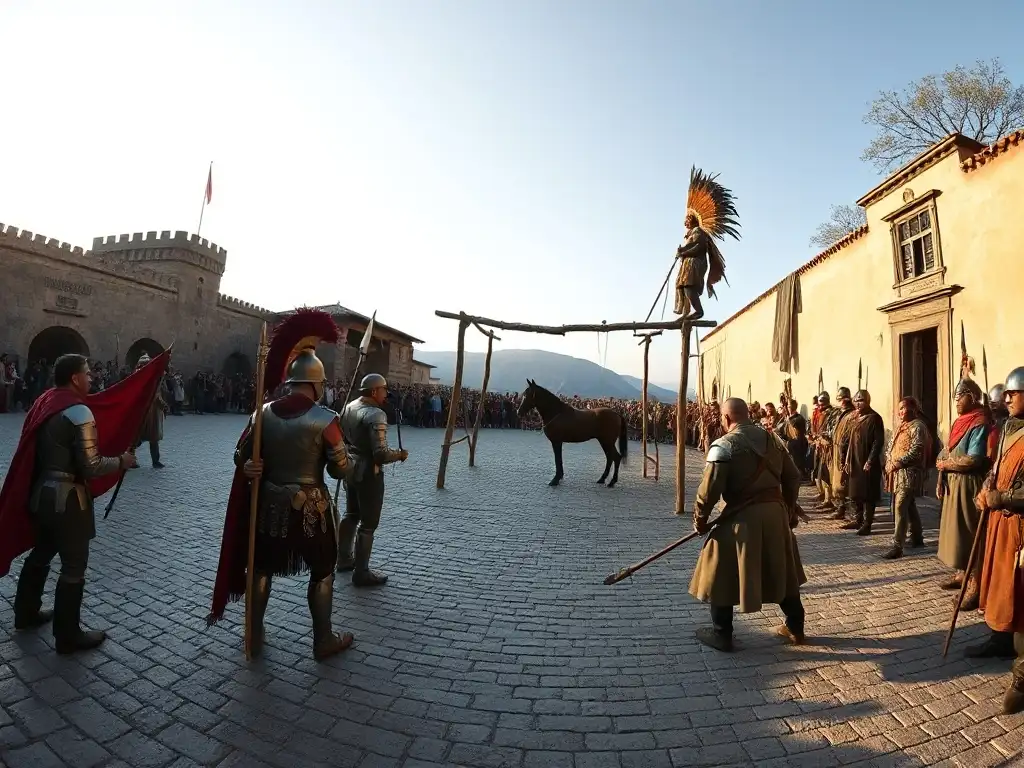
Step into a world lost to time, yet echoing with the power of empires past. Imagine the breathtaking heights of Machu Picchu, the intricate artistry of Nazca lines, and the sophisticated engineering of Tiahuanaco... then witness their sudden, brutal end. The Andean Civilizations website unveils the captivating story of these incredible cultures, and we begin with a chilling event: the execution of Atahualpa. Discover the complex events leading to the fall of the Inca Empire and the devastating consequences of the Spanish Conquest. Dare to uncover the truth behind this pivotal moment in history? Read on...
The execution of Atahualpa, the last Sapa Inca of the independent Inca Empire, in 1533, marks a pivotal moment in Andean history and the dramatic end of a powerful civilization. This event, a consequence of a complex interplay of internal Inca conflicts, Spanish ambition, and unforeseen circumstances, irrevocably altered the course of South America. Understanding Atahualpa's execution requires examining the tumultuous political landscape of the Inca Empire in the years leading up to the Spanish arrival and the subsequent chain of events that sealed the Inca ruler's fate.
This article delves into the key factors contributing to the downfall of the Inca Empire and the tragic demise of Atahualpa, focusing on the "Atahualpa execution Inca empire" narrative. We will explore the internal strife, the Spanish conquest tactics, and the ultimately fatal decisions that led to this significant historical event.
The Inca Civil War: A Precursor to Conquest
The Inca Empire, at its zenith, controlled a vast territory stretching along the Andes Mountains. However, this seemingly invincible empire was already weakened by internal conflicts before the arrival of Francisco Pizarro. Atahualpa's ascension to the throne was far from peaceful.
Following the death of Huayna Capac, the empire was plunged into a brutal civil war between Atahualpa and his half-brother Huáscar. This conflict significantly drained the empire's resources and manpower, leaving it vulnerable to external threats. The protracted war involved devastating battles, the destruction of infrastructure, and the erosion of the Inca's military strength.
The resulting chaos and instability created a power vacuum, making the empire ripe for conquest. The sheer scale of the conflict, with its devastating impact on the Inca army and infrastructure, is crucial to understanding the ease with which Pizarro was able to exploit the situation. The civil war effectively crippled the Inca's ability to mount a unified and effective defense against the Spanish invaders.
Pizarro's Arrival and the Manipulation of Inca Politics
Francisco Pizarro and his small band of conquistadors arrived in the Andes at a time of profound weakness for the Inca. Exploiting the existing divisions and internal conflicts, Pizarro skillfully manipulated the situation to his advantage. He played Atahualpa and Huáscar against each other, forming alliances with various Inca factions and exploiting their distrust.
Pizarro's superior weaponry and tactics, combined with the Inca's internal divisions, gave the Spanish an unexpected advantage. The use of horses, steel weapons, and firearms, along with sophisticated military strategies, proved devastatingly effective against the Inca army, despite their numerical superiority. This strategic manipulation, coupled with the element of surprise, allowed Pizarro to gain a significant foothold in the Inca Empire with relatively little initial bloodshed.
The Capture and Ransom of Atahualpa
The Battle of Cajamarca in 1532 stands as a testament to Pizarro's cunning and the Inca's vulnerability. Atahualpa, believing he was meeting with peaceful emissaries, was ambushed and captured by the Spanish. This single act dramatically shifted the balance of power.
Despite Atahualpa's attempts to negotiate his release through a massive ransom of gold and silver, his fate was ultimately sealed. The sheer amount of gold and silver amassed for the ransom, while initially impressive, served only to further fuel the Spanish greed and solidify their resolve to control the Inca Empire. The capture of Atahualpa was not simply a military victory; it was the symbolic conquest of the Inca Empire itself.
The Trial and Execution of Atahualpa
Following his capture, Atahualpa was subjected to a sham trial orchestrated by Pizarro. Accused of various crimes, including fratricide and idolatry, Atahualpa's fate was predetermined. Despite the vast ransom paid, the Spanish found new pretexts to hold him captive, ultimately sentencing him to death.
The execution of Atahualpa, carried out by strangulation, marked not only the end of his life but also the symbolic demise of the independent Inca Empire. The execution was a calculated political maneuver designed to instill fear and secure Spanish dominance over the conquered territory. The event itself became a powerful symbol of Spanish conquest and the brutal subjugation of the Inca civilization.
The execution cemented Spanish control, paving the way for the colonization of the Andes and the long-lasting impact of the Spanish conquest. The legacy of Atahualpa's execution continues to resonate today, shaping the narrative of the Inca Empire's fall and the ongoing discussion surrounding the Spanish conquest of the Americas.
- The Inca Civil War: A Precursor to Conquest
- Pizarro's Arrival and the Manipulation of Inca Politics
- The Capture and Ransom of Atahualpa
- The Trial and Execution of Atahualpa
The Inca Empire on the Brink: Pre-Conquest Instability
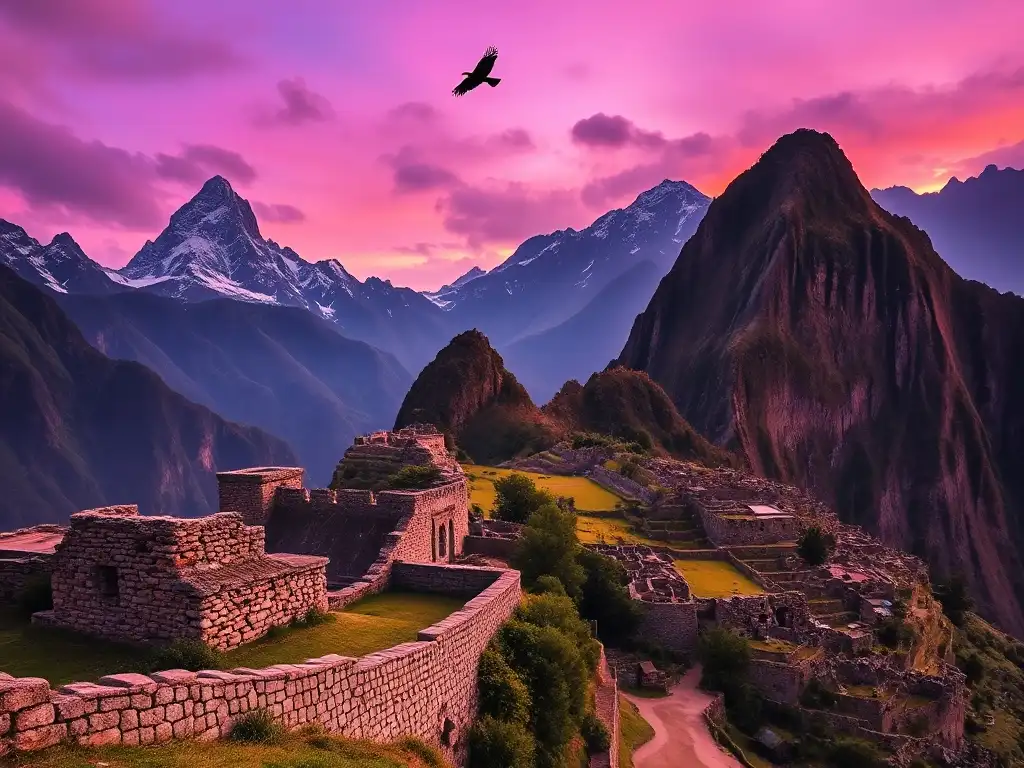
The execution of Atahualpa, the last Sapa Inca to rule a truly independent empire, was not a sudden event, but rather the culmination of a series of factors that significantly weakened the Inca state. Understanding the Atahualpa execution and its context within the Inca empire requires acknowledging the pre-existing vulnerabilities that made the empire susceptible to Spanish conquest.
The narrative of a mighty empire swiftly overthrown by a small band of conquistadors overlooks the crucial internal struggles that paved the way for the Spanish victory. The "Atahualpa execution Inca empire" story is far more nuanced than a simple tale of conquest.
The Inca Civil War: Huáscar vs. Atahualpa
The Inca Empire, at the time of the Spanish arrival, was still reeling from a devastating civil war. The death of Huayna Capac, the powerful Sapa Inca, plunged the empire into a brutal succession crisis. His sons, Huáscar and Atahualpa, both claimed the throne, igniting a conflict that tore the empire apart. This wasn't a mere power struggle; it was a full-blown war, involving significant portions of the Inca army and pitting brother against brother. The conflict lasted for years, draining the empire's resources and manpower.
Provinces fought amongst themselves, loyalties shifted, and infrastructure suffered severe damage. The war effectively fractured the empire's unity, leaving it deeply divided and vulnerable to external threats. The resulting chaos and instability created a power vacuum that Pizarro and his conquistadors skillfully exploited. The Atahualpa execution was, in part, a consequence of this weakened state.
The Weakened State of the Inca Empire before the Spanish Arrival
The Inca civil war wasn't the only factor contributing to the empire's vulnerability. Even before the succession crisis, signs of internal weakness were evident. While the Inca Empire was renowned for its sophisticated administrative system and impressive infrastructure, it faced challenges managing its vast territory.
The system of mita, while effective in mobilizing labor for large-scale projects, also placed a significant burden on the population. Reports suggest widespread resentment and resistance in certain regions, fueled by overtaxation and forced labor. Furthermore, the empire's reliance on a centralized authority made it susceptible to disruptions at the top.
The sudden death of Huayna Capac exposed this vulnerability, demonstrating the fragility of a system heavily dependent on a single ruler. This pre-existing fragility played a crucial role in the events leading up to the Atahualpa execution and the subsequent fall of the Inca empire. The Atahualpa execution Inca empire narrative must consider these pre-existing tensions.
Political Tensions and Internal Conflicts within the Inca realm
Beyond the civil war and the inherent challenges of managing a vast empire, various internal political tensions further destabilized the Inca state. Rivalries between different ayllus (kinship groups) and regional power struggles existed even before Huayna Capac's death. These simmering conflicts, often suppressed by the strong central authority, resurfaced during the civil war, exacerbating the chaos. The empire’s vastness also presented logistical challenges in controlling distant provinces, allowing for greater autonomy and potentially fostering rebellion.
The Inca system, while impressive, was not immune to internal dissent and factionalism. These factors, combined with the civil war's devastation, created a fertile ground for the Spanish conquest and ultimately contributed to the Atahualpa execution. Analyzing the Atahualpa execution Inca empire necessitates a comprehensive understanding of these pre-existing political tensions and conflicts. The Atahualpa execution was not an isolated incident, but the tragic climax of a complex and multifaceted decline.
The Arrival of the Spanish Conquistadors and Initial Encounters
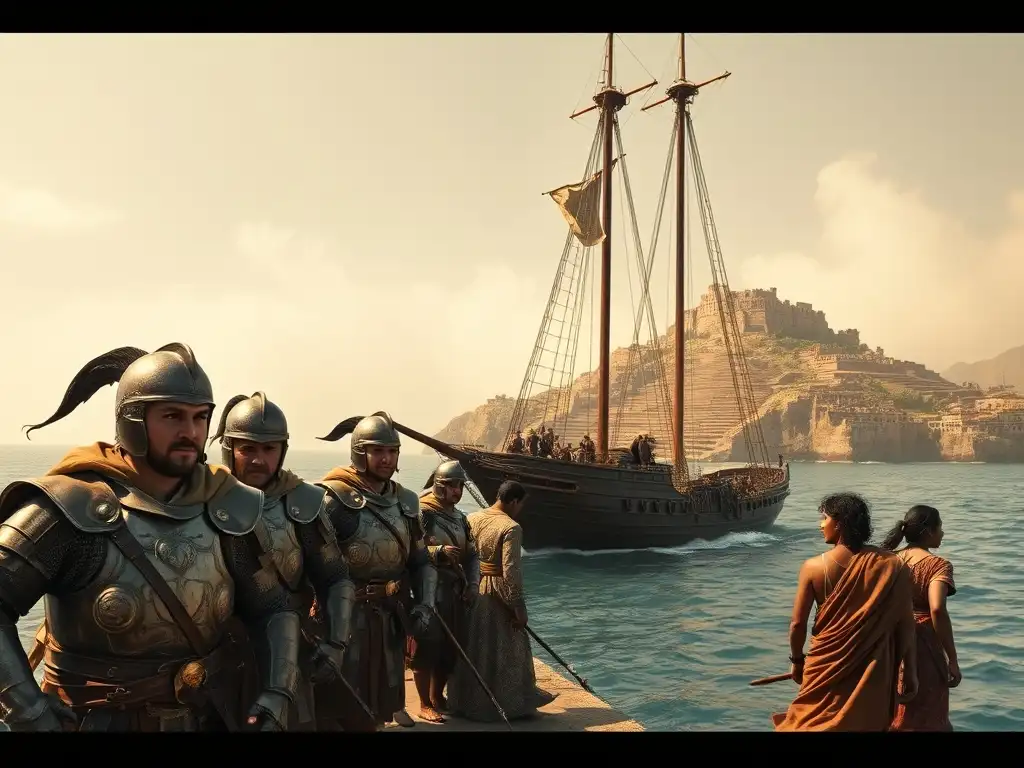
This section delves into the crucial initial encounters between the Spanish conquistadors and the Inca Empire, setting the stage for the dramatic events that would lead to Atahualpa's execution. The arrival of the Spanish wasn't a singular event, but a series of escalating interactions that ultimately shattered the Inca's power and paved the way for colonial rule. Understanding these early encounters is vital to grasping the complexities surrounding the Atahualpa execution and the collapse of the Inca empire.
The narrative is filled with ambition, betrayal, and the devastating impact of disease – all factors contributing to the swift downfall of a once-powerful civilization. The keyword "Atahualpa execution Inca empire" is intrinsically linked to these initial interactions, as they sowed the seeds of conflict that ultimately culminated in the tragic end of the Inca emperor.
Francisco Pizarro's Expedition to the Andes
Francisco Pizarro's expedition wasn't a haphazard venture; it was a carefully planned – albeit ruthlessly executed – operation fueled by greed and ambition. Pizarro, along with his associates Diego de Almagro and Hernando de Luque, leveraged prior knowledge of the Inca Empire's wealth and internal conflicts. Their expedition, departing from Panama in 1530, was meticulously organized, incorporating lessons learned from earlier Spanish explorations in the region.
They weren't just adventurers; they were strategic players who capitalized on the power vacuum created by the Inca civil war between Huáscar and Atahualpa. Pizarro's understanding of the Inca political landscape—gathered through informants and previous voyages—proved instrumental in his eventual success.
The expedition's success hinged on a combination of military prowess, strategic alliances with disgruntled Inca factions, and, tragically, the devastating impact of European diseases on the native population. This strategic planning, coupled with unforeseen advantages, set the stage for the events that would lead to the Atahualpa execution.
First Interactions between the Spanish and the Inca
Initial encounters between the Spanish and the Inca were marked by a mixture of awe and apprehension on both sides. The Inca, accustomed to their own advanced civilization, were likely initially impressed by the Spanish weaponry and horses – technologies unknown in the Andes. However, early reports suggest a degree of suspicion and caution from the Inca leadership.
The Spanish, on the other hand, were immediately captivated by the Inca's gold and silver, fueling their avarice and ambition. These early interactions were characterized by a significant power imbalance, with the Spanish exploiting the Inca's unfamiliarity with firearms and cavalry. Misunderstandings and misinterpretations were rife, further exacerbating the existing tension.
The Spanish, often resorting to deceptive tactics, gradually gained a foothold, exploiting internal Inca divisions to their advantage. The contrast between the two cultures, their different values and understandings of power dynamics, laid the groundwork for the conflict that would ultimately lead to the Atahualpa execution and the destruction of the Inca empire. The initial period of "peaceful" contact quickly deteriorated into a struggle for dominance.
The Capture of Atahualpa in Cajamarca
The capture of Atahualpa in Cajamarca in 1532 stands as a pivotal moment in the Spanish conquest and the prelude to the Atahualpa execution. Pizarro, employing a masterful act of deception, lured Atahualpa into a seemingly peaceful meeting. The subsequent ambush, a brutal display of superior weaponry and military strategy, effectively crippled the Inca army and captured their emperor.
This event, often cited as a turning point in the conquest, highlighted the vast disparity in military technology between the two civilizations. The element of surprise, coupled with the psychological impact of the Spanish weaponry and horses, played a crucial role in the success of the ambush. The capture of Atahualpa not only removed a powerful leader but also severely weakened the Inca Empire's ability to resist further Spanish incursions.
The events at Cajamarca, a testament to Spanish cunning and Inca vulnerability, directly contributed to the circumstances that led to Atahualpa's execution, a tragic consequence of the collision between two vastly different worlds. The aftermath of this event significantly impacted the unfolding events, directly influencing the ultimate "Atahualpa execution Inca empire" narrative.
The Imprisonment of Atahualpa and the Promise of Ransom
The capture of Atahualpa, the Sapa Inca, marked a pivotal moment in the Spanish conquest of the Inca Empire. His imprisonment, far from being a simple act of violence, became a complex negotiation steeped in power plays, cultural misunderstandings, and ultimately, betrayal. The events leading to Atahualpa's execution are intricately linked to the initial stages of his captivity and the subsequent promise of a massive ransom.
This wasn't merely a seizure of a ruler; it was the strategic dismantling of a sophisticated political and economic system. The Spanish, initially outnumbered and outmatched, cleverly exploited internal Inca conflicts and Atahualpa's own political maneuvering to gain the upper hand. The initial days following the Battle of Cajamarca were crucial in setting the stage for the later tragedy.
The sheer scale of the Inca army present, initially a source of Spanish fear, was ultimately turned against them through calculated manipulation and the Inca's own internal power struggles. The Spanish quickly realized the potential of using Atahualpa's captivity as leverage, a strategy that would prove devastatingly effective.
Atahualpa's Strategic Miscalculation and Capture
Atahualpa's decision to meet with Francisco Pizarro at Cajamarca in 1532 is widely considered a critical miscalculation. While some historians argue it was a deliberate attempt at diplomacy, others point to a combination of factors, including overconfidence, a lack of understanding of Spanish weaponry and tactics, and perhaps even internal dissent amongst his own ranks. The Inca army, far from being a unified force, was likely fractured by internal rivalries and power struggles following the recent civil war between Atahualpa and his brother Huáscar.
This internal strife significantly weakened the Inca's ability to effectively resist the Spanish. The ambush at Cajamarca, a brutal display of Spanish military prowess and technological superiority, resulted in the swift capture of the Sapa Inca and the massacre of thousands of unarmed Inca soldiers.
This event, often described as the “Battle of Cajamarca,” wasn't a traditional battle but rather a carefully planned and executed surprise attack that exploited the Inca's cultural norms and underestimation of Spanish capabilities. Atahualpa's capture was not merely a stroke of luck for the Spanish; it was the culmination of meticulous planning and the effective exploitation of existing Inca vulnerabilities.
The Inca Ransom: Gold and Silver as a Price for Freedom
Following Atahualpa's capture, the Spanish, acutely aware of the immense wealth of the Inca Empire, proposed a ransom: a room filled with gold and another filled twice over with silver in exchange for his freedom. This seemingly audacious demand speaks volumes about the Spanish understanding of Inca culture and their ability to exploit it.
The Incas, known for their reverence for gold and silver and their willingness to use these precious metals as symbols of power and tribute, readily agreed. The sheer scale of the ransom demanded – a quantity of gold and silver that would stagger the imagination today – highlights the immense wealth and resources controlled by the Inca Empire and the Spanish eagerness to exploit it.
The promise of ransom served a dual purpose for the Spanish: it provided immediate access to enormous wealth and bought them crucial time to consolidate their power and plan their next moves. The collection of the ransom became a frantic race against time, as the Inca nobility worked tirelessly to gather the demanded treasures.
The Collection of the Ransom and its Significance
The Inca people, under duress and driven by the hope of their emperor's release, embarked on an extraordinary effort to collect the ransom. Gold and silver artifacts, religious objects, and finely crafted ornaments were gathered from across the empire, demonstrating the vast extent and power of the Inca's reach. The sheer volume of precious metals amassed was unprecedented, filling two rooms as demanded by the Spanish. This immense wealth, however, did not secure Atahualpa's freedom.
Despite fulfilling his side of the bargain, Atahualpa was ultimately executed. This act of blatant betrayal highlighted the Spanish disregard for their promises and further cemented their brutal conquest. The collection of the ransom serves as a powerful testament to the Inca's cultural richness, economic power, and ultimately, their tragic vulnerability to the Spanish conquistadors.
The execution of Atahualpa, despite the massive ransom, became a symbol of the Spanish conquest's brutality and the systematic dismantling of the Inca Empire. The events surrounding Atahualpa's execution underscore the complex interplay of power, greed, and cultural clash that defined this pivotal moment in Andean history. The "Atahualpa execution Inca empire" remains a potent symbol of the conquest's devastating impact.
The Trial and Condemnation of Atahualpa
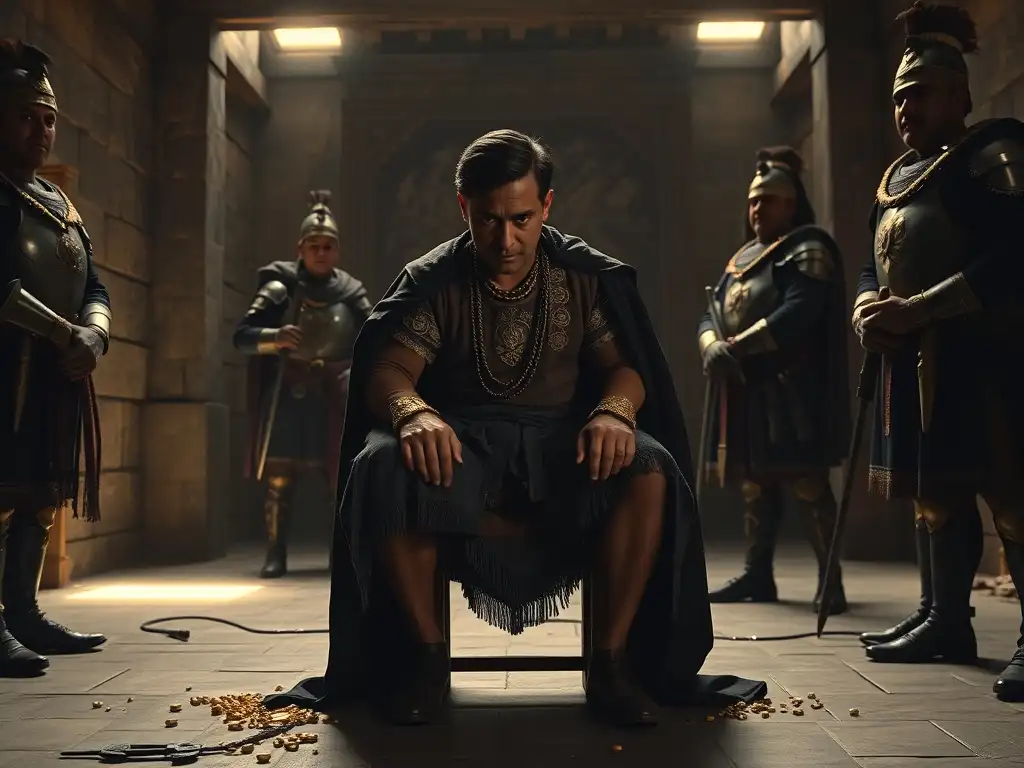
The execution of Atahualpa, the last Sapa Inca of the independent Inca Empire, remains a pivotal moment in the Spanish conquest of the Andes, a brutal culmination of political maneuvering, religious zealotry, and military might. While often portrayed as a swift act of violence, the reality was a more protracted process involving a complex, albeit biased, trial orchestrated by the Spanish conquistadors.
Understanding the intricacies of this trial is crucial to comprehending the complete collapse of the Inca Empire and the subsequent colonization of the region. The "Atahualpa execution Inca empire" narrative is far more nuanced than a simple act of conquest.
The Spanish Justification for Atahualpa's Trial
The Spanish conquistadors, led by Francisco Pizarro, needed a legal—or at least a seemingly legal—justification for Atahualpa's execution. Their actions, though driven by greed and a thirst for power, were cloaked in the language of religious righteousness and the assertion of Spanish sovereignty. The Spanish Crown, in its own way, sought to legitimize the conquest by framing it as a just war against a pagan emperor who had committed heinous crimes against God and the King of Spain.
This justification allowed them to seize control of the Inca Empire and its vast resources without appearing as outright aggressors in the eyes of the Spanish monarchy and the wider European audience. The trial, therefore, served as a crucial instrument of propaganda and a means to solidify their claim to the land and its people.
The narrative carefully constructed by the Spanish emphasized Atahualpa's supposed crimes, downplaying the inherent violence and brutality of their own actions. They skillfully manipulated the existing power struggles within the Inca Empire to their advantage, using the internal divisions to further their own aims.
Charges against Atahualpa: Rebellion and Idolatry
The charges against Atahualpa were multifaceted, strategically designed to appeal to both religious and secular authorities in Spain. The primary accusations centered around rebellion against the legitimate authority of the Spanish crown and the practice of idolatry, deemed heretical by the Catholic Church. Atahualpa was accused of ordering the massacre of his brother Huáscar's supporters, fueling civil war and weakening the empire – a convenient narrative for the Spanish who exploited the existing conflict to their benefit.
The charge of idolatry focused on the Inca's religious practices, including the worship of the sun god Inti and other Andean deities. This accusation allowed the Spanish to frame their conquest as a holy crusade, a divinely ordained mission to convert the “heathens” to Christianity. The Spanish cleverly presented the Inca religion as barbaric and savage, contrasting it with the supposed superiority of Catholic faith.
The severity of these accusations, coupled with the undeniable power imbalance between the Spanish and the Inca, predetermined the outcome of the trial. The sheer volume of gold and silver offered as ransom by Atahualpa, despite being initially promised his freedom, further fueled the Spanish ambition and solidified their resolve to execute him.
The Role of the Spanish Interpreters in the Trial
The role of the Spanish interpreters in Atahualpa's trial was far from neutral. These individuals, often poorly trained and with limited understanding of Quechua, the Inca language, played a critical role in shaping the narrative of the trial. Their interpretations, often biased and deliberately misleading, influenced the proceedings significantly. They could easily misrepresent Atahualpa's statements, exaggerating his supposed crimes and downplaying any attempts at defense or negotiation.
The lack of impartial witnesses and the complete absence of any fair legal representation for Atahualpa ensured the trial's predetermined outcome. The power dynamic between the Spanish and the Inca, exacerbated by the language barrier and the deliberate manipulation by interpreters, ensured that Atahualpa's voice was effectively silenced. This manipulation of translation highlights the crucial role of language and its control in the assertion of power during the colonial period. The accuracy of the information presented during the trial was severely compromised, further cementing the unjust nature of Atahualpa's condemnation.
The entire process was rigged against him from the start, with the interpreters acting as key agents in this manipulation. The consequences of this biased interpretation were profound, leading to the execution of a powerful emperor and the subsequent dismantling of a vast empire. The legacy of this flawed process continues to shape discussions around the Spanish conquest of the Andes to this day.
The Execution of Atahualpa and its Aftermath
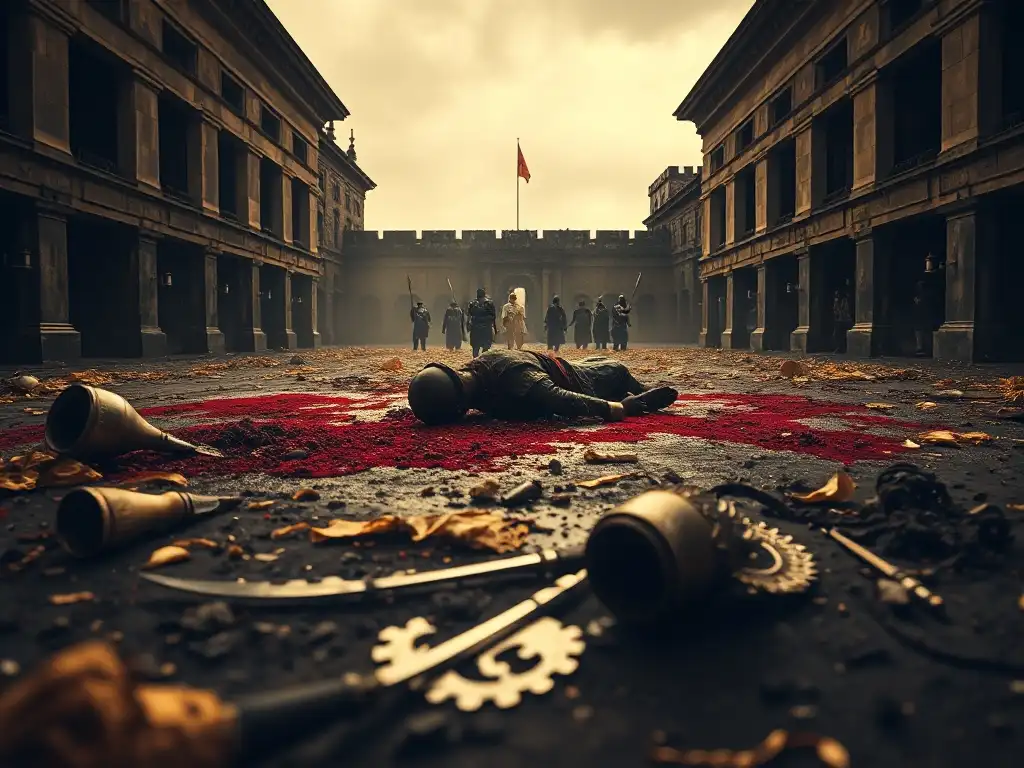
This section delves into the final days of Atahualpa, the last Sapa Inca of the independent Inca Empire, focusing on the events leading to his execution and the immediate consequences of this pivotal moment in Andean history. The Atahualpa execution marked not just the death of a ruler, but the symbolic end of an era, paving the way for Spanish colonial rule in the Andes.
Understanding the circumstances surrounding his death is crucial to comprehending the complexities of the Spanish conquest and its lasting impact on the region. The keyword "Atahualpa execution Inca empire" is central to understanding this critical juncture.
The Decision to Execute Atahualpa
The decision to execute Atahualpa wasn't a swift one. Months of negotiations, betrayals, and shifting alliances within the Spanish ranks preceded the final verdict. While Atahualpa had initially offered a staggering ransom—a room filled with gold and two filled with silver—to secure his freedom, this did little to assuage the suspicions and ambitions of Francisco Pizarro and his men.
The Spanish conquistadors, fueled by avarice and a thirst for power, found reasons to distrust Atahualpa even after receiving the immense treasure. Competing factions within the Spanish army also played a role. Some advocated for keeping Atahualpa alive as a puppet ruler, while others, fearing his potential for rebellion and the strength of his remaining loyalists, pushed for his execution.
Ultimately, accusations of plotting against the Spanish, coupled with the ongoing power struggles within the conquistador ranks, tipped the scales towards the ultimate, violent solution. The decision, therefore, was a complex interplay of greed, fear, and internal Spanish politics, ultimately leading to the Atahualpa execution and the collapse of the Inca Empire's resistance.
The Choice between Burning and Baptizing
Atahualpa faced a grim choice: conversion to Christianity followed by execution by garrote, or death by burning at the stake. This was a calculated maneuver by the Spanish to appear merciful while still achieving their ultimate goal. The offer of baptism, while seemingly a gesture of religious grace, was ultimately a tool of subjugation, demonstrating the brutal power dynamic of the conquest.
While some historians argue that Atahualpa's acceptance of baptism was genuine, others believe it was a strategic move to avoid a more brutal and humiliating death. Regardless of his true intentions, the choice presented to him underscores the Spanish strategy of using religious conversion as a means of consolidating power and undermining indigenous beliefs.
The Atahualpa execution, therefore, became a deeply symbolic event, showcasing the clash between Inca traditions and the imposed Catholic faith. The event itself served to illustrate the extent of Spanish dominance and the complete disregard for Inca religious and cultural practices.
The Death of Atahualpa and the End of an Era
The execution of Atahualpa, carried out on July 26, 1533, marked a turning point in the Spanish conquest. His death shattered the already weakened Inca Empire, removing a central figure of resistance and leaving a power vacuum. The Atahualpa execution, a brutal act, paved the way for the complete subjugation of the Inca people under Spanish colonial rule.
The aftermath was characterized by widespread chaos, internal strife among Inca factions vying for power, and the systematic dismantling of Inca institutions and social structures. The consequences of his death extended far beyond the immediate loss of leadership, significantly impacting the cultural, political, and economic landscape of the Andean region for centuries to come.
The Inca empire, once a powerful and sophisticated civilization, was irrevocably altered by this single event, significantly shaping the history of the Andes and underscoring the lasting impact of the "Atahualpa execution Inca empire." The execution remains a potent symbol of the brutality and profound consequences of the Spanish conquest.
The Impact of Atahualpa's Execution on the Inca Resistance
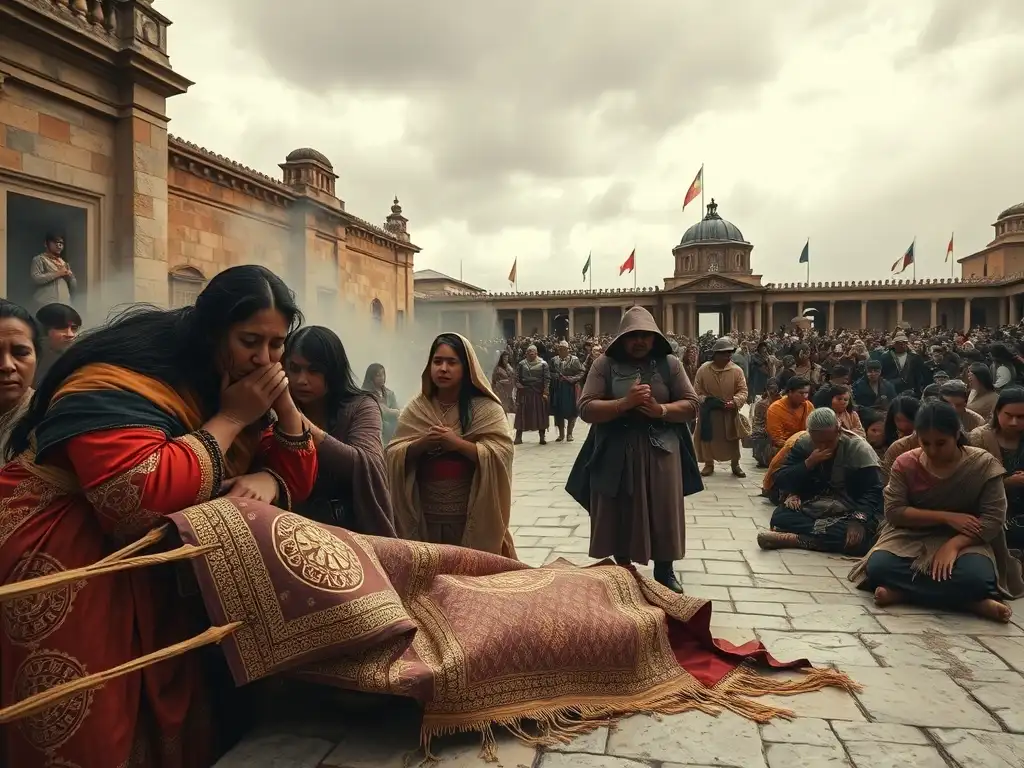
The execution of Atahualpa in 1533 profoundly impacted the Inca resistance to the Spanish conquest. While some sources suggest that his death initially demoralized the Inca armies, leading to a period of disarray and fragmentation, it's crucial to understand that the resistance did not cease. Instead, the nature of the resistance shifted. Before Atahualpa's death, the resistance was largely centralized, organized under his direct command and leveraging the vast resources of the Inca empire.
His execution, however, dispersed this power. Different factions emerged, each vying for control and leadership, leading to internal conflicts that weakened the overall resistance effort. This internal strife allowed the Spanish to exploit the divisions, conquer territories piecemeal, and consolidate their power more effectively. The resistance, however, continued in various forms, often manifesting as guerilla warfare in the mountainous terrain of the Andes.
These smaller, more decentralized rebellions proved more difficult for the Spanish to suppress, prolonging the conflict for years after Atahualpa's death. This decentralized resistance, though less coordinated, demonstrated the enduring spirit and resilience of the Inca people in the face of overwhelming odds. The execution, therefore, ironically, may have inadvertently fueled a more protracted, if less organized, fight for independence. 👑
The Legacy of Atahualpa's Fall and the Inca Conquest
Atahualpa's execution marked a pivotal turning point not only in the immediate conflict but also in the long-term legacy of the Inca Empire and the Spanish conquest. His death symbolized the complete shattering of the Inca political and religious order. The carefully constructed system of power, based on divine authority and centralized control, crumbled under the weight of Spanish aggression and internal divisions exacerbated by Atahualpa's demise. The subsequent installation of puppet rulers by the Spanish further cemented their dominance, undermining the traditional Inca leadership structures and weakening the cultural fabric of the empire.
The consequences were far-reaching and long-lasting. The execution became a symbol of Spanish brutality and oppression, fueling narratives of resistance and inspiring future rebellions against colonial rule in the centuries to come. The immense wealth extracted from the Inca Empire, much of it fueled by the ransom paid for Atahualpa's life, further fueled the Spanish colonial enterprise, shaping the economic and social structures of the newly conquered territories. The execution, therefore, serves as a potent reminder of the devastating impact of conquest and the enduring legacy of colonialism on the Andean world.
The story of Atahualpa’s fall continues to resonate today, serving as a powerful symbol of both the brutality of conquest and the enduring spirit of resistance. The consequences of his execution reverberate through history, shaping the cultural and political landscape of the Andes even to this day. Understanding this legacy is crucial to comprehending the complexities of the Spanish conquest and its lasting impact on the Inca civilization. 💔
The Lasting Impact of the Atahualpa Execution on Andean History
The execution of Atahualpa in 1533 marked a pivotal moment, not just in the history of the Inca Empire, but in the broader context of Andean history. It irrevocably altered the political landscape, paving the way for Spanish colonization and triggering a cascade of events that profoundly reshaped the cultural, social, and economic fabric of the region. The Atahualpa execution Inca empire narrative is one of brutal conquest, but also of resilience and adaptation in the face of overwhelming odds. The immediate aftermath was chaos, but the long-term consequences reverberate even today.
The Collapse of the Inca Empire after the Execution of Atahualpa
Atahualpa's death created a power vacuum at the heart of the Inca Empire. The carefully constructed system of succession, already weakened by the ongoing civil war between Atahualpa and his half-brother Huáscar, completely crumbled. The Spanish, seizing the opportunity, exploited the ensuing internal strife and the lack of a unified leadership.
The Inca's sophisticated administrative system, once a hallmark of their power, became increasingly fragmented. Loyalists to Atahualpa and Huáscar's supporters engaged in further conflict, weakening the empire's ability to resist Spanish advances. The execution didn't just kill a leader; it effectively decapitated the empire, leaving it vulnerable to conquest.
The subsequent installation of puppet rulers by the Spanish further solidified their control, effectively dismantling the Inca's authority and paving the way for complete domination. The loss of Atahualpa, a charismatic and powerful figure, undoubtedly contributed to the rapid disintegration of the Inca Empire's military and political structures. The empire’s sophisticated infrastructure, once a symbol of its might, became a target for exploitation by the Spanish conquistadors.
The Spanish Colonization and its Consequences in the Andes
The Atahualpa execution served as a catalyst for the rapid and brutal Spanish colonization of the Andes. With the Inca leadership decimated and internal conflicts raging, the Spanish faced minimal organized resistance beyond isolated uprisings. The consequences were devastating.
The introduction of European diseases, such as smallpox and measles, decimated the indigenous population, leading to a drastic decline in numbers. This demographic catastrophe, coupled with the forced labor system (the encomienda system), resulted in the exploitation of the remaining population and the destruction of traditional Andean societies. The Spanish systematically dismantled the Inca's economic system, replacing it with a resource extraction model that benefited the Spanish crown and its colonists.
This led to the impoverishment of the Andean people and the disruption of their agricultural practices and trade networks. The legacy of this period continues to shape the socio-economic landscape of the Andes today. The Atahualpa execution Inca empire story is inextricably linked to the subsequent centuries of colonial oppression.
The Cultural and Political Transformation of the Inca Empire
The execution of Atahualpa initiated a profound cultural and political transformation in the Andes. The Spanish systematically suppressed Inca religion and traditions, replacing them with Catholicism. Temples were destroyed, religious practices were outlawed, and indigenous beliefs were actively persecuted. Inca art and architecture were either destroyed or adapted to serve colonial interests.
The Inca language, Quechua, though initially resilient, was gradually marginalized in favor of Spanish. However, it's crucial to note that despite the repressive measures, Inca culture and identity persisted, often adapting and blending with Spanish influences. This syncretism is evident in various aspects of Andean life, from religious practices to artistic expressions.
The resilience of indigenous cultures in the face of colonial oppression is a testament to their enduring strength and a key element in understanding the complex legacy of the Atahualpa execution and its impact on the Atahualpa execution Inca empire. The story is not simply one of defeat, but also one of survival and adaptation. The impact of this event continues to shape the cultural identity of the Andean region to this day.
Frequently Asked Questions
What led to Atahualpa's capture?
The capture of Atahualpa stemmed from internal conflict within the Inca Empire following the death of Huayna Capac. Atahualpa's battle with his brother Huáscar for control of the empire weakened the Inca, leaving them vulnerable to Pizarro's conquest.
How did Pizarro manage to capture Atahualpa despite his army's size?
Pizarro employed superior weaponry (guns and cannons) and strategic alliances with rival Inca factions. He also used deception and surprise tactics to overwhelm Atahualpa's forces at the Battle of Cajamarca.
What was the ransom offered for Atahualpa's release?
Atahualpa offered an enormous ransom of gold and silver filling a room twice the size of his prison. This was a testament to the wealth of the Inca Empire, but it ultimately failed to secure his freedom.
Why was Atahualpa executed despite the ransom?
Despite receiving the vast ransom, Pizarro and his men executed Atahualpa due to a combination of factors. These include accusations of treason, continuing Inca resistance, and the desire to consolidate Spanish control over the empire and its resources.
What was the impact of Atahualpa's execution on the Inca Empire?
Atahualpa's execution effectively destroyed the Inca imperial structure, leading to chaos and paving the way for full-scale Spanish colonization. The empire's power and organization were irrevocably shattered.
Final Reflection: Echoes of Empire: Atahualpa's Legacy and Our Present
The brutal execution of Atahualpa in 1533 wasn't merely a historical event; it was a seismic shift that continues to resonate in the political and social landscapes of Latin America today. The systematic dismantling of the Inca Empire, fueled by greed and conquest, serves as a stark warning against unchecked power and the devastating consequences of cultural erasure. The echoes of this pivotal moment still reverberate, shaping narratives of identity, resistance, and the ongoing struggle for justice.
The story of Atahualpa's demise is more than just a recounting of historical facts; it's a powerful reminder of the fragility of power and the enduring strength of cultural heritage. The Inca civilization, with its sophisticated social structures and rich traditions, was violently suppressed, leaving behind a legacy of trauma and a constant need for reconciliation. As the renowned historian, Felipe Guaman Poma de Ayala, poignantly observed: They came to take our gold, but they took our souls.
His words encapsulate the enduring impact of colonization and the lasting wounds inflicted upon indigenous populations. Understanding this history is crucial to building a more just and equitable future.
Consider the implications of Atahualpa's fate. How does the story of his betrayal and execution challenge our understanding of power dynamics, both historically and in our contemporary world? What responsibility do we, as inheritors of this history, bear in ensuring that such injustices are never repeated?
I urge you to reflect on the lessons learned from this tragic event and to actively engage in promoting understanding, respect, and the preservation of indigenous cultures. Let the fall of an empire serve not as a testament to violence, but as a catalyst for positive change and a commitment to a more just and equitable future for all.
**Embrace the Legacy: Exploring the Impact of Atahualpa's Story**
Thank you for exploring the captivating story of Atahualpa and the pivotal events leading to his death. Understanding this crucial period in history not only expands your knowledge but also reveals the profound and lasting impact of the Inca Empire on the world today. Now, let's consider how we can engage further with this rich history.
- **Deepen your understanding of the Inca Empire by visiting your local library or museum. ** Discover the fascinating details of their civilization and the remarkable lives of their leaders.
- **Share this article with friends and family, sparking a conversation** about the complexities of empire, leadership, and the lasting legacies of historical figures. Your insights can contribute to a richer understanding for all.
- **Connect with others who share your interest in Andean history by joining a local history group or online forum. ** Engaging in discussions with fellow enthusiasts can offer new perspectives and deepen your knowledge.
Which aspects of Atahualpa's life and legacy resonate most strongly with you, and how do you believe they continue to shape modern leadership and our understanding of power? Sharing your thoughts can inspire insightful discussions and further exploration of this important historical figure.