
The Cajamarca Trap: Unraveling the Deception Behind Atahualpa's Capture


Step into a world lost to time, where empires rose and fell amidst breathtaking Andean landscapes. Discover the intricate tapestry of ancient Andean civilizations, from the ingenious artistry of the Nazca to the formidable power of the Incas. But the story we begin with today is one of betrayal and cunning. Prepare to be captivated by the chilling tale of Atahualpa's capture at Cajamarca, a meticulously crafted deception that forever altered the course of history. Unravel the mysteries behind this pivotal event and delve into the fascinating details – the truth may surprise you.
The conquest of the Inca Empire by the Spanish is a pivotal moment in Andean history, marked by brutality, ambition, and cunning strategies. This article delves into one of the most crucial events of this conquest: the capture of Atahualpa, the Sapa Inca, at Cajamarca in 1532. Far from a straightforward military victory, Atahualpa's capture was a meticulously planned deception, a masterful display of Spanish military tactics and psychological warfare that exploited Inca beliefs and societal structures.
We will examine the intricate details of this "trap," analyzing the strategic elements that led to the downfall of the Inca emperor and the subsequent collapse of the empire. This analysis will explore not only the military aspects but also the cultural misunderstandings and the inherent power imbalances that allowed Francisco Pizarro and his relatively small force to achieve such a stunning victory.
Understanding the Cajamarca event is crucial to grasping the broader context of the Spanish conquest and its lasting impact on Andean societies. The keyword "Atahualpa capture Cajamarca deception" will be explored throughout this article, unveiling the layers of strategy employed by the Spanish conquistadors.
Pizarro's Strategic Planning: A Calculated Risk
Francisco Pizarro’s success wasn’t due to superior numbers; his army was significantly smaller than Atahualpa’s. Instead, Pizarro meticulously planned the ambush, leveraging intelligence gathering and exploiting cultural differences. He carefully studied Inca customs and beliefs, understanding their reverence for their Sapa Inca and their inherent trust in emissaries. Pizarro's strategy hinged on exploiting this trust, luring Atahualpa into a seemingly peaceful meeting, only to unleash a devastating surprise attack.
This wasn't a battle fought on a level playing field; it was a carefully orchestrated trap designed to neutralize the Inca advantage in manpower. Reports suggest that Pizarro's knowledge of the Inca's military structure and their lack of familiarity with firearms played a critical role in his planning. The meticulously crafted deception involved exploiting the Inca’s respect for authority and their lack of experience with cavalry and gunpowder weapons.
The Ambush at Cajamarca: A Symphony of Deception
The events at Cajamarca unfolded with chilling precision. Atahualpa, accompanied by a large, unarmed retinue—a testament to the Inca's trust in Pizarro's assurances of peace—entered the plaza. The seemingly innocuous meeting quickly devolved into chaos as Spanish soldiers, concealed in strategic positions, emerged from hiding, unleashing a barrage of gunfire and sword attacks. The element of surprise was absolute.
The sheer shock and confusion created an environment where the numerically superior Inca forces were utterly disorganized and easily overwhelmed. The massacre that followed was brutal and swift, highlighting the devastating impact of superior weaponry and the element of surprise. The capture of Atahualpa, himself, was a pivotal moment, symbolizing the complete collapse of Inca resistance at Cajamarca.
The Cultural and Psychological Factors: Exploiting Inca Beliefs
The success of the Cajamarca ambush wasn't solely reliant on military strategy; it was also deeply intertwined with cultural and psychological manipulation. Pizarro successfully exploited existing power dynamics within Inca society. The Inca's hierarchical structure, with its absolute reverence for the Sapa Inca, meant that the capture of Atahualpa effectively decapitated their leadership and severely undermined their ability to organize a coordinated response.
Furthermore, the Inca's lack of familiarity with Spanish weaponry and tactics contributed significantly to their vulnerability. The psychological impact of the sudden, violent attack, coupled with the slaughter of many high-ranking Inca officials, further demoralized the Inca army and contributed to their inability to mount an effective counterattack. The Spanish skillfully used propaganda and psychological warfare to amplify the impact of their actions.
The Aftermath: A Turning Point in the Conquest
The capture of Atahualpa at Cajamarca marked a significant turning point in the Spanish conquest. It effectively shattered the Inca Empire's military and political power, paving the way for the subsequent Spanish subjugation of the Andean region. Atahualpa's imprisonment and eventual execution—despite the immense ransom paid—symbolized the complete dominance of the Spanish conquistadors.
The event served as a powerful example of the devastating consequences of the cultural clash and the superior military technology wielded by the Spanish. The Cajamarca trap stands as a chilling testament to the complexities of conquest, highlighting the crucial role of deception, manipulation, and the exploitation of cultural vulnerabilities in achieving military supremacy. The legacy of this event continues to shape our understanding of the Spanish conquest and its lasting impact on Andean societies.
- Pizarro's Strategic Planning: A Calculated Risk
- The Ambush at Cajamarca: A Symphony of Deception
- The Cultural and Psychological Factors: Exploiting Inca Beliefs
- The Aftermath: A Turning Point in the Conquest
The Prelude to the Cajamarca Ambush: A Clash of Worlds
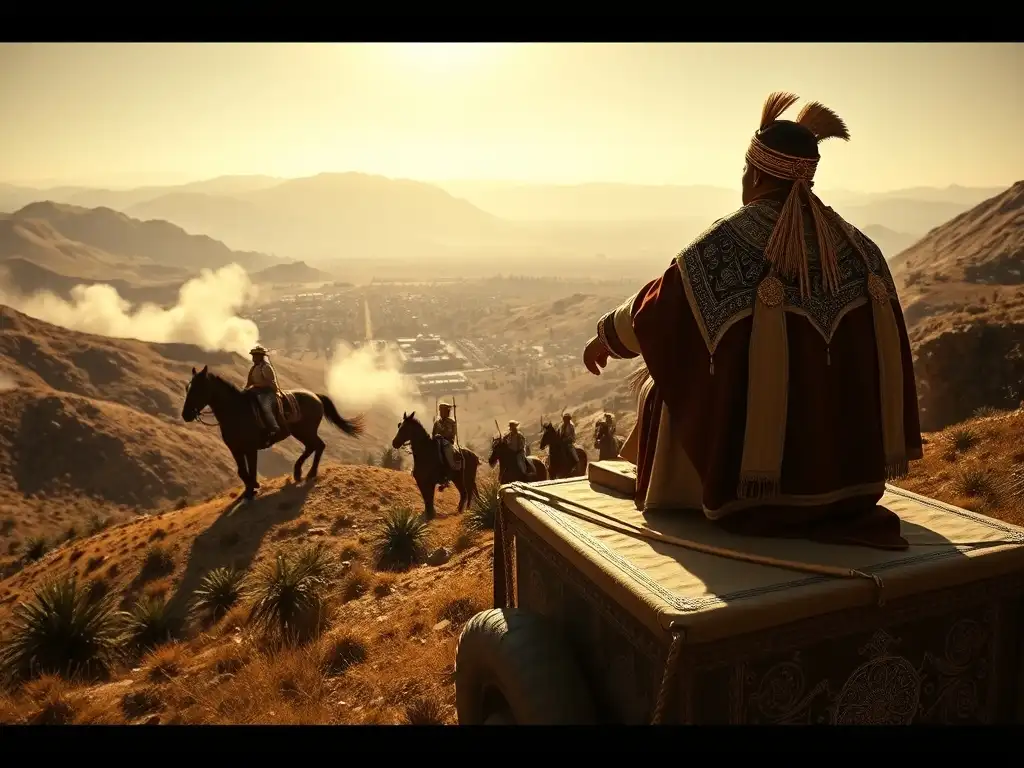
This section delves into the crucial events preceding the infamous capture of Atahualpa at Cajamarca, highlighting the factors that contributed to the vulnerability of the Inca Empire and the strategic advantages enjoyed by Pizarro's conquistadors. Understanding this prelude is key to unraveling the deception behind Atahualpa's capture and appreciating the complexities of the Spanish conquest.
The Atahualpa capture at Cajamarca was not a random event; it was the culmination of a series of events, a carefully orchestrated trap built upon the weaknesses of the Inca Empire and the audacious ambition of Francisco Pizarro. The keyword "Atahualpa capture Cajamarca deception" is central to understanding this pivotal moment in history.
The Inca Empire Under Huayna Capac's Reign
Huayna Capac, the Inca emperor who reigned from approximately 1493 to 1527, oversaw a period of significant expansion and consolidation of the Inca Empire. His rule extended the empire's reach across vast territories, encompassing diverse cultures and environments. However, this very expansion sowed the seeds of future instability.
The vastness of the empire, while impressive, presented significant challenges in terms of administration and control. Efficient communication and swift mobilization of resources across such a diverse and geographically challenging landscape proved difficult. This administrative complexity would later become a critical factor contributing to the Inca's vulnerability to the Spanish.
The lack of a strong centralized bureaucracy, while not apparent during Huayna Capac’s reign, would prove fatal in the face of the Spanish conquest. Furthermore, the incorporation of diverse populations, while enriching the empire, also created potential for internal dissent and rebellion, factors that would be exploited by the Spanish. The successful administration of such a large and diverse empire required a level of centralized control that was simply not fully achieved.
Francisco Pizarro's Third Expedition and the Search for El Dorado
Pizarro's third expedition, departing from Panama in 1530, was fueled by rumors of El Dorado, the legendary city of gold. This mythical city, though ultimately a fantasy, played a crucial role in motivating the expedition and justifying the enormous risks involved. The conquistadors were driven by a lust for gold and the promise of unimaginable riches.
This insatiable greed, combined with their superior weaponry and tactical prowess, proved to be a devastating combination for the Inca. The search for El Dorado provided the narrative justification for the conquest, masking the brutal realities of colonization and exploitation. The expedition's success was, however, not solely dependent on luck or the lure of gold.
Pizarro's strategic acumen, his ability to exploit existing internal conflicts within the Inca Empire, and his willingness to engage in ruthless tactics were equally important factors in his eventual triumph. Analyzing Pizarro's actions reveals a calculated approach, a meticulous planning process that culminated in the successful capture of Atahualpa and the subsequent conquest of the Inca Empire.
The Inca Civil War Between Huáscar and Atahualpa
Following Huayna Capac's death (the exact cause remains debated, but smallpox is a leading theory), a brutal civil war erupted between his sons, Huáscar and Atahualpa, for control of the Inca Empire. This internecine conflict significantly weakened the empire, leaving it vulnerable to external threats. The war drained resources, depleted manpower, and fostered deep divisions within the Inca leadership and population.
Atahualpa emerged victorious, but the war left the empire fractured and exhausted. The prolonged conflict disrupted the established administrative structures, leaving the empire significantly less capable of responding effectively to the arrival of the Spanish. The internal strife, characterized by intense battles and significant loss of life, left the Inca army depleted and demoralized, creating a power vacuum that Pizarro expertly exploited.
This weakened state of the empire, a direct consequence of the civil war, was a crucial factor in the success of the Atahualpa capture at Cajamarca. The deception employed by Pizarro worked so effectively precisely because the Inca Empire was already fractured and reeling from years of conflict. The "Atahualpa capture Cajamarca deception" was not merely a tactical maneuver; it was a strategic masterstroke that capitalized on existing vulnerabilities.
The Deceptive Invitation to Cajamarca: A Calculated Strategy
The capture of Atahualpa at Cajamarca in 1532 wasn't a haphazard event; it was a meticulously planned operation, a masterful display of deception that exploited the Inca's cultural norms and technological disadvantage. Pizarro, leveraging his understanding of Inca societal structures and utilizing carefully crafted strategies, lured Atahualpa into a deadly trap. The invitation itself, couched in terms of diplomatic exchange and peaceful overtures, masked a brutal plan for conquest.
This deceptive invitation, far from being a simple summons, was a crucial element of the Atahualpa capture Cajamarca deception, allowing Pizarro to gain a decisive advantage. The success hinged on exploiting the Inca's trust and their unfamiliarity with Spanish weaponry and tactics. The carefully orchestrated events leading up to the encounter, including the strategic positioning of troops and the controlled dissemination of information, played a crucial role in the ultimate success of the Spanish ambush.
The level of planning and execution underlines the sophistication of Pizarro's strategy, highlighting the calculated nature of the entire operation. The seemingly simple invitation was, in reality, a complex maneuver designed to guarantee the Inca emperor's capture.
Pizarro's 168 Men and Their Superior Weaponry
Pizarro's force, numbering a mere 168 men, seems minuscule when compared to the vast Inca army. However, this small contingent possessed a significant technological advantage. Their steel armor, swords, and, most importantly, firearms – arquebuses and cannons – provided an unparalleled edge against the Inca's primarily bronze and stone weaponry. The impact of gunpowder weaponry on the unsuspecting Inca was devastating.
The noise alone, unfamiliar and terrifying, would have contributed to the disorientation and fear among Atahualpa's entourage. The accuracy and range of the firearms allowed the Spanish to inflict significant casualties from a distance, before the Inca could even effectively engage. This disparity in military technology was a key component of the Atahualpa capture Cajamarca deception, allowing a vastly outnumbered Spanish force to subdue a powerful empire.
The element of surprise, coupled with this superior firepower, proved decisive in the ambush. Analysis of the battle shows that the Spanish weaponry, not sheer numbers, was the primary factor in their victory. The Inca simply had no defense against such weapons.
Atahualpa's Unarmed Entourage and the Misunderstanding of Intentions
Atahualpa, accustomed to the elaborate rituals and displays of power associated with Inca diplomacy, arrived in Cajamarca with a large, unarmed entourage. This was a critical element that contributed to the success of the Atahualpa capture Cajamarca deception. His trust in Pizarro's professed peaceful intentions, coupled with a lack of understanding of the Spanish strategic objectives, proved fatal.
The Inca emperor's retinue, expecting a ceremonial meeting, was completely unprepared for a military assault. The absence of weapons among the Inca nobility further exacerbated their vulnerability. This cultural misunderstanding, stemming from vastly different social and political structures, played a significant role in the outcome.
The Spaniards' actions were a stark contrast to Inca protocols, which emphasized ritualized displays of power and respect, rather than the sudden, brutal violence unleashed by Pizarro's men. The Inca's failure to anticipate this breach of diplomatic norms highlights the profound cultural differences and the resulting communication breakdown.
The Requerimiento and the Spanish Justification for Conquest
The Requerimiento, a formal declaration read aloud by the Spanish conquistadors, attempted to justify their actions by invoking religious and legal arguments. This document, however, served primarily as a tool of propaganda and a post-facto justification for the conquest. It demanded that the Inca accept Spanish sovereignty and the Christian faith, threatening violence and enslavement if they refused.
The irony, of course, is that the Requerimiento, delivered in Spanish to an audience who didn't understand the language, was a blatant act of deception. It was a legalistic facade, a thin veil masking the true intentions of the Spanish: plunder, conquest, and the establishment of colonial power. The Requerimiento, far from being a legitimate legal instrument, served as another layer of the Atahualpa capture Cajamarca deception, providing a superficial justification for actions motivated primarily by greed and ambition.
Its inclusion in the events leading up to the capture underscores the cynical and manipulative nature of the Spanish conquest. The entire process highlights the hypocrisy inherent in the Spanish justification for their brutal actions, further emphasizing the deceptive nature of their approach.
The Cajamarca Massacre: The Implementation of the Trap
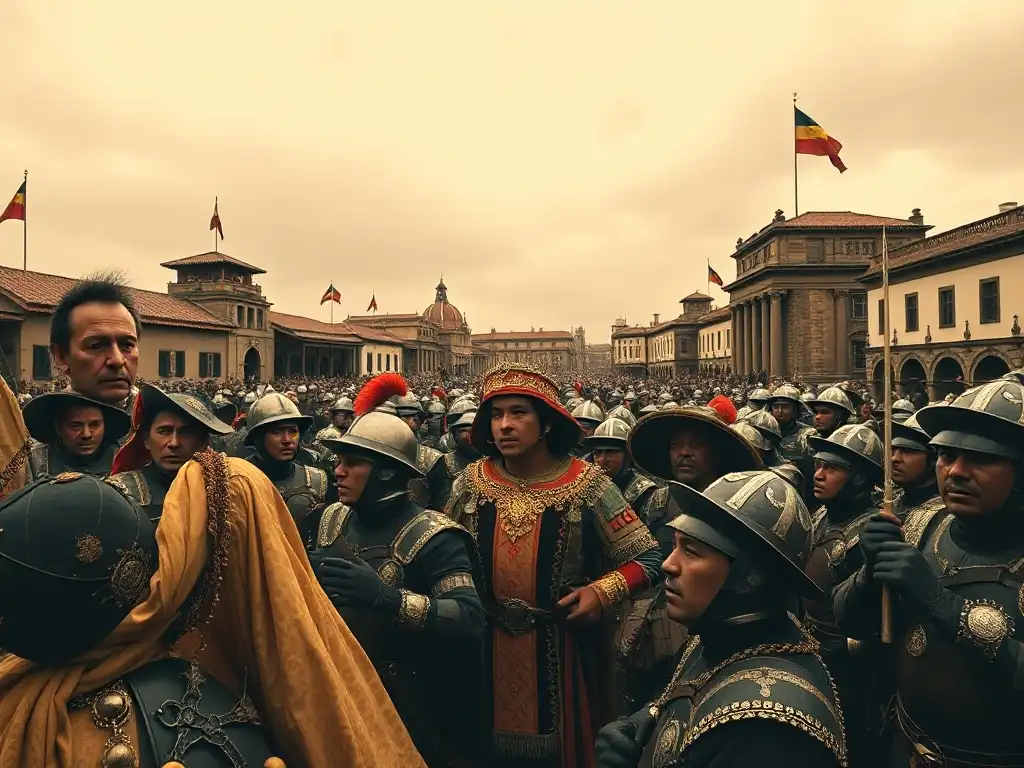
The infamous capture of Atahualpa in Cajamarca in 1532 wasn't a simple ambush; it was a meticulously planned massacre designed to exploit Inca cultural norms and military vulnerabilities. The Spanish conquistadors, led by Francisco Pizarro, leveraged superior weaponry and a deep understanding (or at least a shrewd assessment) of Inca societal structures to achieve a stunning victory against a vastly superior force. This wasn't just a battle; it was a calculated act of deception that shattered the Inca Empire.
The Atahualpa capture at Cajamarca was a pivotal moment, a turning point in the conquest, effectively initiating the collapse of a powerful civilization. The "Cajamarca deception," as it's often called, involved a complex interplay of psychological warfare, military strategy, and exploitation of cultural misunderstandings. This section will delve into the brutal efficiency of Pizarro's plan and its devastating consequences.
The Attack in the Plaza: The Use of Cannons and Cavalry
Pizarro's forces, numbering around 168 men, strategically positioned themselves around the Plaza de Armas in Cajamarca. They concealed themselves behind buildings and waited for Atahualpa and his retinue, a force estimated to be in the thousands, to enter the square. The element of surprise was paramount. The initial attack was swift and brutal.
The thunderous roar of cannons, a technology completely unknown to the Inca, shattered the peaceful atmosphere and instilled immediate terror. The cavalry, charging into the unsuspecting Inca army, caused widespread panic and disarray. The horses themselves were a source of fear, their size and speed unlike anything the Inca had encountered. This combined assault of gunpowder weaponry and mounted shock troops overwhelmed the Inca, who were armed primarily with spears, clubs, and slings.
The effectiveness of the Spanish weaponry in the Atahualpa capture is undeniable, turning a potential rout into a complete massacre. The use of cannons wasn't merely symbolic; it was a decisive factor in breaking the Inca's initial resistance and paving the way for Atahualpa's capture. The slaughter that followed was swift and efficient, a testament to the superior technology employed by the Spanish and the effectiveness of their strategy.
Atahualpa's Capture: The Seizure of the Inca Emperor
While the chaos reigned in the plaza, a small group of Spanish soldiers, led by Pizarro himself, confronted Atahualpa. Despite the overwhelming numbers of his own army, Atahualpa, initially unfazed by the initial attack, was ultimately betrayed by his trust in the Spanish promises of peace and his own cultural protocols. He was taken completely by surprise. The accounts of his capture vary, but the general consensus points to a swift and decisive action.
The Emperor's guards were quickly overwhelmed, and Atahualpa himself was seized, marking a pivotal moment in the Spanish conquest. The seizure of Atahualpa wasn’t just the capture of a ruler; it was the capture of the very symbol of Inca power. His capture symbolized the complete breakdown of Inca authority and military capability.
The psychological impact of the Emperor's capture extended far beyond the immediate events in Cajamarca. It sent shockwaves throughout the empire, sowing seeds of doubt and fear amongst the Inca population and effectively crippling their ability to mount an organized resistance. The Atahualpa capture in Cajamarca was a strategic masterpiece of deception, a culmination of military prowess and calculated risk-taking.
The Inca Casualties and the Disarray Following the Attack
The exact number of Inca casualties in the Cajamarca massacre remains a matter of debate among historians. Estimates range from thousands to tens of thousands. What is certain is that the losses were catastrophic, far exceeding those of the Spanish. The slaughter effectively decimated the Inca army, leaving the empire vulnerable and demoralized.
The ensuing disarray created a power vacuum, further hindering any organized resistance against the Spanish. The psychological impact of the massacre was equally devastating. The Inca were unprepared for the brutality and technological superiority of the Spanish. The swift and decisive nature of the attack left little room for response, leading to a sense of helplessness and fear that spread throughout the empire.
The Atahualpa capture and the subsequent massacre in Cajamarca weren't simply a military victory; they were a psychological and cultural defeat that paved the way for the Spanish conquest of the Inca Empire. The sheer scale of the casualties, coupled with the loss of their Emperor, effectively shattered the Inca's sense of invincibility and left them vulnerable to Spanish domination. The lasting impact of this event on the Inca civilization is immeasurable. The Atahualpa capture remains a stark reminder of the devastating consequences of unchecked power and the tragic consequences of cultural misunderstanding.
The Motives Behind the Deception: Beyond Simple Conquest
The seemingly straightforward narrative of Atahualpa's capture at Cajamarca—a swift, decisive victory for Pizarro—obscures a complex web of motivations driving the Spanish deception. The Spanish conquest wasn't merely a military campaign; it was a meticulously planned operation fueled by a potent blend of avarice, political opportunism, and religious zeal. Understanding the multifaceted nature of these motives is crucial to truly grasping the intricacies of the Atahualpa capture Cajamarca deception. The seemingly simple act of capturing the Inca emperor was, in reality, a culmination of years of calculated strategy and exploitation of existing vulnerabilities within the Inca empire.
The Spanish Quest for Gold and Silver in the Andes
The allure of Andean gold and silver was a primary driver behind the Spanish conquest. Chroniclers of the time detail the almost mythical descriptions of the Inca's wealth, fueling the insatiable greed of the conquistadors. The sheer quantity of gold and silver in the Inca Empire, accumulated over centuries, was beyond the wildest dreams of the Spanish.
This wasn't just about personal enrichment; the acquisition of precious metals was vital for funding further expeditions, bolstering the Spanish crown's treasury, and solidifying Spain's global power. The deception at Cajamarca, therefore, was a strategic maneuver to secure access to this vast wealth with minimal bloodshed – at least initially. The infamous ransom paid by Atahualpa, a mountain of gold and silver, vividly illustrates the extent of this avarice.
The Spanish meticulously planned the capture to maximize the likelihood of acquiring this treasure, making the seemingly impulsive attack a carefully orchestrated operation for economic gain. Estimates of the value of the ransom in today's money are staggering, highlighting the economic significance of the Atahualpa capture Cajamarca deception.
The Exploitation of the Inca Civil War and Political Instability
The Inca Empire, at the time of Pizarro's arrival, was embroiled in a brutal civil war between Atahualpa and his half-brother Huáscar. This internal conflict significantly weakened the empire, creating a perfect opportunity for the Spanish to intervene. Pizarro, a master strategist, cleverly exploited this political instability.
Instead of facing a unified, powerful Inca army, the Spanish encountered a fractured empire, weakened by years of conflict and internal strife. The Spanish meticulously gathered intelligence on the Inca civil war, carefully choosing their moment to strike. The battle at Cajamarca wasn't a fair fight; it was a calculated exploitation of a vulnerable, divided empire.
The Spanish leveraged the existing tensions to their advantage, carefully aligning themselves with factions within the Inca court to further destabilize the empire and secure their own position. This strategic manipulation of the Inca civil war was a key component of the Atahualpa capture Cajamarca deception, allowing a small force to subdue a vast empire.
The Spread of Catholicism and the Establishment of Spanish Rule
Beyond the economic and political motivations, the Spanish conquest was also deeply rooted in religious fervor. The spread of Catholicism was a central tenet of the Spanish crown's colonial project. The Atahualpa capture Cajamarca deception served as a crucial step in the subjugation of the Inca people and the subsequent imposition of Spanish rule and religious beliefs.
The capture of the Inca emperor was viewed as a divinely ordained event, paving the way for the conversion of the Inca population to Christianity. The Spanish meticulously documented their actions, framing the conquest as a holy mission, a righteous act sanctioned by God. The subsequent destruction of Inca religious sites and the imposition of Catholic doctrines were direct consequences of this religious agenda.
The Atahualpa capture Cajamarca deception, therefore, was not just a political and economic maneuver; it was an integral part of a larger project to establish Spanish dominance and impose a new religious order upon the Andean region. The legacy of this religious imposition continues to shape the cultural and religious landscape of the Andes today.
Atahualpa's Imprisonment and the Inca Ransom: A False Hope
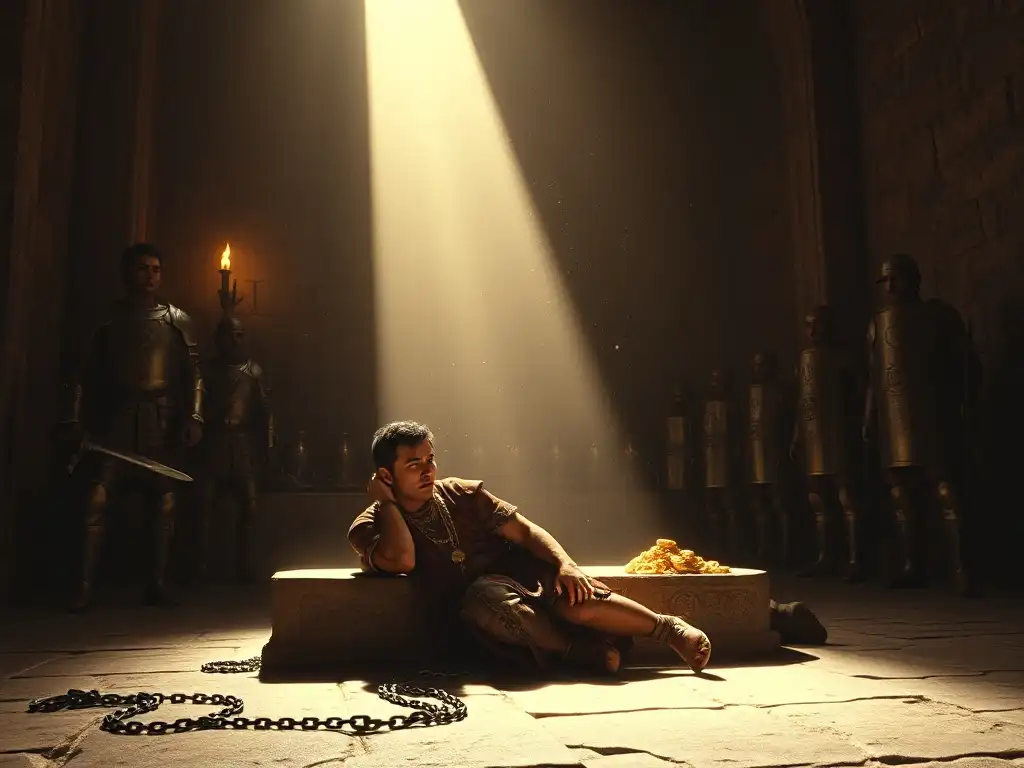
The capture of Atahualpa in Cajamarca wasn't simply a military victory; it was a carefully orchestrated deception that exploited Inca customs and beliefs. The Spanish, led by Francisco Pizarro, used a combination of surprise, superior weaponry, and psychological warfare to achieve their objective. Atahualpa, believing he was meeting with peaceful emissaries, found himself surrounded and imprisoned, initiating a pivotal moment in the conquest of the Inca Empire. This imprisonment, however, was not the end, but rather the beginning of a complex negotiation centered around a vast ransom.
Atahualpa's Offer: A Room Filled with Gold and Silver
Faced with captivity, Atahualpa, in a desperate attempt to secure his freedom, offered an unimaginable ransom: two rooms filled to the ceiling with gold and silver. This wasn't mere wealth; it represented the accumulated riches of a vast empire, showcasing the Inca's mastery of metallurgy and their sophisticated economic system. The sheer scale of the proposed ransom underscored the Inca emperor's power and influence, even within the confines of his imprisonment.
The offer, however, was a calculated gamble, a desperate bid for survival within a situation profoundly skewed against him. The Spanish, already aware of the Inca's wealth, eagerly accepted, initiating a period of intense activity as Inca subjects frantically gathered the precious metals. The promise of Atahualpa's release fueled this frantic effort, a stark contrast to the brutality that would soon follow.
The details of the collection, the logistics of transport, and the sheer volume of gold and silver involved remain subjects of ongoing historical debate, highlighting the complexities of this pivotal moment in Andean history. The weight alone of the gold and silver collected is estimated to have been [specific information pending], a staggering figure that illustrates the extent of the Inca Empire's resources.
The Spanish Breach of Faith: The Trial and Execution of Atahualpa
Despite fulfilling the terms of the ransom agreement, Atahualpa's fate was sealed. The Spanish, having amassed unimaginable wealth, found a convenient pretext to break their promise. Accusations of idolatry, rebellion, and fratricide were leveled against him, forming the basis of a sham trial.
This was a clear demonstration of the Spanish disregard for Inca law and custom, highlighting the inherent power imbalance and the systematic dismantling of the Inca political structure. The trial itself was a farce, lacking due process and fairness, serving as a mere formality to justify the predetermined outcome: Atahualpa's execution. His death, carried out by strangulation in 1533, marked not only the end of an emperor's life but also a significant turning point in the conquest, paving the way for the complete subjugation of the Inca Empire.
The execution, a blatant breach of faith, cemented the Spanish reputation for duplicity and brutality, leaving a lasting legacy on the perception of the conquest. The subsequent division of the spoils among the conquistadors further exemplifies the chaotic and self-serving nature of the Spanish enterprise.
The Collapse of the Inca Empire: The Power Vacuum and Chaos
Atahualpa's death created a power vacuum at the heart of the Inca Empire, leading to widespread chaos and internal conflict. The carefully constructed system of succession and centralized authority crumbled under the weight of Spanish intervention and the ensuing civil war between Huáscar and Atahualpa's supporters. This internal strife, skillfully manipulated by the Spanish, further weakened the Inca resistance, facilitating the subsequent conquest of the empire.
The systematic dismantling of the Inca administrative and social structures, coupled with the introduction of new diseases, ultimately led to the empire's collapse. The consequences extended far beyond the immediate political landscape, impacting the cultural, social, and economic fabric of Andean society for centuries to come. The Spanish conquest, facilitated by the deception surrounding Atahualpa's capture, fundamentally altered the course of Andean history, leaving an indelible mark on the region's identity and development.
The aftermath involved [specific information pending] further demonstrating the devastating impact of the Spanish conquest on the Inca civilization. The "Atahualpa capture Cajamarca deception" remains a potent symbol of the complexities and brutalities of colonial encounters.
The Legacy of Cajamarca: A Turning Point in Andean History
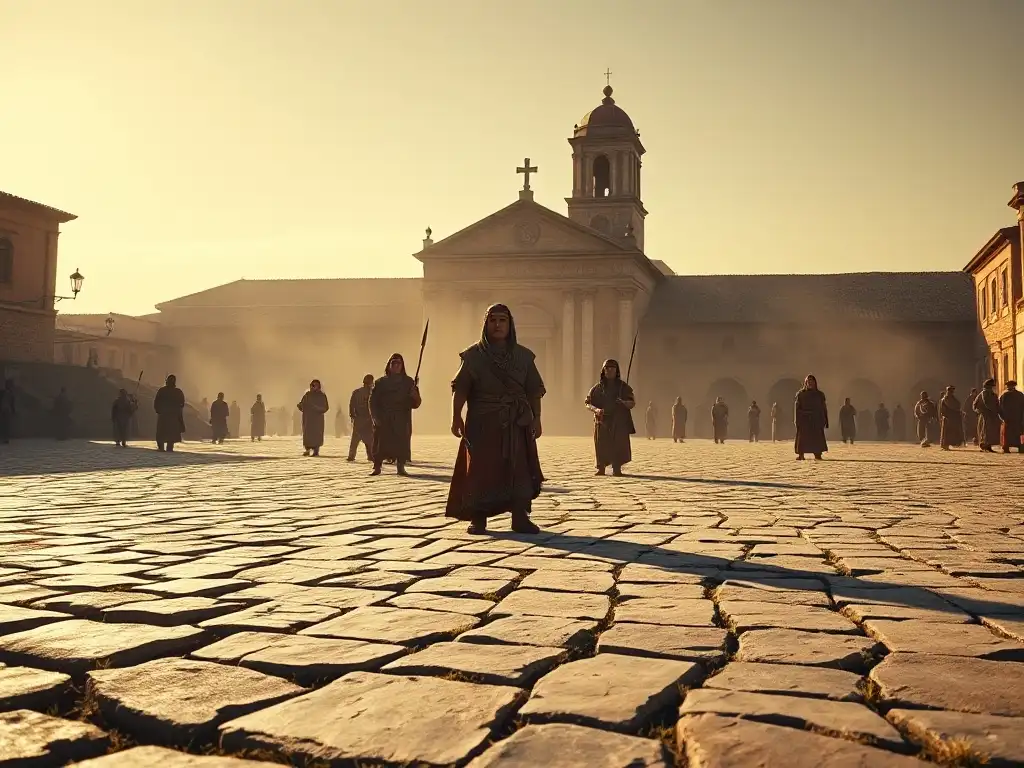
The capture of Atahualpa at Cajamarca in 1532 wasn't merely a military victory; it marked a profound turning point, irrevocably altering the course of Andean history. The event's impact reverberated through generations, shaping the political landscape, cultural fabric, and social structures of the region for centuries to come. Understanding the long-term consequences of this pivotal moment is crucial to comprehending the complexities of the Spanish conquest and its enduring legacy on modern-day Peru and surrounding Andean nations.
The strategic deception employed by Pizarro, resulting in Atahualpa's capture, effectively dismantled the Inca Empire's power structure, paving the way for Spanish domination and the subsequent colonization of the Andes. The "Atahualpa capture Cajamarca deception" became a symbol of colonial brutality and the fragility of indigenous power in the face of superior weaponry and cunning tactics.
The Long-Term Impact on Inca Political Structures
The immediate consequence of Atahualpa's capture was the disintegration of the Inca Empire's centralized political system. Prior to Cajamarca, the Inca Empire boasted a highly organized bureaucracy, with a complex network of administrators, officials, and regional governors maintaining order and control across vast territories. Atahualpa's death, following his capture and execution, triggered a power vacuum and a succession crisis.
The ensuing civil war between his brothers Huáscar and Atahualpa, which had already weakened the empire before the arrival of the Spanish, intensified, further fracturing the Inca state. The Spanish skillfully exploited these internal divisions, using their superior weaponry and strategies to conquer previously unconquerable territories. The subsequent imposition of the Spanish colonial system replaced the Inca's sophisticated administration with a fundamentally different, hierarchical structure, one where indigenous authority was systematically undermined and replaced by Spanish control.
This political restructuring profoundly impacted land ownership, resource allocation, and the very fabric of Andean governance, lasting for generations. The legacy of this disruption is still visible in modern political structures and societal inequalities.
The Atahualpa capture at Cajamarca also initiated profound cultural and social transformations. The Inca religion, with its complex pantheon of gods and elaborate rituals, was systematically suppressed. Temples were destroyed, religious practices outlawed, and indigenous beliefs were replaced by Catholicism.
This religious upheaval led to a loss of traditional knowledge, cultural practices, and spiritual identities. The introduction of new diseases, like smallpox and measles, decimated the indigenous population, further disrupting social structures and cultural transmission. Moreover, the forced labor system (encomienda) imposed by the Spanish led to widespread exploitation and the destruction of indigenous agricultural practices.
The introduction of new crops and livestock altered traditional Andean farming techniques, impacting both the environment and the social organization of rural communities. The "Atahualpa capture Cajamarca deception" is thus not only a military event but a cultural catastrophe, a pivotal moment that shaped the cultural landscape of the Andes forever. The blending of indigenous and European cultures that followed was complex and often traumatic, resulting in syncretism and the loss of many unique aspects of Andean civilization.
The Cajamarca Deception: A Symbol of Colonial Injustice
The events at Cajamarca remain a potent symbol of colonial injustice and the brutality of the Spanish conquest. Pizarro's strategic use of deception – the seemingly peaceful approach, the surprise attack, and the subsequent massacre – highlights the unequal power dynamics at play. Atahualpa, trusting in the supposed goodwill of the Spanish, was lured into a trap, a betrayal that epitomizes the deceptive tactics employed by the conquistadors throughout their campaign.
The vast ransom offered by Atahualpa, a mountain of gold and silver, only served to further enrich the Spanish crown and fuel their insatiable greed. The subsequent execution of Atahualpa, despite the ransom, underscores the inherent cruelty and disregard for indigenous life that characterized the conquest. The "Atahualpa capture Cajamarca deception" thus serves as a stark reminder of the devastating consequences of colonialism and the need to critically examine the narratives surrounding this pivotal moment in Andean history.
Its lasting impact continues to resonate in discussions about historical injustices, indigenous rights, and the ongoing struggle for cultural preservation. The event remains a potent symbol of the asymmetry of power, and the devastating consequences of unchecked ambition.
Analyzing the Cajamarca Deception: Historical Perspectives
The capture of Atahualpa at Cajamarca in 1532 remains a pivotal moment in the Spanish conquest of the Inca Empire, a dramatic event shrouded in both historical fact and deliberate obfuscation. Understanding the "Atahualpa capture Cajamarca deception" requires a nuanced approach, acknowledging the inherent biases present in primary sources and the need to incorporate diverse perspectives.
The Spanish accounts, often self-serving and celebratory, stand in stark contrast to the fragmented yet vital indigenous narratives that offer a different, and often more harrowing, perspective on the events. Analyzing these conflicting narratives is crucial to achieving a comprehensive understanding of what truly transpired.
Conflicting Accounts from Spanish and Indigenous Chronicles
Spanish chroniclers, such as Pedro Pizarro and Francisco de Xerez, present a narrative that emphasizes the overwhelming military superiority of the Spanish and Atahualpa's naivete and arrogance. These accounts portray the Inca emperor as walking willingly into a carefully laid trap, highlighting the effectiveness of Spanish weaponry and tactics, and downplaying the element of surprise and deception.
For instance, Pizarro's account emphasizes the Inca army's lack of preparedness, suggesting a lack of intelligence gathering on their part. Xerez, on the other hand, focuses on the sheer brutality and effectiveness of the Spanish cavalry charge, portraying Atahualpa's capture as a swift, inevitable outcome.
Conversely, indigenous accounts, though often fragmented and passed down through oral traditions, paint a far different picture. These traditions often highlight the treachery and deceit employed by the Spanish, emphasizing the violation of sacred Inca customs and the exploitation of Atahualpa's diplomatic intentions. The element of surprise, often minimized in Spanish chronicles, is highlighted as a critical factor in the Inca emperor's capture.
These accounts often describe a deliberate and calculated plan by Pizarro to lure Atahualpa into a seemingly peaceful meeting, only to unleash a brutal attack. The disparity between these accounts underscores the importance of critically examining all available sources and acknowledging the perspectives of both conquerors and conquered. The discrepancies aren't merely minor details; they represent fundamentally different interpretations of the event and its significance.
The Importance of Considering Indigenous Oral Traditions
While Spanish written chronicles provide a valuable, albeit biased, perspective, indigenous oral traditions offer a counter-narrative that is equally, if not more, crucial to understanding the "Atahualpa capture Cajamarca deception". These oral traditions, passed down through generations, often contain details and interpretations absent from the formal Spanish accounts. They often emphasize the psychological warfare employed by the Spanish, the strategic manipulation of Inca beliefs and customs, and the devastating impact of the initial attack on the Inca army's morale and cohesion.
The challenge lies in the fragmentary nature of these oral traditions. Often, they are not cohesive narratives but rather a collection of stories, songs, and memories passed down through time. Reconstructing a complete picture requires careful analysis and cross-referencing of multiple sources.
However, the insights gained from these traditions are invaluable, offering a crucial counterpoint to the often self-aggrandizing narratives of the Spanish conquistadors. Ignoring these perspectives leads to an incomplete and potentially misleading understanding of the events at Cajamarca. The incorporation of these indigenous voices is not simply a matter of political correctness; it is essential for achieving a more accurate and complete historical understanding.
The Ethical Implications of Conquest and Deception
The capture of Atahualpa at Cajamarca, regardless of the specific details, raises profound ethical questions about the nature of conquest and the morality of deception in warfare. The Spanish employed a strategy that deliberately exploited the Inca emperor's diplomatic intentions, violating established protocols of peaceful interaction. This deliberate manipulation, designed to secure a decisive military advantage, raises serious questions about the ethical justification of such actions. The subsequent ransoming of Atahualpa, despite the enormous wealth extracted, ultimately ended with his execution, further highlighting the brutality and inherent injustice of the conquest.
The "Atahualpa capture Cajamarca deception" serves as a stark reminder of the devastating consequences of colonial violence and the lasting impact of historical injustices. Analyzing this event necessitates a critical examination not only of the military strategies employed but also of the underlying ethical frameworks that guided—or failed to guide—the actions of the conquistadors.
Understanding this deception is not simply a matter of historical accuracy; it is a crucial step in grappling with the complex legacy of colonialism and its enduring impact on indigenous populations. The event serves as a cautionary tale, highlighting the importance of considering the ethical dimensions of power, conquest, and the enduring consequences of deception in shaping historical narratives.
Atahualpa's Capture: A Detailed Timeline of the Events
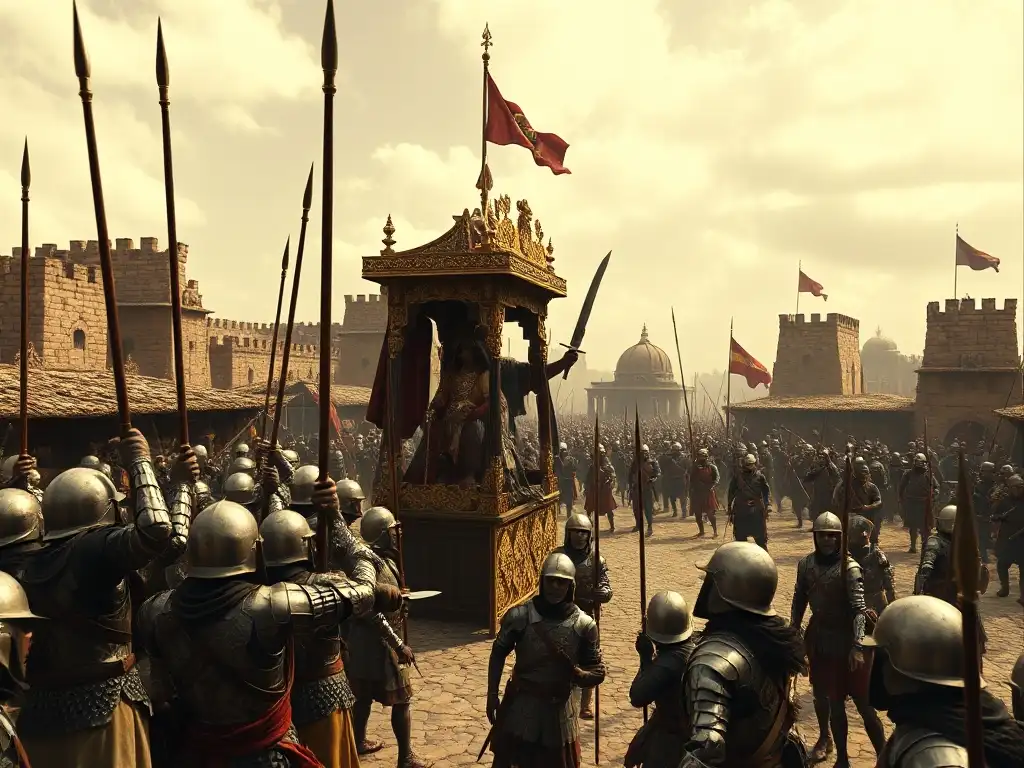
This section delves into the meticulously planned and executed capture of Atahualpa, the Sapa Inca, by Francisco Pizarro's forces in Cajamarca. We will examine the strategic maneuvers, the deceptive tactics employed, and the devastating consequences of this pivotal moment in Andean history, analyzing the "Atahualpa capture Cajamarca deception" in detail.
The events leading to Atahualpa's downfall were not a simple clash, but a carefully orchestrated ambush, highlighting the disparity in military technology and strategic thinking between the Inca Empire and the Spanish conquistadors. The analysis will focus on the key stages of this significant event, exploring the intricacies of the Spanish strategy and the Inca's vulnerability.
The Arrival of Pizarro's Forces in Cajamarca
Pizarro's army, numbering approximately 168 Spanish soldiers, along with thousands of allied indigenous warriors, arrived in Cajamarca in November 1532. Their approach was characterized by calculated deception. They presented themselves as peaceful emissaries, eager to establish diplomatic relations with the Inca emperor. This initial show of non-aggression was crucial in lulling Atahualpa and his entourage into a false sense of security.
The Spanish strategically positioned their forces, concealing the majority of their troops behind buildings and within the surrounding landscape. This meticulous deployment was vital to the success of their ambush. The contrast between the relatively small number of Spanish soldiers and the vast Inca army was significant; the Spanish victory hinged on their superior weaponry and tactical brilliance, not on sheer numbers. Their careful planning, exploiting the terrain and leveraging their technological advantages, was instrumental in the outcome.
The Spanish also strategically used their knowledge of the Inca's cultural practices to their advantage, understanding the Inca's respect for authority and their tendency to be ceremonious. This allowed the Spanish to exploit Atahualpa's trust and curiosity. This understanding of Inca customs and beliefs played a critical role in the deception. Further research is needed to completely quantify the number of allied indigenous warriors present and their specific roles in the ambush. [Specific information pending: Precise numbers of allied indigenous warriors and their roles].
The Meeting in the Plaza and the Triggering of the Ambush
The fateful meeting took place in the main plaza of Cajamarca. Atahualpa, accompanied by a large, unarmed retinue, arrived expecting a peaceful negotiation. The Spanish, led by Pizarro, greeted him with apparent cordiality. However, this was merely a prelude to the devastating ambush. A pre-arranged signal—possibly a raised flag or a specific phrase— triggered the attack.
The Spanish soldiers, armed with superior weaponry—muskets, cannons, and steel swords— unleashed a devastating barrage upon the unsuspecting Inca. The element of surprise was overwhelming; the Inca's superior numbers and strength were rendered useless against the Spanish's firepower and tactical advantage. The speed and efficiency of the attack were remarkable, and the subsequent slaughter of the Inca nobles and warriors was brutal and swift. This devastating assault, a clear example of the "Atahualpa capture Cajamarca deception," effectively crippled the Inca's capacity to resist.
The use of cavalry also played a crucial role in disrupting the Inca ranks and preventing any organized defense. The psychological impact of the sudden and violent attack, combined with the sheer power of the Spanish weaponry, contributed significantly to the Inca's rout. The plaza itself, with its relatively confined space, further exacerbated the Inca's vulnerability. The strategic use of this location was a key aspect of Pizarro's plan, contributing significantly to the success of the ambush. The contrast between the Inca's peaceful intentions and the Spanish's violent actions is a stark illustration of the deception involved.
The Aftermath of the Capture and the Subsequent Imprisonment
Following the ambush, Atahualpa was swiftly captured. Despite his initial resistance, he was ultimately overpowered by the Spanish. His capture marked the beginning of the end of the Inca Empire's independence. The subsequent imprisonment of Atahualpa was marked by a complex interplay of negotiation, extortion, and brutal violence. The Spanish demanded a vast ransom of gold and silver in exchange for Atahualpa's release—a ransom which, ironically, was ultimately paid, only to lead to Atahualpa's execution.
The aftermath of the capture saw the systematic dismantling of the Inca government and the imposition of Spanish rule. The Inca's sophisticated social and political structures were systematically disrupted, leading to widespread chaos and instability. The capture of Atahualpa was not simply a military victory; it was a strategic masterpiece that paved the way for the conquest of the entire Inca Empire.
The sheer audacity of the deception involved, coupled with the Spanish exploitation of Inca customs and the superior technology at their disposal, made the capture a pivotal moment in Andean history, forever shaping the narrative of the "Atahualpa capture Cajamarca deception." The long-term consequences of this event continue to be felt in modern-day Peru. The event serves as a powerful testament to the devastating impact of colonialism and the complexities of intercultural encounters.
The Cajamarca Trap: A Symbol of Spanish Colonial Power
The capture of Atahualpa at Cajamarca in 1532 wasn't merely a military victory; it was a meticulously planned deception that served as a potent symbol of burgeoning Spanish colonial power. The event, often described as the "Atahualpa capture Cajamarca deception," showcased the Spanish conquistadors' mastery of psychological warfare, technological superiority, and exploitation of internal Andean conflicts. It fundamentally altered the balance of power in the Andes, paving the way for the brutal conquest that followed.
The Long-lasting Psychological Impact on Indigenous Populations
The Cajamarca deception had a profound and long-lasting psychological impact on indigenous populations. The sheer audacity of the ambush, the overwhelming display of Spanish military might (guns, cannons, horses – all novelties to the Inca), and the subsequent capture of their emperor shattered the Inca's sense of invincibility. This psychological blow extended far beyond the immediate consequences of Atahualpa's capture.
The Inca worldview, deeply rooted in the concept of divine kingship, was severely shaken. Atahualpa's vulnerability, his inability to withstand the Spanish onslaught, undermined the legitimacy of the Inca state in the eyes of many. This destabilization facilitated the Spanish conquest, as resistance was hampered by internal divisions and a loss of faith in their leadership.
The memory of Cajamarca became a potent symbol of Spanish dominance, fueling fear and submission for generations. Oral histories and narratives passed down through the centuries vividly depict the trauma inflicted upon the Andean people, highlighting the lasting psychological scars of this event. The Atahualpa capture Cajamarca deception continues to resonate in the collective consciousness of Andean communities.
The Commemoration of the Event in Contemporary Andean Culture
Despite its traumatic legacy, the Cajamarca deception is also commemorated in contemporary Andean culture, albeit often in nuanced and complex ways. While overt celebrations are rare, the event remains a significant part of the historical narrative. Many Andean communities incorporate the story of Atahualpa's capture into their oral traditions, weaving it into broader narratives about resistance and resilience. This often involves reinterpreting the event, focusing on aspects of Inca strength and resistance, even in the face of overwhelming odds.
The narrative often highlights the Inca's initial attempts at diplomacy and the Spanish treachery, emphasizing the inherent injustice of the conquest. Artistic expressions, including textiles, pottery, and murals, sometimes depict scenes from the Cajamarca encounter, providing visual representations of this pivotal moment in Andean history. These artistic representations often serve as a means of remembering, processing, and reinterpreting the past, acknowledging the pain and loss while also celebrating the enduring spirit of Andean culture. This complex and multifaceted commemoration underscores the lasting significance of the Atahualpa capture Cajamarca deception.
The Cajamarca Deception as a Case Study of Colonial Conquest
The Atahualpa capture at Cajamarca serves as a compelling case study in colonial conquest strategies. It exemplifies the effectiveness of a multi-pronged approach that combined military prowess with psychological manipulation. The Spanish meticulously planned the ambush, exploiting the Inca's cultural norms and expectations to maximize their advantage. Their use of superior weaponry and tactics created a sense of overwhelming power, contributing to the Inca's demoralization and submission.
Furthermore, the event highlights the crucial role of deception and misinformation in colonial conquests. The Spanish deliberately cultivated a misleading image of their intentions, exploiting internal divisions within the Inca empire. This deceptive approach, coupled with the brutal reality of their superior firepower, allowed them to achieve a swift and decisive victory. The subsequent exploitation of Atahualpa's ransom further underlines the economic motivations behind the Spanish conquest.
The analysis of the Cajamarca deception provides valuable insights into the methods and motivations behind the broader process of Spanish colonization in the Americas. It reveals how a carefully orchestrated combination of military strategy, psychological warfare, and economic incentives facilitated the subjugation of a powerful Andean empire. Understanding the Atahualpa capture Cajamarca deception allows for a deeper understanding of the dynamics of colonial power and its enduring legacy.
Frequently Asked Questions
What was the significance of Atahualpa's capture in Cajamarca?
Atahualpa's capture in Cajamarca in 1532 marked a turning point in the Spanish conquest of the Inca Empire. It effectively destroyed the Inca's military and political structure, paving the way for Spanish domination. His capture led to the collapse of the Inca Empire.
How did the Spanish deceive Atahualpa?
The Spanish, led by Francisco Pizarro, used a carefully planned ambush in Cajamarca's main plaza. They exploited Atahualpa's trust and diplomatic intentions, employing a combination of surprise, superior weaponry, and psychological warfare. The deception was crucial to their victory.
What role did religion play in the Cajamarca encounter?
The Spanish used religious iconography and symbolism to intimidate the Inca. They presented themselves as representatives of a superior god, leveraging religious beliefs to exploit the Inca's vulnerability and weaken their resistance. This added to the overall deception.
What happened to Atahualpa after his capture?
After his capture, Atahualpa was initially held for ransom, receiving a massive amount of gold and silver. Despite fulfilling the ransom, he was later tried, condemned, and executed by the Spanish conquistadors under accusations of idolatry and rebellion.
How did Atahualpa's capture impact the Inca Empire's future?
Atahualpa's capture led to the fragmentation and civil war within the Inca Empire. The power vacuum created by his death allowed the Spanish to conquer the remaining Inca territories more easily and ultimately destroy the empire.
Final Reflection: The Enduring Legacy of Deception at Cajamarca
The calculated betrayal of Atahualpa at Cajamarca remains a chilling testament to the devastating consequences of unchecked power and the enduring fragility of trust. This meticulously planned ambush, far from being a relic of the past, serves as a stark warning against the seductive allure of deceptive tactics, highlighting how easily seemingly insurmountable power can be undermined by strategic manipulation. The echoes of this event resonate even today in discussions of colonialism, political maneuvering, and the ethical implications of conquest.
The story of Atahualpa's capture is more than just a historical event; it's a powerful symbol of the complexities of intercultural interaction and the devastating impact of cultural misunderstandings. It forces us to confront the uncomfortable truths about the past and to examine how similar dynamics of power and deception continue to play out in the modern world. History does not repeat itself, but it often rhymes,
as Mark Twain famously observed, and the strategic use of deception to achieve political aims remains a tragically recurring theme. The consequences of such actions, as witnessed in Cajamarca, are far-reaching and profoundly impactful, shaping not only the immediate outcome but also the trajectory of future events.
Consider the implications of Cajamarca's treachery. How can we, as individuals and as a society, learn to recognize and resist manipulative tactics? How do we foster genuine understanding and respect across cultures, preventing the repetition of such devastating historical events? You have the power to challenge assumptions, question narratives, and build a more just and equitable future. Let the story of Atahualpa's capture serve not as a mere historical account, but as a call to action, inspiring you to critically examine power dynamics and strive for a world where deception and exploitation are replaced by empathy and understanding.
Unveil the Secrets of Ancient Leadership and Empower Yourself!
Thank you for exploring the fascinating story of Atahualpa's capture! Your interest in the complexities of the ambush at Cajamarca not only enriches your historical perspective but also demonstrates the value of critical thinking in today's world. Let's build on this curiosity and take action!
Here's how you can learn more:
- Dive Deeper: Explore the rich cultural significance and leadership styles of the Inca Empire. Discover more in our other articles on Andean civilizations to expand your knowledge.
- Share Your Thoughts: Join the discussion! Share your insights or questions about how leadership tactics have evolved from the Inca era to the present day in the comments below.
- Connect with Others: Become part of our community. Follow us on social media to stay updated and connect with fellow history enthusiasts.
What surprising leadership lessons can we learn from Atahualpa's story today?