
The Hidden Treasures: How Andean Artifacts Were Lost or Plundered by the Spanish

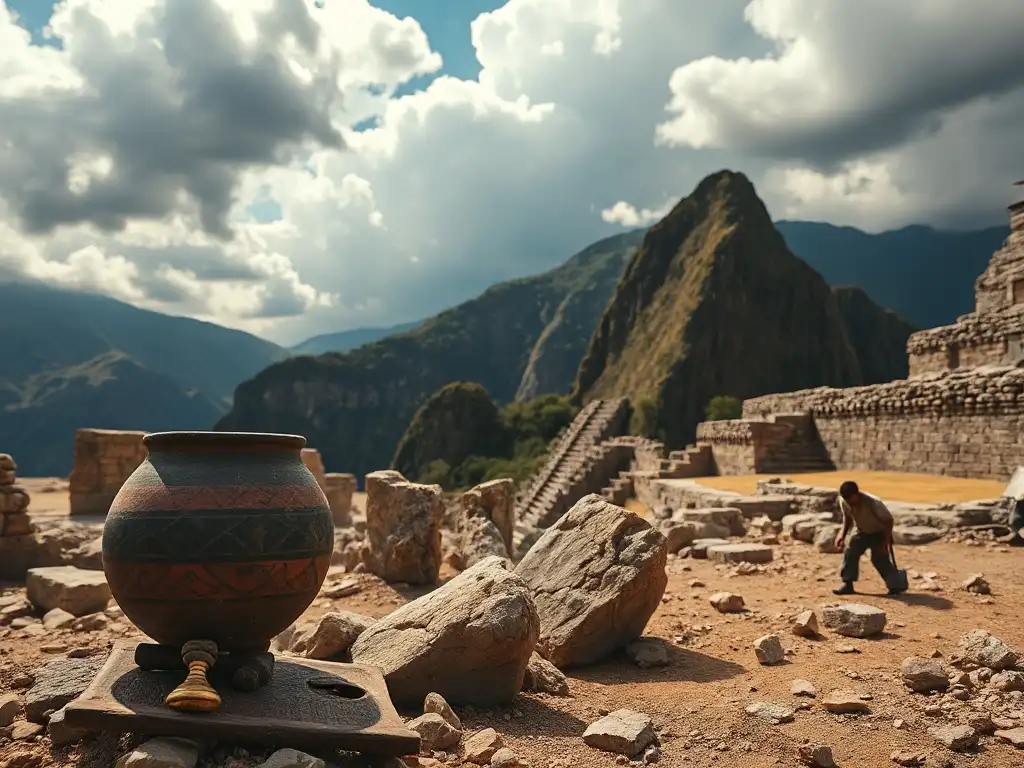
Step into a world lost to time, yet echoing with the whispers of empires. Imagine the breathtaking artistry of the Andes, now shadowed by the ruthless hand of conquest. The hidden treasures of the Incas, Moche, and other magnificent Andean civilizations were not only marvelously crafted, but also tragically plundered. Discover the untold story of Andean artifact looting by the Spanish, a dark chapter revealing the devastating impact of the Spanish Conquest on these ancient cultures. Uncover the secrets and prepare to be amazed… and perhaps, disturbed.
The Spanish conquest of the Andes, beginning in the early 16th century, marked a devastating turning point not only for the indigenous populations but also for the incredible wealth of Andean material culture. This era witnessed the systematic destruction and looting of countless artifacts, temples, and cities, representing an irreplaceable loss to our understanding of these sophisticated civilizations. This article delves into the mechanisms by which the Spanish conquistadors and subsequent colonizers plundered the Andes, examining the scale of the destruction and its lasting impact on our knowledge of the Incas, Moche, Nazca, and other remarkable Andean societies.
We will explore the methods employed, the motivations behind the looting, and the enduring consequences of this historical tragedy, revealing the hidden treasures lost and the ongoing efforts to recover and preserve what remains. Understanding this dark chapter is crucial to appreciating the richness of pre-Columbian Andean culture and the ongoing struggle to protect its legacy.
The impact of the Spanish conquest extends far beyond the loss of human life; it represents a profound cultural genocide that continues to resonate today. This exploration is vital to understanding not only the past but also the present-day challenges of preserving cultural heritage.
The Pre-Columbian Andean World: A Glimpse of Rich Material Culture
Before the arrival of the Europeans, the Andes Mountains were home to a series of remarkably advanced civilizations. These societies, including the Inca, Moche, Nazca, and Tiahuanaco, developed sophisticated technologies, intricate social structures, and unique artistic expressions. Their material culture was incredibly diverse and rich, showcasing their mastery of metalworking, pottery, textiles, and stone carving.
Think of the intricate gold and silver objects crafted by the Incas, the stunning polychrome pottery of the Moche depicting scenes of daily life and mythology, the enigmatic Nazca Lines etched into the desert landscape, and the monumental stone structures of Tiahuanaco. These artifacts weren't merely decorative; they served religious, political, and social functions, deeply embedded within the fabric of Andean life. The sheer volume and artistry of surviving artifacts offer a mere glimpse into the extraordinary creativity and ingenuity of these pre-Columbian cultures.
Unfortunately, much of this cultural heritage was lost forever due to the actions of the Spanish conquistadors. The surviving artifacts are testaments to the resilience and skill of these cultures, but also serve as a sobering reminder of what was lost.
Arrival of the Spanish and the Beginning of Andean Artifact Plunder
The arrival of the Spanish in the 16th century marked a catastrophic shift. Driven by greed for gold and silver, the conquistadors systematically looted Andean sites. The destruction wasn't merely opportunistic; it was often deliberate, as temples and burial grounds were ransacked, and precious artifacts melted down or shipped back to Europe. The Spanish Crown, while attempting some degree of control, also benefited immensely from the flow of Andean riches.
This plunder wasn't limited to the initial conquest; it continued for centuries through the colonial period, with the systematic exploitation of resources and the destruction of cultural heritage. The methods employed varied, ranging from outright violence and destruction to more subtle forms of appropriation, such as the forced labor used in mining operations that inevitably damaged archaeological sites. Estimates of the amount of gold and silver extracted are staggering, but the true cost is far greater—the irreplaceable loss of countless artifacts, the destruction of sacred sites, and the disruption of cultural traditions.
The systematic destruction of Andean knowledge systems also contributed to the loss of invaluable cultural information. This looting wasn't just about material wealth; it was an attack on the very heart of Andean societies. The consequences of this cultural destruction are still felt today.
- The Pre-Columbian Andean World: A Glimpse of Rich Material Culture
- Arrival of the Spanish and the Beginning of Andean Artifact Plunder
- What role did the Spanish conquest play in the loss of Andean artifacts?
- Were all Spanish conquistadors involved in artifact looting?
- What types of Andean artifacts were most commonly looted by the Spanish?
- How did the looting of Andean artifacts impact Andean cultures?
- Are there ongoing efforts to recover and protect looted Andean artifacts?
Motivations Behind the Spanish Looting of Andean Artifacts

The systematic looting of Andean artifacts by the Spanish conquistadors wasn't a random act of violence; it was driven by a complex interplay of economic greed, religious fervor, and a thirst for exotic treasures. Understanding these motivations is crucial to comprehending the devastating impact the Spanish conquest had on the cultural heritage of the Andean civilizations. The sheer scale of the plunder, encompassing gold, silver, textiles, ceramics, and countless other objects, reflects the multifaceted nature of Spanish ambition in the Andes.
The destruction wasn't simply about acquiring valuable items; it was about dismantling the very fabric of Andean society and replacing it with a European worldview. This section will delve into the primary forces that fueled this extensive looting of Andean cultural heritage, forever altering the historical record and leaving an enduring scar on the region.
The Quest for Gold and Silver: Primary Drivers of Spanish Greed
The Spanish conquest was fundamentally fueled by the insatiable desire for gold and silver. The rumors of immense wealth in the Andes, fueled by earlier explorers' accounts, proved to be tragically accurate. The Incas, for example, had accumulated vast quantities of these precious metals, which were used not only for adornment but also in religious ceremonies and as symbols of power.
The Spanish, driven by mercantilist principles and the desire to enrich the Spanish crown, systematically plundered Inca treasuries, melting down intricate gold and silver objects into easily transportable ingots. This wasn't a mere appropriation; it was a deliberate destruction of artistic and cultural masterpieces. Precise figures on the amount of gold and silver extracted are difficult to obtain, but historical accounts suggest it was staggering, contributing significantly to the Spanish Empire's economic dominance for centuries.
The consequences for the Andean civilizations were devastating, not only economically but also symbolically, as the destruction of these precious metals represented the dismantling of their social and religious structures. The loss is immeasurable, with countless irreplaceable artifacts lost forever.
Religious Zeal and the Destruction of Indigenous Sacred Objects
Beyond the pursuit of wealth, religious zeal played a significant role in the destruction of Andean artifacts. The Spanish conquistadors, driven by a fervent Catholic faith, viewed the indigenous religions of the Andes as heretical and demonic. Temples, shrines, and sacred objects were systematically destroyed, not just for their material value, but to eradicate what they perceived as pagan idolatry.
This systematic destruction targeted not only gold and silver religious artifacts but also intricately woven textiles, ceramics depicting deities, and mummies considered sacred by the Andean cultures. The destruction of the Huaca del Sol and Huaca de la Luna in the Moche Valley, for instance, serves as a stark example of this religious-based iconoclasm.
The Spanish saw the destruction of these sites as a necessary step in the conversion of the indigenous population to Christianity, reflecting the colonial mindset that prioritized religious conversion over cultural preservation. The loss of these sacred objects represents an irreplaceable loss of spiritual and cultural heritage.
The Desire for Exotic Curiosities and Andean Art
While gold and silver were the primary targets, the Spanish also plundered a vast array of other Andean artifacts. These weren't simply viewed as loot; many were considered exotic curiosities, valuable for their craftsmanship, unique aesthetic qualities, and potential to enrich European collections. Textiles, pottery, and intricate metalwork were highly prized, often finding their way into the collections of Spanish nobles and the royal court.
The vibrant colors, intricate designs, and unique styles of Andean art captivated European audiences, contributing to the growing interest in the "New World" and fueling further exploration and exploitation. However, this appreciation often came at a devastating cost, as the removal of these artifacts from their original context stripped them of their cultural significance and often led to their fragmentation or degradation.
The desire for these exotic curiosities further exacerbated the already devastating effects of the looting, contributing to the widespread loss and destruction of the Andean cultural heritage. The enduring legacy of this plunder is evident in the numerous museums worldwide that house collections of Andean artifacts, many of which were acquired through questionable means.
Methods of Andean Artifact Looting by Spanish Conquistadors
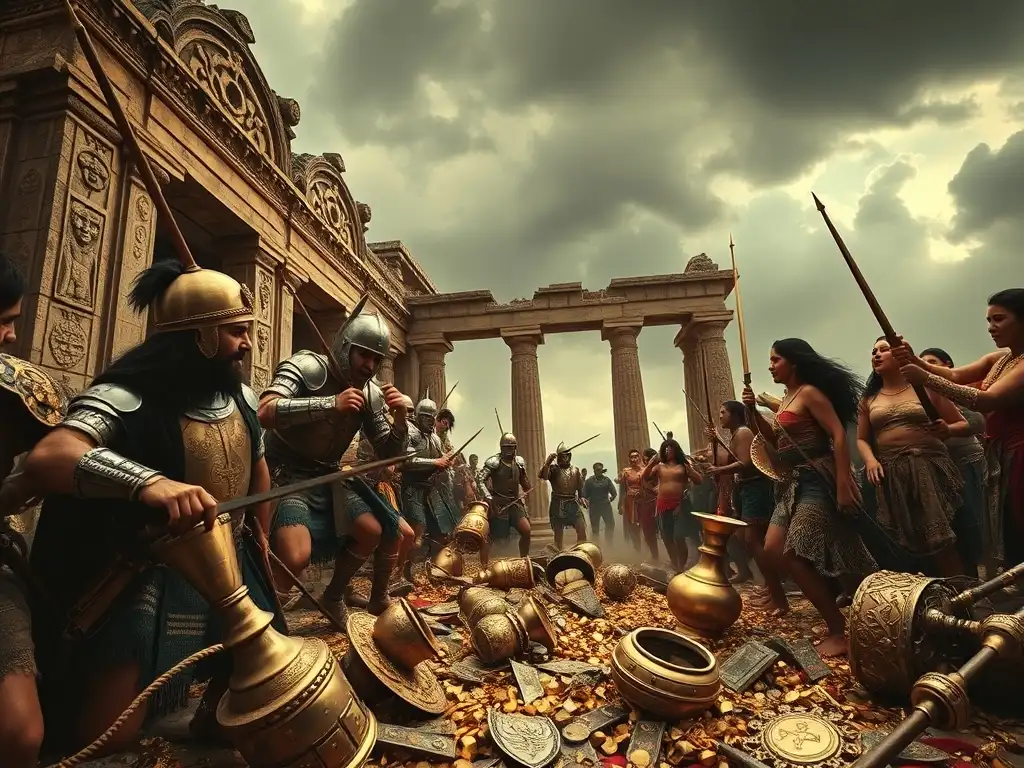
The Spanish conquest of the Andes resulted in the widespread looting and destruction of invaluable Andean artifacts. This wasn't a haphazard process; it was systematic, employing various methods to acquire gold, silver, and other precious objects, often with devastating consequences for Andean cultural heritage. Understanding these methods is crucial to grasping the scale of the loss and its lasting impact on our understanding of these sophisticated civilizations. The sheer volume of looted Andean artifacts, and the deliberate destruction of many more, represents an irreplaceable loss to humanity's collective knowledge.
Direct Plundering of Temples, Tombs, and Royal Palaces
The most blatant form of Andean artifact looting by Spanish conquistadors involved the direct plundering of sacred sites. Temples, tombs, and royal palaces, often brimming with gold, silver, precious stones, and intricately crafted objects, became prime targets. The Spanish, fueled by greed and a thirst for wealth, systematically ransacked these locations. Chronicles describe scenes of utter chaos: statues smashed, textiles torn, and tombs desecrated in the frantic search for treasure. The destruction wasn't limited to the removal of artifacts; the very structures themselves were often damaged or demolished, erasing significant architectural and artistic achievements.
For example, the destruction of the Inca capital, Cusco, provides a chilling illustration. While much of the city was destroyed by fire, the systematic dismantling of temples and palaces to extract gold and silver was a deliberate act of cultural vandalism. The accounts of conquistadors themselves, despite their celebratory tone, unwittingly reveal the scale of the destruction.
The removal of gold plates from the Temple of the Sun, the looting of the royal mummies and their accompanying treasures from the royal tombs, and the melting down of countless gold and silver objects all contribute to the immense cultural loss. Even seemingly minor artifacts, such as intricately woven textiles or ceramic vessels, were often discarded or destroyed if they didn't meet the conquistadors' expectations of immediate value. The long-term consequences of this direct plundering are still felt today, as countless historical narratives and cultural contexts were lost forever.
Forced Labor and Extraction of Precious Metals and Artifacts from Mines
Beyond the outright plunder of existing structures, the Spanish implemented a brutal system of forced labor (the mita) to extract precious metals and other artifacts from mines across the Andes. While ostensibly focused on mining gold and silver, this system also resulted in the discovery and removal of countless artifacts from mining areas. Indigenous populations were forced to work in hazardous conditions, often uncovering artifacts unintentionally during mining operations. These artifacts, ranging from intricate gold ornaments to pottery and tools, were then confiscated by the Spanish overseers.
The extraction wasn't always deliberate artifact looting, but the outcome was the same: the removal of culturally significant objects from their original context and their ultimate transfer to the Spanish crown or private collections. The sheer scale of mining operations across the Andes, coupled with the brutal conditions imposed on the indigenous workforce, meant that countless artifacts were likely lost or destroyed in the process. Many artifacts were probably damaged or lost during transport, further contributing to the overall loss of Andean cultural heritage.
The precise number of artifacts lost through this system remains unknown, highlighting the need for further research into mining records and archaeological investigations of former mining sites. This systematic exploitation represents a significant, yet often overlooked, aspect of Andean artifact looting by Spanish conquistadors.
The Role of Indigenous Guides and Collaborators in Looting
While the Spanish conquistadors were the primary perpetrators of Andean artifact looting, the involvement of indigenous guides and collaborators significantly facilitated the process. Some indigenous groups, motivated by various factors such as self-preservation, resentment towards rival groups, or the promise of rewards, provided crucial information and assistance to the Spanish. This collaboration ranged from identifying the locations of significant sites to actively participating in the looting and transportation of artifacts.
The complex dynamics of power and collaboration during the conquest make it difficult to definitively assess the extent of indigenous involvement. Some collaborations were likely coerced under duress, while others might have been driven by more opportunistic motives. Regardless of the motivations, the participation of indigenous individuals undoubtedly aided the Spanish in their systematic plundering of Andean cultural heritage.
This aspect of the story is often overlooked, yet it highlights the multifaceted nature of the conquest and the complexities of assigning blame. Understanding the role of indigenous guides and collaborators is essential for a nuanced understanding of the historical context surrounding Andean artifact looting by the Spanish, and for a more complete picture of the devastating consequences of the conquest. Further research is needed to fully unravel this intricate web of relationships and motives.
The Fate of Plundered Andean Artifacts
The Spanish conquest of the Andes resulted in the systematic looting of countless invaluable Andean artifacts. Understanding the fate of these treasures after they fell into Spanish hands is crucial to grasping the immense cultural loss suffered by the Andean civilizations. The sheer scale of the plunder, coupled with the often haphazard and destructive methods employed by the conquistadors, ensured that much of what was taken was either destroyed, lost, or irrevocably altered.
This section will examine the various ways in which these looted artifacts met their end. Understanding the processes of destruction and loss helps us contextualize the current scarcity of complete and undisturbed Andean archaeological finds, and the ongoing efforts to recover and preserve what remains.
Melting Down of Gold and Silver Artifacts into Bullion
A significant portion of the plundered Andean artifacts, particularly those crafted from gold and silver, suffered a brutal and irreversible fate: melting down into bullion. The Spanish conquistadors, driven by insatiable greed, were primarily interested in the monetary value of the precious metals. Intricate gold and silver objects – ceremonial masks, elaborate jewelry, finely wrought tools – were deemed less valuable in their original form than as raw material.
This act of destruction represents an immeasurable loss to our understanding of Andean artistry, craftsmanship, and religious beliefs. The intricate techniques employed by Andean artisans, often involving complex alloys and sophisticated casting methods, are lost to us forever in many cases.
For example, accounts from the time detail the melting down of massive quantities of gold and silver objects from the Inca empire, including highly detailed and symbolic items. While some records exist detailing the weight of the bullion produced, these records offer little insight into the original forms of the artifacts. The sheer scale of this destruction is staggering; it's estimated that [specific information pending] tons of gold and silver were melted down in the years following the conquest.
This act of cultural vandalism effectively erased countless untold stories embedded within the artifacts themselves. The destruction was not merely a matter of economic gain; it was a deliberate attempt to obliterate the cultural heritage of a conquered people.
Transportation of Andean Treasures to Europe and Spain
The surviving artifacts, those that escaped the immediate destruction of melting, faced a perilous journey across the ocean to Spain and other European powers. The transportation process itself contributed significantly to the loss and damage of many remaining treasures. Artifacts were often haphazardly packed onto ships, subjected to harsh weather conditions, and vulnerable to theft and damage during the long voyages. The lack of proper preservation techniques further exacerbated the problem, leading to corrosion, breakage, and general deterioration.
The risks involved in transporting such valuable cargo meant that losses were inevitable. Storms, shipwrecks, and pirate attacks all took their toll. Many ships carrying Andean treasures were lost at sea, their cargo lost forever to the ocean depths.
Even when ships arrived safely in Europe, the handling and storage of artifacts were often careless, leading to further damage and loss. The lack of museums and dedicated storage facilities meant that many artifacts were simply left to deteriorate in damp cellars or poorly secured warehouses. The journey itself, therefore, acted as a significant filter, further diminishing the already plundered riches.
Loss and Destruction of Artifacts During Shipping and Transit
The journey from the Andean highlands to the ports and finally to Europe was fraught with peril, leading to significant loss and damage to the artifacts. The sheer distance, the varied terrains, and the inherent risks associated with long-distance transport contributed to the destruction. We know that many artifacts were lost or damaged during land transit, often due to poor handling, accidents, and even deliberate sabotage. The lack of adequate infrastructure and the chaotic nature of the post-conquest period further exacerbated the problem.
Consider the arduous journey from Cusco, the Inca capital, to the ports on the Pacific coast. The transportation of heavy and fragile objects over treacherous mountain passes and along poorly maintained roads undoubtedly resulted in significant losses. Many artifacts were probably damaged or destroyed during these difficult passages. In addition, there were instances of theft and looting even during this internal transit.
The sheer volume of treasures being moved created opportunities for opportunistic individuals to steal valuable artifacts. Thus, the journey itself, even before reaching the sea, accounted for a considerable loss of Andean cultural heritage. The lack of detailed records makes it difficult to quantify these losses precisely, but the evidence suggests a significant amount of damage and destruction occurred during this stage of transit. This underscores the importance of the context of the artifact's journey in understanding the current state of Andean collections worldwide.
The Impact of Andean Artifact Looting on Indigenous Andean Cultures
The arrival of the Spanish in the Andes marked a devastating turning point for Andean civilizations, resulting not only in the subjugation of indigenous populations but also in the widespread looting and destruction of their cultural heritage. The systematic plundering of Andean artifacts had a profound and lasting impact on Andean societies, leaving an indelible scar on their cultural identity and collective memory.
Understanding the extent of this damage is crucial to appreciating the enduring legacy of this historical trauma and the ongoing efforts to reclaim and preserve what remains. The consequences of this "Andean artifact looting by Spanish" extended far beyond the immediate loss of material objects; it fundamentally altered the cultural fabric of Andean life.
Cultural Disruption and Loss of Heritage
The Spanish conquest initiated a period of profound cultural disruption. The systematic destruction of temples, burial sites, and other significant locations – often undertaken in the search for gold and other precious artifacts – irrevocably damaged the continuity of Andean religious and social practices. Sacred objects, imbued with deep spiritual meaning for generations, were removed from their contexts, often ending up in European collections or being melted down for their material value.
This wasn't simply the loss of physical items; it was the dismantling of a belief system, the severing of a connection to ancestors and the spiritual world. For example, the removal of mummies from their carefully constructed tombs not only robbed the communities of their revered ancestors but also disrupted the intricate funerary rituals that were central to their worldview. The scale of this loss is difficult to quantify, as many aspects of Andean spirituality were unwritten and passed down orally, making documentation challenging.
The destruction of these sites also meant the loss of invaluable archeological context, making it harder for modern researchers to understand the complexity of Andean societies. The impact of this cultural vandalism continues to resonate today.
Erosion of Traditional Andean Craftsmanship and Knowledge
The plundering of Andean artifacts also led to a significant erosion of traditional Andean craftsmanship and knowledge. The Spanish often targeted skilled artisans, forcing them to work in mines or suppressing their traditional practices. The destruction of workshops and the confiscation of tools and materials disrupted established production chains, hindering the transmission of essential skills and techniques across generations.
For instance, the intricate textile-making techniques, passed down through generations of women, suffered a significant setback as the Spanish introduced new materials and styles, often devaluing the existing indigenous craft traditions. The loss of knowledge surrounding specific techniques, materials, and designs associated with metalwork, pottery, and weaving is immeasurable.
This loss, coupled with the suppression of indigenous languages and beliefs, created a significant obstacle to the preservation of these unique cultural expressions. The legacy of this forced cultural shift is still evident in the challenges facing contemporary Andean artisans trying to revive and maintain traditional practices.
The Long-Term Consequences of Cultural Theft and Destruction
The long-term consequences of Andean artifact looting by the Spanish are far-reaching and multifaceted. The cultural trauma inflicted on Andean communities continues to shape their identities and their relationship with their past. The lack of access to their own heritage, the loss of sacred objects, and the disruption of traditional practices have contributed to a sense of dispossession and cultural alienation.
The ongoing efforts to repatriate looted artifacts highlight the enduring significance of this issue. Moreover, the incomplete and fragmented historical record resulting from the destruction of archaeological sites hinders a comprehensive understanding of Andean civilizations. The lack of access to original artifacts and contextual information makes it more challenging for researchers and communities to reconstruct the past and to foster a shared understanding of their rich heritage.
The fight for the preservation and return of Andean artifacts is not merely a matter of recovering material objects; it is a struggle for cultural survival and the recognition of the enduring impact of colonial violence on Andean societies. This ongoing struggle underscores the crucial importance of addressing the historical injustices of the past to build a more equitable and respectful future.
The Legacy of Andean Artifact Looting: A Global Perspective
The arrival of the Spanish in the Andes marked a devastating turning point for Andean civilizations. While the conquest itself resulted in immense loss of life and the destruction of societal structures, the systematic looting of Andean artifacts represents a continuing wound on the cultural heritage of the region. The impact of this looting reverberates even today, shaping the narrative surrounding Andean history and influencing global debates on cultural repatriation.
The sheer scale of the plunder is staggering; countless artifacts – from intricately woven textiles and exquisitely crafted gold objects to monumental stone sculptures and delicate ceramics – were removed from their original contexts, scattered across the globe, and often lost to obscurity. This section will explore the far-reaching consequences of this historical trauma and its ongoing implications.
Andean Artifacts in Museums and Private Collections Worldwide
Many of the artifacts looted during the Spanish conquest now reside in museums and private collections worldwide. These institutions, while often committed to preservation and research, frequently acquired these pieces under ethically questionable circumstances, often directly or indirectly benefiting from the illicit trade fueled by the initial plunder. The distribution is geographically vast: Europe boasts significant holdings, particularly in Spain, but also in Britain, France, and Germany.
The Americas, while home to the origin of these objects, possess only a fraction of what was taken. This uneven distribution reflects the power dynamics at play during the colonial era and underscores the ongoing need for a more equitable approach to cultural heritage. Consider, for example, the number of Inca gold artifacts housed in European museums compared to those remaining in Peru.
The disparity is stark, highlighting the lasting legacy of colonial-era looting. A comprehensive inventory of Andean artifacts held in international collections remains a challenge, hampered by incomplete documentation and the secretive nature of some private holdings. This lack of transparency further complicates efforts towards repatriation and the accurate understanding of Andean cultural heritage.
The Ethical Debate Surrounding the Repatriation of Cultural Heritage
The ethical debate surrounding the repatriation of looted Andean artifacts is complex and multifaceted. Arguments for repatriation emphasize the inherent cultural significance of these objects to the descendant communities, highlighting the importance of reclaiming their ancestral past. These artifacts are not merely aesthetic objects; they represent a tangible connection to history, identity, and spiritual practices.
Opponents, however, often raise concerns about the practical difficulties of repatriation, including the potential for loss or damage of artifacts, the lack of adequate museum facilities in some originating countries, and the complexities of establishing legal ownership in cases where provenance is uncertain. Some argue that museums worldwide serve as custodians of global heritage, making artifacts accessible to a broader audience. However, this perspective often overlooks the historical context of acquisition and the inherent injustice of colonial-era looting.
The debate is not simply about the physical return of objects but also about recognizing the historical injustices and fostering a more equitable approach to cultural heritage management. This involves acknowledging the pain caused by the looting and actively working towards a future where indigenous communities have greater control over their own cultural legacy.
The Ongoing Struggle to Preserve and Protect Andean Cultural Heritage
The ongoing struggle to preserve and protect Andean cultural heritage extends far beyond the repatriation debate. It encompasses a broad range of challenges, including the prevention of ongoing looting and illicit trafficking, the development of sustainable tourism practices, and the strengthening of local communities' capacity to manage and protect their cultural resources. Modern-day looting continues to threaten archaeological sites across the Andes, driven by the lucrative black market for antiquities.
This requires concerted efforts from governments, law enforcement agencies, and international organizations to combat this illicit trade effectively. Furthermore, sustainable tourism practices are crucial to ensure that the economic benefits of cultural heritage tourism accrue to local communities while minimizing the environmental and cultural impacts of tourism. Empowering local communities to actively participate in the management and protection of their cultural heritage is essential.
This might involve training local archaeologists, developing community-based museums, and supporting initiatives that promote traditional crafts and knowledge. The preservation of Andean cultural heritage is not merely a matter of protecting physical artifacts but also safeguarding the living traditions and knowledge systems that have sustained Andean societies for millennia. The future of Andean cultural heritage depends on a collaborative approach that acknowledges the historical injustices of the past and actively works towards a more equitable and sustainable future.
Understanding the Scale of Andean Artifact Loss: A Historical Perspective
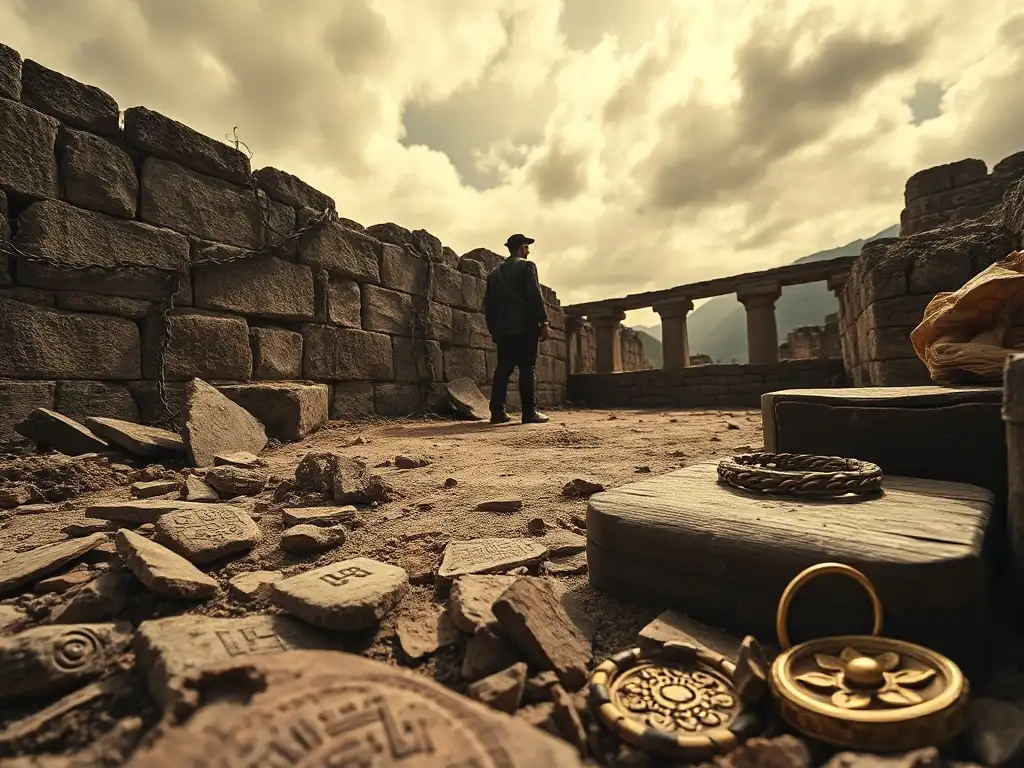
The arrival of the Spanish in the Andes marked a catastrophic turning point for the preservation of Andean cultural heritage. The sheer scale of artifact looting and destruction during the conquest and subsequent colonial period is staggering, representing an irreplaceable loss to our understanding of these sophisticated civilizations. While precise figures are impossible to obtain, the evidence overwhelmingly suggests a systematic dismantling of Andean societies, resulting in the widespread dispersal and destruction of countless artifacts.
This section explores the methods used to estimate the extent of this loss and the challenges involved in reconstructing a complete picture. Understanding the scale of this looting is crucial to appreciating the lasting impact on our knowledge of Andean cultures and the ongoing efforts to recover and protect what remains. The impact of "Andean artifact looting by Spanish" continues to be felt today.
Quantifying the Loss: Estimating the Amount of Plundered Material
Quantifying the loss of Andean artifacts is a complex undertaking, hampered by the lack of complete pre-Columbian inventories and the chaotic nature of the looting itself. Many artifacts were simply melted down for their precious metal content – gold and silver being prime targets. This process destroyed invaluable artistic and technological information. Furthermore, much of the plunder was undocumented, entering private collections or being lost to time. Historians rely on a combination of sources to estimate the scale of the loss:
- Chronicles and accounts from Spanish conquistadors and colonial officials: These often mention significant quantities of gold, silver, and other valuable items seized from Andean sites and temples. However, these accounts are often biased, exaggerating the wealth acquired to impress readers back in Europe.
- Archaeological excavations: While providing valuable insights into pre-Columbian societies, excavations can only recover a fraction of what was originally present. Many sites were extensively disturbed during the colonial period, making it difficult to determine the original extent of the artifact assemblages.
- Analysis of surviving artifacts: Studying the characteristics of surviving artifacts, such as their materials, craftsmanship, and stylistic features, can help researchers infer the existence and scale of lost items from similar types and styles of objects.
Even with these approaches, any quantitative assessment remains an approximation. We can confidently state that the loss was immense, representing a significant portion of the material culture of several Andean civilizations. The sheer volume of gold and silver alone, documented in even the most conservative estimates, points towards a massive scale of plunder.
The Role of Historical Records in Understanding the Scope of Looting
Historical records, while incomplete and often biased, play a vital role in piecing together the story of Andean artifact looting. Chronicles written by Spanish conquistadors, such as those by Pizarro and his contemporaries, offer glimpses into the systematic plunder of temples, palaces, and tombs. These accounts, though often self-serving, describe the vast quantities of gold and silver seized and the destruction of sacred objects.
However, these records must be interpreted critically. They often lack precise details, focusing on the overall wealth acquired rather than specific artifacts. Furthermore, many accounts were written years after the events, relying on memory and hearsay.
Colonial administrative documents, such as tax records and inventories, offer a different perspective, although they tend to focus on the economic aspects of the plunder rather than its cultural significance. Combining these records with archaeological evidence allows for a more nuanced understanding of the scale and impact of the looting, although significant gaps in the historical record remain. The study of these documents is crucial for understanding the context of "Andean artifact looting by Spanish."
Examples of Notable Plundered Andean Artifacts: The Golden Sun Disk and the Incan Mummy Bundles
The loss of specific Andean artifacts serves as a stark reminder of the devastating impact of Spanish plunder. Two notable examples highlight the irreplaceable nature of this loss:
- The Golden Sun Disk: While no single, definitive golden sun disk is definitively documented as having been lost, the numerous accounts of large, ornate golden disks seized from Andean temples suggest significant losses. These objects, often associated with religious and astronomical practices, represented sophisticated metallurgical skills and deep cultural beliefs. Their destruction represents a loss of both artistic mastery and crucial insights into Andean cosmology.
- Incan Mummy Bundles: The Inca practiced elaborate mummification rituals, often burying their elite with extensive grave goods. The Spanish systematically looted these tombs, scattering the remains and dispersing the associated artifacts. The loss of these bundles represents not only the loss of valuable artifacts but also the destruction of irreplaceable information about Inca funerary practices, social hierarchies, and individual lives. The destruction of these bundles was a significant component of "Andean artifact looting by Spanish."
The destruction and looting of Andean artifacts during the Spanish conquest represent a profound loss to our understanding of these rich and complex cultures. While the precise scale of this loss remains difficult to determine, the available evidence points to a catastrophic event with lasting consequences for our knowledge of Andean history and heritage. The ongoing efforts to recover and preserve remaining artifacts underscore the importance of understanding this dark chapter in Andean history.
The Importance of Recognizing the Impact of Andean Artifact Looting
The systematic looting of Andean artifacts by the Spanish during the conquest represents a profound and enduring loss, not just materially, but also culturally and spiritually. Understanding the scale and impact of this plunder is crucial to appreciating the fragility of cultural heritage and the ongoing need for its protection. The theft wasn't simply the removal of beautiful objects; it was the dismantling of a complex societal fabric woven from generations of traditions, beliefs, and artistic expression. This section will explore the lasting consequences of this historical trauma and the importance of acknowledging its significance.
Acknowledging the Historical Trauma and Loss
The Spanish conquest of the Andes wasn't merely a military campaign; it was a cultural genocide, subtly and systematically destroying indigenous knowledge systems and artistic practices. The removal of countless artifacts – gold and silver objects, textiles, ceramics, and religious iconography – was a key component of this process. These artifacts weren't just decorative items; they held deep religious and social significance.
Their removal disrupted sacred rituals, severed connections to ancestral spirits, and ultimately contributed to the erosion of indigenous identities. The sheer volume of looted material is staggering, with much of it melted down, destroyed, or dispersed across European collections, effectively erasing centuries of Andean artistry and cultural memory. The loss extends beyond the tangible: the knowledge embedded within these artifacts – techniques, beliefs, and stories – was also lost, contributing to a lasting intellectual and cultural impoverishment.
The impact of this loss continues to resonate today, impacting the ability of Andean communities to connect with their heritage and maintain their cultural traditions. Quantifying this loss precisely is difficult due to the scattered nature of surviving records and the sheer scale of the plunder, but the qualitative impact is undeniable.
Promoting Cultural Awareness and Education
Combating the ongoing effects of Andean artifact looting requires a multi-pronged approach, with education at its core. Raising awareness about the historical context of this plunder is crucial to fostering empathy and understanding. Educational initiatives should highlight not only the material losses but also the profound cultural and spiritual damage inflicted upon Andean communities.
This includes integrating Andean perspectives and narratives into educational curricula, ensuring that the story is told from the perspective of those who suffered the most. Museums and cultural institutions have a critical role to play in this process, by providing accurate and sensitive representations of Andean artifacts in their collections. This involves contextualizing these objects within their original cultural frameworks, acknowledging their history of acquisition, and actively engaging with descendant communities to ensure respectful representation and repatriation efforts where appropriate.
Public exhibitions and educational programs can play a vital role in dispelling misconceptions and promoting a more nuanced understanding of Andean culture and its enduring legacy. Furthermore, supporting research projects that focus on Andean art history and archaeology is crucial to reconstructing lost knowledge and reclaiming the narrative surrounding these artifacts.
Supporting Efforts to Protect and Preserve Andean Cultural Heritage
Preserving remaining Andean cultural heritage requires both proactive and reactive measures. Strengthening national and international laws to combat the illegal trafficking of artifacts is a crucial first step. This includes improving border controls, enhancing collaboration between law enforcement agencies, and promoting international cooperation to prevent the illicit sale and acquisition of looted artifacts.
Moreover, supporting local communities in their efforts to protect and manage their cultural heritage is essential. This might involve providing funding for archaeological research, conservation projects, and community-based museums. Empowering indigenous communities to become active participants in the preservation of their own heritage is vital, fostering a sense of ownership and responsibility.
Investing in the training and development of local archaeologists, conservators, and museum professionals will further enhance capacity-building efforts. Finally, ongoing dialogue and collaboration between international institutions, governments, and Andean communities are essential to developing effective and culturally sensitive strategies for the protection and preservation of Andean cultural heritage for future generations. This collaborative approach is key to ensuring that the legacy of Andean civilization is not only preserved but also celebrated and honored.
Current Initiatives to Recover and Preserve Andean Heritage: Community-Based Archaeology and Repatriation Efforts
The devastating impact of Spanish looting on Andean cultural heritage is slowly being countered by a growing number of initiatives focused on recovery, preservation, and repatriation. A crucial shift is the embrace of community-based archaeology. This approach recognizes Indigenous communities as the rightful custodians of their ancestral past, actively involving them in every stage of archaeological research, from excavation and analysis to the interpretation and display of artifacts.
This not only ensures respectful treatment of sensitive materials but also fosters a sense of ownership and pride in the cultural heritage. For example, [specific example of a successful community-based archaeological project in the Andes pending], demonstrates the power of collaborative efforts in safeguarding sites and artifacts. The project involved [details about community involvement and the positive outcomes pending].
Furthermore, repatriation efforts are gaining momentum, albeit slowly. Museums and institutions in Europe and the Americas are increasingly acknowledging the ethical imperative to return looted artifacts to their countries of origin. This process often involves complex negotiations and legal battles, as ownership claims can be contested.
However, successful repatriations, such as [specific example of a successful repatriation of Andean artifacts pending], highlight the growing international recognition of the injustice of past looting and the importance of restoring cultural patrimony to its rightful place. These successful cases often involve [details on the legal and diplomatic processes involved pending] which can serve as models for future repatriation efforts. The challenges remain significant, including the sheer volume of looted artifacts scattered across the globe and the often-fragmented legal frameworks governing their return.
However, the increasing awareness and commitment to repatriation represent a crucial step towards redressing the historical injustices and ensuring the long-term preservation of Andean heritage. The movement towards ethical collecting and mindful stewardship of cultural objects is vital in preventing future looting and ensuring that future generations can appreciate and learn from these invaluable pieces of history. The fight to recover and preserve Andean heritage is an ongoing process that requires continuous collaboration between governments, academic institutions, and, most importantly, the Indigenous communities themselves.
Frequently Asked Questions
What role did the Spanish conquest play in the loss of Andean artifacts?
The Spanish conquest led to widespread looting and destruction of Andean artifacts. Religious iconography was often targeted, and many objects were melted down for their precious metals. The systematic dismantling of Andean societies also disrupted the preservation of their cultural heritage.
Were all Spanish conquistadors involved in artifact looting?
While not all were directly involved in looting, the systematic plundering was enabled and encouraged by the Spanish colonial system. The greed for gold and other valuables incentivized many individuals to participate in the destruction and theft of Andean artifacts.
What types of Andean artifacts were most commonly looted by the Spanish?
Gold and silver objects, including jewelry, ceremonial items, and religious idols, were highly sought after. But the Spanish also plundered textiles, ceramics, and other artifacts considered valuable or aesthetically pleasing.
How did the looting of Andean artifacts impact Andean cultures?
The looting had a devastating impact, leading to the loss of invaluable cultural heritage. The destruction of religious objects and sites undermined Andean spiritual beliefs and traditions, contributing to lasting cultural damage.
Are there ongoing efforts to recover and protect looted Andean artifacts?
Yes, there are ongoing efforts to recover looted artifacts through repatriation programs and international collaborations. Museums and researchers are also working to document and preserve what remains of Andean cultural heritage.
Final Reflection: Unearthing the Legacy of Andean Loss
The systematic plunder of Andean artifacts by the Spanish conquistadors remains a stark reminder of the devastating impact of colonialism, a wound that continues to bleed into the present day. The sheer scale of the cultural destruction, the irreversible loss of knowledge embedded within these objects, and the ongoing struggle to reclaim and repatriate these treasures highlight the enduring consequences of unchecked greed and power. This legacy demands not only historical understanding but also a commitment to restorative justice.
The impact of this looting extends far beyond the material loss. It represents a profound erasure of Andean identities, a silencing of voices, and a disruption of cultural continuity that reverberates through generations. The destruction of a culture is not merely the destruction of its artifacts; it is the destruction of its memory, its identity, its very soul.
This quote encapsulates the profound and lasting damage inflicted upon Andean societies, a damage that continues to shape their relationship with their past and their struggle for self-determination. The fight for repatriation is not just about reclaiming objects; it's about reclaiming a narrative, a history, and a sense of self.
Consider the stories whispered within those lost artifacts – the intricate weaving techniques, the astronomical knowledge encoded in pottery, the spiritual beliefs reflected in goldwork. These were not mere objects; they were repositories of knowledge, expressions of faith, and testaments to a vibrant civilization. You, the reader, hold the power to amplify these silenced voices.
Learn more, engage in discussions about cultural heritage preservation, and support initiatives dedicated to the repatriation of Andean artifacts. Let us work together to ensure that the hidden treasures of the Andes are not only rediscovered but also rightfully returned to their ancestral homes, allowing their stories to finally be heard in their fullness.
Uncover the Lost Treasures of the Andes!
Thank you for exploring the captivating history of Andean artifacts and their enduring legacy. You've journeyed through a tale of survival, cultural richness, and the remarkable resilience of ancient civilizations. Now, let's continue to honor this vibrant heritage!
Here are some ways you can help:
- **Deepen Your Understanding:** Visit local museums or explore online exhibits showcasing Andean artifacts to learn about their continuing relevance.
- **Share the Story:** Share this article with friends and on social media to celebrate the beauty and significance of Andean culture.
- **Join the Community:** Connect with others passionate about archaeology and Andean history by joining online forums or local groups dedicated to preserving these incredible stories.
What insights into Andean artifacts have you gained today that might inspire others to learn more?