
The Stories They Tell: Deciphering the Messages of the Ruins

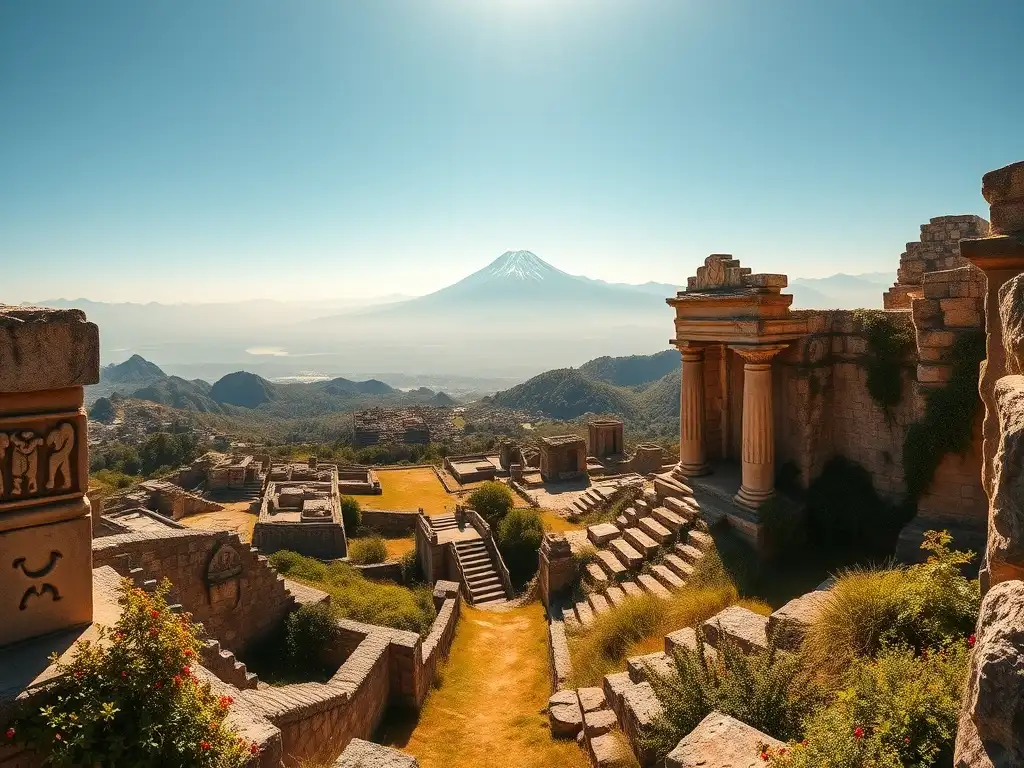
Step into a world lost to time, where mountains whisper secrets and stones speak volumes. Imagine uncovering the hidden narratives etched into the very fabric of the Andes. This journey into the heart of Andean civilization ruins messages will unravel the mysteries of the Incas, Moche, Nazca, and Tiahuanaco, revealing a legacy far richer and more complex than you ever imagined. Dare to explore the breathtaking artistry and advanced engineering of these ancient cultures – their stories await.
- Understanding Andean Civilization Ruins: Beyond the Stones
- Deciphering the Messages: What Andean Ruins Can Tell Us
- Tools for Deciphering Andean Ruins: Enhancing Your Exploration
- Case Studies: Applying Deciphering Techniques to Specific Andean Ruins
- Planning Your Visit: Maximizing Learning and Appreciation
-
Frequently Asked Questions
- What kind of messages do Andean civilization ruins convey?
- How do archaeologists decipher the messages in these ruins?
- Are all Andean ruins equally informative about their creators?
- What are some specific examples of messages conveyed through Andean ruins?
- How can I learn more about the messages hidden within Andean civilization ruins?
- Final Reflection: Echoes of the Andes: Unraveling the Legacy of Lost Civilizations
- Unveil the Secrets of Ancient Andean Ruins!
Understanding Andean Civilization Ruins: Beyond the Stones
The majestic ruins scattered across the Andes Mountains whisper tales of sophisticated civilizations that thrived centuries before the arrival of Europeans. From the intricate stonework of Machu Picchu to the enigmatic lines of Nazca, these archaeological sites offer a captivating glimpse into the rich tapestry of Andean culture, technology, and belief systems. This article delves into the fascinating process of deciphering the messages embedded within these ancient ruins, exploring how archaeologists piece together fragments of the past to reconstruct the lives and societies of the Andean peoples.
Understanding these messages isn't simply about identifying structures; it's about comprehending the intricate interplay of architecture, environment, and social organization that shaped these remarkable civilizations. We will explore how careful observation, meticulous excavation, and advanced analytical techniques reveal not only the what of these sites, but also the why and the how, ultimately enriching our understanding of Andean civilization ruins and their enduring legacy.
This exploration is crucial for appreciating the complexity and sophistication of these societies and for preserving their invaluable heritage for future generations. Let's embark on this journey to uncover the stories embedded within the stones.
The Importance of Archaeological Context in Reading Ruins
Understanding the messages conveyed by Andean civilization ruins requires more than just observing the visible structures. Archaeological context is paramount. This means understanding the relationship between artifacts, features, and the surrounding environment. For instance, the location of a building relative to water sources, agricultural terraces, or other structures provides crucial insights into its function and the social organization of the community.
The presence of specific artifacts—pottery, tools, or even human remains—within or near a structure can dramatically alter our interpretation. A seemingly simple building might reveal itself as a temple, a residence, or a workshop depending on the associated finds. Furthermore, stratigraphic analysis—the study of layers of sediment and artifacts—allows archaeologists to establish a chronological sequence of events, revealing how a site evolved over time. Careful excavation techniques, meticulous recording of finds, and the application of scientific dating methods are all essential to establishing a reliable and nuanced archaeological context.
Without this contextual understanding, the ruins remain silent, their stories lost to time. Consider, for example, the differences in interpretation that emerge when analyzing a seemingly isolated building compared to one situated within a larger complex of structures, each with its own unique characteristics and associated artifacts. The holistic approach to contextual analysis is key to unlocking the true narrative of these ancient sites.
Identifying Key Architectural Features: Decoding Function and Status
Andean architecture displays remarkable ingenuity and sophistication. Identifying key architectural features is crucial to understanding the function and status of different structures within a site. For example, the presence of elaborate stonework, intricate carvings, and specific types of building materials often indicates a structure of high social or religious significance. The size and layout of buildings also offer valuable clues.
Large, centrally located structures might represent administrative centers or temples, while smaller, less elaborately constructed buildings could indicate residential areas or workshops. The orientation of buildings in relation to astronomical phenomena, such as solstices or equinoxes, suggests a possible astronomical or ritual significance. Furthermore, the presence of specific architectural elements, such as niches, platforms, or water features, can reveal details about the daily life and religious practices of the inhabitants. Analyzing these features in conjunction with the archaeological context allows for a more complete and accurate interpretation of the ruins.
For example, the presence of sophisticated irrigation systems alongside agricultural terraces speaks volumes about the advanced engineering capabilities and agricultural practices of the Andean civilizations. Each architectural detail, when carefully examined, contributes to a more nuanced understanding of the cultural and social landscape of these ancient societies. The meticulous study of these features provides invaluable insights into the lives and beliefs of the people who once inhabited these sites, transforming silent stones into vibrant narratives of the past.
Deciphering the Messages: What Andean Ruins Can Tell Us
Andean civilization ruins messages are not merely piles of stones; they are intricate archives whispering tales of sophisticated societies. By carefully examining the remnants of these ancient cultures—from meticulously crafted pottery to intricately woven textiles—archaeologists piece together a vibrant tapestry of daily life, religious beliefs, social structures, and technological advancements. The challenge lies in understanding the context, the symbolic language embedded within these artifacts, and the subtle nuances that can reveal the true meaning behind these silent witnesses to a glorious past.
This section will explore how the analysis of specific artifacts helps us decipher the rich messages encoded within Andean ruins. The careful study of these remnants allows us to reconstruct the complex narratives of these fascinating civilizations, revealing insights into their worldview and the enduring legacy they left behind. Understanding these messages provides a crucial window into the ingenuity, resilience, and cultural richness of the Andean civilizations.
Analyzing Pottery Fragments: Unveiling Daily Life and Beliefs
Pottery shards, often dismissed as insignificant fragments, are actually invaluable sources of information regarding Andean civilization ruins messages. Their analysis provides insights into daily life, artistic expression, and religious beliefs. The clay type, the manufacturing techniques, the decorative styles, and even the residues found within the vessels all contribute to a comprehensive understanding of the past. The careful study of these seemingly insignificant pieces allows researchers to reconstruct daily routines, trade networks, and dietary habits. The presence of specific motifs and symbols allows for a deeper understanding of the spiritual beliefs and cosmological views of the different Andean cultures.
Moche Ceramics: Narrative Vessels of Power and Ritual
Moche pottery is particularly renowned for its incredibly detailed and lifelike depictions of scenes from daily life and religious rituals. These narrative vessels, often featuring intricate depictions of hunts, battles, and ceremonial events, offer unique insights into Moche society. The craftsmanship is breathtaking, showcasing a high level of artistic skill and a profound understanding of human anatomy and movement.
For example, the depiction of a specific ritual involving a specific deity on a particular vessel can provide crucial information about their religious practices and social hierarchy. The careful analysis of these intricate scenes allows researchers to reconstruct the complex social and political dynamics of Moche society, revealing the power structures and the role of religion in their lives. Analyzing the materials used, the painting techniques, and the stylistic choices provides further insights into the societal context and the role of these vessels in ritual practices.
The Moche's mastery of ceramic art serves as a powerful testament to their artistic talent and their ability to transmit complex messages through visual storytelling. This careful attention to detail, combined with the narrative power of the vessels themselves, provides invaluable information about the Moche worldview and their sophisticated understanding of the world around them.
Interpreting Textile Remains: Weaving Stories of Power and Ritual
Textiles, like pottery, offer a unique perspective on Andean civilization ruins messages. The intricate weaving techniques, the use of diverse materials, and the symbolic meanings embedded in the designs all contribute to a rich tapestry of information about Andean societies. The quality of the textiles, the complexity of the designs, and the materials used often reflect the social status of the wearer.
Furthermore, the specific motifs and symbols woven into the fabrics reveal important insights into religious beliefs, social structures, and cosmological views. The preservation of these textiles, often found in arid climates, allows for detailed analysis of the techniques used and the symbolic meanings encoded within the designs.
Paracas Textiles: Complex Designs and Symbolic Meanings
Paracas textiles are particularly renowned for their exceptional craftsmanship and complex designs. The vibrant colors, intricate patterns, and symbolic motifs woven into these fabrics reveal a deep understanding of textile production and a rich symbolic language. The use of diverse materials, such as alpaca and vicuña wool, highlights the access to resources and the economic prosperity of the Paracas culture.
Analysis of the specific motifs, such as stylized animals, mythical creatures, and geometric patterns, provides insights into their beliefs and their worldview. For instance, the repeated appearance of a specific bird motif might indicate its importance in their cosmology or its connection to specific rituals. The intricate designs and the symbolic meanings encoded within the fabrics allow researchers to reconstruct the social and religious practices of the Paracas culture, offering a window into their sophisticated understanding of the world and their ability to express complex ideas through visual means.
Further research into the dyeing techniques and the sourcing of the materials provides additional insights into the economic and social organization of Paracas society. The sheer complexity and artistry of Paracas textiles serve as a powerful testament to their artistic skill and their profound understanding of symbolic representation.
Understanding Monumental Structures: Mapping Political and Religious Systems
Monumental architecture in the Andes serves as a powerful testament to the sophisticated political and religious systems of these ancient civilizations. The sheer scale of these structures—from the imposing stonework of Sacsayhuamán to the intricate plazas of Chan Chan—speaks volumes about the organizational capabilities and societal power of the builders. These weren't simply haphazard constructions; they were meticulously planned and executed, reflecting a deep understanding of engineering, astronomy, and symbolic representation. The placement of structures within a landscape, often strategically positioned on hillsides or along water sources, reveals insights into resource management and territorial control.
For instance, the location of many Inca administrative centers near fertile valleys highlights the importance of agriculture in their empire's sustenance and power. Furthermore, the orientation of buildings towards celestial bodies, such as the sun and stars, suggests a close connection between religious beliefs and the ruling elite's legitimacy. The precision and artistry involved in the construction demonstrate a highly organized workforce, likely employing a complex system of labor organization, potentially involving tribute or specialized craft guilds. Analyzing these monumental structures allows us to reconstruct the social hierarchies, religious practices, and political strategies of the Andean civilizations, painting a vivid picture of their complex societies.
The very act of building these structures was a statement of power, a visible demonstration of the rulers' authority and the people's capacity for collective action. Studying the materials used—stone, adobe, wood—and the techniques employed—precise stone fitting, intricate carvings—further illuminates the technological prowess and the resourcefulness of these societies. The differences in architectural styles across various Andean cultures also reveal unique cultural identities and independent trajectories of development.
The Coricancha: A Temple of Gold and Solar Worship
The Coricancha, or Temple of the Sun, in Cusco, Peru, stands as a prime example of how monumental structures conveyed both political and religious messages within the Inca Empire. Originally constructed before the Inca conquest, its significance was dramatically amplified under Inca rule. The temple's lavish decoration, particularly the extensive use of gold, directly reflects the Inca's deep reverence for the sun god, Inti. Gold, symbolic of the sun's brilliance and power, was intricately worked into the temple's walls and furnishings, reinforcing the emperor's divine connection to the sun and solidifying his authority as the intermediary between the celestial and earthly realms.
The temple's design, a harmonious blend of precise stonework and intricate ornamentation, showcased the Inca's mastery of engineering and artistry, demonstrating their power and sophistication. The temple's location in the heart of Cusco, the imperial capital, further underscored its central role in Inca religious life and political power. Its function as a central site for religious ceremonies and rituals served to reinforce the emperor's control over religious practices and consolidate his dominance. The sheer wealth invested in the temple's construction—the vast quantities of gold and other precious materials used—served as a powerful display of imperial wealth and power, both to the Inca populace and to potential rivals.
The Coricancha's destruction by the Spanish conquistadors, unfortunately, obscures much of its original grandeur, but the surviving foundations and historical accounts provide invaluable insights into Inca cosmology, religious beliefs, and the political symbolism embedded within their monumental architecture. Even in its ruined state, the Coricancha continues to resonate with the power and significance it once held. The stories it tells are not just of gold and grandeur, but of a civilization's deep-seated beliefs and the profound connection between religion and state power in the Inca Empire. The meticulous nature of its construction, even in its current state, showcases an understanding of engineering and architectural principles that continues to fascinate and inspire researchers today.
Tools for Deciphering Andean Ruins: Enhancing Your Exploration
This section focuses on practical tools and resources that significantly enhance the experience of exploring Andean civilization ruins, allowing visitors to delve deeper into the messages encoded within these ancient sites. Understanding the context and history behind these structures transforms a simple sightseeing trip into a journey of discovery. By utilizing the resources detailed below, you can unlock a richer understanding of the ingenuity and cultural significance of these remarkable places. The careful observation and informed interpretation of these sites are key to appreciating the enduring legacy of Andean civilizations.
Recommended Guidebooks for Andean Archaeological Sites
Choosing the right guidebook is crucial for maximizing your understanding of Andean ruins. A well-researched guidebook provides invaluable context, clarifies the historical significance of specific structures, and often includes insightful interpretations of the messages embedded within the architecture and artifacts. Avoid generic travel guides; instead, opt for publications specifically dedicated to the archaeological sites you plan to visit.
"Machu Picchu: A Guide to the Inca Citadel"
This example showcases the depth of information available in specialized guidebooks. "Machu Picchu: A Guide to the Inca Citadel" (a hypothetical example, replace with an actual title if available) would likely include detailed maps, high-quality photographs, and in-depth discussions of the citadel's layout, the Inca's construction techniques, and interpretations of the social and religious significance of various structures. Such a guide would go beyond simply identifying buildings; it would illuminate the stories they tell, revealing insights into the Inca worldview, social organization, and engineering prowess.
Look for guidebooks that integrate archaeological findings with engaging narratives, bringing the past to life. Consider also guidebooks focusing on specific aspects, such as Inca agriculture or religious practices, to gain a more nuanced perspective.
Utilizing Archaeological Databases and Digital Resources
The digital age has revolutionized access to archaeological information. Numerous online databases and digital resources offer a wealth of information that complements your on-site exploration, allowing you to engage more deeply with the messages encoded in Andean civilization ruins. These resources provide access to research papers, scholarly articles, and images, enriching your understanding of the context and significance of the sites you visit.
The Archaeological Data Service (ADS) for Research
The Archaeological Data Service (ADS) (again, a placeholder; replace with a real, relevant database) exemplifies the type of resource available. These databases often contain detailed information on excavations, artifacts, and research findings related to specific sites. By accessing these databases before and after your visit, you can contextualize your observations, compare different interpretations, and build a more comprehensive understanding of the site's history and significance.
The ADS, or equivalent databases, can provide access to detailed site plans, artifact catalogues, and scholarly publications, allowing you to engage with the ongoing research and different perspectives on the meanings of the ruins. Remember to critically evaluate the information you find, acknowledging that interpretations of archaeological data can evolve over time. The ability to cross-reference information across multiple sources is a key element of responsible and insightful exploration.
The effective use of these tools allows visitors to move beyond simply observing the physical structures of Andean civilization ruins, empowering them to actively participate in deciphering the messages they contain. This approach transforms a passive experience into an active engagement with history, fostering a deeper appreciation for the rich cultural heritage of the Andes. Remember that each ruin holds unique stories, and these tools will help you unlock them.
Photography Equipment for Capturing Details and Context
High-quality photography is paramount when exploring Andean civilization ruins. Images not only serve as personal mementos but also contribute valuable data for researchers and future scholars studying these sites. Capturing the intricate details of stone carvings, the vastness of the landscapes, and the subtle nuances of the architecture requires specialized equipment.
Choosing the right camera, lenses, and accessories is crucial for effectively documenting your exploration and contributing to a richer understanding of these ancient wonders. Consider factors such as image resolution, low-light performance, and the versatility of your chosen equipment. Remember to always respect the sites and obtain necessary permits before photographing.
The goal is to capture the essence of the site, its scale, and its details in a way that is both aesthetically pleasing and scientifically informative. Careful planning and consideration will ensure that your photographic documentation accurately reflects the significance of the Andean ruins. Proper lighting and composition techniques are also vital for capturing the true essence of these remarkable sites.
Nikon D850: High-Resolution Camera for Archaeological Photography
The Nikon D850 stands out as a powerful tool for archaeological photography due to its exceptional 45.7-megapixel sensor. This high resolution allows for incredible detail capture, essential for documenting intricate carvings, subtle weathering patterns, and complex architectural features often found in Andean ruins. The camera's excellent low-light performance is also a significant advantage, particularly when shooting in the often-challenging lighting conditions of many archaeological sites.
The D850's robust build ensures it can withstand the rigors of fieldwork, while its various shooting modes offer flexibility for different photographic situations. Furthermore, its ability to shoot both high-resolution stills and high-quality video allows for a comprehensive documentation approach, combining visual and cinematic perspectives of the Andean ruins.
Its compatibility with a wide range of Nikon lenses further enhances its versatility, providing photographers with the tools to capture everything from expansive landscape shots to close-up details. For serious archaeological photography, the Nikon D850 represents a significant investment that will greatly improve the quality and detail of your photographic documentation.
The Role of On-Site Guided Tours for Deeper Understanding
While independent exploration offers a certain freedom, guided tours provide invaluable context and insight into Andean civilization ruins. Expert guides can decipher the stories embedded within the stones, explaining the significance of architectural features, the purpose of specific structures, and the social and political organization reflected in the ruins. Their knowledge transforms a simple visit into a rich educational experience.
They can illuminate the historical context, explaining the different periods of occupation and the cultural shifts that shaped these sites. Moreover, experienced guides often possess a deep understanding of the local ecology and its influence on the civilization's development. Their insights enrich your understanding, revealing connections you might otherwise miss, leading to a more profound appreciation for the complexity and sophistication of Andean civilizations.
They also provide crucial information about site preservation and responsible tourism, encouraging a respectful and sustainable approach to exploring these invaluable historical landmarks. Choosing a reputable guide is key to maximizing the educational value of your visit.
Booking a guided tour at Machu Picchu through Viator
Viator, a well-known online travel agency, offers a range of guided tours to Machu Picchu and other significant Andean sites. Booking through such platforms provides convenience and often includes detailed itineraries, reviews from past participants, and various tour options to suit different budgets and interests. The choice of tour depends on individual preferences: some tours focus on historical insights, while others integrate aspects of Andean culture, such as traditional music and cuisine.
Checking reviews carefully before booking is essential to ensure the tour aligns with expectations regarding the level of detail, the expertise of the guide, and the overall experience. Remember to consider the tour duration, group size, and any additional activities included, such as transportation to and from the site. Viator’s platform offers a user-friendly interface for comparing different options and selecting the best fit for your exploration of Machu Picchu and the broader Andean civilization ruins.
Booking in advance, especially during peak season, is highly recommended to secure your spot and avoid disappointment. Careful pre-planning ensures a smoother and more enriching experience.
Case Studies: Applying Deciphering Techniques to Specific Andean Ruins
This section delves into specific examples of Andean civilization ruins and the techniques archaeologists employ to understand the messages encoded within them. We'll explore how careful observation, advanced technologies, and interdisciplinary approaches help us unravel the mysteries of these ancient sites, revealing insights into the beliefs, practices, and social structures of past Andean societies. The interpretation of these ruins provides a deeper understanding of Andean civilization's rich tapestry, illuminating aspects of their lives beyond simple material remains.
Decoding the Messages of Chan Chan's Adobe City
Chan Chan, the sprawling adobe city of the Chimú civilization, presents a unique challenge for archaeologists. Its immense scale, intricate layout, and the fragility of its adobe structures require careful and innovative approaches to decipher its messages. The sheer size of the city, covering approximately 20 square kilometers, presents logistical hurdles in its investigation. However, detailed mapping using aerial photography and ground-penetrating radar (GPR) has revealed a complex urban plan.
The layout of Chan Chan is far from random; the city’s organization reflects a sophisticated social hierarchy. Large, elaborately decorated palaces were reserved for the elite, while smaller residential compounds housed the common population. The palaces themselves are filled with intricate relief carvings, often depicting marine life, suggesting a strong connection between the Chimú and the sea.
These carvings, along with the discovery of numerous artifacts, including sophisticated metalwork and ceramics, provide clues to the Chimú's worldview and their relationship with their environment. Analyzing the composition of the adobe bricks themselves reveals information about the construction techniques and the materials used, which in turn suggests the extent of the Chimú's control over resources and their technological prowess. For example, the presence of specific types of clay in different areas of the city may indicate specialized workshops or distinct phases of construction.
Further study of the pigments used in the murals and the arrangement of buildings reveals important insights into their social and religious beliefs. The ongoing research on Chan Chan continues to refine our understanding of the Chimú civilization's complex social structures and sophisticated urban planning.
The Nazca Lines: Astronomical Calendar, Ritual Pathways, or Both?
The enigmatic Nazca Lines, etched into the Peruvian desert, remain a source of fascination and debate. These massive geoglyphs, depicting animals, plants, and geometric shapes, are best viewed from the air, leading to numerous theories about their purpose. While some researchers propose that they served as an astronomical calendar, aligning with celestial events, others suggest they were used for ritual processions or as pathways for ceremonies. The sheer scale of the lines, some stretching for kilometers, requires a significant level of organization and labor, pointing to a highly structured society with the ability to mobilize large workforces.
The prevailing theories focus on the astronomical alignments of several key figures, correlating their orientation with solstices and equinoxes. However, the lack of definitive evidence linking specific lines to particular celestial events leaves room for alternative interpretations. The possibility that the lines served multiple purposes cannot be dismissed.
For instance, the lines could have held both ritual and astronomical significance, functioning as a multifaceted system reflecting the Nazca people's deep connection to the cosmos and their understanding of the natural world. Furthermore, the discovery of nearby settlements and cemeteries, along with artifacts found in the area, provides additional context for understanding these enigmatic figures.
Ongoing research utilizes GIS technology and advanced image processing to analyze the lines' alignments and intricate details, aiming to shed more light on their purpose and the cultural practices of the Nazca people. The Nazca lines remain a powerful symbol of Andean civilization's ingenuity and their profound relationship with their environment, highlighting the mysteries that still await unraveling.
Tiahuanaco's Gate of the Sun: Unraveling its Cosmological Significance
The Gate of the Sun at Tiahuanaco, a monumental structure of the Tiwanaku civilization, is a masterpiece of Andean artistry and engineering. This intricately carved stone monolith is laden with symbolic representations that reveal much about the cosmology and religious beliefs of this influential civilization. The gate's central figure, often interpreted as a deity, is surrounded by smaller figures representing various celestial bodies and mythical creatures. The meticulous detail and precision in the carving are testament to the advanced technological capabilities of the Tiwanaku.
The carvings on the Gate of the Sun depict a complex system of cosmological beliefs. Researchers have identified representations of the sun, moon, stars, and constellations, suggesting a sophisticated understanding of astronomy and a deep connection to the celestial realm. The recurring motifs, such as stylized figures and geometric patterns, are believed to represent deities, mythical beings, and cosmological concepts central to Tiwanaku religion.
Moreover, the architectural context of the Gate of the Sun, situated within a larger ceremonial complex, further underscores its importance as a focal point of religious activity. Analysis of the stone itself, including its origin and the methods used to carve and transport such a massive structure, provides insights into the Tiwanaku's mastery of stonework and their organizational abilities.
The Gate of the Sun stands as a testament to the advanced civilization of the Tiwanaku and its rich spiritual heritage, a powerful symbol of Andean civilization's enduring legacy. Continued study of the Gate of the Sun, combined with research on other Tiwanaku sites, promises to further unravel the mysteries of this fascinating civilization and their complex worldview.
Planning Your Visit: Maximizing Learning and Appreciation
This section focuses on practical advice for making the most of your journey exploring Andean civilization ruins. Understanding the context and preparing adequately will significantly enhance your experience, allowing you to truly connect with the messages embedded within these remarkable sites. Careful planning ensures you can fully appreciate the historical, cultural, and technological achievements reflected in these ancient Andean civilization ruins.
Essential Travel Gear for Exploring Andean Archaeological Sites
Exploring Andean archaeological sites demands appropriate preparation. The high altitudes, varied terrains, and often unpredictable weather require specific gear to ensure a safe and comfortable experience. Neglecting this can significantly detract from your ability to fully engage with the historical messages etched into the stones.
The right equipment isn't just about comfort; it's about preserving your energy and focus so you can fully absorb the rich history unfolding before you. Think of it as an investment in your ability to truly decipher the messages of the ruins.
Salomon X Ultra 4 Hiking Boots for Andean Trails
For navigating the often uneven and sometimes challenging trails leading to and within Andean archaeological sites, sturdy and comfortable hiking boots are essential. The Salomon X Ultra 4, for example, is a popular choice among seasoned travelers. Its Gore-Tex lining provides excellent waterproofing, crucial in the unpredictable Andean weather. The Contagrip® outsole offers superior grip on various terrains, from rocky paths to muddy inclines, ensuring stability and preventing accidents.
Investing in high-quality footwear is paramount for preserving your physical well-being, allowing you to fully engage with the sites and decipher their intricate messages without the distraction of discomfort. This is especially important considering the extensive walking often involved in exploring these ancient Andean civilization ruins. Remember, comfortable shoes are key to unlocking the stories hidden within these locations.
Booking Accommodations Near Key Ruins: Enhancing Your Experience
Proximity to the sites you wish to explore is crucial for maximizing your time and minimizing travel fatigue. Choosing accommodation strategically near key ruins allows for more time spent immersed in the historical context and less time spent travelling. This allows you to fully appreciate the subtle details and nuanced messages often overlooked in rushed visits.
Consider the time of year and potential weather conditions when selecting your lodging. High-altitude locations may experience extreme temperature fluctuations, so ensure your chosen accommodation offers appropriate amenities. For example, some hotels may offer heated rooms or other climate controls.
Hotels Near Ollantaytambo on Booking.com
Ollantaytambo, a remarkably preserved Inca site, offers several accommodation options within easy reach of the ruins. Booking.com, for instance, provides a wide selection of hotels catering to various budgets and preferences. Reviewing guest comments and ratings before booking can help you choose accommodations that meet your specific needs and expectations.
Consider factors such as proximity to the site, amenities offered (e.g., on-site restaurants, transportation services), and overall comfort levels. By strategically selecting accommodations, you can significantly enhance your experience exploring these ancient Andean civilization ruins and gain a deeper understanding of the messages they convey. The convenience of nearby lodging reduces travel stress, allowing for a more contemplative and enriching experience.
Respecting and Preserving Andean Heritage: Ethical Exploration
Exploring Andean civilization ruins offers an unparalleled opportunity to connect with a rich and complex past. However, this privilege comes with a profound responsibility: respecting and preserving these invaluable sites for future generations. Ethical exploration goes beyond simply admiring the architecture; it demands a conscious commitment to minimizing our impact and actively contributing to the preservation of these fragile historical treasures. This means understanding the site's significance, following established guidelines, and supporting local communities invested in their protection.
Responsible tourism plays a crucial role in balancing the desire for exploration with the need for conservation. Many sites face challenges from erosion, looting, and the sheer weight of visitor traffic. By adhering to designated pathways, refraining from touching or climbing on structures, and resisting the urge to remove artifacts, even seemingly insignificant ones, we actively contribute to the long-term survival of these irreplaceable remnants of Andean civilization. The subtle impact of thousands of visitors, each taking a small piece of history, can accumulate significantly over time, leading to irreparable damage.
Furthermore, supporting local communities is paramount. These communities are often deeply connected to the historical sites, acting as stewards of their heritage and possessing invaluable traditional knowledge about their significance. Choosing locally owned businesses, participating in community-led tours, and respecting local customs ensures that the benefits of tourism flow directly to those who are most invested in protecting these incredible sites.
This reciprocal relationship ensures the preservation of both the physical and cultural heritage of the Andean civilizations. Think of it as a cultural exchange, where respect, understanding, and appreciation are the most valuable artifacts we can take away from our visit. Remember, the true message of these ruins lies not only in their stones but also in the stories and traditions of the people who continue to hold them dear.
Leaving these sites better than we found them should be the ultimate goal of every ethical explorer. This commitment ensures that future generations can also experience the wonder and historical significance of these invaluable Andean civilization ruins.
Frequently Asked Questions
What kind of messages do Andean civilization ruins convey?
Andean civilization ruins convey messages about their complex social structures, religious beliefs, and advanced engineering skills. They offer glimpses into daily life, power dynamics, and cosmological views.
How do archaeologists decipher the messages in these ruins?
Archaeologists use a variety of methods, including excavation, artifact analysis, and comparative studies of different sites. They also utilize iconography found in pottery, textiles, and other materials to interpret meaning.
Are all Andean ruins equally informative about their creators?
No, the level of information varies greatly depending on the preservation of the site, the type of structure, and the available artifacts. Some ruins provide detailed insights, while others offer only fragmented clues.
What are some specific examples of messages conveyed through Andean ruins?
Ruins like Machu Picchu tell of Inca ingenuity in architecture and urban planning. Nazca lines suggest complex astronomical knowledge and ritual practices. Moche sites reveal details about their warfare and religious ceremonies.
You can explore academic journals, museum exhibits, and books dedicated to Andean archaeology. Visiting the sites themselves provides an unparalleled, immersive experience.
Final Reflection: Echoes of the Andes: Unraveling the Legacy of Lost Civilizations
The intricate stonework of Andean ruins isn't just silent history; it's a vibrant conversation echoing across millennia, speaking directly to our present concerns about sustainability, community, and the enduring power of human ingenuity. These ancient sites, far from being mere tourist attractions, offer profound lessons on resilience, adaptation, and the cyclical nature of empires – lessons urgently needed in our increasingly interconnected and fragile world.
The enduring impact of Andean civilizations resonates deeply, shaping our understanding of societal structures, agricultural practices, and even our spiritual perspectives. Their sophisticated understanding of astronomy, their innovative agricultural techniques, and their complex social hierarchies continue to inspire awe and wonder. The past is never dead. It's not even past.
– William Faulkner. This quote perfectly encapsulates the enduring relevance of these ancient messages, reminding us that understanding our history is crucial to navigating our future. The echoes of their triumphs and failures reverberate through our own societal challenges, urging us to learn from their successes and avoid repeating their mistakes.
Consider the intricate details you've encountered throughout this article – the precision of the stonework, the symbolism embedded in the architecture, the ingenuity of their water management systems. These weren't simply built; they were created with intention, purpose, and a deep understanding of their environment. Now, I invite you to reflect on your own relationship with the past, and how the stories whispered by these ancient stones might inform your actions in the present.
What can we learn from the rise and fall of these magnificent civilizations? How can we apply their wisdom to build a more sustainable and equitable future? Let the echoes of the Andes guide you.
Unveil the Secrets of Ancient Andean Ruins!
Thank you for exploring the rich history hidden within the ruins of Andean civilizations! We hope this article has sparked your curiosity and deepened your appreciation for these incredible historical treasures. Let's turn that inspiration into action!
- Take a guided tour of local archaeological sites. Experience these wonders firsthand and learn from knowledgeable guides.
- Expand your knowledge by reading books and articles on Andean history. Delve deeper into the fascinating past that shaped these ruins.
- Share your discoveries with friends and on social media. Start a conversation about the importance of preserving these sites for future generations.
What aspects of ancient ruins most fascinate you, and how do you think they contribute to our understanding of history today?