
The Andean Ritual of the Equinox: Marking the Balance of Light and Darkness

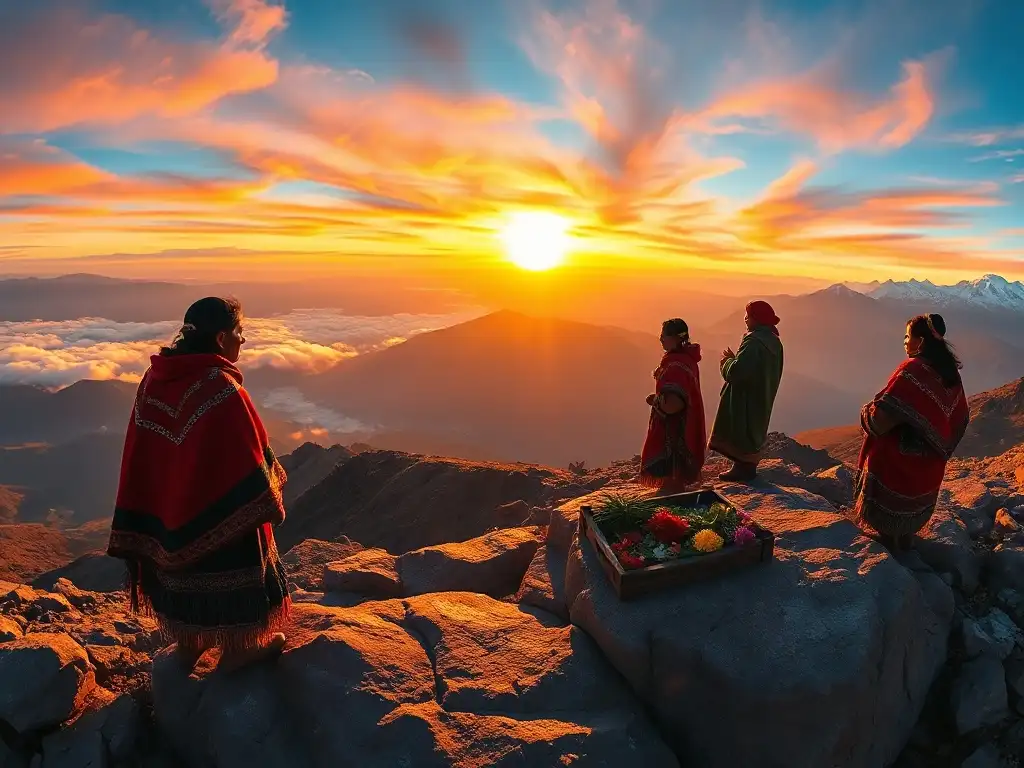
Step into a world lost to time, yet echoing with the whispers of ancient power. Imagine the breathtaking heights of the Andes, where the sun's journey held cosmic significance for civilizations far beyond our understanding. This is the realm of the Andean Civilizations, a tapestry woven with intricate threads of culture, art, and technology. But what secrets did they hold within their awe-inspiring rituals? Discover the profound meaning behind the Andean equinox rituals, a captivating glimpse into their unique cosmovision, and unravel the mysteries of a civilization perfectly balanced between light and darkness.
The Andes Mountains, a spine of towering peaks running down the western edge of South America, have witnessed millennia of human civilization. For the ancient Andean peoples – including the Incas, Moche, Nazca, and Tiahuanaco – the dramatic shifts in daylight hours marking the equinoxes held profound spiritual significance. These weren't merely astronomical events; they were deeply interwoven with their cosmology, agricultural cycles, and social structures.
This article explores the rich tapestry of Andean equinox rituals, revealing how these civilizations perceived and celebrated the balance between light and darkness, a duality reflecting their understanding of the cosmos and their place within it. We will delve into specific practices, uncovering fascinating details about their beliefs and the intricate ceremonies performed to honor this pivotal time of year. Understanding these rituals provides crucial insight into the Andean worldview and its enduring legacy.
We will examine the evidence from archaeological finds, ethnographic studies, and historical accounts to paint a vivid picture of these powerful events. The keyword "Andean equinox rituals" will guide our exploration of this compelling aspect of Andean culture.
The Significance of the Equinoxes in Andean Cosmology
The Andean worldview was deeply intertwined with nature. The sun, moon, and stars were not just celestial bodies but powerful deities, directly influencing the lives and well-being of the people. The equinoxes, marking the precise moments when day and night are of equal length, represented a crucial point of balance in this cosmic order.
This balance was not merely a passive observation; it was actively celebrated and maintained through ritual. Archaeological evidence suggests that significant architectural features, such as specific temple orientations and the placement of ceremonial sites, were carefully aligned with the equinox sunrises and sunsets. This precise alignment underscores the deep importance placed on these astronomical events.
Moreover, the equinoxes marked a crucial turning point in the agricultural cycle, signifying the transition between seasons and the promise of a bountiful harvest. The rituals performed during this time were thus vital for ensuring the continued prosperity and fertility of the land. This intricate relationship between the celestial and the terrestrial realms highlights the sophisticated understanding of astronomy and its practical applications within Andean society.
Ritual Practices and Offerings During the Equinox
Andean equinox rituals varied among different cultures and regions, reflecting the diverse expressions of their shared cosmological beliefs. However, common threads emerge, pointing towards a consistent emphasis on maintaining cosmic harmony and ensuring agricultural abundance. Many rituals involved processions to sacred sites, often accompanied by music, dance, and offerings. These offerings varied widely and could include:
- Food and Drink: Agricultural products such as maize, potatoes, and coca leaves were commonly offered, symbolizing the earth’s bounty and gratitude for the harvest. Chicha, a fermented corn beverage, often played a central role in ceremonies.
- Textiles and Ornaments: Elaborately woven textiles and precious ornaments, such as gold and silver objects, were presented as gifts to the deities, demonstrating the community’s wealth and devotion.
- Animal Sacrifices: In some cases, animal sacrifices were performed, with the specific animals chosen likely holding symbolic meaning related to fertility and the agricultural cycle. The details of these sacrifices, including the species of animals and the methods employed, vary significantly across different Andean cultures. More research is needed to fully understand the nuances of these practices.
- Incense and Ritual Purification: The burning of incense played a crucial role in purifying the space and participants, creating a sacred atmosphere conducive to communication with the spiritual world.
Archaeological Evidence and Modern Interpretations
The study of Andean equinox rituals relies heavily on archaeological discoveries. The careful excavation of ceremonial sites, temples, and burial grounds has yielded invaluable insights into the practices and beliefs of these ancient civilizations. For example, the precise alignment of structures with the equinox sun, the discovery of ritual objects within these sites, and the analysis of human remains have all contributed to our understanding of these events.
However, interpreting this evidence requires a nuanced approach, acknowledging the limitations of archaeological data and the potential for multiple interpretations. Modern scholars continue to debate the specific meanings and functions of certain rituals, relying on a combination of archaeological findings, ethnohistorical accounts, and comparative studies of other Andean cultures.
The ongoing research in this field continues to refine our understanding of Andean cosmology and the role of equinox rituals within it. Further research into specific sites and cultures is crucial to develop a more complete understanding of the diversity of Andean equinox rituals.
The Enduring Legacy of Andean Equinox Traditions
While the Inca Empire and other ancient Andean civilizations are no longer extant, echoes of their equinox rituals continue to resonate in contemporary Andean communities. Many indigenous groups maintain traditions that reflect the ancient beliefs and practices, adapting them to their modern contexts. These traditions often involve pilgrimages to sacred sites, community gatherings, and the performance of ceremonies that honor the balance of light and darkness.
The study of these contemporary practices provides valuable insights into the enduring legacy of Andean culture and its capacity to adapt while preserving its core values. The continuity of these traditions, despite centuries of change, underscores the profound significance of the equinoxes and their continued importance in the Andean worldview. Understanding these lasting connections enhances our appreciation for the rich tapestry of Andean culture and its enduring influence.
- The Significance of the Equinoxes in Andean Cosmology
- Ritual Practices and Offerings During the Equinox
- Archaeological Evidence and Modern Interpretations
- The Enduring Legacy of Andean Equinox Traditions
Understanding the Significance of the Andean Equinox
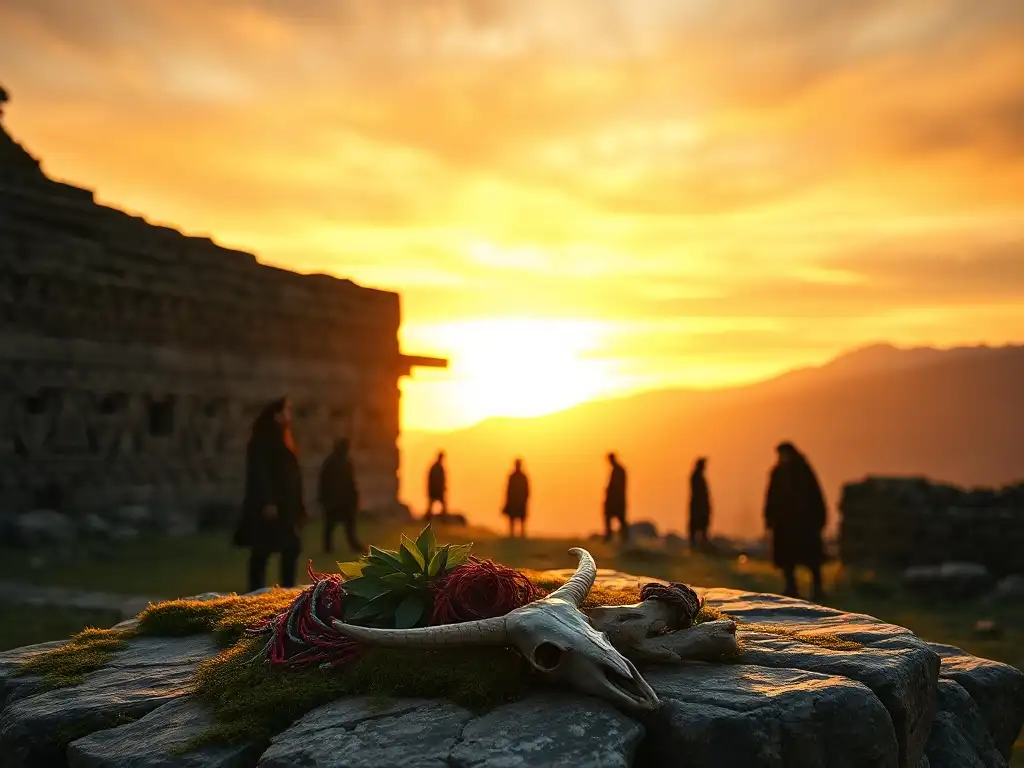
The Andean equinox, occurring around March and September, held profound significance for the various cultures inhabiting the Andes Mountains. Unlike our Gregorian calendar's focus on a solar year, Andean civilizations based their calendars on a complex interplay of astronomical observations, agricultural cycles, and a deep-seated spiritual understanding of the cosmos. Their rituals surrounding the equinox weren't merely celebrations of a celestial event; they were powerful acts of maintaining cosmic balance, ensuring prosperity, and reaffirming their connection to the supernatural world.
Understanding the Andean equinox requires appreciating the intricate web of beliefs and practices that shaped their worldview. The importance placed on these rituals underscores the centrality of nature and its rhythms within their religious and social structures.
These rituals weren't static events; they varied across different Andean cultures, reflecting the unique characteristics of each civilization and their specific relationship with their environment. Further research into specific archaeological sites and textual evidence (where available) is necessary to fully grasp the nuances of these celebrations across different regions and time periods.
The Equinox in Andean Cosmovision
Andean cosmovision, a holistic worldview encompassing the spiritual and physical realms, placed immense importance on duality and reciprocity. Concepts like Pachamama (Mother Earth) and Tayta Inti (Father Sun) represented the fundamental forces of nature, constantly interacting and influencing human life. The equinox, as a moment of perfect balance between day and night, symbolized this fundamental cosmic duality.
It represented a time of equilibrium, a point of transition between opposing forces. This balance wasn't simply a passive observation; it was an active process that required human intervention through ritualistic practices. The Andean peoples believed that their actions during the equinox directly influenced the cosmic harmony, impacting the success of their crops, the health of their communities, and the overall well-being of the world.
Failure to properly honor the equinox could be interpreted as disrupting this delicate balance, potentially leading to negative consequences. This perspective highlights the active role humans played in maintaining the cosmic order, a responsibility deeply ingrained in their religious beliefs.
The Andean Calendar and its Relation to the Equinox
The Andean calendar wasn't a monolithic system. Different Andean cultures developed their own unique reckoning of time, often incorporating intricate astronomical observations and agricultural cycles. However, common threads emerge, particularly concerning the significance of solstices and equinoxes.
Many Andean calendars were likely based on a combination of lunar and solar cycles, resulting in complex systems that integrated both short-term and long-term timekeeping. For example, some evidence suggests the use of knotted strings, or quipus, to record astronomical data and agricultural cycles relevant to the equinoxes. While the exact mechanisms of these calendars remain a subject of ongoing research, it's clear that the equinoxes served as crucial markers within these systems, signifying pivotal moments for agricultural planning and ritualistic activities.
The precise alignment of temples and other structures with celestial events like the equinox further underscores their astronomical knowledge and the deliberate integration of these events into their societal structure. Further study is needed to fully decipher the intricacies of these diverse calendar systems and their interrelationship with the equinox.
Marking the Balance: Light and Darkness in Andean Thought
The Andean concept of balance extended beyond the simple equality of day and night. The equinox, while representing this numerical equilibrium, also symbolized the delicate interplay between opposing forces in the cosmos. Light and darkness, while seemingly contradictory, were not viewed as inherently antagonistic. Instead, they were understood as complementary forces, each playing a vital role in the natural order.
Rituals during the equinox aimed to reinforce this harmony, ensuring that neither force dominated the other. Offerings of food, coca leaves, and other sacred objects were frequently made to Pachamama and Tayta Inti, seeking their favor and acknowledging their crucial role in maintaining this cosmic balance. These offerings weren't simply acts of appeasement; they were expressions of reciprocity, a fundamental principle of Andean thought.
By participating in these rituals, the Andean people actively contributed to the ongoing interplay between light and darkness, ensuring the continuity of life and the prosperity of their communities. The specific rituals varied depending on the location and the specific culture, but the underlying theme of maintaining balance remained constant. Further investigation into the specific offerings and practices associated with each Andean group is essential for a thorough understanding of their unique approaches to celebrating the equinox.
Key Elements of Andean Equinox Celebrations
The Andean equinox, a time marking the balance between light and darkness, wasn't simply a date on a calendar; it was a deeply significant event woven into the fabric of Andean life. Understanding Andean equinox rituals requires appreciating the intricate interplay of astronomical observation, sacred geography, and elaborate ceremonies designed to honor the sun, Inti, and ensure the continuation of life-giving cycles.
These rituals, performed with meticulous precision, reveal a sophisticated understanding of astronomy and a profound connection to the natural world. The focus wasn't just on marking the equinox itself, but on harnessing its symbolic power for agricultural prosperity and social harmony.
The meticulous tracking of the sun's movements, the selection of sacred sites, and the performance of specific rituals all contributed to this powerful cultural expression. This section will delve into some key aspects of these fascinating celebrations, exploring how the Andean peoples engaged with this pivotal moment in their cosmological calendar.
Observing the Sun: Solstice and Equinox Tracking
Andean cultures possessed remarkable astronomical knowledge, far surpassing what was previously believed. Their understanding of the sun's movements allowed them to accurately predict solstices and equinoxes, events of paramount importance in their agricultural calendar. They didn't rely on complex instruments; instead, they utilized ingenious methods involving natural landmarks and precise observation. For example, the precise alignment of structures like Machu Picchu with the solstices indicates a sophisticated understanding of celestial movements. This wasn't mere coincidence; it was a deliberate architectural feat designed to mark and celebrate these crucial astronomical events.
Furthermore, evidence suggests the use of saywas (ceremonial platforms) and other structures strategically positioned to track the sun's path throughout the year. These weren't simply places of worship; they were functional observatories that played a vital role in predicting agricultural cycles and planning ceremonies. The accuracy of their observations is evidenced by the precise timing of agricultural activities, suggesting a deep understanding of the relationship between celestial events and earthly productivity.
The ability to accurately predict the equinoxes was crucial for the timing of planting and harvesting, ensuring the success of their agricultural practices. This close observation of the sun underscores the centrality of Inti in Andean cosmology and the importance of aligning human activities with the natural rhythms of the cosmos.
The Role of Sacred Sites in Equinox Rituals
The performance of Andean equinox rituals was inextricably linked to specific geographical locations—sacred sites imbued with spiritual significance. These locations, often characterized by unique geological features or astronomical alignments, served as focal points for communal ceremonies and offerings. Mountains, caves, and springs held particular importance, representing powerful forces within the Andean worldview. The choice of location wasn't arbitrary; it was carefully considered, reflecting the belief that these sites acted as conduits between the human and spiritual realms.
Think of the numerous archaeological sites scattered throughout the Andes, many of which show clear evidence of ritual activity associated with astronomical events. These sites weren't simply settlements; they were carefully chosen locations for connecting with the divine and ensuring the well-being of the community. The rituals performed at these sites were designed to strengthen the connection between the people and the cosmos, reinforcing the cyclical nature of life and ensuring the continuity of their agricultural practices.
The precise nature of these rituals varied across different Andean cultures, but the underlying theme of honoring Inti and seeking its favor remained consistent. The location itself, therefore, was integral to the effectiveness and meaning of the ceremony.
Intiñan Museum, Ecuador: An Equinox Observation Site
The Intiñan Museum in Quito, Ecuador, offers a compelling modern example of how Andean astronomical knowledge is still appreciated and understood. While not an ancient site itself, the museum features a precise equatorial line marker where visitors can experience the equinox firsthand. At the equinox, the sun shines directly overhead at midday, casting no shadow at the marker. This demonstrates the sophisticated understanding of the earth's rotation and its relationship to the sun, a knowledge that was clearly present in ancient Andean cultures.
The museum also incorporates elements of traditional Andean culture and cosmology, providing insights into the rituals and beliefs surrounding the equinox. It serves as a powerful reminder of the enduring legacy of Andean astronomical knowledge and the continuing relevance of these traditions. The Intiñan Museum's equatorial line marker offers a tangible and accessible way to understand the precision of Andean astronomical observations and appreciate the significance of the equinox within their cosmological framework.
It is a valuable site for both educational purposes and for experiencing a modern interpretation of ancient Andean traditions related to the equinox. The museum's interactive exhibits further enhance understanding of the rich tapestry of Andean culture and their profound connection to the natural world.
Traditional Offerings and their Symbolism
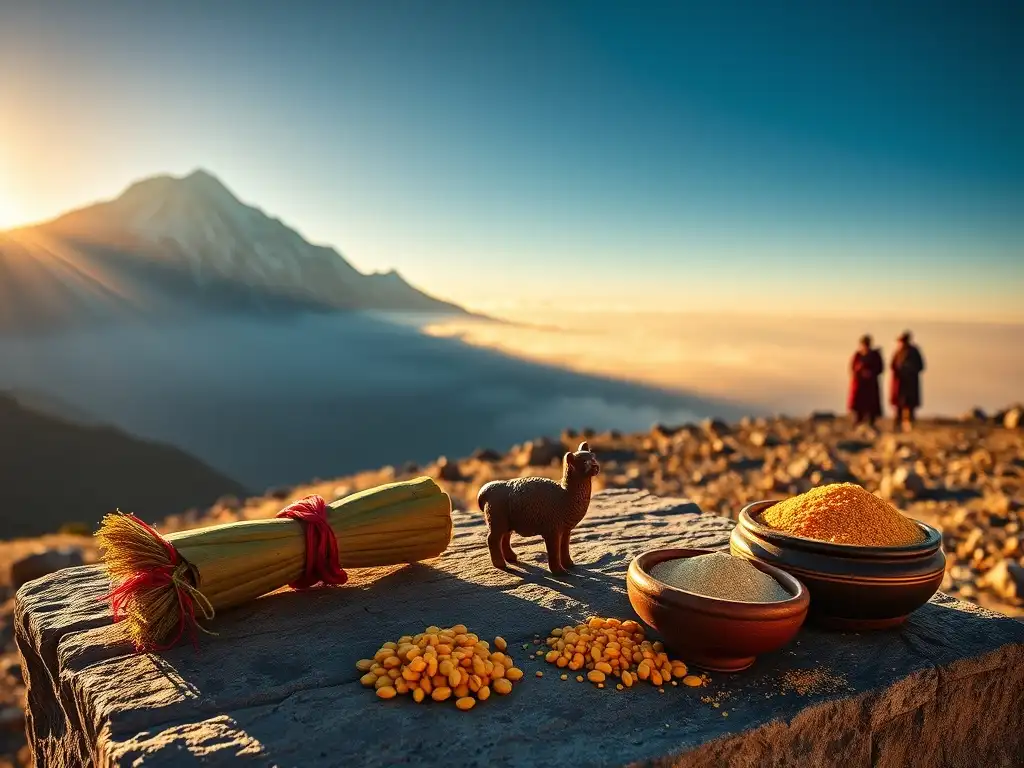
Andean equinox rituals involved a complex system of offerings, deeply symbolic and connected to the cyclical nature of life and the cosmos. These weren't simply gifts; they were carefully chosen items representing a profound connection between the human and spiritual realms. The most common offerings included coca leaves, representing reciprocity and communication with the spirits.
The act of chewing coca, a practice deeply ingrained in Andean culture, was believed to enhance communication with the apus (mountain spirits) and facilitate a successful offering. Furthermore, chicha, a fermented corn beverage, was frequently presented as a sacred drink, symbolizing the life-giving power of the earth and its bounty. The act of sharing chicha during rituals reinforced communal bonds and celebrated the shared experience of the equinox.
Beyond coca and chicha, offerings also included agricultural products like maize, potatoes, and quinoa—all vital to the sustenance of Andean communities. These offerings acknowledged the earth's generosity and sought to ensure continued prosperity. Llama and alpaca wool, representing the wealth and productivity of the herds, were also frequently included, often woven into intricate textiles that embodied complex cosmologies and narratives.
The colors of the textiles, the patterns woven into them, and even the specific type of wool used all held distinct symbolic meanings, reflecting the specific intentions of the offering. Gold and silver, particularly in later Inca periods, were also incorporated into offerings, symbolizing the sun's power and the abundance of the earth's resources.
These precious metals, however, were not always abundant and their inclusion reflected a heightened level of importance or dedication. The placement of the offering—at a mountaintop shrine, in a cave, or within a temple—further enhanced its symbolic power, connecting the offering to specific geographical and spiritual locations.
Music, Dance, and Ritual Performances
Music and dance were integral components of Andean equinox celebrations, serving as powerful mediums for connecting with the spiritual realm and expressing communal joy and reverence. The rhythmic beats of drums, the haunting melodies of panpipes, and the vibrant sounds of other traditional instruments created an atmosphere conducive to spiritual communion.
Specific musical pieces were associated with different deities and ceremonies, and the music itself was believed to have the power to influence the natural world and appease the spirits. The melodies and rhythms weren't simply decorative; they were intricately structured, reflecting the cyclical nature of the cosmos and the harmonious balance sought during the equinox.
Dance played an equally vital role, with elaborate and highly stylized movements representing the interaction between humans and the supernatural. Dancers, often dressed in colorful and symbolic costumes, would enact stories and myths related to the equinox, the harvest, and the relationship between the human and divine realms.
These performances were not merely entertainment; they were powerful acts of ritual, designed to influence the outcome of the harvest and ensure the continued well-being of the community. The movements, costumes, and choreography of these dances were often meticulously preserved and passed down through generations, ensuring the continuity of these important traditions.
The energy and intensity of the performances served to unite the community, creating a shared experience of spiritual connection and collective celebration during this pivotal time of year. The specific dances varied regionally, with each group having its own unique styles and traditions, reflecting the diverse cultural landscape of the Andes.
Diverse Andean Practices During the Equinox
The Andean equinox, a time marking the balance between light and darkness, wasn't celebrated uniformly across the vast Andean region. While a shared reverence for the sun and the cyclical nature of life underpinned many rituals, specific practices varied significantly based on geography, altitude, and the dominant culture. Understanding these diverse approaches is crucial to appreciating the richness and complexity of Andean spiritual life.
The concept of Pachacuti, a cyclical renewal of the world, heavily influenced the equinox celebrations, emphasizing the importance of maintaining harmony between the human and spiritual realms. These practices weren't merely symbolic; they were integral to the Andean worldview, deeply connected to agricultural cycles, social organization, and cosmological beliefs. Analyzing these variations reveals a nuanced understanding of Andean "equinox rituals," far beyond a simplistic view of a single, monolithic celebration.
Regional Variations in Equinox Rituals
The celebration of the equinox varied considerably across the Andes. Coastal communities, like the Moche and Nazca, may have focused their rituals on marine resources and the fertility of the sea, contrasting sharply with the high-altitude Andean societies whose focus was on agricultural cycles and the sun's influence on crops. For example, while the Inca celebrated Inti Raymi with grand ceremonies in Cusco, communities in the northern Andes, like those associated with the Tiahuanaco culture, might have practiced different rituals centered around their own unique deities and agricultural practices.
Even within a single cultural group, variations existed. The specific offerings, dances, and ceremonies were often adapted to local conditions and the specific needs of the community. Archaeological evidence, such as the discovery of different types of offerings at various sites, supports this hypothesis.
Further research is needed to fully document the regional diversity of Andean equinox rituals, with a particular focus on less well-documented cultures. This requires a careful analysis of archaeological findings, ethnohistorical accounts, and oral traditions where available. The diversity underscores the importance of avoiding generalizations when discussing Andean "equinox rituals" and instead acknowledging the nuanced tapestry of practices across time and space.
The Inti Raymi Festival in Cusco, Peru
The Inti Raymi, or "Festival of the Sun," is perhaps the most famous Andean equinox celebration. Held annually near the winter solstice in the Southern Hemisphere (June 24th), this grand festival was a cornerstone of Inca religious life. It involved elaborate processions, sacrifices (often llamas), feasts, and theatrical performances honoring the sun god, Inti.
The Inca emperor played a central role, presiding over the ceremonies and offering sacrifices to ensure the sun's continued benevolence and the prosperity of the empire. The festival was a complex event involving various social groups, each with specific roles and responsibilities. While the Inti Raymi was suppressed by the Spanish conquistadors, it has been revived in modern times, becoming a significant tourist attraction and a symbol of Inca cultural heritage.
However, it is crucial to remember that the modern Inti Raymi is a reconstruction, and it might not perfectly reflect the original Inca practices. Further research using primary sources and archaeological data is needed to fully understand the historical context and the evolution of this important ritual. The continued study of Inti Raymi offers invaluable insights into the Inca understanding of the equinox and its cosmological significance.
The Significance of Water in Equinox Ceremonies
Water held profound symbolic importance in Andean cosmology, representing life, fertility, and purification. During equinox ceremonies, water played a significant role in various rituals. Sources of water, such as springs, rivers, and lakes, were often considered sacred sites, and ceremonies were performed near these locations.
Offerings of coca leaves, chicha (a fermented corn beverage), and other items were frequently cast into bodies of water, a symbolic act of communion with the spiritual world and a request for blessings. The use of water in rituals underscored the Andean understanding of the interconnectedness of all elements in the cosmos and the importance of maintaining balance within the natural world. The specific ways in which water was incorporated varied depending on the regional context and the specific beliefs of the community.
More research into the specific practices of different Andean groups is necessary to fully understand the multifaceted role of water in their equinox ceremonies. The symbolic connection between water and fertility suggests a possible link between these rituals and agricultural practices, reinforcing the close relationship between the Andean worldview and the natural environment. The study of water's role in Andean rituals offers a crucial pathway to understanding the deeper spiritual dimensions of their equinox celebrations.
Agricultural Practices Linked to the Equinox
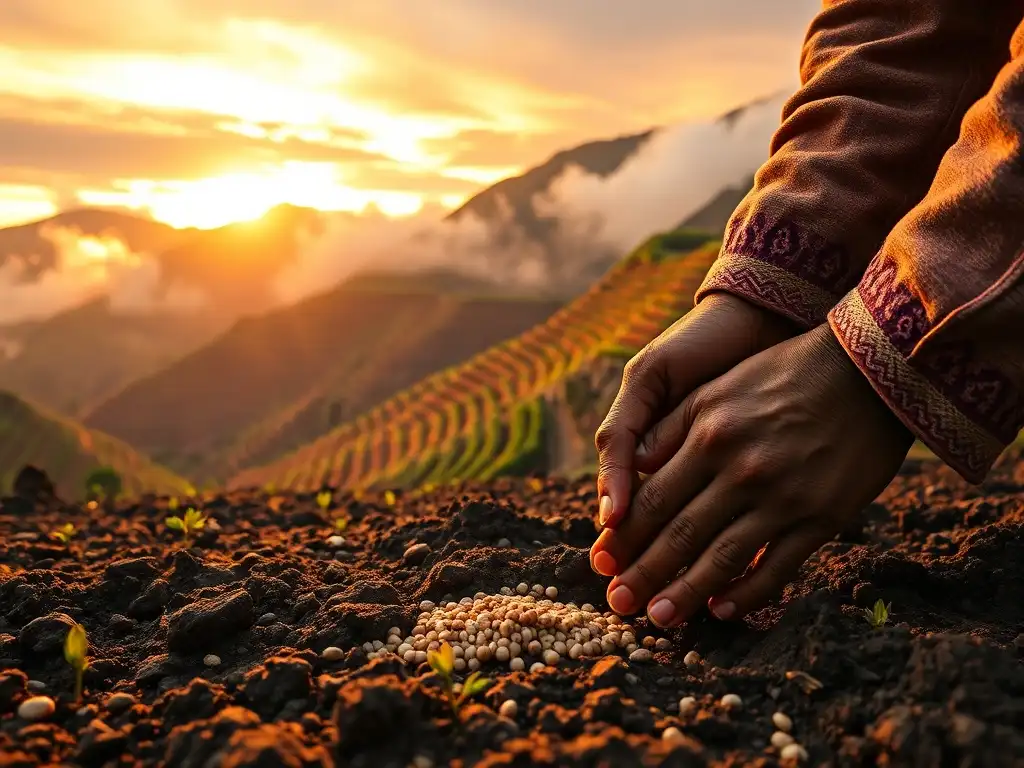
The Andean equinox, a time of balance between light and darkness, held profound significance for agricultural practices. Farmers meticulously timed their planting and harvesting cycles according to the equinoxes and solstices, leveraging centuries of accumulated knowledge about the celestial movements and their impact on the growing season. This wasn't simply a matter of convenience; it was deeply intertwined with their spiritual beliefs. The equinox marked a crucial point in the agricultural year, signifying renewal and the promise of a bountiful harvest.
Specific crops, like potatoes, maize, and quinoa – staples of the Andean diet – had their planting or harvesting precisely aligned with the equinox, ensuring optimal growth and yield. For example, in certain regions, the planting of potatoes was initiated immediately following the equinox, taking advantage of the increased daylight hours and the favorable conditions that the change in seasons brought. The timing wasn't arbitrary; it was based on detailed observations passed down through generations, forming an intricate system of agricultural knowledge that ensured the survival and prosperity of Andean communities.
Deviation from these practices was believed to incur the wrath of the gods and result in a poor harvest. This connection between celestial events and agricultural success highlights the deeply integrated nature of Andean cosmology and their practical lives. The equinox wasn't just a date on the calendar; it was a pivotal moment in their agricultural year, imbued with spiritual meaning and practical importance.
Community Gatherings and Celebrations
The Andean equinox wasn't just a time for agricultural preparation; it was a significant occasion for community gatherings and celebrations. Villages across the Andes would come together for large-scale festivities, marking the event with elaborate rituals and ceremonies. These gatherings served multiple purposes: they reinforced social bonds, celebrated the shared agricultural cycle, and reaffirmed their connection to the spiritual world. The celebrations often involved music, dance, feasting, and the offering of gifts to the deities.
Specific rituals varied among different Andean cultures, reflecting the diverse traditions and beliefs across the region. However, a common thread was the emphasis on community participation and the shared experience of marking this important moment in the year. The vibrant colors of traditional clothing, the rhythmic beat of drums, and the joyful expressions of participants created a powerful sense of unity and collective identity. These celebrations weren't merely entertainment; they were vital for maintaining social cohesion and transmitting cultural knowledge across generations.
The stories, songs, and dances performed during these events served as a repository of historical memory and spiritual teachings, ensuring the continuity of Andean traditions. The scale of these gatherings often depended on the size and resources of the community, with some events attracting participants from neighboring villages and even across wider regions. These celebrations were a powerful testament to the importance of community and shared beliefs in the Andean worldview.
The Modern Relevance of Andean Equinox Traditions
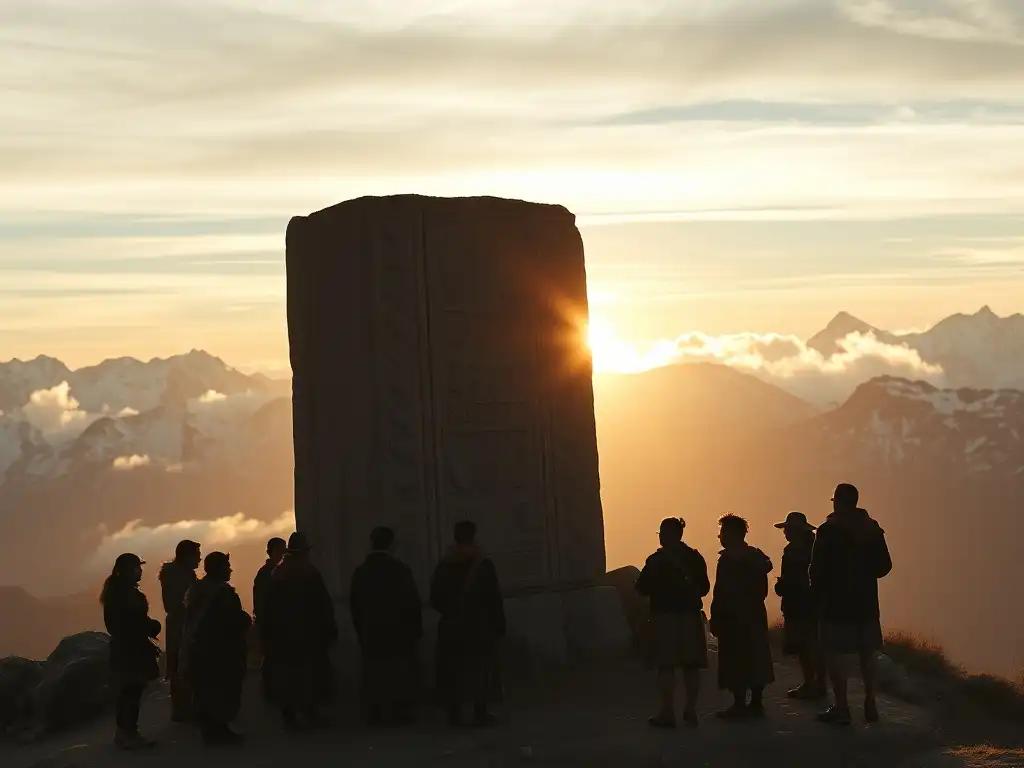
The Andean equinox, a time of profound cosmological significance for ancient civilizations, continues to resonate deeply within contemporary Andean communities and beyond. While the precise practices may have evolved over centuries, the underlying principles of balance, harmony, and the cyclical nature of life remain central themes. Understanding the modern relevance of these traditions offers valuable insights into the enduring power of cultural heritage and its capacity to adapt to changing times.
The enduring appeal of Andean equinox rituals lies in their ability to connect individuals to a rich ancestral past while providing a framework for navigating the complexities of the present. This section will explore how these ancient practices are preserved and celebrated today, demonstrating their continued importance in shaping Andean identities and spiritual lives. The keyword, "Andean equinox rituals," is central to understanding this enduring legacy.
Preserving Ancient Andean Rituals Today
Efforts to preserve and revitalize ancient Andean equinox rituals are multifaceted, reflecting the diverse cultural landscapes of the Andes. Many indigenous communities actively work to maintain traditional practices, passing down knowledge and skills through generations. This involves not only performing the rituals themselves but also safeguarding the associated knowledge, including oral histories, songs, and crafts. These efforts often involve community-based initiatives, educational programs, and collaborations with researchers and cultural institutions.
For example, [specific community example and details pending] actively participate in annual equinox celebrations, meticulously recreating ancient ceremonies and incorporating them into contemporary life. Their commitment demonstrates the enduring strength of these traditions in the face of modernization and globalization. Documentation and archiving of these rituals are also crucial for preservation, ensuring that future generations can learn from and appreciate this rich heritage. This includes detailed ethnographic studies, photographic records, and the digital preservation of oral histories. The continued study and documentation of Andean equinox rituals is crucial for their survival and continued relevance.
The Equinox as a Time for Reflection and Renewal
Beyond the specific rituals themselves, the Andean equinox holds a powerful symbolic meaning as a time of reflection and renewal. The balance between light and darkness, symbolized by the equinox, mirrors the cyclical nature of life, death, and rebirth, prompting introspection and a reassessment of personal values and goals. This introspection is a key aspect of the continued relevance of these ancient traditions. Many individuals, both within and outside of Andean communities, find personal meaning in this time of balance, using it as an opportunity for self-reflection and setting intentions for the coming months.
The equinox serves as a potent reminder of the interconnectedness of all things, highlighting the importance of harmony with nature and the spiritual world. This resonates with contemporary concerns about environmental sustainability and the search for spiritual meaning in a rapidly changing world. The rituals offer a framework for connecting with the earth and acknowledging the cyclical nature of life, providing solace and guidance in navigating the challenges of modern life. The symbolism of the equinox transcends geographical boundaries, offering a powerful message of balance and renewal that speaks to a universal human experience.
Contemporary Celebrations in Indigenous Communities
Contemporary celebrations of the Andean equinox vary widely across different communities, reflecting the unique cultural expressions and traditions of each region. However, several common threads connect these diverse events. Many communities incorporate traditional music, dance, and crafts into their celebrations, creating vibrant and immersive experiences. These celebrations often involve communal feasts, sharing of food and drink, and the exchange of gifts. The participation of elders plays a vital role in transmitting knowledge and ensuring the continuity of these traditions. The celebrations are not merely performances; they are active engagements in the perpetuation of a living culture.
For instance, [specific example of a community celebration and its unique features pending], showcasing the diverse ways in which these traditions are adapted and reinterpreted in the modern context. The incorporation of new technologies and media, such as social media, can also play a role in expanding the reach and visibility of these events, fostering a greater sense of community and shared heritage.
The continued evolution of these celebrations reflects the adaptability and resilience of Andean cultures, showcasing their capacity to integrate ancient traditions into contemporary life. The vibrancy of these modern celebrations underscores the enduring significance of Andean equinox rituals.
Connecting with Ancestral Wisdom
The modern resurgence of interest in Andean equinox rituals speaks volumes about a deeper human need—a yearning to connect with something larger than ourselves, to tap into a wellspring of ancestral wisdom. For many, participating in these ceremonies isn't simply about observing a historical event; it's about actively engaging with a continuous cultural thread that links them to generations past. The rituals offer a pathway to understanding the values, beliefs, and perspectives of their ancestors, offering a sense of grounding and belonging in an increasingly fragmented world.
This connection isn't just sentimental; it provides valuable insights into sustainable living, harmonious community building, and a respectful relationship with the natural world – lessons particularly relevant in our current ecological crisis. The wisdom embedded in these ancient practices offers practical and spiritual guidance for navigating the complexities of modern life, reminding us of the importance of balance, reciprocity, and respect for the interconnectedness of all things.
Many modern practitioners find solace and strength in the enduring wisdom of these traditions, using them as a framework for personal growth and spiritual exploration. The rituals provide a tangible link to a past rich in knowledge and resilience, offering a powerful counterpoint to the often isolating aspects of contemporary society.
The Importance of Understanding Andean Cosmovision
To fully appreciate the significance of Andean equinox rituals, it's crucial to understand the underlying Andean cosmovision. This worldview, profoundly different from many Western perspectives, emphasizes the interconnectedness of all living things—humanity, nature, and the spirit world—within a dynamic, ever-shifting cosmic order. The equinoxes, marking the balance between light and darkness, are pivotal moments within this cosmological framework, representing a time of equilibrium and potential for renewal.
Understanding the Andean concept of Pachamama (Mother Earth) is essential; she is not merely a passive backdrop but an active participant in the cosmic dance, a source of life and sustenance that demands respect and reciprocity. Rituals during the equinox aren't simply performances; they are acts of communion and exchange with Pachamama and the broader spiritual realm, aimed at maintaining harmony and ensuring the continued flow of life's abundance. Ignoring the cosmological context risks reducing these rituals to mere historical curiosities, obscuring their profound spiritual and ecological significance.
A deeper understanding of Andean cosmovision allows for a more meaningful engagement with these traditions, fostering a richer appreciation for their enduring relevance in a world increasingly grappling with environmental challenges and a sense of spiritual disconnection. This understanding emphasizes the importance of mindful living, reciprocal relationships, and a deep respect for the interconnectedness of all life.
The Andean Equinox Rituals and Spiritual Connection
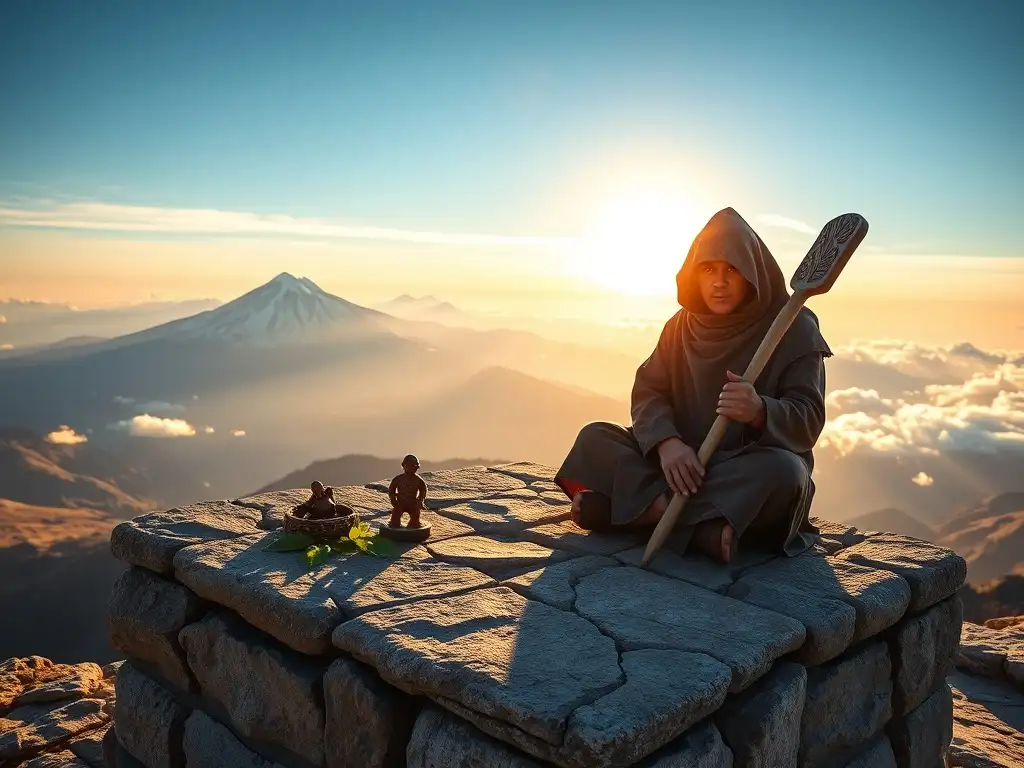
The Andean equinox rituals represent a profound connection between the ancient Andean peoples and the natural world, reflecting a sophisticated understanding of astronomy and a deep-seated spirituality intertwined with the rhythms of the cosmos. These weren't mere celebrations; they were meticulously planned ceremonies designed to ensure the continuation of life, prosperity, and harmony within their communities and the environment. The precise dates and practices varied across different Andean cultures—Inca, Moche, Nazca, Tiahuanaco, and others—yet a common thread unites them: the acknowledgment of the equinoxes as pivotal moments of balance and renewal.
Understanding these rituals offers a glimpse into the rich cosmological beliefs that shaped Andean life. The meticulous observation of celestial events, coupled with agricultural cycles, underscores the sophisticated level of astronomical knowledge possessed by these ancient civilizations. Their understanding of the equinoxes went far beyond simple observation; it formed the basis for their agricultural practices, social organization, and spiritual beliefs.
This intricate web of interconnectedness is what makes the study of Andean equinox rituals so compelling. The rituals weren't just about marking time; they were about actively participating in the cosmic dance of life.
The Equinox as a Time of Transition and Transformation
The equinoxes, marking the transition between seasons, were perceived by Andean cultures as times of profound transformation. The balance between light and darkness, symbolized by the equal day and night, mirrored a similar balance sought in all aspects of Andean life. This period was considered auspicious, a time when the veil between the earthly and spiritual realms was thought to be thinner, facilitating communication with ancestral spirits and the powerful apus (mountain gods).
Many rituals focused on ensuring a successful harvest, praying for abundant rains, and securing the well-being of the community. For example, the Inca might have performed ceremonies involving offerings of coca leaves, llamas, and other precious goods to appease the apus and ensure the fertility of the land. The Nazca, known for their intricate geoglyphs, may have used the equinoxes as a time to perform rituals related to their complex understanding of water sources and their connection to the earth's energies.
Specific ritual practices remain largely undocumented, lost to the passage of time, but archaeological evidence and surviving accounts hint at the significance of these transitional periods. The changing of the seasons was not simply a natural phenomenon; it was a spiritual event, imbued with deep meaning and requiring careful attention. The equinox was a period of renewal, a time for rebirth and reflection, setting the stage for the coming season.
Connecting with the Energies of Nature
Andean cosmology emphasizes a deep interconnectedness between humanity and nature. The equinox rituals provided a mechanism for strengthening this bond, allowing individuals and communities to connect with the powerful energies of the natural world. This connection wasn't passive; it was active, involving carefully orchestrated ceremonies aimed at harmonizing with the rhythms of the cosmos. The Pachamama (Mother Earth) played a central role, considered the source of all life and abundance.
Rituals often involved offerings to Pachamama, designed to express gratitude and ensure her continued benevolence. These offerings varied, ranging from simple agricultural products to elaborate sacrifices, reflecting the specific needs and beliefs of the community. The use of specific plants, like coca and other medicinal herbs, is also documented, suggesting their use in rituals aimed at healing and maintaining balance.
The integration of astronomical observations with agricultural practices highlights the sophisticated understanding of the natural world and the importance of aligning human actions with the cosmic order. The success of agriculture was directly linked to the spiritual well-being of the community and their harmonious relationship with Pachamama. The equinox, as a time of balance, was an ideal moment to reaffirm this connection and seek blessings for the coming season.
The Importance of Balance in Andean Spirituality
The concept of balance, or equilibrio, is fundamental to Andean spirituality. The equinox, with its perfect balance of day and night, served as a powerful symbol of this principle. Maintaining this balance—between the earthly and spiritual realms, between humanity and nature, and between different social groups—was considered essential for the well-being of the community. Imbalance, on the other hand, was seen as a source of misfortune and chaos.
The equinox rituals were therefore not simply celebrations; they were acts of maintaining cosmic and social harmony. The offerings, prayers, and ceremonies were all designed to restore balance when needed and to reinforce it during times of stability. The intricate social structures of Andean societies also reflected this emphasis on balance, with specific roles and responsibilities assigned to maintain order and harmony within the community.
The intricate relationship between the political, social, and religious aspects of Andean life underscores the importance of balance as a core principle that permeated all aspects of their existence. The equinox rituals, therefore, served as an important reminder of this fundamental principle and a vital mechanism for upholding it. The quest for equilibrio was not a passive ideal; it was an active pursuit, reflected in the meticulous planning and execution of these significant ceremonies.
Seeking Harmony with the Cosmos
The Andean equinox rituals, deeply rooted in a sophisticated understanding of the cosmos, weren't merely calendrical markers; they were profound expressions of a desire for harmony between the human world and the celestial realm. The precise astronomical observations made by Andean cultures, evident in their monumental architecture like Machu Picchu and the Nazca Lines, allowed them to accurately predict the equinoxes, imbuing these events with immense spiritual significance. These weren't passive observations; the act of aligning oneself with the sun's path, a powerful symbol of life's cyclical nature, was an active participation in the cosmic dance.
The rituals aimed to maintain this balance, ensuring the continuation of life's bounty – successful harvests, healthy livestock, and the overall well-being of the community. Failure to honor the equinox could, according to their beliefs, disrupt this delicate balance, leading to misfortune. The meticulous preparation, the offerings presented (often including coca leaves, chicha, and other agricultural products), and the communal participation all underscore the profound importance placed on maintaining a harmonious relationship with the cosmos.
This wasn't simply a religious observance; it was a fundamental aspect of their worldview, shaping their daily lives and their understanding of their place within the larger universe. The Andean people believed that their actions had a direct impact on the cosmos, and the equinox rituals served as a powerful reminder of this interconnectedness. The meticulousness of the rituals reflects a deep respect for the natural world and a profound understanding of the delicate balance that sustains life.
Personal Reflections on Andean Spiritual Practices
Engaging with the Andean equinox rituals requires more than just academic study; it demands a willingness to contemplate the underlying spiritual principles. While we may not fully grasp the nuances of their beliefs, we can appreciate the underlying themes of balance, reciprocity, and the interconnectedness of all living things. The reverence for the sun, the earth, and the ancestors speaks to a holistic worldview that contrasts sharply with our often fragmented modern perspective.
Observing modern-day celebrations of the equinox in Andean communities offers a glimpse into the enduring legacy of these practices. The vibrant colors, the rhythmic music, and the shared sense of community all point towards a spiritual experience that transcends the purely religious. It is a powerful reminder of the importance of connecting with nature, of recognizing our place within a larger ecosystem, and of cultivating a sense of community and shared purpose.
Reflecting on these practices can encourage us to reassess our own relationship with the natural world and to consider the ways in which we might incorporate similar principles of balance and respect into our own lives. The enduring power of Andean spiritual practices lies not just in their historical significance but in their continued relevance to contemporary concerns about environmental sustainability and social harmony. Understanding the Andean approach to spirituality offers valuable insights into alternative ways of relating to the world around us, fostering a deeper appreciation for the intricate balance of life.
Frequently Asked Questions
What are the Andean equinoxes?
The Andean equinoxes mark the two points in the year when the sun crosses the celestial equator, resulting in roughly equal amounts of daylight and darkness. These events hold significant cultural and spiritual importance for Andean cultures.
Why were equinoxes important to Andean civilizations?
Equinoxes were crucial because they symbolized balance and harmony in the Andean worldview. They often coincided with agricultural cycles and were celebrated with rituals to ensure a bountiful harvest and well-being.
What types of rituals were performed during the Andean equinoxes?
Rituals varied between cultures, but often included offerings to deities, processions, feasts, and ceremonial dances. These practices aimed to honor the sun and ensure its continued life-giving power.
Which Andean cultures celebrated the equinoxes?
Many Andean cultures celebrated the equinoxes, including the Incas, Moche, Nazca, and Tiahuanaco. Each culture had its own unique traditions and rituals associated with these important astronomical events.
Where can I learn more about Andean equinox rituals?
You can find more information through academic research papers, museum exhibits, and books focusing on Andean archaeology and anthropology. Many websites and cultural centers also offer valuable insights.
Final Reflection: Echoes of the Andes, Whispers of Balance
The Andean ritual of the equinox, far from being a relic of the past, offers a potent contemporary message: the urgent need for balance in a world increasingly fractured by extremes. The precise alignment of the sun, celebrated for millennia by Andean cultures, serves as a powerful metaphor for the delicate equilibrium we must strive to achieve within ourselves and our relationship with the natural world. This ancient wisdom holds a mirror to our modern anxieties, reminding us of the interconnectedness of all things.
The enduring power of these rituals lies in their ability to connect us to something larger than ourselves, to a cyclical rhythm that transcends the linear progression of time. These ceremonies, with their intricate offerings and profound symbolism, speak to a deep-seated human need for meaning and connection. As the writer and activist Vandana Shiva eloquently stated, The Earth is not just our home, it is our mother. We must treat her with respect and reverence.
This sentiment resonates deeply with the spirit of the Andean equinox rituals, emphasizing the sacred bond between humanity and the natural world, a bond we are increasingly neglecting at our peril.
Consider, then, the echoes of these ancient practices in your own life. How can you cultivate a greater sense of balance – between work and rest, between giving and receiving, between the light and the dark within yourself? Embrace the wisdom of the Andes; find your own moments of alignment, your own rituals of connection, to restore harmony within and without. Let the sun's journey across the sky inspire your own journey towards a more balanced and fulfilling life.
Embrace the Equinox: Ignite Your Inner Balance!
Thank you for exploring the rich traditions surrounding the Andean equinox. Understanding this ancient ritual reveals a deep connection between balance, harmony, and the natural world. Now, let's put this understanding into practice!
- Connect with Nature: Create a personal equinox ritual this season. Find a peaceful outdoor setting to reflect on the balance between light and darkness in your life and how it mirrors your own inner equilibrium.
- Share Your Insights: Discuss your newfound understanding with friends, family, or online. Inspire others to appreciate the beauty and significance of the equinox and perhaps even join you in celebrating it!
- Explore Further: Deepen your knowledge of Andean traditions by exploring online resources, attending local workshops, or participating in cultural events.
As you embrace this journey towards balance, consider how the principles of the Andean equinox can inform your daily decisions and choices. Share your reflections below!