
Exploring Andean Mythology: Stories of Gods and Heroes


Step into a world lost to time, yet echoing with power and mystery. Prepare to uncover the captivating realm of Andean mythology stories, where gods battled for supremacy, heroes defied the impossible, and the very fabric of reality was woven from vibrant myth and legend. Dive into the fascinating religious beliefs and cosmological visions of the ancient Andean civilizations – from the Incas to the Nazca – and discover a legacy richer and more intricate than you ever imagined. Unravel the secrets held within these ancient narratives... the journey begins now.
Andean mythology, a vibrant tapestry woven from the threads of diverse cultures across the Andes Mountains, offers a captivating glimpse into the spiritual beliefs and worldview of ancient civilizations. From the majestic Incas to the enigmatic Nazca and the powerful Moche, each society contributed unique narratives, characters, and cosmologies that shaped their understanding of the world and their place within it.
This exploration delves into the fascinating world of Andean mythology, examining the stories of gods, heroes, and supernatural beings that continue to resonate today. We'll uncover the rich symbolism embedded within these tales, revealing insights into ancient Andean societal structures, agricultural practices, and spiritual beliefs.
Understanding Andean mythology provides a crucial key to unlocking a deeper appreciation for the complexities and achievements of these remarkable cultures. Prepare to journey through a realm of powerful deities, cunning tricksters, and epic battles, all reflecting the ingenuity and spiritual depth of the Andean peoples.
The Creator Gods: Viracocha and Pachamama
The Andean pantheon is rich and varied, but certain figures hold a prominent place. Viracocha, often depicted as a bearded, powerful creator god, features prominently in Inca mythology. He is credited with creating the world, the sun, the moon, and humanity itself. Narratives surrounding Viracocha often involve acts of creation and destruction, reflecting the cyclical nature of life and the Andean understanding of the cosmos.
He is frequently associated with water, symbolizing the life-giving force essential to Andean agriculture and survival. In contrast, Pachamama, the Earth Mother, represents the fertile earth, providing sustenance and nurturing life. She is revered as a benevolent deity, but also one that demands respect and proper offerings.
Stories involving Pachamama often emphasize the interconnectedness of humanity and nature, highlighting the importance of maintaining a harmonious relationship with the environment. The duality of Viracocha's creative and destructive power, juxtaposed with Pachamama's nurturing yet demanding presence, showcases the complex balance of forces that shaped the Andean worldview. Further research is needed to fully understand the regional variations in the worship and portrayal of these deities, as depictions and associated myths varied across different Andean cultures.
Mythological Heroes and their Deeds
Beyond the creator gods, Andean mythology is populated by a cast of heroes and heroines whose exploits are celebrated in oral traditions and archaeological findings. These figures often embody human ideals and values, serving as role models and inspiring narratives of courage, resilience, and resourcefulness. While specific details vary across cultures, many stories feature individuals who overcome great challenges, often involving interactions with supernatural beings or demonstrating exceptional skills in warfare, agriculture, or craftsmanship.
For example, [specific examples of Andean heroes and their deeds pending]. These narratives not only entertained but also served an important social function, transmitting cultural knowledge, moral lessons, and societal values across generations. The stories of these heroes reflected the values and aspirations of their respective communities, providing a framework for understanding their social structures and beliefs.
Supernatural Beings: A Diverse Pantheon
The Andean world wasn't solely populated by gods and heroes; a diverse array of supernatural beings, both benevolent and malevolent, inhabited the landscape. These beings, ranging from mischievous spirits to powerful deities, played significant roles in shaping the lives and beliefs of the Andean people. [Specific examples of different types of supernatural beings and their roles in Andean mythology pending]. These beings often interacted with humans, sometimes offering assistance, other times presenting challenges or causing misfortune.
Understanding these supernatural entities provides valuable insight into the Andean perception of the unseen world and their strategies for navigating the complexities of life. Their presence in the myths highlights the belief in a dynamic, interconnected world where the human realm was intertwined with the supernatural. The diverse nature of these beings reflects the rich tapestry of Andean beliefs and the nuanced understanding of the forces shaping their lives.
The Significance of Andean Mythology Today
Andean mythology continues to hold immense cultural significance, impacting modern Andean societies in various ways. Many traditional practices, rituals, and beliefs are rooted in these ancient stories, demonstrating the enduring legacy of these narratives. The stories are not merely historical artifacts; they are living traditions that continue to shape cultural identity and provide a connection to the past.
[Specific examples of the continued relevance of Andean mythology in contemporary Andean cultures pending]. The study of Andean mythology provides not only a window into the past but also a deeper understanding of the enduring cultural richness and resilience of Andean societies. The preservation and study of these myths are crucial for understanding the complexities and beauty of Andean cultures and for appreciating the enduring power of storytelling.
- The Creator Gods: Viracocha and Pachamama
- Mythological Heroes and their Deeds
- Supernatural Beings: A Diverse Pantheon
- The Significance of Andean Mythology Today
The Pantheon of Andean Deities: Unveiling Key Figures
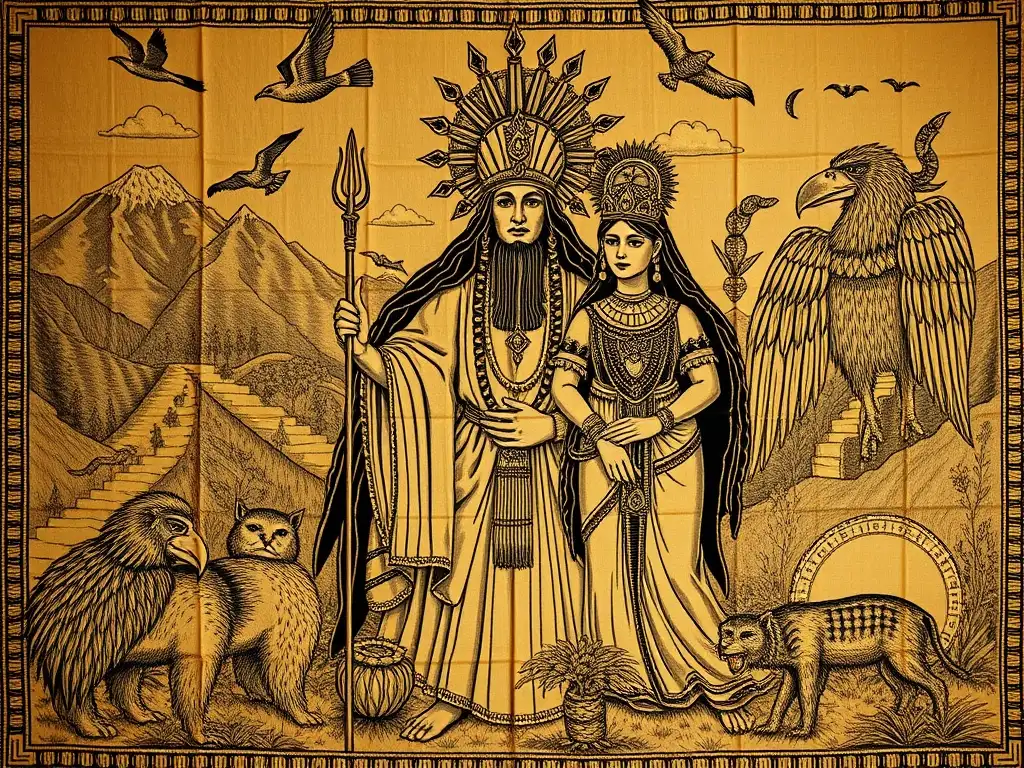
The Andean world, rich in diverse cultures and traditions, boasted a complex and fascinating pantheon of deities. Unlike many pantheons with a clear hierarchy, the Andean system featured a fluid network of gods and spirits, their importance varying across different cultures and time periods. Understanding Andean mythology stories requires appreciating this nuanced approach to divinity.
The specific roles and attributes of deities often overlapped, reflecting the interconnectedness of the Andean worldview. This section will explore some of the key figures, focusing on their influence and the narratives surrounding them. The narratives themselves often varied slightly depending on the specific region and community, highlighting the localized nature of Andean religious beliefs.
The importance of these stories in shaping Andean identity and culture cannot be overstated; they served as powerful tools for understanding the world, transmitting knowledge, and reinforcing social structures. Many of these stories were passed down orally through generations, making their preservation and study all the more remarkable. This section will delve into three prominent deities, showcasing the depth and complexity of Andean mythology stories.
Viracocha: The Creator God and His Role in Shaping the World
Viracocha, often depicted as a bearded man in human form, holds a central position in many Andean creation myths. He is frequently credited with creating the world, the sun, the moon, and humanity itself. Different versions of the Viracocha myth exist, highlighting the regional variations in Andean mythology stories. Some accounts portray him as emerging from Lake Titicaca, while others describe his origin as a celestial being. Regardless of his origin, Viracocha's role as a creator god is consistent across various Andean cultures.
He is often associated with water, and his name itself suggests a connection to the ocean. He's credited with shaping the landscape, causing mountains to rise and rivers to flow. Viracocha's power is immense, and he is sometimes described as having the ability to control the weather and even to resurrect the dead. He is not merely a passive creator; instead, he actively intervenes in human affairs, sometimes punishing wickedness and rewarding piety.
The stories surrounding Viracocha offer valuable insights into the Andean understanding of creation, cosmic order, and the relationship between the divine and the human realms. His image, often found in stone sculptures and pottery, continues to evoke awe and inspire reverence even today. The enduring presence of Viracocha in Andean mythology stories underscores his lasting significance.
Inti: The Sun God and Patron Deity of the Inca Empire
Inti, the sun god, was the most important deity in the Inca pantheon. His worship was central to Inca state religion and played a significant role in shaping Inca society. Inti was not just a celestial body; he was considered the ancestor of the Inca emperors, legitimizing their rule and reinforcing their divine authority. The Inca emperors performed elaborate ceremonies in Inti's honor, offering sacrifices and seeking his blessings for bountiful harvests and military victories.
The cult of Inti was highly organized, with priests and priestesses dedicated to his worship. Temples dedicated to Inti were built throughout the Inca empire, showcasing the grandeur and power of the sun god. Inti's image, often depicted with a radiant halo and golden ornaments, is a powerful symbol of the Inca civilization's strength and prosperity. The stories surrounding Inti often emphasize his benevolent nature, his role as a giver of life and sustenance.
However, he was also capable of wrath, and his displeasure could result in droughts, famines, and other calamities. The Inca's deep reverence for Inti is reflected in their art, architecture, and social structures, demonstrating the profound impact of this sun god on their culture. Understanding the stories of Inti provides crucial context for interpreting Inca art and religion.
Mama Quilla: The Moon Goddess and Guardian of Women
Mama Quilla, the moon goddess, held a significant place in Andean mythology stories, particularly associated with fertility, femininity, and the cyclical nature of life. Often depicted as a beautiful woman, Mama Quilla was revered as a protector of women, children, and domestic life. She was believed to influence the tides, the menstrual cycle, and the growth of crops. Her association with the night sky, with its mystery and powerful symbolism, reinforces her role as a mysterious and powerful figure.
Unlike some other deities, Mama Quilla’s stories focus less on grand creation myths and more on the everyday lives of Andean people. She is linked to the rhythms of nature, to the cycles of planting and harvesting, and to the nurturing aspects of motherhood. Her image often appears in textiles, pottery, and other artifacts, indicating her widespread veneration across different Andean communities. Mama Quilla’s enduring presence in Andean mythology stories reflects the importance of female deities in the Andean worldview.
Her worship highlights the respect and reverence given to feminine power and the vital role of women in Andean society. The stories of Mama Quilla offer a unique perspective on Andean spirituality, emphasizing the interconnectedness of the divine and the natural world. The narratives surrounding her are a testament to the richness and diversity of Andean mythology stories.
Pachamama: The Earth Mother and Source of Fertility
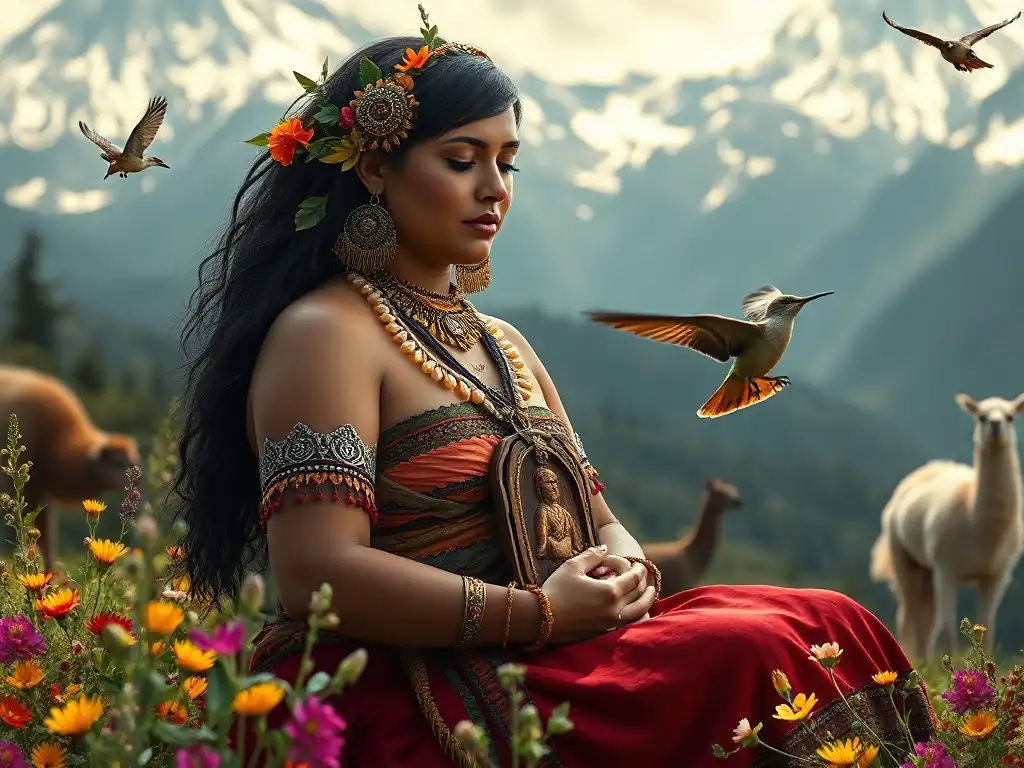
Pachamama, meaning "Earth Mother" in Quechua, is arguably the most important deity in the Andean pantheon. She is revered as the source of all life, fertility, and abundance. More than just a goddess, Pachamama represents the very essence of the earth itself – the mountains, valleys, rivers, and all that sustains life within them. Her worship was, and in many places still is, central to Andean agricultural practices.
Farmers would offer coca leaves, chicha (a fermented corn beverage), and other gifts to Pachamama before planting and harvesting, seeking her blessings for a bountiful crop. The concept of reciprocity is paramount in understanding Pachamama's role; offerings are not merely appeasements, but acts of communion, recognizing the earth's generosity and acknowledging a mutual dependence. Failure to honor Pachamama was believed to result in poor harvests, natural disasters, or illness. The deeply ingrained respect for Pachamama highlights the profound connection between the Andean peoples and their environment, a relationship built on mutual respect and understanding.
Her influence extends beyond agriculture, encompassing aspects of human life, from birth and death to prosperity and well-being. Even today, many Andean communities continue to perform rituals and ceremonies to honor Pachamama, ensuring the continuation of this ancient tradition. The enduring reverence for Pachamama illustrates the enduring power of this earth goddess in the Andean worldview, a testament to the enduring connection between humanity and nature.
Illapa: The God of Thunder, Lightning, and Storms
Illapa, the Andean god of thunder, lightning, and storms, held a position of both awe and fear in Andean mythology. His power was undeniable, his presence marked by the dramatic spectacle of electrical storms that could both nourish and destroy. Illapa was often depicted wielding a thunderbolt, symbolizing his awesome power over the elements. He was associated with rain, essential for agriculture, but also with the destructive force of lightning strikes and floods.
This duality reflected the Andean understanding of nature's ambivalent power – its ability to both nurture and devastate. The worship of Illapa often involved rituals designed to both appease and honor him. Prayers and offerings were made during storms, seeking protection from his wrath and requesting his blessings of rain for the crops. In some Andean cultures, Illapa was linked to fertility, his storms considered a vital part of the natural cycle that ensured the renewal of life.
His association with both destruction and creation underscores the Andean worldview's acceptance of the cyclical nature of life and death, growth and decay. The stories and myths surrounding Illapa often emphasize the unpredictable nature of his power, highlighting the importance of respect and caution in the face of natural forces beyond human control. Understanding Illapa’s role helps us grasp the Andean understanding of the cosmos as a dynamic and sometimes volatile environment requiring constant attention and respect. The fear and reverence for Illapa's power resonate even today in the Andean worldview, reminding us of the enduring impact of this powerful deity on Andean culture and spirituality.
Legendary Heroes and Mythical Beings in Andean Folklore
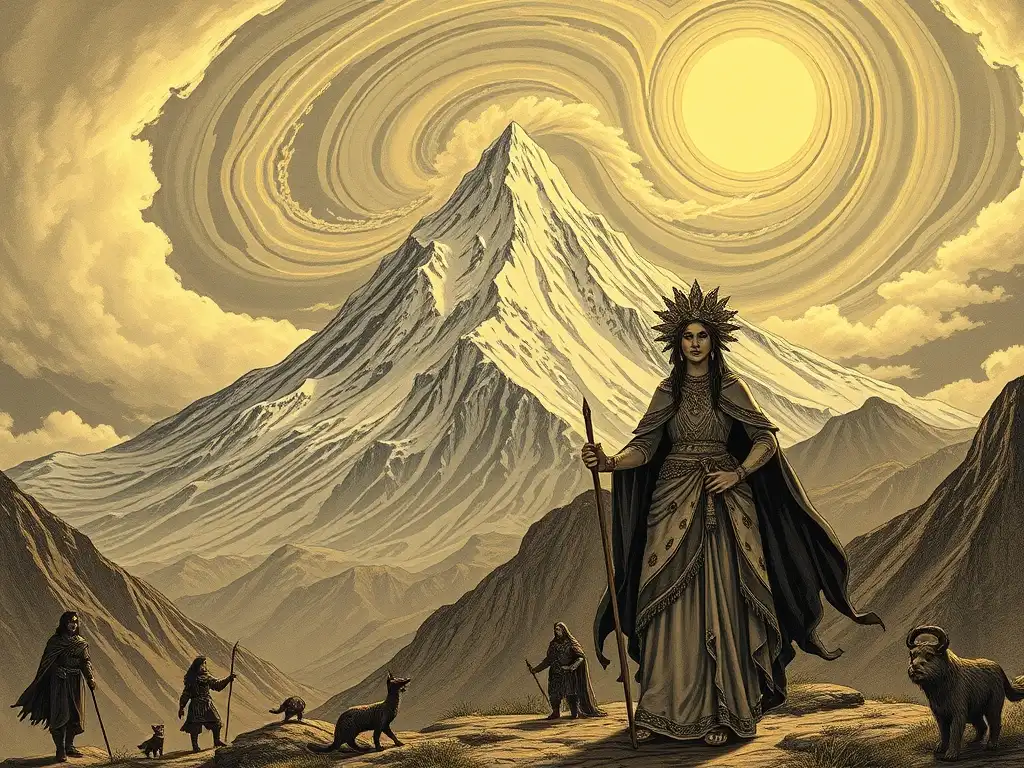
Andean mythology is rich with tales of powerful deities and fascinating heroes, shaping the cultural landscape and beliefs of various Andean civilizations. These stories, passed down through generations, offer invaluable insights into their worldview, social structures, and understanding of the natural world. The narratives are often intertwined with historical events, making it difficult to separate myth from reality, yet this very ambiguity adds to their enduring appeal and significance for understanding Andean mythology stories. Exploring these narratives reveals a complex tapestry of beliefs and traditions that continue to resonate today.
The Story of Manco Cápac and Mama Ocllo: The Foundation of Cusco
The legend of Manco Cápac and Mama Ocllo, the founders of Cusco, the Inca capital, is perhaps the most well-known Andean creation myth. This foundational narrative explains the Inca's origins and their claim to legitimacy as rulers. According to the story, Manco Cápac and his sister-wife, Mama Ocllo, emerged from Lake Titicaca, tasked by their father, the sun god Inti, to establish a great civilization. Armed with a golden staff, Manco Cápac was instructed to find the ideal location to build their city – a place where the staff would sink into the earth.
After a long journey across the highlands, the staff finally sank into the ground at the site of modern-day Cusco. This event marked the beginning of the Inca Empire. The tale is not just a simple origin story; it also embodies key Inca values such as obedience to the gods, perseverance, and the importance of lineage.
The narrative's emphasis on divine mandate solidified the Inca rulers' authority and justified their control over the vast empire. The story's enduring presence in Andean cultural memory underlines its importance as a cornerstone of Inca identity and a powerful example of Andean mythology stories.
The Legend of Tunupa: The Wandering Teacher and Lawgiver
Tunupa's legend transcends a simple hero narrative; it's a complex story intertwining creation, lawgiving, and social order. This powerful figure, often depicted as a female deity or a powerful spirit, is associated with fertility, abundance, and the protection of the Andean people. Unlike many other figures in Andean mythology, Tunupa’s story doesn't focus on warfare or conquest, but rather on teaching and establishing social structures. She is portrayed as a wandering teacher, spreading knowledge and establishing laws that ensured the harmony and prosperity of the communities she encountered.
Tunupa's legacy isn't solely based on physical accomplishments. Her influence is primarily felt through the enduring impact of her teachings and laws. The details of these laws are often obscured by the passage of time, but their emphasis on community cooperation, resource management, and respect for nature is evident in the cultural practices of various Andean groups.
Her story, therefore, offers a valuable perspective on the social and ethical dimensions of Andean civilization, providing a counterpoint to the more prevalent narratives of military conquest and divine power found in other Andean mythology stories. The enduring presence of Tunupa in Andean folklore highlights the importance of social harmony and ethical conduct in their worldview.
The Mythical Creatures of the Andes: Amaru, Condor, and Puma
Andean mythology is not solely populated by human figures; it also features a diverse array of powerful mythical creatures. Three of the most prominent are the Amaru, the Condor, and the Puma. These creatures are not merely fantastical beings but hold significant symbolic meaning, often representing different aspects of the Andean worldview.
- The Amaru, a serpentine creature, is often associated with water, fertility, and the underworld. Depictions vary, sometimes showing it as a benevolent deity associated with rain and abundance, while in other stories, it takes on a more menacing role, representing chaos and the destructive forces of nature. The duality of the Amaru reflects the Andean understanding of the interconnectedness of life and death, creation and destruction.
- The Condor, a majestic bird of prey, represents the upper world, the realm of the sun and the sky. Its ability to soar high above the mountains symbolizes power, freedom, and connection to the divine. The condor often features prominently in Andean art and religious rituals, emphasizing its importance as a symbol of spiritual power and celestial connection.
- The Puma, a powerful feline, embodies the terrestrial world, representing strength, cunning, and the forces of the earth. It often serves as a guardian figure, protecting communities and ensuring balance within the natural world. The puma's association with the earth underscores the Andean people's deep connection to the land and their respect for its power.
These three creatures – the Amaru, Condor, and Puma – together represent the Andean cosmovision, reflecting the interconnectedness of the upper, terrestrial, and underworld, a core tenet of Andean mythology stories. Their symbolic power continues to resonate in contemporary Andean culture, highlighting the enduring influence of these mythical beings. The rich symbolism embedded within these creatures underscores the depth and complexity of Andean mythological thought.
The Yaraví: A Tragic Love Song Embodied in a Mythical Bird
The Yaraví, in Andean mythology, transcends a simple bird; it embodies a poignant tale of tragic love, loss, and longing. This mythical creature, often depicted with vibrant plumage and a melancholic song, represents the enduring power of human emotion across generations. The Yaraví's story varies slightly depending on the specific Andean community, but the core narrative remains consistent: a tale of forbidden love, heartbreak, and ultimately, transformation.
One common version recounts the story of a young couple whose love was thwarted by a powerful force, perhaps a jealous rival or a societal decree forbidding their union. Their intense passion, however, could not be contained. Their love was so profound that, upon their tragic separation or deaths, their spirits transformed into the Yaraví bird. The bird’s mournful song, echoing across the mountains and valleys, is said to be the lament of these lovers, forever yearning for each other.
The Yaraví's song itself is considered a powerful form of artistic expression within Andean culture. It's not merely a melody, but a reflection of the complexities of human experience, a testament to the enduring power of love and loss. Traditional Andean musicians often incorporate the Yaraví's song into their compositions, using its melancholic tones to convey themes of sorrow, longing, and the bittersweet beauty of unfulfilled desires. The haunting melodies serve as a powerful reminder of the tragic narrative the bird embodies, ensuring that the story of the Yaraví continues to resonate with audiences across time.
The visual representation of the Yaraví also holds symbolic weight. The specific colors of its plumage often carry additional meaning, varying from region to region and depending on the specific details of the local legend. Some depict the bird with feathers mirroring the colors of the Andean landscape, connecting it directly to the land and the cyclical nature of life and death.
The Yaraví, therefore, isn't just a bird; it's a vibrant symbol woven into the fabric of Andean culture, reminding us of the enduring power of storytelling and the emotional depth embedded within Andean mythology. The story of the Yaraví serves as a powerful example of how Andean mythology uses the natural world to express profound human emotions.
Andean Cosmovision: Understanding the World Through Mythology
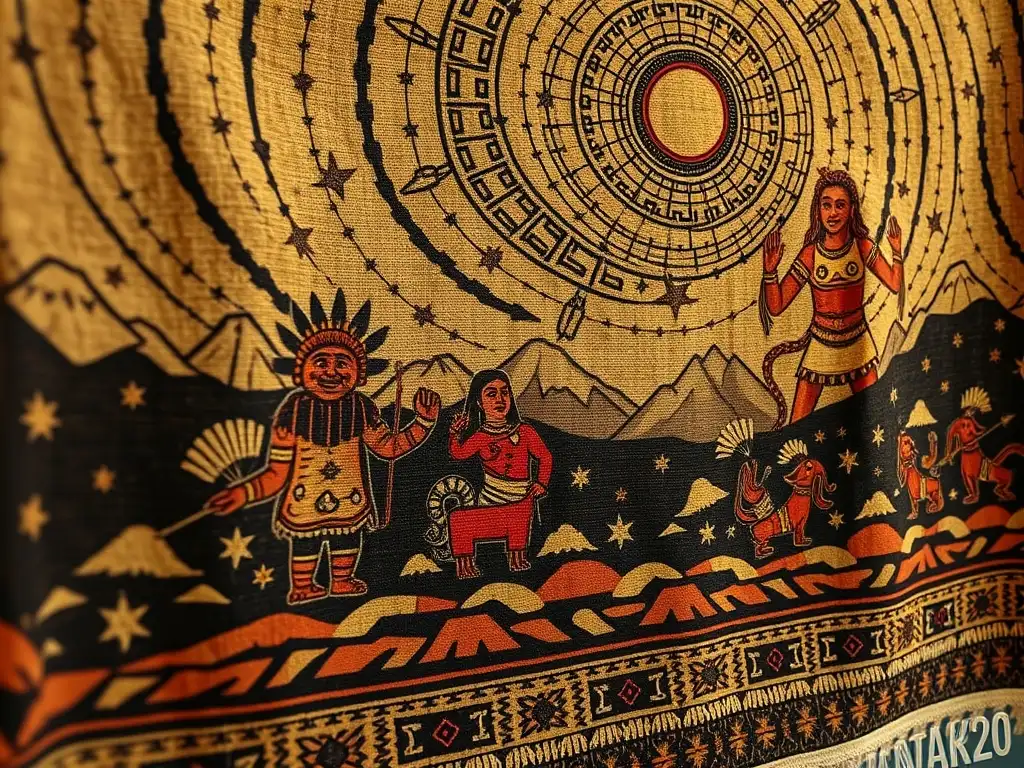
The Andean worldview, deeply intertwined with its rich tapestry of mythology, offers a unique perspective on the cosmos and humanity's place within it. Understanding Andean mythology requires grasping their complex cosmovision, a holistic understanding of the universe that permeates every aspect of life, from agriculture to social structures. This cosmovision isn't simply a collection of stories; it's a living, breathing system of beliefs that shaped the lives of Andean peoples for millennia.
The stories of Andean mythology, passed down through generations, are not mere entertainment, but rather powerful tools for understanding the world and their place within it. They explain the origins of the universe, the relationship between humans and the supernatural, and the cyclical nature of life, death, and rebirth.
This section explores key components of this cosmovision, providing a foundation for understanding the numerous Andean mythology stories that follow. The term "Andean mythology stories" itself encapsulates the diverse narratives and beliefs of various cultures across the Andes.
Hanan Pacha, Kay Pacha, and Uku Pacha: The Three Levels of Existence
Andean cosmology is structured around three distinct realms or worlds: Hanan Pacha, Kay Pacha, and Uku Pacha. These aren't simply physical locations, but rather interconnected levels of existence that influence and interact with one another.
- Hanan Pacha: This is the upper world, the realm of the sun, moon, stars, and celestial deities. It's a place of power and spirituality, often associated with the sky and the divine. Many Andean mythology stories involve journeys to Hanan Pacha, often undertaken by heroes or shamans seeking wisdom or divine intervention. Think of the Inti (Sun God) and Mama Killa (Moon Goddess) residing in this realm, their movements influencing life on Earth.
- Kay Pacha: This is the middle world, the earthly realm where humans reside. It's the world of everyday life, where people interact with nature, cultivate crops, and build communities. Kay Pacha is the focal point of many Andean mythology stories, often depicting the interactions between humans and the supernatural forces that inhabit both the upper and lower worlds. The balance between the three worlds is crucial for harmony and prosperity in Kay Pacha.
- Uku Pacha: This is the underworld, a realm of mystery and the ancestors. It's associated with the earth, the depths, and the cyclical nature of life and death. Uku Pacha is often depicted as a source of both danger and fertility, with powerful spirits and deities residing there. Many Andean mythology stories involve interactions with Uku Pacha, often exploring themes of death, rebirth, and the connection between the living and the dead. The Pachamama (Earth Mother) is a key figure associated with Uku Pacha, representing the life-giving power of the earth.
The constant interplay and balance between these three worlds are crucial to the Andean worldview. Disruptions in this balance are often the cause of conflict or natural disasters in Andean mythology stories. Understanding this tripartite structure is key to interpreting the symbolism and meaning within many of the narratives.
The Sacred Mountains (Apus) and Their Role as Divine Entities
The towering Andes mountains themselves hold immense significance in Andean cosmology. They are not merely geographical features but are considered sacred entities, Apus, imbued with spiritual power and considered to be divine beings. Many Andean mythology stories feature Apus as protectors, providers, or even antagonists, depending on the specific narrative and the relationship between the community and the mountain.
These Apus are not simply inanimate objects; they are believed to have personalities, moods, and even the capacity to intervene in human affairs. The health and prosperity of a community were often seen as directly linked to the well-being of the Apus in their region. Offerings, prayers, and ceremonies were regularly performed to appease and honor these powerful mountain deities.
The relationship between people and the Apus is a recurring theme in Andean mythology stories, highlighting the deep-rooted connection between the human and spiritual worlds. Specific mountains were associated with particular deities or spirits, adding another layer of complexity to the Andean pantheon.
The Significance of Water and Rivers as Life-Giving Forces
Water, particularly rivers and springs, plays a vital role in Andean mythology. Far from being simply a resource, water is considered a life-giving force, often associated with fertility, purification, and spiritual power. Many Andean mythology stories feature water as a central element, symbolizing the cyclical nature of life, death, and rebirth.
Rivers were seen as pathways to the underworld or as the veins of the earth, connecting the different levels of existence. The reverence for water is reflected in many rituals and ceremonies, highlighting its importance in maintaining the balance of the cosmos. The control and management of water resources were crucial for Andean civilizations, and this is clearly reflected in their mythology and religious practices.
Many deities were associated with water, reflecting its significance in their daily lives and spiritual beliefs, further enriching the narratives of Andean mythology stories. The stories often highlight the importance of respecting and conserving water, demonstrating the deep understanding of its importance for survival and spiritual well-being.
Common Themes and Motifs in Andean Mythology Stories
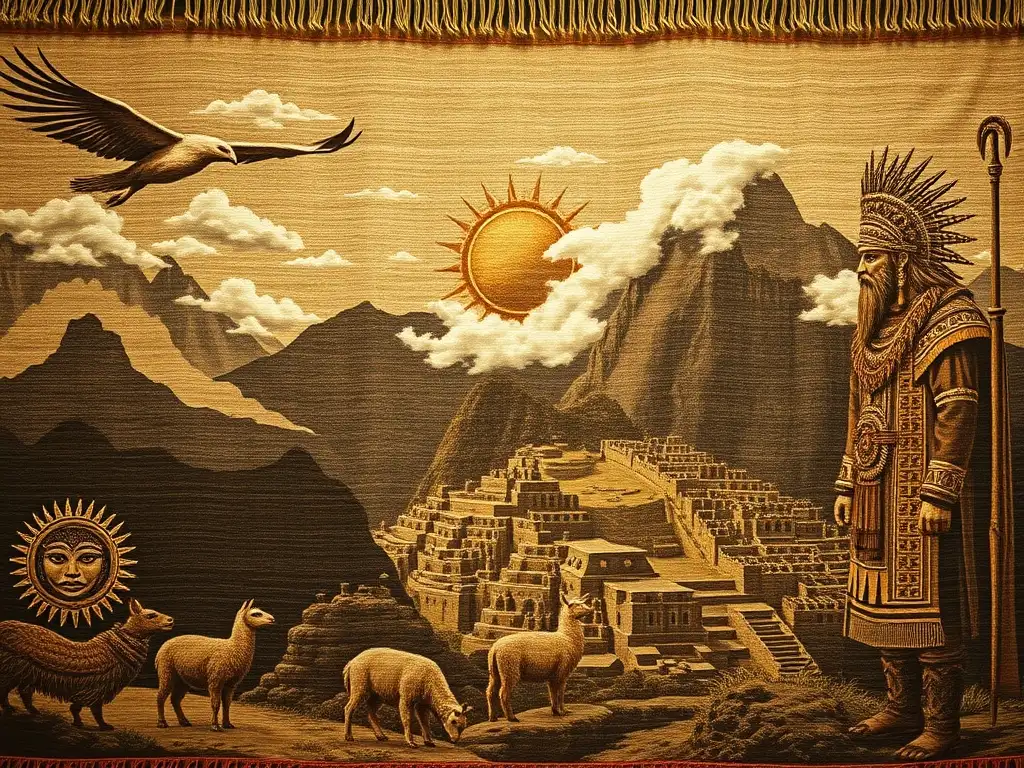
Andean mythology, a rich tapestry woven from the beliefs and traditions of diverse cultures across the Andes Mountains, is characterized by recurring themes and motifs that offer valuable insights into their worldview. These stories, passed down through generations, reveal a deep understanding of the natural world, the cosmos, and the human condition. Understanding these common threads helps us appreciate the nuances and variations within specific Andean mythologies, such as those of the Inca, Moche, Nazca, and Tiahuanaco civilizations.
Analyzing these commonalities allows us to better grasp the overarching Andean cosmovision and its enduring influence on the region's cultural identity. The prevalence of certain motifs underscores the importance of specific values and beliefs within these societies, providing a fascinating glimpse into their societal structures and spiritual practices. The study of Andean mythology stories reveals a complex and interconnected understanding of the universe, far beyond simple narratives.
Creation Myths and the Emergence of the Andean People
Creation myths in Andean mythology stories frequently depict the emergence of the Andean people from a primordial chaos or a divine act of creation. These narratives often involve powerful deities shaping the landscape, creating humans from various materials (like clay or maize), and establishing the fundamental order of the cosmos. For instance, some Inca creation myths speak of Viracocha, a creator god, emerging from Lake Titicaca and shaping the world, creating humans, and then withdrawing, leaving humanity to develop its own civilization.
Other Andean groups, like the Moche, might have different origin stories involving other deities or natural phenomena, but the core theme of creation and the emergence of humanity remains consistent. These variations in detail highlight the regional diversity within the Andean world, yet the underlying concept of a divine or supernatural intervention in the creation of both the world and humanity remains a constant.
The specific details of these creation narratives, while differing across cultures, often reflect the unique environment and resources available to each group. For example, cultures relying heavily on agriculture might emphasize the role of earth deities in creating fertile lands and providing sustenance.
The emphasis on creation myths in Andean mythology stories reflects the importance of origins and ancestry within Andean cultures. These stories not only explain the physical world but also provide a framework for understanding social structures and hierarchies. The relationship between the creator deity and humanity often establishes the basis for societal roles and responsibilities. Understanding these creation myths is key to deciphering the social and political dynamics of these ancient civilizations. Further research is needed to fully understand the nuanced variations in creation myths across all Andean cultures, [specific information pending] on lesser-known groups.
The Cosmic Balance Between Order and Chaos
A central theme in many Andean mythology stories is the delicate balance between order ( kay pacha) and chaos ( ukhu pacha). This duality is often represented through opposing forces, such as the sun and moon, day and night, life and death. Maintaining this balance was crucial for the well-being of both the human world and the cosmos.
Disruptions to this balance, often caused by human actions or supernatural forces, could lead to natural disasters, illness, or social unrest. Shamans and priests played vital roles in maintaining this balance through rituals, ceremonies, and offerings to the gods. These practices aimed to appease the deities and ensure the continued prosperity and harmony of the community.
The concept of ayni, reciprocal exchange, is deeply intertwined with this cosmic balance. Ayni emphasizes the interconnectedness of all things and the importance of mutual obligation and responsibility. This principle extended to relationships between humans, nature, and the divine. Failure to uphold ayni could disrupt the delicate balance, leading to negative consequences. The emphasis on reciprocity in Andean mythology stories highlights the social cohesion and cooperation necessary for survival in challenging Andean environments. This intricate system of beliefs and practices demonstrates a sophisticated understanding of ecological interdependence and social responsibility.
The Interconnectedness of Humans, Nature, and the Divine
Andean mythology stories consistently emphasize the interconnectedness of humans, nature, and the divine. The natural world was not seen as separate from the spiritual realm but rather as an integral part of it. Mountains, rivers, and animals were often considered sacred, inhabited by spirits or deities. Humans were viewed as part of a larger cosmic order, inextricably linked to the natural world and the divine forces that shaped it. This holistic worldview is reflected in various aspects of Andean life, from agriculture and resource management to religious practices and social structures.
The reverence for nature in Andean mythology stories is evident in the numerous deities associated with natural elements. For example, the Inca worshipped the sun god Inti and the moon goddess Mama Killa, both vital for agriculture and the overall well-being of the community. Similarly, Pachamama, the earth mother, was revered as the provider of life and sustenance. This profound respect for the natural world is a recurring theme, emphasizing the crucial relationship between humans and their environment.
This close relationship fostered a sustainable way of life, deeply rooted in an understanding of ecological balance and the interconnectedness of all living things. The intricate relationship between humans and the natural world, as depicted in Andean mythology stories, presents a powerful model for sustainable living and environmental stewardship. Understanding this interconnectedness offers valuable lessons for modern societies facing ecological challenges.
The Cycles of Agriculture and Their Symbolic Representation
Andean mythology is deeply intertwined with the agricultural cycle, reflecting the vital role farming played in the survival and prosperity of these civilizations. The cyclical nature of planting, growth, harvest, and fallow periods found its way into numerous myths and stories, often symbolizing broader cosmological processes. For example, the Inca's veneration of the sun god, Inti, wasn't merely about celestial worship; it was intrinsically linked to the sun's life-giving power for their crops.
The annual movements of the sun, mirroring the growth of crops, were meticulously observed and celebrated through festivals and rituals. The timing of these events was crucial for successful harvests, and their mythological interpretations reinforced the importance of agricultural practices.
The imagery used to depict agricultural cycles often involved powerful metaphors. The sprouting of seeds might be likened to the rebirth of a deity, while the harvest represented a time of abundance and celebration, often associated with specific deities of fertility and bounty. The fallow period, a necessary stage for land regeneration, could symbolize a period of rest or even a descent into the underworld, followed by a renewed emergence in the springtime, mirroring the cyclical nature of life and death.
These cyclical representations extended beyond agriculture, influencing their understanding of time, life, and the cosmos itself. The Andean worldview saw a constant interplay between creation and destruction, growth and decay, mirroring the seasonal changes essential to their agricultural practices.
Specific Andean cultures employed unique symbolism. The Moche, renowned for their sophisticated irrigation systems, likely incorporated this knowledge into their mythology, though specific details are limited due to the nature of their artistic representations. The Nazca lines, while their precise purpose remains debated, might have served as astronomical calendars, further highlighting the close connection between their understanding of the cosmos and the agricultural calendar.
This intricate relationship between astronomy, agriculture, and mythology underscores the deep-rooted significance of the agricultural cycle in shaping Andean beliefs and practices. The constant striving for a bountiful harvest permeated their religious beliefs, shaping their rituals, iconography, and ultimately, their worldview. Understanding these symbolic representations is key to unlocking a deeper appreciation of Andean mythology and its profound connection to the land and its people.
Preserving Andean Mythology: Keeping the Stories Alive
Andean mythology, a tapestry woven from the threads of countless generations, faces the ever-present challenge of preservation. The vibrant narratives of gods, heroes, and mythical creatures risk fading into obscurity unless proactive measures are taken to safeguard this invaluable cultural heritage. This section explores the crucial role of various methods in ensuring that the rich stories of Andean mythology continue to resonate through time. Understanding these preservation efforts is key to appreciating the enduring power of these ancient tales and their continued relevance in contemporary society.
The Power of Oral Tradition in Transmitting Ancient Knowledge
Oral tradition, the cornerstone of Andean cultural transmission for millennia, remains a vital force in preserving mythology. While written records exist, particularly from the post-Inca period, much of the Andean mythological corpus was—and continues to be—transmitted through storytelling. This involves not just rote recitation but a dynamic process of reinterpretation and adaptation, ensuring the narratives remain relevant to each generation. Elderly storytellers, yachaywasi (knowledge keepers) within communities, play an indispensable role.
They are the living repositories of these ancient narratives, imbuing them with the nuances of tone, inflection, and context that written texts often lack. The passing down of these stories, often accompanied by ceremonial practices and rituals, reinforces their cultural significance and ensures their continued existence. For example, the stories of the Apu (mountain spirits) are not merely recounted but are actively experienced through rituals and offerings that strengthen the connection between the community and the natural world.
This active engagement solidifies the mythology's place within the cultural fabric. Documenting these oral traditions through audio recordings and ethnographic studies is crucial for future generations. The use of modern technology to preserve these oral accounts is transforming the methods of Andean mythology preservation, offering new avenues for sharing these stories with a wider audience.
Contemporary Art and Literature Inspired by Andean Mythology
The enduring power of Andean mythology is evident in its continued influence on contemporary artistic expressions. Artists and writers draw inspiration from the rich narratives, breathing new life into ancient deities and heroic figures. This creative engagement not only ensures the survival of the myths but also allows for their reinterpretation and adaptation within modern contexts.
We see this reflected in a variety of art forms, from vibrant textiles depicting scenes from mythical stories to novels and plays that reimagine classic narratives. For instance, the figure of Pachamama, the Earth Mother, frequently appears in contemporary Andean art, often representing themes of environmentalism and the interconnectedness of humanity and nature. Similarly, the stories of Viracocha, the creator god, inspire works that explore questions of creation, cosmology, and humanity's place in the universe.
This contemporary engagement with Andean mythology fosters a dialogue between the past and the present, highlighting the timeless relevance of these ancient narratives. Analyzing these modern interpretations provides valuable insights into how Andean mythology continues to evolve and adapt to changing social and cultural landscapes. The vibrant and diverse nature of these interpretations underscores the richness and depth of the mythology itself.
The Cultural Significance of Andean Mythology for Future Generations
The preservation of Andean mythology is not merely an academic exercise; it's a vital task with profound cultural implications. These stories form the bedrock of Andean identity, shaping values, beliefs, and social structures. Passing these narratives on to future generations is crucial for maintaining cultural continuity and fostering a sense of belonging. By understanding their ancestry and the myths that shaped their ancestors' worldview, younger generations can forge a stronger connection to their heritage.
This connection is more than just historical; it’s a living link to a rich and vibrant cultural tradition. Andean mythology offers valuable lessons about environmental stewardship, social responsibility, and the importance of respecting the natural world. The stories of the Apu and Pachamama, for example, emphasize the interconnectedness of human society and the environment, offering timeless wisdom relevant to contemporary environmental challenges.
Educational initiatives that integrate Andean mythology into school curricula can play a key role in transmitting this knowledge and fostering a deeper appreciation of Andean culture. Furthermore, community-based initiatives that encourage the active participation of younger generations in storytelling and ceremonial practices are crucial for ensuring the longevity of this invaluable heritage. The future of Andean mythology rests on the shoulders of future generations, and their engagement with these ancient stories will determine their continued survival and relevance.
Frequently Asked Questions
What are some of the key themes in Andean mythology?
Andean mythology is rich with stories about creation, fertility, and the relationship between humans and the natural world. Many myths focus on powerful gods and goddesses who control the elements and the cycles of life and death.
Who were some important gods and goddesses in Andean cultures?
Important deities varied across different Andean cultures. The Inca sun god Inti was central, while other cultures revered gods associated with mountains, water, and agriculture. Pachamama, Mother Earth, held a prominent place in many belief systems.
How did Andean mythology influence daily life?
Andean mythology deeply influenced daily life. Rituals, ceremonies, and even agriculture were guided by mythological beliefs and the need to appease the gods. This ensured a harmonious relationship with the natural world.
What are some examples of Andean mythology stories?
Many stories exist, including tales of heroic founders, powerful animals, and creation myths. For example, the story of the creator god Viracocha is prominent across various cultures. These myths are often passed down through oral tradition.
Where can I find more information about Andean mythology stories?
You can find more information through academic research papers, museum exhibits, and books on Andean civilizations. Many online resources also provide valuable insights into these fascinating mythological narratives.
Final Reflection: Echoes of the Andes: A Legacy of Myth and Meaning
The vibrant tapestry of Andean mythology, woven from threads of nature, spirituality, and human resilience, continues to resonate deeply within contemporary society. Its enduring power lies not just in captivating narratives of gods and heroes, but in its ability to illuminate timeless human struggles and aspirations, offering a powerful lens through which to examine our own relationship with the world around us. These ancient stories, far from being relics of a distant past, offer profound insights into the human condition that remain strikingly relevant today.
The enduring influence of Andean mythology is palpable, shaping cultural expressions, artistic movements, and even political discourse in the region. It's a living legacy, constantly reinterpreted and reimagined by successive generations. The myths themselves are not static; they evolve and adapt, reflecting the changing needs and perspectives of the communities that keep them alive. Myth is not a lie, it is a way of saying something that cannot be said in any other way.
- Joseph Campbell. This quote perfectly encapsulates the enduring power of these narratives to communicate profound truths about the human experience across time and cultures.
Consider the stories you've encountered within these pages. Let them inspire you to explore the rich tapestry of your own cultural heritage, to seek out the narratives that shape your understanding of the world. Embrace the power of storytelling, for it is through these narratives that we connect with our past, understand our present, and envision a future shaped by wisdom, compassion, and a deep respect for the natural world. The echoes of the Andes call to us, inviting us to listen, to learn, and to carry forward the legacy of these remarkable myths.
**Unveil the Mysteries of Andean Mythology! **
Thank you for exploring the fascinating world of Andean mythology with us! Discovering these rich tales of gods and heroes offers a valuable insight into the vibrant cultures of these ancient civilizations. Let's delve even deeper!
Here are some ways to continue your exploration:
- **Expand your knowledge:** Further your understanding by researching specific myths or characters that captivated you. Explore books and articles focusing on Andean deities and their stories.
- **Share your discoveries:** Discuss your favorite myth with friends and family, or share your thoughts on social media to spark engaging conversations and learn from others' perspectives.
- **Join our community:** Connect with fellow enthusiasts in the Andean Civilizations forum; share your insights and participate in discussions with like-minded individuals.
Which aspect of Andean mythology resonates most with you, and how do you believe it influences our understanding of Andean culture today?