
Did Tiahuanaco Believe in an Afterlife? Exploring Burial Rituals and Beliefs

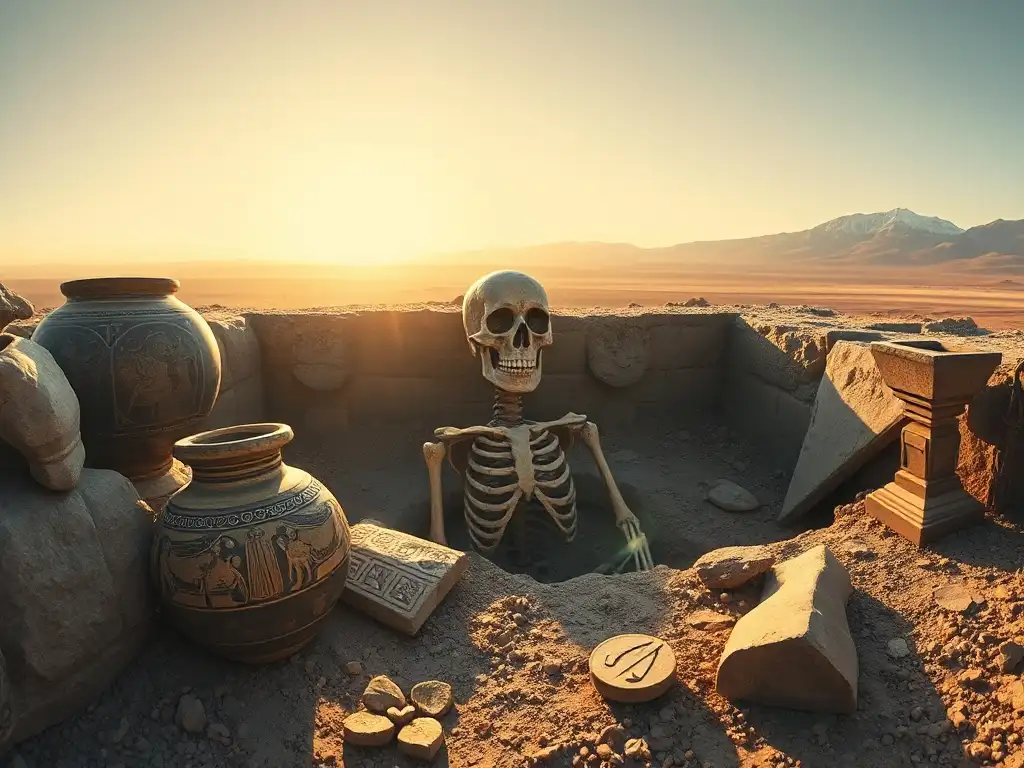
Prepare to be captivated by the enigmatic world of the Andean civilizations! Journey with us through breathtaking artistry, ingenious engineering, and deeply spiritual beliefs. But what secrets lie hidden beneath the sands of time? This website delves into the fascinating intricacies of cultures like the Incas, Moche, and Nazca, but our current focus— the intriguing Tiahuanaco afterlife beliefs—promises to unveil a particularly compelling mystery. Dare to uncover the truth behind their elaborate burial rituals and discover what awaits you beyond the veil...
-
Tiahuanaco Afterlife Beliefs: Exploring Burial Rituals and Concepts
- Evidence from Tiahuanaco Burial Sites: Unearthing Clues about the Afterlife
- Grave Goods and Their Symbolic Significance: Deciphering the Messages from Beyond
- The Role of Ritual and Ceremony: Preparing for the Journey to the Afterlife
- Interpreting the Evidence: Reconstructing Tiahuanaco's Afterlife Beliefs
- Understanding Tiahuanaco Cosmology and its Influence on Death Rituals
- Tiahuanaco Burial Practices: Unveiling the Rituals of Death
- Evidence of Tiahuanaco Belief in an Afterlife
- Comparing Tiahuanaco Death Beliefs with Other Andean Cultures
- The Significance of Tiahuanaco Burial Sites for Understanding Afterlife Concepts
- Conclusion: Deciphering the Tiahuanaco Vision of Death and the Afterlife
-
Frequently Asked Questions
- What evidence suggests Tiahuanaco believed in an afterlife?
- What role did the Wari culture play in Tiahuanaco's beliefs?
- How did Tiahuanaco burial rituals reflect their beliefs about the afterlife?
- What were some common grave goods found in Tiahuanaco burials?
- Did the location of Tiahuanaco burials hold any significance?
- Final Reflection: Echoes of Eternity: Tiahuanaco's Enduring Legacy
- **Embrace the Mysteries of Tiahuanaco's Afterlife! **
Tiahuanaco Afterlife Beliefs: Exploring Burial Rituals and Concepts
The imposing ruins of Tiahuanaco, nestled high in the Altiplano of Bolivia, whisper tales of a sophisticated civilization that flourished centuries before the Inca. Beyond their remarkable architectural achievements and intricate artistry, the Tiahuanaco people held a complex religious and cosmological worldview, deeply intertwined with their beliefs about life after death.
This article delves into the fascinating evidence unearthed from Tiahuanaco burial sites, analyzing the rituals and artifacts that shed light on their unique understanding of the afterlife. We'll examine the archaeological record to uncover clues about their beliefs, exploring the evidence for a structured system of beliefs surrounding death and the journey to the next world, a topic crucial to understanding the heart of Tiahuanaco culture and its enduring legacy.
Understanding Tiahuanaco afterlife beliefs provides a crucial lens through which to interpret their societal structures, artistic expressions, and overall worldview. This exploration will reveal the intricacies of their spiritual landscape and the profound significance they placed on the transition from life to death.
Evidence from Tiahuanaco Burial Sites: Unearthing Clues about the Afterlife
Archaeological excavations at Tiahuanaco have yielded a wealth of information regarding their funerary practices. Numerous burial sites, ranging from simple interments to elaborate tombs, have been discovered, offering glimpses into their beliefs about the afterlife. The careful placement of bodies, the inclusion of grave goods, and the construction of the tombs themselves all provide valuable insights.
For instance, the orientation of bodies within tombs often suggests a deliberate connection to celestial alignments, possibly reflecting a belief in a journey to a specific location in the cosmos after death. The presence of specific artifacts, such as intricately carved figurines and ceremonial objects, further strengthens the hypothesis of a structured belief system surrounding the transition to the next world.
Detailed analysis of skeletal remains also provides valuable information about the health and lifestyle of the deceased, potentially offering clues about social status and their position within the afterlife beliefs. The sheer variety of burial practices observed suggests a complex social hierarchy, with differing rituals reflecting different social standing and beliefs.
Grave Goods and Their Symbolic Significance: Deciphering the Messages from Beyond
The items found within Tiahuanaco tombs—the grave goods—are arguably the most compelling evidence for their afterlife beliefs. These artifacts, ranging from pottery and textiles to tools and ornaments, weren't merely possessions; they were carefully selected objects imbued with symbolic meaning, serving as provisions for the deceased's journey into the afterlife or representing their status and achievements in life. Intricately carved figurines, often depicting deities or supernatural beings, suggest a belief in a populated afterlife realm.
The inclusion of food and drink offerings points towards a belief in sustenance being required in the next world. The presence of tools and weapons might indicate a belief in continued activity or even warfare in the afterlife.
Detailed analysis of the iconography on these objects reveals recurring motifs, such as stylized animals and celestial bodies, which may represent specific beliefs or rituals connected to death and the transition to the next world. The patterns and variations in the types of grave goods discovered across different sites further contribute to our understanding of regional variations and social stratification within Tiahuanaco society.
The Role of Ritual and Ceremony: Preparing for the Journey to the Afterlife
Beyond the material evidence found in graves, the very act of burial suggests a structured ritual process. The careful preparation of the body, the selection and placement of grave goods, and the construction of the tombs themselves all point to elaborate rituals designed to ensure a safe passage to the afterlife.
The evidence suggests that these rituals weren't simply somber affairs; they were likely community events, involving participation from family members and possibly priests or shamans. The sheer scale and complexity of some of the tombs indicate a significant investment of time and resources, reflecting the importance placed on the proper conduct of these funerary rites.
While the exact details of these ceremonies remain elusive, the archaeological evidence strongly suggests a highly structured and ritualized approach to death, ensuring a smooth transition for the deceased and potentially influencing the living's relationship with the spirit world. Further research into the archaeological record and comparative studies with other Andean cultures could reveal more details about these practices.
Interpreting the Evidence: Reconstructing Tiahuanaco's Afterlife Beliefs
Synthesizing the evidence from burial sites, grave goods, and ritual practices allows us to construct a tentative picture of Tiahuanaco's afterlife beliefs. While the exact nature of their beliefs remains debated, the available data suggests a complex system of beliefs that incorporated elements of ancestor veneration, a belief in a spirit world populated by deities and supernatural beings, and potentially a concept of reincarnation or a journey to a specific celestial location.
The careful attention paid to funerary rituals and the symbolic significance of grave goods indicate a profound concern for the deceased's well-being in the afterlife. This emphasis on death and the afterlife provides valuable insight into the social structure, religious practices, and worldview of the Tiahuanaco people.
Further research, including interdisciplinary approaches combining archaeology, anthropology, and iconography, will be crucial in refining our understanding of this fascinating aspect of Tiahuanaco culture. The ongoing study of Tiahuanaco’s burial sites continues to reveal new information, constantly enriching our understanding of their beliefs about life after death and reinforcing the complexity and sophistication of their civilization.
Understanding Tiahuanaco Cosmology and its Influence on Death Rituals
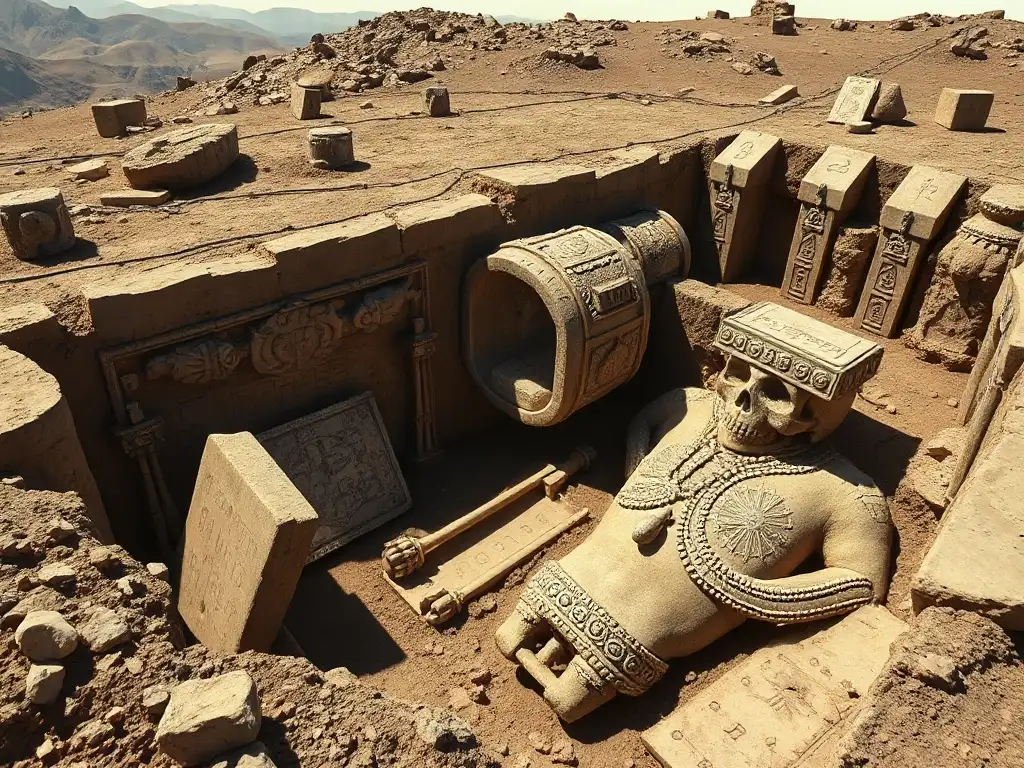
The Tiahuanaco civilization, flourishing in the Andes from approximately 500 CE to 1000 CE, developed a complex cosmology deeply intertwined with their beliefs about death and the afterlife. Understanding their worldview is crucial to interpreting their elaborate burial rituals and the artifacts found within them. Unlike simpler societies with straightforward conceptions of an afterlife, Tiahuanaco's sophisticated religious system suggests a nuanced understanding of the transition beyond earthly existence.
Evidence suggests a belief in a cyclical existence, with death not seen as an absolute end but rather a transition to another state of being. This cyclical view is reflected in their art, architecture, and, most importantly, their funerary practices. The intricate detail and careful preparation evident in their burials point towards a deeply held belief in a significant continuation of life after death, a concept central to their Tiahuanaco afterlife beliefs.
The Tiahuanaco Worldview and its Connection to the Afterlife
Tiahuanaco's worldview revolved around a complex interplay of deities, celestial bodies, and the natural world. Their sophisticated understanding of astronomy, evidenced by the precise alignment of their structures, suggests a close connection between the earthly and celestial realms. This astronomical knowledge likely informed their beliefs about the journey of the soul after death, potentially linking it to the movements of stars and constellations.
Archaeological evidence, including the discovery of richly adorned tombs containing elaborate offerings, points towards a belief system that emphasized the importance of ensuring a successful transition for the deceased into the afterlife. These offerings, ranging from finely crafted textiles and pottery to precious metals and food, were not mere grave goods, but rather provisions intended to sustain the deceased on their journey.
The careful placement of these items within the burial context further emphasizes the structured nature of their Tiahuanaco afterlife beliefs. Further research into the iconography found on these artifacts may reveal more specific details about their understanding of the afterlife's nature.
Religious Practices and their Role in Preparing for the Journey Beyond
Beyond the material offerings, religious practices played a pivotal role in preparing individuals for their passage into the afterlife. Shamans, or religious leaders, likely held a central position in these rituals, guiding the deceased and their families through the necessary ceremonies. While the specifics of these practices remain largely unknown, the presence of ritual objects and evidence of mummification suggests a complex and ritualistic process.
For example, the discovery of specific types of pottery and textiles associated with burials suggests their use in specific rituals. The meticulous care taken in the preparation of bodies for burial, often including the inclusion of coca leaves and other substances, points towards a belief in the continued existence of the individual's spirit and the need to facilitate its transition. Further investigation into the chemical composition of these substances could provide insights into their ritualistic significance and possible connection to altered states of consciousness.
The complexity of these practices underscores the importance placed on the successful transition to the afterlife within the Tiahuanaco afterlife beliefs. The ritualistic nature of these burials indicates a structured and well-defined religious system focused on the journey beyond death. More research is needed to fully understand the nuances of these practices and their connection to specific beliefs about the afterlife.
Tiahuanaco Burial Practices: Unveiling the Rituals of Death
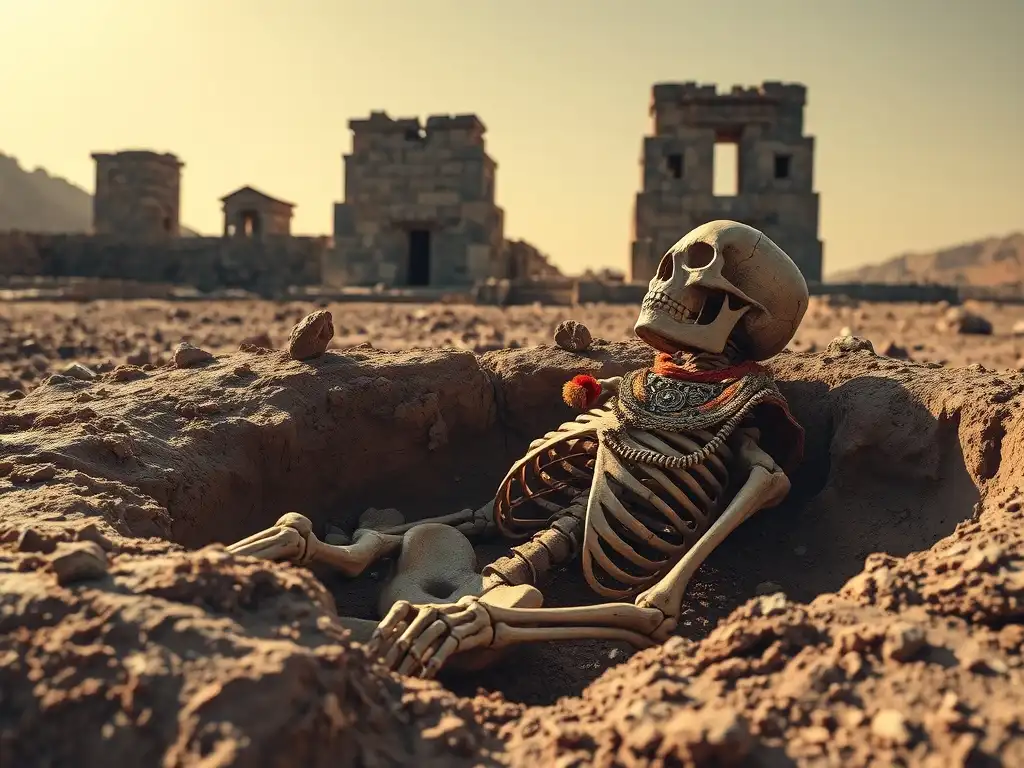
The meticulous burial practices of the Tiahuanaco civilization offer invaluable insights into their beliefs about the afterlife. While not as extensively documented as some other Andean cultures, archaeological evidence reveals a complex system of funerary rituals suggesting a strong belief in a continuation of existence beyond physical death. The careful preparation of bodies, the selection of grave goods, and the location of burial sites all point to a sophisticated understanding of death and its implications for the living.
Understanding these practices is crucial to deciphering Tiahuanaco's complex cosmology and their worldview, which shaped their social structures and daily lives. The careful consideration given to the deceased suggests a profound respect for ancestors and a belief in their continued influence on the community.
This respect is further highlighted by the evident investment of time and resources dedicated to the burial process. The study of Tiahuanaco afterlife beliefs, therefore, requires a detailed examination of their burial rituals.
Analyzing Tiahuanaco Funeral Customs and Rituals
Tiahuanaco funerary customs varied, reflecting social status and perhaps individual beliefs. Some individuals were interred in simple graves, while others received elaborate treatments. Evidence suggests a preference for inhumation – burial in the ground – although some instances of cremation may have occurred, though further research is needed to confirm the prevalence of this practice. [Specific information pending on cremation practices in Tiahuanaco]. Bodies were often found in a flexed position, indicating a possible belief in the importance of returning to the fetal position, symbolizing rebirth or a return to the womb of the earth.
Many burials included the careful placement of the deceased within a defined space, often marked by stone structures or carefully arranged earthworks. The orientation of the body within the grave also varied, sometimes aligned with cardinal directions, suggesting a connection to the cosmos and the cyclical nature of life and death. This careful positioning hints at a structured process, with individuals playing specific roles in the preparation and interment of the deceased, reflecting a formalized understanding of death rituals within Tiahuanaco society.
Furthermore, the condition of the remains often reveals clues about the time invested in preparing the body for burial. The meticulousness of the process underscores the importance of proper funerary rites in the Tiahuanaco worldview.
Common Grave Goods and their Symbolic Significance
The presence of grave goods offers further insight into Tiahuanaco afterlife beliefs. Common objects found in burials include pottery vessels, textiles, tools, and ornaments. The type and quantity of these goods varied significantly depending on the social standing of the deceased. Elaborate burials often contained finely crafted ceramics, intricately woven textiles, and precious metal ornaments, suggesting a belief in providing the deceased with the necessary items for their continued existence in the afterlife.
For instance, the presence of food and drink offerings suggests a belief that the deceased continued to need sustenance in the spirit world. The inclusion of tools might indicate a belief in continued work or activity in the afterlife. Similarly, the presence of ornaments could represent status or a desire to maintain social standing even after death.
The symbolic significance of these objects is a rich area of study, requiring further research to fully understand their meaning within the Tiahuanaco worldview. The careful selection and placement of grave goods within the burial context highlight the importance of these items in facilitating a smooth transition to the afterlife. The variation in grave goods further emphasizes the stratified nature of Tiahuanaco society and the extent to which beliefs about the afterlife were reflected in material culture.
Variations in Burial Practices Across Tiahuanaco Society
Evidence suggests considerable variation in burial practices across different social strata within Tiahuanaco society. Elite burials, often located in prominent locations or within elaborate structures, contained significantly more and higher-quality grave goods than those of commoners. This disparity reflects the hierarchical structure of Tiahuanaco society and the belief that social status extended beyond the realm of the living.
The location of burials also varied. Elite burials were often found in carefully constructed tombs or within monumental structures, while commoner burials were simpler and less elaborate. This distinction highlights the importance of social status in determining the manner of burial and the provision of resources for the afterlife. The consistent differences observed across burial sites strongly suggest a structured and formalized system of funerary rites, tailored to the social standing of the deceased.
Further research is needed to clarify the specific social markers that determined the type of burial and the associated grave goods. A deeper understanding of Tiahuanaco social structures is crucial for interpreting the variations observed in their burial practices and refining our understanding of their beliefs about the afterlife. The study of Tiahuanaco afterlife beliefs is an ongoing process of uncovering and interpreting the rich evidence left behind by this remarkable civilization.
Evidence of Tiahuanaco Belief in an Afterlife
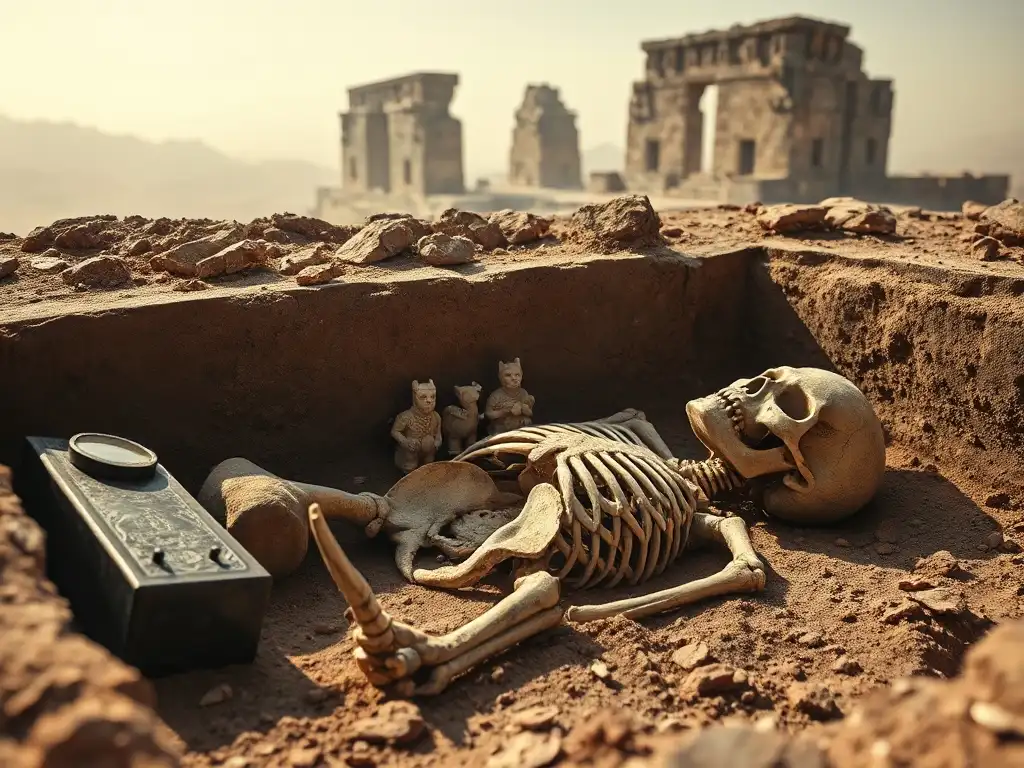
The question of whether the Tiahuanaco civilization believed in an afterlife is a complex one, requiring careful examination of their burial practices, art, and iconography. While direct textual evidence is lacking, the rich archaeological record offers compelling clues suggesting a sophisticated cosmology encompassing beliefs about the continuation of life beyond death.
The meticulous nature of their burial rituals, the presence of grave goods, and the recurring motifs in their art strongly indicate a belief system that extended beyond the physical realm. This section explores the key evidence supporting the hypothesis of Tiahuanaco afterlife beliefs, focusing on tangible artifacts and interpretative analyses of their cultural practices.
Understanding these practices allows us to gain a deeper appreciation for the spiritual world of the Tiahuanaco people and their sophisticated understanding of life and death. The sheer scale and complexity of their funerary practices further emphasize the significance of this belief system within their society.
Numerous artifacts unearthed at Tiahuanaco sites reveal symbolic representations that point towards beliefs in a spirit world. The frequent depiction of figures with elongated skulls, sometimes adorned with elaborate headdresses and jewelry, is particularly notable. These representations may symbolize spiritual beings, ancestors, or individuals transformed after death.
Further investigation is needed to fully understand the context of these depictions, but preliminary findings indicate a connection to the afterlife. For example, the iconic Gate of the Sun, with its intricate carvings of figures and symbols, is often interpreted as a representation of a cosmic order and the transition between the living and the dead. Its central figure, often interpreted as a deity, may represent a powerful intermediary between the worlds.
The discovery of grave goods, such as meticulously crafted pottery, textiles, and tools, alongside human remains provides further evidence. These objects weren't simply discarded; they were carefully placed with the deceased, suggesting their intended use in the afterlife. The quality and intricacy of these items highlight the importance placed on providing the deceased with necessities and comforts for their continued existence.
The inclusion of specific items may also provide clues to the individual's social status or role within the community, suggesting a hierarchical structure even in the afterlife. Analyzing the types and quantities of grave goods across different burial sites could offer valuable insights into the nuances of Tiahuanaco afterlife beliefs. [Specific data on grave goods composition and variation pending further research].
The Role of Ancestor Veneration in Tiahuanaco Culture
Ancestor veneration likely played a crucial role in Tiahuanaco society, further supporting the hypothesis of afterlife beliefs. The emphasis on elaborate burial rituals and the inclusion of grave goods suggests a belief that the deceased continued to exert influence on the living. This reverence for ancestors is evident in the recurring motifs found in Tiahuanaco art, where figures with characteristics associated with ancestors are prominently displayed.
The preservation of ancestral remains and the creation of elaborate mausoleums may also indicate a belief in the continued spiritual presence of the deceased, acting as protectors or guides for the living. The continuity between the living and the dead, reflected in these practices, underscores the profound significance of ancestral veneration in shaping Tiahuanaco worldview and social structures.
The presence of familial burial sites, potentially indicating the continuation of family ties beyond death, strengthens this interpretation. Further research into kinship structures and familial burial patterns is necessary to solidify this hypothesis.
Interpretation of Tiahuanaco Art and Symbolism Regarding Death
Tiahuanaco art is replete with symbols and motifs that can be interpreted as representing death and the afterlife. The recurring use of stylized representations of death, such as skulls and bones, is not meant to evoke fear, but rather to acknowledge the cyclical nature of life and death within their cosmology. The frequent depiction of deities and mythical creatures, often associated with both the terrestrial and celestial realms, suggests a belief in a complex interplay between the living and the spiritual world.
These symbolic representations are not simply decorative; they are integral to understanding Tiahuanaco beliefs about the transition to the afterlife. For example, the frequent use of stepped pyramids in their architecture may symbolize the hierarchical structure of the cosmos and the journey of the soul after death. The intricate patterns and geometric designs found throughout their art may also encode symbolic meanings related to death, rebirth, and the cyclical nature of existence.
A more in-depth analysis of Tiahuanaco iconography, utilizing comparative studies with other Andean cultures, could provide further insights into the meaning and significance of these symbols. [Further research on specific symbol interpretations is needed].
The evidence presented suggests a strong probability that the Tiahuanaco civilization held complex beliefs about the afterlife. While further research is necessary to fully elucidate the intricacies of their beliefs, the available data points towards a sophisticated cosmology that encompassed a belief in the continuation of life beyond death, profoundly influencing their social structures, burial practices, and artistic expressions. The meticulousness of their burial rituals, the inclusion of grave goods, and the recurring motifs in their art all contribute to a compelling narrative of a people deeply connected to their ancestors and their beliefs about the spiritual world.
Comparing Tiahuanaco Death Beliefs with Other Andean Cultures
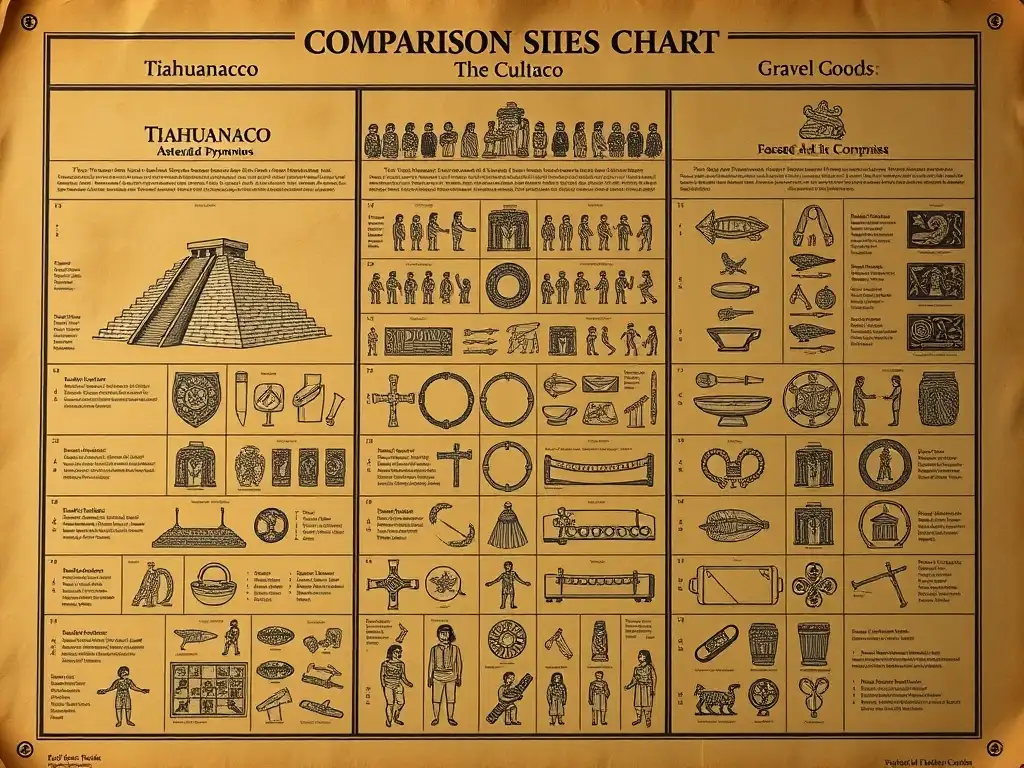
Understanding Tiahuanaco's beliefs about the afterlife requires comparing them to contemporaneous and preceding Andean cultures. While unique aspects distinguish Tiahuanaco's funerary practices, common threads link them to a broader Andean worldview. The emphasis on ancestor veneration, for example, was a widespread practice across numerous Andean societies.
However, the specific manifestations of this veneration, the rituals involved, and the perceived nature of the afterlife varied considerably. This section will explore these similarities and differences, shedding light on the unique position of Tiahuanaco within the Andean cultural landscape concerning death and the hereafter. The limited available data necessitates further research to fully elucidate these connections.
Contrasting Tiahuanaco Afterlife Notions with Inca Beliefs
The Inca, who rose to prominence centuries after the decline of Tiahuanaco, also held strong beliefs in an afterlife. However, their conceptions differed significantly from those inferred from Tiahuanaco archaeological evidence. Inca beliefs emphasized a duality between the upper and lower worlds, with the sun god Inti playing a central role.
Royal mummies were elaborately prepared and interred with significant grave goods, reflecting a hierarchical society with strong beliefs in the continuation of power and status in the afterlife. In contrast, while Tiahuanaco sites reveal elaborate burial structures and offerings, the evidence suggests a less rigid social hierarchy reflected in mortuary practices. The variety of burial goods found in Tiahuanaco tombs, ranging from simple offerings to richly decorated artifacts, points to a more nuanced understanding of the afterlife, perhaps less directly tied to earthly social standing.
Further research is needed to determine whether this reflects different conceptions of the afterlife or simply varying degrees of social stratification. [Specific details on Inca afterlife beliefs pending further research].
Similarities and Differences in Mortuary Practices with the Wari Culture
The Wari culture, a powerful civilization preceding the Inca and contemporaneous with the later phases of Tiahuanaco, offers a compelling comparison. Both cultures practiced elaborate burial rituals, suggesting a similar importance given to the transition to the afterlife. However, the architectural styles of their burial sites and the types of grave goods included show key differences. Wari sites often feature large, centralized cemeteries with standardized grave construction, indicating a more structured approach to funerary rites.
Tiahuanaco, on the other hand, exhibits a broader range of burial practices, with both individual and collective burials found in various locations, suggesting a more decentralized or perhaps more flexible approach. While both cultures utilized textiles, ceramics, and other artifacts as grave goods, the specific types and styles of these items differ significantly, potentially reflecting distinct cosmological beliefs. [Comparative analysis of Wari and Tiahuanaco grave goods pending further research].
How Tiahuanaco's Beliefs Influenced Later Andean Traditions
The influence of Tiahuanaco's religious and cosmological beliefs on subsequent Andean cultures remains a topic of ongoing debate among scholars. While direct causal links are difficult to establish definitively, certain aspects of Tiahuanaco's worldview, particularly its emphasis on ancestor veneration and the symbolic importance of certain deities and motifs, seem to echo in later traditions. The use of similar iconography in subsequent Andean art, for example, suggests a possible continuity of religious ideas.
Furthermore, the widespread adoption of certain architectural styles and agricultural techniques associated with Tiahuanaco points towards a lasting cultural impact. The extent to which these similarities represent direct cultural transmission or independent development remains an open question requiring further investigation.
The study of Tiahuanaco afterlife beliefs offers crucial insights into the evolution of Andean religious thought and its enduring legacy. The investigation of "Tiahuanaco afterlife beliefs" reveals a complex and fascinating tapestry of cultural exchange and adaptation within the Andes.
The Significance of Tiahuanaco Burial Sites for Understanding Afterlife Concepts
The archaeological record of Tiahuanaco offers invaluable insights into the civilization's beliefs about the afterlife. Understanding their funerary practices is crucial to deciphering their complex cosmology and spiritual worldview. The meticulous nature of their burial rituals, the careful placement of grave goods, and the architectural significance of certain sites strongly suggest a deeply held belief in a continued existence beyond physical death.
This section will delve into specific examples to illuminate the Tiahuanaco afterlife beliefs, focusing on the evidence unearthed from their burial sites. The meticulousness of these practices points to a sophisticated understanding of the transition between life and death, and the importance accorded to those who had passed.
Analysis of these sites allows us to piece together a more complete picture of their religious and spiritual landscape, shedding light on the intricate relationship between the living and the dead within Tiahuanaco society. The rich tapestry of evidence, including the types of grave goods and the location of burial sites, contributes significantly to our understanding of Tiahuanaco afterlife beliefs.
Exploring the Purpose and Layout of Tiahuanaco Cemeteries
Tiahuanaco cemeteries weren't haphazard arrangements of graves. Instead, they reveal a deliberate and organized approach to burial, reflecting a structured understanding of the afterlife. While the exact purpose of each cemetery's layout remains a subject of ongoing research, several key features suggest a purposeful design reflecting their beliefs. For instance, the orientation of graves—often aligned with cardinal directions—suggests a connection to cosmological beliefs. The proximity of certain graves to significant structures, such as the Akapana pyramid, further reinforces this idea.
Furthermore, the presence of multiple burial types within a single cemetery hints at a social hierarchy even in death. Some graves contained elaborate offerings, indicating high status, while others were simpler, suggesting a more egalitarian or stratified system of beliefs regarding the afterlife. The variations in burial practices across different cemeteries also warrant further investigation, possibly reflecting regional differences in belief or social organization.
Detailed analysis of grave goods and skeletal remains from these sites can provide further evidence of social stratification and provide deeper insights into the structure of Tiahuanaco society and their afterlife beliefs. Careful excavation and analysis of these burial grounds is crucial for unlocking the secrets held within, providing more precise information about the rituals and beliefs surrounding death and the afterlife in Tiahuanaco culture.
Analysis of the Akapana Pyramid and its Implications
The Akapana pyramid, a monumental structure at the heart of Tiahuanaco, holds significant implications for understanding afterlife beliefs. While its primary function remains debated, its association with numerous burials suggests a connection to funerary rituals and the spiritual realm.
The discovery of human remains within and around the pyramid—along with offerings of ceramics, textiles, and other artifacts—implies that it may have served as a sacred site for rituals associated with death and the transition to the afterlife. Some researchers hypothesize that the Akapana was a ceremonial center where rituals related to the deceased were performed, perhaps to ensure their safe passage to the next world.
Moreover, the pyramid's complex internal structure, including subterranean chambers and passages, adds to its mystical aura. These features could have been used for specific ceremonies or served as symbolic representations of the underworld or the journey to the afterlife. The intricate construction and careful placement of materials within the pyramid further underscores the importance of this site in relation to the Tiahuanaco's concept of the afterlife.
Further research into the architectural design and the artifacts found within the Akapana could provide additional insights into the beliefs and practices surrounding death and the spiritual realm in Tiahuanaco society. The evidence suggests a deliberate and sophisticated approach to rituals associated with the afterlife, reflecting a complex spiritual worldview.
What Tiahuanaco Burial Sites Reveal about their Views on the Beyond
The evidence from Tiahuanaco burial sites paints a picture of a civilization with a complex and nuanced understanding of the afterlife. The presence of grave goods—ranging from simple utilitarian items to elaborate ceremonial objects—suggests a belief that material possessions or status would accompany the deceased into the next world.
The types of goods found often reflect the social status of the individual, indicating a possible belief in a stratified afterlife. The discovery of intricately crafted textiles, ceramics, and other artifacts within the graves shows the high level of craftsmanship and the importance placed on these objects in the context of burial rituals.
Furthermore, the careful arrangement of bodies and grave goods within the burial sites suggests a ritualistic process, highlighting the importance of these rites in facilitating a smooth transition to the afterlife. The orientation of the bodies, the placement of specific objects, and the overall organization of the burial sites point to structured beliefs and practices surrounding death and the spiritual world. Analyzing the patterns and variations across different burial sites across the Tiahuanaco region will allow us to further understand the evolution of their beliefs and practices over time and provide a clearer picture of their spiritual landscape.
The data suggests a rich and complex belief system regarding death and the afterlife, demonstrating a profound connection between the living and the dead in Tiahuanaco society. 🪦
Conclusion: Deciphering the Tiahuanaco Vision of Death and the Afterlife
The evidence surrounding Tiahuanaco afterlife beliefs, while fragmented, paints a compelling picture of a complex and nuanced cosmology. Unlike some other Andean cultures where elaborate mummification and offerings for the deceased are prevalent, Tiahuanaco's approach appears more subtle, yet equally significant. The careful placement of individuals within monumental structures, the presence of grave goods reflecting social status and ritual practices, and the symbolic significance of the locations themselves all suggest a belief system that extended beyond the earthly realm.
The scarcity of direct textual evidence necessitates a careful interpretation of archaeological findings, emphasizing the need for further research and interdisciplinary collaboration to fully understand the intricacies of their beliefs about death and the afterlife. The lack of clear depictions of an underworld, unlike in some other Andean mythologies, doesn't negate the existence of belief in an afterlife, but rather suggests a different, perhaps more integrated, understanding of the cyclical nature of life and death.
The focus on ritual and the symbolic power of location might indicate a belief in a continuation of existence, perhaps in a transformed state, within the cosmic order itself. This interpretation requires further scrutiny and comparative analysis with other Andean cultures to refine our understanding of Tiahuanaco's unique perspective.
Summarizing Key Findings about Tiahuanaco Afterlife Beliefs
Several key findings emerge from the analysis of Tiahuanaco burial practices and associated artifacts:
- Strategic Burials: The deliberate placement of individuals within monumental structures like Akapana and Pumapunku suggests a connection between the physical world and a spiritual realm. These weren't simply haphazard burials; they were carefully planned, reflecting a structured worldview.
- Grave Goods as Indicators: The presence of offerings, such as ceramics, textiles, and tools, within the burials serves as an indicator of social status and ritual importance. The types and quantity of goods varied significantly, highlighting the stratified nature of Tiahuanaco society and possibly their conceptions of the afterlife.
- Absence of Explicit Underworld Depictions: Unlike other Andean cultures that feature explicit representations of an underworld, Tiahuanaco's iconography lacks clear depictions of such a realm. This absence doesn't necessarily mean a lack of belief in an afterlife, but rather points to a unique approach to representing the spiritual world.
- Emphasis on Ritual and Ceremony: The importance of ritual actions is evident in the careful preparation of bodies and the placement of grave goods. These rituals likely played a crucial role in facilitating the transition of the deceased to the afterlife and maintaining their connection to the living.
The interplay of these factors suggests a belief system that prioritized ritual, social hierarchy, and the symbolic power of location, all contributing to a unique Tiahuanaco understanding of death and the continuation of existence beyond the physical realm. Further research is needed to clarify the specific nature of their afterlife beliefs.
The Legacy of Tiahuanaco Mortuary Practices in the Andes
Tiahuanaco's influence extended far beyond its immediate geographical area. Their sophisticated architectural techniques and ritual practices left a lasting impact on subsequent Andean cultures. While the specific details of Tiahuanaco afterlife beliefs may have differed from those of later Andean societies, the overarching emphasis on ritual, the importance of specific locations, and the use of grave goods as markers of social status and spiritual power continued to shape mortuary practices throughout the Andes.
Analyzing the continuity and evolution of these practices in later cultures can provide valuable insights into the long-term impact of Tiahuanaco's religious and cosmological ideas. Understanding this legacy helps us contextualize Tiahuanaco within the broader Andean cultural landscape and appreciate its enduring influence on the region's spiritual traditions. The echoes of Tiahuanaco's mortuary traditions can be found in various subsequent Andean cultures, providing a testament to the enduring power of their beliefs and practices.
Further Research Directions on Tiahuanaco Concepts of Death
Further research into Tiahuanaco concepts of death should focus on several key areas:
- Interdisciplinary Collaboration: Combining archaeological findings with anthropological, ethnohistorical, and linguistic studies is crucial to develop a more comprehensive understanding. This collaborative approach can help interpret the symbolic meanings embedded in artifacts and burial practices.
- Comparative Analysis: Comparing Tiahuanaco burial practices with those of contemporary and subsequent Andean cultures can illuminate the uniqueness and influence of their beliefs. This comparative study can highlight both similarities and differences, enriching our understanding of Tiahuanaco's position within the broader Andean context.
- Technological Advancements: Employing advanced imaging and analytical techniques (e.g., DNA analysis, isotopic studies) on human remains and artifacts can provide crucial insights into diet, health, social status, and the lives of the individuals buried at Tiahuanaco.
- Re-evaluation of Existing Data: A critical re-examination of existing archaeological data, utilizing new theoretical frameworks and methodologies, could uncover previously overlooked clues about Tiahuanaco afterlife beliefs. This re-evaluation can reveal new perspectives and interpretations that challenge existing assumptions.
By pursuing these research directions, we can move closer to a more complete and nuanced understanding of Tiahuanaco's beliefs about death and the afterlife, enriching our knowledge of this fascinating and influential Andean civilization. The pursuit of this knowledge is crucial to fully appreciate the richness and complexity of Tiahuanaco culture and its enduring legacy.
Frequently Asked Questions
What evidence suggests Tiahuanaco believed in an afterlife?
Tiahuanaco's elaborate burial practices strongly suggest a belief in the afterlife. The inclusion of grave goods, such as tools, textiles, and food, indicates a belief that these items would be needed in the next world. Monumental architecture further supports this.
What role did the Wari culture play in Tiahuanaco's beliefs?
The Wari culture, preceding the Tiwanaku, likely influenced their beliefs. Shared architectural styles and burial rituals suggest a potential continuity in religious practices and afterlife concepts. Further research is needed to fully understand the extent of this influence.
How did Tiahuanaco burial rituals reflect their beliefs about the afterlife?
Burial rituals involved placing the deceased in specific positions, often with carefully arranged grave goods. The type and quantity of goods varied depending on the social status of the deceased, suggesting a hierarchical structure even in the afterlife.
What were some common grave goods found in Tiahuanaco burials?
Common grave goods included fine textiles, pottery, tools, and food. The presence of these items suggests a belief that the deceased would need these essentials in the next world. The quality of the goods often reflected the social standing of the deceased.
Did the location of Tiahuanaco burials hold any significance?
The location of burials, while sometimes near major sites, doesn't appear to have a universally consistent pattern indicating specific afterlife-related locations. However, the careful placement of bodies within the sites themselves suggests a deliberate and ritualistic approach to burial.
Final Reflection: Echoes of Eternity: Tiahuanaco's Enduring Legacy
The intricate burial rituals unearthed at Tiahuanaco offer a compelling glimpse into a sophisticated cosmology, a worldview that resonates even today. The meticulous preparations, the inclusion of grave goods reflecting social status and spiritual beliefs, and the very placement of the deceased within the landscape all speak to a profound belief in a life beyond death, a belief that transcends the limitations of time and continues to fascinate archaeologists and historians alike.
The enduring power of Tiahuanaco's funerary practices lies not just in their archaeological significance, but in their ability to illuminate the human need to grapple with mortality. These rituals, far from being mere customs, were deeply meaningful expressions of faith and community, shaping social structures and individual identities. The dead are never truly gone, as long as they are remembered.
This sentiment, though modern, perfectly captures the essence of Tiahuanaco's approach to death and the afterlife, a testament to the enduring human desire to connect with those who have passed.
Consider the implications of these findings. What does Tiahuanaco's vision of the afterlife tell us about our own understanding of death and mortality? How can we, in our own lives, create rituals and traditions that honor our ancestors and celebrate the continuity of life? Take a moment to reflect on your own beliefs about the afterlife, and consider how the insights gleaned from Tiahuanaco might enrich your perspective. Let the echoes of eternity inspire you to live a life that is both meaningful and memorable, a life worthy of remembrance in its own right.
**Embrace the Mysteries of Tiahuanaco's Afterlife! **
Thank you for exploring the fascinating world of Tiahuanaco's burial rituals and beliefs about the afterlife! You've delved into the richness of their culture, gaining valuable insights into how this ancient civilization viewed the world beyond death. Now, let's build upon that knowledge and connect with this ancient wisdom on a deeper level.
Here are some ways you can continue your journey:
- **Dive Deeper:** Explore the online resources available on a specific Tiahuanaco burial site, such as the **Keru Kala site**, and immerse yourself in its history. Discover the artifacts and rituals that captivate your imagination!
- **Share Your Insights:** Discuss your newfound understanding with friends, family, or online communities. Consider how these ancient beliefs compare to contemporary perspectives on life after death, and what insights can be gained from this comparison.
- **Get Creative:** Express your inspiration through creative writing, such as a short story or poem, or visual art. Let your imagination run wild and bring Tiahuanaco's beliefs to life in a unique and personal way.
Which aspect of Tiahuanaco's beliefs about the afterlife resonates most strongly with you, and why do you believe it holds relevance in our modern world?