
The Influence of Tiahuanaco Religion on Later Andean Cultures

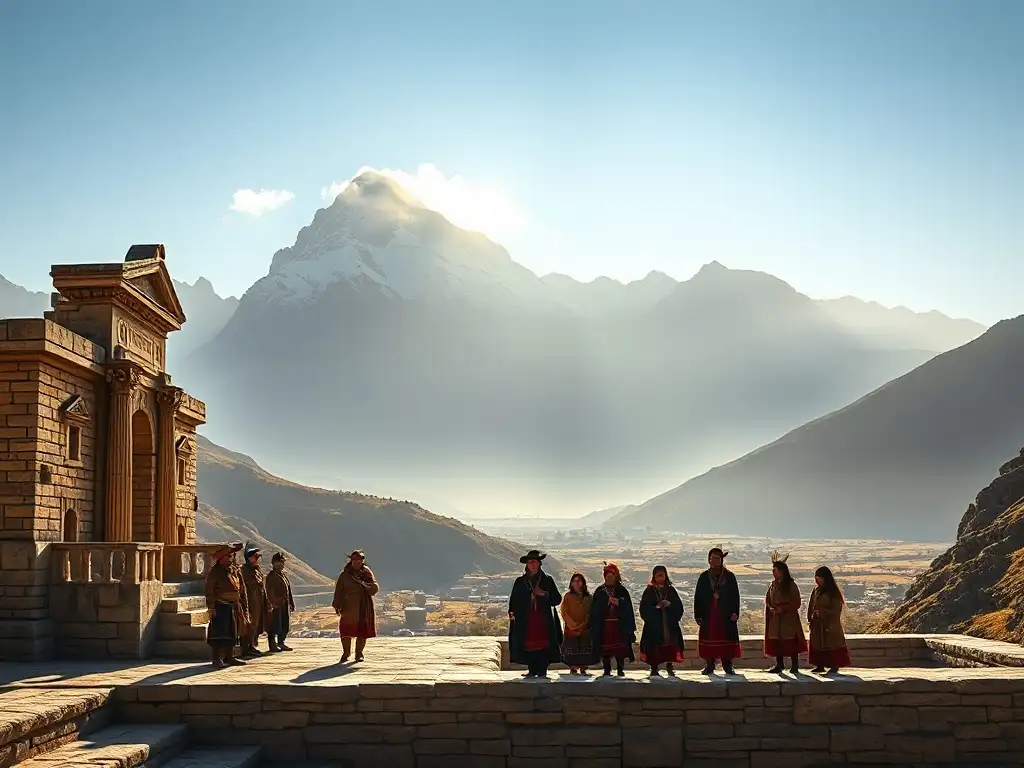
Step into a world lost to time, yet echoing through the ages. Imagine a civilization whose religious beliefs shaped the destinies of entire Andean cultures. The legacy of Tiahuanaco's profound spiritual influence resonates even today. Uncover the mysteries surrounding Tiahuanaco religion's impact on later Andean cultures, and prepare to be amazed by the intricate tapestry of beliefs and practices that connected these remarkable societies. Journey with us to discover the hidden threads that bind these ancient empires together.
- The Far-Reaching Influence of Tiahuanaco Religion on Later Andean Cultures
- Tiahuanaco's Religious Foundation and its Impact
- Mechanisms of Tiahuanaco Religious Diffusion
- Specific Examples of Tiahuanaco Religious Influence on Andean Cultures
-
Key Elements of Tiahuanaco Religion Adopted by Later Cultures
- The Significance of the Staff God or Viracocha
- The Importance of the Puma and Condor in Andean Cosmology
- The Use of Sacred Spaces and Temples in Religious Practices
- The Continuity of Religious Themes Across Time and Cultures
- The Spread of Religious Practices and Rituals
- Architectural and Iconographic Evidence of Tiahuanaco Influence
- The Enduring Legacy of Tiahuanaco Religion in the Andes
-
Frequently Asked Questions
- What was the significance of Tiahuanaco in Andean culture?
- How did Tiahuanaco religion spread its influence?
- What are some key elements of Tiahuanaco religion?
- How did Tiahuanaco religious beliefs impact Inca culture?
- What evidence supports the influence of Tiahuanaco religion on other Andean cultures?
- Final Reflection: The Enduring Legacy of Tiahuanaco
- **Embrace the Power of Tiahuanaco: Take Action Today! **
The Far-Reaching Influence of Tiahuanaco Religion on Later Andean Cultures
The rise and fall of the Tiahuanaco civilization (c. 500 – 1000 CE) left an indelible mark on the cultural landscape of the Andes. While its political power eventually waned, the religious beliefs and practices of Tiahuanaco exerted a profound and lasting influence on subsequent Andean cultures, shaping their cosmologies, artistic expressions, and social structures for centuries.
This article explores the significant ways in which Tiahuanaco's religious legacy permeated the Andean world, impacting societies like the Incas, and leaving a tangible imprint on their religious practices, iconography, and architectural styles. Understanding this influence is crucial to comprehending the complex tapestry of Andean history and the enduring power of religious ideas.
We will delve into the specific religious elements that spread and evolved, considering both the direct transmission of beliefs and the more subtle, transformative effects on subsequent Andean cultures. The impact of Tiahuanaco religion wasn't a simple case of direct adoption; instead, it involved a complex interplay of adaptation, innovation, and syncretism, resulting in a rich and multifaceted cultural heritage.
The Central Role of Viracocha and Other Deities
The Tiahuanaco pantheon, with its powerful and enigmatic deities, played a pivotal role in shaping later Andean religious systems. Viracocha, the creator god, stands out as a particularly influential figure. Depicted in various forms – sometimes as a bearded man, other times as a more abstract figure – Viracocha's influence can be traced in later Inca mythology and iconography, albeit with some modifications and adaptations.
Evidence suggests that the concept of Viracocha as a creator god, associated with water and cosmic forces, was adopted and integrated into the belief systems of many subsequent groups. Furthermore, other Tiahuanaco deities, though perhaps not as widely recognized, contributed to the broader religious landscape.
The intricate iconography associated with these deities, often featuring stylized figures and complex symbols, found its way into the artistic traditions of later Andean cultures, demonstrating a continuity of religious ideas across time and space. We know, for example, that certain motifs and stylistic elements present in Tiahuanaco textiles and ceramics reappear in later Andean art, suggesting a clear transmission of religious imagery.
Architectural and Iconographic Continuity
The monumental architecture of Tiahuanaco, with its imposing structures and intricate stonework, served not only as a testament to its power but also as a powerful symbol of its religious beliefs. The distinctive architectural styles and techniques employed by Tiahuanaco builders, characterized by precise stone cutting and the use of massive blocks, were adopted and adapted by subsequent Andean cultures. The precise techniques involved in the construction of these structures, combined with the symbolic importance of the sites themselves, facilitated the spread of Tiahuanaco religious influence.
This is particularly evident in the Inca's adoption of similar architectural styles in their own constructions, demonstrating a clear connection between Tiahuanaco's religious power and the subsequent architectural choices of the Incas. Moreover, the iconography found on Tiahuanaco artifacts – including ceramics, textiles, and stone carvings – often featured stylized representations of deities, animals, and symbolic motifs.
These motifs were clearly adopted and adapted by later Andean cultures, indicating a clear transmission of religious ideas and imagery. The continuity of these iconographic elements across different Andean cultures provides compelling evidence of the enduring influence of Tiahuanaco religion.
The Spread of Religious Practices and Rituals
Beyond the specific deities and iconography, Tiahuanaco religious practices and rituals also left their mark on later Andean societies. While the exact nature of many Tiahuanaco rituals remains debated, archaeological evidence suggests the importance of water rituals and ceremonies related to agricultural cycles. These practices, linked to the veneration of water deities and the cyclical nature of Andean agriculture, likely influenced the religious practices of later cultures.
The emphasis on agricultural fertility and the importance of water as a sacred element are recurring themes in later Andean religions, suggesting a direct link to Tiahuanaco religious traditions. Furthermore, the organization of religious life, possibly involving priestly classes and specialized rituals, may have influenced the development of similar structures in later societies.
The evidence suggests a clear transmission of religious practices, adapted and modified to fit the specific needs and beliefs of the succeeding Andean cultures. Further research is needed to fully understand the nuances of this transmission.
The Legacy of Tiahuanaco Religion: A Synthesis
The influence of Tiahuanaco religion on later Andean cultures was not a simple process of direct adoption. Instead, it was a complex interplay of adaptation, innovation, and syncretism. Subsequent Andean groups selectively adopted and adapted elements of Tiahuanaco religion, integrating them into their own existing belief systems.
This process resulted in a rich and multifaceted cultural heritage, where the legacy of Tiahuanaco is interwoven with the unique religious expressions of later Andean societies. The enduring presence of Viracocha, the continuity of architectural styles and iconography, and the persistence of certain religious practices all testify to the profound and lasting impact of Tiahuanaco religion on the Andean world. The study of this influence offers valuable insights into the dynamics of cultural transmission and the enduring power of religious ideas to shape societies across generations.
Tiahuanaco's Religious Foundation and its Impact
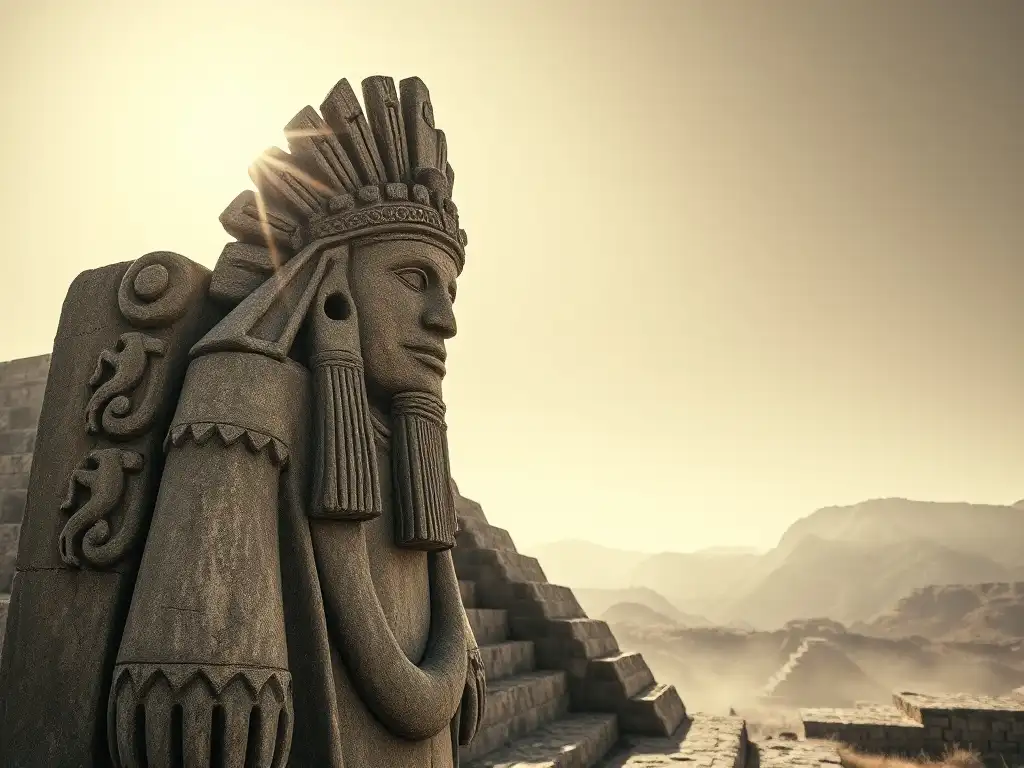
The Tiahuanaco culture, flourishing in the Andes from approximately 500 CE to 1000 CE, left an indelible mark on subsequent Andean civilizations. Its sophisticated religious system, characterized by a complex cosmology and pantheon of deities, profoundly influenced the beliefs and practices of later cultures like the Inca, Aymara, and others. This influence extended beyond mere adoption; it involved a complex process of adaptation and syncretism, where pre-existing beliefs were integrated with Tiahuanaco religious concepts, resulting in unique religious expressions across the Andean region.
The enduring legacy of Tiahuanaco religion is evident in the iconography, architecture, and ritual practices of later Andean societies, demonstrating its central role in shaping the religious landscape of the region. Understanding this influence requires a deep dive into the core tenets of Tiahuanaco religion and its subsequent transformations.
Understanding Tiahuanaco Religious Beliefs and Practices
Tiahuanaco religious practices were deeply intertwined with agriculture and the natural world. Evidence suggests a strong emphasis on ancestor veneration, with elaborate funerary rituals and the construction of monumental architecture, possibly serving as places of ritual and pilgrimage. The use of sophisticated astronomical knowledge to mark solstices and equinoxes points to a highly developed understanding of the cosmos and its influence on earthly affairs.
Archaeological findings, such as intricately carved stone sculptures and ceramics depicting deities and ritual scenes, provide invaluable insights into their beliefs. These artifacts reveal a complex system of symbols and iconography that continue to fascinate and challenge researchers today. Furthermore, the presence of sophisticated irrigation systems suggests a deep connection between religious practices and the maintenance of agricultural productivity, vital for the survival of the Tiahuanaco civilization.
The meticulous planning and execution of these systems highlight the importance of ensuring a bountiful harvest, a theme likely reflected in their religious ceremonies and beliefs. The Tiahuanaco religion's influence on later Andean cultures stemmed partly from this close relationship between the spiritual and material worlds.
The Core Deities of Tiahuanaco and Their Representations
Identifying the specific deities of Tiahuanaco remains a complex task due to the limited decipherment of their symbolic language. However, several recurring motifs and figures suggest the existence of a pantheon of powerful beings. One prominent figure often associated with Tiahuanaco is the Pachamama – Mother Earth – a concept that permeated many subsequent Andean cultures.
Representations of this deity, often depicted as a fertile female figure, are found in various forms across Tiahuanaco art and architecture. Another important figure is often interpreted as a supreme creator god, possibly linked to the sun or sky, whose image is frequently found on monumental sculptures and ceramics. These representations often feature elaborate headdresses, staff-like objects, and symbolic attire.
The specific attributes and roles of these deities are still debated by scholars, but their continued presence in later Andean religious systems underscores their significance. We can see echoes of this pantheon in the religious beliefs of the Inca and other post-Tiahuanaco cultures, albeit with modifications and adaptations reflecting the unique circumstances of those societies. Further research, including a more thorough understanding of Tiahuanaco iconography, is crucial to gaining a more complete picture of their religious world.
Tiahuanaco Cosmology and Worldview
Tiahuanaco cosmology reflects a sophisticated understanding of the universe and the interconnectedness of the earthly and celestial realms. Evidence suggests a belief in a three-layered world: the upper world ( Hanan Pacha), the earthly world ( Kay Pacha), and the underworld ( Ukhu Pacha). This tripartite division of the cosmos is a recurring theme in Andean cosmologies, suggesting a significant influence from Tiahuanaco religious thought.
The monumental architecture of Tiahuanaco, particularly the Kalasasaya complex, is believed to have been aligned with astronomical events, further reinforcing the importance of celestial observation in their worldview. The precision of these alignments suggests a deep understanding of astronomy and its connection to their religious practices. The Tiahuanaco worldview, with its emphasis on the cyclical nature of time and the interconnectedness of the cosmos, contributed significantly to the development of later Andean cosmologies.
This influence is particularly evident in the Inca worldview, which similarly emphasized the interplay between the earthly and celestial realms and the importance of maintaining balance in the cosmos. The enduring impact of Tiahuanaco's cosmological concepts highlights the profound influence of this civilization on the religious landscape of the Andes.
Mechanisms of Tiahuanaco Religious Diffusion
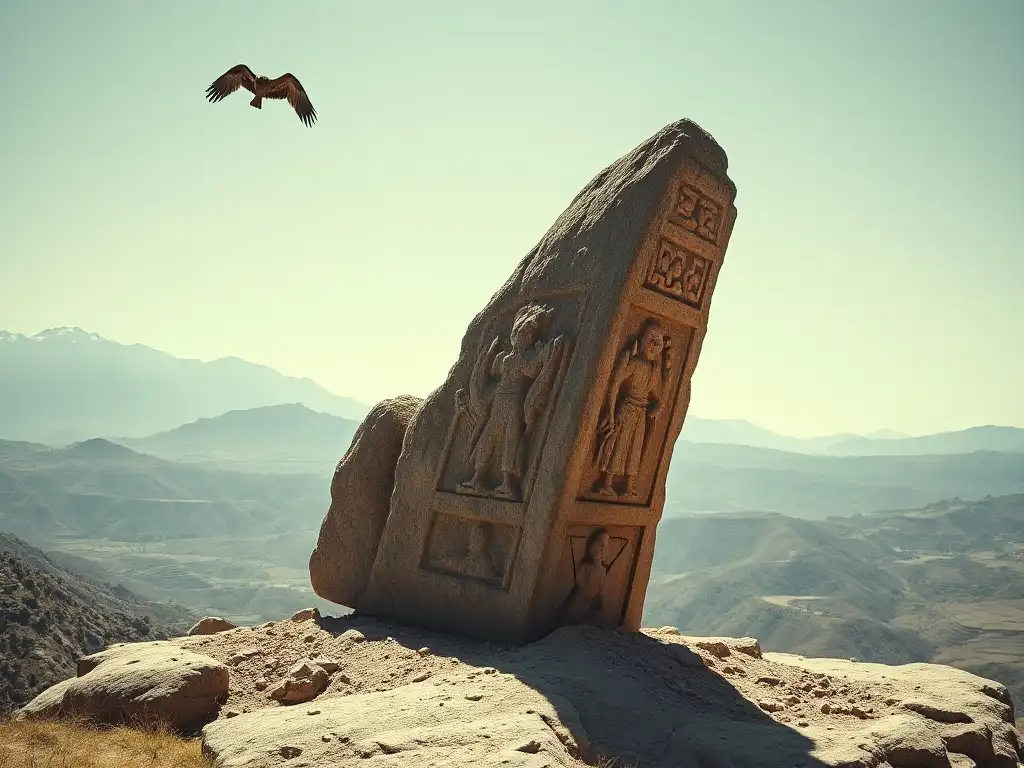
The profound influence of Tiahuanaco religion on subsequent Andean cultures wasn't a singular event, but rather a complex process involving multiple interwoven mechanisms. Understanding these mechanisms is crucial to appreciating the lasting impact of Tiahuanaco cosmology and religious practices on later societies. The spread of Tiahuanaco religious beliefs wasn't solely through military conquest, but also through more subtle, yet equally effective, means.
These included the strategic utilization of established trade networks, the widespread dissemination of distinctive iconography, and the establishment of pilgrimage centers that fostered religious exchange and cultural transmission. The pervasive nature of Tiahuanaco religious influence underscores its significance in shaping the religious landscape of the Andes.
Trade Networks and the Spread of Tiahuanaco Religious Ideas
Tiahuanaco's strategic location within the Andean highlands facilitated extensive trade networks that extended far beyond its immediate vicinity. These networks, which connected diverse communities across vast distances, served as crucial conduits for the dissemination of Tiahuanaco religious ideas. The movement of goods—textiles, ceramics, metalwork, and other luxury items—often included the unintentional transport of religious symbols and artifacts.
For example, the presence of characteristic Tiahuanaco-style pottery shards in archaeological sites hundreds of kilometers from Tiahuanaco itself indicates the far-reaching extent of this indirect religious transmission. The trade networks not only facilitated the material spread of religious artifacts but also fostered cultural exchange and the adoption of religious beliefs among interacting communities.
This process of cultural exchange, facilitated by trade, was a vital mechanism in the propagation of Tiahuanaco religious influence. The sheer volume of traded goods, coupled with the prestige associated with Tiahuanaco artifacts, ensured that the associated religious beliefs gained significant traction in distant regions.
Iconography and the Dissemination of Tiahuanaco Religious Symbols
The distinctive iconography of Tiahuanaco religion played a pivotal role in its spread and enduring influence. The recurring motifs—such as the stylized figures of gods, the stepped pyramid, and the characteristic “portal” designs—were easily recognizable and became powerful symbols of Tiahuanaco religious authority. The consistent replication of these symbols in art and architecture across diverse Andean cultures suggests a deliberate effort to establish a shared visual language reflecting a broader religious identity.
This visual language permeated various art forms, including ceramics, textiles, and monumental architecture. The widespread adoption of Tiahuanaco iconography, even with local variations, indicates the assimilation of religious ideas along with aesthetic elements.
The visual power of these symbols helped to solidify the influence of Tiahuanaco religion, acting as a constant reminder of its power and significance even in geographically distant locations. Analyzing the variations in these symbols across different sites allows for a deeper understanding of the adaptation and transformation of Tiahuanaco religious beliefs in different cultural contexts.
The Role of Pilgrimage Centers in Spreading Religious Influence
The establishment of pilgrimage centers played a critical role in the dissemination and reinforcement of Tiahuanaco religious beliefs. These centers, strategically located throughout the Andes, served as focal points for religious gatherings, rituals, and the exchange of religious ideas. The very act of pilgrimage facilitated the transmission of religious knowledge and practices, creating a shared sense of religious community among participants from diverse backgrounds.
Evidence suggests that these centers were not merely sites of worship but also important nodes in broader social and economic networks, further reinforcing the spread of Tiahuanaco religious ideas. The construction of monumental structures at these centers, often incorporating Tiahuanaco architectural styles and iconography, served as powerful visual reminders of the central authority and significance of Tiahuanaco religion. The enduring legacy of these pilgrimage centers is evident in the continued importance of many of these sites in subsequent Andean cultures, demonstrating the lasting impact of Tiahuanaco religious influence.
Further research into the specific rituals and practices associated with these pilgrimage centers would provide invaluable insights into the dynamics of religious transmission and cultural exchange during this period. The combination of religious practices, social interaction, and monumental architecture at these centers created a potent environment for the spread of Tiahuanaco religious influence throughout the Andes.
Specific Examples of Tiahuanaco Religious Influence on Andean Cultures
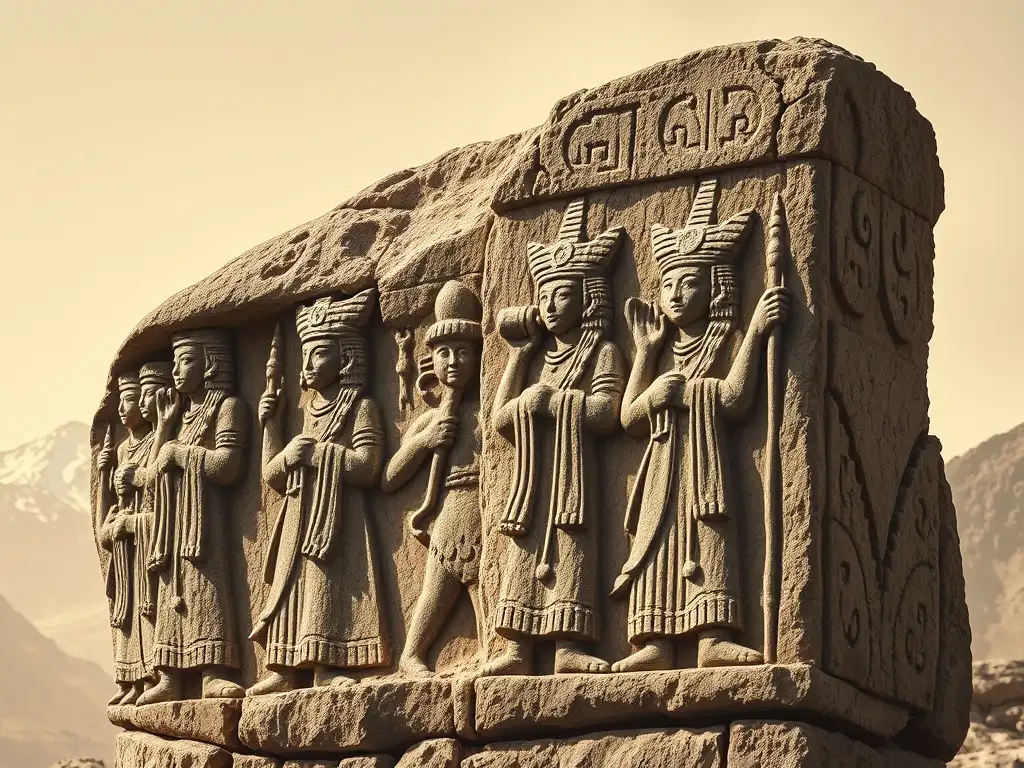
The profound impact of Tiahuanaco religion on subsequent Andean cultures is undeniable, leaving a lasting legacy in various aspects of life, from religious practices and iconography to agricultural techniques and political structures. The influence wasn't a simple adoption, but rather a complex process of adaptation and integration, with later civilizations selectively incorporating elements that resonated with their own beliefs and needs. This section explores specific examples of this transmission, highlighting the intricate ways Tiahuanaco religious concepts permeated and shaped the beliefs and practices of later Andean societies.
Understanding this influence provides crucial insight into the development and continuity of Andean religious thought across centuries. The keyword "Tiahuanaco religion influence Andean cultures" is paramount in understanding this complex interplay.
Tiahuanaco Religious Impact on the Wari Empire
The Wari Empire (600-1000 CE), a powerful pre-Inca civilization, exhibits clear evidence of Tiahuanaco religious influence. While the Wari developed their own distinct religious system, the presence of Tiahuanaco-style iconography in Wari art and architecture suggests a significant cultural exchange. For example, representations of the chakana, the Andean cross, a potent symbol in Tiahuanaco cosmology often associated with the four cardinal directions and the sacred mountain, appear frequently in Wari ceramics and textiles.
This suggests a possible adoption of Tiahuanaco’s cosmological framework. Furthermore, the Wari administrative system, characterized by its centralized control and extensive road network, might have been partly inspired by Tiahuanaco's sophisticated urban planning and possibly its religious worldview that emphasized order and connection.
Further research is needed to fully understand the extent of this influence, particularly regarding specific rituals and deities. The adoption of certain architectural styles and motifs strongly suggests a significant cultural and possibly religious exchange between these two powerful Andean civilizations.
Echoes of Tiahuanaco Religion in Moche Iconography
Although geographically and chronologically distant from Tiahuanaco, the Moche civilization (100-800 CE) on the northern coast of Peru also reveals subtle yet intriguing connections to Tiahuanaco religious thought. While the Moche pantheon and cosmology differed significantly, some scholars suggest that certain Moche iconographic elements might reflect an indirect or diffused influence from Tiahuanaco. For instance, some Moche ceramics depict anthropomorphic figures with attributes reminiscent of Tiahuanaco deities, such as headdresses or staffs.
The similarities, however, are often subtle and require careful analysis, potentially pointing to a broader exchange of symbolic ideas across the Andean region rather than direct religious adoption. More research is necessary to definitively establish the extent of Tiahuanaco's influence on Moche religious beliefs and practices. The presence of shared motifs, even if indirect, points to a larger cultural conversation across the Andean world.
Tiahuanaco Religious Legacy in the Inca Empire
The Inca Empire (1438-1533 CE), arguably the most powerful Andean civilization, inherited a rich tapestry of religious traditions, many of which bear the indelible mark of Tiahuanaco. The Inca seamlessly integrated elements from various pre-existing cultures, including Tiahuanaco, into their own complex religious system. This integration wasn’t a mere appropriation, but a sophisticated process of syncretism, where pre-existing beliefs were adapted and reinterpreted to fit the Inca worldview. The influence of Tiahuanaco on Inca religion is particularly evident in their cosmology, iconography, and agricultural practices.
The Adoption of the Sun God Inti from Tiahuanaco by the Inca
The Inca's veneration of Inti, the sun god, is a prime example of Tiahuanaco's lasting religious influence. While the Inca elevated Inti to the supreme position in their pantheon, the roots of sun worship in the Andes can be traced back to Tiahuanaco, where the sun played a significant role in their cosmology. The similarities in iconography and ritual practices associated with sun worship in both cultures point to a clear lineage.
The Inca likely adopted and adapted pre-existing sun-centered beliefs from Tiahuanaco, shaping them to suit their own imperial ideology and political ambitions. The Inca's imperial power was directly linked to the sun god, making this connection all the more significant.
Tiahuanaco Influence on Inca Agricultural Rituals
Inca agricultural practices, renowned for their sophistication and efficiency, also show evidence of Tiahuanaco influence. The intricate system of terraces, irrigation canals, and agricultural rituals employed by the Inca likely built upon earlier Andean traditions, including those established in Tiahuanaco. The Tiahuanaco emphasis on agricultural productivity and their sophisticated water management systems likely provided a model for the Inca, influencing their own agricultural practices and religious beliefs surrounding fertility and abundance.
The Inca's capacocha sacrifices, while distinct, may also have roots in earlier Andean rituals associated with ensuring bountiful harvests, potentially influenced by Tiahuanaco's agricultural religious practices. This demonstrates the continuity of religious practices related to agriculture across different Andean cultures.
The Influence on Regional Andean Belief Systems
The religious and cosmological beliefs of Tiahuanaco exerted a profound and lasting influence on the diverse Andean belief systems that followed. The widespread adoption of certain Tiahuanaco deities and iconography suggests a significant level of cultural exchange and, perhaps, even outright religious dominance in certain regions.
For example, the veneration of the weracocha figure, often depicted as a creator god or a powerful intermediary between the human and divine realms, appears in various forms across multiple Andean cultures after the Tiahuanaco period. While the exact nature and attributes of weracocha might vary slightly depending on the specific culture, the underlying concept of a supreme being overseeing the cosmos shows a clear lineage back to Tiahuanaco religious thought.
This demonstrates not simply the dissemination of ideas, but also a process of adaptation and reinterpretation, with local cultures integrating Tiahuanaco religious elements into their pre-existing belief structures. The persistence of weracocha worship, for instance, highlights the enduring power of Tiahuanaco religious ideas to shape the spiritual landscape of the Andes long after the empire's decline.
The influence wasn't limited to supreme deities. Many smaller deities and spirits, often associated with specific natural phenomena like mountains, water sources, or agricultural cycles, also bear the marks of Tiahuanaco religious influence. Stylistic similarities in the depiction of these figures, as seen in ceramics, textiles, and stone carvings across different Andean cultures, point towards a shared artistic and religious vocabulary that originated in Tiahuanaco. This suggests a process of religious syncretism, where indigenous beliefs were blended with incoming religious concepts from Tiahuanaco, resulting in a hybrid religious system that retained elements of both traditions. The intricate iconography found in many Andean cultures, featuring motifs like stepped pyramids, feline figures, and stylized birds, further underscores the enduring impact of Tiahuanaco artistic and religious conventions. The careful study of these artistic elements reveals a network of interconnected religious beliefs that spanned vast geographical distances, providing compelling evidence of Tiahuanaco's religious hegemony.
Furthermore, the influence extended to ritual practices. Archaeological evidence suggests that certain ritual practices, such as the offering of llama sacrifices or the use of specific types of ceremonial objects, were common across multiple Andean cultures after the Tiahuanaco period. The similarity in these practices, again, points towards a shared religious framework that was originally established in Tiahuanaco.
The adoption of these practices might have been facilitated by the movement of people, the dissemination of religious texts or narratives, or simply the persuasive power of Tiahuanaco religious ideology. This process of religious transmission highlights the dynamic nature of Andean religious life and the remarkable capacity for religious ideas to travel and adapt across diverse cultural contexts.
The continuity of certain ritual practices across geographically and culturally distinct groups demonstrates the far-reaching and enduring impact of Tiahuanaco religious practices on the subsequent development of Andean cultures. Understanding these shared rituals offers valuable insights into the interconnectedness of Andean societies and the complex ways in which religious ideas were exchanged and adapted across time and space.
Key Elements of Tiahuanaco Religion Adopted by Later Cultures
The influence of Tiahuanaco religion on subsequent Andean cultures is undeniable, leaving a lasting imprint on religious practices, cosmology, and artistic expression. While the exact mechanisms of transmission remain a subject of ongoing scholarly debate, the persistence of certain key elements across diverse Andean societies strongly suggests a significant cultural inheritance.
This section will explore some of the most prominent examples of this enduring influence, examining the adoption and adaptation of core religious concepts and practices by later Andean civilizations, including the Inca, Chimu, and others. The spread wasn't necessarily a direct, top-down imposition but rather a complex process of assimilation, syncretism, and reinterpretation, reflecting the dynamism of Andean religious life.
Understanding this process helps us appreciate the interconnectedness of Andean cultures and the remarkable continuity of certain religious themes across vast spans of time and geography. The keyword "Tiahuanaco religion influence Andean cultures" is central to understanding this rich and complex historical narrative.
The Significance of the Staff God or Viracocha
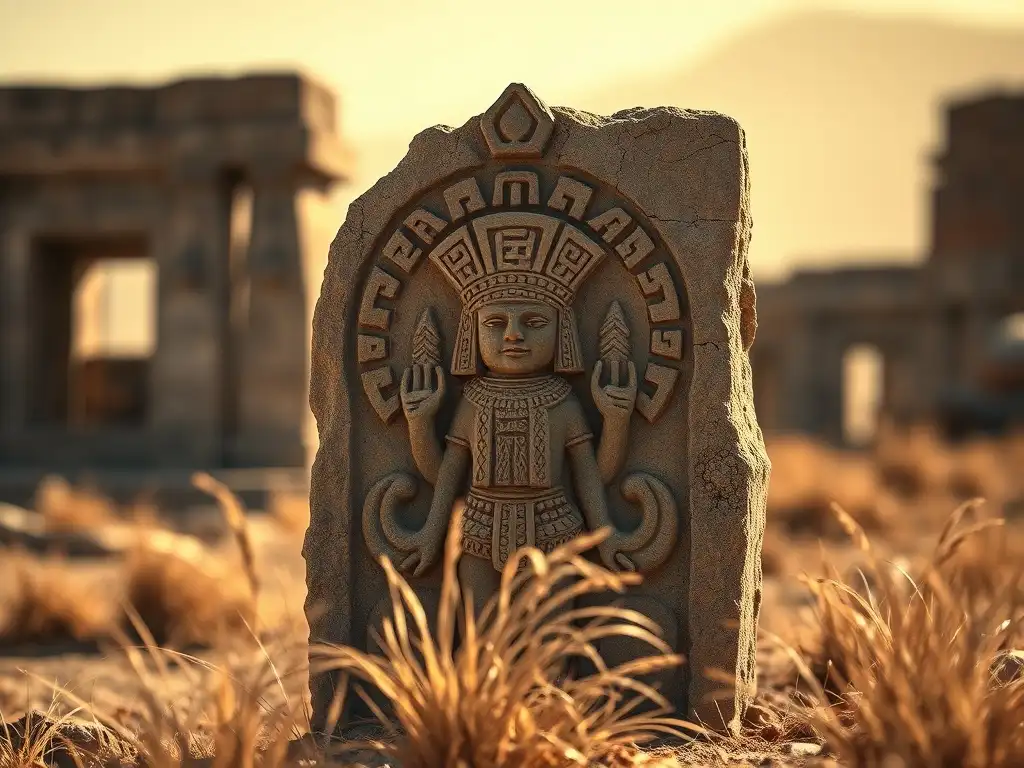
The Staff God, often identified with Viracocha, a creator deity prominent in Inca mythology, has roots deeply embedded in Tiahuanaco religious iconography. While the Inca's version of Viracocha may have evolved and incorporated elements from other traditions, its depiction—a bearded figure often holding a staff—bears a striking resemblance to figures found in Tiahuanaco art and artifacts. This suggests a potential lineage, with the Tiahuanaco Staff God serving as a prototype or inspiration for later representations of Viracocha.
The staff itself is highly symbolic, often associated with power, authority, and creation. Its presence in both Tiahuanaco and subsequent Andean iconography highlights the continuity of this powerful religious symbol across centuries. Further research into the specific attributes and functions attributed to the Staff God in different cultures could illuminate the nuances of this religious transmission.
Analysis of stylistic similarities and variations in depictions across different regions and time periods will provide a more complete understanding of Viracocha's evolution and the extent of Tiahuanaco influence. The spread of this deity's image and associated symbolism underscores the pervasive influence of Tiahuanaco religious ideas on the broader Andean landscape.
The Importance of the Puma and Condor in Andean Cosmology
The puma and the condor, powerful Andean animals representing the earthly and celestial realms respectively, feature prominently in both Tiahuanaco and later Andean cosmologies. In Tiahuanaco art, these figures are often depicted in complementary roles, reflecting a dualistic worldview that emphasized the interconnectedness of the earthly and spiritual worlds. This symbolic pairing persisted in subsequent Andean cultures, appearing in various forms in Inca art, textiles, and religious practices.
For example, the Inca often used puma and condor imagery to represent the duality of power, with the puma symbolizing earthly strength and the condor symbolizing celestial authority. The continued use of these symbols across different Andean societies suggests a deep-seated cultural memory and the enduring significance of the Tiahuanaco cosmological framework.
Further investigation into the specific rituals and beliefs associated with these animals in different cultures could provide valuable insights into the evolution and adaptation of this core Andean religious concept. The persistence of puma and condor symbolism across time and space demonstrates the lasting influence of Tiahuanaco religious thought on shaping the Andean worldview.
The Use of Sacred Spaces and Temples in Religious Practices
The construction of monumental structures and sacred spaces was a hallmark of Tiahuanaco civilization. The elaborate architecture of its temples and ceremonial centers, designed with intricate astronomical alignments and symbolic features, served as focal points for religious practices. This emphasis on monumental architecture as a central component of religious life continued in later Andean cultures.
The Inca, for example, built their own impressive temples and ceremonial centers, often incorporating architectural styles and design elements that echo those found in Tiahuanaco ruins. The use of similar materials, construction techniques, and symbolic motifs suggests a direct lineage and the conscious emulation of Tiahuanaco architectural traditions. This continuity in religious architecture highlights the lasting impact of Tiahuanaco's religious practices and the enduring importance of sacred spaces in shaping Andean religious life.
Further research comparing the architectural features and religious functions of Tiahuanaco and later Andean structures will reveal a more nuanced understanding of this cultural inheritance. The adoption of Tiahuanaco architectural styles demonstrates a clear continuity in religious practices and beliefs across Andean societies. The monumental scale of these structures underscores the significance of religious institutions in shaping Andean society, reflecting a consistent emphasis on the sacred throughout the region.
The Continuity of Religious Themes Across Time and Cultures
The influence of Tiahuanaco religion wasn't a fleeting phenomenon; its impact resonated deeply within subsequent Andean cultures, leaving an indelible mark on their religious beliefs and practices. The continuity of certain religious themes across vast stretches of time and diverse cultural groups is striking. For instance, the veneration of deities associated with water, fertility, and the sun, prominent in Tiahuanaco cosmology, persisted in later Andean societies, albeit with variations in iconography and ritualistic practices. The emphasis on ancestor worship, a central tenet of Tiahuanaco belief, also continued to hold significant weight in the religious life of succeeding cultures.
This suggests a profound and lasting influence, with later societies adapting and reinterpreting Tiahuanaco religious concepts to fit their own evolving social and environmental contexts. The persistence of these core themes highlights the enduring power of Tiahuanaco religious ideas to shape the spiritual landscape of the Andes for centuries. Archaeological findings, such as similar iconographic motifs found in pottery and textiles across different periods and geographical locations, provide compelling evidence for this cultural transmission.
The continuous presence of these religious themes testifies to the deep cultural roots and the lasting impact of Tiahuanaco religious thought on the Andean world. Furthermore, the consistent use of specific symbolic elements, such as the stylized representations of animals and celestial bodies, underscores the enduring legacy of Tiahuanaco religious imagery in later Andean art and religious practices. This persistence suggests a complex process of cultural exchange and adaptation, where later cultures selectively adopted and transformed elements of Tiahuanaco religion to suit their needs and beliefs.
The Spread of Religious Practices and Rituals
The religious practices and rituals developed within the Tiahuanaco culture were not confined to its geographical heartland. Evidence points to a significant dissemination of these practices throughout the Andean region, influencing the religious lives of communities far removed from the Tiahuanaco center. This spread occurred through various means, including migration, trade, and warfare. The adoption of similar ritualistic practices, such as specific forms of sacrifice or the use of particular ceremonial objects, suggests a direct influence of Tiahuanaco religious traditions on later cultures.
The standardization of certain ritualistic elements across geographically dispersed groups points towards a widespread acceptance and integration of Tiahuanaco religious norms. For example, [Specific example of a ritualistic practice shared across cultures pending]. Moreover, the presence of similar architectural styles in religious structures, such as the use of distinctive building techniques or the incorporation of specific symbolic elements in temple design, further supports the idea of a widespread dissemination of Tiahuanaco religious practices.
The spread of these religious practices wasn't simply a matter of passive imitation; it involved active adaptation and reinterpretation within the context of each receiving culture. This process led to a fascinating interplay between Tiahuanaco traditions and local beliefs, resulting in a rich tapestry of religious expressions across the Andean region. The extent of this spread underscores the significant impact of Tiahuanaco religious practices on the broader Andean cultural landscape.
Architectural and Iconographic Evidence of Tiahuanaco Influence
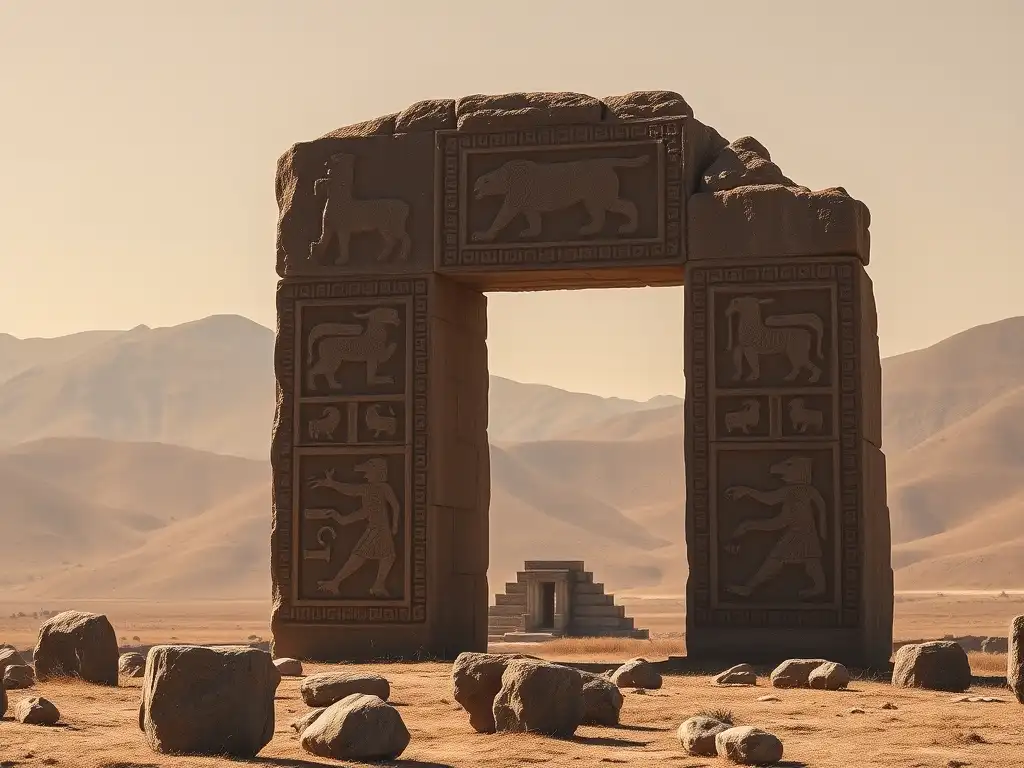
The architectural and iconographic legacy of Tiahuanaco is remarkably visible in the religious structures and artistic expressions of subsequent Andean cultures. Many later Andean societies adopted distinctive architectural features characteristic of Tiahuanaco structures, such as stepped platforms, monumental gateways, and intricate stonework. The incorporation of these architectural elements in temples and ceremonial centers across various regions demonstrates a clear continuation of Tiahuanaco architectural styles.
Furthermore, the iconographic motifs prevalent in Tiahuanaco art, including stylized representations of deities, animals, and celestial bodies, frequently appear in the art and religious artifacts of later cultures. The persistence of these specific motifs across different time periods and geographical locations provides strong evidence of cultural continuity and influence. For instance, the recurring depiction of the [Specific example of a Tiahuanaco iconographic motif pending] in the art of later cultures highlights the enduring power of Tiahuanaco imagery.
This suggests that not only were architectural styles adopted but also the symbolism embedded within them. This widespread adoption of Tiahuanaco architectural and iconographic elements underscores the profound and lasting impact of Tiahuanaco culture on the religious and artistic landscape of the Andes. Analyzing these shared features allows us to trace the trajectory of Tiahuanaco influence and understand how its religious beliefs were visually manifested and transmitted across generations.
The Enduring Legacy of Tiahuanaco Religion in the Andes
The influence of Tiahuanaco religion on subsequent Andean cultures is a significant area of study, revealing a complex interplay of continuity and adaptation. While the Tiahuanaco state itself eventually declined, its religious beliefs and practices left an indelible mark on the spiritual landscape of the Andes, impacting various groups and lasting for centuries. This enduring legacy is evident in the iconography, ritual practices, and cosmological beliefs of later Andean civilizations.
The spread of Tiahuanaco religious ideas wasn't simply a top-down imposition; rather, it involved a dynamic process of cultural exchange and syncretism, resulting in unique expressions across different regions and time periods. Understanding this legacy requires acknowledging the diverse ways in which Tiahuanaco religious concepts were interpreted and integrated into the existing belief systems of other Andean societies.
The Long-Term Impact of Tiahuanaco Religious Thought
The core tenets of Tiahuanaco religion, particularly its emphasis on a creator god, the veneration of water and mountains as sacred entities, and the complex symbolism associated with its iconography (like the iconic "Chakana" or Andean cross), resonated deeply with later Andean cultures. Evidence suggests that the concept of a supreme deity, possibly linked to the sun or a sky god, continued to hold significance in later Andean pantheons, albeit adapted and reinterpreted to fit the specific contexts of each culture.
For example, the Inca's own complex religious system shows clear parallels with Tiahuanaco's emphasis on ancestor veneration and the importance of maintaining a harmonious relationship with the natural world. The persistence of similar ritual practices, such as the use of specific offerings or the performance of ceremonies at sacred sites, also points to a strong connection to Tiahuanaco religious traditions.
The enduring legacy of Tiahuanaco's religious cosmology, with its emphasis on a structured universe and the importance of maintaining balance, can be traced in the elaborate religious systems of the Inca and other post-Tiahuanaco Andean societies. Further research into specific ceremonial sites and artifacts is needed to fully understand the subtle nuances of this transmission.
Tiahuanaco's Contribution to Andean Religious Syncretism
The spread of Tiahuanaco religious beliefs wasn't a simple replacement of existing systems. Instead, it fostered a process of syncretism, where pre-existing Andean religious traditions blended with Tiahuanaco elements. This resulted in a rich tapestry of religious practices and beliefs that were uniquely adapted to the specific cultural contexts of different regions.
For instance, local deities and spirits were often integrated into the Tiahuanaco religious framework, leading to a more inclusive and multifaceted religious landscape. This syncretic process is evident in the artwork and architecture of later Andean cultures, which often combine Tiahuanaco motifs with local stylistic elements.
The Chakana, for example, while originating in Tiahuanaco, was reinterpreted and adapted in various ways by different Andean groups, reflecting their unique cultural identities while still acknowledging the shared religious heritage. The extent of this syncretism varied across different regions and time periods, highlighting the dynamic nature of cultural exchange in the Andes.
Example of Syncretism:
The incorporation of local deities into the Tiahuanaco pantheon is a prime example. While a supreme creator god might have been central, local communities likely continued to venerate their ancestral spirits and deities alongside this broader framework. This resulted in a more localized expression of Tiahuanaco religious beliefs, reflecting the diverse cultural landscape of the Andes.
How Tiahuanaco Religion Shaped Later Andean Spirituality
The impact of Tiahuanaco religion on later Andean spirituality extended beyond specific rituals and iconography. It profoundly influenced the overall worldview and spiritual practices of subsequent Andean cultures. The emphasis on maintaining balance in the cosmos, the importance of ancestor veneration, and the deep connection to the natural world are all themes that persisted in later Andean societies.
This holistic approach to spirituality, characterized by a deep respect for the environment and a strong sense of community, likely stemmed, at least in part, from the religious beliefs and practices established during the Tiahuanaco period. The influence can be seen in the Inca's emphasis on ayni (reciprocity) and mita (labor service), which reflected a societal structure deeply intertwined with spiritual beliefs about the interconnectedness of all things. Further investigation into the social structures and ethical frameworks of post-Tiahuanaco societies could illuminate the long-term impact of Tiahuanaco religious thought on Andean spirituality.
The enduring legacy of Tiahuanaco religion is not simply a matter of historical continuity, but also a testament to the resilience and adaptability of Andean spiritual traditions. The complex interplay of cultural exchange, adaptation, and syncretism resulted in a rich and multifaceted religious landscape that continues to fascinate and inspire scholars today.
Frequently Asked Questions
What was the significance of Tiahuanaco in Andean culture?
Tiahuanaco was a powerful and influential civilization that significantly impacted later Andean cultures. Its religious beliefs, artistic styles, and administrative systems spread throughout the region, leaving a lasting legacy.
How did Tiahuanaco religion spread its influence?
Tiahuanaco's influence spread through military conquest, trade networks, and cultural exchange. The adoption of religious iconography and architectural styles suggests a widespread dissemination of beliefs.
What are some key elements of Tiahuanaco religion?
Tiahuanaco religion featured powerful deities, often depicted in anthropomorphic and zoomorphic forms. Important aspects included ancestor veneration, agricultural rituals, and possibly a complex cosmology.
How did Tiahuanaco religious beliefs impact Inca culture?
The Inca likely incorporated elements of Tiahuanaco religion into their own belief system. This is evident in shared iconography and architectural similarities, suggesting a continuation of certain religious practices.
What evidence supports the influence of Tiahuanaco religion on other Andean cultures?
Archaeological evidence, such as similar pottery styles, architectural features, and religious iconography, across various Andean sites supports the widespread influence of Tiahuanaco religious beliefs. Shared ceremonial practices further strengthen this connection.
Final Reflection: The Enduring Legacy of Tiahuanaco
The sophisticated religious practices of Tiahuanaco didn't simply vanish with the decline of its empire; their echoes reverberate through Andean cultures to this day. The intricate iconography, complex cosmology, and powerful symbolism of this pre-Columbian civilization continue to shape the spiritual and artistic landscape of the Andes, demonstrating the enduring power of cultural transmission and the profound impact of a single, remarkable civilization.
The influence of Tiahuanaco's religious beliefs is not merely an academic curiosity; it's a living testament to the interconnectedness of Andean history and the resilience of cultural memory. The enduring presence of Viracocha, the creator god, and the persistent motifs found in later Andean art and religious practices underscore the deep roots of Tiahuanaco's legacy. The past is never dead. It's not even past,
— William Faulkner. This quote perfectly encapsulates the ongoing relevance of understanding Tiahuanaco's religious impact, as its beliefs continue to inform the present-day understanding of Andean identity and spirituality.
Consider the profound implications of this enduring legacy. How does the continued presence of Tiahuanaco's religious themes in contemporary Andean culture shape our understanding of cultural continuity and change? What can we learn from this enduring influence about the power of belief systems to transcend time and space? I urge you, dear reader, to reflect on these questions and to seek out further knowledge of this fascinating and influential civilization. Let the legacy of Tiahuanaco inspire you to explore the rich tapestry of Andean history and the enduring power of cultural heritage.
**Embrace the Power of Tiahuanaco: Take Action Today! **
Thank you for exploring the fascinating world of Tiahuanaco religion with us! We hope you've gained invaluable insights into this ancient belief system's impact on subsequent Andean cultures. Now, let's put that knowledge to good use and strengthen your connection to this rich heritage.
Here are a few ways you can continue your exploration:
- **Join a local or online discussion group** focused on Andean civilizations to share your insights and learn from others.
- **Visit a museum or cultural center** featuring Andean artifacts and exhibits—experience the history firsthand!
- Explore **books, documentaries, or academic papers** that delve into Tiahuanaco and its influence on modern cultures to uncover more hidden gems.
As you continue your journey of discovery, which aspect of Tiahuanaco's influence intrigues you most, and why? Share your thoughts with us in the comments!