
Tiahuanaco's Sacred Stones: Megaliths and Their Ritual Significance

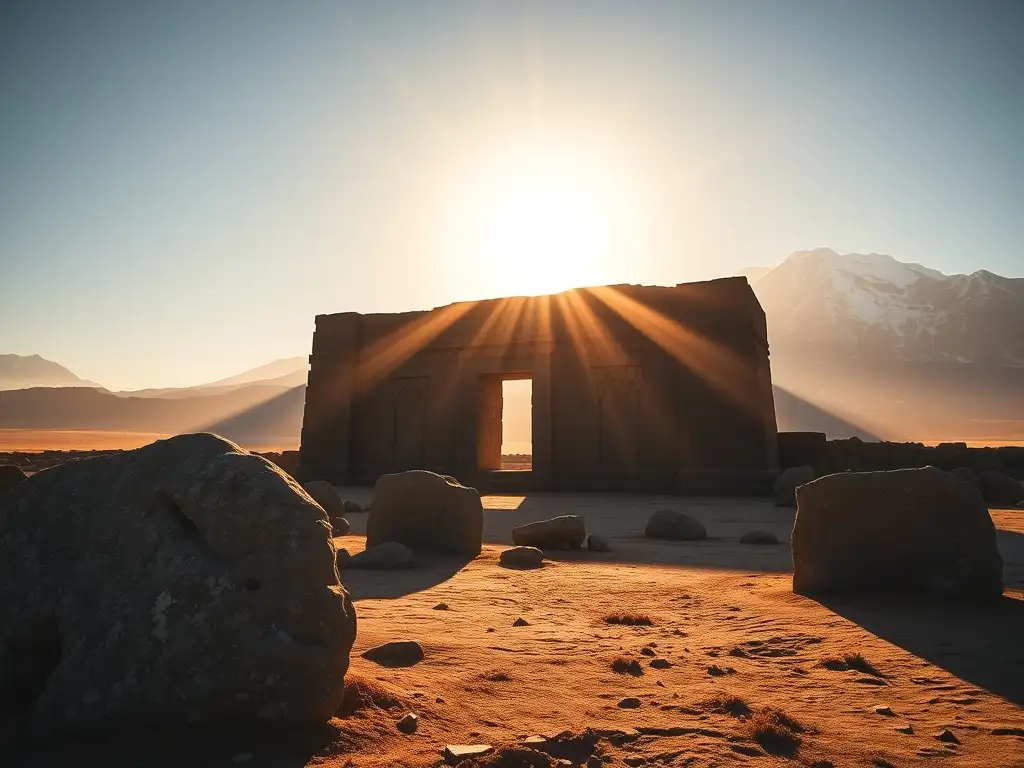
Step into a world lost to time, where colossal stones whisper secrets of a vanished empire. Uncover the enigma of the Andean civilizations, a realm of breathtaking artistry and advanced engineering. Prepare to be captivated by the Tiahuanaco megalithic stone rituals, a testament to a culture that defied the very limits of human understanding. Dare to delve deeper and unravel the mysteries that lie within this ancient society – their power, their beliefs, and their enduring legacy.
The ancient city of Tiahuanaco, nestled high on the Altiplano of Bolivia, remains one of the most enigmatic archaeological sites in the Americas. Its colossal stone structures, meticulously crafted megaliths, and intricate carvings continue to fascinate and puzzle researchers. This article delves into the world of Tiahuanaco's megalithic stones, exploring their potential roles in the complex religious and cosmological beliefs of this sophisticated civilization.
We will examine the evidence suggesting the stones weren't merely building blocks, but integral components of elaborate rituals, reflecting a deep understanding of astronomy, cosmology, and the forces of nature. Understanding Tiahuanaco's megalithic stone rituals provides a crucial window into the heart of their spiritual world and offers valuable insights into the social and political organization of this remarkable Andean culture.
The sheer scale and precision of the stonework alone suggest a highly organized society capable of immense feats of engineering and a profound connection to the sacred. Prepare to journey back in time and uncover the secrets held within these ancient stones.
The Gateway of the Sun: A Celestial Portal?
The Gateway of the Sun, perhaps Tiahuanaco's most iconic structure, is a massive monolithic gateway intricately carved with figures and symbols. Its central figure, often interpreted as a deity, is surrounded by smaller figures that might represent celestial bodies or mythical creatures. Scholars have proposed various interpretations of the carvings, some suggesting they depict a cosmological calendar or a representation of the creator god Viracocha.
The precise astronomical alignments of the Gateway of the Sun, particularly its relationship to solstices and equinoxes, further fuel speculation about its ritual significance. Detailed studies of the carvings continue to reveal new information, adding layers of complexity to our understanding of its function within the broader religious context of Tiahuanaco. The precision of the stonework itself, with its perfectly fitted blocks and intricate detailing, speaks to the advanced technological capabilities and the immense importance placed on this structure.
Analysis of the stone's composition and the tools used in its creation are ongoing, offering clues to the construction techniques and the societal organization required for such a monumental undertaking. The Gateway of the Sun wasn't merely a decorative entrance; it was likely a focal point for important rituals and ceremonies, acting as a conduit between the earthly and spiritual realms.
Kalasasaya Complex: A Sacred Plaza for Ritual Performance
The Kalasasaya complex, a large open plaza, served as the heart of Tiahuanaco's ceremonial center. Its surrounding structures, including the semi-subterranean temple and the various standing stones, suggest a carefully planned layout for ritual activities. The complex's orientation towards key astronomical points, combined with the presence of numerous carved stones, points towards a sophisticated understanding of celestial cycles and their connection to religious practices.
Archaeological excavations have uncovered evidence of ritual offerings and human remains within the complex, providing direct evidence of its use in ceremonies. The presence of large, intricately carved monoliths within the plaza further highlights its importance as a focal point for religious activity.
Analysis of the soil layers and the artifacts found within the Kalasasaya complex continues to yield valuable information about the types of rituals performed there and the social dynamics involved. The complex was not simply a gathering place; it was a sacred space meticulously designed to facilitate communication with the divine and reinforce the social order.
The Role of Water in Tiahuanaco Rituals
Water played a crucial role in the cosmology and religious practices of Tiahuanaco. The city's location near Lake Titicaca, a source of life and sustenance, further emphasizes the importance of water in their worldview. Many scholars believe that the megalithic structures were strategically positioned to interact with water, perhaps to harness its power or to symbolically represent its life-giving properties. The intricate canal systems found within the city suggest a sophisticated understanding of hydraulic engineering and its potential connection to ritual practices. The presence of water features within and around the megalithic structures points to their possible use in water-based ceremonies or rituals. Further research is needed to fully understand the complex relationship between water, megaliths, and the religious beliefs of Tiahuanaco. The symbolic and practical significance of water in their culture is undeniable, and its integration into their architectural and ritual practices underscores its vital role in their society.
Interpreting the Carvings: Deciphering the Symbols
The intricate carvings found on Tiahuanaco's megaliths represent a rich tapestry of symbols, many of which remain undeciphered. These carvings often depict anthropomorphic figures, zoomorphic representations, and abstract designs that may have held deep religious or cosmological meanings. Ongoing research attempts to interpret these symbols by comparing them to similar motifs found in other Andean cultures and by studying their contextual placement within the megalithic structures.
Some scholars believe the carvings represent a complex system of writing or iconography, while others suggest they are primarily symbolic representations of deities, mythical creatures, and cosmological concepts. The challenge lies in understanding the specific meanings attributed to these symbols within the Tiahuanaco worldview.
The intricate nature of the carvings, their high level of detail, and their consistent appearance across multiple sites suggest a highly developed system of symbolic representation, reflecting a complex and sophisticated cosmology. Further investigation into these symbols is crucial to unlocking the secrets embedded within the stones.
- The Gateway of the Sun: A Celestial Portal?
- Kalasasaya Complex: A Sacred Plaza for Ritual Performance
- The Role of Water in Tiahuanaco Rituals
- Interpreting the Carvings: Deciphering the Symbols
The Enigmatic Megaliths of Tiahuanaco: An Introduction
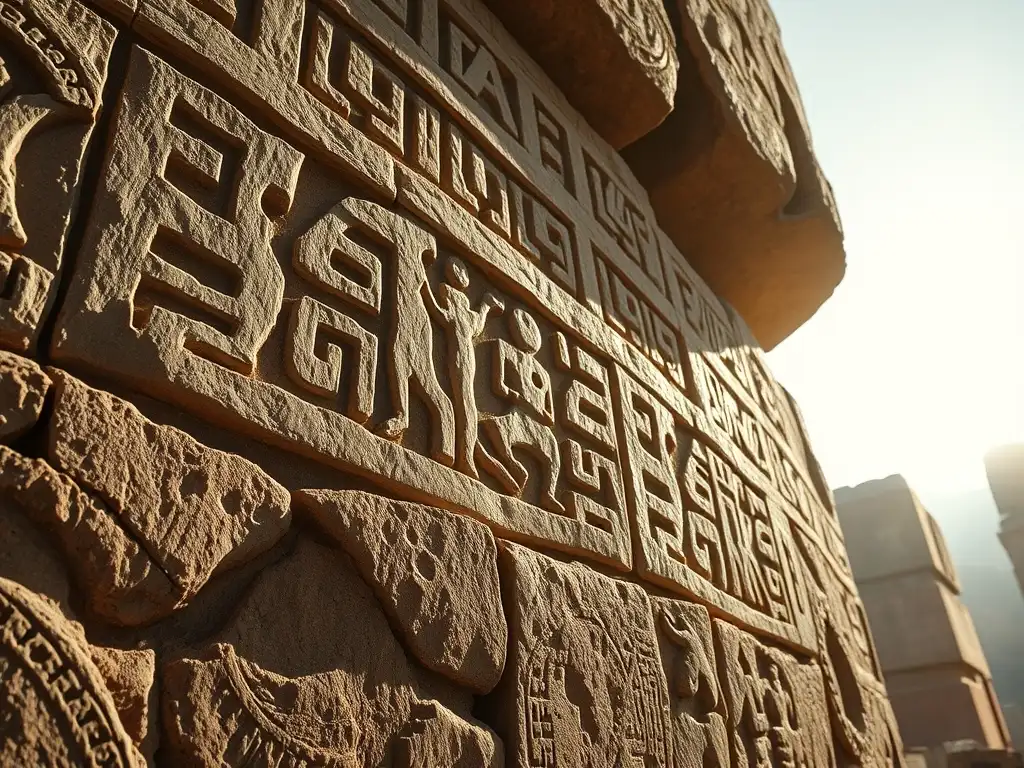
Tiahuanaco, a pre-Columbian civilization flourishing in the Andes around 1500 to 1150 BCE, left behind a legacy of monumental architecture and enigmatic megalithic structures. These massive stone constructions, meticulously crafted and precisely placed, stand as testaments to the advanced engineering and sophisticated cosmology of this remarkable culture. The term "megalithic" itself, meaning "large stone," aptly describes these impressive structures, many of which remain partially unearthed, hinting at a scale and complexity yet to be fully understood.
Understanding the Tiahuanaco megalithic stone rituals requires delving into the intricate relationship between these stones, the society that built them, and their spiritual beliefs. The sheer size and precision of these stones, along with their intricate carvings and symbolic representations, suggest a deep-seated ritualistic purpose, a sacred connection between the earthly and spiritual realms. The scale of the undertaking implies a highly organized society with a centralized power structure capable of mobilizing significant resources for these massive construction projects.
The sheer weight and precision of the stonework suggests advanced knowledge of engineering and mathematics, far exceeding the capabilities often attributed to pre-Columbian cultures. Further research promises to unlock more secrets of these awe-inspiring structures and their significance in the Tiahuanaco worldview.
Unveiling the Ancient Stone Structures of Tiahuanaco
The most iconic example of Tiahuanaco's megalithic architecture is undoubtedly the Kalasasaya platform. This massive stone platform, with its towering monoliths and intricately carved gateways, served as a central focal point for ritual activities. The precision with which these massive stones were cut, transported, and fitted together remains a source of wonder and debate among archaeologists. Some of the stones weigh tens of tons, requiring immense engineering skill and manpower to manipulate.
The Pumapunku complex, another significant site, features similarly impressive megaliths, characterized by their remarkably precise and intricate stonework. The stones themselves are often composed of red sandstone, andesite, and diorite, materials that would have required significant effort to quarry and transport over considerable distances. Analysis of the stone's composition, along with the tools used in their construction (evidence suggests the use of advanced bronze tools and possibly even copper alloys), reveals a level of technological sophistication that challenges previous assumptions about the capabilities of the Tiahuanaco people.
We are still uncovering the full extent of the Tiahuanaco's architectural achievements; new discoveries constantly reshape our understanding of their engineering prowess and their ability to create and maintain such colossal structures. The sheer scale of these projects speaks to the immense social and religious importance placed on these monumental constructions. Further investigation into the quarries and transportation routes used to acquire these materials is crucial to fully understanding the logistical complexities of this monumental undertaking.
The Role of Megaliths in Tiahuanaco Society
The megaliths of Tiahuanaco were not merely architectural feats; they played a vital role in the society's religious and cosmological beliefs. The intricate carvings found on many of these stones depict various deities, mythical creatures, and symbolic representations tied to the Tiahuanaco worldview. These carvings likely served as focal points for rituals, reinforcing the power and authority of the ruling elite.
Archaeological evidence suggests that these megaliths were used for a variety of ritualistic purposes, including offerings, ceremonies, and astronomical observations. For example, the orientation of certain structures suggests an understanding of celestial events and their connection to the agricultural cycle.
The presence of sacrificial remains near some of the megaliths lends credence to the idea that these structures were integral to religious practices. Moreover, the sheer scale and imposing nature of these structures likely served to reinforce the power and authority of the ruling class, creating a sense of awe and reverence among the populace.
The precise nature of these rituals remains a subject of ongoing research and debate. However, evidence suggests a complex interplay of astronomy, agriculture, and religious beliefs. The alignment of certain megaliths with celestial bodies suggests that they were used for astronomical observations, possibly to determine the optimal times for planting and harvesting.
The discovery of ritual objects and offerings near the megaliths further supports the idea that these structures were central to the religious life of the Tiahuanaco civilization. The intricate carvings and symbolic representations on the stones themselves offer further clues to the nature of their ritualistic significance. Future research utilizing advanced imaging techniques and interdisciplinary approaches promises to shed more light on the intricate details of these fascinating rituals and their impact on Tiahuanaco society.
The meticulous craftsmanship and monumental scale of these megaliths underscore their importance as sacred spaces within the Tiahuanaco worldview. The continued study of these sites is crucial to a more complete understanding of the complex religious and social structures of this influential Andean civilization.
Tiahuanaco Megalithic Stone Rituals: Practices and Beliefs
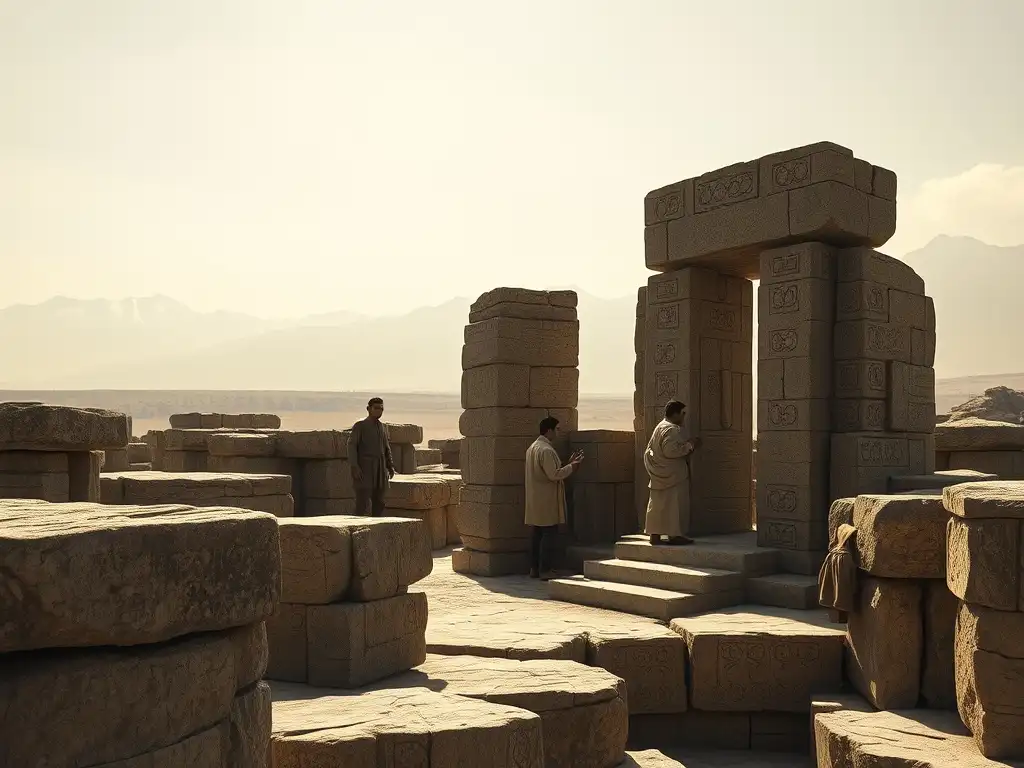
This section delves into the fascinating world of Tiahuanaco's megalithic stone rituals, exploring the practices and beliefs surrounding these monumental structures. The intricate craftsmanship and monumental scale of Tiahuanaco's architecture suggest a deeply rooted spiritual significance, intertwined with their cosmology and social structure. Understanding these rituals offers crucial insights into the worldview and societal organization of this remarkable Andean civilization.
The sheer weight and precision involved in the construction of these structures point to a highly organized society with advanced engineering capabilities and a strong belief system that prioritized these massive stone works. The very act of building these megaliths was likely a ritual in itself, a collective undertaking reflecting communal identity and shared spiritual purpose. Analyzing the evidence available, we can begin to piece together the complex tapestry of their religious practices.
The Significance of Stone in Tiahuanaco Cosmology
Stone held profound symbolic importance within Tiahuanaco cosmology. It was not merely a building material; rather, it represented the enduring strength and stability of the cosmos itself. The imposing nature of the megaliths likely mirrored their perception of the powerful forces governing the universe.
This reverence for stone is further evidenced by the meticulous craftsmanship evident in the megaliths' construction, showcasing a deep connection between the people and the material they worked with. The selection of specific types of stone, their precise placement, and the intricate carvings all suggest a carefully orchestrated ritual process, reflecting a sophisticated understanding of the cosmos and their place within it. Certain stones may have been considered sacred, possessing inherent power or representing specific deities or cosmological concepts.
Further research is needed to fully understand the nuances of their stone selection process and its cosmological implications. For example, [Specific information pending on the types of stone used and their possible symbolic meaning].
Ritual Practices Associated with Tiahuanaco Megaliths
The evidence suggests a variety of ritual practices associated with Tiahuanaco's megaliths. These rituals likely involved offerings, processions, and possibly human sacrifice, though the exact nature and frequency of these practices remain areas of ongoing research. The presence of carved figures and symbols on the stones may have served as focal points for rituals, acting as conduits for communication with the supernatural world.
The Kalasasaya complex, for instance, with its massive stone blocks and intricate carvings, is a prime example of a site where elaborate rituals likely took place. Archaeological findings of artifacts within and around the megalithic structures further support the notion of ceremonial use.
These artifacts include ceramics, textiles, and other offerings, providing valuable clues about the rituals performed. The orientation of some structures towards celestial events suggests the incorporation of astronomical observations into their ritual practices, further highlighting the intricate link between their religious beliefs and their understanding of the cosmos.
We can hypothesize several ritual scenarios:
- Processions: Large-scale processions may have moved through the Kalasasaya complex, with participants engaging in chants, dances, and offerings.
- Offerings: Precious objects, food, and possibly human sacrifices may have been presented to appease deities or ensure the continued prosperity of the community.
- Astronomical Alignments: The precise alignment of some structures with solstices or equinoxes may have been integral to specific rituals, marking important times of the year.
Evidence of Ceremonial Use of Tiahuanaco Stone Structures
Numerous lines of evidence point towards the ceremonial use of Tiahuanaco's stone structures. The meticulously carved stones themselves, often adorned with intricate designs and symbolic representations, serve as powerful testimony to their ritual significance. The presence of sacrificial remains, though debated in some cases, adds another layer of complexity to our understanding. [Specific details on the types of sacrificial remains found, if any, and their interpretation are pending].
The careful placement of artifacts within and around the structures further supports the idea that these were not merely functional buildings, but also important ritual centers. The discovery of caches of offerings – including finely crafted ceramics, textiles, and precious metals – within the structures underscores their role as sacred spaces. The organization and layout of the structures themselves suggest a deliberate planning process, reflecting a well-defined ritualistic purpose. The careful alignment of certain structures with astronomical events points towards the integration of celestial observations into the ritual calendar.
Further research, including advanced dating techniques and detailed analysis of the artifacts found, promises to shed more light on the specific rituals performed at these sites. The study of these megalithic stone rituals is crucial for a complete understanding of Tiahuanaco religion and cosmology. The meticulous nature of the construction and the evident ceremonial use of these structures highlight the advanced capabilities and complex spiritual beliefs of this remarkable civilization. 🌎
Key Megalithic Structures at Tiahuanaco and Their Functions
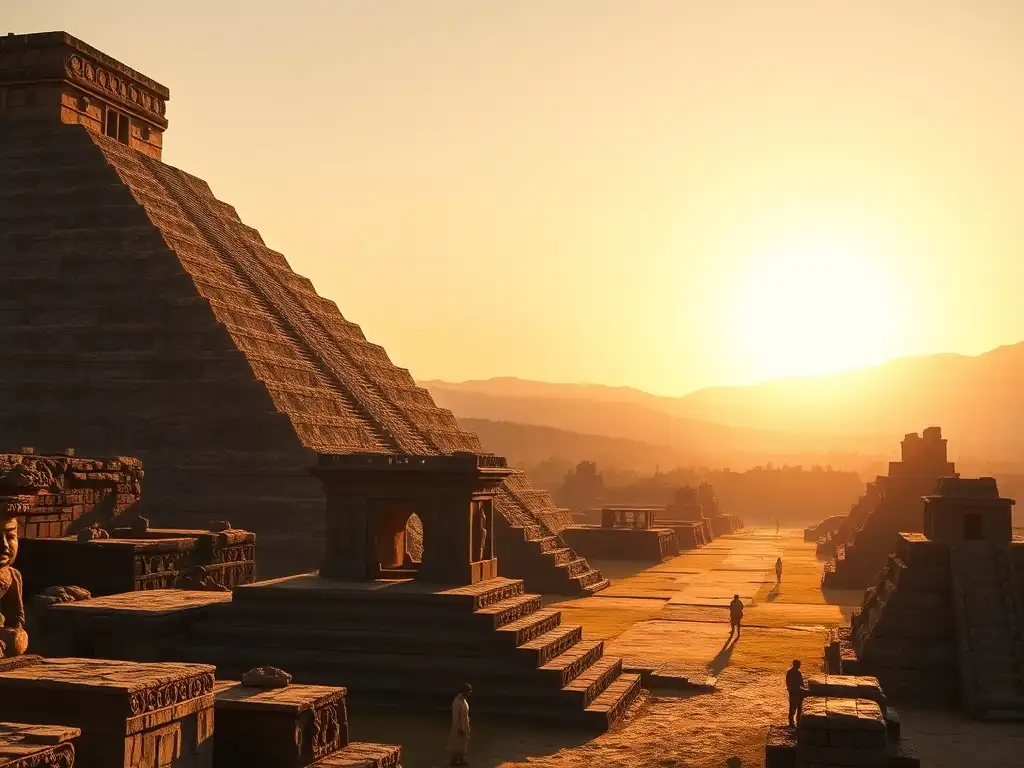
Tiahuanaco's enduring legacy rests heavily on its impressive megalithic architecture, structures built from massive stones that continue to inspire awe and wonder. These weren't merely buildings; they were integral components of a sophisticated religious system, acting as stages for elaborate rituals and symbolic representations of the Tiahuanaco worldview. Understanding the function of these structures provides crucial insight into the beliefs and practices of this remarkable civilization.
The precise methods of construction and transportation of these gigantic stones remain a subject of ongoing research and debate, further fueling the mystique surrounding Tiahuanaco's megalithic achievements. The sheer scale and precision of the stonework, combined with the enigmatic nature of their symbolic designs, make them prime examples of Tiahuanaco's advanced technology and profound spiritual beliefs. The careful placement and orientation of these structures, often aligned with celestial events, suggest a deep understanding of astronomy and its connection to their religious calendar.
The study of these megaliths offers a unique window into the complex interplay between cosmology, ritual practice, and monumental architecture in Tiahuanaco society. The following sections will delve deeper into three of the most significant structures.
The Gateway of the Sun: A Masterpiece of Tiahuanaco Stonework
The Gateway of the Sun is arguably the most iconic megalithic structure at Tiahuanaco. This monolithic gateway, carved from a single massive andesite block, is adorned with intricate relief carvings depicting a central figure, often interpreted as a deity, surrounded by various other figures and symbolic motifs. The precision of the carving, especially considering the tools available at the time, is truly remarkable.
The central figure's headdress is particularly noteworthy, often interpreted as representing a stylized sun or a celestial being. Scholars debate the exact meaning of the various figures and symbols, but it's widely accepted that the Gateway of the Sun served as a focal point for important religious ceremonies. Its location, within the Kalasasaya complex, suggests a central role in larger ritual processions and celebrations.
The intricate detail of the carvings, including the repeated motifs and the seemingly deliberate arrangement of figures, points to a carefully planned and executed design. The massive size of the stone itself also speaks to the considerable engineering prowess of the Tiahuanaco people. The precise alignment of the gateway with the solstices or equinoxes is also frequently cited as evidence of the Tiahuanaco's sophisticated astronomical knowledge and its integration into their religious practices.
This suggests that the Gateway of the Sun may have played a role in marking significant celestial events, further underscoring its ritual significance. Further research into the petrography of the andesite and the techniques used in its carving could shed more light on the construction process and the level of technological sophistication involved.
The Kalasasaya: Exploring its Possible Ritual Uses
The Kalasasaya, meaning "standing stones" in Aymara, is a large rectangular platform constructed from massive stone blocks. This complex, which includes the Gateway of the Sun, features a series of upright stones and intricate stonework. Its layout and the presence of several smaller structures within its confines suggest a multifaceted function, likely serving as a central location for a variety of rituals. The orientation of the Kalasasaya in relation to the cardinal directions and celestial bodies, combined with the presence of possible astronomical markers, implies a significant role in observing and celebrating astronomical events.
Evidence suggests that the Kalasasaya might have hosted large-scale public ceremonies, with the massive stones potentially serving as seating or viewing areas for participants. The presence of smaller, more enclosed structures within the Kalasasaya suggests that more private or specialized rituals may have also taken place within these areas. Further investigation into the arrangement and function of these smaller structures is needed to fully understand their role within the larger Kalasasaya complex.
The discovery of artifacts within the Kalasasaya, such as ceremonial objects and offerings, further supports its interpretation as a significant religious center. The sheer scale of the Kalasasaya, combined with its intricate design and strategic location, clearly indicates its importance within the Tiahuanaco religious landscape.
The Akapana Pyramid: A Central Element of Tiahuanaco Religious Life
The Akapana Pyramid, a massive stepped pyramid, is considered one of the largest structures at Tiahuanaco. Its construction involved the precise placement of enormous blocks of stone, demonstrating the remarkable engineering skills of the Tiahuanaco builders. The pyramid's terraced structure, with its multiple levels and internal chambers, suggests a complex and multi-layered symbolic meaning. The presence of water channels and other hydraulic features within the pyramid points towards a possible connection to water rituals and agricultural practices. This suggests a possible link between religious beliefs and the vital role of water in the Tiahuanaco worldview and their agricultural economy.
The Akapana's internal chambers, many of which remain unexcavated, likely played an important role in ritual activities. The discovery of offerings and other artifacts within these chambers would provide invaluable insights into the nature of these rituals and the beliefs they represented.
The pyramid's prominent position within the Tiahuanaco site, along with its imposing size and elaborate design, strongly suggests its central role in the religious life of the city. The Akapana may have served not only as a temple but also as a place of pilgrimage, drawing people from across the region to participate in important ceremonies and rituals.
Further research, including detailed archaeological surveys and analysis of the artifacts found within the pyramid, is needed to fully understand its significance within the broader context of Tiahuanaco religion and cosmology. The Akapana pyramid stands as a testament to the sophisticated engineering and complex religious beliefs of the Tiahuanaco civilization, a powerful symbol of their spiritual and societal organization.
Puma Punku: Precision Engineering and Ritual Significance
Puma Punku, meaning "Puma's Gate" in Aymara, is arguably the most famous and enigmatic structure at Tiahuanaco. Its massive, precisely cut stone blocks, some weighing over 100 tons, have captivated researchers and fueled speculation for centuries. The sheer scale of the engineering feat, coupled with the lack of readily apparent tools capable of achieving such precision in ancient times, continues to challenge our understanding of Tiahuanaco's technological capabilities.
The stones themselves display an astonishing level of accuracy, with surfaces so finely fitted that even a knife blade cannot be inserted between them. This precision suggests a deep understanding of geometry, engineering, and potentially, astronomical alignments, all crucial elements in understanding the ritual significance of the site.
The purpose of Puma Punku remains debated. Some scholars propose it served as a ceremonial platform, perhaps for large-scale rituals involving significant numbers of people. The immense size of the stones themselves might have been intended to evoke a sense of awe and power, reinforcing the authority of the ruling elite or the sacred nature of the site.
The presence of intricate channels and possible water features further supports the theory of ritualistic use, suggesting the potential for water-based ceremonies or offerings. The precise arrangement of the stones, possibly reflecting cosmological or calendrical patterns, reinforces this interpretation, suggesting a deep connection between the physical structure and the spiritual beliefs of the Tiahuanaco people.
Further research, particularly in the areas of material analysis and astronomical alignment studies, could shed more light on the specific rituals performed at Puma Punku. The sheer scale of the site suggests that the rituals were significant, potentially involving large communal gatherings or important state-sponsored events.
The precision in the construction of Puma Punku also speaks to the advanced technological knowledge of the Tiahuanaco culture. The ability to quarry, transport, and precisely fit stones of such immense size demonstrates sophisticated organizational skills, advanced tools (the exact nature of which remains a mystery), and a deep understanding of engineering principles. This technological prowess was undoubtedly linked to the spiritual and ritualistic aspects of Tiahuanaco society, highlighting the close interplay between technology, religion, and power in this ancient Andean civilization.
The very existence of Puma Punku serves as a testament to the ingenuity and spiritual depth of the Tiahuanaco people, leaving behind a legacy that continues to inspire wonder and intrigue. The ongoing research into the site promises to unlock further secrets about the rituals and beliefs associated with this remarkable structure.
Tiahuanaco's Stone Carvings: Symbolism and Meaning
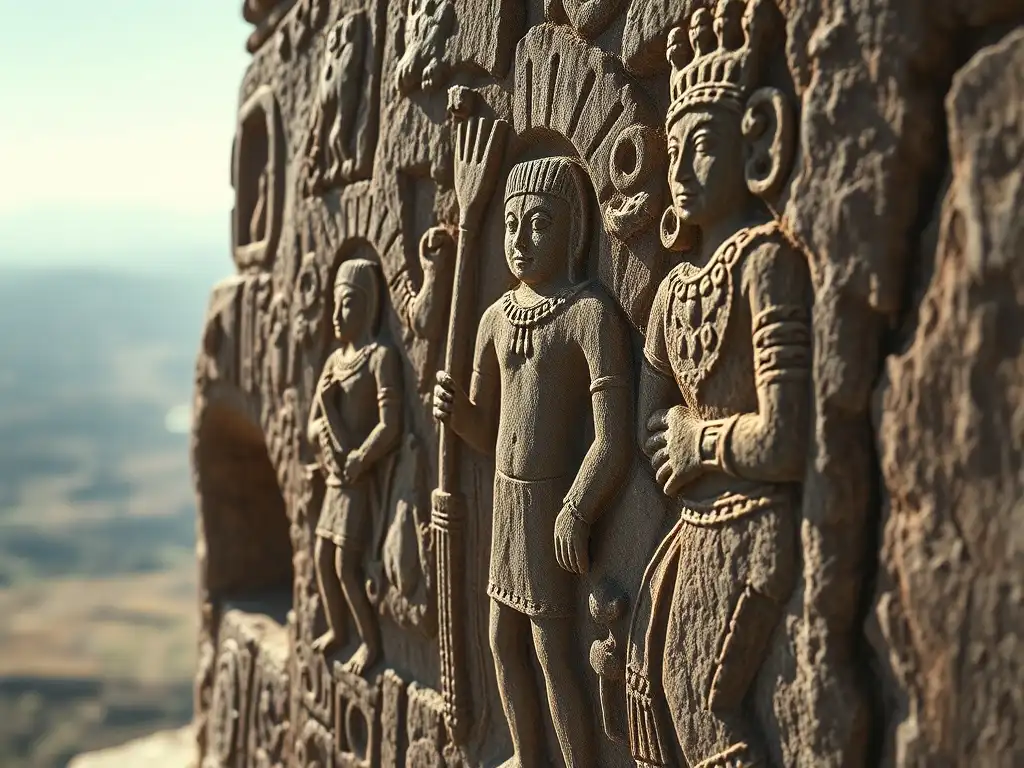
The monumental architecture of Tiahuanaco is not merely impressive in its scale; its intricate stone carvings offer a profound glimpse into the religious beliefs and cosmology of this advanced Andean civilization. The meticulous craftsmanship and symbolic imagery etched into these megaliths provide invaluable insights into their ritual significance, revealing a complex system of beliefs surrounding deities, cosmology, and the relationship between the human and spiritual worlds.
Understanding these carvings is crucial to deciphering the intricate tapestry of Tiahuanaco's spiritual life and its impact on the daily lives of its inhabitants. The precise techniques used in carving, the selection of specific stones, and the placement of these megaliths within the sacred landscape all contribute to the rich tapestry of meaning embedded within the Tiahuanaco megalithic stone rituals.
Iconography on Tiahuanaco Megaliths: Interpreting the Designs
The iconography on Tiahuanaco megaliths is remarkably diverse and complex. Researchers have identified numerous recurring motifs, including stylized figures, geometric patterns, and zoomorphic representations. These designs are not randomly placed; they often appear in specific combinations and contexts, suggesting a deliberate and carefully planned system of visual communication.
For example, the frequent depiction of stepped pyramids, often associated with the apu (mountain spirits), highlights the importance of Andean cosmology in Tiahuanaco religion. The intricate details within these carvings, often requiring magnification to fully appreciate, demonstrate a high level of artistic skill and a deep understanding of symbolic representation. Detailed studies of these carvings have revealed subtle variations in style and iconography across different periods and locations within the Tiahuanaco site, suggesting possible shifts in religious beliefs or artistic conventions over time.
Further research is needed to fully understand the nuances of these variations and their implications for our understanding of Tiahuanaco culture. Specific examples include the recurring "Gateway of the Sun" motifs, which are often interpreted as representing cosmological events or specific deities. The precise meaning of these symbols remains a subject of ongoing scholarly debate, but their consistent presence across numerous megaliths underscores their importance within Tiahuanaco's symbolic system.
The Representation of Deities and Mythological Figures
Many of the carvings depict figures that are believed to represent deities or mythological beings central to Tiahuanaco's pantheon. While the exact identities of these figures remain uncertain, their stylized features and accompanying symbols offer clues to their roles and significance. Some figures are depicted with elaborate headdresses, staffs, and other regalia, suggesting high status and power.
Others are shown engaged in ritualistic actions, providing insights into the practices and beliefs associated with these deities. For instance, certain figures are frequently shown holding objects interpreted as symbols of fertility or agricultural abundance, reflecting the importance of agriculture in Tiahuanaco society and its connection to the spiritual realm. The representation of these deities varies significantly in style and detail across different megaliths, hinting at the potential existence of a complex hierarchical structure within the Tiahuanaco pantheon.
The diverse iconography suggests a rich and multifaceted religious system, possibly incorporating elements from various Andean traditions. Careful analysis of these depictions, combined with archaeological and anthropological data, is crucial for a more complete understanding of Tiahuanaco's religious cosmology. The study of these figures and their attributes is ongoing, with new interpretations emerging as researchers refine their understanding of Tiahuanaco's iconography and its broader cultural context.
The Connection Between Stone Carvings and Tiahuanaco Beliefs
The stone carvings are not merely decorative elements; they are integral to understanding Tiahuanaco's religious beliefs and practices. The meticulous craftsmanship and symbolic richness of these carvings reflect the deep spiritual significance attributed to the megaliths themselves. The placement of these stones within the sacred landscape, their orientation towards specific celestial events, and their association with ritual activities further underscores their importance.
The carvings likely served multiple functions, including marking sacred spaces, commemorating important events, and facilitating communication with the spiritual world. The prevalence of certain motifs, such as stylized animals and celestial bodies, suggests a close relationship between Tiahuanaco's religious beliefs and its understanding of the natural world. Furthermore, the consistent use of specific materials and techniques in the creation of these carvings points to a highly structured and organized religious system.
The combination of astronomical alignments, intricate carvings, and the overall layout of the Tiahuanaco site strongly suggests a sophisticated understanding of cosmology and its integration into religious practices. Further research is needed to fully explore the complex interplay between the stone carvings, the sacred landscape, and the spiritual beliefs of the Tiahuanaco people. This interdisciplinary approach, combining archaeological findings with anthropological and astronomical data, is crucial for unraveling the mysteries of Tiahuanaco's megalithic stone rituals and their profound cultural significance.
The Construction Techniques of Tiahuanaco Megalithic Architecture
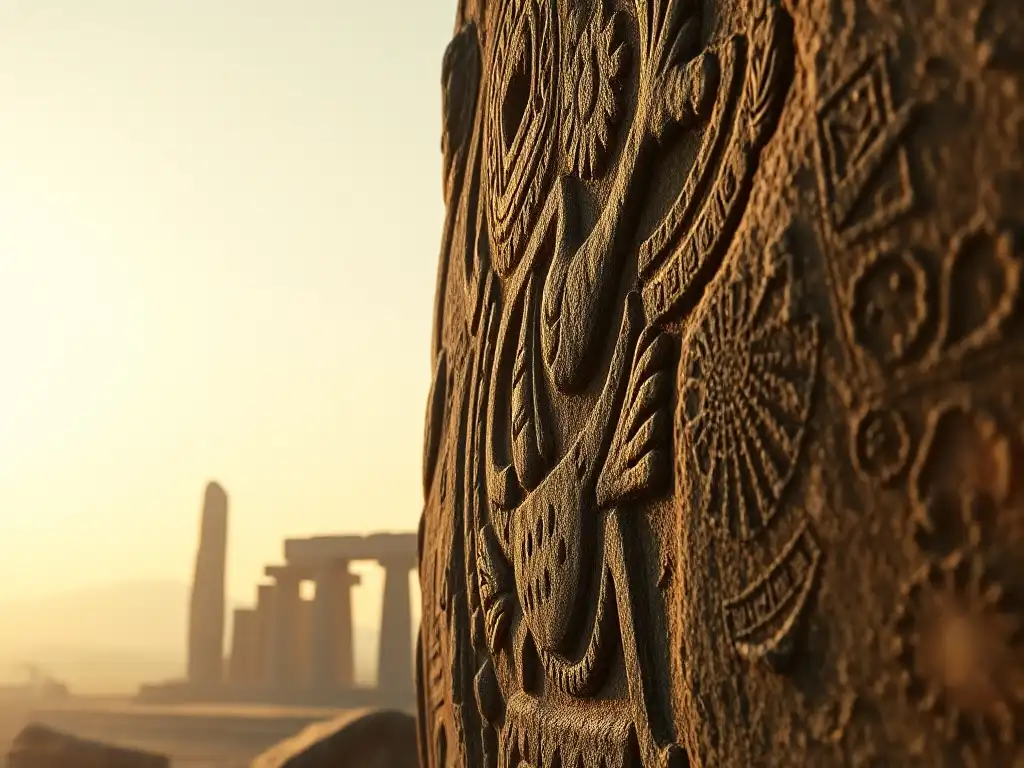
The awe-inspiring megalithic architecture of Tiahuanaco remains a testament to the advanced engineering and organizational skills of its builders. Understanding the construction techniques employed requires delving into the intricacies of quarrying, transportation, precision cutting, and overall engineering feats. The sheer scale and precision of these structures continue to baffle modern engineers, fueling ongoing research and debate about the methods used. The mystery surrounding these techniques adds to the allure of Tiahuanaco's sacred stones and their ritual significance, making the study of "Tiahuanaco megalithic stone rituals" even more compelling.
Quarrying and Transportation of Massive Stones
The colossal stones used in Tiahuanaco's structures, some weighing tens of tons, were quarried from distant locations, primarily from the nearby quarries of Khari Khari. The exact methods of extraction remain uncertain, but theories range from the use of rudimentary wedges and levers to the potential application of water erosion techniques to loosen the stones from their bedrock. Evidence suggests that the builders may have exploited natural fissures and weaknesses in the rock formations to facilitate the quarrying process.
The transportation of these massive blocks over significant distances presents another significant challenge. While the precise routes are still under investigation, it's hypothesized that a combination of rollers, ramps, levers, and possibly even water-based transport systems (given the proximity to Lake Titicaca) were employed.
The sheer logistical undertaking involved in moving these colossal stones highlights the exceptional organizational capabilities and manpower resources of the Tiahuanaco civilization. The scale of this operation underscores the importance of these stones within the broader context of Tiahuanaco megalithic stone rituals.
The Precision of Tiahuanaco Stone Cutting and Fitting
The astonishing precision in the cutting and fitting of Tiahuanaco's stones is arguably its most remarkable feature. Many stones are so precisely cut that blades of a knife cannot be inserted between them. This level of accuracy suggests a sophisticated understanding of stone-working techniques, possibly employing tools made of harder materials like obsidian or copper. The intricate carvings and designs found on some of the stones also demonstrate a high level of artistry and craftsmanship.
Analyzing the tools and techniques employed requires further research, but existing evidence points towards a level of expertise far exceeding that of many contemporary civilizations. The perfectly fitted blocks, often with intricate carvings, were not simply piled together; they were meticulously placed to create stable and enduring structures. This level of precision is crucial to understanding the symbolic and ritualistic purposes embedded within the "Tiahuanaco megalithic stone rituals".
Engineering Achievements in Tiahuanaco's Megalithic Construction
The engineering achievements evident in Tiahuanaco's megalithic structures are truly impressive. The builders demonstrated a profound understanding of physics, engineering principles, and construction techniques. The precise alignment of the stones, the stability of the massive structures, and the integration of complex architectural features all point to a mastery of engineering that was far ahead of its time.
Consider the Kalasasaya, for example, with its massive standing stones and intricately carved monoliths. The sheer weight and scale of the stones, combined with their precise placement, demonstrate a remarkable understanding of weight distribution and structural integrity. The construction of the Akapana pyramid, with its sophisticated internal chambers and drainage systems, further exemplifies the engineering prowess of the Tiahuanaco civilization.
These impressive feats of engineering are inextricably linked to the spiritual and ritualistic significance of the stones, reinforcing the importance of studying "Tiahuanaco megalithic stone rituals" in their broader architectural context. The advanced techniques used in the construction of these structures not only stand as testaments to human ingenuity but also provide invaluable insights into the worldview and beliefs of the Tiahuanaco people. Further research into these engineering marvels is needed to fully appreciate the complexity and ingenuity of their construction methods.
Tiahuanaco Megaliths: A Legacy of Ancient Andean Ritual
This section delves into the fascinating world of Tiahuanaco's megalithic structures and their integral role in the civilization's complex religious practices. The sheer scale and precision of these stones, some weighing many tons, speak to an advanced understanding of engineering and a profound spiritual significance. The Tiahuanaco megalithic stone rituals were not merely ceremonial; they were deeply intertwined with the cosmology, social structure, and daily life of the people.
Understanding these rituals provides crucial insight into the beliefs and practices of this remarkable Andean civilization. We'll explore the lasting impact of these rituals, their influence on Andean religious thought, and the enduring mysteries surrounding these sacred stones.
The Lasting Impact of Tiahuanaco Stone Rituals
The influence of Tiahuanaco's sophisticated ritual practices, heavily reliant on megalithic structures, extended far beyond its geographical boundaries and temporal lifespan. Evidence suggests that the architectural styles, ceremonial practices, and even symbolic iconography associated with Tiahuanaco's megaliths were adopted and adapted by subsequent Andean cultures. This cultural diffusion is evident in the similarities observed in later religious sites across the Andes.
For example, the use of massive stone blocks in architectural projects, though perhaps on a smaller scale, can be seen in later cultures. The precise techniques employed in the construction of Tiahuanaco's megaliths—techniques that remain partially unexplained even today—likely inspired awe and imitation among succeeding generations. This suggests a powerful legacy of knowledge and religious practice that transcended the decline of the Tiahuanaco state itself.
Furthermore, the symbolic representations found on the megaliths, often depicting deities, celestial bodies, and mythical creatures, appear in modified forms in the art and iconography of later Andean societies. This continuity suggests a persistent religious framework that connected different Andean cultures over centuries, with Tiahuanaco's megalithic rituals serving as a foundational element. The precise nature of this transmission, however, requires further research. [Specific details on cultural diffusion pending].
How Tiahuanaco's Megaliths Shaped Andean Religious Thought
Tiahuanaco's megaliths were not simply impressive feats of engineering; they were central to the civilization's cosmology and religious worldview. The placement of these stones, often aligned with astronomical events or significant geographical features, suggests a sophisticated understanding of the cosmos and a belief in the interconnectedness of the earthly and celestial realms. The Tiahuanaco megalithic stone rituals were likely designed to interact with and influence these cosmic forces.
The elaborate carvings and iconography found on many of the megaliths provide further clues to their religious significance. These depictions often feature stylized figures, animals, and symbols that likely represented deities, ancestors, or powerful natural forces. The interpretation of these symbols remains a subject of ongoing scholarly debate, but their presence undeniably points to a complex and nuanced religious system.
Consider, for instance, the Puerta del Sol (Sun Gate), a massive stone structure adorned with intricate carvings. While its exact purpose is still debated, the intricate relief depicting various figures and symbols suggests that it played a key role in important rituals related to the sun, possibly involving solar observations and ceremonies marking solstices or equinoxes. The rituals associated with this and other megaliths likely reinforced the power structures and social hierarchies within Tiahuanaco society. [Further analysis of specific iconography pending].
The Enduring Mystery of Tiahuanaco's Sacred Stones
Despite extensive research, many questions surrounding Tiahuanaco's megaliths remain unanswered. The precise methods used to quarry, transport, and erect these massive stones continue to puzzle archaeologists and engineers. The sheer scale of the undertaking suggests a highly organized society with a sophisticated understanding of engineering and logistics. How did they move these colossal blocks across challenging terrain? What tools and techniques did they employ? These are questions that continue to fuel fascination and inspire new research into the Tiahuanaco megalithic stone rituals.
Furthermore, the interpretation of the iconography and symbolism found on the megaliths remains a complex and challenging task. While scholars have made significant progress in deciphering some of the imagery, much remains open to interpretation. The lack of written records from the Tiahuanaco period adds to the mystery, leaving researchers to rely on archaeological evidence, comparative studies with other Andean cultures, and anthropological insights to piece together a comprehensive understanding of these sacred stones and their role in the civilization's religious life. The ongoing exploration of these mysteries underscores the enduring legacy and enigmatic allure of Tiahuanaco's megalithic heritage.
Frequently Asked Questions
What were the Tiahuanaco megaliths used for?
The Tiahuanaco megaliths served a variety of purposes, likely related to religious rituals and ceremonies. They may have been used as platforms for sacrifices, altars, or part of larger cosmological representations.
What makes Tiahuanaco's stonework so impressive?
Tiahuanaco's stonework is remarkable for its precision and scale. The massive stones, some weighing many tons, were precisely cut and fitted together without mortar, demonstrating advanced engineering and technology.
What kind of rituals were performed at Tiahuanaco?
Evidence suggests a range of rituals, including sacrifices (both human and animal), ceremonial processions, and observations of astronomical events. The megaliths likely played a central role in these practices.
What is the significance of the Gate of the Sun?
The Gate of the Sun is the most famous Tiahuanaco megalith, and its intricate carvings are believed to depict mythological figures and cosmological symbols. It likely held a central role in important religious ceremonies.
How did the Tiahuanaco people move such massive stones?
The exact methods remain a mystery, but theories involve the use of inclined planes, rollers, levers, and possibly ropes and human power. The organization and manpower required were substantial.
Final Reflection: Echoes of the Andes: Tiahuanaco's Enduring Legacy
The meticulous craftsmanship and enigmatic purpose of Tiahuanaco's megaliths continue to resonate today, a powerful testament to the ingenuity and spiritual depth of a civilization lost to time. Their precise construction, the scale of the undertaking, and the enduring mystery surrounding their function challenge our understanding of ancient engineering and societal organization, prompting us to reconsider our assumptions about the capabilities of pre-Columbian cultures. The very stones themselves whisper tales of a sophisticated society, leaving us to piece together their story from fragmented evidence.
The enduring influence of Tiahuanaco's megalithic rituals extends far beyond the archaeological site itself; its impact reverberates through Andean cultures and continues to inspire awe and wonder. The sheer scale of the structures and the evident dedication to their creation speak to a profound connection between the people and their environment, a spiritual understanding that transcended the material world. The past is never dead. It's not even past.
– William Faulkner. This quote perfectly encapsulates the enduring power of Tiahuanaco's legacy, reminding us that the echoes of these ancient rituals continue to shape our understanding of the past and inform our present.
Consider the implications of this ancient civilization's achievements. What can we learn from their dedication to monumental architecture and their profound spiritual beliefs? How can we apply their commitment to community and collaborative effort to address the challenges of our own time? Take a moment to reflect on the enduring power of human ingenuity and the importance of preserving and understanding our shared history. Let the stones of Tiahuanaco inspire you to build a future rooted in respect for the past and a commitment to creating a world worthy of such a rich and complex heritage.
**Unveil the Sacred Secrets of Tiahuanaco! **
Thank you for exploring the fascinating world of Tiahuanaco's sacred stones and their ritual significance. You've discovered the remarkable connection between these megaliths and the ancient beliefs that shaped Andean civilization. Now, let's delve even deeper!
Here are a few ways to further explore Tiahuanaco's mysteries:
- **Learn more** about the rituals surrounding these megaliths by reading our detailed articles on ancient Andean practices.
- **Join our community**! Share your thoughts and insights on Tiahuanaco in the comments section or connect with fellow enthusiasts on our social media platforms.
- Take a **virtual tour**—explore online 3D reconstructions of Tiahuanaco to experience this captivating site from the comfort of your home!
What insights have you gained about the rituals at Tiahuanaco, and how do you think they relate to modern spiritual practices? Share your thoughts below!