
The Alliance of Indigenous Groups: A United Front Against Colonial Rule

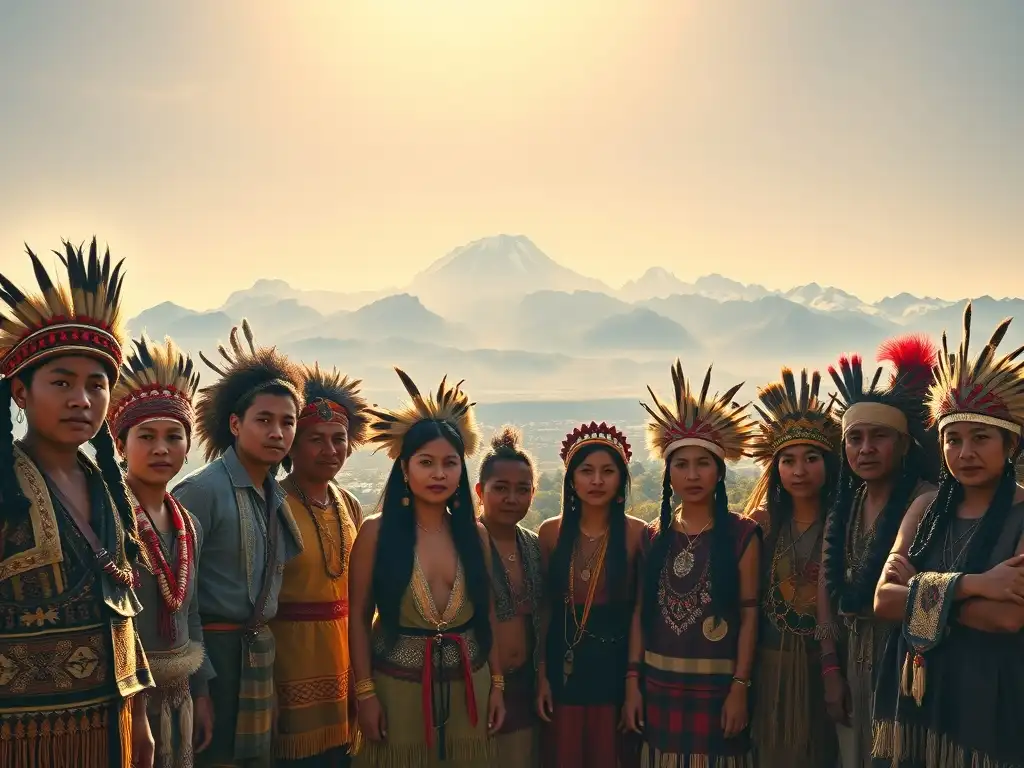
Uncover the untold stories of resilience and defiance! For centuries, the Andean civilizations thrived, leaving behind a legacy of breathtaking artistry and sophisticated engineering. But their story doesn't end with conquest. Dive into the fascinating world of Andean civilizations resistance to colonization, and discover how a united front of indigenous groups challenged the might of the Spanish Empire in a struggle for survival and freedom. Explore the Alliance of Indigenous Groups and witness their remarkable fight for independence—a testament to the enduring spirit of the Andes.
- Andean Civilizations Resistance to Colonization: The Túpac Amaru II Rebellion
- Formation of the Rebellion: A United Front
- Key Battles and Conflicts of the Túpac Amaru II Rebellion
- The Legacy of the Túpac Amaru II Rebellion
- Lessons from Andean Resistance: A Historical Perspective
-
Frequently Asked Questions
- How did Andean civilizations resist Spanish colonization?
- What role did alliances play in resisting Spanish rule?
- Were there any successful long-term rebellions against the Spanish?
- How did Andean cultures maintain their identity despite colonization?
- What were some of the key factors contributing to the eventual Spanish victory?
- Final Reflection: Echoes of Resistance, Whispers of Hope
- **Join the Movement for Indigenous Empowerment**
Andean Civilizations Resistance to Colonization: The Túpac Amaru II Rebellion
The Spanish conquest of the Andes, while ultimately successful in establishing colonial rule, was far from a smooth or uncontested process. The seemingly monolithic image of the Inca Empire crumbling under Spanish might obscures a complex tapestry of resistance, rebellion, and resilience woven throughout the Andean region.
This article delves into the multifaceted strategies employed by indigenous Andean groups in their fight against colonial oppression, focusing on the significant Túpac Amaru II rebellion as a prime example of the sustained struggle against Spanish domination. Understanding this resistance is crucial to grasping the full picture of Andean history, moving beyond a narrative solely focused on conquest and instead highlighting the agency and determination of the indigenous populations in shaping their own destiny.
We will explore the socio-political context of the colonial period, examine the pre-colonial structures that influenced resistance strategies, and analyze the key events and figures that defined the indigenous fight for survival and autonomy. The keyword, "Andean civilizations resistance to colonization," encapsulates the core theme of this exploration, highlighting the diverse and enduring nature of indigenous opposition to Spanish rule.
The Context of Colonial Oppression in the Andes
The Spanish conquest of the Inca Empire in the 16th century did not lead to a passive acceptance of colonial rule. Instead, it ushered in a period of profound social, economic, and political upheaval. The encomienda system, which granted Spanish conquistadors control over indigenous labor and resources, was a brutal instrument of exploitation.
Indigenous populations were forced into harsh labor conditions in mines (like the infamous Potosí silver mines) and on agricultural estates, often suffering from disease, starvation, and physical abuse. The imposition of a new religious system, coupled with the destruction of indigenous religious practices and beliefs, further exacerbated the cultural trauma inflicted upon the Andean populations. This systematic oppression fueled resentment and laid the groundwork for widespread resistance movements.
The Spanish Crown, while often presenting a facade of benevolent rule, consistently prioritized the extraction of wealth from the colonies, often at the expense of the indigenous population's well-being. The seeds of rebellion were sown in the very fabric of colonial society.
Pre-Colonial Andean Society and Its Structures
Understanding the pre-colonial social and political structures of the Andean civilizations is essential to analyzing the nature of their resistance to Spanish rule. The Inca Empire, while characterized by a centralized authority, was also built upon a complex network of alliances and reciprocal obligations between different ethnic groups. These existing social networks and forms of collective action proved invaluable in organizing and sustaining resistance movements.
The ayllu, the traditional Andean community based on kinship and shared resources, played a critical role in providing a framework for resistance, offering both social support and a logistical base for rebellions. The Inca's sophisticated system of mit'a, a rotational labor system, while exploited by the Spanish, also demonstrated the capacity for organized labor and collective action, which were later adapted to resist colonial demands.
The ingrained social structures and communal identities of the Andean societies provided a foundation upon which resistance efforts could be built, demonstrating a resilience that outlasted the initial conquest. This pre-existing social fabric played a vital role in shaping the strategies and outcomes of subsequent resistance movements.
The Emergence of Indigenous Resistance to Spanish Rule
The Spanish conquest did not extinguish indigenous resistance; rather, it ignited it. Initial forms of resistance were often localized and sporadic, ranging from individual acts of defiance to small-scale revolts. However, as colonial oppression intensified, these isolated acts coalesced into larger, more organized movements.
The Túpac Amaru II rebellion, beginning in 1780, stands as a powerful testament to this evolution. Led by José Gabriel Condorcanqui, who claimed descent from the Inca emperors, this rebellion encompassed a broad coalition of indigenous groups united against Spanish rule. The rebellion’s success in initially gaining significant ground highlights the deep-seated resentment towards colonial policies and the capacity of the Andean people to mobilize and coordinate large-scale resistance against a seemingly invincible power.
While ultimately suppressed, the Túpac Amaru II rebellion, and other similar uprisings, significantly impacted the course of colonial history in the Andes, demonstrating the enduring legacy of indigenous resistance to Spanish rule and the lasting impact of their struggle for liberation. The rebellion serves as a powerful symbol of Andean agency and the ongoing fight for self-determination.
Formation of the Rebellion: A United Front
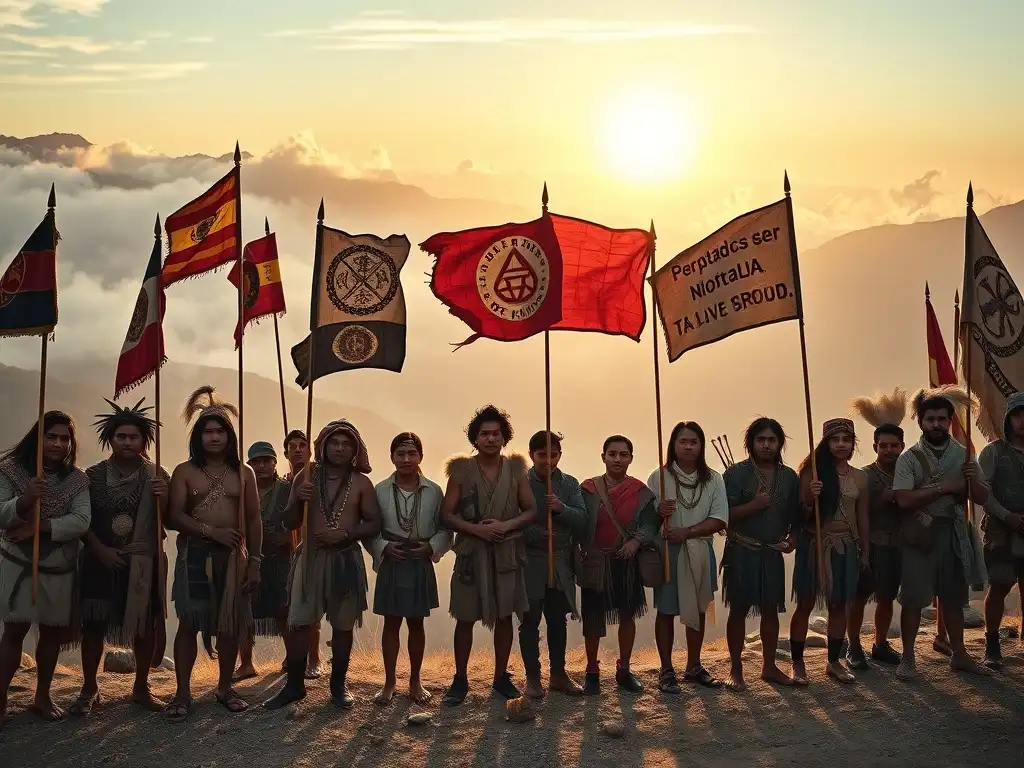
The Andean civilizations' resistance to colonization wasn't a monolithic entity; rather, it was a complex tapestry woven from various indigenous groups' struggles against Spanish rule. While the Inca Empire had fallen, the spirit of resistance remained strong, fueled by shared grievances and a desire for autonomy.
The initial scattered uprisings gradually coalesced into a more organized and unified front, driven by effective communication and strategic alliances forged amongst diverse Andean communities. This wasn't merely a rebellion against the Spanish crown; it was a reclamation of cultural identity and a fight for survival against a system designed to subjugate and exploit.
The formation of this united front was a crucial turning point, demonstrating the remarkable capacity of the Andean people to overcome internal divisions and present a formidable challenge to the colonial power. The success of this alliance, albeit temporary, significantly impacted the trajectory of the colonial period, proving that even against overwhelming odds, coordinated resistance could yield powerful results.
Motivations Behind the Indigenous Rebellion
The Andean civilizations' resistance to colonization stemmed from a multitude of deeply rooted factors. The Spanish conquest brought about a catastrophic upheaval in Andean society, impacting every aspect of life. The brutal imposition of encomienda and repartimiento systems, which forced indigenous labor in mines and on Spanish-owned estates, resulted in widespread suffering and death.
The systematic destruction of traditional social structures, religious practices, and economic systems further fueled resentment and a desire for change. The introduction of new diseases decimated the population, creating further instability and hardship. Beyond the immediate economic and social injustices, the Spanish Crown’s attempts to suppress indigenous culture and religion represented a profound violation of deeply held beliefs and values.
This cultural assault, coupled with the devastating economic and social consequences of colonization, ignited a powerful resistance movement across the Andes. The desire to reclaim ancestral lands, restore traditional ways of life, and preserve cultural identity became central motivations behind the rebellion. The fight was not just for survival but for the preservation of their very way of being.
Key Indigenous Leaders: Túpac Amaru II and Micaela Bastidas
The rebellion against Spanish rule in the Andes was spearheaded by several charismatic and strategically astute leaders. Among them, Túpac Amaru II and Micaela Bastidas stand out as pivotal figures. Túpac Amaru II, a descendant of the last Inca emperor, skillfully utilized his lineage and charisma to rally support among various indigenous groups. He was not merely a figurehead; he was a shrewd strategist who orchestrated military campaigns and developed alliances across vast territories.
His leadership galvanized the movement, providing a focal point for resistance and inspiring hope amongst the oppressed. Micaela Bastidas, Túpac Amaru II's wife, played an equally critical role, demonstrating exceptional political acumen and organizational skills. She effectively managed resources, communicated with different communities, and ensured the smooth functioning of the rebellion's logistical operations.
Her contributions often went unrecognized during the colonial period, but her role in the rebellion's success is now increasingly acknowledged and celebrated. The combined leadership of Túpac Amaru II and Micaela Bastidas was instrumental in forging a powerful and effective resistance movement. Their combined strategic thinking and organizational skills allowed them to mobilize a broad coalition of indigenous groups, posing a significant threat to the Spanish colonial regime.
Strategies and Tactics of the Rebel Forces
The Andean resistance to colonization employed a variety of strategies and tactics, adapting their approaches to the specific circumstances and challenges they faced. Guerrilla warfare was a key element of their resistance, utilizing their intimate knowledge of the terrain to their advantage. Ambushes and hit-and-run attacks against smaller Spanish detachments were common tactics, allowing them to inflict casualties and disrupt supply lines without engaging in large-scale open battles, which would have been strategically disadvantageous.
The rebels also effectively used the element of surprise, employing night attacks and exploiting the difficult mountain terrain to their advantage. Beyond military strategies, the rebellion also involved the mobilization of communities through a network of messengers and couriers, facilitating communication and coordination across vast distances. The effective communication network allowed for the rapid dissemination of information, the coordination of attacks, and the mobilization of resources.
Furthermore, the rebels strategically targeted specific economic and administrative centers of the Spanish colonial regime, disrupting trade routes and undermining colonial authority. This multifaceted approach, combining guerilla warfare with effective communication and targeted attacks, highlights the sophisticated and adaptable nature of the Andean resistance to colonization. The rebels' ability to leverage their understanding of their environment and their capacity for coordinated action demonstrated a remarkable level of strategic planning and execution.
Key Battles and Conflicts of the Túpac Amaru II Rebellion
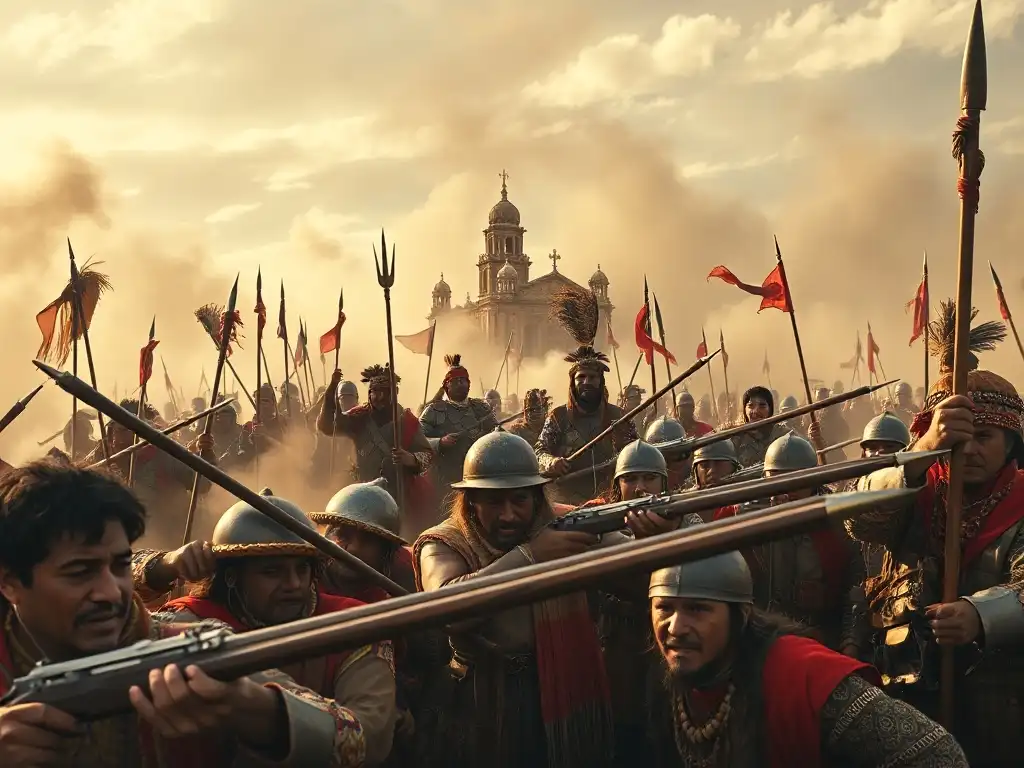
The Túpac Amaru II Rebellion, a pivotal moment in Andean civilizations resistance to colonization, wasn't a singular event but a complex series of battles and skirmishes spread across the vast Andean landscape. Understanding these conflicts is crucial to grasping the scale and intensity of indigenous resistance against Spanish rule. The rebellion, ignited in 1780, showcased the remarkable organizational capabilities and strategic thinking of the indigenous population, despite facing a technologically superior adversary.
Their coordinated efforts, though ultimately unsuccessful in achieving complete independence, significantly hampered Spanish control and left an indelible mark on Andean history. The rebellion's legacy continues to inspire discussions about indigenous rights and self-determination in the region.
The Battle of Sangarará and Its Significance
The Battle of Sangarará, fought in November 1780, represents a significant early victory for Túpac Amaru II's forces. This clash, near the town of Sangarará in present-day Peru, showcased the rebels' ability to effectively utilize guerilla tactics against the better-equipped Spanish army. While precise casualty figures remain debated amongst historians 1 , the strategic importance of Sangarará cannot be overstated. The rebels' success in ambushing and defeating a substantial Spanish contingent boosted morale, attracting further support from indigenous communities across the region. This initial success proved crucial in expanding the rebellion's reach and challenging the perceived invincibility of the colonial forces. The battle also demonstrated the effectiveness of indigenous military strategies, relying on knowledge of the terrain and coordinated attacks to overcome the Spanish advantage in weaponry. This victory, however fleeting, became a powerful symbol of resistance for the Andean civilizations.
The Siege of Cusco and Its Impact
The subsequent siege of Cusco, the heart of Spanish power in the region, marked a critical turning point in the rebellion. While the rebels managed to temporarily control the city, the prolonged siege ultimately weakened their forces and allowed the Spanish to regroup and counterattack. The siege, lasting several months, highlighted the logistical challenges faced by the indigenous army. Maintaining a large force, supplying them with provisions, and coordinating attacks over an extended period proved difficult.
The Spanish, despite initial setbacks, leveraged their superior weaponry and reinforcements to eventually break the siege. The fall of Cusco, while a significant defeat for Túpac Amaru II, did not entirely extinguish the flames of rebellion. The struggle continued in various forms throughout the Andes, demonstrating the enduring spirit of resistance against colonial oppression among the Andean civilizations. The siege underscores the complexities of sustained rebellion against a powerful colonial force.
The Struggle for Autonomy and Self-Determination
The Túpac Amaru II Rebellion, beyond its military engagements, represents a profound struggle for autonomy and self-determination within the Andean civilizations. The rebellion was fueled by deep-seated grievances stemming from centuries of exploitation, forced labor ( mita ), and the imposition of Spanish cultural and religious norms. Túpac Amaru II's calls for social and economic justice resonated with a wide range of indigenous communities, transcending ethnic and linguistic boundaries.
The rebellion's ideology aimed to reclaim indigenous land, resources, and cultural practices, challenging the very foundation of colonial rule. Even after the rebellion's suppression, the seeds of resistance continued to germinate, influencing subsequent uprisings and shaping the ongoing struggle for indigenous rights in the Andes.
The legacy of Túpac Amaru II and the broader rebellion remains a potent symbol of the enduring quest for self-governance and cultural preservation among Andean populations. The rebellion's impact continues to resonate in contemporary discussions on decolonization and indigenous self-determination.
1 Further research is needed to solidify precise casualty numbers for the Battle of Sangarará. Existing historical records offer conflicting accounts.
The Legacy of the Túpac Amaru II Rebellion
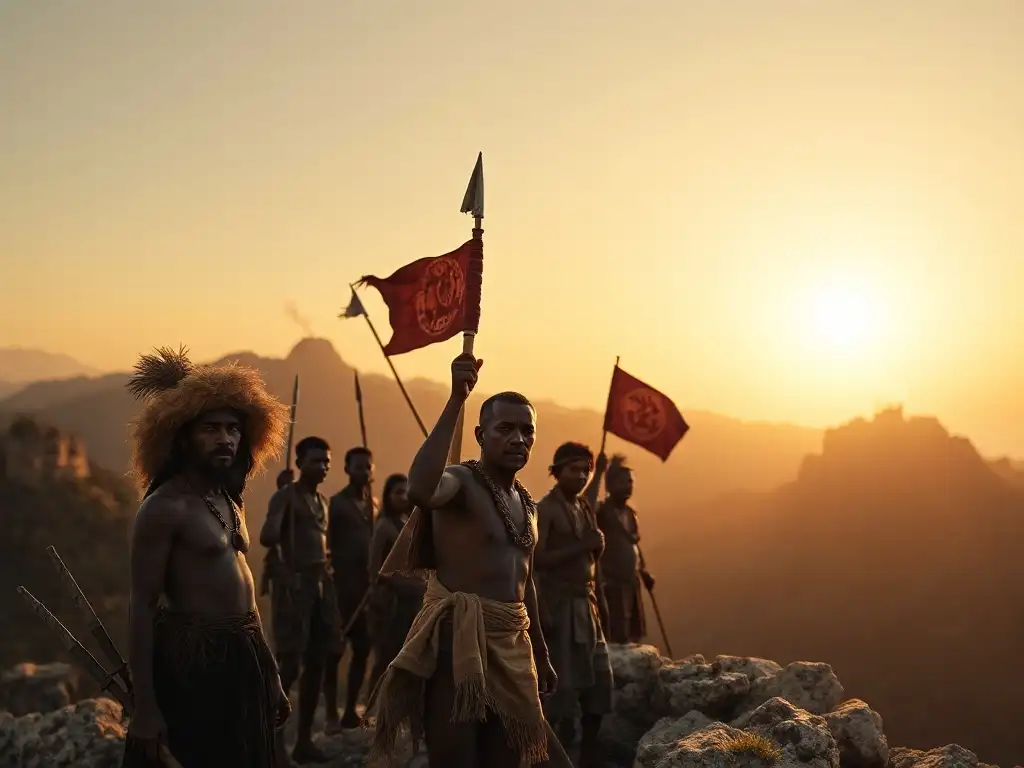
The Túpac Amaru II Rebellion, erupting in 1780, stands as a pivotal moment in the history of Andean civilizations resistance to colonization. While ultimately unsuccessful in achieving complete independence, its impact reverberated through Andean societies for generations, profoundly shaping the landscape of colonial rule and leaving an enduring legacy of resistance.
This rebellion, led by José Gabriel Condorcanqui, who adopted the name Túpac Amaru II to invoke the memory of the last Inca emperor, wasn't a singular event but a complex tapestry woven from various threads of indigenous discontent, economic hardship, and social inequality. Understanding its legacy requires examining its immediate effects on the colonial power structure, its long-term consequences for Andean culture and society, and the continuing fight for indigenous rights inspired by its defiance.
The Impact on Colonial Rule and its Limits
The rebellion significantly disrupted colonial administration. The Spanish crown, initially caught off guard by the widespread support for Túpac Amaru II, experienced a period of instability and uncertainty. The uprising forced the colonial authorities to reassess their policies, leading to some (though limited) reforms aimed at appeasing indigenous populations. For example, there were attempts to address some of the abuses of the repartimiento system, which forced indigenous labor, and to mitigate the worst excesses of the encomienda system, which granted Spanish conquistadors control over indigenous labor and resources.
However, these reforms were often superficial and insufficient to address the root causes of discontent. The Spanish crown's response was ultimately brutal, employing overwhelming force to crush the rebellion. The execution of Túpac Amaru II and his family, along with the mass killings of indigenous participants, served as a stark warning against future uprisings. Despite the temporary disruption, the rebellion ultimately failed to overthrow Spanish colonial rule.
The colonial system, though shaken, remained firmly entrenched, demonstrating the immense power and resilience of the colonial apparatus. The rebellion highlighted the limitations of indigenous resistance in the face of superior military technology and the deeply entrenched power structures of the colonial state. The sheer scale of the violence inflicted on the rebels underscores the brutality of colonial repression against any challenge to their authority.
Long-Term Effects on Andean Societies and Culture
The Túpac Amaru II Rebellion, despite its defeat, left an indelible mark on Andean societies and culture. It fostered a sense of collective indigenous identity and resistance that transcended regional boundaries. The rebellion's legacy became a potent symbol of defiance against oppression, inspiring future generations of indigenous activists and revolutionaries.
The memory of Túpac Amaru II and the struggle he represented continued to be passed down through oral traditions, fueling a sense of shared history and cultural pride. Furthermore, the rebellion's impact extended to the realm of Andean art and literature. The rebellion's themes of resistance, injustice, and the fight for freedom became recurring motifs in various artistic expressions, showcasing the cultural resilience of Andean peoples.
The rebellion's influence can be seen in the continued use of indigenous symbols and imagery to represent resistance and cultural identity in the centuries that followed. Data on the long-term demographic impact of the rebellion on specific Andean communities is [specific information pending], but the widespread violence undoubtedly caused significant population decline and disruption.
The Ongoing Struggle for Indigenous Rights and Recognition
The legacy of Túpac Amaru II and the rebellion he led continues to resonate in the ongoing struggle for indigenous rights and recognition in the Andes. The rebellion serves as a powerful reminder of the historical injustices inflicted upon indigenous populations and the enduring fight for self-determination. The struggle for land rights, cultural preservation, and political representation remains a central concern for indigenous communities in the region.
The descendants of the rebels continue to advocate for social justice and equality, drawing inspiration from the courage and resilience of their ancestors. Their fight mirrors the ongoing global struggle for indigenous rights, highlighting the continued relevance of the rebellion's message in a contemporary context.
The legacy of Túpac Amaru II is not merely a historical event but a living testament to the enduring spirit of resistance and the ongoing pursuit of justice and equality for indigenous peoples in the Andes. The fight for recognition of indigenous languages, traditional knowledge systems, and cultural practices is a direct continuation of the struggles initiated during the rebellion, illustrating the lasting power of Andean civilizations resistance to colonization.
Lessons from Andean Resistance: A Historical Perspective
The Spanish conquest of the Andes wasn't a swift, singular event; it was a protracted struggle marked by fierce resistance from diverse Andean civilizations. Understanding this resistance requires moving beyond simplistic narratives of conquest and acknowledging the complex tapestry of alliances, strategies, and unwavering determination displayed by indigenous groups.
The Andean civilizations' resistance to colonization wasn't simply a series of isolated uprisings; it was a multifaceted struggle that showcased the ingenuity and resilience of these societies in the face of overwhelming odds. This section will delve into key aspects of this resistance, highlighting its significance for understanding both the past and the present.
The Importance of Unity in the Face of Oppression
One of the most striking aspects of Andean resistance was the ability of disparate groups to forge alliances against a common enemy. While competition and conflict certainly existed between different Andean ethnicities before the arrival of the Spanish, the shared threat of colonial domination fostered unprecedented levels of cooperation. The Inca Empire, though weakened by internal strife and civil war prior to the Spanish arrival, still held considerable influence, and its remnants played a crucial role in coordinating resistance efforts.
However, the alliance wasn't solely reliant on the Inca; it involved a complex web of smaller groups, each contributing their unique skills and knowledge to the fight. This unity, often forged through shared grievances and strategic partnerships, proved to be a powerful weapon against the Spanish forces. For instance, the combined forces of various indigenous groups in the Vilcabamba region successfully resisted Spanish rule for decades after the fall of Cuzco.
This prolonged resistance demonstrates the efficacy of united action in the face of oppression. The ability to transcend pre-existing rivalries and unite against a common foe was a key factor in prolonging the struggle and inflicting significant losses on the Spanish. This illustrates the crucial role of solidarity and coordinated action in resisting colonial power.
The Enduring Spirit of Andean Civilizations
The Andean civilizations' resistance to colonization wasn't merely a military struggle; it encompassed a powerful cultural and spiritual resistance as well. Despite facing brutal repression, indigenous populations maintained their cultural practices, languages, and beliefs, often adapting them to the new realities imposed by the colonizers. This resilience is evidenced by the persistence of Andean traditions in various forms, from agricultural techniques and textile production to religious ceremonies and oral histories.
The continued practice of these traditions, often carried out in secret or subtly integrated with imposed religious practices, served as a powerful form of resistance, preserving a vital part of Andean identity and heritage. The survival of Quechua, Aymara, and other indigenous languages, despite colonial efforts to suppress them, speaks volumes about the enduring spirit of Andean civilizations.
Furthermore, many indigenous communities adapted and repurposed aspects of Spanish culture to their own ends, demonstrating a remarkable ability to negotiate and navigate the complexities of colonial rule while maintaining their core cultural identity. This subtle, yet powerful, form of resistance played a significant role in the long-term survival and resurgence of Andean cultures.
The Relevance of Indigenous Resistance for Modern Movements
The legacy of Andean resistance continues to resonate powerfully in contemporary social and political movements. The strategies employed by Andean groups—alliance-building, strategic resistance, and cultural preservation—offer valuable lessons for modern movements fighting against oppression and inequality. The struggles of indigenous communities in the Andes highlight the importance of collective action, the power of cultural identity, and the enduring relevance of resistance to systemic injustice.
Understanding the historical context of Andean resistance provides a rich framework for analyzing contemporary indigenous struggles around the world, illustrating the enduring power of resistance in the face of colonialism and neo-colonialism. The principles of solidarity, self-determination, and cultural preservation, central to Andean resistance, remain crucial elements in the fight for social justice today.
The study of Andean civilizations' resistance to colonization thus provides not only a valuable historical perspective but also offers vital lessons for contemporary movements striving for social change and the recognition of indigenous rights. The ongoing fight for indigenous rights globally demonstrates the enduring relevance of the lessons learned from the Andean struggle against colonization.
Frequently Asked Questions
How did Andean civilizations resist Spanish colonization?
Andean civilizations employed various resistance strategies, including military uprisings, political alliances, and cultural preservation. These efforts aimed to protect their autonomy and traditions.
What role did alliances play in resisting Spanish rule?
Alliances between different indigenous groups were crucial. By uniting, they created a stronger force capable of mounting effective resistance against the Spanish. This collective action proved vital.
Were there any successful long-term rebellions against the Spanish?
While many uprisings were brutally suppressed, some, like Túpac Amaru II's rebellion, lasted for significant periods and posed a serious threat to Spanish control. These prolonged conflicts demonstrated continued resistance.
How did Andean cultures maintain their identity despite colonization?
Despite facing immense pressure, Andean cultures preserved their languages, religious practices, and artistic traditions through covert means and adaptation. This cultural resilience is a testament to their strength.
What were some of the key factors contributing to the eventual Spanish victory?
Despite fierce resistance, the Spanish ultimately prevailed due to superior weaponry, disease, and the exploitation of internal divisions within the indigenous populations. These factors significantly weakened resistance efforts.
Final Reflection: Echoes of Resistance, Whispers of Hope
The fight for self-determination, once waged on Andean battlefields, continues to resonate in the struggles for indigenous rights today. The legacy of colonial oppression, though seemingly distant, casts a long shadow, shaping the political, economic, and social realities faced by Indigenous communities across the Americas. Understanding the sophisticated strategies and unwavering resilience of Andean civilizations in resisting colonization is not merely an academic exercise; it is a crucial lens through which to view contemporary struggles for justice and equality.
The enduring power of collective action, demonstrated by the alliances forged between diverse Andean groups, remains a potent symbol of hope. Their shared resistance, born from a deep understanding of their interconnectedness and shared cultural heritage, offers a powerful counter-narrative to the divisive tactics of colonial powers. We do not inherit the earth from our ancestors; we borrow it from our children.
This sentiment, though often attributed to various sources, encapsulates the profound responsibility felt by Indigenous communities to protect their lands and cultures, a responsibility that echoes the fierce resistance of their ancestors.
The stories of Andean resistance are not relics of the past; they are blueprints for the future. Consider the lessons of unity, resilience, and the enduring power of cultural identity. You, the reader, are now part of this ongoing conversation. Reflect on how the strategies and sacrifices of these courageous peoples can inform your own actions in the fight for social justice and environmental stewardship. Let their legacy inspire you to become an active participant in building a more equitable and sustainable world, one where the voices of marginalized communities are not only heard, but amplified.
**Join the Movement for Indigenous Empowerment**
Thank you for learning about the inspiring Alliance of Indigenous Groups and their powerful resistance to oppression. Your interest underscores the strength and resilience of these communities. Now, let's turn that inspiration into action!
- Engage with Indigenous Voices: Learn more about their stories through documentaries and books created by Indigenous filmmakers and authors. Share your newfound knowledge with your friends and family!
- Support Indigenous Rights: Sign petitions and participate in local initiatives advocating for Indigenous rights in your area. Your voice makes a difference.
- Share Your Knowledge: Spread awareness by sharing this article on social media and encouraging others to learn about Indigenous empowerment.
As you consider how to support these crucial efforts, ask yourself: How can you contribute to the movement for Indigenous rights within your own community?