
The Thrill of Discovery: The Joys and Challenges of Collecting Andean Art

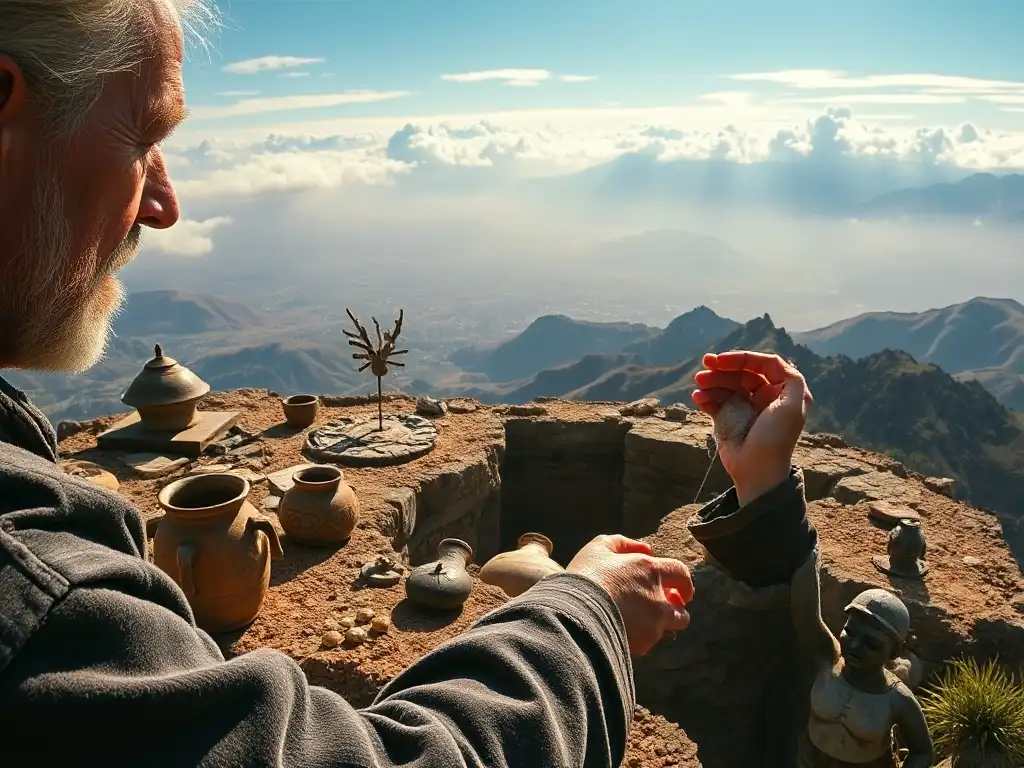
Step into a world lost to time, yet vibrantly alive in its legacy. Imagine unearthing the secrets of the Andes, from the breathtaking artistry of the Incas to the enigmatic symbols of the Nazca. This is your gateway to understanding the captivating cultures that shaped a continent. But be warned: the path to appreciating Andean art collecting challenges is not without its twists and turns... Dare to delve deeper and uncover the thrilling realities behind this fascinating pursuit?
The allure of Andean art is undeniable. From the intricate textiles of the Nazca to the majestic goldwork of the Incas, these ancient artifacts offer a captivating glimpse into a rich and complex tapestry of human history and ingenuity. Collecting Andean art, however, is not simply a matter of acquiring aesthetically pleasing objects; it's a journey fraught with both immense rewards and significant challenges.
This article delves into the fascinating world of Andean art collecting, exploring the unique pleasures it offers while honestly addressing the complexities and ethical considerations involved. We'll examine the thrill of uncovering pieces that whisper tales of ancient civilizations, alongside the crucial need for responsible acquisition and preservation to ensure the ethical and sustainable appreciation of this invaluable cultural heritage. The journey of an Andean art collector is one of passion, research, and a deep respect for the history embedded within each artifact.
Understanding the challenges inherent in this field is crucial for ensuring the long-term preservation and appreciation of these irreplaceable treasures. This exploration will equip you with the knowledge to navigate the complexities of collecting authentic Andean art responsibly and ethically, contributing to the preservation of this remarkable legacy.
Unveiling the Allure of Andean Art: More Than Just Artifacts
Andean art is more than just aesthetically pleasing objects; it's a tangible link to a vibrant past. Each piece carries within it the echoes of ancient rituals, beliefs, and societal structures. Consider, for example, the intricate weaving techniques employed by the Andean cultures. These weren't merely decorative; they encoded complex social hierarchies and cosmological beliefs.
The vibrant colors and symbolic designs tell stories of gods, nature, and the human experience. Similarly, the ceramic vessels, often adorned with striking imagery, served not only practical purposes but also played a vital role in religious ceremonies and daily life. The gold and silver artifacts, meticulously crafted, represent the mastery of ancient metallurgy and reflect the power and prestige of the ruling elite.
The emotional connection one forms with these pieces is profound; they are not just artifacts, but windows into a lost world, enabling a unique connection with the ingenuity and artistry of past civilizations. The sheer artistry and skill involved in their creation is breathtaking, showcasing a deep understanding of materials and techniques far ahead of their time. This inherent beauty, combined with the historical significance, fuels the passion of many Andean art collectors.
The path of an Andean art collector is not without its obstacles. One of the most significant challenges is authentication. The market is unfortunately rife with forgeries and misattributions. Determining the authenticity of a piece requires extensive research, a keen eye, and often, the expertise of qualified specialists. This can be a costly and time-consuming process, demanding a significant investment of both resources and effort.
Furthermore, ethical sourcing is paramount. Many Andean artifacts have been looted from archaeological sites, contributing to the destruction of invaluable cultural heritage. Responsible collectors must prioritize acquiring pieces with clear provenance, ensuring that their acquisition does not contribute to illicit trafficking. This involves meticulous documentation and a commitment to transparency.
It's crucial to understand the legal frameworks governing the import and export of Andean artifacts, as laws vary significantly between countries. Finally, proper preservation and conservation are essential to safeguard these fragile pieces for future generations. This requires specialized knowledge and the resources to ensure their long-term stability and protection against environmental damage. The challenges are significant, but the rewards of responsible collecting—contributing to the preservation and appreciation of this invaluable heritage—make the effort worthwhile.
- Unveiling the Allure of Andean Art: More Than Just Artifacts
- Navigating the Complexities of Andean Art Collecting
- What are some of the biggest challenges in collecting Andean art?
- How can I ensure the authenticity of an Andean artifact I'm considering buying?
- What are some common red flags indicating a fake Andean artifact?
- Where can I find reputable dealers or auction houses specializing in Andean art?
- What legal considerations should I be aware of when collecting Andean art?
Understanding the Landscape: Key Considerations for Aspiring Collectors
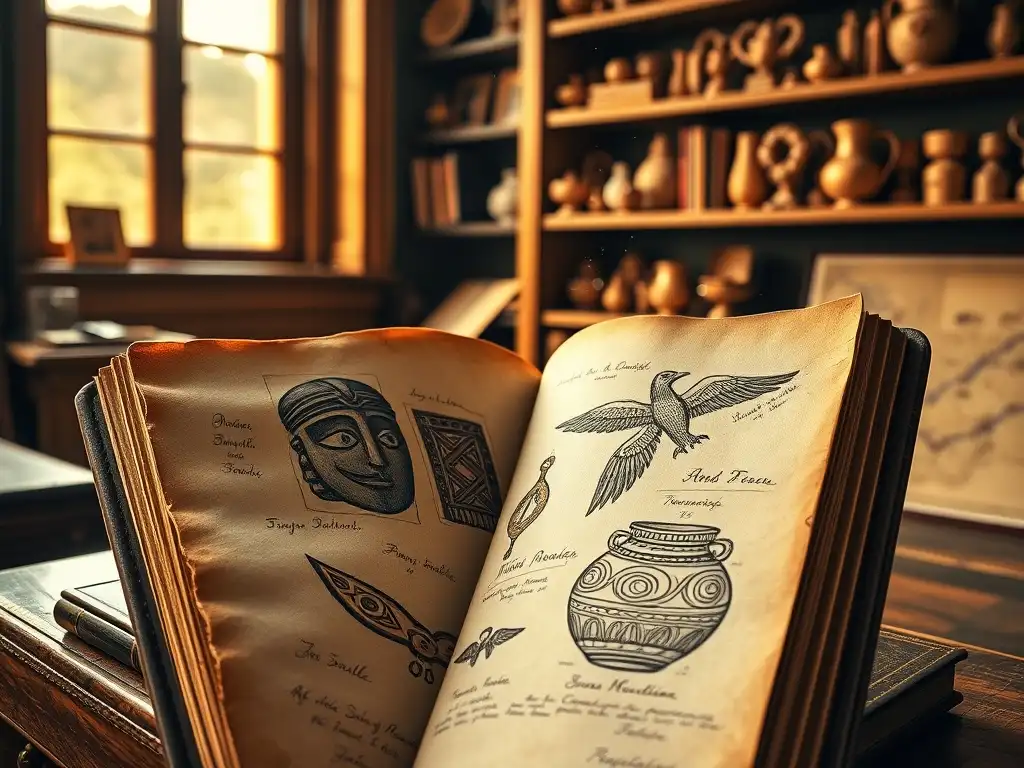
Collecting Andean art can be a deeply rewarding experience, offering a tangible connection to a rich and vibrant past. However, navigating this fascinating world requires careful consideration and a nuanced understanding of the unique challenges involved. This section will explore key aspects that aspiring collectors should carefully weigh before embarking on their collecting journey. The market for Andean art, while offering incredible pieces, is also fraught with complexities that demand thorough due diligence.
Successfully navigating these complexities relies on a combination of knowledge, ethical awareness, and a commitment to responsible collecting practices. Ignoring these considerations can lead to costly mistakes, ethical dilemmas, and ultimately, a diminished appreciation for the art itself. The thrill of discovery is undeniably captivating, but responsible collecting ensures its longevity and positive impact.
Authenticity Verification: A Cornerstone of Andean Art Acquisition
Authenticity verification is paramount in Andean art collecting. The market is unfortunately rife with forgeries and misattributions, making careful scrutiny essential. Determining authenticity requires more than just a cursory glance; it necessitates a deep understanding of stylistic characteristics, materials, and manufacturing techniques employed by different Andean cultures.
For example, distinguishing between genuine Inca textiles and modern reproductions requires expertise in identifying the specific weaving techniques, the types of fibers used (e.g., alpaca, llama, cotton), and the presence of any tell-tale signs of age and wear. Similarly, recognizing the subtle variations in pottery styles across different periods and cultures demands years of study and a keen eye for detail. Expert consultation is often indispensable, particularly for high-value pieces.
Reputable appraisers and archaeologists can provide valuable insights, employing scientific methods like radiocarbon dating or stylistic analysis to confirm authenticity. Investing in professional authentication significantly reduces the risk of acquiring a counterfeit piece and protects the integrity of your collection. Remember, a seemingly small detail can often be the key differentiator between genuine Andean art and a skillful imitation.
Legal and Ethical Considerations in Collecting Pre-Columbian Andean Art
The acquisition of Pre-Columbian Andean art is governed by stringent legal frameworks designed to protect cultural heritage. Many countries in South America have enacted laws restricting the export and sale of archaeological artifacts. These regulations aim to prevent the illicit trafficking of antiquities and ensure that these culturally significant objects remain within their countries of origin. Collectors must be acutely aware of these laws and ensure that any art they acquire is legally obtained and accompanied by appropriate documentation.
This documentation might include export permits, certificates of authenticity from recognized institutions, and a detailed provenance record (discussed in the next section). Ignoring these legal requirements can lead to significant legal consequences, including fines and asset forfeiture. Beyond legal compliance, ethical considerations are equally crucial. Responsible collecting involves a deep respect for the cultural heritage represented by these artifacts.
It entails supporting ethical sourcing practices, avoiding pieces with dubious provenance, and actively contributing to the preservation and understanding of Andean cultures. This responsibility extends beyond mere compliance; it is about acting as a steward of these irreplaceable pieces of history. The ethical dimension of Andean art collecting should never be underestimated.
The Importance of Provenance in Andean Artifacts
Provenance—the documented history of an artifact's ownership—is of paramount importance when collecting Andean art. A well-documented provenance provides irrefutable evidence of an object's legitimacy and helps to establish its authenticity. A strong provenance usually includes a detailed chain of custody, tracing the object's ownership from its original discovery or creation to its current possessor. This chain often involves collectors, museums, auction houses, and other reputable institutions.
Each transaction should be documented with supporting documentation, including invoices, sales contracts, and perhaps even photographs from previous ownerships. The more complete and detailed the provenance, the higher the confidence in the artifact's authenticity and legal acquisition. A lack of provenance, or a provenance riddled with gaps or inconsistencies, should raise serious red flags.
It significantly increases the risk of acquiring an object with a questionable history, potentially raising legal and ethical concerns. The presence of a thorough provenance not only safeguards your investment but also contributes to the scholarly understanding and appreciation of Andean art. In short, a detailed provenance is more than just a piece of paper; it's a crucial element in responsible and informed Andean art collecting.
The Joys of Andean Art Collecting: Connecting with History
The Emotional Resonance of Owning a Piece of Andean History
Owning a piece of Andean art is more than just possessing a beautiful object; it's about forging a connection with a rich and vibrant past. The tactile experience – running your fingers over the smooth, cool surface of a polished obsidian mirror or feeling the weight of a meticulously crafted ceramic vessel – evokes a tangible link to the skilled artisans who created these objects centuries ago. This emotional resonance transcends mere aesthetics; it's a deeply personal experience, a silent conversation across millennia.
Imagine holding a textile fragment, its intricate design hinting at the stories woven into its very fibers, the lives and beliefs of the people who created it. This is the unique power of Andean art: to transcend the boundaries of time and space, bringing the past vividly to life.
The emotional investment in such a piece is profound, a source of continued fascination and contemplation. Many collectors describe a sense of awe and responsibility, understanding that they are custodians of a legacy.
Beyond Decoration: Andean Art as a Window into Ancient Worlds
Andean art isn't simply decorative; it's a powerful tool for understanding the complex societies that produced it. Each piece offers clues to the beliefs, rituals, and daily lives of ancient Andean cultures. A meticulously crafted gold ornament might reveal intricate details about their social hierarchy and religious practices.
A simple, seemingly utilitarian ceramic pot could unveil information about their agricultural techniques and dietary habits. Detailed analysis of the materials, techniques, and iconography used in the creation of Andean art can unlock a wealth of knowledge about ancient Andean cosmology, mythology, and social structures. For example, studying the iconography of Nazca ceramics reveals fascinating insights into their complex religious beliefs and their sophisticated understanding of astronomy.
Similarly, the intricate weavings of Inca textiles reveal details about social organization and the importance of kinship ties. Collecting Andean art, therefore, becomes an active process of scholarly inquiry, a journey of continuous learning and discovery.
Personal Growth Through Deepening Understanding of Andean Culture
The pursuit of Andean art collecting fosters personal growth in unexpected ways. The process of research, authentication, and understanding the historical context of each piece expands one's knowledge and appreciation of Andean civilizations. This deepening understanding transcends the art itself, enriching one's perspective on history, anthropology, and archaeology. The journey often leads to engaging with a broader community of collectors, scholars, and enthusiasts, fostering intellectual exchange and collaborative learning. It's a journey of continuous discovery, where each new acquisition prompts further exploration and expands one's understanding of this fascinating culture. The inherent challenge of authentication and research further enhances the experience, transforming the collector into a dedicated scholar, actively contributing to the preservation and dissemination of knowledge about Andean art and culture. This intellectual engagement and the building of a personal collection become a testament to a lifelong pursuit of knowledge and appreciation for the rich heritage of the Andes.
Andean Art Collecting Challenges: Overcoming the Obstacles
Collecting Andean art, while deeply rewarding, presents significant challenges. The allure of owning a piece of this rich history is undeniable, but navigating the complexities of the market requires careful consideration and a discerning eye. This section will explore some key obstacles facing collectors of Andean artifacts and offer strategies for overcoming them. Understanding these challenges is crucial to building a responsible and authentic collection that contributes positively to the preservation of Andean cultural heritage. Successfully navigating the Andean art collecting landscape necessitates a blend of passion, knowledge, and a healthy dose of caution.
Identifying Fakes and Forgeries: The Dark Side of Andean Art Market
The Andean art market, like many others dealing with ancient artifacts, is unfortunately plagued by forgeries and fakes. These range from crude imitations to highly sophisticated reproductions designed to deceive even experienced collectors. The sheer volume of artifacts unearthed over centuries, coupled with the demand for authentic pieces, creates a fertile ground for unscrupulous dealers. Identifying a fake requires a keen eye for detail and a strong understanding of authentic Andean artistry.
Several telltale signs can indicate a forgery. These include inconsistencies in style, materials, and patina. Authentic Andean pottery, for example, often exhibits subtle variations in texture and color that are difficult to replicate. The use of modern materials or techniques, such as unnatural pigments or overly smooth surfaces, is another red flag. Furthermore, the presence of modern repairs or alterations, often poorly executed, can betray a forgery.
Collectors should be wary of pieces offered at suspiciously low prices, especially those lacking provenance—a documented history of ownership. Thorough research is paramount. Consulting with reputable experts, such as archaeologists or art historians specializing in Andean cultures, is strongly recommended before making any significant purchase. Remember, investing in an expert appraisal is an investment in the authenticity of your collection and protects against costly mistakes. The cost of authentication may seem high initially, but it pales in comparison to the financial and reputational loss of acquiring a fake.
The High Cost of Authentic Andean Artifacts: Budgeting for Collectors
Authentic Andean artifacts, particularly those of high quality and historical significance, command substantial prices. This is due to several factors, including the rarity of certain pieces, the increasing demand from collectors and museums, and the cost of provenance research and authentication. Establishing a realistic budget is crucial before embarking on Andean art collecting.
The cost of acquiring Andean art can vary dramatically depending on several factors. The age, rarity, material, craftsmanship, and provenance of a piece all significantly influence its price. A small, relatively common ceramic pot might cost a few hundred dollars, while a significant gold artifact or a rare textile could easily reach tens of thousands, or even millions, of dollars. Collectors should carefully research market values for similar pieces before making a purchase, considering both the piece's intrinsic value and its potential for appreciation.
Budgeting for Andean art collecting involves more than just the initial purchase price. Collectors must also factor in costs associated with authentication, conservation, insurance, and storage. High-quality storage is essential to protect delicate artifacts from damage and degradation. Insurance is also crucial to safeguard against loss or damage. These additional costs should be incorporated into a comprehensive budget to ensure responsible and sustainable collecting practices. A well-defined budget prevents impulsive purchases and ensures the long-term preservation of your collection.
The global market for Andean art encompasses a wide range of dealers, auction houses, and private sellers. Navigating this diverse landscape requires caution and a discerning approach. Finding reputable dealers is paramount to acquiring authentic artifacts and supporting ethical collecting practices. It is crucial to prioritize dealers with a strong reputation, demonstrable expertise, and a commitment to transparency.
Several factors can indicate a reputable dealer. These include membership in professional organizations, such as art dealer associations, and a documented history of successful sales and acquisitions. Reputable dealers typically provide detailed provenance documentation for their artifacts, outlining their chain of custody and confirming their authenticity. They are also generally willing to answer questions about their sourcing and conservation practices, demonstrating a commitment to responsible collecting.
Collectors should be wary of dealers who are unwilling to provide documentation or who offer pieces at prices that seem too good to be true. It's advisable to conduct thorough background checks on any dealer before making a purchase. Online reviews and testimonials can offer valuable insights into a dealer's reputation, while consulting with experienced collectors or experts can also provide helpful guidance.
Choosing a reputable dealer is crucial not only for acquiring authentic artifacts but also for supporting sustainable and ethical collecting practices, ultimately contributing to the protection of Andean cultural heritage. Remember, due diligence is key to successful and responsible Andean art collecting.
Practical Tips for Starting Your Andean Art Collection
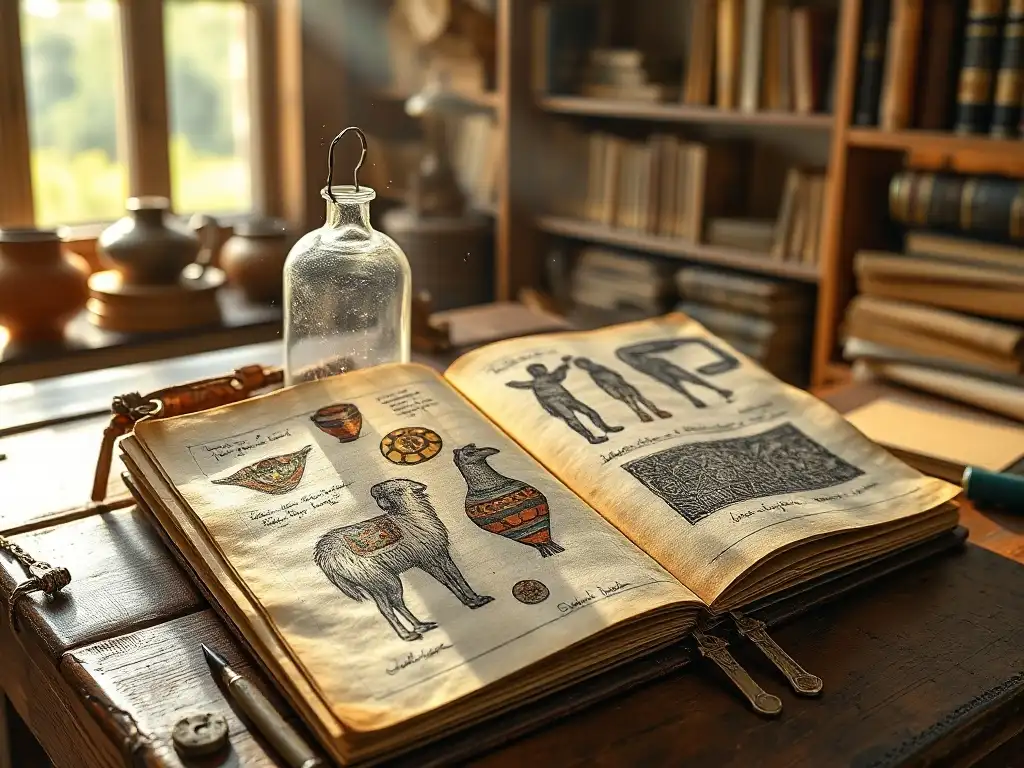
This section offers practical advice for navigating the exciting yet complex world of Andean art collecting. Successfully building a collection requires careful planning, diligent research, and a discerning eye. Understanding the challenges inherent in this pursuit is the first step towards building a meaningful and authentic collection. The rewards of acquiring genuine Andean artifacts, however, far outweigh the effort involved. Remember, ethical collecting is paramount; always prioritize pieces obtained legally and respectfully.
Focusing on a Specific Andean Culture: Moche, Nazca, Inca, or Tiahuanaco
Beginning your Andean art collecting journey with a focus on a single culture is highly recommended. This allows for deeper specialization and a more nuanced understanding of the artistic styles, techniques, and historical context. Each culture boasts unique characteristics:
- Moche (100-800 CE): Known for their elaborate ceramics depicting scenes of daily life, warfare, and mythology. Look for distinctive features like intricate modeling, vibrant polychromy, and the use of stirrup-spout vessels. Moche art often showcases a high level of technical skill and artistic expression. Authenticity is a key concern, as many reproductions exist.
- Nazca (100 BCE – 800 CE): Famous for their geoglyphs and incredibly detailed textiles. Nazca ceramics often feature geometric designs and stylized figures. When collecting Nazca textiles, verifying authenticity through expert analysis is crucial due to the rarity and high value of genuine pieces. The fragility of these textiles also presents a significant challenge in preservation.
- Inca (1438-1533 CE): The Inca Empire produced a vast array of artifacts, including pottery, gold and silver objects, textiles, and stone carvings. Inca art is characterized by its sophisticated craftsmanship and symbolic imagery. However, the sheer volume of Inca artifacts on the market increases the risk of encountering forgeries.
- Tiahuanaco (500-1000 CE): This culture's artistic legacy includes monumental architecture, intricate stone carvings, and distinctive ceramics. Tiahuanaco artifacts are often characterized by their geometric patterns and stylized representations of deities and animals. The scarcity of genuine Tiahuanaco pieces makes careful vetting essential.
Choosing a specific culture allows you to develop expertise, build a cohesive collection, and ultimately, appreciate the nuances of Andean artistic expression more deeply. This focused approach minimizes the challenges associated with the vast diversity of Andean art and allows for more informed decision-making.
Building Knowledge Through Books, Museums, and Expert Consultations
Thorough research is indispensable for responsible Andean art collecting. Immerse yourself in the subject matter through various avenues:
- Books and Academic Journals: Consult scholarly publications dedicated to Andean archaeology and art history. These resources provide in-depth knowledge about stylistic developments, dating techniques, and the cultural significance of artifacts. Look for books authored by recognized experts in the field.
- Museum Visits: Visiting museums with significant collections of Andean art offers invaluable firsthand experience. Observe the artifacts closely, paying attention to their materials, techniques, and stylistic features. Many museums also offer educational programs and lectures that can enhance your understanding.
- Expert Consultations: Seek advice from reputable art appraisers, archaeologists, and anthropologists specializing in Andean cultures. Their expertise can help you authenticate pieces, assess their value, and understand their historical context. Their guidance is particularly crucial when dealing with high-value or potentially questionable artifacts. Remember, a small investment in expert consultation can save you from costly mistakes.
This multifaceted approach ensures a well-informed collecting practice, minimizing the risks associated with acquiring inauthentic or problematic pieces. The more you learn, the better equipped you'll be to make discerning choices.
Starting Small: Acquiring Smaller, More Affordable Pieces
Begin your collection by acquiring smaller, more affordable pieces. This approach allows you to gain experience, refine your taste, and build a foundation of knowledge before investing in more significant and expensive artifacts. Smaller items, such as ceramic fragments, miniature figurines, or simpler textiles, can be excellent starting points. Focus on acquiring pieces with clear provenance and documentation. This careful approach minimizes financial risk and allows you to develop your collecting strategy over time. Remember, building a collection is a marathon, not a sprint! 🥂 Patience and meticulous research are key to success in this rewarding yet challenging endeavor.
Monetizing Your Passion: Exploring Opportunities in the Andean Art World
This section delves into the potential for financial gain within the realm of Andean art collecting, acknowledging the ethical considerations inherent in such endeavors. While passion should be the primary driver, understanding the market dynamics can enhance both enjoyment and potential return on investment.
Investing in Andean Art: Long-Term Appreciation and Market Trends
The Andean art market, while niche, exhibits characteristics of a growth sector. Certain pieces, particularly those with verifiable provenance and exceptional craftsmanship, appreciate significantly over time. Factors influencing value include rarity, historical significance, artistic merit (e.g., intricate weaving techniques, unique stylistic elements), and the artist's reputation (where known). For instance, meticulously preserved textiles from pre-Columbian cultures command high prices at auctions and private sales.
However, it's crucial to remember that the market fluctuates, and investment in Andean art carries inherent risk. Trends are influenced by global economic conditions, collector interest, and the availability of new discoveries. Careful research and expert consultation are paramount.
Tracking auction records and consulting with reputable dealers can help navigate the market's complexities. Understanding the nuances of different Andean cultures and their respective artistic styles is also crucial for making informed investment decisions. For example, the distinct ceramic styles of the Moche culture are highly sought after, commanding premium prices compared to less distinctive pieces.
The Role of Andean Art in Cultural Preservation and Education
Beyond personal enjoyment and potential financial returns, collecting Andean art plays a vital role in preserving cultural heritage and fostering education. By acquiring and carefully preserving authentic artifacts, collectors contribute to the long-term survival of these invaluable pieces. Many collectors actively lend or donate pieces to museums and educational institutions, making them accessible for scholarly research and public appreciation. This act of stewardship ensures that future generations can learn from and appreciate the artistic achievements of Andean civilizations.
Furthermore, private collections can serve as valuable resources for researchers and scholars, providing opportunities for in-depth study and analysis that might not be possible with museum collections alone. The documentation and cataloging of private collections contribute significantly to a broader understanding of Andean art history and cultural practices. For instance, a private collection might contain unique examples of a specific technique or style, providing insights not readily available in public institutions.
Documenting Your Collection: Appraisals, Insurance, and Future Planning
Proper documentation is crucial for responsible Andean art collecting. This involves obtaining professional appraisals to establish accurate valuations, securing adequate insurance coverage to protect against loss or damage, and developing a comprehensive plan for the future of the collection. Regular appraisals are essential not only for insurance purposes but also to track the value of the collection over time.
Choosing a qualified appraiser with expertise in Andean art is critical to ensure accurate assessments. Comprehensive insurance policies should cover not only the replacement value of the artifacts but also potential damage during transport or unforeseen events. Future planning involves considering the eventual disposition of the collection – whether through donation to a museum, sale to private collectors, or inheritance to family members.
A well-defined plan ensures the long-term preservation and accessibility of the collection, aligning with the ethical considerations of responsible collecting. This may include creating a detailed catalog with provenance documentation, photographs, and scholarly information for each piece, facilitating future research and responsible handling. The meticulous documentation of your collection significantly increases its value, both financially and culturally.
Where to Begin Your Search for Authentic Andean Art
Embarking on the journey of Andean art collecting is an exciting yet demanding endeavor. Successfully navigating this path requires a blend of passion, patience, and a meticulous approach to authentication. The thrill of uncovering a genuine piece of history is undeniable, but the challenges inherent in the process necessitate careful planning and a deep understanding of the market. This section will guide you through the initial steps, highlighting both the promising avenues and the potential pitfalls in your quest for authentic Andean artifacts.
Understanding the complexities of sourcing Andean art is crucial to avoid costly mistakes and ensure a rewarding collecting experience. Remember, the key is to prioritize authenticity and ethical sourcing above all else. This will not only safeguard your investment but also contribute to the preservation of Andean cultural heritage.
Reputable Auction Houses: Christie's and Sotheby's and Their Offerings
Major international auction houses like Christie's and Sotheby's frequently feature important collections of pre-Columbian art, including pieces from Andean civilizations. These auctions offer a unique opportunity to acquire high-quality, expertly authenticated artifacts, often accompanied by extensive provenance documentation. However, participation in these auctions requires significant financial resources and a thorough understanding of the bidding process. Successfully bidding on a coveted piece often involves competing against seasoned collectors and institutions.
The catalog descriptions provided by these auction houses are usually detailed, including information on the artifact's material, style, estimated age, and origin. They often provide photographic documentation from multiple angles, which is crucial for assessing the artifact's condition and authenticity. However, even with their expertise, it's vital to conduct independent research and, ideally, seek expert opinions before committing to a purchase.
Prices at these auctions can range dramatically, from a few thousand dollars to millions, depending on the rarity, historical significance, and condition of the piece. For example, a finely crafted Moche ceramic vessel might fetch a price considerably higher than a more common Inca textile fragment. Careful consideration of your budget and collecting goals is essential when navigating these high-stakes auctions.
Specialized Galleries and Dealers: Galeria Inca in Lima
Beyond the major auction houses, specialized galleries and dealers offer another avenue for acquiring Andean art. These galleries often focus on a specific period or style, offering a more curated selection than large auction houses. They may also have established relationships with reputable collectors and sources, providing access to pieces that might not be available elsewhere. For example, a gallery specializing in textiles might offer a rare example of a Paracas tapestry, while a dealer focused on ceramics could offer a unique collection of Nazca pottery.
A visit to a gallery in a location like Lima, Peru, provides an invaluable opportunity to examine pieces in person, allowing for a more thorough assessment of their authenticity and condition. However, it's essential to exercise caution and due diligence when dealing with less established galleries or individual dealers. Always request documentation of provenance, and if possible, seek independent verification of the artifact's authenticity from a recognized expert before making a purchase.
The prices offered by specialized galleries and dealers can vary greatly, depending on the rarity and condition of the artwork. This approach allows for more personal interaction and the opportunity to build relationships with experts in the field. This can be invaluable for long-term collecting success.
Online Platforms: Proceed with Caution and Due Diligence
The internet offers a vast array of online platforms for buying and selling Andean art. While this accessibility is convenient, it also introduces significant risks. The lack of physical examination and the potential for fraudulent sellers necessitate extreme caution and thorough due diligence. Before making any online purchase, thoroughly research the seller's reputation, seek multiple opinions on the authenticity of the piece, and carefully examine the provided photographs and documentation.
Online marketplaces can be a source of both incredible finds and significant disappointments. The ease of access also means a higher probability of encountering forgeries or misrepresented items. The absence of a physical examination makes it harder to assess the condition and authenticity of the piece. Always request high-resolution images from multiple angles, and inquire about provenance documentation. Be wary of exceptionally low prices, which may indicate a fraudulent item.
Remember, a reputable seller will be transparent about the origin and authenticity of their pieces, and will readily provide necessary documentation. It is advisable to prioritize platforms with established verification processes and buyer protection policies. Thorough research and a healthy dose of skepticism are essential when navigating the online Andean art market. Ultimately, the risks associated with online purchasing often outweigh the benefits for the novice collector.
Conclusion: Embracing the Journey of Andean Art Collecting
This exploration of Andean art collecting challenges highlights the complexities and rewards inherent in this fascinating pursuit. While the potential pitfalls are significant, the passion and dedication required are ultimately surpassed by the profound connection forged with history, culture, and artistry. The journey of an Andean art collector is not simply about accumulating objects; it's about actively engaging with a vibrant legacy. It requires meticulous research, a keen eye for detail, and a commitment to ethical acquisition. But the rewards are immeasurable.
The Reward of Connecting with the Past Through Andean Art
Owning a piece of Andean art is more than just possessing a beautiful object; it's about holding a tangible link to a rich and complex past. Each artifact, whether a delicate textile, a meticulously crafted ceramic vessel, or a finely wrought piece of gold jewelry, whispers stories of ancient civilizations, their beliefs, and their daily lives.
Imagine holding a Nazca ceramic depicting a deity, visualizing the skilled hands that shaped it centuries ago, or tracing the intricate patterns of a pre-Columbian textile, feeling the connection to the weaver who poured their artistry and cultural identity into its creation. This tangible connection to the past offers a unique and deeply personal experience, allowing for a profound reflection on the enduring legacy of Andean cultures.
The emotional resonance of these pieces extends beyond their aesthetic appeal, fostering a deeper understanding and appreciation for the ingenuity and resilience of these ancient societies. This emotional investment is a crucial part of what makes Andean art collecting so rewarding.
Continuous Learning and Growth as an Andean Art Collector
The field of Andean art is vast and ever-evolving. New discoveries are constantly being made, challenging existing theories and enriching our understanding of these ancient cultures. A successful Andean art collector is a lifelong learner, continually expanding their knowledge through research, attending exhibitions, engaging with experts, and staying abreast of the latest scholarly publications. This commitment to continuous learning isn't just beneficial for authentication and appreciation; it also enhances the overall experience.
The more you understand about the historical context, the artistic techniques, and the cultural significance of your collection, the deeper your connection with each piece becomes. This ongoing process of discovery is a key aspect of the ongoing thrill of collecting Andean art, fueling a passion that transcends mere acquisition. It is a journey of intellectual stimulation and personal growth, mirroring the constant evolution and rediscovery of the cultures themselves.
Contributing to the Preservation of Andean Cultural Heritage
Ethical collecting plays a vital role in the preservation of Andean cultural heritage. By supporting responsible sourcing and advocating for the protection of archaeological sites, collectors contribute to the long-term survival of these invaluable artifacts. This commitment extends beyond simply avoiding illicit acquisition; it involves actively supporting initiatives that promote the conservation and study of Andean art.
This might involve contributing to museums, supporting research projects, or collaborating with organizations dedicated to protecting cultural heritage. Furthermore, responsible collectors often document their acquisitions meticulously, adding to the collective knowledge and understanding of Andean art and its significance. This commitment to preservation ensures that future generations can appreciate and learn from these invaluable pieces, continuing the legacy of Andean artistry and culture for years to come.
The ethical collector, therefore, acts not only as a steward of individual pieces but as a guardian of a broader cultural legacy, ensuring that the stories embedded within these artifacts continue to resonate for centuries to come. This commitment to preservation is what elevates Andean art collecting beyond a mere hobby and positions it as a vital contribution to the ongoing preservation of a rich and captivating cultural heritage.
Frequently Asked Questions
What are some of the biggest challenges in collecting Andean art?
The biggest challenges include authenticity verification, which requires expert knowledge; high prices for genuine pieces, especially from renowned cultures like the Inca; and legal issues surrounding the import and export of artifacts.
How can I ensure the authenticity of an Andean artifact I'm considering buying?
Thorough research is crucial. Seek expert opinions from reputable appraisers or museums specializing in Andean art. Examine provenance documentation carefully and be wary of unusually low prices.
What are some common red flags indicating a fake Andean artifact?
Look for inconsistencies in style, materials, and age. Poor craftsmanship, unusual patinas, and a lack of provenance are all major warning signs. Consult with specialists before purchasing.
Where can I find reputable dealers or auction houses specializing in Andean art?
Research reputable auction houses and galleries with established reputations. Look for those specializing in pre-Columbian art and possessing a strong track record of authenticity verification. Online forums can also be a source of information.
What legal considerations should I be aware of when collecting Andean art?
Be aware of international laws regarding the import and export of cultural artifacts. Ensure that any piece you acquire has been legally obtained and has the necessary documentation to prove its provenance and legal ownership. Consult with legal experts if needed.
Final Reflection: The Enduring Legacy of Andean Art
The thrill of discovering a piece of Andean history, a tangible link to a vibrant and complex civilization, remains as potent today as it was centuries ago. Yet, the challenges inherent in collecting Andean art—from ethical sourcing to accurate authentication—demand a conscientious and informed approach, ensuring the preservation of this invaluable cultural heritage for future generations. The passion for collecting must be tempered with responsibility.
The impact of Andean art extends far beyond the confines of private collections; it shapes our understanding of pre-Columbian societies, their artistic achievements, and their enduring legacy. These artifacts whisper stories of ingenuity, spirituality, and resilience, enriching our collective cultural narrative. The past is never dead. It's not even past.
– William Faulkner. This quote resonates deeply, as each piece of Andean art carries the weight of history, reminding us of the interconnectedness of time and culture. The ongoing debate surrounding repatriation and ethical collecting underscores the importance of responsible stewardship in preserving this heritage for all.
Consider the implications of your own choices as a collector, or even as an admirer of Andean art. Are you actively seeking out ethically sourced pieces? Are you supporting institutions dedicated to the preservation and study of this art form? Engage with the stories behind each artifact, learn about the cultures they represent, and contribute to the ongoing conversation surrounding their protection. Let the thrill of discovery be fueled by a commitment to responsible collecting, ensuring that the vibrant legacy of Andean art continues to inspire and educate for centuries to come.
Embrace the Art of Discovery: Take the Next Step!
Thank you for exploring the fascinating world of Andean art with us! We hope this article has inspired your passion for collecting and deepened your appreciation for the rich cultural heritage of the Andes. Now, let's put that enthusiasm into action!
- Start your collection: Begin by setting a budget and researching reputable galleries or online marketplaces specializing in Andean art. Consider focusing on a particular style or period to guide your initial purchases.
- Connect with fellow enthusiasts: Join online communities or attend local events to share insights and discoveries with other collectors. Networking can lead to unique opportunities and valuable advice.
- Expand your knowledge: Immerse yourself in Andean art history by visiting museums, attending lectures, or exploring scholarly resources. A deeper understanding will enrich your appreciation and enhance your collecting experience.
What piece of Andean art are you most drawn to acquiring next? Share your thoughts below!