
Andean Voices: Empowering Indigenous Perspectives on Their History

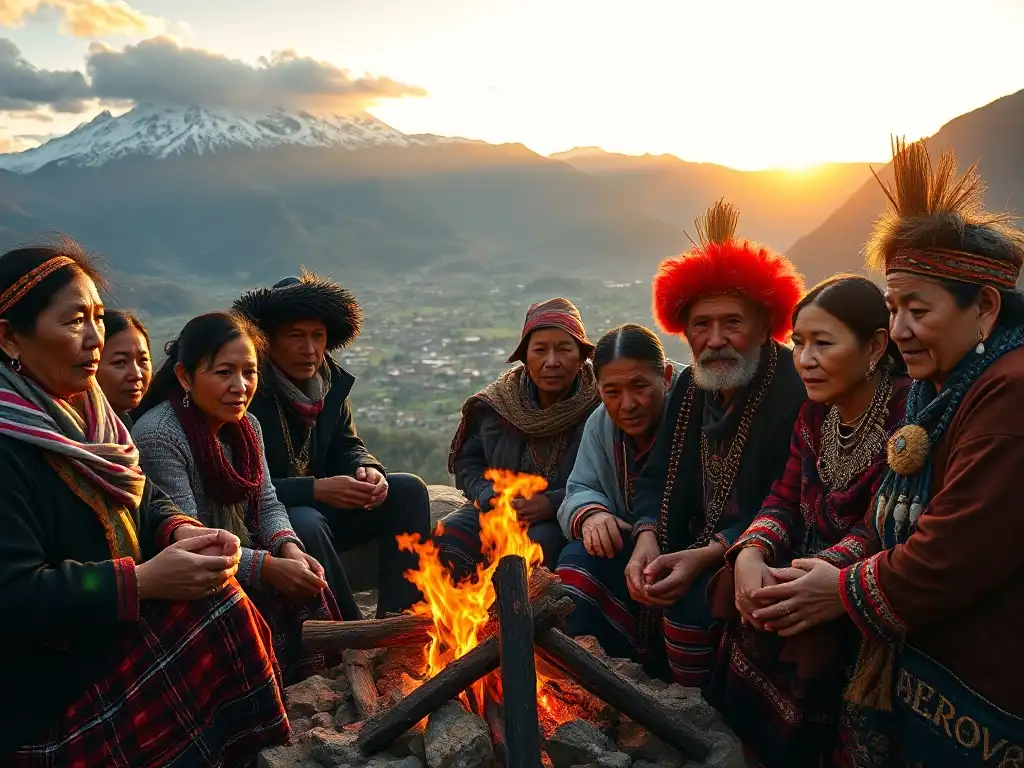
Dive into a world lost to time, yet echoing with vibrant life. Andean Civilizations unveils the captivating stories of the Incas, Moche, Nazca, and Tiahuanaco—but this is no mere recounting of the past. Prepare to be challenged as we explore Indigenous Andean perspectives on their history, a crucial lens often missing from traditional narratives. Uncover the untold truths and rediscover the legacy of these remarkable cultures – their ingenuity, their resilience, and their enduring spirit. Are you ready to hear their voices?
For centuries, the narrative of Andean civilizations has been largely shaped by external perspectives, often overlooking or misinterpreting the rich tapestry of Indigenous voices and experiences. This article aims to redress this imbalance by exploring the crucial role of Indigenous Andean perspectives in understanding their own history, culture, and legacy. We will delve into how these perspectives challenge traditional historical interpretations, offering a more nuanced and accurate understanding of the past.
By amplifying these voices, we aim to foster a more inclusive and respectful appreciation of the remarkable achievements and enduring traditions of Andean cultures, moving beyond colonial narratives and embracing a more authentic and empowering representation of their history. This exploration is vital not only for academic understanding but also for promoting social justice and cultural preservation in the present day.
The rediscovery and elevation of Indigenous Andean perspectives is a crucial step towards a more complete and equitable historical record, allowing us to learn from the past and build a more just future. This journey will encompass the perspectives of various Andean groups, including but not limited to the Incas, Moche, Nazca, and Tiahuanaco, highlighting the diversity and complexity of Andean history.
Understanding the Importance of Indigenous Andean Narratives
For too long, the dominant narratives surrounding Andean civilizations have been shaped by the lens of colonial powers and subsequent academic interpretations, often filtering Indigenous experiences through a Eurocentric framework. This has led to misunderstandings, misrepresentations, and the silencing of vital voices. However, the resurgence of Indigenous activism and scholarship is bringing forth a wealth of primary sources and alternative interpretations that fundamentally challenge traditional historical accounts.
These narratives, passed down through generations via oral traditions, intricate textiles, and ceremonial practices, offer invaluable insights into the social structures, belief systems, and daily lives of Andean peoples. They illuminate the richness and complexity of their societies, revealing aspects often overlooked or misinterpreted in previous historical accounts. The importance of these narratives lies in their ability to provide a more accurate and nuanced understanding of the past, moving beyond simplistic generalizations and acknowledging the agency and resilience of Andean communities throughout history.
This shift in perspective allows for a more comprehensive and empathetic understanding of the impact of colonization and the ongoing struggle for self-determination. The recovery and validation of these narratives are not merely academic exercises; they are crucial for reclaiming cultural identity and fostering social justice.
The significance of incorporating Indigenous perspectives is not merely about adding a different viewpoint; it's about fundamentally altering the very framework through which we understand Andean history. It requires a critical re-evaluation of existing sources and methodologies, a willingness to question established assumptions, and an embrace of diverse forms of knowledge transmission.
This includes considering oral histories, archaeological findings through an Indigenous lens, and analyzing art and artifacts with a greater awareness of their original cultural contexts. By valuing these diverse forms of knowledge, we can achieve a more holistic and accurate understanding of Andean civilizations, one that honors the complexity and richness of their past.
Reframing Andean History Through Indigenous Eyes
Reframing Andean history through an Indigenous lens necessitates a paradigm shift, moving away from a solely chronological and event-driven approach to a more holistic perspective that incorporates social, cultural, and spiritual dimensions. This involves acknowledging the profound impact of colonization and its enduring legacy on Andean communities, while simultaneously celebrating their remarkable resilience and adaptation. Indigenous perspectives challenge the often-linear and triumphalist narratives that dominate traditional historical accounts, revealing a far more complex and nuanced picture of power dynamics, social structures, and cultural exchanges.
For example, traditional accounts of Inca expansion often focus on military conquest and political consolidation. However, Indigenous perspectives reveal a more intricate reality, highlighting the significance of diplomacy, alliances, and cultural exchange in the Inca Empire's growth. Similarly, the study of pre-Inca societies, such as the Moche and Nazca, benefits immensely from incorporating Indigenous interpretations of their iconography, ritual practices, and social organization.
These interpretations often reveal deeper meanings and complexities than those offered by solely external analyses. The integration of Indigenous voices is not simply about adding a footnote to existing narratives; it is about fundamentally re-evaluating the very questions we ask and the methodologies we employ in historical research. It requires a commitment to collaborative research methods that prioritize Indigenous knowledge and perspectives, ensuring that the process of historical interpretation is inclusive and equitable.
Ultimately, this reframing leads to a more accurate and ethically responsible understanding of Andean history, one that honors the agency and resilience of Indigenous communities. It is a vital step towards achieving a more just and equitable future, where Indigenous voices are not only heard but are central to shaping the narrative of their own history.
The Colonial Legacy and Its Impact on Historical Accounts
The colonial period profoundly shaped the recording and interpretation of Andean history. Spanish conquistadors, driven by their own agendas of conquest and resource extraction, often deliberately suppressed or distorted indigenous accounts. Their written records, while providing valuable information about the colonial encounter, frequently presented a biased and incomplete picture, often portraying Indigenous societies as primitive or lacking sophisticated social structures.
This biased lens filtered down through centuries of scholarship, resulting in a historical narrative that marginalized Indigenous voices and perspectives. For example, the Inca Empire's sophisticated administrative system, its advanced agricultural techniques, and its complex social hierarchy were often downplayed or misrepresented in favor of narratives emphasizing conquest and subjugation. The systematic destruction of Inca quipus—knotted-cord record-keeping systems—further hampered the recovery of pre-colonial knowledge, leaving vast gaps in our understanding of Andean societies.
The imposition of the Spanish language and the suppression of Quechua and Aymara languages also contributed to the loss of invaluable oral traditions and historical knowledge. Even seemingly neutral accounts from this period must be critically examined for underlying biases and assumptions that reflect the colonial power structure. Understanding this colonial legacy is crucial for critically evaluating existing historical narratives and for giving proper weight to the perspectives of the indigenous populations themselves.
Challenges in Accessing and Preserving Indigenous Oral Histories
Accessing and preserving indigenous oral histories presents significant challenges. The transmission of historical knowledge through oral traditions relies on the active participation and memory of community elders. However, factors such as population displacement, language loss, and the influence of globalization threaten the continuity of these oral traditions.
The increasing integration of Andean communities into a globalized world has led to a decline in the use of indigenous languages in daily life, impacting the ability to transmit historical knowledge effectively. Moreover, the aging of elder generations poses a serious threat, as the repositories of this invaluable knowledge are lost with each passing generation. Documenting these oral histories requires careful consideration of ethical implications, such as obtaining informed consent and ensuring the respect of cultural protocols.
This process often necessitates building trust and long-term relationships with indigenous communities, which requires patience, sensitivity, and a deep understanding of local customs and traditions. Furthermore, the methods used to record and preserve these oral histories must be culturally appropriate and sustainable, ensuring that the community retains control over the narrative and its dissemination. The challenge lies not just in recording the stories but in ensuring their long-term preservation and accessibility in a way that respects and empowers indigenous communities.
Recovering and Validating Indigenous Knowledge of Andean History
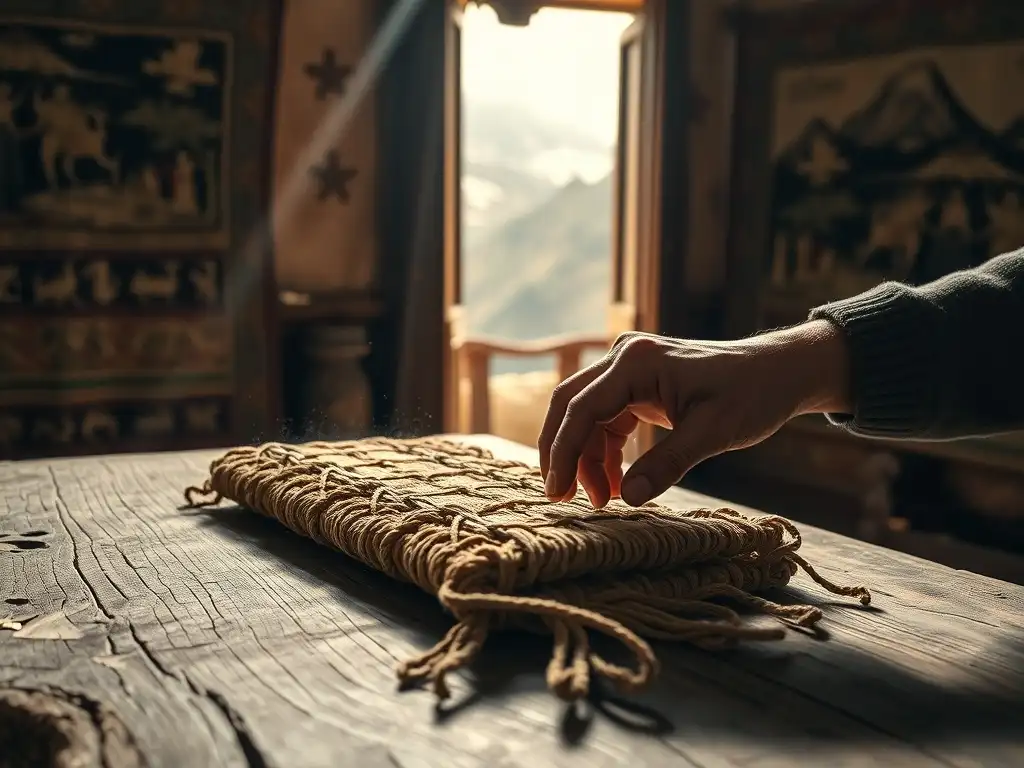
Recovering and validating indigenous knowledge requires a paradigm shift in historical research. It necessitates moving away from traditional Eurocentric methodologies towards collaborative and participatory approaches that center Indigenous voices and perspectives. This involves actively seeking out and engaging with indigenous communities, respectfully listening to their stories, and working collaboratively to reconstruct a more complete and nuanced understanding of Andean history.
It requires a commitment to working alongside indigenous communities, not just studying them. This involves translating and interpreting indigenous accounts, verifying information through multiple sources, and contextualizing them within the broader historical framework. Moreover, it requires a critical examination of existing historical narratives to identify biases and omissions, acknowledging the limitations of colonial sources and incorporating indigenous perspectives to build a more accurate and comprehensive understanding.
This process of validation goes beyond simple corroboration; it involves understanding the epistemological frameworks underlying indigenous knowledge and recognizing its validity on its own terms. By embracing this collaborative approach, historians can contribute to a more inclusive and accurate understanding of Andean history, ensuring that the voices and perspectives of indigenous communities are finally heard and valued. The resulting narratives will be richer, more complex, and more representative of the diverse experiences that shaped Andean history.
Indigenous Methodologies in Historical Research
Indigenous methodologies offer a powerful counterpoint to traditional Western historical research methods. They prioritize community participation, oral traditions, and the lived experiences of Indigenous peoples, leading to a more nuanced and holistic understanding of the past. This approach acknowledges that history is not simply a collection of facts, but a dynamic process of interpretation shaped by power dynamics and cultural perspectives. By centering the voices and perspectives of those who have historically been marginalized, these methodologies challenge dominant narratives and offer new ways of understanding Andean history.
This shift in perspective is crucial for creating a more accurate and just representation of the past. It moves away from extractive research practices, where knowledge is taken from communities without reciprocal benefit, towards collaborative and respectful partnerships. This collaborative approach ensures that research benefits the community and contributes to their self-determination.
Community-Based Participatory Research
Community-Based Participatory Research (CBPR) is a prime example of an Indigenous methodology. This approach emphasizes collaboration between researchers and community members throughout the entire research process, from the initial research question to the dissemination of findings. It prioritizes the community's needs and priorities, ensuring that research is relevant and beneficial to their lives.
For instance, a CBPR project focused on Andean history might involve community members in identifying key historical questions, collecting data through interviews and oral histories, and interpreting the findings. The collaborative nature of CBPR empowers communities to shape the narrative of their own history, ensuring their voices are heard and their perspectives are valued. This stands in stark contrast to traditional research models where researchers often dictate the research agenda and control the interpretation of results.
The success of CBPR relies heavily on building trust and fostering respectful relationships between researchers and community members. This requires patience, cultural sensitivity, and a commitment to working collaboratively.
Oral History and Storytelling Traditions
Oral history and storytelling traditions are central to Indigenous knowledge systems and offer invaluable insights into the past. For centuries, Andean communities have preserved their history through oral accounts, songs, and myths passed down through generations. These narratives provide rich details about daily life, social structures, beliefs, and historical events that are often absent from written records. Unlike written histories, which can be subject to biases and omissions, oral traditions capture a multiplicity of perspectives and experiences. However, careful consideration is needed in analyzing oral histories. Researchers must be mindful of the context in which stories are told, the potential influence of time and memory, and the need to respect the cultural protocols surrounding the sharing of oral traditions. The process often involves building rapport with community members, gaining their trust, and learning to listen attentively to their stories. This requires sensitivity and respect for the cultural nuances of storytelling.
The Role of Elders and Knowledge Holders
Elders and knowledge holders play a crucial role in preserving and transmitting Indigenous knowledge. They are the custodians of traditional stories, practices, and beliefs, and their insights are invaluable for understanding Andean history. Their lived experiences and deep understanding of their culture provide a crucial link between the past and the present. Including elders and knowledge holders in research projects ensures that historical narratives are grounded in lived experiences and community perspectives.
Their participation also helps to validate and legitimize Indigenous knowledge systems, which have often been marginalized or dismissed in favor of Western academic perspectives. Respecting their authority and expertise is paramount. Researchers must acknowledge that elders and knowledge holders are not simply sources of information, but active participants in the research process. Their guidance and wisdom are essential for ensuring the ethical and respectful conduct of research.
Examples of Indigenous-Led Historical Projects
Several inspiring projects highlight the power of Indigenous-led initiatives in shaping historical narratives. These projects demonstrate the value of community-based approaches and the importance of centering Indigenous voices in the interpretation of the past. They showcase the rich diversity of methodologies employed and the significant contributions to a more inclusive and accurate understanding of Andean history.
These projects serve as models for future research, demonstrating the transformative potential of collaborative and respectful partnerships between researchers and Indigenous communities. The success of these projects is a testament to the resilience and determination of Indigenous communities in reclaiming their history and shaping their own narratives.
The Quechua Language Revitalization Project: Cultural Preservation Through Language
The Quechua Language Revitalization Project exemplifies the deep connection between language and cultural preservation. This project focuses on revitalizing the Quechua language, a vital component of Andean cultural heritage. Through language preservation efforts, including community language classes, development of educational materials, and the documentation of traditional stories and songs in Quechua, the project aims to transmit cultural knowledge and historical narratives across generations.
The revitalization of the Quechua language is directly linked to the preservation of Andean history and cultural identity. The language itself carries within it a wealth of historical information, reflecting the social, political, and environmental aspects of Andean life throughout history. By preserving the language, the project actively safeguards a significant part of Andean history and cultural heritage.
The Aymara Textile Weaving Documentation Project: Mapping History Through Art
The Aymara Textile Weaving Documentation Project demonstrates how art can be a powerful tool for preserving and interpreting history. This project focuses on documenting the traditional textile weaving practices of the Aymara people. Through detailed photographic documentation, interviews with weavers, and analysis of textile designs, the project reveals the intricate relationship between textile art and Aymara history and identity.
The patterns and symbols woven into the textiles often tell stories, preserving historical events, social structures, and beliefs. This project not only preserves an important aspect of Aymara cultural heritage but also provides valuable insights into their history, offering a unique perspective that complements written historical accounts. The project highlights the rich symbolism and storytelling embedded within the textiles, revealing layers of meaning that might otherwise be lost.
The Community Archaeology Project in Cusco: Reclaiming Ancestral Sites
The Community Archaeology Project in Cusco exemplifies the importance of community involvement in archaeological research. This project involves local communities in the excavation, analysis, and interpretation of archaeological sites within their territories. By actively participating in the research process, community members gain a deeper understanding of their history and ancestral heritage. This participatory approach not only ensures the ethical conduct of archaeological research but also empowers communities to reclaim their own history and protect their cultural heritage.
The project's success is a testament to the power of collaboration between archaeologists and local communities. It demonstrates the importance of acknowledging Indigenous knowledge and expertise in understanding the past and safeguarding cultural heritage sites. This collaborative approach ensures that the research is relevant to the community and that the benefits of the research are shared equitably.
The Importance of Decolonizing Historical Interpretation
For centuries, the history of the Andes has been told primarily from a European perspective, often neglecting or misrepresenting the voices and experiences of Indigenous peoples. This colonial lens has resulted in a skewed and incomplete understanding of Andean civilizations. Decolonizing historical interpretation is crucial to redress this imbalance.
It involves critically examining the biases inherent in traditional historical narratives, acknowledging the power dynamics that shaped historical accounts, and actively seeking out and amplifying Indigenous perspectives. This process requires a conscious effort to move away from Eurocentric frameworks and embrace a more inclusive and nuanced understanding of the past. It's not simply about adding Indigenous voices to existing narratives; it's about fundamentally restructuring our understanding of Andean history to reflect the complexity and richness of Indigenous experiences.
This includes challenging the very concepts and categories used to understand the past, such as the linear progression of time and the hierarchical organization of societies, which are often rooted in colonial assumptions. By decolonizing our approach, we can begin to uncover a more accurate and representative account of Andean history. This involves acknowledging the lasting impact of colonialism on Indigenous communities and their relationship with the past, recognizing the ongoing struggle for self-determination and cultural survival.
Moving Towards a More Inclusive and Accurate Andean History
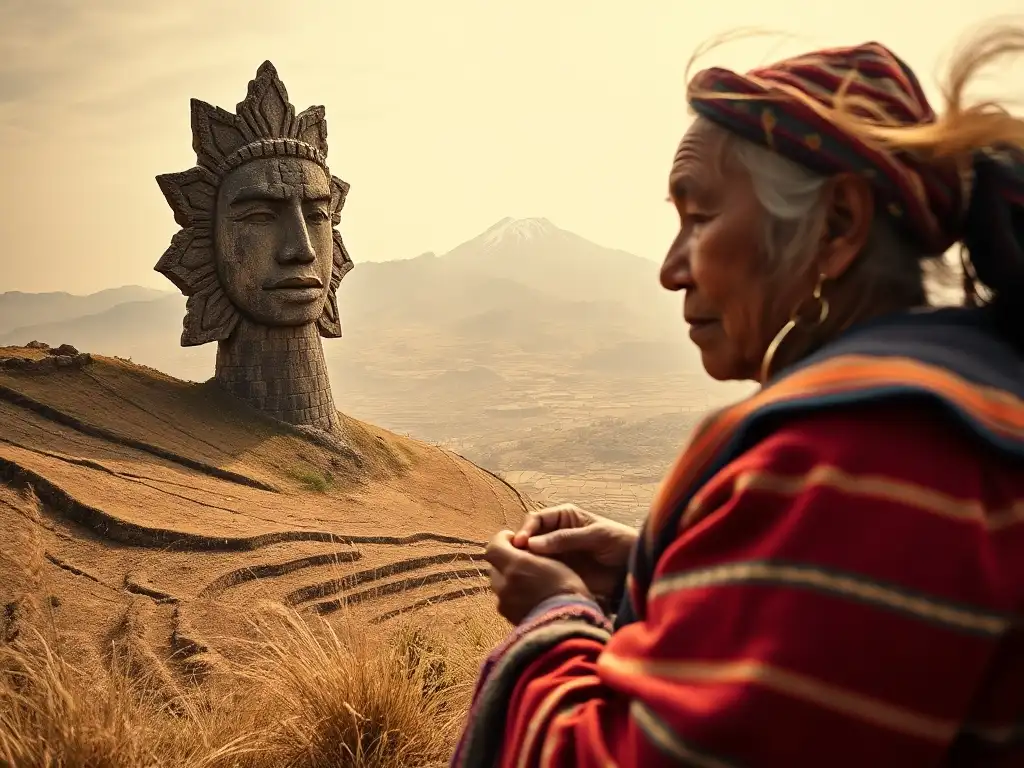
The pursuit of a more inclusive and accurate Andean history necessitates a collaborative effort between Indigenous communities and scholars. This collaboration is not merely desirable; it is essential. Indigenous communities are the primary custodians of their own history and cultural heritage. Their knowledge, oral traditions, and perspectives are invaluable resources for reconstructing a more complete picture of the past.
This requires actively seeking out and engaging with Indigenous communities, respecting their intellectual property rights, and ensuring that their voices are heard and respected. It involves working with Indigenous scholars and community members to co-create historical narratives that accurately reflect their lived experiences. This collaborative approach challenges the traditional power dynamics in historical research, empowering Indigenous communities to shape the narrative of their own history.
Furthermore, it necessitates a critical examination of archaeological and textual evidence, recognizing that these sources are often filtered through colonial lenses and may contain biases. By integrating Indigenous knowledge systems with conventional historical methods, we can move towards a richer, more nuanced, and more accurate understanding of Andean history – one that truly reflects the diverse experiences and perspectives of its peoples. This means acknowledging the diversity within Andean cultures, recognizing the distinct histories and traditions of different Indigenous groups.
The Future of Indigenous Andean Perspectives in Historical Discourse
The future of Andean history hinges on the continued prioritization of Indigenous perspectives. This requires ongoing engagement with Indigenous communities, ensuring that their voices remain central to the shaping of historical narratives. Educational institutions need to incorporate Indigenous knowledge systems into their curricula, providing students with a more holistic and accurate understanding of Andean history. Museums and other cultural institutions should actively collaborate with Indigenous communities to exhibit and interpret artifacts and cultural heritage respectfully and authentically.
Furthermore, continued research and scholarship are vital, focusing on amplifying Indigenous voices and challenging dominant narratives. This includes supporting Indigenous-led research projects and ensuring equitable representation in academic spaces. The goal is not merely to include Indigenous perspectives as an addendum to existing narratives but to fundamentally transform the way we understand and interpret Andean history.
This requires a sustained commitment to decolonizing methodologies, challenging existing power structures, and ensuring that Indigenous voices are not only heard but actively shape the future of historical discourse in the Andes. Only through such sustained efforts can we achieve a truly representative and inclusive understanding of this rich and complex history. The ongoing dialogue and collaboration are crucial for a future where Indigenous Andean perspectives are not just acknowledged, but are foundational to the telling of their own history.
Honoring the Legacy of Indigenous Andean Voices
The resurgence of Indigenous Andean voices in historical narratives represents a crucial shift in how we understand the past. For centuries, the dominant narratives surrounding Andean civilizations were largely shaped by external perspectives, often overlooking or misrepresenting the complexities of Indigenous experiences. This resulted in a skewed understanding of their social structures, belief systems, and technological advancements.
Now, scholars and researchers are actively working to amplify these marginalized voices, giving agency to the descendants of these ancient cultures and allowing them to reclaim their history. This process involves meticulous research into oral traditions, analyzing previously overlooked archaeological findings through an Indigenous lens, and critically evaluating existing historical accounts. The goal is not simply to add Indigenous perspectives as an afterthought, but to fundamentally reshape our understanding of Andean history, placing Indigenous knowledge at the forefront.
This re-evaluation necessitates a deep engagement with Indigenous communities. It requires building trust, establishing respectful collaborations, and acknowledging the inherent expertise and authority of Indigenous knowledge keepers. This isn't merely a matter of collecting data; it's about fostering a genuine partnership that empowers Indigenous communities to participate actively in the construction of their own historical narrative.
This collaborative approach recognizes the limitations of solely relying on written records, which often reflect the biases and agendas of the colonizers. Instead, it embraces a broader range of sources, including oral histories, songs, ceremonies, and traditional crafts, all of which offer invaluable insights into the rich tapestry of Andean cultures.
The impact of this shift is profound. By centering Indigenous perspectives, we move beyond simplistic, often Eurocentric interpretations of Andean history. We gain a far richer and more nuanced understanding of the complexities of Andean societies, including their sophisticated political systems, intricate religious beliefs, and remarkable engineering feats. We begin to see the resilience and adaptability of these communities in the face of colonization and the ongoing challenges they face in preserving their cultural heritage.
The ongoing work to honor the legacy of Indigenous Andean voices is not just an academic endeavor; it is a crucial step towards achieving a more just and equitable representation of the past, present, and future. The resulting narratives are more complete, accurate, and ultimately, more human. They reveal the vibrant and enduring spirit of Andean cultures, enriching our collective understanding of human history.
- Understanding the Importance of Indigenous Andean Narratives
- Reframing Andean History Through Indigenous Eyes
- The Colonial Legacy and Its Impact on Historical Accounts
- Challenges in Accessing and Preserving Indigenous Oral Histories
- Recovering and Validating Indigenous Knowledge of Andean History
- Indigenous Methodologies in Historical Research
- Examples of Indigenous-Led Historical Projects
- The Importance of Decolonizing Historical Interpretation
- Moving Towards a More Inclusive and Accurate Andean History
- The Future of Indigenous Andean Perspectives in Historical Discourse
- Honoring the Legacy of Indigenous Andean Voices
- What is the main focus of "Andean Voices: Empowering Indigenous Perspectives on Their History"?
- How does this article differ from traditional historical accounts of Andean civilizations?
- Which Andean cultures are highlighted in the article?
- Where can I find sources and further reading on Indigenous Andean history?
- Why is it important to consider Indigenous perspectives when studying Andean history?
Frequently Asked Questions
What is the main focus of "Andean Voices: Empowering Indigenous Perspectives on Their History"?
The article centers on indigenous Andean perspectives on their own history, moving away from solely Eurocentric narratives. It aims to empower and amplify the voices of Andean communities in shaping the understanding of their past. It showcases a more accurate and nuanced depiction of their rich heritage.
How does this article differ from traditional historical accounts of Andean civilizations?
Traditional accounts often lacked Indigenous voices and perspectives, relying heavily on colonial records. "Andean Voices" actively incorporates and prioritizes the viewpoints and interpretations of Andean descendants themselves, offering a more complete picture. This provides a counter-narrative to previously dominant perspectives.
Which Andean cultures are highlighted in the article?
While encompassing a broad overview of Andean history, the article likely features the perspectives of multiple cultures including the Inca, Moche, Nazca, and Tiahuanaco, among others. The emphasis remains on showcasing the diversity of experiences and interpretations within the Andes.
Where can I find sources and further reading on Indigenous Andean history?
The article itself may provide a bibliography or list of recommended readings and resources. Additionally, searching for scholarly works focusing on Andean ethnography, archaeology, and oral histories will yield further information on Indigenous perspectives.
Why is it important to consider Indigenous perspectives when studying Andean history?
Centering Indigenous perspectives ensures a more accurate and complete understanding of Andean history. It challenges colonial narratives, corrects historical inaccuracies, and allows for a deeper appreciation of the richness and complexity of Andean cultures and their enduring legacies. It's crucial for ethical and responsible historical scholarship.
Final Reflection: Weaving the Threads of Andean History
The echoes of Andean voices, once silenced, now resonate with a power that challenges dominant narratives and reshapes our understanding of history. This article has explored the crucial need to amplify Indigenous perspectives, moving beyond colonial interpretations and embracing the rich tapestry of Andean experiences. The urgency of this work remains paramount in a world still grappling with the legacies of colonialism and the ongoing struggle for self-determination.
The journey through Andean history, as revealed through these diverse perspectives, has profoundly impacted my own understanding of the past. It's a history filled with resilience, innovation, and a deep connection to the land, a connection often overlooked or deliberately erased. History is not just what happened, but what is remembered, and how it is remembered.
This quote underscores the importance of actively seeking out and amplifying marginalized voices, ensuring a more complete and accurate representation of the past. The ongoing fight for land rights, cultural preservation, and political representation in the Andes serves as a powerful reminder of the continuing relevance of these perspectives.
You, the reader, now hold the threads of these stories. Consider how the perspectives shared here challenge your own understanding of history. What narratives have been silenced in your own community or cultural context? Let this exploration inspire you to seek out diverse voices, to question dominant narratives, and to actively participate in creating a more inclusive and equitable future where all histories are heard and valued. Let us weave these threads together, creating a richer, more vibrant, and ultimately more just tapestry of human experience.
Empower Your Perspective: Join the Movement!
Thank you for exploring the rich tapestry of Andean voices and appreciating the unique perspectives of indigenous communities. Understanding their histories enriches our own understanding and supports a vital cultural heritage. Let's translate this appreciation into action!
Here's how you can make a difference:
- Engage with Indigenous Media: Explore documentaries, podcasts, and articles created by Indigenous peoples to keep their stories alive and relevant.
- Share Your Knowledge: Discuss what you've learned with friends and family, or share this article on social media to inspire others.
- Support Indigenous Artists and Organizations: Support local or online initiatives that uplift Indigenous communities. Your contribution helps preserve their cultures and histories.
What will you do today to further amplify and honor the rich narratives of Andean cultures?