
The Priest's Role in Death and the Afterlife in Andean Belief Systems

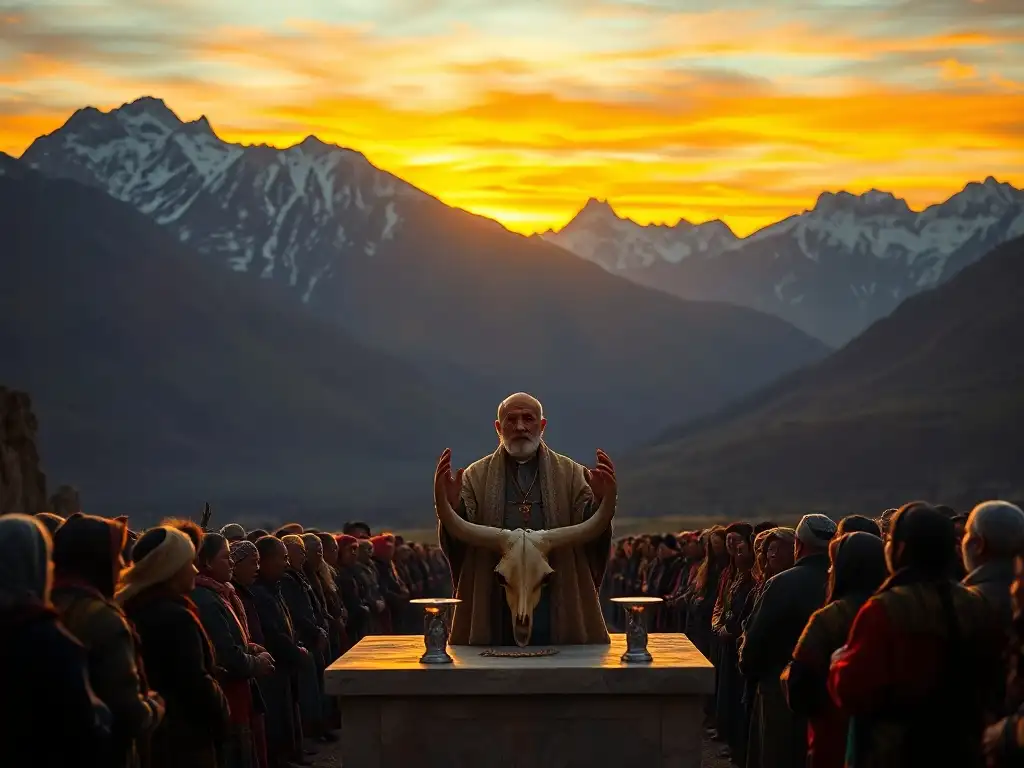
Dive into the enigmatic world of the Andes, where towering mountains held secrets beyond mortal comprehension. For centuries, the intricate beliefs of civilizations like the Inca, Moche, and Nazca shaped a unique understanding of life and death. But what was the crucial role of the Andean afterlife priest? Uncover the fascinating details of their spiritual power and influence in our exploration of Andean afterlife priest roles, a journey into the heart of Andean religion and cosmovision that will leave you questioning everything you thought you knew.
The Andean civilizations, renowned for their intricate social structures and awe-inspiring architectural feats, possessed a deeply complex religious system profoundly intertwined with their understanding of life, death, and the afterlife. This article delves into the crucial role Andean priests played in navigating the perilous journey between earthly existence and the spirit world, examining their multifaceted responsibilities surrounding death rituals, funerary practices, and the belief in an afterlife.
We will explore how their actions shaped the perception and experience of death within these diverse cultures, from the Incas to the Moche, Nazca, and Tiahuanaco, providing a nuanced understanding of the "Andean afterlife priest role" and its significance in shaping Andean cosmology. The vibrant tapestry of Andean beliefs offers a fascinating glimpse into a worldview where the living and the dead were inextricably linked, and the priest acted as a vital intermediary between these realms.
Understanding this role provides crucial insight into the richness and complexity of Andean religious practices.
Understanding Andean Cosmology and the Afterlife
Andean cosmology wasn't a monolithic entity; beliefs varied across different cultures and time periods. However, several common threads weave through these diverse belief systems. A fundamental concept was the cyclical nature of life and death, often represented by agricultural cycles and the movement of the sun. Death wasn't seen as a complete end but as a transition to another realm, a continuation of existence in a different form.
The nature of this afterlife varied, sometimes depicted as a subterranean world, other times as a celestial realm. The deceased were believed to maintain a connection with the living world, influencing their fortunes and requiring continued veneration through rituals and offerings. This belief system necessitated a specialized intermediary – the priest – who possessed the knowledge and ritualistic power to facilitate a safe passage for the deceased and maintain the balance between the living and the dead.
The priests weren't simply religious figures; they were essential societal members, deeply involved in the community's spiritual and social well-being. Their expertise was critical in interpreting omens, conducting ceremonies, and ensuring the continued prosperity of the community through their connection with the spirit world. Specific rituals varied depending on the social status of the deceased and the particular Andean culture, but the underlying principle of a guided transition remained consistent.
The Andean Priest: Guardian of the Transition to the Spirit World
Andean priests, far from being passive observers, actively shaped the experience of death and the afterlife. Their responsibilities began even before death, often involving divination to predict the time of passing or to identify potential dangers to the deceased's spirit. Upon death, the priest's role became paramount. They oversaw the elaborate funerary rituals, which varied significantly depending on the status of the deceased. This could involve mummification, the creation of intricate grave goods, and the performance of complex ceremonies aimed at ensuring a smooth transition to the afterlife.
The priest's knowledge of sacred texts, rituals, and herbal remedies was crucial in these processes. They might use specific chants, offerings (including coca leaves, food, and valuable artifacts), and symbolic gestures to appease the spirits and guide the soul to its final destination. Furthermore, the priest played a crucial role in maintaining communication between the living and the dead. They acted as intermediaries, receiving messages from the spirit world and interpreting them for the community.
This communication was vital for obtaining guidance, predicting future events, and ensuring the continued well-being of the living. After the funeral rites, the priest often continued to play a role, conducting periodic ceremonies at the burial site to honor the deceased and maintain their connection with the community. The priest's authority and expertise were crucial in navigating the complexities of Andean beliefs surrounding death and the afterlife, ensuring the spiritual health of both the living and the dead. Their role underscores the deep integration of religion and everyday life in Andean societies.
Rituals and Ceremonies Guided by Priests for the Deceased
The Andean worldview deeply intertwined life and death, viewing the afterlife not as an ending but as a continuation of existence, albeit in a transformed state. Priests played a pivotal role in guiding the deceased on this journey. Their expertise in navigating the complex cosmology ensured a smooth transition for the departed and maintained the delicate balance between the living and the dead.
These rituals weren't simply somber affairs; they were vibrant celebrations of life, acknowledging the cyclical nature of existence. The ceremonies varied across different Andean cultures, with the Incas, for example, performing elaborate funeral rites involving sacrifices and processions. The specific rituals depended on the social status of the deceased, with rulers and elite members receiving more extensive and elaborate ceremonies than commoners.
Evidence from archaeological sites reveals the meticulous nature of these rituals. Offerings of food, textiles, and precious objects were frequently interred with the deceased, demonstrating the belief that these items would be needed in the afterlife. The priests' knowledge of the proper offerings, their placement, and the precise incantations necessary to appease the spirits were crucial for ensuring a successful transition.
Failure to perform these rituals correctly could have dire consequences, potentially disrupting the cosmic order and impacting the living. The priests, therefore, acted as intermediaries between the living and the spirit world, ensuring the deceased's safe passage and maintaining harmony within the community. The complexity of these rituals underscores the significant role priests played in managing the spiritual well-being of their communities, even after death.
The Priest's Role in Preparing the Body for the Journey
The preparation of the body for its journey to the afterlife was another crucial aspect of the priest's responsibilities. This wasn't simply a matter of burial; it was a sacred process imbued with deep spiritual meaning. The priests' involvement extended beyond the practical aspects of preparing the body; they imbued the process with ritual significance, ensuring the deceased's successful transition to the next world.
The meticulous nature of the preparation reflected the Andean belief in the soul's continued existence and its need for sustenance in the afterlife. Certain cultures, like the Nazca, practiced sophisticated mummification techniques, highlighting the importance they placed on preserving the physical body for the spirit's continued existence. The priests' understanding of these techniques was paramount in ensuring the successful preservation of the body.
Mummification Practices and the Priest's Involvement
Mummification, particularly prevalent among the Inca and other Andean cultures, was not merely a preservation technique; it was a sacred ritual deeply intertwined with the Andean understanding of death and the afterlife. Priests played a central role in this complex process, using their knowledge of herbal remedies, embalming techniques, and spiritual practices to prepare the body for its journey to the next world. The process was lengthy and involved several stages.
First, the internal organs were removed and replaced with herbs and other materials. Then, the body was washed and carefully wrapped in layers of fine textiles. Finally, the mummy was often adorned with elaborate jewelry and other grave goods, reflecting the deceased's social status.
The priest's role in this process was not only technical but also spiritual. They would perform rituals and chants throughout the mummification process, believing these actions would help guide the spirit of the deceased and ensure a peaceful transition to the afterlife. The priests' participation wasn't simply a matter of preserving the body; they were actively participating in a sacred ritual that connected the living and the dead. The intricate nature of the mummification process, coupled with the priests' involvement, highlights the profound significance of death and the afterlife within Andean cultures and the pivotal role of the priest in facilitating this transition. The surviving mummies themselves stand as powerful testaments to the skill and dedication of the Andean priests and their profound understanding of the afterlife. The preservation of these mummies provides invaluable insights into Andean religious practices and beliefs surrounding death and the journey to the next world.
The Priest's Role in Funeral Rites and Burial Customs
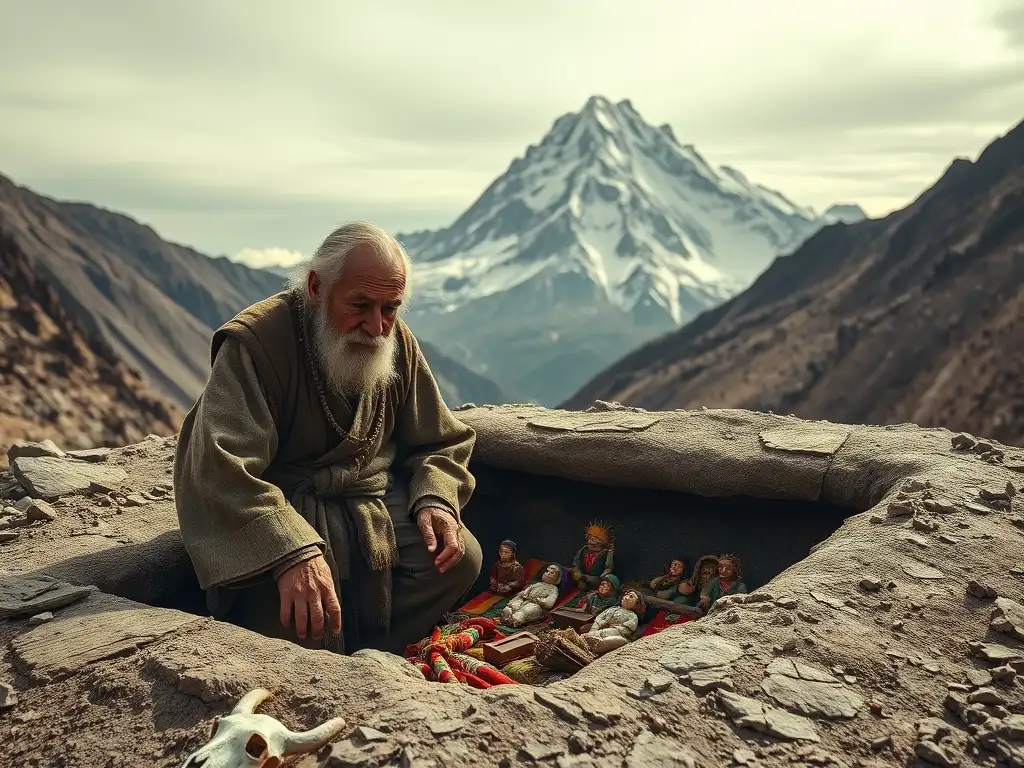
The Andean priest played a crucial role in the complex funeral rites and burial customs of various Andean cultures. These rituals, far from being simple burials, were elaborate ceremonies designed to ensure the deceased's safe passage to the afterlife and maintain their connection with the living. The specifics varied across different cultures and time periods, reflecting the diverse beliefs and practices within the Andean region.
For instance, the Incas performed mummification, a process requiring extensive priestly involvement, while other cultures, like the Moche, practiced different forms of burial reflecting their unique cosmological views. The priests' knowledge of intricate rituals, prayers, and offerings was paramount to the success of these ceremonies. They were responsible for preparing the body, selecting the burial site, and conducting the rituals to appease the spirits and ensure the deceased's smooth transition.
The elaborate nature of these rituals underscores the importance placed on death and the afterlife within Andean societies. The priest wasn't merely a facilitator; they were a vital component of the entire process, ensuring the proper transition of the soul and maintaining balance in the cosmos. The scale of the undertaking, often involving entire communities, showcased the deep societal significance of these events.
Ensuring a Safe Passage to the Andean Afterlife
A significant aspect of the priest's role was ensuring the safe passage of the deceased's spirit to the Andean afterlife. This wasn't a passive process; it required active intervention and ritualistic practices meticulously performed by the priest. The priest's knowledge of the specific requirements for a successful transition varied depending on the social status of the deceased.
For example, elite members of society might receive more elaborate ceremonies, involving more offerings and specific rituals designed to guarantee their safe arrival in the privileged realms of the afterlife. The priest's role involved guiding the spirit through potential obstacles and dangers, using incantations, prayers, and offerings to appease any potentially malevolent spirits that might hinder the journey. The success of the transition was believed to directly impact the living, emphasizing the continuous connection between the worlds.
Evidence suggests that the use of hallucinogenic plants, under priestly supervision, may have played a role in these ceremonies, helping the living to commune with the spirit world and assist the deceased in their journey. These practices, while shrouded in mystery, highlight the integral role of the priest in navigating the complex spiritual landscape of the Andean afterlife.
The Priest as Intermediary between Worlds: Communicating with Ancestors
Beyond funeral rites, Andean priests acted as crucial intermediaries between the living and the spirit world, particularly in communicating with ancestors. They were considered experts in navigating the spiritual realm, possessing the knowledge and skills to contact and interact with ancestral spirits. This ability was vital for Andean societies, as ancestors were believed to hold significant influence over the affairs of the living.
The priest’s role wasn't simply one of communication; they served as interpreters, translating the desires and warnings of the ancestors for the benefit of the community. This interpretation often played a crucial role in decision-making processes, from agricultural practices to political matters. The priests' connection with the spirit world allowed them to seek guidance and advice from ancestors, influencing the lives of their communities in profound ways.
The rituals involved in these communications varied, but often included offerings, prayers, and the use of divination tools. The priests' ability to interpret these communications, translating the often cryptic messages from the ancestral realm, solidified their status as vital figures within Andean society.
Divination Practices and Contacting the Spirit Realm
Divination practices formed a significant aspect of the priest's role in contacting the spirit realm. These practices involved various methods to gain insight into the future, interpret omens, and communicate with the spirits of the ancestors. Common methods included the interpretation of dreams, the reading of coca leaves (a practice still prevalent in some Andean communities), and the observation of natural phenomena.
The priest's expertise in interpreting these signs was paramount, as the meaning wasn't always straightforward and required specialized knowledge. The accuracy of the priest’s divination was crucial for the community, influencing decisions related to agriculture, warfare, and even the everyday lives of individuals. The priest acted as a conduit, interpreting the messages from the spirit world and guiding the community according to divine guidance.
The complexity of these divination practices underscores the sophisticated understanding of the spiritual world held by Andean priests, highlighting their essential role in maintaining social order and harmony within their communities. The accuracy and interpretation of these divinations directly impacted the community's response to events, demonstrating the profound influence of the priest in Andean society.
The Concept of "Aya" and the Priest's Guidance
The Andean concept of aya encompasses more than just death; it represents a complex transition to the afterlife, a journey guided by spiritual beliefs and rituals. The aya, often translated as "soul" or "spirit," wasn't simply extinguished upon death. Instead, it embarked on a perilous journey to the underworld or to a celestial realm, depending on the specific Andean culture and its cosmology.
The priest, a crucial figure in this process, acted as a mediator between the living and the spiritual world, ensuring a safe passage for the aya. Their knowledge of rituals, prayers, and offerings was paramount in influencing the aya's journey and ultimately, its fate in the afterlife. The priest's role wasn't simply ceremonial; it involved a deep understanding of the spiritual landscape and the complexities of the transition from life to death.
This understanding allowed them to guide the aya through potential obstacles and ensure its successful arrival in the desired realm. The effectiveness of the priest's guidance was often believed to directly influence the deceased's well-being in the afterlife, highlighting the priest's significant power and influence.
The Priest's Influence on the Journey of the "Aya"
The priest's influence extended beyond mere ritual performance. Their knowledge of ancestral spirits, cosmology, and the specific requirements of the afterlife directly impacted the aya's journey. Through elaborate ceremonies, the priest could appease potentially malevolent spirits that might obstruct the aya's path.
Specific offerings, carefully selected and prepared according to established tradition, were vital in ensuring the aya's safe passage. These offerings could include food, drink, clothing, or even precious artifacts, all symbolizing the deceased's status and ensuring their comfort in the afterlife. Furthermore, the priest's prayers and incantations were believed to guide the aya, providing protection and support throughout its journey.
The priest's actions weren't simply symbolic; they were believed to have a tangible effect on the aya's experience in the spiritual realm, demonstrating the priest's profound power and responsibility in the Andean worldview. The success or failure of the aya's journey often reflected directly on the priest's skill and devotion.
Different Andean Cultures and Variations in Priest Roles
While the general concept of the aya and the priest's role in guiding it held true across many Andean cultures, significant variations existed. The specific rituals, offerings, and beliefs differed considerably depending on the region and the dominant culture. The geographical diversity of the Andes resulted in a rich tapestry of spiritual practices, each with its unique interpretation of death and the afterlife.
The power and influence of the priests varied as well, depending on the social and political structures of each society. In some cultures, priests held immense power and influence, acting as advisors to rulers and playing a crucial role in political and social life. In others, their influence might have been more localized, confined to specific communities or religious groups.
Understanding these variations is crucial for a comprehensive understanding of Andean beliefs surrounding death and the afterlife. The nuances in priestly roles highlight the complexity and diversity of Andean spiritual practices.
Examples from Inca, Chimú, and Wari Cultures
The Inca, Chimú, and Wari cultures offer compelling examples of these variations. Inca priests, for instance, held considerable power within the empire's hierarchical structure. Their expertise in astronomy and ritual was essential for maintaining the cosmic order and ensuring the emperor's legitimacy.
Their role in guiding the aya was intertwined with state power, emphasizing the importance of the afterlife in Inca imperial ideology. The Chimú, known for their elaborate funerary practices, placed great emphasis on mummification and the provision of elaborate grave goods. Chimú priests likely played a crucial role in these rituals, ensuring the deceased's smooth transition and their continued well-being in the afterlife.
The Wari, a preceding culture to the Inca, also had a sophisticated religious system with powerful priests who likely played a significant role in death rituals, though precise details are still being uncovered by ongoing archaeological research. Comparing these examples reveals the diverse ways in which Andean priests shaped beliefs about death and the afterlife, highlighting the rich tapestry of Andean religious practices and their regional variations. Further research into other Andean cultures is needed to fully appreciate the full range of priestly roles in this crucial aspect of Andean life.
The Significance of Offerings and Sacrifices Led by Priests
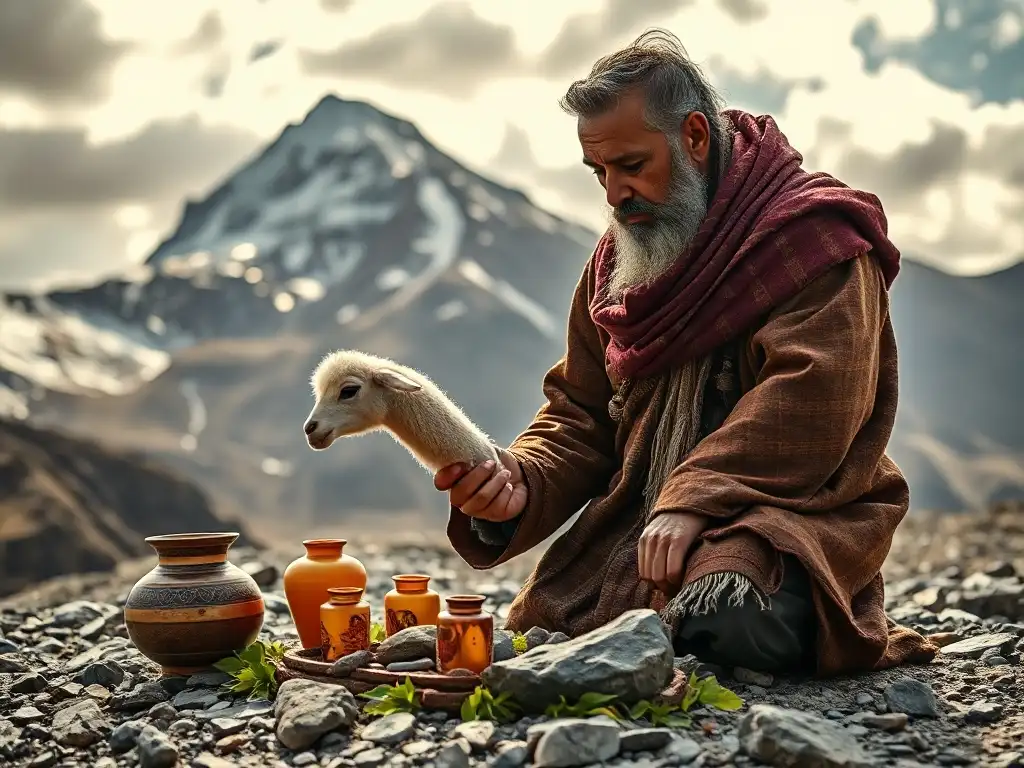
The Andean worldview deeply intertwined the living and the dead, with offerings and sacrifices playing a crucial role in maintaining this delicate balance. Priests, as intermediaries between the human and spiritual realms, were central to these rituals. Their expertise in interpreting omens and understanding the complex cosmology ensured the efficacy of the offerings. These weren't simply acts of appeasement; they were carefully orchestrated events aimed at securing a favorable afterlife for the deceased and ensuring the continued prosperity of the living community.
The types of offerings varied significantly depending on the specific culture and the status of the deceased. For example, the Incas frequently offered llama, while other cultures might have favored different animals or agricultural products. The Moche, known for their elaborate funerary practices, often included intricate gold and silver artifacts, pottery, and textiles in their offerings, reflecting the social standing of the individual.
In addition to material goods, priests often led ceremonies involving coca leaves, chicha (a fermented corn beverage), and other substances believed to have spiritual significance. The act of offering itself was as important as the object offered; the ritualistic gestures and prayers performed by the priest were believed to carry the offerings into the spiritual realm.
The careful selection and preparation of these offerings underscores the profound importance placed upon a successful transition to the afterlife. Failure to perform these rituals properly could have dire consequences for both the deceased and the living.
Maintaining Balance in the Afterlife
The Andean concept of the afterlife wasn't a simple dichotomy of heaven and hell. Rather, it was a complex interplay of different realms and forces, each requiring careful consideration. The priest's role extended beyond the initial funerary rites; their continued involvement was seen as essential for ensuring the deceased's successful navigation of the afterlife. This involved ongoing offerings and prayers, designed to maintain harmony and balance in the spiritual world.
The priest's knowledge of ancestral spirits and the intricate relationships between the living and the dead was critical in ensuring the deceased's peaceful transition and preventing any disruption to the balance of the cosmos. A disruption could manifest as natural disasters, crop failures, or illness within the community. Therefore, the priest's actions were not only about the individual's fate but also about the well-being of the entire society.
Their constant attention to the needs of the deceased and their adeptness in maintaining cosmic equilibrium were paramount to the Andean worldview. The very fabric of their society was believed to depend on this delicate balance. The concept of "Pachamama," Mother Earth, highlights this interconnectedness, where the actions of the living profoundly impact the spiritual realm and vice versa.
The Modern Legacy of Andean Priestly Practices
While the Inca Empire fell centuries ago, many Andean communities still maintain traditions rooted in their ancient beliefs. While the practices might have evolved, the core principles of the priestly role in managing the transition to the afterlife persist. Modern-day Andean healers and spiritual leaders often incorporate elements of traditional rituals into their practices.
These might include offerings to ancestral spirits, prayers for the deceased, and the use of medicinal plants believed to possess spiritual properties. This continuity demonstrates the enduring power of Andean cosmology and the continuing importance of the priest-like figure in providing spiritual guidance and support during times of death and mourning. The resilience of these traditions showcases the deep cultural significance of the Andean afterlife beliefs and the priest’s crucial role in mediating between the living and the dead.
The persistence of these practices underlines the profound impact of Andean spiritual traditions on their modern-day descendants. Their continued relevance underscores the enduring power of these ancient belief systems, reflecting an unbroken connection between the past and the present. The modern-day continuation of these traditions serves as a testament to the enduring influence of Andean spirituality.
Conclusion: The Enduring Importance of the Andean afterlife priest role
The role of the Andean priest in navigating the complexities of death and the afterlife was far from a simple ritualistic function. It represented a crucial link between the living and the spirit world, a bridge built on a deep understanding of cosmology, ancestor veneration, and the cyclical nature of life and death. Their expertise wasn't merely confined to performing ceremonies; it encompassed a profound knowledge of medicinal plants, divination techniques, and the intricate social structures governing funerary practices.
The priest's actions shaped not only the immediate experience of death for the community but also influenced the ongoing relationship with deceased ancestors, ensuring their continued well-being and influence on the living. This influence extended beyond the immediate family; the priest's pronouncements and actions could affect entire communities, solidifying social hierarchies and reinforcing the prevailing worldview.
The enduring importance of the Andean afterlife priest role lies in its deep integration into the fabric of Andean society. Their actions weren't isolated events but were central to the maintenance of social order, political power, and spiritual harmony. By understanding the priest's role, we gain a deeper appreciation for the sophisticated belief systems and complex social structures that characterized these remarkable civilizations.
The intricate rituals, the careful preparation of mummies, and the construction of elaborate tombs all testify to the profound significance placed on the transition between life and death. Studying these practices allows us to glimpse the rich tapestry of Andean spirituality and the central role played by those who acted as intermediaries between the mortal and the immortal realms. The legacy of these priests continues to resonate today, offering valuable insights into the enduring human fascination with death, the afterlife, and the enduring power of spiritual belief.
Further research into specific Andean cultures, including detailed archaeological findings and ethnographic studies, will undoubtedly shed more light on the nuanced variations and shared aspects of this critical role across the diverse Andean landscape. The study of the Andean afterlife priest role is not just an exploration of the past, but a window into the enduring human quest for understanding our place in the cosmos and our connection to those who came before us. 🌎
- Understanding Andean Cosmology and the Afterlife
- The Andean Priest: Guardian of the Transition to the Spirit World
- Rituals and Ceremonies Guided by Priests for the Deceased
- The Priest's Role in Preparing the Body for the Journey
- The Priest's Role in Funeral Rites and Burial Customs
- The Priest as Intermediary between Worlds: Communicating with Ancestors
- The Concept of "Aya" and the Priest's Guidance
- Different Andean Cultures and Variations in Priest Roles
- The Significance of Offerings and Sacrifices Led by Priests
- The Modern Legacy of Andean Priestly Practices
- Conclusion: The Enduring Importance of the Andean afterlife priest role
- What was the overall significance of the Andean afterlife?
- What specific role did priests play in Andean death rituals?
- How did Andean priests influence beliefs about the afterlife?
- Were all Andean priests involved in death rituals?
- What evidence exists to support the role of priests in Andean death and afterlife beliefs?
Frequently Asked Questions
What was the overall significance of the Andean afterlife?
The Andean afterlife was considered a continuation of life, albeit in a different realm. Beliefs varied across cultures, but generally involved ancestor veneration and a complex cosmology. Maintaining balance between the living and the dead was crucial.
What specific role did priests play in Andean death rituals?
Priests held a central role in Andean death rituals, acting as intermediaries between the living and the spirit world. Their duties included preparing the deceased, conducting ceremonies, and ensuring a successful transition to the afterlife.
How did Andean priests influence beliefs about the afterlife?
Andean priests interpreted dreams and omens, shaping popular understanding of the afterlife. They also controlled access to sacred knowledge and rituals, influencing societal views on death and the spiritual realm.
Were all Andean priests involved in death rituals?
Not all Andean priests were directly involved in death rituals. While some specialized in funerary practices, others focused on other aspects of Andean religion, such as agriculture, fertility, or warfare. Specialization varied across cultures and regions.
What evidence exists to support the role of priests in Andean death and afterlife beliefs?
Archaeological evidence, including elaborate tombs, mummification practices, and religious iconography, strongly suggests the significant role of priests in death rituals and shaping beliefs about the Andean afterlife. Textiles and ceramics also offer valuable insights.
Final Reflection: Bridging Worlds: The Enduring Legacy of Andean Priests
The intricate relationship between Andean priests and the afterlife remains profoundly relevant today, offering a powerful lens through which to understand both ancient spiritual practices and contemporary expressions of faith. The enduring power of these beliefs highlights the human need to grapple with mortality and find meaning beyond the physical realm, a need that transcends time and culture.
The influence of Andean cosmology, with its complex system of intermediaries between the living and the dead, continues to shape the cultural landscape of the Andes. These beliefs, passed down through generations, inform contemporary rituals, artistic expressions, and even social structures. The role of the priest, as a guide and interpreter of the spiritual world, remains a vital one, even in the face of modernization. Death is not an end, but a transformation, a passage to another plane of existence.
This ancient wisdom resonates deeply, reminding us of the interconnectedness of life and death.
Consider the profound implications of this understanding for your own life. How do you approach the concept of death and the afterlife? What role do spiritual guides or beliefs play in your own understanding of mortality? Take a moment to reflect on the enduring power of faith and the importance of finding meaning in the face of life's ultimate mystery. By engaging with these questions, you can begin to bridge the gap between ancient wisdom and your own personal journey, enriching your understanding of both yourself and the world around you.
Embrace the Wisdom of Andean Beliefs!
Thank you for exploring the profound connection between Andean beliefs and the role of spiritual leaders in understanding death and the afterlife. You've gained valuable insights into how these practices shape perspectives on life's journey. Now, let's put that knowledge into practice!
Here's how you can deepen your understanding:
- Explore further: Delve deeper into Andean cosmology by exploring the wealth of articles on our site. Discover the unique rituals and traditions that celebrate life and honor the deceased.
- Join the conversation: Share your thoughts on how these beliefs resonate with your personal experiences of death and spirituality. Comment below or connect with us on social media to join our community.
- Reflect and practice: Consider creating a personal ritual to honor loved ones who have passed, drawing inspiration from Andean traditions. This can be a powerful way to connect with the rich cultural heritage of the Andes.
What aspect of Andean beliefs about death and the afterlife resonates most with you, and how might it influence your own understanding of life?