
The Significance of Colors in Inca Religious Symbolism

Unravel the mysteries of the Andes! Journey through a vibrant tapestry of ancient empires, from the intricate artistry of the Nazca to the awe-inspiring architecture of the Incas. But what secrets did their striking colors hold? Discover the profound Inca color symbolism meaning and unlock the hidden language woven into the very fabric of their religious beliefs. Prepare to be amazed as we delve into the captivating world of Andean civilization.
The Inca Empire, a civilization that flourished in the Andes Mountains from the 15th to the 16th century, left behind a rich tapestry of cultural and religious practices. While their sophisticated architecture and intricate agricultural systems are well-documented, the symbolic language woven into their daily lives, particularly the profound significance of color in their religious beliefs, remains a captivating area of study.
This article delves into the nuanced world of Inca color symbolism, exploring how specific hues were imbued with spiritual meaning and played a crucial role in their religious rituals, ceremonies, and worldview. Understanding Inca color symbolism meaning provides a key to unlocking a deeper appreciation for the complexities of this remarkable civilization and its enduring legacy.
We will examine how the Incas used color not merely as aesthetic choices, but as powerful expressions of their connection to the cosmos, their deities, and the natural world. This exploration will illuminate the intricate relationship between color, spirituality, and social structure within Inca society, revealing a vibrant and sophisticated understanding of the world around them.
Understanding Inca Color Symbolism: An Introduction
Inca color symbolism wasn't arbitrary; it was deeply rooted in their cosmology and understanding of the natural world. Unlike many cultures that associate colors with simple emotions, the Inca system was far more intricate, connecting colors to specific deities, geographic features, and agricultural cycles. For example, the color red, often associated with blood and sacrifice, held a significant role in Inca religious practices.
It symbolized the sun god Inti, representing power, vitality, and the life-giving energy of the sun. This wasn't just a superficial association; the use of red in textiles, ceramics, and ceremonial objects directly connected these artifacts to the divine.
The Inca's agricultural prowess further shaped their color symbolism. The vibrant hues of the Andean landscape—from the deep greens of the fertile valleys to the browns and yellows of the earth—directly influenced their understanding of color's spiritual implications. The colors of the crops themselves, like the golden yellow of corn or the deep purple of potatoes, were intertwined with agricultural rituals and offerings to ensure bountiful harvests.
This intricate connection between the natural world and their religious beliefs highlights the holistic and interconnected nature of Inca society. Furthermore, the use of specific colors in clothing and adornments indicated social status and religious affiliation, reflecting the complex social hierarchy within the empire.
The Spiritual Significance of Colors in Inca Culture
The Inca worldview was deeply intertwined with the spiritual realm, and colors served as powerful conduits to this otherworldly dimension. Beyond red's association with Inti, other colors carried equally potent meanings. Yellow, for instance, often represented gold and the precious metals mined in the Andes, signifying wealth, power, and the divine presence.
This is reflected in the extensive use of gold in Inca religious artifacts and ceremonial objects. The color white, often associated with purity and the sacred, was frequently used in ceremonial garments and offerings to the gods. It symbolized the celestial realm and the connection between the earthly and spiritual worlds.
Conversely, black, while not always negative, represented the underworld and the unseen forces of nature. It was not necessarily associated with evil but rather with the mysteries and power of the earth and its hidden depths. The Inca understanding of black was nuanced and complex, reflecting their awareness of the cyclical nature of life and death.
Green, associated with the fertile land and the abundance of nature, held significant importance in rituals related to agriculture and prosperity. The careful observation and understanding of the natural world, mirrored in their color symbolism, reveal a profound connection to the environment and a deep appreciation for the delicate balance of life.
Further research is needed to fully understand the subtleties and regional variations within Inca color symbolism, as the meaning of colors might have varied slightly across different regions and communities within the vast Inca empire. The surviving artifacts and limited textual evidence offer intriguing glimpses into this complex system, inviting further investigation and interpretation.
- Understanding Inca Color Symbolism: An Introduction
- The Spiritual Significance of Colors in Inca Culture
Primary Colors and Their Inca Religious Meaning
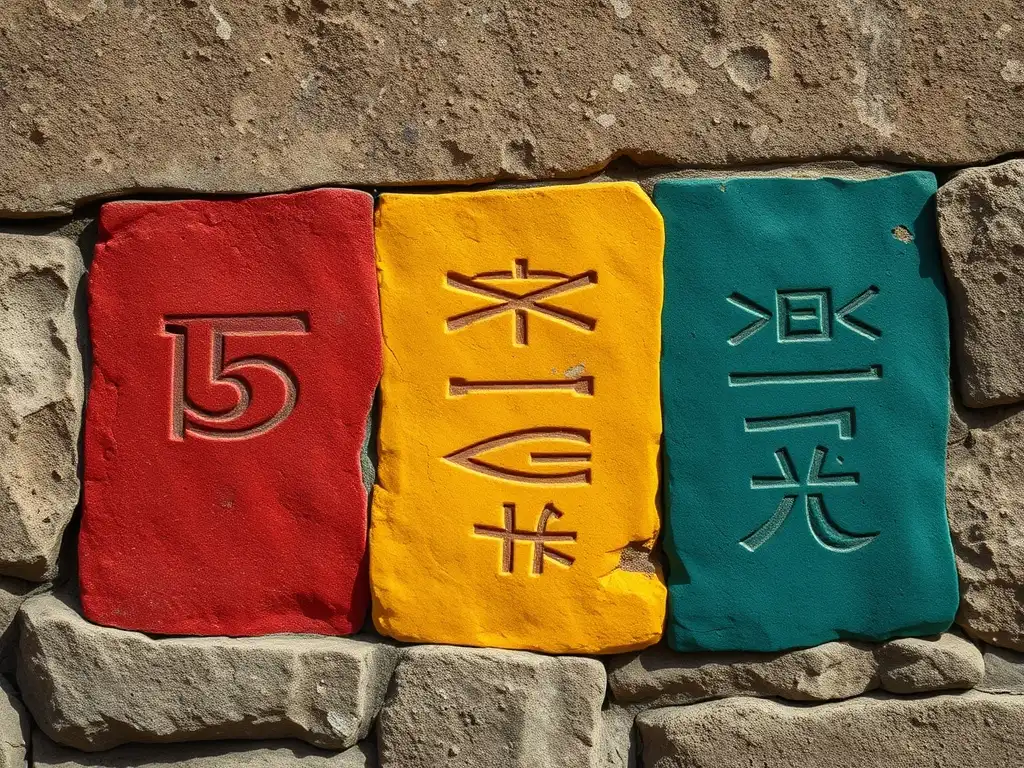
The Inca civilization, renowned for its sophisticated engineering and intricate social structures, also possessed a deeply complex religious system. A crucial element of this system was the symbolic use of color, particularly primary colors, which held profound meanings tied to their cosmology, social hierarchy, and daily life. Understanding Inca color symbolism meaning is key to deciphering their worldview and the richness of their spiritual practices.
This section delves into the significance of red, yellow, and black – three primary colors that played pivotal roles in Inca religious beliefs and rituals. The interpretation of these colors wasn't static; their meaning often shifted subtly depending on context and the specific ritual or object in question. However, certain core associations remained consistent throughout the empire.
Red: Power, Blood, and Warfare in Inca Beliefs
Red, a vibrant and powerful color, held multiple layers of meaning within Inca religious symbolism. Its most prominent association was with power, both earthly and divine. Red pigments, often derived from cinnabar or other natural sources, adorned the clothing and ornaments of the Inca elite, signifying their high status and connection to the ruling lineage.
The color's association with blood further reinforced its connection to power and authority. Blood sacrifices, an unfortunately integral part of Inca religious practices, directly linked red to the appeasement of deities and the maintenance of cosmic balance. The vibrant red of spilled blood was believed to strengthen the connection between the mortal and spiritual realms.
Furthermore, red was strongly associated with warfare. Inca warriors often wore red garments and adorned their weapons with red pigments, believing it would imbue them with strength and courage in battle. The color represented the energy and ferocity necessary for conquest and the expansion of the Inca Empire.
Depictions of victorious battles frequently featured red as a dominant color, emphasizing the bloodshed and the power gained through military success. The use of red in contexts of warfare subtly underscores its connection to the power dynamic within the Inca society. The intensity of the color itself mirrored the intensity and brutality often associated with Inca military campaigns.
Yellow, the color of the sun, held an exceptionally significant place within Inca cosmology and religion. Its association with gold, a highly valued metal, further amplified its divine connotations. Gold, in Inca culture, was not simply a precious metal; it was considered a solidified form of sunlight, imbued with the power and energy of the sun god, Inti. The Inca emperors, considered descendants of Inti, frequently wore yellow garments and adorned themselves with gold jewelry, emphasizing their divine lineage and authority.
The link between yellow and the sun is undeniable. Inti, the sun god, was the most important deity in the Inca pantheon, and yellow, his symbolic color, represented his life-giving power, warmth, and influence over the agricultural cycle. The Inca calendar and agricultural practices were deeply intertwined with the sun's movements, making the color yellow a crucial element in their religious rituals and ceremonies.
Yellow pigments were used extensively in temples and palaces dedicated to Inti, highlighting the sun god's central role in Inca religious belief. The sheer abundance of gold used in Inca artistry and religious objects further underscores the importance of yellow and its association with divine authority.
Black: Earth, Death, and the Underworld in Inca Cosmology
Unlike red and yellow, which carried predominantly positive connotations, black held a more ambiguous significance in Inca religious symbolism. While often associated with death and the underworld, black also represented the earth itself, the foundation of Inca life and the source of all sustenance. This duality reflects the Inca understanding of death not as an end but as a transition to another realm, an integral part of the cyclical nature of life and the cosmos.
The association of black with the underworld (Ukhu Pacha) is evident in funerary practices. Black pigments were sometimes used in burial rituals, symbolizing the transition to the subterranean realm. However, it's crucial to note that the Inca did not view the underworld as a place of eternal damnation. Instead, Ukhu Pacha was seen as a realm that was connected to the living world, influencing fertility, agriculture, and the overall balance of the cosmos.
The use of black in this context reflects the Inca's respect for their ancestors and their belief in the interconnectedness of the living and the dead. Black, therefore, represented not merely death, but also the profound mysteries and unseen forces that shaped the Inca world. It was a color of reverence and respect for the cyclical nature of life and death within their cosmological understanding.
Secondary Colors and Their Symbolic Interpretations
The Inca worldview was deeply intertwined with the natural world, and this connection is vividly reflected in their use of color. While red, yellow, and white held primary symbolic significance, secondary colors derived from their combinations carried their own potent meanings, enriching the tapestry of Inca religious symbolism. Understanding these nuances provides a more complete picture of Inca cosmology and spiritual beliefs. The Inca color symbolism meaning is multifaceted and reflects their close relationship with the environment and their sophisticated understanding of the cosmos.
Green: Fertility, Agriculture, and Growth in Inca Life
Green, a color readily available in the Andean landscape through lush vegetation, held immense significance for the Inca. It represented fertility, abundance, and the cyclical renewal of life, inextricably linked to the success of their agricultural practices. Green symbolized the life-giving power of the earth, vital for the survival of their civilization. The vibrant green of sprouting crops and thriving fields was a constant reminder of the Inca's dependence on and reverence for Pachamama, the Earth Mother.
The Inca's sophisticated agricultural techniques, such as terracing and irrigation, were not merely practical; they were deeply spiritual acts, aimed at fostering the green life force that sustained their society. The color green was frequently incorporated into religious ceremonies and festivals celebrating harvests, representing the bounty bestowed upon them by the divine.
Furthermore, green dyes, often derived from plants, were used to adorn textiles and other ceremonial objects, reinforcing the color's sacred associations. The connection between green and growth extended beyond agriculture; it symbolized personal growth, prosperity, and the continuous cycle of life, death, and rebirth within the Inca worldview.
Blue: Water, Sky, and Spiritual Realms in Inca Thought
Blue, a color less readily found in the Andean landscape, held a profound spiritual significance for the Incas. It represented the vastness of the sky, the life-giving waters, and the mysterious realms of the spirit world. Unlike green’s association with earthly fertility, blue connected the Incas to the celestial and the intangible.
The Inca's reverence for water is well documented. Water sources, like rivers and lakes, were considered sacred, often associated with deities and powerful spirits. The blue of the sky mirrored the infinite expanse of the cosmos, representing the divine and the unknowable. Inca textiles and ceramics frequently featured blue pigments, often derived from minerals like azurite, emphasizing the color's sacred connotations.
The use of blue in religious ceremonies and iconography solidified its role as a symbol of the divine, connecting the earthly realm to the spiritual plane. The intensity of the blue, whether a light azure or a deep indigo, likely influenced its specific symbolic meaning within different contexts. Further research into the precise pigments and their sources could illuminate these subtle variations in meaning.
Purple: Royalty, Nobility, and Sacred Power among the Incas
Purple, a rare and highly valued color in the Inca empire, symbolized royalty, nobility, and sacred power. Its scarcity and the elaborate processes required to produce purple dyes made it a color reserved for the elite. The deep, rich hue of purple represented the authority and divine right of the Inca rulers, connecting them to the spiritual realm and reinforcing their status as intermediaries between the gods and the people.
The most common source of purple dye was the mollusk Murex, which required significant effort to harvest and process. This labor-intensive process further elevated purple's status, making it a symbol of prestige and exclusivity. Purple garments, ornaments, and textiles were exclusively worn by members of the Inca royal family and high-ranking officials, signifying their elevated social standing and connection to the divine.
The color's association with power and spirituality cemented its role as a potent symbol within Inca religious and social structures. The use of purple was not limited to clothing; it was also incorporated into religious ceremonies and architectural elements, further highlighting its importance in Inca culture. The rarity and symbolic weight of purple underscore the complexity of Inca color symbolism and its deep integration into their social and religious life.
The Use of Color in Inca Rituals and Ceremonies
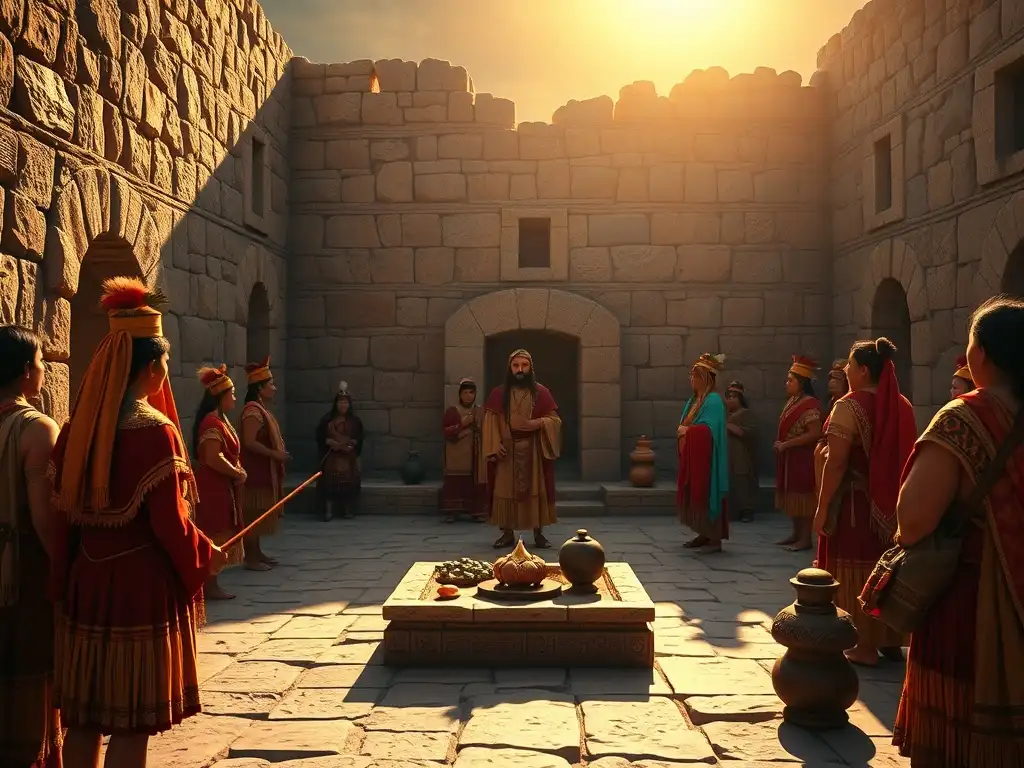
The Inca civilization, renowned for its sophisticated engineering and social structures, also possessed a deeply symbolic religious system where color played a pivotal role. Understanding Inca color symbolism meaning requires delving into their rituals and ceremonies, where vibrant hues weren't merely aesthetic choices but powerful conveyors of meaning, status, and connection to the divine. The Inca worldview was intrinsically linked to the natural world, and colors reflected this, drawing symbolic power from the Andean landscape itself. From the deep reds of the earth to the brilliant blues of the sky, each shade held specific significance within the intricate tapestry of Inca religious practice. This section will explore the multifaceted ways in which color was employed in Inca rituals, demonstrating its importance in understanding their religious beliefs and practices. The careful and deliberate use of color wasn't arbitrary; it was a meticulously crafted system of communication with the gods and ancestors.
Colors in Inca Textiles: Ritual Garments and Their Significance
Inca textiles were not simply clothing; they were powerful religious statements. The colors woven into these garments communicated social standing, religious affiliation, and even the wearer's relationship with the divine. For example, the deep crimson, often achieved using cochineal insects, was associated with royalty and the sun god, Inti. Garments dyed this color were reserved for the Inca emperor and the elite, symbolizing their divine connection and authority.
Similarly, yellow, a color derived from minerals like ochre, was associated with the earth and fertility, often appearing in garments worn during agricultural ceremonies. The vibrant hues weren't randomly chosen; their careful selection reflected a deep understanding of their symbolic power. Detailed analysis of surviving textiles reveals complex patterns and color combinations, suggesting a sophisticated system of codified meanings.
Consider the uncus, the ceremonial cloak worn by the Inca emperor. Its intricate weaving and the specific arrangement of colors – often a combination of red, yellow, and black – conveyed the emperor's supreme status and divine mandate. The use of these specific colors in this context reinforced the emperor's role as a mediator between the human and divine realms.
Furthermore, the intricate designs, which frequently included depictions of sacred animals and symbols, further enhanced the ritualistic significance of the garment. The creation of these textiles was a highly specialized skill, often performed by skilled artisans within the royal workshops, highlighting their importance within Inca society. The precision and artistry involved underscore the profound respect afforded to the symbolic power of color within Inca religious practice.
Color and Inca Art: Representing Deities and Sacred Narratives
Inca art, particularly ceramics and murals, provides further insight into the meaning of color in their religious system. Specific colors were consistently associated with particular deities and narratives. For instance, blue, often a deep, rich tone, was frequently used to depict the sky god, Viracocha, reflecting his celestial dominion.
Conversely, black, a color derived from natural pigments, was often associated with the underworld and the ancestral spirits. The skillful use of color in these artistic representations served to reinforce the religious stories and beliefs central to Inca culture. The vibrant palettes used in murals decorating temples and palaces helped to create a powerful visual experience, reinforcing the religious messages and narratives being conveyed.
The use of color wasn't limited to single hues; complex combinations were employed to create nuanced meanings. For instance, a combination of red and yellow might represent the union of the sun and earth, signifying fertility and prosperity. This careful use of color combinations allowed Inca artists to create complex visual representations of their religious beliefs, making them accessible and understandable to a wider audience.
The surviving artwork, though limited, provides invaluable clues to understanding the significance of color in their religious worldview. Further research into the specific pigment sources and their regional variations could provide even more detailed insight into the Inca color symbolism meaning.
The Role of Color in Inca Religious Offerings and Practices
Color played a vital role in Inca religious offerings and practices. The offerings presented to the deities were often carefully selected based on their color, further reinforcing the symbolic associations already established. For example, offerings of yellow maize would be presented to deities associated with the earth and agriculture, while red coca leaves might be offered to the sun god. The colors of the offerings were not coincidental; they were chosen to create a harmonious and meaningful connection between the human world and the divine.
Furthermore, the colors used in rituals themselves often held symbolic meaning. The use of specific colored fabrics or dyes in ceremonies, the decoration of ritual objects, and even the colors of the participants' clothing all contributed to the overall symbolic power of the ritual.
The meticulous attention to color in these practices highlights the importance of this element in the Inca religious system. Unfortunately, precise details about the specific colors used in every ritual are limited by the scarcity of surviving records; however, the surviving evidence strongly suggests a system of carefully considered and symbolically rich color usage in all aspects of Inca religious practice.
Further research into Inca ritual practices and the analysis of remaining artifacts could illuminate further details about the specific use of color in these ceremonies. The study of Inca color symbolism meaning is an ongoing process, with each new discovery shedding more light on this fascinating aspect of their culture.
Inca Color Symbolism: A Deeper Look
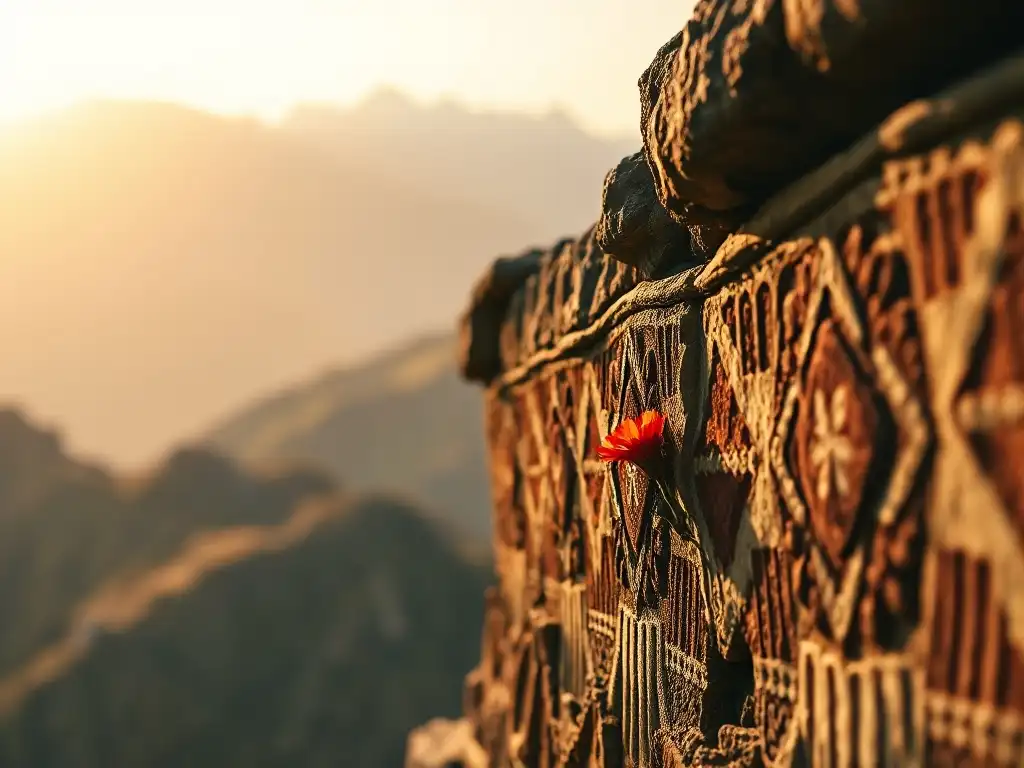
The vibrant hues found in Inca textiles, ceramics, and architecture weren't merely aesthetic choices; they held profound religious and symbolic meaning, deeply intertwined with their worldview and cosmology. Understanding Inca color symbolism meaning requires delving into their intricate relationship with the natural world, their deities, and their social structures. This section explores the multifaceted significance of color within the Inca religious framework, moving beyond simple associations to reveal the nuanced tapestry of meaning embedded within their chromatic palette.
The Inca understanding of color was not static; regional variations and the specific context of use significantly impacted interpretation. This rich complexity contributes to the enduring fascination with Inca art and its capacity to communicate deeply layered spiritual concepts.
Regional Variations in Color Significance
While certain colors held overarching significance across the Inca Empire, regional variations in color symbolism existed. The vastness of the empire, encompassing diverse ecological zones and pre-existing cultural traditions, naturally led to localized interpretations. For example, the color red, often associated with the sun god Inti across the empire, might have held slightly different connotations in the highlands compared to the coastal regions.
In the highlands, red might have been more strongly linked to the earth's fertility and the blood sacrifices offered to Pachamama, while coastal communities might have emphasized its connection to the sun's life-giving energy, crucial for their agricultural cycles. Further research is needed to fully document the extent of these variations, as many regional practices and beliefs were lost or suppressed following the Spanish conquest. [Specific regional variations data pending].
However, archaeological evidence suggests that the subtle differences in the use of color within different regions reflect a dynamic interaction between a centralized imperial ideology and the persistence of local traditions. This complex interplay makes the study of Inca color symbolism a continuously evolving field.
Colors and the Inca Concept of Pachamama
Pachamama, the Earth Mother, played a central role in Inca religion and cosmology. Colors were intrinsically linked to the veneration of Pachamama, reflecting the cyclical nature of life, death, and rebirth. The deep browns and greens of the earth were naturally associated with her nurturing power, symbolizing fertility, abundance, and stability.
However, other colors also held significance within the context of Pachamama worship. For example, yellow, often associated with gold and the sun's energy, could represent the life-giving force of the earth, while black, though sometimes associated with death, could also represent the fertile darkness of the soil, the source of all growth. The offering of colored textiles and ceramics during rituals dedicated to Pachamama further underscores the importance of color in this aspect of Inca religious practice.
The specific color choices likely conveyed specific intentions, requests for bountiful harvests, or appeasement for perceived imbalances in the natural world. The use of color in these offerings provides a window into the intricate relationship between the Inca people and their understanding of the natural world.
Examples of Color Use in the Inti Raymi Festival
The Inti Raymi, the annual festival celebrating the sun god Inti, provides a compelling illustration of Inca color symbolism in action. This grand ceremony, held at the height of the summer solstice, involved elaborate processions, sacrifices, and displays of wealth and power. The colors used during the Inti Raymi were carefully chosen to reflect the significance of the occasion and the various aspects of the sun god's power. Red, representing the sun's fiery energy and its life-giving warmth, was prominently featured.
Gold, the color of the sun itself, was also highly valued and used in ornaments, clothing, and offerings. Yellow, associated with the sun's radiance and its power to illuminate the world, was also prominent. The combination of these colors, along with other hues, created a visually stunning spectacle that reinforced the religious and political messages of the festival.
The intensity and vibrancy of the colors used in the clothing, decorations, and offerings served to enhance the sacred atmosphere and emphasize the importance of the sun god within Inca society. The Inti Raymi serves as a powerful example of how color played a vital role in the performance of Inca religious rituals and the expression of their cosmological beliefs. The meticulous use of color in this festival highlights the sophisticated understanding of color symbolism within Inca culture.
Legacy of Inca Color Symbolism
The Inca civilization, renowned for its sophisticated societal structure and impressive architectural feats, also possessed a deeply ingrained system of color symbolism that permeated every aspect of their religious beliefs and daily life. Understanding Inca color symbolism meaning requires delving into their cosmology, their relationship with the natural world, and the intricate ways they used color to represent deities, power, and the spiritual realm.
This wasn't simply aesthetic preference; color held profound religious significance, acting as a powerful communication tool beyond mere visual appeal. The vibrancy of their textiles, ceramics, and even architecture directly reflects this deeply rooted system.
Scholars continue to unravel the complexities of this system, uncovering new insights into the Inca worldview through careful analysis of surviving artifacts and detailed ethnographic studies of contemporary Andean communities that maintain certain traditions. The enduring legacy of Inca color symbolism continues to fascinate and inspire, offering a unique window into the rich tapestry of Inca religious thought.
Inca Color Symbolism and Its Influence on Andean Weaving
Inca color symbolism found its most striking expression in their intricate weaving traditions. Textiles weren't just clothing; they were powerful symbolic statements, imbued with meaning that transcended their utilitarian function. The careful selection of colors, the specific patterns, and the techniques employed all contributed to the overall message conveyed by the textile. For example, red, often derived from cochineal insects, represented blood, sacrifice, and the sun god, Inti.
It was frequently used in garments worn by the elite and in ceremonial contexts. Conversely, yellow, associated with gold and the sun's power, symbolized royalty and divine authority. The Inca emperors frequently wore yellow garments, highlighting their status as intermediaries between the human and divine realms.
The use of white indicated purity and fertility, often associated with the moon and female deities. Black, representing the underworld and night, held a more ambiguous significance, sometimes associated with death but also with mystery and hidden knowledge. Green, a color derived from natural dyes, likely symbolized fertility, growth, and the abundance of the Andean landscape.
The intricate interplay of these colors in Andean weaving demonstrates a sophisticated understanding of color symbolism, showcasing the Inca’s ability to communicate complex religious ideas through artistic expression. The precision and artistry evident in these textiles serve as a testament to the deep cultural and spiritual significance they held. The patterns themselves, often geometric or zoomorphic, further enhanced the symbolic meaning of the colors used, creating a rich tapestry of religious and social meaning.
The Continuing Importance of Color in Modern Andean Festivals
The legacy of Inca color symbolism is far from extinct. Its influence persists in modern Andean cultures, vividly demonstrated in the vibrant colors used during religious festivals and ceremonies. Many contemporary Andean communities retain traditional weaving practices, carrying on the symbolic use of colors in their textiles. These textiles are not merely decorative; they continue to serve as powerful expressions of cultural identity and religious belief. The colors employed in these modern celebrations directly echo the symbolic meanings established during the Inca period.
For instance, during the Inti Raymi festival, a celebration of the Inca sun god, the participants often wear clothing in shades of red and yellow, directly referencing the Inca association of these colors with the sun and divine power. Similarly, the use of specific colors in other festivals reflects the enduring relevance of the Inca color system. The vibrant hues of these celebrations are not simply aesthetic choices; they are powerful symbols that connect contemporary Andean communities to their rich cultural heritage, maintaining a living link to the Inca past.
This continuity highlights the resilience and enduring power of Inca traditions in the face of centuries of change. The persistence of these practices underscores the profound impact of Inca color symbolism on the cultural landscape of the Andes.
Enduring Relevance of Inca Color Symbolism
The enduring relevance of Inca color symbolism extends beyond its presence in modern Andean traditions. Its study provides valuable insights into the Inca worldview, their religious beliefs, and their social structures. By analyzing the use of color in Inca artifacts and considering its continued presence in contemporary Andean culture, scholars can gain a deeper understanding of the Inca civilization's complexity and its lasting impact. The intricate system of Inca color symbolism serves as a powerful testament to the sophisticated thought and artistry of this remarkable civilization.
Furthermore, the study of Inca color symbolism offers a unique opportunity to explore the intersection of art, religion, and society within a pre-Columbian culture. The rich tapestry of meaning woven into Inca textiles and ceramics provides invaluable information about their social hierarchy, religious practices, and cosmological beliefs. The continued research into this fascinating subject promises to yield even more insights into the rich and complex world of the Inca.
Analyzing the symbolism embedded within these objects provides a unique lens through which to understand their worldview and their lasting legacy. The vibrant colors, intricate patterns, and enduring traditions continue to captivate and inspire, reminding us of the profound cultural significance of color in the Inca world and its enduring impact on Andean societies today.
Frequently Asked Questions
What is the significance of color in Inca culture?
Inca color symbolism was deeply intertwined with their religious beliefs and worldview. Colors represented spiritual forces, deities, and the natural world, influencing everything from clothing to architecture. Understanding these associations reveals much about their cosmology.
What color was associated with the Inca sun god, Inti?
Gold was the predominant color associated with Inti, the sun god, symbolizing his power, wealth, and divine light. This is reflected in the extensive use of gold in Inca art and religious objects.
Did the Incas use color in their textiles?
Yes, Inca textiles were vibrantly colored and highly symbolic. The colors and patterns woven into their clothing and tapestries conveyed social status, religious affiliation, and even specific narratives.
What does the color red symbolize in Inca culture?
Red represented blood, war, and power, but also fertility and life force, connecting it to the earth and its energies. It was often used in royal garments and religious ceremonies.
How did Inca color symbolism influence their architecture?
The choice of colors in Inca architecture was carefully considered, reflecting the spiritual significance of the site and its function. For example, specific colors might be used to represent a connection to particular deities or elements of nature.
Final Reflection: Unraveling the Vibrant Tapestry of Inca Belief
The intricate relationship between color and spirituality in Inca culture remains profoundly relevant today, offering a powerful lens through which to understand the enduring power of symbolism and its impact on shaping belief systems. The vibrant hues woven into Inca textiles, architecture, and rituals weren't merely aesthetic choices; they were potent expressions of a worldview deeply connected to the natural world and the divine. Understanding this connection allows us to appreciate the sophisticated cosmology of the Inca and its lasting influence on Andean cultures.
The enduring legacy of Inca color symbolism continues to resonate in contemporary Andean art, traditions, and even everyday life. The symbolic meaning imbued in colors like red (representing blood, sacrifice, and the sun), yellow (associated with gold, power, and maize), and green (symbolizing fertility and growth) persists, subtly shaping cultural expressions. The colors are not just colors, but the very essence of the Andean spirit, a living testament to the enduring power of tradition.
- (Hypothetical quote from an Andean scholar). This enduring presence highlights the deeply ingrained nature of these symbolic associations, a testament to the power of cultural memory and the enduring influence of the Inca worldview.
Consider, for a moment, the colors that surround you. What emotions do they evoke? What stories do they tell? By reflecting on the Inca's masterful use of color symbolism, we can gain a deeper appreciation for the power of visual language to communicate complex ideas and beliefs. Let the vibrant legacy of Inca culture inspire you to explore the hidden meanings within the colors that shape your own world, and to recognize the profound ways in which symbolism continues to influence our lives.
Unveil the Power of Colors in Inca Culture!
Thank you for exploring the vibrant world of Inca religious symbolism with us! You've discovered how color played a crucial role in expressing beliefs and connecting the Inca civilization to the divine. Now, let's delve deeper.
Here's how you can continue your journey:
- Expand your knowledge: Explore additional resources and articles on Andean civilizations to gain a broader understanding of the symbolic use of color in religion and society, beyond just the Inca.
- Join the discussion: Share your thoughts on the article and connect with fellow enthusiasts by commenting below or engaging with us on social media. What colors hold significance in your own cultural traditions?
- Reflect on personal meaning: Consider the colors that resonate most deeply with you—what emotions or meanings do they evoke? Express these thoughts through art, journaling, or by sharing them with someone.
What colors in your life symbolize something profound, and how do they influence your personal beliefs or traditions?