
The Moche Artist's Intent: Understanding Function and Authenticity

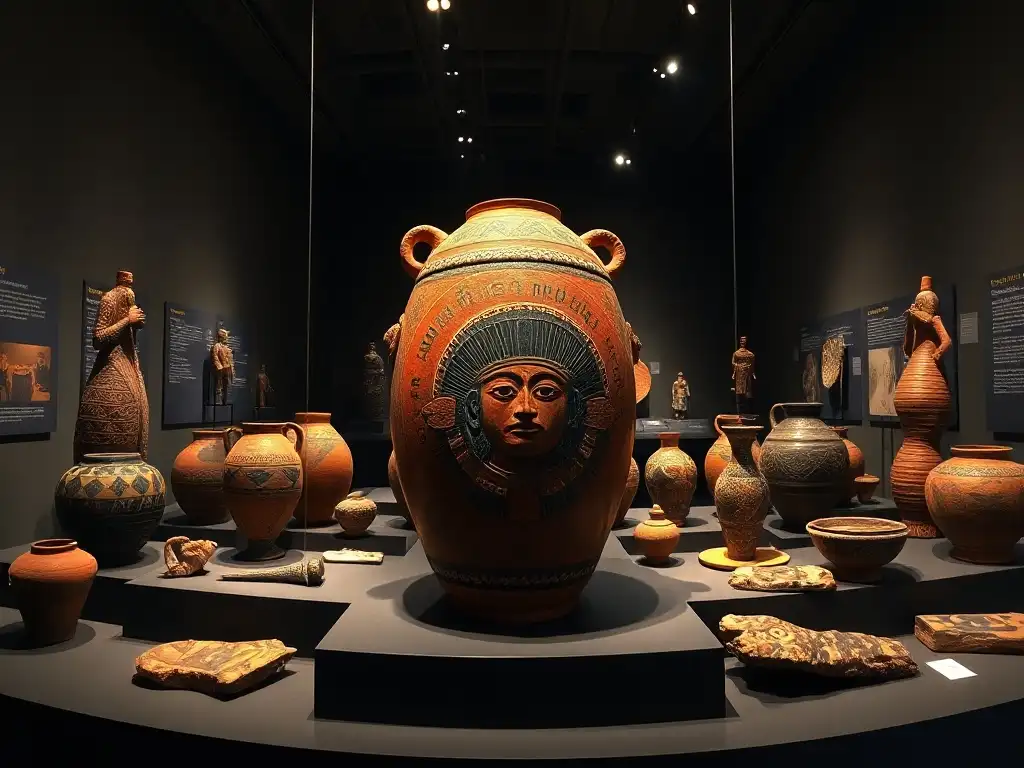
Dive into the captivating world of Andean Civilizations! Journey through millennia of ingenuity and artistry, uncovering the secrets held within the majestic ruins and breathtaking artifacts of cultures like the Incas, Nazca, and Tiahuanaco. But our exploration begins with a particularly intriguing enigma: the Moche pottery artistic intent. What hidden meanings lie within these vibrant vessels? Discover the answers and more as we delve into The World of Andean Artifacts, beginning with the fascinating story of the Moche's artistic expression.
The vibrant and intricate pottery of the Moche civilization (circa 100-800 CE) continues to captivate archaeologists and art enthusiasts alike. More than mere decorative objects, these ceramics offer a unique window into the beliefs, social structures, and daily lives of this remarkable Andean culture. Understanding the Moche pottery artistic intent requires moving beyond simple aesthetic appreciation to delve into the multifaceted functions these pieces served within Moche society.
This article explores the interplay between artistic expression and practical purpose in Moche pottery, providing insights into identifying genuine artifacts and appreciating their true significance. We will examine the various forms, decorative styles, and contexts of discovery to understand how Moche artisans imbued their work with meaning, reflecting their complex worldview and sophisticated artistic techniques.
By analyzing both the functional and symbolic aspects of Moche pottery, we aim to provide a more complete understanding of the Moche artist's intention and the enduring legacy of their artistic achievements. The journey to understanding the "Moche pottery artistic intent" is a fascinating exploration into the heart of a lost civilization.
Decoding Moche Pottery: Beyond Decoration
Moche pottery is renowned for its stunning realism and intricate detail. Depictions of humans, animals, and mythical creatures are often rendered with remarkable accuracy, showcasing the artists' mastery of form and technique. However, the aesthetic appeal of these ceramics is only one facet of their significance.
Many pieces reveal clear evidence of functionality, serving as vessels for food, water, or other liquids. Even highly decorated pieces often exhibit features suggesting practical use, such as spouts, handles, and sturdy bases. The artistry is not merely superficial decoration; it is integrated into the very form and function of the object.
The vibrant colors, achieved through a complex process using natural pigments, further enhanced the visual impact and potentially held symbolic meaning. Analyzing the techniques used—from the type of clay to the firing methods—provides crucial clues about the artist's skill and the cultural context of production. Understanding the materials and techniques employed is essential in differentiating authentic Moche pottery from later imitations.
Unveiling the Artistic Purpose of Moche Ceramics
The artistic purpose of Moche ceramics extended far beyond simple utility. Many pieces depict scenes of daily life, rituals, and mythical narratives, offering invaluable insights into Moche society and beliefs. These depictions often feature powerful figures, including warriors, priests, and deities, suggesting a connection to religious and political authority. The detailed representations of flora and fauna also reveal the importance of the natural world in Moche culture.
Furthermore, the use of specific colors and motifs may have held symbolic meanings, contributing to a complex system of visual communication. For example, certain colors might have been associated with specific deities or social classes, while particular motifs could have represented specific events or beliefs. The study of iconography is therefore crucial in understanding the deeper meanings embedded within Moche pottery.
The Role of Moche Pottery in Daily Life and Rituals
Moche pottery played a vital role in both daily life and ritual practices. Everyday vessels, ranging from simple bowls to elaborate jars, were used for storing and serving food and drink. More elaborate pieces, often featuring intricate scenes and figures, were likely reserved for special occasions or ritual contexts. Some vessels were even used as grave goods, accompanying the deceased into the afterlife.
The presence of specific types of pottery in burials provides crucial information about the social status and beliefs of the individuals interred. Analysis of the chemical residues found on some pottery pieces can further illuminate their function, revealing traces of food, beverages, or other substances. This interdisciplinary approach, combining archaeological context with scientific analysis, is crucial in unraveling the multifaceted roles of Moche pottery.
Examining Moche Pottery Forms: Functionality and Meaning
The diverse forms of Moche pottery reflect their varied functions and symbolic meanings. For instance, stirrup-spout vessels, a hallmark of Moche artistry, are characterized by their distinctive shape and often depict complex scenes. While their precise function remains debated, they are often associated with ritual contexts and the elite classes.
Other forms, such as bowls, plates, and jars, served more mundane purposes, but even these simpler vessels often displayed decorative elements that reflected the artistic sensibilities of the Moche people. By studying the different forms and their associated decorations, we can gain a more nuanced understanding of the relationship between function and meaning in Moche pottery.
Careful observation of details like the type of clay, the firing techniques, and the presence of specific motifs can help distinguish genuine Moche pottery from later imitations or forgeries. The careful examination of these details is therefore crucial for authenticating and appreciating these remarkable works of art.
Recognizing Moche Artistic Intent: Identifying Genuine Artifacts
The Moche civilization, flourishing along the northern coast of Peru from approximately 100 to 800 CE, left behind a remarkable legacy of artistic expression, particularly in their pottery. Understanding the Moche pottery artistic intent is crucial for discerning genuine artifacts from later imitations. Moche artisans weren't simply creating decorative objects; their pottery served religious, social, and even funerary purposes. The vibrant colors, intricate details, and often gruesome depictions weren't arbitrary; they conveyed complex narratives and beliefs reflecting their worldview.
Identifying authentic pieces requires a keen eye for detail and a solid understanding of their cultural context. This involves examining not only the visual aspects but also the technical aspects of the pottery's creation. The intent behind each piece is woven into its very fabric, from the selection of clay to the final firing process.
By understanding this, we can better appreciate the artistry and cultural significance of these ancient works. The study of Moche pottery artistic intent is a journey into the heart of their society, revealing their beliefs, rituals, and daily lives. Authentic pieces offer a unique window into this fascinating civilization.
The Significance of Moche Iconography: Deciphering Symbols and Narratives
Moche iconography is rich with symbolic meaning, often depicting scenes of warfare, ritual sacrifice, erotic encounters, and everyday life. Understanding these symbols is key to interpreting the artist's intent. For instance, the recurring motif of a decapitated head, often found in Moche pottery, likely represents ritual sacrifice or the conquering of enemies, reflecting the importance of warfare in their society.
Similarly, depictions of elaborate feasts suggest social hierarchy and the role of food in religious ceremonies. The intricate details, even in smaller vessels, are not merely decorative; they are carefully chosen elements that contribute to a larger narrative. Researchers continue to decipher these narratives, uncovering new insights into the Moche worldview and social structures.
The complexity of the iconography highlights the sophistication of Moche artistic expression and its deep connection to their religious and social life. Analyzing these symbols offers a profound understanding of Moche society and the artist's role within it. Authentic Moche pottery frequently displays a consistency and sophistication in its iconography that modern forgeries often lack.
Moche Pottery Techniques: Understanding the Craftsmanship
Moche potters were masters of their craft, employing sophisticated techniques to create incredibly detailed and durable vessels. They used a variety of methods, including slip casting, modeling, and hand-building, to achieve their desired forms. The use of different clays and slips allowed for a wide range of colors and textures.
The precision and skill evident in their work are hallmarks of authenticity. Analyzing the construction techniques, such as the type of coils used, the smoothness of the surface, and the quality of the firing, can help distinguish genuine Moche pottery from later imitations. The mastery of these techniques, passed down through generations, is a testament to the importance of pottery in Moche society.
Understanding these techniques provides a deeper appreciation of the artistic skill and the cultural significance of their pottery. Recognizing the subtle nuances of Moche craftsmanship is essential for identifying authentic pieces. The consistent application of these techniques across numerous artifacts is a strong indicator of authenticity.
Analyzing Moche Pottery: Material and Construction as Indicators of Authenticity
The materials and construction techniques employed by Moche potters provide crucial clues for authentication. Careful examination of these aspects can reveal whether a piece is genuine or a modern reproduction. This involves assessing the clay type, the firing process, and the overall construction quality. Authentic Moche pottery often displays unique characteristics not easily replicated by modern techniques.
For instance, the specific mineral composition of the clay used can vary depending on the geographical location and the time period. This information can be analyzed through scientific methods to verify authenticity. Furthermore, the firing process itself left distinct marks on the pottery, providing another layer of evidence. The attention to detail in the construction, including the evenness of the walls, the precision of the surface finish, and the quality of the painted designs, all contribute to the overall assessment of authenticity.
Examining the Clay Composition of Authentic Moche Pottery
The clay used by Moche artisans varied depending on regional availability. Analyzing the clay's mineral composition using techniques like X-ray fluorescence (XRF) can pinpoint the origin and date of a piece. This scientific analysis offers a robust method for verifying authenticity, particularly when comparing the composition to known Moche pottery samples. Variations in the clay's color, texture, and firing characteristics can also be indicative of a specific region or time period.
For example, some regions might have been known for their reddish clays, while others used a darker, more earthy tone. These subtle differences, often overlooked by the untrained eye, provide valuable clues for experts in the field. This detailed analysis allows researchers to create a comprehensive profile of the clay used by Moche potters, aiding in the identification of authentic pieces. The scientific approach to clay composition analysis provides an objective and rigorous method for authenticating Moche pottery.
Differentiating Genuine Moche Pottery from Modern Reproductions
Distinguishing genuine Moche pottery from modern reproductions requires a multi-faceted approach that combines visual inspection, technical analysis, and a deep understanding of Moche artistic styles and techniques. Modern forgeries often lack the subtle nuances of authentic pieces, exhibiting inconsistencies in style, technique, and material. For example, the paint used in reproductions may be less vibrant or may not have the same texture as the original pigments.
The firing process in modern reproductions might not achieve the same level of durability and coloration as the ancient techniques. Scientific analysis, such as XRF spectroscopy, provides an objective way to compare the mineral composition of the clay and pigments, helping to distinguish between genuine and fake artifacts. Furthermore, a thorough understanding of Moche iconography and artistic conventions is crucial for identifying stylistic inconsistencies.
A careful examination, combined with scientific testing, is necessary for a confident assessment of authenticity. The combination of scientific methods and art historical knowledge provides the most reliable means of differentiating between genuine and counterfeit Moche pottery.
Moche Artistic Expression: Function and Message in Specific Vessel Types
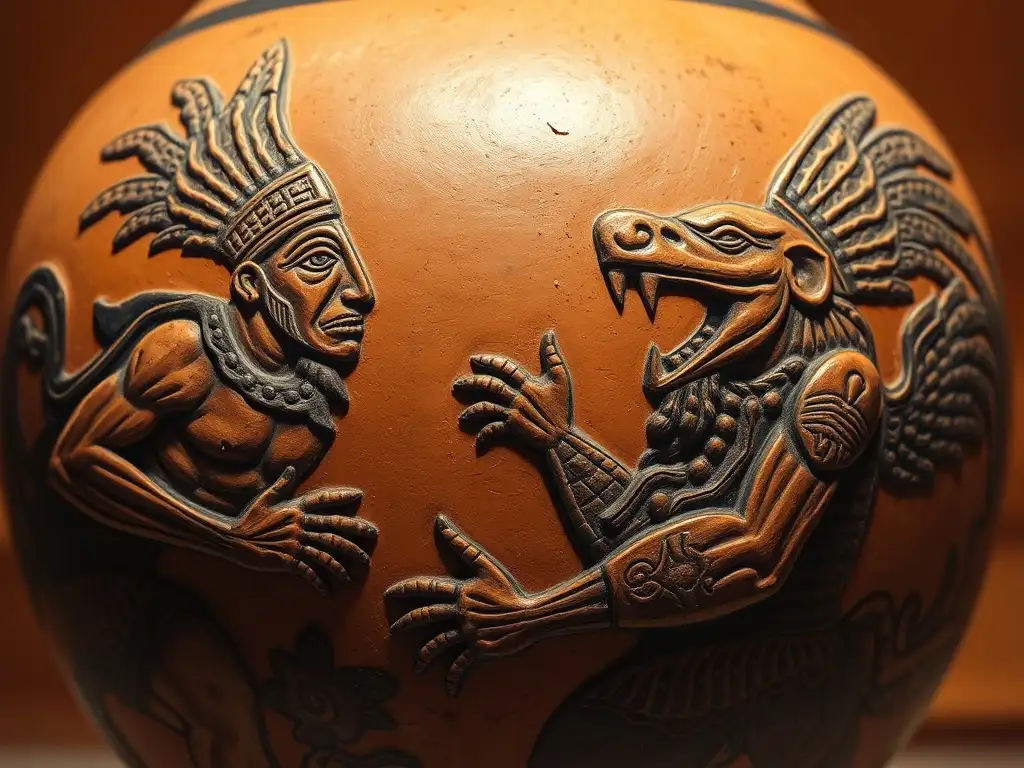
Moche pottery wasn't merely decorative; it served crucial social, ritualistic, and even practical functions. Understanding the intent behind the artistry requires analyzing the vessel types themselves. The Moche, masters of ceramic production, meticulously crafted vessels with specific forms and decorations that conveyed meaning and purpose.
These weren't simply containers; they were active participants in Moche society, reflecting their beliefs, social structures, and daily lives. The level of detail and skill involved in their creation underscores the importance placed upon these objects. The careful selection of materials, the precision of the modeling, and the vibrant, often narrative, painted scenes all contribute to a deeper understanding of Moche artistic intent.
Examining these aspects allows us to move beyond simple aesthetic appreciation and into a nuanced comprehension of their cultural significance. Further research into the specific clay types used and their regional variations could shed even more light on the intended function and meaning of different vessel types.
Moche Stirrup Spout Vessels: Ritual Use and Narrative Depictions
The iconic stirrup-spout vessels are perhaps the most recognizable examples of Moche artistry. Their distinctive shape, featuring a spout resembling a stirrup, suggests a ritualistic function. Many scholars believe these vessels were used in ceremonies, possibly for libations or offerings.
However, their significance extends beyond mere functionality. The intricate painted scenes adorning these vessels often depict vivid narratives, ranging from mythological battles and shamanistic rituals to scenes of daily life and human sacrifice. These narratives provide invaluable insights into Moche cosmology, social structures, and worldview.
The detailed depictions of figures, often with exaggerated features, tell compelling stories, revealing much about Moche beliefs and practices. Analyzing the iconography, the positioning of figures, and the overall composition of these painted narratives is key to understanding the artist's intent behind these remarkable pieces. For example, the prevalence of certain motifs like feline deities or specific battle scenes could point towards the societal importance of warfare or religious beliefs.
Moche Portrait Vessels: Representing Individuals and Social Roles
Moche portrait vessels are another striking example of their artistic skill and intent. These vessels depict highly realistic portraits of individuals, often with remarkable detail and expressiveness. The level of detail, from facial features to clothing and adornments, suggests that these portraits were likely representations of specific people, potentially elites or individuals of importance within Moche society. These portraits aren't just aesthetically pleasing; they offer a glimpse into the social hierarchy and power dynamics of the Moche civilization.
The clothing, jewelry, and facial expressions depicted provide clues to the social status and roles of the individuals portrayed. Further study comparing different portrait vessels could reveal patterns and relationships, shedding light on the social organization of Moche society. Some believe that these vessels may have been used as funerary objects, serving as representations of the deceased.
Moche Fine Line Painting: Depicting Scenes of Daily Life and Mythology
The Moche's mastery of fine line painting is truly remarkable. The precision and detail in these paintings allow for complex and multifaceted narratives to unfold across the surface of the vessels. These paintings often depict scenes of daily life, including fishing, hunting, agriculture, and warfare. They also portray mythological figures and scenes, providing insights into Moche beliefs and cosmology.
The artist's intent in these detailed depictions was not merely to create a visually appealing surface, but to convey a deeper understanding of the Moche world. The use of color, composition, and perspective all contribute to the narrative power of these paintings, revealing information about social customs, beliefs, and the Moche's interaction with their environment. Studying the stylistic variations across different regions and time periods could reveal further information about the evolution of Moche artistic techniques and their underlying meanings.
The market for ancient Andean artifacts, including Moche pottery, is complex and requires careful navigation. Understanding the ethical considerations and the reputable sources for acquiring these pieces is crucial. The high value of authentic Moche pottery has unfortunately led to looting and illegal trafficking, threatening the preservation of these invaluable cultural treasures.
Ethical Considerations When Acquiring Moche Artifacts
Before acquiring any Moche artifact, it's essential to ensure its provenance is clear and legally sound. Purchasing looted artifacts directly contributes to the destruction of archaeological sites and the loss of invaluable historical and cultural information. Reputable dealers and collectors will always provide documentation proving the artifact's legal acquisition and its history.
Always insist on provenance documentation and be wary of deals that seem too good to be true. Supporting ethical sourcing is not only morally responsible but also helps protect these cultural treasures for future generations. The lack of clear provenance should be a major red flag, potentially indicating illicit origins.
Reputable Galleries and Auction Houses Specializing in Andean Art
When acquiring Moche pottery or other Andean artifacts, it's best to work with reputable galleries and auction houses that specialize in pre-Columbian art. These institutions often have strict provenance verification procedures and adhere to ethical sourcing practices. They can provide certificates of authenticity and detailed provenance information, giving buyers confidence in the legality and history of their acquisitions.
Choosing to work with these established institutions helps support the ethical acquisition and preservation of these important cultural artifacts, ensuring their protection and accessibility for future research and appreciation. Researching the reputation of any gallery or auction house before making a purchase is a crucial step in responsible collecting.
Case Studies: Examining Authenticated Examples of Moche Art
The study of Moche artistic intent requires careful examination of authenticated pieces. By analyzing verified examples, we can begin to understand the cultural context, technical skill, and symbolic meaning embedded within the artwork. This process involves not only visual inspection but also consideration of the archaeological context of discovery, which provides crucial clues about the object's original function and significance within Moche society.
The rigorous authentication process, often involving multiple experts in archaeology, art history, and materials science, is critical to ensuring the reliability of any conclusions drawn from these analyses. Only through such careful scrutiny can we hope to accurately interpret the intentions behind these remarkable creations. Misinterpretations arising from the use of inauthentic or poorly documented pieces can lead to skewed understandings of Moche culture and artistic practices.
Analysis of a Stirrup Spout Vessel Depicting a Warrior Scene
One striking example is a stirrup-spout vessel depicting a warrior scene, authenticated through rigorous provenance research and material analysis. The vessel's intricate details—the warrior's elaborate headdress, weaponry, and musculature—suggest a high level of artistic skill and a deep understanding of human anatomy. The scene itself likely depicts a significant battle or ritual, reflecting the Moche's preoccupation with warfare and power.
The presence of specific iconographic elements, such as particular types of weapons or headdresses, can be compared to other authenticated artifacts to identify recurring themes and symbols within Moche iconography. The careful study of such details helps researchers piece together a more complete picture of Moche beliefs and social structures. The vessel's form itself, with its distinctive stirrup spout, adds another layer of meaning, potentially reflecting ritual practices associated with liquid offerings.
Interpretation of the Iconography of a Moche Portrait Vessel of a Ruler
Another compelling case study involves a Moche portrait vessel depicting a ruler. The vessel's realism is astonishing; the ruler's features, adornments, and even expressions are rendered with remarkable accuracy. This level of detail suggests a high status for the individual portrayed and possibly reflects the Moche's belief in the power and authority of their rulers. The iconography surrounding the ruler—symbols, animals, or other figures—provides further insights into the ruler's role and the ideology of the Moche state.
The use of specific colors and materials may also hold symbolic weight, reflecting the ruler's power or divine connection. By comparing this portrait vessel to other authenticated examples of Moche ruler depictions, we can begin to identify recurring themes and symbols that reveal the complexities of Moche social hierarchy and political organization. The study of these vessels provides a unique window into the lives and beliefs of the Moche elite.
Preserving Moche Artistic Heritage: The Importance of Research and Conservation
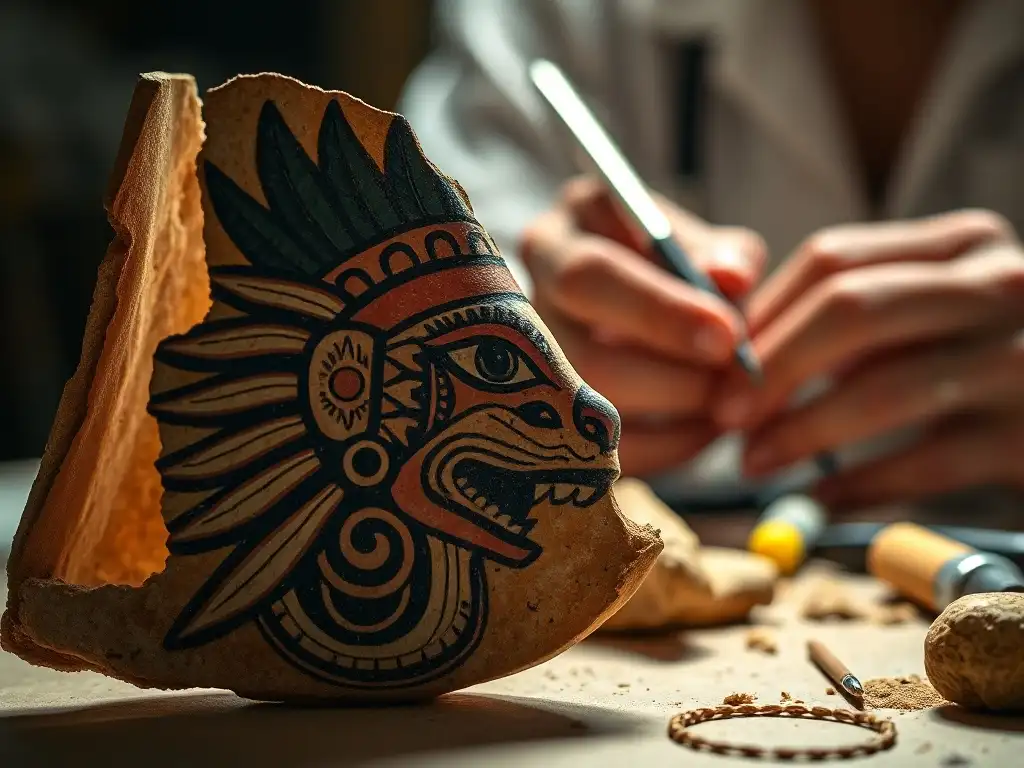
The preservation of Moche artistic heritage is crucial for understanding their culture and artistic intent. The inherent fragility of these artifacts requires careful handling and storage, as well as ongoing research to understand their deterioration processes. This multi-faceted approach involves not only the physical preservation of the artifacts themselves but also the preservation of the knowledge and understanding surrounding them.
Without careful documentation and ongoing research, the cultural context and significance of these pieces can be lost, hindering future interpretations and understanding of Moche artistic intent. Moreover, the ethical implications of acquiring and handling these artifacts demand rigorous standards and transparency.
The Role of Archaeological Studies in Understanding Moche Art
Archaeological studies play a pivotal role in understanding Moche art by providing the context within which these artifacts were created and used. Excavations at Moche sites provide crucial information about the social and economic organization of Moche society, which in turn informs our interpretation of their art. The discovery of artifacts in specific contexts—such as tombs, temples, or residential areas—reveals their function and significance within the community.
For instance, the discovery of a large number of pottery vessels in a tomb may suggest that these objects held significant ceremonial or funerary importance. Careful excavation techniques, meticulous documentation, and rigorous analysis are essential for preserving the integrity of the archaeological record and ensuring accurate interpretations. The use of advanced technologies, such as 3D scanning and digital imaging, further enhances the preservation and analysis of Moche artifacts.
Supporting Museums and Institutions Dedicated to Andean Artifacts
Supporting museums and institutions dedicated to Andean artifacts is paramount to the preservation and study of Moche art. These institutions provide safe storage, conservation, and research facilities for these fragile artifacts. They also offer public access to these cultural treasures, fostering education and appreciation of Moche culture and artistic achievements.
Funding these institutions, whether through donations, grants, or government support, directly contributes to the long-term preservation of Moche art and the ongoing research that illuminates its meaning and significance. Furthermore, supporting ethical acquisition practices and advocating for legislation protecting these artifacts are crucial steps in ensuring the responsible stewardship of Moche artistic heritage for future generations. The work of these institutions is vital for ensuring that the artistic intent of the Moche continues to be understood and appreciated.
Investing in Knowledge: Resources for Understanding Moche Art
Understanding the artistic intent behind Moche pottery requires dedicated research and a commitment to learning. Delving into the nuances of their culture, beliefs, and artistic techniques is crucial to appreciating the depth and complexity of their work. This involves more than simply admiring the vibrant colors and intricate designs; it's about understanding the context in which these pieces were created and the messages they conveyed. The more we understand the Moche worldview, the better we can interpret their artistic choices and appreciate their skill.
This section will guide you to resources that will help you on this enriching journey of discovery. By investing time in learning about Moche art, you'll be better equipped to discern genuine pieces from imitations and appreciate the true artistry involved. Authenticity in Moche pottery is not just about age; it's about understanding the cultural significance embedded within each piece.
Recommended Books on Moche Art and Culture
Several excellent books provide in-depth analyses of Moche art and culture. These resources offer valuable insights into the social structures, religious beliefs, and artistic practices of the Moche people, which are essential for understanding the context and intent behind their pottery. Focusing on scholarly works ensures access to accurate and well-researched information, vital for distinguishing genuine artifacts from forgeries.
For instance, a comprehensive study of Moche iconography can help decipher the symbolism present in different pottery styles, revealing the intended message or narrative the artist sought to convey. These books often include high-quality images and detailed descriptions of various Moche artifacts, aiding in visual comparison and identification of authentic pieces. Supplementing book knowledge with online resources will provide a more complete understanding of the subject.
Online Databases and Resources for Moche Pottery Research
The digital age has opened up incredible avenues for research into Moche pottery. Several online databases and museums offer high-resolution images and detailed descriptions of Moche artifacts, allowing for in-depth study and comparison. These digital resources are invaluable for researchers and enthusiasts alike, providing access to a wide range of information and imagery that would otherwise be difficult to obtain. Furthermore, many academic journals and publications are available online, providing access to the latest research and scholarly interpretations of Moche art.
Using these resources requires a critical eye, however. It's important to verify the credibility of sources and ensure that the information presented aligns with established scholarly consensus regarding Moche art and culture. This careful approach to online research is essential for building a solid foundation for evaluating the authenticity and artistic intent of Moche pottery. Cross-referencing information from multiple reputable sources is crucial in ensuring accuracy.
Conclusion: Appreciating the Moche Artist's Vision and Skill
Ultimately, appreciating the artistic intent behind Moche pottery involves a multifaceted approach. It’s not merely about identifying stylistic elements or recognizing specific motifs; it’s about understanding the cultural and historical context in which these pieces were created. By immersing oneself in the world of Moche art through dedicated study of their culture and the use of reliable resources, one can begin to truly understand the artist's vision and the skill involved in creating these remarkable artifacts.
The more we learn, the better equipped we are to identify genuine Moche pottery and appreciate the profound artistry and cultural significance embedded within each piece. The journey of understanding Moche artistic intent is a continuous process of learning and discovery, rewarding those who dedicate themselves to unraveling the secrets held within these ancient treasures.
The pursuit of knowledge strengthens our ability to preserve and appreciate the legacy of the Moche civilization and its remarkable artistic achievements. This deeper understanding allows for a richer and more meaningful appreciation of the "Moche pottery artistic intent," fostering a greater respect for the artistry and cultural heritage of this ancient civilization.
- Decoding Moche Pottery: Beyond Decoration
- Unveiling the Artistic Purpose of Moche Ceramics
- Recognizing Moche Artistic Intent: Identifying Genuine Artifacts
- Analyzing Moche Pottery: Material and Construction as Indicators of Authenticity
- Moche Artistic Expression: Function and Message in Specific Vessel Types
- The Market for Moche Pottery: Navigating the World of Andean Artifacts
- Case Studies: Examining Authenticated Examples of Moche Art
- Preserving Moche Artistic Heritage: The Importance of Research and Conservation
- Investing in Knowledge: Resources for Understanding Moche Art
- Conclusion: Appreciating the Moche Artist's Vision and Skill
Frequently Asked Questions
What was the primary function of Moche pottery?
Moche pottery served multiple purposes. Beyond ceremonial use, it was employed in daily life, for storing food, water, and other goods. Some pieces also held symbolic or ritualistic significance.
How can we determine the authenticity of Moche pottery?
Authenticity is determined through several factors, including stylistic analysis, provenience (origin), and material analysis. Scientific techniques like thermoluminescence dating can also be used. The presence of consistent stylistic elements is crucial.
What artistic techniques did Moche potters employ?
Moche potters mastered a range of techniques, including mold-making, hand-building, and painting. They utilized vibrant pigments and sophisticated sculpting to create incredibly detailed and lifelike representations.
What were the common themes depicted in Moche pottery?
Common themes included portraits of rulers and elites, depictions of daily life and activities, and representations of mythological beings and scenes. Erotic imagery and violent scenes also feature prominently in some pieces.
How did the artistic intent of Moche pottery influence its form and function?
The artistic intent behind Moche pottery significantly impacted both its form and function. The desire to create realistic and expressive representations often dictated the shape, size, and decoration of the vessels, reflecting their social and religious significance.
Final Reflection: Unearthing the Moche Soul Through Their Art
The enduring legacy of Moche pottery isn't merely about aesthetically pleasing artifacts; it's a vibrant window into a complex society grappling with themes of power, ritual, and mortality, themes that resonate powerfully even today. Their artistic choices, meticulously crafted and imbued with symbolic meaning, continue to challenge and inspire us to look beyond the surface and delve into the narratives etched into the clay. The meticulous detail and emotional depth present in these pieces are a testament to the Moche's profound understanding of their world and their place within it.
The Moche's artistic intent, as revealed through their pottery, compels us to reconsider our own relationship with art and its capacity to transcend time and culture. Their work serves as a powerful reminder that art is not simply decoration, but a potent form of communication, a vehicle for storytelling, and a reflection of the human condition. Art washes away from the soul the dust of everyday life.
– Pablo Picasso. This quote perfectly encapsulates the enduring power of Moche pottery to connect us to a past civilization and to enrich our understanding of the human experience. Their artistry continues to inspire contemporary artists and scholars alike, prompting ongoing research and reinterpretations of their rich cultural heritage.
Consider the intricate details, the vibrant colors, and the powerful imagery found in Moche pottery. What stories do they tell you? What emotions do they evoke?
Take a moment to reflect on the enduring power of art to connect us across time and cultures. Let the Moche's artistic legacy inspire you to seek deeper meaning in the art you encounter, to appreciate the skill and intention behind each piece, and to recognize the profound ways in which art can shape our understanding of ourselves and the world around us. Embrace the opportunity to engage with the past and allow the Moche's artistry to enrich your present.
Unveil the Craft of the Moche!
Thank you for exploring the intricate world of Moche artistry with us! You've gained valuable insights into the remarkable interplay of function and authenticity in these creations. Now, let's build on this knowledge and connect tangibly with the rich heritage of the Andes.
Here are some suggestions for further exploration:
- Visit a local museum or gallery showcasing pre-Columbian art to experience its beauty firsthand. The vibrant colors and intricate detail will leave a lasting impression.
- Share your newfound appreciation with friends and family, or join a discussion group focused on Andean cultures to deepen your understanding and connect with others who share your interest.
- Consider creating your own artwork inspired by Moche techniques. This hands-on approach will allow you to truly connect with their creative spirit and explore your own artistic potential.
Reflecting on these suggestions, consider: What aspects of Moche art most captivate you, and how might you integrate those elements into your own artistic expression?