
Unraveling the Threads: A Deeper Look at Andean Fiber Types

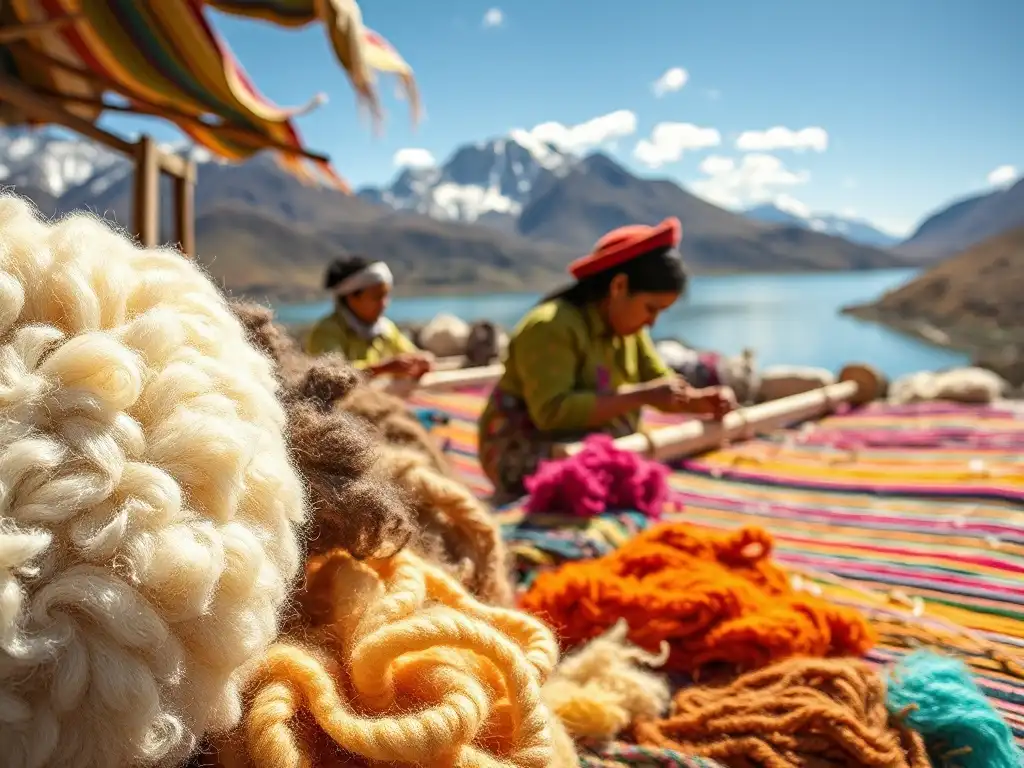
Step into a world woven with mystery and mastery! For centuries, the Andes Mountains have held secrets whispered through vibrant threads. Journey with us as we unravel the intricate story behind Andean textiles fiber types, exploring the remarkable ingenuity of ancient civilizations like the Incas, Nazca, and Moche. Discover the surprising diversity of materials and the sophisticated techniques that transformed humble fibers into breathtaking works of art. Prepare to be amazed – your exploration begins now.
The vibrant tapestry of Andean culture is inextricably woven with its textiles. From the intricate designs of Inca tunics to the geometric patterns of Nazca textiles, these artifacts offer invaluable insights into the daily lives, spiritual beliefs, and social structures of ancient Andean societies. Understanding the fibers used in these creations is crucial to appreciating their artistry, durability, and historical significance.
This article delves into the diverse range of fiber types employed by Andean artisans, exploring their properties, uses, and the impact they have on the preservation and appreciation of these treasured cultural heirlooms. We'll uncover the secrets behind the strength and beauty of Andean textiles, providing you with a deeper understanding of the materials that made these masterpieces possible and how that knowledge informs their care and preservation.
This knowledge is essential for anyone interested in understanding the nuances of Andean textile art and ensuring the longevity of these remarkable artifacts. We will explore the key fiber types, their characteristics, and the role they played in the rich history of Andean textile production.
Understanding the Importance of Andean Textile Fibers
Andean textiles are not merely decorative items; they are powerful expressions of cultural identity, social status, and spiritual beliefs. The choice of fiber was far from arbitrary. Different fibers possessed unique qualities – strength, softness, warmth, and color-fastness – which dictated their use in various garments and objects.
For example, the incredibly strong llama fiber was often reserved for elite garments, reflecting the high social standing of the wearer. Conversely, softer alpaca or vicuña fibers, while luxurious, might have been used for ceremonial items or clothing intended for comfort. Understanding the fiber composition of an Andean textile provides crucial clues about its age, origin, and intended purpose.
The careful selection and skillful manipulation of these fibers demonstrate the remarkable ingenuity and expertise of Andean artisans, who mastered techniques that have endured for centuries. This knowledge is essential for accurate dating and attribution of these artifacts, contributing to a more complete picture of Andean history.
Why Knowing Your Andean Textile's Fiber Matters
Knowing the specific fiber composition of your Andean textile is paramount for its proper care and preservation. Different fibers react differently to cleaning methods, light exposure, and environmental conditions. For instance, alpaca wool, known for its softness, is more delicate than the robust llama fiber.
Using an inappropriate cleaning method on a delicate alpaca textile could cause irreversible damage. Similarly, prolonged exposure to sunlight can fade the vibrant colors of certain fibers. By identifying the fiber type, you can make informed decisions about storage, cleaning, and display, ensuring the longevity of your precious Andean textile.
This proactive approach to preservation guarantees that these cultural treasures will continue to be admired and studied for generations to come. A thorough understanding of Andean textile fibers is not merely an academic pursuit; it is a vital aspect of responsible custodianship, allowing us to appreciate and protect these irreplaceable pieces of history. Think of it as unlocking the key to understanding the legacy of Andean craftsmanship and ensuring its survival.
- Understanding the Importance of Andean Textile Fibers
- Why Knowing Your Andean Textile's Fiber Matters
- The Luxurious Alpaca Fiber: Characteristics and Care
- Recognizing Alpaca Wool: Softness, Warmth, and Durability
- Caring for Alpaca: Recommended Eucalan Fine Fabric Wash and Storage Methods
- The Sturdy Llama Fiber: Practical Applications and Maintenance
- Distinguishing Llama Wool: Coarser Texture and Ruggedness
- Llama Fiber Care: Best Practices for Dry Cleaning and Preservation
- The Delicate Vicuña Fiber: Rarity, Value, and Handling
- Identifying Vicuña Wool: Finer Texture and Unique Sheen
- Vicuña Fiber Care: Expert Advice on Professional Cleaning and Display
- Cotton in Andean Textiles: Regional Variations and Preservation
- Andean Cotton Varieties: Differences in Strength and Fiber Length
- Cotton Textile Care: Using Orvus WA Paste and Avoiding Direct Sunlight
- Gentle Cleaning Products for Delicate Andean Fibers
- Recommendations for Heritage Park Laundry Detergent and Soaps
- Storage Solutions for Andean Textiles: Preventing Damage
- Acid-Free Tissue Paper and Archival Boxes for Long-Term Preservation
- Display Techniques to Protect Your Textile Collection
- UV-Protective Frames and Low-Light Display Options
Identifying Common Andean Textile Fiber Types
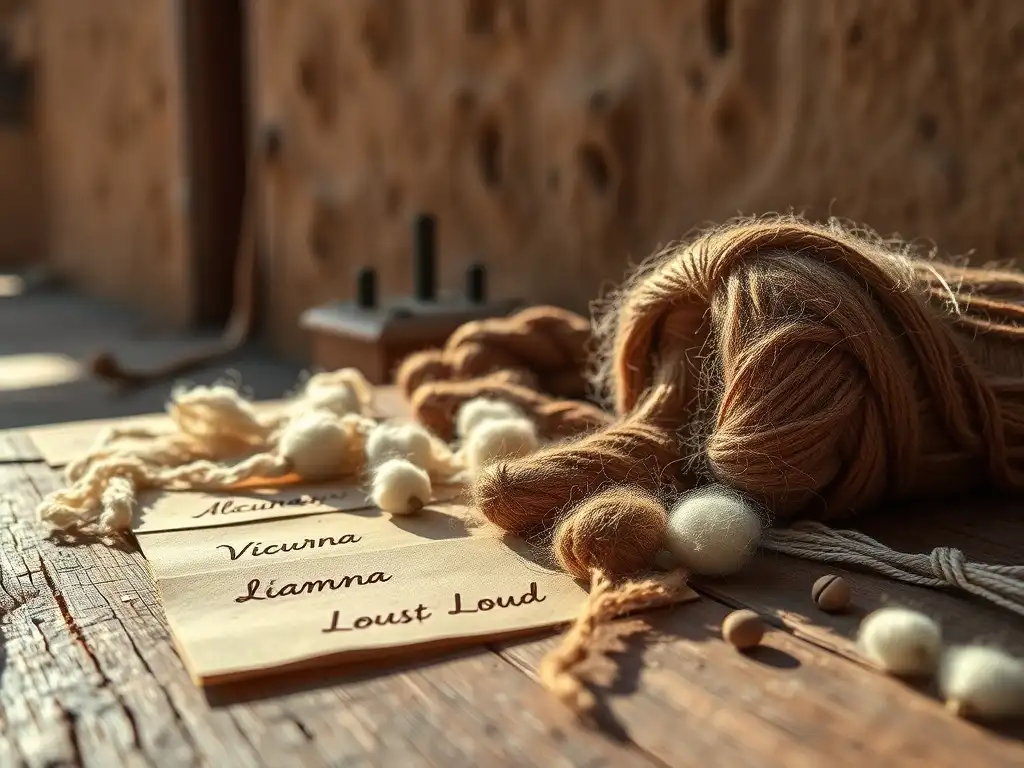
Understanding the diverse fiber types used in Andean textiles is crucial for proper care and preservation. This section delves into the characteristics of some of the most prevalent fibers, offering insights into their unique properties and highlighting the importance of appropriate handling techniques for long-term textile preservation. The skillful use of these fibers showcases the ingenuity and artistry of Andean cultures, resulting in textiles of exceptional beauty and durability.
Proper identification of these fibers is the first step in understanding and appreciating the craftsmanship involved. This knowledge empowers collectors and enthusiasts to make informed decisions about acquisition, cleaning, and storage, ensuring the longevity of these invaluable artifacts.
The Luxurious Alpaca Fiber: Characteristics and Care
Alpaca fiber, prized for its exceptional softness, warmth, and luster, is a staple of Andean textile production. Derived from the alpaca, a camelid native to the Andes Mountains, this fiber boasts a unique fineness and resilience. Unlike sheep's wool, alpaca fiber lacks the coarse outer layer, resulting in a remarkably smooth and luxurious texture.
The fiber's natural crimp contributes to its exceptional insulation properties, making alpaca garments ideal for both cold and moderate climates. Furthermore, alpaca fiber is naturally water-resistant and hypoallergenic, making it a desirable choice for individuals with sensitive skin. Different alpaca breeds produce fibers with varying characteristics; for example, Suri alpaca yields a long, silky fiber, while Huacaya alpaca produces a shorter, crimped fiber.
These variations contribute to the diverse range of textures and qualities found in Andean textiles. The color palette of raw alpaca fiber is also quite diverse, ranging from the classic white and black to various shades of brown, gray, and even fawn. This natural color variation is often preserved in traditional Andean textile techniques.
The inherent qualities of alpaca fiber necessitate specific care instructions. Aggressive cleaning methods can damage the delicate fibers, leading to pilling or fiber breakage. Gentle hand washing or machine washing on a delicate cycle with a pH-neutral detergent is recommended. Air drying is preferred to prevent shrinkage and damage. Proper storage is also critical; textiles should be stored in a cool, dry environment away from direct sunlight and moisture to prevent fading and mildew.
Recognizing Alpaca Wool: Softness, Warmth, and Durability
While often used interchangeably, "alpaca" and "alpaca wool" aren't exactly the same. Alpaca is the fiber itself, while "alpaca wool" refers to the yarn or fabric created from that fiber. The softness of alpaca wool is unparalleled; it's significantly softer than sheep's wool and even cashmere. This softness translates to exceptional comfort and drape in garments and textiles.
The warmth provided by alpaca wool is remarkable, surpassing that of many other fibers due to its fine structure and natural crimp. This makes it an excellent choice for clothing and blankets in cold climates. Finally, the durability of alpaca wool is noteworthy; it's known for its resistance to pilling and stretching, ensuring that Andean textiles made from it can last for generations with proper care.
This longevity is a testament to the fiber's quality and the skill of the Andean artisans who work with it. The inherent strength of the fiber contributes to the longevity of the textiles, ensuring that these pieces can be passed down through generations. Examining a textile closely, one can often discern the unique qualities of alpaca wool: its fine, even texture, its inherent luster, and the overall softness to the touch.
The exceptional qualities of alpaca wool are reflected in its price. It is generally considered a luxury fiber, reflecting the quality and demand for garments and textiles made from it.
Caring for Alpaca: Recommended Eucalan Fine Fabric Wash and Storage Methods
Preserving the integrity of alpaca textiles requires careful attention to cleaning and storage. Eucalan Fine Fabric Wash, a no-rinse wool wash, is highly recommended for cleaning alpaca garments and textiles. Its gentle formula is specifically designed for delicate fibers, preventing damage and preserving the fiber's softness and luster. Always follow the manufacturer's instructions carefully.
Avoid harsh detergents, bleaches, or fabric softeners, as these can damage the fibers. Hand washing is generally preferred for delicate items, but machine washing on a gentle cycle with cold water is acceptable for more durable pieces. Always air dry alpaca textiles flat, away from direct sunlight or heat, to prevent shrinkage and damage. Avoid using a dryer, as the heat can felt the fibers and damage the textile's structure.
For storage, alpaca textiles should be kept in a cool, dry, and well-ventilated area. Avoid storing them in damp or humid environments, as this can lead to mildew and damage. Use acid-free tissue paper or muslin to wrap the textiles, preventing abrasion and protecting them from dust and light. Proper storage is key to preserving the beauty and integrity of these precious Andean artifacts for years to come.
Regular inspection for any signs of damage or pest infestation is also crucial for long-term preservation. Addressing any issues promptly can prevent further damage and ensure the longevity of these exquisite textiles. The careful attention to detail in both cleaning and storage reflects respect for the artistry and craftsmanship involved in creating these Andean treasures.
The Sturdy Llama Fiber: Practical Applications and Maintenance
Llama fiber, prized for its warmth and durability, played a crucial role in the daily lives of Andean civilizations. Its strength made it ideal for creating a wide array of textiles, from sturdy ropes and sacks used for transporting goods across challenging terrains, to the more intricate woven fabrics used in clothing and household items. The fiber's inherent water resistance also made it suitable for creating items exposed to the elements, such as blankets and ponchos that provided protection from harsh weather conditions.
Indeed, the versatility of llama fiber allowed Andean communities to adapt to their environment and create textiles suited to their diverse needs. Consider the intricate tapestries depicting scenes of daily life, religious ceremonies, or mythical creatures – these were often made using llama fiber, demonstrating its ability to be woven into finely detailed works of art.
The maintenance of llama textiles was, and continues to be, relatively straightforward. Regular airing and gentle brushing helped to remove dust and debris, keeping the textiles in excellent condition for many years.
Distinguishing Llama Wool: Coarser Texture and Ruggedness
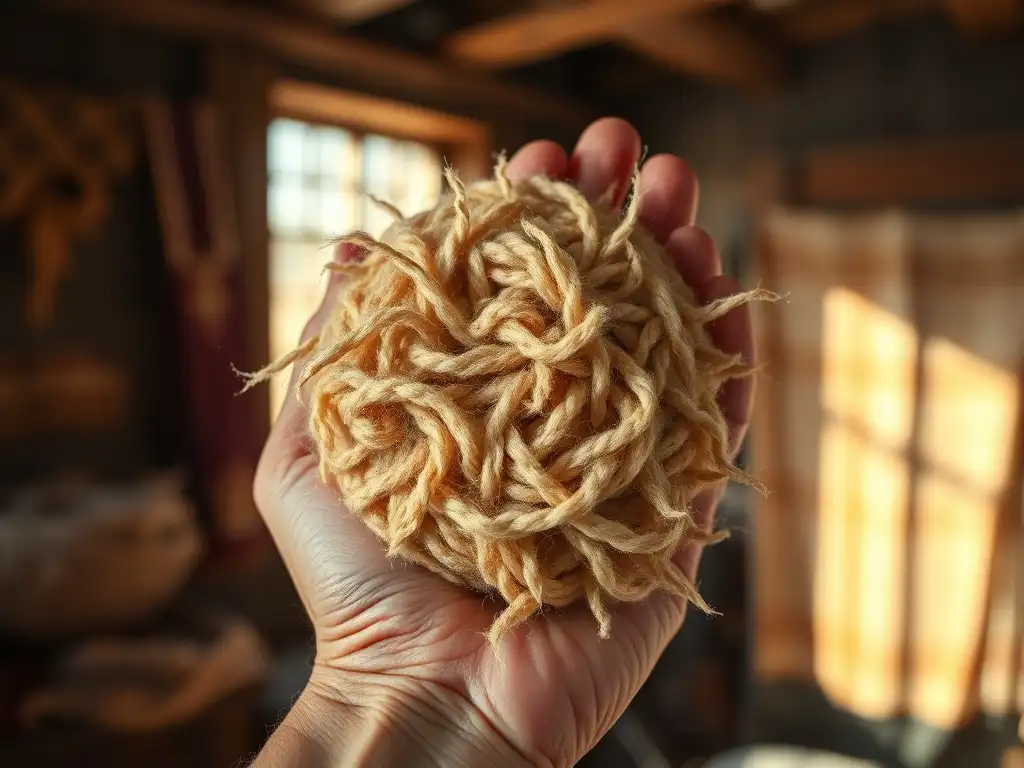
Unlike the finer vicuña or alpaca fibers, llama wool possesses a coarser texture and a more rugged appearance. This characteristic is directly related to the llama's natural habitat and its role as a working animal. The coarser fiber provided a level of protection against thorns and harsh weather conditions, making it ideal for the creation of durable textiles.
The strength of llama wool allowed it to withstand the rigors of daily use, making it a practical choice for items subjected to wear and tear. This characteristic is easily discernible when comparing llama textiles to those made from alpaca or vicuña. Observe the texture closely; the llama wool will feel noticeably coarser and less refined to the touch.
The color variation within llama fiber is also more pronounced, often featuring a broader range of natural tones from light browns and creams to darker shades of brown and even black. This natural variation in color contributed to the unique aesthetic qualities of llama textiles, adding depth and character to the finished products. This natural diversity, combined with the inherent strength of the fiber, ensured that llama textiles were both practical and visually appealing.
Llama Fiber Care: Best Practices for Dry Cleaning and Preservation
Proper care is essential for preserving the longevity and beauty of llama fiber textiles. Because of its inherent strength, llama wool can often withstand more robust cleaning methods than finer fibers. However, gentle hand washing or professional dry cleaning is still recommended to avoid damaging the delicate weave structure. For spot cleaning, a soft brush and a mild, pH-neutral detergent are highly effective in removing minor stains.
Always test any cleaning solution on a hidden area first to ensure it does not affect the color or texture of the fabric. After cleaning, allow the textile to air dry completely, away from direct sunlight or heat sources. Avoid using harsh chemicals, bleach, or abrasive materials, as these can damage the fibers and compromise the textile's integrity. Proper storage is equally important.
Store llama textiles in a cool, dry place away from direct sunlight and excessive moisture. Using acid-free tissue paper or muslin cloth can help protect the textiles from dust and prevent damage. With careful handling and proper maintenance, llama fiber textiles can be treasured for generations, offering a tangible connection to the rich history and cultural heritage of the Andean people. Regular inspection for any signs of damage or pest infestation is also highly recommended.
The Delicate Vicuña Fiber: Rarity, Value, and Handling
Vicuña fiber, sourced from the vicuña, a camelid native to the high Andes, is renowned for its unparalleled softness, warmth, and luxurious feel. Its rarity contributes significantly to its high value. Unlike alpaca or llama fiber, which are obtained through shearing, vicuña fiber is collected through a non-invasive process called chaccu, a traditional practice involving the herding and gentle combing of the animals.
This sustainable method ensures the wellbeing of the vicuña population and the preservation of their natural habitat. The limited quantity of fiber obtained through this process further explains the high cost associated with vicuña textiles. The delicate nature of the fiber necessitates careful handling and storage to avoid damage.
Exposure to harsh sunlight or excessive moisture can significantly degrade the quality and longevity of the fabric. Understanding the unique characteristics of this precious fiber is crucial for preserving the heritage and value of Andean textiles made from vicuña. Proper care ensures these exquisite garments and artifacts remain beautiful for generations to come.
Identifying Vicuña Wool: Finer Texture and Unique Sheen
Distinguishing vicuña fiber from other Andean camelid fibers requires a keen eye and tactile sensitivity. While alpaca and llama fibers are also prized for their softness, vicuña boasts a significantly finer texture. Under a microscope, the individual fibers appear even thinner and more delicate. This results in a fabric with exceptional drape and lightness.
Beyond its texture, vicuña possesses a distinctive sheen—a subtle, almost ethereal luminosity that sets it apart. This lustrous quality is often described as a soft, silky glow, adding to the overall luxurious appeal of the fabric. The color of vicuña fiber, typically ranging from light beige to a rich, warm brown, is also a factor in its identification. However, it's essential to note that dyeing techniques can significantly alter the initial color.
Therefore, relying solely on color for identification can be misleading. A thorough examination of the fiber's fineness, softness, and unique sheen, combined with a knowledge of the sourcing and production methods, is vital for accurate identification. Experienced textile experts often use a combination of visual inspection, tactile assessment, and microscopic analysis to confirm the authenticity of vicuña fiber.
Vicuña Fiber Care: Expert Advice on Professional Cleaning and Display
The exceptional quality of vicuña fiber demands meticulous care to maintain its integrity and longevity. Due to its delicate nature, professional cleaning is strongly recommended. Home washing methods, even with the gentlest detergents, risk damaging the fibers and altering the fabric’s structure. Professional dry cleaning, using specialized techniques and solvents, is the safest option.
It is crucial to choose a cleaner with experience in handling delicate luxury fabrics, particularly those made from vicuña. When storing vicuña textiles, it’s important to keep them away from direct sunlight and moisture. Acid-free tissue paper or cotton muslin should be used to wrap the garments to prevent abrasion and discoloration. For display purposes, use acid-free archival-quality storage boxes or garment bags to protect the textiles from dust, light, and humidity.
These preventative measures ensure the preservation of the fiber’s natural beauty and integrity, safeguarding its value and cultural significance for years to come. Regular inspection for any signs of damage or deterioration is essential, allowing for prompt intervention and professional treatment if needed. Proper care of vicuña textiles reflects respect for the cultural heritage they represent and ensures their preservation for future generations.
Cotton in Andean Textiles: Regional Variations and Preservation
Cotton, a staple fiber in Andean textile production for millennia, demonstrates remarkable regional diversity. The characteristics of the cotton—its length, strength, color, and even its feel—varied significantly depending on the specific growing conditions of each region. Coastal regions, with their warmer climates and ample sunshine, often produced longer-staple cotton fibers, ideal for creating fine, luxurious textiles. In contrast, high-altitude cotton, grown in the challenging Andean highlands, might have shorter fibers but possessed a unique resilience to the harsh environmental conditions.
This regional variation is reflected in the surviving textiles, with coastal pieces often exhibiting a finer weave and smoother texture compared to highland textiles, which might show a more robust, coarser weave. Preserving these historically significant cotton textiles requires careful attention to environmental factors. Fluctuations in temperature and humidity can cause significant damage, leading to fiber degradation and weakening of the textile structure. Proper storage in a climate-controlled environment is crucial, minimizing exposure to light, moisture, and pests.
Understanding the regional origins of the cotton can inform preservation strategies, as certain varieties might be more susceptible to specific types of damage than others. For instance, coastal cotton, being potentially more delicate, may require more stringent environmental controls than hardier highland cotton. The color of the cotton itself, whether naturally occurring or dyed, also influences preservation techniques. Certain dyes are more light-sensitive than others, necessitating careful control of light exposure to prevent fading and color degradation.
Andean Cotton Varieties: Differences in Strength and Fiber Length
The strength and length of cotton fibers significantly impact the quality and characteristics of the resulting textiles. Andean civilizations cultivated a variety of cotton species, each with unique properties. Some varieties produced long, fine fibers, lending themselves to the creation of intricate, finely woven cloths. These long-staple cottons were likely reserved for elite garments and ceremonial textiles, reflecting their higher value and the superior quality of the finished product.
Shorter-staple varieties, while perhaps less elegant, possessed greater strength and durability, making them suitable for everyday clothing, tools, and utilitarian items. The differences in fiber length and strength are not only reflected in the textile's appearance but also its functionality. Long-staple cottons, with their smoother, more refined fibers, produced textiles that were more comfortable to wear and less prone to pilling. Shorter-staple cottons, on the other hand, created more robust fabrics that could withstand the rigors of daily use and harsh environmental conditions.
Archaeological evidence, such as the analysis of preserved textile fragments, provides valuable insights into the diverse range of cotton varieties cultivated in the Andes and their corresponding properties. By studying these ancient textiles, researchers can gain a better understanding of the sophistication of Andean agricultural practices and their influence on textile production. Careful examination of the fiber structure, under magnification, can reveal crucial information about the type of cotton used and its potential origin.
Cotton Textile Care: Using Orvus WA Paste and Avoiding Direct Sunlight
Preserving Andean cotton textiles requires a gentle and informed approach. Direct sunlight is particularly damaging, causing fading and weakening of the fibers. Therefore, storing textiles in a dark, cool, and dry environment is paramount. For cleaning delicate cotton textiles, a solution of Orvus WA paste is often recommended by conservators. Orvus WA is a non-ionic detergent that is gentle on delicate fibers and effective at removing surface dirt and grime.
It's crucial to prepare the paste correctly, following the manufacturer's instructions carefully to avoid damaging the textile. The paste should be applied sparingly and gently, using soft brushes or sponges to avoid abrading the fibers. Thorough rinsing is essential to remove all traces of the detergent. After cleaning, the textile should be allowed to air dry flat, away from direct sunlight or heat sources. Never wring or twist the textile, as this can damage the fibers and distort the fabric.
Regular inspection for pests and signs of degradation is also important. Early detection of problems allows for timely intervention, preventing further damage. Professional conservation is recommended for particularly valuable or fragile textiles. Improper cleaning techniques can irrevocably damage these irreplaceable artifacts, highlighting the importance of employing careful and informed preservation practices. The use of Orvus WA paste, when used correctly, represents a safe and effective method for cleaning delicate Andean cotton textiles, preserving their integrity for future generations.
Comparing Andean Textile Fibers: A Practical Guide
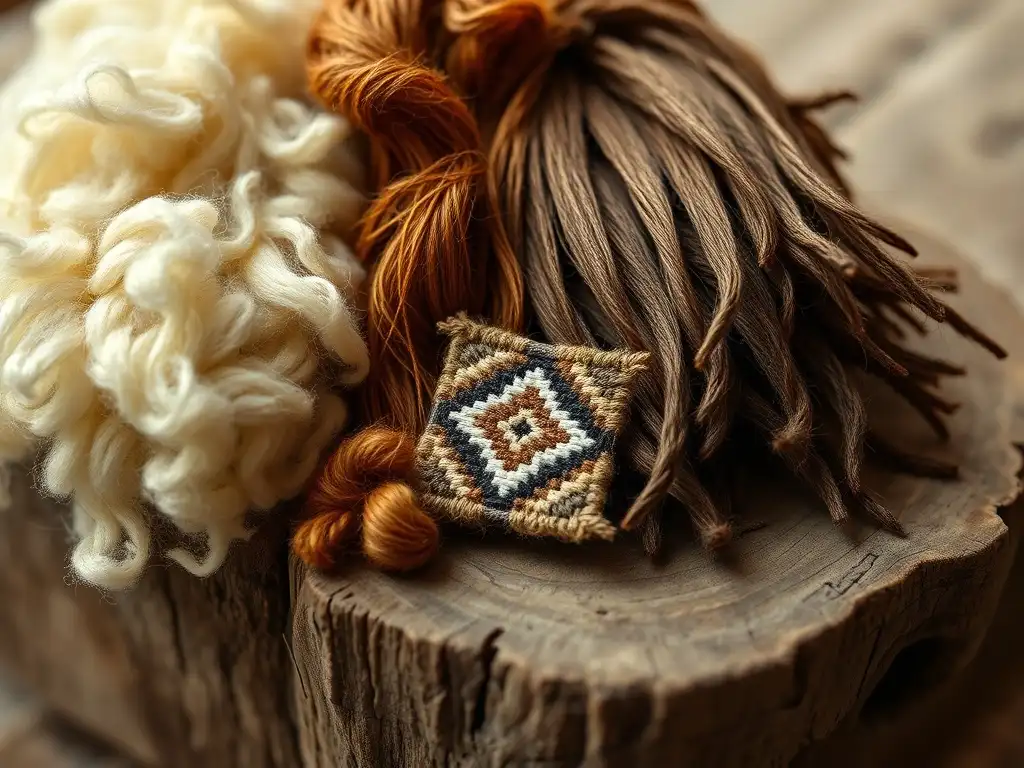
This section delves into the diverse world of Andean textile fibers, focusing on the practical distinctions between key materials. Understanding these differences is crucial for collectors and enthusiasts seeking to properly care for and appreciate their Andean textile acquisitions. The unique properties of each fiber directly impact the textile's durability, aesthetic qualities, and appropriate cleaning methods. We'll explore some of the most prevalent fibers, highlighting their characteristics and practical implications for preservation.
Alpaca vs. Llama: Key Differences in Texture and Use
Alpaca and llama fibers, while both originating from camelids native to the Andes, possess distinct characteristics influencing their use in textile production. Alpaca fiber, renowned for its softness and luxurious feel, is finer and more delicate than llama fiber. This translates to a smoother, more lustrous finished product. Alpaca is often used for finer garments, intricate weavings, and high-quality textiles.
Llama fiber, on the other hand, is coarser and stronger. Its durability makes it ideal for creating robust textiles like rugs, blankets, and outerwear designed for practical use. The coarser texture also lends itself to creating unique textures and patterns within the weaving. The color palette available in llama fiber is also broader, offering a wider range of natural shades compared to alpaca.
| Fiber Type | Texture | Strength | Softness | Typical Uses | Price Point |
|---|---|---|---|---|---|
| Alpaca | Fine, soft | Moderate | Very Soft | Garments, shawls, intricate weavings | High |
| Llama | Coarse, strong | High | Moderate | Rugs, blankets, outerwear, durable textiles | Moderate |
The price difference reflects the relative rarity and demand for alpaca fiber, with alpaca generally commanding a higher price than llama due to its superior softness and finer quality. Understanding these distinctions allows for a more informed appreciation of the craftsmanship and value inherent in Andean textiles.
Vicuña vs. Alpaca: Understanding the Price and Rarity Factors
Vicuña fiber holds the pinnacle position among Andean camelid fibers. Its exceptional softness, fineness, and rarity contribute to its significantly higher price point compared to alpaca. Vicuña is considered the most luxurious and sought-after fiber due to its incredibly soft, silky texture. The fiber's delicate nature requires specialized handling and processing, further contributing to its exclusivity.
While alpaca fiber is already prized for its softness, vicuña surpasses it in both fineness and softness. The fineness is measured in microns, with vicuña averaging a significantly lower micron count than alpaca, indicating finer individual fibers. This results in a lightweight, exceptionally soft textile with a luxurious drape.
Historically, vicuña was reserved for Inca royalty, underscoring its prestige and rarity. Even today, the sustainable harvesting and regulated trade of vicuña fiber contribute to its high cost and exclusivity. The unique properties and history of vicuña fiber make it a highly prized collectible item within the world of Andean textiles.
Cotton vs. Wool: Choosing the Right Cleaning Approach
Andean textiles often incorporate both cotton and wool fibers, or blends of these with camelid fibers. Understanding the distinct cleaning requirements for each fiber type is crucial for preserving the integrity of the textile. Wool fibers, whether from sheep, alpaca, llama, or vicuña, are delicate and require specialized care to avoid damage. Harsh detergents and high temperatures can cause shrinkage, felting, and damage to the wool fibers.
Cotton, being a more resilient fiber, is generally more tolerant of various cleaning methods. However, even cotton textiles from the Andes may incorporate delicate dyes or intricate weaving techniques that require careful handling. Therefore, a gentle approach is always recommended. Always test any cleaning method on an inconspicuous area first before applying it to the entire textile.
For both cotton and wool Andean textiles, hand washing with a mild detergent and cool water is often the safest approach, followed by gentle air drying away from direct sunlight. Professional cleaning by a specialist experienced in handling delicate textiles is often recommended for valuable or intricate pieces. Proper cleaning techniques are crucial for the long-term preservation of these invaluable cultural artifacts.
Tools and Products for Andean Textile Fiber Care
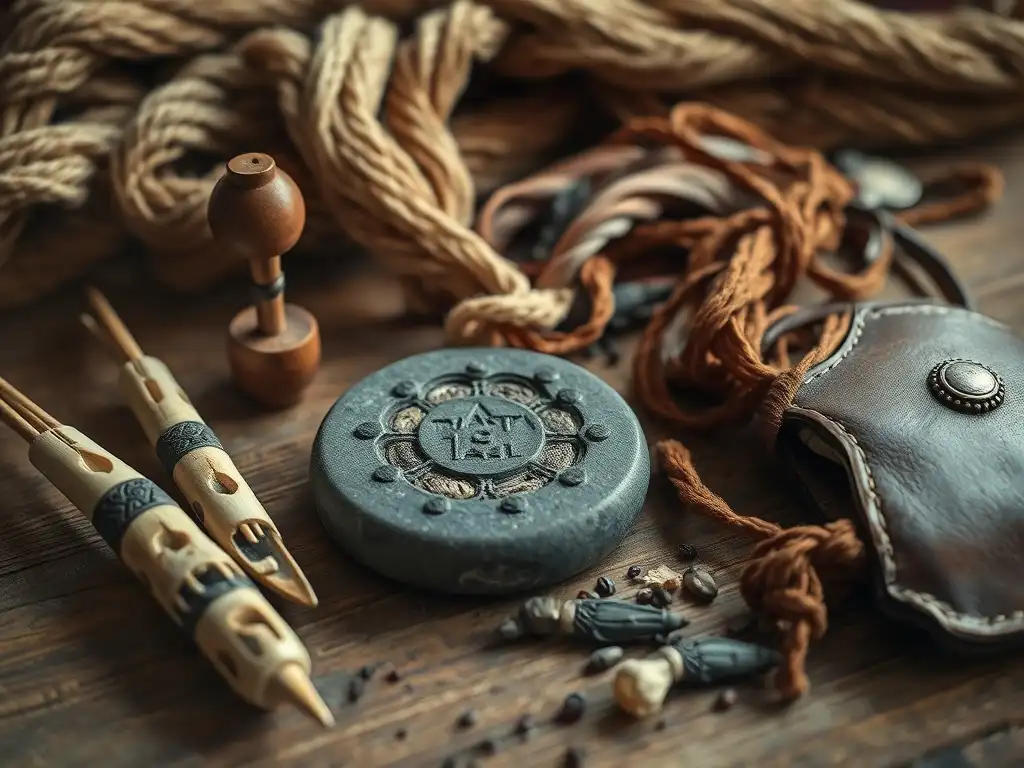
This section focuses on the essential tools and products needed for the proper care and preservation of your Andean textile collection. Understanding the specific fiber types—from the robust llama wool to the delicate vicuña—is crucial in selecting appropriate cleaning agents and storage solutions. Proper care ensures the longevity of these invaluable artifacts and prevents irreversible damage. The delicate nature of many Andean textiles necessitates a gentle approach, prioritizing preservation over aggressive cleaning methods. Choosing the right tools and products is the first step in safeguarding your heritage.
Gentle Cleaning Products for Delicate Andean Fibers
The cleaning of Andean textiles requires a delicate touch. Harsh chemicals found in many commercial detergents can damage the fibers, causing fading, shrinking, and weakening. Opt for pH-neutral, gentle cleaning products specifically formulated for delicate fabrics. Look for products that are free from harsh bleaches, enzymes, and optical brighteners. These additives can severely compromise the integrity of the natural dyes and fibers present in these historical textiles.
Consider using specialized laundry detergents designed for wool and silk. These detergents are formulated with mild surfactants that effectively remove dirt and grime without harming the fibers. Always pre-test any cleaning product on an inconspicuous area of the textile before applying it to the entire piece. This precaution helps to identify any potential negative reactions and prevents unexpected damage. Remember, prevention is key; regular dusting and careful handling will significantly reduce the need for extensive cleaning.
Furthermore, consider the specific fiber content of your textile. Vicuña, for example, is exceptionally fine and delicate, requiring even more gentle treatment than alpaca or llama wool. The cleaning method should always be adapted to the specific needs of the fiber type. For heavily soiled items, professional cleaning by a specialist experienced in handling antique textiles is highly recommended.
Recommendations for Heritage Park Laundry Detergent and Soaps
While specific brand names are avoided to remain unbiased and avoid advertising, the principles remain the same: When selecting cleaning products for your Andean textiles, prioritize those specifically designed for delicate fabrics and natural fibers. Look for products explicitly labeled as pH-neutral and free of harsh chemicals. Ingredients like enzymes and optical brighteners are particularly harmful to the natural dyes and fibers often found in Andean textiles. The goal is to gently cleanse the textile without compromising its structural integrity or altering its color.
The selection of the appropriate soap or detergent is crucial. Avoid using strong, alkaline soaps that may damage the fibers. Opt for mild, non-ionic detergents or soaps with a neutral pH. Always follow the manufacturer's instructions carefully, paying close attention to dilution ratios and soaking times. Remember that less is often more when cleaning delicate textiles. Over-soaking or using excessive detergent can damage the fibers and potentially lead to color fading or bleeding.
The choice of cleaning agent should also consider the type of textile. A fine vicuña shawl will require a gentler approach than a robust llama tapestry. Professional advice from a textile conservator might be necessary for especially valuable or delicate pieces.
Storage Solutions for Andean Textiles: Preventing Damage
Proper storage is paramount in preserving the condition of your Andean textile collection. Incorrect storage can lead to damage from light exposure, pests, and environmental factors. The ideal environment is cool, dry, and dark. Avoid direct sunlight, as it can cause fading and damage the fibers. Fluctuations in temperature and humidity should also be minimized, as these can contribute to deterioration.
For long-term storage, acid-free tissue paper or archival-quality muslin is recommended. These materials help to prevent abrasion and protect the textiles from dust and pests. Avoid using plastic bags or containers, as these can trap moisture and promote mold growth. Instead, breathable cotton or linen bags are preferable. Items should be stored flat, to avoid creasing and stress on the fabric. Folding should be done carefully, along existing creases whenever possible.
Consider using acid-free archival boxes for larger textiles. These boxes provide additional protection from light, dust, and pests. Regular inspection of your stored textiles is essential to detect any signs of damage or pest infestation. Prompt action is crucial to prevent further deterioration. A well-maintained storage environment is crucial in ensuring the longevity of your precious Andean textiles. Proper storage is as important as careful cleaning in preserving these cultural treasures.
Acid-Free Tissue Paper and Archival Boxes for Long-Term Preservation
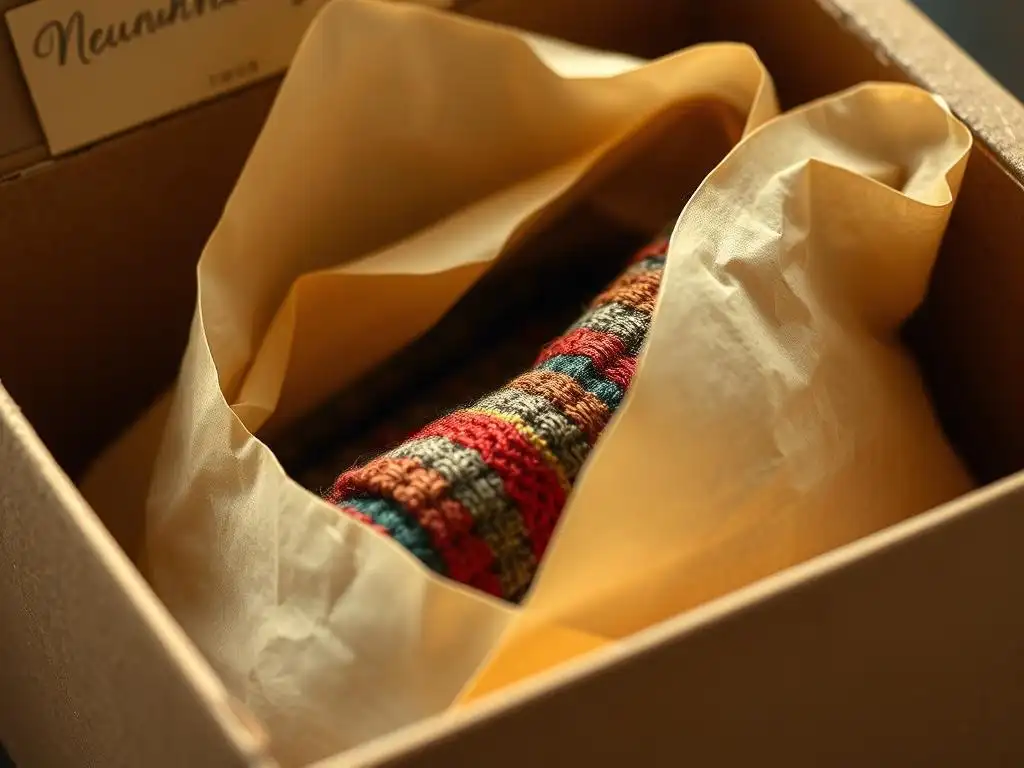
Protecting your precious Andean textiles from the ravages of time requires meticulous storage. Acid-free tissue paper is paramount. Standard paper contains lignin, an acidic compound that over time, will degrade the fibers of your textiles, causing discoloration, brittleness, and ultimately, irreversible damage. Acid-free tissue paper, on the other hand, is specifically manufactured to be pH neutral, preventing this deterioration.
When storing your textiles, gently wrap each piece individually in acid-free tissue, ensuring no direct contact between the textile and the tissue itself. This prevents abrasion and allows for air circulation, minimizing the risk of mold and mildew growth. Avoid using plastic bags, as these trap moisture and can accelerate deterioration.
Furthermore, consider the storage container. Archival-quality boxes, also acid-free, are essential for long-term preservation. These boxes provide protection from light, dust, pests, and fluctuating humidity and temperature, all of which can significantly impact the longevity of your Andean textiles. Choose boxes made from acid-free cardboard or corrugated board, ensuring a snug fit to prevent shifting and potential damage during handling.
It is crucial to label each box clearly and meticulously with the contents, acquisition date, and any relevant information about the textile's origin or history. Regularly inspect your textiles and their storage conditions to ensure they remain in optimal condition. This proactive approach will safeguard your Andean textile collection for generations to come. Remember, proper storage is the cornerstone of preserving these invaluable pieces of history.
Display Techniques to Protect Your Textile Collection
Displaying your Andean textiles is a wonderful way to share their beauty and cultural significance, but it's crucial to do so responsibly to avoid damaging these delicate artifacts. Avoid direct sunlight at all costs; prolonged exposure to UV rays will fade the vibrant colors and weaken the fibers. When selecting a display location, choose a space with minimal light exposure, ideally indirect natural light or low-intensity artificial light. You might consider using a display case or cabinet with UV-filtering glass to further protect your textiles from harmful light.
The method of display is equally important. Instead of pinning or stapling the textiles directly, consider using acid-free mounting techniques, such as using non-adhesive archival supports like foam board or cotton batting. This allows for proper support without causing stress or damage to the fibers. Rotating your displayed pieces is also beneficial, preventing any single textile from enduring prolonged exposure to light or environmental conditions.
This approach extends the life of each piece and allows you to showcase a wider range of your collection. Maintain a consistent climate within the display area, controlling temperature and humidity to prevent damage from fluctuations. Regularly inspect your displayed textiles for any signs of wear or damage, making adjustments as needed to ensure their continued preservation. Remember, the goal is to showcase your collection while actively protecting its integrity.
UV-Protective Frames and Low-Light Display Options
For smaller Andean textiles, such as tapestries or smaller weavings, framing offers a protective display solution. However, it's crucial to use UV-protective glazing, typically museum-grade acrylic or glass, to filter out harmful ultraviolet radiation. Standard glass can allow significant UV penetration, leading to fading and damage. The frame itself should be made of acid-free materials to avoid any chemical interaction with the textile. Avoid using metallic fasteners or adhesives that could react with the fibers. Always use acid-free matting and backing boards to further protect the textile from contact with the frame.
Even with protective framing, limit the amount of light exposure. The optimal lighting for displayed textiles is low-intensity, indirect light, using LED lights with a low UV output. Avoid using halogen or incandescent lighting, as these emit significant heat and UV radiation. Regularly monitor the lighting conditions and consider rotating displayed pieces to minimize light exposure.
Remember, even with the best protective measures, prolonged exposure to light will eventually cause damage. By implementing these techniques, you can showcase your Andean textiles while minimizing the risk of light damage and ensuring their preservation for future generations. This careful approach reflects the value and historical significance of your collection.
Conclusion: Appreciating and Protecting Andean Textile Heritage
This exploration of Andean textile fiber types reveals a fascinating tapestry woven from ingenuity and adaptation to the diverse Andean environment. Understanding the unique properties of each fiber – from the strength of llama wool to the softness of alpaca – is crucial for appreciating the artistry and skill embedded within these ancient textiles. The careful selection of fibers, the intricate spinning techniques, and the masterful weaving methods all speak to the sophisticated technological prowess of Andean civilizations.
Recognizing these aspects elevates our understanding and appreciation of these remarkable cultural artifacts. The legacy of Andean textile traditions continues to inspire awe and admiration, highlighting the enduring connection between people, environment, and artistry. Protecting this heritage requires not just admiration but also active participation in its preservation.
The Importance of Fiber Knowledge in Textile Appreciation
Appreciating Andean textiles goes beyond simply admiring their vibrant colors and intricate designs. A deeper understanding of the fiber types used – vicuña, alpaca, llama, and guanaco wools, as well as cotton – significantly enhances this appreciation. For example, knowing that vicuña fiber is exceptionally fine and soft, resulting in luxurious and lightweight textiles, allows us to better understand the prestige and value associated with garments made from this material.
Similarly, recognizing the strength and durability of llama wool helps us appreciate its use in practical items like bags and ropes. This knowledge allows us to analyze the choices made by ancient Andean artisans, revealing their deep understanding of the properties of different fibers and their skillful adaptation to various needs and social contexts.
By acknowledging the distinct qualities of each fiber, we unlock a richer and more nuanced understanding of the cultural significance and technological achievements reflected in Andean textiles. This specialized knowledge allows for a more informed and insightful appreciation of the skill, artistry, and cultural significance woven into each piece.
Investing in Proper Care for Your Andean Textile Collection
Owning an Andean textile is akin to owning a piece of history. Proper care is paramount to ensuring its longevity and preserving its inherent value. This involves understanding the specific needs of each fiber type. For instance, delicate vicuña garments require gentle hand-washing and careful storage to prevent damage.
Understanding the fiber composition is vital for choosing appropriate cleaning methods and storage conditions. A detailed understanding of the fiber is crucial for making informed decisions on cleaning and preservation. Neglecting proper care can lead to irreversible damage, including fiber degradation, color fading, and structural weakening. Investing in professional cleaning and conservation services for valuable pieces is often a wise choice.
| Fiber Type | Care Recommendations | Potential Damage if Neglected |
|---|---|---|
| Vicuña | Gentle hand-washing, cool water, lay flat to dry | Fiber breakage, shrinkage, color fading |
| Alpaca | Hand-washing or delicate machine wash, cool water, air dry | Pilling, matting, loss of softness |
| Llama | Machine washable (gentle cycle), cool water, air dry | Shrinkage, loss of shape, color fading |
| Guanaco | Similar to Llama | Shrinkage, loss of shape, color fading |
| Cotton | Machine washable (depending on weave), cool water, air dry | Shrinkage, fading, weakening of fabric structure |
Regular inspections for signs of wear and tear, such as moth damage or loose threads, are essential. Prompt attention to these issues can prevent further damage. Proper storage, away from direct sunlight and humidity, is also critical. These practices ensure the preservation of these invaluable cultural artifacts for generations to come. The commitment to proper care reflects a deep respect for the artistry and cultural heritage embodied in these textiles.
Further Resources: "Weaving in the Peruvian Highlands" by Nilda Callanaupa Alvarez
For those seeking a more in-depth understanding of Andean weaving traditions and fiber types, Nilda Callanaupa Alvarez's book, "Weaving in the Peruvian Highlands," offers invaluable insights. Alvarez, a renowned weaver herself, provides a firsthand account of the techniques and knowledge passed down through generations. Her work goes beyond a simple description of techniques; it offers a rich tapestry of cultural context and historical significance. The book delves into the complexities of Andean textile production, from the sourcing of raw materials to the final stages of creation.
It's a powerful testament to the enduring legacy of Andean weaving and a crucial resource for anyone interested in learning more about this fascinating subject. The book serves as an invaluable resource for further exploration and deeper appreciation of Andean textile heritage. It’s a must-read for anyone serious about understanding the intricacies of Andean fiber and weaving techniques.
Frequently Asked Questions
What types of fibers were commonly used in Andean textiles?
Andean textiles utilized a wide variety of fibers, including alpaca, llama, vicuña, guanaco, and cotton. The choice of fiber depended on factors such as availability, climate, and intended use of the textile.
How did the different fiber types influence textile production?
The properties of each fiber – such as fineness, strength, and insulation – dictated the techniques employed in spinning and weaving. For example, finer fibers like vicuña were used for luxurious garments.
Were all Andean cultures using the same fibers?
While many cultures used similar fibers, there were regional variations. The coastal regions relied more heavily on cotton, while the highlands primarily used camelid fibers. Specific techniques also differed.
What makes Andean textiles so unique?
The uniqueness stems from the diverse range of fibers, the sophisticated dyeing techniques, and the complex weaving patterns developed over centuries. These elements combined to create incredibly durable and visually stunning textiles.
Where can I learn more about Andean fiber types and their uses?
You can explore further through museum collections, academic publications, and online resources dedicated to Andean textile history and archaeology. Many books and articles delve deeper into specific fiber types and their cultural significance.
Final Reflection: Weaving a Legacy of Andean Fibers
The intricate artistry of Andean textiles, far from being a relic of the past, continues to resonate powerfully in today's world. These vibrant threads, born from the ingenuity and resilience of Andean cultures, offer not only stunning aesthetic beauty but also a profound connection to history, sustainability, and cultural identity. The unique properties of each fiber type – from the strength of alpaca to the softness of vicuña – continue to inspire contemporary designers and artisans, proving the enduring relevance of these ancient techniques.
The enduring impact of Andean textile traditions is undeniable, shaping not only the fashion landscape but also our understanding of sustainable practices and cultural preservation. These fibers, harvested responsibly for centuries, offer a powerful counterpoint to the fast fashion industry's unsustainable practices. Their inherent beauty, combined with their ethical production, speaks to a growing global desire for authenticity and mindful consumption. The threads themselves tell a story, a story of people, place, and time.
This quote encapsulates the deep connection between the fiber, the artisan, and the rich cultural heritage they represent.
Consider the legacy of these Andean fibers. Think about the stories woven into each piece, the generations of knowledge passed down, and the enduring beauty that transcends time. You, too, can become a part of this legacy. By appreciating the artistry and craftsmanship behind these textiles, by supporting ethical and sustainable practices, and by recognizing the cultural significance of these ancient traditions, you can help ensure that the vibrant threads of Andean heritage continue to inspire and enrich our world for generations to come.
**Embrace the Richness of Andean Fibers! **
Thank you for exploring the fascinating world of Andean fibers! We hope you've discovered the unique qualities and cultural significance inherent in each thread. Now, let's delve deeper into this vibrant heritage.
Here are some ways you can continue your journey:
- **Explore Local Markets:** Immerse yourself in the culture by visiting a local artisan fair or crafts market. You'll discover authentic Andean textiles and directly support the talented artisans who create them.
- **Learn Traditional Techniques:** Participate in a weaving or fiber arts workshop. This is a fantastic opportunity to learn traditional techniques and connect with others who share your passion for Andean crafts.
- **Share Your Discoveries:** Share your favorite Andean fiber on social media and tag us! Let's celebrate the beauty and stories behind these incredible materials.
What aspect of Andean fiber culture most captivates you, and how will you incorporate its richness into your life?