
The Eye of the Expert: Training Your Gaze to Identify Genuine Moche Pottery

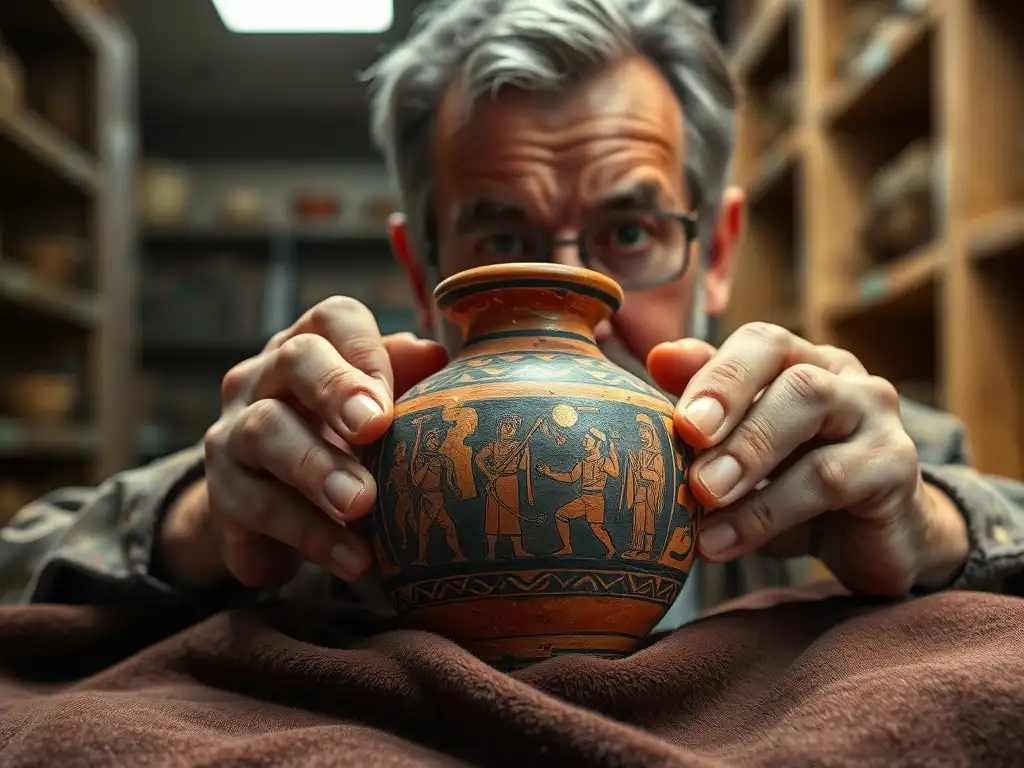
Step into a world lost to time, yet echoing with vibrant life. Imagine unearthing secrets whispered across millennia, deciphering the intricate artistry of a vanished empire. This is the Andean Civilizations website, your gateway to understanding the fascinating cultures that thrived in the Andes. But first, are you ready to sharpen your skills? Our Moche pottery identification guide will train your eye to distinguish authentic masterpieces from imitations – a journey into the heart of Moche artistry awaits.
- Introduction to Moche Pottery and its Significance
- Moche Pottery Identification Guide: Key Characteristics to Look For
- Tools and Techniques for Authentic Moche Pottery Analysis
- Case Studies: Real Examples of Moche Pottery Identification
- Where to Find Genuine Moche Pottery (and Avoid Fakes)
- Conclusion: Sharpening Your Eye for Moche Pottery
- Frequently Asked Questions
- Final Reflection: Sharpening Your Eye, Honoring the Past
- Unveil the Secrets of Moche Pottery Today!
Introduction to Moche Pottery and its Significance
The captivating artistry and intricate detail of Moche pottery stand as a testament to the sophisticated culture of the ancient Moche civilization (circa 100-800 CE) that flourished along the northern coast of Peru. More than mere vessels, these ceramics serve as invaluable windows into the lives, beliefs, and artistic prowess of this remarkable pre-Columbian society.
This guide, designed as a "Moche pottery identification guide," will equip you with the knowledge and skills necessary to distinguish authentic Moche pieces from imitations, forgeries, and artifacts from other cultures. We will explore key characteristics, stylistic variations, and common pitfalls to help you develop a discerning eye—allowing you to appreciate the true artistry and historical significance of genuine Moche pottery.
Understanding the nuances of Moche ceramic production is crucial not only for collectors and enthusiasts but also for archaeologists and conservators working to preserve this vital part of Peru's cultural heritage. Learning to identify genuine Moche pottery contributes to the fight against the illegal antiquities trade and ensures the proper preservation of these irreplaceable artifacts for future generations.
Understanding the Cultural Context of Moche Ceramics
The Moche people were master artisans, and their pottery reflects a deep understanding of their environment and a rich spiritual life. Their ceramics weren't solely functional; they were integral to rituals, ceremonies, and daily life. Moche potters employed a diverse range of techniques, including modeling, molding, and the use of slip and paint to create stunningly lifelike depictions of their world. These depictions often included:
- Portraits: Remarkably realistic representations of individuals, often elites or figures of importance within Moche society. These portraits offer invaluable insight into Moche physical characteristics, attire, and social structures.
- Mythological Scenes: Intricate scenes portraying deities, mythical creatures, and events from Moche mythology. These scenes illuminate the religious beliefs and cosmology of the culture.
- Everyday Life: Depictions of daily activities, including hunting, fishing, agriculture, and warfare, providing glimpses into the daily lives of Moche people.
- Erotic Imagery: A significant aspect of Moche pottery, often interpreted as reflecting fertility rituals and societal values. These depictions, while sometimes controversial, provide unique insight into Moche beliefs and practices.
Understanding the context in which these ceramics were created is crucial for proper identification. The style, subject matter, and techniques employed all reflect the specific period and region within the Moche culture. Careful observation of these details allows for a more accurate assessment of authenticity. For example, the use of specific pigments or the style of a particular figure can help date a piece and pinpoint its origin within the Moche territory.
Why is Accurate Moche Pottery Identification Important?
Accurate Moche pottery identification is crucial for several reasons:
- Preservation of Cultural Heritage: Identifying genuine pieces helps protect against the theft and illegal trafficking of artifacts, ensuring that these invaluable pieces remain accessible for study and appreciation. The illegal antiquities trade threatens the integrity of archaeological sites and robs future generations of the opportunity to learn from these objects.
- Authenticity in the Art Market: Accurate identification protects collectors and museums from purchasing forgeries or misidentified pieces. The ability to distinguish genuine Moche pottery from imitations is essential for maintaining the integrity of the art market.
- Scholarly Research: Authentic Moche pottery is essential for archaeological and anthropological research. Accurate identification enables scholars to build a more complete understanding of Moche culture, society, and history. The study of these artifacts continues to reveal new insights into this fascinating civilization.
- Appreciation of Artistic Mastery: Identifying genuine Moche pottery allows for a deeper appreciation of the artistic skill and cultural significance of these objects. By understanding the techniques and artistry involved, we can fully appreciate the cultural achievements of the Moche people.
The ability to distinguish authentic Moche pottery from imitations or artifacts from other cultures is a skill that requires careful observation, knowledge of Moche stylistic conventions, and an understanding of the historical and cultural context in which these pieces were created. This guide will provide you with the tools you need to develop this crucial skill. The accurate identification of Moche pottery is not just about collecting; it's about preserving history, protecting cultural heritage, and appreciating the artistry of a remarkable ancient civilization.
Moche Pottery Identification Guide: Key Characteristics to Look For
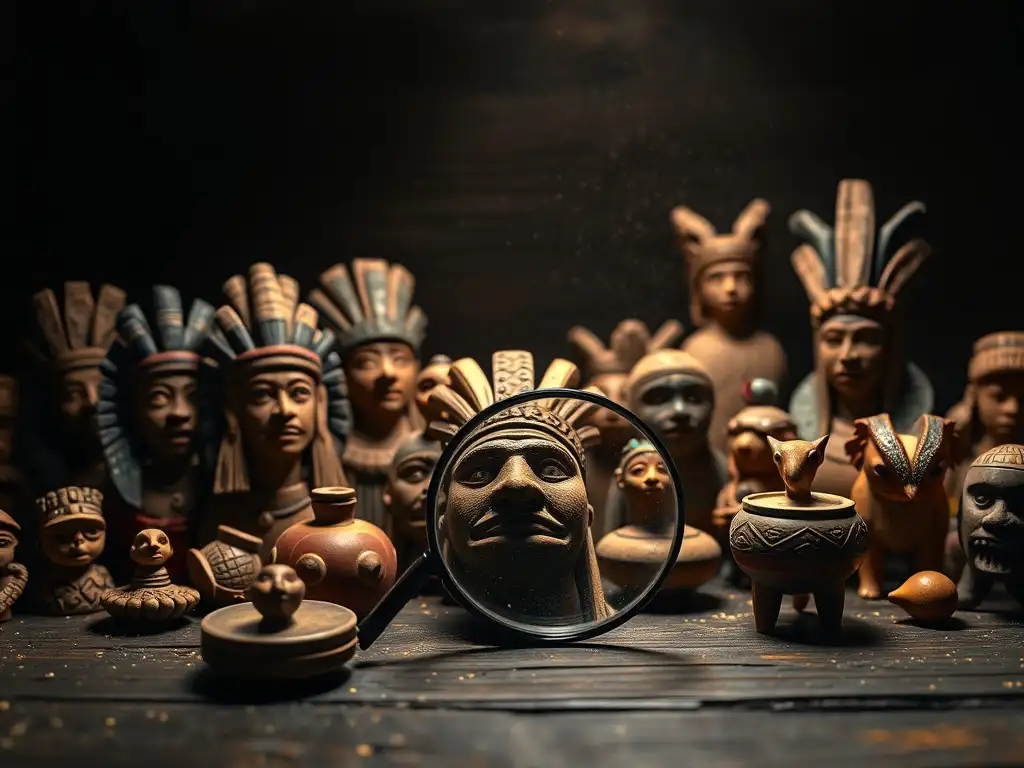
This section provides a detailed guide to identifying genuine Moche pottery, focusing on key characteristics that distinguish authentic pieces from modern reproductions. Understanding these features will enhance your ability to appreciate and correctly identify these remarkable artifacts. This guide serves as an invaluable resource for both novice and experienced collectors seeking a deeper understanding of Moche pottery identification. We'll explore the form and shape of vessels, delve into the rich iconography and motifs, and address common stylistic elements. This information will empower you to confidently navigate the world of Moche ceramics and distinguish genuine pieces from imitations.
Analyzing the Form and Shape of Moche Vessels
The shapes and forms of Moche pottery are incredibly diverse, yet possess certain consistent characteristics. Mastering the recognition of these forms is crucial in authentication. Understanding the subtle differences between genuine and replicated pieces requires careful observation and a keen eye for detail.
Common Moche Pottery Forms: Stirrup Spouts, Bottles, and Bowls
Moche artisans were masters of ceramic design. Their repertoire includes a wide range of vessel types, each with unique features. Some of the most iconic forms include:
- Stirrup-spout vessels: These are perhaps the most recognizable Moche pottery style. The spout is shaped like a stirrup, often elaborately decorated and integrated seamlessly with the body of the vessel. Variations in stirrup size, shape, and ornamentation are significant in assessing authenticity.
- Bottles: Moche bottles ranged in size and shape, from small, delicately crafted pieces to larger, more imposing forms. Many featured intricate surface treatments and complex iconography. The overall proportions and balance of the bottle are key identifiers.
- Bowls: Moche bowls, while seemingly simpler, exhibit a variety of forms, from shallow, wide bowls to deeper, more contained shapes. The curvature of the bowl's base and the thickness of the walls can be indicative of its age and authenticity.
Careful examination of these forms – paying close attention to the proportions, the craftsmanship, and the overall aesthetic balance – is essential for accurate identification.
Identifying Replicated Vessel Shapes: Flat-bottomed Bowls vs. Genuine Rounded Base
One significant difference between genuine Moche pottery and modern reproductions lies in the base of the vessels. Authentic Moche bowls generally possess a rounded base, often slightly concave, reflecting the hand-building techniques employed by the artisans. In contrast, many modern reproductions display flat bottoms, a characteristic less common in original Moche pieces. This subtle difference requires close examination, often with the aid of good lighting. Furthermore, the presence of irregularities in the base, indicative of hand-building techniques, is another key indicator of authenticity. The absence of these irregularities can be a strong sign of a modern reproduction.
Decoding the Iconography and Motifs on Moche Ceramics
The iconography and motifs adorning Moche pottery provide invaluable clues to their authenticity and cultural significance. These decorative elements are not merely aesthetic; they convey complex narratives, religious beliefs, and social structures. Understanding these symbolic representations is vital for accurate identification.
Recognizing Moche Deity Depictions: Ai Apaec, the Decapitator God, and the Moon Animal
Moche iconography is rich with depictions of deities and mythical creatures. Identifying these figures is crucial in authentication. Key figures include:
- Ai Apaec: This powerful deity, often depicted with fangs and a headdress, is frequently found in Moche art. The specific details of his depiction, such as the number of fangs, the style of the headdress, and the overall posture, are significant indicators of authenticity.
- The Moon Animal: This creature, often depicted as a feline or a canine with lunar features, represents the celestial realm. The style of its representation, the level of detail, and the integration with other elements in the scene are important for identification.
Understanding Narrative Scenes: Sacrifice Ceremonies, and Daily Life Activities
Moche pottery often depicts narrative scenes, providing insights into their culture and beliefs. These scenes frequently portray:
- Sacrifice ceremonies: These scenes often involve elaborate rituals and symbolic elements. The details of the depiction—the number of participants, the types of offerings, and the overall composition—are important for assessing authenticity.
- Daily life activities: Depictions of fishing, hunting, agriculture, and other daily activities provide a glimpse into Moche society. The level of detail and the realism of these depictions are crucial for identifying genuine pieces.
Identifying Common Motifs: Feline Figures, Snakes, and Geometric Step Designs
Beyond deity depictions and narrative scenes, Moche pottery is characterized by recurring motifs. These include:
- Feline figures: Cats, jaguars, and other felines are frequently depicted, often with symbolic significance. The style of the depiction, the level of detail, and the presence of specific features can help distinguish genuine Moche pottery from reproductions.
- Snakes: Snakes represent various symbolic meanings within Moche culture. The style and details of the snake depictions are important elements to consider for authentication.
- Geometric step designs: These designs, often incorporated into the overall composition, are characteristic of Moche aesthetics. The precision and complexity of these designs can be indicative of authenticity. Variations in the patterns and the use of color are also significant.
The careful analysis of these motifs, in conjunction with other characteristics, provides a comprehensive approach to Moche pottery identification. Remember, a combination of stylistic elements, rather than a single feature, is usually necessary for accurate authentication.
Examining the Clay and Surface Treatment
The clay itself provides crucial clues for authenticating Moche pottery. Moche artisans predominantly used local clays, resulting in a characteristic range of colors and textures. Understanding these variations is essential to distinguish genuine artifacts from modern imitations. The color can range from a light beige or cream to a darker reddish-brown, often with subtle variations throughout a single piece.
The texture, when examined closely, frequently shows small inclusions of minerals or organic matter, reflecting the natural composition of the clay used. These inclusions are rarely, if ever, perfectly uniform; instead, they display a natural, almost haphazard distribution. This contrasts sharply with the uniformity often seen in modern imitations where carefully prepared, consistent clay is used. Furthermore, the feel of the clay – its weight, density, and the subtle roughness or smoothness of its surface – can also be telling.
Authentic Moche pottery often has a slightly gritty or earthy feel, a direct consequence of the natural clay composition and firing process. Conversely, modern forgeries may feel smoother, almost slick, due to the use of refined clays and modern firing techniques. Experienced collectors often develop a tactile sense for authentic Moche clay, readily distinguishing genuine pieces from modern reproductions.
Analyzing the Color and Texture of Moche Clay
The color palette of Moche pottery is remarkably diverse, ranging from pale creams and yellows to deep reds, browns, and even blacks. However, these colors are rarely uniform and often exhibit subtle gradations and variations across the surface of a single piece. This is partly due to the uneven firing process used by the Moche artisans, which often resulted in subtle variations in color intensity. Furthermore, the presence of natural minerals in the clay itself can contribute to the complexity of the coloring.
Look for natural variations in shade and tone; a completely uniform color across a large surface is a strong indicator of a modern forgery. The texture, too, is a vital element. Authentic Moche pottery often possesses a slightly porous texture, reflecting the natural properties of the clay and the ancient firing techniques.
This texture can be felt by gently running a finger across the surface; a noticeably smooth, almost glassy texture is usually a sign of a modern imitation. The presence of small mineral inclusions or other organic matter embedded within the clay is another important characteristic. These inclusions are almost never perfectly distributed, further emphasizing the natural and handmade quality of authentic Moche pieces.
Recognizing Burnishing and Slip Techniques
Moche potters employed sophisticated techniques to enhance the surface of their pottery, most notably burnishing and the application of slip. Burnishing involves polishing the surface of the clay to create a smooth, glossy finish. Authentic Moche burnishing is rarely perfectly even; often, you’ll see subtle variations in sheen and gloss across a single vessel. These variations are a testament to the handmade nature of the pieces.
Examining the burnishing under a magnifying glass can reveal further details, such as fine, almost imperceptible scratches or striations left by the burnishing tool. These microscopic details are often absent in modern imitations. The application of slip, a fine clay suspension, further enhanced the surface and served as a base for painting.
Authentic Moche slips often exhibit a certain irregularity in their application, with subtle variations in thickness and color. Again, this irregularity points to the handmade nature of the pieces, in contrast to the often perfectly even application of slip seen in modern reproductions. Careful observation of the slip's texture and application can reveal important clues about authenticity.
Spotting Signs of Modern Imitation: Use of Synthetic Pigments
One of the most reliable ways to identify modern imitations of Moche pottery is by analyzing the pigments used in the decoration. Moche artisans relied on natural pigments derived from minerals and plant materials. These pigments, when subjected to scientific analysis, reveal their natural origin. Modern forgeries, on the other hand, frequently use synthetic pigments.
These synthetic pigments often possess a brighter, more intense, and uniform color than the muted and subtly varied hues characteristic of natural pigments used in ancient Moche pottery. A close examination, perhaps with magnification, can often reveal the unnatural uniformity and brightness of synthetic pigments. Furthermore, the use of modern techniques in applying these pigments can leave telltale signs. For instance, the precise, almost machine-like, application of paint can be indicative of modern fabrication.
In contrast, authentic Moche paintings usually display a certain hand-painted quality, with variations in line weight and brushstrokes. Thus, a careful study of the pigments and their application is crucial for discerning genuine Moche pottery from modern imitations. The presence of synthetic pigments is a strong, often definitive, indicator of a forgery.
Tools and Techniques for Authentic Moche Pottery Analysis
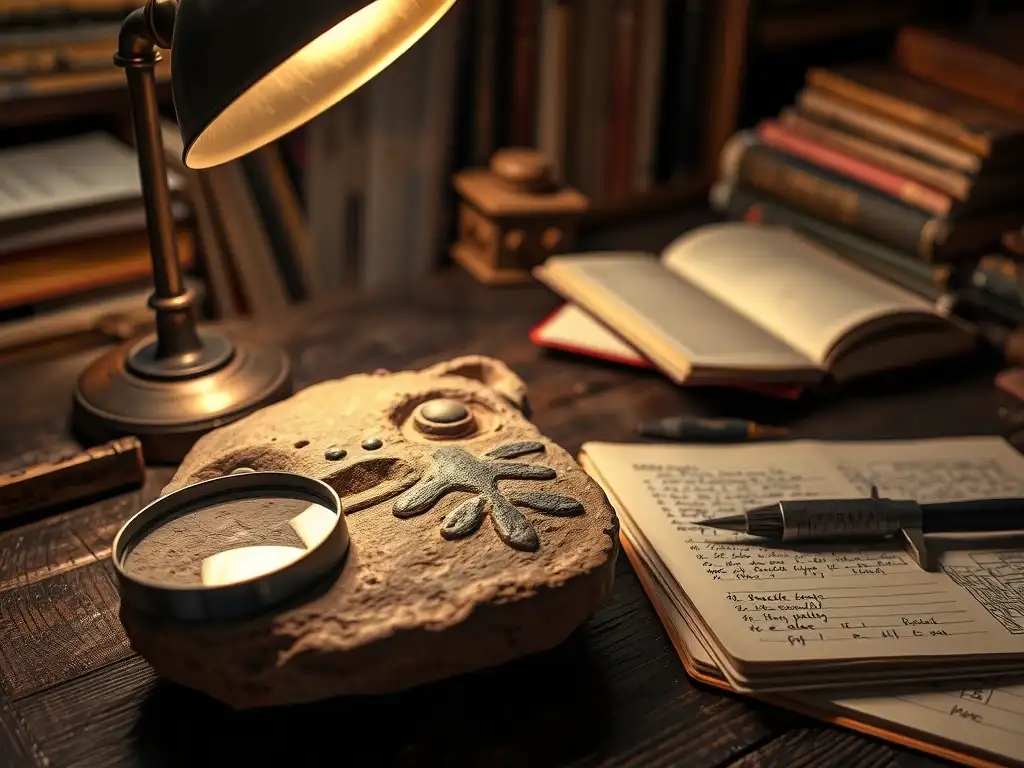
This section delves into the practical tools and techniques crucial for discerning genuine Moche pottery from imitations. A keen eye is essential, but the right equipment significantly enhances your ability to identify subtle characteristics indicative of authenticity. This guide provides a detailed overview, empowering you to become a more confident judge of Moche pottery. Mastering these techniques will refine your skills as a discerning collector and enhance your appreciation for the artistry and craftsmanship of the Moche civilization. This, in turn, will make you a more informed participant in the world of Moche pottery identification.
The Importance of Magnification in Moche Pottery Examination
Magnification is paramount in Moche pottery identification. The intricate details, often invisible to the naked eye, reveal crucial information about the piece's origin and age. Minute brushstrokes, imperfections in the clay, and the subtle variations in glaze and pigment application are all telltale signs that can distinguish a genuine artifact from a modern reproduction. Analyzing these microscopic features allows for a more precise assessment of authenticity, moving beyond superficial observations to a deeper understanding of the piece's construction. This detailed examination is key to building a robust Moche pottery identification guide.
Recommended Handheld Magnifiers for Detailed Inspection: Carson MicroBrite Plus 60x-120x
For initial assessments and fieldwork, a high-quality handheld magnifier is indispensable. The Carson MicroBrite Plus, with its 60x-120x magnification range, offers excellent clarity and portability. Its LED illumination ensures optimal viewing even in low-light conditions. The robust build ensures durability for frequent use, making it a reliable tool for any serious Moche pottery enthusiast. Using this magnifier, you can easily examine surface textures, paint application techniques, and other fine details that are otherwise difficult to see.
Using Microscopes for Advanced Analysis: AmScope B120C-E1
For more in-depth analysis, a stereo microscope provides unparalleled magnification and clarity. The AmScope B120C-E1, with its adjustable magnification and built-in lighting, allows for detailed examination of the pottery's microstructure. This level of magnification reveals the clay's composition, the firing techniques employed, and the presence of any inclusions, providing invaluable insights into the piece's authenticity. The ability to observe such minute details significantly enhances the precision of your Moche pottery identification. This is especially useful when comparing suspected forgeries to known authentic examples.
Utilizing Lighting for Accurate Surface Assessment
Proper lighting is crucial for accurate assessment of a Moche pottery piece. Different light sources reveal different aspects of the surface, highlighting variations in glaze, pigment, and texture. Careful manipulation of the lighting angle can expose subtle flaws or inconsistencies that might otherwise go unnoticed, offering crucial clues to the pottery's authenticity. The play of light and shadow can reveal the three-dimensionality of the artwork, and the subtle variations in color and texture which are essential for a Moche pottery identification guide.
Recommended Lighting Options for Pottery Analysis: OttLite LED Task Lamp
An OttLite LED task lamp provides a consistent, color-accurate light source, minimizing distortions and ensuring an objective assessment. Its adjustable brightness and arm allow for precise control over the lighting angle, enabling you to examine the pottery from various perspectives. The even illumination minimizes shadows and highlights subtle variations in surface texture and color, crucial for identifying potential inconsistencies indicative of forgery.
Examining the Glaze and Pigments Under Different Light Conditions
Examine the glaze and pigments under various lighting conditions – natural daylight, incandescent light, and fluorescent light. Observe how the colors and textures change under different light sources. Inconsistencies in how the colors appear under different lighting conditions can be a strong indicator of inauthenticity.
For example, a modern reproduction might use pigments that react differently to different light sources than those used in ancient Moche pottery. This careful examination under diverse lighting conditions significantly improves the accuracy of your Moche pottery identification process. Detailed records of your observations under different lighting conditions will greatly enhance your Moche pottery identification guide.
Reference Materials for Moche Pottery Identification
Identifying authentic Moche pottery requires a deep dive into established scholarship and readily available resources. A comprehensive understanding of Moche artistic conventions, stylistic variations across different periods, and common forgeries is crucial for accurate assessment. This section outlines key resources to aid in your journey towards becoming a discerning connoisseur of Moche artifacts.
Building a strong foundation in Moche art history is paramount; it's not just about recognizing patterns but understanding the context behind them. The more you know about the Moche civilization, their societal structures, and their artistic practices, the easier it will become to distinguish genuine pieces from imitations. Remember, the devil is in the details – subtle variations in paint application, clay composition, and design elements can often be the telltale signs of authenticity.
Recommended Books and Academic Resources on Moche Art: "The Art of the Moche: A Synthesis" by Christopher B. Donnan
Christopher Donnan's "The Art of the Moche: A Synthesis" stands as a cornerstone text for anyone serious about understanding Moche pottery. Donnan, a leading authority on Moche art, meticulously compiles decades of research into a comprehensive overview of Moche artistic production. The book doesn't just present images; it delves into the socio-political implications of Moche art, exploring the symbolism embedded within the pottery and its relationship to Moche society.
This contextual understanding is invaluable for discerning authenticity, as forgers often miss the subtle nuances that reflect the cultural context. The book's detailed illustrations and descriptions of various Moche pottery styles are indispensable for comparative analysis. Furthermore, Donnan's work provides a robust framework for understanding the evolution of Moche artistic styles over time, allowing you to place a piece within its historical context and assess its authenticity based on its stylistic features and chronological accuracy.
Supplementing this with other academic publications focusing on specific aspects of Moche art, such as iconography or ceramic technology, will further enhance your expertise. Remember to always cross-reference information from multiple sources to build a comprehensive and reliable understanding.
Online Databases and Archives for Moche Pottery Research: The Dumbarton Oaks Pre-Columbian Collection
Beyond traditional academic texts, the digital age offers unparalleled access to vast repositories of Moche pottery images and data. The Dumbarton Oaks Museum's Pre-Columbian Collection stands out as a particularly valuable online resource. Their extensive database allows researchers to browse a substantial collection of Moche pottery, many pieces accompanied by detailed descriptions, high-resolution images, and sometimes even technical analyses. This visual access is crucial for comparative analysis.
By comparing a piece you are analyzing to the meticulously documented examples in the Dumbarton Oaks collection, you can identify stylistic similarities and discrepancies. Furthermore, the database often provides information on provenance, which can be a crucial factor in determining authenticity. Knowing the history of a piece – where it was found, when it was acquired, and who owned it previously – can significantly aid in assessing its genuineness. Remember to explore other online archives and museums, as well.
Many institutions are digitizing their collections, making vast amounts of information readily available for researchers and enthusiasts alike. Always critically evaluate the source of the information and cross-reference it with other reliable sources to ensure accuracy and avoid misinformation. Utilizing these online resources in conjunction with physical books and academic articles provides a multifaceted approach to Moche pottery identification, bolstering your expertise and confidence in assessing authenticity.
Case Studies: Real Examples of Moche Pottery Identification
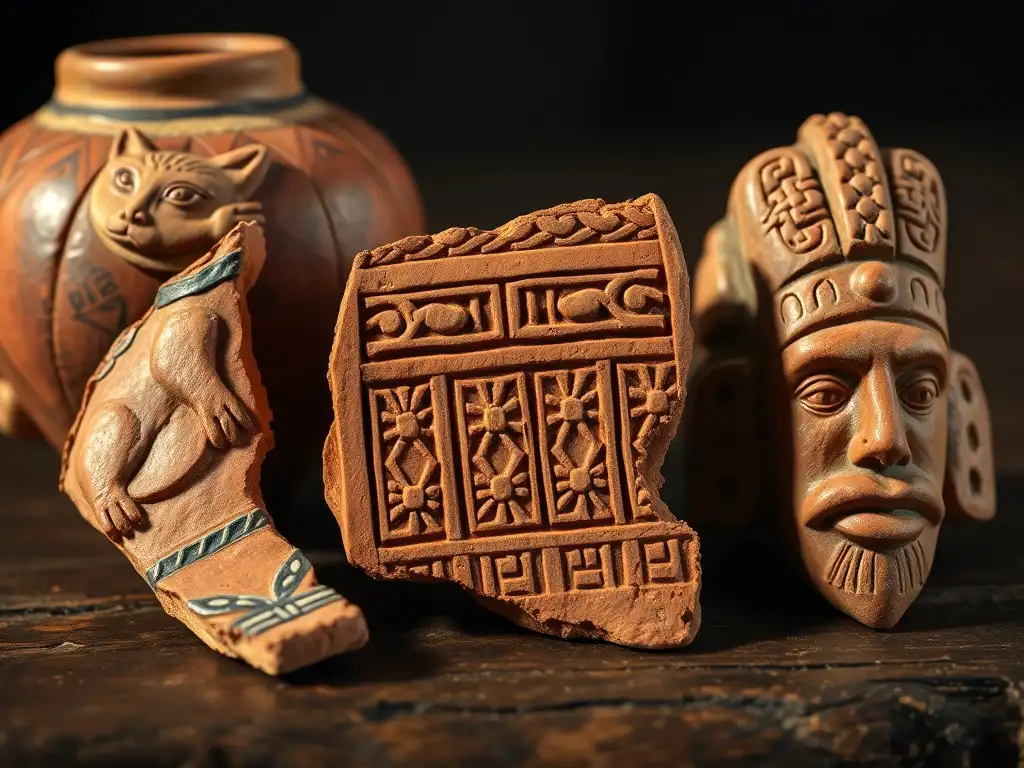
This section delves into specific examples, providing a practical application of the Moche pottery identification techniques discussed previously. By examining both authentic and fraudulent pieces, we aim to sharpen your observational skills and enhance your ability to distinguish genuine Moche artifacts from modern reproductions. This detailed guide will help you become a more confident judge of Moche pottery authenticity, empowering you to navigate the world of Andean artifacts with expertise. Becoming proficient in Moche pottery identification requires meticulous attention to detail and a keen eye for subtle nuances.
Case Study 1: Identifying an Authentic Moche Stirrup Spout Vessel
Examining the form, iconography, and clay of a genuine stirrup spout.
Let's analyze a genuine Moche stirrup-spout vessel, a hallmark of their artistry. Authentic Moche stirrup-spouts are characterized by several key features. Firstly, the form itself is crucial. Observe the elegant curve of the spout, seamlessly integrated with the body. The vessel's proportions should be balanced and harmonious, reflecting the sophisticated craftsmanship of the Moche artisans.
Notice the subtle variations in thickness of the vessel walls; a consistent thickness throughout is rarely seen in authentic pieces. Instead, you'll often find slight variations, indicative of hand-building techniques. The clay itself, usually a reddish-brown hue, may exhibit variations in shading due to firing processes. The surface might show subtle texture, not a perfectly smooth finish.
Secondly, the iconography is paramount. Examine the imagery depicted. Genuine Moche pottery often features intricate scenes of deities, warriors, animals, and everyday life. The style is characterized by a dynamic, almost three-dimensional quality, with figures often depicted in motion. Colors are typically earthy tones – reds, yellows, browns, and whites – applied with precision and skill.
Look for the use of negative space; Moche artists masterfully used this technique to enhance the visual impact of their designs. Finally, consider the application of paint. Authentic pieces often show subtle brushstrokes or a slightly uneven application, evidence of a human hand at work. This contrasts sharply with the uniformity often seen in reproductions.
Comparing to a known reproduction.
A comparison with a known reproduction highlights these differences. A fake Moche stirrup spout might exhibit a uniformity of color and surface texture that is absent in the genuine article. The spout's connection to the body may appear awkward or poorly integrated. The iconography might be simplistic, lacking the dynamism and detail of authentic Moche work.
The pigments used might be brighter and more vibrant than those found on genuine pieces, which often exhibit a degree of fading or discoloration due to age. The overall impression of a reproduction is often one of artificiality, lacking the inherent artistry and subtle imperfections that characterize true Moche pottery. Pay close attention to these details; they are the key to successful identification.
Case Study 2: Spotting a Faux Moche Portrait Head Bottle
Identifying inconsistencies in iconography and surface treatment.
Moche portrait head bottles are highly sought after, making them prime targets for forgers. Authentic Moche portrait heads display remarkable realism and individual characteristics. The faces are often expressive, conveying a range of emotions. The details – eyes, noses, mouths – are rendered with exceptional precision. The hairstyles and headdresses are intricately detailed, reflecting the social status and adornments of the individuals depicted.
However, a fraudulent piece may exhibit inconsistencies. The features might be poorly defined or lack the subtle nuances of authentic Moche work. The proportions might be off, creating an unnatural or distorted appearance. The surface treatment could be too smooth or lack the subtle variations in texture seen in genuine pieces. Look for signs of rushed or careless execution.
Highlighting the use of modern pigments.
One of the most revealing aspects of distinguishing a fake Moche portrait head bottle is the analysis of the pigments used. Modern pigments often possess a vibrancy and intensity that is absent in the aged pigments of genuine Moche pottery. The colors might appear too bright, too uniform, or lack the subtle gradations of hue found in authentic pieces. Examine the paint's adherence to the surface.
In reproductions, the paint might flake or chip easily, indicating the use of inferior materials. Moreover, the use of modern pigments often betrays the artifact's age. Authentic Moche pottery will exhibit a natural patina, a subtle discoloration resulting from age and exposure to the elements.
A lack of this patina is a strong indicator of a reproduction. Remember, a keen eye for detail and a thorough understanding of Moche artistic techniques are essential tools in identifying genuine artifacts. The more experience you gain, the more adept you will become at distinguishing authentic Moche pottery from forgeries.
Where to Find Genuine Moche Pottery (and Avoid Fakes)
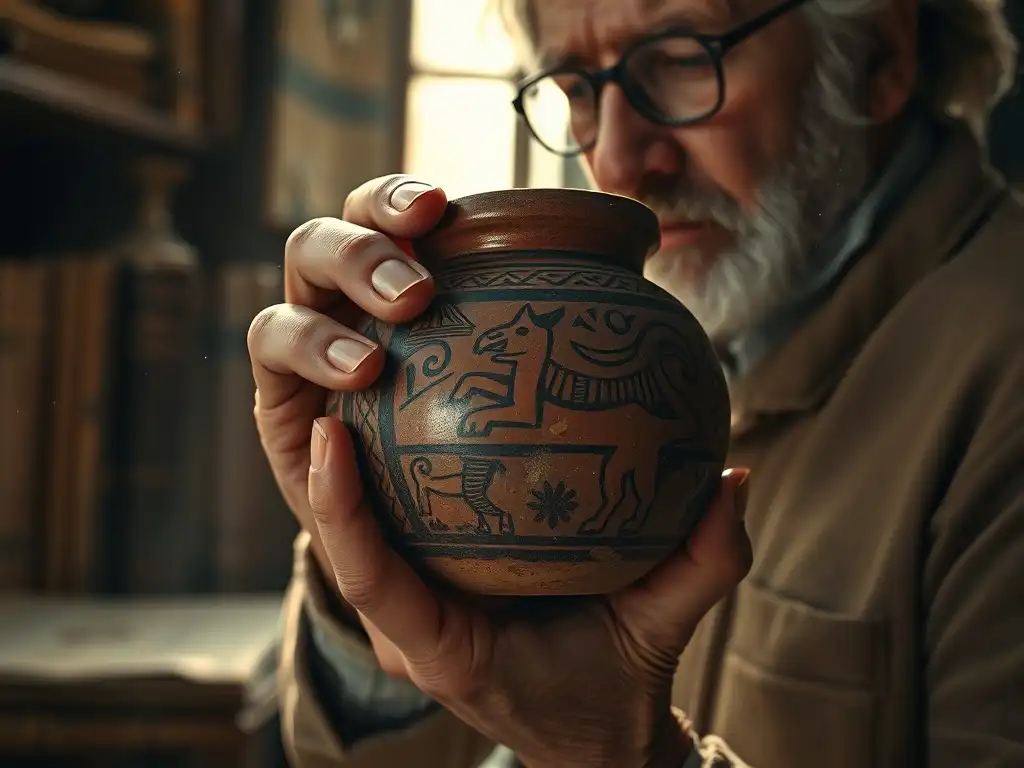
Acquiring authentic Moche pottery requires diligence and a discerning eye. The market for pre-Columbian artifacts, including Moche pottery, is unfortunately susceptible to forgeries. Therefore, understanding where to source these pieces and how to verify their authenticity is crucial for any serious collector or enthusiast. This section will guide you through the process, emphasizing responsible acquisition and the importance of ethical collecting practices. Remember, a genuine Moche pot is a piece of history, deserving of respect and careful stewardship.
Reputable Auction Houses and Galleries Specializing in Andean Art
The safest route to acquiring genuine Moche pottery is through established auction houses and galleries with a proven track record in handling pre-Columbian art. These institutions often have rigorous authentication processes and employ experts who can verify the authenticity of artifacts. They typically provide detailed provenance information, adding another layer of verification. Choosing a reputable source significantly minimizes the risk of purchasing a forgery.
Identifying Trusted Sellers: Sotheby's Pre-Columbian Art Department
Sotheby's, for example, is a globally renowned auction house with a dedicated department specializing in Pre-Columbian art. Their expertise extends to the meticulous examination of Moche pottery, considering factors like the clay type, pigments used, stylistic elements, and manufacturing techniques. Examining their catalogs and past auction results provides insight into the characteristics of genuine Moche pieces and the price range one can expect. Similar reputable auction houses and galleries exist around the world; research and due diligence are key to identifying them.
How to Verify Provenance and Authenticity
Provenance, the documented history of an artifact's ownership, is crucial in establishing authenticity. Reputable sellers will provide detailed provenance records, tracing the piece back through its various owners. This documentation helps establish a chain of custody, reducing the likelihood of a forgery entering the market. In addition to provenance, independent authentication by a recognized expert in Moche pottery is highly recommended.
These experts can analyze various aspects of the pot, including its stylistic features, materials, and manufacturing techniques, to determine its authenticity. Their expertise can provide an added layer of assurance before making a purchase. A detailed report from a qualified expert is an invaluable asset.
The Importance of Ethical Collecting Practices
Beyond acquiring genuine Moche pottery, ethical considerations are paramount. The acquisition of these artifacts should not contribute to the looting of archaeological sites or the illegal trade of cultural heritage. Supporting ethical collecting practices ensures the preservation of these invaluable pieces for future generations.
Supporting Museums and Institutions that Study Moche Culture
Many museums and research institutions actively work to preserve and study Moche culture. Supporting these organizations, whether through donations or volunteering, contributes to the preservation and understanding of this rich heritage. These institutions often play a key role in combating the illicit trade of artifacts, and their work is essential for safeguarding Moche pottery and other cultural treasures.
Understanding the Legal Aspects of Owning Moche Artifacts
The legal landscape surrounding the ownership of pre-Columbian artifacts can be complex and varies by country. It's crucial to understand the relevant laws and regulations before acquiring any Moche pottery. This includes being aware of any restrictions on importing or exporting artifacts and ensuring that the acquisition process is fully compliant with all applicable laws. Ignorance of these laws is not a defense, so thorough research is essential to avoid legal repercussions. Consulting with legal professionals specializing in cultural heritage law is highly recommended, particularly for significant acquisitions.
Conclusion: Sharpening Your Eye for Moche Pottery
This guide has provided a foundational understanding of how to identify genuine Moche pottery. Mastering this skill requires dedicated study and practice, honing your observation skills to recognize subtle details that distinguish authentic pieces from modern imitations or forgeries. Remember, the goal is not just to identify a piece as "Moche," but to understand why it is Moche, based on its stylistic features, material composition, and potential provenance. The more you engage with Moche pottery, the more refined your eye will become. This journey of learning and appreciation will enrich your understanding of this remarkable ancient Andean culture.
Continuing Your Education in Moche Art and Culture
Developing expertise in Moche pottery identification is a continuous process. Beyond the visual aspects, consider broadening your knowledge through diverse learning avenues. Explore scholarly articles and books dedicated to Moche art and archaeology.
Visiting museums with significant Moche collections – physically examining pieces and comparing them with high-quality photographs – provides invaluable hands-on experience. Participating in workshops or lectures led by experts in pre-Columbian art can offer further insights and networking opportunities. Consider joining online forums or communities dedicated to Andean archaeology and art; these provide platforms for sharing knowledge, asking questions, and learning from others' experiences.
Remember, the more you immerse yourself in the world of Moche culture, the more effectively you'll be able to distinguish genuine artifacts. This deeper understanding will not only improve your identification skills but also enrich your appreciation of this fascinating civilization. The journey of understanding Moche pottery is a journey of understanding Moche culture itself.
The Value of Accurate Moche Pottery Identification for Preservation
Accurate Moche pottery identification is crucial for the preservation of this cultural heritage. The demand for authentic Moche artifacts fuels a market for forgeries, often leading to the looting of archaeological sites and the destruction of invaluable contextual information. By developing a keen eye for identifying genuine pieces, you contribute to combating this illegal trade. Moreover, your knowledge helps ensure that museums and collectors acquire and display authentic Moche pottery, preserving these objects for future generations and promoting responsible stewardship of cultural heritage.
Accurate identification also allows for more informed research, as scholars can rely on verified artifacts to build a more complete understanding of Moche society, technology, and artistic practices. By supporting responsible acquisition and research, we ensure the long-term preservation of Moche pottery and its place in history. This is a critical element in the ongoing effort to protect and understand Andean cultural heritage.
Final Thoughts and Summary of Key Identification Points
Successfully identifying genuine Moche pottery necessitates a holistic approach. Remember to consider the interplay of several key factors: the characteristic style of the vessel (including shape, size, and decorative motifs), the quality of the craftsmanship (paying close attention to details like surface finish and paint application), and the material composition of the clay itself (looking for telltale signs of the specific clays used by Moche artisans). Analyzing the presence or absence of specific stylistic elements, such as the use of specific pigments or the depiction of recurring iconographic themes, is also crucial.
Finally, always exercise caution, and when in doubt, seek expert opinions from qualified archaeologists or art historians specializing in pre-Columbian artifacts. Your commitment to careful observation and continuous learning will ultimately refine your ability to distinguish genuine Moche pottery from imitations, contributing to the preservation and appreciation of this remarkable artistic legacy.
Remember, patience and a commitment to ongoing learning are key to mastering Moche pottery identification. The rewards—a deeper understanding of a fascinating culture and a role in protecting its heritage—are well worth the effort.
Frequently Asked Questions
What makes Moche pottery unique?
Moche pottery is renowned for its exceptional craftsmanship, realistic depictions of figures and scenes, and the use of vibrant colors and intricate details. Its distinctive style sets it apart from other Andean pottery.
How can I tell if a piece of pottery is genuinely Moche?
Look for characteristic stylistic elements like the use of pre-Columbian techniques, specific painting styles, and the depiction of Moche iconography. Consult expert resources and compare to verified examples.
What are some common motifs found in Moche pottery?
Common motifs include portraits of rulers and elites, depictions of ritual ceremonies, representations of mythological beings, and scenes depicting daily life and warfare. These motifs provide valuable insight into their culture.
Where can I find reliable resources for Moche pottery identification?
Museums, academic publications, and reputable online resources dedicated to Andean archaeology and pre-Columbian art offer reliable information. Consult with experts in the field for authentication.
Are there any specific features to look for when identifying Moche pottery?
Pay attention to the clay type and color, the style of painting, the presence of slip, and the type of firing used. The fineness of the details and the overall condition of the piece are also important.
Final Reflection: Sharpening Your Eye, Honoring the Past
The ability to discern genuine Moche pottery from imitations is not merely an academic pursuit; it's a crucial step in preserving a vital piece of cultural heritage. The illicit trade in artifacts continues to threaten the integrity of archaeological sites and the historical record, making the skills detailed in this guide more relevant than ever. Our collective vigilance is essential in combating this destructive practice.
The journey of learning to identify authentic Moche pottery is a deeply rewarding one, connecting us to the artistry and ingenuity of a long-vanished civilization. It's a process that fosters a profound appreciation for the meticulous craftsmanship and symbolic richness embedded within these ancient objects. As the renowned archaeologist, Ruth Shady Solis, once stated, The Moche culture left us an invaluable legacy, a testament to human creativity and resilience. It is our responsibility to protect and understand this heritage.
Her words resonate deeply, underscoring the importance of our efforts to safeguard these treasures for future generations.
Now, I invite you to take what you've learned and apply it. Don't just passively observe; actively engage. Visit museums, study images, and continue to refine your eye. Each piece of Moche pottery holds a story, a whisper from the past. By honing your skills, you become a guardian of that story, ensuring that the legacy of the Moche continues to inspire and educate us all. Let your newfound expertise be a catalyst for deeper understanding and responsible appreciation of this remarkable culture.
Unveil the Secrets of Moche Pottery Today!
Thank you for exploring the fascinating world of Moche pottery with us! You've gained valuable insights into identifying authentic pieces, deepening your appreciation for this incredible art form. Now, let's put those skills to the test!
Here are some exciting ways to continue your journey into the world of Moche pottery:
- **Join our online community** of Moche pottery enthusiasts. Share your discoveries, ask questions—your input is invaluable!
- **Visit local galleries and museums** showcasing Moche artifacts. Seeing these pieces firsthand will significantly enhance your understanding.
- Start a blog or journal to document your learning journey. You might inspire others with your insights and passion for Moche pottery!
Which piece of Moche pottery resonates most with you, and why? Let's discuss in the comments below!