
Unearthing the Truth: Indigenous Perspectives on Andean Archaeology

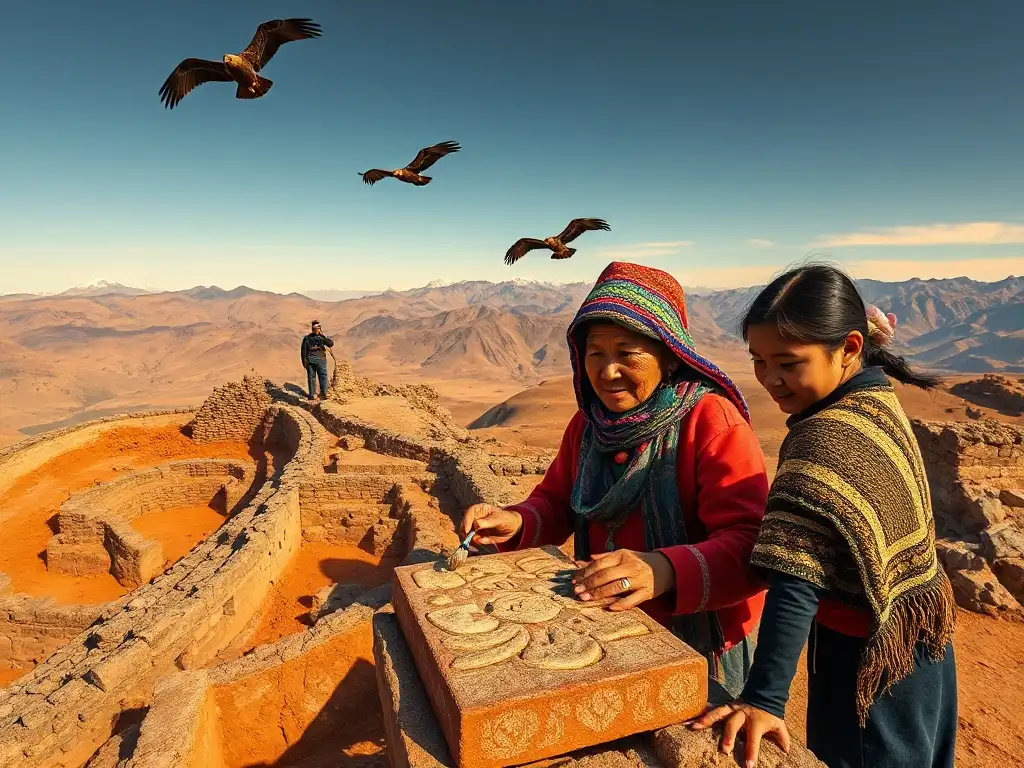
Step into a world lost to time, yet echoing with vibrant life. For centuries, the Andes Mountains have held secrets within their towering peaks and sprawling valleys. But what if the true story of the Incas, Moche, Nazca, and Tiahuanaco lies not just in unearthed artifacts, but in the Andean archaeology indigenous perspectives themselves? Prepare to challenge your assumptions as we delve into a captivating narrative that rewrites history, one ancient stone at a time. Discover the untold stories waiting to be revealed.
For centuries, the narrative of Andean civilizations has been largely shaped by the lens of Western archaeology. This Eurocentric approach, while yielding valuable discoveries, often overlooked—and sometimes actively silenced—the voices and perspectives of the Indigenous communities whose ancestors built these magnificent empires. This article delves into the crucial role of Indigenous perspectives in re-interpreting Andean archaeology, highlighting the urgent need to decolonize research methodologies and reclaim the authentic history of these vibrant cultures.
We will explore how incorporating Indigenous knowledge and participation not only enriches our understanding of the past but also fosters a more equitable and respectful approach to the study of Andean heritage. The goal is to move beyond a solely extractive model of archaeological research to one of collaboration and mutual respect, ensuring that the narratives of the past are accurately and ethically represented. This is vital for understanding the complexity and richness of Andean history, fostering a more just and inclusive future, and ensuring the preservation of invaluable cultural heritage.
We will examine specific examples of how Indigenous perspectives are challenging established theories and leading to a more nuanced and complete understanding of Andean civilizations. The importance of this shift cannot be overstated; it is not merely an academic exercise but a critical step towards acknowledging the enduring legacy and rights of Indigenous communities.
The Importance of Indigenous Voices in Andean Archaeological Research
The integration of Indigenous voices in Andean archaeological research is paramount for several crucial reasons. Firstly, Indigenous communities possess invaluable oral traditions, ancestral knowledge, and a deep understanding of their own history that often predates written records. This knowledge, passed down through generations, provides crucial context and insight that Western methodologies may miss. Secondly, the involvement of Indigenous communities ensures that archaeological research is conducted ethically and respectfully.
This includes obtaining free, prior, and informed consent (FPIC) before undertaking any research on their ancestral lands and ensuring the repatriation of cultural artifacts. Finally, collaboration with Indigenous communities leads to more accurate and nuanced interpretations of the archaeological record. By incorporating their perspectives, we move beyond simplistic narratives and gain a richer, more holistic understanding of the complexities of Andean societies.
This collaborative approach not only enriches our understanding of the past but also strengthens the relationship between researchers and the communities whose heritage they study. For example, [specific example of successful collaboration between archaeologists and an Indigenous community pending]. Ignoring these voices leads to incomplete, potentially inaccurate, and certainly ethically problematic interpretations of Andean history.
Challenging Eurocentric Narratives in Andean Archaeology
Traditional Andean archaeology, often rooted in Eurocentric frameworks, has perpetuated narratives that marginalized Indigenous perspectives and knowledge systems. These narratives frequently presented a simplified, often monolithic, view of Andean societies, overlooking the diversity of cultures and the complexity of their social structures. The imposition of Western categories and interpretations onto Andean archaeological findings has obscured the richness and depth of Indigenous perspectives.
For instance, the interpretation of certain artifacts or sites might have been skewed by imposing Western biases, leading to inaccurate conclusions about their function or significance. By actively challenging these Eurocentric narratives and embracing Indigenous interpretations, we can uncover a more accurate and nuanced understanding of Andean history. This requires a critical examination of existing research, acknowledging past biases, and actively seeking out and incorporating Indigenous perspectives.
The process of decolonizing Andean archaeology involves not just a methodological shift but also a fundamental change in mindset, recognizing the validity and importance of Indigenous knowledge systems. This process demands humility, active listening, and a commitment to collaborative research practices. Ignoring this crucial aspect leads to a continued perpetuation of inaccurate and harmful narratives.
Decolonizing Andean Archaeological Practices
Decolonizing Andean archaeological practices necessitates a fundamental shift in how research is conducted and interpreted. This involves actively seeking out and incorporating Indigenous knowledge and perspectives at every stage of the research process, from initial site selection to the final publication of findings. This means prioritizing collaboration with Indigenous communities, ensuring meaningful participation and control over research projects that impact their ancestral lands and heritage. Crucially, it involves the repatriation of ancestral remains and cultural artifacts, acknowledging the inherent spiritual and cultural significance these objects hold for Indigenous communities.
Furthermore, it requires a critical examination of existing research methodologies and frameworks, identifying and addressing any inherent biases that might marginalize Indigenous perspectives. This might involve re-evaluating the use of specific terminology, questioning established interpretations, and adopting more inclusive and participatory research designs. Ultimately, decolonizing Andean archaeology is a continuous process of learning, unlearning, and rebuilding relationships based on mutual respect and collaboration.
It is a commitment to a more just and equitable future where the voices and knowledge of Indigenous communities are central to the understanding and preservation of their rich heritage. This process requires ongoing dialogue and a willingness to adapt research practices to reflect Indigenous needs and priorities. The goal is not to replace Western methodologies but to integrate them with Indigenous knowledge systems to create a more comprehensive and ethically sound approach to Andean archaeological research.
- The Importance of Indigenous Voices in Andean Archaeological Research
- Challenging Eurocentric Narratives in Andean Archaeology
- Decolonizing Andean Archaeological Practices
- What is the significance of incorporating indigenous perspectives into Andean archaeology?
- How have indigenous communities contributed to archaeological research?
- What are some challenges in integrating indigenous perspectives into Andean archaeology?
- How does this approach differ from traditional archaeological methods?
- What are some examples of successful collaborations between archaeologists and Andean communities?
Indigenous Knowledge Systems and Andean Archaeology
This section explores the crucial role of indigenous knowledge systems in enriching and reinterpreting Andean archaeology. For too long, archaeological narratives have been dominated by external perspectives, often overlooking or misinterpreting the wealth of information held within indigenous communities. A shift towards collaborative research, where indigenous knowledge is treated as an equal partner alongside scientific methodologies, is vital for a more complete and nuanced understanding of the past.
This approach is key to achieving a more accurate and respectful portrayal of Andean civilizations, moving beyond the often-Eurocentric biases that have historically shaped the field. The integration of indigenous perspectives is not merely an ethical imperative; it is also a methodological necessity that significantly enhances the accuracy and depth of archaeological interpretations. This section will delve into specific examples demonstrating the power of this collaborative approach.
Integrating Traditional Agricultural Knowledge
Traditional Andean agricultural practices, passed down through generations, offer invaluable insights into the sophistication and resilience of ancient Andean societies. These practices, often dismissed as "primitive" in the past, reveal complex understandings of ecology, water management, and soil fertility. For example, the intricate waru waru raised-field system, still practiced in some communities, demonstrates a deep understanding of water conservation and soil management techniques far surpassing earlier archaeological interpretations.
These systems, once thought to be simple flood-control methods, are now recognized as sophisticated agricultural technologies that maximized crop yields in challenging environments. Analyzing these systems through the lens of indigenous knowledge allows archaeologists to move beyond simple descriptive accounts to understand the underlying principles and ecological knowledge that informed their design and implementation.
The integration of this knowledge helps to reveal the ingenuity and adaptability of Andean farmers, challenging previous assumptions about their technological capabilities. Furthermore, understanding the contemporary applications of these techniques can inform sustainable agricultural practices today, highlighting the enduring relevance of ancient Andean knowledge.
Understanding Andean Iconography and its Archaeological Significance
Andean iconography, rich in symbolism and meaning, often remains cryptic when interpreted solely through external frameworks. Indigenous communities, however, possess a deep understanding of the iconographic systems used by their ancestors, enabling a more accurate and meaningful interpretation of archaeological findings. For instance, the meaning attributed to specific motifs in textiles or ceramics, often misinterpreted by non-indigenous scholars, can be significantly clarified through consultation with indigenous communities.
These interpretations often reveal complex social, religious, and cosmological beliefs that would otherwise remain hidden. The vibrant colors and intricate designs found on textiles, for example, are not merely decorative elements; they encode a wealth of information about kinship systems, social status, and ritual practices. Similarly, the seemingly abstract representations found in ceramics can tell stories of mythical beings, historical events, or agricultural cycles, provided that indigenous expertise is incorporated into the analysis.
The collaborative approach ensures that the interpretation is not imposed from the outside but instead emerges from a dialogue between academic and indigenous knowledge. This collaborative approach to understanding Andean iconography enhances the accuracy and depth of archaeological interpretations, leading to a far richer understanding of ancient Andean cultures.
The Role of Oral Traditions in Reconstructing the Past
Oral traditions, passed down through generations within Andean communities, represent a vital source of information for reconstructing the past. These traditions, often dismissed as unreliable by traditional archaeological methods, provide a narrative context for archaeological findings that often cannot be obtained through material analysis alone. These narratives can illuminate aspects of social organization, political structures, and historical events, offering valuable insights that complement and contextualize archaeological evidence.
For example, oral accounts of past migrations or battles can corroborate or challenge existing archaeological interpretations of settlement patterns or warfare. Furthermore, these traditions can help to identify and interpret previously overlooked archaeological sites or artifacts, enriching the historical record and providing a more complete picture of the past. The integration of these oral traditions necessitates a sensitive and respectful approach, recognizing the importance of cultural protocols and respecting indigenous ownership of their knowledge.
The collaboration between archaeologists and indigenous communities is crucial to ensure that the interpretation of oral traditions is accurate, respectful, and ethically sound. This collaborative approach ensures that oral traditions are not simply incorporated as supporting evidence but are valued as a primary source of knowledge in the reconstruction of Andean history.
The Impact of Archaeological Excavations on Indigenous Communities
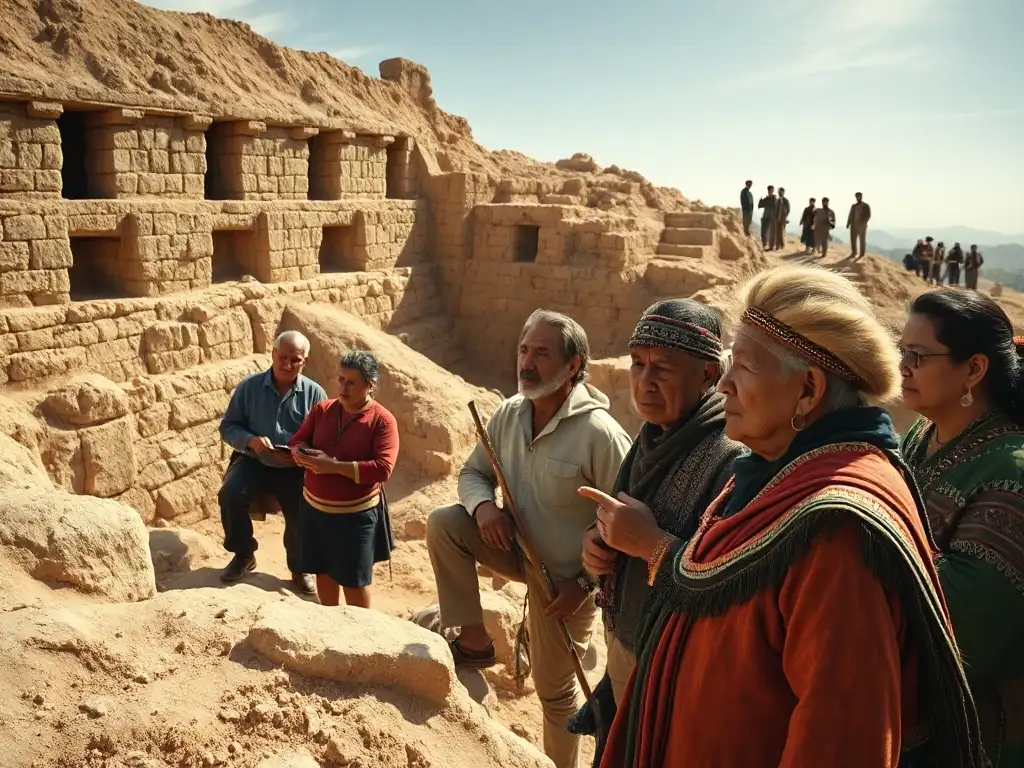
Archaeological excavations in the Andes, while crucial for understanding the past, have often had a complex and sometimes detrimental impact on the indigenous communities whose ancestors created the sites being studied. The legacy of colonial-era excavations, characterized by looting, disrespect for sacred sites, and a lack of meaningful engagement with local communities, continues to cast a long shadow. This legacy has fostered mistrust and resentment, hindering collaborative research and creating barriers to the equitable sharing of knowledge and benefits derived from archaeological discoveries.
Modern Andean archaeology must grapple with this history and actively seek to redress past wrongs. The very act of excavating can disrupt ancestral resting places, damage sacred landscapes, and even inadvertently contribute to the erosion of cultural memory. This section will explore the ethical considerations that must guide contemporary Andean archaeological projects and examine successful models of community collaboration.
Ethical Considerations in Andean Archaeological Projects
Ethical considerations in Andean archaeology are paramount. Projects must prioritize the well-being and perspectives of the indigenous communities connected to the sites under investigation. This necessitates a shift away from extractive research models that prioritize the accumulation of data for academic purposes alone. Instead, a collaborative and participatory approach should be adopted, ensuring that indigenous communities are actively involved in all stages of a project – from planning and excavation to the interpretation and dissemination of results. Key ethical considerations include:
- Informed Consent: Free, prior, and informed consent must be obtained from all relevant indigenous communities before any excavation or research begins. This means providing clear and accessible information about the project's goals, methods, and potential impacts in their native languages.
- Respect for Sacred Sites: Archaeological sites often hold profound spiritual and cultural significance for indigenous communities. Excavations must be conducted with utmost respect for these sacred spaces, minimizing disruption and ensuring the preservation of any remaining integrity.
- Repatriation of Artifacts: The return of ancestral remains and culturally significant artifacts to their rightful communities is a crucial ethical imperative. This process should be guided by the wishes and priorities of the communities themselves.
- Benefit-Sharing: The benefits of archaeological research should be shared equitably with the indigenous communities that contribute to the project. This may include employment opportunities, educational initiatives, and the development of community-based museums or interpretive centers.
- Data Ownership and Access: Indigenous communities should have a say in how archaeological data is managed, interpreted, and disseminated, ensuring that their perspectives are accurately represented and that they have access to the information generated by the research.
Community Collaboration in Archaeological Research and Interpretation
Successful Andean archaeological projects are increasingly characterized by genuine collaboration with indigenous communities. This involves not just consultation, but active participation in all aspects of the research process. Indigenous knowledge holders, often possessing oral traditions and detailed local knowledge of sites, become invaluable partners in the research endeavor. This collaborative model fosters mutual respect, trust, and a deeper understanding of the past.
Consider the example of [specific example of a successful collaborative project pending]. This project demonstrated the power of combining scientific methodologies with indigenous knowledge, leading to a more nuanced and complete understanding of the site's history and significance. Furthermore, collaborative projects often result in improved community engagement and support for the preservation of cultural heritage. The shared ownership of the research outcomes fosters a sense of pride and responsibility among community members, strengthening their commitment to protecting their heritage for future generations.
Protecting Sacred Landscapes and Cultural Heritage
Protecting sacred landscapes and cultural heritage is inextricably linked to the well-being of indigenous communities. The ongoing degradation of these landscapes through unsustainable practices, looting, and the impacts of development poses a significant threat. Andean archaeology has a crucial role to play in advocating for the preservation of these invaluable sites. This involves:
- Advocating for Protective Legislation: Working with indigenous communities and government agencies to strengthen legislation protecting archaeological sites and sacred landscapes.
- Community-Based Monitoring: Supporting community-based monitoring programs to detect and prevent looting and other forms of damage.
- Sustainable Tourism Initiatives: Developing sustainable tourism initiatives that benefit local communities while minimizing the environmental and cultural impacts of tourism.
- Educational Programs: Creating educational programs to raise awareness among the wider public about the importance of protecting Andean cultural heritage. This includes promoting understanding of the spiritual and cultural significance of sites for indigenous communities.
The future of Andean archaeology depends on a fundamental shift towards collaborative, ethical, and community-centered approaches. By prioritizing the perspectives and well-being of indigenous communities, we can ensure that archaeological research contributes not only to our understanding of the past but also to the empowerment and well-being of indigenous communities today. The preservation of Andean cultural heritage is not simply a matter of safeguarding physical artifacts and sites; it is about upholding the living cultures and traditions that continue to thrive in the Andes.
Case Studies: Indigenous-Led Andean Archaeological Projects
This section showcases successful examples of Andean archaeology projects spearheaded by Indigenous communities themselves, highlighting their crucial role in preserving and interpreting their ancestral heritage. These initiatives demonstrate a shift away from solely academic-driven research towards a collaborative and respectful approach that centers Indigenous knowledge and perspectives. This collaborative model is vital for ensuring the ethical and accurate representation of Andean history and culture. The focus on Andean archaeology indigenous perspectives is paramount in these endeavors.
Case Study 1: The Q’eswachaka Bridge Project, Peru
The Q’eswachaka Bridge, a remarkable Inca-era suspension bridge in the Cusco region of Peru, stands as a testament to the enduring ingenuity of Andean engineering. Instead of simply being a subject of academic study, the bridge's preservation is a vibrant, ongoing process led by the local Quechua communities. Every year, these communities dismantle and rebuild the entire structure, utilizing traditional techniques passed down through generations.
This is not merely a maintenance project; it's a living cultural practice that embodies Andean knowledge systems and ensures the bridge's continued existence as a functional piece of infrastructure and a powerful symbol of cultural identity. The project beautifully illustrates the integration of Andean archaeology indigenous perspectives into practical heritage management, showcasing the deep connection between cultural heritage and community life.
Documentation of the rebuilding process, often involving ethnographic studies and oral history collection, provides invaluable insights into Inca engineering practices and Quechua cultural transmission. The project's success depends heavily on respecting the community's leadership and expertise, underscoring the importance of collaborative approaches in Andean archaeology.
Case Study 2: The Kallawaya Healers and Medicinal Plants, Bolivia
The Kallawaya, an Indigenous group in Bolivia, possess a rich tradition of medicinal knowledge rooted in their deep understanding of Andean biodiversity. Their expertise in identifying, harvesting, and utilizing medicinal plants has been passed down for centuries. Recent initiatives focus on documenting and preserving this invaluable knowledge, often in collaboration with ethnobotanical researchers.
This collaborative approach respects the Kallawaya intellectual property rights while ensuring the scientific validation and preservation of their traditional healing practices. The project moves beyond simply cataloging plant species; it emphasizes the holistic understanding of the Kallawaya worldview and their intricate relationship with the Andean ecosystem. This collaborative Andean archaeology indigenous perspectives approach not only protects a unique cultural heritage but also contributes to the discovery of potentially valuable medicinal resources.
The project highlights the symbiotic relationship between traditional ecological knowledge and modern scientific inquiry in the context of Andean archaeology. Careful documentation ensures that the Kallawaya’s knowledge is protected and shared responsibly, promoting both cultural preservation and potential applications in modern healthcare.
Case Study 3: The Mapuche Ruka Reconstruction, Chile
The Mapuche, an Indigenous people of southern Chile, have undertaken numerous projects to reconstruct traditional rukas (homes). These reconstructions are not mere historical recreations; they are active processes of cultural revitalization. By engaging in the meticulous task of building rukas using traditional techniques and materials, the Mapuche are actively transmitting knowledge across generations, preserving their architectural heritage, and strengthening their cultural identity.
These projects often involve archaeological surveys of existing ruka sites to inform the reconstruction process, creating a dynamic interplay between archaeological evidence and living cultural practices. The focus is on employing locally sourced materials and traditional building methods, ensuring authenticity and sustainability. This collaborative approach to Andean archaeology indigenous perspectives, integrating archaeological insights with community-led reconstruction, highlights the living nature of cultural heritage and the vital role of Indigenous communities in shaping narratives of the past.
The meticulous documentation of the entire process, including material sourcing, construction techniques, and community involvement, provides a rich resource for future generations and researchers interested in Mapuche architecture and cultural practices. This project exemplifies a holistic approach to cultural preservation, demonstrating the power of Indigenous-led initiatives in shaping the narrative of Andean archaeology.
The Future of Andean Archaeology: A Collaborative Approach
The field of Andean archaeology stands at a crucial juncture. For too long, the narrative surrounding Andean civilizations has been largely shaped by external perspectives, often overlooking or misinterpreting the knowledge and experiences of indigenous communities. A shift towards a more collaborative and inclusive approach is not merely desirable; it's essential for the ethical and accurate understanding of Andean history and heritage. This requires a fundamental change in how archaeological research is conducted, interpreted, and disseminated.
The future of Andean archaeology hinges on genuine partnership with indigenous communities. This includes actively seeking their input at every stage of the research process, from project design to publication and public engagement. Ignoring their perspectives is not only ethically problematic but also scientifically limiting. Indigenous knowledge holds invaluable insights into the past, often providing crucial context and interpretations that academic research alone cannot uncover.
Fostering Dialogue Between Archaeologists and Indigenous Peoples
Effective collaboration requires open and respectful dialogue. This involves creating spaces where archaeologists and indigenous communities can share knowledge, perspectives, and concerns. This dialogue shouldn't be a one-off event but an ongoing process built on mutual trust and respect. Successful initiatives often involve:
- Community-based participatory research: This approach ensures indigenous communities are active participants in every stage of the research process, from project conception to dissemination of results. Their input shapes research questions, methodologies, and interpretations.
- Language access and translation: Ensuring that communication is clear and accessible is paramount. This includes providing professional translation services and using indigenous languages whenever possible.
- Capacity building: Supporting indigenous communities in developing their own research and heritage management skills is crucial for long-term sustainability. This might involve training programs in archaeology, cultural resource management, or digital archiving.
- Benefit-sharing agreements: These agreements clearly outline how the benefits of archaeological research will be shared with the communities involved. This could include financial compensation, access to research findings, or support for community-led heritage projects.
The success of these dialogues depends heavily on the willingness of archaeologists to truly listen and learn. It's not about simply incorporating indigenous perspectives as an afterthought; it's about fundamentally changing the power dynamics of the research process. A shared understanding and commitment to mutual benefit are crucial for a truly collaborative approach.
Empowering Indigenous Communities in Cultural Resource Management
Empowering indigenous communities in the management of their cultural heritage is crucial for preserving Andean archaeological sites and artifacts for future generations. This involves transferring responsibility and authority to those who have a direct ancestral connection to these sites. This empowerment can take many forms, including:
- Community-led heritage tourism: Indigenous communities can develop and manage tourism initiatives that benefit their communities while responsibly protecting cultural sites. This fosters local economic development while promoting cultural preservation.
- Co-management of archaeological sites: This involves partnering with government agencies and other organizations to develop co-management plans that give indigenous communities a leading role in protecting and interpreting their heritage.
- Development of indigenous museums and archives: These institutions provide spaces for indigenous communities to exhibit and interpret their own heritage, offering alternative narratives to those found in mainstream museums.
- Protection from looting and illegal trafficking: Empowering communities to actively participate in protecting their heritage from looting and illegal trafficking is crucial. This often involves strengthening community-based monitoring programs and collaborating with law enforcement agencies.
The goal is not just to protect sites from damage, but to ensure that their management reflects the values and priorities of the communities that hold a deep connection to them. This requires a significant shift in power dynamics, recognizing indigenous communities as rightful stewards of their own heritage. This approach ensures ethical preservation and fosters a more authentic and respectful understanding of Andean cultural heritage.
Towards a More Inclusive and Representative Understanding of Andean History
The ultimate aim of a collaborative approach to Andean archaeology is to create a more inclusive and representative understanding of Andean history. This means moving beyond a singular, often Eurocentric, narrative to incorporate multiple perspectives and interpretations. This requires:
- Decentering dominant narratives: Acknowledging the limitations of past archaeological interpretations and actively seeking out alternative perspectives from indigenous communities.
- Promoting indigenous voices: Providing platforms and opportunities for indigenous scholars, community members, and traditional knowledge holders to share their knowledge and interpretations with a wider audience. This includes supporting the publication of indigenous scholarship and promoting their participation in academic conferences and public forums.
- Re-evaluating existing collections: Museums and other institutions should critically examine their collections, acknowledging the often problematic ways in which artifacts were acquired and displayed. This might involve repatriation of artifacts and collaborative projects with indigenous communities to re-interpret existing collections.
- Developing culturally sensitive educational materials: Educational materials should accurately reflect the diverse perspectives and contributions of Andean civilizations and the crucial role of indigenous communities in preserving their heritage.
Ultimately, a truly inclusive understanding of Andean history requires a fundamental shift in perspective, acknowledging the limitations of past research and embracing the insights offered by indigenous knowledge. This inclusive approach is not simply a matter of political correctness; it's essential for creating a more accurate, nuanced, and respectful understanding of the rich and complex history of Andean civilizations. This represents a significant opportunity to redress past injustices and create a more equitable and collaborative future for Andean archaeology.
Frequently Asked Questions
What is the significance of incorporating indigenous perspectives into Andean archaeology?
Incorporating indigenous perspectives is crucial for a more holistic and accurate understanding of Andean history. It challenges colonial narratives and centers the voices of those whose ancestors created the civilizations. This leads to a more nuanced and respectful interpretation of archaeological findings.
How have indigenous communities contributed to archaeological research?
Indigenous communities have provided essential knowledge of local landscapes, oral traditions, and the meaning of artifacts. Their participation ensures a more complete and ethically sound research process. This collaboration enriches the understanding of the past.
What are some challenges in integrating indigenous perspectives into Andean archaeology?
Challenges include language barriers, differing research methodologies, and navigating power imbalances between academics and communities. Respectful and equitable collaborations require careful planning and sensitivity. Building trust is paramount.
How does this approach differ from traditional archaeological methods?
Traditional methods often focused on objective analysis separate from the living descendants. Integrating indigenous perspectives emphasizes collaboration and co-creation of knowledge, acknowledging the ongoing connection between the past and present. This is a shift from extractive to participatory research.
What are some examples of successful collaborations between archaeologists and Andean communities?
Successful collaborations involve joint research projects, community museums, and the repatriation of artifacts. These partnerships ensure that knowledge is shared equitably and that communities benefit from the research process. Respect for cultural heritage is central.
Final Reflection: Reclaiming Narratives, Rewriting History
The marginalization of Indigenous voices in Andean archaeology has not only distorted our understanding of the past but continues to fuel present-day inequalities. Ignoring Indigenous perspectives perpetuates a colonial legacy that silences vital knowledge and perpetuates harmful stereotypes. We must actively work to decolonize this field and ensure a more equitable future.
The ongoing struggle for Indigenous communities to reclaim their ancestral narratives is a powerful testament to the resilience of culture and the enduring importance of oral traditions. Their stories, often passed down through generations, offer invaluable insights that challenge established archaeological interpretations. The past is never dead. It's not even past.
– William Faulkner. This quote resonates deeply, highlighting how the past, particularly when misrepresented, continues to shape the present and future. The fight for accurate representation in Andean archaeology is not just an academic pursuit; it's a fight for justice and cultural survival.
You, the reader, now hold a piece of this complex puzzle. Consider how the perspectives shared in this article challenge your own understanding of Andean history. What steps can you take to support Indigenous-led research and ensure that future archaeological endeavors prioritize collaboration and respect? Let us move forward, not only with a deeper understanding of the Andean past, but also with a renewed commitment to ethical and inclusive scholarship.
Embrace the Wisdom of the Ancients!
Thank you for joining us on this enlightening journey into the rich tapestry of Andean archaeology, exploring it through Indigenous perspectives. You've gained valuable insights that not only honor the past but also foster a deeper understanding of our shared history. Let's continue this exploration!
- Engage with Indigenous knowledge: Visit local museums and cultural centers to experience Indigenous narratives and artifacts firsthand. Connect with the stories and objects to truly appreciate their significance.
- Share your discoveries: Discuss your newfound knowledge with friends, family, or online communities to spread awareness and respect for these invaluable perspectives.
- Participate in community events: Attend workshops, lectures, or ceremonies focused on Andean culture to connect with others who share your interest and expand your understanding.
How can you incorporate Indigenous perspectives into your daily life to celebrate the rich history of the Andean civilizations?