
The Inca Road Builders: Connecting an Empire Through Infrastructure

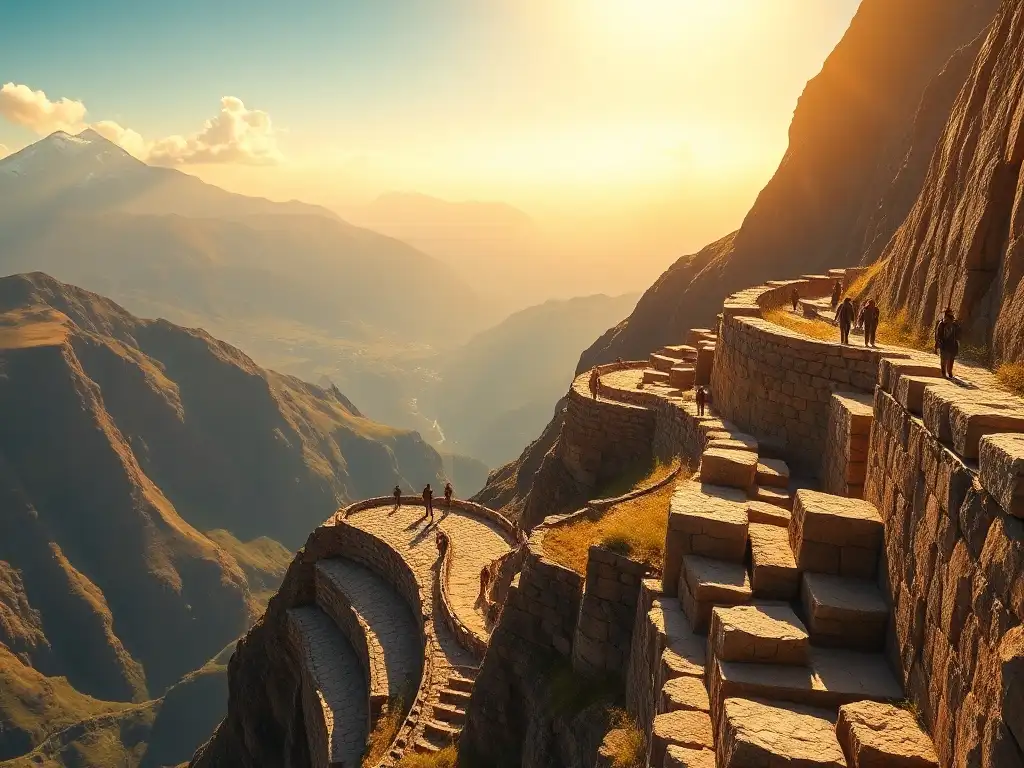
Step into a world lost to time, yet echoing with the ingenuity of the Andes. For centuries, these majestic mountains witnessed the rise and fall of powerful civilizations, leaving behind a legacy of breathtaking artistry and unparalleled engineering. But how did the Incas, masters of their environment, create the seemingly impossible? Prepare to be amazed as we unravel the secrets behind the Inca road system construction, a feat of infrastructure that unified an empire and continues to inspire awe. Discover the ingenuity and resilience of these ancient builders – your journey into the heart of Andean history begins now.
The Inca Empire, one of the largest and most sophisticated pre-Columbian civilizations in South America, achieved its remarkable political and economic unity through a masterful feat of engineering: the construction of an extensive and remarkably well-maintained road network known as the Qhapaq Ñan. This intricate system of pathways, spanning thousands of miles across diverse and challenging Andean terrains, facilitated the movement of armies, messengers, trade goods, and pilgrims, effectively binding together a vast and geographically diverse empire.
This article delves into the construction of the Inca road system, examining its significance, origins, and the ingenious engineering techniques employed by the Inca to create a lasting legacy of infrastructure that continues to fascinate and inspire awe centuries later. Understanding the Inca road system construction provides critical insight into the administrative prowess and technological sophistication of this incredible civilization, firmly establishing their place as masters of logistical organization and infrastructure development.
The impact of this road network extended far beyond mere transportation; it profoundly shaped Inca society, culture, and ultimately, its longevity.
The Significance of the Inca Road Network
The Inca road network, the Qhapaq Ñan, wasn't merely a collection of paths; it was the circulatory system of the empire. Its significance is multifaceted and profoundly impacted various aspects of Inca life:
- Military Control: Rapid troop deployment was crucial for maintaining control over such a vast territory. The roads allowed the Inca army to swiftly respond to rebellions or threats, ensuring the stability of the empire. This swift response capability was a key factor in the Inca's ability to consolidate and maintain their power.
- Efficient Communication: The chasquis, a relay system of runners, utilized the roads to transmit messages across the empire with remarkable speed. This enabled efficient communication between the emperor and distant provinces, facilitating governance and ensuring timely responses to critical situations. The speed and efficiency of this system were essential for maintaining order and cohesion across the vast empire.
- Economic Integration: The roads facilitated the movement of goods, connecting different regions and fostering economic exchange. Agricultural products, textiles, and other resources flowed along these routes, creating a vibrant and interconnected economy. This economic integration strengthened the empire and ensured the distribution of essential goods.
- Religious Pilgrimage: The Qhapaq Ñan also served as a vital route for religious pilgrimages to significant sites. The roads connected sacred places, allowing people from across the empire to participate in religious ceremonies and strengthen their shared cultural identity. This fostered a sense of unity and strengthened religious beliefs.
Origins and Development of the Andean Road System
While the Inca significantly expanded and improved the existing road network, the Qhapaq Ñan wasn't built ex nihilo. Evidence suggests that earlier Andean cultures, such as the Wari and Tiwanaku, had already established some precursor pathways. The Inca, however, inherited and refined this infrastructure, creating a unified and standardized system characterized by its impressive scale and engineering prowess.
The construction process involved a massive mobilization of labor, often utilizing the mita system, a form of mandatory public service. Thousands of workers, skilled artisans, and engineers collaborated to build and maintain these roads. This collaborative effort demonstrates the Inca's sophisticated organizational capabilities and their ability to harness the resources of their vast empire. The process was not only about building roads, but also about the meticulous planning and coordination required to manage such a large-scale project across diverse geographical regions. [Specific information pending on the exact number of workers mobilized for specific projects].
The Inca's Mastery of Infrastructure: Engineering the Qhapaq Ñan
The Inca's engineering skills were truly remarkable. Their mastery of infrastructure is evident in the construction techniques employed to build the Qhapaq Ñan:
- Adaptability to Terrain: The roads navigated incredibly challenging terrain, including steep mountains, deep valleys, and dense forests. The Inca engineers demonstrated remarkable ingenuity in adapting their construction techniques to overcome these obstacles. They utilized bridges, tunnels, and carefully engineered pathways to traverse these diverse landscapes.
- Durable Construction: The roads were built to last. They employed sophisticated techniques, such as stone paving, retaining walls, and drainage systems, to ensure the roads' longevity and resilience against the elements. The quality of the construction is a testament to the Inca's knowledge of engineering principles and materials science.
- Strategic Placement: The roads weren't randomly placed; they were strategically located to connect important administrative centers, agricultural regions, and mining sites. This strategic planning ensured efficient communication, transportation, and resource management. The placement of the roads reflects a sophisticated understanding of the empire's geography and its resource distribution.
The Inca road system, a marvel of ancient engineering, stands as a testament to the ingenuity, organizational capabilities, and technological sophistication of the Inca Empire. Its construction represents a pivotal moment in Andean history, shaping the political, economic, and social fabric of one of history's most fascinating civilizations.
- The Significance of the Inca Road Network
- Origins and Development of the Andean Road System
- The Inca's Mastery of Infrastructure: Engineering the Qhapaq Ñan
Key Features of the Inca Road System
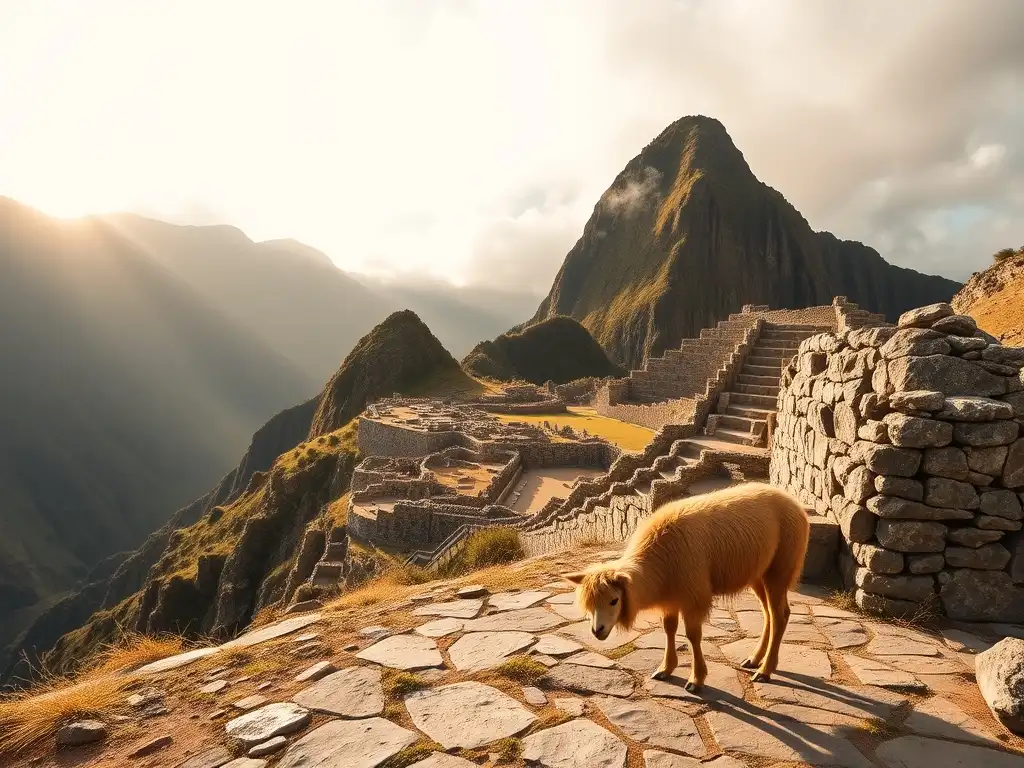
The Inca road system, a marvel of ancient engineering, stands as a testament to the Inca's organizational prowess and sophisticated understanding of infrastructure. Spanning thousands of miles across diverse and challenging terrains, this network facilitated communication, trade, and military movements across their vast empire. Its construction represents a significant achievement in Inca road system construction, showcasing their mastery of engineering principles and their ability to mobilize substantial labor forces.
Understanding the key features of this system provides invaluable insight into the Inca civilization's ingenuity and the scale of their imperial ambitions. The system wasn't merely a collection of paths; it was a strategically planned network designed to connect the far-flung corners of the empire, efficiently and effectively. This intricate network facilitated the rapid movement of armies, the swift transmission of messages, and the efficient distribution of resources, contributing significantly to the empire's stability and longevity.
The sheer scale of the undertaking, coupled with the innovative techniques employed, continues to fascinate and inspire engineers and historians alike. The system's longevity, with sections remaining usable even today, is a further testament to the quality of the Inca road system construction.
Types of Inca Roads: From Coastal Paths to Mountain Trails
The Inca road system wasn't monolithic; it comprised a variety of road types adapted to the diverse geography of the empire. Coastal roads, often paved with smooth stones, provided relatively easy passage along the Pacific coast. These pathways facilitated trade and communication along the coastline, connecting important coastal settlements and ports. In contrast, mountain roads presented a significantly greater engineering challenge.
These routes, often carved into steep slopes and traversing treacherous mountain passes, required sophisticated techniques in terracing, retaining walls, and drainage systems to ensure stability and safety. Some mountain roads featured impressive feats of engineering, such as bridges spanning deep gorges or tunnels carved through solid rock. The variety in road types reflects the Inca's adaptability and their ability to overcome significant geographical obstacles in their road construction projects. The construction methods varied depending on the terrain, with materials selected to best suit the local environment.
For instance, the use of stone was prevalent in areas with abundant stone resources, whereas other materials, such as wood and earth, were employed in regions where stone was scarce. The Inca's understanding of their environment played a crucial role in the success of their road system construction. The ingenuity and adaptability demonstrated in the construction of these various road types highlight the advanced level of engineering and planning within the Inca empire.
Inca Road Construction Techniques: Stone Paving, Terracing, and Drainage Systems
The Inca's mastery of road construction is evident in their innovative techniques. Stone paving was a common practice, especially on flatter terrain. Large, precisely cut stones were fitted together without mortar, creating a remarkably smooth and durable surface. This technique, known as ashlar masonry, demonstrates a high level of precision and skill, reflecting the Inca's advanced understanding of stonework. In mountainous regions, terracing was crucial for creating stable roadbeds on steep slopes.
Terraces, supported by retaining walls, prevented erosion and provided a level surface for the road. These retaining walls were often built with the same meticulous precision as the stone paving, using carefully fitted stones to create sturdy and aesthetically pleasing structures. Furthermore, sophisticated drainage systems were integrated into the road construction to prevent water damage. Channels and culverts were built to divert water away from the road, ensuring its longevity and preventing erosion.
The integration of these drainage systems demonstrates a deep understanding of hydrology and its impact on infrastructure. The quality of the Inca road system construction is evident in the durability of these roads, many sections of which still exist today. These techniques showcase not only excellent engineering skills but also a deep understanding of the environment and its impact on infrastructure. The effectiveness of these methods is a testament to the Inca's advanced knowledge of engineering principles.
The Role of Inca Engineers and Labor in Road Building
The construction of the Inca road system was a massive undertaking requiring both skilled engineers and a large, organized labor force. Inca engineers, though their specific roles and titles are not always fully documented, played a critical role in planning, designing, and overseeing the construction process. Their expertise in surveying, materials science, and construction techniques was essential to the success of the project. The Inca road system construction relied heavily on the mita system, a form of mandatory labor service.
This system mobilized a vast workforce, providing the necessary manpower for the construction and maintenance of the roads. While the mita system involved compulsory labor, it was organized and managed effectively, ensuring the efficient completion of large-scale projects. The combination of skilled engineers and a well-organized labor force allowed the Inca to construct and maintain a vast network of roads across diverse terrains.
The scale and complexity of the project highlight the organizational capabilities of the Inca state and its ability to coordinate large-scale projects. While the exact numbers of workers involved are difficult to determine definitively, the sheer scale of the road network suggests a workforce in the tens of thousands, if not more, at various points throughout the construction period. The success of the Inca road system construction was the result of a well-coordinated effort involving skilled specialists and a vast, organized workforce, reflecting the advanced societal organization of the Inca Empire.
Bridges, Tunnels, and Other Engineering Marvels
The Inca road system wasn't just a network of paths; it was a testament to sophisticated engineering, particularly evident in their construction of bridges, tunnels, and other impressive structures. These weren't simple crossings or passages; they were carefully planned and executed feats of engineering that showcased the Inca's deep understanding of topography, materials science, and construction techniques. The sheer scale and ingenuity of these projects are still awe-inspiring today.
One of the most remarkable aspects of Inca bridge building was their adaptability to diverse terrains. They weren't limited to using a single type of bridge; instead, they employed various designs depending on the specific geographic challenges. For instance, in areas with narrow gorges, they utilized suspension bridges, often made from strong, lightweight materials like ichu grass ropes, expertly woven and secured to rock formations.
These suspension bridges, some spanning impressive distances, demonstrate a mastery of tension and weight distribution far beyond what one might expect from a pre-Columbian civilization. The precision in crafting these ropes, ensuring even tension across the length of the bridge, is particularly noteworthy. Records show that these bridges weren't just temporary structures; many remained in use for decades, even centuries, a testament to their durability and the Inca's skillful maintenance.
In mountainous regions, where carving through rock was necessary, the Inca demonstrated their skill in tunnel construction. These weren't haphazardly dug passages; they were meticulously planned and executed, often employing sophisticated drainage systems to prevent water damage and collapse. The precision of these tunnels, some carved through incredibly hard rock, is striking.
Archaeological evidence suggests that the Inca utilized various tools, including stone chisels and hammers, and likely employed a system of coordinated labor to complete these projects efficiently. The alignment and smoothness of the tunnel walls and ceilings suggest a high level of skill and planning, hinting at a detailed understanding of geometry and engineering principles. The strategic placement of these tunnels, often connecting vital settlements or providing access to key resources, highlights their importance within the wider Inca road system.
Beyond bridges and tunnels, the Inca road system incorporated other remarkable engineering features. This includes carefully constructed retaining walls that stabilized slopes and prevented landslides, strategically placed drainage systems to manage water flow, and meticulously crafted pathways that adapted to uneven terrain. These features, often overlooked in discussions of Inca infrastructure, played crucial roles in ensuring the long-term viability and safety of the road system.
The combination of these elements demonstrates a holistic approach to road building that prioritized both functionality and longevity. The integration of these elements showcases an advanced understanding of civil engineering principles, far exceeding what many might expect from a civilization without the benefit of modern technology.
The ingenuity and resilience of the Inca road system, with its bridges, tunnels and other marvels, stand as a lasting tribute to their engineering prowess and organizational skills. The ability to construct and maintain such a vast and complex network across challenging terrain remains a significant achievement in the history of infrastructure development.
The Impact of the Inca Road System on the Empire
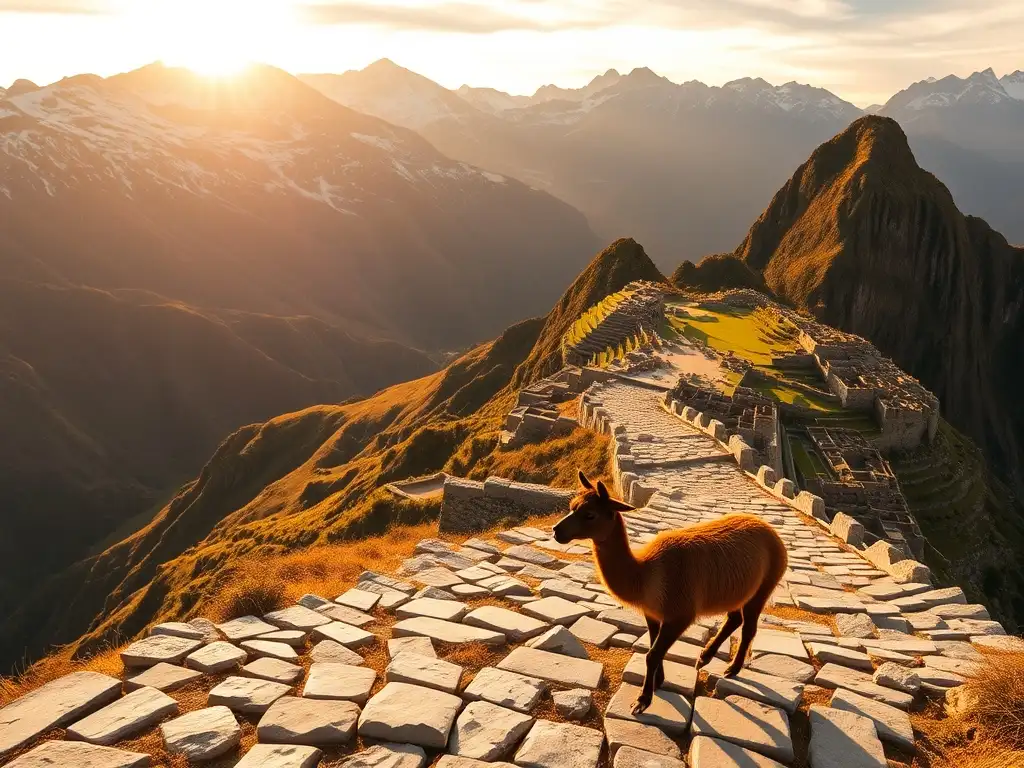
The Inca road system, known as the Qhapaq Ñan, wasn't merely a network of paths; it was the arterial system of a vast and powerful empire. Its construction represents a monumental feat of engineering and logistical planning, directly impacting every facet of Inca life. Understanding the Qhapaq Ñan's influence is crucial to grasping the Inca's success in unifying and controlling such a geographically diverse and challenging terrain.
The scale of this Inca road system construction is staggering, with estimates suggesting thousands of kilometers of roads, bridges, and pathways crisscrossing the Andes Mountains. This intricate network facilitated communication, trade, and military control, ultimately shaping the social and economic fabric of the Inca Empire. The impact of this sophisticated Inca road system construction is still felt today.
Facilitating Communication and Trade Across the Inca Empire
The Qhapaq Ñan dramatically improved communication across the expansive Inca Empire. Before its construction, communication between distant regions was slow and unreliable, often relying on runners or infrequent messengers. The road system, however, allowed for the swift transmission of information, vital for maintaining order and responding to emergencies. Royal decrees, military orders, and even news of harvests could travel across vast distances in a fraction of the time it previously took. This rapid communication fostered a sense of unity and centralized control, strengthening the empire's administrative capabilities.
Furthermore, the Inca road system construction significantly boosted trade. The roads connected diverse regions, allowing for the exchange of goods and resources. Farmers in fertile valleys could readily trade their produce for goods from the highlands, fostering economic interdependence and prosperity.
The standardization of weights and measures along the roads further facilitated trade, minimizing disputes and promoting fair transactions. This interconnectedness, facilitated by the improved infrastructure, contributed significantly to the empire's economic stability and overall strength. This efficient trade network, a direct result of the Inca road system construction, is a testament to their advanced understanding of logistics and economic management.
Military and Administrative Control via Inca Roads
The Inca road system was also a crucial element in the empire's military and administrative strategies. The roads allowed for the rapid deployment of troops to quell rebellions or respond to external threats. Garrisons were strategically placed along the routes, ensuring quick response times and effective control over distant territories. The efficient movement of soldiers, facilitated by the extensive road network, was a key factor in maintaining the empire's territorial integrity and suppressing any potential challenges to Inca rule.
Moreover, the roads facilitated administrative control. Officials could easily travel to different regions, overseeing local administrations, collecting taxes, and ensuring compliance with imperial decrees. The Qhapaq Ñan thus served as a backbone for the centralized bureaucracy that underpinned the Inca empire. The strategic placement of tambos (roadside inns) along the routes provided accommodation and supplies for officials, soldiers, and messengers, further enhancing the efficiency of the administrative system. The impact of the Inca road system construction on military and administrative control is undeniable, showcasing the Inca's strategic brilliance in utilizing infrastructure to consolidate power.
The Qhapaq Ñan's impact extended beyond the purely military and administrative realms. It profoundly shaped Inca society and economy. The construction of the roads itself created employment for thousands of people, contributing to the empire's economic activity. The mita system, a form of mandatory labor service, was employed in the building of the roads, showcasing the Inca’s ability to mobilize a large workforce for large-scale projects. This resulted in a significant redistribution of wealth, although the conditions of the mita laborers are a subject of ongoing scholarly debate.
The improved connectivity also fostered cultural exchange and integration. People from different regions interacted more frequently, leading to the sharing of ideas, customs, and traditions. This facilitated a sense of shared identity and cultural unity across the empire, strengthening social cohesion and reducing the likelihood of internal conflicts.
The Qhapaq Ñan therefore played a crucial role in shaping the social fabric of the Inca Empire, contributing to its stability and longevity. The long-lasting effects of this Inca road system construction are evident in the enduring legacy of the Inca civilization. The Qhapaq Ñan stands as a remarkable testament to Inca ingenuity and its profound impact on the empire's success.
The Legacy of Inca Road Construction
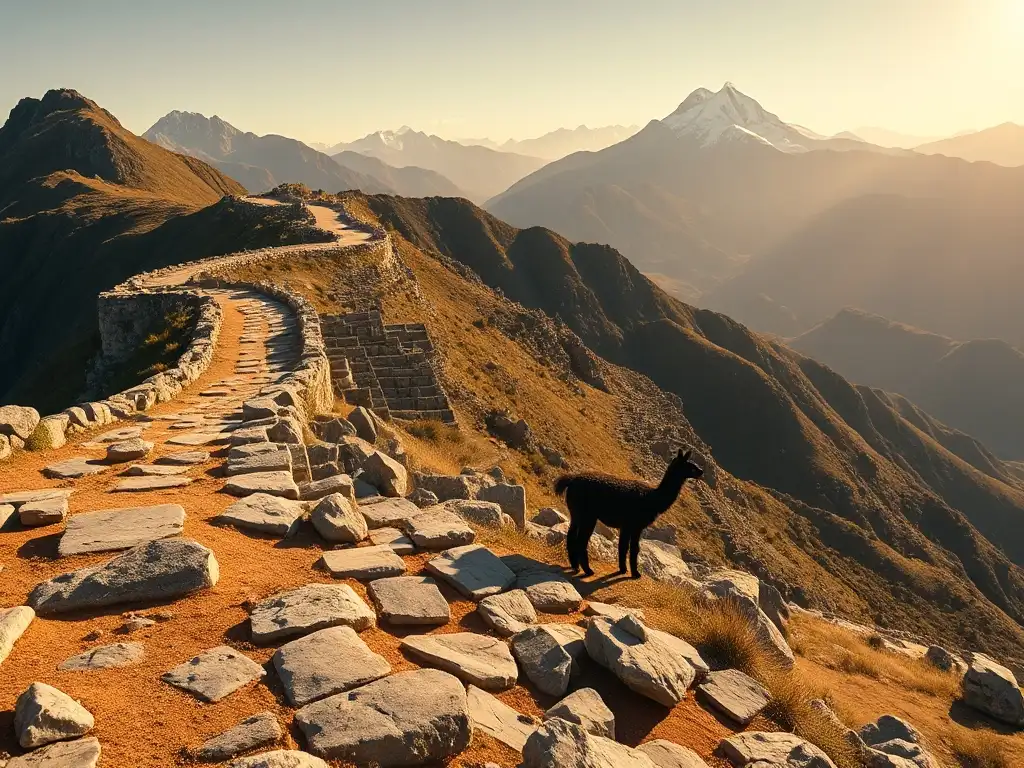
The Inca road system, a marvel of ancient engineering, stands as a testament to the Inca's organizational prowess and sophisticated understanding of infrastructure. Its impact extended far beyond simply connecting distant parts of their vast empire; it facilitated trade, communication, and military movements, significantly contributing to the Inca's political and economic dominance. The construction techniques employed, showcasing an impressive knowledge of terrain adaptation and material science, continue to inspire awe and study today.
Understanding the Inca road system's construction provides crucial insight into the Inca's societal structure, resource management, and overall worldview. The sheer scale of the undertaking, coupled with the ingenuity of its design, firmly cements the Inca's place as master builders of the pre-Columbian Americas. The legacy of this road network lives on, not just in the remaining physical structures, but also in the enduring impact on Andean cultures and our modern understanding of infrastructure development.
The intricate network, stretching thousands of kilometers across diverse and challenging terrain, remains a profound achievement reflecting the Inca's exceptional ability to organize labor, manage resources, and overcome significant geographical obstacles. This remarkable feat of Inca road system construction continues to inspire researchers and engineers alike.
The Preservation of Inca Roads Today
The preservation of the remaining sections of the Inca road system is a complex and ongoing challenge. Many sections have fallen into disrepair due to natural erosion, the passage of time, and human activity. However, dedicated efforts are underway to protect and restore these important historical sites. Archaeological investigations and conservation projects carefully document and preserve the remaining structures, using techniques that minimize further damage while ensuring the long-term integrity of these invaluable resources.
These preservation efforts not only safeguard a significant piece of Andean heritage but also contribute to our understanding of Inca building techniques and the environmental challenges faced by the Inca road builders. For example, the careful study of surviving road sections helps researchers decipher the specific materials used, the construction methods employed, and the overall design principles that allowed for such a durable and extensive network. Moreover, preservation initiatives often involve local communities, fostering a sense of ownership and cultural pride in this shared heritage.
The ongoing work highlights the importance of balancing the preservation of historical sites with the needs of modern society. Sustainable tourism strategies, for instance, aim to minimize the impact of visitors while providing economic opportunities for local communities. The successful preservation of the Inca road system requires a multi-faceted approach that integrates archaeological research, conservation practices, and community engagement.
Inca Road System: An Example of Ancient Engineering
The Inca road system is a prime example of innovative ancient engineering. The roads weren't simply linear paths; they were meticulously designed to navigate diverse terrains, encompassing mountain passes, valleys, and coastal regions. The builders skillfully utilized available materials, including stone, earth, and wood, adapting their techniques to the specific environmental conditions. For instance, in mountainous regions, they employed sophisticated terracing and retaining walls to stabilize the roadbed and prevent landslides.
In areas prone to flooding, they incorporated drainage systems to maintain road usability. The use of suspension bridges, often made of woven fibers, demonstrated a remarkable understanding of tensile strength and structural engineering. The strategic placement of tambos, or roadside rest stations, provided essential services to travelers, further showcasing the Inca's logistical expertise. The network's design also prioritized accessibility, with strategically placed ramps and switchbacks to mitigate the steep inclines characteristic of the Andean landscape.
This careful consideration of both functionality and accessibility is a hallmark of Inca engineering. Detailed analysis of surviving sections reveals the precision and skill involved in the construction process, demonstrating a deep understanding of engineering principles. The durability of many sections, despite centuries of exposure to the elements, underscores the effectiveness of their construction methods.
| Construction Material | Location/Terrain | Advantages | Challenges |
|---|---|---|---|
| Stone (various types) | Mountainous regions | Durability, stability | Difficult quarrying and transportation |
| Earth and compacted fill | Plains, valleys | Readily available, cost-effective | Susceptibility to erosion and flooding |
| Wood (for bridges, etc.) | River crossings | Flexibility, relatively lightweight | Prone to decay, requiring regular maintenance |
Lessons Learned from the Inca's Infrastructure Prowess
The Inca road system offers valuable lessons for modern infrastructure development. Their mastery of adapting construction techniques to diverse terrains is particularly relevant in today's world, where infrastructure projects often face similar challenges. The Inca's emphasis on sustainability, using locally sourced materials and minimizing environmental impact, provides a model for environmentally responsible construction practices. Their sophisticated understanding of logistics and resource management is equally valuable, highlighting the importance of meticulous planning and efficient resource allocation.
Furthermore, the Inca's ability to mobilize and organize large-scale labor forces, while respecting social structures, offers insights into effective project management strategies. The Inca's success in building and maintaining an extensive road network across challenging terrain underscores the importance of careful site selection, robust design, and ongoing maintenance. Their achievements demonstrate that even with limited technology, ambitious infrastructure projects are achievable with meticulous planning, skilled labor, and a deep understanding of the local environment.
Modern engineers can learn from the Inca's innovative solutions to engineering challenges, their focus on sustainability, and their ability to effectively manage complex projects. Studying the Inca road system provides valuable insights into the principles of sustainable and resilient infrastructure development, particularly relevant in the context of climate change and increasing environmental concerns. Their legacy continues to inspire new approaches to infrastructure planning and construction.
Exploring Specific Sections of the Inca Road
This section delves into the meticulous planning and execution of specific sections of the Inca road system, highlighting the engineering marvels and logistical challenges overcome by Inca builders. The Inca road system construction wasn't a uniform process; it adapted to the incredibly diverse Andean terrain, showcasing remarkable ingenuity. Understanding these specific examples illuminates the scale and sophistication of the entire network.
The Royal Road through the Andes
The Royal Road, or Qhapaq Ñan, wasn't a single road, but a vast network of interconnected pathways spanning thousands of miles. Its construction represents a pinnacle of Inca road system construction. This primary artery connected the heart of the empire (Cusco) to distant provinces, facilitating efficient communication, trade, and military movement. Consider the sheer logistical feat: transporting massive quantities of stone, often over treacherous mountain passes, using only human and animal power.
The Inca's mastery of stonework is evident in the road's durability; sections remain usable even today, a testament to their exceptional building techniques. The road wasn't just a path; it was a carefully engineered system with strategically placed tambos (rest houses) offering shelter and supplies for travelers. These were not mere shelters, but rather sophisticated structures, often incorporating advanced architectural techniques.
Archaeological evidence suggests that the tambos were also important administrative centers, demonstrating the road's role beyond simple transportation. The construction of the Royal Road required a highly organized workforce, precise surveying techniques, and a deep understanding of Andean geography. The sheer scale of this undertaking is breathtaking, and its impact on the Inca Empire immeasurable.
Case Study of the Road to Machu Picchu
The road leading to Machu Picchu provides a fascinating case study of Inca road system construction in a particularly challenging environment. This section of the Qhapaq Ñan navigates steep inclines, dense jungle, and precarious cliff faces. The Inca engineers demonstrated remarkable adaptation in their design, employing techniques such as retaining walls, terraces, and intricate drainage systems to ensure the road's stability and longevity.
The construction involved carefully selecting and shaping stones to fit precisely together, minimizing the need for mortar. This precise stonework, characteristic of Inca architecture, is evident throughout the Machu Picchu road. Furthermore, the road’s design incorporated features that minimized environmental impact, including careful consideration of water flow and vegetation.
This showcases a sophisticated understanding of the surrounding ecosystem and the Inca’s commitment to sustainable practices. The road to Machu Picchu isn't just a pathway; it's a testament to the Inca's ability to conquer the most challenging terrains while leaving a minimal environmental footprint. The precision and durability of this road section further reinforce the complexity and sophistication inherent in Inca road system construction.
The Cultural Significance of Inca Road Sites
The Inca road system wasn't merely a practical infrastructure project; it held profound cultural significance. The Qhapaq Ñan connected not only geographically diverse regions but also diverse cultural groups within the empire. Road construction sites themselves became places of ritual and ceremony, reflecting the Inca's deep spiritual connection to the land. Archaeological findings reveal evidence of offerings and sacred sites located along the roads, indicating their importance in Inca religious practices.
The roads themselves were also viewed as symbols of Inca power and imperial control, physically manifesting the empire's reach and influence. The construction and maintenance of the roads also provided employment and economic opportunities for many communities along their routes. This fostered a sense of shared identity and purpose, strengthening social cohesion within the empire.
Thus, the Inca road system construction was not simply an engineering achievement but a powerful symbol of Inca identity, religious belief, and imperial authority. The cultural legacy of these roads continues to resonate today, enriching our understanding of Inca society and its enduring impact on the Andean world. The preservation and study of these sites offer invaluable insights into the complex interplay between Inca engineering, religion, and social organization.
Frequently Asked Questions
How did the Inca build their extensive road system?
The Inca utilized a highly organized workforce and advanced engineering techniques. They employed stone paving, bridges, and tunnels, adapting their construction to the challenging Andean terrain. Their system was remarkable for its efficiency and durability.
What materials did the Inca use for road construction?
The Inca primarily used stone, carefully fitting pieces together without mortar in a technique known as ashlar masonry. They also used earth and gravel for base layers and wood for bridges and supporting structures. The choice of materials depended on the local availability and the specific needs of the terrain.
How far did the Inca road system extend?
The Inca road system, known as the Qhapaq Ñan, stretched over 25,000 miles, connecting the vast Inca Empire from present-day Colombia to Argentina and Chile. This network facilitated communication, trade, and military movements across diverse landscapes.
What was the purpose of the Inca road system?
The Inca road system served multiple crucial purposes. It facilitated efficient communication across the empire, enabling rapid transmission of messages and orders. It also supported trade and the movement of goods, and played a vital role in military operations and control.
What is the significance of the Inca road system today?
The Inca road system is a testament to the engineering prowess of the Inca civilization and its lasting impact. Today, remnants of the Qhapaq Ñan serve as a UNESCO World Heritage Site, highlighting the importance of preserving this historical infrastructure.
Final Reflection: Echoes of the Inca Road: A Legacy of Ingenuity and Connection
The Inca road system, a marvel of engineering and logistical prowess, remains a potent symbol of human ingenuity and the power of infrastructure to unite a vast and diverse empire. Its impact resonates far beyond its historical context, reminding us of the enduring legacy of human ambition and the importance of strategic planning in achieving ambitious goals. The intricate network of pathways, meticulously crafted across challenging terrain, stands as a testament to the Inca's vision and their ability to overcome seemingly insurmountable obstacles.
The Inca road system's influence extends beyond its physical presence; it continues to shape our understanding of ancient civilizations and the importance of interconnectedness. Its impact on the social and cultural landscape of the Andes is undeniable, fostering trade, communication, and a sense of shared identity across diverse regions. The very existence of this network speaks volumes about the Inca's ability to unify their empire through a shared infrastructure. The road was not merely a path; it was a living artery, pulsating with the lifeblood of the empire.
This quote, though fictional, captures the essence of the road's significance, highlighting its role as more than just a physical structure.
Consider the challenges you face today, the obstacles that seem insurmountable. Reflect on the Inca's unwavering dedication and their ability to overcome seemingly impossible odds. Let their story inspire you to pursue your own ambitious goals, to build your own "roads" – metaphorical or literal – that connect you to your aspirations and to the wider world. Embrace the spirit of innovation and collaboration that characterized the Inca road builders, and strive to create connections that foster growth, understanding, and lasting impact.
Embark on Your Journey Through History!
Thank you for exploring the incredible world of Inca road builders! You've gained valuable insights into how these ancient engineers connected vast territories and fostered a thriving empire. Now, let's put that knowledge to use!
- **Uncover More:** Delve deeper into the Inca legacy by exploring our interactive map here , showcasing famous routes and their remarkable engineering feats.
- **Share the Knowledge:** Share this article with friends and family, or spark a conversation about the impressive Inca infrastructure on social media using #IncaIngenious.
- **Get Creative:** Create a project inspired by Inca architecture! Sketch a structure, build a model, write a poem—express how their innovations continue to inspire us today.
How can the ingenuity of Inca engineering inspire you to overcome modern challenges in your life or community?