
Beyond the Legend: Uncovering the Historical Threads in Inca Origin Stories

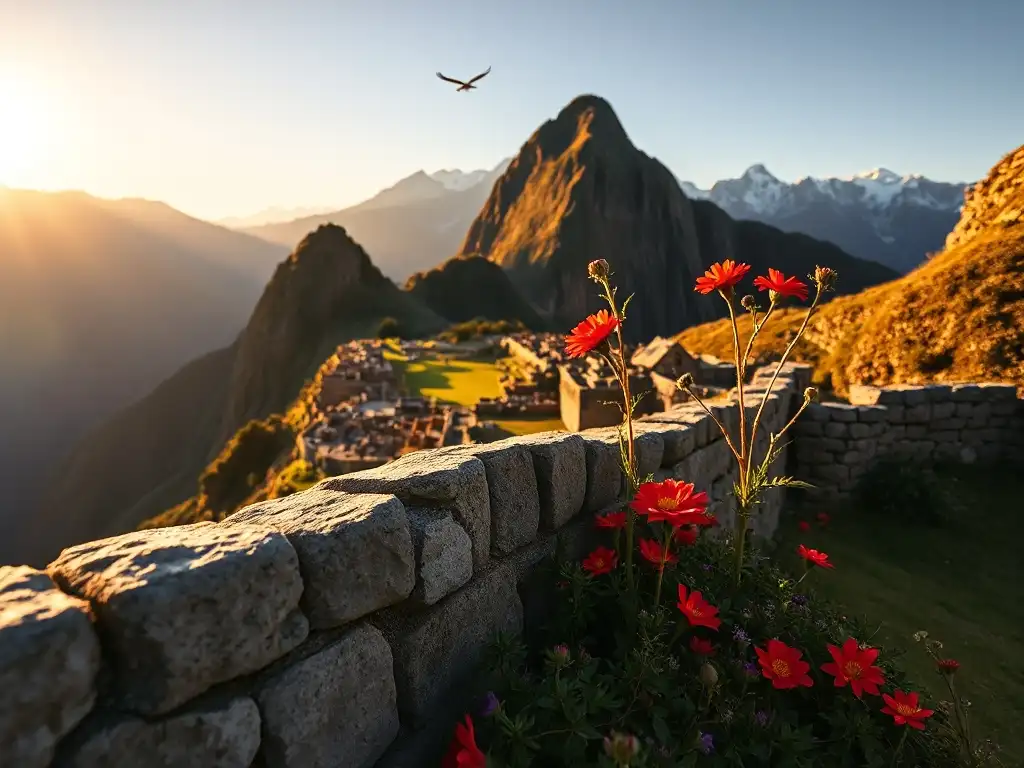
Step into a world lost to time, yet echoing with the whispers of empires past. Dive into the captivating realm of Andean civilizations, where intricate artistry, breathtaking ingenuity, and powerful narratives intertwine. But the legends only hint at the truth... Unravel the mysteries surrounding Inca origin stories – their history, their impact, and the surprising clues they hold about the rise of one of history's most fascinating empires. Prepare to be amazed as we explore the rich tapestry of Andean history, beginning with the enigmatic threads of the Inca's own beginnings.
The Inca Empire, a civilization that once dominated the Andes Mountains, left behind a legacy of breathtaking architecture, intricate social structures, and a fascinating tapestry of myths and legends. While the grandeur of Machu Picchu and the precision of Inca stonework captivate us today, the stories surrounding the empire's origins offer a unique window into their worldview, beliefs, and historical experiences. This article delves into the rich narratives of Inca origin stories, exploring how these seemingly mythical tales intertwine with historical realities, providing valuable insights into the formation and development of the Inca Empire.
We will examine the historical context embedded within these captivating narratives, separating fact from fiction to unravel the complex layers of Inca identity and origins. Understanding these origin stories is crucial for comprehending the Inca worldview and the foundations upon which their powerful empire was built. This exploration will go beyond the superficial narratives, analyzing the underlying historical threads that give these stories their enduring power and relevance.
We'll uncover how these stories helped shape Inca society, their relationship with the environment, and their interactions with other Andean cultures. The keyword "Inca origin stories history" is central to this investigation, highlighting the complex interplay between myth and historical reality in shaping our understanding of this remarkable civilization.
The Allure of Inca Creation Myths: A Historical Perspective
Inca creation myths, far from being mere fanciful tales, often reflect a deep understanding of their environment and their place within it. Many stories involve powerful deities shaping the landscape, explaining geological formations and natural phenomena. For example, the story of Viracocha, the creator god, often includes descriptions of the creation of the world from chaos, the formation of mountains, and the emergence of humanity.
These narratives are not simply religious dogma; they also contain elements that can be interpreted through a historical lens. The emphasis on agriculture, water management, and the importance of specific geographical locations within these myths points to the practical concerns and challenges faced by the Inca people in their daily lives. The prominence of certain animals and plants in the myths further reveals the close relationship between the Inca and their environment.
Analyzing these details allows us to understand the Inca's worldview, their societal values, and their adaptation strategies to the harsh Andean terrain. The careful observation of nature and the incorporation of these observations into their origin stories demonstrate a sophisticated understanding of their surroundings, a crucial factor in the success of Inca agriculture and infrastructure. The enduring power of these creation myths lies in their ability to connect the past, present, and future, providing a sense of continuity and identity for the Inca people.
The narrative structure itself often mirrors the hierarchical social structure of the Inca empire. The myths frequently depict a clear lineage of rulers, gods, and heroes, reflecting the emphasis on kinship and authority that characterized Inca society. Furthermore, the stories often serve to legitimize the power of the ruling Inca, connecting them to divine origins and reinforcing their authority over their subjects.
Decoding the Inca Origin Narratives: More Than Just Myths
The Inca origin narratives, while rich in mythological elements, also contain valuable historical clues. Many stories describe migrations, conflicts, and alliances with other Andean groups. These narratives often reflect real historical events, albeit filtered through the lens of myth and legend.
For instance, the story of the Inca's emergence from the legendary city of Pacaritambo often incorporates elements that suggest a possible migration pattern, perhaps reflecting a real historical movement of people. While the exact details are shrouded in myth, scholars have identified potential correlations between the narrative and archaeological evidence of settlements and population movements in the region. The descriptions of conflicts and alliances in the origin stories can be compared with archaeological evidence of warfare and inter-group relations in the Andes.
Analyzing the language and symbolism used in these narratives provides further insights into the historical context. The use of specific place names, descriptions of tools and technologies, and references to other Andean cultures all contribute to a more nuanced understanding of Inca history.
By carefully examining these details and comparing them with archaeological and anthropological findings, we can begin to disentangle the mythical from the historical, unveiling a more complete picture of Inca origins and development. This approach allows us to appreciate the Inca origin stories not simply as religious myths but as complex narratives that encode valuable historical information, offering a unique perspective on the rise of this remarkable civilization.
The use of comparative methodology, combined with careful textual analysis, is crucial in this endeavor, enabling a more accurate and nuanced interpretation of these fascinating narratives. The continued research and interdisciplinary collaboration are essential to further illuminate the intricate relationship between myth and history in understanding the Inca origins.
- The Allure of Inca Creation Myths: A Historical Perspective
- Decoding the Inca Origin Narratives: More Than Just Myths
- What are the main Inca origin stories?
- How do historians approach the study of Inca origin stories?
- What is the significance of the Tambotoco cave in Inca mythology?
- How do Inca origin stories differ from those of other Andean civilizations?
- How reliable are Inca origin stories as historical sources?
The Manco Capac and Mama Ocllo Myth: Examining the Historical Context

The Manco Capac and Mama Ocllo myth, a cornerstone of Inca origin stories, presents a captivating narrative of emergence from Lake Titicaca, divine ancestry, and the establishment of Cusco. While steeped in legend, a closer examination reveals potential historical threads woven into this foundational myth. Understanding the historical context surrounding this narrative is crucial to appreciating its significance within the broader understanding of Inca history and the development of their imperial ideology.
The myth, far from being merely a fanciful tale, offers insights into Inca social structures, beliefs, and aspirations. Analyzing the myth through a lens of historical possibility allows us to move beyond the purely legendary and explore its potential grounding in actual events or evolving societal ideals. The key to unlocking this understanding lies in dissecting the individual components of the myth and examining them for potential historical echoes.
This requires a nuanced approach, balancing the acceptance of legendary elements with the search for historical plausibility. The keyword "Inca origin stories history" is central to this analysis.
Manco Capac's Rise: Tracing Potential Historical Figures
The figure of Manco Capac, the legendary founder of the Inca empire, remains shrouded in mystery. While the myth portrays him as a divine being emerging from Lake Titicaca, historical analysis suggests the possibility that the Manco Capac legend incorporates elements of a real historical figure, or perhaps even amalgamates several figures into one powerful symbol. This process of legendary accretion, common in the creation of myths, suggests a possible historical core.
Consider the possibility that Manco Capac represents a powerful leader who unified disparate groups in the Cusco region, possibly through conquest or skillful diplomacy. Archaeological evidence of early settlements and potential power struggles in the Cusco valley might shed light on this. The myth itself may have been crafted or embellished by later Inca rulers to legitimize their power and consolidate their claim to authority.
Indeed, the very act of creating a foundational myth, emphasizing divine lineage and a glorious origin, was a powerful tool for political control and social cohesion. Further research into the pre-Inca societies of the region and careful examination of archaeological finds might reveal clues to the potential historical underpinnings of the Manco Capac legend. The precise details remain elusive, however, the possibility of a historical core to this legendary figure remains a compelling area of study for understanding Inca origin stories history.
The Role of Mama Ocllo: Symbolism and Societal Influence
Mama Ocllo, Manco Capac's sister-wife in the myth, is not merely a supporting character; she represents a crucial element of Inca social structure and ideology. Her role transcends the purely legendary; she symbolizes the feminine principle, the fertility of the land, and the importance of women in Inca society. While the sister-wife relationship might seem unusual by modern standards, it reflects a specific Inca social structure and the importance of maintaining royal bloodlines.
Mama Ocllo's presence in the myth isn't simply a narrative device; it actively reinforces the Inca worldview, emphasizing the interconnectedness of the divine, the rulers, and the land. The emphasis on her role in establishing agricultural practices and social organization points towards a complex understanding of the Inca's societal structure and its origins. Furthermore, the symbolic significance of Mama Ocllo offers insights into the gender dynamics within Inca society, highlighting the role and status of women, often overlooked in traditional narratives.
Analyzing her symbolic role allows us to gain a more comprehensive understanding of the Inca's social fabric and the values reflected in their origin stories. The myth, therefore, serves not only as a story of imperial foundation but also as a reflection of Inca societal values and beliefs. This adds another layer to the study of Inca origin stories history.
The Journey from Lake Titicaca: Analyzing Geographical and Cultural Influences
The journey from Lake Titicaca to Cusco, a central element of the Manco Capac and Mama Ocllo myth, is not merely a geographical displacement; it's a symbolic representation of cultural expansion and the unification of diverse groups. Lake Titicaca, a sacred site for numerous Andean cultures, holds immense symbolic weight. The myth's depiction of the founders emerging from this sacred lake underscores their divine legitimacy and their connection to the broader Andean world.
The journey itself, traversing diverse landscapes and potentially encountering various ethnic groups, may represent the actual historical process of Inca expansion and the integration of different cultures into the growing empire. Analyzing the geographical route described in the myth, comparing it to known ancient pathways and settlements, might reveal potential historical correlations. Furthermore, the cultural interactions implied by the journey – the assimilation of different traditions and beliefs – can be explored through archaeological and anthropological research.
This examination of the geographical and cultural aspects of the journey provides a valuable lens through which to analyze the development of the Inca empire and the evolution of their origin stories, contributing significantly to the study of Inca origin stories history. The mythical journey, therefore, becomes a potent symbol encapsulating both divine authority and the historical process of imperial expansion.
The Pacaritambo Caves Myth: Exploring the Significance of Place
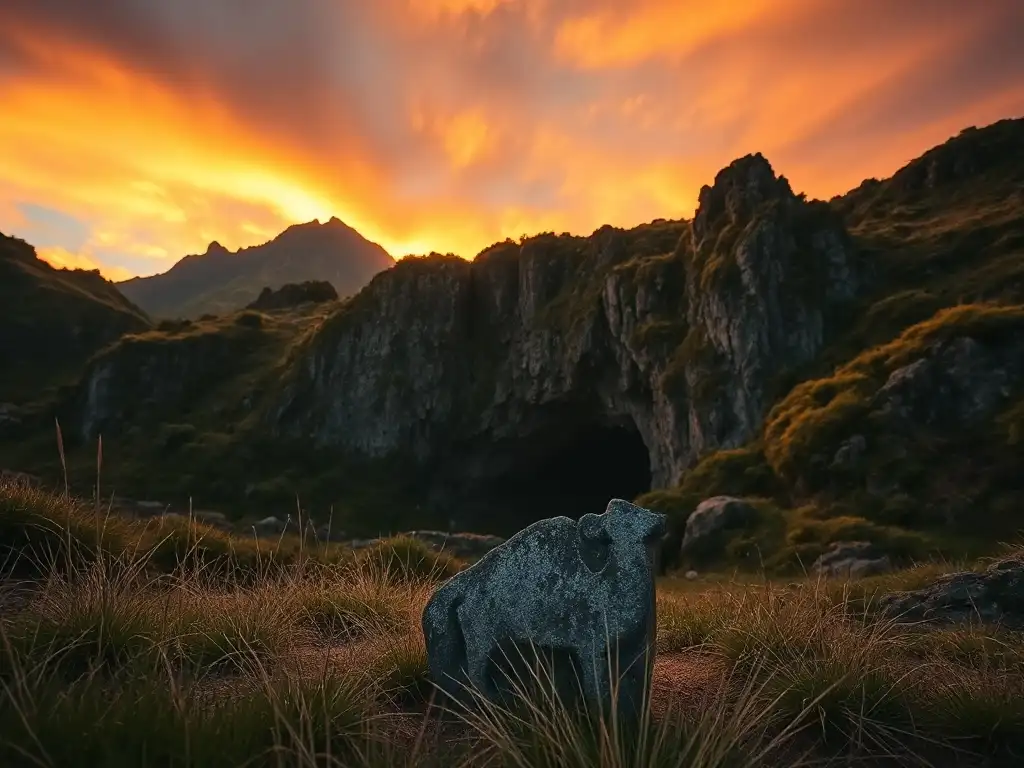
The Pacaritambo Caves myth, a cornerstone of many Inca origin stories, presents a compelling narrative of emergence from a subterranean world. This narrative isn't simply a fanciful tale; it's deeply intertwined with the Inca understanding of their origins, their relationship with the landscape, and their political ideology. The myth speaks to a profound connection between the Inca people and the specific geography of Pacaritambo, a site imbued with symbolic and potentially literal importance.
The story's enduring power lies in its ability to connect the mythical past with the tangible present, grounding the Inca identity in a specific place and reinforcing the legitimacy of their rule. Understanding this myth requires examining not only the narrative itself but also the archaeological evidence that either supports or challenges its claims. The keyword "Inca origin stories history" is central to this exploration, as we delve into the historical context surrounding this foundational myth.
Pacaritambo's Importance: Unearthing Archaeological Evidence
Archaeological investigations at Pacaritambo have yielded intriguing results, albeit incomplete. While definitive proof of a direct connection to the mythical emergence remains elusive, the site's characteristics certainly lend themselves to the narrative. The presence of caves, naturally occurring formations that lend themselves to interpretation as sacred spaces, is a key element. Further research is needed to fully understand the extent of pre-Inca occupation and activity at the site.
Evidence of ritual activity, such as offerings or altered cave formations, would strongly support the myth's claim of importance. The presence of specific artifacts, or even unique architectural features, could also provide crucial links between the archaeological record and the mythical narrative. Analysis of the materials used in any discovered structures, along with radiocarbon dating of organic material, would provide a chronological framework for understanding the site's use over time. This data is crucial for verifying or refuting the temporal claims embedded within the Inca origin stories history.
The ongoing research at Pacaritambo holds the key to a more complete understanding of the myth’s historical roots. We need more detailed analysis of the cave structures themselves, including their size, orientation, and any evidence of modification by human hands. The potential for finding additional artifacts related to ritual practices within the caves remains high, and these discoveries would significantly enhance our understanding of the site's significance.
The Significance of the Four Ayar Brothers: Understanding Kinship Dynamics
Central to the Pacaritambo myth are the four Ayar brothers – Ayar Manco, Ayar Cachi, Ayar Uchu, and Ayar Auca. Their roles are not simply those of adventurers or founders; they represent a complex interplay of kinship, power, and legitimacy. The brothers' actions and interactions – including Ayar Cachi's disappearance and the ultimate triumph of Ayar Manco – reflect broader Andean concepts of leadership and succession.
The narrative emphasizes the importance of lineage and the divine right to rule, establishing a foundation for the Inca imperial ideology. Analyzing the roles of each brother reveals a nuanced understanding of Inca social structure and the dynamics of power within the nascent empire. The hierarchical structure reflected in the brothers' actions is mirrored in the Inca state's organization, suggesting the myth serves as a legitimizing narrative for a hierarchical social order.
Furthermore, the brothers' struggles and eventual unification symbolize the challenges faced in forging a unified empire, and their eventual success provides a powerful model for future Inca leaders. The story underscores the importance of both individual agency and collective action in shaping Inca history, highlighting the intricate interplay between individual ambition and the collective good within the framework of Inca origin stories history.
The Migration Narrative: Interpreting Movements and Power Struggles
The Pacaritambo myth is not only about emergence; it's also a narrative of migration, a journey from the caves to Cusco, the future imperial capital. This journey isn't merely a geographical movement; it's a metaphorical representation of the Inca expansion and consolidation of power. The challenges faced during the migration – conflicts, alliances, and the establishment of settlements – reflect the real-world difficulties encountered during the Inca expansion.
The story serves as a symbolic representation of the Inca's conquest and their establishment of a centralized state. Examining the specific locations mentioned in the migration narrative allows us to trace a possible route, comparing it with archaeological evidence of early Inca settlements. This comparison could reveal a correlation between the mythical journey and the actual historical expansion of Inca influence.
The narrative's emphasis on certain geographical features, such as mountain passes or river valleys, might also provide clues to the routes taken by early Inca groups. Mapping the potential migration routes, in conjunction with archaeological findings, offers a powerful tool for understanding the historical context of the myth, providing a more complete picture of Inca origin stories history. The narrative's internal consistency and its relation to archaeological evidence offer valuable insights into the early development of the Inca state, providing a deeper understanding of the historical processes underlying the legendary accounts.
Comparing and Contrasting Inca Origin Stories: Unveiling Patterns
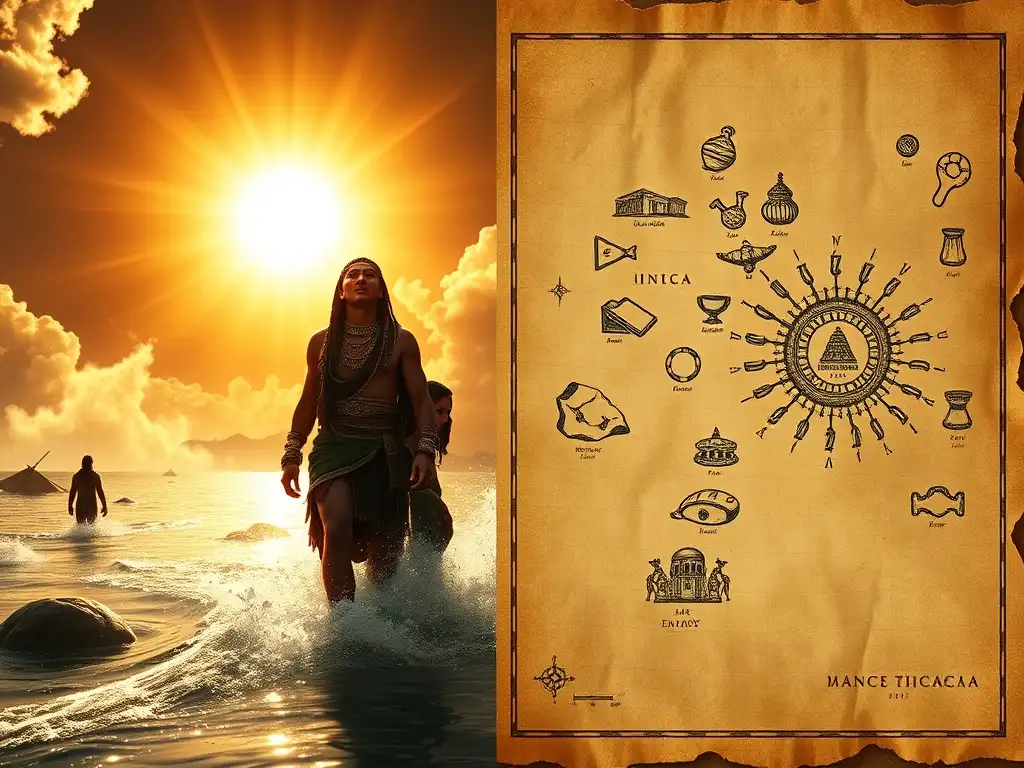
The Inca Empire, renowned for its sophisticated infrastructure and centralized governance, also possessed a rich tapestry of origin myths. These stories, passed down through generations via oral tradition, offer valuable insights into Inca worldview, societal structure, and the legitimization of power. While diverse in their specifics, these narratives share underlying patterns that reveal a cohesive understanding of their origins.
Analyzing these similarities and differences allows us to reconstruct a more nuanced picture of Inca history and beliefs, moving beyond simplistic narratives to understand the complexity of their cultural identity. The keyword "Inca origin stories history" is central to understanding this multifaceted approach.
Many Inca origin stories revolve around the concept of huacas, sacred places or objects imbued with supernatural power. These huacas often served as focal points for community identity and played a crucial role in legitimizing the Inca rulers' authority. A recurring motif is the emergence of the Inca from a specific huaca, establishing a direct lineage between the rulers and the divine or ancestral realm.
This divine connection served as a powerful tool for consolidating power and ensuring the loyalty of the subjects. For example, the story of Manco Cápac and Mama Ocllo emerging from Lake Titicaca emphasizes their divine origin and justifies their right to rule. The narrative’s emphasis on their emergence from a sacred site, coupled with their subsequent civilizing mission, reinforces their legitimacy as divinely appointed leaders.
This pattern is replicated in other origin myths, albeit with variations in the specific huaca and the details of the emergence. The consistent theme, however, is the link between sacred geography, divine ancestry, and the justification of royal power. This reinforces the importance of "Inca origin stories history" in understanding their political landscape.
Regional Variations in Inca Creation Narratives: Exploring Local Interpretations
Despite shared thematic elements, Inca origin stories also display significant regional variations. These differences highlight the importance of local traditions and the incorporation of pre-Inca beliefs into the imperial narrative. Stories from different regions often feature distinct huacas and emphasize different aspects of Inca identity.
For instance, some narratives focus on the Inca's agricultural prowess, highlighting their ability to cultivate the land and bring prosperity to their people. Others emphasize their military achievements, portraying them as conquering heroes who unified diverse groups under a single banner. These regional variations are not simply inconsistencies but reflect the process of imperial integration, where local traditions were selectively incorporated and adapted to fit the broader Inca narrative.
This demonstrates the dynamic nature of "Inca origin stories history," revealing a complex interplay between imperial authority and local identities. Understanding these regional variations provides a more complete and nuanced picture of Inca history, moving beyond a monolithic interpretation of their origins. The subtle differences in these stories reflect the diverse cultures and beliefs assimilated into the empire.
The Evolution of Inca Origin Stories: From Oral Tradition to Written Accounts
The transmission of Inca origin stories initially relied heavily on oral tradition. These narratives were passed down through generations by storytellers and priests, adapting and evolving over time. The arrival of the Spanish conquistadors marked a significant turning point.
While the Spanish largely destroyed many Inca records, their written accounts, albeit often biased and filtered through a colonial lens, offer valuable insights into the existing oral traditions. These accounts often recorded variations in the stories, reflecting the diverse interpretations and regional differences that existed within the Inca Empire. The process of translating oral traditions into written accounts inevitably involved interpretation and selection, leading to both preservation and potential distortion of the original narratives.
The analysis of both oral traditions (as recorded by later chroniclers) and Spanish accounts is therefore crucial for understanding the evolution and complexities of "Inca origin stories history." The transition from oral to written accounts represents a critical shift in the preservation and interpretation of these foundational narratives. Comparing and contrasting these different sources allows for a richer understanding of the Inca worldview and its transformation under colonial rule.
The Historical Basis of Inca Origin Myths: Separating Fact from Fiction
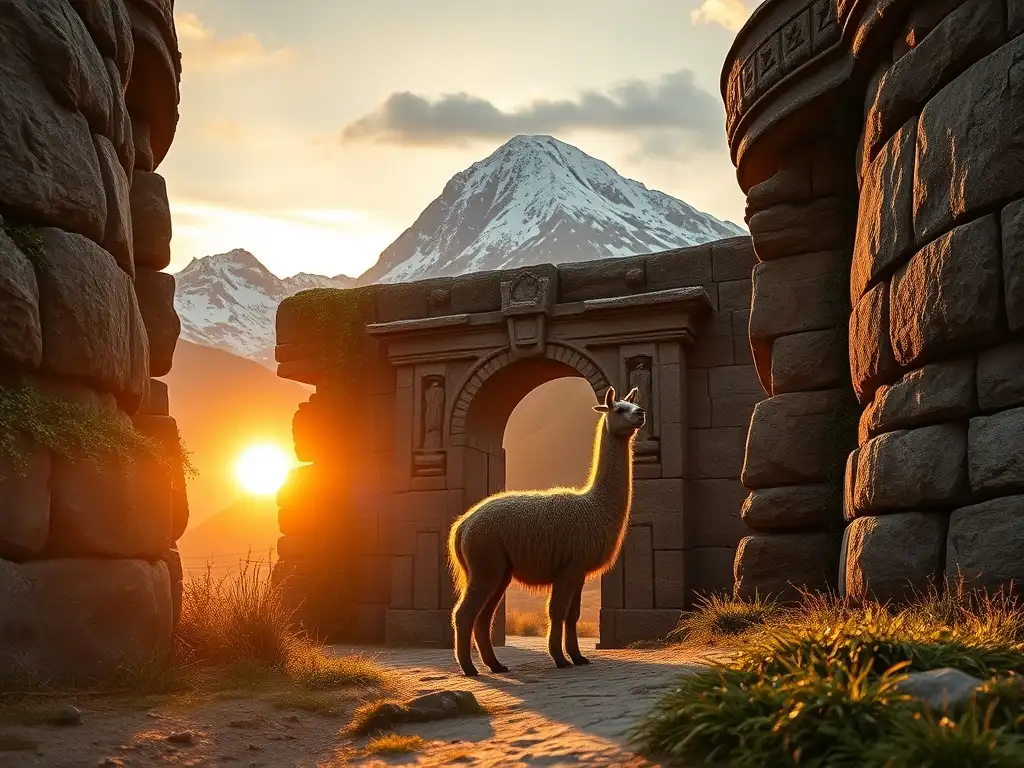
The Inca origin stories, passed down through generations of oral tradition and later recorded by Spanish chroniclers, present a fascinating blend of historical events and mythological embellishments. Understanding the Inca Empire's origins requires a careful examination of these narratives, separating the kernel of historical truth from the layers of legendary accretions. While the precise details of their early history remain debated, archaeological and linguistic evidence, combined with careful analysis of the narratives themselves, allows for a more nuanced understanding of how these stories function as both historical accounts and powerful tools of political legitimacy.
The Inca origin stories, therefore, are not simply fanciful tales; they are complex texts reflecting a dynamic interplay between historical reality and cultural construction. They offer valuable insights into Inca social structures, beliefs, and political strategies.
Analyzing these narratives through a historical lens allows us to appreciate the ingenuity and sophistication of Inca society. The keyword "Inca origin stories history" is central to this understanding, highlighting the crucial intersection of myth and historical fact.
Archaeological Evidence Supporting Inca Origins: Uncovering Material Culture
Archaeological findings provide crucial context for evaluating the plausibility of elements within Inca origin myths. For instance, the legend of the emergence of the Inca from the cave of Tambotoco finds some support in the discovery of early Inca settlements in the Cusco region. While the specific cave may be mythical, the location itself points towards a possible nucleus of early Inca development.
The discovery of early pottery styles and rudimentary agricultural techniques in these areas suggests a gradual process of societal growth, corroborating aspects of the narrative detailing a slow expansion from a humble beginning. Furthermore, the analysis of Inca architecture, specifically the early structures found in the Sacred Valley, reveals a progression in building techniques and stylistic choices, echoing the narrative of increasing power and sophistication depicted in the origin stories.
The discovery of specific artifacts, such as early Inca textiles and metalwork, also helps to date the emergence of distinct Inca cultural traits, providing tangible evidence to cross-reference with the timeline suggested by the myths. This archaeological evidence, therefore, doesn't necessarily validate every detail of the myths, but it contextualizes them, demonstrating a tangible history that underpins the legendary accounts.
Linguistic Analysis of Inca Narratives: Tracing Language and Cultural Change
Analyzing the Quechua language itself offers another avenue for investigating the historical accuracy of Inca origin stories. Variations in Quechua dialects across different regions of the Inca Empire reflect the historical processes of expansion and assimilation. The linguistic analysis can help pinpoint the geographic origins of specific narratives, revealing the potential routes of Inca migration and conquest.
By studying the evolution of Quechua vocabulary and grammar, scholars can trace the development of Inca identity and culture over time, comparing linguistic changes with the events described in the origin myths. For example, the presence of certain loanwords in Quechua might indicate contact with other Andean cultures, providing further support for parts of the origin stories that describe interactions with neighboring groups.
This multifaceted approach to understanding Inca narratives reveals a complex picture of cultural exchange and linguistic evolution. The detailed study of linguistic features helps to date the narratives and to establish a more precise timeline for the events described.
The Integration of History and Mythology: How Inca Rulers Utilized Narratives
Inca rulers strategically employed origin myths to legitimize their power and consolidate their control over the vast empire. The narratives served as powerful tools of propaganda, connecting the Inca dynasty to a divine ancestry and establishing a claim to rightful rule. The stories of their descent from the sun god Inti, for example, reinforced the emperor's authority and justified the tribute and labor demanded from conquered peoples.
Furthermore, the myths helped to unify the diverse populations within the empire by providing a shared narrative of origin and identity. The careful crafting and dissemination of these stories were crucial aspects of Inca political strategy, contributing to the empire's stability and longevity. The Inca origin stories, therefore, were not merely passive reflections of history; they were active instruments of political manipulation, skillfully woven into the fabric of Inca society to maintain social order and reinforce imperial power.
This strategic use of mythology demonstrates a sophisticated understanding of the power of narrative and its role in shaping social and political realities. The intricate relationship between Inca history and mythology reveals a complex and highly organized society.
The Enduring Legacy of Inca Origin Stories: Impact on Inca Society and Beyond
Inca origin stories, far from being mere myths, served as powerful tools shaping Inca society, governance, and worldview. These narratives, passed down through generations via oral tradition and later recorded by Spanish chroniclers, provided a framework for understanding their place in the cosmos, justifying their imperial power, and legitimizing their social hierarchy. Their enduring legacy continues to resonate today, influencing both scholarly interpretations and Indigenous perspectives on Inca identity and history.
The impact of these stories wasn't merely confined to the past; they profoundly shaped the Inca’s present and continue to influence our understanding of their civilization even now. Understanding these narratives is crucial to grasping the complexities of the Inca Empire.
The Inca emperors, the Sapa Inca, claimed divine ancestry, a crucial element in solidifying their absolute authority. Origin stories often depicted the Inca royal lineage as descendants of the sun god, Inti, or other powerful deities. This divine connection wasn't simply a matter of belief; it formed the bedrock of their political legitimacy.
For example, the story of Manco Capac and Mama Ocllo emerging from Lake Titicaca, tasked by the sun god to establish civilization, directly linked the Inca rulers to a sacred origin, reinforcing their right to rule. This narrative effectively silenced potential challenges to their power by portraying their reign as divinely ordained.
The meticulous preservation and propagation of these stories by the amautas (Inca priests and scholars) ensured the continued veneration of the Sapa Inca and the stability of the empire. The meticulous records kept, though largely lost to time, highlight the importance placed on these narratives in the Inca administrative system.
Inca Cosmology and Worldview: Understanding the Role of Origin Narratives
Inca origin stories were deeply intertwined with their cosmology and worldview. They provided explanations for the creation of the world, the origins of humanity, and the Inca's place within the cosmic order. These narratives weren't simply historical accounts; they were integral to understanding the Inca's relationship with the natural world and their deities. The stories often featured significant geographical locations, like Lake Titicaca or the sacred mountains, imbuing these places with religious significance and reinforcing the Inca's connection to their ancestral lands.
The concept of Pachacuti, the "transformation of the world," frequently appeared in these narratives, reflecting the Inca's understanding of cyclical time and the constant process of creation and renewal. This understanding profoundly impacted their agricultural practices, their social structures, and their overall perception of the universe. The stories provided a comprehensive framework for understanding their existence and their place within the grand scheme of things.
The Modern Interpretation of Inca Origin Myths: Scholarly Analysis and Indigenous Perspectives
Today, Inca origin stories are subjected to diverse interpretations. Scholars analyze these narratives through the lens of anthropology, history, and archaeology, seeking to understand their historical context, social functions, and cultural significance. However, it's crucial to acknowledge that these interpretations should not overshadow or diminish the significance of Indigenous perspectives.
Modern descendants of Inca communities continue to maintain and reinterpret these stories, often incorporating them into their contemporary cultural practices and identity. This dynamic interplay between scholarly analysis and Indigenous knowledge is essential for a comprehensive understanding of Inca origin myths. The ongoing debate and collaboration between these perspectives enrich our understanding and prevent a simplistic or reductive interpretation of these complex narratives.
A truly complete understanding requires acknowledging both the academic and the living traditions. The richness of Inca culture is best understood through this multifaceted approach, respecting the enduring power of these stories in both historical and contemporary contexts.
Frequently Asked Questions
What are the main Inca origin stories?
Several exist, but the most prominent involve descent from the sun god Inti and emergence from a cave at Tambotoco. These stories reflect Inca beliefs about their divine lineage and origins.
How do historians approach the study of Inca origin stories?
Historians analyze these narratives through various lenses, considering them as ethnohistorical sources that reveal social structures, beliefs, and political ideologies of the Inca Empire. They also cross-reference them with archaeological evidence.
What is the significance of the Tambotoco cave in Inca mythology?
Tambotoco is considered a sacred birthplace in many Inca origin myths. Its location and associated legends contribute significantly to understanding the Inca's sense of place and identity.
How do Inca origin stories differ from those of other Andean civilizations?
While sharing some themes of divine ancestry and emergence from the earth, Inca origin stories emphasize a direct lineage from the sun god Inti, a unique element setting them apart from other Andean cultures' narratives.
How reliable are Inca origin stories as historical sources?
While not strictly factual accounts, they offer valuable insights into Inca worldview, values, and political ambitions. Their reliability is assessed by comparing them to archaeological and other historical evidence, recognizing their symbolic and ideological functions.
Final Reflection: Weaving the Threads of Inca History
The enduring power of myth and legend is undeniable, but understanding their historical context unlocks a deeper appreciation of the Inca civilization. The intricate tapestry of Inca origin stories, often shrouded in mystique, reveals not just fantastical narratives but also crucial insights into their social structures, beliefs, and interactions with the Andean landscape. These stories, far from being mere folklore, provide invaluable clues to understanding the development and expansion of this remarkable empire.
The impact of these narratives extends far beyond academic circles; they continue to shape Peruvian national identity and inform contemporary understandings of indigenous heritage. The stories of Manco Cápac and Mama Ocllo, for example, resonate deeply with modern Peruvians, forging a connection to their ancestral past. Myth is a powerful force, shaping not only our understanding of the past but also our vision of the future.
This quote highlights the enduring influence of these narratives, shaping cultural perceptions and inspiring a sense of collective identity.
Consider the implications of this historical re-evaluation. You, the reader, now possess a more nuanced understanding of the Inca civilization, moving beyond simplistic narratives to grasp the complex interplay of myth, history, and cultural identity. Take this knowledge and apply it to your own understanding of history and cultural narratives. Challenge the simplistic interpretations you encounter, and seek out the deeper historical threads that weave together the stories of our past. Let the legacy of the Inca inspire you to explore the rich tapestry of human history with a critical and appreciative eye.
Uncover the Rich Tapestry of Inca Heritage!
Thank you for joining us on this journey through the captivating origins of the Inca Empire! We hope you gained a deeper understanding of how these legendary stories intertwine history, culture, and identity, showcasing the extraordinary nature of this ancient civilization. Now, let's delve even deeper into this rich heritage!
Here are some exciting ways to continue your exploration:
- Participate in a hands-on workshop, either in person or online, focusing on Inca history, archaeology, or traditional crafts.
- Share your newfound knowledge with friends and family—perhaps host a themed discussion evening or share an inspiring quote from your learning on social media.
- Embark on a journey to the Andes Mountains to witness the remarkable remnants of the Inca Empire firsthand and connect with the legacy of this fascinating civilization.
What aspect of Inca culture captivates you the most, and how will you further explore it? Share your thoughts in the comments below!